Tag: duty free

  • DFS launches exclusive TIFFANY T Collection worldwide

    DFS launches exclusive TIFFANY T Collection worldwide

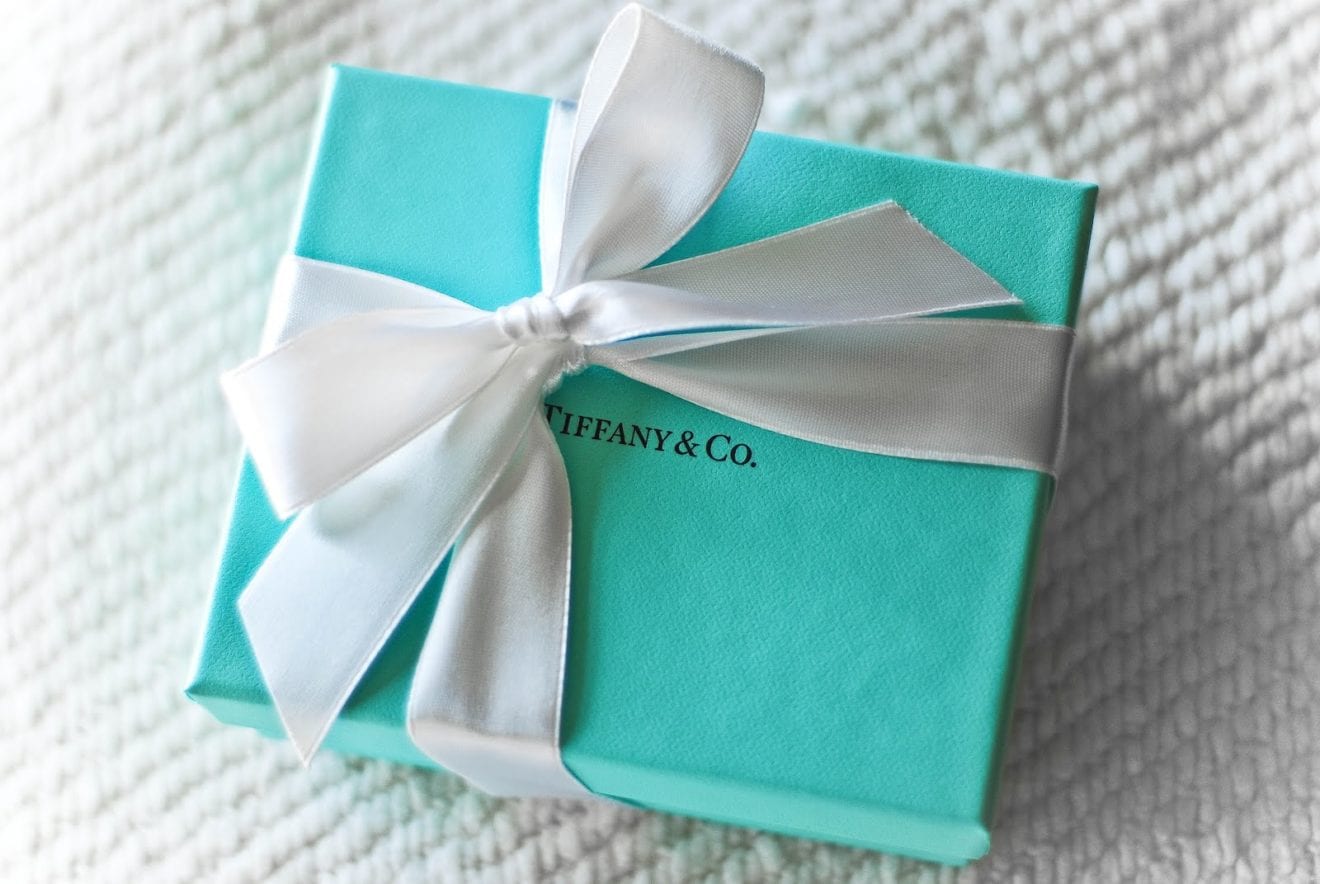
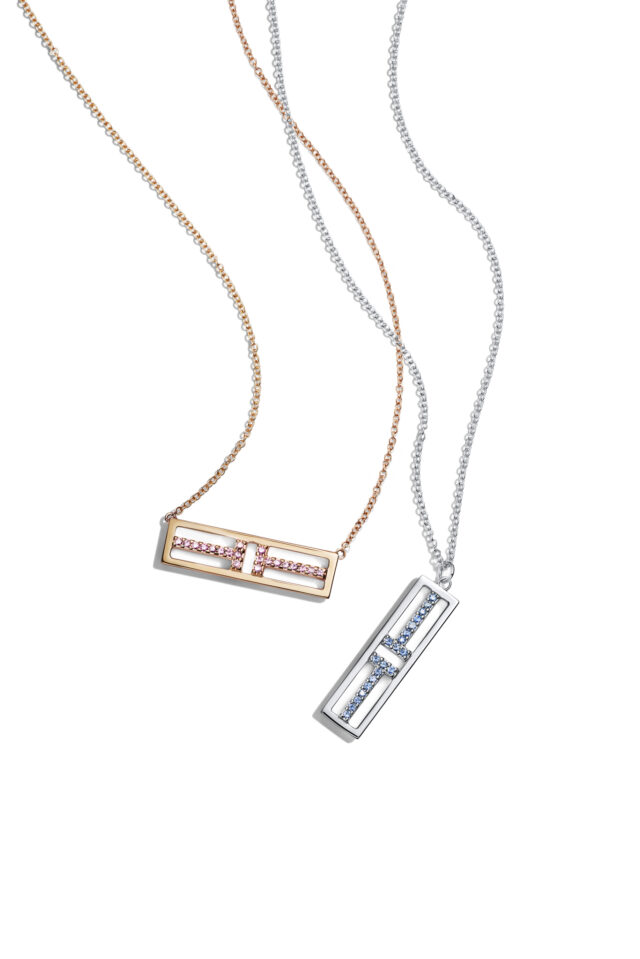
    DFS Group, the world’s leading luxury travel retailer, is excited to announce the launch of four exclusive Tiffany T pendants, available exclusively in DFS airport and T Galleria stores from November 1, 2018 until April 2019. Inspired by the iconic New York skyline, the new DFS x Tiffany T Collection features two pendant necklaces in 18K white gold with blue sapphires, and two pendant necklaces in 18K rose gold with pink sapphires, each with an adjustable 16-18 inch chain.

    The Tiffany T Collection embodies everything Tiffany stands for – freedom, happiness, love and strength. Designed with the letter T, as tall, true and iconic as the New York City skyline, a place of courage and reinvention that constantly sparks creativity.

    The strong, graphic form of the letter T is simplified, deconstructed and extended to form the chic necklaces with clean lines and modern angles. The Tiffany T designs are meant to complement each other; they can be boldly stacked and layered or can be worn alone for a sleek and elegant look.

    “The exclusive collection reflects the confident customer who takes a fearless approach to style and we are thrilled to partner with DFS to bring Tiffany & Co.’s signature take on luxury to travelers globally,” said Wong Wei Ling, Vice President, Asia Pacific, Tiffany & Co.

    “At DFS we continually seek to offer our traveling customers new, exclusive and memorable product selections, in partnership with some of the best-known brands in the world. We are delighted to join with Tiffany & Co. to provide first access to the beautiful Tiffany T pendant collection for our discerning customers worldwide,” said Matthew Green, DFS Group Senior Vice President, Watches and Jewelry.

    As graphic and linear as the city that defined this design, the Tiffany T collection is a timeless symbol of modernism and self-expression.

    The Tiffany T collection range will be available exclusively for purchase at DFS and T Galleria by DFS stores worldwide until April 2019.


    T Galleria by DFS, Hong Kong, Canton Road

    T Galleria by DFS, Hong Kong, Tsim Sha Tsui East

    T Galleria by DFS, Macau, City of Dreams

    T Galleria by DFS, Macau, Shoppes at Four Seasons

    T Galleria by DFS, Singapore

    DFS, Kansai International Airport, Osaka

    T Galleria by DFS, Okinawa

    T Galleria by DFS, Saipan

    T Galleria by DFS, Bali

    T Galleria by DFS, Angkor

    T Galleria by DFS, Guam

    T Fondaco dei Tedeschi by DFS, Venice

    T Galleria by DFS, Sydney

    T Galleria by DFS, Auckland

  • Incheon to get on-arrival duty-free store in May

    Incheon to get on-arrival duty-free store in May

    The Incheon International Airport Corporation is planning to open Korea’s first on-arrival duty-free store in May next year. The airport operator announced on Sunday that it has commissioned a study to look into how it can optimize the duty-free service, which will be concluded by the end of the year.

    The study will focus on deciding the location and size of the shops in order to maximize customer experience by reducing congestion.

    Additionally, the research will consider the possibility of setting the rent for the duty-free shops based on revenue instead of unilaterally applying a fixed rate.

    In order to ease the burden on interior costs, Incheon airport will be responsible for basic interior constructions, while duty-free operators will only have to provide the finishing touches.

    This is because only SMEs will be allowed to bid for the slots.

    The Incheon airport said it will start taking bids for the duty-free shops in February and finalize candidates by April. It added that it will have a larger ratio of Korean companies controlling the arrival duty-free shops compared to departure stores. However, as the government earlier announced, the arrival duty-free shops will not sell cigarettes or products that are controlled by customs quarantine regulations such as fruit and meat products.

    The airport said it will work with the government to finalize plans to return some of the profits that it makes from renting the spaces to duty-free operators in March.

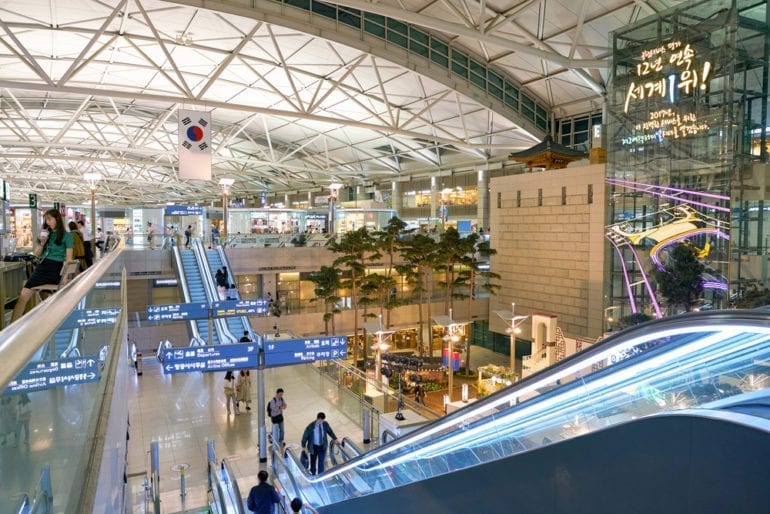
    Incheon airport Terminals 1 and 2 have units available for duty-free shops targeting customers arriving in Seoul. On the first floor of Terminal 1 there are two 190 square-meter (2,045 square feet) areas. On the first floor of Terminal 2 there is a 326 square-meter space. Currently these areas are not in use.

    The Ministry of Finance and Economy in late September announced plans to open the country’s first duty-free store available to returning travelers in May next year. The ministry was responding to an order from President Moon Jae-in to review the possibility of an on-arrival duty-free shop during a meeting he had with Blue House senior officials and secretaries in August.

    The purpose was to make travel less inconvenient for Korean tourists who were purchasing goods while departing Incheon and carrying them throughout their trip.

  • Lotte pledges 50 trillion won investment

    Lotte pledges 50 trillion won investment

    Lotte Group announced Tuesday a major investment plan to spend 50 trillion won ($43.9 billion) and hire 70,000 workers over the next five years. “The plan comes in order to normalize management activities, obtain a competitive edge for future growth and contribute to vitalizing the local economy,” Lotte said in a statement.

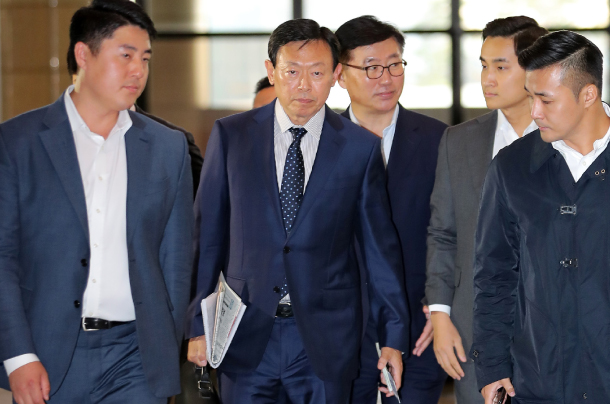
    The announcement comes on the heels of similar plans announced by other conglomerates like LG, Shinsegae and Samsung. Lotte couldn’t join that wave because Chairman Shin Dong-bin was sentenced to 30 months in prison last February for bribing former President Park Geun-hye. On Oct. 5, the Seoul High Court replaced the prison sentence with four years of probation, and Shin returned to work three days later.

    Lotte announced an investment plan of 40 trillion won in 2016. But most of the investments couldn’t be executed after the group was badly affected by the deployment of a U.S. antimissile system in Korea in 2017 on a golf course formerly owned by the group and a Chinese boycott against Lotte that followed. Shin’s imprisonment earlier this year also got in the way.

    Execution of the 50-trillion-won plan will start next year. A 12 trillion won budget is planned for 2019, a record for the conglomerate.

    The two sectors that will receive the greatest attention are chemicals and retail. Some 40 percent of the investments will be in chemicals and 25 percent in retail. Lotte grew to its current size thanks to food and retail, but in recent years, the company has been active in developing the chemical business.

    For chemicals, investments will focus on expanding local and overseas manufacturing facilities. The group currently has factories in three locations in Korea, which Lotte said will be expanded.

    Investments in overseas facilities will also be made to expand the company’s businesses abroad. Lotte Chemical has a $4-billion project in Indonesia that was put on hold when Shin was jailed. A source at Lotte said, with Shin back in the saddle, resuming the project won’t take long.

    The main goal for investments in retail is improving the infrastructure for e-commerce. Lotte said in a statement it plans to establish logistics and computing infrastructure to offer a more convenient experience for shoppers online and off.

    Tech development and enhancing the level of digitalization is a long-term goal across the conglomerate’s affiliates. For example, Lotte wants to apply tech to its food business: Artificial intelligence technology is underway to be used for trend analysis and to suggest new products.

    Indonesia and Vietnam will be two foreign markets Lotte’s affiliates will focus on. The company once had a huge footprint in China, but Beijing unofficially retaliated against Lotte after the deployment of the antimissile system in Korea. The company added in the statement that it would continue discovering new markets.

    The goal for new jobs in 2019 is 13,000, which is 10 percent higher than what Lotte plans to hire this year. Many hires will be in the e-commerce sector.

  • Positive trend for South Korean duty free sales

    Positive trend for South Korean duty free sales

    South Korean duty free sales in the first nine months of 2018 have exceeded total sales for 2017. Sales hit an all-time high of US$12.9 billion between January and September, according to Korea Duty Free Shops Association. That figure exceeds the US$12.8 billion recorded for full year 2017.

    The performance comes despite a significant fall in the number of Chinese tourists to South Korea since the THAAD dispute erupted in early 2017, with a number of restrictions imposed by the Chinese government including a ban on group tours.

    As reported, the latest Korea Tourism Organization (KTO) figures showed that Chinese arrivals were up just +6.5 percent year-on-year (to 3,059,075) in the first eight months of 2018, reflecting a very tough first quarter before Korean-Chinese relations improved as the THAAD dispute eased.

    In the first eight months of 2016 – long before the THAAD crisis began– some 5,608,046 Chinese arrived in South Korea. That figure is +83% higher than the 2018 performance over the same timeframe, highlighting the scale of the drop in Chinese tourist numbers.

    A key factor driving sales is the daigou phenomenon.

    Daigou (also known as ‘shuttle traders’ in South Korea) buy goods abroad (predominantly cosmetics but also a wide range of accessories and other premium and luxury goods, as well as commodity items such as milk powder) and resell them (often through well-organised networks) on the Mainland.

    As reported though, a Chinese government crackdown on returning daigou shoppers after the Golden Week holiday (1-7 October) has raised serious questions about the future of a sector that has buoyed Asia Pacific travel retail in recent times.

    Many South Korean retailers expect China to continue to ease economic and travel restrictions, including a full lifting of the ban on group tours in the near future.

    The return of group tours would be a significant boost – and could mean the pendulum swings back from individual shuttle traders to large group tours and traditional FIT business in terms of being the key driver of duty free sales.

  • DFS launches 10th anniversary edition of Masters of Time

    DFS launches 10th anniversary edition of Masters of Time

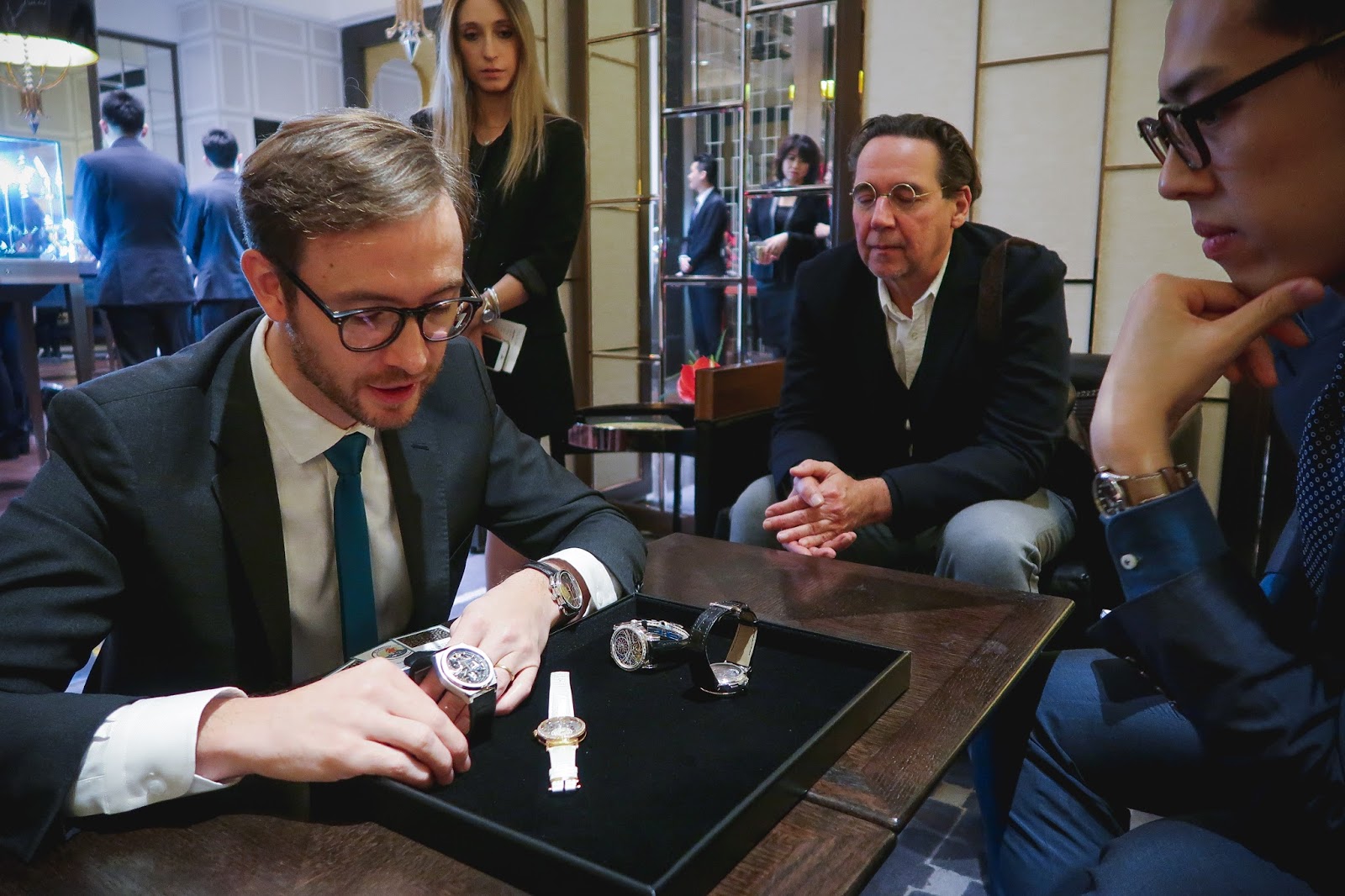
    DFS Group (DFS), the world’s leading luxury travel retailer, is launching the tenth edition of its world-leading Masters of Time exhibition this December, with a special anniversary collection that highlights craftsmanship, design and innovation. This year’s exhibition, titled “Masters of Time X”, will be unveiled during a two-day gala weekend at T Galleria by DFS, Macau, Shoppes at Four Seasons, featuring the finest watches and jewelry from some of the world’s most renowned brands including several pieces created especially in celebration of the event.

    Masters of Time is recognized as the world’s premier retail exhibition of luxury timepieces and jewelry, and is a signature event in DFS’ Masters Series, which showcases DFS’ leadership and innovation in curating and creating exceptional experiences across its five pillars of luxury: Wines and Spirits, Beauty and Fragrances, Watches and Jewelry, Fashion and Accessories, and Food and Gifts. Created by DFS in 2008 to bring the very best brands in the world of watchmaking, and their ambassadors, together with enthusiasts and collectors alike, the event is traditionally hosted each year in the exciting shopping enclave of Macau.

    The anniversary Masters of Time X collection represents the most exclusive selection of watches and jewelry that DFS has ever presented to its customers, with each piece chosen by its expert merchant teams after more than a year of meticulous searching. Masters of Time X showcases the height of craftsmanship as well as the best of design and innovation for both men and women, featuring over 450 exceptional, rare watches and exclusive jewelry masterpieces from 30 world-famous brands including Bulgari, Franck Muller, Hublot, IWC, Jaquet Droz, Piaget, Roger Dubuis, Tag Heuer, Ulysse Nardin and Zenith. This year, in commemoration of the milestone tenth edition, several pieces have been created especially for DFS and Masters of Time.

    A curated selection of fine jewelry will also be featured as part of the Masters of Time X collection. Highlights include Bulgari’s “Diva’s Dream” set, Tiffany “Paper Flowers” necklace, Piaget’s “Sunny Side of Life Golden Spirit” cuff bracelet, Boucheron’s “Plume de Paon & Hopi” set and Tasaki’s “Ritz Paris Par Tasaki ‘Elégance’” necklace.

    “As we enter our tenth year of DFS’ Masters of Time, the desires of our customers have never been more central to our carefully curated collection. We have worked with some of the most famous brands in the world to create and select masterpieces to captivate experienced collectors and first-time buyers alike,” said Matthew Green, DFS Group Senior Vice President, Watches and Jewelry. “This is a collection worthy of this milestone anniversary, and we are delighted to welcome new and existing customers to discover something truly unforgettable at Masters of Time X.”

    The Masters of Time X collection will be unveiled during a two-day gala weekend at T Galleria by DFS, Macau, Shoppes at Four Seasons from December 7-9. The collection will be available for viewing and purchase in Macau from December 7, 2018 until end-February 2019.

    In commemoration of Masters of Time’s tenth anniversary, new locations have been added to the event’s agenda to reach DFS customers outside of Macau. In September, Masters of Time X was pre-launched to European customers at DFS’ flagship store in Venice, T Fondaco dei Tedeschi, followed by immersive dinners in Chengdu and Shanghai in October, all featuring a selection of bespoke and rare watch and jewelry pieces. In 2019, the Masters of Time X collection will travel to a selection of DFS T Galleria stores around the world.

  • Spotlight on ASEAN for Korean retail, beauty and entertainment biz

    Spotlight on ASEAN for Korean retail, beauty and entertainment biz

    With Southeast Asia becoming the center stage for South Korean businesses in expanding their global presence, retail conglomerates like Lotte, Shinsegae and CJ have been successfully tapping into the markets. Lotte Group has focused its investments on its retail arm Lotte Shopping’s entrance to the Indonesian market. According to the company, the Indonesia market accounts for 17 percent of total sales earned from overseas Lotte Group businesses.

    Lotte Mart, a discount chain operated by Lotte Shopping, currently runs 46 stores in 25 cities in Indonesia. These stores raked in 1.1 trillion won (US$971 million) in sales as of the end of last year.

    By 2020, the company aims to open 36 more stores in 10 additional Indonesia cities.

    Following a successful entrance in the Indonesian market, Lotte Shopping now targets large-scale investment in Vietnam.

    The company will inject 330 billion won to complete the construction of Lotte Mall Hanoi by 2020.

    Shinsegae Group has been also speeding up its expansion into countries in the Southeast Asia.

    In 2015, Shinsegae’s discount chain operator E-mart opened a two-story mall located in the heart of Ho Chi Minh City at Go Vap District, one of the most developed and densely populated areas in the capital.

    The Go Vap branch marks E-mart’s first overseas store since the brand redirected its focus to the Southeast Asian market in 2011 after officially exiting the Chinese market.

    For over the next three years, E-mart will invest 549 billion won to open four more stores in Vietnam by 2020.

    The second outlet in Ho Chi Minh will open in the first half of next year, the group said.

    Singapore is another crucial country — geographically and economically — for the groups.

    SPC Group opened the first Paris Baguette store in Singapore in 2012. Now nine outlets are operated there, including one at Changi Airport.

    The group said its Singaporean branch Paris Baguette Singapore PTE marked a 12 percent increase in sales from 12.9 billion won in 2015 to 14.4 billion won in 2016.

    SPC Group said it has taken care to localize its services as much as possible to meet the needs and lifestyle of Singaporean consumers.

    Entertainment businesses have also penetrated Southeast Asian markets.

    CJ ENM, a merged corporation of CJ O Shopping and CJ E&M that officially launched in July, will open Asia’s largest virtual commerce content production center in Ho Chi Minh City, Vietnam, targeting audiences in Southeast Asian countries.

    The center, called DADA Studio Vietnam, will create and distribute at least 1,000 pieces of virtual commerce content from early next year.

    Focusing on making use of the low-cost production system and high efficiency of the talent pool in Vietnam, CJ ENM said its attempt to operate a content hub abroad would lead to boosted content sales from the global market.

    “CJ O Shopping and CJ E&M had already witnessed the possibility of the v-commerce content business through our DADA Studio and online creators’ platform DIA TV. To dominate the expanding global content market, a merger of the two CJ companies will show the synergized effect of CJ’s digital content and channel operation,” said Kim Do-han, a director at CJ O Shopping.

    Following the K-pop boom and popularity of Korean style makeup trends, Amorepacific opened an outlet of its high-end makeup and skin care brand Hera this year at the Takashimaya Department store in the heart of Singapore’s shopping district.

    “Targeting the Singaporean market is important with the K-pop and Korean culture wave’s sensational influence to surrounding countries. Hera’s trendy brand image will suit well with Singapore consumers’ taste,” said Na Jung-kyun, head of Amorepacific’s Southeast Asian region division.

  • Duty-free on arrival set for Incheon next year

    Duty-free on arrival set for Incheon next year

    The country’s first duty-free store available to returning travelers will open at Incheon International Airport as early as next May, the Finance Ministry announced.

    Currently, duty-free purchases are allowed only for passengers departing Korea, either at an international airport or in advance at city locations with the goods available for pick-up at the departure terminal.

    “The number of people traveling abroad has been on the rise and they’ve been grappling with the inconvenience of carrying products purchased duty-free throughout the whole trip,” the Ministry of Economy and Finance said in a statement released.

    “[Duty-free on arrival] is aimed to end that inconvenience and prompt consumers to spend more inside the country instead of shopping duty-free overseas.”

    The statement added that duty-free on arrival is now already available at 149 airports in 73 countries.

    Cigarettes, a duty-free steady seller, will not be allowed for sale at on-arrival stores, the ministry said.

    “The price of cigarettes differs greatly at duty-frees and local retailers,” said a source at the Finance Ministry. “People could buy lots of them at arrival gates and resell them in Korea at a price cheaper than the official retail price.”

    The same abuse could be possible with cigarettes purchased at departure duty-frees, but the source added that “generally speaking, it’s inconvenient [to buy cigarettes there for resale] because they have to be carried throughout the trip and, in such cases, the purpose is mainly personal, either for the consumers themselves to smoke during the trip or as gifts.”

    Fruits and meat products that must be declared for quarantine are also banned from arrival duty-free stores.

    The Finance Ministry also reminded travelers that the purchase limit for duty-free products for Koreans returning home remains unchanged at US$600.

    Larger duty-free brands that operate stores in the city and departure gates argued the need to raise that limit if the government wanted to grant licenses for stores at the airport’s opposite end.

    Bidding for licenses to run duty-free spaces at Incheon International Airport’s arrival gates will be held between March and May of next year.

    Only small and mid-sized companies are allowed to submit business plans, leaving out industry leaders such as Lotte, Shilla and Shinsegae Duty Free.

    Operations at on-arrival duty-free stores are planned to start between late May and June. After a six-month trial run at Incheon, the government will look into expanding duty-free on arrival at other international airports in the country.

    This announcement puts an end to a 15-year debate. Consumers support the idea: 81 percent of respondents to a government survey last month complained about carrying duty-free goods while traveling.

    Since 2003, lawmakers have proposed to begin duty-free on arrival six times, but all the initiatives failed in the face of opposition from current operators and airlines. Current tax law allows duty-free purchases only on departure, so National Assembly action would be required as part of setting up a new system.

    President Moon Jae-in urged quick changes to the current system in August, citing a $13.7 billion tourism deficit last year.

  • Camus Cognac appoints new Asia Key Account Director

    Camus Cognac appoints new Asia Key Account Director

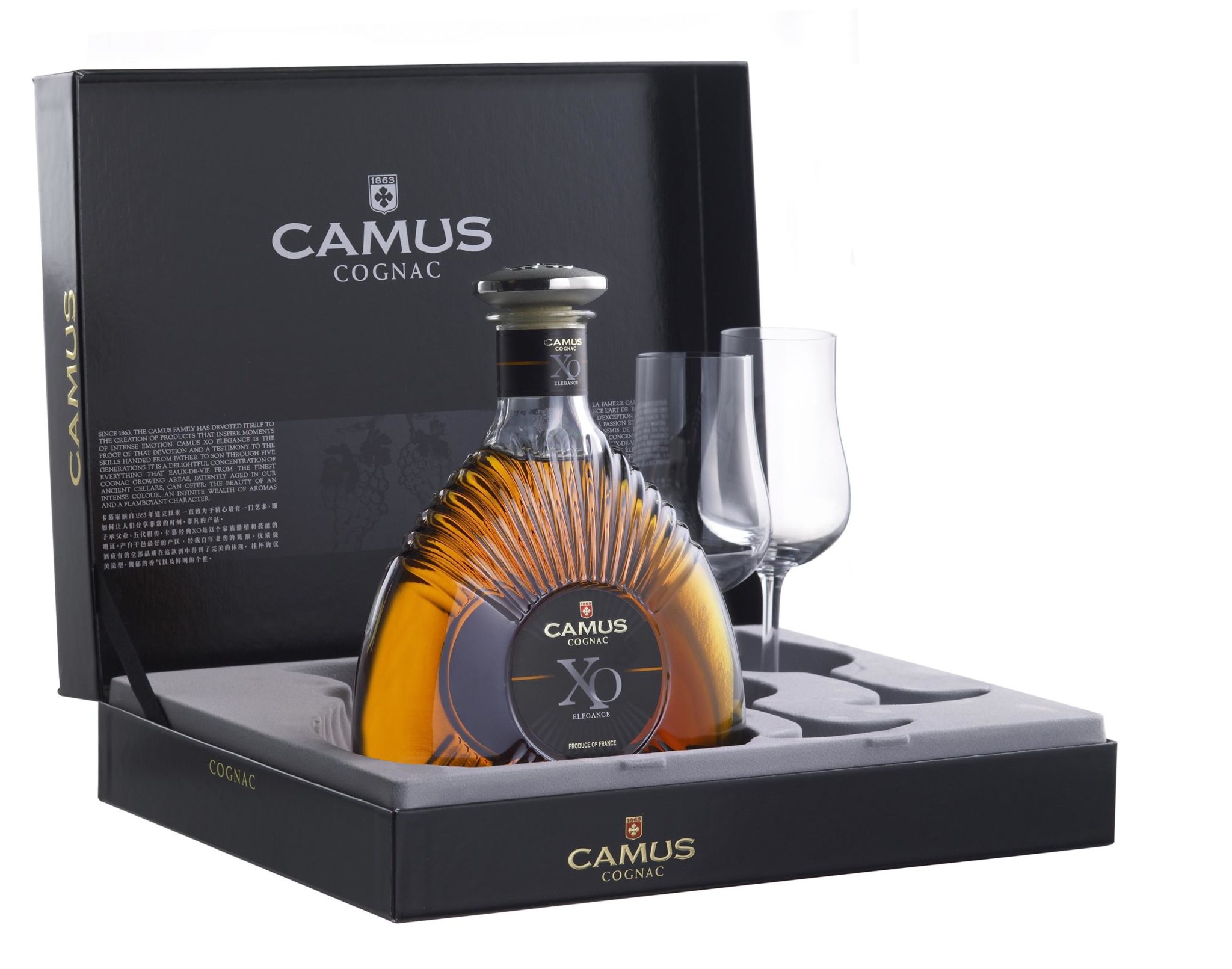
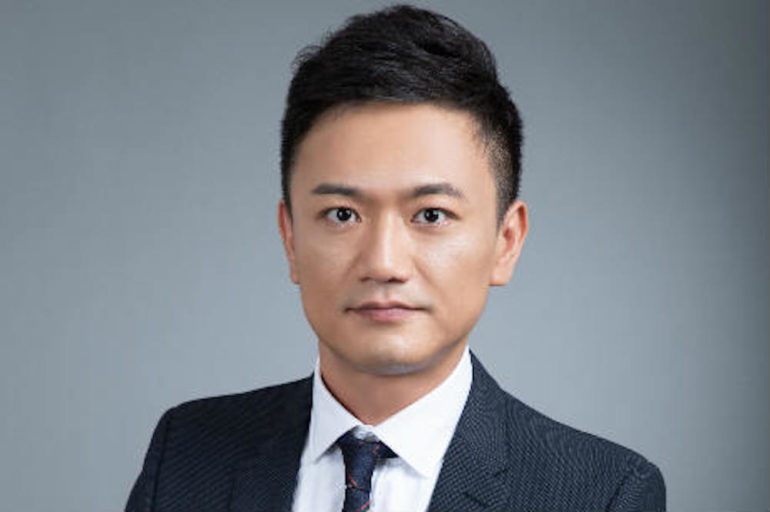
    From tobacco to cognac, Rex Zhu Hao has recently been appointed Key Account Duty Free Sales Director of the family-owned Cognac house Camus.

    Backed by 12 years of experience in the tobacco business and travel retail in the Greater China market, managing Asia duty free for Dannemann Cigars, Rex will be in charge of further expanding Camus’ well-established business in Asia travel retail from the Asia Pacific regional office of Camus La Grande Marque in Hong Kong.

    Anne Blois, Global Sales and Marketing Director, Camus commented: “As sales in duty free continue growing for all our key brands Camus, Moutai and Loudenne we are convinced that Rex Zhu Hao’s solid background in travel retail and deep knowledge of our markets will be a great asset to our group and we wish him every success in his new challenge.”

  • King Power Traveler to launch inflight duty free with Vietnam Airlines

    King Power Traveler to launch inflight duty free with Vietnam Airlines

    National carrier Vietnam Airlines is set to officially establish an inflight duty free service from October in cooperation with inflight specialist King Power Traveler, the Rakhita Jayawardena-run subsidiary of Hong Kong-based travel retailer King Power Group.

    Over the next five years, the SkyTeam alliance member will cooperate with King Power Traveler to expand and upgrade its Lotushop services to meet Skytrax four-star service standards.

    Skytrax – the well-known airline and airport rating organisation – has ranked Vietnam Airlines as a four-star airline for three consecutive years.

    Vietnam Airlines Executive Vice President Le Hong Ha, said: “The partnership with King Power Traveler demonstrates our efforts to provide passengers with an enhanced duty free retail service, thereby consistently upgrading our four-star service quality through every aspect of the business. We are taking great strides to reach five-star status.”

    The enhanced duty free offer covers categories such as perfume, cosmetics, watches, suitcases and bags. Passengers will be able to shop from their seats on 30 of Vietnam Airlines’ international routes including to the UK, China, France, Germany, Japan, South Korea and Russia. The airline said that passengers would benefit from average discounts of -5% to -15% compared to domestic retail prices.

    King Power Traveler will also provide extensive training to flight attendants to enhance their sales skills and application of technology.

    Vietnam Airlines operates 90 routes to 20 domestic and 29 international destinations with an average of 400 flights per day.

  • Lotte duty free profit soars

    Lotte duty free profit soars

    South Korean duty-free operator Lotte has reported soaring profit following its decision to partially withdraw from Incheon airport.

    In the company’s first half report, it indicated solid worldwide sales accounted for the profit increase, which came to KRW155 billion (US$137 million) – up a staggering 1995 per cent.

    Total global sales hit KRW2.7 trillion (US$2.4 billion), almost all of which came from domestic sales.

    Three out of four concessions at Incheon were shuttered by the firm following long-running losses. The closures have saved the firm considerable expenditure on rent.

    The positive results have encouraged Lotte to expect overseas sales in excess of KRW200 billion (US$177.7 million) this year, following the launch of additional stores in Vietnam and elsewhere.

  • Duty-free shops enjoy turnaround in 2018

    Duty-free shops enjoy turnaround in 2018

    Korean duty-free shops are reviving their once-stagnant sales, with Lotte, Shilla and Shinsegae leading the turnaround.

    According to the Korea Customs Service on Saturday, duty-free sales in the first half of the year reached 9.94 trillion won ($8.79 billion), up 38 percent from the same period last year.

    If the trend continues in the second half of this year, sales at duty-free shops will likely rise by 30 percent from last year’s 14.47 trillion won.

    Shinsegae Duty Free said on Tuesday that its daily average sales reached 1.7 billion won after the opening of its Gangnam branch in southern Seoul on July 18, far exceeding the company’s sales expectations of 1 billion won a day.

    “Our goal is to reach 180 billion won by the end of this year, and 500 billion during our first year of operation,” said Ahn Joo-yeon, a public relations manager for Shinsegae Duty Free. “We have a good start.”

    If sales at the company’s Gangnam branch continue at this pace, they will reach about 250 billion won this year.

    Chinese consumers made up about 90 percent of the foreign shoppers at Shinsegae Duty Free’s Gangnam branch.

    Group tourists accounted for 36 percent of overall foreign customers, while 64 percent were individual tourists.

    Starting early next month, Shinsegae will also begin operating in duty-free sections 1 and 5 of Incheon International Airport Terminal 1, which Lotte Duty Free withdrew from.

    Shinsegae estimates it will take in about 300 billion won in sales between this August and December.

    Shinsegae’s Terminal 2 Duty Free Shop, which opened early this year, is expected to bring in about 200 billion won in sales this year.

    “Total sales are expected to increase from 1.8 trillion won last year to around 3 trillion won this year,” a Shinsegae Duty Free official said.

    Shinsegae, once at the bottom of the Korean duty-free trinity, increased its market share this year.

    Industry experts predict that Shinsegae will take about 20 percent of the Korean duty-free market this year, up from 13 percent last year.

    Shilla Duty Free was behind Shinsegae in its bid for the Incheon Airport duty-free slots last month, but Shilla’s operating profit hasn’t taken any hits.

    Shilla’s duty-free shops in the Hong Kong, Singapore and Incheon airports continue draw in sales, and 42.6 percent of the company’s sales in the first quarter came from the airport shops.

    Shilla Duty Free saw a 29-percent rise in first quarter sales from 782.7 billion won last year to 1.37 trillion won this year, while operating profit rose 181 percent to 476 billion won.

    Shilla Duty Free brought in about 4 trillion won in sales last year, accounting for 27 percent of the market. It’s expected to have a similar market share this year.

    Lotte handed over two out of its three duty-free locations at Incheon International Airport Terminal 1 to Shinsegae this year and didn’t open any new locations.

    If Lotte Duty Free had operated all of its Terminal 1 locations until the end of its contract in 2020, it likely would have suffered losses. Lotte’s most valuable Terminal 1 duty-free section, the liquor and tobacco area, is still open.

    According to an official at Lotte Duty Free, sales at the duty-free store’s location in Sogong-dong, central Seoul, are expected to reach 4 trillion won this year, up 30 percent from 3.169 trillion won last year.

    Lotte, the world’s second-largest duty-free company after Dufry in Switzerland, has expanded its overseas duty-free shops, opening its seventh location in Nha Trang Airport in Vietnam at the end of last month.

    It also plans to bid on space in Taiwan’s Taoyuan Airport this month. Lotte is also in the process of acquiring JR Duty Free, an Australian company.

    Last year, Lotte Duty Free raked in 6.2 trillion won in sales, 150 billion of which were made overseas.

    “We will record 7 trillion won in sales at the Sogong location and 1 trillion won in the World Tower [southern Seoul] location within this year,” said a Lotte Duty Free official. “We expect to see a massive increase in operating profit from 2.5 billion last year, as well.”

  • CDFG/Sunrise has won a tender for Shanghai’s airports’ duty-free

    CDFG/Sunrise has won a tender for Shanghai’s airports’ duty-free


    China Duty Free Group (CDFG) has announced Sunrise Duty Free, in which it holds a 51% share, has won a tender to operate duty-free across Shanghai Hongqiao International Airport and Shanghai Pudong International Airport for a seven-year period.

    The tender was issued by Shanghai Airport (Group) Co., Ltd., Shanghai International Airport Co., Ltd. and the tendering agency Shanghai International Tendering Co., Ltd.

    The retailer hailed the competition for the tender as “fierce”. CDFG understands the existing duty-free operation at Hongqiao Airport spans 1,500sqm, which will increase to 2,088sqm with the new contract.

    The duty-free operation at Pudong Airport will increase from 6,600sqm before the tender to 16,915sqm. Sunrise has been operating at Shanghai Pudong International Airport for nearly 20 years.

    CDFG President Charles (Guoqiang) Chen said: “The [addition] of Shanghai Hongqiao International Airport and Pudong International Airport duty-free business is another important milestone in the development of CDFG. From winning the bid for Hong Kong International Airport and Beijing Capital International Airport in 2017 to winning the bid for Macau Airport and Shanghai airports this year, CDFG has experienced a remarkable leap-forward in its development.”

    In 2017, Hongqiao International Airport reached 41.88 million passengers. It is located 40km away from Pudong Airport and 13km from the city centre.

    CDFG described Shanghai Hongqiao as a “convenient airport and an important part of Shanghai’s Dahongqiao Business District, hailing its “unique geographical advantages” as having great commercial potential.

    One of the three major international airports in China, Shanghai Pudong International Airport exceeded 70 million passengers in 2017 – ranking ninth largest airport in terms of passenger numbers in the world.

    The airport is undergoing development to eventually become a large-scale composite hub integrating local capacity distribution hub functions, portal hub functions, and domestic and international transit hub functions.

    Pudong aims to eventually become an important tourist hub within the global aviation network, therefore the standard of its airport retail is very important, CDFG underlined.

    In an effort to boost Shanghai’s profile as a destination, CDFG will actively cooperate with Shanghai Airport (Group) Co., Ltd. and Shanghai International Airport Co., Ltd to enhance and enrich the shopping environment and product offer. The company’s vision is to position Shanghai’s two major airports as a window to “Shanghai’s Shopping”.

    In terms of products, CDFG will leverage its partnership with Sunrise to improve the product offer and enrich the portfolio with more brands. The line-up of brands will include international names that are popular with Chinese people.

    “In terms of price, we continue to maintain the price advantage of value for money, providing more attractive commodity prices for tourists at home and abroad. In terms of service, we pursue excellence and create a more luxurious and convenient tax-free shopping experience for consumers,” CDFG said in a statement.

    Chen added that winning the duty-free tender at Shanghai Hongqiao and Pudong International Airport proves the successful partnership of CDFG and Sunrise Duty Free. The companies have significantly strengthened following their integration, he stated.

    “I believe that through the continuous improvement of market share, enhancement of our procurement and operation capabilities, and deepening strategic partnerships with brands, we will ultimately benefit the development of China’s duty-free industry, the development of airport duty-free businesses and increase the number of consumers.

    “As the largest duty-free enterprise in China, CDFG will continue to expand in China’s duty-free industry to become stronger and better. Our goal is to attract overseas consumption and improve China’s duty-free business – as the industry’s international competitiveness continues to improve.”

  • Is beauty going to save department stores?

    Is beauty going to save department stores?

    For a brief window, customers at Saks Fifth Avenue can see beauty’s past and — the department store chain hopes — its future.

    Starting Tuesday, shoppers entering the chain’s Manhattan flagship will walk through the original beauty floor, a dark enclave of branded counters that’s in the process of being shut down, to take an elevator one floor up to “Beauty 2.0.”

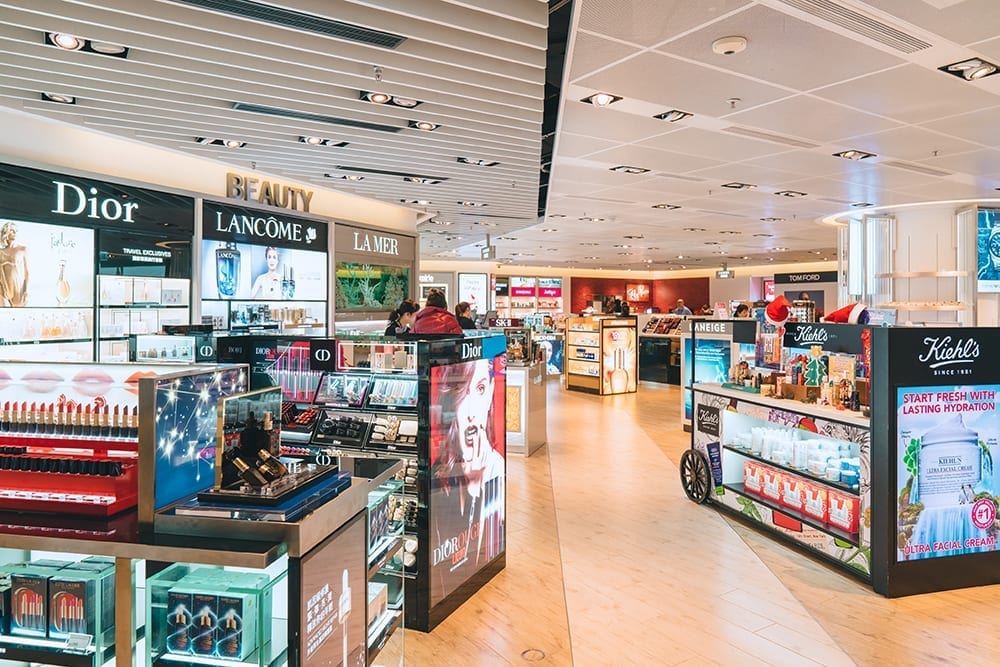
    They’ll emerge into a brightly lit, white marble-clad space, with products scattered across a maze of shelves and displays, as well as treatment centres offering facials and body-slimming massages. Mini-storefronts devoted to brands like Gucci and Kiehl’s line the periphery.

    Saks is the latest department store chain to put the beauty counter at the centre of its survival strategy. US beauty sales rose 6 percent last year to $17.7 billion, according to NPD Group, and cosmetics displays still draw in crowds at a time when foot traffic in malls and shopping districts is falling. Saks and peers like Bloomingdale’s and Barneys New York count on busy beauty counters to drive sales even as revenue from categories like footwear declines due to intense online competition. Hudson’s Bay Co., which owns Saks, reported declining same-store sales for the chain in 2016 and 2017, though it partially rebounded in the first quarter of this year.

    At Saks, high-end skincare has been an “explosive” market in recent years, said Kate Oldham, the company’s senior vice president and general merchandise manager of beauty, jewellery and home. But department store beauty counters are losing traction with consumers, many of whom find the maze of display cases and polished attendants inaccessible and overwhelming. According to NPD, 37 percent of makeup consumers today shop in specialty stores like Sephora and Ulta, compared to 28 percent who rely on department stores.

    “The world of beauty has changed — everybody is getting into the business and there are a lot of new players coming in,” Oldham said.

    The new department store template is to entice consumers with exclusive services, products and events. Nordstrom and Barneys New York, have introduced natural and wellness categories to their line-up to court health-conscious consumers. Bloomingdale’s targets more niche and independent brands in its millennial-focused Glowhaus section, as does Neiman Marcus with its Trending Beauty Shop.

    Stores are also creating new attractions beyond the usual samples and makeovers. Last year, Harrods debuted its Wellness Clinic, which provides treatments ranging from cryotherapy to bespoke DNA-driven skincare. Nordstrom collaborated with the beauty website Byrdie on a standalone pop-up shop and event space featuring talks and masterclasses with buzzy industry figures like Jen Atkin and Joanna Vargas. In February, Barneys launched a similar event series hosted by brand founders like WelleCo’s Elle Macpherson and a Sally Hershberger salon at its Madison Avenue flagship.

    The goal is to give customers a “sense of discovery” and a reason to repeatedly return to the store, said Gemma Lionello the executive vice president and general merchandising manager of accessories, beauty and home at Nordstrom.

    At Barneys, novel product categories like conscious beauty and masks are “attracting a new customer that might not have shopped with us before,” said Jennifer Miles, the company’s senior vice president of cosmetics.

    With so much competition swirling, the Saks team decided a total revamp of its beauty counter was needed. That included moving the section up to the second floor, a break with the department store tradition to keep beauty front of house, but the space was bigger (32,000 square feet) and had more natural light. New white fixtures and installations spotlight a wider selection of brands — 122 in total, including 61 that hadn’t been previously sold at Saks, like Aesop, Care/of and Givenchy. While, some, like Aesop, have been given their own boutiques, many of the new brands are relegated to a separate “Apothecary” section in the middle of the store, a concept already in place at other Saks locations.

    The floor includes space for events, including fragrance mixing and master classes, as well as 15 spa treatment rooms. A handful of those rooms are dedicated to exclusive branded treatments by the likes of Dior and La Mer. Other highlights include natural face lifting from London-based FaceGym, a flower shop from EB Florals and organic manicures from Sundays Nail Studio. A beauty concierge is available to help locate products and schedule service appointments, and an advisor is on hand to dole out personalised skincare advice.

    Not all of these concepts are new: Nordstrom, for example, also employs beauty concierges and stylists, while Target has had brand-agnostic beauty experts working its floors since 2013. The new layout is blatantly reminiscent of a Sephora, though the boutique aspect offers a point of difference.

    The goal was to make the space more “fluid,” said Oldham, so that customers could easily shop between categories. The walls are at a low height, so customers can see across the floor, and there’s less counter space so customers can better view the products.

    “We felt that if we were going to do something it had to really be a destination,” Oldham said. “We really wanted to have a Saks point of view, so that it’s not just a box of brands.”

    Attracting younger customers is also a priority. In addition to a traditional marketing blitz that includes ads on top of taxis and displayed on digital screens across the city, Saks hired digital influencers, including YouTube star Kelsey Simone, to promote Beauty 2.0.

    While Saks doesn’t break out sales by product category, analysts estimate the new floor’s first-year sales could reach $90 million. That’s a fraction of Hudson’s Bay Co.’s $14.3 billion in sales last year. But the company, which said last year it would cut 2,000 jobs, is counting on Saks to drive growth, investing $250 million in remodelling the 5th Avenue flagship store.

    At Nordstrom, beauty has been a “top-performing category” for several years, Lionello said. But same-store sales grew by less than analysts had anticipated in the first quarter, the company said last week.

    “It’s better late than never,” said Larissa Jensen, the executive director and beauty industry analyst at NPD. “[Saks] seems to be elevating it and making it more of a destination and less of a department, which is key.”

    Still, these retailers have their work cut out for them to claw back business. Ulta’s sales shot up 21 percent to $5.9 billion in the fiscal year ending in February, and LVMH, which owns Sephora, said the chain gained market share, with particularly strong growth in North America.

    Fragrance, however, is still a stronghold for department stores. Fourty-six percent of consumers still shop for fragrance at department stores, compared to only 30 percent at specialty stores, NPD said. This could explain why Saks doubled the space of its fragrance section on the new floor, and why Harrods expanded its Salon de Parfums with seven exclusive new boutiques last year.

    It could take more than sprucing up the shopping environment to ward off competition, especially as online juggernauts like Amazon invest in beauty. One problem: the department store concept as a whole falls flat with some consumers.

    “[These stores] are set up incorrectly, down to how they’re named,” said Christopher Skinner, the founder of School House, a creative branding and retail design agency that works with clients like LVMH. “Shopping by department is just not how people work anymore, we’re all about breaking down barriers now.”

    NPD’s Jensen said stores could organise merchandise into sections that appeal to different categories of consumer, like those who value environmentally friendly products.

    “A consumer who cares about health and wellness, and the environment, shouldn’t have to go to the shoe department to get a sustainably-made shoe or the bag department to buy an ethically-made purse,” said Jensen. “Wouldn’t it be great if it was just all one section?”

    Department stores are also giving their websites’ beauty sections a refresh, even as they invest in their in-store experiences. While in-store sales have been flat or declining at many of these chains, including Hudson’s Bay, their online sales are for the most part growing.

    Although many of these retailers now offer the Amazon-era requirements of speedy shipping and free returns, their online beauty presence often lags specialty store competitors. Sephora, for example, has its Beauty Insider Community, where customers share tips and tricks on message boards and rack up points for shopping. Its Sephora app offers exclusive previews and promotions, as well as virtual product try-on.

    Saks launched its SaksFirst BeautyRewards programme in August, and the company, as well as competitors like Neiman Marcus, is deploying new technology like virtual try-on mirrors in stores. However, unlike at Sephora, customers have to spend $250 to join, and the program lacks the community aspect that has helped to popularise Beauty Insider.

    The Canadian department store Holt Renfrew has gone a step further, giving associates the ability to track consumers who shop both online and in person, and regularly incentivises them to stop by a store. It also equips associates with iPads to give customers additional information about products and make checkout easier.

    SEE ALSO : Luxury cosmetics brand Hera opens store in Singapore

    Department stores will need to ensure both their online and in-store beauty counters keep pace with changing shopping patterns, said Karen Moon, the founder of retail forecaster Trendalytics.

    “[Even if changes like Saks’] bring higher volumes of foot traffic through the door today, retailers should ensure that their in-store and digital presences are prepared to take on the emerging trends of tomorrow,” she said.
  • Duty-free market still dominated by South Korea

    Duty-free market still dominated by South Korea

    South Korea has maintained a dominant share of the global duty-free market, despite its recent political turmoil.

    According to a GlobalData report, with a 22 per cent share of sales, South Korea is the world’s largest duty-free market, which reached a sales high of US$11.7 billion last year. The past two years have seen sales growth of 23.1 per cent annually in the sector.

    These sales figures were achieved against the context of the Terminal High Area Defense (THAAD) missile row between South Korea and China that halved the numbers of Chinese tourists visiting the country.

    Maureen Hinton, retail research director at the data and analytics company, said: “The deployment of the THAAD missile system in South Korea and the consequent ban on Chinese travelers visiting the country was potentially very significant. As the Chinese are the big spenders and a key driver of the market, a decline in sales should have been the outcome.”

    Despite this, Chinese shuttle traders, who on-sell high quantities of Korean duty-free products back in China, combined with international attention on the Seoul Winter Olympics, have been major factors in the country’s dominance of the market sector.

    Hinton added: “GlobalData forecasts that by 2022, South Korea will account for nearly a quarter of all duty free spending at 24.1 per cent of the global market. However, optimism about a new settled relationship with North Korea could drive its sales even higher if the border opens.”

  • Chinese and Russian business key to Lotte Duty Free’s success

    Surging Chinese and Russian visitor numbers suggest a strong future for Korean travel retail giant Lotte Duty Free’s new store at Cam Ranh International Airport in Nha Trang, opened on 30 June.

    As reported, Lotte Duty Free has been awarded an exclusive ten-year duty free concession. The contract to operate some 1,680sq m of departures and arrivals space runs until mid-2028.

    Lotte Duty Free CEO Jang Sun-wook opened the store in the airport’s new terminal on 30 June.

    The store sells a wide range of traditional duty free items, including cosmetics, fragrances, watches, fashion, liquor and tobacco. The departures shop, sited directly in front of the main gates, covers 1,507sq m and the arrivals store 173sq m. Key Korean brands include The History of Whoo and Sulwhasoo, while blockbuster international names include Saint Laurent, Dior and Jo Malone.

    It is Lotte Duty Free’s second operation in Vietnam after the retailer’s opening at Danang Airport on 1 November last year. The company expects to generate sales of around 700 billion won (US$625.3 million at current exchange rates).

    Cam Ranh International’s new two-storey terminal covers 50,000sq m. It is expected to handle up to 8 million outbound travellers by 2030.

    Nha Trang is the most popular tourist destination in central Vietnam. Some 2 million foreign tourists visited the area in 2017, a number set to rise by some 20 percent this year. Critically from a retail perspective, Chinese nationals comprise the largest visitor group with 58.9 percent of arrivals, ahead of Russians (27.4 percent). Koreans only make up around 2 percent of arrivals, but that number is expected to climb rapidly in the future as Jeju Air has added a new service to the city.

    Several mid-to-long-term infrastructure development projects are set to increase tourism. A new terminal is being built at the airport and more 4-5 star hotels are being added locally. Six shopping malls are in development while plans are well advanced for the area to develop an eco-tourism programme, including spa and craft village facilities, plus an international-class marina and resort.

    Lotte Duty Free said that corporate social responsibility will be key to its approach. For example, the company is cooperating with local authorities to help children receive surgery and other treatment at medical facilities in Danang. In October 2017, the company funded surgery for six Vietnamese children, and plans to continue the programme this year.

    During July, Vietnamese women from multicultural families are planning a one-off event to invite about 100 parents to the women’s homeland in Vietnam. Lotte Duty Free will help fund the programme.

    With plans to open further stores (including downtown) in Hanoi, Ho Chi Minh City and Danang, Lotte said it hopes to become Vietnam’s largest duty free brand within the next three years.

    Jang said the company aims to post a profitable return in year one. “We are especially focused on making a strong local social contribution,” he said. “I will do my best to create a strong brand.”