Tag: E-Commerce

  • E-commerce, rural shoppers boost China’s retail sales in May

    E-commerce, rural shoppers boost China’s retail sales in May

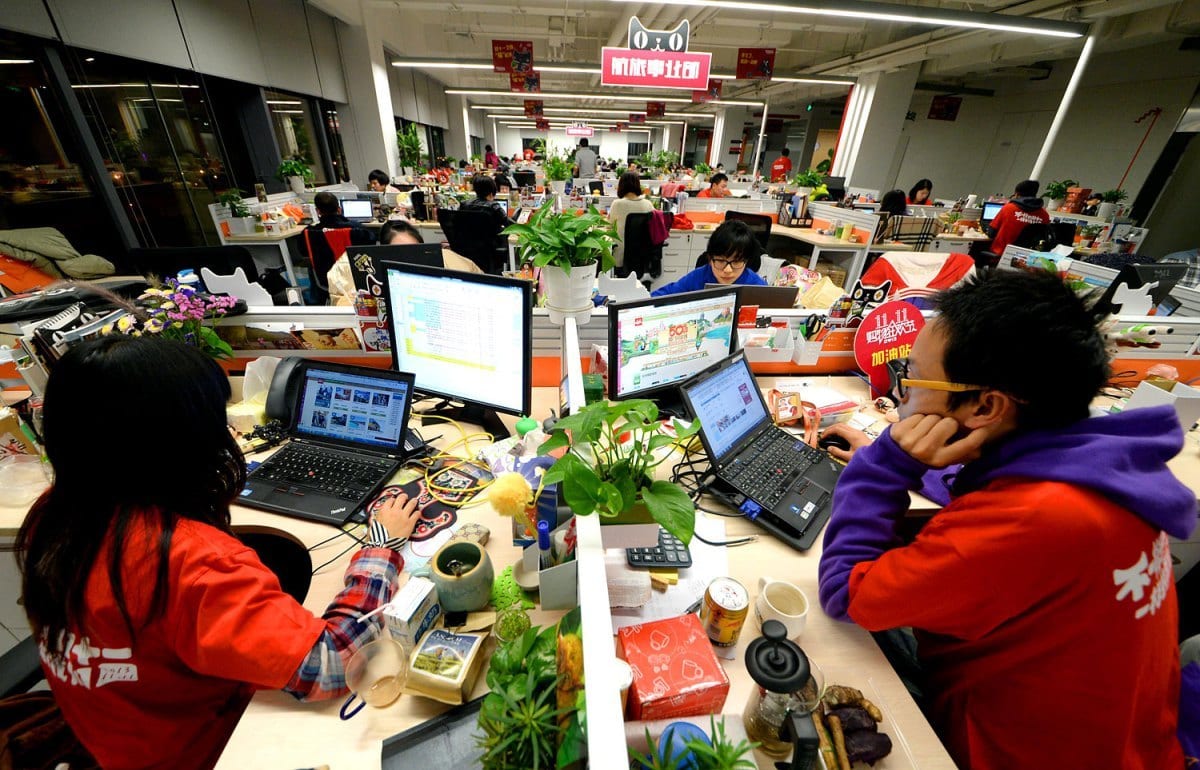
    Retail sales in China for the month of May witnessed double-digit growth, pushed on by incredible growth in online consumer purchases and rural shoppers, according to local data released this week.

    Online sales grew 26.5% in May, accounting for 13.2% of total retail sales

    China’s retail sales jumped 10.7% last month, hitting RMB2.95 trillion (US$434.2 billion), reported the National Bureau of Statistics (NBS).

    Despite the yearly leap, China’s sales growth remained steady from April, just surpassing the median estimate of 10.6% growth from economists surveyed by Reuters.

    The biggest mover and shaker was online sales, which grew 26.5% in May, accounting for 13.2% of total retail sales. This figure compared to growth of 25.9% for the four months ended April. But sales growth at larger enterprises remained flat from April at 10.7%, said NBS.

    By location, Chinese consumption was stronger in rural areas, with retail sales increasing 12.7% last month, besting urban areas, which recorded a retail sales climb of 10.4%.

    Moreover, China’s industrial production was also steady in May, growing 6.5% year on year, and exceeding expectations it would slow to 6.3%, reported the Financial Times.

  • Vietnam launches first specialties e-commerce platform

    Vietnam launches first specialties e-commerce platform

    The site offers about 20,000 agro-forestry-fishery products, herbal food, beverage and handicrafts and others from 5,000 suppliers. All listed goods have clear origins and quality certificates issued by competent authorities.

    The platform sells commodities directly to customers from suppliers. The VNPOST only cooperates with reputable partners who have obtained business licences and food safety certificates.

    Prices of goods and delivery services are posted publicly, while payment for the shipment is collected at the time of delivery.

    At the launching ceremony, Deputy Minister of Information and Communications Nguyen Minh Hong asked the VNPOST to pay attention to technical infrastructure and working mechanism for safe and legal transactions.

    VNPOST General Director Pham Anh Tuan said his company wants to form links with suppliers of specialties across regions.

    Through the site, VNPOST hopes to contribute to promoting the “Vietnamese people give priority to using Vietnamese goods” campaign, Tuan added.

  • Malaysia’s online sales set to quintuple by 2025, fashion leads

    Malaysia’s online sales set to quintuple by 2025, fashion leads

    Online sales in Malaysia, which is currently just above 1 per cent of total retail market, is likely to quintuple by 2025, says a report. The rise is due to online outpacing store-based retail, especially fashion sales. The Malaysian government has launched a strategic roadmap for e-commerce and rolled out several initiatives in partnership with the private sector.

    According to the Malaysia B2C E-commerce Market 2017 report by yStats, more than 50 per cent of online shoppers in Malaysia are less than 29 years old. Meaning, the continued maturity and wealth growth of this demographic sits well for the increase of online sales, said yStats.

    Moreover, Malaysia’s internet penetration is one of the highest in the region with approximately one third of internet users make purchases online, said report authors. The product category with the largest share of e-commerce sales in 2016 was clothing and footwear.

    Complementing the government-backed e-commerce development projects, other factors encouraging the growth of online retail in Malaysia are the ready infrastructure and favourable demographics in the Asian nation, said the report.

    In March, Malaysian Prime Minister Najib Razak launched a digital free trade zone along with Jack Ma, founder and executive chairman of Alibaba. At the time, the Chinese e-commerce company said it would set up a logistics hub in Kuala Lumpur that will serve as a regional distribution hub.

    It will be part of a digital free trade zone set to be developed close to the Kuala Lumpur International Airport.

    The e-commerce competition landscape in Malaysia is led by online marketplaces. Lazada.com.my and 11street.my were the most visited e-commerce websites in Malaysia in February 2017, according to a ranking included in the report.

  • Vietnam e-commerce developing quickly

    Vietnam e-commerce developing quickly

    E-commerce in Viet Nam is more developed than some Southeast Asian countries and is poised to expand in coming years, according to a market research company.

    Ashish Kanchan, managing director of Kantar TNS Vietnam, said e-commerce is growing quite positively in Vietnam.

    He classified e-commerce development into three groups — developing customer education for e-commerce, widely prevalent e-commerce, and e-commerce as default purchase channel.

    Currently, Viet Nam is in the fledgling group together with Egypt, Turkey, Thailand, the Philippines, Greece and others. Meanwhile, in some European countries such as the UK, Germany, Demark, Sweden and Norway, and also Singapore, going online and buying online have become a default option.

    Viet Nam is already ahead of some of neighbouring countries like the Philippines, Thailand, and Indonesia and will likely join the next group within the next three years, he said.

    The United States, China, Italy, Hong Kong and Malaysia are among countries in the second group.

    Unlike countries such as Thailand, Indonesia, and India, Viet Nam is not only a mobile phone market, but tablets and laptops are still very prevalent in Viet Nam, he said. Thus, e-commerce companies must develop e-commerce platforms for multiple devices in Viet Nam.

    He urged companies to focus more on brand building as it is extremely important to gain more trust from shoppers.

    Understanding the e-commerce shopper is also very important so that businesses can provide the convenient experience for shoppers.

    Technology changes have ushered in a new era in commerce and digital branding as well as a new set of customer expectations, delegates at a recent Creative Commerce Workshop said.

    Denise Thi, managing director of Isobar Vietnam, said the customer journey has changed a lot over time.

    In the traditional marketing form, the consumer’s buying process was from attention to interest-desire to action. The process now goes from consideration to evaluate, buy, experience, advocate and bond.

    Consumers expect a lot of things, especially memorable experiences.

    To succeed in this new world, the first thing firms need to think of is to repurpose their marketing plan or sale plan to turn any point of contact into a shoppable experience, she said.

    Next, “we need to redesign, not only our campaign engagement but also our brand offerings and points of intervene”.

    The last thing is reposition. “We need to reposition what is the right thing to do first throughout the experience we want to deliver to our customers.”

    Sandipan Roy, chief strategy officer at Isobar in Asia-Pacific region, said: “People will forget what you said, people will forget what you did, but people will never forget how you made them feel.”

    Every shopping moment is an opportunity to tell a story, and every story is an opportunity to sell something, he added.

    It is key for brands to create inspirational stories and experiences through the creative use of digital and technologies, which ultimately lead to a transaction, he said.


  • Vietnam sees rise in mobile e-commerce

    Vietnam sees rise in mobile e-commerce

    By January 2017, Vietnam was home to almost 47.2 million mobile internet users, half of the country’s population, according to the report “Vietnam Digital Landscape 2017” by We Are Social.

    Some 39 percent of the population have purchased products or services online, of them 29 percent have placed at least one online order via a mobile device.

    The total value of the country’s e-commerce market was estimated at about 1.8 billion USD in 2016, the report said.

    The 2017 Vietnam e-Business Index by the Vietnam e-Commerce Association (VECOM) shows that the internet has been a great tool for local enterprises in cross-border trade.

    They can communicate with overseas partners via the internet and can access online public services, for example, e-customs and e-certificate of origin.

    It also found that 45 percent of domestic enterprises own a website but only 19 percent of the websites are compatible with mobile devices, down from 26 percent in 2015.

    To succeed, domestic firms must catch up with mobile e-commerce trends to maintain a competitive edge over the others, said VECOM Vice President Nguyen Ngoc Dung at the Vietnam Mobile Day last weekend.

    Dung suggested that selecting a suitable domain name should be the first step in building a reliable online presence for a business as a domain name is not simply an address on the internet but is closely attached to the enterprise’s operations and branding.

    A mobile-friendly website will draw more customers to the brand name and improve its competitiveness, he added.

    For those who wish to reach out to the global markets, the domain name “.com” indicates credibility thanks to its popularity and stability over the past 18 years, said Executive Director of Mat Bao Corporation Huynh Ngoc Duy at the event.

    Sharing this view, Nguyen Tu Hong Quan, Director of the Nhan Hoa software company, noted that many international companies, including those listed in the Fortune 500, use “.com” for their website, aiming to reach new customers outside their regions.

  • E-commerce vs. traditional retailers: who’s winning and why?

    E-commerce vs. traditional retailers: who’s winning and why?

    Who’s winning the hearts of consumers online? Pure-play e-commerce businesses or e-tailers, traditional retailers who have entered the online area?

    This analysis is based on our market reports, where we analyze over 400 popular e-commerce websites in Asia.

    The traffic and engagement data you see here is sourced from a third-party, independent source called SimilarWeb. SimilarWeb uses sources such as local internet service providers, monitored devices, web crawlers, and direct measurement sources to estimate traffic data, time on site, bounce rate, and other metrics.

    In our analysis, we look at Asia Pacific traffic and engagement for the following companies:

    • E-tailers: Woolsworth, Coles Online, Tesco, Sephora, Watsons, Nguyen Kim, Harvey Norman, JIB, Adidas and Louis Vuitton
    • E-commerce: Sociolla, Althea, Hermo, Bhinneka, Orami, Berrybenka, Sales Stock, Zalora, My Sale and Reebon.

    We observe that e-commerce players tend to do better in the fashion and beauty verticals. These strengths reflect how many of these players source their goods.

    Many of the biggest e-commerce firms use marketplace models where they list and aggregate brands. Most e-tailers, on the other hand, use vertically integrated models where they produce their own products.

    This means that e-commerce firms tend to have more traction in verticals where they can easily collect and then sell a wider range of goods at lower prices than their e-tailer counterparts.

    Industries like home, food, and luxury are more difficult for them to do well in because the goods in these verticals are either difficult for third-parties to buy and store in large quantities and range (such as in food and home) or are highly limited in quantity (such as in luxury).

    E-commerce players who use marketplaces also tend to have thinner margins – because they aggregate products from third-party sellers, they make less from sales than they would have if they produced their own goods.

    How do engagement metrics compare across business models? 

    Observation 1: E-commerce businesses are noticeably better than e-tailers at getting visitors to spend time on their websites. However, pages per view and bounce rates are broadly consistent.

    This might be because e-commerce businesses, being purely focused on the online channel, invest more in making sure customers stay on their sites.

    Observation 2: E-commerce players have wider variance than e-tailers in engagement metrics.

    This might indicate that e-tailers have a brand and reputation that gives them solid ground for launching their online experience. Their established reputations usually guarantee them a certain level of success upon their online store’s launch.

    E-commerce companies, on the other hand, must build their brand value from scratch. Their success greatly depends on their ability to provide great online customer experiences.

    E-commerce businesses might also be more vulnerable to competition. These companies have had less time than e-tailers have had to build their brand and differentiate themselves from their competitors. This may mean that many of their customers are likely to switch or use their competitors platforms because they have yet to develop a strong brand attachment.

    How does each vertical draw web traffic? 

    Observation 1: E-commerce players are more effective than e-tailers at using mail and social media to drive traffic.

    In terms of mail traffic, for example, the average e-commerce firm’s share of mail traffic will be more than double the average e-tailer’s share of mail traffic. This suggests that e-commerce players are more proficient at online outreach methods.

    It is interesting to note also that the % share of email traffic in Asia Pacific is significantly lower than US counterparts who can attribute up to 10% of traffic from email.

    Observation 2: E-tailers receive most of their visitors from search.

    This can be attributed to retailers typically being established and trusted brands in their vertical. Customers know them and will instinctively search for them online.

    Observation 3: E-commerce firms receive most of their visitors from direct means.

    This suggests that customers know their online addresses much like they would know that a physical store exists in a certain mall.

    Visitors arriving at a site via direct means are more likely to be repeat visitors who have recognized the value of that site and are returning to access that particular value. E-commerce firms are more likely to receive this type of visitor because they typically advertise a specific form of value (niche products, lower prices etc.).

  • Shilla duty free opens mobile app, online mall for Japanese clients

    Shilla duty free opens mobile app, online mall for Japanese clients

    Shilla Duty Free has launched a mobile app and an Internet website mall targeting Japanese clients to offset the decline in Chinese tourists triggered by the missile defense system row between Seoul and Beijing.

    It is Shilla Duty Free’s second mobile shopping mall for foreigners after one opened for Chinese customers in 2014.
    Chinese travel agencies have in recent months suspended sales of tour packages to South Korea as part of the Beijing government’s retaliation against Seoul’s decision to station the US Terminal High Altitude Area Defense system on its soil. China believes the missile system undermines its security interest. South Korea has maintained that THAAD’s sole aim is to counter North Korea’s evolving nuclear and missile threats.

    Shilla’s mobile app store and Internet shopping mall allow Japanese customers to use Naver Corp.’s flagship LINE messenger to carry out transactions.
    LINE has become a major mobile messenger platform with more than 200 million users around the world. It has a strong presence in Japan.

    The duty-free shop will also invite 1,000 Japanese clients to a fan meeting of popular K-pop boy group SHINee, the shop’s commercial model, in Seoul on May 13. The number of Japanese tourists rose 25 percent last year from the previous year, according to the Korea Tourism Organization. The figure also surged 13 percent and 28 percent in January and February of this year from the same period in 2016.

  • JD.com swings to profit first, revenues surge 41%

    JD.com swings to profit first, revenues surge 41%

    E-commerce giant JD.com said on Monday first-quarter revenues lifted 41% for fiscal 2017, as the second-biggest online retailer in China recorded its first profit as a publicly listed company.

    JD.com reported net income of 239 million yuan ($35 million) for the three months ended March — its first time in the black since listing in 2014. Sales rose 41 percent to 76.2 billion yuan, also topping the 73.6 billion yuan projected.

    JD, which bought Walmart’s Yihaodian local shopping platform in 2016, saw a rapid expansion into household supplies and food, as well as fashion and homewares during the last quarter, which increased users.

    JD also dipped into data, cloud and artificial intelligence services – moves that saw it swing to a profit from a loss in the previous quarter.

    “Margins benefited from our rapidly growing scale across all of our product categories,” JD’s chief financial officer, Sidney Huang, said in a statement.

    In November, JD.com said that it would seek to split off JD Finance, its financial unit, making it a fully Chinese-owned entity. The move allows JD to apply for licenses that Chinese laws forbid foreign-listed firms from holding, including mutual funds and securities. Under the restructuring, CEO Richard Liu will be one of the buyers and JD.com will receive 40% of any pre-tax profit.

    In the financial statement, JD forecast second-quarter revenues to lie between 86.6-89.1 million yuan excluding JD Finance, representing a growth rate of 33-37%, in line with analyst predictions of 36%.

    However, Huang cautioned future investments, such as the construction of warehouses, would “significantly increase” capital expenditure resulting in falling free cash flow.

    “Our quarterly earnings will likely be lower in one or more of the next few quarters,” he said. “The Chinese e-commerce market remains highly competitive and we remain committed to returning a meaningful portion of our incremental gains from scaled economies onto our customers.”

  • Garena rebrands as Sea, plans to conquer Indonesian e-commerce

    Garena rebrands as Sea, plans to conquer Indonesian e-commerce

    Garena, widely considered to be Southeast Asia’s most valuable startup, has rebranded itself as Sea Ltd. as the first step in an expansion plan to compete with China’s Alibaba and gain some ground in the untapped, but lucrative, Indonesian market.

    The company’s new name is a popular acronym for Southeast Asia, but is also meant to represent Garena’s regional aspirations. Under the new name will be their existing businesses: online games brand Garena, e-commerce platform Shopee and AirPay, a digital payments service.

    News of the company’s name change follows the announcement of the company’s latest funding round, which helped them secure US$50 million from a handful of investors that include some of the region’s wealthiest dynasties, such as GDP Venture – led by Martin Hartono, son of Indonesia’s richest man – and JG Summit Holdings Inc. – founded by Philippine billionaire John Gokongwei.

    Other investors in the round include Farallon Capital Management, Hillhouse Capital, Cathay Financial Holding Co. and an investment arm of Taiwanese food conglomerate Uni-President Enterprises Corp.

    There are reports the company is preparing to list in the United States, a move that could value them at around US$1 billion. Word is that the company has engaged Goldman Sachs Group to help them oversee their IPO.

    The company got a huge boost when Chinese digital conglomerate, Tencent Holdings Ltd., began investing in the company in 2013. Tencent remains one of their biggest backers and its support has not only been financial. The Chinese techno-giant has given Garena a vision of how to expand out from gaming into other industries that could help it woo investors and get new users onboard with their diversity of services.

    Garena was founded by China-born entrepreneur Forrest Li in 2009. It has since grown to be one of the most significant e-commerce and gaming players in the region. It is estimated Southeast Asia’s gaming market will be worth US$4.7 billion in the next two years. Sea seems to be taking a similar strategy as Tencent, who started with a messaging software and quickly expanded into gaming, e-commerce and (now) artificial intelligence.

    Sea is paying particular attention to the increasingly competitive e-commerce market, where Alibaba and its competitor JD.com are duking it out for dominance. Huge consolidation and acquisitions are beginning to take place, with the latest being JD.com’s investment in Tokopedia, an Indonesian e-commerce platform. Rumors of Amazon’s arrival in the region are still swirling around, so you can be sure the market is only going to keep heating up.

    The big trophy everyone seems to be angling for is Indonesia’s largely untapped market. Though it’s not quite yet at the maturity levels of the Singaporean or Malaysian markets, Indonesia has an Internet-savvy population and a reputation for adopting innovative tech early on and quickly.

    Currently, the e-commerce market is expected to hit US$130 billion in value, only a third behind China and India’s markets – for comparison, Indonesia is home to around 250 million people, compared to China and India’s one billion each.

    The plan for Sea’s expansion into Indonesia includes using the new funds to build up Shopee’s infrastructure in Indonesia. According to the company, Shopee’s annual market value has more than doubled in the last nine months to reach US$3 billion. Other strategies include some significant Indonesia-related hires, such as former Singaporean foreign minister George Yeo, former Indonesian trade minister, Mari Pangestu and the director of an Indonesian coal producer, Pandu Sjahrir.

  • LVMH to launch its eCommerce site

    LVMH to launch its eCommerce site

    Luxury goods group LVMH will reportedly launch its own multi-brand e-commerce site in March and offer all 70 of its brands on one site, according to the Financial Times. The site will be part of Le Bon Marché, the Parisian department store acquired by LVMH in 1984, and also sell other brands from outside the conglomerate.

    This is not LVMH’s first foray into multi-brand fashion online retail. In 2000, the company — which counts Louis Vuitton, Fendi, Céline and other brands in its portfolio — launched eLuxury as a platform for luxury designer apparel, accessories, beauty and children’s collections. However, in 2009, LVMH announced that it would shutter the retailer as its brands began to launch standalone e-commerce operations. (eLuxury was, in turn, relaunched as editorial platform Nowness).

    The new e-commerce site will mark LVMH’s most significant digital investment since hiring Ian Rogers as chief digital officer in 2015, which signaled to many in the industry that the conglomerate was finally ready to integrate digital into its business. “The luxury business is in a great position relative to where the world is going,” said Rogers, describing the luxury business as a “mass [market] of niches.”

    LVMH’s re-entry into the online market now is very late to the game. However, it is indicative of a higher priority afforded to digital operations and e-commerce channels since Rogers joined the company.

    It is unclear if the new online iteration of Le Bon Marché will operate on a wholesale or marketplace model, although wholesale is the likely avenue. The wholesale model requires inventory risk and having high working capital, but the company will still capture the full retail margins. The drop-ship marketplace model, in which the platform usually takes a commission on sales in order to generate revenue, makes ensuring a consistent shipping experience difficult. Working predominately with its own brands would ease some of those challenges, however.

    In fiscal 2016, LVMH saw revenue increase 5 percent to €37.6 billion ($40.2 billion) and profits increase 6 percent to €7 billion ($7.1 billion). Its selective retailing category, which includes Sephora, duty free retailer DFS and Le Bon Marche — all multi-brand retailers — saw the highest growth at 7 percent.

    While e-commerce still only makes up a small percentage of overall luxury goods sales, online sales grew four times faster than offline sales between 2009 and 2014. However, McKinsey & Company predicts it will triple to €70 billion by 2025 — representing 18 percent of total luxury sales — and then plateau. Overall, growth in luxury goods has slowed down since 2015 as Chinese demand lessened. The market is expected to grow only 0.5 to 1 percent in 2017, versus the 8 percent compound annual growth rate between 2010 and 2015.

    But a slowdown in overall growth hasn’t stopped several major industry players from getting into the multi-brand e-commerce game over the past two years, including Galeries Lafayette and Condé Nast (with its relaunch of Style.com). As competition heats up, established players have turned to consolidation — see Yoox’s merger with Net-a-Porter and Neiman Marcus Group’s acquisition of MyTheresa.com — in order to scale further.

  • DHL launches e-commerce services in Malaysia

    DHL launches e-commerce services in Malaysia

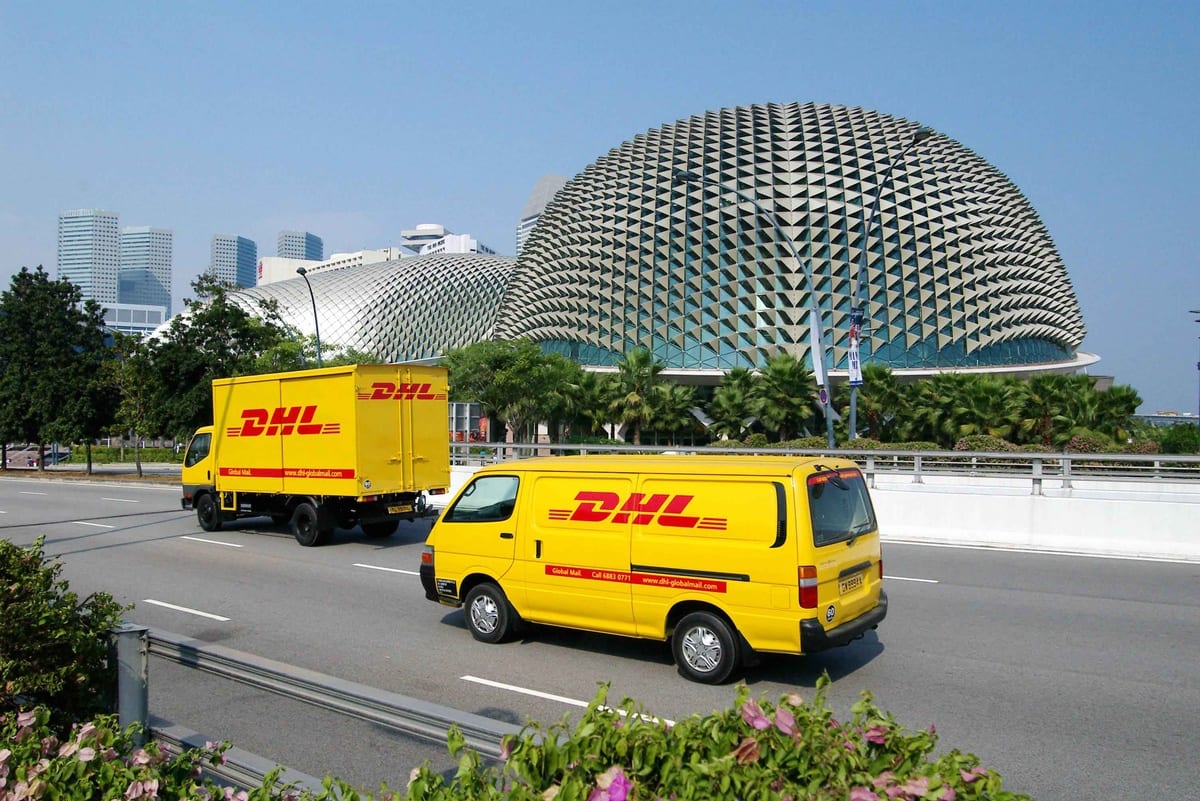
    DHL e-Commerce has launched its domestic delivery operations in Malaysia, as online shopping gets set to grow rapidly in the Asian nation.

    The investment, from the German-based division of global logistics company Deutsche Post DHL Group, includes a 48,000-square foot distribution centre in Puchong, depots in other critical urban areas such as Penang, Johor Bahru, Cheras and Puchong, and a fleet of 2-wheel and 4-wheel vehicles.

    According to a press release, DHL’s end-to-end domestic delivery solutions will offer pick-up services, track and trace, reverse logistics, cash on delivery with daily remittance and call centre capabilities for deliveries within Malaysia. DHL aims to provide timely delivery and predictive, secure delivery, it said in a statement.

    “E-commerce has become a way of life for Malaysians, with 47% already using their smartphones to shop online,” said Malcolm Monteiro, CEO, Asia Pacific, DHL e-Commerce.

    “Approximately 7 million are already shopping online every month, and with the industry expected to grow to €1bn by 2020 in Malaysia and globally to $1trn in the same year, businesses need high-quality logistics solutions to leverage this immense growth and meet the rapidly changing needs of online shoppers. This makes the need for a tailored e-commerce delivery service greater than ever before.”

    The Malaysian government has more recently been driving e-commerce growth through schemes such as the National E-commerce Strategic Roadmap and the new Digital Free Trade Zone, added Monteiro.
    “Logistics is a key component of this ecosystem, and e-commerce is a vital component of the growth agenda, so we will continue to invest in e-commerce here and worldwide,” he said.

    The Malaysia debut comes as DHL continues to expand its reach in Asia. In March, the company opened a new Fulfillment Centre in Hong Kong, adding to its global fulfillment network in U.S, Mexico, India, Europe and Australia.

    Elsewhere, in December 2016, the firm launched DHL Express Thailand, in a bid to capitalise on the nation’s growing e-commerce business.

  • DHL launches domestic delivery service with nationwide coverage in Malaysia

    DHL launches domestic delivery service with nationwide coverage in Malaysia

    HL eCommerce, a division of the world’s leading logistics company, Deutsche Post DHL Group, has launched its domestic delivery operations in Malaysia with a range of customer-centric services catered to Malaysia’s growing e-commerce market. Malaysian online retailers will also benefit from DHL’s range of cross-border shipping solutions and network of fulfillment centers globally to enable their international expansion. This will further accelerate the e-commerce market in Malaysia which is expected to grow at CAGR of 15.8% to EUR 1 bn by 2020, largely fuelled by recent initiatives such as the National E-commerce Strategic Roadmap, Digital Free Trade Zone and Economic Transformation Program.

    “E-commerce has become a way of life for Malaysians, with 47% already using their smartphones to shop online,” said Malcolm Monteiro, CEO, Asia Pacific, DHL eCommerce. “Approximately 7 million are already shopping online every month, and with the industry expected to grow to EUR 1 bn by 2020 in Malaysia and globally to US$1 trillion[4] in the same year, businesses need high-quality logistics solutions to leverage this immense growth and meet the rapidly changing needs of online shoppers. This makes the need for a tailored e-commerce delivery service greater than ever before.”

    The investment in Malaysia includes a 48,000 sq ft central distribution hub in Puchong as well as depots in Penang, Johor Bahru, Cheras and Puchong and a fleet of 2-wheel and 4-wheel vehicles. The fleet of vehicles will provide next-day delivery to all urban areas in Klang Valley, Penang and Johor Bahru, and two to four day delivery to all other locations across West Malaysia and East Malaysia.

    DHL eCommerce’s end-to-end domestic delivery solutions will offer pick-up services, track and trace, reverse logistics, cash on delivery with daily remittance and call center capabilities for deliveries within Malaysia. It aims to provide best-in-class domestic delivery with quick, predictive and secure delivery.

  • SATS unveils a brand new US$21mn eCommerce AirHub

    SATS unveils a brand new US$21mn eCommerce AirHub

    SATS, a provider of Gateway Services and Food Solutions, unveiled its new eCommerce AirHub, at a ceremony officiated by S Iswaran, Minister for Trade and Industry (Industry).

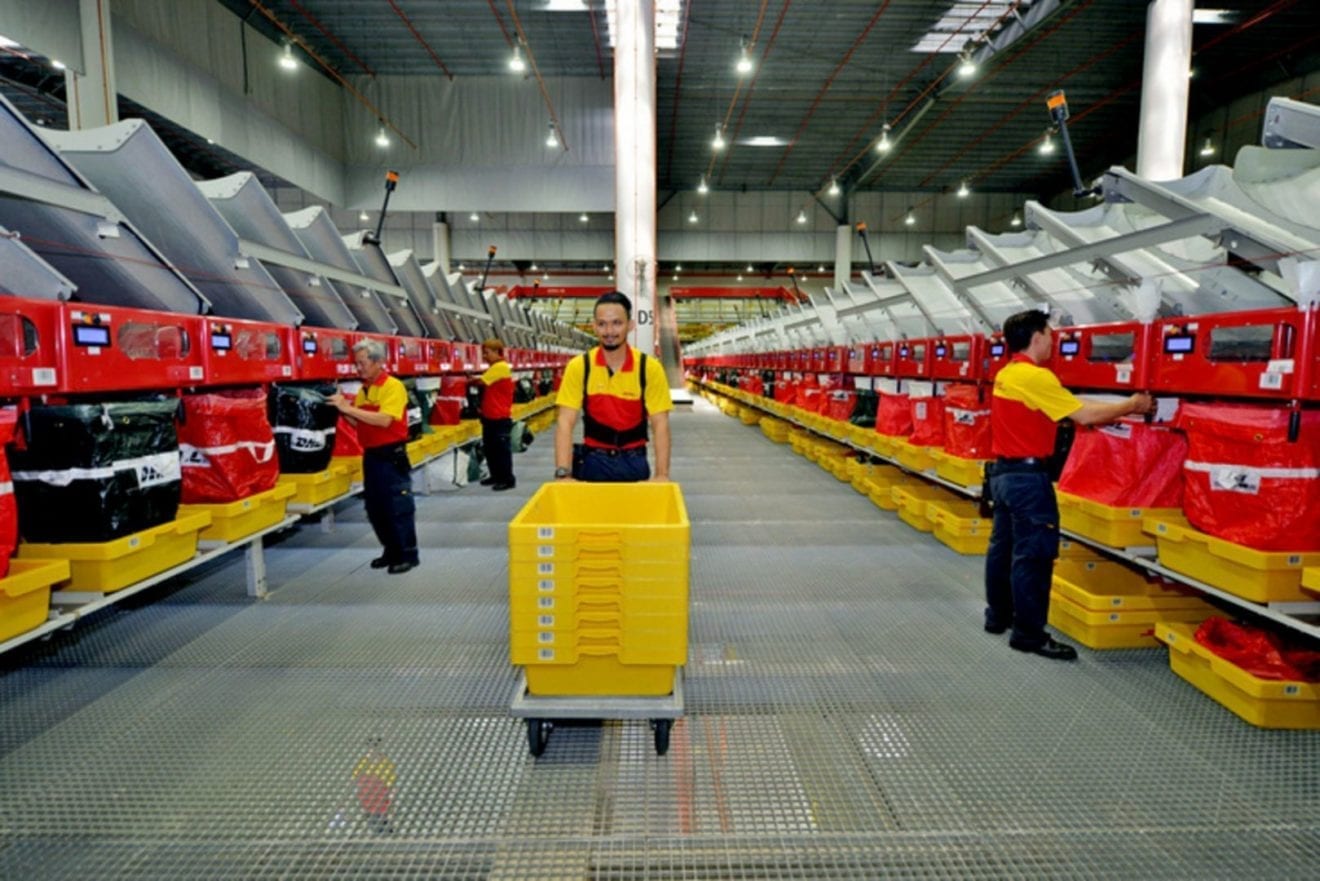
    The $21 million facility, co-funded by the Civil Aviation Authority of Singapore (CAAS), enhances Changi’s eCommerce mail sorting capability to support the growing eCommerce market. This new 6,000 sqm facility also features new innovations that will improve productivity and enable airport workers to acquire new skills.

    By deploying state-of-the-art technology, SATS has multiplied mailbag processing capacity by more than three times and streamlined the mail sortation process to deliver quicker turnaround for international eCommerce mail. Processing time is now reduced by 50 per cent. At the same time, automation has provided opportunity for employee upskilling. SATS is currently the only ground handler in the region to operate such an automated airside facility.

    Alex Hungate, president and CEO of SATS said, “eCommerce is expected to continue on its growth trajectory in the region and beyond with continued strong consumer demand. The SATS eCommerce AirHub enhances the competitiveness of the whole airfreight industry in Singapore by offering greater speed and transparency, as well as higher capacity to handle future growth.”

    Kevin Shum, director-general of CAAS, said, “CAAS is pleased to support the establishment of the eCommerce AirHub under the Aviation Development Fund. We are delighted that this initiative has enabled SATS staff to benefit from an enlarged job scope, higher pay, and a more comfortable and conducive workplace. Such collaborations are part of our efforts to transform Singapore Aviation, make the  2 sector more efficient and competitive, create better jobs and improve productivity using technology.”

    Tapping on technology for greater efficiency
    At the official opening of the SATS eCommerce AirHub this afternoon, the company unveiled several new innovations. These include a fully automated mail sortation system that increases the mailbag processing capacity of SATS to more than 1,800 an hour – up from 500 previously.

    Additionally, due to interface integration with SingPost’s airmail consignment operations and the facility’s locality within the free trade zone on the airside, mail sortation operation is streamlined to eliminate the need for mailbags to be transported to and from the hub.

    The combination of these factors has enabled faster mailbag processing that reduces turnaround time by 50 percent – from six hours to three – thus allowing international eCommerce mail to connect to an earlier flight for faster delivery.

    Traceability is also improved at the SATS eCommerce AirHub, as customers, such as SingPost, can now better track and trace their mail via the data interface, for example checking connection status by confirming arrival and departure times.

    Woo Keng Leong, chief executive officer, Postal Services, SingPost, said: “The improved efficiency and tracking from our collaboration with SATS will enhance SingPost’s international mail operations amid Singapore’s growing importance as an eCommerce logistics hub.”

    As well as improving service, SATS eCommerce AirHub will also be more productive: airmail consignment operations are targeted to be at least 30 per cent more efficient with full automation.

  • Where is Indonesian e-commerce headed?

    Where is Indonesian e-commerce headed?

    With a population of over 250 million and rapidly growing internet adoption, the Indonesian archipelago could offer a booming market for online shopping — and current projections say it will reach $130 billion by 2020.

    “The great thing is that there are a lot of investments… There are choices for consumers that love innovative solutions that are coming out from Indonesia itself,” William Gondokusumo, the CEO of Campaign.com and director of Tororo.com told.

    Recently, the Indonesian government altered regulations to allow more foreign investment in the sector. Indonesia’s investment service agency only recently allowed 100-percent foreign ownership for investments above 100 billion Indonesian rupiah ($7.53 million) for the establishment of an e-commerce company in the country.

    However, even with “big boys” such as Alibaba and JD.com coming in — and Amazon soon following with a reported $600 million investment — Gondokusumo predicted that domestic e-commerce firms won’t be pushed out as they are “more community focused.”

    The slowing Indonesian retail growth numbers of February, and indications that price pressure will continue over the next few months do not affect Gondokusumo’s bullish view on the retail and e-commerce in the country.

    “The way we see it,” he said. “All retail and media companies will eventually become their own social network.”

    On the contrary, Ken Dean Lawadinata, former CEO and chairman of Kaskus Networks, who invested alongside Gondokusumo in Tororo, held a less optimistic attitude.

    “At the moment, I have a more bearish attitude towards the IT industry, where I believe most investors and owners are pushing their company to a quick sell or short term mentality. This is not sustainable and bad for the industry itself,” he told in an email.

  • DHL eCommerce expands in Thailand’s booming e-Commerce market

    DHL eCommerce expands in Thailand’s booming e-Commerce market

    DHL eCommerce, a division of the world’s leading logistics company, Deutsche Post DHL Group (DPDHL Group), is capitalizing on the booming Thai e-commerce market expected to more than triple in size to EUR 3.6 billion between now and 2020 by enhancing its nationwide coverage with next day delivery in remote areas and extending pick-up service to small e-commerce merchants to meet its growing customer demands.

    DHL eCommerce, launched January 2016 in Thailand, offers end-to-end domestic delivery services and easy access for local businesses to expand globally through affordable B2C international cross-border shipping and scalable, pay-per-use fulfillment solutions through a global fulfillment network within Deutsche Post DHL Group.

    “The e-commerce market in Thailand is currently second largest in Southeast Asia and expected to grow 22 percent annually till 2020. Along with this remarkable growth, there are increasing demands for cost-effective and high quality logistics solutions to meet rising consumer needs. As such, we are investing now to ensure we are the provider of choice for Thai consumers,” said Kiattichai Pitpreecha, managing director, DHL eCommerce Thailand.

    “We are strengthening our delivery network across the country in order to offer second-to-none nationwide service across Thailand. This will enable merchants to reach out to the growing base of e-commerce consumers outside Bangkok in major provinces and rural areas with superior service quality. We have also extended our pick-up service to include small and large merchants. For the 2.7 million SMEs in Thailand, this means greater convenience and a quicker process to deliver to their consumers — with less time spent travelling and waiting in queues to drop off their goods, they can spend more time focusing on growing their business.”

    Over the past year, DHL eCommerce Thailand has invested significantly in people, service, facilities, vehicles and coverage. The DHL eCommerce 3,222 sqm central hub in Bangkok and its domestic delivery network across Thailand have the capacity to handle over 15 million shipments annually. For merchants, DHL eCommerce offers access to Cash on Delivery (COD) with daily remittance as well as access to a multilingual call center and easy IT integration of online orders to allow shippers to easily prepare orders for delivery into the DHL network.

    Offers cross-border service to help customers expand overseas

    DHL eCommerce also enables Thai businesses to grow internationally and tap on the massive international e-commerce market through its range of affordable international cross-border shipping products and scalable, pay-per-use fulfillment solutions. “We are incredibly positive about the Thailand economy and we are committed to its development. The Thai government’s ‘Digital Thailand’ initiative started in 2016 has brought about a wave of opportunities for businesses across different industries to digitize their operations and services, especially for SMEs to undergo digital transformation,” said Malcolm Monteiro, CEO, DHL eCommerce Asia Pacific.

    “Thailand is ranked as one of our top priority markets in Southeast Asia , and we foresee growth to be largely driven by significant numbers of SMEs extending their business models into online marketplaces. DHL eCommerce is committed to enabling Thai businesses as they fully leverage the huge e-commerce growth locally and internationally.”

    As noted in a recent DHL Express report on the e-commerce industry, the cross-border market opportunity offers growth rates (~25 percent) not found in most traditional retail markets. DHL eCommerce, along with its sister company DHL Express is helping to connect Thai e-tailers to the world through DPDHL Group’s range of cross-border delivery solutions. To cater to varying customer requirements, DHL Express offers premium and faster delivery services while DHL eCommerce provides affordable solutions. Thailand -based businesses can also leverage on DHL eCommerce’s global network of fulfillment centers in the US, Mexico, Europe, Hong Kong, Australia and India so that merchandise can get to the consumers in those regions quicker.

    “Cross-border B2C e-commerce is forecasted to grow to USD1 trillion in 2020. DHL eCommerce Thailand has witnessed tremendous growth in the past year and we are enhancing our service to meet the growing consumer demands,” said Charles Brewer, CEO, DHL eCommerce. “We are incredibly proud to be delivering the smile in the last mile and we will continue to provide more first and last mile solutions.”