Tag: E-Commerce

  • 58% Of Shoppers Will Let AI Buy Groceries to Save 30 Minutes, EY Finds

    58% Of Shoppers Will Let AI Buy Groceries to Save 30 Minutes, EY Finds

    More than half of consumers will delegate online grocery orders to artificial intelligence if the technology saves up to 30 minutes on a large shop, according to research published by professional services firm EY.

    The study found 58 per cent of shoppers back algorithmic buying to remove decision fatigue from routine pantry replenishment, while 61 per cent will provide personal data to tools that reliably trim their weekly planning time.

    The shift alters how consumer packaged goods brands win shelf space across digital platforms. Richard Rome, associate partner for consumer industry at EY, pointed out that grocery shopping forces dozens of micro-decisions over nutrition, cupboard stock, household taste, and waste reduction that leave buyers mentally drained.

    Automating transactions offers basic speed, yet consumers expect systems to interpret broader health and dietary parameters. About 26 per cent of surveyed buyers want automated systems to grasp personal preferences, and the same share wants direct help selecting healthier alternatives.

    Data Demands on FMCG Suppliers

    Another 23 per cent want digital agents to audit ingredients and packaging claims. Support for dietary restrictions registered at 16 per cent, while 14 per cent sought verification of ethical and environmental claims.

    Those demands mean standard catalog assets will fail to convert autonomous agents. Pack photographs and net weights no longer suffice when machine buyers parse nutritional breakdowns, farm provenance, manufacturing processes, and verified supply chain footprints.

    Understanding how consumers frame requests, and why AI recommends one product over another, will become an important commercial capability.

    Product visibility will depend on whether back-end technical data satisfies automated filters rather than standard digital advertising banners. Suppliers lacking structured, verified certification data risk falling out of automated consideration loops entirely.

    From Eyeballs to Automated Replenishment

    Supermarkets spent a decade designing mobile apps to maximise session length and screen engagement. Delegated automated purchasing reverses that entire operational model.

    Shoppers wanting fewer interactions will reward merchants that remove manual screen time completely. For grocers, retail media networks built around paid banner clicks and eye-level digital placements face rapid obsolescence if agentic software compiles baskets autonomously in the background.

    The operational danger for consumer brands lies in price erosion. When software selects meals under fixed budget thresholds, such as a meal for the family under $20, automated agents bypass brand loyalty to hit nutritional and financial parameters.

    Australian shoppers spend an average of one hour each week buying groceries. Automated tools that strip that friction will shift brand discovery from visual marketing to software search parameters, testing whether legacy food brands can protect their margins against white-label alternatives.

  • DeepSeek Releases Model V4.1 Flash Update and Opens Serving Framework

    DeepSeek Releases Model V4.1 Flash Update and Opens Serving Framework

    DeepSeek announced an updated V4.1 Flash artificial intelligence model alongside an open-source inference framework, pricing enterprise tasks down to roughly $0.20 each.

    The developer posted a 77 per cent Pass@1 score on the DeepSWE v1.1 coding benchmark, cutting compute demands through shorter operational outputs.

    Its release of V4.1-Flash-1017 on October 17 raised the system’s Terminal-Bench 4.0 score from 31.2 to 42.3, while DeepSWE v1.1 gained almost three points to 77.0. Benchmark evaluations show the system completing tasks for $0.11 to $0.14 when running lower-cost operational settings, scoring between 72 and 73 per cent. Independent tracking on Arena’s Agent Arena leaderboard placed the updated model first among open-weight competitors and 11th overall across 7,498 real-use sessions, with median execution costs between $0.18 and $0.19 per task.

    Open Source Engine for Enterprise Chips

    Three days after the model release, DeepSeek published DeepInfer, the inference engine running its production services, alongside a request-handling library named deepseek-recipe. The framework manages hardware allocation, latency schedules and computing kernels to serve queries at scale. It runs directly on Nvidia SM100 graphics processing units and Huawei Ascend 950 neural processing units, targeting V4.1 Flash deployments.

    The open-source code does not provide an end-to-end service stack out of the box. Production teams still need to supply their own key-value cache infrastructure, load balancing across parallel replicas, and complete disaggregation systems. Developers gain internal scheduling kernels, but enterprise engineering teams will absorb the integration overhead.

    Shifting the Cost of Business Automation

    For online marketplaces, customer support platforms and software houses across Asia, the release attacks the cost ceiling that keeps autonomous agents out of routine commercial workflows. Running thousands of real-time inventory adjustments, code fixes and customer transactions through commercial western models remains too expensive for thin-margin Asian e-commerce. If an open-weight system matches proprietary grade accuracy at 20 cents a task, mid-sized digital retailers will self-host rather than pipe data through expensive closed APIs.

    Hardware exclusivity remains the primary roadblock for regional operators seeking to replicate these results. While support for Huawei’s Ascend 950 gives Chinese domestic firms an alternative to export-controlled American silicon, Southeast Asian developers operating standard cloud setups will face hardware configuration bottlenecks. Running pruned agent frameworks demands deep systems engineering that many consumer brand operators do not maintain in-house.

    Building Out the Infrastructure Layer

    DeepSeek spent the previous quarter trimming resource requirements across its stack. The company cut key-value cache memory to a quarter and solid-state drive storage to an eighth of previous requirements during the September rollout of V4.1 Flash. It introduced off-peak API access at a 50 per cent discount to balance round-the-clock server loads.

    Commercial access expanded in October with Search and Fetch APIs billed at 5 yuan per 1,000 successful queries. The firm is maintaining free API connections for developer platforms including Claude Code and Codex until per-request billing starts on November 1.

  • Tencent Deploys Retail AI Suite Across 600 Asian Merchants

    Tencent Deploys Retail AI Suite Across 600 Asian Merchants

    Tencent Smart Retail rolled out its artificial intelligence enterprise software suite to 600 retail clients across Asia during an industry summit in Hong Kong. The deployment targets merchants across 30 retail sectors, connecting automated operational software directly into Tencent Cloud and the broader Weixin, WeCom and Mini Programs network.

    Terry Li, vertical general manager of Tencent Smart Retail, detailed the push alongside enterprise partners at the 2026 World Retail Lab Asia event. The software line-up introduces five specialized tools for merchant operations: WorkBuddy for workforce productivity, CodeBuddy for software development, DataBuddy for enterprise data workspaces, Miora for automated creative design, and Ardot for turning design assets into code.

    Connecting Weixin to the shop floor

    The system links merchant back offices directly to front-line sales teams on WeCom and shoppers on Weixin. Rather than forcing store associates to toggle between stand-alone software suites, the setup feeds automated inventory updates, design files and customer prompts into Tencent’s messaging channels. That reduces friction for floor staff who already run client relationships through corporate chat accounts.

    Enterprise software vendors across Asia frequently stumble on floor-level adoption. Tencent is betting that tying generative design and analytics agents to the chat apps clerks already use daily will bypass the standard training hurdles.

    Jewellery chains and supply taggers

    Chow Tai Fook Jewellery Group is using the infrastructure across customer management, store operations and jewellery design. The jewellery retail chain manages a database of nearly 60 million global loyalty members, who generate more than 95 per cent of its total sales volume. The group links unified customer insights to floor operations across its store network to track individual buying habits and stock preferences.

    Industrial supplier SML Group has embedded the software into its product development, market intelligence and supply management. The firm provides RFID tracking, retail identification and digital product solutions to roughly 600 consumer brands across global markets.

    Sinong Duan, vice president of strategy and transformation at SML Group, said: “Customer engagement is one of the areas where we see significant potential for AI. It can help businesses better understand customer needs and improve product recommendations, creating new opportunities to enhance both conversion and service experiences. We have also had the opportunity to work with Tencent WorkBuddy, and its flexibility, user experience and support capabilities have enabled our teams to explore AI adoption more effectively.”

    The platform battle against Alibaba

    The aggressive push into merchant operations pits Tencent directly against Alibaba Group’s cloud and DingTalk ecosystem across Greater China. While Alibaba dominates pure-play e-commerce marketplaces like Taobao and Tmall, Tencent controls private-domain traffic where brands cultivate direct shopper relationships through bespoke Mini Programs. Brand operators increasingly favor private-domain channels because customer acquisitions carry lower marketplace take-rates.

    For consumer brands, committing to proprietary cloud agents locks enterprise data deep inside Tencent’s walled garden. Shifting between competing cloud environments becomes punitive once product catalogs, customer service histories and design archives run on platform-specific models. Retailers gain rapid workflow speed today at the price of long-term software dependency tomorrow.

    Measuring actual returns on automation

    Chinese consumer spending has remained selective throughout the year, forcing retail executives to audit back-office overhead and technology spending closely. Multinationals and domestic retail giants, including Decathlon China, Estee Lauder Group and toy maker Pop Mart, have increasingly trimmed speculative software experiments in favor of tools that cut headcount costs or lift repeat store visits.

    Tencent began assembling its smart retail unit in 2018 to bridge social messaging with physical store sales counters. The group spent earlier iterations refining digital payment terminals and loyalty program Mini Programs for department stores and supermarket chains across tier-one Chinese cities. This latest enterprise suite represents the next operational tier: replacing manual design, coding and inventory forecasting with automated agents.

    Merchant adoption rates for tools such as Miora and Ardot over the upcoming Golden Week and Lunar New Year retail peaks will provide the first real test of whether generative design can shave measurable weeks off corporate fashion and merchandising cycles.

  • Stax Names New CEO and Issues 1.7 Million Dollars in Customer Credit

    Stax Names New CEO and Issues 1.7 Million Dollars in Customer Credit

    Australian activewear label Stax will relaunch online on November 6. The business is offering 1.7 million Australian dollars in store credits to settle 13,000 orders stranded by its collapse. A private syndicate led by Pushas founders Justin Truong and Sandy Li-Truong bought the brand assets after Stax collapsed with more than 24 million Australian dollars in liabilities.

    Former Turo marketing director Anna Cheng steps in as chief executive officer to run the restructured direct-to-consumer business. Former head of product Georgia Bachmann returns as creative director alongside lead designer Jaclyn Benson. Customer service staff completes a lean team of 10 employees.

    Converting stranded orders to store credit

    Reviving the brand hinges on resolving customer backlash from late June. At the time, the original company took payments until lender National Australia Bank appointed receivers from FTI Consulting. Under the recovery plan, Stax is granting full credit balances to affected buyers without assuming formal legal liability for the old entity’s debts.

    Management retrieved transaction records from Shopify and past vendors, emailing affected buyers in late September to confirm balances. Around 8,500 customers have verified their details so far. Remaining shoppers have until December 31, 2026, to confirm accounts. Issued store credits will remain valid until June 30, 2027.

    Orders placed through third-party financing platforms are excluded from the internal credit ledger. Shoppers who used Afterpay, PayPal, Klarna, or Zip must seek resolution through provider buyer-protection programs. Stax customer service agents will supply purchase records to support those claims.

    Lean operating model and new leadership

    Cheng’s appointment establishes an independent management tier apart from Pushas, the sneaker marketplace operated by the Li-Truongs. Her primary focus is tightening fulfillment controls. Supply chain delays and inconsistent production quality damaged customer retention during the label’s prior expansion.

    Bachmann oversees design and inventory architecture after managing product lines during the brand’s peak valuation period. Her team is consolidating suppliers. The push aims to shorten production cycles and ensure consistent garment sizing across manufacturing batches.

    Relaunch collection and product lineup

    The digital storefront resumes trade at 9am on November 6 with the Girls Gone Wild collection. Registered waitlist members receive early access on the evening of November 5.

    Core proprietary textiles return with the range, including high-compression Nandex and lightweight Airlyte fabrics. Sizing spans Australian sizes 4 to 24. Updated garments will also feature a wider, bolder logo as part of the visual repositioning.

    Navigating brand trust in direct-to-consumer fashion

    Don and Matilda Robertson founded Stax in 2015, pivoting from a bankrupt sports supplement venture into apparel that reached a 52 million Australian dollar valuation by 2022. Aggressive physical store expansion, high commercial rents, and falling discretionary retail spending triggered a cash crunch. The company entered receivership in June.

    Across the Asia-Pacific region, the bailout serves as a test case in rebuilding consumer trust after insolvency. Offering store credits rather than leaving shoppers as unsecured creditors represents a direct customer acquisition cost. The strategy aims to convert burnt shoppers into repeat buyers.

    Customer account verifications remain open through December 31, 2026, ahead of redemptions running into mid-2027.

  • Gen Z Shoppers Drive Twofold Surge in Korean Beauty Orders on Myntra

    Gen Z Shoppers Drive Twofold Surge in Korean Beauty Orders on Myntra

    Gen Z shoppers accounted for 55 per cent of Myntra’s beauty growth over the past year, driving a 200 per cent surge in Korean beauty orders and a 78 per cent increase in men’s skincare.

    Spend per customer within the 14-to-29 age bracket climbed 1.2 times year on year, while repeat purchases among these buyers rose roughly 70 per cent, according to data from the Bengaluru-based e-commerce platform.

    The findings, drawn from order data between August 2025 and August 2026, show younger consumers allocating 75 per cent more of their personal care wallet to beauty compared with millennial shoppers. Beauty and personal care now accounts for approximately one in every five units shipped across the marketplace. Myntra expects Gen Z to generate more than half of its beauty customer base over the next three years.

    Active Ingredients and Smaller Regimens

    Younger shoppers are consolidating their daily routines while demanding clinical formulations. Around 80 per cent of Gen Z buyers limit their daily regimen to three products, and 30 per cent buy only one or two items per order. Sales of ingredient-focused derma products climbed 75 per cent, led by targeted searches for active ingredients including Centella asiatica, copper peptides, azelaic acid and panthenol.

    Sun protection has shifted into a year-round staple rather than a seasonal purchase. Orders for sun protection products rose 60 per cent year on year among younger shoppers. Searches for sunscreen sprays increased 80 per cent, ingredient-led formulations rose 70 per cent, and tinted sunscreen varieties climbed 60 per cent, with consumers favouring gel-based and fragrance-free textures.

    Haircare orders reflect a similar turn toward treatments over basic cleansing. Demand for hair masks jumped 110 per cent, outpacing conditioners at 59 per cent growth. Searches for scalp serums rose 50 per cent, dry shampoo searches gained 68 per cent, and styling appliances grew 55 per cent.

    Regional Demand and Premium Sample Formats

    Tier II and tier III cities now generate half of all Gen Z beauty purchases on the platform and account for half of total international brand orders. Urban centres such as Ludhiana, Patna, Bhopal, Indore, Guwahati, Surat, Varanasi and Imphal are driving category expansion. The northeastern states recorded particularly strong volume in masstige and prestige makeup, alongside rising appetite for gourmand fragrances in smaller cities.

    Entry into prestige brands is increasingly happening through travel and trial sizes. Approximately 53 per cent of luxury makeup transactions include a miniature format, representing 14 per cent of all luxury units sold. Prestige labels including M.A.C, Kayali, Smashbox and Salvatore Ferragamo now secure more than half of their new customer acquisitions through mini formats.

    Men’s grooming has expanded beyond basic shaving supplies. Total men’s grooming orders climbed 70 per cent so far in fiscal 2026, while fragrance purchases rose 50 per cent. Among Gen Z men, fragrance demand increased 60 per cent, with bundled gift sets up 125 per cent.

    Catalogue Scale and Fast Fulfilment

    To capture demand, Myntra added more than 30 Korean brands over the past 12 months, taking its K-Beauty catalogue past 1,000 stock keeping units across 90 labels. Platform searches for Korean skincare and cosmetics rose more than 300 per cent over the same period.

    Direct-to-consumer brands are also taking market share. The platform’s domestic portfolio covers 700 dedicated D2C brands and 3,000 emerging labels, with the segment growing 68 per cent in the current fiscal year. Gen Z shoppers proved 25 per cent more likely to purchase an indigenous or D2C product than older demographics.

    Speed of delivery is becoming a decisive channel differentiator. The marketplace’s quick-commerce arm, M-Now, stocks roughly 600 beauty brands, including 107 foreign labels. The rapid delivery service recorded its peak order value at Rs 61,750, with beauty volumes concentrating heavily between 11 am and 2 pm.

    Room for Market Growth

    India’s overall beauty and personal care market is projected to expand from $23 billion to $40 billion over the medium term. Annual per-capita spending on beauty in India stands at approximately $15, compared with $38 in China and $383 in the United States.

    For multi-brand retailers and beauty platforms, the immediate battle lies in capturing younger consumers outside the major metropolitan areas before regional retail chains or dedicated beauty specialists establish physical footprints there. Brand discovery has largely shifted to social channels, where Myntra maintains an active roster of 82,000 beauty creators and saw user-generated content increase 40 per cent year on year.

    Myntra is targeting M-Now to fulfill more than 50 per cent of total beauty order volume in cities where the rapid delivery service currently operates.

  • Pepsi-Cola Partners with 7-Eleven Thailand to Launch Lay’s Loaded DIY

    Pepsi-Cola Partners with 7-Eleven Thailand to Launch Lay’s Loaded DIY

    In October 2026, Pepsi-Cola (Thai) Trading partnered with 7-Eleven Thailand to launch Lay’s Loaded D.I.Y., selling customisable snack combinations across the convenience store network and digital channels.

    The promotion lets buyers take bags of chips and combine them with add-ons and toppings purchased directly in-store.

    How the in-store concept works

    Shoppers select participating base chip packets and add savoury ingredients to build custom snack bowls inside the store. The retail mechanic turns standard packaged goods into quick-prep food options without requiring dedicated kitchen equipment or extra staff behind the counter.

    Digital channels handle the same ordering flow. Customers can select their chip base and topping combinations directly through the 7-Eleven mobile application and order them via 7-Eleven Delivery for home drop-off.

    Influencer recipes drive app orders

    To establish baseline recipes, the campaign brought in four Thai key opinion leaders to develop signature combinations based on their personal flavour choices. These recipes serve as default menu items on the 7-Eleven application, giving shoppers direct templates rather than forcing them to invent combinations from scratch.

    Social sharing anchors the promotional push. By circulating specific topping formulas online, the brand aims to convert casual social media viewers into app-based delivery orders.

    Commercial shift for snack makers

    Packaged snack producers in Southeast Asia face stagnant volume growth in conventional shelf placements. Turning standard chip packets into assemble-at-home meals allows manufacturers to lift basket size without reformulating the underlying product.

    For convenience operators like CP All’s 7-Eleven, the mechanic drives cross-category sales. A single snack transaction now pulls in additional high-margin chilled toppings, sauces, and packaged side items from adjacent shelves.

    Earlier product experiments in Bangkok

    The campaign follows several product variations rolled out by PepsiCo in Thailand during 2026. The company introduced Lay’s Light with a 40 per cent sodium reduction in September, alongside a co-branded ice cream crunch stick developed with Nestlé Éxtreme Pop.

    Earlier in May 2026, the brand tested texture additions through Lay’s Max paired with crunchy crab sticks. The latest DIY promotion shifts that experimentation from factory packaging directly to the retail point of sale.

    What to track next

    Retail buyers are monitoring whether the DIY format generates repeatable basket additions beyond the initial social media campaign. The metric to watch is whether 7-Eleven expands the loaded snack concept to other savoury snack categories across its nationwide footprint.

  • Coles Explores In-Store Robots with Ocado to Speed Online Delivery

    Coles Explores In-Store Robots with Ocado to Speed Online Delivery

    Coles is in early talks with UK-based Ocado Group to explore in-store robotics for picking and packing online grocery orders, aiming to cut costs and speed up delivery times.

    The potential technology trial would help the retailer fulfil express orders directly from store aisles without investing in another large automated warehouse.

    Shifting Automation to the Shop Floor

    Under the proposed trial, robotic systems would operate inside existing stores, building on the companies’ first Customer Fulfilment Centre opened in Victoria in 2024 following a partnership established in March 2019. Deploying automated micro-fulfilment in active supermarkets allows the grocer to serve dense urban pockets where large distribution facilities are either too distant or too expensive to construct.

    Ocado’s store-level technology is designed to operate in tighter operational spaces than the vast grid systems seen in regional depots. For Coles, integrating robotics into physical retail sites represents an operational shift from standalone logistics infrastructure toward hybrid retail facilities that double as mini-fulfilment centres.

    Read Across to Regional Operators

    Supermarket operators across the Asia-Pacific region face intense pressure to solve the unit economics of instant and same-day delivery. Building multi-million-dollar automated distribution centres works well for scheduled, bulk grocery deliveries across wide metropolitan areas, but it fails on speed and margins when customers demand baskets within two hours. Rival Woolworths has already experimented with automated micro-fulfilment units attached to retail sites to tackle this exact constraint.

    For property operators and grocery suppliers, store-level automation changes shelf stocking workflows and backroom inventory allocations. The primary risk sits in execution: retrofitting operational supermarkets with robotic machinery often disrupts walk-in shoppers and complicates inventory replenishment during peak trading hours. If the integration falters, picking errors and foot-traffic bottlenecks will quickly erode the projected labour savings.

    The Long Partnership Timeline

    Coles and Ocado formed their strategic partnership in March 2019 to overhaul the retailer’s digital supply chain. That agreement centred on building large automated Customer Fulfilment Centres, leading to the launch of their first operational CFC in Victoria in 2024. The new discussions reflect an evolution of that multi-year agreement from centralised mega-hubs toward flexible, localized picking nodes.

    Next Steps in the Rollout

    Both companies are assessing store layouts and integration schedules to determine which locations will host the initial trials. Market watchers will track the formal sign-off on the pilot program and the subsequent cost disclosures in upcoming operational updates.

  • Temu Pays $3 Million to Settle Texas Data Privacy and Safety Claims

    Temu Pays $3 Million to Settle Texas Data Privacy and Safety Claims

    Chinese discount marketplace Temu agreed to pay $3 million to settle Texas state data privacy claims. The deal also restricts how it handles personal customer information.

    Enforcement targeted a massive footprint. As of September 2023, Temu counted more than 82.4 million active users across the United States.

    Data firewalls and transfer limits

    Documents released October 16 show Temu agreed to store personal information on US servers. Transmissions to China must be limited strictly to details required to complete and deliver orders, such as shipping addresses.

    State officials confirmed this is the first binding settlement where Temu accepted formal limits on cross-border data routing. Non-compliance carries real teeth. Texas can impose penalties of $8 million for each year a violation occurs.

    Temu admitted no wrongdoing under the consent order. The company stated it “has come to an agreement to resolve this matter as we continue to focus on serving consumers and supporting businesses across Texas.”

    Mandatory audits and seller bans

    The terms reach beyond digital privacy into physical supply chain liability. Temu must run annual independent safety audits to screen merchandise for hazardous chemicals and toxic materials. Regulators are focusing heavily on apparel and children’s goods.

    When tests flag unsafe inventory, listings must come down immediately. The company must also terminate responsible merchants and their storefronts, alert affected Texas buyers, and process full refunds.

    Attorney General Ken Paxton said the agreement forces Temu to run strict product audits while blocking unchecked harvesting of consumer data.

    The squeeze on direct-from-China models

    For cross-border operators in Guangzhou and Yiwu, the settlement alters the math of selling into North America. Direct-to-consumer platforms built scale by cutting out local importers and skipping conventional compliance overheads. Mandatory third-party testing and fast merchant bans now add friction to low-margin supplier models.

    Other state regulators now have a blueprint to replicate. Asian e-commerce platforms face rising costs to keep access to American shoppers. That means spending more on software audits and product verification.

    Escalating state scrutiny

    Paxton’s office sued over allegations that apps run by Temu and parent PDD Holdings sought excessive device permissions. Temu rejected those claims throughout the case.

    Lawsuits in several other states target Temu over cybersecurity risks and server links to China. Texas is the first to extract financial penalties and binding operating commitments.

    Outstanding state dockets

    Multiple state-level lawsuits remain active across the US court system. PDD Holdings still faces enforcement inquiries elsewhere, with attorneys general weighing similar data restrictions, vendor safety rules, and compliance penalties.

  • Shopee and Magalu Form Marketplace Partnership in Brazil

    Shopee and Magalu Form Marketplace Partnership in Brazil

    Singapore-based e-commerce platform Shopee agreed this week to a commercial partnership with Brazilian retailer Magazine Luiza to cross-list inventory on two online marketplaces.

    The agreement allows Magazine Luiza, known as Magalu, to sell its first-party catalog directly through Shopee while integrating Shopee products into its own digital ecosystem.

    Integrating Distribution Networks

    Shopee operates one of the largest marketplace channels in Southeast Asia and has built a substantial local seller network in Brazil. Magalu brings established national warehousing, electronics retail relationships, and durable goods fulfillment across South America.

    By listing core retail lines on Shopee, Magalu gains immediate exposure to Shopee’s high-frequency mobile user base. Shopee secures direct access to Magalu’s consumer appliance inventory and established local distribution channels without taking on independent inventory risk.

    Shifting Marketplace Alliances

    Marketplace tie-ups between major regional operators reflect a broader change in international e-commerce strategy. Rather than competing head-to-head across every category, platforms are pooling traffic and distribution strengths to protect margin profiles.

    For regional operators in Asia and Latin America, cross-platform merchant access lowers customer acquisition costs while defending market share against global rivals. The operational risk rests on technical integration, fulfillment speed, and commission splits between the two platforms.

    Commercial Trajectory

    Shopee entered Brazil as part of Sea Group’s international expansion outside Southeast Asia, shifting over time from cross-border deliveries toward local merchant networks. Magalu has steadily broadened its digital platform to defend its home market position.

    Platform teams are currently integrating merchant catalogs and seller tools ahead of the combined marketplace rollout.

  • Philippine Cash on Delivery Share to Stay Above 20 Percent Through 2027

    Philippine Cash on Delivery Share to Stay Above 20 Percent Through 2027

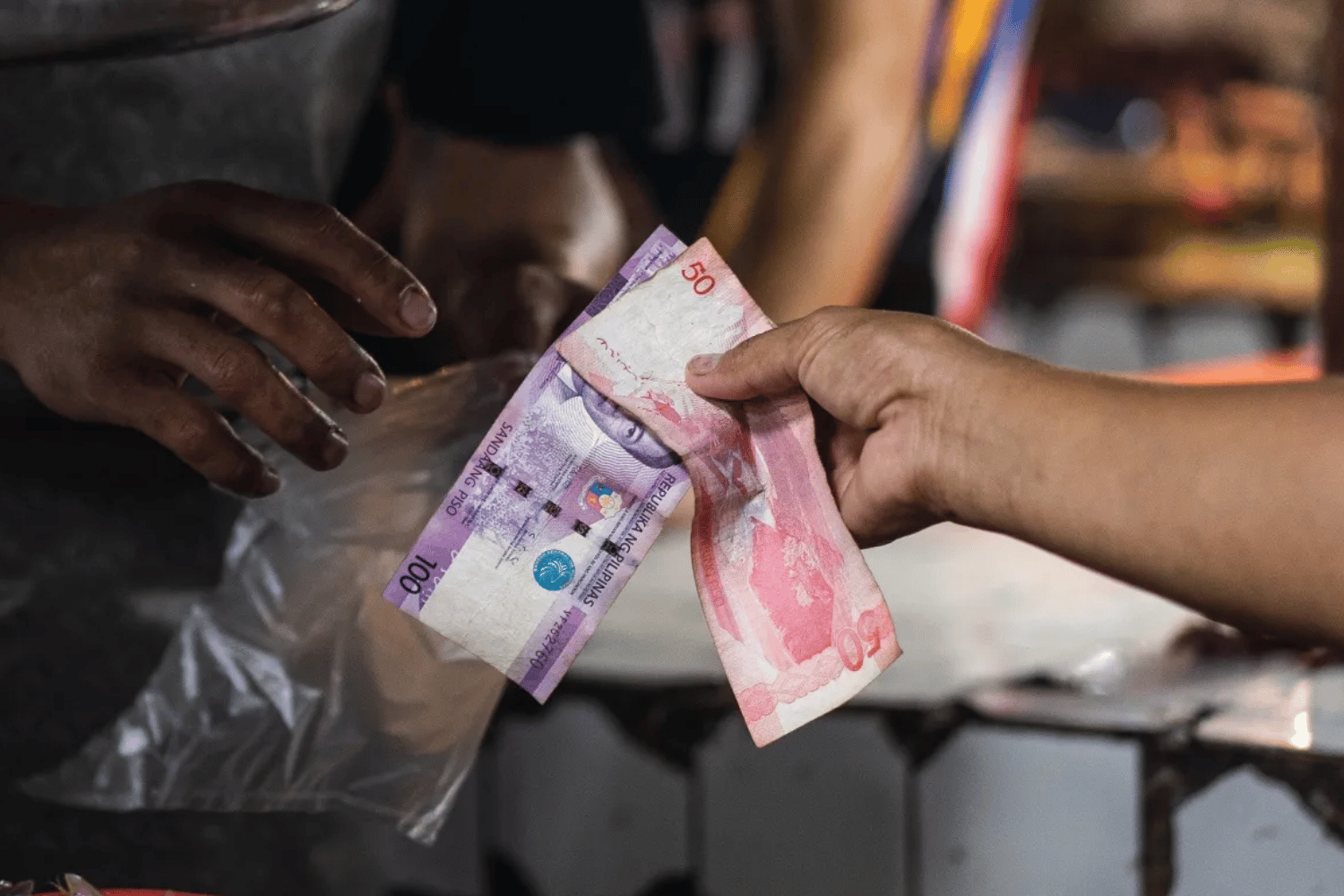
    Cash on delivery will account for more than 20 percent of Philippine e-commerce transactions through 2027. That keeps the country as Southeast Asia’s most cash-reliant online shopping market, according to payments gateway Xendit.

    Physical cash currently represents 23 percent of online transaction value on Xendit’s Philippine platform. That figure outstrips all five other Southeast Asian markets surveyed in its joint report with market research firm Cube.

    Across Southeast Asia, cash on delivery is projected to fall below 25 percent of total e-commerce gross merchandise value next year. The Philippines will remain the only major regional market where paper currency holds over a fifth of checkouts.

    Cash Holds 23 Percent Share

    A persistent unbanked population, limited formal credit, and fear of delivery fraud slow the shift away from cash. In a survey of 6,000 online shoppers across six regional markets, including 1,000 in the Philippines, 12 percent of Filipino buyers said nothing would convince them to stop using cash on delivery. That group is double the size seen in neighboring countries.

    Shopper habits are shifting at the margin. About 33 percent of surveyed Philippine consumers reported using cash on delivery less frequently than a year ago. Discounts and cashback offers prompt them to try digital alternatives. Long-term retention still requires fast refunds and fraud protections.

    “Looking ahead, across the whole Southeast Asia, COD payments will actually fall below 25 percent of all e-commerce payments, but the Philippines will still probably be one of the fewer markets that are going to be above 20 percent,” said Ina Gatan, head of go-to-market at Xendit Philippines.

    QR Ph and Bank Transfers Surge 198 Percent

    Account-to-account payments are capturing what physical cash loses. Transaction volume settled via QR codes and direct bank transfers increased 198 percent between January 2025 and April 2026 across Xendit’s merchant network.

    National payment rails QR Ph and InstaPay drove the surge. QR Ph alone processed roughly 13 percent of total Philippine e-commerce value on the platform during the period. The standard lets merchant QR codes take payments across competing banking apps and digital wallets without custom point-of-sale setups.

    Digital wallets grew by 3 percent over the same 16-month timeframe. E-wallets already dominate Philippine digital checkouts. That leaves little room for rapid percentage gains compared to account-linked instant clearing schemes.

    Cross-Border Retail Lags Regional Neighbors

    Reliance on cash creates an operational barrier for international merchants selling into the country. Cross-border purchases represented only 9 percent of total Philippine online retail volume in 2026. Only Indonesia recorded a lower share at 6 percent.

    Higher digital adoption elsewhere fuels international orders. Cross-border sales accounted for 19 percent of online retail in Singapore, 15 percent in Thailand, 14 percent in Vietnam, and 12 percent in Malaysia. Foreign sellers rarely accept cash on delivery because of return logistics risks. That shuts uncarded Philippine consumers out of international storefronts.

    Southeast Asian cross-border e-commerce is projected to expand between 11 and 19 percent annually through 2030, assuming regional instant payment linkages and customs procedures improve. Merchants relying purely on upfront card or wallet payments will miss a fifth of Philippine demand until alternative rails provide instant buyer protection.

    Roadblocks to Digital Settlement

    Handling cash on delivery imposes heavy costs on logistics providers and retailers. Couriers face higher failed-delivery rates, delayed settlement cycles of up to seven days, and cash-handling risks that drive up freight rates across the archipelago.

    Couriers and platforms have introduced OTP verification at delivery and partial advance deposits to curb return rates. Even so, Valerie Cai, head of marketing at Xendit, estimated that bringing the Philippine cash-on-delivery ratio below 20 percent will require several years of sustained infrastructure rollouts.

    Total Southeast Asian e-commerce merchandise value reached $197 billion in 2025, up from $3 billion in 2012, with Cube forecasting the market to pass $400 billion by 2031. The pace of payment digitization across the Philippine archipelago will determine how much of that regional growth turns into merchant profit rather than delivery losses.

  • Baemin and Coupang Eats Target Olive Young with 30-Minute Beauty Runs

    Baemin and Coupang Eats Target Olive Young with 30-Minute Beauty Runs

    South Korean food delivery platforms Baemin and Coupang Eats are now dispatching couriers with discount cosmetics in roughly 30 minutes. They are using local retail store networks to beat market leader CJ Olive Young on speed.

    Baemin added warehouse outlet chain Off Beauty to its app last week. The partnership covers roughly 4,000 products shipped from 30 outlets across Seoul, Busan and other major cities. Orders arrive faster than Olive Young’s average 55-minute express tier.

    How the Off Beauty Model Works

    Off Beauty buys surplus manufacturer stock, cosmetics in pre-redesign packaging, and near-expiry goods directly from brand owners. This supply chain keeps shelf prices low. In turn, it gives delivery apps a catalog of deeply discounted goods.

    In June, Coupang Eats listed Off Beauty with free delivery for its Coupang Wow subscribers. The discount chain runs about 50 stores today and plans to reach 100 nationwide. That expansion will give couriers more local pickup hubs across metropolitan areas.

    Filling the Gaps Between Meal Orders

    Food delivery platforms suffer predictable order slumps between the lunch and dinner rushes. Cosmetics orders flow in steadily throughout the day. These purchases smooth out rider demand during quiet hours without requiring cold storage or fast expiration controls.

    For couriers, makeup items are light and compact compared to hot meals or grocery bags. Fulfilling a lipstick or moisturiser order costs the same as delivering lunch. Crucially, the inventory does not spoil if a rider hits traffic.

    Taking on the Olive Young Monopoly

    Online channels generated 41.4 percent of South Korea’s cosmetics sales last year, according to government data. CJ Olive Young booked 2.94 trillion won ($2.2 billion) in first-half revenue across its online and offline operations. That gave the chain a 21.5 percent share of the country’s 13.72 trillion won beauty market.

    Back in 2018, Olive Young launched its Oneul Deurim three-hour delivery service from 1,360 stores and urban logistics centres. The service handled 19.35 million orders last year. It also drove nearly half of Olive Young’s total shipments in the first half of this year.

    Mounting Rivalry Across Platforms

    Rapid 30-minute delivery changes the battleground for specialist retailers. Olive Young relies on curated selections, ingredient advice, and AI skin diagnostics. Delivery apps are betting that lower prices and instant drop-offs will win impulse shoppers instead.

    Pressure is building from outside the food delivery sector as well. Other non-traditional competitors are eating into beauty sales across Korea. Online grocer Market Kurly, discount chain Daiso, and fashion marketplace Musinsa, which is opening dedicated beauty flagships, are all chasing market share.

    Whether Baemin and Coupang Eats can take 30-minute cosmetics delivery beyond major hubs hinges on Off Beauty hitting its 100-store target across provincial cities.

  • Nearly 59% of Indonesian Consumers Blend Online and Store Shopping

    Nearly 59% of Indonesian Consumers Blend Online and Store Shopping

    Nearly six in 10 Indonesian consumers now mix digital and physical sales channels when shopping, placing growing pressure on retailers to connect physical stores with online platforms.

    A 2024 survey by MarkPlus, Inc. Found that 58.74% of consumers combine online and physical shopping, with 31.50% researching products online before buying in stores and 27.24% examining products in stores before purchasing online.

    “This phenomenon does not show that consumers are conflicted, but rather reflects a shopping pattern that is increasingly flexible and adaptive,” said Iqbal Shoffan Shofwan, director general of domestic trade at Indonesia’s Ministry of Trade.

    Regulatory Overhaul Lowers Digital Entry Barriers

    To keep pace with changing shopping routines, the Ministry of Trade updated national business classification rules to permit trading enterprises to run brick-and-mortar and digital outlets without securing separate e-commerce licences. Clarifications introduced earlier this year established direct operating guidelines for social commerce, open marketplaces, and direct-to-consumer websites, while rescinding old statutory clauses that confined conventional merchants strictly to physical shopfronts.

    For national supermarket operators, department stores, and mall operators across Java and Bali, this legal shift removes administrative friction. Retailers can now convert physical stores into collection points and stockrooms for digital orders without facing regulatory penalties or holding multiple operational permits.

    Independent operators and small vendors outside tier-one cities face a tougher operational reality. Higher shipping rates, erratic internet coverage, and mismatched stock registers across fragmented supply chains make channel integration costly for regional distributors.

    Software Integration Over Built-From-Scratch Systems

    Merchant technology adoption is splitting along capital lines. Big retail groups deploy transaction data to build bespoke automation systems, while neighbourhood vendors and independent outlets struggle with basic electronic inventory logs.

    Rather than pushing small businesses to build private artificial intelligence infrastructure, trade officials recommend using built-in algorithmic forecasting tools already packaged inside commercial point-of-sale systems and established e-commerce seller dashboards. These tools allow merchants to predict stock depletion, trim dead inventory, and prevent out-of-stock items without software engineering overhead.

    Supply chain integration between large conglomerates and informal traders is expanding the domestic wholesale reach. A government partnership in Jakarta and Manado linked 314 traditional kiosks into broader procurement systems, while an initiative with modern supermarket chains placed 96 regional goods from 20 provinces onto national retail shelves.

    SME Revenue Gains Through National Chains

    Data recorded in October 2025 by the Indonesian Retailers Association shows more than 694,000 small merchants supply national retail networks, generating roughly $1.5 billion (IDR27 trillion) in combined annual turnover. Ministry trade programmes are also preparing local suppliers for cross-border export standards, connecting vetted suppliers directly with international commercial buyers.

    For retail investors and regional brands, Indonesia’s hybrid retail path confirms that physical floor space remains essential, provided stores function as experiential showrooms and order collection hubs rather than stand-alone points of sale. The immediate focus for merchant groups shifts to the next phase of the Ministry of Trade’s logistics integration plan, which tracks whether lower transport costs can extend hybrid retail networks into outer island markets before the close of 2026.

  • Taobao Overhauls Cross-Border Platform Covering Three Billion Products

    Taobao Overhauls Cross-Border Platform Covering Three Billion Products

    Taobao Tmall World revamped its cross-border shopping platform across international markets on October 15, introducing artificial intelligence curation across a catalog exceeding three billion products.

    The overhaul follows a 10 percent year-on-year increase in cross-border shoppers spending more than RMB 500 per order during the 2025 Double 11 shopping festival.

    Under the restructuring, Taobao established the Curated Supply System, a framework combining machine-learning models with human review. The system filters merchants and inventory using four benchmarks: product quality, distinctiveness, price competitiveness, and post-sale service. Taobao paired this mechanism with upgraded logistics routing, refreshed international user interfaces, and automated recommendation engines designed to steer overseas buyers toward higher-value Chinese merchandise.

    Fifteen Curated Channels in New Discover Hub

    Central to the interface redesign is a dedicated channel called Discover. The section organizes products into 15 themed categories, covering women’s fashion, footwear, menswear, furniture, toys, stationery, pet supplies, fitness equipment, and automotive accessories. When shoppers enter the hub, algorithmic feeds surface specific storefronts and brand narratives rather than raw search results, encouraging visual browsing over keyword queries.

    Taobao is rolling out specialized generative software to resolve common pain points in cross-border commerce, particularly size uncertainty and spatial planning. The tools include virtual clothing try-on, virtual makeup simulation, 3D room placement for furniture items, voice-activated search, and interactive pet care manuals. The company also plans to deploy more than 30 conversational AI Lifestyle Experts to assist shoppers with styling and home baking inquiries.

    Ye Tian, general manager of Taobao Tmall World, outlined the operational rationale behind the shift to curated inventory.

    “The core value of Taobao is anchored in a cross-border catalog of over three billion products offering quality at competitive prices, reinforced by trusted cross-border logistics and localized services we have been building in individual markets over time,”

    Shifting Away From Pure Discount Battles

    For cross-border e-commerce operators across Southeast Asia and East Asia, the initiative shows Alibaba steering its primary export engine away from uncurated low-cost volume. Regional competitors like Shopee, Lazada, and Temu have spent two years engaged in aggressive price discounting across small-ticket general merchandise. By pushing branded design, niche toys, and larger home furnishings through dedicated algorithmic curation, Taobao is attempting to defend merchant profit margins and capture higher basket values from middle-class consumers.

    Suppliers in China face tighter operational standards under the new four-metric evaluation. Factories that previously competed solely on price must now maintain baseline ratings for delivery speeds and return handling to qualify for international placement. The operational risk sits with international logistics execution: shipping furniture, delicate designer goods, and higher-ticket items cross-border increases damage liability and reverse-logistics costs if virtual sizing and room-fitting tools fail to prevent consumer returns.

    Broader Global Strategy

    The push builds on regional content tests that Taobao rolled out across overseas territories earlier this year, including market-specific fashion roundups under its NowWear and Trend banners. Cross-border platforms previously relied on simple language translations and search indexing, which created high friction for non-Chinese speakers attempting to navigate millions of unverified third-party storefronts.

    To support the rollout ahead of the peak year-end retail season, Taobao partnered with actor Zhang Linghe to promote its six core shopping categories across key export destinations. The platform will roll out the remaining conversational AI Lifestyle Expert agents across its regional applications as peak Double 11 fulfillment volumes ramp up in November.

  • Google Chrome Logs 260 Million Hours to Lead Naver in Korea

    Google Chrome Logs 260 Million Hours to Lead Naver in Korea

    Google Chrome logged 260 million hours of mobile usage in South Korea in September, extending its lead over local portal Naver for the fifth consecutive month.

    Chrome held the top spot after outpacing Naver’s 240 million hours during the month, according to mobile app analytics firm Wiseapp Retail.

    Breakdown of Mobile Browser Usage

    Samsung Internet took third place with 130 million hours. Together, the top three applications generated 630 million hours, accounting for about 80 percent of total usage time among the country’s 10 most-used search and browser apps.

    Google’s search app came fourth with 87 million hours, followed by Brave with 38 million hours and Daum with 23 million hours.

    Whale recorded 5.7 million hours, while Nate and Firefox each logged 3.5 million hours. Microsoft Edge rounded out the top 10 with 1.8 million hours.

    Shifting Consumer Gateways

    For brands and digital retailers in South Korea, the continued shift away from Naver’s integrated ecosystem toward Chrome reshapes consumer discovery pathways. Naver built its commercial engine by bundling search results directly with its own shopping comparison engine, smart stores, and payment rails. When shoppers conduct queries directly in a web browser rather than inside Naver’s walled garden, default search engine settings and standard web indexing dilute that proprietary checkout loop.

    Google’s expanding footprint also splits consumer attention between dedicated mobile apps and direct web links. Retailers that previously focused technical resources exclusively on Naver SEO and proprietary storefronts now face higher ad spending requirements to capture high-intent buyers across multiple independent search feeds.

    Consolidation in Korea’s Smartphone Base

    Chrome first overtook Naver in monthly South Korean usage time in May. The transition follows years of Naver holding an undisputed grip over domestic web navigation, supported by localized content directories and dedicated shopping integrations.

    Wiseapp Retail based the September findings on mobile tracking data drawn from a panel representing 51.39 million smartphone users nationwide. That sample pool reflects 36.7 million Android device owners alongside 14.69 million iOS users across South Korea.

    The Next Benchmark for Domestic Portals

    Attention turns to whether Naver can arrest the engagement gap in fourth-quarter figures as domestic e-commerce traffic peaks during seasonal retail sales. With total usage across the top three players holding at 630 million hours, the immediate battle centers on whether Naver’s retail integrations can recover lost ground against Chrome’s default presence across South Korea’s 36.7 million Android handsets.

  • Philippine Fraud Cases Stall as 71 Percent of Online Scam Victims Never Report Losses

    Philippine Fraud Cases Stall as 71 Percent of Online Scam Victims Never Report Losses

    Philippine cybercrime prosecutors face widespread case abandonment. More than 70 percent of scam victims fail to report financial losses or decline to testify in court. Law enforcement officials revealed the bottleneck at an anti-scam forum hosted by the Bangko Sentral ng Pilipinas on October 12.

    A 2026 Global Anti-Scam Alliance survey of 1,160 Filipino adults showed that 15 percent suffered direct financial losses from fraud. Only 29 percent reported the incidents to authorities. Complainants who file reports frequently abandon proceedings before trials start.

    Prosecution Hurdles in Digital Fraud Cases

    Investigators routinely prepare filings only to have victims withdraw cooperation, said Department of Justice Office of Cybercrime Assistant Director Chris Jark Ace Maño. Without victim participation, prosecutors cannot establish legal damage. They cannot secure fraud convictions under Philippine evidentiary rules.

    Even after successful raids on illicit call centers and fraud rings, state attorneys often must downgrade charges to human trafficking, according to National Bureau of Investigation Financial Intelligence Unit Chief Minerva Sobreviga-Retanal. Courts require the aggrieved party to appear as witnesses to sustain criminal deceit charges.

    Tracing illicit funds requires immediate intervention before capital leaves traditional banking rails. Sobreviga-Retanal warned that victims waste crucial hours when they try to investigate fraud independently. That delay allows proceeds to move through virtual asset channels and cryptocurrency wallets within milliseconds.

    Rising Losses Across Younger Demographics

    Demographic shifts complicate defense across digital retail channels. Cybercrime Investigation and Coordinating Center Executive Director Renato Paraiso noted that digital fraud no longer affects older consumers alone. Gen Z, Millennials, and Gen Alpha users fall victim at increasing rates due to overconfidence on digital platforms.

    Senior executives face the same exposure on unverified marketplaces. Google Philippines Country Manager Prep Palacios disclosed at the forum that she lost PHP 90,000 to a rogue online merchant who vanished immediately after collecting payment.

    “I’m a tech executive, and I was still fooled,” she told the same forum.

    Impact on Digital Commerce and Payment Gateways

    Low reporting rates obscure the genuine scale of merchant fraud for Southeast Asian e-commerce marketplaces and digital wallet operators. Unreported losses prevent payment gateways from blacklisting suspect accounts. Fraudulent merchant profiles then stay active across peer-to-peer selling channels.

    Platform operators face stricter compliance expectations from regional central banks as fraud schemes evolve from simple phishing to social commerce diversion. Marketplaces that fail to enforce escrow settlement mechanisms leave buyers vulnerable to off-platform payment requests.

    A lack of victim follow-through also reduces legal deterrents for syndicates operating out of domestic hubs. When criminal operators evade fraud convictions, they frequently re-establish operations under new corporate identities within weeks.

    Regulatory Pressure on Merchant Verification

    The Bangko Sentral ng Pilipinas continues to press financial institutions for faster account-freezing protocols to intercept disputed transfers before conversion into digital assets. Regional banks have tightened real-time transaction screening. Still, consumer reluctance to participate in court cases leaves systemic fraud networks intact.

    Enforcement agencies are now assessing streamlined digital reporting mechanisms to reduce court appearance burdens for defrauded buyers. The central bank plans to review inter-agency transaction dispute frameworks before the close of the current fiscal quarter.