Retail News CRM

Tag: E-Commerce

  • Amazon’s Q3 Profit Skyrockets, Thanks to Cloud Services and AI-Driven Sales Boost

    Amazon’s Q3 Profit Skyrockets, Thanks to Cloud Services and AI-Driven Sales Boost

    Amazon recently announced robust profit growth for the third quarter, showing sustained double-digit growth due to advancements across the company.

    Strong Sales and Revenue Growth

    The net income for the quarter ending on September 30 experienced a 13% increase, reaching a total of $180.2 billion. Sales in North America grew by 11%, while international sales saw a 14% rise. AWS sales also experienced substantial growth, increasing by 20%.

    According to CEO Andy Jassy, Amazon’s sustained momentum and growth during this quarter can be attributed to the meaningful improvements brought about by AI across all aspects of the business. “AWS is growing at a rate we haven’t seen since 2022. We are witnessing strong demand in AI and core infrastructure, and our focus has been on boosting capacity,” Jassy remarked.

    Key Business Developments

    The most notable achievement for Amazon this quarter was its ability to sustain the high momentum from the last reporting period. This was driven by broad developments across all business areas, which included a 16.3% increase in service revenue and a 9.6% rise in product sales.

    Despite a $2.5 billion legal settlement with the FTC and severance fees related to layoffs, net income increased by 38.2% to $21.2 billion. However, these extra costs resulted in flat operating income growth. Excluding these costs, operating income would have seen a 24.6% rise.

    The 30.2% growth in technology and infrastructure costs signified Amazon’s increased investment in areas like fulfillment and technology, despite its current success. While these investments are critical to foster new growth avenues and maintain competitive sharpness, there is a need for increased efficiency, which is being partially achieved through the elimination of certain roles and corporate hierarchy streamlining.

    Robust Retail Business

    Amazon’s retail business continues to exhibit strong growth, fueled by the ongoing expansion of fast delivery services into more rural areas and the competitive pricing and convenience of household essentials.

    Considering the broader Amazon ecosystem, the increasing sophistication of seller services is helping drive fee revenue and push up advertising sales, while also ensuring one of the widest possible selections for shoppers.

    For the fourth quarter, the company projects net sales to grow between 10% and 13%. Operating income is expected to range from $21.0 billion to $26.0 billion, compared to the $21.2 billion from the previous year.

    As Amazon looks to the future, potential for growth remains. The company is well-positioned to leverage AI more effectively to personalize customer journeys and decision making, and to drive efficiency savings in operations and logistics.

    Questions & Answers

    What led to Amazon’s growth in the third quarter?
    Amazon’s growth in the third quarter was primarily due to improvements across the business, driven by AI and broad advances in all business areas.

    What challenges did Amazon face in its operations this quarter?
    Operational challenges for Amazon this quarter included a $2.5 billion legal settlement with the FTC and severance fees related to layoffs, which affected operating income growth.

    What are Amazon’s plans and expectations for the fourth quarter?
    Amazon expects net sales to grow between 10% and 13% in the fourth quarter, with operating income estimated to be between $21.0 billion and $26.0 billion.
  • Woolworths Sees 2.7% Surge in Sales: Riding the Wave of E-commerce and Food Sector Growth

    Woolworths Sees 2.7% Surge in Sales: Riding the Wave of E-commerce and Food Sector Growth

    Woolworths, a major retail group, has announced a rise of 2.7 percent in its total sales for the first quarter of the current fiscal year. The increase, which pushed the company’s revenue to $18.5 billion, is mainly due to a surge in food sales and the expansion of its on-demand services.

    Growth Powered by E-Commerce and Food Sales

    The company’s e-commerce sales experienced significant growth, rising by 13.2 percent to reach $2.7 billion. Australian food sales also saw an increase of 2.1 percent, amounting to $13.8 billion. This was largely fueled by an increase in the sales of chilled food, meat, and fruits. However, long-life sales experienced slower growth.

    Long-life sales saw a boost from drinks, snacking, and health and wellness products, while sales of baby, pet, and home essentials proved to be a challenge. Additionally, tobacco sales saw a considerable drop, declining by 51.5 percent compared to the same period the previous year.

    Increase in On-Demand Services

    Woolworths’ WooliesX sales in Australia increased by 12.9 percent, amounting to $2.2 billion, primarily driven by same-day and on-demand services. Among all of Woolworth’s e-commerce offerings, Milkrun, a grocery-delivery service, demonstrated the most growth. It is now supported by 628 stores, with 113 new stores added during the quarter.

    New Zealand Sales Performance

    In New Zealand, food sales reached $1.98 billion, marking a 2.5 percent year-on-year increase. This was primarily driven by the growth of e-commerce and sales of fruits and vegetables, meat, chilled, and frozen categories. E-commerce sales in the country grew by 15.8 percent, fueled by consumer demand for convenience and the company’s Same Day services. Milkrun also expanded its reach, extending to 87 stores across the nation.

    Other Notable Performances

    W Living, a division of Woolworths, saw a sales increase of 3.3 percent to $1.35 billion, largely due to the strong performance by Petstock. Petstock’s sales surged by 15.8 percent to $238 million, following the expansion of six stores and the inclusion of wholesale revenue from distributors Big Dog and TimePet.

    Big W saw a moderate increase in sales of 1 percent to $1.13 billion. However, the decline in items due to the cycling of winter clothing and clearance activity was evident. The brand’s e-commerce gross transaction value rocketed by 46.3 percent to $213 million, largely due to a 148 percent growth at Big W Market.

    Futures Outlook

    Woolworths’ group CEO Amanda Bardwell expressed cautious optimism for the key trading quarter ahead. She mentioned robust plans for the festive season, including a refreshed seasonal range. Bardwell concluded by stating that while it might take time for the full benefits of the company’s strategic actions to be realized, they remain confident these steps will lead to meaningful improvements for both their customers and shareholders.

    Questions & Answers

    What led to the growth of Woolworths’ sales in the first quarter?
    The growth was primarily driven by an increase in food sales and the expansion of on-demand services.

    How did Woolworths’ e-commerce perform in the first quarter?
    E-commerce sales rose by 13.2 percent to reach $2.7 billion, demonstrating strong performance.

    What is the company’s outlook for the future?
    Woolworths remains cautiously optimistic about the key trading quarter and has strong plans in place for the festive season, including a refreshed seasonal range.

  • Amazon’s Massive Restructure: 30,000 Corporate Jobs on the Chopping Block

    Amazon’s Massive Restructure: 30,000 Corporate Jobs on the Chopping Block

    Amazon is reportedly planning to eliminate around 30,000 jobs in its corporate division, a move that one analyst referred to as a ‘deep cleaning’ of the organization’s workforce. This reduction would affect about 10% of Amazon’s nearly 350,000 corporate employees. Overall, the company has approximately 1.55 million workers, including non-corporate roles.

    Trimming to Improve Efficiency

    Sources indicate that the primary goal of these layoffs is to reduce costs and rectify a situation of overstaffing that occurred during the height of the pandemic. The spokesperson for Amazon declined to comment on this matter. It is anticipated that these cuts could impact a range of divisions, including human resources, operations, devices and services, and Amazon Web Services. It is also suggested that the specific number of layoffs could fluctuate over time, in line with shifts in the company’s financial priorities.

    In terms of scale, this would be Amazon’s most substantial job reduction since late 2022 when it cut roughly 27,000 roles.

    Analyzing Amazon’s Decision

    Neil Saunders, the Managing Director of GlobalData, commented on the situation, characterizing the impending layoffs as a ‘deep cleaning’ of Amazon’s corporate workforce. He suggested this is part of a broader pattern of efficiency initiatives within the company, aimed at refining the focus of its corporate divisions.

    “Although Amazon could never be described as a flabby organization, it has become more complex and layered over time, and there is scope for some simplification,” Saunders said.

    He drew a distinction between Amazon’s situation and that of other companies, such as Target. According to Saunders, Amazon operates from a position of strength, with positive growth and room for further expansion. However, he warned that even a successful company like Amazon is not immune to the pressures of tight markets and rising fundamental costs. To maintain a robust bottom-line performance, Saunders believes it is necessary for the company to take decisive steps.

    He emphasized that these actions are particularly crucial given the high level of investment Amazon is making in areas like logistics and artificial intelligence. Saunders interpreted these layoffs as a move away from human capital towards technological infrastructure.

    In June, Amazon CEO Andy Jassy hinted at a possible reduction in the company’s corporate workforce due to the increased use of AI tools, particularly for automating repetitive and routine tasks.

    Hiring and Firing

    Despite these layoffs, the retail giant recently announced plans to hire 250,000 temporary workers across its fulfillment and transportation networks in the US in preparation for the upcoming holiday season.

    Questions & Answers

    Why is Amazon planning to lay off up to 30,000 corporate employees?
    Amazon is reportedly planning these layoffs to reduce costs and correct a situation of overstaffing that was exacerbated during the pandemic.

    Which divisions could be affected by Amazon’s layoffs?
    The layoffs could impact a variety of divisions, including human resources, operations, devices and services, and Amazon Web Services.

    Is Amazon hiring new employees despite the layoffs?
    Yes, Amazon recently announced plans to hire 250,000 temporary workers across its fulfillment and transportation networks in the US to prepare for the holiday season.

  • Highsnobiety Shifts Focus From E-commerce To Cultural Influence; Overhaul Impacts 50 Roles, Transforms Flagship Store

    Highsnobiety Shifts Focus From E-commerce To Cultural Influence; Overhaul Impacts 50 Roles, Transforms Flagship Store

    Berlin-based platform Highsnobiety is set to halt its e-commerce operations by the end of the current year in a strategic pivot towards its foundational publishing and cultural agency operations.

    Restructuring and Refocusing

    As part of a larger restructuring process within the company, about 50 roles across the retail and associated departments are anticipated to be impacted. Highsnobiety is taking measures to ensure that the employees affected by this decision are given adequate support throughout the transition period.

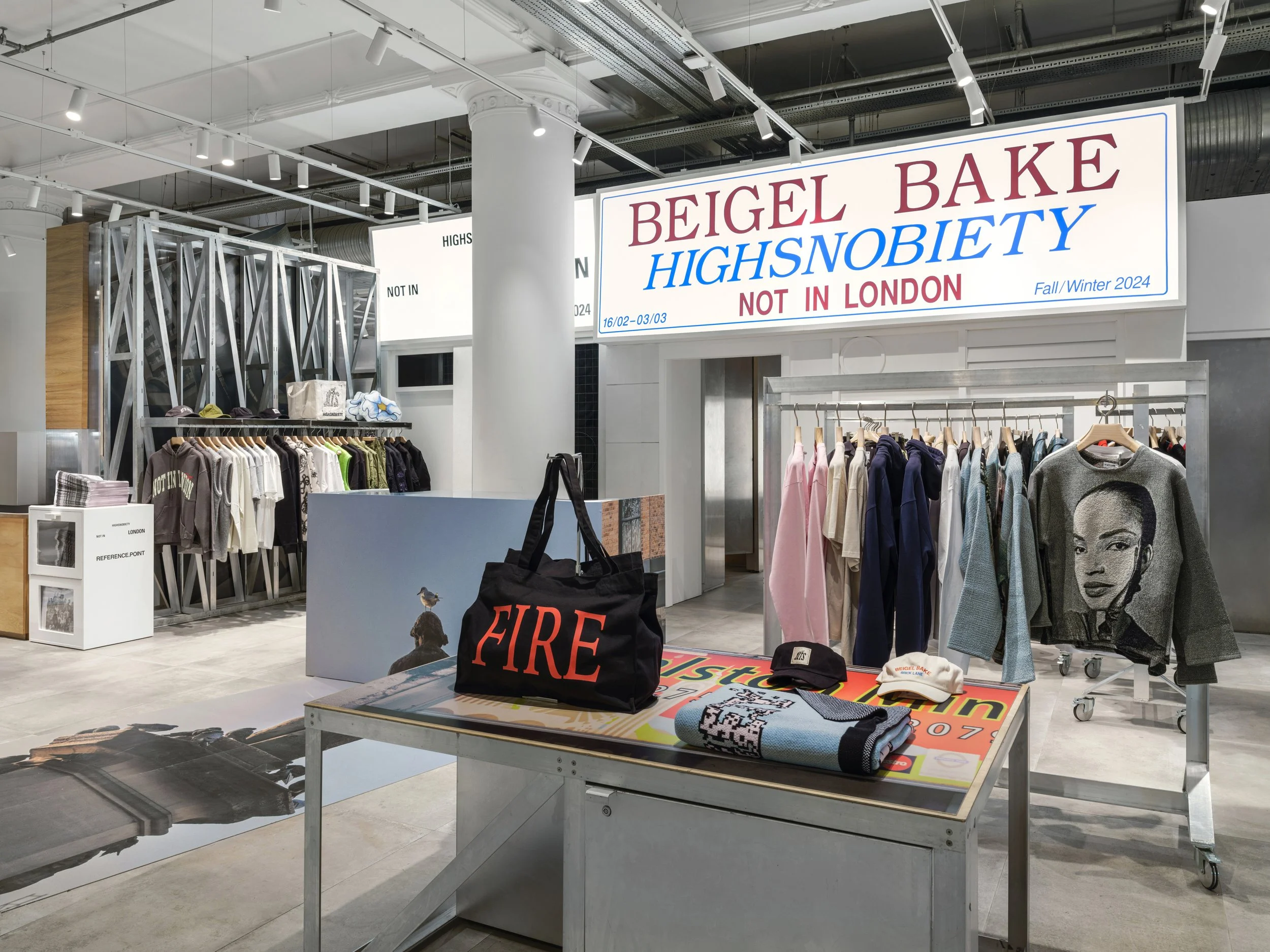
    Notably, this overhaul will also affect the brand’s flagship store, situated on Berlin’s Unter den Linden Boulevard. Having been opened just last year, the store is slated to undergo a significant transformation. The space will be repurposed into a hub for brand collaborations, activations, and temporary pop-up experiences.

    From Digital Publication to E-Commerce

    Highsnobiety was originally established as a digital publication focusing on youth culture and the streetwear segment. In an attempt to enrich its editorial content, the company ventured into e-commerce in 2019 by launching a platform that offered a curated selection of fashion and lifestyle products. This included collaborations with several prominent brands.

    However, upon reflection, the company has concluded that it can make its most meaningful long-term contributions by influencing culture, rather than running a third-party retail model.

    Shaping Culture

    David Fischer, the founder and CEO of Highsnobiety, reflected on the ethos of the company. He emphasized that Highsnobiety has always aimed to help its community understand emerging trends and aid brands in gaining credibility with relevant audiences.

    In the last half a decade, Highsnobiety has successfully created cultural moments that have extended far beyond the realm of traditional publishing. Fischer expressed that looking forward, the company’s focus and efforts will be squarely directed at continuing this cultural influence.

    Questions & Answers

    What changes is Highsnobiety making?
    Highsnobiety is terminating its e-commerce operations by the end of the year and refocusing on its original publishing and cultural agency operations.

    What is the impact of this decision on the company’s employees?
    Approximately 50 roles related to retail and associated departments are expected to be affected. However, Highsnobiety is working to provide ample support to the affected employees throughout the transition.

    How is Highsnobiety’s flagship store on Berlin’s Unter den Linden Boulevard being restructured?
    The flagship store will be transformed into a space for brand activations, collaborations, and temporary pop-up experiences.

  • Style Theory Shuts Down: High Operational Costs, Investor Departure Mark End Of Fashion Rental Platform

    Style Theory Shuts Down: High Operational Costs, Investor Departure Mark End Of Fashion Rental Platform

    Style Theory, a Singapore-based online clothing rental platform, has recently ceased operations due to increasing operational costs and the departure of its key investors.

    Established in 2016, Style Theory functioned as an online rental platform that operated on a subscription basis. For monthly fees ranging from $89 to $149, it provided its customers with access to designer clothing and fashionable accessories via its proprietary app.

    The company announced on its online platform that it discontinued its subscription service as of September 30. All related services including rental, delivery, membership, support among others, were also discontinued. Customers were alerted that unused points would not be refunded and they could retain any rented items indefinitely.

    The firm will go into liquidation, and those owed money will be classified as creditors. The economic climate, which the company describes as increasingly challenging, along with rising costs and unforeseen circumstances, including the withdrawal of key investors, were cited as the main factors behind this decision.

    Style Theory was supported by notable investors including Alpha JWC Ventures, Quest Ventures, The Paradise Group, and SoftBank Ventures Asia.

    The decision to shut down was not taken lightly, as stated by the founders. The main mission of Style Theory, since its inception, was to make fashion more sustainable, accessible, and circular. The unexpected discontinuation of services is regrettable, and the company sincerely apologizes for any disappointment caused. The founders assured that every possible alternative was considered before reaching this conclusion.

    This closure follows the shut down of the company’s operations in Indonesia in June. The company stated at that time that it wanted to concentrate its resources on strengthening its foundations in Singapore and Hong Kong.

    Questions & Answers

    Why has Style Theory ceased operations?
    Style Theory has ceased operations due to escalating operational costs and the departure of key investors.

    What happens to the customers who have unused points?
    Customers were informed that their unused points would not be refundable. They can, however, keep any items they have currently rented indefinitely.

    What was the primary mission of Style Theory?
    The primary mission of Style Theory was to make fashion more sustainable, accessible, and circular. The company aimed to achieve this through its online rental platform.

  • Alibaba And Jd.com: Transforming China’s Retail Landscape Amidst Rising Consumer Expectations

    Alibaba And Jd.com: Transforming China’s Retail Landscape Amidst Rising Consumer Expectations

    China’s retail sector is experiencing a transformative moment, marked by the strategic rise of two formidable players: Alibaba and JD.com. This dynamic shift mirrors broader trends reshaping the region’s e-commerce landscape, where Chinese consumers are becoming increasingly discerning and adept at navigating their shopping choices.

    The Rise of Online Retail Titans

    As the pandemic prompted significant changes in consumer habits, both Alibaba and JD.com have consolidated their positions, further entwining themselves in the daily lives of shoppers across the nation. Alibaba reported a staggering 15% growth in annual revenue, further highlighting the platform’s ability to adapt to the evolving market conditions. Meanwhile, JD.com showed its mettle, achieving a 10% increase in retail sales during the same period, which underscores its commitment to enhancing customer satisfaction through improved delivery services and product offerings.

    Aligning with Consumer Trends

    As Chinese consumers increasingly gravitate towards convenience and quality, these giants are innovating to meet those expectations. Alibaba’s focus on integrating online and offline shopping experiences has proven vital. The company’s ‘New Retail’ strategy, which seamlessly blends digital and traditional retail, is resonating well with tech-savvy consumers. This approach has not only driven sales but has also increased the frequency of consumer spending.

    A Competitive Landscape

    The competition is fierce. Both Alibaba and JD.com are racing to capture the hearts (and wallets) of a rapidly evolving customer base. While Alibaba has successfully leveraged its vast data analytics capabilities to personalize shopping experiences, JD.com is not far behind with its focus on logistics and delivery efficiency; it’s not just about what you buy, but how quickly you can get it. In this digital age, waiting days for a package is as antiquated as using a typewriter.

    Future Prospects: What Lies Ahead

    Looking to the future, these retail titans are aware that innovation is crucial. Both companies are investing heavily in artificial intelligence and other emerging technologies to streamline operations and enhance user experience. Analysts predict that this power struggle will only intensify, as consumer expectations continue to rise, pushing both brands to new heights in the quest for market supremacy. Whether it’s through AR-driven shopping experiences or drone deliveries, one thing is clear: the race is just getting started.

    Questions & Answers

    How are Alibaba and JD.com adapting to changing consumer preferences?
    Both companies are embracing innovation, with Alibaba focusing on a seamless integration of online and offline experiences, while JD.com emphasizes logistical efficiency and fast delivery times to enhance customer satisfaction.

    What impact has the pandemic had on the retail landscape in China?
    The pandemic has accelerated the shift towards e-commerce, leading to significant revenue growth for both Alibaba and JD.com as consumers increasingly prefer online shopping.

    What future developments can we expect from these retail giants?
    Expect continued investment in emerging technologies, such as artificial intelligence and augmented reality, as both companies strive to enhance user experiences and meet rising consumer demands.

  • Shinsegae And Alibaba Join Forces: A New Contender Challenges Coupang And Naver’s Dominance

    Shinsegae And Alibaba Join Forces: A New Contender Challenges Coupang And Naver’s Dominance

    The antitrust regulator of South Korea has provisionally approved a joint venture between Shinsegae Group’s Gmarket and Alibaba’s AliExpress Korea. This approval paves the way for a new contender to challenge the market, which has been historically dominated by Coupang and Naver.

    Partnership Dynamics

    This collaboration is organized as a balanced joint company under Grand Opus Holding. It merges Gmarket and AliExpress Korea into a unified business model, which can be described as “two families under one roof.” However, it ensures the operational independence of both entities.

    The Korea Fair Trade Commission (KFTC) imposed safeguards that mandate the strict separation of domestic consumer data. It also prohibits the sharing of overseas direct-purchase information between the platforms.

    The collaboration has been presented as both a defensive strategy and a growth plan. Gmarket’s CEO, Jung Hyung-kwon, has called the strategic alliance with AliExpress a necessary step to secure market leadership. He promises to complement Gmarket’s reliable platform with Alibaba’s extensive product range.

    Implications of the Joint Venture

    The joint venture grants 600,000 Gmarket and Auction sellers access to Alibaba’s worldwide e-commerce network, which spans over 200 countries. Concurrently, Chinese-made products from AliExpress are expected to establish a more robust presence in Korea, supported by Shinsegae’s logistics proficiency.

    Analysts speculate that this deal could potentially restore Gmarket’s financial health after a series of losses, while helping AliExpress shed its reputation for counterfeit and low-quality goods.

    The partnership comes as the online retail sector in Korea is experiencing a three-way competition. While Coupang continues to lead with 34.2 million monthly active users, the combined reach of AliExpress, Gmarket, and Auction now exceeds 18 million, surpassing Naver’s 4.3 million.

    Market Conditions and Future Projections

    This competitiveness takes place amid market volatility. Early market leaders such as Interpark and 11st have dwindled, while the growth during the pandemic solidified Coupang and Naver’s duopoly. Recently, Chinese companies like AliExpress and Temu have disrupted the market with extremely affordable goods, leading to the downfall of several smaller Korean platforms.

    With the alliance between Shinsegae and Alibaba now formed, analysts foresee an escalation in price competition, especially with an anticipated increase in Chinese-made consumer goods being sold through Gmarket. However, concerns persist about whether the increased scale will result in profitability, given the limited brand loyalty on both sides.

    Meanwhile, Coupang is focusing on expanding its nationwide rocket delivery, and Naver is enhancing its fresh food delivery through its new alliance with Kurly. Some industry insiders speculate that Shinsegae’s SSG.com may eventually integrate its fresh food operations into the partnership to close the competitive gap.

    The joint venture has also sparked some controversy, with critics warning of the risk of Korean consumer data exposure to China, despite regulatory safeguards.

    Regardless, for Shinsegae, this venture represents a daring gamble: challenging two entrenched giants by combining its retail expertise with Alibaba’s global scale. The lingering question is whether the alliance can offer both local trust and international reach, without igniting a destructive price war.

    Questions & Answers

    What is the structure of the joint venture between Gmarket and AliExpress Korea?
    The partnership is structured as a balanced joint company under Grand Opus Holding, merging Gmarket and AliExpress Korea into a unified but operationally independent business model.

    What benefits does the joint venture offer?
    The joint venture provides 600,000 Gmarket and Auction sellers access to Alibaba’s global e-commerce network, which spans over 200 countries. It also allows for a stronger presence of Chinese-made products in Korea.

    What are the potential risks and criticisms associated with the joint venture?
    Critics warn of the risk of Korean consumer data exposure to China, despite regulatory safeguards. Furthermore, analysts question whether the increased scale will result in profitability, given the limited brand loyalty on both sides.

  • Xiaohongshu: Revolutionizing Retail With Social Commerce Amidst Challenges

    Xiaohongshu: Revolutionizing Retail With Social Commerce Amidst Challenges

    Since its launch, the social commerce platform Xiaohongshu, popularly known as Little Red Book, has been making waves in the retail landscape across China and beyond. Positioned at the intersection of e-commerce and social interaction, Xiaohongshu has created a vibrant community where users share product reviews, lifestyle tips, and shopping experiences, all while influencing purchasing decisions.

    Combining Trends with User Engagement

    What sets Xiaohongshu apart from other platforms is its unique blend of user-generated content and curated shopping experiences. The app allows influencers and regular users alike to post authentic content, ranging from makeup tutorials to travel blogs, seamlessly integrating direct shopping links. This allows brands to tap into a highly engaged audience that is already enthusiastic about lifestyle and fashion trends. It’s a bit like stumbling into a friend’s closet and finding that perfect outfit that you didn’t know you needed.

    The Rise of Influencer Marketing

    As influencer marketing continues to dominate the retail sector, Xiaohongshu stands at the forefront by allowing brands to partner with content creators who resonate with their target market. This strategy not only enhances product visibility but also fosters a sense of trust among potential buyers. With over 300 million registered users, the platform makes it easy for brands to connect with niche communities, further underscoring the importance of localized marketing strategies in a diverse region like Asia.

    Challenges Ahead

    Despite its success, Xiaohongshu faces several challenges, particularly in oversight and content moderation. Reports of misinformation and counterfeit products have drawn the scrutiny of regulatory bodies, urging improved standards for user-generated content. As the platform navigates these challenges, how it bolsters trust while maintaining rapid growth will be crucial in retaining its user base and attracting new brands.

    In a landscape as dynamic as retail in Asia, staying ahead of the curve is essential. With platforms like Xiaohongshu redefining shopping habits, it’s evident that the future of retail intertwines closely with social interaction — a digital bazaar where every swipe may lead to the next best find.

    Questions & Answers

    What makes Xiaohongshu unique in the realm of social commerce?
    Xiaohongshu combines user-generated content with e-commerce, allowing users to share their experiences and reviews while seamlessly integrating shopping links, creating a community-centric shopping environment.

    How has influencer marketing evolved on Xiaohongshu?
    The platform has become a hub for brands to collaborate with influencers who connect with their audience, significantly enhancing product visibility and fostering trust among potential customers.

    What challenges does Xiaohongshu currently face?
    The platform is grappling with issues of misinformation and counterfeit products, prompting calls for better content moderation standards to maintain user trust and safety.

  • Giordano Sees Sales Surge Amid Economic Uncertainty: E-commerce Success And ‘beyond Boundaries’ Strategy Key

    Giordano Sees Sales Surge Amid Economic Uncertainty: E-commerce Success And ‘beyond Boundaries’ Strategy Key

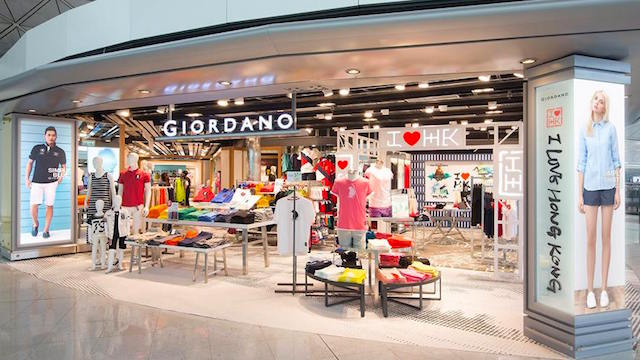
    Hong Kong’s prominent fashion retailer, Giordano, recently announced an increase in their sales for the first half of the fiscal year. This significant improvement in sales is mainly attributed to a substantial surge in the company’s e-commerce operations.

    Positive Revenue Growth Amid Economic Uncertainty

    Giordano’s revenue for the first half of the fiscal year experienced an increase of 1.6 per cent, amounting to HK$1.934 billion (US$248 million). The management team highlighted this growth as a significant accomplishment in the midst of a fluctuating political and economic environment.

    The primary contributor to this growth was the company’s online business, which saw a remarkable increase of 26.1 per cent. This surge was credited to ongoing digital transformation efforts and customer-centric strategies.

    Geographical Revenue Analysis

    In the realm of geographical revenue, Mainland China saw a 13 per cent increase, with a nearly 18 per cent rise in the second quarter and an 8 per cent surge in the first quarter. Same-store sales remained steady in Q2, which was a positive shift from the 3.6 per cent decline in Q1.

    Revenue in Hong Kong and Macau reversed from a 6.5 per cent drop in Q1 to a 2.2 per cent increase in Q2, outperforming the overall negative retail sales in Hong Kong’s clothing sector.

    Sales in the Gulf Cooperation Council similarly experienced a 1.9 per cent growth during the half. However, Southeast Asia and Australia witnessed an 8 per cent decrease, mainly due to the poor performance in the Indonesian market.

    The company’s gross margin dropped by 3.3 percentage points to 55.6 per cent, which was primarily due to a larger volume of online sales and wholesale, inventory clearance efforts, and increased merchandise costs. The attributable net profit remained fairly consistent, with a minor increase of 0.8 per cent to HK$121 million.

    The ‘Beyond Boundaries’ Strategy

    CEO Colin Currie shed light on the company’s ‘Beyond Boundaries’ five-year strategy, which was initiated a year ago. He said that through this strategy, they were able to successfully execute a series of ‘Quick Win’ initiatives to establish a robust foundation for 2025 and beyond.

    The central focus of the ‘Beyond Boundaries’ strategy for 2025 is to strengthen the ‘Digital-First’ approach, simplify the brand portfolio, and make significant strides in Greater China.

    Currie stated that while the company is pleased with the positive results, they are continually reviewing and adjusting areas that need improvement, particularly in safeguarding their gross margin. To support better performance, they are actively improving their processes and enhancing sourcing efficiency.

    Last year, Giordano reported a 1.2 per cent revenue increase.

    Questions & Answers

    What led to the increase in Giordano’s sales for the first half of the fiscal year?
    The increase in sales was primarily driven by a significant boost in the company’s e-commerce operations.

    How did Giordano’s geographical revenue perform during this period?
    Mainland China experienced a 13 per cent revenue increase, while Hong Kong and Macau saw a 2.2 per cent rise. However, Southeast Asia and Australia faced an 8 per cent decrease in revenue.

    What is Giordano’s ‘Beyond Boundaries’ strategy?
    The ‘Beyond Boundaries’ strategy is a five-year plan aimed at strengthening the ‘Digital-First’ approach, simplifying the brand portfolio, and making significant strides in Greater China.

  • JD.com Reports Sharp Q2 Profit Drop as China’s Food Delivery War Intensifies

    JD.com Reports Sharp Q2 Profit Drop as China’s Food Delivery War Intensifies

    JD.com reported a staggering 51% decline in net profit during the April-June quarter, totaling 6.2 billion yuan ($864 million). This sharp drop can be attributed to significant subsidies directed toward its food delivery service as the company grapples with fierce competition from Meituan and Alibaba in the rapidly evolving market.

    Continued Subsidy Wars in China

    In a landscape where hefty discounts and incentives have become the bread and butter of attracting users, JD.com’s commitment to subsidizing its food delivery operations shows no signs of waning. As the price wars intensify, JD.com is betting big on capturing market share, even as the financial toll becomes evident.

    Financial Strain Amid Competitive Pressure

    The current state of play in the food delivery sector indicates that the battle lines are drawn and heavily fortified, with JD.com facing off against formidable rivals. Analysts are closely watching how these subsidy investments will impact the company’s long-term viability and overall profitability. It seems that in this culinary conquest, JD.com might be cooking its own financial goose.

    Looking Ahead: What’s Next for JD.com?

    As the third quarter approaches, all eyes will be on JD.com to see if it maintains its aggressive subsidy strategy or recalibrates in response to the intense market pressures. Investors and consumers alike are wondering how this will shape the future of food delivery in China, a sector that is as unpredictable as an unpopped popcorn kernel at the bottom of a bag.

    Questions & Answers

    What caused JD.com’s drastic drop in profits this quarter?
    JD.com’s net profit fell 51% due to substantial subsidies it invested in its food delivery service, as it competes against Meituan and Alibaba.

    How is the food delivery market in China currently performing?
    The market is characterized by aggressive price wars, with JD.com, Meituan, and Alibaba vying for dominance through significant discount offers and incentives to attract users.

    What might be JD.com’s strategy moving into the third quarter?
    Observers expect JD.com to either continue its subsidy-driven approach to gain market share or possibly adjust its strategy in response to the financial impact of these investments.

  • My Food Bag Group Sees Profit Surge, Launches Innovative Non-subscription Platform Amid Continued Growth

    My Food Bag Group Sees Profit Surge, Launches Innovative Non-subscription Platform Amid Continued Growth

    My Food Bag Group, a prominent meal kit company, has experienced a favorable upward trend in growth during the second half of the fiscal year 2025 (FY25). This positive trajectory is reflected in the company’s increased profitability and the successful launch of its innovative non-subscription sales platform.

    For the financial year ending on March 31, the company reported a steady revenue of $162.1 million, mirroring the previous year’s figures. The second half of the financial year, however, saw a 5% growth in revenue compared to FY24, and an uptick of 1.9% from the first half of FY25.

    The company’s annual net profit surged by 5%, totaling $6.3 million. The Earnings Before Interest, Taxes, Depreciation, and Amortization (EBITDA) also experienced a slight increase, reaching $16.1 million. Concurrently, the margins improved and the net debt plunged from $11.8 million to $6.9 million.

    Strategic Developments and Partnerships

    The company’s CEO, Mark Winter, expressed his optimism about the company’s efforts translating into sustained business performance and renewed growth.

    A primary strategic progression was the launch of My Food Bag Shop in November, an online platform offering one-time meals and gift boxes catering to non-subscribers.

    The company also enhanced its primary brands, namely My Food Bag, Fresh Start, and Bargain Box, by relaunching its Gluten-Free range and incorporating new specialized options. These new offerings include Low Carb, High Protein, and a Diabetes Plan, which was designed through a collaboration with Diabetes New Zealand.

    FY25 marked digital advancements, such as a revamped website and application to augment user experience. The company joined forces with the NZ Olympic Team and Auckland FC to enhance brand engagement.

    According to Winter, the enhanced user experience on the web and app facilitates an easier navigation for customers to find suitable meals. The partnerships with the NZ Olympic Team and Auckland FC have strengthened the company’s local foothold and boosted its relevance among New Zealanders.

    Future Focus

    The company reported a positive start to the early FY26 trading. Its focus remains on personalization, expanding its Bargain Box offering, and broadening the Shop platform to cater to cost-conscious and flexible consumers.

    Questions & Answers

    What was a significant strategic move by My Food Bag Group in FY25?
    In FY25, My Food Bag Group launched My Food Bag Shop, an online platform that provides one-time meals and gift boxes to non-subscribers.

    How did My Food Bag Group enhance its brand offerings?
    The company reintroduced its Gluten-Free range and added new specialized options including Low Carb, High Protein, and a Diabetes Plan, which was developed in collaboration with Diabetes New Zealand.

    What are the company’s plans for FY26?
    The company plans to focus on personalization, expand its Bargain Box offering, and broaden the Shop platform to meet the demands of cost-conscious and flexible consumers.

  • Alibaba Closes Hema X: The End of Its Ambitious Costco-Style Membership Retail Venture

    Alibaba Closes Hema X: The End of Its Ambitious Costco-Style Membership Retail Venture

    Alibaba Group Holding is set to phase out its remaining Costco-style Hema X store, signaling a pullback from China’s competitive retail market.

    In a significant shift within its retail strategy, Alibaba is closing its premium “Hema X” stores, which operated on a membership basis. According to sources familiar with the decision, the closures were made to streamline operations and improve overall profitability. This move underscores the fierce competition within China’s retail landscape.

    The Hema brand, which has been a key player in Alibaba’s supermarket strategy, has found it increasingly challenging to hold its ground against giants like Walmart’s Sam’s Club and Costco Wholesale. These rivals have captured the attention of Chinese consumers eager for exclusive offerings and bulk buying options.

    This recent development aligns with Alibaba’s broader pivot towards investing in artificial intelligence, a step intended to enhance its competitiveness against peers such as JD.com and PDD Holdings, all while navigating the complexities of China’s economic slowdown.

    The closure of Hema X stores is a notable reversal of the ambitious expansion plans that began around 2020, following Costco’s first mainland store launch in Shanghai in August 2019. Initially, Alibaba had set out to launch 100 Hema X locations within a three-year period, according to reports from Star News.

    Recent reports indicate that the last Hema X store in Shanghai is slated to shut its doors on August 31, following the earlier closures of three stores located in Beijing and Jiangsu province in July. While Hema X is closing, Alibaba is not pulling entirely back from retail; it is set to expand its core Hema chain, which has been redefining the supermarket concept since 2015 by blending fresh produce, dining options, and quick delivery services. The company plans to open around 100 new Hema stores this year, demonstrating its commitment to this original vision amidst the shifting retail tides.

    Questions & Answers

    What prompted Alibaba to close its Hema X stores?
    Alibaba’s decision to close Hema X stores was driven by a need to enhance profitability and confront tough competition from established players like Walmart’s Sam’s Club and Costco, which have effectively captured market interest in China.

    How does Hema X differ from Alibaba’s core Hema brand?
    Hema X operated on a premium membership model, focusing on exclusive products and a high-end shopping experience, while the core Hema brand integrates a supermarket model with fresh produce and a restaurant concept, appealing to a broader customer base.

    What are Alibaba’s future plans for the Hema chain?
    Despite the closures, Alibaba remains committed to its core Hema chain, planning to unveil approximately 100 new stores this year as it seeks to adapt and thrive in a challenging retail environment.

  • Alibaba’s New Retail Strategy: Transforming Asia’s Retail Landscape With Seamless Online Offline Shopping

    Alibaba’s New Retail Strategy: Transforming Asia’s Retail Landscape With Seamless Online Offline Shopping

    In an ambitious move that could reshape the retail landscape in Asia, Alibaba Group has unveiled its latest venture: a multi-format retail experience designed to blend online and offline shopping seamlessly. This ambitious project embraces the company’s mantra of “retail as a service,” as it looks to transform how consumers interact with brands while navigating an increasingly digital marketplace.

    Redefining Shopping Experiences

    The new initiative, which Alibaba refers to as its “New Retail” strategy, aims to create an omnichannel environment where traditional brick-and-mortar stores and digital platforms operate in perfect harmony. Customers will see a seamless integration of shopping experiences, from smart shelves that provide real-time product availability to interactive displays that offer personalized recommendations based on consumer behavior.

    Alibaba’s President, J. Michael Evans, described the project as a “game changer,” emphasizing the importance of tailored experiences in today’s competitive retail market. By leveraging data analytics and artificial intelligence, Alibaba plans to enable businesses to connect with consumers on a more intimate level, ensuring that every interaction feels customized and relevant.

    Partnerships Fueling Innovation

    Key to this initiative is a series of partnerships with established brands and startups alike. Notably, Alibaba has joined forces with local enterprises to enhance logistics capabilities and improve supply chain transparency. As Evans notes, “Collaboration is at the heart of what we are doing.” With this mindset, Alibaba hopes to attract partners eager to embrace the changing shopping paradigm and innovate alongside one of Asia’s retail giants.

    For tech enthusiasts, the prospect of shopping with augmented reality features is especially enticing. Imagine slipping on AR glasses to browse through a virtual storefront while standing in your living room — it sounds like something out of a science fiction novel but could soon become part of your everyday retail experience.

    Economic Implications

    This innovative push comes at a pivotal moment for retail in Asia, as significant shifts in consumer behavior have emerged during the pandemic. Research indicates that online shopping has skyrocketed, but there’s still a strong desire among consumers for physical interactions. Alibaba’s strategy appears to anticipate this hybrid demand, potentially setting a new standard for how brands engage with their customers in both realms.

    The economic implications of Alibaba’s New Retail approach are profound. By creating an ecosystem that fosters growth for businesses of all sizes, Alibaba not only stands to boost its own bottom line but also invigorate the entire retail sector, leading to renewed job creation and economic activity.

    Final Thoughts

    As Alibaba propels itself further into the retail future, one thing is clear: this isn’t just about selling products — it’s about crafting a consumer-centric environment that enhances the shopping journey. If executed successfully, it could indeed be the start of an exciting new chapter in Asian retail history.

    Questions & Answers

    What is Alibaba’s New Retail strategy?
    Alibaba’s New Retail strategy aims to create an integrated shopping experience that melds online and offline retail, utilizing advanced technologies like AI and data analytics to personalize customer interactions.

    How is Alibaba partnering to enhance its retail initiative?
    Alibaba is forming partnerships with both established brands and innovative startups to strengthen logistics and supply chain transparency, driving collaboration and innovation in the retail space.

    What are the potential economic impacts of this initiative?
    The New Retail initiative could invigorate the retail sector, boost economic activity, and lead to job creation by fostering a growth-oriented ecosystem for businesses of all sizes in Asia.

  • Korean e-commerce firms under fire over hidden review rankings

    Korean e-commerce firms under fire over hidden review rankings

    Approximately 40% of significant online shopping portals in South Korea utilize proprietary algorithms to order product reviews, but the metrics behind these rankings are not publicly disclosed. This lack of transparency has caused some concerns about consumer trust, as per a recent study by the Seoul Metropolitan Government.

    Algorithm-Based Ranking in Online Retail

    The Seoul Electronic Commerce Center’s latest survey, published on Friday, revealed that 66% (33 out of 50) of the country’s top online retail platforms arrange customer feedback using algorithm-based rankings. These kinds of rankings are often labeled as “most popular” or “best”. However, 36% (18 out of 50) of these platforms do not provide any explanation about how these algorithms work.

    The systems used for review rankings can vary across different platforms, but they often prioritize high-star ratings and positive comments. Only a handful of platforms allow visibility for critical yet constructive reviews or let users sort reviews based on their valuable positives and negatives.

    While most platforms offer basic filtering options like “photo/video reviews” or “newest first”, more sophisticated controls are a rarity. Only a single platform allowed users to sort by “most commented”, while merely four platforms provided options to exclude reviews from promotional testers.

    The Importance of Reviews in Online Shopping

    In the report, the city stated, “In online shopping, where consumers cannot inspect the product in person, reviews are a vital factor in the decision-making process. Overemphasis on positive reviews undermines trust and limits informed consumer choice.”

    International platforms such as Costco, Rakuten, Amazon and Sephora have implemented more transparent and user-friendly review systems. For instance, Costco and Rakuten highlight one positive and one critical review deemed most helpful, while Sephora marks incentivised reviews and enables users to filter them out completely. Amazon provides tools to highlight both positive and negative reviews that other consumers have found useful.

    Seoul officials are planning to propose regulatory changes that would require online retailers to reveal their review-sorting algorithms to ensure better oversight.

    Kim Myung-sun, director of Seoul’s Fair Economy Division, commented, “A balanced review policy aids consumers in making quicker decisions and reduces unnecessary returns and disputes. We will continue to advocate for policies that protect consumer rights.”

    Questions & Answers

    What percentage of South Korean online shopping platforms use proprietary algorithms for ranking product reviews?
    Approximately 40% of major online shopping platforms in South Korea employ proprietary algorithms to rank product reviews.

    Why is there a concern about the use of algorithm-based rankings?
    The concern arises from the fact that the criteria behind these algorithm-based rankings are not disclosed to the public, which raises issues about consumer trust and transparency.

    What do Seoul officials plan in response to these findings?
    Seoul officials plan to propose regulatory changes requiring online retailers to disclose their review-sorting algorithms, which aims to strengthen oversight in the online retail sector.

  • TikTok Shop Gains Ground, Closing In on E-commerce Leader Shopee in Retail Competition

    TikTok Shop Gains Ground, Closing In on E-commerce Leader Shopee in Retail Competition

    TikTok Shop is making waves in the Southeast Asian e-commerce landscape, capturing a notable 39% share of gross merchandise value, a substantial increase from 29% in the first half of the previous year, according to data from Metric. In stark contrast, its competitor Shopee has seen a decline, with its market share slipping from 63% to 58%. When it comes to revenue growth, TikTok Shop outpaced Shopee dramatically, reporting a staggering 69% growth compared to Shopee’s more modest 16%.

    Combined, TikTok Shop and Shopee command an impressive 97% of the market, leaving the remaining 3% to Lazada and Tiki, while other players remain too small to feature in Metric’s data. The analytics firm suggests that TikTok Shop’s ascent highlights a significant consumer trend towards platforms that marry entertainment with shopping, a seamless integration some are dubbing “shoppertainment.”

    At the recent TikTok Shop Vietnam Summit, the platform celebrated the remarkable success of this entertaining shopping model. Metrics from 2024 show revenue growth surging by 2.3 times in affiliate marketing and 1.9 times in livestreaming and short videos. However, TikTok Shop is not just riding the wave of entertaining content; official brand stores are emerging as a crucial growth driver. Despite representing only 3.4% of total stores on Shopee and TikTok Shop, these brand malls accounted for an impressive 28.7% of total revenues, reflecting an eye-popping year-on-year growth of 63% and 107% respectively. It seems consumers are becoming increasingly discerning, gravitating towards trusted brands amid the prevalence of low-quality goods.

    As we look ahead to the third quarter, forecasts from Metric indicate a projected gross merchandise value increase of 21.6% among the four major platforms, expected to reach VND122.8 trillion. Key sales events like the Mid-Autumn Festival and the back-to-school season are anticipated to fuel demand for education, gifting, and food products.

    In a recent forum, Nguyen Lam Thanh of TikTok Vietnam emphasized a commitment to optimizing seller operations, enhancing user security, and bolstering community support initiatives within the industry. Meanwhile, rival platforms Shopee and Lazada are ramping up competition by offering free shipping, with Shopee announcing free shipping on all orders, except for bulky items, and Lazada launching similar offers for orders under 15kg from official brand stores.

    Questions & Answers

    What trends are fueling TikTok Shop’s growth in Southeast Asia?
    The growth of TikTok Shop is largely attributed to the blending of entertainment and shopping—termed “shoppertainment”—which is increasingly resonating with consumers, alongside a notable rise in trust for official brand stores amidst a crowded market.

    How is the competition responding to TikTok Shop’s success?
    In response to TikTok Shop’s explosive growth, both Shopee and Lazada are implementing aggressive strategies, including offering free shipping on various orders to attract more customers.

    What does the future look like for e-commerce platforms in the region?
    The outlook for the coming months appears promising, with projections of a 21.6% increase in gross merchandise value across major platforms, driven by key shopping events and seasonal demand for various products.