Tag: E-tailing

  • Grana Singapore pop up opens

    Grana Singapore pop up opens

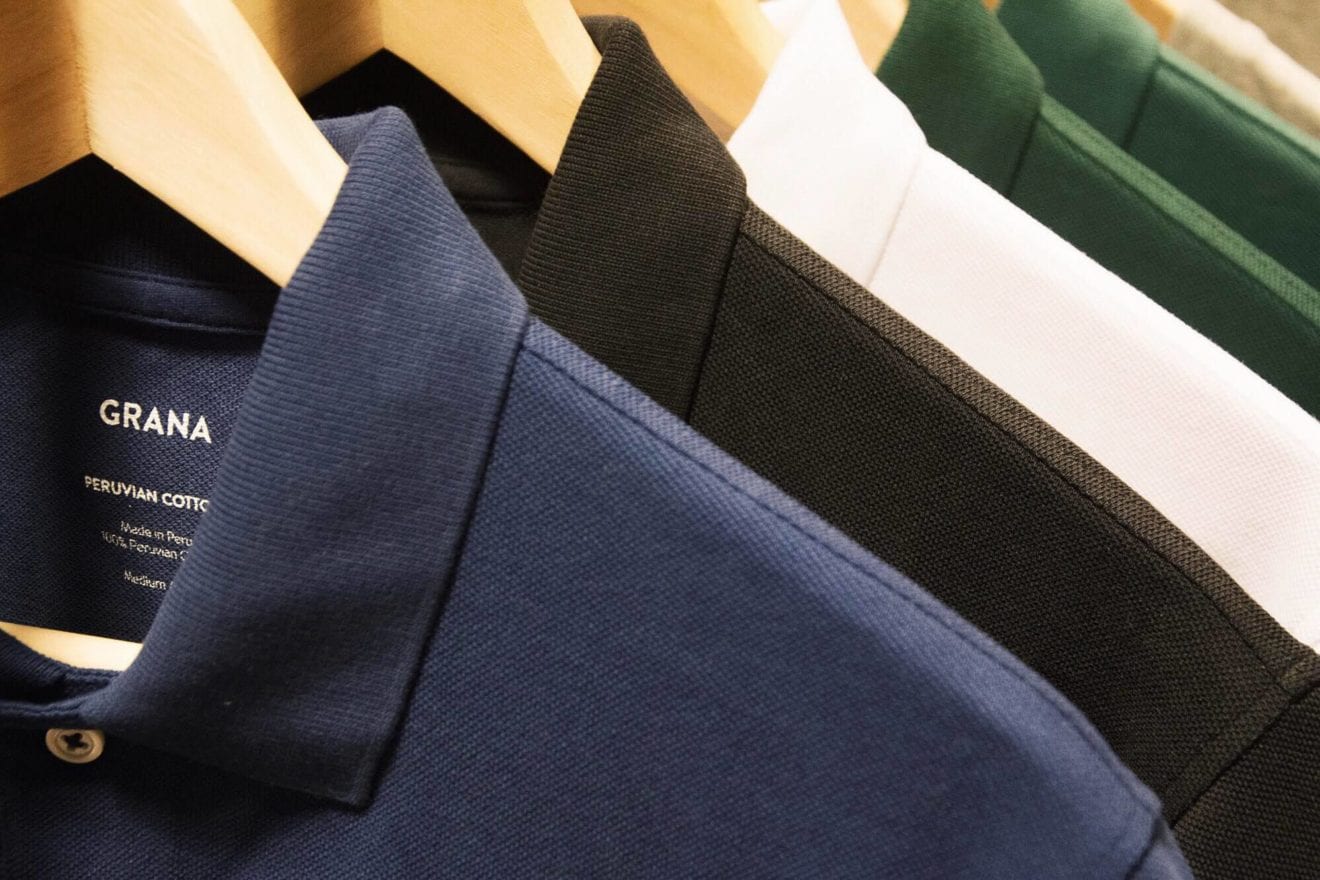
    Fast-growing Hong Kong-based online fashion business Grana has opened a pop up store in Singapore.

    The Grana Singapore pop up is its second – and this one is located in the heart of the city’s retail zone, on Orchard Rd.

    Grana is the creation of Australian Luke Grana, who was inspired by the high quality of t-shirts he came across during a trip to Peru. The site was developed with a unique business model in mind – in Grana’s own words “high-quality fashion at disruptive prices”.

    Last week, Grana announced it had received US$1.5 million in fresh funding led by Golden Gate Ventures which would be invested in expanding the business and running more short term pop up stores in Asian markets to boost brand awareness.

    The Singapore Grana pop up is located on Level 1 of Orchard Central, and will trade until August 5 from 11am – 10pm daily.

    Grana’s business model is a little different to more high profile brand fashion chains.

    “We deal directly with fabric mills instead of going through distributors or agents. Also, by operating online, we don’t have to pay rent,” says founder Luke Grana.

    “So when fashion retailers put in mark-ups along the way, our pricing is really simple: each of our shirts cost US$6, we retail that for US$12; jeans are US$20, we sell that for US$40. It’s a really honest and transparent pricing model and I think that’s what our, Generation Y customers prefer.”

    Grana plans to triple its range of styles, expand its online marketing into more countries and open more pop-up stores, which have proven hugely successful in building brand awareness in Hong Kong.

    This year, Grana is expanding into China, Europe, Japan, South Korea and Dubai. It will also expand its range into new apparel categories: Mongolian cashmere sweaters, Irish linen shirts, French poplin shirts and US twill chinos.

  • Tmall.com launches massive grocery campaign

    Tmall.com launches massive grocery campaign

    Tmall.com has launched a RMB 1 billion (US$161 million) online grocery promotional campaign targeted at Beijing users.

    The Alibaba eCommerce subsidiary has teamed up with Cainiao, the logistics affiliate of Alibaba Group, to offer same-day delivery services to Beijing city residents.

    Online grocery shopping is a rapidly growing eCommerce segment and a strategic area of interest for Alibaba Group. The convenience of online grocery shopping has already drawn in millions of users. According to Kantar Worldpanel, China’s FMCG (fast moving consumer goods) eCommerce penetration rate was 36 per cent in 2014, while McKinsey says 40 percent of Chinese consumers have bought food online.

    Tmall Supermarket will run its promotion three times a day, allowing Beijing-based Internet users a chance to win ‘red packets’ that subsidise their grocery purchases. The promotion will end on July 31.

    Beijing residents who order from Tmall’s supermarket before 11 am will be eligible for same-day delivery service. In the future, Tmall Supermarket and Cainiao plan to roll-out same-day delivery services to Shanghai and other Chinese cities.

    Jeff Zhang, president of Alibaba Group’s China Retail Marketplaces, said Tmall Supermarket will draw on Alibaba Group’s complete eCommerce ecosystem – including Alibaba’s advantage in logistics, strength in online payments, big data and cloud computing, to bring consumers the most convenient and secure online shopping experience for quality products.

    Tmall Supermarket was established in 2012 and provides a one-stop shopping solution for Chinese users looking to purchase authentic food products, cosmetics, beverages, snacks and imported items. In the past year, Tmall Supermarket’s Beijing area GMV soared more than 700 per cent with 90 per cent of consumers shopping on their mobile phones.

  • Electronic City invests online

    Electronic City invests online

    Indonesian appliance retailer PT Electronic City is to invest US$15 million on strengthening its online shopping site and to develop its back end IT infrastructure.

    It will also open another seven stores this financial year and renovate some of its existing outlets.

    Electronic City has 70 stores across Indonesia, operating in 22 cities in 15 provinces.

    The 14 year old company, which listed two years ago, has reported a stunning 600 per cent year on year increase in sales through its eCommerce site during the month-long Ramadan fasting season.

    The overall business is budgeting for 10 per cent revenue growth this year, its stores selling IT and office equipment, mobile devices, home appliances and audiovisual equipment. It holds a share of about 41 per cent of the Indonesian appliances market.

  • Alibaba.com reduces cross-border risk

    Alibaba.com reduces cross-border risk

    Alibaba.com has expanded a free service that offers refunds to disgruntled buyers who use the international wholesale trading platform to purchase goods from overseas suppliers.

    Under the B2B website’s upgraded Trade Assurance program, buyers who make purchases from participating Alibaba.com suppliers will be entitled to full refunds of their deposits, or if applicable the total value of their orders, if suppliers ship products late or if product quality does not meet contract specifications.

    Launched in May, the program initially included only Chinese suppliers with reliable track records of trading on Alibaba.com who volunteered to participate. Within a month, coverage will be expanded to all suppliers who volunteer and are qualified to participate regardless of home country. About 50,000 suppliers have joined the program, according to Alibaba.com, a subsidiary of Hangzhou, China-based Alibaba Group.

    Trade Assurance protects buyers by holding deposits or payments in escrow until they are satisfied that suppliers have lived up to the terms of their sales contracts. The program is designed to reduce risk and foster greater trust and trade among Alibaba.com buyers and suppliers, most of whom conduct business over the Internet and never meet in person. Alibaba.com sells no products itself; the company runs an online marketplace that hosts virtual stores of manufacturers, distributors and other sellers, the majority of them based in China.

    “By providing maximum trade protection, Alibaba.com aims to make cross-border trading easier, therefore empowering small-and medium-sized businesses to engage in global trading,” said Alibaba Group senior VP Wu Min Zhi.

    “By lessening concerns and building trust in international trade, we are committed to introducing more trade opportunities to Alibaba.com members,” Wu said in a statement.

    “As a result, small businesses will not miss out the benefits of international trading due to trust concerns over product quality or payment security.”

    Trade Assurance protection is available to all of Alibaba.com’s millions of global buyers, provided the supplier they want to do business with is approved for the program. To vet suppliers, Alibaba.com uses data analytics to assess past performance and trading histories over six-month periods. The program currently only covers payments made by telegraphic transfer (T/T), but other payment methods will be covered in the future, Alibaba.com said.

    To help make it easier for small businesses to identify reliable trading partners, Alibaba.com encourages suppliers who qualify for the Trade Assurance program to display a Trade Assurance icon on their Alibaba.com virtual storefronts. To further improve transparency, storefronts also display the total number of transactions and total value of deals the supplier has completed over the previous 12 months. In addition, Alibaba.com will show how often and how quickly qualified suppliers respond to customers.

    Meanwhile, Alibaba.com says its “e-Credit Line” service – which provides trade financing to small businesses using Alibaba.com – is now expanded into Australia.

    Through a partnership between Alibaba.com and Australian finance company AUSvance, Australia-based small businesses can apply for loans and lines of credit in under five minutes through a streamlined process and obtain a line of credit from AU$5000 to AU$300,000 to pay suppliers for purchases on Alibaba.com.

    A decision based on an automated credit scoring model will be made within 60 seconds, and full approval can be granted within 24 hours after verification of documentation from the applicants, according to Alibaba.com. The interest rate is as low as 1.15 per cent per month for Alibaba.com customers.

  • Scope of e-commerce expanding rapidly

    Scope of e-commerce expanding rapidly

    Thailand’s e-commerce sector is expected to see continued strong growth, of 30-35 per cent this year.

    More and more players are getting into the e-commerce game, such as online merchants, payment-service providers, order-fulfilment providers, tech start-ups and telecoms, and foreign interests as well, encouraged by the government’s “digital economy” initiative.

    Thai E-Commerce Association president Pawoot Pongvitayapanu said e-commerce was a very tough and competitive sector.

    “This year there is tough competition for e-commerce in Thailand. Large players will spend a lot of money to gain a share [of the market]. We recommend that small and medium-sized e-commerce businesses should focus on segmented marketing targeted at their [particular market],” he said.

    He said the rapid increase in mobile Internet users had been helping e-commerce to grow actively this year.

    As of the first quarter of this year, True Mobile had 20.7 million users of its fourth- and third-generation wireless broadband services, Total Access Communication had 14.8 million data subscribers, and Advanced Info Service (AIS) had 20.6 million data subscribers.

    According to research by eMarketer, by 2018, Thailand is projected to have nearly 27 million smartphone users, with mobile-phone penetration reaching 71 per cent, giving the Kingdom the 19th-largest smartphone-user population worldwide, ahead of Australia and Vietnam.

    This rapid increase of smartphone penetration and mobile Internet users is the key factor driving rapid growth of online shopping in Thailand.

    This has obliged all stakeholders included retailers, e-commerce businesses, e-marketplaces, e-payment providers, and logistics companies to focus more on this sector. If they do not, they will lose customers to the other online shopping sites or miss business opportunities.

    Pawoot, who is also managing director of Rakuten Tarad.com, said the company would launch a new e-commerce service next quarter as part of its strategy to grow by 40-50 per cent this year. “This year, our growth comes from an increase in merchant numbers, adjusted internal processes, focusing on the mobile channel, and conducting marketing and promotion. We have a marketing budget of more than Bt10 million.”

    Telecom online stores

    Pratthana Leelapanang, executive vice president for marketing at AIS, said sales through AIS Online Store were growing by more than 200 per cent when compared with last year. All products are telecom-related including devices, accessories, SIM cards, and premium packages and content.

    The sales goal of AIS Online Store this year is to sell 600,000 mobile phones, while the marketing goal is to be a “top of mind” store.

    Convenient payment is one of the factors in the online shop’s success. Customers can pay cash on delivery or via credit or debit cards, automated teller machines, Internet banking, or over the counter at more than 400,000 outlets nationwide such as at Tesco Lotus, FamilyMart, mPay Station and Thai Post.

    “Online business in Thailand is rapidly increasing. According to the latest research by Google in June, a lot of people do online shopping via smartphone. Thailand has the highest ratio with 31 per cent of smartphone users doing mobile shopping. Therefore, there are huge opportunities for online business in Thailand,” Pratthana said.

    However, one of the disadvantages faced by online businesses in Thailand right now is price wars. Many players have absorbed losses after offering big discounts to attract customers to their online shops. Meanwhile, logistics costs in Thailand are still high.

    “Online shopping cannot [allow] customers to try and touch products before purchase. Credit-card use is still limited as people are concerned about security,” Pratthana said.

    Tim Verouden, senior vice president and head of digital services at DTAC, said online business was growing. DTAC’s e-commerce is not confined to its dtac.co.th online store, but is a whole ecosystem of digital commerce-related activities and platforms based on its customers’ understanding that it can make personalised and relevant offers.

    “We see our digital-channel footprint from a holistic perspective where all channels can benefit from each other. In terms of portfolio, we used to have the same portfolio of handsets, packages and offers as the other channels, but especially due to advanced customer understanding we can now offer more and more personalised products and services. And this portfolio will only continue to grow in the big-data age,” Verouden said.

    Revenue from DTAC’s online store alone grew rapidly in the first half of 2015, by more than 30 per cent year on year.

    “When you look at growth rates for e-commerce transactions we have just started, I think overall revenue through digital channels will double in the coming year, for the reasons mentioned earlier,” he said.

    “We also see that channel convergence and digital being just part of a customer journey is an important factor, and having this omni-channel mindset is essential to better understand and accommodate customer needs. We are in the top five [among] e-retailers in Thailand, which is quite remarkable for a telco company.”

    Line Pay

    Last week, Line Pay, a payment platform using the Line chat application, made its Thailand debut. Chase Chang, vice president for global business development at Line Pay, said the service would become a mobile payment platform for both online and offline with the aim to drive growth of online commerce in Thailand.

    Currently there are more than 205 million monthly active Line users worldwide. As of January, Thailand was Line’s second-largest country, following Japan’s 58 million, with more than 33 million users.

    “Line is very big and growing very fast. Line is set to be a ‘life platform’. We started from a communication [chat] platform, then we introduced vertical services such as Line TV, Line Music and others. Line Pay is the fundamental for supporting all of Line’s services as well as to support our partners,” Chang said.

    Line users can apply for Line Pay with ties to their credit or debit card for seamless payment for digital goods and services from Line Shop and other online markets.

    Next quarter, Line Thailand will launch the Line e-wallet, which is a Line Pay account that people can tie to their ATM or bank account. When they make a payment, they can choose between their credit/debit card or Line Pay e-wallet.

    Currently more than 100 merchants accept Line Pay. By the end of this year, Line Thailand aims to get that number above 300.

    Retailers go e-commerce

    E-commerce in Thailand is growing by 30-40 per cent per year, said Worawut Ounjai, chief executive officer of COL.

    Recently, COL redesigned its shopping site www.Central.co.th, which is set to be Central Group’s flagship online store. The group’s online sales account for a very small proportion of its overall annual sales of more than Bt150 billion but are expected to grow strongly, because a lot more people are turning to online shopping.

    E-commerce in Thailand currently accounts for about 0.5 per cent of the retail industry, while globally, it is more like 5.6 per cent. By 2020, it should pass 20 per cent.

    Central’s strategy is to harness its strengths, both online and offline, to increase the competitiveness of Central.co.th such as next-day delivery, flash deals, and click and collect. The company has prepared a 40,000-square-metre warehouse that can support online sales of up to Bt5 billion. For now, it offers online shopping via websites and mobile sites only.

    Recently, Central Group also announced it was opening distribution channels for small and medium-sized enterprises through Central.co.th, This is in line with the group’s policy of supporting SMEs to ensure strong and sustainable growth of the Thai economy.

    Central has partnered with Line Pay.

    “With consumers going online for shopping, merchants who are not part of the e-commerce trend will be out of the era and unable to reach a large number of customers,” Worawoot said. “At Central.co.th, customers can pay for shopping with Line Pay. By the end of this year, there will be 100,000 product items available.”

    Global e-commerce platforms

    Recently, the giant Taiwanese e-commerce company PC Home Online arrived in Thailand. It entered a joint venture with Cal-Comp Electronics (Thailand) to set up PC Home (Thailand) to provide an e-commerce platform for Thais.

    The company will launch a consumer-to-consumer (C2C) e-commerce platform in September and aims to have more than 5 million product listings within one year of operation.

    For the first three years, it will offer its service to sellers free of charge, and after that they will have to pay a fee of 1.5 per cent of a transaction value.

    Hung-Tze Jan, founder and CEO of PC Home Online and the chairman of the Taiwan Internet and E-Commerce Association, said Thailand was the best place to land in Southeast Asia because of its well-established infrastructure.

    Meanwhile Ekachai Rukachantarakul, eBay’s Southeast Asia head, said eBay was strongly committed to the evolution of commerce in Thailand, and continued to work with local SMEs. It aims to provide them with a platform through which they can deliver goods and services on an unparalleled global scale.

    Thailand, as the nation with the highest number of eBay retail exporters in Southeast Asia, with annual sales in excess of US$1 million (Bt34 million), is seeing an increasing number of success stories on eBay’s US, Australia, UK and other global marketplaces.

    An example of a successful Thai entrepreneur benefiting from eBay’s platform is Tuff. Wuttinum Sangon, owner of Tuff, uses eBay as an online marketplace to sell his Muay Thai products such as shorts, gloves and protective gear. He said eBay enabled SMEs to compete with larger companies in the global market.

    Similarly, the giant Chinese e-commerce Alibaba.com has focused on Thailand’s e-commerce market. Thailand is a really important and high-potential market for Alibaba.com, said Thomas Ho, Thailand country manager.

    Alibaba.com provides an e-commerce platform for businesses. As of March, the number of registered users in Thailand had increased by 42 per cent year on year. This was natural growth without having a local reseller, so it is possible to expect more growth in Thailand this year.

    Currently, Alibaba.com has around 570,000 registered users in Thailand, mostly buyers.

    Apart from Alibaba.com’s B2B e-commerce platform, Ho said, the company’s other businesses such as AliExpress and AliPay are under consideration for bringing to the Thai market in the future.

    Local e-marketplace

    The local e-marketplace Weloveshopping.com has adjusted its business with the aim of capturing the rapid growth of e-commerce in Thailand and in Southeast Asia and to become leader in e-marketplace segment.

    Sunsern Samaisut, chief commercial officer for the e-business group at Weloveshopping, said no one had yet dominated the e-commerce markets in Thailand and Southeast Asia, while the markets were growing rapidly. The company is confident of becoming the e-marketplace leader.

    This year, it aims to have 10,000 merchants on Weloveshopping.com, with a combined transaction value of Bt2 billion.

    The company refreshed its brand and changed its business model from earning revenue from rentals of online stores to earning commissions from transaction fees ranging from 2.9 to 13 per cent.

    “This year, we strengthened our position in Thailand with the new business model. Early next year, we plan to expand [into Southeast Asia] through two possible models, including to cooperation with local partners and takeovers of local companies,” Sunsern said.

    Fulfilment services

    Order fulfilment is crucial to the success of e-commerce businesses. Currently, there are many such services. The newest one is Thailand Post Distribution. It is a subsidiary of Thailand Post recently established to provide a total logistics solution in Thailand and Indochina with the aim to be the hub of logistics in the Indochina region by 2019.

    The service fulfils orders for medicines and medical supplies, banks and financial institutions, multinational companies, and border traders, said Warakan Srinualnad, CEO of Thailand Post Distribution.

    The company offers a total logistics solution including packing, warehousing, delivery, and payment services for both private

    companies and government organisations. It also utilises 10 of Thailand Post’s 16 warehouses and distribution centres throughout the country to enhance its logistical efficiency.

  • JD.com launches US Mall

    JD.com launches US Mall

    JD.com has launched a ‘US Mall’, its fifth in a growing lineup of country-focused retail malls.

    The new shopfront is dedicated to offering authentic imported US products for sale to its customers across China.

    Already American brands including Converse, Samsonite and Ocean Spray have signed up to sell their products on the site along with Global Brands Group’s Nautica Kids and Jeep apparel labels.

    In addition, JD.com says it will feature authentic products from Taylor Swift, including a line of clothes that the artist is designing exclusively for JD.com customers.

    JD.com also announced a partnership with DHL Global Forwarding to help American brands ensure that their products reach Chinese consumers more quickly and easily. Through this partnership, DHL is the preferred logistics service provider for moving American products ordered on JD.com’s US Mall to and across China.

    A launch event, hosted by JD.com founder and CEO Richard Liu, include several hundred representatives from major US brands.

    “As American companies increasingly understand our core advantages of zero tolerance towards counterfeits and unparalleled same-day delivery capabilities, we are gaining excellent momentum attracting US brands to our site,” said Liu.

    “Chinese consumers appreciate that the US is a global leader in the areas of product reputation, quality, reliability and variety of goods, and American companies are clearly benefiting from this unprecedented market opportunity.

    “With JD.com’s U.S. Mall up and running, and great partners like Global Brands on board, Chinese consumers have an ever-growing range of new choices of American products, including Nautica Kids, Converse and Taylor Swift’s branded fashion line,” he said.

    The US Mall follows others created for Australia, France, Japan and Korea this year.

  • Unilever to stem China losses with sweeping Alibaba partnership

    Unilever to stem China losses with sweeping Alibaba partnership

    Unilever has formed an exclusive strategic partnership with Alibaba Group on a range of ecommerce initiatives to boost the consumer-goods maker’s sales in China.

    The partnership, announced today, is seen as a significant expansion of cooperation between the two companies. Unilever first opened a virtual store on Alibaba’s Tmall.com online shopping website in 2011 and added a Tmall Global flagship store in 2014. The agreement also appears to be a response to retailers reducing their stocks of the FMCG giant’s products in response to a slowing economy in 2014.

    Unilever’s North Asia president, Marijn Van Tiggelen, said in a press statement that Unilever chose Alibaba over other internet firms in China, as it is the “leading internet company” with “not only an online store, but also a solution platform for online payment, e-finance, and ecommerce logistics”.

    Daniel Zhang, chief executive officer of Alibaba Group, stressed that the Unilever collaboration will go beyond product sales. The companies “will jointly innovate in big data analytics application, cross-border ecommerce, consumer protection and supply-chain management,” said Zhang in a statement.

    More specifically, the duo said they would work together to:

    • Expand Unilever’s distribution channels with an emphasis on giving rural consumers in the country’s less-developed regions more convenient access to Unilever products through Alibaba’s 1,000 county-level and 100,000 village-level Taobao Rural Service Centers and Alibaba’s logistics affiliate, Cainiao.
    • Develop cross-border ecommerce cooperation on Tmall Global that allows Unilever merchandising through government-backed free trade zones and bonded warehouses in China.
    • Optimise Unilever’s digital advertising strategy through Alimama (Alibaba’s marketing technology platform) and reach more consumers through online-offline retail integration.
    • Combat counterfeiting of Unilever’s brands by stepping up the company’s participation in Alibaba’s Blue Stars program, in which each product is tagged with a unique QR code that allows the consumer to verify its authenticity and origin.

    To mark the beginning of the new partnership, Tmall will host a promotion from 22 through 24 July featuring flash sales with 50 per cent discounts on popular Unilever products.

    Alibaba’s vision to build the “future infrastructure of commerce” meets Unilever’s development needs in China, added Van Tiggelen.

    Ecommerce accounted for 10.7 per cent of total retail sales in China in 2014, according to China’s National Bureau of Statistics, with ecommerce set to grow faster than the overall retail market.

    However, despite Unilever’s online storefront presence on Tmall, as well as on Alibaba rival JD.com, it still felt the pain of the slowdown in China last year when sales for two consecutive quarters were down by 20 per cent. This led to bricks-and-mortar retailers and distributors destocking Unilever products. James Allison, Unilever’s head of corporate strategy, described product visibility at the time as “not that great”. Unilever will issue its second-quarter and half-year results Thursday.

  • Uniqlo closes JD.com store citing China online strategy mismatch

    Uniqlo closes JD.com store citing China online strategy mismatch

    Fast Retailing Co Ltd said on Monday it has closed the online Uniqlo store that it opened in April on China’s popular JD.com Inc shopping site, saying it did fit into its China e-commerce strategy.

    After a three-month trial run, “Uniqlo determined that a presence on JD.com was not in line with the company’s China e-commerce strategy”, said a spokeswoman for Fast Retailing, which owns the casual-clothing brand.

    “During the trial run, we realized that it is best for us to take a step back,” she told Reuters.

    She declined to disclose details about the performance of the online site or specify the firm’s e-commerce strategy, but said Uniqlo was committed to the China market, both online and offline.

    JD.com and larger rival Alibaba Group Holding Ltd have been vying to attract big, international brands onto their platforms. Bagging such names can be a huge credibility boost and a sign of implicit trust in China, a market notorious for the proliferation of fake and knock-off products.

    Uniqlo’s speedy retreat from JD.com stands in contrast to its robust presence since 2009 on Alibaba’s Amazon.com-like Tmall platform. During Alibaba’s annual Singles Day sales event last November, Uniqlo was fifth in overall sales and the top apparel brand, the spokeswoman said.

    JD.com spokesman Josh Gartner said sales on Uniqlo’s JD.com store had exceeded aggressive sales targets in the first month of operation.

    “Uniqlo is stopping operation of its flagship store due to an e-commerce strategic restructuring in China, not based on the performance of the store,” he said.

    The Japanese company is expanding rapidly in China as it aims to become the world’s biggest apparel retailer ahead of Zara-owner Inditex SA, Hennes & Mauritz AB (H&M)

    and Gap Inc by 2020.

    Fast Retailing Chief Executive Tadashi Yanai has said Uniqlo aimed to have 1,000 stores in Greater China in about five years, more than its Japan total – and eventually as many as 3,000. It had 442 in China, Hong Kong and Taiwan as of end-May.

    Japan’s stock market was closed on Monday for a public holiday. On Friday, Fast Retailing’s shares gained 1.1 per cent to close at 57,220 yen ($460.41).

  • China Jo-Jo Drugstores Announces $3 Million Registered Direct Offering

    China Jo-Jo Drugstores Announces $3 Million Registered Direct Offering

    China Jo-Jo Drugstores, Inc., a leading China-based retail and wholesale distributor of pharmaceutical and health care products through its own online and retail pharmacies, today announced that it has entered into definitive agreements with a single health-care focused institutional investor to purchase an aggregate of $3 million of its common stock in a  registered direct offering at $2.50 per share.  Additionally, for each share of common stock purchased, the investor will receive a Warrant to purchase one-half of a share of the Company’s common stock at an exercise price of $3.10 per share, which shall be initially exercisable six months following issuance and expire five years from the date of issuance.  The closing of the offering is expected to take place on or about July 23, 2015, subject to the satisfaction of customary closing conditions.

    H.C. Wainwright & Co., LLC acted as exclusive placement agent in connection with the offering.

    The net proceeds from this offering will be used for working capital purposes.  A shelf registration statement relating to the shares and warrants issued in the offering has been filed with and declared effective by the Securities and Exchange Commission (the “SEC”). A prospectus supplement relating to the offering will be filed by the company with the SEC. Once it is filed, copies of the prospectus supplement, together with the accompanying prospectus, can be obtained at the SEC’s website.

    This press release does not constitute an offer to sell or the solicitation of an offer to buy any securities of China Jo-Jo in this offering. There shall not be any offer, solicitation of an offer to buy, or sale of securities in any state or jurisdiction in which such an offering, solicitation, or sale would be unlawful prior to registration or qualification under the securities laws of any such state or jurisdiction. Any offering will be made only by means of a prospectus, including a prospectus supplement, forming a part of the effective registration statement.

    China Jo-Jo Drugstores, Inc., through its own retail drugstores, wholesale distributor and online pharmacy, is a leading retailer and wholesale distributor of pharmaceutical and healthcare products in China. As of March 31, 2015, the Company had 59 retail pharmacies in Hangzhou. The Company’s wholesale subsidiary not only supplies its retail stores, but also distributes drug and other healthcare products to other drugstores and drug vendors.

    Forward Looking Statement

    Statements in this press release regarding the Company that are not historical facts are forward-looking statements and are subject to risks and uncertainties that could cause actual future events or results to differ materially from such statements. Any such forward-looking statements, including, but not limited to, financial guidance, are made pursuant to the safe harbor provisions of the Private Securities Litigation Reform Act of 1995. These statements can be identified by the use of forward-looking terminology such as “believe,” “expect,” “may,” “will,” “should,” “project,” “plan,” “seek,” “intend,” “anticipate,” the negatives thereof, or comparable terminology.

    Such statements typically involve risks and uncertainties and may include financial projections or information regarding the progress of new product development. It is routine for the Company’s internal projections and expectations to change as the quarter and year progresses, and therefore it should be clearly understood that the internal projections and beliefs upon which the Company bases its expectations may change. Although these expectations may change, the Company is under no obligation to inform you if they do. Actual results could differ materially from the expectations reflected in such forward-looking statements as a result of numerous factors, including the risks associated with the effect of changing economic conditions in the People’s Republic of China, variations in cash flow, reliance on collaborative retail partners and on new product development, variations in new product development, risks associated with rapid technological change, and the potential of introduced or undetected flaws and defects in products. Readers are referred to the reports and documents filed from time to time by the Company with the Securities and Exchange Commission for a discussion of these and other important risk factors that could cause actual results to differ from those discussed in forward-looking statements.

  • Facebook, Twitter to drive online shopping growth

    Facebook, Twitter to drive online shopping growth

    New data from Juniper Research predicts global eCommerce sales will reach $1.7 trillion this year – up more than 17 per cent on last year.

    And while recent growth has been buoyed by expansion of public Wi-Fi networks and 4G, the next round of growth will be driven by social media companies creating direct sales platforms.

    The new research, Mobile & Online Purchases: Cards, Carrier Billing & Third Party Payment Platforms 2015-2020 concludes that Twitter, Facebook, Pinterest and Instagram have already launched ‘buy’ buttons on their mobile apps.

    “Such players are also likely to enhance their sales prospects through strategic retailer partnerships, with Twitter already enabling users to link their accounts to Amazon,” the report said.

    The research also finds that online retailers are increasingly seeking to reduce time-to-consumer by launching same-day delivery, while ‘bricks and mortar’ stores now widely offered next-day in-store collection – often charging a premium for this option.

    But Juniper cautions that retailers need to deliver a consistency of message, branding and shopping experience across all channels.

    “Integration between in-store and online is critical if retailers want to maximise the extent to which they can identify a unique individual’s omnichannel shopping habits,” the report said.

    Author Dr Windsor Holden said the key is to ensure consumers are allowed to choose their own path to purchase rather than have it effectively mandated by channel limitations.

    The report also concludes that smartphones will account for more than 40 per cent of online transactions by 2020.

    “While carrier billing should provide content providers with a key mechanism for monetising digital content, its use for buying physical goods is likely to be limited by comparatively higher share of revenues demanded by network operators and billing platforms.”

  • Food fight! The next battle for China e-commerce

    Food fight! The next battle for China e-commerce

    A number of e-commerce firms in the mainland are inking deals to import foreign delicacies, reflecting growing consumer worries over a series of domestic food scandals.

    JD.com, the mainland’s largest online direct sales company, announced on Monday the launch of a new channel dedicated to selling a range of authentic Australian food products, including milk, meat and fruit, as well as wine from Treasury Wine Estates. Australia is the latest entrant to JD.com’s online ‘country malls’, which already include France, South Korea and Japan.

    “Chinese consumers are increasingly enthusiastic about trying, buying and using products from all over the world” said JD.com founder and CEO Richard Liu.

    Online supermarket Yihaodian opened a similar exclusive channel for Canadian seafood and meat earlier this month in an agreement with Agriculture and Agri-Food Canada (AAFC). Alibaba, meanwhile, already leads the way in terms of foreign food products. Last week, the e-commerce giant announced it added 11 more countries to its Tmall Global site, a platform dedicated to foreign brands. Food is Tmall’s most popular product category, according to Alibaba.

    The transaction volume of imported goods purchased online could reach $245 billion in five years, with more than 200 million Chinese consumers engaging in cross-border shopping, said a recent report from Accenture and AliResearch, Alibaba’s research arm.

    The taste for imports comes as no surprise given the country’s ongoing battle with food hygiene. Last week, authorities seized a batch of smuggled frozen meat that was 40 years old. Scandals like these explain why 75 percent of Chinese have no confidence in domestic food safety, a March survey by the China Food and Drug Administration (CFDA) showed.

    “Food safety issues, an increased focus on health and wellness, and a growing willingness to spend on children have made organic or fresh fruits, meats and vegetables, and baby-related products top spending priorities this year,” Boston Consulting Group (BCG) in a report on Monday.

    While JD.com was unable to share top-selling brands, it told CNBC that dairy and wine had traditionally been two of the biggest selling categories of Australian products.

    A two-speed market

    E-commerce trends are only a partial reflection of Chinese consumption, consulting firm BCG noted.

    China has a “two-speed consumer market,” where middle to upper-middle-class and affluent households, known as high-speed consumers, make up the bulk of digital shoppers, it said. Forty percent of these consumers shop online frequently-at least once a week-compared with 20 percent of less affluent households, i.e. the low-speed consumers.

    Wealth gaps account for the difference between the groups, BCG explained.

    “The average affluent household is expecting nearly 11 percent income growth; the average aspirant household, only 6 percent. This 5 percentage point difference, given the vast disparity in income levels between these two groups of consumers, translates into a 20-fold difference in actual earnings.”

  • Mothercare takes Peoplevox partnership into Asia

    Mothercare takes Peoplevox partnership into Asia

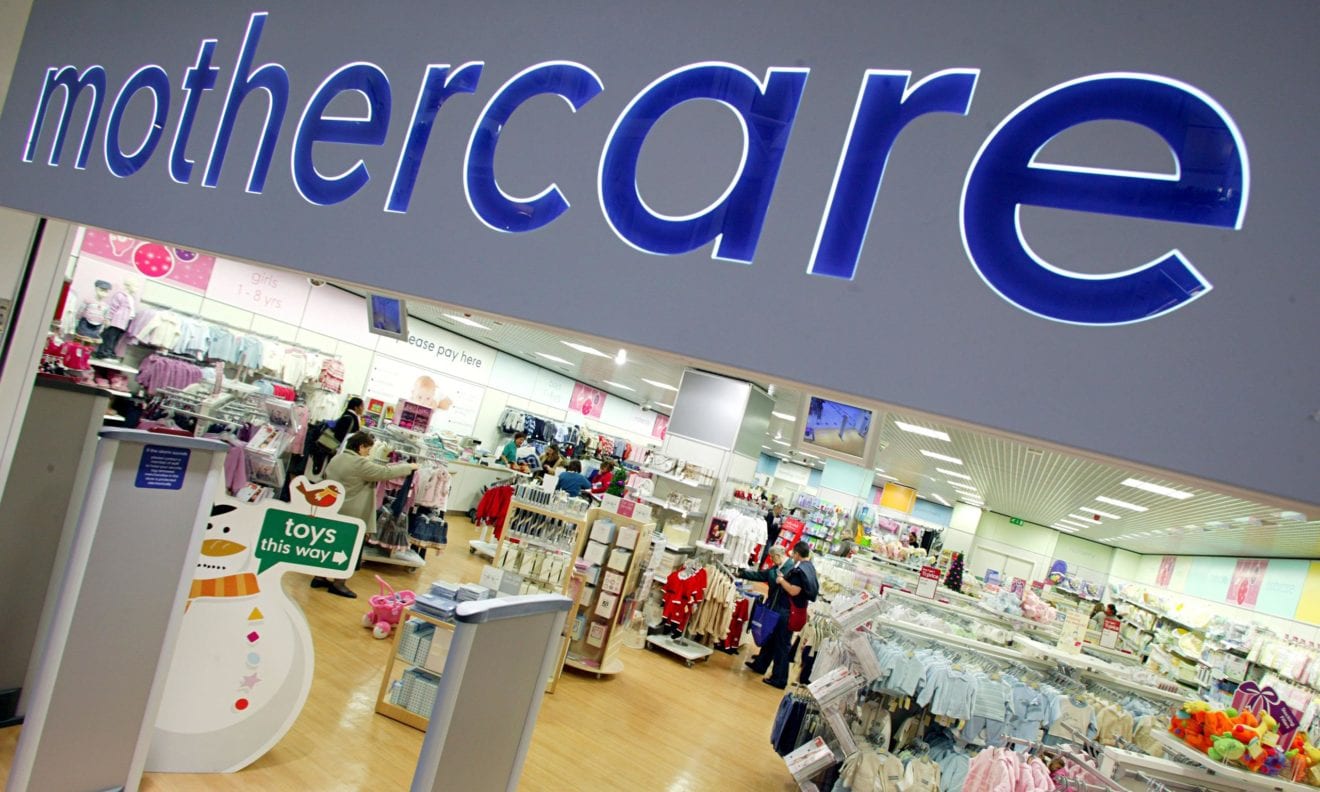
    Baby and maternity products retailer Mothercare is implementing warehouse platform Peoplevox in Asia, following initial success with the system in its Irish business.

    The vendor’s dedicated eCommerce warehouse management system is to be implemented in Mothercare’s Singapore, Hong Kong, Macau, and Malaysia operations, with the retailer hoping to benefit from the company’s “deep functional expertise” as it develops its online presence on a global scale.

    The move comes after Mothercare announced in February that it was among a number of retailers and brands, including country fashion players Barbour and Country Attire, looking to Peoplevox’s self-proclaimed Amazon-style logistics platform to help them compete with the pure-play giant on a global scale.

    Founded by Jonathan Bellwood on the understanding that traditional warehouse management systems are not necessarily the ideal fit for eCommerce operations, Peoplevox has developed a solution that optimises pick routes, eliminating mis-picks, and effectively allows retailers to outsource their stock management processes when entering new territories.

    Elaine Khoo, general manager for eCommerce at Mothercare Singapore, commented: “Peoplevox is an eCommerce warehouse specialist, with impressive pick rates and accuracy levels.

    “We chose them for the software’s capability to support multiple inventory levels and logistics providers, which is important for us operating across different countries.”

    Other Peoplevox clients include fashion retailer Blue Inc, gifts and jewellery business Oliver Bonas and eye-care products supplier Vision Direct.

  • Brutal retail market awaits buyer of Tesco South Korea business

    Brutal retail market awaits buyer of Tesco South Korea business

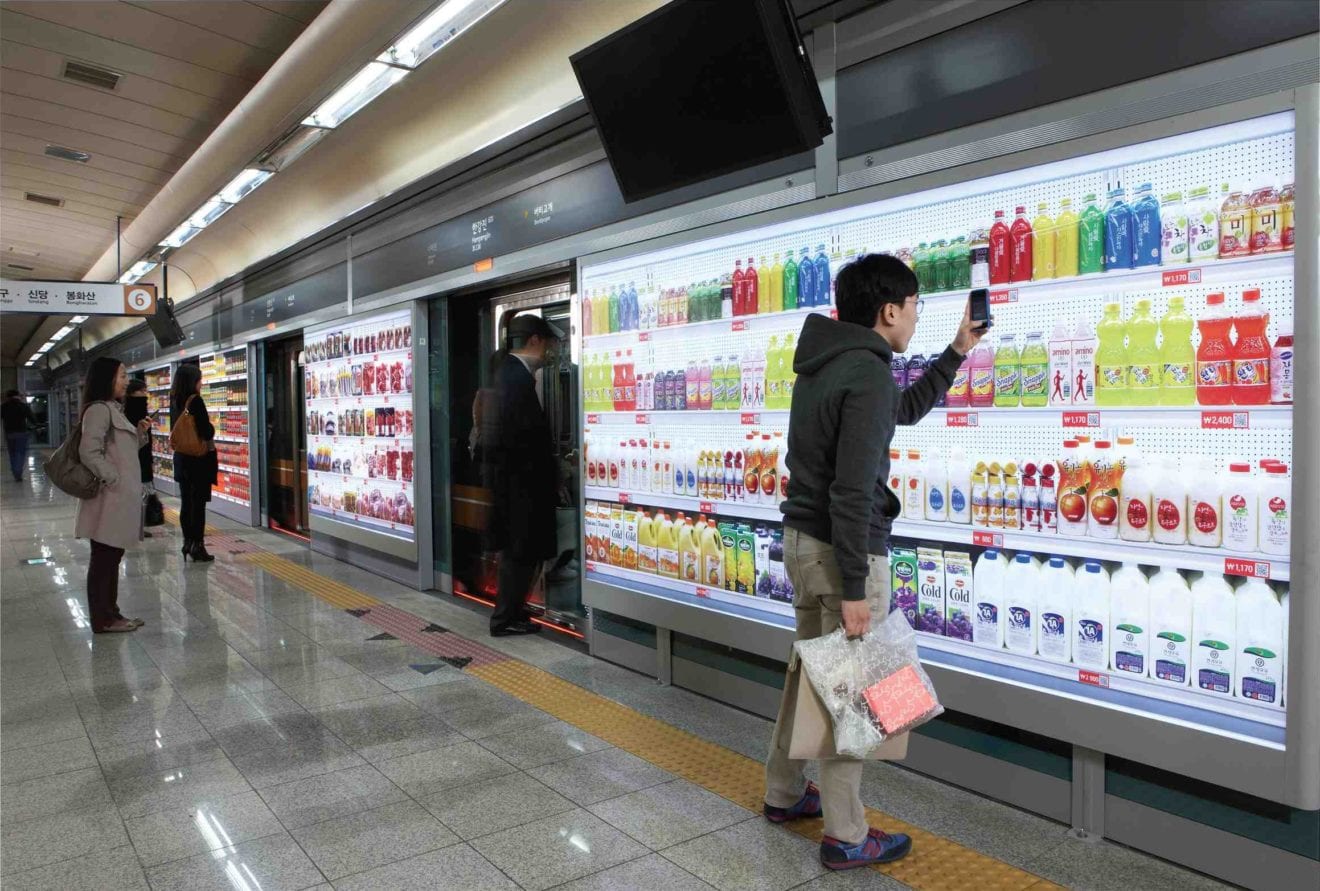
    Any buyer of Tesco’s $6 billion South Korea unit will need a strategy to boost returns in a lethargic and saturated market for traditional retailers, likely involving real estate sales and a greater focus on Internet shopping.

    Britain’s Tesco has hired HSBC to advise on a potential sale of its South Korean unit, Homeplus, Reuters reported this month, in what could be Asia-Pacific’s largest private equity deal and the No. 2 merger in the Asian consumer sector.

    Given the scarcity of big buyout targets in Asia, the sale is generating strong interest among buyout firms including KKR & Co and Carlyle Group CG.N, sources with knowledge of the sale process said. That’s despite difficulties posed by South Korea’s crowded retail sector, a sluggish and fast-aging economy, plus regulatory and labor challenges.

    “Anyone going with the view of closing unprofitable shops, cutting work force, will be in for a surprise,” a senior Hong Kong-based investment banker familiar with the process said, citing likely opposition from labor unions.

    “It’s a tough market but there are some low-hanging fruits in terms of stripping property assets,” said the banker, who declined to be identified as the discussions are confidential.

    Homeplus Co Ltd’s property holdings, consisting mainly of stores, had a book value of 3.09 trillion won ($2.77 billion) as of the end of February, according to a regulatory filing.

    With about 400 stores including 140 hypermarkets, 88 of which it owns, Homeplus has raised about 1.2 trillion won since 2012 by selling and leasing back eight of its biggest-selling stores, according to South Korean deal website Invest Chosun.

    Its prime real estate holdings include a hypermarket in densely populated Seoul suburb Euijeongbu, which frequently ranks among its top 5 stores by sales.

    But it’s a crowded field. South Korea has nearly 500 hypermarkets for a population of 50 million, or twice what the industry considers optimal. The difficulties prompted Carrefour and Wal-Mart to quit the country in 2006.

    In a nod to a fiercely competitive market, Homeplus earlier this year sacrificed an equivalent of about 100 billion won in annual profit, or almost half of last year’s earnings, by cutting prices on some 500 kinds of fresh produce.

    “Competing by undercutting price has become the norm and is expected to continue in future,” said Lee Kyoung-hee, principal researcher at Shinsegae Research Institute.

    ONLINE GROWTH

    As the population ages faster than in any other developed economy and households shrink, retail sales in South Korea grew just 1.4 percent in each of the past two years, lagging broader economic growth.

    E-commerce, however, jumped 17 percent last year to 45.2 trillion won, or 14 percent of total retail sales, and hypermarkets have been scrambling to build share in a fragmented online segment where most players lose money.

    Homeplus’ share of South Korea’s online retail market has risen steadily but was still just 645 billion won last year, according to Euromonitor data in a CLSA report, for market share of just 2 percent, in line with larger rival E-Mart.

    “Hypermarket chains like Homeplus have been bolstering online sales as a possible growth solution, among admittedly few options,” said Kim Tae-hong, analyst at Yuanta Securities Korea.

    Lower priced warehouses have been another bright spot for Korean retailers, but while both E-Mart and Lotte Shopping’s (023530.KS) third-placed Lotte Mart have warehouse brands, Homeplus does not.

    Meanwhile total revenues for existing hypermarket stores have declined since 2012 when new rules required them to close for two Sundays a month to protect traditional markets. Homeplus saw a drop in same-store sales for two straight years.

  • China’s e-Commerce market is 80 times larger than India

    China’s e-Commerce market is 80 times larger than India

    Retail e-commerce sales in India are expected to reach $17.5 billion (Rs 105,120 crore) by 2018, from $5.3 billion (Rs 31,800 crore) in 2014, according to data analysed by eMarketer, a digital-research firm, but only two of 10 internet users in India shop online.

    India’s e-commerce market is intensely competitive, with US giant Amazon establishing its presence in India in 2013 and Alibaba, the Chinese giant, planning to start selling by August this year. Flipkart, India’s largest e-commerce firm, recently raised $550 million (Rs 3,300 crore) at a valuation of $15 billion (Rs 90,000 crore).

    Despite having the third-largest internet user base in the world with 200 million users at the end of 2014, India does not feature in the top ten e-commerce markets in the world, according to an eMarketer report. The reasons centre on low Internet reach, slow internet speeds outside the metropolitan cities and poor customer services.

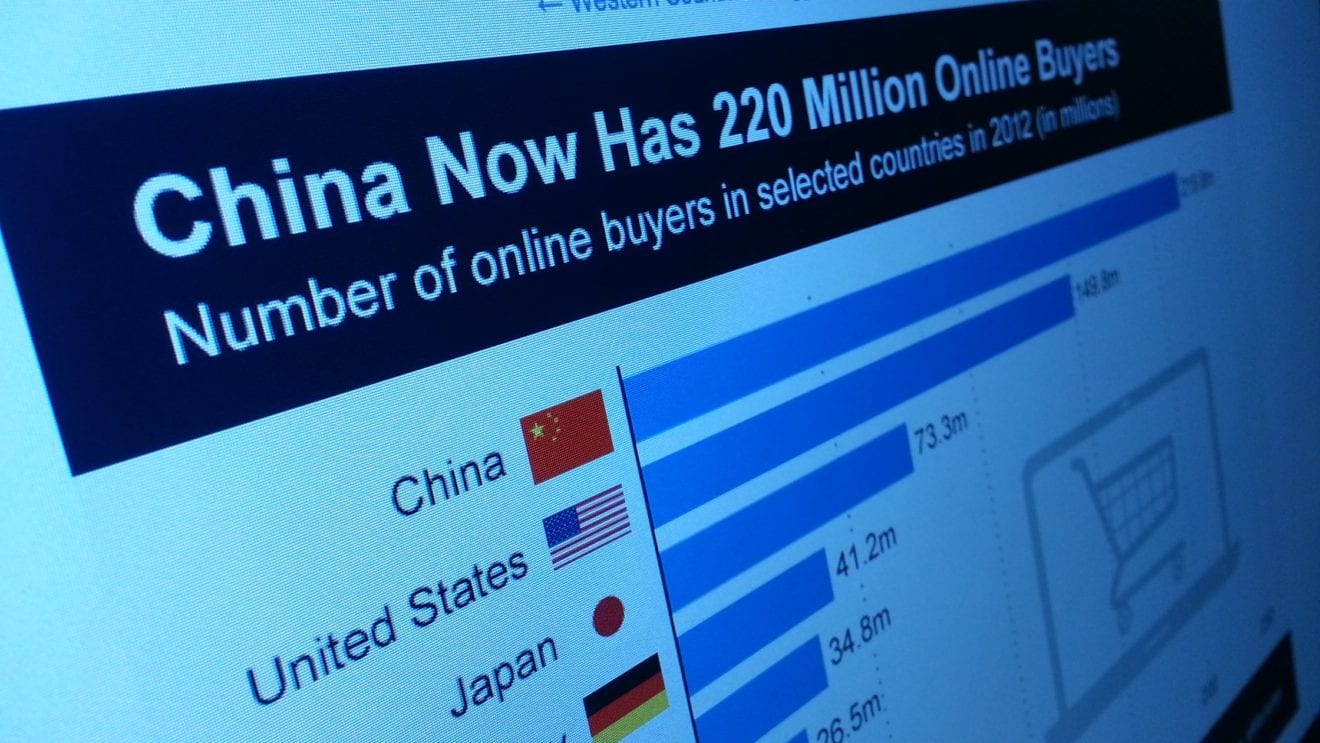
    India’s e-commerce sales in 2014 were $5.3 billion (Rs 31,800 crore), 1/80th the size of China’s $426.26 billion (Rs 2,557,760 crore) and 1/58th the size of the US’ $305.6 billion (Rs 1,833,900 crore).

    “If you look at Japan, China and US, e-commerce became popular as early as 2002-2003. It has taken them about 12-13 years to reach where they have reached.  E-commerce really took off in India only in 2012-13. It will take India also that much time to reach there,” Rajnish (he uses only one name), a technology expert, said.

    China: Number 1 in e-commerce with skyrocketing growth ahead

    China and the US accounted for more than 55% of global internet retail sales in 2014. China’s growth over the next five years will widen the gap between the two countries.

    China will likely exceed $1 trillion (Rs 6,000,000 crore) in retail ecommerce sales by 2018, accounting for more than 40% of the total worldwide.

    Globally, retail sales reached $22.492 trillion (Rs 134,952,000 crore) in 2014 but retail e-commerce sales stood at $1.316 trillion (Rs 7,896,000 crore, 5.9% of overall retail sales).

    E-commerce sales are expected to increase 89% to $2.489 trillion (Rs 14,934,000 crore, 8.8% of overall retail sales) in 2018.

    Digital-buyer penetration—a measure of digital reach—is a major factor in determining the success of retail e-commerce sales. India’s digital-buyer penetration was quite low at 24.4% in 2014 as compared to the global average of 41.6%.

    The UK leads the world with 88% penetration. Ironically, China with 55.2% and US with 74.4% penetration do not feature in the top five.

    Indian e-commerce has a long way to go

    “E-commerce in India still has a lot of friction,” Rajnish said. “Till that is solved, it will be hard for penetration to go beyond 30%. For example, India has very low credit-card penetration and the cash-on-delivery (COD) model is why Flipkart really took off.”

    People above 35 are not very comfortable using their debit card online. PayTm and others solve this problem but there is a lot of friction. “I use PayTm for Uber and it is still a process that has friction. In US, the return policy is very generous. I bought a coat from Amazon in the Bay area; it ended up being the wrong size. My experience of changing to the correct size was very seamless. When I bought a down jacket in Bangalore, and it ended up being the wrong size, getting the right size was really a painful experience,” said Rajnish.
    That view is echoed by Paritosh Sharma, an advisor to tech startups and an entrepreneur with PayUMoney, a digital-payment platform.

    “Digital buying has an attached expectation to it. I place the order and it should appear in front of me over the next two or three days. In many cases this does not happen. Also, in a lot of cases (especially in tier-2 and tier-3 cities) in India, if you get a product that is not of the exact quality that you ordered, returning it is a major problem. Most people, hence, prefer what’s available in a physical retail store,” Sharma said.

    There are two more reasons for low online sales, said Sharma.

    First, the internet infrastructure in India is poor. If one steps outside city limits, you automatically are shifted from 3G to an Edge (a lower-speed) connection, deterring buyers.

    Second, lack of good service and support. While most Indian e-commerce companies are sprucing up their support via phone and digital media, it’s quite haphazard. Most companies still lack processes to ensure customer satisfaction and trust.

  • Louis Vuitton snaps up Singapore start-up

    Louis Vuitton snaps up Singapore start-up

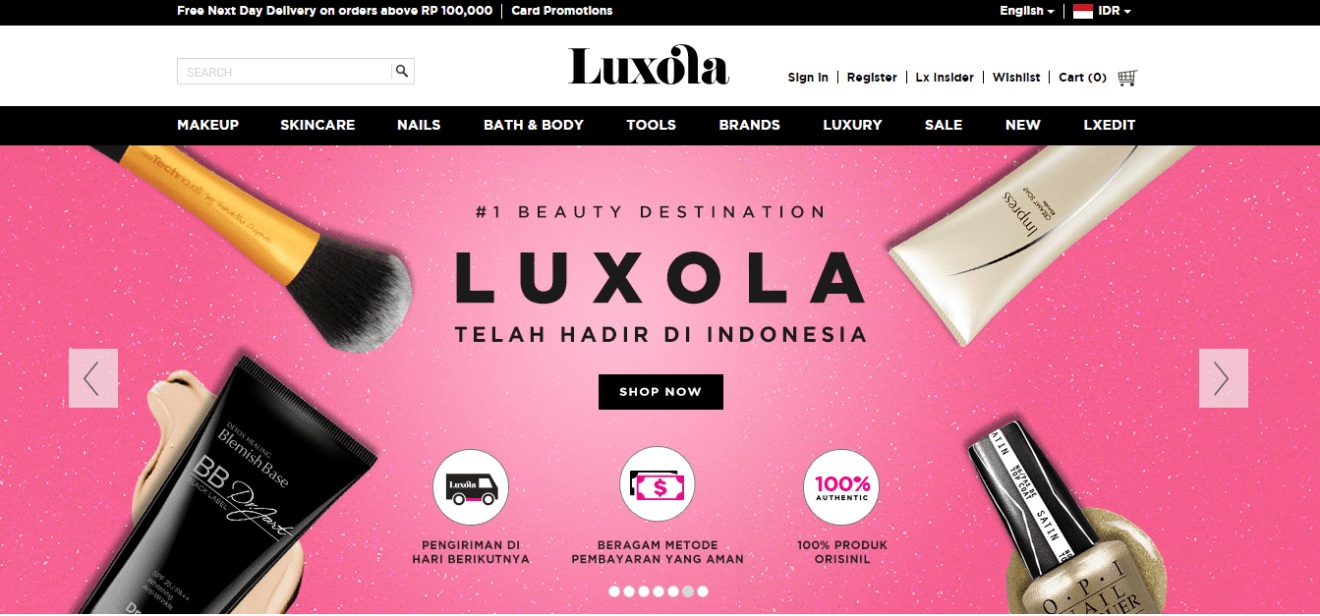
    Louis Vuitton has bought Singapore online cosmetics retailer Luxola and LVMH’s subsidiary Sephora has made a further investment in the business.

    Few details of the transactions have been revealed, including the size of the investments, howeverCrunchbase reports Luxola raised US$15.6 million in four earlier rounds of venture funding.

    Luxola was launched in 2011 by Alexis Horowitz-Burdick, has a staff of 120 and sells a wide variety of beauty products and accessories under 250 brands in 11 markets.

    Horowitz-Burdick, now Luxola CEO, said Sephora’s investment would allow the founders to take the company’s vision further.

    “With greater market reach and brand depth, we will offer an unparalleled customer experience.”

    Sephora Asia president Anne-Veronique Bruel said investing in Luxola gave her brand the opportunity to accelerate Sephora’s growth in Asia and penetrate the growing online beauty market.

    “We are thrilled to welcome Luxola to the Sephora family.”