Retail News CRM

Tag: E-tailing

  • Retail movies for Millennials

    Retail movies for Millennials

    With many on-line publications funded by invasive adverts, it typically looks like web surfers are being bought one thing each different minute.

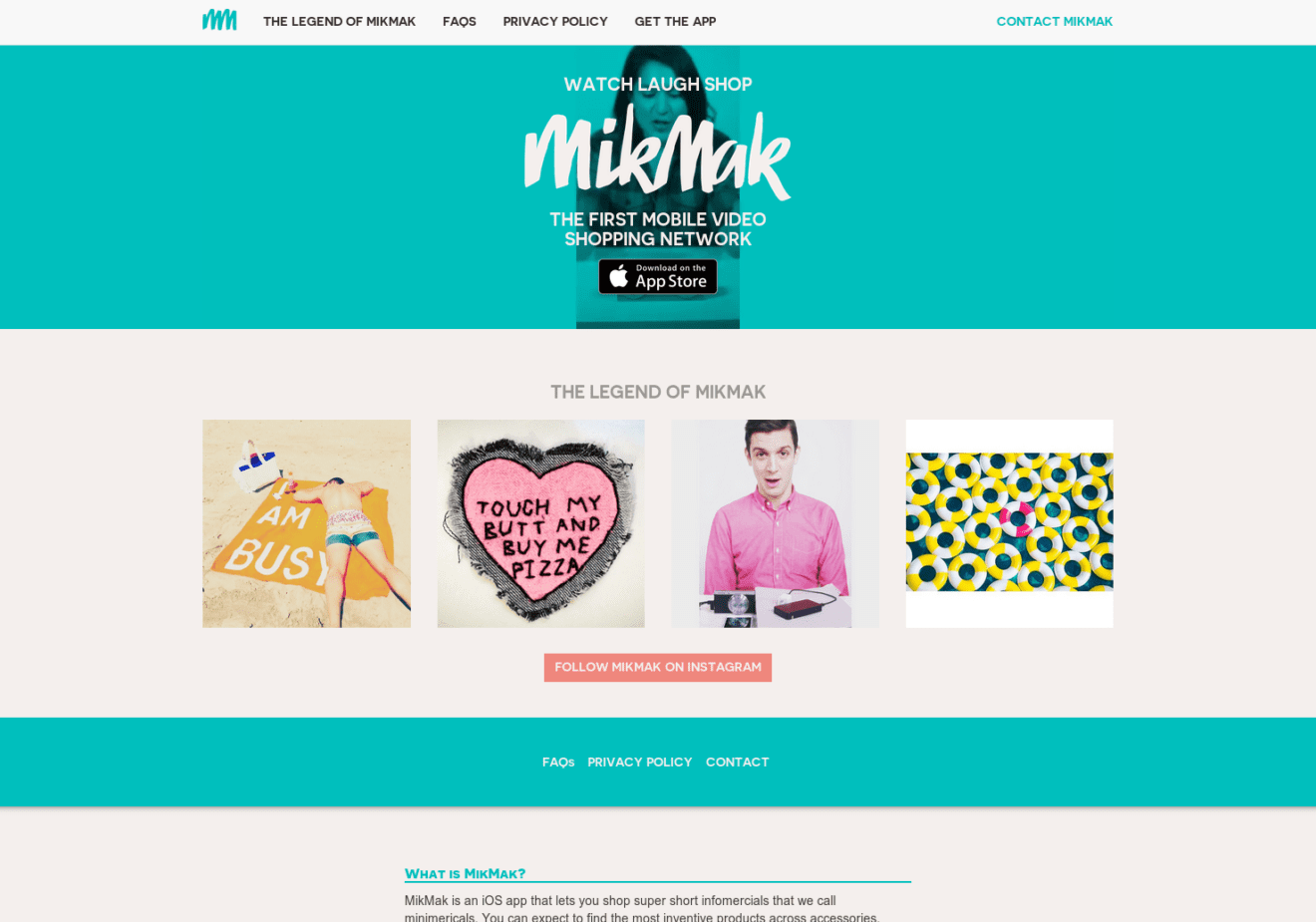
    Making a extra lively, participatory purchasing expertise is a brand new app referred to as MikMak. The app embraces the age of cellular promoting by giving the house buying community a 21st century smartphone makeover. MikMak is a cellular video buying channel aimed toward millennials, that creates infomercial fashion retail movies for every product it promotes.

    To start, customers obtain the free app and create an account. Then, they will browse by product sort, and watch a ‘minimercial’ for every merchandise they like. There are a selection of equipment, devices, residence items and extra — all for beneath US$100 — and new movies are uploaded nightly. All the products promoted might be purchased inside the app.

    MikMak is presently in Beta and the corporate behind it — based by Rachel Tipograph — is creating a variety of movies for every product in various types. Gadgets are sometimes introduced by comedians from the stand-up circuit, with tones starting from honest and critical to comical and gimmicky — as a way to confirm which sits greatest with their viewers. Every clip is thirty seconds lengthy and the group can produce as much as 25 in in the future on a really small finances.

    Is there potential for extra cellular buying channels for different audiences?

  • Korean cellular carriers open unified app retailer

    Korean cellular carriers open unified app retailer

    South Korean cellular carriers have opened a unified app retailer for his or her smartphone customers, as a part of an effort to bolster their presence within the rising app content material sector dominated by two app giants: Google and Apple.

    The One Retailer is a consolidated cellular model of KT‘s Olleh Market; T Retailer operated by SK Planet, the platform arm of SK Telecom; and U+ Retailer by LG Uplus.

    It’s out there for a smartphone consumer by way of a model improve of the prevailing app market on the handset.

    An app developer can now promote their product on the app market by importing the product solely as soon as on the One Retailer, whereas up to now they needed to register it individually on the prevailing app shops.

    The requirements for creating an app have additionally been harmonised so app creators gained’t have to make totally different apps for every app retailer, the cellular carriers stated.

    The launch of the One Retailer got here two months after saying the plan to combine the web content material market that had been run individually by every telecom firm.

    In accordance with market watchers, cellular carriers felt the necessity to be a part of forces for the app content material sector towards Google’s Android market and Apple App Retailer which have dominated the native app enterprise.

    In response to the newest knowledge by the Korea Cellular Web Enterprise Affiliation, Android is estimated to have taken up 51.eight per cent of the app market in Korea value roughly four.5 trillion gained (US$four.06 billion) as of end-2014, adopted by Apple’s 31.three per cent. The mixed share of native app platform suppliers solely stood at 13 per cent.

    The Korean cellular carriers hope the One Retailer will create new alternatives for native app builders, in addition to cellular shoppers, to take pleasure in numerous and certified content material based mostly on a extra handy and higher consumer expertise.

    About 1.7 million smartphone customers are anticipated to go to the One Retailer each month, the cellular carriers stated. They didn’t give particulars on the variety of apps registered with the unified market.

  • Yahoo Japan ties up with Tmall

    Yahoo Japan ties up with Tmall

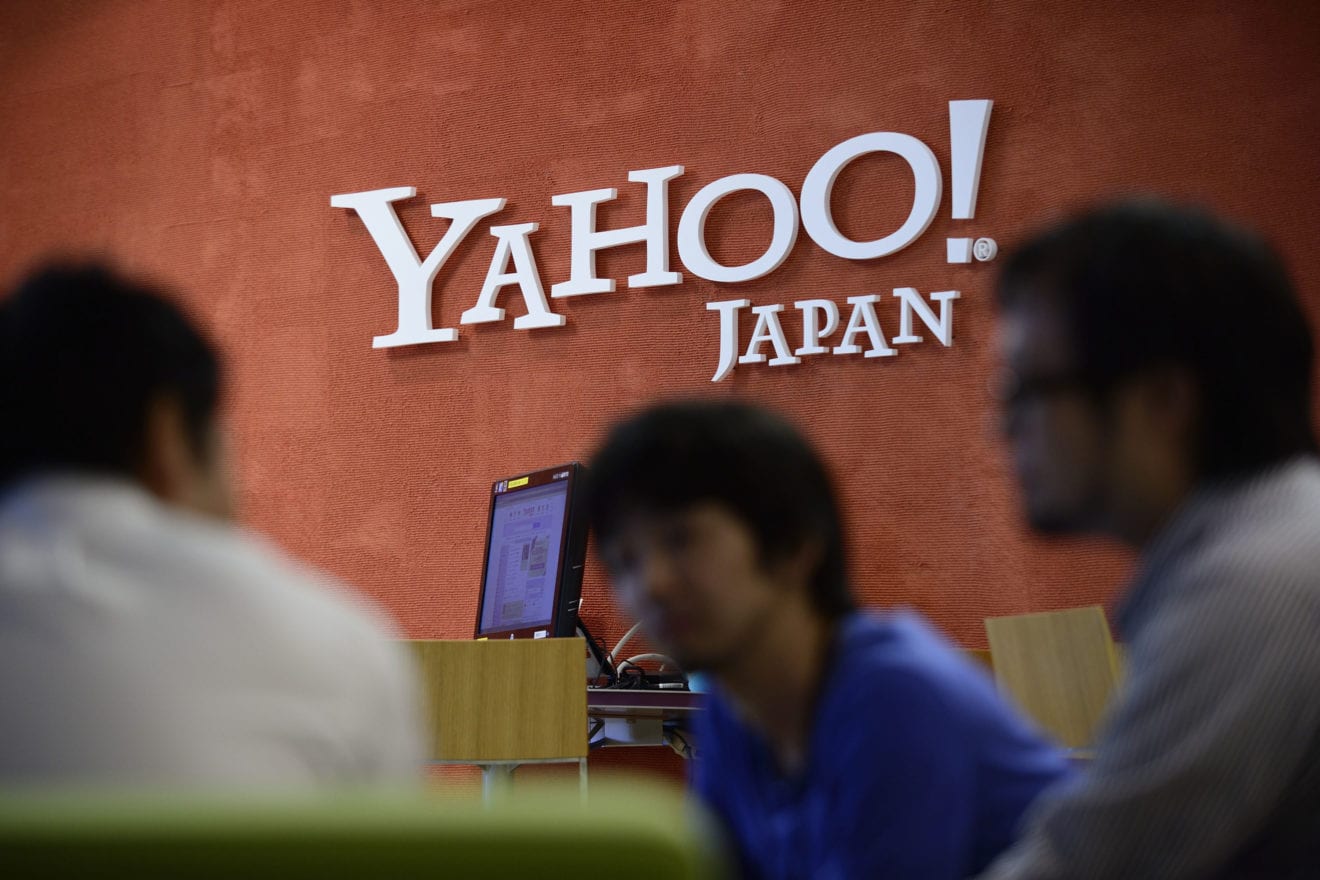
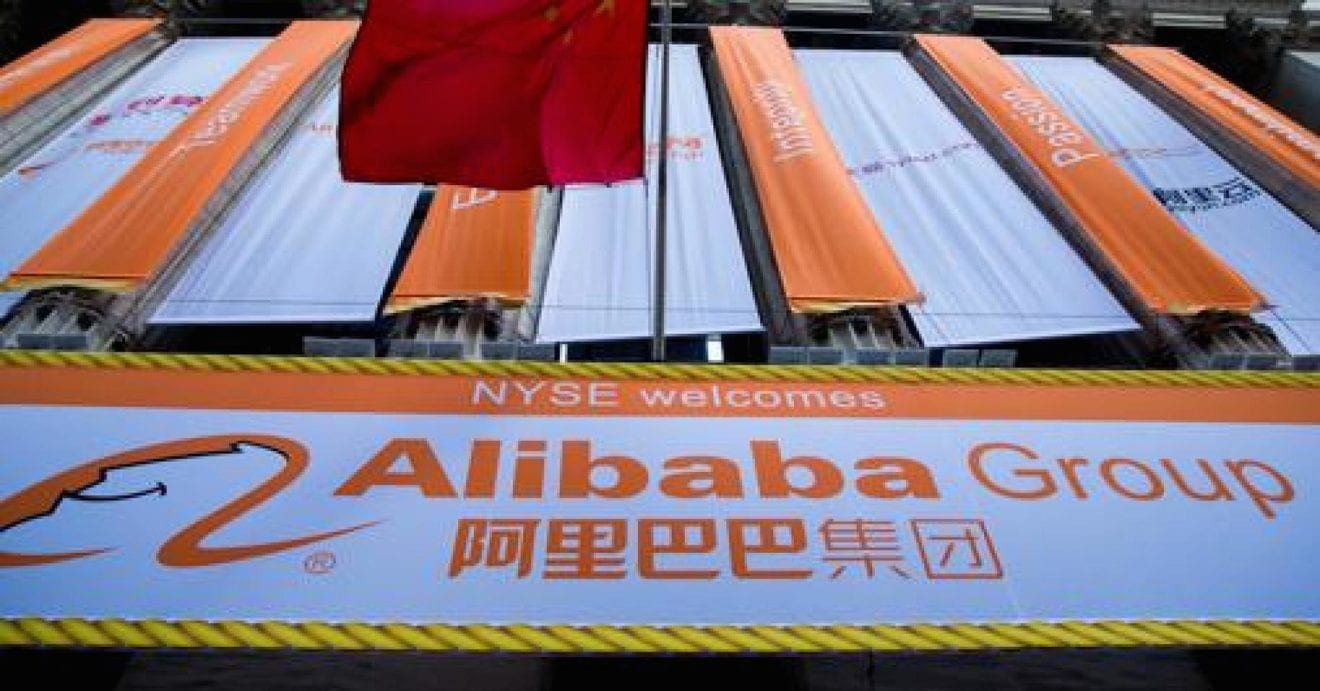
    Japan’s third largest on-line retailer Yahoo Japan Co jumped probably the most in two months in Tokyo buying and selling after the corporate stated it is going to group up with Chinese language e-commerce big Alibaba Group Holding to increase footprint into the world’s second largest financial system.

    Yahoo Japan’s share surged 11.7 % to 556 yen (US$four.5) on Friday, the very best closing worth since March 31, lifting its market worth to three.2 trillion yen.

    Daniel Zhang, Alibaba’s chief government officer, stated they may launch “Japanese Pavilion” on the Tmall websiten with 100 manufacturers and plans to extend the quantity to 600 in three years.

    “The rising reputation of Japanese items in China is creating an enlargement alternative for home retailers. We see the cross-boarder e-commerce as an explosively rising market,” Yahoo Japan stated in its assertion, noting to faucet Alibaba’s large buyer base, logistics community and settlement system.

    The tie-up is predicted to start out as early as this summer time.

    These Japanese corporations can pay solely one-fifth the often preliminary prices for promoting merchandise on Tmall to benefit from the preferential coverage of the cooperation, Japan’s Nikkei Newspaper reported.

    The Chinese language e-commerce market is estimated at 50 trillion yen, or 2.5 trillion yuan (US$403 billion), 5 occasions the dimensions of the Japanese market, based on iResearch. Alibaba controls greater than 60 % of the market, boasting 350 million customers on the Tmall web site, stated iResearch, a number one market analysis agency specializing in Web business.

  • Xiu.com confirms model enlargement

    Xiu.com confirms model enlargement

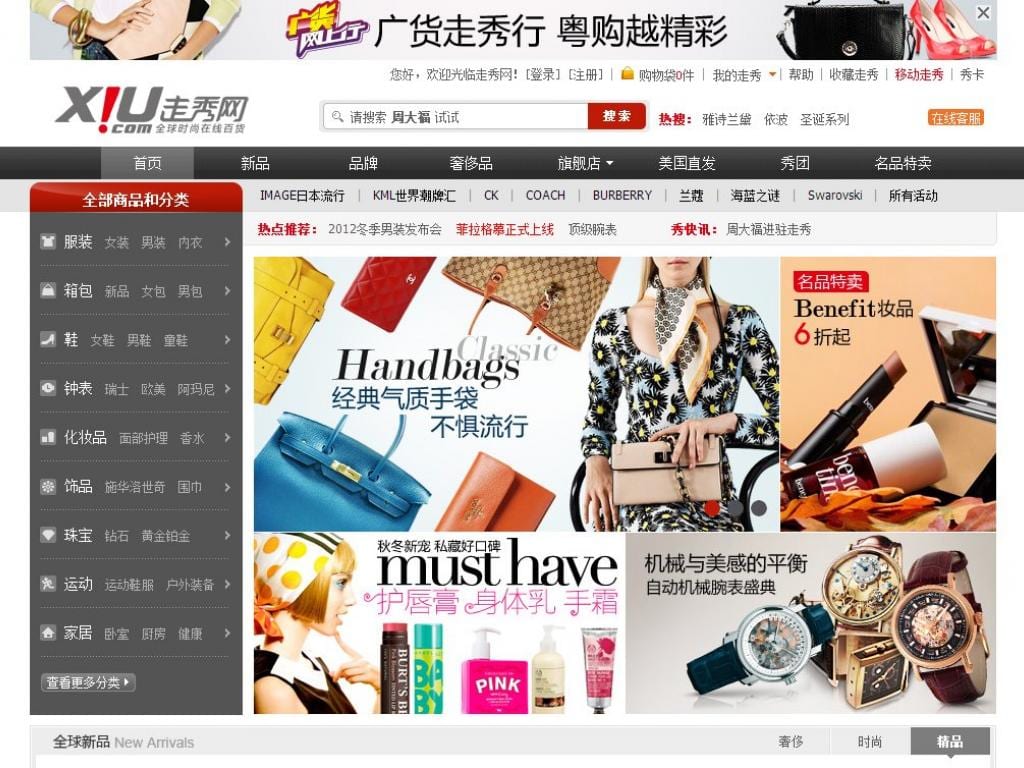
    On-line luxurious trend retailer Xiu.com says it’ll use its recent $30 million capital injection to attach extra western manufacturers with internet buyers in China.

    Xiu.com lately raised $30 million in collection C funding, led by personal fairness firm Pacific Enterprise Companions, a deal reported by Inside Retail Asia on Might 19, however solely formally introduced in the previous few days.

    Launched in 2008, Xiu.com sells worldwide branded trend merchandise, together with clothes, cosmetics, luggage, jewelry, footwear and homewares.

    “As an online-fashion main firm, Xiu.com operates superior logistic networks that cowl Europe and the US,” stated Ji Wenhong, founder and CEO.

    “Working instantly with established worldwide corporations, Xiu.com might supply quite a lot of Worldwide model merchandise and supply Chinese language shoppers in-season trend merchandise with lower cost than these in different markets.”

    “We’re very assured in Xiu.com after we studied the Chinese language eCommerce market for a very long time,” stated Tan Changwen, a associate in PVP.

    “We’ll help Xiu.com’s strategic improvement, particularly in growing its efforts of cellular e-commerce and expansions in Asia markets.”

    Regardless of Chinese language shoppers tending to buy luxurious items once they journey overseas, Xiu.com discovered that Chinese language at the moment are displaying extra willingness to buy luxurious items on-line.

    Greater than 600 abroad corporations, together with Salvatore Ferragamo, Blue Nile, and Hugo Boss, are partnering with Xiu.com, and almost 200 of them promote solely on Xiu.com to Chinese language internet buyers.

    Greater than 10 million shoppers have registered with Xiu.com and greater than 85 per cent of orders come from repeated consumers. The typical order worth is US$240.

    Xiu.com will use the funds to consolidate its worldwide provide chain community and to take a position into the venture of connecting offline shops in western nations with internet buyers.

    “We assist shops in western nations promote their inventories on Xiu.com,” Ji stated. “We might improve our product choices quickly, whereas shoppers may benefit from extra alternatives for new-arrival merchandise.”

    The Shenzhen based mostly firm additionally plans to make use of the funds to organize its forthcoming IPO.

  • 11Street Malaysia launched purchasing app

    11Street Malaysia launched purchasing app

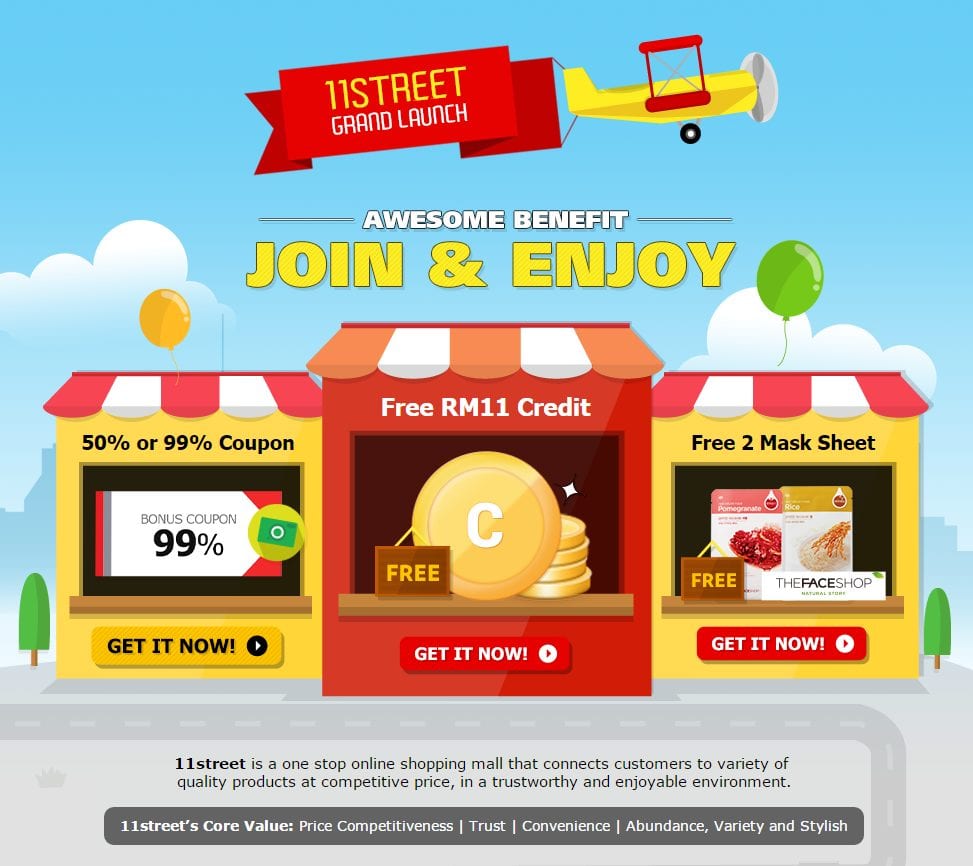
    11street, Malaysia’s latest eCommerce participant, has launched an app to help on-line buying by way of iOS and Android smartphones.

    11street’s CEO, Hoseok Kim stated that the brand new cellular app is the corporate’s newest dedication to ship “a reliable and handy on-line purchasing expertise to Malaysian shoppers”.

    “11street is rising exponentially in Malaysia and quick turning into one of many prime three largest on-line marketplaces with greater than 350,000 product listings you could now view seamlessly utilizing Apple and Android units.

    “Malaysia leads the world in smartphone utilization and it is among the solely 5 nations worldwide to make use of their smartphones greater than computer systems as the first gadget for accessing the Web.”

    Kim stated to be ‘cellular first’ clearly an organization needed to have a user-friendly on-line buying app to raised accommodate the seemingly growing cellular consumers.

    He stated 11street’s cellular app is optimised to reinforce customers’ on-line purchasing expertise based mostly on the expertise the corporate had gained in offering eCommerce providers in Korea and different markets.

    “The important thing differentiator of 11street’s cellular app is its broadly collaborative-curated content material that permits shoppers to entry the recent promoting services a lot simpler, particularly on the ‘Surprising Offers’ part, which provides a Lowest Worth Assure.

    “General, with a nicely categorised and extra intuitive interface, shoppers can navigate and discover out what they love at 11road effortlessly at anytime, anyplace.”

    11street’s cellular app can also be constructed to simply accept bank cards and financial institution transfers upon purchases. Customers can view their membership advantages, examine their order standing, and make the most of their low cost coupons whereas buying on-the-go.

    “11street will constantly improve its cellular apps’ providers to supply higher consumer expertise as immediately greater than 50 per cent of visitors to 11road is from cellular units.”

    Kim concluded: “From the general e-commerce market perspective, it’s plain that mobile-commerce will flourish and we anticipate to see extra shoppers go browsing to 11street by way of cellular units to buy on-line.”

  • Singapore’s postal service reinvents itself for the digital age

    Singapore’s postal service reinvents itself for the digital age

    When a German lingerie model needed to promote bras on-line in Malaysia, it turned to Singapore’s almost 200-year-old nationwide postal service.

    Singapore Publish constructed an internet site, developed a advertising technique and now delivers packages for the corporate, Triumph Worldwide. The customer support group even solutions questions on sizing.

    As postage stamps give solution to keyboard clicks, SingPost is redefining the position of the letter service, by making a one-stop store for retailers’ e-commerce wants in Asia.

    In South Korea, SingPost helps to promote Levi’s denims. In Singapore, it’s stocking Toshiba laptops. In Malaysia, it’s delivering Adidas sneakers.

    With conventional mail providers in decline, publish workplaces around the globe are scrambling to reinvent themselves for the digital age.

    “Sitting on that burning platform, we appeared round and stated, ‘The place might we develop?’” stated Wolfgang Baier, the chief government of SingPost.

    Japan Submit is shopping for the most important personal package deal and freight supply firm in Australia, Toll Holdings, in a bid to create a rival to UPSand FedEx. America Postal Service, which misplaced $5.5 billion final yr, is offering Sunday deliveries for Amazon. Australia Publish is working with the Chinese language Web big Alibaba to assist native companies join with shoppers in China.

    “There are a minimum of two enterprise developments unfolding earlier than us. One is the dying of mail,” stated Frank Lavin, chief government of the e-commerce consultancy Export Now. “The second is that this growth in e-commerce.”

    SingPost’s makeover is among the many most formidable. In addition to its common postal duties, it provides a basket of providers for corporations, together with web site improvement, on-line advertising, customer support and, in fact, package deal supply. Following the Amazon mannequin, it’s constructing a community of 24 warehouses in 12 nations to stockpile items for corporations. The e-commerce group is staffed with former Silicon Valley executives.

  • Alibaba companions with Korean authorities to launch Korea Pavilion on Tmall

    Alibaba companions with Korean authorities to launch Korea Pavilion on Tmall

    Chinese language e-commerce big Alibaba Group on Monday launched the Korea Pavilion on Tmall.com, China’s largest third-party B2C platform. The Korea Pavilion is the primary official on-line nation pavilion devoted to offering shoppers in China with one-stop store for real Korean merchandise and journey and cultural info.

    In partnership with Korea Argo-Fisheries & Meals Commerce Company and Korea Worldwide Commerce Affiliation (KITA), the Korea Pavilion provides Korean retailers a devoted on-line platform to faucet the Chinese language market. It is the results of fruitful discussions between Alibaba Group and the Korean authorities over the previous yr. These discussions have yielded different constructive initiatives akin to collaboration in logistics and the creation of internship packages aimed toward growing the cooperation between Chinese language and Korean enterprises.

    “The Korea Pavilion is Alibaba Group’s first official nation pavilion and we’ll proceed to work with governments of different nations to launch comparable pavilions sooner or later with a view to fulfill the wants of our Chinese language shoppers,” stated Jack Ma on the opening ceremony of the Korea Pavilion on Monday in Seoul. “Korean made merchandise have all the time been well-liked in China and we’re excited to convey these merchandise onto Tmall.com.”

    To additional strengthen the collaboration between Chinese language and Korean corporations, Alibaba Group is working with KITA to provoke a youth internship program that may let 100 Korean school graduates intern at Alibaba Group’s headquarters in Hangzhou. The primary session of the three-month lengthy internship program will begin in early July. The chosen interns will study concerning the Chinese language shopper market, its traits, and the operations and enterprise of Alibaba Group’s e-commerce platforms. Via this internship, Korean school graduates can study concerning the quickly rising Chinese language market and convey that have and information again to South Korea.

    With the rising demand of Korean merchandise amongst Chinese language shoppers, Cainiao, the logistics affiliate of Alibaba Group, is trying to broaden its partnerships with Korean corporations to deliver the perfect cross-border logistics options potential to the Chinese language shoppers.

  • Metro China upgrades e-commerce platform to offer seamless buyer expertise

    Metro China upgrades e-commerce platform to offer seamless buyer expertise

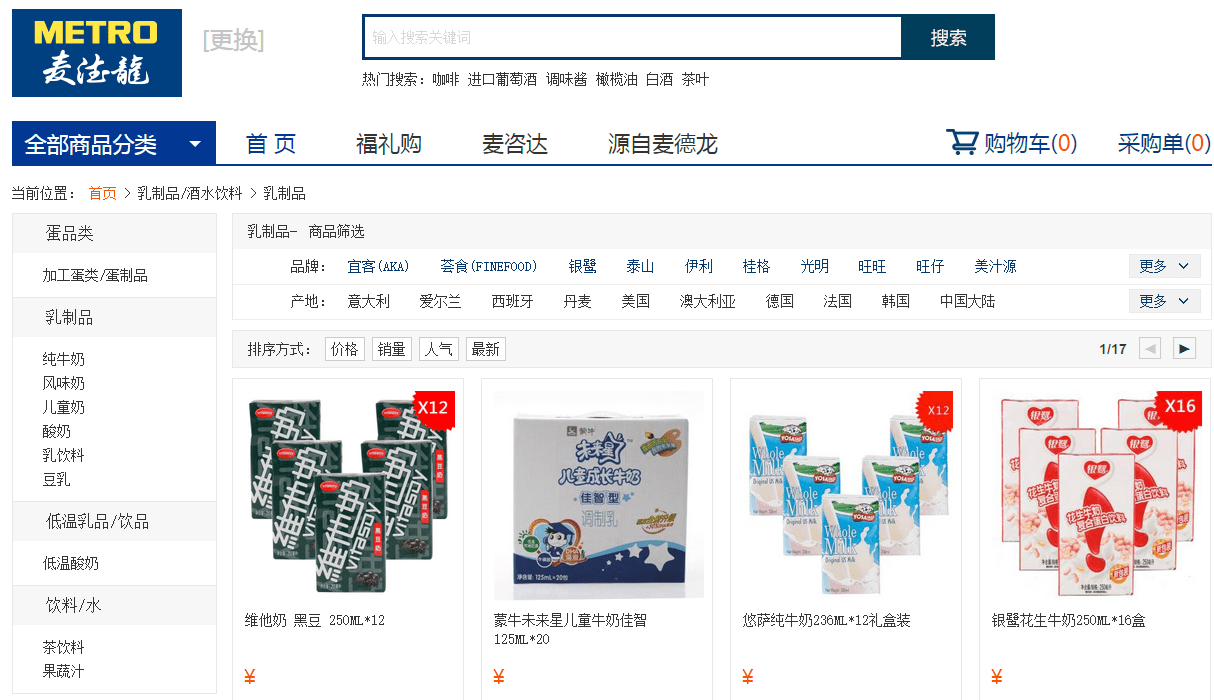
    Metro China has improve its e-commerce platform metromall.cn – which integrates on-line, offline and cellular channels for a seamless buyer expertise, the wholesaler stated on Tuesday.

    With an optimized consumer interface and location-based providers, Metromall synchronizes with the wholesaler’s offline shops, overlaying over 20,000 merchandise. Metro delivers all on-line orders instantly from native wholesale shops, not solely shortening supply time but in addition making certain product high quality. The platform gives clients handy and environment friendly decisions of products receiving, similar to residence supply or in-store pick-up.

    Ever since Metro entered China market in 1996, the wholesaler has adopted a membership system, and picked up knowledge from over four million shopping for clients with a purpose to present custom-made options and providers. By tapping into this wealthy database, the upgraded e-commerce platform will additional strengthen Metro’s buyer relationship administration.

    The Metro e-commerce platform at present covers 39 shops in 21 cities in China, and can unroll throughout all Metro shops in China by the top of 2015.

    “E-commerce is certainly one of our strategic channels to drive for progress in China market. We’re decided to reinforce buyer expertise and additional broaden enterprise by means of leveraging the facility of e-commerce,” stated Jeroen de Groot, President of METRO China.

    “Our Metromall not solely integrates online-to-offline, but in addition incorporates an revolutionary cellular perform. We’re assured this platform will allow us to offer extra thrilling options and seamless buying expertise to our core goal skilled clients, serving to them to be extra profitable out there.”

    The cellular app for Metromall permits clients to scan barcodes and determine product options, construct purchasing carts, place orders, and check-out. The app’s highly effective database consists of product barcodes of all articles in offline shops apart from recent and ultra-fresh merchandise. Clients also can comply with Metro’s WeChat to acquire promotional info of Metromall and place orders on their cell telephones.

    Leveraging its international procurement community, Metro Group is about to enter the free-trade zone this yr, partnering with China’s famend cross-border e-commerce platforms, to offer shoppers with a broader vary of high-quality imported items.

    Metro China is dedicated to offering protected and high-quality merchandise, and is the one wholesaler in China with all shops to function in accordance with Hazard Evaluation and Essential Management Factors requirements to make sure that the processes of receiving, processing, storing and promoting items are hazard-free.

    Additional illustrating the wholesaler’s dedication to meals security, Metro has developed an business main traceability system, which data all course of particulars from farm to market. Just by scanning product barcodes, clients can view the whole product lifecycle, together with the place it was grown, the way it was licensed, and the logistics concerned.

    The newly-upgraded e-commerce platform has enabled Metro to create a closed, online-to-offline loop for protected and traceable meals.

    Metro opened its first wholesale retailer in Shanghai in 1996. It was among the many first to realize permission from the China to arrange chain operations in all main cities within the nation. During the last decade, the corporate has set its foot in 56 cities with 80 retailers in operation in China. With a headcount of over 12,000 staff, the wholesaler is serving greater than three.eight million shopping for clients throughout the nation.

  • JD.com strikes into gadget making

    JD.com strikes into gadget making

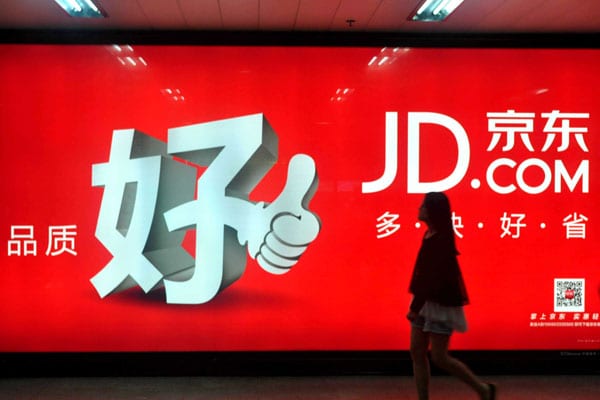
    Chinese language on-line retailer JD.com has chosen CES Asia to unveil two new devices to be bought by its JD Sensible division.

    JD Sensible is a just lately launched ‘sensible gadget platform and enterprise unit’ which has created what it describes as an ‘open ecosystem initiative’, integrating merchandise from a variety of producers seamlessly on a JD.com sensible platform.

    The brand new merchandise are a DingDong Sensible Speaker, developed in partnership with iFlyTech. It’s a voice-controlled gadget that may pull information, climate and round three million songs and four million hours of audio content material instantaneously from third get together sources on the Web and play them by way of the high-quality speaker system.

    The voice interface system may also help in schedule administration by establishing alarms, calendars and comparable planning instruments, all by way of voice instructions. The DingDong Sensible Speaker makes use of the JD+ tremendous app (referred to as “Jingdong Weilian” in Chinese language) to permit full voice management of all merchandise within the JD+ ecosystem, centralising the consumer expertise.

    JD Sensible additionally launched Changhong’s EleCloud Wi-fi Sensible Rechargeable Storage System to its JD+ ecosystem. The gadget, which equally leverages the Weilian app, is an exterior charger for cellular units that integrates the functionalities of wi-fi sharing and a excessive velocity flash drive, permitting customers to share paperwork, music and movies concurrently with as much as greater than 30 individuals.

    JD Sensible president Zhenhui Wang stated the brand new merchandise underscore JD Sensible’s shut relationships with producers and its concentrate on delivering a very built-in open platform for sensible units.

    “Leveraging JD.com’s unrivalled assets, we help our associate corporations all through the event course of, together with massive knowledge evaluation of consumer conduct, sensible cloud computing platform, fairness crowdfunding by means of JD Finance for start-ups, advertising help and entry to our greater than 100 million customers for market-ready sensible merchandise.”

    JD Sensible’s ecosystem supplies customers a handy single level of management over related sensible units from collaborating producers by means of its Weilian cellular tremendous app.

    “We’ve created an ecosystem that permits merchandise from totally different producers to work collectively on a seamless sensible platform, JD Sensible is ready to bypass the ‘ache level’ created when a consumer’s units can’t speak to one another,” stated Leslie Liu, JD Sensible’s CTO.

    “The DingDong Sensible Speaker leverages the Weilian app we now have developed to seamlessly combine into clients’ sensible house networks with a single voice command middle, avoiding the ‘bottleneck’ of closed platforms.”

    By way of its JD+ business companion program, JD Sensible builds partnerships with conventional and early-stage hardware producers across the open JD Sensible platform. Presently JD+ consists of over 100 producers, together with Haier, Hisense, Midea, TCL, Joyoung and Fotile, with a complete of greater than 400 JD Sensible-enabled merchandise. JD Sensible helps its associate corporations by means of a number of improvement levels, together with offering incubators, accelerators, technological help, go-to-market options, provide chain and cloud computing providers, in addition to entry to JD.com’s big base of upwardly cellular shoppers.

  • Bebelian flourishes on celebrity cast-offs

    Bebelian flourishes on celebrity cast-offs

    A unique Indonesian eCommerce venture is making money by selling local celebrities cast-offs to starry-eyed fans.

    And if the concept works in Indonesia, surely it’s a fit for other Asian markets, like Thailand and Korea, where celebrity-spotting is almost a national obsession.

    As TechInAsia.com reports, in an article written by Lina Noviandari. and translated from Indonesian,Bebelian founder Khairiyyah Sari was a former executive fashion and beauty editor at Indonesia’s Femina magazine. It was a role which kept her up to date – and in stock – with everything related to branded apparel and accessories, particularly handbags. Her work in the media also allowed her rare access to the nation’s exclusive pool of models, actresses, and celebrities who were deeply entrenched in the archipelago’s fast-moving fashion world.

    Having cultivated relationships with many socialites and famous women, those in Indonesia’s fashion and beauty industry came to endearingly know her by one name; Sari. In mid-2011, however, she resigned from her safe and cushy media job to chase down a daring eCommerce dream. Bebelian was born, with the vision to sell branded, fashionable apparel and accessories that were pre-owned by Indonesian celebrities.

    “On eBay, I found Hollywood celebrities putting their goods up to be auctioned. I then thought, Indonesia should have a place that sells items previously owned by celebrities. Because I knew a lot of them, I was sure they had a lot stuff that they rarely used. And certainly, there were many fans out there who wanted a piece of their style, right?”

    Realising she couldn’t do it alone, Sari invited her friend Dewi Rezer – an Indonesian model, TV presenter, and actress – to help develop the company. Now a two-woman operation, Bebelian had an even deeper network of celebs it could tap into for secondhand goods. Sari went right to work creating the site and populating it with content, while Rezer helped legitimise the business and build buzz in the right circles.

    As a fashion journalist, Sari already knew that people in Indonesia bought branded apparel that was endorsed or pre-owned by celebrities, but that there wasn’t a formal place where people were doing it.

    She also knew that there was no website that was specialising in pre-owned celebrity handbags. With this in mind, she decided to focus her site solely on handbags in order to capture an early niche audience.

    “Because I was a fashion journalist, the concept of an online store that I made didn’t seem too arbitrary. Each celebrity has to make a profile, so it’s sort of like a magazine. Complete profiles are linked with the celebrity’s own signature style, including handbags. Each bag is photographed in our studio and celebrities share tips on how to wear them.”

    Sari claims that apart from the potential earning power of Bebelian, the site also has a mission to provide a means for average consumers to get their hands on designer brands at affordable prices. According to her, buying a pre-owned, branded handbag from a celebrity has a better value proposition than buying a counterfeit one.

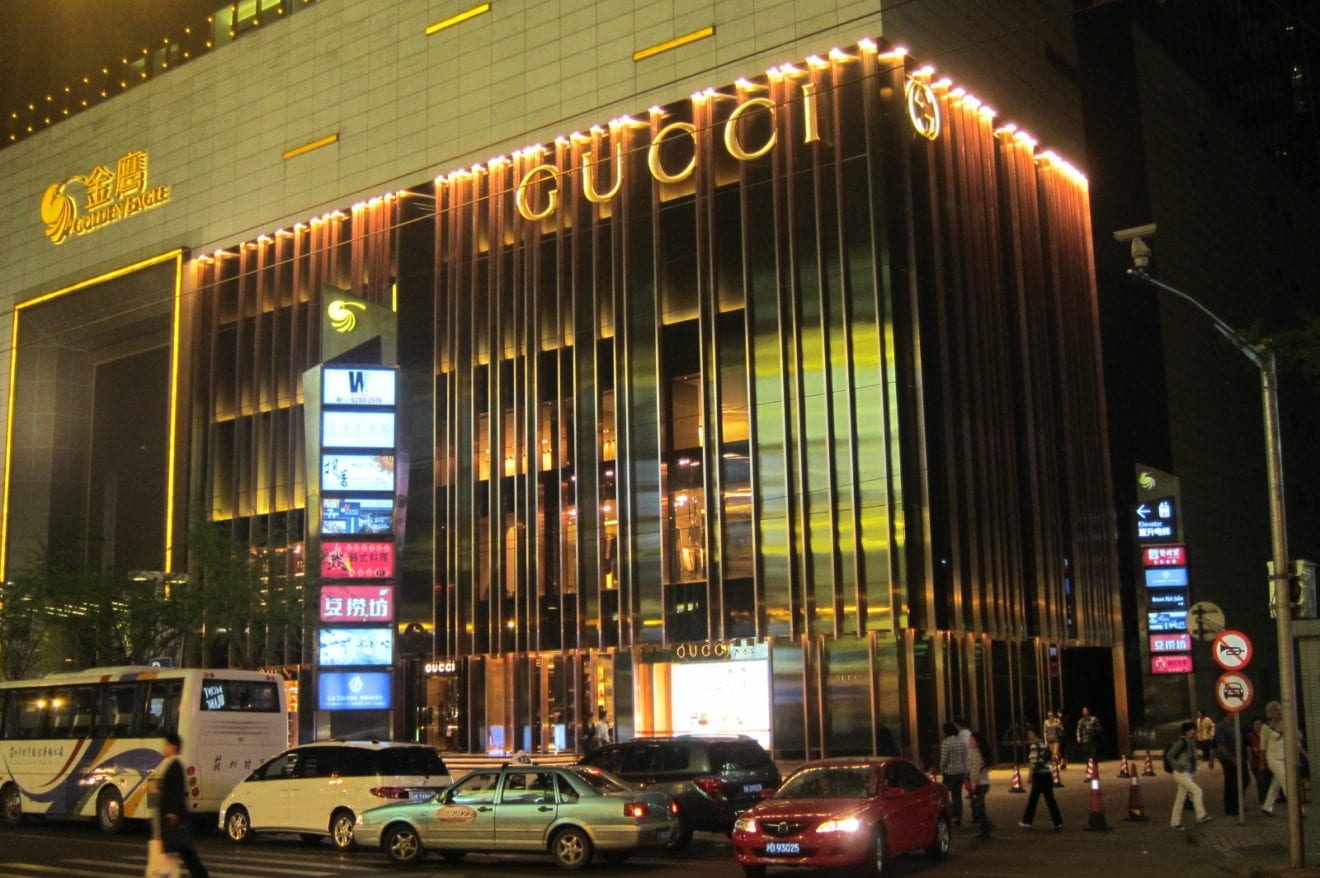
    However, when you look at the site, it’s plain to see that the prices are somewhere between what they’d be for counterfeit items versus real branded ones. So in that sense, shopping on Bebelian is still a step above buying fake branded items, but still not as expensive as picking something up from the Gucci store.

    On Bebelian, users can browse via brands, celebrities, price, or product. According to Sari, around 30 celebrities have signed up, and she says she’s been dividing her time between Bebelian and her own private consultancy. She declined to comment on Bebelian’s traction, including the number of transactions it has facilitated to date. However, Bebelian currently features brand names like Chanel, Gucci, Guess, and Louis Vuitton as well as famous local names such as Astrid Tiar, Sandra Dewi, Jill Gladys, and Edies Adelia.

    While Bebelian is a unique business model, it does see indirect competition in local site WokuWoku, an eCommerce firm that sells clothes and apparel from fashion lines owned by celebs. The primary difference is that Bebelian sells designer brands from the personal closets of celebrities, while WokuWoku deals in brands that are part of celebrity-made clothing lines.

    However, Sari says she doesn’t need to worry too much about competitors just yet, as Bebelian seems to be performing beyond her expectations.

    “The next obstacle we face is that our celebrities don’t have any more items they want to sell,” says Sari. “Because of this, we must always be looking for new celebrity partners to feature on Bebelian.”

  • SingPost POPStation: a worldwide eCommerce mannequin

    SingPost POPStation: a worldwide eCommerce mannequin

    SingPost’s intelligent embracement of the web buying revolution is a case research different nationwide postal providers all over the world ought to take discover of.

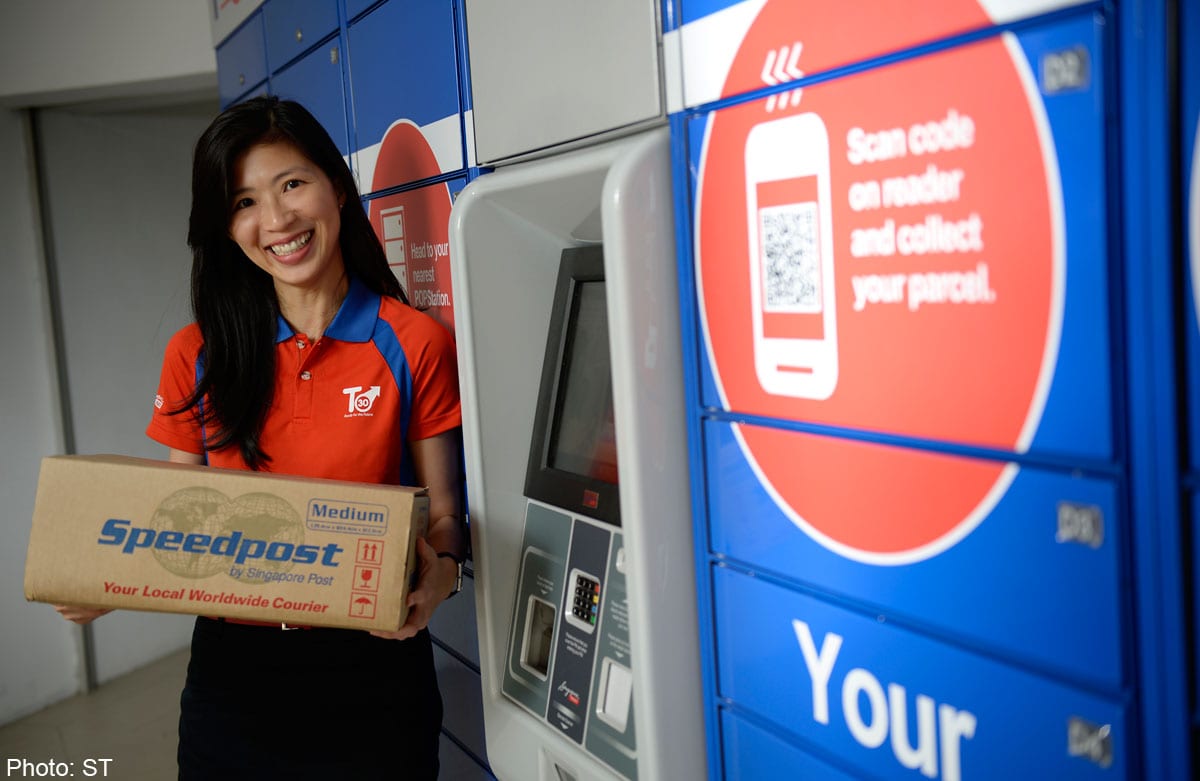
    Final week, SingPost opened its 100th POPStation – a parcel supply and assortment service which has minimize the supply time of on-line purchases by as a lot as a day, boosted comfort for patrons and distributors alike – and decreased its personal operational overheads and logistical challenges on the similar time.

    The SingPost POPStation is a supply and assortment community system which now offers a receiving level for patrons with a mean distance of not more than 2.5 km from any resident within the metropolis state.

    Primarily, POPStation is a locker supply service which does away with the necessity for patrons to should be obtainable at one place to obtain their deliveries, and for postal employees to traverse the town making private deliveries. It’s tailor made to the web retailing business, as a result of it standardises supply techniques and provides each distributors and SingPost the economies of scale of creating a lot of deliveries to a single level.

    Buyers can have their gadgets delivered to automated sensible lockers in any one of many 100 POPStations, all of that are accessible 24-seven. In addition to receiving gadgets, shoppers could make returns simply onsite as properly. Clients obtain their supply notifications and a PIN for his or her safe locker by way of smartphone.

    “POPStation is nicely fitted to city cities like Singapore because it lets the parcels do the ready, catering to busy way of life of Singaporeans on this digital age,” explains SingPost senior VP of Singapore Parcel, Lim Ann Nee, in a press release.

  • VIP shop doubles revenue

    VIP shop doubles revenue

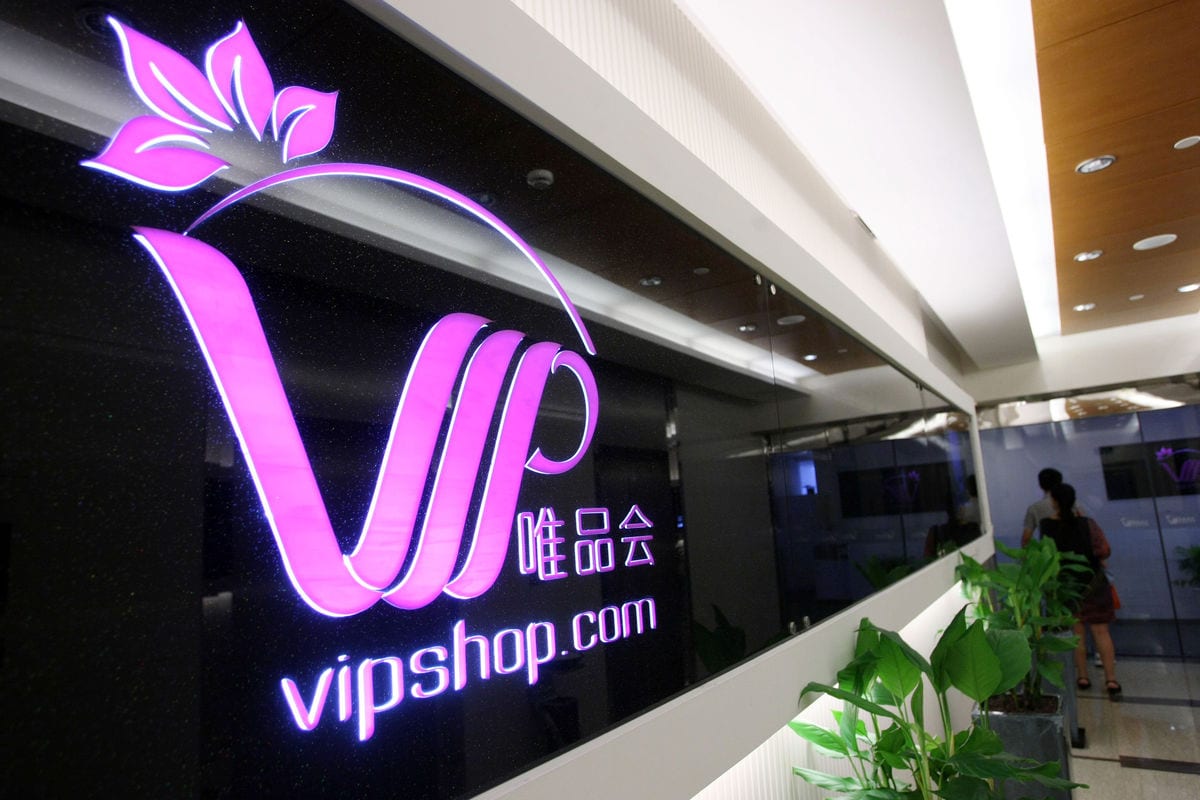
    Chinese online discount retailer Vip shop Holdings says it doubled its net revenue in the first quarter.

    The cmpany says a 75 per cent year-on-year increase in customers helped it achieve net revenue of  RMB8.6 billion (US$1.4 billion).

    Some 12.9 million people shopped on VIPshop over the last year, amassing 38.5 million individual orders.

    Gross profit increased by 99.6 per cent to RMB2.1 billion (US$345.4 million).

    Eric Shen, chairman and CEO of the NYSE-listed company, described the first quarter of 2015 as “robust”, thanks to improved brand recognition and new mobile initiatives.

    “Specifically, the mobile contribution of our platform as a percentage of gross merchandise volume climbed to approximately 72 per cent in the first quarter, which is more than double the average figure across the broader Chinese online shopping industry. Going forward, we will continue to scale our business with a greater focus on further enhancing the shopping experience for customers across multiple devices, attracting new customers and expanding our product offering.”

    Donghao Yang, CFO of Vip shop, added: “We are very proud of our first quarter 2015 financial results, which saw our revenue grow by 100 per cent year over year and the expansion of our operating and net margins. Additionally, our warehouse capacity, both leased and built, reached approximately 1.1 million sqm as of March 31, 2015, up from approximately 350,000 sqm a year ago.

    “Looking ahead, we are confident that by emphasizsng operating discipline, strategically investing in fulfillment and technology, and continuing to offer great shopping experiences to our growing customer base, we will be able to capitalise on the growth opportunities ahead and continue to deliver sustainable value for our shareholders.”

    For the second quarter of 2015, the company says it expects its total net revenue to be between RMB8.7 billion and RMB8.9 billion, representing a year-over-year growth rate of between 71 per cent and 75 per cent.

  • Online China luxury goods mall expands

    Online China luxury goods mall expands

    Xiu.com, an online China luxury goods mall, has raised another US$30 million in funding, according to 36kr.

    The investment was led by Jardine’s, followed by KPCB China and others.

    Founded in 2008, Xiu specialises in high-end clothing, footwear, bags, accessories, and cosmetics from international brands. Headquartered in Shenzhen, it also has offices in fashion capitals like New York, San Francisco, London, Milan, and Hong Kong. The store has over 600 brands, and at least 200 of them are exclusive to Xiu in China.

    Xiu’s investment comes just days after French luxury goods retailer Kering, parent of Gucci and Yves Saint Laurent, amongst others, filed a lawsuit against China’s biggest eCmmerce company, Alibaba, alleging it is profiting from the sales of counterfeit goods in wholesale quantities on its Taobao site.

    Xiu.com says it will use the new funds to create a better shopping experience, improve its supply chain, and strengthen international ties.

    Founder Jiwen Hong says Xiu’s strength lies in the relationships it has with brands. By going directly to the brands and cutting out middlemen, it can offer better prices than competitors. 36kr says most items on Xiu sell for less than the retail cost in Hong Kong and the US.

    The startup has 10 million registered users with a repeat purchase rate of 85 per cent. The average customer spends about RMB 1,500 (US$242) per purchase.

    In 2012, US auction site Ebay launched a joint venture with Xiu to list products on a subdomain of Xiu’s site. That collaboration has since closed shop.

  • Tango users can now shop with AliExpress

    Tango users can now shop with AliExpress

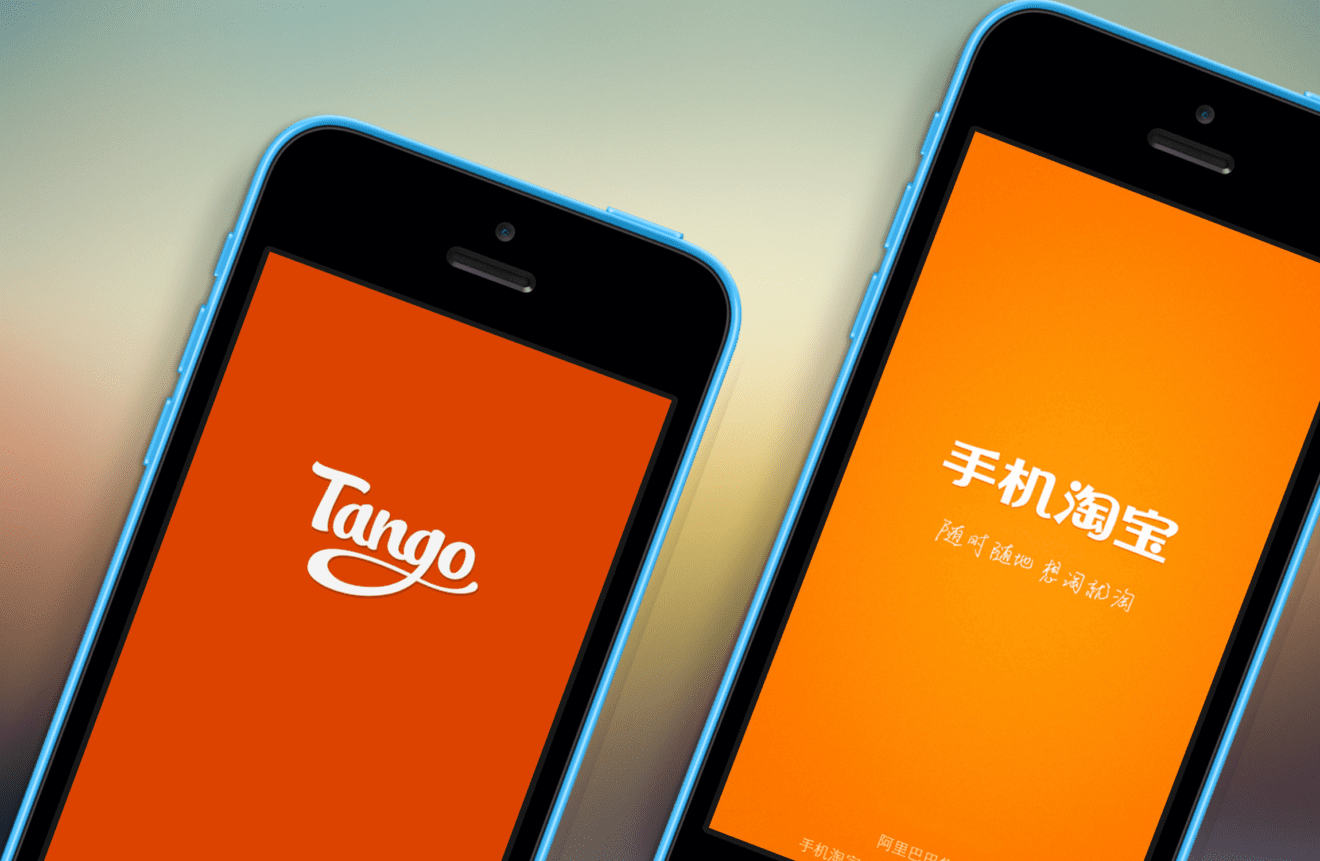
    Users of the messaging app Tango can now shop online without leaving the app – after partnerships were struck with Alibaba’s AliExpress and Walmart.com.

    US-based Tango, which boats more than 300 million users, have launched “social shopping” on their message and chat platform allowing, they say, users to choose from millions of products sold by the two retailers online.

    “The company expects to expand shopping options over time to include additional retailers and geographies,” Tango said in a press statement.

    “Tango will offer curated lists of products based on user preferences, while also allowing them to create their own collections to share with family and friends.”

    Leo Shen, AliExpress GM, said Tango offers a way for consumers to access products on AliExpress “that are relevant to their preferences and lifestyles”.

    “We look forward to teaming up with Tango to provide consumers a great shopping experience wherever they go.”

    Tango CEO and co-founder Uri Raz says the move takes Tango beyond the realm of being just an messaging service.

    “Starting today, we’re leading the way in ‘conversational commerce,’ making it simple for consumers to connect with leading retailers using the same platform they rely on every day to chat with friends and family,” he said.

    “Tango is excited to collaborate with Walmart and AliExpress to revolutionise blending commerce and communication, creating a new and exciting experience for consumers and sellers alike.”

    Founded in 2009, TangoMe Inc is the developer of Tango, a free mobile messaging app whose users enjoy free video and voice calls, texting, social discovery, browsing and sharing content with one another.

    The company works with third-party game developers, brands, content publishers, and advertisers to provide distribution, integration opportunities, and advertising. Tango is cross-platform, operating over 3G, 4G and Wi-Fi, and is available in 15 languages in more than 224 countries.

  • Cosme.com breaks out of Japan

    Cosme.com breaks out of Japan

    Cosme.com has launched an English language model of its web site, increasing the most important cosmetics and wonder portal in Japan to a broad overseas market.

    @cosme, a subsidiary of istyle Inc, has developed right into a full-scale cosmetics portal reaching overwhelmingly giant numbers of girls – one in each two ladies in Japan of their 20s and 30s store on cosme.com, making it the most important portal in Japan for cosmetics and wonder merchandise.

    Every month some 10 million shoppers go to the web site utilizing all varieties of units and racking up 270 million web page views. It boasts a database of 250,000 gadgets from 28,000 home and overseas manufacturers and comes with a perform for looking customers’ postings on merchandise analysis, and new product info.

    The annual rankings of cosmetics,@cosme Greatest Cosmetics Award, compiled primarily from the customers’ postings, attracts the shut consideration of the cosmetics and wonder industries.

    The brand new English-language Cosme.com, stocked with about as many gadgets of merchandise as with the Japanese website, guarantees an virtually equivalent buying expertise to the Japanese website.

    Overseas consumers can select from a variety of third celebration supply providers.