Tag: ecommerce

  • Vietnam considers tightening import tax on e-commerce deliveries

    Vietnam considers tightening import tax on e-commerce deliveries

    The Ministry of Finance is considering limiting the import of low-value packages through e-commerce platforms to close a suspected loophole.

    It wants to issue a new decree to limit each organization or individual buyer to be free of import tax on four orders at most each month.

    The proposal came amid the rising popularity of shopping on e-commerce platforms in Vietnam, with many products delivered directly from China.

    Vietnam currently does not apply an import tax on packages with a value of VND1 million ($44) or lower delivered via postal and delivery services.

    However, because there is no limit on the number of packages being sent, many buyers take advantage of this policy and split their goods into small packages to avoid tax, according to the Ministry of Finance.

    In the first six months last year, Hanoi alone imported $1 billion worth of products via postal and delivery services. The value in June was five times that of January, according to the latest data from the Ministry of Finance.

    A Hanoi company that imports products for Shopee and Lazada saw its value of imported products surging 50 times year-on-year to $70 million in the first quarter of 2021, the ministry said.

    Vietnam’s e-commerce market has seen an average annual growth rate of 25-30 percent in the last five years, according to Vietnam E-commerce Association (VECOM).

    Should the growth rate be maintained, Vietnam would rank third in e-commerce market size in Southeast Asia by 2025, behind Indonesia and Thailand.

  • Amazon Global Store launches in Korea

    Amazon Global Store launches in Korea

    Global online retailer Amazon and South Korean e-commerce platform 11st launched the Amazon Global Store on 11st on Tuesday.

    The move has made it easier to buy tens of millions of products available on Amazon’s US website, ranging from PCs, toys and fashion to electronics, with free shipping on orders over 28,000 won ($24).

    Though the service has been in operation in 12 other countries, it marks the first time Amazon is working with a local company for the launch. It also makes 11st the country’s “most extensive bookstore,” with millions of books now available.

    “Starting today, customers in Korea will be able to enjoy the most convenient way to shop global products, with free international shipping from the US,” said Somana Konganda, director of Amazon Global.

    Lee Sang-ho, CEO of 11st, said, “The launch of Amazon Global Store on 11st brings together the best of 11st’s local know-how and Amazon’s global retailing experience.”

    How does it work?

    Amazon Global Store was launched jointly with 11st, which means you have to sign up for 11st to place an order.

    You also need a personal customs clearance code, a 13-digit number starting with a P, for online international shopping. But foreign nationals living in South Korea can use either their passport number or alien registration number instead.

    After signing on to the platform, you can either search for a product you saw on Amazon’s US website or go to the main page for the Amazon Global Store to check out special deals and recommended items.

    Before your selected item goes into the basket, the website will show the price in Korean won and estimate how long it will take to be delivered, as well as how much the total cost will be including a customs clearance fee — which occurs when your order is worth more than $200, or $150 if certain items such as health supplements are included, for instance.

    ‘Universe Pass’

    On the same day the Amazon Global Store was launched, SK Telecom, which operates 11st, also unveiled the “Universe Pass Mini” and “Universe Pass All”

    Priced at 4,900 won, the more affordable version of the monthly subscription-based service offers free shipping to members regardless of the product’s price, though benefits are subject to change in the future, according to 11st.

    It also gives access to South Korea streaming platform Wavve, while the premium plan offers access to a wide range of subscription-based services including music streaming service FLO.

  • Amazon launches in South Korea on local platform 11st

    Amazon launches in South Korea on local platform 11st

    Global online retailer Amazon and South Korean e-commerce platform 11st launched the Amazon Global Store on 11st on Tuesday.

    The move has made it easier to buy tens of millions of products available on Amazon’s US website, ranging from PCs, toys and fashion to electronics, with free shipping on orders over 28,000 won ($24).

    Though the service has been in operation in 12 other countries, it marks the first time Amazon is working with a local company for the launch. It also makes 11st the country’s “most extensive bookstore,” with millions of books now available.

    “Starting today, customers in Korea will be able to enjoy the most convenient way to shop global products, with free international shipping from the US,” said Somana Konganda, director of Amazon Global.

    Lee Sang-ho, CEO of 11st, said, “The launch of Amazon Global Store on 11st brings together the best of 11st’s local know-how and Amazon’s global retailing experience.”

    How does it work?

    Amazon Global Store was launched jointly with 11st, which means you have to sign up for 11st to place an order.

    You also need a personal customs clearance code, a 13-digit number starting with a P, for online international shopping. But foreign nationals living in South Korea can use either their passport number or alien registration number instead.

    After signing on to the platform, you can either search for a product you saw on Amazon’s US website or go to the main page for the Amazon Global Store to check out special deals and recommended items.

    Before your selected item goes into the basket, the website will show the price in Korean won and estimate how long it will take to be delivered, as well as how much the total cost will be including a customs clearance fee — which occurs when your order is worth more than $200, or $150 if certain items such as health supplements are included, for instance.

    ‘Universe Pass’

    On the same day the Amazon Global Store was launched, SK Telecom, which operates 11st, also unveiled the “Universe Pass Mini” and “Universe Pass All”

    Priced at 4,900 won, the more affordable version of the monthly subscription-based service offers free shipping to members regardless of the product’s price, though benefits are subject to change in the future, according to 11st.

    It also gives access to South Korea streaming platform Wavve, while the premium plan offers access to a wide range of subscription-based services including music streaming service FLO.

  • Amazon: Exponential growth platform

    Amazon: Exponential growth platform

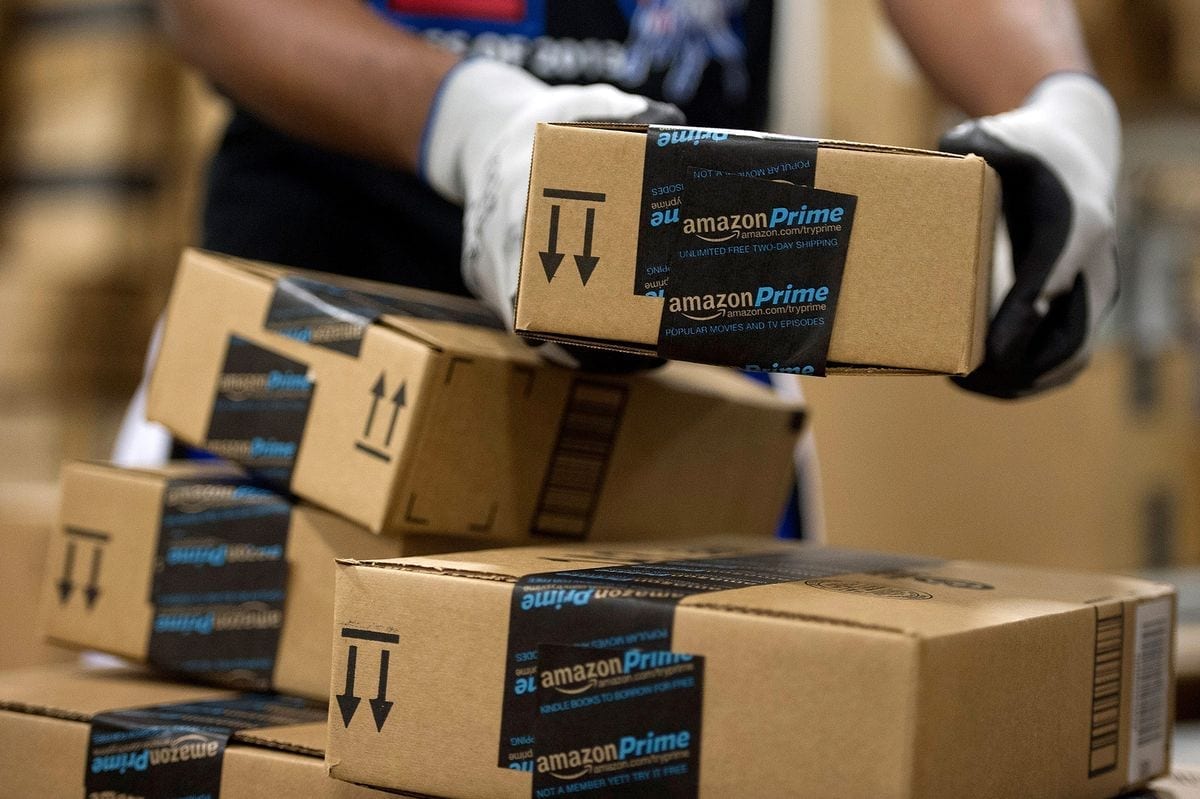
    Pattern recently hosted a virtual round table that focused on consumer behaviors, beliefs and actions when it comes to Amazon Australia. Since entering the Australian market in December 2017, Amazon has seen tremendous growth in both its gross revenue and their consumer following according to our 2021 Amazon Shopper Report.

    Hosted by Pattern Australia’s General Manager, Merline McGregor, our panel discussed the giant’s performance in the market, consumer perceptions and which categories best represent an opportunity to brands wanting to expand their exposure, sales opportunities, and customer following.

    “We know that Amazon is not just a platform to sell products, but also a platform to drive awareness, tell our brand story and even launch new products into the market”, says Hermann Jaaniorg, Senior Marketing Manager APAC for BIC who joined us as a panelist.

    Earlier this year, Amazon released its 2020 results. The company reported over $1.6 billion in gross sales which was more than double the previous year. Although marketplaces currently make up a small portion of online sales, Morningstar estimates that by 2030, 25 percent of the total in Australia will be via Amazon.

    Amazon Australia’s traffic grew by 23 percent in June 2021 over the year prior, driven primarily by Amazon Prime Day. Site traffic data provided by SimilarWeb also indicates that the platform is retaining the gains it made in the last year, with Amazon.com.au’s traffic for May 2021 up 12 percent on the same month a year ago. With 474 million annual site visits, it still trails eBay but is quickly gaining ground.

    Growth of Amazon Prime

    Another pivotal indicator of Amazon Australia’s success is the increase in online shoppers with access to Amazon Prime. In our August 2020 report, 19 percent of online shoppers said they had access to their own or someone else’s Prime account. By May 2021, this figure had jumped to 31 percent with an additional 15 per cent saying they are likely to become a Prime member over the next 12 months.

    Amazon now has over 200 million Prime members globally and a Prime member will spend around 130 percent more on Amazon than a non-Prime member. In the US, Prime is the top reason consumers shop on Amazon. As more people become members of Prime in Australia, they will spend more of their money on Amazon,” says Dan Richardson, Pattern Australia’s Head of Business Development.

    Indicators of longer-term change

    For anyone selling online, these are the most salient statistics that were highlighted: 24 percent of shoppers expect to buy from different online stores and 20 percent will buy products online that they used to buy in stores. Equally importantly, although we’ve seen a dramatic shift to online spending, 40 percent of respondents don’t anticipate further changes to their ‘new normal’ – this is an 82 percent increase on the response during August 2020 when Australia was in a strict lockdown, and driven by the 60+ age groups.

    Our research demonstrates that the swing towards online has become embedded in consumer behavior. Brands in categories poised for growth including homewares, baby, clothing and skincare would do well to invest further in digital diversification, including marketplaces.

    According to Dan Richardson, it’s simple. “If you’re not on Amazon, get on Amazon. The best time to launch on Amazon was probably three years ago. The second-best time to do it is now.”

  • Singapore’s Shopee disrupts the Brazil’s e-commerce sector

    Singapore’s Shopee disrupts the Brazil’s e-commerce sector

    Shopee took just two years to become Brazil’s most downloaded shopping app, winning users to its low-cost marketplace with its game-changing approach to e-commerce: in-app mini-games offering coupons to winning users.

    The Singapore-based company has combined online shopping with the gaming nous of its separate mobile game arm Garena – creator of “Free Fire”, Brazil’s most downloaded title for eight consecutive quarters – to generate sales analysts estimated at almost a third of local champion Magazine Luiza.

    Back home, Shopee only needed five years to become Southeast Asia’s most-visited e-commerce website, overtaking the likes of Lazada, backed by China’s Alibaba Group Holding, and Tokopedia, backed by Japan’s SoftBank Group.

    “Shopee has a track record in Southeast Asia of coming into the market late, looking at how others have solved existing problems and then building a system to leapfrog those issues,” said analyst Jianggan Li at advisory firm Momentum Works.<

    Shopee’s early surge highlights the space left for foreign entrants to grow in a sector once dominated by regional firms like Magazine Luiza and Argentina’s MercadoLibre.

    To be sure, the startup’s timing was fortuitous, launching in Brazil just as the COVID-19 pandemic drove consumers away from physical stores, pushing up 2020 e-commerce sales by 44% to $42 billion, showed data from Brazilian payments company EBANX.

    Shopee – akin to Alibaba’s AliExpress, carrying Chinese-made knick-knacks – emerged as Brazil’s top app by downloads and time spent in use, showed data from analytics platform App Annie.

    Yet, in pursuit of growth, Shopee is still losing money, propped up by Sea’s profitable gaming division. In the second quarter of this year, Garena posted adjusted earnings before interest, tax, depreciation and amortization (EBITDA) of $740.9 million even as the e-commerce arm lost $579.8 million.

    “Money being generated by one side of the business, which is a cash cow, is being reinvested aggressively in Brazilian e-commerce – with success,” said Itau BBA analyst Thiago Macruz.

    Sea’s Brazil foray is just one element of its global ambition. Investment arm Sea Capital is also considering putting money into startups in Latin America and beyond, said a person with knowledge of the matter, who was not authorized to speak with media and so declined to be identified.

    The firm has also taken Shopee to Chile, Colombia and Mexico where, unlike Brazil, it has no locally based staff and so has partnered social media influencers to increase brand awareness, said two people familiar with the matter.

    Sea, whose shareholders include Chinese gaming leader Tencent Holdings, declined to comment.

    The firm has disclosed little data about Shopee Brazil, but Itau BBA analysts estimated the value of goods and services sold on the platform last year hit 12 billion reais ($2.27 billion).

    The average price on its marketplace is 40 reais, other estimates showed, less than a third that of e-commerce leader MercadoLibre, which often carries higher-value branded products.

    Sea’s biggest challenge for Shopee Brazil is delivery in such a vast country. It reduced its reliance on the local postal system this year in favor of private carriers, but is still competing against rivals with proprietary delivery services.

    Shopee aims to have one main logistics partner per country in the region, a company source said.<

    The company itself expects e-commerce growth in the region to spawn more delivery partnerships, as happened in Southeast Asia, Sea executives told analysts on a call this month.

    On the same call, Group Chief Corporate Officer Yanjun Wang called Brazil “a good market for continued investment.”

    Competition in Latin America’s largest economy stepped up this month when Shopee’s nearest rival in terms of product offering, AliExpress, opened up its marketplace to domestic sellers charging a single-digit commission. AliExpress had been in Brazil for 11 years; Shopee did similarly after its first year.

    Small-business owner Luciana Carvalho began selling plastic packaging products on Shopee in February, attracted by the free shipping and 6% commission – compared with MercadoLibre’s 17%.

    “It’s easy to sign up, calculate your commission, get your delivery tags, your receipts. It makes us invest more in the platform,” she said.

    In a move toward profitability, Shopee has since raised commission to 18% – as much as twice marketplaces can charge in some Southeast Asian countries, indicating Latin America’s potential profit margins. Carvalho continues to use Shopee, though she prefers MercadoLibre for its “unbeatable” delivery.

    To further improve profitability, Goldman Sachs analysts said Shopee could start selling higher-ticket items, as it has in Southeast Asia. Momentum Works’ Li expects Shopee to add financial services to its Brazil app as it has in Indonesia.

    “I wouldn’t be surprised,” if they reached number one, said Li, “Given what they have done in Singapore, Indonesia and Malaysia, Thailand.”

  • Lazada merges logistics divisions under new name

    Lazada merges logistics divisions under new name

    E-commerce player Lazada, which is now majority-owned by Alibaba, is confident that its expertise in Southeast Asian markets can counter the looming threat from Amazon’s much-anticipated entry into the region, a top executive said.

    Last year, TechCrunch reported that Amazon had planned to launch local e-commerce services in Singapore in the first quarter of 2017. But earlier this year, the news site cited sources and said Amazon’s much-anticipated entry was postponed.

    Aimone Ripa di Meana, co-founder and chief marketplace officer at Lazada, said the company’s on-the-ground knowledge about each of the six regional markets in which it operates, its logistics network, and the backing from Jack Ma’s Alibaba Group will be advantageous in the face of competition.

    “We feel very confident about what we’ve built so far — we have a very unique approach to business,” Meana said. “Having built teams that have been with us for a long time that function in a very organic way that knows the markets, know the complexities that are in each market, which can’t easily be replicated. I don’t think knowing how to do (business in) Singapore is in any way relevant to how you build your business in the Philippines or Indonesia.”

    He explained that the differences in each Southeast Asian market went beyond people and languages spoken. It involved things including the infrastructure set-up in each country to facilitate logistics and delivery, how the syntax of each local language affected the way search worked and also the behaviors of small and medium enterprises in listing their products and structuring their catalogs.

    But the region is still lucrative for e-commerce as millions of first-generation internet users embrace online shopping. A frequently cited study from Google and Singapore investment firm Temasek Holdings predicted the region’s internet economy to grow to $200 billion by 2025, driven mostly from growth in e-commerce. Meana said Alibaba’s investments into Lazada, and the speculation surrounding Amazon’s eventual push into the market, underscored the potential of the region.

    “We are in a market that is at the beginning of its curve,” said Meana. “While obviously the numbers are vast and exciting, I think the opportunities that lie ahead are much larger than anything that’s been built behind us.”

    To be sure, Amazon has aggressively invested in markets outside the U.S. to grow its stake. For example, reports in India said Amazon has invested more than $2 billion to-date to compete with local e-commerce players Flipkart and Snapdeal.

    Earlier this year Alibaba upped its stake in Lazada from 51 percent to about 83 percent, with over $2 billion invested into the company. Its affiliate Ant Financial, earlier this year, merged with Lazada’s helloPay platform to bolster payments processing capabilities.

    The backing allowed Lazada to move into Alibaba’s ecosystem and make use of all of the innovation and features for sellers on their platform, said Meana. Those include offerings like a business intelligence portal and new promotional features that allow sellers to create shop decorations in the same way they would’ve done for an offline business.

    To offer consumers more variety, Lazada launched its Taobao Collection store that curates and sells about 4 million products in English from Alibaba’s Taobao marketplace — which is inaccessible to many non-Chinese speaking consumers in Southeast Asia.

    Logistics operations, which Meana said is a key differentiator for Lazada, also benefit by tapping into Alibaba’s technology, processes and approaches to delivery. Currently, Lazada has about 100 logistics partners in the region and its operations are split into two areas of business: last-mile delivery and a control tower that coordinates the most effective means of delivering parcels from merchants to customers.

    “For a consumer or merchant, this is completely seamless. They don’t need to make decisions or choices — all that is done by us, and in turn what that means is, a number of players that were maybe too small to catch the trend, that weren’t able to enter e-commerce, are now being able to leverage our infrastructure and be part of this phenomenal growth that we’re seeing in e-commerce,” he said.

    Delivery speed is another way that many online retailers attempt to differentiate themselves. For a region like Southeast Asia, Meana explained that fast delivery was not always feasible. That is, cross-border e-commerce, a growing part of Lazada’s business, means consumers are more willing to wait for their parcels, he said.

    Ultimately, Meana said, it’s about maintaining a balance between being local and nimble — required for most online marketplaces — in multiple countries and having a regional structure to grow the business.

    “That’s clearly one of the great learnings of having built Lazada over the past five years — the interplay between having this regional structure and the economies of scale and scope to get there and then maintaining the nimbleness of the market,” he said.

    “It’s not an easy balance, but it’s something that we’ve invested a lot of time to get to and I don’t think it’s acquired or built in a day.”

  • JD beats profit estimates after boost from partnership deals

    JD beats profit estimates after boost from partnership deals

    China’s JD.com beat analysts’ expectations for quarterly adjusted profit, as its partnership with global brands such as Louis Vuitton-owner LVMH helped it attract more shoppers to its e-commerce platform.

    The results come amid a crackdown on the tech industry by Chinese regulators that has led to an upheaval in sectors such as e-commerce, gaming, ride-hailing and cryptocurrency.

    Net revenue at JD.com rose about 26% to 253.8 billion yuan ($39.14 billion) in the second quarter ended June 30. Analysts had expected revenue of 249.27 billion yuan, according to IBES data from Refinitiv.

    JD’s annual active customer accounts jumped 27.4% to 531.9 million.

    JD’s strategy of holding inventory and having full control of its in-house delivery network has also helped it compete with larger rival Alibaba Group, which outsources its logistics operation to third-party firms.

    Sales in JD’s product segment, which includes online retail, rose over 23% to 219.69 billion yuan.

  • JD launches online pet consultation services

    JD launches online pet consultation services

    JD.com launched its biggest ever 3,000-square-meter exhibition at the China Digital Entertainment Expo & Conference, a.k.a ChinaJoy2021, which is taking place from July 30 to August 2 in Shanghai.

    The exhibit is designed to showcase the latest gaming industry trends, what motivates China’s Gen-Z consumers, as well as the tremendous marketing opportunities arising from these developments, according to JD’s planning team for ChinaJoy.

    As China’s most well-known shopping platform particularly in the area of electronics products, JD will spotlight a number of new gaming products on site to bring a fresh experience for visitors. Beyond that, brands and products ranging from fashion and cosmetics to home appliances and furniture have also joined the bandwagon to introduce their co-branded offerings or tailored-made products in JD’s exhibit and via JD’s online platform.

    China’s e-sports market is expected to reach RMB 270 billion yuan by 2022, and will be an official event for the 2022 Asian Games in Hangzhou, China. In response, JD is ramping up efforts to tap the potential of this market and associated partners to incubate a wider industry ecosystem.

    During this year’s ChinaJoy, JD announced that it will update its JD Esports plan, which was launched at ChinaJoy 2020 in collaboration with device makers like Lenovo, gaming leaders like Tencent and livestreaming platforms like Huya, to develop a one-stop e-sports service platform encompassing hardware, software, content and events.

    As Gen-Z is driving much of the growth in this market, JD is also increasing its marketing outreach to younger consumers. A lineup of live shows, games and interactions with e-sport influencers will be rolled out during the three-day event to appeal to young visitors with interest in anime culture.

    Furthermore, JD’s efforts in cultivating the market have also included two gaming teams in recent years, both of which have gained wide popularity among young gamers and wider audiences: JD E-sports (JDE) for Peacekeeper Elite League (PEL) and JDG (JD Gaming) Intel e-Sports Club for League of Legends (LoL). The latter is one of the top-performing teams in the League of Legends Pro League (LPL). Plus, JD has organized the nationwide annual e-sports tournament JD Cup since 2014, in an effort to grow awareness of JD as a one-stop platform for everything related to e-sport, from gears, content to entertainment.

    Major Zhu, head of integrated marketing of JD Retail, said during the expo that JD will continue to deepen its investment in e-sports. Basing on the company’s strength in supply chain and big data, it can leverage its deep understanding in e-sports to bring partners together, presenting more high-quality products, services and entertainments for the growing e-sports fan base, and contributing to the development of China’s e-sports industry.

  • Tiki raises $20 mln from Taiwanese investors

    Tiki raises $20 mln from Taiwanese investors

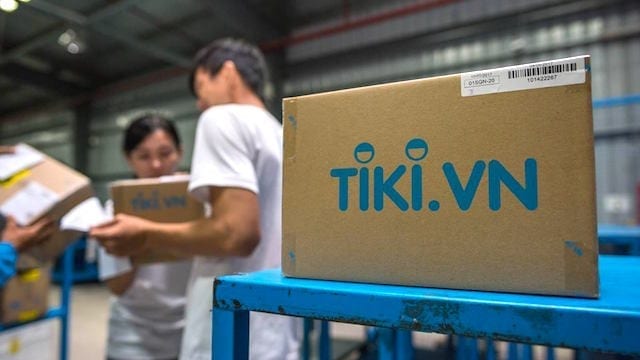
    E-commerce platform Tiki has raised $20 million from telecom operator Taiwan Mobile in return for a 2.7 percent stake in Tiki Global.

    The Series E funding deal values the Vietnamese company at $740 million, with Tiki having secured $94 million in the series within this month alone.

    Before the Series E, foreign investors held a 49.4 percent stake in Tiki. The biggest shareholder among them is Chinese e-commerce giant JD.com with a 18.2 percent stake.

    Tiki had recently raised VND1 trillion ($43.9 million) in bonds with a coupon rate of 13 percent a year.

    The company posted a loss of VND4 billion last year.

    As one of the fastest-growing digital economies in Southeast Asia, Vietnam’s e-commerce sector is expected to be worth $23 billion by 2025, according to the e-Conomy Southeast Asia 2019 report by Google, Temasek Holdings, and Bain & Company.

  • Coupang Q2 revenue soars on active customer growth

    Coupang Q2 revenue soars on active customer growth

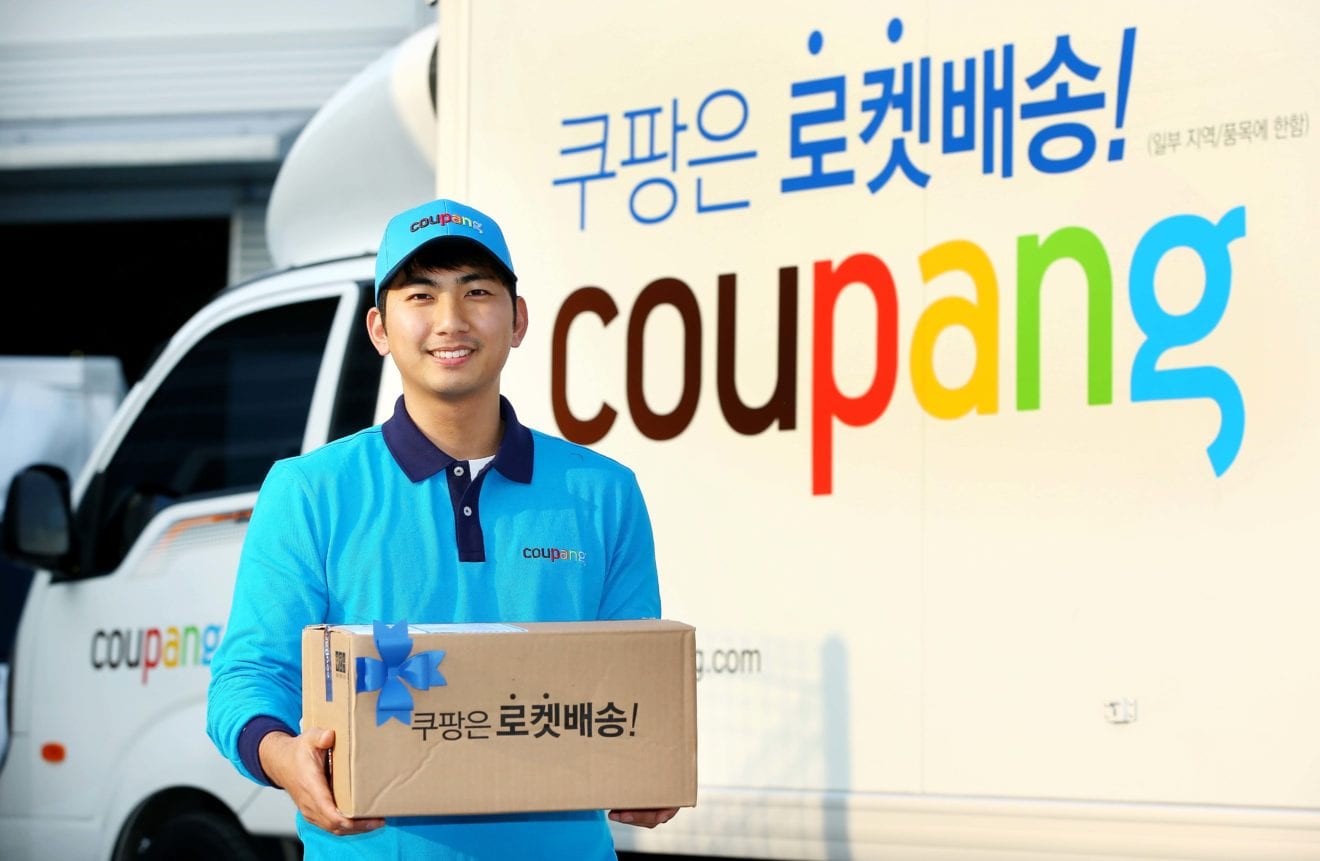
    South Korean e-commerce company Coupang has reported surging revenues and profits on higher active customers during its 15th consecutive quarter of growth above 50 percent.

    But the company is still battling to stem losses thanks to investment into new business activities.

    Total net revenues rose 71 percent on a reported basis, or 57 percent on a constant-currency basis with the number of active customers up 26 percent year over year to 17 million.

    Revenue per active customer grew 36 percent.

    Coupang reported a gross profit of US$658 million, which would have been higher but for $158 million in inventory write-offs as a result of a fire at its Deokpyeong fulfillment center in Korea.

    Revenue from its Rocket Fresh division more than doubled, exceeding $2 billion, while the company’s Eats revenue nearly tripled during the past two quarters, with the loss per order down by more than 50 per cent year on year.

    Investments in Rocket Fresh and Eats accounted for almost the entire pre-tax loss of $122 million for the quarter, which the company said highlighted the profitability of its more mature business operations.

    In March, Coupang was valued at around US$109 billion after the company raised around $4.6 billion in its US IPO.

  • Alibaba misses revenue estimates during regulatory crackdown persists

    Alibaba misses revenue estimates during regulatory crackdown persists

    China’s Alibaba Group Holding missed analyst estimates for first-quarter revenue on Tuesday, as its e-commerce business was hurt by rising competition from smaller players such as JD.Com and Pinduoduo I.

    Alibaba’s results mirror those of e-commerce giant Amazon.com in the United States, as the easing of pandemic-related restrictions has led to more consumers visiting physical stores rather than ordering online.

    Core commerce revenue for Alibaba rose about 35% to 180.24 billion yuan in the quarter, compared with estimates of 184.23 billion yuan. In the fourth quarter, the unit’s revenue surged more than 70%.

    Overall, revenue rose about 34% to 205.74 billion yuan ($31.83 billion) in the first quarter ended June 30, below estimates for 209.39 billion yuan, according to IBES data from Refinitiv.

    Net income attributable to shareholders fell to 45.14 billion yuan, compared with 47.59 billion yuan a year earlier.

    On an adjusted basis, the company earned 16.60 yuan per share, above estimates for 14.43 yuan.

    Ant Group, the fintech affiliate of Alibaba Group, recorded a profit of about 13.48 billion yuan in the quarter ended March, according to the Chinese e-commerce giant’s filing.

    Alibaba, which holds about a third of Ant, posted a profit of 4.49 billion yuan for the quarter ended June 30 from its investments in the financial conglomerate.

    Revenue in Alibaba’s cloud computing division grew 29% year-on-year, reaching 16.05 billion yuan ($2.49 billion)

    The results come amid an ongoing Chinese regulatory crackdown on the industry, during which Alibaba has become one of the main targets.

    Late last year, regulators halted a planned $37 billion IPO of Ant Group in Shanghai and subsequently called for a restructuring of the financial unit.

    In April, China’s anti-monopoly regulator fined Alibaba $2.75 billion for engaging in anti-competitive practices.

    During an earnings call with investors, Alibaba CEO Daniel Zhang said the company would continue to monitor the impact of ongoing regulatory changes on the company’s business.

    He cited a recent regulatory crackdown on community marketplace platforms letting sellers offer items below market price as one example of a sector the company is monitoring, in addition to the Data Security Law and an investigation from the Ministry of Industry and Information Technology into open links between rival platforms.

    “We are in the process of studying the regulatory requirements, evaluating the potential impacts on our relevant businesses and we will respond positively with actions,” Zhang said.

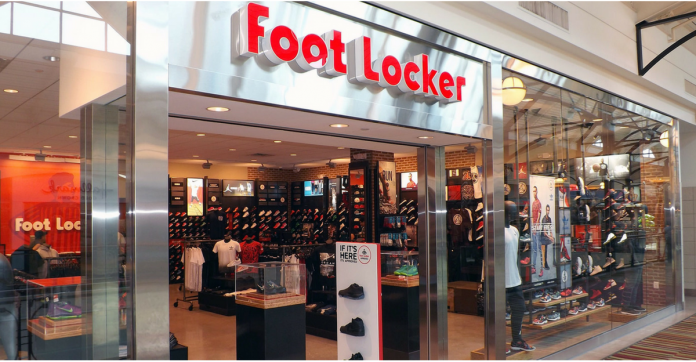
  • Foot Locker is breaking into Japan’s sneakerhead culture

    Foot Locker is breaking into Japan’s sneakerhead culture

    Hidefumi Hommyo got an unusual start in the sneaker business. A native of Japan who became acquainted with the US while studying at Temple University in Philadelphia, Hommyo realized sneakers that were rare in Japan could be found easily, and cheaply, in the US. He made trips up and down the east coast in the mid-1990s, scouring basements and garages for shoes such as the original Nike Air Jordan 1 from 1985 or the Nike Air Force 1 from 1982. He would buy them for just $15 or $20 a pair, he recalled on a podcast last year, and sell them for $400 at his stores in Japan, where streetwear and sneaker fandom were starting to take off.

    Hommyo caught Nike’s notice, and when he opened his next shop, atmos, as a traditional retailer in the backstreets of Tokyo’s Harajuku neighborhood in 2000, Nike was his first vendor. Since, atmos has built a global profile among sneaker fans, largely with its sought-after collaborations with sneaker makers. It now has 49 stores, including 10 outside Japan in cities such as New York, and a substantial digital business.

    Its success has attracted another big name in sneakers: Foot Locker today announced it is acquiring atmos for $360 million.

    The purchase gives Foot Locker a “strategic foothold in Japan,” the company said, a market it estimates to be worth $6 billion. Atmos, focused on a niche of young, discerning shoppers, owns just a slice of that. Its sales last year were approximately $175 million, according to the announcement. But the deal still helps Foot Locker expand in the fast-growing Asian market, and further into the premium end of sneakers and streetwear.

    While Foot Locker has a global footprint, it’s still primarily a US business. As of Jan. 30, 2021, it had nearly 2,000 stores in the US and its territories across its various store brands, which include Foot Locker as well as offshoots such as Kids Foot Locker and chains such as Champs and Footaction. Foot Locker specifically had 848 US stores. Foot Locker Asia, on the other hand, had just 20 stores.

    Atmos immediately increases Foot Locker’s presence in the world’s third-largest economy. Foot Locker will also benefit from atmos’s digital channels, which generated more than 60% of its sales last year.

    At the same time, Foot Locker pointed to atmos’s distinct brand and “potential for Foot Locker, Inc. collaborations” as strategic benefits in a presentation about the deal prepared for analysts. Atmos is known in the world of sneakers and streetwear for its taste and for co-producing some of the most sought-after collaborations on the market. Foot Locker is more a mass retailer, though one that’s made itself a destination for sneakerheads through its releases of sneakers such as Jordans and Yeezys. By acquiring atmos, Foot Locker gets its cultural credibility in sneakers and streetwear, while Foot Locker also apparently sees potential to use atmos’s expertise to launch its own collaborations.

    Foot Locker announced another purchase, too. It’s buying WSS, a regional retailer with 93 off-mall stores around the southwestern US, where Foot Locker says it has room to grow. Those stores are generally not in malls, too, which could help at a moment when malls, where Foot Locker has many of its US stores, are seeing traffic declines. Importantly, WSS also has a strong following among Latino shoppers, a demographic group with growing spending power.

    Foot Locker paid $750 million for the company, which generated $425 million in sales in its 2020 fiscal year.

  • Vietnam defers e-commerce tax by five months

    Vietnam defers e-commerce tax by five months

    Vietnam is set to delay an online tax on e-commerce vendors by five months to support economic recovery amid severe Covid-19 impacts.

    The Ministry of Finance has proposed to the government that the implementation of Circular 40 be postponed until January 1, 2022, Minister Ho Duc Phoc said Sunday. The circular was to take effect on August 1.

    The delay has been proposed as part of several solutions to support the recovery of businesses as the fourth Covid-19 wave spreads in Vietnam, infecting over 105,000 people, most of them in HCMC, often referred to as the nation’s locomotive.

    The circular imposes a 1.5 percent tax on e-commerce vendors with annual revenues of VND100 million ($4,354) or higher.

    E-commerce platforms are responsible for collecting this tax from vendors and paying it to the finance ministry.

    An average of 3.5 million transactions are made on e-commerce platforms each day in Vietnam, and the transaction value has been increasing steadily, according to official data.

    However, e-commerce platforms have proposed that they aren’t made responsible for paying tax on vendors’ behalf as it will create excessive costs and personnel burdens.

    Vietnam’s e-commerce market expanded by 18 percent last year to $11.8 billion, the only one in Southeast Asia to record double-digit growth amid the pandemic, according to the Vietnam e-Commerce and Digital Economy Agency.

  • India court quashes Amazon, Walmart’s Flipkart bid to stall antitrust probe

    India court quashes Amazon, Walmart’s Flipkart bid to stall antitrust probe

    An Indian court on Friday dismissed appeals by Amazon.com and Walmart’s Flipkart that sought to stall an antitrust investigation into their business practices, dealing a major setback to the U.S. firms in a key market.

    The Competition Commission of India (CCI) last year ordered an inquiry after allegations from brick-and-mortar retailers that the U.S. firms promoted select sellers on their e-commerce platforms and used to business practices that stifle competition.

    The investigation was on hold for more than a year after companies challenged it, denying wrongdoing and arguing that the CCI lacked evidence, but a court allowed it to continue in June. On Friday, the High Court in southern Karanataka state rejected the U.S. firms’ appeals.

    “By no stretch of imagination can inquiry be quashed at this stage. The appeals are nothing but an attempt to ensure that action initiated by the CCI … does not attain finality,” a two-judge bench said while reading the decision in court. “The appeals are devoid of merit, and deserve to be dismissed.-

    The two firms are likely to appeal the decision at India’s Supreme Court, according to people familiar with the case. Amazon did not immediately respond to a request for comment.

    Flipkart said in a statement it would review the court’s order, adding that it remains in compliance with Indian laws.

    Abir Roy of Sarvada Legal, which filed the antitrust case against Amazon and Flipkart on behalf of a trader group, said the court’s decision “further reinforces that the CCI investigation should continue promptly.”

    The CCI investigation is the latest setback for Amazon and Flipkart, which are grappling with prospects of tougher e-commerce regulations and accusations from brick-and-mortar retailers that the companies circumvent Indian law by creating complex business structures.

    The companies face several allegations in the case, including exclusive launches of mobile phones, promotion of select sellers on their websites and deep discounting practices that drive out competition.

    Trade minister Piyush Goyal last month lashed out at U.S. e-commerce giants for filing legal challenges and failing to comply with the CCI’s investigation, saying “if they have nothing to hide … why don’t they respond to the CCI?”

  • Beyond Meat opens JD store, as Chinese remain wary of meat substitutes

    Beyond Meat opens JD store, as Chinese remain wary of meat substitutes

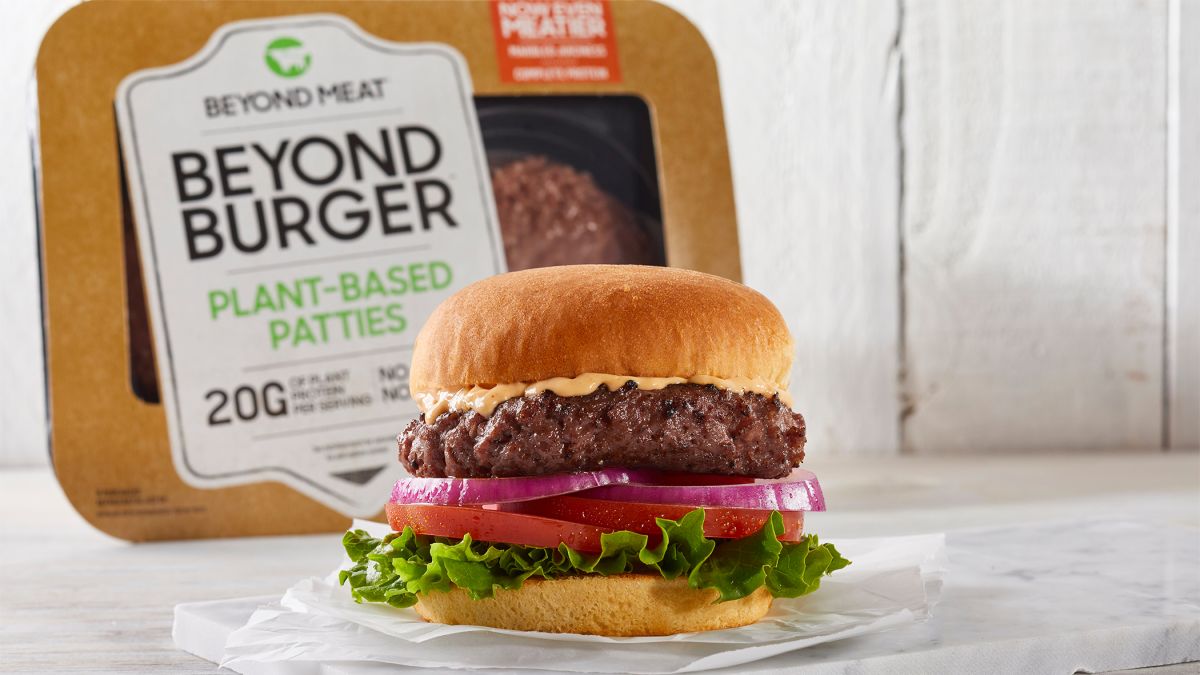
    Beyond Meat has launched an online store in China on e-commerce platform JD, as the plant-based meat maker aims to boost sales in the world’s biggest meat market, where consumer interest in meat alternatives is low.

    US-based Beyond Meat said the JD store will initially help expand the availability of its products in four major cities, including Beijing and Shanghai, and eventually in 300 cities across China.

    Its products are currently mainly available in China through its partnerships with Starbucks Corp, Yum China Holdings and Alibaba Group’s Freshippo markets.

    But expanding into the retail segment by selling on JD will help it reach a wider audience in the country, which is increasingly purchasing fresh food online.

    Online sales in China of fresh food, into which category Beyond Meat’s products fall, are expected to top US$46.4 billion this year, an increase of 18 percent from last year, according to consultancy iiMedia Research.

    Beyond Meat’s direct retail foray follows a similar move by Nestle in December, which launched a range of plant-based burgers, sausages, nuggets, and dishes suited to Chinese cooking.

    The push by global firms comes even as consumers in China are not exactly devouring plant-based meat.

    “Currently it is a solo dance by the manufacturers, the consumers are not joining the tango,” said Zhu Danpeng, an independent food industry analyst.

    A recent poll on Sina Weibo, China’s Twitter-like social media platform, found only 14 percent of 400 participants were willing to try plant-based meat.

    Chinese consumers are deterred by concerns over food safety as well as taste, said Zhu.

    Beyond Meat, which has set up its first manufacturing plant outside of the US in the eastern Chinese city of Jiaxing, near Shanghai, declined to comment on its sales in the market so far.

    A 454gm twin pack of plant-based beef will be sold at $32.50 on the company’s JD store. By comparison, 1kg of good quality domestic beef costs about $21.60 on JD’s fresh food platform.

    Beyond Meat is also adding Beyond Pork to its offering on JD, which has been created for the pork-loving Chinese market.

    It will also sell ingredients that are used in the cooking of local dishes such as stir-fry, dumplings, mapo tofu, zhajiang noodles and lion’s head meatballs to appeal to Chinese consumers.