Tag: ecommerce

  • Tiki raises $258 mln from global investors

    Tiki raises $258 mln from global investors

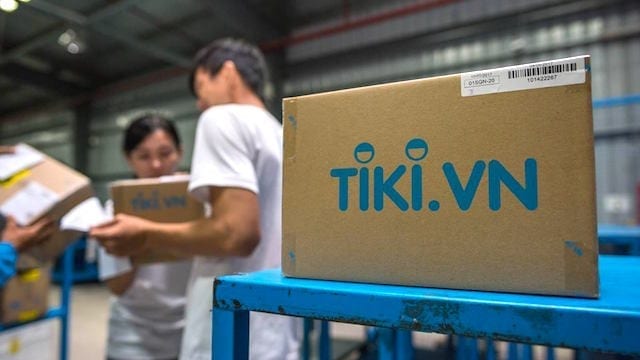
    E-commerce company Tiki raised $258 million in its latest funding round as it eyes a U.S. IPO.

    The Series E funding round was led by AIA Insurance, and included UBS AG London Branch, Mirae Asset-Naver Asia Growth Fund, and Taiwan Mobile Co.

    Tiki had planned to list in the U.S. by 2025, but it now plans to do so in a year’s time, Tiki founder and Chief Executive Officer Tran Ngoc Thai Son said in an interview.

    The company expects revenue growth of 40-50 percent in the next few years, he added.

    Vietnam is expected to have 53 million online consumers, or 71 percent of its population aged 15 and older, by the end of this year, an 8 percent rise from 2020, according to a report in August by Facebook and Bain & Co.

    Tiki in June raised VND1 trillion dong ($44 million) from bonds issuance.

  • Profitability, customer experience & environmentalism: Streamline ecommerce returns

    Profitability, customer experience & environmentalism: Streamline ecommerce returns

    While ecommerce has been a lifeline for many retailers over the last 18 months, the inadvertent explosion of returns has manifested itself as a major pain-point too. These days many retailers are struggling to address how to get the vast volumes of goods bought online returned either to stores, pickup-points or distribution hubs accurately, and back into your inventory and ready to be sold again?

    Minimising the financial costs and logistical challenges of the ongoing ecommerce wave is certainly a primary factor for brands all over the globe, but there are other motivations to consider too, including potential benefits to the overall customer experience.

    THE FINANCIAL IMPLICATIONS OF RETURNS

    In the USA alone, consumers returned over $101 billion worth of merchandise bought during the 2020 holiday season according to recent data from the National Retail Federation.

    While in another recent study from Retail Economics, it was revealed that UK consumers returned over 17% of the online clothing & footwear purchases on ecommerce sales across the whole of 2020, compared to a returns rate of less than 12% for store purchases. As a whole, this meant that retailers dealt with £4.3bn of returns across physical stores & online purchases in 2020.

    The report also discovered that the Gen Z age group (18-24) was the most prolific age group of returners, particularly for online purchases. As a comparison, like-for-like online orders for Gen Z returns doubled the entire value of apparel purchases compared for the over 65s age bracket.

    The true cost of trading online is being weighed heavily by higher return rates compared to store sales. This also comes on top of a competitive digital landscape and a backdrop of a rising cost per acquisition for online customers too.

    In the USA, processing online returns can cost anywhere between $10 & $20, & that’s not taking into consideration freight charges. For items under a certain price point or large items that may incur hefty shipping charges (that merchants can’t pass off to consumers), the cost-saving benefits of simply allowing consumers to keep certain items is a possibility as demonstrated over the US holiday period with Walmart & Amazon.

    The variability of online costs is putting pressure on traditional retailers to pivot their propositions and streamline legacy fixed costs. In doing so, retailers are increasingly opening their minds to digital investment, technologic advancements (such as microservice architecture and automation) to ease costs and increase overall supply chain agility.

    CUSTOMER EXPERIENCE & THE RETURNS PROCESS               

    Let’s consider customer experience for a moment now. Over the course of the last year, most of us will have experienced the excitement and let down of opening a new item of clothing delivered to the front door, only to find that it doesn’t fit or look quite as you had expected when you ordered it online, followed by the lethargy of realisation that you’ll need to return it.

    According to a December 2020 survey conducted by CivicScience, one in four consumers said that having to drop off packages at a mail facility or collection point (especially during the pandemic), is a major pain point when trying to return online purchases.

    As is often the case, the returns process can regularly make or break the overall brand experience and savvy retailers are increasingly viewing the return process as an opportunity to further engage with customers, providing as it does, an additional touchpoint to enhance the overall customer experience.

    BALANCING RETURNS WITH ENVIRONMENTAL IMPACTS

    Returns come with environmental baggage too, in the form of boxes, plastic bags, bubble wrap, and other packaging, not to mention the added carbon footprint associated with additional courier and freight journeys.

    If a returns process can be streamlined and economised, brands can make significant, positive and meaningful environmental gains. And, at a time when there is an increasing shift in the consumer psyche towards environmentally aware and responsible brands, this is not something that can simply be ignored when it comes to returns.

    Retailers today need to have greater visibility and more intelligence around inventory (regardless of where it is currently residing in your network), smarter front-end omnichannel systems capable of efficiently dealing with customer enquiries and greater insight into data around transportation processes. These are key areas for brands going forward looking to solve challenges presented by the growing returns trend.

    For more information on how your retail outlet can better manage returns processes, please visit: https://www.manh.com/en-sg

    By Richard Wright, Managing Director, SEA, at Manhattan Associates
     

  • Alibaba promises sustainability focus in this year’s 11.11 consumer fest

    Alibaba promises sustainability focus in this year’s 11.11 consumer fest

    “Over the last 12 years, 11.11 has showcased the tremendous consumption power of Chinese consumers and pushed boundaries for the global retail sector,” said Chris Tung, Chief Marketing Officer of Alibaba Group. “This year’s Festival marks a new chapter for 11.11. We believe we must leverage the power of 11.11 to encourage sustainable development and promote inclusiveness to consumers, merchants and partners across our ecosystem.”

    This year marks the largest Festival to date, with a record 290,000 brands participating. Tmall is offering more than 14 million deals to over 900 million consumers in China. The Festival will once again have two sales windows – the first will be from November 1 to 3, and the second will be on November 11, on the day of the main event.

    Livestreaming will be a key consumer engagement mechanism for brands and merchants to build awareness and drive sales. Starting on October 20 throughout the Festival, Taobao Live will feature 700 leading KOLs, celebrities and brand representatives in livestream sessions. In addition, Taobao will roll out a new feature for users to share their “shopping cart” items with friends and family, creating a more social shopping experience.

    “Green” Lifestyle, Eco-Friendly Consumption Top Priority This 11.11

    Tmall is taking action to promote “green” lifestyles this 11.11 by featuring a dedicated vertical to showcase energy-efficient and low-impact products, as well as issuing RMB100 million worth of “green” vouchers to incentivize shopping decisions that contribute to an environmentally friendly lifestyle.

    Alibaba’s logistics arm Cainiao Network will introduce package recycling across 10,000 Cainiao Post Stations in 20 cities to reduce the Festival’s carbon footprint beginning on November 1, the first day of the first 11.11 sales period.

    With increased use of green technology, Alibaba expects to further reduce the carbon emission per order during this year’s 11.11.

    Doing Good While Shopping

    Supporting vulnerable populations is also a key theme this year. Ahead of this year’s 11.11, the Taobao app introduced an option for “senior mode,” a new feature designed to make the user interface more accessible for senior citizens. It offers voice-assisted technology, simplified navigation, larger font size and icons. The app homepage also offers games for elderly users to unlock special discounts for groceries, making the experience more engaging for the silver generation.

    Consumers are encouraged to share their “Goods for Good” purchases with their friends and family, and Alibaba will make a RMB1 donation for every successful social media share.

    Launched in 2006, Alibaba’s “Goods for Good” program enables merchants to donate a portion of their sales to charitable organizations of their choice, while consumers can support their favorite charitable causes through their purchases. The donations from this year’s Festival will provide support to three major beneficiary groups: elderly citizens living in solitude, “left-behind children” in remote areas and low-income workers.

  • Carousell snaps up sneaker marketplace Ox Street

    Carousell snaps up sneaker marketplace Ox Street

    Online marketplace Carousell has acquired Ox Street, a Singapore-based marketplace for authenticated sneakers and streetwear, the company announced on Monday. It did not disclose the deal value.

    Founded in 2019, Ox Street is focused on making the second-hand sneaker purchase experience more seamless for Southeast Asian youth by inspecting and authenticating the sneakers before they reach buyers.

    Post-acquisition, Ox Street will continue to operate as its own brand, retaining its name, platform, and team.

    “We initially started a conversation with Carousell on partnering up to provide authentication as a service for sneakers, but as discussions progressed, we found so much common ground in how we see the future, that we decided it would be much more powerful for Ox Street to fully join the Carousell group,” said Gijs Verheijke, founder and chief executive of Ox Street.

    “Our focus markets align nearly one to one, and in these markets, Carousell was actually the first, and remains the largest marketplace for sneakers and streetwear.”

    Data portal VentureCap Insights shows that Verheijke owns 90 percent of the company, with the remainder held by an entity, Aito Ventures. The company recorded US$18,975 in revenue in 2019, with a US$206,931 loss.

    Carousell chief executive Quek Siu Rui said that he sees “immense opportunity” in Ox Street’s authentication capabilities. He is optimistic about the “brand love they have created among their dedicated community of sneakerheads and fashion enthusiasts, especially among Gen Z”.

    The deal comes weeks after Carousell raised US$100 million in a round led by South Korean private equity firm STIC, valuing the company at US$1.1 billion. It is said to be considering a public listing in the US through a merger with a special-purpose acquisition company. Previous regulatory filings indicate that Carousell aims to provide its investors with an exit by 2024, at a valuation of at least US$1.13 billion.

  • Imports dominate popular categories on e-commerce platforms

    Imports dominate popular categories on e-commerce platforms

    Only 17 percent of the most popular goods on e-commerce platforms since last year have been Vietnamese, a market research firm said.

    Malaysian market research firm iPrice Group said in a report that 83 percent of the 1,200 most sought-after items were imported.

    The rates for Vietnamese products ranged between 25 percent for Sendo and 13 percent for Shopee Vietnam.

    The overall rate dropped to 14 percent in the first half of this year.

    Sendo and Tiki are Vietnamese-owned businesses.

    “Vietnamese enterprises have not paid due attention to e-commerce yet,” Sendo chairman Nguyen Dac Viet Dung said.

    “After two years of working with the Ministry of Industry and Trade to bring Vietnamese goods to e-commerce platforms, we have attracted many traditional retailers”.

    Vietnamese goods dominated the groceries category, with demand surging because of Covid-19 lockdowns.

    Agricultural specialties are becoming increasingly on the two local platforms.

    Vietnam’s e-commerce market has seen an average annual growth rate of 25-30 percent in the last five years, according to Vietnam E-commerce Association (VECOM).

    Should the growth rate be maintained, Vietnam would rank third in e-commerce market size in Southeast Asia by 2025, behind Indonesia and Thailand.

  • Indian coffee platform to launch brick and mortal network

    Indian coffee platform to launch brick and mortal network

    E-commerce coffee platform, Something’s Brewing, is planning to roll out brick-and-mortar stores across India with its first offline store set to open next month.

    Something’s Brewing’s first physical store will open its doors to the public in Bengaluru on October 1. The launch is part of a plan to move offline, expanding its physical presence in the country. The company has initially raised about US$677,000 for the expansion plan.

    According to CEO of Something’s Brewing, Abhinav Mathur, next year will see the opening of 30 brick-and-mortar stores across the country through franchising and self-operated models. Estimated to cost around US$33,800 to set up, Something’s Brewing store will be designed as a space where coffee lovers can brew different kinds of roasted and blended coffee before purchasing.

    Euromonitor International estimated the value of India’s coffee and retail chains market at Rs 2,579 crore, or approximately US$350 million, in 2018. The market is led by Cafe Coffee Day and Tata Starbucks.

    Founded in 2019, online platform Something’s Brewing offers coffee equipment and products from more than 40 brands, including Baratza, CoffeeSock, Ratio and Bellman.

  • Inmarsat launches new customer experience platform for airlines to monetise inflight connectivity

    Inmarsat launches new customer experience platform for airlines to monetise inflight connectivity

    Inmarsat announced the launch of its innovative new OneFi customer experience platform (CXP) for airlines. The first-of-its-kind solution will serve as a catalyst to monetise inflight connectivity by bringing a host of onboard services together within a single portal interface, which passengers can easily access using their own personal devices.

    OneFi delivers a rich airline-branded digital platform to enhance the passenger experience onboard flights. It allows passengers to order food and beverages, purchase seat upgrades, receive the latest flight and destination information, and sign-up to the airline’s frequent flyer programmes, all in real-time from the comfort of their seat. In addition, passengers can browse the internet, stream videos and audio, shop online and enjoy other ecommerce offerings, using high-speed inflight broadband that airlines could choose to offer free-of-charge, funded through OneFi’s sponsorship and advertising features.

    The launch of OneFi comes at a critical time for airlines, with the global pandemic having accelerated passenger demand for digital inflight experiences. Inmarsat’s recent 2021 Passenger Confidence Tracker, the largest and most comprehensive global survey of its kind since the pandemic began, found that digital solutions that keep passengers connected and minimise their contact with cabin crew and fellow passengers can go a long way in boosting confidence. In addition, out of the 10,000 respondents worldwide, 41% believed inflight Wi-Fi had increased in importance after the pandemic.

    Philip Balaam, President of Inmarsat Aviation, said: “For many years, Inmarsat has advocated the vast commercial opportunities of inflight connectivity. However, until now, airlines have struggled to realise the full potential of the business model. OneFi is a step change for those looking to monetise their Wi-Fi services and ensure they keep pace with evolving passenger needs. It will empower a digital transformation in the cabin, which is especially important at this critical time for the aviation industry.

    “OneFi allows airlines to improve their brand experience and secure passenger loyalty, with the flexibility to incorporate their own services and use existing and new partners, such as content providers, advertisers and retailers. We are in advanced discussions with leading airlines about adopting this innovative new platform and expect to see a rollout with our first OneFi customer by the end of this year.”

    In recent years, airlines have continued to increase their focus on unlocking new revenue streams through broadband-enabled ancillary services. The market for digital inflight advertising alone is forecast to grow from $266 million today to $3.3 billion by 2030, representing a 10-year compound annual growth rate (CAGR) of 42.9% between 2020 and 2030, according to Valour Consulting.

    The launch of OneFi is a significant step in turning that untapped commercial opportunity into a reality. OneFi promises industry grade targeting features, media inventory and calls-to-action that are made available to the airline and its partners. These ensure that content is contextual and relevant to the individual passenger. It also enables partners to engage in more meaningful ways with passengers and boost sales lead generation rates. The platform’s intuitive, user-friendly interface will enable airlines to boost passenger take-up rates and create a frictionless funnel to purchase.

    In addition, OneFi is network agnostic and uses open architecture, meaning it can integrate with any technology infrastructure and Internet Service Providers (ISPs) used by airlines, ensuring a uniform experience across mixed aircraft fleets. The platform is also scalable, giving airline customers the flexibility to add new third-party services over time and helping to future proof their onboard offering.

    Inmarsat is transforming global aviation by bringing complete connectivity to aircraft and flight paths across the world. It recently unveiled plans for ORCHESTRA to bring existing geosynchronous (GEO) satellites together with low earth orbit satellites (LEO) and terrestrial 5G to form an integrated, high-performance solution, unmatched by any existing or planned competitor offering. ORCHESTRA allows capacity to be boosted in high-density areas such as at airports, eliminating congested network ‘hot spots’ and ensuring the connectivity needs of aviation customers are met well into the future, with capacity scaled directly to match their requirements.

  • Carousell Group raises US$100 million for SEA rollout

    Carousell Group raises US$100 million for SEA rollout

    Carousell Group, the leading classifieds group in Greater Southeast Asia, today announced that it has secured an investment of US$100 million to accelerate its leadership in the region, and to reimagine the classifieds experience with a focus on convenience and trust, to make secondhand the first choice.

    This round of funding, led by STIC Investments, a leading Korean private equity that invests across Asia, marks a significant milestone that will bring Carousell’s valuation to US$1.1 billion. The investment will power the group’s ambitions to redefine commerce for secondhand goods and automobiles in an increasingly digitally savvy, affluent and sustainability-conscious region.

    “The pandemic has shown us that our mission to inspire the world to start selling and buying secondhand is more relevant than ever. People in the community are using our platforms to make more possible for each other—through shared passions, making ends meet, affording what they need, or simply because it is more sustainable. We believe that the accelerated adoption of digital experiences is an opportunity for us to double down on our recommerce efforts with a focus on convenience and trust, to unlock step-change growth in our community,” said Quek Siu Rui, Co-founder and CEO of Carousell. “STIC’s investment is a validation of our mission and strategic direction. We’ll deepen our investments in recommerce across more categories and markets, and will continue to seek opportunistic acquisitions in scaling up.”

    “We have been monitoring Carousell as one of the leading platforms in Greater Southeast Asia, and are excited to partner up with a significant stake in its growth story,” said Jason Cho, Managing Director of STIC Investments.  “Carousell continues to achieve tremendous user growth as they transform the recommerce market, adding new features that are focused on creating trusted marketplaces and enhancing overall user experience.  We are highly confident that Carousell will be at the center of the secondhand economy in this region at a time when an increasing number of socio-economic and environmentally conscious consumers are shifting towards a circular economy”. As part of the funding round, Mr. Cho will join the Carousell Board of Directors.

    Since its founding in 2012, the Group serves a community of tens of millions of users across eight markets in Greater Southeast Asia under the brands Carousell, Mudah.my, Cho Tot and OneKyat. Carousell’s pioneering mobile-first approach reignited the classifieds space, making selling and buying easier and proving to be an essential one-stop shop across all categories.

    “We have grown way beyond categories like fashion, electronics and general goods,” said Siu Rui, “As the region becomes more affluent, people want to enjoy the finer things in life. We are looking at authentication capabilities for higher-value products, including luxury goods and cars. Our goal is to make transacting in a secondhand marketplace as convenient and trusted as any e-commerce platform so that secondhand can truly be the first choice.”

    This year alone, Carousell has piloted a Certified Mobiles programme in Singapore, offering a 12-month warranty for used mobile phones to offer users a like-new experience at secondhand prices, and launched integrated shipping with PosLaju (the Malaysia national postal service) to provide contactless transaction options for sellers and buyers during the Movement Control Order. Carousell Auto Group, which was formed earlier this year to leverage its regional leadership position in car classifieds, has in a short period rolled out a Certified Autos programme in Malaysia that achieved the largest inventory of certified cars in the country, with other key markets to follow

    “We are grateful and privileged to have investors, teammates and users who believe in our mission and our journey in building a meaningful and enduring company,” Siu Rui added.

  • Payments Platform 2C2P Partners Atome to Grow BNPL Reach

    Payments Platform 2C2P Partners Atome to Grow BNPL Reach

    The regional partnership will support thousands of merchants across Southeast Asia, as competition in the Buy Now Pay Later (BNPL) space heats up.

    Global payments platform 2C2P is partnering Buy Now Pay Later (BNPL) brand Atome, which will allow its network of online and offline merchants across the region to offer BNPL as an alternative payment method to their customers.

    Merchants using 2C2P’s platform in Singapore and Malaysia will be able to offer their customers the option to pay using Atome, either online or in-store, which allows them to make payments over three months with zero interest, service fees or annual fees.

    Headquartered in Singapore, Atome has a presence across Southeast Asia, India and Greater China. The platform was launched in 2019, and currently partners over 5,000 online and offline retailers in nine markets.

    Its partnership with 2C2P is expected to roll out in other markets such as Thailand, Philippines and Indonesia in the near future, the announcement said.

    BNPL payment methods have seen surge in popularity, particularly among millennials and Gen Z consumers. Merchants are also tapping on its growth to increase customer conversion, average order size and repeat sales.

    The market is estimated to grow to $33.6 billion by 2027, with Asia being the fastest-growing regions due to increasing rates of mobile Internet penetration, according to a 2020 study by Coherent.

    Earlier this month, U.S. fintech giant PayPal announced a mostly cash deal to acquire Japan BNPL platform Paidy for ¥300 billion (about $2.7 billion). Square, run by Twitter CEO Jack Dorsey bought Australian BNPL platform Afterpay for $29 billion last month.

  • Amazon developing new point-of-sale system to attract small businesses

    Amazon developing new point-of-sale system to attract small businesses

    Amazon.com is working on a new type of point-of-sale system that can be sold to third-party sellers.

    The new system can handle both online and offline transactions and can also link to other services including Prime and Flex, the report added, citing an internal document.

    The move will allow Amazon to compete with Canada’s Shopify and U.S. payments giant PayPal, which already offer POS systems for payments for small businesses, that have moved online during the pandemic to boost sales.

    Project Santos, created by an internal Amazon team to compete with Shopify, is leading the project, the report said.

    Amazon declined to comment.

  • Woolies sells stake in Marley Spoon

    Woolies sells stake in Marley Spoon

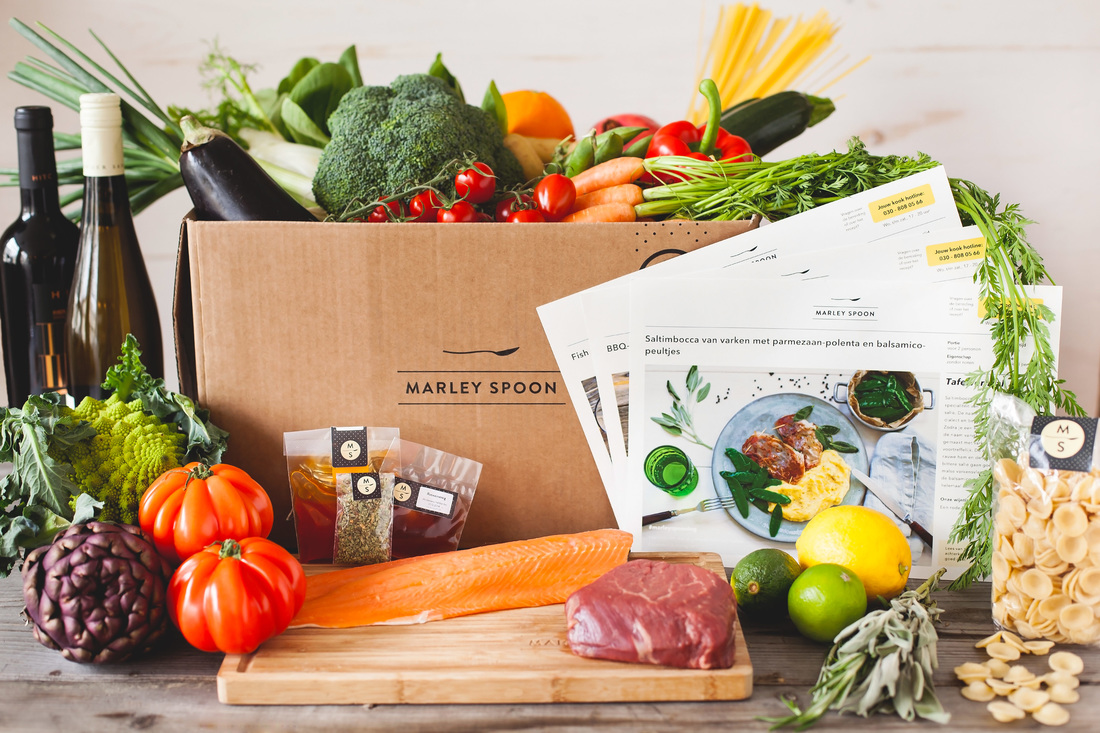
    “Marley Spoon experienced strong growth over the term of W23‘s investment and has matured into an established listed company, and no longer fits squarely within the investment criteria of W23,” a Woolworths spokesperson said.

    “Woolworths Group and Marley Spoon remain committed to the continuing five-year strategic growth alliance that covers marketing support and customer origination programs as well as co-operation on logistics and supply chain operations.”

    Earlier this year, Marley Spoon chief executive Rolf Weber said the business’ growth had been boosted by the impact of the pandemic – despite supply chain pressures from drought, bushfires, floods, food shortages, and the global health crisis.

    Weber attributed the business’ impressive retention rates in part to the continued innovation of his team, including the launch of ready-to-heat meals earlier in 2020.

    “Our numbers are very strong and customer retention is extremely high, even as the impact of the pandemic has begun to decrease across Australia,” says Weber. “Ready-to-heat meals had been in product development prior to the pandemic, however, the launch was expedited by lockdowns and the demand from the influx of news customers. With many Australians returning to the office in recent months, the number of ready-to-heat meals sold continues to impress and opens future opportunities and streams to reach new customers.”

  • E-commerce platforms cater to large groceries demand in Vietnam

    E-commerce platforms cater to large groceries demand in Vietnam

    Leading e-commerce platforms in Vietnam saw bigger demand for groceries, including fresh foodstuffs and beverages, in the second quarter of this year, a market research firm says.

    Google searches for keywords relating to online grocery stores in the second quarter of this year surged 223 percent against the first quarter, Malaysia-based market research firm iPrice Group said. Searches for fresh foodstuff, drinks, pre-packaged items, and fruits and vegetables rose 99 percent, 51 percent, 30 percent and 11 percent, respectively.

    According to a second-quarter e-commerce report by, online grocery has been the only goods segment with continuous growth since the pandemic broke out.

    When HCMC started applying social distancing rules in early July, demand for buying groceries online increased sharply. E-commerce platform Lazada Vietnam sold 120,000 fresh milk cartons in the first three hours of July 7, and 10,000 poultry eggs in the first 12 hours of the day.

    According to iPrice researchers, the surge in searches for online grocery stores and supermarkets is linked to the social distancing regulations imposed by municipal and provincial authorities. Retail sales of essential goods will also go online rapidly, they said.

    The higher demand for groceries prompted e-commerce platform Tiki to open fresh groceries stalls (September 2) that would deliver the products within three hours in Hanoi.

    To lure more customers, online shopping platforms have held shoppertainment (shopping in combination with entertainment) activities since early July. Lazada and Shopee have launched online mini-game contests and music shows, and conducted more livestream sales in combination with recreational activities.

    Lazada’s livestream channel reported that its daily views in the second quarter of this year rose 2.5 times over the same period last year. Shopee said the number of Shopee Live users in the first half of this year surged over 200 percent on-year.

    Online payment and shopping platform MoMo attracted eight million players in one month after organizing a game contest with prizes totaling VND10 billion (nearly $435,000). “We will continue to organize similar programs,” said co-founder and vice chairman Nguyen Ba Diep.

    According to rankings complied by iPrice Group and Israel-based digital intelligence provider SimilarWeb, Lazada Vietnam saw its website visits in the second quarter of this year increase 14 percent against the first quarter to 20.4 million, ranking second after Shopee. Shopee ranked the first for the 12 quarters, with 73 million web visits in the second quarter, up 9.2 million visits against the previous one.

    Among e-commerce platforms in Vietnam, Lazada and Shopee have been the most active in terms of shoppertainment events in recent months. They are expected to host more such programs on September 9, the super shopping day.

    The visits to top 50 shopping websites in Vietnam in the first half of this year totaled over 1.3 billion, the highest number so far. Specifically, web visits in the second quarter rose 10 percent over the first.

  • Online retailers in APAC drew 154 million new customers last year

    Online retailers in APAC drew 154 million new customers last year

    Asia Pacific’s online retail market is in good form, despite being one of the slowest growth markets when compared to global rates.

    According to new research from Forrester, Asia Pacific’s online retail market will be worth $2.8 trillion by 2025, up from $1.7 trillion in 2020.

    Last year Asia Pacific achieved $230 billion in online retail sales, with China accounting for almost an entire third of global sales.

    Within the e-commerce space China also dominates with an 82% share of the market, supporting overall APAC market growth of 16%.

    The grocery category will reach $473 billion by 2025, surpassing the consumer electronics category for the first time.

    The pandemic also drove newcomers to online retail – in Asia Pacific, 154 million more people bought online last year, which Forrester says is the highest number of new users ever in a single year. Of all the new buyers added globally in 2020, 69% came from Asia Pacific and 53% specifically from China.

    The Australian market experienced the fastest growth, while India was the slowest. Retailers also see the online market as a key way to leverage their distribution centres as a way of improving their reach.

    Forrester notes, “Alibaba took a controlling stake in Sun Art Retail, China’s largest supermarket chain, which has 76% of its stores outside urban areas, allowing Alibaba to break into the underserved nonurban customer market.”

    The strong grocery category attracted players such as Reliance Retail in India, which opened an online grocery company that covers more than 200 cities across the country.

    Forrester notes, “Flipkart in India had a limited presence in grocery; it then added a 90-minute delivery service to make the most of the fastest-growing category in India. Tata Group acquired BigBasket, the largest online grocery player in India, to make inroads into the Indian e-commerce market.”

    Organisations are increasingly looking to livestreams as a way of promoting their companies and fostering brand engagement.

    “ Farmers used livestreaming sessions on Douyin — Tiktok in China — to sell fresh produce, with some earning more than $1 million per month.”

    Social commerce also gained momentum. Forrester notes, “Meesho, a pure-play social commerce retailer in India, reports seeing monthly users grow from just 0.5 million to 5.5 million and monthly orders jump by 500% from 2019 to 2020. In China, community buyers (i.e., buyers congregating on WeChat) purchase grocery in bulk and pick it up from a nearby drop location. Retailers save on the last-mile shipping cost, and buyers get groceries at a discounted price.”

  • Shopee launching platform in Poland

    Shopee launching platform in Poland

    Sea Ltd’s Shopee is preparing to launch in Poland and is currently recruiting sellers, two company sources with knowledge of the matter told Reuters.

    The move will be the first expansion into European e-commerce for the $190 billion Singapore-headquartered technology group, whose gaming arm Garena is already active in the region.

    Shopee is simultaneously preparing to launch in India, Reuters reported last week, after aggressively expanding in Latin America since earlier this year.

    One of the sources told Reuters that Shopee is cautiously scaling up its global expansion by testing out possible new markets.

    The two sources, who requested anonymity because they were not authorized to speak to media, said Shopee will also launch in Argentina in the coming months.

    The firm is already the dominant player in e-commerce in Southeast Asia, according to market researchers, bringing in $1.2 billion globally in revenue for the quarter ending June 30.

  • JD appoints president, freeing founder to focus on strategy

    JD appoints president, freeing founder to focus on strategy

    China’s JD.com said on Monday Xu Lei will become the e-commerce giant’s first ever president, making way for chief executive and founder Richard Liu to devote more time to formulating long-term strategies.

    Lei, previously the CEO of JD Retail, will fill the new position and lead the day-to-day operation and development of JD.com’s various business units, the company said in a statement.

    Liu, who started the company that would become JD.com in 1998, will also spend more time mentoring younger management and contributing to the revitalisation of rural areas, it said.

    Xin Lijun, who had previously headed up JD Health, will take over from Xu as JD Retail’s chief while Jin Enlin will become JD Health’s new CEO.

    “Looking to the future, the correct long-term strategic design, the growth and development of young talents, and the healthy and coordinated development of various business units will continue to be the driving force for JD in doing the hardest and most challenging, but right and most valuable things for the industry,” Liu said.