Tag: ecommerce

  • Most Asia-Pacific consumers unhappy with delivery experiences

    Most Asia-Pacific consumers unhappy with delivery experiences

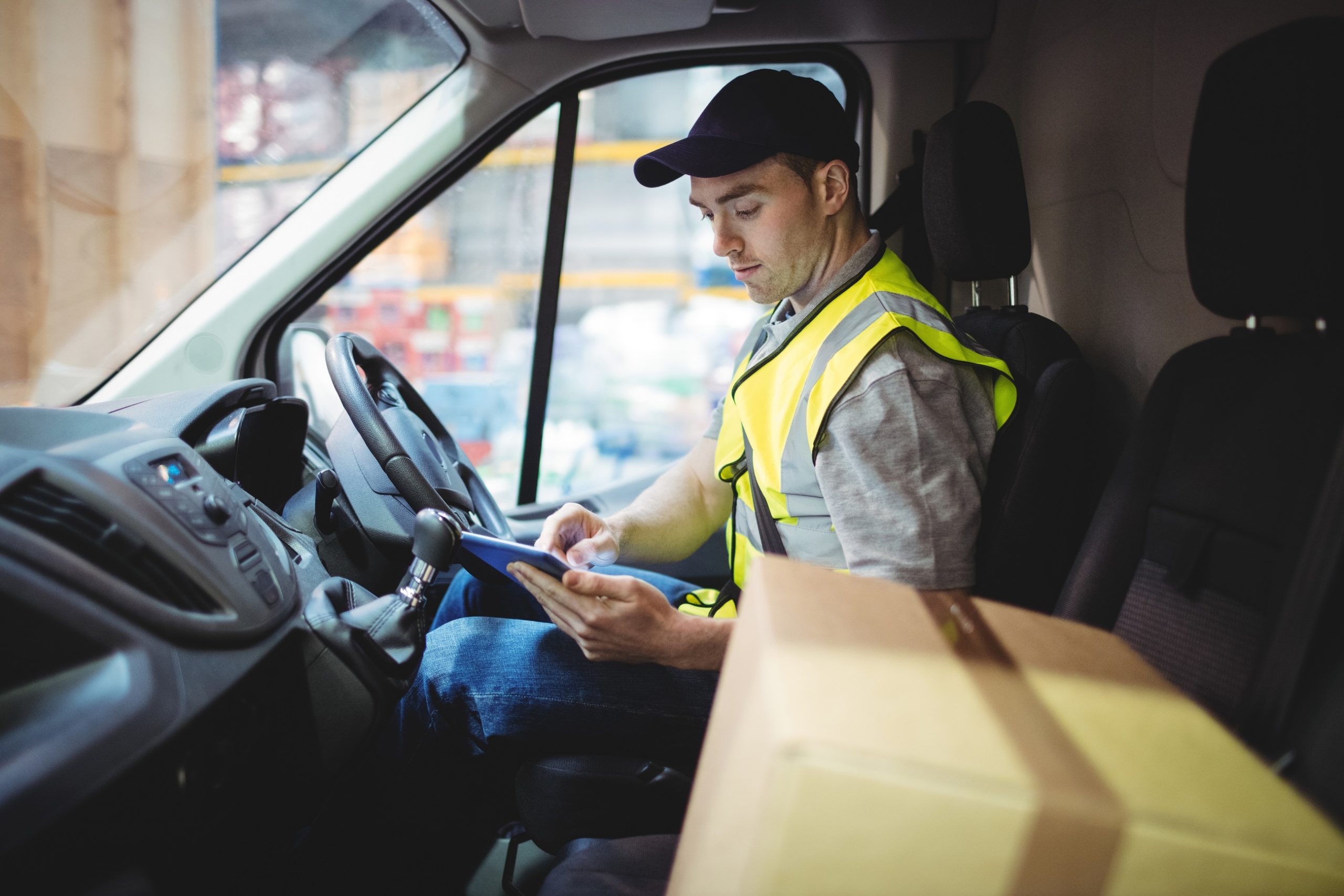
    Only 22 percent of Apac consumers report having product delivery experiences that meet their expectations every time, according to a new study by BluJay Solutions.

    The research finds that with contactless delivery options becoming more prevalent against the backdrop of the coronavirus pandemic, consumers’ expectations for transparent, reliable, and accurate delivery information is greatly enhanced. In spite of this, deliveries often fall below expectations.

    “With consumers stuck at home due to Covid-19 restrictions, we’re seeing a shift in delivery needs and preferences towards contactless ‘click and collect’ in addition to increased demand for precise collection and delivery times,” said BluJay Solutions GM Apac Katie Kinraid.

    “However, the delivery experience is being hindered by issues such as delayed deliveries, long wait times, and a lack of proactive communications.”

    The research also indicated that consumer age groups previously reluctant to switch habits to shopping online are now making e-commerce purchases on a fortnightly basis, predominantly purchasing clothing, footwear, small electronics, groceries, and supplements/beauty products. Half of all Apac consumers surveyed reported shopping more online since the outbreak.

    A significant problem is a delay in delivery, with only 14 percent of respondents reporting regular timely deliveries. While 87 percent of consumers check the cost before completing purchases, 71 percent check the delivery timeframe and 51 percent consider delivery tracking functions.

    BluJay surveyed more than 7000 shoppers throughout the region, including Australia, New Zealand, Singapore, Thailand, Philippines, Malaysia, and Indonesia in the course of the report.

    “Retailers and carriers must adapt to suit consumer preferences that have transformed as a result of this pandemic,” said Kinraid. “Returns policies, for instance, will become more important as consumers increase their online shopping.

    “With consumers now preferring contactless, same-day delivery, retailers and carriers need to reassess how they will manage the new model moving forward,” she said.

    “Areas for improvement that retailers and carriers should consider include the need for new communication channels with customers, as well as the need for greater transparency and accuracy on the delivery and collection times. Most importantly they will need to look at how they can help ensure a seamless and safe delivery that maintains zero contact and reduces the potential for theft.”
  • JD teams with brands to launch an organic alliance

    JD teams with brands to launch an organic alliance

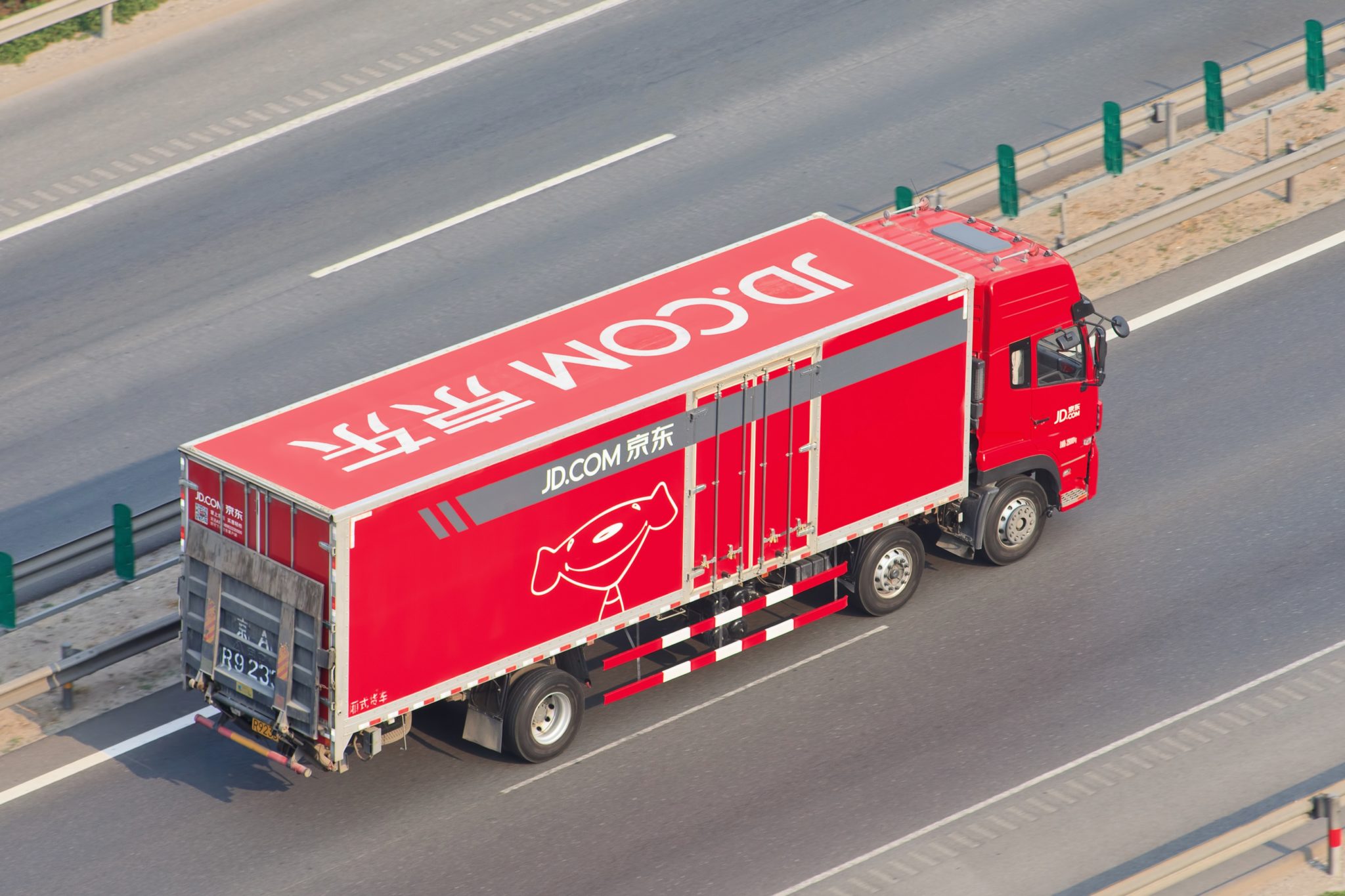
    JD’s online supermarket JD Super has formed an organic alliance with brands trading on its platform.

    More than 10 companies, including domestic and international ones, have joined the alliance, including Milk Deluxe, Bellamy’s, Abbott, Anchor, and Gerber.

    Under the alliance, JD Super and other members will work together with government bodies, channel merchants, and inspection institutes to collectively build an “organic traceability” mechanism, which records information about product life cycles, according to JD.

    “JD hopes to establish an organic industry ecosystem through the optimisation of industry standards for organic products as well a wide range of support for organic brands to grow their appeal among Chinese consumers,” the company said in a statement.

    JD Super will also support the organic alliance’s members with organic labeling and to develop the platform.

  • Zalora selects regional chief people officer

    Zalora selects regional chief people officer

    Online fashion platform Zalora has appointed Louise Pender as chief people officer, essentially a head of HR role.

    With the new role, Pender will oversee “the people and culture teams” across all markets, the online retailer said in a statement. She will also be responsible for human resources functions, including talent acquisition, talent development, workforce planning and strategic business partnering.

    “Louise is a leader with a record of building and empowering high performing teams,” said Gunjan Soni, CEO of Zalora. “Her career has centered around her passion for helping organizations and individuals reach their full potential. Since joining Zalora in March 2016, Louise has championed a number of People initiatives, including diversity and inclusion.”

    She will concurrently head the Legal and Sustainability team, in her existing role as Zalora’s General Counsel, according to the company.

    Prior to Zalora, Louise worked in senior roles at United Group Services and Siemens in Australia, Gate Group Holdings in Switzerland, and Gate Gourmet Inc in the USA. She has more than 20 years of experience in legal and business advice after graduating with a law degree in her native New Zealand.

  • Thai retailers downsizing, refocusing e-commerce

    Thai retailers downsizing, refocusing e-commerce

    Thai F&B and experiential retailers are likely to open fewer stores or downsize in scale for the remainder of the year following an unprecedented hit to the industry brought on by the coronavirus pandemic.

    The sobering view of Thai retail’s prospects for the remaining months of this year came out of a new CBRE research report conducted in May, finding a high degree of uncertainty for the foreseeable future.

    “What we have been seeing in the past three months are brand-new challenges that took everyone by surprise,” said CBRE Thailand head of advisory & transaction services – retail Jariya Thumtrongkitkul.

    “For around two years, we have been saying that those who cannot adapt quickly enough to the shifting retail landscape will not survive, but this is on another level. Retailers have to change their business operations not only to match the drastic drop in footfall but to accommodate a new way of shopping.”

    According to the Bank of Thailand, figures from the May retail sales index show a year on year drop of 34 percent, much of which is attributable to a decline in the sale of vehicles and fuel. While final figures are as yet unavailable, a general drop is expected in the sales number for both food and non-food retailers in the territory for the period in question.

    Adaptive strategies from both landlords and retailers have attempted to restore a healthy business outlook, including flexible rental terms and various sales and marketing strategies such as longer grand sales events and frequent mall activities.

    The CBRE report suggests that eventually, resizing existing rental space will emerge as an increasingly important approach for tenants to become more cost-effective. It expects that e-commerce penetration will no longer be optional but a must for Thai businesses to survive.

  • Tmall seeks to boost engagement with Chinese Gen Z luxury consumers

    Tmall seeks to boost engagement with Chinese Gen Z luxury consumers

    High-end Chinese e-commerce platform Tmall Luxury has implemented new features to boost its brands’ appeal for Gen Z consumers in the region.

    The three new features include a daily live streaming service on luxury topics, a content-rich magazine channel featuring fashion news, and an upgraded membership program offering personalized services. The features are a response to the strong spending power for luxury items exhibited by consumers within the Gen Z age group, spending on average US$3600 annually on high-end goods.

    Data collected by Tmall Luxury shows that four-fifths of its user base are below the age of 35, with the number of luxury consumers aged 18–25 age group more than doubling between July 2018 and June last year. The emerging consumer dynamic has attracted top brands in the category such as Valentino and Balenciaga to collaborate with the platform.

    “By providing Tmall’s unparalleled analytics and insights on luxury consumption in China, we empower luxury brands with a deeper and more accurate understanding of local consumer preferences,” said Alibaba VP and GM of Tmall luxury, fashion, and FMCG Mike Hu. “These insights allow luxury brands to precisely tailor their communications to Chinese young audiences while staying true to their brand identities.”

    Almost 200 brands have opened flagship stores on the Tmall Luxury platform.

  • Alibaba thrives after emerging from virus challenges

    Alibaba thrives after emerging from virus challenges

    Chinese e-commerce giant Alibaba Group’s revenue soared 34 percent to US$21.762 billion in the June quarter as the company emerged strongly from the impact of the Covid-19 pandemic in its home market.

    “Our domestic core commerce business has fully recovered to pre-Covid-19 levels across the board, while cloud computing revenue grew 59 percent year-on-year,” CFO Maggie Wu said in a statement.

    “We delivered a very strong start to our new fiscal year.”

    Net income attributable to ordinary shareholders was $6.736 billion, exceeding analysts’ estimates and justifying the 23-per-cent rise in the group’s stock value so far this year.

    Chairman and CEO Daniel Zhang said the company is well placed to take advantage of the ongoing digital transformation which has been sped up by the pandemic.

    “We mobilized our entire digital infrastructure to support the economic recovery of businesses across a wide range of sectors while broadening and diversifying our consumer base by addressing their changing preferences in a post-Covid-19 environment,” he said.

    The company reported 874 million mobile monthly active users on its Chinese digital marketplaces in June which represented an increase of 28 million, quarter on quarter.

    In Southeast Asia, Alibaba’s Lazada Group achieved more than 100-per-cent quarter on quarter growth in orders, with general merchandise, FMCG, and electronics the driving categories.

  • Shopee dominates online shopping in Vietnam

    Shopee dominates online shopping in Vietnam

    Shopee reported a new web traffic record in Vietnam with 52.5 million monthly visits last quarter, exceeding Lazada’s previous record in 2017.

    The Singapore online shopping platform’s numbers exceeded those of the next two put together, Vietnamese companies Mobile World (25.1 million) and Tiki (21.1 million), according to data collated by Malaysian online shopping aggregator iPrice Group.

    Shopee achieved growth of 21.6 percent from the first quarter, while the three behind it, Mobile World, Tiki, and Singapore’s Lazada, saw declines of 6-12 percent.

    In the last quarter of 2017 Lazada reported 50.5 million monthly visits, but since then its numbers have declined — to 18.5 million in the second quarter of this year — as other players grabbed a bigger share of the market.

    Tiki and another homegrown player Sendo informed authorities in June that they planned to merge, but later decided to call off the deal due to disruptions caused by the Covid-19 pandemic and disagreements between their shareholders.

    Last year Vietnam’s Internet economy, which has been growing annually at 38 percent since 2015, was estimated to be worth $12 billion.

    It is expected to rise to $43 billion by 2025, according to the “e-Conomy Southeast Asia report 2019” by Google, Singapore investment firm Temasek and U.S. global management consultancy Bain.

  • JD sales beat estimates as customers move online

    JD sales beat estimates as customers move online

    China’s JD beat analysts’ estimates for quarterly sales, as the firm benefited from a shift in shopping habits of domestic consumers who have largely moved to online ever since the outset of the Covid-19 pandemic.

    The results coincide with growing tensions between Beijing and Washington. Several Chinese companies are putting off plans for US listings amid tensions between the world’s top two economies, while those listed in New York are seeking to return to exchanges closer to home. In June, JD raised about $3.87 billion in its Hong Kong secondary listing.

    JD executives did not offer any comments on US-China tensions on a conference call with analysts on Monday.

    China, which has under a thousand active Covid-19 cases currently, has largely emerged out of lockdowns but demand is still picking up in many sectors.

    Retail sales in the world’s second-largest economy slipped in July, dashing expectations for a modest rise, as consumers failed to shake off wariness about the coronavirus, while the factory sector’s recovery struggled to pick up the pace.

    The company’s net product revenue, which includes online retail sales, rose 33.5 percent to $25.74 billion in the second quarter.

    Net income attributable to shareholders rose to $2.38 billion from $89.4 million a year earlier.

    The company’s total net revenue rose 33.8 percent to $28.98 billion in the quarter ended June 30.

  • Amazon India diverts into online medicines sales

    Amazon India diverts into online medicines sales

    Amazon India has opened a digital pharmacy trading in Bangalore in an attempt to grow its market reach in the highly competitive territory.

    The new Amazon Pharmacy service extends the firm’s online offer by trading in prescription and over-the-counter drugs, in a region where restricted medicines can often be purchased without evidence of the prescription. The firm will also trade in traditional remedies and health devices.

    India’s online medications industry operates in an environment where regulations are unclear, and where numerous startup-level firms are operating on a local scale. Amazon moved into the sector in its home market two years ago, purchasing American online pharmacy Pillpack.

    Amazon has recently expanded into food delivery, liquor trading and automobile insurance within the Indian market as part of its expansion moves.

  • JD outlines aggressive expansion strategy for Mainland China

    JD outlines aggressive expansion strategy for Mainland China

    Chinese e-commerce giant JD is planning on a widespread store network expansion within five years.

    The firm will open 20 E-Space experience stores in first-tier cities, 300 home-appliance flagship stores in prefectural-level cities and 5000 stores in towns and villages by 2025, according to the firm’s senior VP Yan Xiaobing.

    Yan made the announcement at a press conference marking the completion of JD’s full acquisition of home-appliance chain 5Star, commenting that the complete store network “will create a new offline JD”.

    The E-Space stores, known for allowing consumers to try anything in store, will be 50,000–100,000sqm in size, while the home-appliance stores will be 10,000–20,000sqm each.

    5Star, to be renamed JD 5Star, is the third-largest home-appliance chain in the territory, with annual sales of more than US$2.6 billion.

    “The Covid-19 pandemic took its toll on the home appliance industry in the first of this year,” said China Household Electrical Appliances Association director Jiang Feng. “JD’s acquisition of 5Star could play a key role in driving the industry’s transformation.”

  • ShopBack launches cashback reward platform in Vietnam

    ShopBack launches cashback reward platform in Vietnam

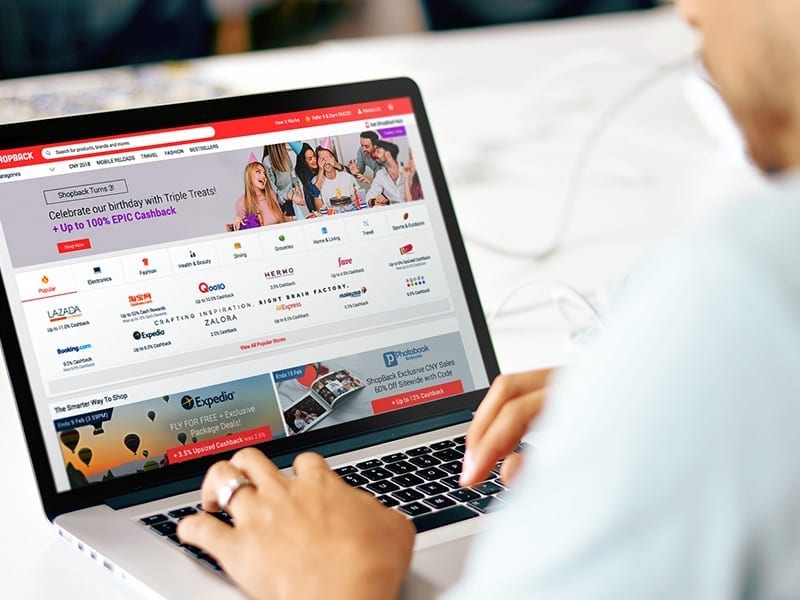
    ShopBack’s website and mobile app made their official debut in Vietnam on Saturday, bringing about a smarter way for local online shoppers to “shop, save and discover”. Online shoppers in Vietnam can now earn up to 25 percent cash back from ShopBack Vietnam’s roster of over 150 merchants. These include international and regional brands like Lazada, Shopee, Watsons, Booking.com, Klook and 7-Eleven, as well as local brands Tiki, Sendo, Juno, G Kitchen, Vascara, and Fahasa.

    Founded in 2014, ShopBack, a leading rewards and discovery platform, now serves over 20 million users in nine markets across Asia Pacific. Besides Vietnam, it is also present in Singapore, Malaysia, the Philippines, Indonesia, Taiwan, Thailand, Australia, and South Korea.

    ShopBack rewards users with cashback across a wide range of categories including general merchandise, travel bookings, fashion, health and beauty, groceries, and food delivery.

    “At ShopBack, one of our six core values is ‘Never Ending Customer Obsession’, and we hope to bring the high-quality ShopBack experience that our users know and love to consumers in Vietnam,” said Josephine Chow, head of expansion at ShopBack.

    Chow added that the increasing number of internet users, rising internet penetration, and a steady increase of the e-commerce share of total retail sales in Vietnam make it a core and high-potential market for the company.

    ShopBack Vietnam was launched in Beta at the end of 2019, and since has acquired over 150 merchants and around 800,000 users. The firm has seen consistent month-on-month growth of over 150 percent in sales and over 150 percent in orders this year. To date, VND4 billion ($172 million) has been given out to ShopBack users in Vietnam.

    Jacky Ha, commercial director, ShopBack Vietnam, said: “With a strong and clear value proposition – to simplify the shopping experience and help users save time and money – ShopBack is well-positioned to attract consumers in Vietnam, especially those looking to cut costs and maximize savings during this challenging period.”

    Ha cited a survey conducted by McKinsey that stated Vietnamese are feeling the impact of Covid-19 on their livelihoods, with some 70 percent expecting to be more careful with their spending going forward.

    “In fact, ShopBack Vietnam has been very well received since its beta launch late last year. We are thrilled to be officially launching ShopBack Vietnam and excited for what’s in store next,” Ha added.

    As part of its 8.8 launch campaign on August 8, 2020, ShopBack Vietnam will be teaming up with selected merchant partners like Lazada, G-kitchen, Watsons, Shopee, Booking.com, and Klook etc. to offer deals exclusive to ShopBack users.

    During the campaign, ShopBack users can earn up to 100 percent cashback during two flash sales. In line with the official launch, ShopBack Vietnam has rolled out new features including a new ‘Coupon’ icon on its homepage, whereby users can click to view a consolidated list of promo codes.

  • Amazon Project Zero Launches in Seven New Countries

    Amazon Project Zero Launches in Seven New Countries

    Amazon announced the expansion of Project Zero to seven new countries – Australia, Brazil, Netherlands, Saudi Arabia, Singapore, Turkey, and the UAE – making it available in 17 countries where Amazon has a store. Project Zero combines Amazon’s advanced technology, machine learning, and innovation with the sophisticated knowledge that brands have of their own intellectual property so we can together drive counterfeits to zero.

    Launched in 2019, Project Zero builds on Amazon’s long-standing work and investments to ensure that customers always receive authentic goods when shopping on Amazon. Over 10,000 brands – from large, global brands to emerging entrepreneurs including Arduino, BMW, ChessCentral, LifeProof, OtterBox, Salvatore Ferragamo, and Veet – have already enrolled in Project Zero.

    “Amazon is committed to protecting our customers and the brands we collaborate with worldwide,” said Dharmesh Mehta, Vice President of Worldwide Customer Trust and Partner Support. “Project Zero has been a leap forward in protecting brands, especially for those that use all three of its components.”

    BMW, one of the world’s leading automotive brands with a portfolio of global trademarks, said: “Project Zero has been a very easy and effective tool at protecting BMW on Amazon. We are very appreciative of the tools Amazon has built to enable us to protect our brand.”

    “We are excited to see that Project Zero is expanding into the new marketplaces,” said Adrienne McNicholas, Co-Founder and CEO of Food Huggers. “The program has already had a very positive impact on our enforcement efforts and we are glad to see Amazon’s continued commitment to protecting our brand across the world.”

    Brands that are enrolled in Amazon Project Zero and already have a trademark enrolled in one of the newly launched countries will automatically be able to use Project Zero in these additional stores. New brands can learn more about and enroll in Amazon Project Zero at: https://projectzero.com/sg.

    Project Zero uses three key components to protect and empower brands:

    • Amazon’s automated protections proactively and continuously scan more than 5 billion attempted daily product listing updates globally to look for suspicious listings. These automated protections are powered by Amazon’s machine learning and are continuously fed new information, so we continue to get better in automatically preventing and blocking potential counterfeit listings.
    • We have invested significant resources over the years to proactively prevent counterfeits and continue to innovate and build technology-based solutions. Project Zero goes further with a self-service tool to empower brands and provides them with an unprecedented ability to directly remove listings from our store. These removals also feed into our automated protections, so we can better catch potential counterfeit listings proactively in the future.
    • Product serialization is enabled by a unique code that brands apply within their manufacturing or packaging process, and it allows us to individually scan and confirm the authenticity of every single purchase of a brand’s enrolled products from Amazon’s stores. While product serialization is optional, brands enrolled in Project Zero are seeing the best results when using product serialization.

    Project Zero is among a suite of tools Amazon has introduced to empower brands to protect their IP.

    • Amazon IP Accelerator helps businesses more quickly obtain intellectual property (IP) rights and brand protection in Amazon’s stores. The program was designed specifically with small and medium businesses in mind and is available to entrepreneurs worldwide that are looking to secure intellectual property in the U.S. IP Accelerator connects entrepreneurs with US law firms with expertise in trademark applications. Entrepreneurs also benefit from pre-negotiated rates. To learn more: https://brandservices.amazon.com/ipaccelerator
    • Amazon Brand Registry, a free service that gives brand owners access to a powerful set of tools that help them deliver an accurate and trusted customer experience on Amazon while protecting a brand’s IP. To enroll and learn more: https://brandservices.amazon.com/
  • ShopBack officially launches in Vietnam following months of strong growth during Beta phase

    ShopBack officially launches in Vietnam following months of strong growth during Beta phase

    ShopBack, Asia Pacific’s leading rewards and discovery platform, will officially launch its website and mobile app in Vietnam on 8 August, in line with an 8.8 launch campaign. Online shoppers in Vietnam can now earn up to 25% cashback from ShopBack Vietnam’s roster of over 150 merchants. These include international and regional brands like Lazada, Shopee, Watsons, and Booking.com, as well as local brands like Tiki, Sendo, Juno, G Kitchen, Vascara, and Fahasa.

    Founded in Singapore in 2014, ShopBack now serves over 20 million users in nine markets across Asia Pacific, including Malaysia, the Philippines, Indonesia, Taiwan, Thailand, Australia, South Korea, and Vietnam. ShopBack rewards its users with cashback across a wide range of categories including general merchandise, travel bookings, fashion, health and beauty, groceries, and food delivery.

    “At ShopBack, one of our six core values is ‘Never-Ending Customer Obsession’, and we hope to bring the high-quality ShopBack experience that our users know and love to consumers in Vietnam. The increasing number of internet users, rising internet penetration, and steady increase of the e-commerce share of total retail sales in Vietnam makes it a core and high-potential market for us,” said Josephine Chow, Head of Expansion, ShopBack.

    ShopBack Vietnam was launched in Beta at the end of 2019, and since then has acquired over 150 merchants and around 800,000 users. ShopBack Vietnam has seen consistent month-on-month growth of over 1.5x increase in sales and over 1.5x increase in orders this year. To date, 4 billion VND in cashback has been given out to ShopBack users in Vietnam.

    “According to a survey conducted by McKinsey, Vietnamese are feeling the impact of COVID-19 on their livelihoods, with some 70% expecting to be more careful with their spending going forward. With a strong and clear value proposition – to simplify the shopping experience and bring users savings on time and money – we are confident that ShopBack is well-positioned to attract consumers in Vietnam, especially those who are looking to cut costs and maximize savings during this challenging period. In fact, ShopBack Vietnam has been very well received since its beta launch late last year. We are thrilled to be officially launching ShopBack Vietnam and excited for what’s in store next,” said Jacky Ha, Commercial Director, ShopBack Vietnam.

  • Taobao looks to boost young entrepreneurs showing originality talent

    Taobao looks to boost young entrepreneurs showing originality talent

    Chinese social commerce platform Taobao has inaugurated a new rating system to reward deserving young creators and small enterprises with broader market exposure on the fifth anniversary of the firm’s Taobao Maker Festival.

    The exposure is designed to bring more attention to outstanding creativity and better promote products to the platform’s 840 million users.

    Taobao’s new system is the latest example of the firm’s content-driven commerce strategy that has been part of its promotional apparatus since 2016, transitioning the platform from being primarily transactionally driven to a broader social-commerce playbook.

    “The new rating system promotes and celebrates originality and creativity,” said Alibaba Group CMO Chris Tung. “It will enable merchants to leverage their participation in the Taobao Maker Festival into a source of year-round benefit for growing their business and customers.”

    “We continue to leverage our unique content-driven strength to help young entrepreneurs and small businesses win market traction and bringing a better experience to consumers,” said the head of Taobao operations Kaifu Zhang.

  • E-wallets seek to grab opportunity as pandemic keeps people shopping online

    E-wallets seek to grab opportunity as pandemic keeps people shopping online

    Businesses are pushing cashless payment services amid demand triggered by social distancing measures imposed to curb Covid-19. MoMo announced on Tuesday that it plans to tie up with ride-hailing company Be Group to offer its popular e-wallet services to the latter’s customers. SmartPay earlier this month signed a deal with Viet Capital Bank to allow the lender’s customers to open saving accounts using its e-wallet.

    The company, which entered the market in May last year, targets big in Vietnam’s increasingly crowded e-payment market. It seeks to increase the number of users from 1.7 million to 4 million in the near future.

    Another player, AirPay, which has been partnering with online shopping platform Shopee for months, is offering gifts worth hundreds of thousands of dong to attract customers.

    Shopee said its cashless transactions, through credit cards and AirPay, have been rising rapidly in number since Vietnam reported the first Covid-19 case early in the first quarter. Eighty percent of cashless transactions in Hanoi, Da Nang, and central Thua Thien Thue Province are done by users aged 18-34, Shopee said.

    Industry insiders said fintech companies and banks are seeking to boost cashless payment as people refrain from going to physical stores amid pandemic fears.

    “Banks have been increasing partnerships with fintech companies during the pandemic for payment and other types of financial services,” Do Thanh Nam, director of Viet Capital Bank’s digibanking department, said.

    His bank saw online savings increase six-fold year-on-year in the first half, he revealed. An estimated 10.6 percent of the population aged above 15 use e-wallets, compared to 10.7 percent in Thailand, 17.1 percent in Singapore, and 35.2 percent in China, according to global consulting firm Boston Consulting Group.

    The government has been seeking to promote cashless payments for transactions like payment of electricity bills and tuition.