Tag: ecommerce

  • Bukalapak Establishes Strategic Partnership with Microsoft to Enhance Indonesian E-commerce

    Bukalapak Establishes Strategic Partnership with Microsoft to Enhance Indonesian E-commerce

    Microsoft and Bukalapak, one of Indonesia’s leading e-commerce platforms, have formed a strategic partnership to reshape how e-commerce is conducted in the country. Kicking off the collaboration between the two companies, Bukalapak will adopt Microsoft Azure as its preferred cloud platform and Microsoft will make a strategic investment in Bukalapak.

    The partnership will leverage Microsoft’s expertise in building a resilient cloud infrastructure to support Bukalapak services for more than 12 million micro, small and medium enterprises, and 100 million customers.

    “This partnership signals a deep collaboration with Microsoft on an array of technology projects that will transform the technology-driven commerce solutions and operations solution and operations in Indonesia,” said Rachmat Kaimuddin, CEO of Bukalapak. “As a global technology leader, Microsoft’s confidence with Bukalapak highlights our position as the leading homegrown technology player in Indonesia and our continued objective to create a positive impact on our country and customers.”

    Through this partnership, Bukalapak and Microsoft will collaborate on key initiatives including:

    • Building resilient infrastructure – Bukalapak will adopt Microsoft Azure as its preferred cloud platform to support its more than 6 million online merchants, 6 million offline merchants and 100 million customers.
    • Bridging the digital gap – The companies will explore opportunities to help make the digital world relevant for every individual daily.
    • Skilling – Providing digital skills training for Bukalapak employees and their merchants.

    “Bukalapak and their services have had real and enduring impact on Indonesian society, and their innovation mindset in a rapidly changing market will create new opportunities for merchants, businesses and consumers,” said Haris Izmee, President Director of Microsoft Indonesia. “We are excited to empower Bukalapak with a trusted cloud, that allows them to scale their customer experience on Microsoft Azure. Through this partnership, merchants and consumers will have a more efficient and reliable buying and selling experiences, which in turn, creates business resilience and helps in accelerate growth in the Indonesian digital economy.”

    As a leading e-commerce platform in Indonesia, Bukalapak was founded with the singular mission of empowering Indonesia through digital technology. The company also offers financial services and payment options for its users, including but not limited to, gold and mutual funds’ investments, bill payments and credit services. They aim to transform the economy beyond e-commerce, by digitalizing traditional warungs (mom and pop kiosks) so every business in Indonesia has access to the online economy.

  • Vietnam’s e-commerce market tipped to grow second half of the year

    Vietnam’s e-commerce market tipped to grow second half of the year

    In case the Covid-19 pandemic continues to pose major risks to the economy in the final quarter of 2020, Vietnam’s e-commerce market could be severely impacted, seeing a revenue loss of US$2.6 billion from the previous estimate to US$11 billion this year, according to a report from the Ministry of Industry and Trade (MoIT).

    Such a figure would indicate a revenue growth rate of 13% year-on-year, stated the MoIT.

    In a more positive scenario, the MoIT expected revenue from e-commerce activities to expand by 20% year-on-year in the fourth quarter, resulting in a combined revenue of US$12 billion for 2020.

    In 2019, revenue from online sales of business-to-consumer e-commerce, known as B2C e-commerce, stood at US$10.08 billion, accounting for 4.9% of total goods retail sales and services revenue, while the rate of the population shopping online reached 42%.

    This led to the e-commerce revenue projection of US$13.6 billion in 2020. However, the Covid-19 pandemic has dealt a major blow to the forecast. During the first four months of 2020, 57% of firms operating in the e-commerce market saw their revenue grow less than 30% year-on-year while 24% reported an increase of at least 51% in revenue.

    Revenue growth in e-commerce in the January – June period was estimated to decrease by 6 percentage points year-on-year, despite a 25% surge in the number of transactions.

    In May, the government released a national plan for the development of e-commerce by 2025, which targets revenue from B2C e-commerce to reach US$35 billion, or a growth rate of 25% per annum and to account for 10% of total goods retail sales and service revenue.

    Meanwhile, the government expects the rate of the population using related services, including non-cash payment services, at 50%, and through intermediary payment services at 80%, along with 55% of the population to shop online with average spending of US$600 annually by that time.

    Notably, Hanoi and Ho Chi Minh City would make up half of e-commerce revenues in the next five years.

  • Online marketplaces thriving in the Philippines after Covid-19 crisis

    Online marketplaces thriving in the Philippines after Covid-19 crisis

    The coronavirus crisis has divided retail companies into two distinct groups: those with functioning e-commerce businesses, and those without. Many of the have-nots won’t survive.

    The winners: The pandemic forced Amazon to hire more workers and overhaul its supply chains. But Jeff Bezos’ juggernaut has emerged stronger than ever, repeatedly trouncing Wall Street’s sales expectations.

    Other retailers that invested heavily in e-commerce before the pandemic are also thriving. Walmart is one example, but there are other less obvious success stories. Ikea, which is best known for its cavernous big box stores, reported a 45% increase in online sales over the 12 months to August.

    Going bust: The ranks of the less fortunate include companies that didn’t fully embrace online shopping, or that relied too heavily on sales in malls. J. Crew, Brooks Brothers, Sur La Table and Men’s Wearhouse owner Tailored Brands have all filed for bankruptcy in recent months. The company behind Pringle sweaters and Harris Tweed is also at risk of collapse.

    The question: Will consumers keep buying online once the pandemic fades?

    US e-commerce sales will increase 18% to $710 billion this year, research firm eMarketer estimated in June. Global sales will nearly match that pace of expansion, rising 16.5% to $3.9 trillion.

    There is some early evidence that consumers won’t revert to their old ways. A research paper from McKinsey earlier this year said trends in China suggest that between three and six percentage points of market share gained by online channels will be “sticky.”

    The longer the pandemic drags on, the more likely that consumers stick to their new habits. Companies are racing to adapt.

    “We’re seeing a much broader set of the retail ecosystem really seeing e-commerce as a top priority, and that has certainly amplified since Covid,” Bill Ready, Google’s president of commerce, told me in an interview.

    “Consumers have dramatically shifted their shopping to online over the past six months,” said Ready, adding that shoppers are embracing e-commerce innovations such as curb-side pickup in large numbers.

    Google has accelerated its own e-commerce plans in response to the pandemic, Ready said. The search giant is now allowing retailers in Europe, the Middle East and Africa to list products on its shopping tab for free, after doing the same earlier this year in the United States.

    What next: The stakes are high, especially for small businesses that were slow to get started and are now desperately trying to catch up.

    “Previously, many retailers might have said, ‘well, e-commerce is a relatively small part of the overall business, maybe 10%,’” said Ready. “Now that’s grown dramatically to 30% or 40% plus for many retailers.”

    Even e-commerce giants can’t afford a misstep. Investors will be watching closely later this week when Amazon celebrates its annual Prime Day with deep discounts on Tuesday and Wednesday.

    The event, which will be held roughly three months later than usual, is expected to generate $9.9 billion in global sales for Amazon, up 43% from last year’s event, according to eMarketer.

    India’s equivalent bonanza, which pits Walmart-owned Flipkart against Amazon in a fierce discounting battle, kicks off later in the week.

    What a Biden presidency would mean for banks

    As the nation’s biggest banks prepare to report their latest earnings this week, these titans of Wall Street face a conundrum.

    Many financial services executives are supporting Joe Biden over President Trump — even though a Biden win could be a slight negative for the industry, my CNN Business colleague Paul R. La Monica reports.

    The rub: Deregulation championed by the White House, Trump’s tax cuts of 2017, and low interest rates ushered in by Trump-nominated Fed boss Jerome Powell have helped fuel a market rally that was — at least until Covid-19 hit — good for bank profits.

    But according to a recent analysis from S&P Market Intelligence, Biden’s proposed tax plan could lead to a combined $7 billion increase in corporate taxes annually for the nation’s top 10 banks.

    Executives from JPMorgan Chase, Citigroup, Bank of America, Wells Fargo, Goldman Sachs and Morgan Stanley will almost certainly be asked about the election during this week’s earnings calls with analysts and investors.

    Counterpoint: The S&P analysts noted that a higher corporate tax rate could actually boost bank valuations. That’s because many big banks have assets on their books that would actually increase in value if tax rates went up.

    What’s more, Biden is unlikely to push for a significantly higher corporate tax rate, some experts say.

    “With the economy likely still struggling to recover from the pandemic-induced recession … moderate Democrats in conservative states … would push back on a significant tax increase,” Isaac Boltansky, an analyst for Compass Point Research & Trading, wrote in the S&P report.

  • Manhattan Associates rolls out new eCommerce solution for global clothing company during COVID-19 lockdown

    Manhattan Associates rolls out new eCommerce solution for global clothing company during COVID-19 lockdown

    As COVID-19 swept its way across the globe, and many countries were forced into lockdown, businesses that were undergoing large-scale projects were subject to the challenge of no longer being able to operate under usual conditions. However, despite being caught in the grips of a global pandemic, Manhattan Associates’ was able to deliver its (WMS) remotely under COVID-19 lockdown to a global clothing designer and manufacturer.

    Many retailers across the Asia-Pacific region have experienced a huge spike in online orders during the COVID-19 period, which has stretched processes, technologies, and people. This has led to an increased focus on how to better manage eCommerce orders and the need for solutions to support the smooth flow of online goods to customers.

    Retailers today need warehouse systems that have the flexibility and agility necessary to adapt and grow alongside their business. However, the added challenge of how to deploy such solutions in a time when the movement and availability of technical experts is limited due to COVID-19 travel restrictions and lockdowns, is significant.

    In lieu of the usual in person deployment processes, Manhattan Associates can successfully design, implement, and deploy Warehouse Management System’s (WMS) remotely.

    “The ever-changing nature of eCommerce and consumer demands means that businesses can’t wait to improve their processes. Businesses need to constantly innovate to meet customer demands and COVID-19 lockdowns won’t stop this. Retailers must have agility and scalability built into their systems in order to seize new opportunities while still maintaining operational efficiencies. This is something our WMS works to achieve by being designed to meet consumer demands now and into the future,” said Richard Wright, Managing Director, SEA, at Manhattan Associates.

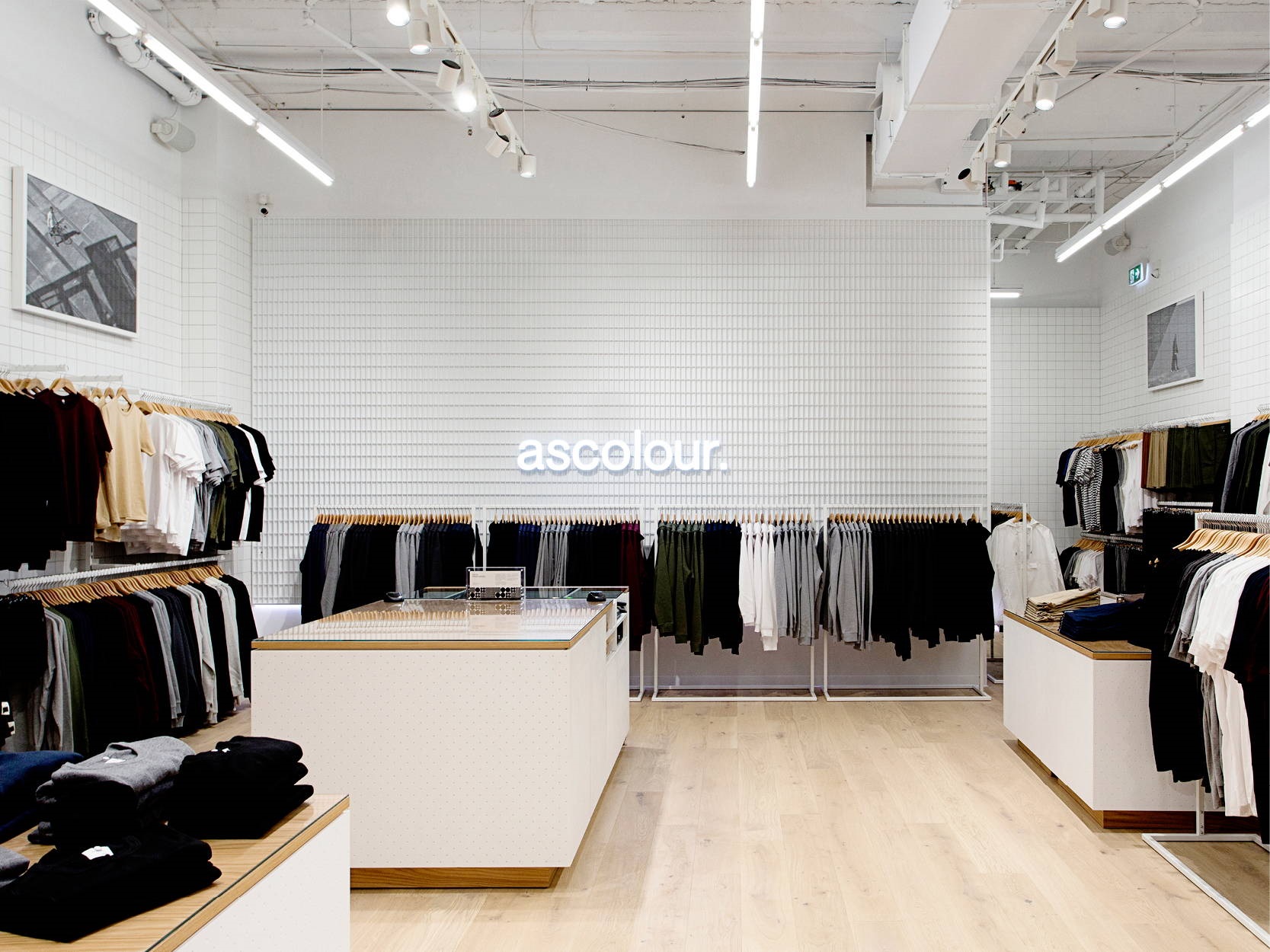
    Lawrence Railton, Managing Director and Founder of global clothing brand, AS Colour, found that after the company was forced into COVID-19 lockdown, more people were heading for the eCommerce space to buy goods, which increased the need to improve their warehouse operations, even if having a technical expert on-the-ground to deploy new technology was not possible.

    “With many lines of distribution brought to a halt in New Zealand, we saw an overflow of orders once restrictions eased, which put a lot of pressure on our DC to catch up,” said Lawrence. “This fluctuation in eCommerce demand is exactly the type of situation that drew us to implement Manhattan’s WMS technology in the first place, as it would prepare us for any future shifts in the market.”

    “When rolling out the new system, we really had to use remote working to our advantage, which in the end allowed us to launch the new system two weeks ahead of schedule and save plenty of money on travel and overheads in the process. Even under remote conditions, Manhattan’s expertise, motivation, and ongoing support ensured that the project was running smoothly, and that any issues were resolved quickly and efficiently,” added Lawrence.

    To hear more, Manhattan Associates will be hosting an APAC Virtual Summit from October 27-30. To register, go to: Manhattan Associates APAC Virtual Summit.


  • Vingroup app to digitise 300,000 vietnamese mom-and-pop shops

    Vingroup app to digitise 300,000 vietnamese mom-and-pop shops

    Vietnam’s biggest conglomerate, Vingroup, has recently launched a mobile app for mom and pop retail stores, helping to digitize a traditional business that has been upended by modern convenience stores such as 7-Eleven.

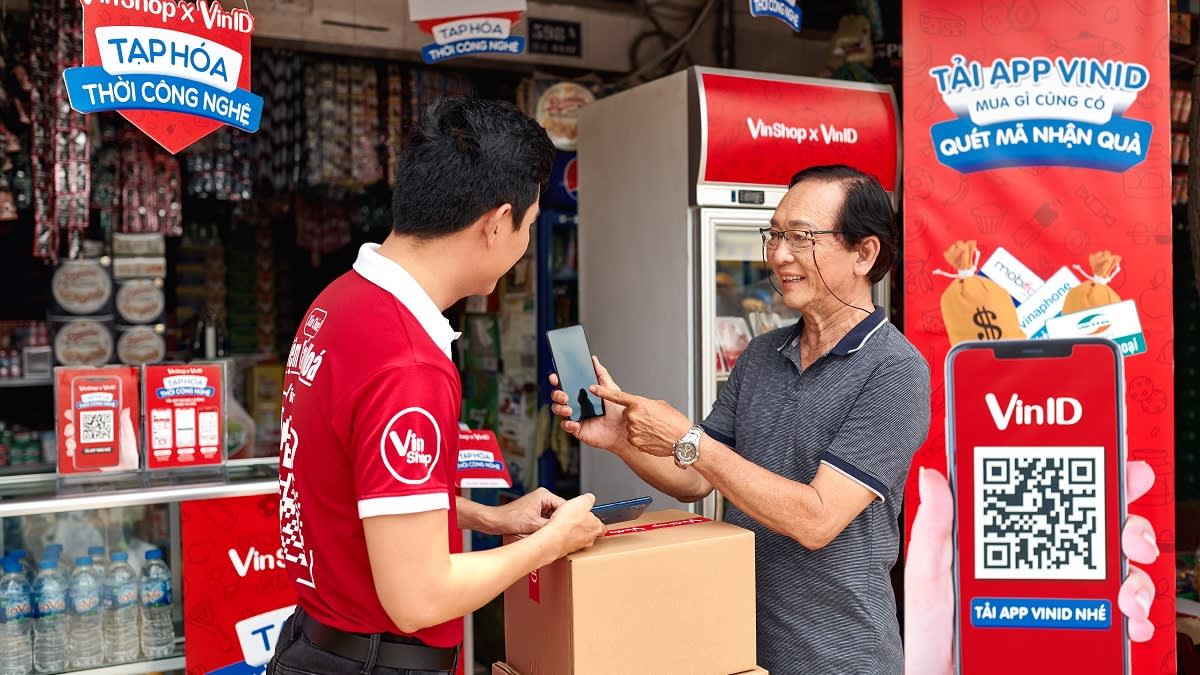
    Vingroup announced Monday that its VinShop app is used by 20,000 small shops in Hanoi and Ho Chi Minh City. Those stores, called tap hoa, are typically family-run and sell sundries. Shopkeepers use the app to order hundreds of items from suppliers, eliminating the need to contact them individually. They also use it to connect to another Vingroup app, VinID, used by 10 million retail shoppers to make payments.

    VinShop began building its retail network in July, aiming to connect manufacturers and shops through the app, which includes purchase and distribution functions. “VinShop’s revenue will be based on a targeted advertising platform, financial services offerings and market development for suppliers,” Truong Quynh Phuong, business director at Vingroup’s logistics arm, One Mount Group, said last Wednesday.

    Tiny brick-and-mortar shops have long underpinned Vietnam’s “sachet economy,” an allusion to the common practice of selling single-use packets of many daily consumables, such as shampoo and coffee.

    Small shops face growing competition from 7-Eleven, Ministop, B’s Mart, and even Vinmart+, the chain of convenience stores launched by Vingroup now run by local consumer goods giant Masan following a merger in December. Sales at the major chains reached $170 million in 2019, about four times as much money as traditional shops took in, according to a July report from Deloitte, a consultancy.

    The VinShop app is the latest addition to the suite of Vingroup brands, from VinFast cars to VinSmart phones, as the company founded by Vietnam’s richest man, Pham Nhat Vuong, turns its focus to technology and manufacturing.

    Vingroup says its app will raise the income of small shops, which it calls grocery stores, by $432 a month on average by making their operations more efficient and cutting costs.

    “This solution is expected to improve the efficiency of the entire supply chain, and help overcome the current weaknesses in the distribution of products from manufacturers to grocery stores,” the company says.

    National and international convenience store chains have become hangouts for young Vietnamese, who gather to sip juice and slurp instant noodles. Traditional shops, by contrast tend to be windowless rooms that are often attached to owners’ homes, and piled high with things like chips, bottled water and laundry detergent.

    “For many rural consumers and lower-income urban consumer segments, who need to budget daily for food and make purchases in small quantities, traditional grocery retailers, such as local markets and mom and pop shops, are a convenient and affordable alternative to modern trade outlets,” according to the Deloitte report.

    Consumption has dropped across the board during the novel coronavirus pandemic, which has left Vietnamese reluctant to go out, said Infocus Mekong Research. In its July survey of shoppers, 36% said they would visit convenience stores less often, even after the pandemic ends, versus 22% who said they would shop more often.

    Similar efforts to modernize traditional shops through technology are taking off elsewhere in Southeast Asia. In Indonesia, startups BukuWarung and BukuKas have raised millions of dollars for similar smartphone apps.

  • Alibaba setting up joint venture with Swiss duty-free giant Dufry

    Alibaba setting up joint venture with Swiss duty-free giant Dufry

    Chinese tech giant Alibaba has agreed to form a joint venture (JV) with Swiss duty-free group Dufry, as Chinese shoppers’ appetite for overseas luxury goods seemed unfettered by the pandemic.

    It also announced that it would acquire an up to 9.99 percent stake in the duty-free operator in a statement released last Monday.

    Alibaba Group will have 51 percent controlling shares to Dufry’s 49 percent. The joint venture combines Alibaba’s established network and digital capabilities with Dufry’s China travel retail business and operational skills, the statement said.

    “We expect this collaboration to drive growth in Asia and with Chinese customers worldwide with the support of new digital technologies,” said Dufry Chief Executive Julian Diaz on Monday.

    As the coronavirus pandemic halts global travel, Dufry’s revenue fell by 62 percent to 1.59 billion Swiss francs ($1.74 billion) in the first half of 2020. It is an increasing presence in China’s travel retail markets as effective containment of the outbreak allowed the country to travel again.

    With 14,941 flights booked during the country’s eight-day National Day holiday that started on October 1, total air travel booking is comparable with the same period last year. Bookings for domestic flights have increased by 10.5 percent, data from China’s aviation authority showed.

    Dufry is proposing a capital increase that will raise up to 700 million Swiss francs, which Alibaba is to subscribe to up to 250 million Swiss francs of shares.

    China currently taxes imported consumer goods, such as garments and beauty products, an average of 6.9 percent and high-end cosmetics by 15 percent. But tariffs for many luxury products, such as perfumes and watches, exceed 30 percent.

    South China’s island province of Hainan has offered greater visa-free access and duty-free shopping for tourists since July 1. Meanwhile, the annual quota for individuals making duty-free purchases on the island tripled to 100,000 yuan, and the duty-free product catalog increased from 38 to 45 items with some electronic products and wines newly added to the duty-free list.

    China’s duty-free retail giant China Duty-Free Group owns all four offshore duty-free shops in Hainan. Its parent company China Tourism Group Duty-Free generated 19.3 million yuan in revenue in the first half of 2020, beating Dufry as the world’s largest duty-free retailer.

    Its sales in Hainan were the primary driver for China Tourism Group Duty-Free’s revenue boost, contributing 47 percent in the first half of the year. Hainan recorded 8.61 billion yuan in visitor duty-free spending from July 1 to September 30, a surge of 227.5 percent year on year, the local customs data showed.

  • Amazon duplicates Transparency program to Japan and Australia

    Amazon duplicates Transparency program to Japan and Australia

    Amazon announced the expansion of Transparency to two new countries – Japan and Australia – making it available in 10 countries where Amazon has a store. Amazon Transparency is also celebrating a milestone of enrolling over 10,000 brands into the program. Transparency, launched in 2018, is a product serialization service that builds on Amazon’s long-standing work and innovative solutions focused on ensuring that customers always receive authentic goods when shopping in Amazon’s stores.

    “Transparency has allowed us to grow consumer confidence in our products and prevent inauthentic products from ending up in the hands of our customers.”

    “Transparency is a powerful technology-driven solution that gives brands the ability to uniquely identify every product unit they manufacture and allows Amazon to use this to prevent counterfeits from reaching customers,” said Dharmesh Mehta, Vice President of Worldwide Customer Trust and Partner Support.

    Transparency allows brands to uniquely identify each unit they produce through the application of unique codes on the product or its packaging. These codes allow Amazon to inspect and authenticate every unit enrolled in Transparency proactively, detecting and stopping counterfeits before they ever reach customers. Additionally, customers can use a mobile app to scan the code and verify authenticity regardless of where they purchased the brand’s products. Over 10,000 brands – from Fortune 500 companies and global brands, to startups and small businesses in countries around the world including LG Electronics USA, Spectrum Brands, Cards Against Humanity LLC, Neato, Petrichor, Skullcandy, Salom, Nomader, and Naples Naturals – have already enrolled in Transparency. Across these brands, Transparency has prevented the shipment of over 500K suspected counterfeits in Amazon’s stores.

    LG Electronics USA, a leading innovator in home appliances, said “LG sees Transparency as a great way to ensure that consumers use genuine LG filters while protecting them from counterfeit products.”

    Spectrum Brands, a Fortune 500 company that owns several pet care companies, said: “By having the Transparency seal on our products, we give consumers confidence that the products they are purchasing for their pets are authentic, effective and formulated as labeled.”

    Cards Against Humanity LLC, said: “With Transparency, we’re now more confident than ever that our customers are receiving legitimate products — which is a win for us and for customers.”

    Neato, a maker of robotic vacuum cleaners, said: “Transparency has allowed us to grow consumer confidence in our products and prevent inauthentic products from ending up in the hands of our customers.”

    Sumeet Raj Aggarwal, owner of the small business in India, Petrichor, said: “With Transparency, consumers can buy with confidence knowing that the products are authentic and high quality. This program grows confidence in our brand and prevents counterfeits from being delivered to consumers. It’s a win-win for brands and consumers.”

    In addition to Japan and Australia, Transparency is available in Canada, France, Germany, India, Italy, Spain, the United Kingdom, and the United States. To learn more about Transparency and how to enroll, visit: https://www.transparency.com/

    Transparency is one of many innovations that Amazon has introduced to partner with brands to ensure customers receive authentic products and to protect brands’ intellectual property.

    • Most recently, Amazon launched the Amazon Counterfeit Crime Unit (ACCU), a global team that will investigate and bring legal action against bad actors, protecting customers, brands, and Amazon’s selling partners. To learn more: https://press.aboutamazon.com/news-releases/news-release-details/amazon-establishes-counterfeit-crimes-unit-bring-counterfeiters
    • Amazon’s Project Zero, which empowers brands to drive counterfeits to zero. Project Zero uses automated protections to proactively and continuously scan more than 5 billion attempted product listing updates daily to look for suspicious listings, provides a self-service tool for brands with an unprecedented ability to directly remove listings from Amazon’s stores, and leverages product serialization as an optional service. To join the more than 10,000 enrolled brands, learn more at: https://www.projectzero.com.
    • Amazon IP Accelerator helps businesses more quickly obtain intellectual property (IP) rights and brand protection in Amazon’s stores. The program was designed specifically with small and medium businesses in mind and is available to entrepreneurs worldwide that are looking to secure intellectual property in the U.S. IP Accelerator connects entrepreneurs with US law firms with expertise in trademark applications. Entrepreneurs also benefit from pre-negotiated rates. To learn more: https://brandservices.amazon.com/ipaccelerator
    • Amazon Brand Registry, a free service that gives brand owners access to a powerful set of tools that help them deliver an accurate and trusted customer experience on Amazon while protecting a brand’s IP. More than 350,000 brands are enrolled. To enroll and learn more: https://brandservices.amazon.com/
  • H&M launches E-commerce initiative on Zalora Philippines

    H&M launches E-commerce initiative on Zalora Philippines

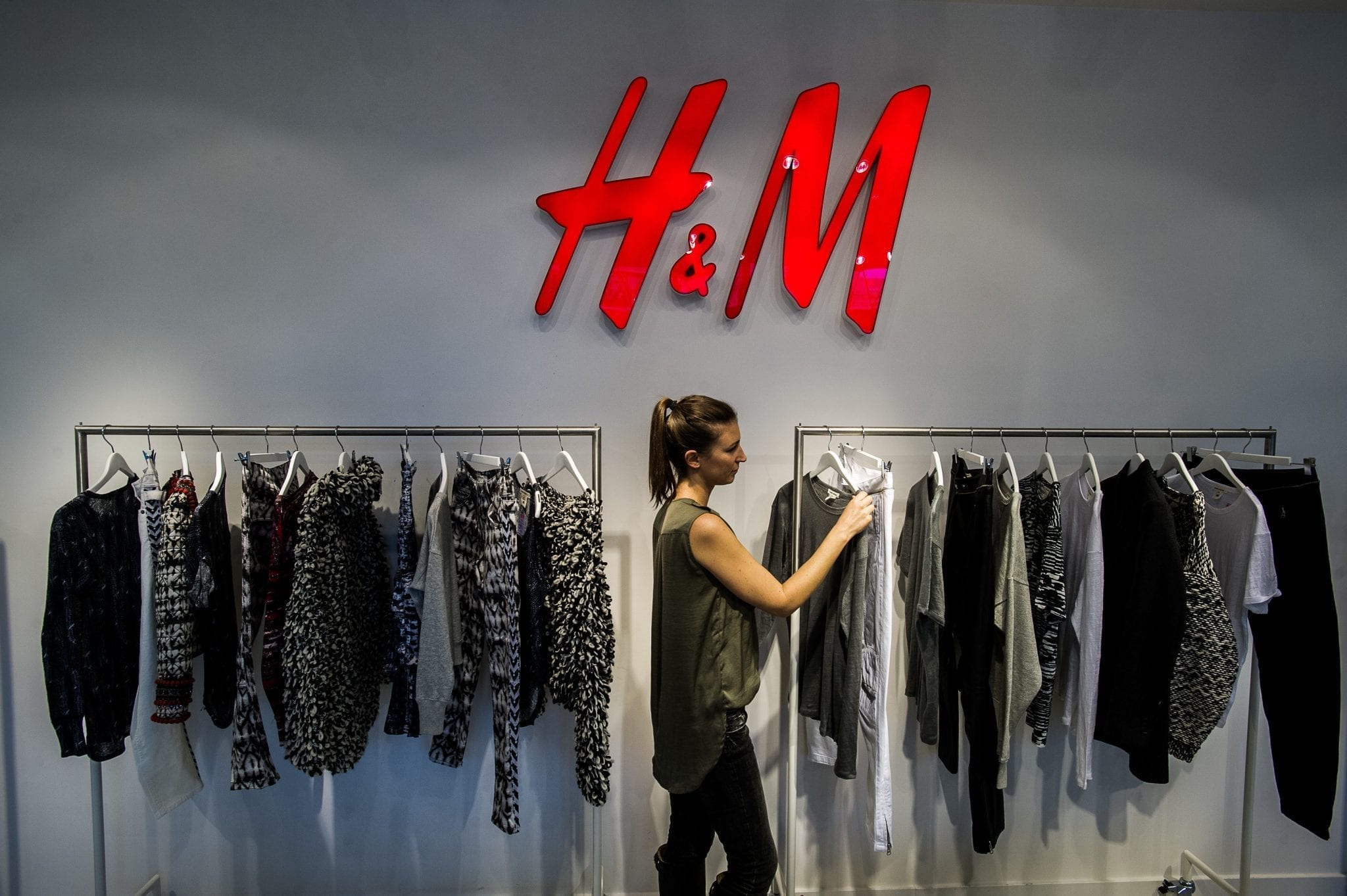
    Global Fashion Group (GFG), the leading online fashion & lifestyle destination in growth markets announces the launch of a two-month partnership between H&M and ZALORA Philippines.  ZALORA is the first e-commerce platform H&M has worked within the region.

    The two-month partnership with global fashion brand, H&M will be available from 1 October to 30 November 2020 on the ZALORA Philippines website where customers can shop a diverse range of H&M apparel, shoes, bags, and accessories ranging from Ladies, Young Ladies, Men and Kids.

    “We are delighted to collaborate with ZALORA on this new journey that we are exploring in the Philippines. For us to meet new and existing customers where they are and when they want is something we have been looking forward to. They will be happy to find stylish and basic essentials that are affordable and friendly to our planet, true to our business idea of offering all our customers fashion and quality at the best price in a sustainable way. ZALORA’s values and culture align well with ours and we admire their commitment to providing good and trustworthy customer experience, something that we deeply commit to at H&M,” shares Sylvain Crouzat, Country Sales Manager for H&M Philippines.

    This partnership is not only ZALORA’s biggest brand launch in 2020 to date but also broadens access to innovative options for the conscious shopper. H&M’s Ladies Fall Collection will feature sustainable pieces built around recycled materials—giving new life to old PET bottles, old garments, or textile off-cuts. All the pieces from the Kids Category are also made with 100% sustainably sourced cotton and zero harmful chemicals. Shoppers may easily search for these sustainable finds by using ZALORA’s Earth Edit filter on the website and app.

    “In true ZALORA style, we are kicking off the final quarter of the year with a bang through this very exciting partnership with H&M. Since we launched ZALORA, H&M has been among the most sought-after brands by our customers so we’re excited to allow them to conveniently shop their favorite brand from the safety of their homes, especially during this time,” shares ZALORA Co-Founder and CEO, Paulo Campos III. “As advancements in technology continue to push fashion to more progressive heights, H&M and ZALORA are at the forefront of this endeavor. The collaboration reflects how both brands are committed to expand opportunities and options for shoppers in the digital age,” he adds.

    H&M is now available on ZALORA at  zalora.com.ph/hm with prices starting at PHP 299.

  • Amazon reveals Singapore date for Prime Day

    Amazon reveals Singapore date for Prime Day

    After a delay of a few months, Amazon has officially confirmed when its Prime Day shopping event is taking place. Amazon Prime Day 2020 will, once again, actually run for two days. Following a postponement from the usual mid-July period, the first discounts will launch at 00:01 on Tuesday, October 13, with offers running until 23:59 on Wednesday, October 14.

    It’s been confirmed that Prime Day will run on these dates in the UK, the US, Canada, Australia, Spain, Italy, Germany, France, the Netherlands, Belgium, Austria, Luxembourg, Singapore, UAE, Mexico, China and Japan. First-time Prime Day events in Turkey and Brazil will also run on October 13 and 14.

    The annual sale, which first happened in 2015, usually features a selection of spotlight deals running for either 24 hours or (as was the case for some products during 2019’s two-day event) 48 hours, plus shorter flash sales which may only last for a few hours. Discounts are available across a broad variety of departments – home, fashion, beauty, tech and much more.

    Prime Day is, as you’ve probably guessed from the name, exclusive to Amazon Prime members.

    An Amazon Prime subscription costs £7.99 per month, or £79 per year, for UK customers, and the perks that come with it include free delivery, Prime Video access (with content ranging from original TV shows like The Boys to selected live Premier League football games), unlimited music streaming, and Prime Reading, which features a regularly-rotating selection of books and magazines.

    This year, you can also take advantage of an offer where if you spend £10 with selected small businesses in the run-up to Prime Day, you can claim £10 credit to spend on October 13 or 14. Terms apply, and more details about the pre-Prime Day small business promotion are available here.

    It’s been a busy few days for Amazon, with the announcement of an all-new Echo range (including a sphere-shaped Echo Dot) and new Fire TV sticks.

    The company, which already owns Twitch, also recently unveiled its own gaming streaming service called Luna.

  • Alibaba Cloud Doubles Growth for Cloud-native Database Products

    Alibaba Cloud Doubles Growth for Cloud-native Database Products

    Alibaba Cloud, the digital technology and intellectual backbone of Alibaba Group, has seen the demand for its database family of products doubles year-over-year. The increment was fueled by industries’ growing needs to move their operation online given the lasting impacts of COVID-19. Alibaba Cloud is the third largest cloud computing company in the world, and its database technologies currently serve more than 100,000 companies globally.

    Mr Erwin Foo, Group Chief Technology Officer of PrestoMall said: “As one of the leading e-commerce players in Malaysia, we are constantly looking to adopt future proof and affordable solutions to enhance our platform and provide a more unique and remarkable experience for our customer. Due to the complexity of the e-commerce platforms, we need a reliable, robust, and scalable database that can enable the growth of our dynamic business without worrying too much about the infrastructure and support needed.”

    To support customers’ digital transformation journey, at the Apsara Conference 2020, Alibaba Cloud database team launched a series of new product and feature upgrades, which include a family of cloud-native database products covering OLTP, OLAP, NoSQL, tools and utility, and self-driving database platform. These products will provide a rich solution portfolio within the database eco-system for the complete cycle of data processing, storage, management, and analytics.

    Lindorm, the cloud-native multi-model database that used to support the Alibaba Group ecosystem, is first introduced to the market in order to benefit the wider Alibaba Cloud ecosystem and public customers. Lindorm is a cloud-native database, with affordable storage and flexible processing characteristics. It is suitable to be used by applications with massive processing requirements for a mixture of unstructured, semi-structured, and structured data. The application of Lindorm for enterprises is able to reduce the storage cost by 80% as compared with using conventional databases, with an availability guarantee of at least 99.99%.

    Alibaba Cloud’s self-proprietary cloud-native distributed database product PolarDB-X is upgraded with hybrid transaction/analytical processing and global secondary index for distributed data features. With the new upgrades, it is able to carry out high concurrent, massive online transaction requests, and at the same time, help online business to accelerate the complex analysis with efficient processing by 5 to 10 times. Companies that require extremely fast data and transaction processing functionalities such as the logistics platform is able to deploy PolarDB-X to meet its instant needs.

    Based on the storage and computing decoupled architecture, AnalyticDB (ADB) creates an automatic, flexible cloud-native data warehouse that is able to integrate online interactive analytics and offline computation operations. In addition, AnalyticDB MySQL (ADB MySQL) can meet the resource requirement of users’ workloads with its elasticity on time consumption, data storage, and group isolation to reduce cost and increase operational stability. With its multi-master and high concurrency “Laser” engine, ADB MySQL is able to power real-time computation needs with enterprise cost reduced by 50-80%.

    Cloud-native Data Lake Analytics (DLA) released upgraded features with its Serverless Spark to pull up 300 knots within 1 minute.  With serverless Presto and Spark computation engine, it provides enterprises with a one-stop (serverless) data lake platform that is efficient and easy to use with features such as one-click lake formation, metadata discovery, and management, and delta lake management. Both ADB and DLA have been successfully deployed in various industries including finance, manufacturing, retail, aviation, and logistics to help their digital transformation processes.

    “In the latest Gartner magic quadrant report, Gartner merged DMSA (Data Management Solution for Analytics) and OPDBMS (Operational DBMS) magic quadrants into a single Cloud DBMS magic quadrant, and this indicates where the future lies for database technology,” said Dr Feifei Li, President of Alibaba Cloud Database Products Business. “We want our customers to ride on the future trend, and we will continue to innovate and provide our customers with the best database technology so that together, we can build a solid foundation in their digital transformation process.”

    According to Gartner, cloud database would prevail in the near future and by 2023, 75% of all databases will be on a cloud platform. In its recent report entitled 2019 Gartner Magic Quadrant for Operational Database Management Systems, Alibaba Cloud Database was recognized as a player in the “Challengers” quadrant.

  • Ruten Japan launches international website

    Ruten Japan launches international website

    Japanese e-commerce platform Ruten has launched a global website, offering more than 60 million Japanese including snacks, supplements, kitchen appliances, beauty products, and fashion to 13 markets.

    The site is now shoppable from markets including Singapore, Hong Kong, Canada, Indonesia, South Korea, and New Zealand and Ruten Japan says it will expand its product range and add more countries in the future.

    The idea started after Yun Su, CEO of Ruten, saw the increasing demand for Japanese products after traveling became almost impossible with the advent of Covid-19.

    The company has also dedicated a separate category for Covid-19 related products, including facial masks, automatic liquid soap dispensers, infrared thermometers and anti-splatter protective face shields.

    In celebration of its global launch, customers will enjoy free international shipping for orders more than US$50. According to the company, the average delivery time within Asian countries is seven working days.

  • Amazon Prime Day 2020 finally has a start date

    Amazon Prime Day 2020 finally has a start date

    Everything was delayed due to the COVID-19 pandemic this year, including Amazon’s huge sale known as Prime Day. Typically, Amazon Prime Day takes place in July, but this year, due to obvious reasons, the sale was reportedly delayed for October.

    The initial reports dated early July claimed Amazon Prime Day will be scheduled for the week starting October 5, and that a definitive date will be announced later. However, a new report mentions another start date for Amazon Prime Day.

    Without further ado, Amazon’s Prime Day 2020 will start on October 13, at least according to four people familiar with Amazon’s plans. Although Amazon declined to comment on the date, it looks like the company has already “blacked out vacation for its full-time warehouse workers from October 13-20.”

    It’s important to mention that the sources of this crucial information don’t know how long the sale will last, just the start date. It’s hard to make any assumptions at this time since Amazon has already extended these huge sales in the last couple of years, so it won’t be a surprise to learn that this year we’ll have a 3-day Amazon Prime Day sale event.

    Last year, the annual deal event exclusively for Prime members lasted for two days, whereas the year before it was squeezed into a 36-hour sale event. If the information proves to be accurate, Amazon should make an official announcement in the next couple of weeks, so stay tuned.

  • Shopify data stolen by its own employees

    Shopify data stolen by its own employees

    Shopify has seen customer data stolen by “rogue” employees, the e-commerce provider announced.

    Two members of Shopify’s support team were engaged in a scheme to obtain customer transactional records of certain merchants – less than 200, according to Shopify.

    Once the business became aware of the scheme the team members’ access was immediately terminated, and an international investigation began with the assistance of the FBI and other agencies that will seek to find if, when, and where the data was used – if at all.

    “This incident was not the result of a technical vulnerability in our platform, and the vast majority of merchants using Shopify are not affected. However, those whose stores were illegitimately accessed may have had customer data exposed,” Shopify said in a statement.

    “This data includes basic contact information, such as email, name, and address, as well as order details, like products and services purchased. Complete payment card numbers or other sensitive personal or financial information were not part of this incident.”

    Shopfiy added that it has zero tolerance for platform abuse, and will take the necessary action.

    “To put it simply, we are committed to protecting our platform, our merchants, and their customers and will continue to work hard to earn your trust every day,” Shopify said.

  • Temenos, Alibaba Partner

    Temenos, Alibaba Partner

    The banking software company is joining up with the Chinese internet giant on cloud-based services. The deal opens a huge new potential market for Geneva-based Temenos: it is joining Alibaba’s cloud services, the company said in a statement on Thursday. In effect, banks can adopt Temenos’ software – Transact – on the Chinese firm’s cloud infrastructure.

    The move represents a massive step forward in so-called software as a service or SaaS. Providers like Temenos are moving towards more piecemeal sales and away from large one-time installations. Much of this is cloud-based, meaning banks can easily and less expensively grab what they need quickly. The technology providers hope for increased recurring revenue as well as scale effects.

    Alibaba and Temenos are currently testing with banks to establish so-called proof of concept, and already have joint customers in the wider Asia-Pacific region, they said. Transact is set up to be compatible with as many data clouds as possible.

    Alibaba, strongly anchored as China’s leading e-commerce and payments firm, is also the leading domestic cloud provider. The cloud subsidiary recently pledged an $28 billion investment in expanding, including hiring 5,000 new staff.

  • Online platform ready to recover lost Malaysia Airports retail earnings

    Online platform ready to recover lost Malaysia Airports retail earnings

    Malaysia Airports Holdings has launched a travel retail e-commerce platform shopMYairports, aiming to recover some US$67 million from sales lost through its airport network due to passenger volumes plummeting.

    Still smarting from the loss of $671 million in revenues from retail in the year prior to the advent of Covid-19, the airport operator is hoping for significant potential growth from the initiative, which is part of a broader Airports 4.0 plan for digital transformation to enhance passenger retail experiences and support the recovery of its airport retail tenants.

    The move serves to allow consumers to buy travel-exclusive and duty-absorbed products online, having purchases delivered directly to their homes.

    “The launch of shopMYairports is an important step in our journey to make our airports future-ready,” said group CEO Datuk Mohd Shukrie Mohd Salleh.

    “As Malaysia’s main airport operator, we have to ensure that we remain agile and relevant while navigating within a fast-changing consumer landscape.”

    Future services available on the platform are expected to include click-and-collect services, allowing travelers to pick up purchases at designated airport counters, and concierge services to deliver products to passengers’ boarding gate or aircraft seat.