Tag: ecommerce

  • Victoria Beckham Beauty range launched on Tmall Global

    Victoria Beckham Beauty range launched on Tmall Global

    Victoria Beckham Beauty has launched a flagship store on Alibaba’s Tmall Global platform, marking the brand’s debut in China.

    The Victoria Beckham Beauty online store features a wide range of skincare and makeup products, including the brand’s exclusive skincare line Power Glow Set, on Tmall Global platform.

    To celebrate the launch, the brand has signed up one of China’s biggest influencers, Viya, to Livestream on Tmall Global.

    “You can’t be a successful global brand without a solid China business – it’s just not possible these days,” said Sarah Creal, co-founder and CEO of Victoria Beckham Beauty. “So when we began to think about expanding to China, we knew that we wanted to partner with Tmall Global because it represents the best.

    “We’re focused on building a strategic luxury beauty brand that is very modern, forward-thinking and fresh, and this is the next key step to our growth strategy,” she said

    Sarah met Victoria Beckham during a makeup collaboration with Estee Lauder in 2016 and teamed up to create the cosmetics brand last year.

  • Shiseido looks to China’s online model for post-Covit 19 growth

    Shiseido looks to China’s online model for post-Covit 19 growth

    Shiseido Co is pumping up its e-commerce presence amid a “deep crisis” in the beauty business, with the Japanese company looking to its China strategy as a post-pandemic model for growth.

    The 148-year-old beauty giant sees its online proportion of overall sales growing to 30 percent in two or three years if current conditions continue, from about a fifth right now, according to CEO Masahiko Uotani.

    “From a business standpoint, we’ve been trying to come up with solutions to the current situation and use this as an opportunity to go at a faster pace with some reforms,” Uotani said in an interview in Tokyo.

    The reforms for Shiseido, which has relied heavily on department-store sales, involve training beauty consultants to use live streaming and social media, working more closely with retailers on the tech-enabled shopping experience, and investing in new marketing content for online, Uotani said. All strategies the company has implemented in China.

    “We need to merge online and offline to get people to buy more. Beauty products are different from others in that a human touch is very important, so we need to think about a structure that allows that,” he said. “There’s a lot we can learn from what’s going on in China.”

    Uotani’s focus comes as the beauty industry faces unexpected challenges because of the global pandemic that is different from previous downturns. Measures to control the spread of the coronavirus have melted away social norms like putting on makeup in the morning or spritzing on perfume before a night out. As people stay home, the need for beauty care has become a lower priority, making it difficult for businesses to bounce back quickly.

    The situation has also been complicated as department stores and beauty salons have closed during lockdowns, sending consumers to seek cheaper cosmetics brands online.

    Shiseido’s sales fell 17 percent in the first quarter and operating profit plunged 83 percent, mostly due to clampdowns on movement in China, where it does a fifth of its business, and a hit to tax-free sales to Chinese tourists in Japan. The company withdrew its annual forecast, acknowledging it would be unable to hit its mid-term goal of more than US$11 billion in sales by this year. For the second quarter, analysts are expecting Shiseido to swing to a loss.

    “The near-term earnings outlook will be difficult,” said Ritsuko Tsunoda, an analyst at JPMorgan Chase & Co. “But I think Uotani will leverage that for any material structural change that he couldn’t have implemented otherwise.”

    Mini-influencers

    Transitioning beauty-product sales online isn’t an easy step for an industry built on consumer preferences and dominated by the image of rows of samples at physical retailers that encourage trying and buying on the spot.

    Shiseido is training its sales staff in Japan to follow the example of Chinese employees, turning beauty counter ladies into mini-influencers. In China, department store consultants have taken to social media to stream the newest products that have arrived. Interested customers are then directed to the website of the department store to purchase the products.

    China has developed a booming culture for live video merchandising, and companies are beginning to catch on to the trend.

    Uotani sees China’s e-commerce sales hitting 40 percent of revenue from the region this year, jumping from 30 percent currently. He said China’s fast recovery — sales of high-priced prestige brands in April, after the strictest lockdowns ended, were at levels before the coronavirus hit — could bode well for other regions.

    Drunk elephant

    The focus in the short-term will be prioritizing its high-end beauty brands that can generate cash flow to invest in e-commerce, according to Uotani. The company, which owns Nars and Laura Mercier makeup, is looking to speed up the expansion of its Drunk Elephant brand, which it bought in an $845 million deal last year, as prestige skincare products have been resilient during the pandemic.

    Dealmaking, such as selling off non-core assets or buying businesses that can support the focus on prestige and e-commerce, is also part of the equation, Uotani added.

    “It’s a very deep crisis for our business, and we need to protect employees and the company,” he said.

    At stake is the legacy of Uotani’s tenure. When he took the helm of Shiseido in 2014 following stints at companies including Coca-Cola Japan, it was a rare instance of an outside executive joining the C-suite in the island nation, where managers are typically elevated through decades of service to one firm.

    Analysts and investors have praised Uotani’s efforts at Shiseido, whose value more than quadrupled during his tenure before the coronavirus hit. After such success, the current crisis is shaping up to be his biggest test.

    “In my 40 or so years working in business,” he said, “the unexpected and uncontrollable impact from the global pandemic is the biggest I’ve dealt with in my career yet.

  • Covid-19 fuels breakthrough in Hong Kong e-commerce scene

    Covid-19 fuels breakthrough in Hong Kong e-commerce scene

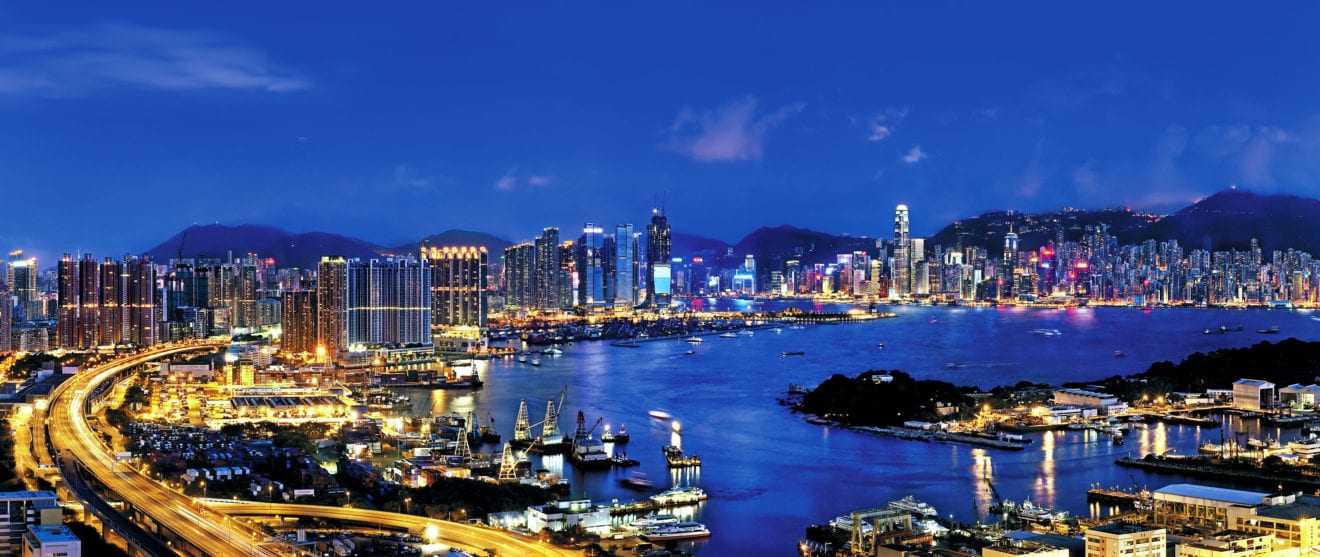
    The popularity of e-commerce has risen in Hong Kong as a result of the coronavirus pandemic, despite the market’s longstanding preference for physical stores.

    Analytics firm GlobalData says its research shows that the e-commerce market in the territory will grow at a compound annual growth rate of 9.9 percent by 2024 to reach US$29 billion. This year, e-commerce payments are likely to show a rise of 13.4 percent as a result of consumers practicing social distancing.

    “While the pandemic led to a decline in consumer spending, this is being partially offset by a rise in online spending, as wary consumers continue to stay at home and use online channels to purchase goods,” said GlobalData banking and payments lead analyst Ravi Sharma. “The pandemic has resulted in a change in consumer buying behavior too as they are avoiding visiting shopping centers and choosing online platforms for their day-to-day purchases.”

    Globaldata expects that the new trend will benefit e-payment software companies such as AlipayHK, WeChat Pay, and PayPal, while bank and card companies will capitalize on the shift in consumer behavior with their own new products. Citibank has already entered into a collaboration with local e-commerce player HKTVmall to establish a co-branded credit card offering exclusive benefits to online shoppers.

    “Hong Kong has a robust e-commerce market with high internet penetration and high preference for online shopping among consumers, especially younger demographics,” said Sharma.

    “The Covid-19 pandemic further accentuates this shift towards online shopping, supporting the payments market growth in the country”.

  • Shopmatic revenue soars 200 percent

    Shopmatic revenue soars 200 percent

    Singaporean e-commerce platform Shopmatic has registered 200-per-cent growth in revenues, transactions, and GMV during the last financial quarter in spite of the global impact of the coronavirus pandemic.

    The firm works to bring various elements of the e-commerce landscape onto its standalone platform, allowing customers to create a customized online store and sell through social and chat commerce on multiple marketplaces.

    During the pandemic, Shopmatic launched tailored solutions for India’s kirana stores and Singapore’s grocery stores, providing options to use pre-developed catalogs, among other services.

    “Going digital is not an option anymore, but an imperative,” said Shopmatic CEO & co-founder Anurag Avula, “and we have been able to contribute to our merchants’ success by launching relevant solutions like the kirana/grocery store special. In the five years since we launched, we have been driven by our vision to enable online and offline success for our merchants by creating an omnichannel experience for our customers.

    “I am delighted that it has brought significant transaction growth to our customers. This inspires us to deliver even more innovative and compelling game-changing solutions for our merchants which we will be launching in the next few months.”

    Shopmatic currently reports more than 120,000 active merchants on its platform.

  • JD Worldwide to introduce more Korean brands in China

    JD Worldwide to introduce more Korean brands in China

    JD Worldwide has teamed with LG and Korea International Trade Association (KITA) to introduce more Korean brands to Chinese customers.

    “The epidemic has encouraged more Chinese consumers to shop online. With this trend, we will put more effort into helping South Korean brands export to China through e-commerce platforms,” said Park Min Young, chief KITA Beijing representative.

    Under the partnership, LG will be responsible for supply-chain management to provide South Korean products to JD while KITA will support SMEs entering Chinese market.

    “Since the epidemic, we have been working closely with organizations and enterprises from all over the world to introduce more international brands on JD,” said Frank Yu, head of marketing and operations at JD Worldwide

    “We believe this partnership will not only help brands find a new sales channel during this challenging time, but also bring more high-quality, authentic Korean products to over 380 million JD customers.”

    In May, more than 250 Korean brands joined a recruitment conference for the launch on JD Worldwide.

  • Amazon Prime Day delayed until October

    Amazon Prime Day delayed until October

    It was already understood that Amazon Prime Day will not take place in July as it usually does every year, with the most recent report hinting that it might get delayed until September. According to a new report, the annual sales event will be held in October.

    The company has supposedly given sellers a placeholder date of the week of October 5. A definitive date will likely be announced later.

    Those details were apparently shared by Amazon in an e-mail to third-party sellers. Officially, the e-tailer has not said anything about this year’s Prime Day. In recent weeks, the coronavirus has shown signs of resurgence, prompting many businesses that had reopened to close their doors again. Amazon is apparently postponing Prime Day again because it fears its supply chain could get negatively affected because of the spike.

    At the beginning of the pandemic, Amazon suspended shipments of nonessential items to its warehouses as it struggled to deal with increased demand following the outbreak. The e-commerce giant prioritized essentials such as medical supplies and household items during that time.

    Towards the end of April, the company said it would allow third-party sellers to resume shipments of nonessential products.

    Last month, the company organized a fashion-oriented sale to help sellers reeling from the effects of the pandemic and clear inventory in preparation for the Prime Day.

    Now as coronavirus cases are rising again, Amazon’s logistical challenges have resurfaced. Although the future is uncertain, a former Amazon executive does not think Prime Day will be delayed beyond October as the company wouldn’t want its biggest sale event to coincide with the holiday shopping season.

  • New Lazada CEO name surfaced

    New Lazada CEO name surfaced

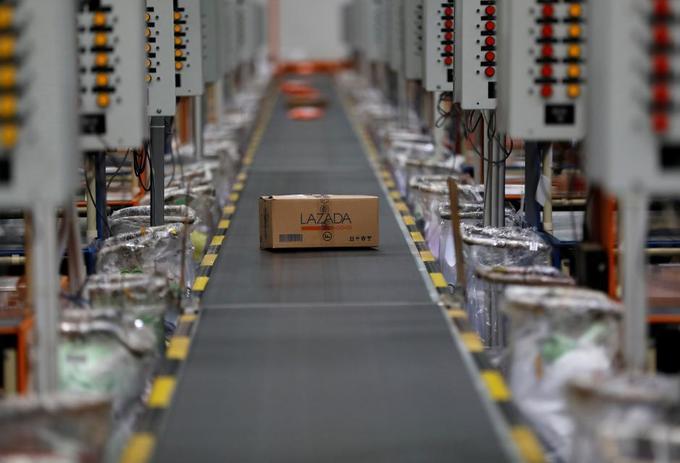
    Southeast Asian e-commerce platform Lazada has appointed Chun Li as its new CEO.

    Li will succeed former CEO Pierre Poignant, who will head to Alibaba Group as a special assistant to its CEO Daniel Zhang.

    “Chun is an experienced business leader who can realize Lazada’s vision of unifying commerce with technology to advance Southeast Asia’s digital economy,” said Lucy Peng, chairwoman at Lazada Group.

    With technology-architecture and product-strategy backgrounds, Chun Li will ensure Lazada’s competitive advantage through data technology application and business localization across the region, according to the company.

    “Lazada’s priority is to create unique value for our consumers and merchants in Southeast Asia,” said Li. “There is incredible momentum for e-commerce across the region, and together with our strong local talents, we will step up Lazada’s digital innovation and commercial development to empower our customers to be successful and provide the best user experience for our consumers.”

    Li joined Alibaba Group as chief technology officer for the group’s B2B unit in 2014. He has served as both Lazada president and CEO of Lazada Indonesia since 2017.

  • Iconic US hat brand Stetson reinvents for e-commerce age

    Iconic US hat brand Stetson reinvents for e-commerce age

    American heritage brand Stetson is rolling out a global rebranding effort involving a new modern identity and e-commerce experience.

    The exercise is Stetson’s first visual refresh in more than 20 years, undertaken in collaboration with boutique Dallas-based agency, Tractorbeam. The firms explored the brand’s extensive archive, examining logos, marks and expressions from the 1860’s through to the modern era. Then, the teams developed a brand projection that uses historical assets in keeping with Stetson’s roots.

    The new brand identity will roll out globally across stores and consumer touchpoints over the next year, beginning with a launch this week on the new Stetson.com website.

    “The relaunched Stetson.com combines legendary heritage and modern commerce to deliver a best-in-class experience,” said Stetson’s SVP of marketing and e-commerce Andrea Bozeman.

    “This refresh speaks to Stetson’s timelessness, enduring relevance, and ability to adapt,” said Stetson Worldwide president Xiao Li Tan.

    “The Stetson brand is synonymous with Americana. Our products are iconic in the imagery of the Old West, our dress hats were worn by the jazz legends and we’ve outfitted the National Park Service and US Cavalry soldiers. Stetson’s updated brand identity speaks to our legendary heritage and history, with an eye for appealing to the modern consumer.”

  • Inditex eyes online presense and about to close 1200 smaller stores

    Inditex eyes online presense and about to close 1200 smaller stores

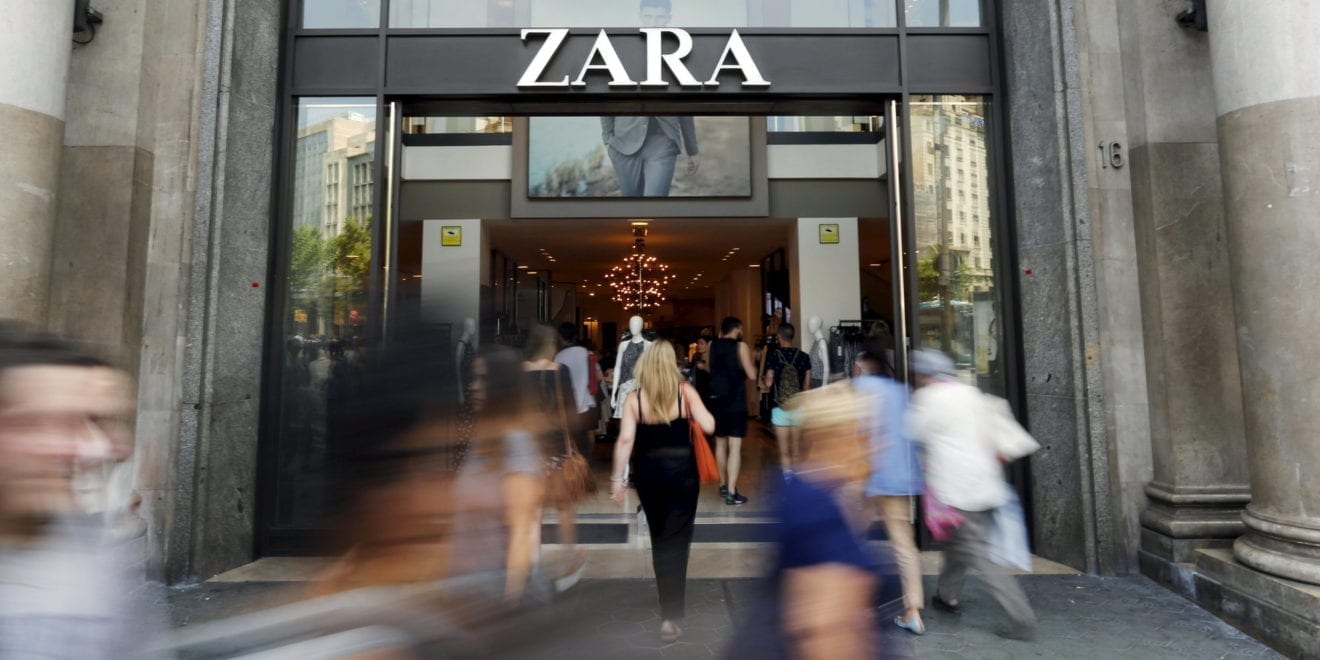
    Inditex plans to close up to 1200 smaller stores globally as it invests more than €2.7 billion in expanding its online capacity and focusing on an integrated network of large-format stores.

    Unveiling a strategic plan for the next two years, Inditex executive chairman Pablo Isla said the company expects online sales to account for 25 percent of total revenue by 2022, compared with just 14 percent last year.

    Most of the stores set for closure are older shops carrying banners other than Zara. They collectively account for 5 to 6 percent of total sales.

    Ultimately, Inditex will have a network of between 6700 and 6900 stores, down from the 7412 it operates today. About 450 new stores will be opened fitted with “all the latest sales integration technology” and effectively replacing the smaller-sized stores, which Isla says are less well-positioned to offer new-generation customer experiences.

    “This strategy is a culmination of the project the company has been investing in steadily and significantly since 2012, a project that will transform its profile notably,” said Isla. “The overriding goal between now and 2022 is to speed up full implementation of our integrated-store concept, driven by the notion of being able to offer our customers uninterrupted service no matter where they find themselves, on any device and at any time of the day.”

    The company believes that boosting online sales, underpinned by an integrated online-store network, with larger, higher-quality stores, will help generate 4 to 6 percent like-for-like sales growth annually.

    Part of the plan will see a boost to Inditex’s Bershka, Pull&Bear and Stradivarius brands in China and Japan.

    Inditex’s two-year strategy was revealed alongside the company’s first-quarter results announcement where it said it had limited the overall decline in sales to 44 percent in the wake of the Covid-19 crisis, despite 88 percent of its store network being shuttered at some point. Online sales surged 50 percent during the quarter and by 95 percent year on year in April.

    Global sales totaled €3.3 billion in the three months to April 30, gross margin remained at 58.4 percent of sales and inventories reduced by 10 percent during the past year.

    A net loss of €175 million was recorded and the company has made a provision of €308 million related to its restructuring plan.

    Inditex closed the year with a cash position of €5.8 billion, compared to €6.7 billion a year earlier.

  • Online marketplace Tiki gets US$130 million funding

    Online marketplace Tiki gets US$130 million funding

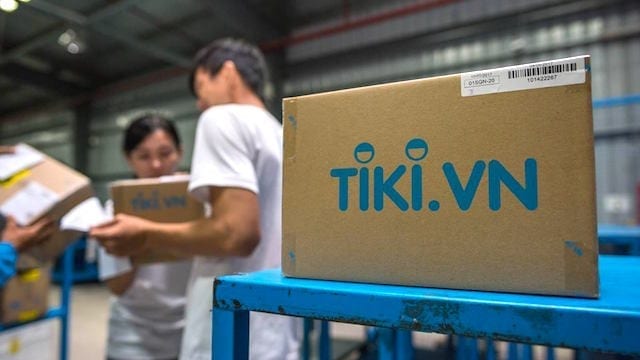
    Vietnamese online marketplace Tiki has successfully raised US$130 million in its latest funding round led by Northstar Group.

    According to Deal Street Asia, the total value of the investment may increase by a further $20 million.

    Founded in 2003, Northstar Group is a Singapore-based private equity firm, currently investing US$3 billion in more than 30 companies across Southeast Asia.

    Recently, online marketplace Tiki and rival platform Sendo informed authorities of a proposed merger scheme amid intense competition in Vietnam’s e-commerce market, with two strong rivals Lazada and Shopee. However, neither company has commented further on the plan.

    Although Tiki has received large investment amounts, the company is locally referred to as a “money-burning machine”. It accumulated a loss of $60.9 million last year.

  • JD plans US$4.05 billion Hong Kong exchange listing

    JD plans US$4.05 billion Hong Kong exchange listing

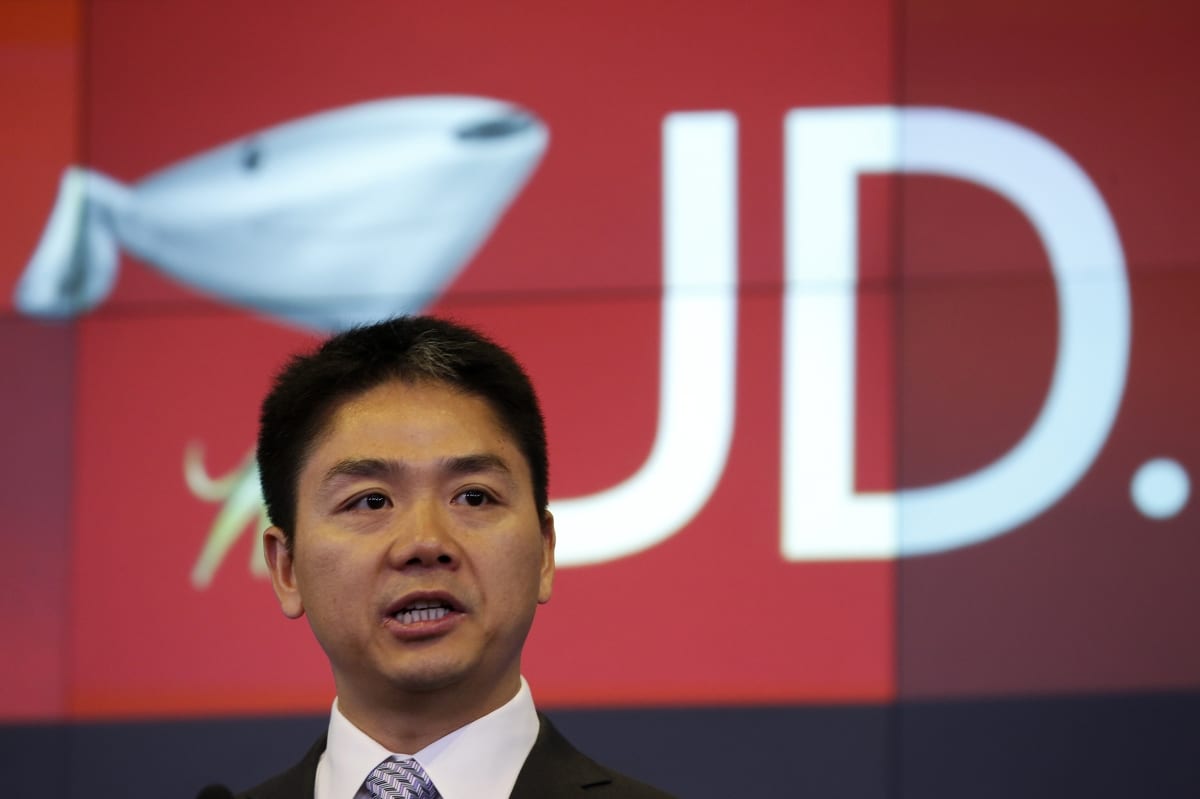
    Chinese e-commerce giant JD is looking to raise up to US$4.05 billion in a secondary share listing in Hong Kong.

    The new 133 million shares, priced at $30.45 each, most likely will make the listing among the largest in the territory this year.

    US regulations for Chinese firms listed in the US may tighten, with one bill in the US Congress proposing delisting Chinese firms that do not submit to substantial auditing requirements. JD is listed in the US on the Nasdaq.

    The company will start taking investor orders around this Thursday, with the listing set for June 18 to coincide with its annual shopping festival.

    Joint sponsors of JD’s Hong Kong listing include Bank of America, UBS Group and CLSA.

  • JD.com fosters local stalls and small stores in China

    JD.com fosters local stalls and small stores in China

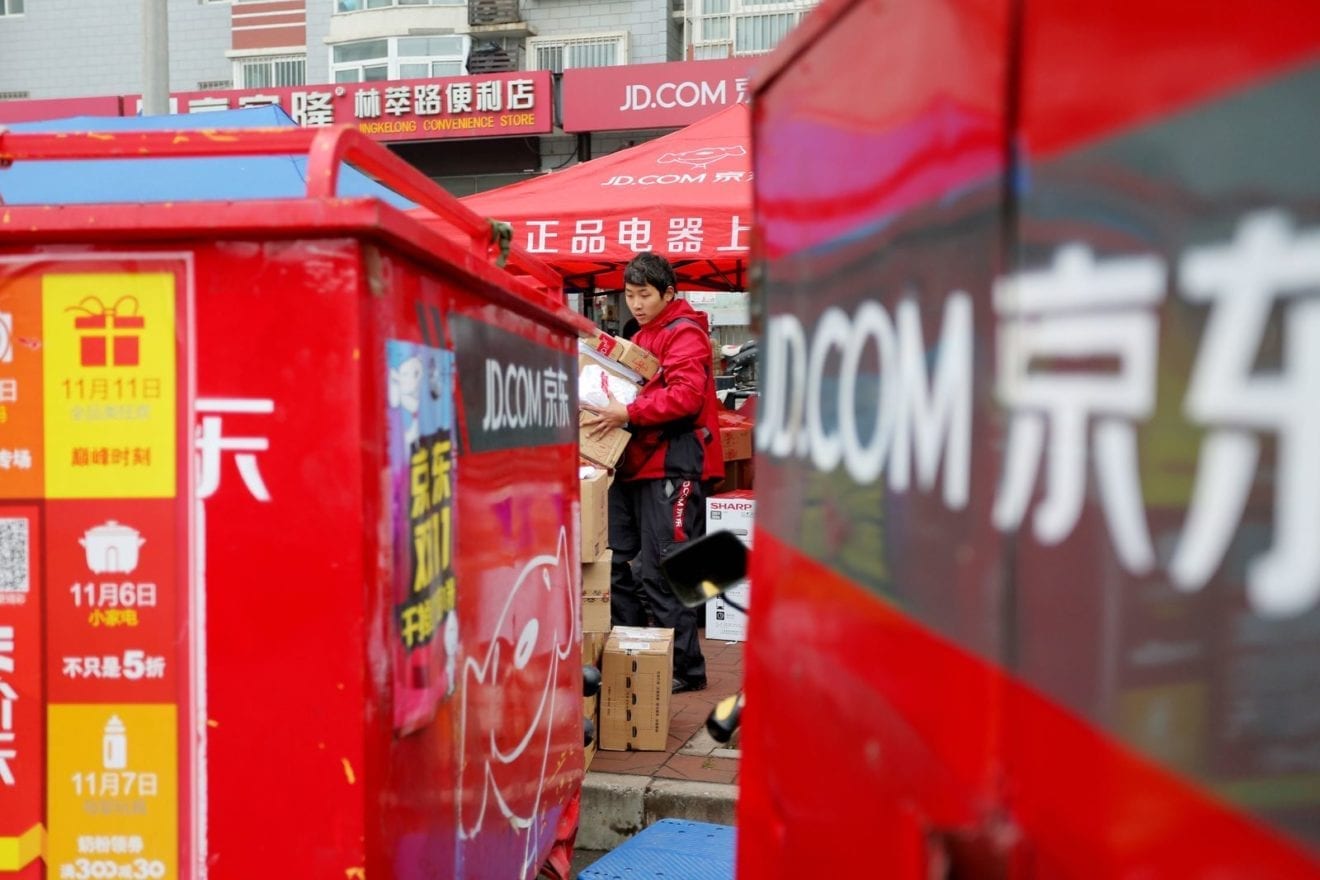
    Chinese e-commerce giant JD is moving to stimulate small and medium enterprises nationally by providing supply chain and service support for the employment of more than 5 million people.

    The firm is accumulating around 50 billion goods as a part of its “Spark” economic support plan designed to benefit SMEs, stall owners, and shopkeepers.

    The plan is focused on three areas: ensuring supply, assisting operations, and promoting employment. The firm will also provide each small shop with US$14,000 in interest-free credit to make purchases.

    “JD has already comprehensively accumulated rich experience in supporting the ‘stall economy’ and the ‘small shop economy’,” said JD Retail CEO Lei Xu. “The impact of the epidemic will accelerate the digital transformation of the real economy, and stalls and small shops are no exception. JD has both the ability and the responsibility to use digitization to support and make the economy of small stalls and shops more dynamic, helping to further invigorate the overall economy and stabilize employment.”

    JD is now set to work with nearly 10,000 brand manufacturers and more than 4000 joint warehouses to provide offline retailers with access to low-cost, high-quality supplies. The firm will also help offline retailers to expand their online operations.

    In poor regions, JD will provide flexible employment, work-from-home, and farm-to-table opportunities including positions such as logistics order collection, warehouse management, inventory management, and packaging. It will also establish start-up projects and provide support in the fields of catering retail, regional logistics agencies, and freight transportation.

    Data collected by the company shows that, right before its 6.18 promotional event this year, the transaction volume of JD New Markets in Beijing, as well as Hubei and Anhui provinces increased more than fivefold. The number of orders placed on the JD Convenience Store Go mini program was more than 10 times the previous daily average.

  • Uniqlo opens new Vietnam store, goes online in the Philippines

    Uniqlo opens new Vietnam store, goes online in the Philippines

    Japanese fast-fashion retailer Uniqlo is to open its third store in Ho Chi Minh City this week and will debut online in the Philippines.

    Less than a month after the opening of the Ho Chi Minh’s second store at SC Vivo City, Uniqlo Vietnam is to launch another store in the country’s tallest building Landmark 81 this Friday (June 5).

    Occupying a 2000sqm area, the Uniqlo Landmark 81 store features the brand’s LifeWear products for males, females and kids. The store also features Uniqlo’s latest collections including the Billie Eilish x Takashi Murakami UT. To celebrate the opening, Uniqlo Landmark 81 is running several promotions such as giving away Uniqlo’s mugs and Landmark 81 SkyView tickets.

    Meanwhile, in the Philippines, the fast-fashion brand says it will launch online in the second half of this year.

    “An online store will provide local Uniqlo customers a faster and easier way of purchasing their favorite LifeWear items,” said Masayoshi Nakamura, COO at Uniqlo Philippines.

  • Alibaba and JD launch 6.18 mid-year shopping promo marketing

    Alibaba and JD launch 6.18 mid-year shopping promo marketing

    Alibaba and JD launched their annual 6.18 mid-year shopping festivals, which mark China’s largest online retail promotion since the outbreak of Covid-19.

    Within hours, JD heralded a 400-per-cent year-on-year increase in sales of luxury fashion goods, with sales of Ferragamo, Hugo Boss, Lancel and MiuMiu all up by more than 300 percent.

    Alibaba also reported increased interest from luxury labels, with close to 180 participating, including Cartier, Chanel, Burberry, Balenciaga and Montblanc.

    Within the first 10 hours of the campaign, total gross merchandise volume (GMV) jumped 50 percent over last year at Alibaba. Cosmetics and home appliances proved particularly popular, their GMV doubling over last year.

    Alibaba’s campaign included issuing US$1.96 billion worth of digital coupons in advance of the event to boost purchasing.

    More than 100,000 brands on Alibaba’s Tmall are participating in the 6.18 event – nearly twice the number of last year, including tech giant Apple. Five hours into the campaign, Apple sold more than $70 million worth of products.

    “Online consumption has seen a post-pandemic revival since March, and the sales rebound that we have observed on Taobao and Tmall has been very encouraging,” said Liu Bo, GM of Tmall and Taobao marketing and operations.

    Both Alibaba and JD say sales of luxury products have been increasing steadily since the pandemic.

  • Amazon will reportedly hold a multi-day sales event in June with steep discounts

    Amazon will reportedly hold a multi-day sales event in June with steep discounts

    A new CNBC report suggests that Amazon will be hosting a summer sale on June 22 that will last seven to ten days. The event, which is apparently being called the “Biggest Sale in the Sky,” is not a Prime Day substitute. The Prime Day will still reportedly take place, but at a later date, sometime in September.

    Amazon has seemingly started contacting sellers regarding a ‘Fashion Summer Sale Event,’ which implies its scope might be limited to fashion, beauty, and home. But then again, if it’s the “Biggest Sale in the Sky,” it should logically include all categories. Participation will presumably be by invitation only.  Amazon was inundated with demand for essentials such as hand sanitizer when the coronavirus crept up. As a result, household items and medical goods became a priority. This caused duress for sellers who dealt in goods outside of those categories.

    With the rumored upcoming sale, sellers will get a chance to clear their inventories. Amazon will likewise get a chance to boost consumer engagement across non-essential categories ahead of the Prime Day.

    Per the report, Amazon wants sellers to submit discounts of at least 30 percent by tomorrow. The company is also supposedly finalizing the landing page.

    It is not clear yet if the sale is only from Prime Day members. However, if Prime Day is still going to happen, it is likely that the summer sale will be open to everyone.

    Amazon’s operations have been slowly returning to normalcy. The summer sale would give the e-commerce company a chance to win back consumers who shifted to other outlets during the pandemic because of longer shipping times and product shortages.

    There is also a threat that if Amazon doesn’t hold an event in lieu of the Prime Day, competitors would scoop up the opportunity to capture an audience that has grown accustomed to Amazon’s summer sale.

    The company is reportedly on the precipice of losing market share. Stats already show that rivals Target and Walmart witnessed a double-digit increase in sales during the last quarter.

    A good old sale is surely what it needs to rev up demand and inform customers that it’s business as usual again.