Tag: ecommerce

  • Li Bao Ge Group to partner with Alibaba’s Freshippo

    Li Bao Ge Group to partner with Alibaba’s Freshippo

    Li Bao Ge Group is launching its food delivery service through Alibaba’s Freshippo (Hema) stores.

    The two firms have entered into a cooperation agreement under which Li Bao Ge will open in-store counters at Freshippo stores. With exclusive selling rights for Siu Mei products, Li Bao Ge will offer cooked-on-site Hong Kong-style roast meat (“Siu Mei”) under its own brand, as well as other specialties such as Cantonese-style soup, dim sum, dessert and festive delicacies. Freshippo will, in turn, make its digital platforms and on-site facilities available to Li Bao Ge and provide technical support – including marketing initiatives, online sales resources, a delivery service, potential customers, and establishment of online to offline channels.

    Li Bao Ge undertakes to set up not less than 10 counters at Freshippo’s stores on or before 15 December next year. It will leverage Freshippo’s brand awareness and high traffic to attract more young consumers and develop multi-channel sales to penetrate the Chinese takeaway and food-delivery market.

    “As online consumption gains prevalence, the competition in the food and catering industry has extended from restaurants to online order and delivery,” said Li Bao Ge Group chairman Chan Chun Kit. “With that in mind, we have decided to adopt a new business model leveraging Freshippo’s sophisticated digital management platform and big-data analysis to develop a new integrated O2O operation based on an asset-light model.

    “Going forward, Li Bao Ge will, starting from the South China region, expand into regions and cities with high purchasing power and appeal to a younger group of individual and family customers. We will gradually transform from a conventional banquet dining operator to a light meal delivery industry player. We will also explore the opportunities for the retailing of packaged food to accelerate the pace of expansion and enhance profitability.”

    Li Bao Ge currently operates eight mid-to-high-end Cantonese restaurants in Hong Kong and Shenzhen.
  • Citi and Lazada Unveil Co-Branded Credit Card

    Citi and Lazada Unveil Co-Branded Credit Card

    Citi and e-commerce platform Lazada Group announced the launch of the Citi Lazada credit card in Singapore on Monday. The new co-brand credit card allows millennial shoppers to enjoy the launch promotions and card benefits as they shop online during the year-end festive season.

    Tapping into the growing purchasing power of millennial consumers in Singapore, Citi and Lazada aim to serve over 50 percent of young professionals locally with the new card over the next few years. Data from Citi, the world’s largest credit card issuer, shows that more than half of its new credit card customers in Singapore are digitally acquired and that these customers are more engaged with close to three times more spending than others within three months of onboarding.

    With over 30 per cent of our customers’ credit card spend now made via digital channels, it is important for us to continue expanding our presence and scale in digital ecosystems, and deepening our engagement with the growing eCommerce customer base in Singapore, said Brendan Carney, CEO of Citibank Singapore Limited and Global Consumer Banking ASEAN Cluster Head in a media statement.

    The Citi Lazada credit card launch is a natural extension to Citi and Lazada’s regional partnership, which began in Singapore in 2015. With the new card, Citi gains access to a younger, digitally-savvy customer pool that makes up the majority of eCommerce customers in the region, while Lazada widens its breadth of offers and services by leveraging a global financial platform. Together, the partners target over 500,000 new credit cards in Southeast Asia over the next few years.

    Over the first 11 months of the year, Lazada saw a 43 percent year-on-year increase in the number of customers aged 18-35 shopping on our platform in Singapore. Millennials are now buying more groceries, household supplies, and beauty products online than ever before. As eCommerce in Southeast Asia continues to flourish and meet consumers’ expanding needs, Citi and Lazada are unified by a common goal to develop the eCommerce ecosystem and provide more value to digital natives, said James Chang, CEO of Lazada Singapore.

  • A third of Southeast Asian e-commerce traffic happens in Vietnam

    A third of Southeast Asian e-commerce traffic happens in Vietnam

    Vietnam accounted for 30.9 percent of e-commerce web traffic in Southeast Asia in Q3, second only to Indonesia, a report says.

    Compared to the second quarter, e-commerce web traffic in Vietnam has risen by 5.2 percentage points, the highest growth in the six countries studied, while that of top market Indonesia fell 10.6 percentage points, according to Malaysia-based iPrice Group.

    Both foreign and local companies are seeking to expand in Vietnam, but domestic firms account for 72 percent of the traffic, while that of international players, mostly Singapore-based Shopee and Lazada, make up the remaining 28 percent, according to “The Map of Southeast Asian E-Commerce Q3 2019” report.

    This makes Vietnam second only to Singapore in the share of local players in web traffic, far exceeding Thailand, Malaysia and the Philippines, where foreign companies dominate, accounting for at least 78 percent.

    Although Shopee still topped the chart in Q3 with 34.6 million visits in Vietnam, home-grown player Sendo for the first time climbed to the second place with 30.9 million visits, up 10 percent from Q2.

    Mobile World climbed two places to third place with 29.3 million visits, while both Tiki and Lazada fell to the fourth and fifth place respectively.

    Vietnam’s internet economy will reach a value of $12 billion this year, with an annual growth rate of 38 percent since 2015 and is expected to surge to $43 billion by 2025, according to the “e-Conomy Southeast Asia report 2019” by Google, Temasek – a holding company owned by Singapore’s government, and U.S.-based global management consultancy Bain.   A

  • Aeon teams with UK online grocer Ocado to boost online offer

    Aeon teams with UK online grocer Ocado to boost online offer

    Japanese supermarket operator Aeon is seeking to expand its e-commerce arm by hiring British online grocer Ocado.

    Aeon will use Ocado’s technology to set up a new online platform capable of fulfilling national orders to a level of ¥600 billion (US$5.52 billion) in sales by 2030, and ¥1 trillion ($9.13 billion) within the following five years.

    The move is a defense effort against rivals in the territory such as Amazon and Walmart-backed Seiyu as the online grocery market appears poised to expand in Japan, according to a Reuters report.

    Ocado’s software system is the basis of its £8.1 billion ($10.46 billion) market valuation, despite its meagre 1.4-per-cent share of Britain’s grocery market.

  • Amazon opens on Pinduoduo pop up store

    Amazon opens on Pinduoduo pop up store

    Global online retailer Amazon is set to launch a Pinduoduo pop-up store.

    According to reporting in Reuters, the Pinduoduo pop-up store will run until the end of the year with around 1000 selected overseas products.

    Amazon recently closed its Chinese marketplace for domestic sellers and is shifting focus to products sold in the Chinese market by overseas producers, as well as offering its cloud server services.

    The decision to host its pop-up on Pinduoduo reflects the platform’s popularity with rural Chinese residents over the more established Alibaba and JD services.

    “The Amazon Pinduoduo pop-up store provides customers with a curated selection of about 1000 overseas products, with competitive prices, an authenticity guarantee and convenient shipping,” said an Amazon spokesperson.

    “We look forward to enabling customers to enjoy cross-border shopping through this store, in addition to more deals and tens of millions of products available on [amazon].cn.”

  • E-commerce firm Sendo nets $61 mln in latest funding round

    E-commerce firm Sendo nets $61 mln in latest funding round

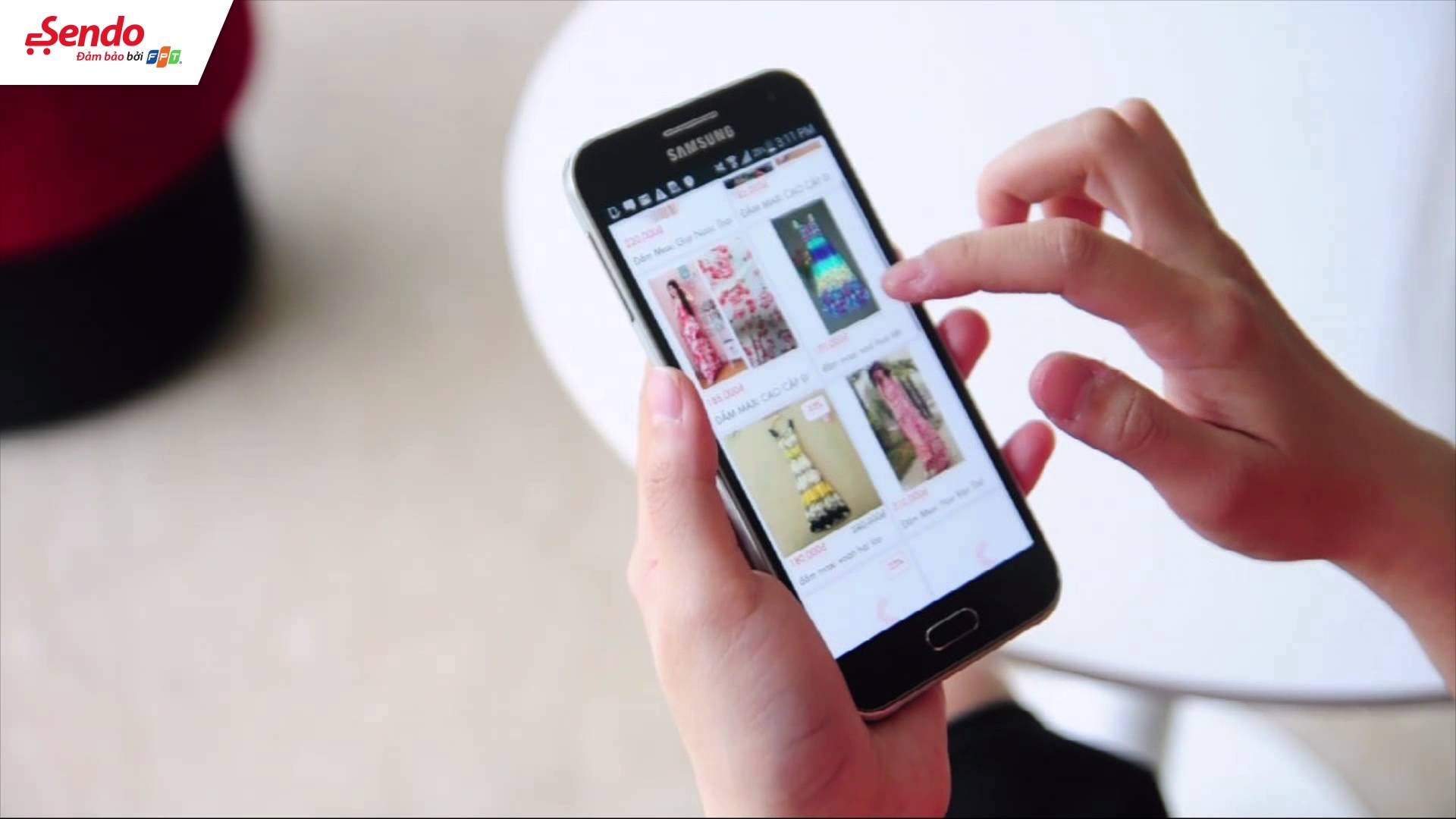
    Sendo, Vietnam’s second-most visited online market place, has secured $61 million in the latest Series C funding round.

    The investment will come from existing shareholders as well as new international investors including Indonesia’s EV Growth and Thai banking group Kasikornbank, Sendo said in a press release Wednesday.

    Existing investors including financial services company SBI Group, retailer BEENOS, private equity firm Daiwa PI Partners, and web services consultancy Digital Garage from Japan, as well as venture fund SoftBank Ventures Asia of South Korea, all of which had previously backed Sendo’s $51 million Series B round in 2018, returned for its Series C round.

    Hai Linh Tran, CEO and co-founder of Sendo, said that the funds will be used to expand the breadth of its existing integrated platform offering to both sellers and consumers, as well as to further deepen its technology moat.

    Founded in 2012 as a spin-off of Vietnam’s largest IT service company FPT Corporation, Sendo focuses on tier 2 cities largely untapped by other e-commerce firms, home to 70 million Vietnamese people.

    The company claims it caters to 500,000 sellers, with an estimated 17 million distinct items listed on its platform, as well as 12 million customers.

    In the third quarter of 2019, Sendo surpassed domestic rival Tiki to rank second among top 10 e-commerce sites in Vietnam with the highest monthly traffic numbers, according to Malaysia-based market research firm iPrice’s latest data released recently.

    Sendo’s web visits reached 30.9 million per month in Q3, up 10.1 percent against Q2, second after Singapore-based Shopee, which remained in top position with 34.5 million, down 10.6 percent from Q2.

  • Senreve raises funds for Asian expansion

    Senreve raises funds for Asian expansion

    Online fashion startup Senreve has raised US$16.75 million in Series A funding to expand into the fast-growing Asian market.

    The funds bring Senreve’s total capital raised to more than $23 million within three years.

    Led by Norwest Venture Partners, this latest round of funding will help co-founders Coral Chung and Wendy Wen take Senreve to reach a more global scale from its San Francisco base.“We focus on authentic brand storytelling, creating beautiful and luxurious products, and engaging with customer feedback and data,” said Senreve co-founder and CEO Coral Chung.

    “We’re thrilled to bring on an institutional partner like Norwest, and especially excited to partner with Sonya Brown who has a phenomenal track record of backing successful consumer brands,” said the firm’s COO Wendy Wen.

    “In a world where direct-to-consumer channels have become increasingly crowded, Senreve has been extremely savvy about how they introduce themselves digitally,” said Norwest general partner Sonya Brown. “Coral and Wendy’s ability to build a luxury brand practically overnight is a testament to their authentic understanding of the modern woman. In particular, Senreve resonates with the next generation of powerful women because they don’t want to compromise functionality to achieve luxury, and they shouldn’t have to. I am thrilled to partner with them for this next, exciting chapter.”

    The new funding is expected to significantly expand Senreve’s product offering, grow its geographic presence – particularly in its expanding Asian markets where it is looking to form strategic partnerships – and explore new brick-and-mortar retail opportunities.

    As a female-founded start-up, this latest round of funding is a milestone for the company as well as extremely rare in the startup landscape. According to PitchBook, female-founded start-up companies receive only 2.2 per cent of the total capital invested by US venture capital firms, despite owning 38 per cent of businesses in the country.

  • Alipay wants to help 10 million European businesses reach 2 billion consumers

    Alipay wants to help 10 million European businesses reach 2 billion consumers

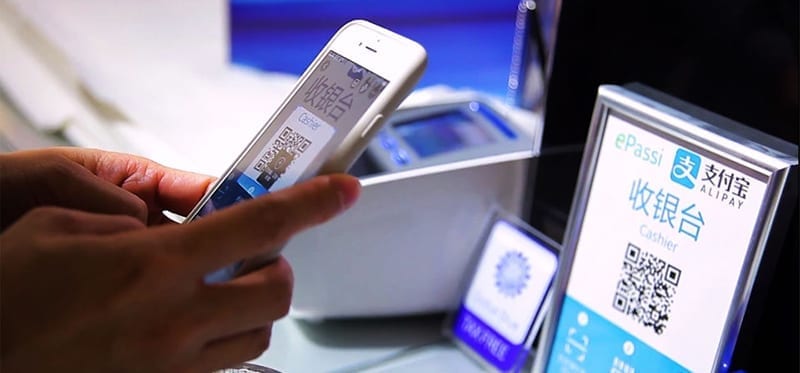
    Payment and lifestyle platform Alipay intends to support 10 million small and medium enterprises in Europe over the next five years with technology to empower them to reach more than 2 billion potential consumers traveling to the region from around the world.

    The strategy to support these merchants was unveiled during the Alipay Partners Global Summit in London. It includes an expanded collaboration with European acquirer Worldline, as well as a new initiative to serve airport shops around the world through in-app mini-programs.

    “Our aim is to improve the way in which individuals and businesses buy, sell and receive payments, and to do this, we need to draw upon the strength of our partnerships,” said Alipay operator Ant Financial’s chairman and CEO Eric Jing. “Our growth has only been possible due to the network of partners we have established, and working together, we will make it easier for anyone to do business anywhere.

    “Our innovative solutions will continue to help merchants in Europe better serve the growing numbers of tourists as well as e-commerce shoppers coming to the region from all over the world.”

    Alipay is China’s most popular digital payment service, according to market researcher Statista, with 87 percent of survey respondents in the country aged between 18 and 69 reporting they use Alipay for their digital financial needs. Alipay currently serves more than 1.2 billion users together with local e-wallet partners in South Korea, Thailand, Malaysia, the Philippines, Indonesia, India, Bangladesh, and Pakistan.

    In a report published this year, Nielsen found that more than 93 percent of Chinese tourists would be more willing to make purchases with their mobile phones and would even increase their spending if the option were available, while 60 percent of surveyed merchants who adopted Alipay reported growth in foot traffic and revenue.

    Currently, Alipay collaborates with more than 120 financial institutions in Europe and continues to add more and more partnerships with travel service agencies and other types of third-party service providers. This is intended to help merchants deliver enhanced experiences to their customers as they seize the growth opportunities in the global travel market.

  • Alibaba Group’s Hong Kong IPO confirmed

    Alibaba Group’s Hong Kong IPO confirmed

    Alibaba Group has launched its Hong Kong public offering of 500,000,000 new ordinary shares on the SEHK, raising up to US$13.4 billion.

    Alibaba plans to use the proceeds from the offering for the implementation of its strategies of driving user growth and engagement, empowering businesses to facilitate digital transformation, and continuing to innovate and invest for the long term.

    The listing in Hong Kong will allow more of the company’s users and stakeholders in the Alibaba digital economy across Asia to invest and participate in Alibaba’s growth. In addition to expanding the company’s overall investor base, the offering will tap into substantial new capital pools in Asia and create a nearly round-the-clock market for global investors to trade Alibaba shares.

    “Alibaba is guided by our mission to make it easy to do business anywhere with the vision to be a good company that lasts for 102 years,” said Alibaba Group chairman and CEO Daniel Zhang.

    “We aim to serve global consumers, of which more than 1 billion will be Chinese consumers, and facilitate more than RMB10 trillion of consumption on our platform within the next five years by continuing to pursue our three strategic pillars of globalisation, domestic consumption and big data powered by cloud computing. Hong Kong is one of the world’s most important financial centres and we are grateful for the opportunity to participate in the future of Hong Kong.”

    The total number of shares available under the Public Retail Offering could be adjusted up to a maximum of 50,000,000 new shares, representing 10 per cent of total shares initially available under the offering. In addition, the company expects to grant the underwriters an over-allotment option to purchase up to an additional 75,000,000 new shares.

    The offer price for the Public Retail Offering will be no more than HKD188 (US$24) per share, which will be traded in board lots of 100 shares each.

    The firm’s American depositary shares will continue to be listed and traded on the New York Stock Exchange.

  • Chinese consumers embraced voice ordering on Singles Day

    Chinese consumers embraced voice ordering on Singles Day

    More than 1 million orders were placed and processed through voice command via Alibaba’s Tmall Genie during its 11.11 Global Shopping Festival on Monday.

    The smart speaker was used to purchase items throughout the day – including 810,000 eggs, 1.4 million tons of rice and 76 tons of liquid detergent – showing that voice shopping has become an increasingly popular trend among Chinese consumers of all ages.

    According to Alibaba’s statistics, more than 40 percent of Tmall Genie users have tried voice shopping. The rise of voice shopping shows the growing popularity of smart speakers in China. Alibaba’s intelligent speech assistant, Tmall Genie, is ranked as the number one brand in terms of sales volume of smart speakers in the first three-quarters of China, according to Euromonitor International’s research conducted in October.

    “As the number one smart speaker in China, Tmall Genie has become an essential part of many families’ daily life,” said Alibaba A.I.Labs GM Miffy Chen. “As we continue to enhance the product features and increase the offering of infotainment services – from entertainment and news to children’s books, food delivery and elderly care – we hope the use of a virtual assistant will help people across age groups to embrace a digital life that is simple, fun, informed and connected.”

    Some 10.47 million Tmall Genie units were sold during the first nine months of this year, accounting for a 38-per-cent market share in China, where sales of smart speakers reached 27.56 million units in the same period, according to Euromonitor International.

    In particular, Tmall Genie recorded more than 3 million sales units in this year’s third financial quarter, making it the most popularly purchased smart speaker brand in China for three consecutive quarters.

    “Since the launch of the first smart speaker in China in July 2017, Alibaba has made Tmall Genie the top brand with the largest sales volume in China this year,” noted Euromonitor International in the research. “That is largely due to Tmall Genie’s product differentiation strategy and its expanding sales channels both online and offline,”.

    According to the research, Alibaba, Xiaomi and Baidu are the top three smart speaker brands in China, with a total market share of 93 percent in terms of sales volume in the first three quarters this year. 77 percent of smart speakers were purchased online during that period, dominated by Alibaba’s e-commerce platforms – Tmall and Taobao.

    The research also pointed out that as an important medium for human-machine interaction, smart speakers are expected to be equipped with a growing number of features tailored to consumers’ daily needs, including search and information queries. A smart speaker with a screen – which can offer both speech and visual interaction – is also believed to be a forthcoming trend among major brands, Euromonitor noted.

    Controlling smart home appliances through voice commands is still one of the most popular uses of smart speakers. Alibaba statistics show that currently, Tmall Genie has been connected to more than 235 million home appliances such as lights and air-conditioning from 900 brands in China.

    Alibaba believes that voice assistants are expected to play an increasingly important role in a wide spectrum of applications, including in-car infotainment experience, food delivery, beauty and makeup, childrens’ education and elderly nursing support.

  • Alibaba’s Taobao opens retail store in Malaysia

    Alibaba’s Taobao opens retail store in Malaysia

    Alibaba Group will launch a Taobao retail store at Mytown Shopping Centre in Kuala Lumpur.

    The new outlet is opening in partnership with Mytown and local retailer Lumahgo New Retail, and follows the brand’s first Southeast Asian store in Singapore’s Funan mall.

    The launch was preceded by a pop-up held over the weekend previewing products from local brands that will be traded in the store, including Redtick, BigboxAsia, Vivid Malaysia, DirectD Malaysia and Deep Furniture.

    “The opening of our latest Taobao store demonstrates our commitment to local shoppers and brands, as we further localize services and experiences for the Malaysian market,” said Tmall World Malaysia marketing manager Jess Lew. “We are excited to share a glimpse of this upcoming space as part of our 11.11 celebrations this year, emphasizing how we will integrate local brands and merchants with our New Retail vision.

    “Having a physical space means shoppers will be able to touch and feel a variety of products in person before making a purchase on the Taobao app simply by scanning a QR code, with the help of our staff at the store,” said Lumahgo New Retail CEO Fabian Kong.

  • Alibaba’s Singles Day sales up 26 per cent

    Alibaba’s Singles Day sales up 26 per cent

    Alibaba’s Singles Day retail promotion is over for another year – and predictably a new record was set.

    The Chinese internet behemoth says its gross merchandise volume (GMV) reached RMB268.4 billion (US$38.4 billion) when midnight fell, ending the 24-hour Shopatron which engages with hundreds of millions of Chinese online and on TV.  That figure is 26 per cent ahead of last year’s GMV.

    “Today we showed the world what the future of consumption looks like for brands and consumers,” said Fan Jiang, president of Taobao and Tmall, perhaps unaware of the real meaning of the word ‘consumption’, defined by Oxford dictionary as “the action of using up a resource”.

    “We are meeting the growing demand of Chinese consumers and helping them upgrade their lifestyles, while introducing new users to our digital economy from across China and around the world.”

    While Alibaba’s Singles Day turnover figures seem to shock commentators with their predictable annual increase, a large proportion of the total sales are lined up well in advance of November 11, especially big-ticket items like motor vehicles and – for the first time this year – apartments.

    More than 200,000 brands participated in this year’s event which was launched via a televised countdown variety show on Sunday night headlined by American singer Taylor Swift.

    Of those brands, 299 achieved sales in excess of RMB100 million (US$14.3 million) and 15 of them surpassed RMB1 billion (US$143.0 million). Curiously, Alibaba listed just 14 of them: Apple, Bose, Estee Lauder, Gap, H&M, L’Oreal, Levi’s, Muji, Nestle, Nike, Philips, The North Face, Under Armour and Uniqlo.

    It took 16 hours and 31 minutes this year to surpass last year’s total GMV of RMB213.5 billion.

    While Singles Day was launched by Alibaba in 2009, the retail frenzy has since extended across Asia’s retail industry with many independent online retail brands, platforms and marketplaces launching promotions to keep pace with Alibaba.

    In Singapore, for example, cashback platform ShopBack reported a 250-per-cent increase the number of unique users during the first hour of 11.11 compared with last year. Lazada, Shopee and Qoo10 were the most popular merchants, the Straits Times reported.

    Pascal Martin, partner at OC&C Strategy Consultants, notes three trends that supported the growth of Alibaba’s Singles Day this year: New Retail, globalization and diversification.

    “This year’s Singles Day included even more partners than last year, not only online but also offline. For example, Tmall ‘s3000+ convenience stores, Hema and RT Mart supermarkets, Suning and Auchan, all members of the Alibaba New Retail ‘family’ have been part of the event.”

    In terms of globalisation, he says Singles Day has expanded beyond China through Lazada, Alibaba’s Southeast Asia platform.

    “Also, there is increasing participation by international brands that are taking advantage of the Tmall Global platform – number one by far among Chinese cross-border platforms – to get introduced to Chinese consumers without having to build a direct presence in China. The choice of an international celebrity like Taylor Swift as an anchor for the 11.11 Singles Day show is testimony to Alibaba’s global ambition.”

    Diversification is highlighted by the expansion of the event beyond products to include a variety of services from food delivery on Ele.com, videos on Youku to mobile games on UC, theatre tickets on Taopiaopiao, music on Xiami music and travel on Feizhu.

  • E-commerce competition flares up as holiday shopping season begins

    E-commerce competition flares up as holiday shopping season begins

    Vietnam’s e-commerce platforms are going all out with promotions and other marketing campaigns to woo customers for the year-end shopping season. Immediately after Apple’s latest iPhone 11 was released in Vietnam on November 1 at midnight, CEO of Singapore-owned Lazada Vietnam James Dong was seen riding a bicycle delivering the first phones to promote his company’s two-hour delivery service.

    Lazada’s latest PR stunt, along with discounts on the newest iPhones, kicked off a series of promotions, many of which will begin deployment from November 11 as the company gears up for the year-end shopping season, generally a peak time for the retail sector.

    Vietnam’s e-commerce players have now latched onto promotional trends that have been ignited by major regional players like Chinese e-commerce giant Alibaba, which launched the first Singles’ Day shopping event on November 11, 2009, offering heavy discounts on its platform.

    In addition to Singles’ Day, Vietnam’s e-commerce sites have been offering heavy promotions on October 10 and December 12, both spin-offs, as well as Black Friday and Cyber Friday events that originated in the U.S.

    “The fourth quarter is always the most exciting time for the retail sector. There will be peak days when the whole market spills out to shop,” said Steven Tuan Nguyen, Senior Regional Manager for Southeast Asia of Paris-headquartered internet advertising company Criteo.

    Lazada has also followed up the night of discounts for the iPhone 11 with a strategy it calls “Shoppertainment”, hosting live game shows in which competitors guess prices, and inviting famous artists who give out nearly 10,000 discount codes worth a total VND300 million ($12,900).

    The retailer has also hosted promotional concerts in Ho Chi Minh City. Instead of hiring artists, Singapore-based Shopee has enlisted international football superstar Christiano Ronaldo. Ronaldo’s brand ambassador contract for Shopee in Southeast Asia was announced in mid-August.

    “Together with Cristiano Ronaldo, we look forward to making a positive and lasting impact on Shopee’s development in the region,” said CEO Chris Feng.

    Shoppers not only in Vietnam but also Malaysia, Singapore and Indonesia have seen CR7’s ads pop up everywhere through various online media channels. The player is also currently associated with Shopee’s November 11 “Super Sale, free nationwide shipping” campaign in Vietnam.

    Home-grown e-commerce platform Sendo, which saw a traffic surge last quarter, is also investing heavily in year-end promotions, prioritizing Black Friday (November 29). After diva My Tam, Sendo has just added actor Ninh Duong Lan Ngoc to its roster of celebrities.

    “This year, we’ve decided to invest a great deal in the Black Friday campaign, not just on the day but for the whole week. We will advertise on all channels, from mass media to social media, so that 90 percent of customers nationwide aged between 18 and 35 years will be reached by Sendo’s ads,” said Vo Dang Minh Tuan, Brand Communication and Social Media Manager of Sendo.

    Similarly, Vietnam’s Tiki announced it will also engage in year-end promotion peaks, having invested heavily in October 10 promotions.

    The company said it has primarily been focusing on promotions related to its two strengths: a two-hour express delivery service that applies to 70 percent of items in its shop; and sales of genuine branded items with a return policy.

    According to a recent report by Criteo, Black Friday last year saw online sales traffic in Vietnam spiking 64 percent, and online sales revenue 149 percent over the average day of the month.

    Traffic and sales revenue rose 23 and 64 percent respectively for Singles’ Day, and 34 and 97 percent for December 12, a trend that is expected to continue this year, the report said.

    “The year-end shopping season usually commences with October 10 sales. Singles Day remains the key shopping festival and post-Singles Day sales ride on the festivity’s traction,” said Steven Tuan Nguyen. “As we approach the year-end holidays, there is also a spike in online retail as part of the celebration. This sustained sales season presents retailers with more opportunities to engage their audiences.”

    However, they are also faced with a real challenge to differentiate themselves. This could be achieved with the power of data – by being able to identify top-selling categories amidst millions of products, predict shopping behavior and integrate online and offline shopping data, he added.

    Vietnam’s e-commerce market is estimated at $5 billion this year and is set to reach $23 billion in 2025, according to a recent report by Google, Singapore-based investment firm Temasek, and U.S.-based consultancy Bain.

  • Accor and Alibaba form strategic partnership

    Accor and Alibaba form strategic partnership

    International hospitality group Accor and e-commerce giant Alibaba have entered a strategic partnership to develop a series of digital applications and loyalty programs to improve the consumer and traveler experience over the next five years.

    The announcement was made at a ceremony in Beijing during this year’s China International

    Import Expo. Accor was among the delegation of French companies accompanying President Emmanuel Macron on a state visit to China.

    The strategic collaboration will leverage Alibaba’s nearly 700 million consumers across its China retail marketplaces to enable more Chinese travelers to access Accor’s consumer offerings. It will allow for seamless integration of Accor’s customer journeys within Alibaba’s ecosystem. Alibaba’s travel arm Fliggy will allow consumers to book hotels, access catering services, book entertainment and take advantage of other lifestyle services. Payments can be made using Alipay, a digital payment service operated by Alibaba affiliate Ant Financial.

    Accor will also offer Chinese consumers a hassle-free hotel experience through its “Haoke” program – geared towards Chinese travelers. Haoke, which means “Welcome” in Chinese, is a certification program that ensures Accor’s hotels are ready to welcome Chinese guests by incorporating Chinese-language, Chinese dishes on menus, Chinese-speaking staff, and other services and payment systems that meet the needs of Chinese travelers.

    The collaboration between Accor and Alibaba will be instrumental to the roll-out of Accor’s soon-to-be-launched lifestyle loyalty program, ALL – Accor Live Limitless. Alibaba will make the program’s services and benefits available to its massive consumer base, using its ecosystem, consumer insights and digital marketing capabilities, accelerating the roll-out of ALL in China and around the world.

    “We are excited to enter into this strategic global partnership with Alibaba, a leading global technology company in the world,” said Accor’s chairman & CEO Sebastien Bazin. “China’s importance to the world’s tourism industry and this key collaboration with Alibaba will symbolically strengthen economic ties between China and France, while giving Chinese travelers access to exciting events and benefits through ALL – Accor Live Limitless.”

    “Over the past 20 years, Alibaba has formed two flywheels with one focused on consumers and the other on enterprises, said Alibaba Group executive chairman and CEO Daniel Zhang. “Our consumer-facing business facilitates and stimulates consumption, of which travel consumption is an important segment. Through the Alibaba business operating system, we enable tourism industry partners such as Accor to fully digitize their business operations, from sales to marketing, brand building to member management and service Innovations.”

  • Alibaba’s Singles Day next week will be ‘grander than ever’ predicts analyst

    Alibaba’s Singles Day next week will be ‘grander than ever’ predicts analyst

    While eye-popping sales numbers have become routine for Alibaba’s Singles Day on 11.11, Forrester senior analyst Xiaofeng Wang expects this year’s event will be “grander than ever in terms of scale and reach innovations, and social responsibility”.

    Singles’ Day, the world’s largest online shopping event, will be held on Monday, but a huge share of sales are set up in advance. Here are four points to watch out for on Alibaba’s Singles Day this year, according to Wang:

    Bigger discounts will come with more complex promotion schemes. 

    Major players such as Alibaba, JD and Shopee rolled out preorder campaigns with varying start dates, and their promotion schemes have become increasingly complex. Consumers fall into a dilemma between deals that are too good to resist and schemes that are too many and too complex to follow.

    Alibaba will continue to push the boundaries of what to buy online. 

    Last year, Alibaba expanded its 11.11 product portfolio to new industries like automobiles and hotels. This year, it is expanding into new areas such as entertainment to offline services to real estate. Consumers in China can buy tickets to Disney Parks, car-care services, home decoration, and renovation services online. What’s more, Alibaba plans to sell 10,000 apartments on its auction platform.

    Live-streaming commerce will be the key driver of revenue growth.

    Live-streaming commerce is increasingly gaining momentum in China and quickly expanding to Southeast Asia and beyond. Lazada, Shopee, and Rakuten all launched live-streaming features. Beauty brand Whoo already created a jaw-dropping record of achieving 100 million yuan Gross Merchandise Volume in six minutes of live streaming during the preorder campaign period. Fifty-five cars were sold in just one second in another live-streaming session of Chinese automobile brand JMC. We expect to see more record-breaking live streaming sales like this emerge on 11.11 this year.

    Leading retailers and brands will differentiate with their social responsibility.

    Alibaba announced the plan of “a greener 11.11.” It is committing to set up 40,000 recycling stations across China through its Cainiao Smart Logistics Network, along with an additional 35,000 by its express-courier partners. It also encourages consumers to participate by rewarding them with “green energy” points on Ant Forest. Not exactly for Singles Day, Singapore-based online retailer Carousell recently launched a “reboxing” campaign with a similar idea of reducing waste. We expect to see more retailers and brands participate and initiate social responsibility campaigns like this.”