Tag: ecommerce

  • Alibaba may buy Kaola from Netease

    Alibaba may buy Kaola from Netease

    Alibaba and Chinese tech firm Netease are in talks on the internet giant’s potential acquisition of its cross-border e-commerce platform Kaola, which would be merged with Tmall.

    According to sources from the mainland, Alibaba may offer as much as US$2 billion for the business.

    “The deal would represent a step toward market consolidation in China’s e-commerce sector,” wrote Tech Node’s Emma Lee. “A merger between the country’s top cross-border players would create a single market behemoth.”

    She said Alibaba could also use the deal to fend off rival Pinduoduo, which has also taken an interest in Kaola to expand its cross-border presence.

    Tmall was responsible for 32.3 per cent of China’s entire cross-border e-commerce takings in the first quarter, with Netease Kaola in second place with 24.8 per cent of the business.

    Alibaba rival Pinduoduo has also expressed interest in the Kaola business.

    “Netease has always been open-minded in seeking business development opportunities and strategic business partners to bring more vitality to Netease’s cross-border e-commerce and other business units,” said Netease CFO Yang Zhaoxuan.

  • Alibaba adds 20 million users but sales down

    Alibaba adds 20 million users but sales down

    Alibaba Group boosted second-quarter revenues by 42 per cent, as the number of active users on its e-commerce sites grew by 20 million.

    “Alibaba had a great quarter, expanding our user base to 674 million annual active consumers, demonstrating our superior user experience,” said Daniel Zhang, CEO.

    “We will continue to expand our customer base, increase operating efficiency and deliver robust growth. With strong cash flow from our core commerce business, we will continue to invest in technology and bring digital transformation to millions of businesses globally,” he said.

    CFO Maggie Wu said the company was pleased to see sustained user engagement and consumer spending across its platforms. “We continue to invest for long-term growth while at the same time gaining cost efficiencies in our investment areas,” she said.

    The group reported net income attributable to shareholders of RMB21.252 billion (US$3.096 billion), on total revenue of RMB114.924 billion (US$16.741 billion). The annual active consumers on the group’s Mainland China retail marketplaces reached 674 million in the year to June 30.

    The company said its Taobao marketplace was the fast-growing consumer community, adding users and strengthening engagement in less-developed areas of the mainland. “The increase in annual active consumers reflects strong user acquisition programs, such as referrals through the Alipay app and another record-breaking 6.18 Mid-Year Shopping Festival, which deepened our penetration into less-developed areas,” the company said.

    “During the quarter, more than 70 per cent of the increase in annual active consumers was from less-developed areas, demonstrating the success of our initiatives to cater to a broader base of users, such as using simpler interfaces for first-time or less-frequent users.”

    Sales on grew at 34 per cent year on year, driven by increases in the number of users and their average spend, reflecting strength in fast-moving consumer goods, apparel, consumer electronics and home furnishings.

    Alibaba’s self-owned-and-operated grocery-retail chain Freshippo (Hema) continued to achieve robust same-store sales growth, expand its footprint, optimising its stores and introducing new initiatives to improve the customer experience, the company said. As at June 30, there were 150 self-operated Freshippo stores in 17 mainland cities.

    The group’s international business also showed growth, especially in Southeast Asia where Lazada showed “solid operational improvement” after strengthening its third-party marketplace business, management team and technology infrastructure. For the third consecutive quarter, Lazada achieved more than 100-per-cent year-on-year order growth.

  • Shopee signs Cristiano Ronaldo

    Shopee signs Cristiano Ronaldo

    Southeast Asian/Taiwanese e-commerce platform Shopee has appointed global football icon Cristiano Ronaldo as its newest brand ambassador.

    Ronaldo will work with Shopee on a wide range of initiatives to engage and inspire customers in the region, starting with Shopee’s annual shopping event, 9.9 Super Shopping Day.

    “Cristiano Ronaldo is one of the greatest athletes of our time,” said Shopee CEO Chris Feng. “He is an inspiration to many, and his dedication to football matches the deep commitment we have towards our users. Together with Cristiano Ronaldo, we look forward to creating a lasting positive impact on our region.”

    “I am proud to be Shopee’s brand ambassador as we share the same ambition to be the best in our fields,” said Ronaldo. “I am always improving my game for my fans and my team, just as Shopee innovates to benefit their users in this region. I am excited by this partnership, and I look forward to creating more special moments for my fans together with Shopee.”

    Cristiano Ronaldo stars in Shopee’s newest 9.9 TVC, which will air in all seven Shopee markets in the region.

  • JD exceeds Show Fantastic Growth Numbers

    JD exceeds Show Fantastic Growth Numbers

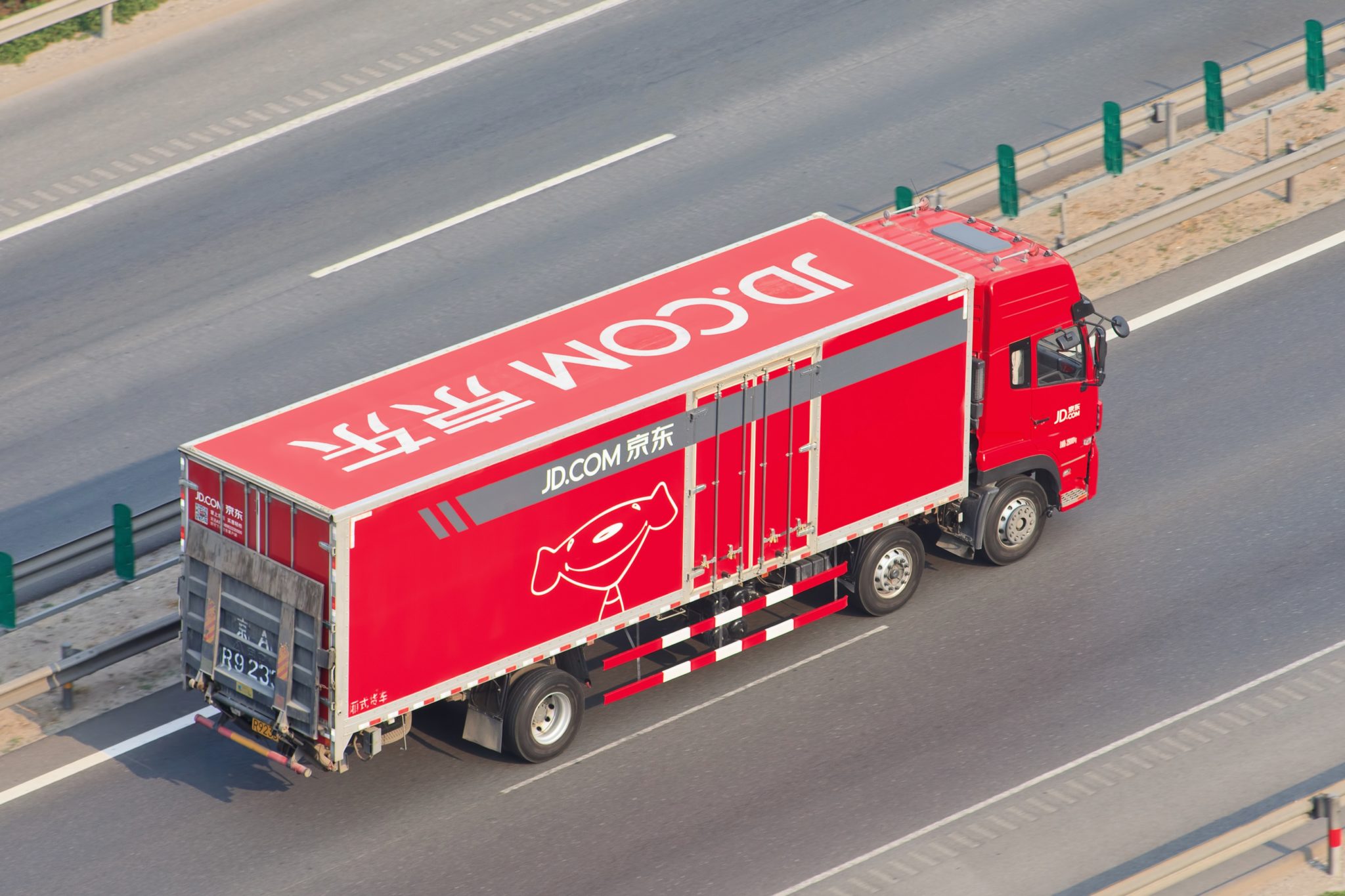
    Chinese e-commerce giant JD exceeded revenue expectations in the June quarter, net sales up by 23 per cent to 50.28 billion yuan (US$21.28 billion).

    The company has cited forays into the convenience-store sector and supermarkets, as well as the harnessing of artificial intelligence in its advertising and logistics operations for the improved result, as it tries to be less reliant on its core online retail platform for growth.

    Net income for JD reached 618.8 million yuan ($90.1 million), a significant turnaround from the 212.4 million yuan net loss of the same period last year.

    Significantly, the company’s logistics business broke even during the quarter.

    Discussing the results during an analyst briefing, a senior executive said the company was now turning its attention to lower tier Mainland China cities for growth, hoping to broaden its customer base. That strategy has been working for JD’s archrival Alibaba to date.

    Other plans afoot include developing more private-label products and improving its WeChat interface to increase customer engagement there.

  • DBS Inks India Startup Partnership

    DBS Inks India Startup Partnership

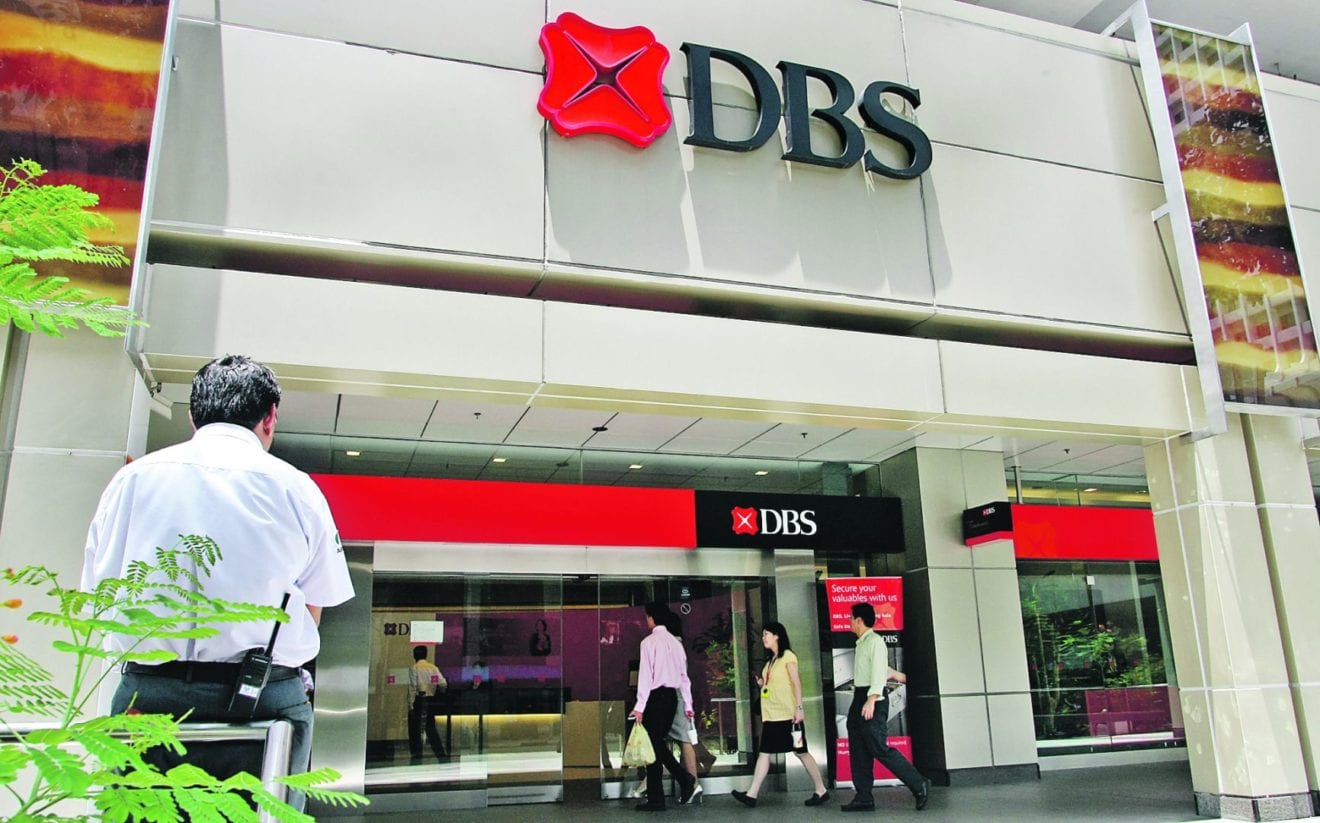
    DBS has established a partnership with tech business incubator Social Alpha to mentor enterprises that focus on socially impactful deliverables such as inclusion, healthcare or environmental solutions.

    As part of the partnership, DBS will mentor and support three firms focused on the aforementioned areas over the next 18 months in addition to an annual grant of one crore rupee ($141,000).

    The three firms include women-focused e-commerce firm Even Cargo; mental healthcare startup Trust Circle, which leverages mobile AI tech for emotional resilience; and affordable medical device startup Incredible Devices.

    We have been working with social enterprises for several years. But our experience showed that some of these entrepreneurs could not scale their businesses or remained somewhat sub-optimal in their ability to grow, said Surojit Shome, CEO of DBS Bank India.

    So, we want to encourage social entrepreneurs who are sustainable by generating enough returns to build scale, and we decided to look for a partnership with somebody who was working with scaled or scaleable social entrepreneurs.

  • Reebonz starts selling on Ebay

    Reebonz starts selling on Ebay

    Online luxury marketplace and Asia-Pacific platform Reebonz has launched a store on Ebay.

    The new store stocks more than 5000 new and pre-owned products, including bags, shoes, accessories, and apparel. Customers from the US, Canada, Mexico, the UK, Australia, and the European Union can purchase products and receive free shipping from the store.

    The firm has built back-end infrastructure to localise services in each country it operates to make it easy for customers to shop. The listings are localised for currency and language in their respective countries.

    To date, Reebonz has sold products from brands such as Burberry, Fendi, and Prada through its Ebay store, amongst others, and the highest-valued item sold is a pre-owned Hermes handbag worth more than US$15,000.

    “While we continue to focus primarily on Asia, it is very encouraging to be able to partner with Ebay to provide a unique collection of products to their users, and expand our customer base globally,” said Reebonz co-founder and chief marketing officer Benjamin Han.

    “They are focused on providing authentic luxury products, which complements well with our core business. Expansion into regions such as North America and other non-Asian regions will allow us to better understand user buying preferences in other parts of the world, which will allow us to create a robust database of trends globally. Insights from this data will help in many ways, including driving our pricing and margin optimisation strategy, merchandising, and others.”

  • E-Mart posts first-ever loss ; restructuring lures

    E-Mart posts first-ever loss ; restructuring lures

    Korean discount chain operator E-Mart has posted its first-ever net loss, amid growing competition from online shopping rivals and e-commerce giants.

    The company’s quarterly results showed a net loss of KRW26.6 billion (US$24.7 million) between April and June, its first negative result since it was spun off from Shinsegae Group in 2011. The loss stands in comparison to a net profit of KRW94.8 billion ($77.7 million) during the same period last year.

    The company says it plans to raise 1 trillion won (US$820 million) by selling assets and will buy back stocks worth some 100 billion won to boost shareholder value.

    E-Mart says it expects its losses will to continue into the next financial period.

    “Online archrivals, such as Coupang Inc and other major e-commerce operators are forecast to expand their food category later in the year,” said Hana Financial Investment expert Park Jong-dae, “which could further weigh down E-Mart.”

  • E-Commerce to Be More And More About Community.

    E-Commerce to Be More And More About Community.

    People tend to be very loyal to their favourite brands and this is a luxury online few brands can afford thanks to their greate client services and details that make their customers feel unique. Nowadays, reaching customers and addressing tailored messages can be even easier thanks to the social media and, as an e-commerce business owner, you will need to customize your communication as much as possible to create a community around your brand.

    Before doing so, however, you will first need a store and a brand to build around. The good news is that this is now far easier than ever.

    Creating an e-shop never been that easy

    In the past, building a website was a highly technical affair as knowledge and experience in computer coding was necessary. This meant that owning a website was out of reach for many people that had neither the skills to build one, or the budget to pay costly website builders.

    This has all changed, however, with online store builders such as Shopify.  These solutions are designed to make it as easy as possible for anybody to use. You can choose from a variety of themes to get you started, while they also have drag and drop features that allow you to place what you want, where you want it, with ease.

    It’s not just that you can now build an e-commerce site easily, but platforms also come with an array of useful features that help you to get the most from your online store.

    Here’s a look at some of the features that will help to make your site a success.

    • Affordable Pricing: A basic Shopify package will cost you just $29USD/month. This package will have all that first-time store owners need, while more advanced packages are available for owners of stores that are busy and need more advanced features.
    • Customer Profiles: E-commerce builders can be integrated with apps that allow you to track your customers’ shopping habits. This will provide valuable information that enables you to offer the right products at the right times, generating brand allegiance and additional revenue.
    • Social Media Integration: With so many people using social media apps like Facebook, it makes sense to integrate your store with these platforms to tend to what we call social commerce. This will give you access to a greater market, as well as additional features that can help improve customer satisfaction and your bottom line.
    • Dropshipping: Buying stock is one of the most expensive and riskiest aspects of starting a business, but e-commerce site builders help to do away with that risk. E-commerce dropshipping apps mean that products are shipped directly from the supplier, meaning you don’t have to pay a penny for the products before you make a sale. It also overcomes headaches involving storage and other logistical issues.

    With such an easy to use and intuitive system, it is easy for people even without technical skills to build an e-commerce store that competes with the best in terms of appearance and functionality.

    Turn your customers into ambassadors

    The next task is to attract customers and build up your brand, and there is no better way to do this than to build a community surrounding it. Word of mouth is the best tool to sell your products and your ability to build a positive feeling about your brand and your products will be an asset to take over your competitors. Question is, how to develop a community?

    Content Marketing

    Content marketing is a method of growing your brand and generating further revenue without actually pitching for sales, mainly by creating high value pieces of content to build your audience and community, which can be achieved by releasing surveys and articles that will tackle all the questions your prospects have about your products.

    It can be incredibly effective when done right, helping to generate loyal brand devotees rather than one-time customers. One of the best examples of this is GoPro. The brand uses the videos filmed by their own users to build its community, by uploading them on its own platform. While there are many ways to use content marketing to build a community, help your customers and creating a positive image are two important strategies to set-up.

    Key Opinion Leaders

    When people in a position of trust, respect, or authority say something, others tend to list. Imagine having Beyoncé say that she bought an accessory from your fashion e-commerce store. The only problem you will have there is being able to keep up with the orders that flood in.

    This might be an unlikely example, but if you can, you should do what you can to get your products mentioned and establishing partnerships through influencer agencies or directly by outreaching them on Instagram is an essential part of a proper marketing campaign.

    Create Events

    E-commerce sites may do their business in the virtual world, but that does not mean to say they should not be noticed in the real world as well.

    One great way to get yourself noticed away from the world-wide-web is to create events for others to get involved in. Here, you can have people interact with your products as well as with you and any team members you may have. If you can’t create events yourself, then look for other events that your business may be able to take part in and contribute to.

    Story Telling

    Story telling is a fantastic opportunity to help your potential customers really relate with your brand. The right story can push the right buttons and even help your audience form an emotional attachment to your brand. When creating your story, you should make sure that you understand your audience well and know what makes them tick. Appeal to their desires, their needs, and their problems and demonstrate how your products are just what they need. Even if it does not make a sale immediately, the right story could still have you well on your way to acquiring loyal followers of your brand.

    Building an e-commerce store is the easy part, the harder part is attracting customers and keeping them. Building a community around your brand is one way to achieve this.

  • Amazon country manager Rocco Braeuniger leaving the office

    Amazon country manager Rocco Braeuniger leaving the office

    Amazon Australia’s country manager Rocco Braeuniger is leaving after just two years in the job to take a “senior international role within Amazon”, a spokesperson for the e-commerce company said.

    Braeuniger arrived in Australia in 2017 to oversee the launch of Amazon’s marketplace and retail offering Down Under.

    Since flipping the switch in December 2017, Amazon’s offering has grown to include more than 125 million products across 29 categories, as well as key services such as Fulfilment by Amazon and Prime. The company recently brought its startup incubator program, Launchpad, to Australia.

    In April, Amazon Australia reported $106.26 million in revenue from retail sales in 2018, and an additional $4.32 million in revenue from subscriptions services, that is, Prime.

    But Braueniger disputed the comments and reiterated to the AFR Amazon’s previous statement that its launch in Australia was its most successful launch to date.

    Braeuniger will be replaced by Matt Furlong, from October 1, 2019, who has held a range of roles at Amazon in North America over the past seven years.

    Furlong’s current title, according to LinkedIn, is director and technical adviser of Amazon North America. Previously, he was director and general manager of the home improvement, tools, major appliances and smart home category, and before that, category leader of musical instruments.

    “In his new role, Matt will bring invaluable experience from his time in US retail leadership roles and we look forward to him continuing to lead the team in bringing great selection, every day brilliant value, convenience and fast delivery to customers across Australia,” the Amazon spokesperson said.

  • Amazon targets SMEs with Launchpad

    Amazon targets SMEs with Launchpad

    Amazon has brought its small business-focused Launchpad initiative to Australia.

    Launching on Tuesday, the program aims to help startups and entrepreneurs sell in a wider market. Over 150 local and international brands are already on board.

    As part of the program, brands will be featured on customized product pages, receive marketing support and gain access to Amazon’s fulfillment services including unlimited deliveries through Amazon Prime.

    “Australian investors and entrepreneurs are responsible for some of the most innovative consumer products in the world, from the electric drill right through to Vegemite,” Amazon Australia country manager Rocco Braeuniger said.

    “We know that product creation is only one part of the equation in launching a product and that marketing, logistics and finding an audience can be just as challenging.

    “With Amazon Launchpad, we have a program that will help ease some of these challenges for startups and entrepreneurs alike, allowing them to focus on growing their business and freeing up time for future innovation.”

    Sugar-free drink business Nexba, Beach House Group’s skincare brand Marlowe and sunglasses retailer Soda Shades are some of the local brands participating in the program at launch.

    According to Josh Miller, co-founder of Soda Shades, being featured in the program allows the brand to reach a wider audience.

    The program was initially launched in the US in 2015 and has resulted in thousands of products being launched across several categories. It is now available in eight countries: the US, the UK, Germany, France, Italy, Spain, India and Australia.

  • Online fashion retailer Boohoo ready to buy Karen Millen and Coast

    Online fashion retailer Boohoo ready to buy Karen Millen and Coast

    Fast-growing pure-play online fashion retailer Boohoo is preparing to acquire the Karen Millan and Coast brands.

    According to sources quoted by Sky News, Karen Millen will be placed in administration as early as today, UK time, in what is termed a “pre-pack administration” where the new buyer acquires the assets relatively unencumbered.

    The deal – assuming it proceeds – is remarkable in that it reflects the power of new-generation online retailers being in a place to pounce on struggling brands like Karen Millen, itself an icon of the high-street fashion scene.

    Boohoo Group, listed on AIM, a subsidiary of the London Stock Exchange, owns a controlling share in PrettyLittleThing. Last month, thanks to an association with reality TV series Love Island and high-profile celebrity endorsements, Boohoo overtook Asos as the most valuable online fashion retailer in the UK, its valuation touching £2.35 billion. Its share price has surged 29 percent this calendar year.

    According to Sky News’ sources, Karen Millen is about to appoint Deloitte as administrator of the business, preparing the way for Boohoo to proceed with the purchase.

    The two fashion labels have been on the market for six weeks during which management attempted to secure a sale of the business while it remained solvent. Karen Millen bought Coast out of administration last October. Karen Millen and Coast were both previously owned by Icelandic bank Kaupthing.

  • Samuel Hubbard launched E-commerce platform in Australia

    Samuel Hubbard launched E-commerce platform in Australia

    US footwear brand Samuel Hubbard will launch online in Australia and New Zealand next month through an exclusive partnership with Gold Coast-based orthotic shoe distributor Global Footcare.

    The 10-style range will be featured on the Global Footcare website, in an effort to test the online market for more premium orthotic footwear options.

    According to Global Footcare managing director Jeff Coombridge, adding US brands to the mix was a natural fit.

    “We pride ourselves on our carefully selected products that are not only supported by the medical industry but also stylish for the consumer and the Samuel Hubbard brand aligns closely with those values,” Coombridge said.

    “The Samuel Hubbard brand was developed by the founders of the hugely successful Rockport Shoe Company and with an 85-year history of shoe craftsmanship, they deliver a premium product with extreme comfort that has seen great success in the US, strongly represented with premium shoe retailers.”

    The partnership is not Global Footcare’s only international deal, also supplying Vionic Shoes and Os1st brand to Australia, as well as manufacturing its own Revere Shoes.

    Global Footcare re-branded from Vasyli Medical Orthotics in 2008 in an effort to expand beyond wholesale and into the consumer market.

    “Whilst adding large brands such as Vionic to the portfolio and developing our signature brand, Revere, we moved into mainstream retail, sports shops, e-commerce, and TV shopping and over the last 12 years have continuously sustained double-digit growth in revenue,” Coombridge said.

    “We are proud to provide end to end solutions for the people that matter most – our customers.”

  • Honestbee seeks court protection in order to survive

    Honestbee seeks court protection in order to survive

    Sinking in debts of around US$180 million, Singapore grocery retailer Honestbee is seeking court protection from creditors to allow it to restructure.

    The company has applied to the High Court to commence a process which reportedly would give it six months protection from creditors lodging winding up procedures or other legal attempts to recover what they are owed.

    News of the move surfaced late Friday at the same time the company confirmed it was laying off 38 staff in Singapore.

    “As a result of our reduced operations globally, the company has made a decision to rightsize the company in order to cut costs and streamline its business,” a spokesman said in a  statement to the Straits Times.

    “The move is necessary to ensure that the company has the right structure in place for long-term stability and success.”

    Friday’s news came one week after the company announced the appointment of a new CEO, Ong Lay Ann, who has actually been in the role since July 15, atkin over from interim CEO and investor Brian Koo, who remains chairman. That followed the resignation of CTO and co-founder Jonathan Low four days earlier.

    Koo is also a founding partner in Formation Group, one of Honestbee’s largest creditors. Koo is part of the family which owns South Korean industrial giant LG. Parties associated with the Koo family are said to be owed as much as $50 million by Honestbee.

    In a statement, Honestbee said a court-supervised restructuring would allow management to focus on re-evaluating the business free from interference, to streamline operations, improve efficiencies and reduce overheads.

    “As part of the restructuring process, Honestbee will work closely with their advisers, creditors and stakeholders to achieve the best possible outcome for all interested parties,” the company said.

  • Amazon in talks over Reliance Retail

    Amazon in talks over Reliance Retail

    Amazon is in talks with Reliance Industries Ltd’s retail unit to buy a stake in India’s biggest brick-and-mortar retailer, two sources with knowledge of the talks told Reuters.

    Amazon’s massive online presence could help bolster Reliance’s consumer and private labels business. More importantly, a partnership would help the duo counter Walmart, which last year invested US$16 billion in India’s Flipkart, in the battle for a bigger share of India’s fast-growing e-commerce market.

    In late December, India modified rules around foreign direct investment (FDI) in e-commerce, creating additional hurdles for companies such as Amazon and Flipkart, and giving companies such as Reliance an edge.

    Amazon had made the proposal to Reliance – controlled by Mukesh Ambani, India’s richest man – for the partnership, but it was not clear whether a deal would materialize, said one of the sources.

    The second source said Amazon had been pondering a proposal to purchase an up to 26 percent stake in the Reliance unit since at least February.

    “For Amazon, it is about neutralizing a major rival and allowing itself to grow,” said the second source, who added the company envisions helping Reliance’s roughly 40 brands and grocery products go online.

    Further details of the possible deal, first reported by India’s Economic Times newspaper last week, were not immediately clear.

    Amazon did not immediately respond to request for comment while Reliance said it would make any disclosures to stock exchanges as and when necessary.

    Reliance could potentially leverage Amazon’s global experience in technology, supply chain and logistics as it aims to connect grocery stores across the country digitally through its Jio telecoms network – the biggest in India by subscribers.

    For Amazon, picking up a stake in a Reliance unit could mean getting access to the Jio telecoms platform and its vast retail footprint of more than 10,600 stores across India. It might also add more firepower to their lobbying efforts, as the Ambani family is viewed as being well-connected politically.

    Seattle-based Amazon is keen to get a bigger share of India’s e-commerce market, which Deloitte expects to more than treble to $84 billion between 2017 and 2021.

    Reliance was previously in talks with China’s Alibaba to sell a stake in Reliance Retail, but a deal could not be sealed due to differences in valuation, according to a person familiar with the matter.

  • Superdry India to launch E-commerce initiative

    Superdry India to launch E-commerce initiative

    A dedicated Superdry India website is set to launch later this month.

    The British fashion retailer already trades in the territory online via Myntra, Ajio and Amazon via a deal with Reliance Brands. The new direct-to-consumer platform, launching mid-August, serves as the next step in the firm’s expansion plans.

    Superdry India, which has recently achieved double-digit growth, expects to generate 7 to 10 per cent of its revenues through the new site within the next year as it also moves to expand its physical footprint within the country.