Tag: ecommerce

  • Suning.com ranked China’s most-valuable retail brand

    Suning.com ranked China’s most-valuable retail brand

    Suning Holdings’ retail subsidiary Suning.com has been ranked China’s most valuable retail brand, finishing 13th on World Brand Lab’s 16th “China’s 500 Most Valuable Brands” list.

    This was the second consecutive year Suning finished in 13th place with its brand value totaling RMB269.198 billion (US$39.093 billion), an increase of 17 percent compared to last year. Its listed brand value has increased by a factor of six since 2009.

    In the past year, Suning.com announced operational revenue of RMB244.96 billion ($36.479 billion), up 30.35 percent year on year; and a sales volume of RMB336 billion ($50.16 billion), an increase of 38.39 percent.

    By the end of March this year, the company owned 12,329 offline brick-and-mortar stores in Mainland China, Hong Kong, Macao and Japan, covering diversified consumption scenarios that include Suning Retail Cloud Franchise Stores, SuFresh (fresh food supermarkets), Suning Xiaodian (providing neighbourhood products and services) and Redbaby (maternal and child supplies stores).

    Last February, the company announced the acquisition of 37 Wanda department stores nationwide and in June, it acquired 80 percent of Carrefour China to improve its full-scenarios ecosystem and expand its all-categories merchandise retailing by reinforcing its market competitiveness in fast-moving consumer goods operations.

  • Fave Wants to Be Merchant Super App

    Fave Wants to Be Merchant Super App

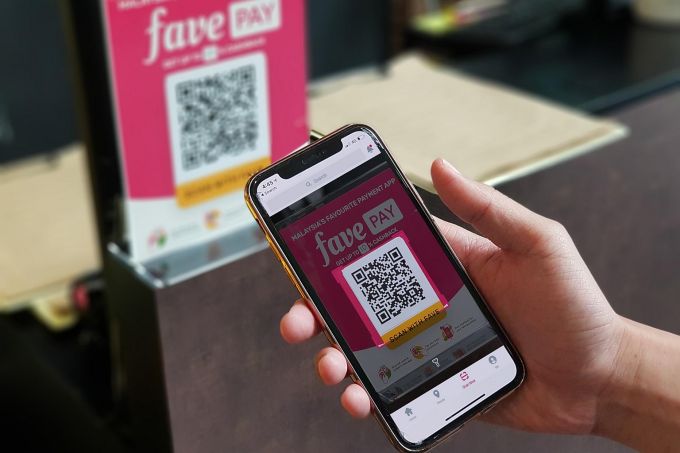
    Singapore-based Fave is onboarding merchants quickly to distinguish itself, as competition in the mobile rewards and mobile wallet space heats up.

    Fave has recently moved into the fringes of financial services, with a pilot project to help small and medium enterprises (SMEs) obtain micro-loans from financial institutions. The move appears to follow similar moves by lifestyle apps such as Grab, that offer micro-loans to consumers in other parts of Southeast Asia.

    There are all these consumer super-apps, but then, actually we are like a merchant super-app platform,» said Fave’s chief executive Joel Neoh.

    Fave distributes coupons for the merchants while rewarding customers with cashback. After its launch in 2017, Fave acquired the Singapore, Malaysia and Indonesia units of Groupon. Neoh was the founder of Fave Malaysia (originally GroupsMore) and previously led Groupon’s Asia-Pacific business.

    So far, the platform has more 25,000 merchants on its platform in Singapore, Malaysia and Indonesia, where the company had acquired the units of Groupon. In September 2018, Fave raised $20 million in Series B funds from existing investors Sequoia Capital India, SIG Asia Investments and venture capital firm Venturra Capital, which is backed by Indonesia’s Lippo Group.

  • The Battle is on for fastest shipping worth fighting?

    The Battle is on for fastest shipping worth fighting?

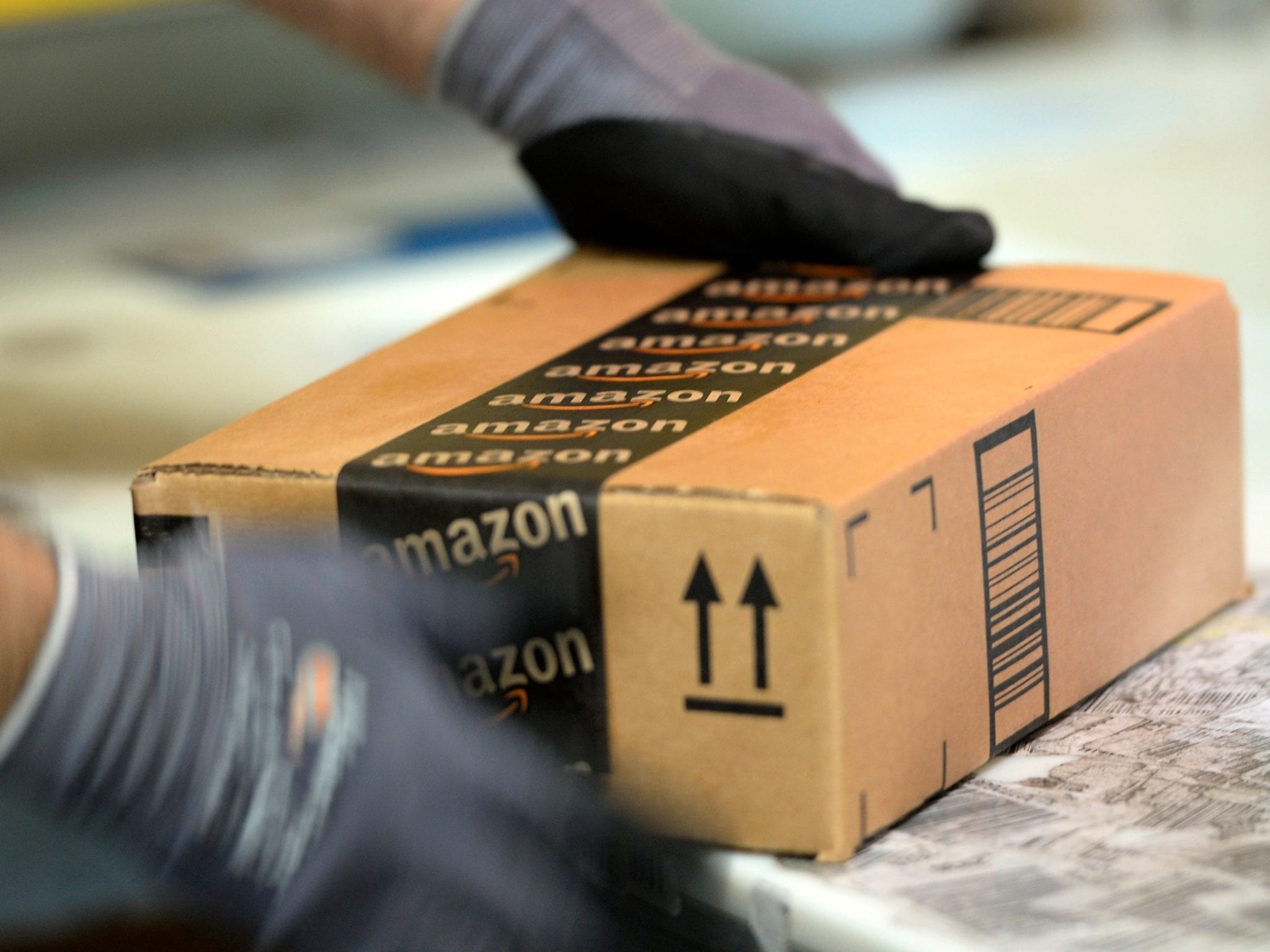
    Consultancy firm AlixPartners has challenged whether the battle to deliver the fastest shipping is worth fighting, following Amazon’s move to free one-day shipping for Prime members from the two-day norm.

    The firm’s Home Delivery Shopping Survey this year found that US customers are willing to wait up to 4.3 days to receive an item if they get it shipped for free.

    AlixPartner’s research notes that while faster shipping translates to a higher perceived value for the customer, sustainability and social responsibility are also important to consumers. The implications of transportation and other shipping logistics on carbon emissions are substantial – some estimates say home deliveries add millions of metric tons of carbon to the atmosphere every year. There are also safety concerns for warehouse workers. Labour unions have questioned whether Amazon’s fulfillment centers can safely accommodate faster deliveries given that they manage 200–300 orders per hour over 12-hour shifts with two-day shipping.

    Then there is the tremendous burden of added expenses. Amazon has spent more than 20 years and an estimated US$150 billion globally to build out its capabilities. It is improbable many other retailers would be able to invest at the same level.

    Competitors have scrambled to follow Amazon’s lead. Most notable was Walmart, which announced that its own next-day shipping program – to be test launched in a handful of cities – would not even require an annual membership fee. Target also appears poised to become similarly competitive in its shipping offerings.

    “Instead of blindly matching Amazon, you may be better placed ascertaining what your customers actually want and expect from you around service and experience and creating strategies to deliver on those expectations,” read an editorial released by the firm.

    “Retailers must mine data insights to understand what’s being purchased in each specific store location as well as what customers expect from shipping options.”

    In-store pickup

    The survey found that more than 60 percent of US shoppers have taken advantage of an in-store pickup program, and one in two are expecting to use such options more often.

    Consumers were shown to sometimes prefer to receive access to all items in their order in one go or prize incentives such as discounts or store credits.

    About 76 percent of respondents said retailers who use more mobile technology provide a faster shopping experience. The best way to harness stores is through a real-time inventory management system, which means having a precise view of what is available in the store and when, including for returns. Target’s Drive Up service, for example, allows online consumers to order items from a local location, pull up to the store’s parking lot about an hour or two later, and then have an employee deliver merchandise directly to their car within two minutes.

    The pressures of maintaining an e-commerce edge have become harder, but trying to jump into battle on every single front can turn out to be counterproductive and, with something like ultra-fast shipping, potentially an expensive mistake. Consumers today have strong opinions and won’t shy away from conveying exactly what they need or expect.

  • Tmall Global launches new English-language website

    Tmall Global launches new English-language website

    Tmall Global today launched its first English-language website to attract more merchants and businesses from around the world to join China’s largest cross-border online shopping platform.

    The portal makes it easier for sellers of all sizes to capitalize on burgeoning demand from Chinese consumers for high-quality imported products.

    Tmall Global already features 20,000 international brands in over 4,000 categories from 77 countries and regions. This outreach aims to make Tmall more appealing to small, medium-sized and niche brands from other countries with products that would sate the demands of China’s post-1995 generation.

    The website details Tmall Global and the solutions it offers to overseas merchants entering the China market. It includes steps on how to open a flagship store on Tmall Global and tap direct import tools, such as Tmall Overseas Fulfillment (TOF), a new initiative launched later last year to provide international merchants a low-cost, low-risk way to take a first step toward selling to China before making a more full-fledged market entry.

    The portal also provides tools that streamline the process to join Tmall Global. Businesses wanting to open a flagship store can fill out a questionnaire and input basic information about their operation. That information will be pre-screened, and qualifying applicants will be contacted within 72 hours. Apart from offering assistance during the onboarding process, Tmall Global will also advise merchants on how to optimize their operations after they establish a presence on the platform.

    “Tmall Global’s mission is to connect high-quality international brands across the globe with Chinese consumers. We believe the launch of this English-language website will expedite the process for brands and merchants to introduce their products to Chinese consumers. The website will widen our reach to merchants, especially to those medium and small sized businesses around the world,” said Yi Qian, Deputy General Manager of Tmall Global.

    In addition to English, Tmall Global plans to launch other language versions of its entry portal for merchants, including Spanish, Japanese and Korean.

    Tmall Global has notched significant growth in the past year and looks to continue the strong momentum. In 2018, the number of new flagship store openings on Tmall Global doubled from the previous year, and that growth rate is expected to accelerate further this year.

  • Amazon offering free international shipping on Prime Day

    Amazon offering free international shipping on Prime Day

    Amazon’s massive annual sale, Prime Day, will kick off on Monday, July 15th and run for 48 hours until 5pm AEST on Wednesday, July 17th.

    For the duration of the event, Prime members will also enjoy free expedited international shipping, with no minimum order threshold, on all Prime eligible products through the global store.

    “We all love a bargain, and last year’s Prime Day confirmed this, being our biggest day since the launch of amazon.com.au,” Amazon Australia country manager Rocco Braeuniger said.

    “We are excited to announce that this year will be even bigger, with Prime members down under not only being the first in the world to have access to Prime Day but also having the longest Prime Day event worldwide.”

    Prime Day deals will be split across all categories, including TVs, smart home, kitchen, pantry food and drinks, toys, fashion, video games, books, as well as everyday essentials.

    According to Amazon, small and medium-sized businesses surpassed US$1.5 billion in sales globally during last year’s Prime Day, with Brisbane-based Astivita noting it was the company’s “biggest single day of online sales ever.”

    “It was mainly down to one product, a monitor,” Astivita chief executive Joseph Mizlkovsky said.

    “We are excited to be taking part again this year and we will be discounting that same product at an even lower price, alongside a number of bathroom products.

    “We hope that customers will snap up the change to shop our products at brilliant discounts, making this Prime Day even bigger than last year for us.”

  • Lazada activates official Olympic partner status

    Lazada activates official Olympic partner status

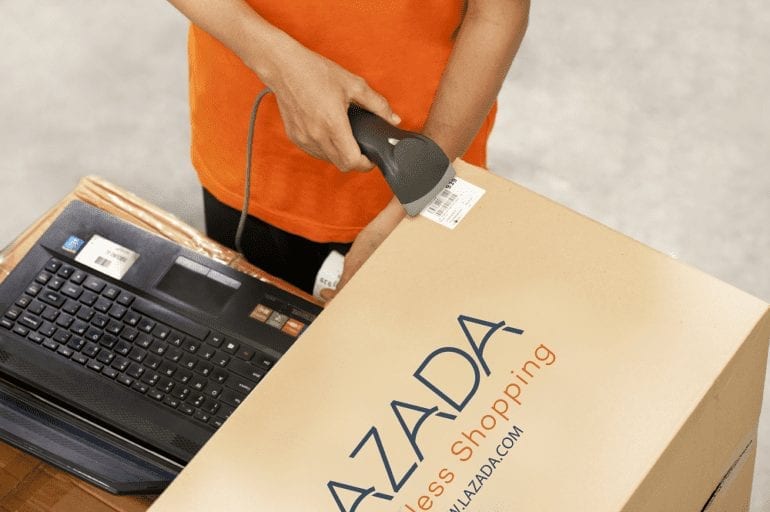
    Southeast Asia e-commerce platform Lazada Group has activated its Olympic Games partnership as part of the International Olympic Committee’s (IOC) long-term partnership with parent Alibaba Group.

    As an official Olympic partner in Southeast Asia, Lazada will help Olympic stakeholders further the reach of the Olympic Movement and connect with the region’s fans.

    “We believe Lazada’s digital footprint will assist us in spreading the spirit of the Olympic Games far and wide across this important region, particularly with a younger audience,” said Timo Lumme, MD, IOC television & marketing services.

    “As an e-commerce pioneer in the region, Lazada seeks to continuously accelerate progress in Southeast Asia and encourage every individual to pursue and ignite new possibilities,” said Lazada Group CEO Pierre Poignant. “We are honored to be activating Alibaba’s partnership with the IOC under our brand and look forward to bringing more Olympic-related moments to this region over the next nine years.”

    Lazada will use the advertising and promotional opportunities connected with using Olympic marks and imagery, including marks from National Olympic Committees. The editions leading up to 2028 include the Olympic Games Tokyo 2020, the Olympic Winter Games Beijing 2022, the Olympic Games Paris 2024, the Olympic Games Los Angeles 2028 and the Olympic Winter Games 2026 in a city yet to be selected by the IOC.

    Lazada held a series of local-engagement initiatives themed “Every Small Inspiration Matters” during the weekend, starting with internal employee events across the region.

    “As Southeast Asia’s leading eCommerce platform by the scale and by reach, we are capturing and also contributing to the heartbeat of the region,” said Mary Zhou, chief marketing officer at Lazada Group. “Through this partnership, we hope to further extend the heart of the Olympic Games and its meaningful values to Southeast Asia.”

  • Shopee on top of the 10 m-commerce players in Vietnam

    Shopee on top of the 10 m-commerce players in Vietnam

    Shopee heads the list of the top 10 m-commerce players in Vietnam for the first quarter of this year.

    The findings were released in a ranking by Iprice Group and App Annie Intelligence, which ranked shopping apps according to the number of monthly active users. It noted that mobile shopping is quickly becoming an important feature of e-commerce business in Vietnam.

    According to Google and Temasek’s report last year on the Southeast Asian ‘e-conomy’, more than 90 per cent of Southeast Asians are now connecting to the internet primarily through their smartphones, making this region one of the most mobile-first globally.

    Iprice Group also noted that during last year’s Singles’ Day, the rate of consumers accessing its e-commerce platform by mobile has risen rapidly from 62.5 per cent in 2017 to 80.4 per cent last year.

    Facing these customer behaviour trends, online retailers in Vietnam are now scrambling to improve and promote their mobile apps. Shopee, in particular, has invested a lot on campaigns to attract consumers to its app.

    “Shopee has focused on mobile from the beginning and built its user interface around it,” read an assessment report by marketing research agency Econsultancy last year. “This made users’ mobile shopping experiences faster and more intuitive – users can buy or sell their items in less than 30 seconds – allowing Shopee to capture a large group of mobile users in Southeast Asia and Taiwan.”

    Ranked number two of the top 10 e-commerce players in Vietnam is Shopee’s biggest regional competitor Lazada. This is perhaps a more surprising result, as according to Iprice Group’s previous report, which ranked Vietnamese e-commerce companies based on average website traffic, Lazada’s monthly traffic has been on a decline that puts them in third place behind Shopee and Tiki.

    However, when it comes to mobile, the e-commerce giant is now shifting to put a bigger emphasis on mobile shopping.

    Ranking in the top five behind Shopee and Lazada are apps from three local e-commerce platforms: Tiki, Sendo and Adayroi. These three companies also have been achieving positive results in terms of average website traffic for the recent quarter, making them worthy opponents for the two regional companies.

    Behind this top five in the ranking are AliExpress, Amazon, eBay, and Alibaba – all of which are currently not officially operating in Vietnam.

    Lotte.vn – the South Korean hypermarket group’s local subsidiary – rounded out the top 10 m-commerce players in Vietnam rankings.

  • E-commerce sales up in New Zealand with 16 per cent last year

    E-commerce sales up in New Zealand with 16 per cent last year

    New Zealand consumers spent $4.2 billion online last year, a 16 percent increase in 2017, according to the latest e-commerce report from NZ Post.

    This compares to just 2 percent annual growth in bricks-and-mortar shopping, the postie said in a statement released last week.

    The rise in spending was driven by Kiwis shopping online more often, with consumers hitting the ‘buy’ button 22 times each.

    Last year also saw the emergence of ‘super shoppers’ – with nearly 10 percent of the 1.8 million Kiwis who shopped online last year spending over $9000.

    The report found that spending with New Zealand online stores grew nearly twice as fast as spending with international online stores, though roughly a third of the dollars consumers spent online in 2018 overall went overseas.

    Around 12 percent of online shoppers used to buy now pay later methods, such as Afterpay, last year – with younger users and women being the majority of users.

    The most prominent online shoppers in New Zealand are women aged between 30 and 45 who live in rural areas, NZ Post found.

    “NZ Post is delivering well over half of all parcels bought online in New Zealand and we’re proud to be integral to that moment of joy when your online shopping parcel arrives,” Bryan Dobson, NZ Post’s chief marketing officer, said.

  • Vietnamese e-commerce platform Tiki set to raise US$100 million

    Vietnamese e-commerce platform Tiki set to raise US$100 million

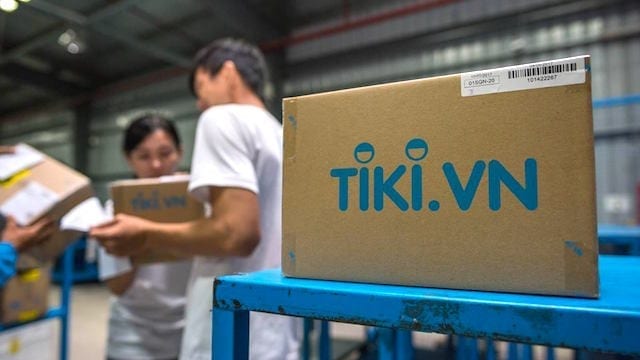
    Vietnamese e-commerce platform Tiki is raising another US$100 million from a Northstar Group-led funding round.

    The deal, was initially aiming for $75 million, but has been scaled up with support from Tiki’s current Korean backers, and may pull in as much as $150 million if certain KPIs are met.

    Tiki, which acquired competing platform Lazada last year, is now Vietnam’s second-largest e-commerce player after Shopee. It attracted a $44 million investment from Chinese industry partner JD early last year, and recently extended its national logistics operations in partnership with Vietnamese firm Unidepot.

    “Supply chain is a billion-dollar industry in Vietnam with surprisingly rapid growth,” said Tiki CEO Tran Thai Son. “However, Vietnam’s supply chain has not achieved its peak efficiency. For example, for an order worth 100,000 dong, logistics costs can be up to [25,000] dong.”

    Tiki’s infrastructural investments have seen the firm accumulate losses of around VND1 trillion ($43.3 million) over recent years.

  • Indonesian e-commerce site Tokopedia generates record sales

    Indonesian e-commerce site Tokopedia generates record sales

    Tokopedia, an Indonesian e-commerce site backed by SoftBank and Alibaba, said on Wednesday it generated a record $1.3 billion in gross merchandise volume (GMV) during Ramadan sale, amid soaring demand for online retail.

    The company said its biggest sales, recorded on May 17, resulted in a total transaction value that was higher than combined sales from the first six years.

    “Those transactions are happening across 97% of sub-districts in Indonesia and involved 5.9 million sellers,” said Tokopedia founder and CEO William Tanuwijaya.

    The start-up secured $1.1 billion in a funding round in December, led by Japan’s SoftBank Group Vision Fund and Chinese e-commerce giant Alibaba Group Holding Ltd. Sources say Tokopedia is valued at $7 billion.

    Shopping for clothes and gifts during the holy month of Ramadan is a significant part of the culture for Indonesia – the world’s largest Muslim-majority country.

    The Southeast Asian nation of over 260 million people is seen among the most promising global e-commerce markets, buoyed by a younger generation shifting their preference to online shopping.

    The Indonesian internet economy reached $27 billion last year and is poised to grow to $100 billion by 2025, according to Google-Temasek 2018 study.

    However, its logistical challenges are massive. The country’s 17,000 islands are sprinkled across an area bigger than the European Union, with logistical costs swallowing up around a quarter of Indonesia’s gross domestic product.

    Tokopedia’s Ramadan sale success reflects that e-commerce retailers are trying to overcome difficulties faster than expected amid higher usage of smartphones.

    Tanuwijaya told reporters that Tokopedia, which does not have its own inventory, was experimenting with artificial intelligence to predict demand and store stock in advance in partnership with warehouse operators.

    Rivals Bukalapak and Shoppee have not made their Ramadan sales public.

  • Tokopedia enters wedding industry, buying Bridestory

    Tokopedia enters wedding industry, buying Bridestory

    Indonesian e-commerce platform Tokopedia has acquired local wedding-service marketplace Bridestory, which allows users to plan their big day on their smartphones.

    Bridestory targets the Southeast Asian wedding market, connecting couples with venues, organizers and vendors/service providers in the wedding industry. It has reportedly connected more than 3.5 million customers with at least 27,000 wedding vendors annually.

    “It all started with a web application,” said Bridestory CEO Kevin Mintaraga, “then we slowly saw the change in behavior as people became more mobile-centric. We also wanted to help brides to plan their wedding anywhere and anytime with their smartphone”.

    The Tokopedia acquisition includes Bridestory’s new service, Parent story, which help parents and expecting parents connect with age-specific activity providers for their kids.

    Tokopedia has stated that the site will continue to operate independently, while Kevin Mintaraga will join Tokopedia’s management in a VP role.

  • Lazada brand refreshed with New Slogan and Tagline

    Lazada brand refreshed with New Slogan and Tagline

    Southeast Asian e-commerce platform Lazada has launched a new brand campaign – Go Where Your Heart Beats.

    This is the first refresh of the Lazada brand in five years, representing an attempt to elevate the role of the company beyond a transactional shopping platform to a “lifestyle destination”. The move is underpinned by the brand’s “shoppertainment” strategy to enhance the shopper experience, its seller empowerment efforts and ongoing engagements with local community segments.

    The campaign kicked off yesterday with a series of films following the personal journeys of three individuals made possible through Lazada, and introduced the firm’s new brand identity that reflects a more youthful, energetic and dynamic look and feel. It features a new heart logomark, typeface and new palette of Lazada colours.

    “As this region’s e-commerce pioneer, we first introduced Lazada in Southeast Asia to provide effortless shopping online,” said Lazada Group CEO Pierre Poignant. “Seven years on, we are the e-commerce leader that aims to serve 300 million customers by 2030.

    “We are elevating the role of Lazada beyond just a transactional shopping platform, to a lifestyle destination that can enable and progress hopes, dreams and desires – whether you’re a seller or a shopper.”

    The new Lazada brand identity was developed by Superunion Singapore and the accompanying campaign was conceptualised and developed by Wunderman Thompson Singapore.

  • E-commerce platform Shopline Arrives in Malaysia

    E-commerce platform Shopline Arrives in Malaysia

    Hong Kong-based e-commerce hub Shopline has established a Kuala Lumpur office as a first move into the Malaysian market.

    Malaysia is Shopline’s second Southeast Asian market following Vietnam, where it already has a Ho Chi Minh City base and where 98 per cent of internet users reportedly made online purchases in the past year. Malaysia’s internet penetration stands at 78.3 per cent, heading off Indonesia and the Philippines, and will hit an e-commerce market value of $3.91 billion next year.

    The firm, which has more than 150,000 registered users with online stores trading on its platform, shipped merchandise to more than 200 million customers last year. It has successfully raised US$2 million in funding from CDIB Capital Group and Alibaba Hong Kong Entrepreneurs Fund.

    Shopline will bring cross-channel O2O solutions to the Malaysian market, and offers several targeted features to extend retailer’s reach as well as an analytics dashboard and a cloud-based point-of-sale payment system.

  • Orders treble just 13 days into JD’s 6.18 shopping festival

    Orders treble just 13 days into JD’s 6.18 shopping festival

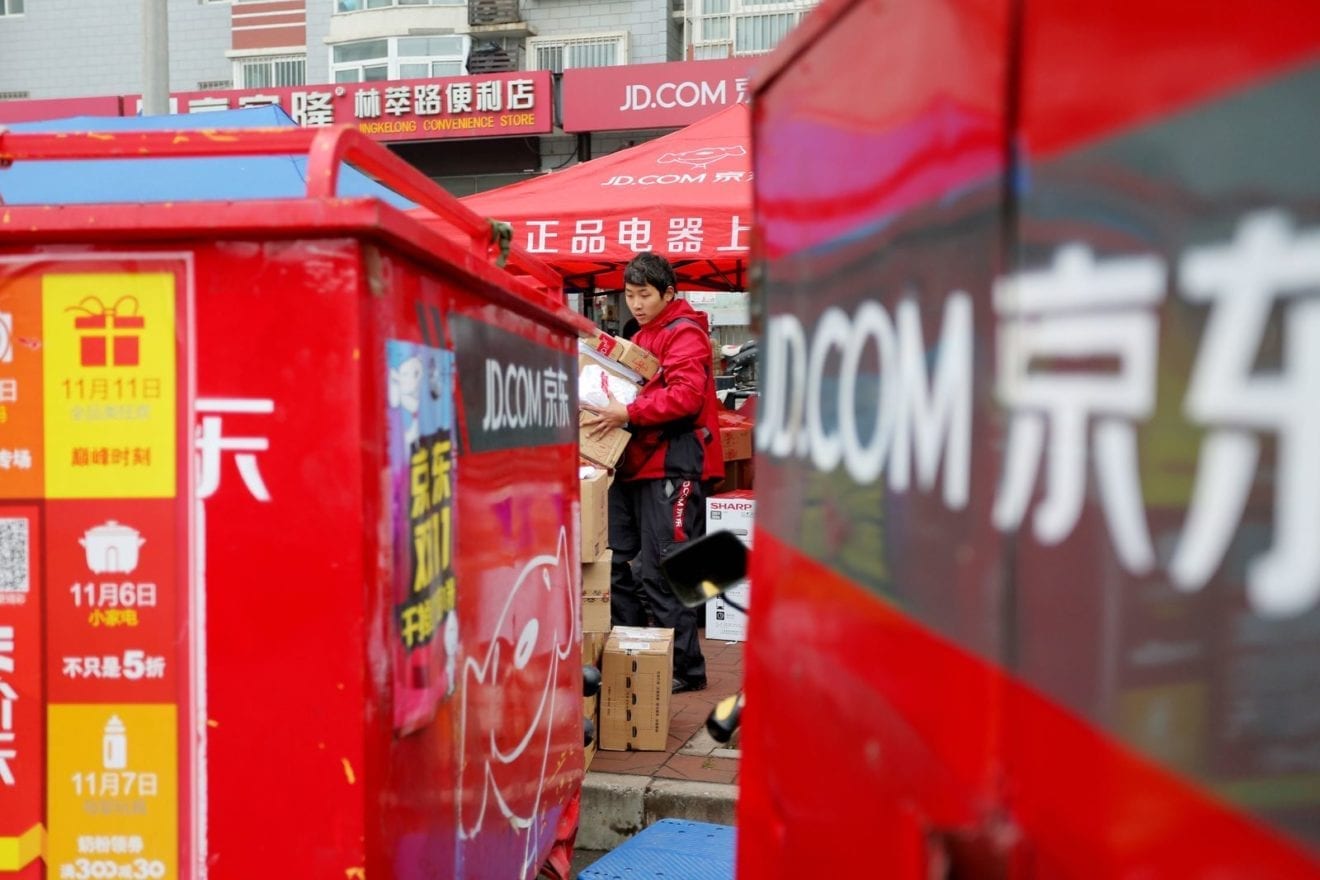
    Thirteen days into the 20-day 6.18 shopping festival, JD has already achieved a three times the turnover of last year’s event, and double the orders.

    More than 90 per cent of Hong Kong purchases have been conducted through mobile devices, and geographically, consumers from New Territories accounted for nearly 40 per cent of sales.

    The top five categories in sales and volume so far (not in order) are computers, smartphones, household electronics, digital appliances and groceries. JD singled out smartphones and household electronics as the biggest-moving categories compared with last year.

    Electronics attracted the greatest number of Hong Kong consumers with orders showing quadruple growth. Besides smartphones, products like electric fans, vacuum cleaners, air purifiers and dehumidifiers are proving popular.

    Food and beverage is another hot category, tripling in order size, with turnover up 50 per cent. This includes groceries such as instant hotpots, snacks, dried nuts and biscuits.

    Despite the high volumes, JD says the sales and growth rate for the first 13 days were “in line with expectations”.

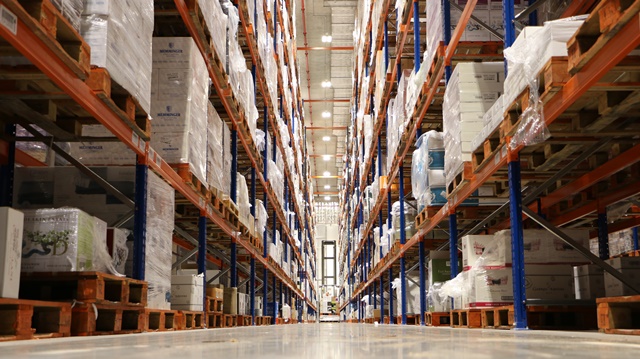
  • E-commerce explosion driving worldwide warehouse Expansion

    E-commerce explosion driving worldwide warehouse Expansion

    Global analysis firm ABI Research has found that the global Warehouse Management System (WMS) market will be worth US$5 billion by 2025, growing at a CAGR of 13.9 per cent.

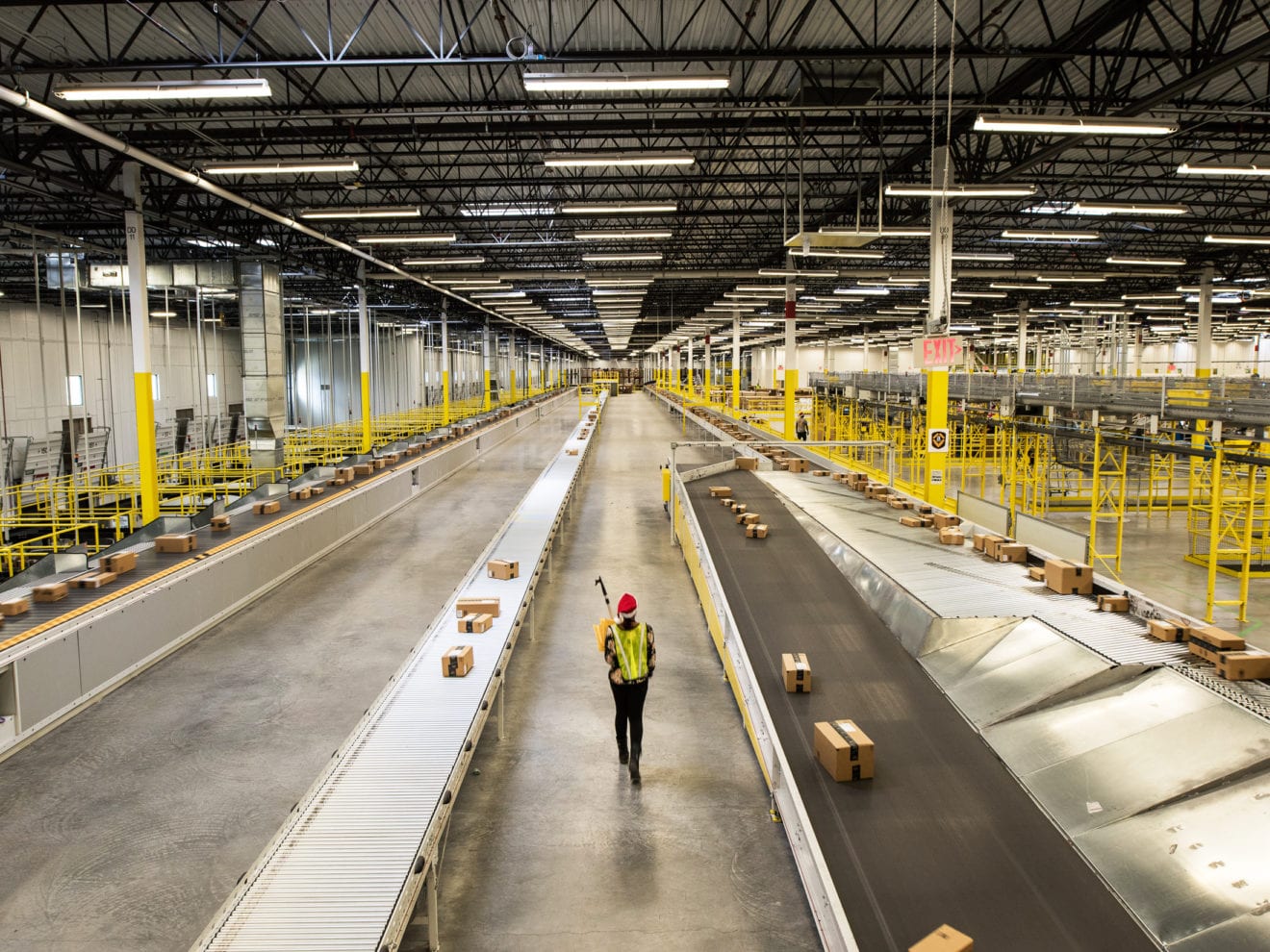
    The period will see a warehouse boom with some 57,000 more distribution centres in operation by then than last year. The continued growth of the e-commerce market and rising customer expectations are putting enormous pressure on warehouses to execute more rapid and flexible deliveries. This is driving investment in warehouse facilities, automation technologies, and warehouse management systems to coordinate and optimise operations.

    “The warehouse is becoming the engine room of the supply chain and is, therefore, a focal point for investment from retailers, manufacturers, and logistics service providers,” said ABI Research principal analyst Nick Finill.

    “As the warehouse technology ecosystem becomes increasingly complex, supply chain operators require more sophisticated management systems that can orchestrate the high volume and variety of intelligent, connected devices and systems within their facilities, as well as the flow of inventory.”

    The firm finds that as the e-commerce boom grows in and extends beyond the established economies of China, Japan, and Korea, the Asia-Pacific will experience the highest growth of warehouse facilities and WMS revenue, becoming the largest market for the software by 2023. The rapid adoption of WMS is also expected in the emerging economies of the Middle East, Africa, and Latin America. Europe and North America will experience strong growth as supply chain operators increase spending on upgraded software systems.

    WMS spending will also vary according to industry verticals. The retail, food and beverage, and manufacturing sectors will be responsible for the highest growth rate as they catch up with more mature verticals, such as logistics service providers.

    ABI’s data suggests AI-driven innovation from WMS market leaders such as JDA Software, High Jump, and Manhattan Associates is enabling substantial flexibility and functionality in WMS and Warehouse Execution Systems, an increasingly important orchestration layer linking high-level management with connected machines. At the device and machine level, greater automation is creating demand for more sophisticated Warehouse Control Systems from major automated material handling solution providers such as Bastian Solutions, Dematic, and Honeywell Intelligrated.

    “The increasing velocity of goods through the supply chain is driving demand for real-time decision making and optimisation,” said Finill. “As the margin for error in the warehouse decreases, AI and ML-enabled WMS solutions are becoming imperative for warehouses that rely on speed, efficiency, and intelligence to remain competitive.”