Tag: ecommerce

  • E-commerce giants report record results for 6.18 shopping festival

    E-commerce giants report record results for 6.18 shopping festival

    China’s e-commerce giants JD and Alibaba turned in record-breaking results for the 6.18 shopping festival on June 18.

    Total sales transaction volume during JD’s 6.18 trading reached a new high this year of US$29.2 billion. Key drivers leading to the breakthrough results were new products as well as Chinese consumers’ continued interest in and pursuit of higher quality.

    Alibaba Group’s Taobao and Tmall shattered multiple records during the Mid-Year Shopping Festival, stating a rising demand from consumers in less-developed cities for quality products. More than 200,000 brands took part, using campaigns and tools provided by Alibaba’s core platforms to help more than 110 brands each generate gross merchandise volume in excess of RMB100 million ($14.5 million).

    New products were a strong focus of JD’s retail strategy overall this year. JD has launched an exclusive channel within its platform to socialise and promote these products as well as bring them to market, making them easier for consumers to find, and helping brands to strategically reach new consumers. Consumers from lower-tier cities are also “trading up” showing greater interest in brands traditionally more coveted by consumers in higher-tier cities.

    Transaction volume growth was twice as high in lower-tier cities than the overall growth on JD. The percentage of new users from lower-tier cities was also much higher than the percentage of new users overall. Two campaigns involved participation from more than 100 million users. One was an innovative “birthday red envelope” campaign, which encouraged and rewarded consumers for sharing on social platforms. Another campaign engaged users to share, vote for and win shared rewards for their cities.

    The firm’s recent C2M initiative employs big data and consumer insights, providing insights to brands to adjust their manufacturing and marketing approaches with the goal of providing consumers with products they want before they even know they want them. Transaction volume of new products and C2M products during 6.18 increased 289 per cent compared with the same period last year. One out of every three monitors sold during this year’s 6.18 campaign were C2M products. HP saw a 100 per cent increase in sales of its Zhan 66 laptop, a C2M product, during 6.18.

    Several new brands also launched on JD during 6.18. Most recently, Italian designer brand Prada, as well as Miu Miu and Car Shoe – two sister brands under the Prada Group – launched authorised flagship stores on JD. Farfetch also launched a flagship store on JD during the period, enabling JD consumers to access more than 3000 brands through Farfetch’s network of more than 1000 brand and boutique partners.

    JD also worked with the world’s top hotel brands to empower subscribers of its premium membership program, JD Plus, with exclusive privileges at 15,000 high-end hotels around the world, marking the first time JD Plus benefits can be enjoyed outside of China. During this 6.18, shopping festival JD sold more than 2.8 million JD Plus memberships.

    Technology continues to be key to improving the consumer experience and exceeding expectations during the sales festival. 91 per cent of orders coming from JD fulfillment centers were delivered same-or next-day. During this year’s 6.18, JD’s smart customer service robot fielded more than 32 million inquiries, of which it solved 90 per cent of those independently, freeing up human customer service for more complicated inquiries.

    Flash sales crash records

    Alibaba’s flash sales channel, Juhuasuan, which aids brands in attracting new customers via discounts, added over 300 million new consumers. During the festival. More than 180 products topped RMB10 million ($1.45 million) in sales, and 4700 products achieved sales of more than RMB1 million ($145,000). This was a record-breaking number for brand participation in Juhuasuan.

    The firm’s Taobao live-streaming platform helped generate GMV of more than RMB13 billion ($1.88 billion).

    “The results of the ‘6.18 Mid-Year Shopping Festival’ are encouraging,” said president of Taobao and Tmall Jiang Fan. It has proven to be a celebration that can match the enthusiasm and scale of the ‘11.11 Global Shopping Festival.’ More than 100 brands achieved a new sales record that surpassed the result from last year’s 11.11.

    “We are very pleased to see that our strategy to help brands penetrate the less-developed markets has paid off. Customers in the emerging cities are very receptive to innovative products and promotion campaigns such as programs on the Juhuasuan platform. The number of customers and GMV from third- to fifth-tier cities both hit 100 per cent growth. We believe this group of customers will continue to grow into a strong and sustainable force for brands who are looking at further developing the Chinese market,” he added.

    With an increase in discretionary income, consumers in China’s less-developed areas are quickly becoming a crucial driver of China’s solid consumption. These consumers were a main engine powering this year’s 6.18 Shopping Festival. According to Tmall, 48 per cent of the newly launched products on the platform during the event were purchased by customers outside first- and second-tier cities.

    Demands and preferences from lower-tier cities consumer were diverse, ranging from high-end electric products from Apple to imported fruit, such as durian from Malaysia, and daily necessities, including socks and toothbrushes.

    Tmall’s Luxury Pavilion sales more than doubled from last year, boosted by customers in emerging cities and shoppers born after 1995. Premier brands hit better-than-expected results. Sales of Versace jumped 20 times compared with last year.

    This year, Taobao’s Daily Deals, a channel which allows consumers to order customised products straight from the manufacturers, generated more than 420 million orders. With Alibaba’s big data and IoT technology, the Daily Deals service has effectively digitised the manufacturing industry by initiating a direct manufacturer-to-consumer model.

    Sales generated from consumers in third- and forth-tiers cities on cross-border trade platform

    Tmall Global increased by 153 per cent from a year before. The top five countries on Tmall Global were Japan, the US, South Korea, Australia and Germany.

  • Omega China makes E-commerce debut

    Omega China makes E-commerce debut

    Swiss timepiece maker Omega has launched its first e-commerce initiative in China.

    Omega China has opened a new pop-up store in the Tmall Luxury Pavilion, an online platform for premium brands under Alibaba Group.

    Pre-sales for Omega’s new Seamaster Aqua Terra Beijing 2022 limited-edition wristwatch will be exclusively available on the pop-up site between June 15 and August 7. The watch will be available in physical stores later on. Just 2,022 watches have been made to mark Beijing’s upcoming Winter Olympics.

    The Pavilion has recently overhauled its site with more personalised offers and recommendations, introducing a brand-generated content feed and online magazine.

    “We want to step up our offerings in terms of creative experiences, trending product feeds and style tips from fashion editors to help young users find items and brands they love,” said Tmall Luxury Pavilion head Lili Chen. “The Pavilion revamp enhances the discovery journey and shopping experience for our customers, while helping luxury brands better express their brand vision, aesthetics and new creations.”

    Omega joins 133 brands on Tmall’s Luxury Pavilion, including rival brands Tag Heuer and Zenith, along with Versace, Stella McCartney, Moschino, and others.

  • Alibaba management shakeup not Ended yet

    Alibaba management shakeup not Ended yet

    The most significant Alibaba management shakeup since founder Jack Ma revealed he would step aside next September 10 sees high-profile CFO Maggie Wu take on a new role.

    Wu will take over responsibility for strategic investments by the group, charged with finding new growth streams for the technology and retail giant as its growth in the e-commerce sector begins to slow. She will oversee a team focused on investment, taking over that responsibility from executive vice-chairman Joe Tsai.

    The Alibaba management changes were revealed via the company’s official WeChat account by CEO Daniel Zhang.

    “To guarantee innovation, invest in our future, Alibaba is undertaking an organisational upgrade,” he said.

    Wu has been Alibaba’s CFO for six years.

    In other changes, Alibaba said its supermarket chain Freshippo – also known as Hema and now numbering 160 stores – will become a standalone business. DingTalk, the group’s enterprise software business unit, will be merged into the Alibaba Cloud business unit.

    These changes come ahead of a planned IPO in Hong Kong later this year which could raise as much as US$20 billion in fresh capital for expansion via investment.

  • Alibaba management shakeup sees CFO promoted

    Alibaba management shakeup sees CFO promoted

    The most significant Alibaba management shakeup since founder Jack Ma revealed he would step aside next September 10 sees high-profile CFO Maggie Wu take on a new role.

    Wu will take over responsibility for strategic investments by the group, charged with finding new growth streams for the technology and retail giant as its growth in the e-commerce sector begins to slow. She will oversee a team focused on investment, taking over that responsibility from executive vice-chairman Joe Tsai.

    The Alibaba management changes were revealed via the company’s official WeChat account by CEO Daniel Zhang.

    “To guarantee innovation, invest in our future, Alibaba is undertaking an organisational upgrade,” he said.

    Wu has been Alibaba’s CFO for six years.

    In other changes, Alibaba said its supermarket chain Freshippo – also known as Hema and now numbering 160 stores – will become a standalone business. DingTalk, the group’s enterprise software business unit, will be merged into the Alibaba Cloud business unit.

    These changes come ahead of a planned IPO in Hong Kong later this year which could raise as much as US$20 billion in fresh capital for expansion via investment.

  • Bunnings to have full e-commerce offer by Christmas

    Bunnings to have full e-commerce offer by Christmas

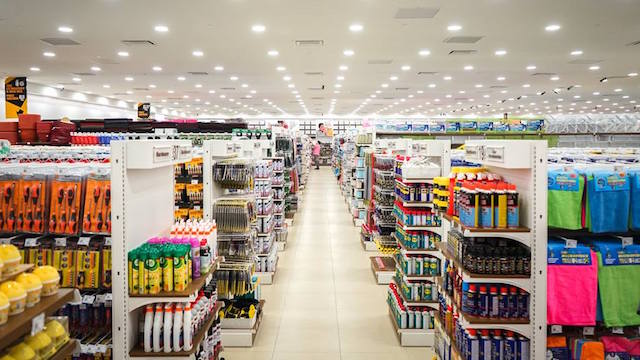
    Bunnings managing director Michael Schnieder has announced he expects the homewares and DIY retailer will have its e-commerce operations online and fully operational nationwide before Christmas 2019.

    The business has trialled a more limited online offering in select locations, but has previously stated it would roll-out a more robust offering by September 2020.

    “We believe that, done right, our click and collect offer will be rolled out across Australia by Christmas – well ahead of schedule,” Schneider said.

    “This follows the successful introduction of click and collect in Tasmania in April. We’ve been really delighted with the progress and customers’ response to the offer.

    “This is a real testament to our team, who have worked hard to make this happen, ensuring we are building an offer that delivers choice and convenience when it comes to how people want to shop with us.”

    Schnieder also indicated that he expects lower interest rates and the Coalition’s incoming tax cuts to spur customers into spending, delivering some relief in a difficult retail environment – one which NAB chief economist Alan Oster said fallen to levels not seen since the GFC.

    Bunnings has the fourth most visited shopping and classifieds website in Australia, but only enabled online ordering of select items in June of 2018.

    The DIY retailer has previously said it will shift some of its focus toward first-time DIY customers to target the “next generation of customers”.

    The trends of high-density living and long-term renting have informed the business’ products moving forward, as opposed to its more traditional large-scale renovation focus.

  • Sulwhasoo launched on Lazada

    Sulwhasoo launched on Lazada

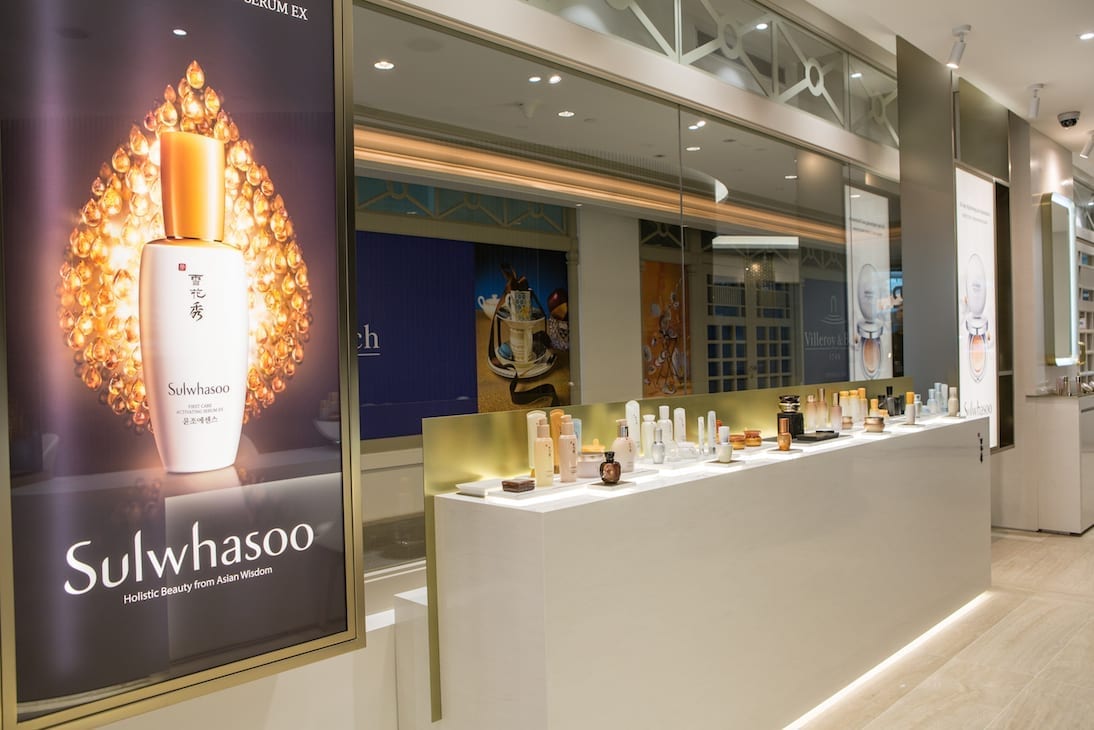
    Amorepacific’s luxury skincare brand Sulwhasoo has launched on Lazada.

    The partnership marks the brand’s expansion into the Southeast Asia e-commerce market.

    With this Lazmall store, shoppers in Indonesia, Malaysia, Singapore, Thailand and Vietnam can access Sulwhasoo’s range of beauty products.

    “The influence of South Korean beauty trends and culture in this region is undeniable, and we are pleased to bring one of Korea’s top skincare brands Sulwhasoo online with Lazada – reinforcing our leadership in the beauty category and in serving our female customers,” said Lazada Group president Jing Yin.

    The South Korean beauty-and-cosmetics conglomerate is already leveraging Lazada’s platform for distribution of four key brands including Laneige, Mamonde, Innisfree and Etude House. These brand stores are housed on LazMall, a place for shoppers to get directaccess to international and local brands, top-rated online brands and authorised brand distributors.

    “Lazada is the region’s e-commerce leader, particularly in the beauty space, and the best possible partner to take our business online in Southeast Asia,” said Mina Kim, senior VP of Sulwhasoo at Amorepacific.

    “We hope to bring Sulwhasoo’s value of Asian beauty to more customers and help them experience our unique beauty solutions in a new way.”

  • Valiram opens duty-free store at Kota Kinabalu

    Valiram opens duty-free store at Kota Kinabalu

    Malaysian luxury and lifestyle retail specialist, Valiram, together with East Malaysian property developer, Jesselton Waterfront Holdings, has opened a duty-free store in the Jesselton Mall in Kota Kinabalu.

    The 37000sqft sea-front mall presents the first downtown travel-retail concept in the vicinity, offering international travellers an opportunity to shop in a duty-free environment and bringing luxury beauty, fashion and timepiece brands to the Kota Kinabalu city centre.

    “Valiram continues to invest in Sabah and is excited with the opening of our latest venture, the Jesselton Duty-Free,” said Valiram executive director Sharan Valiram.

    “This exception offering redefines the shopping experience for tourists in Kota Kinabalu. We are indeed privileged to be able to partner Jesselton Waterfront Holdings in developing this first-of-its kind downtown duty-free retail in East Malaysia. The shopping experience here is set to reshape the retail environment in Sabah.”

  • Sim Lim Square goes online, opening an E-commerce site

    Sim Lim Square goes online, opening an E-commerce site

    Sim Lim Square plans to launch its new e-commerce platform while it prepares for a collective sale.

    The platform is being tested before it goes live to the public on July 1.

    The initiative is a bid to develop new channels of customer outreach and engagement for Sim Lim Square’s tenants.

    Each of the mall’s tenants will run their own e-commerce business on a common platform, which has categories including computer accessories, desktop computers, laptops and repair services.

    Currently, around 50 tenants are on the new marketplace, with the aim to eventually include  about 300 of the 480 Sim Lim Square retailers.

    Training sessions for all tenants are being conducted to train them on the capabilities of e-commerce and how to manage their online shops.

    Advertising on digital media, radio, TV, other media platforms and newspapers will drive traffic to the site.

    Sean Chia, head of advertising and promotions at Sim Lim Square said the mall needs to “constantly evolve” to meet the needs and demands of its digital-savvy customers.

    “With our new e-commerce website, we are proud to be at the forefront of IT retail,” he added.

  • Amazon listed as most valuable brand

    Amazon listed as most valuable brand

    E-commerce giant Amazon has clinched the top spot in the world’s most valuable brand ranking, surpassing Google and Apple, according to a recently released ranking of global companies.

    The Seattle-based retailer has been valued at US$315.5 billion, up 52 per cent on last year with tech giant Apple coming in second, valued at $309.5 billion and Google in third place at $309 billion, Brand Z’s Top 100 Most Valuable Global Brand 2019 ranking (compiled by WPP research agency Kantar) revealed.

    Google and Apple had spent a combined 12 years at the top of Brand Z’s list, with Google taking the top spot last year.

    “Amazon’s smart acquisitions that have led to new revenue streams, excellent customer service provision and its ability to stay ahead of its competitors by offering a diverse ecosystem of products and services, have allowed Amazon to continuously accelerate its brand value growth,” Brand Z’s report indicated.

    Chinese e-commerce company Alibaba has overtaken Tencent for the first time to become the most valuable Chinese brand, moving up two places to number seven, growing 16 per cent to $131.2 billion.

    Tencent dropped three places to number eight, declining by 27 per cent to $130.9 billion year-on-year.
    Social media platform Facebook has retained its sixth spot while Instagram, at number 44, was named as this year’s fastest riser, climbing 47 places with a massive 95 per cent growth in brand value with $28.2 billion.

    Athleisure retailer Lululemon was named the second fastest riser, showing a 77 per cent growth year-on-year to $6.92 billion.

    “We’re seeing a move from individual product and service brands to a new era of highly-disruptive ecosystems,” said David Roth, CEO of The Store WPP EMEA and Asia and chairman of Brand Z.

    “Brands need to understand the value this type of model can create and should embrace its approach to be successful in the future,” Roth said.

  • Alibaba signs deal for AliExpress Russia

    Alibaba signs deal for AliExpress Russia

    Alibaba Group has formed a US$2 billion joint venture AliExpress Russia to create a major e-commerce venture in the Russian-speaking market.

    Alibaba and the Russian government-backed RDIF sovereign wealth fund will each invest US$100 million in the venture which will absorb Alibaba’s existing AliExpress business. Russian mobile phone network Megafon will sell its 9.97 per cent interest in internet group Mail.ru to Alibaba in return for a 24.3 per cent stake in the new JV.

    In return, Mail.ru will roll its Pandao e-commerce business into AliExpress Russia and contribute $184 million in cash for a 15 per cent share.

    AliExpress Russia has been created to expand the three companies’ e-commerce offer in both Russia and neighbouring countries.

    Documents to create AliExpress Russia were signed last week. The company will be jointly run by Alibaba and Mail.ru, each of which will appoint a CEO.

    “This partnership will enable the AliExpress Russia JV to accelerate the development of the digital consumer economy of Russia and CIS countries in ways that no one party could accomplish alone,” said Daniel Zhang, CEO of Alibaba Group. “Together, we are uniquely positioned to offer consumers in Russia and neighbouring countries an innovative shopping experience by combining social platforms with commerce, as well as enabling regional brands and SMEs to sell their products locally and globally.”

    He said Alibaba’s mission is to make it easy to do business anywhere. “This JV is an important part of Alibaba’s international expansion and step toward our goal of supporting 10 million small businesses reach profitability and serving 2 billion consumers around the world.”

  • Love, Bonito to open in Funan Mall

    Love, Bonito to open in Funan Mall

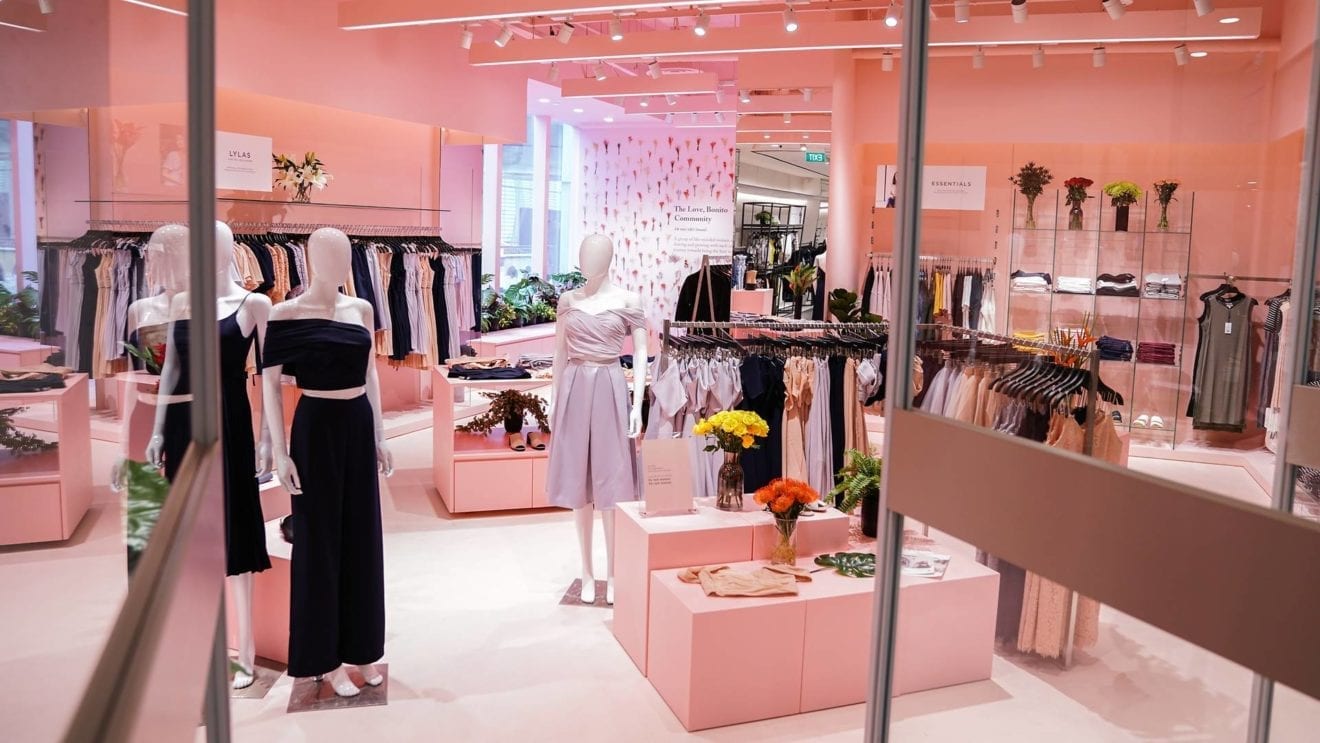
    Online fashion retailer Love, Bonito is about to open its third and largest physical store yet, at Funan mall.

    Set to offer a “thoughtful and feminine” retail experience, the store will have customer touch points such as “Instagrammable” spots, and an express counter for click-and-collect orders.

    “More importantly, the store will hold dedicated and designated space for us to bring our community together to experience the brand, via workshops and events,” Rachel Lim, Love, Bonito co-founder said.

    The store will also offer personal stylists on demand who will be ready to give fashion advice to customers.

  • Amazon Fashion drops first influencer collection

    Amazon Fashion drops first influencer collection

    Amazon Fashion has just released the first collection from an influencer as part of its new shopping experience, The Drop.

    For the next 30 hours, customers will be able to purchase pieces made on-demand from the collection designed by influencer Paola Alberdi via the Amazon app or mobile browser. The Drop collections are available in more than 100 countries and regions.

    Fashionistas are encouraged to sign up for Amazon text alerts, as the next Drop influencer collaboration could be released at any time. Other influencers slated to design future collections include Emi Suzuki, Sierra Furtado, Leonie Hanne and Patricia Bright.

    “Influencers are able to turn their creativity and style into beautifully designed collections that capture the latest street style trends from around the world,” said a statement from Amazon.

    “Amazon Fashion is excited to enable influencers to be designers and bring fresh Fashion assortments directly to customers via The Drop.”

    Amazon Fashion is also offering Staples By The Drop, wardrobe staple pieces to complement the influencer collections.

    “I am beyond grateful to Amazon for entrusting me to be the first influencer to launch The Drop, their innovative new shopping experience. I have worked hard for many years to create a brand that is true to myself and did the same with this collection,” said Alberdi.

    “Fashion can be so expensive but my belief is that it should not have to be expensive to feel beautiful. The primary goal of my collection is simply to help women feel good about themselves. I’m so excited to share these pieces with the world!”

    Other retail brands have been tapping into the power of influencers and collaborating with them on collections for some time, such as Nordstrom, which is currently selling the Cupcakes and Cashmere range from fashion blogger and designer, Emily Schuman.

    When the department store engaged with influencer Arielle Charna in 2017, her collection reportedly brought in $1 million in sales in less than 24 hours, according to an article from Fashionista.

  • Tokopedia expands delivery promise Same Day Delivery

    Tokopedia expands delivery promise Same Day Delivery

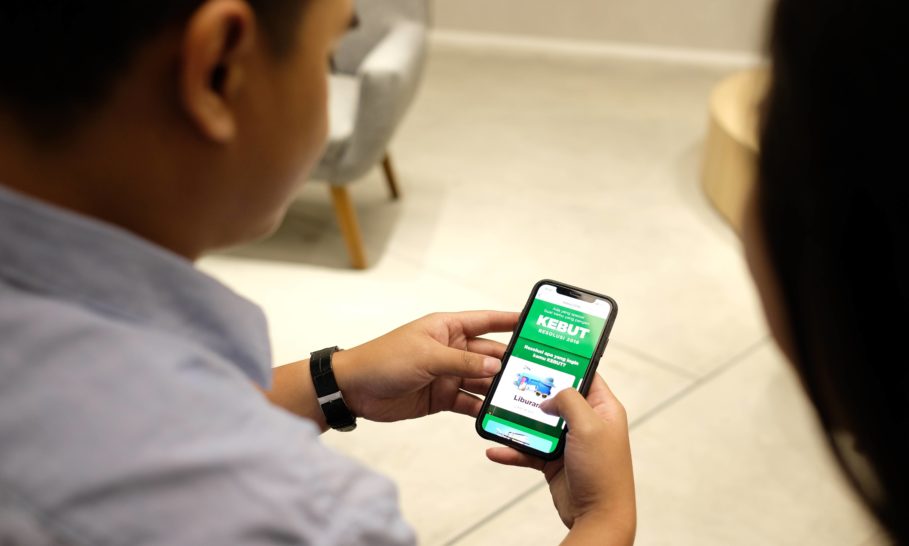
    Indonesian e-commerce company Tokopedia is expanding its one-day delivery guarantee to almost all of its products as it prepares to battle Amazon and other foreign rivals.

    Backed by Alibaba Group and SoftBank, Tokopedia’s greatest strength might lie in the fact it is a 100-per-cent Indonesian focused company, unlike its rivals – and shareholder – which are simultaneously trying to build share in many different markets simultaneously.

    “We focus on Indonesia,” Tokopedia founder and CEO William Tanuwijaya said in an interview in Tokyo. “Our mission is really to solve the Indonesian customer problem. And we see the room for growth is still tremendous.”

    Online shopping in Indonesia is expected to grow by more than 400 percent within the next five or so years, to US$53 billion. That sort of growth is attracting Amazon, which opened in Singapore two years ago and subsequently launched in Australia, along with existing Indonesian rivals including Alibaba-backed Lazada and Shopee.

    Tokopedia already offers same-day or one-day delivery for about 65 percent of the products it sells. Expanding that to almost its entire catalog would be made possible by alliances with 11 logistics companies covering the most populous of the country’s 17,000 islands.

    The company is a marketplace, linking more than 5 million sellers with the nation’s largest database of online shoppers. It has no inventory of its own.

    Tanuwijaya admitted getting more than 90 per cent of goods delivered within 24 hours was a goal that might take two years or more to achieve.

  • Ikea Thailand opens full E-commerce store

    Ikea Thailand opens full E-commerce store

    After two years of planning, furniture and homewares retailer believes it can match a physical store experience.

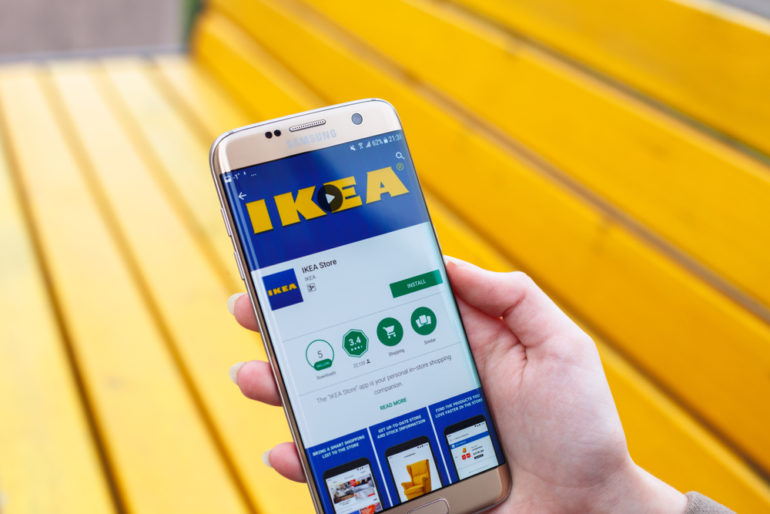
    Ikea Thailand has launched an online store, with a view to matching the journey and impression customers experience at a physical Ikea shop.

    “We see the potential – it is a potential in Thailand for Ikea,” said deputy retail manager for Ikea Thailand, Singapore and the Philippines, Lacia Sherlock. “We have only been accessible within Bangkok so far, and now we will be accessible for people from across the country.

    “The delivery prices need to be affordable and all the services need to be accessible for consumers living outside of Bangkok, so that they are able to get the assembly or whatever they need.”

    According to Sherlock, the new e-commerce platform, which is already available in Malaysia and Singapore, now covers the whole of Thailand. It took about two years to develop based on studies of market demand and building the necessary infrastructure.

    “We are pleased to now be able to provide this access to Thais. We have been wanting to do this for a long time, along with providing them with a superior experience and inspiration through both of our two Bangkok stores,” said Sherlock.

    Ikea is aiming to hit 17,000 online orders this year within the territory.

  • Online retail sales slows down last Month

    Online retail sales slows down last Month

    Online retail sales fell 3.8 per cent month on month in April, after a less than stellar March, according to the National Australia Bank’s monthly Online Retail Sales Index.

    The result is consistent with a general slowdown in retail observed by NAB, while the result itself is up 1.7 per cent on a year on year basis.

    “This month, both online retail and broader cashless retail series indicated very weak retail conditions,” NAB chief economist Alan Oster said.

    “While year-on-year growth in online sales has also slowed considerably in recent months, these comparisons are made to a period of elevated sales in 2018, with major new merchants to Australia, and also pre-GST exemption effects.”

    While all categories suffered a contraction in sales during April, games and toys suffered least with only a 0.2 per cent reduction in sales, while takeaway food fell 8.6 per cent – the steepest drop.

    International retailers outperformed domestic retailers on a monthly basis, with international retail enjoying a 0.7 per cent increase in sales, compared to the 4.4 per cent fall in domestic trading.

    However, NAB identifies a considerable weakness in international online sales on a year-on-year basis, most likely owing to the change in how GST is calculated and charged.

    “Tasmania, with about 2 per cent of online sales, was weakest in April after leading growth in March,” Oster said.

    “New South Wales, Victoria and Queensland represent over three quarters of the online market in Australia by sales value. Of these larger sales states, Queensland was strongest over the year.”