Tag: ecommerce

  • Online reviews are terrible and useless

    Online reviews are terrible and useless

    Online reviews sound good in theory. In practice, however, they don’t work so well. Reviews were initially important as proxies of trust for e-commerce businesses, but they have now well and truly spilled over to bricks-and-mortar businesses, where the weakness of the review system is being amplified as some consumers have figured out how to weaponize it.

    The general idea is that users provide their personal and honest feedback and other users are able to make more informed choices (like avoiding scammers). Even the business owner can use “learnings” to improve the business.

    It just doesn’t work.

    Amazon is plagued by fake reviews and trolls. In the book space, for instance, small groups and even bots target specific authors over spurious disagreements the trolls may have, and downvote their books accordingly so that they never appear in algorithmically-driven searches.

    On AirBnB and Uber, providers and users review each other. Another great idea, but in practice, since no one can afford to be given a 1-star review (the host wouldn’t get guests and the guest wouldn’t get accommodation) – the unspoken rule is that everyone gives each other 5-star reviews all the time. A 4-star review should set alarm bells ringing.

    Reviews are not a fair representation of the business, because reviewers have suspect motives, are unqualified, unreliable and the process is flawed and without proper context.

    The problem with online reviews

    Here are just a few of the drawbacks with online reviews, as they currently exist:

    • The motive of the reviewer is not always apparent, and neither is it always pure. Even positive reviews may have little to do with the actual service experience, and people who are motivated to review, often have an axe to grind.

    • Those who prefer not to review products and services are often bombarded by reminder emails until they relent, only to give a less than well-thought-through review long after the fact.

    • You usually only get one side of the story in a review.

    • Most people doing the reviewing have zero insight into the business’s operations, and criticisms and expectations are often unrealistic. Negative reviews are not merely limited to articulating a personal negative experience, but often are about perceptions of staffing levels, time, production, etc.

    • Compulsive reviewers operate under the misguided belief they are helping other consumers, but they are usually on a power trip.

    • Is ANY consumer really equipped to judge and compare Bunnings to McDonald’s?

    • Is the person’s subjective experience actually useful? Does the fact that a person doesn’t like a burger mean no one else will? Or vice versa?

    • A business would need to have thousands of reviews across different times, different experiences and different contexts for the sample to be considered statistically relevant. I suspect the average small business would rarely reach this sample size. Few real world, independent retail businesses boast sufficient reviews, so the results are invariably skewed. It takes more than a hundred or so reviews for the law of averages to apply, but whether a rating is valid or not does not deter the reviewing platform, with most of them showing reviews after a handful has been received.

    • Different people have different standards – what one reviewer considers value for money, another will consider expensive another to cheap. That is, the reviewer does not necessarily reflect the market that the operator seeks to attract.

    • Generally speaking, our culture – and it is amplified in the online space – has a tendency to reward victimhood.

    • It is impossible for different people with different expectations to apply the same standard. Can you have a 5-star experience at a 3-star motel, and is the average punter equipped to make that distinction?

    Any run-of-the mill establishment gets reviewed as well, whether they like it or not. If you want to exist on Google Maps, you get Google Reviews. TripAdvisor has excellent SEO juice, so any business reviews will come up with your own listing at all times. If you want to keep a recent poor review off the top of your results, it will set you back $70 per month to feature a good review instead.

    What now?

    Review results are statistically and psychologically unreliable, but there is no way of avoiding them. They are here to stay, flawed or not.

    Retailers should learn how to play the reviewing game, and the options are to (a) ignore and (b) embrace or (c) fight.

    Our strategy has been:

    1. Avoid channels where the trolls feed in vast numbers (Facebook: reviews disabled; Twitter: no account; Instagram: no account).

    2. On Google and Tripadvisor, respond to every review positive or negative to at least put both sides of the story out there.

    3. Resist seeking positive reviews or attempt to ‘game’ the reviews and don’t display/promote any reviews, even positive ones.

    4. Learn what you can from a review as objectively as possible – in some instances, reviews are simply the old “world of mouth” now made visible and there is a benefit in knowing what is being said.

    In the early days of e-commerce, when consumers were still sceptical, a 5-star review simply meant the product was as advertised and arrived when promised.

    Any scammer who wanted to take money without sending the goods wouldn’t last long. These trust issues are not as prevalent, and there are different mechanisms to root out the bad apples today.

    Businesses – and the delivery of customer experience – are too complex to be reduced to a simple star system or a subjective comment.

    Maybe that is an opportunity for an entrepreneur.

  • Ted Baker Boost Store Network in China with JV

    Ted Baker Boost Store Network in China with JV

    Fashion brand Ted Baker has formed a joint venture to expand its network in Mainland China, Hong Kong and Macau.

    A new company will take over the three Ted Baker China stores already operating in Hong Kong and the six on the mainland. It will operate all Ted Baker future stores, concessions and online channels in the three geographical markets.

    Ted Baker will invest about RMB30 million (£3.4 million) in the new venture, which will be co-owned with Shanghai LongShang Trading Company (LS). LS will assign its rights under the JV to a newly incorporated Hong Kong investment vehicle to be wholly owned and formed by LongGoal Holdings and Infra-Apparel Group.

    Lindsay Page, acting CEO of Ted Baker, said the company is excited about the growth potential for the brand across China.

    “Over recent years we have invested in introducing the Ted Baker brand to Chinese customers, and we are confident that the creation of this JV will build on this platform and deliver meaningful long-term growth. In LongGoal and Infra-Apparel, we have extremely capable partners that bring local market expertise to our brand and already well-established design, buying and merchandising skillset.”

    Page said the brand firmly believes China has the long-term potential to become one of the largest single global territories for the Ted Baker brand.

    The Ted Baker China JV will have six directors, evenly split between Ted Baker and the JV Partner. The JV is expected to break-even in the 2021/22 financial year.

    In a statement, Ted Baker said LongGoal and Infra have a wealth of experience in digital marketing, e-commerce operations and building successful joint ventures in China.

    Infra-red has expanded the Golfino brand to 60 stores across China during the last five years and has strong digital-marketing and e-commerce operations experience.

    LongGoal is the current distributor of Gant, operating more than 165 directly owned and 25 sub-franchised locations in China, along with 44 directly owned and franchised Bebe stores.

    The new joint venture will be focusing on expanding the Ted Baker brand into tier 2 and 3 Chinese cities.

    Chen Xiaoling, chairwoman of LongGoal, said Ted Baker’s global lifestyle appeal has resonated well in China, and the company is confident in its ability to grow it further and faster.

    “In more than 20 years, LongGoal has amassed an infrastructure and presence in more than 65 cities, which presents a strong, compelling and proven platform that Ted Baker China can leverage. The transformational JV we’ve forged brings together a leading brand, strong management team and unparalleled opportunity to expand Ted Baker into cities that desire its fresh vision of style,” she said.

    Jing Yin, co-founder and chairwoman of Infra, described Ted Baker as an amazing brand that her company has admired for a long time.

    “[Ted Baker] has already demonstrated its relevance and appeal in the Chinese market. Our knowledge and experience in building fashion brands through stores, concessions and online should prove invaluable to Ted Baker and we look forward to working together.”

    The new venture is condition on approval from Chinese regulatory authorities.

  • Asics Singapore E-commerce Platform Launched

    Asics Singapore E-commerce Platform Launched

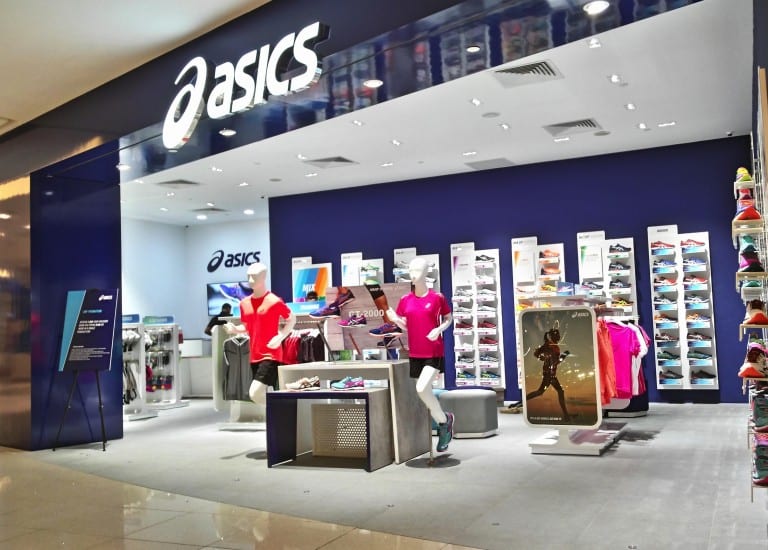
    Asics Singapore has launched an online store, with other Southeast Asian markets to follow soon.

    The one-stop destination for all Asics products introduces an integrated shopping experience with shoes exclusive to the online store and a seamless check-out experience.

    The e-commerce site will strengthen Asics’s omnichannel retail strategy in Singapore, providing avid runners with easy access to shoes across all categories and a platform to browse for new purchases while on the move.

    Shoppers can choose to collect their orders directly from the stores or have them delivered.

    Asics’ brick-and-mortar stores will have tablets accessible to customers who want to  experience the Asics.com portal while in store.

    During the next eight weeks, shoppers can collect Asics shopping vouchers at pop-up vending machines across the island. By answering the questions posted weekly on the machines, shoppers can receive an eight-digit code to obtain the vouchers.

    This month, vending machines will be placed at SAFRA EnergyOne Toa Payoh from April 8 to 17; at SAFRA EnergyOne Yishun from April 18 to 27; and at Singapore Polytechnic (InnoMall) from April 28 to May 5. More locations will be revealed on the Asics Instagram account.

  • Zilingo received fresh investment funding

    Zilingo received fresh investment funding

    Online marketplace Zilingo has raised US$226 million in its recent Series D funding.

    The fresh capital round brings the total amount raised by the company to $308 million. Having secured its latest investments, the company is now looking to China as well as other key Asian markets as part of its growth strategy to expand its B2B business.

    Key investors from this latest round included Sequoia Capital, Temasek Holdings, Burda Principal Investments, Sofina, Singapore investment fund EDBI as well as existing investors.

    “Sequoia’s investment in Zilingo dates back to when the company wasn’t even yet incorporated and the name wasn’t finalised,” said Sequoia Capital (India) Singapore’s MD Shailendra Singh.

    “Ankiti and team have rapidly transformed their original ideas about Zilingo into a platform company that serves fashion consumers, merchants, retailers, brands and manufacturers, collectively representing a multi-hundred-billion-dollar market size. We are amazed by the team’s ability to envision and execute against such an ambitious roadmap and are excited to continue to support them on their journey.”

    The company says it plans to invest the capital in long-term value building across the supply chain, building new and deeper relationships with manufacturing partners in Vietnam, Cambodia, Sri Lanka and China, and expanding into new markets such as the Philippines, Indonesia, Australia and the US this year.”

  • Amazon Products Now Available in Australia

    Amazon Products Now Available in Australia

    Amazon has launched another key part of its business in the Australian market – it’s advertising products.

    Amazon Advertising, the part of the company that offers display and video ads and an online tool to programmatically buy ads, launched in Australia on Friday, according to a company blog post.

    This gives businesses a way to reach the millions of unique visitors who land on Amazon’s local website each month, according to figures the company cited from SimilarWeb.

    “With Amazon Advertising, agencies and advertisers – regardless of whether or not they sell on Amazon – can deliver relevant messages to customers on and off Amazon, throughout their customer journey,” the blog post reads.

    The launch comes amid a recent revamp of the US e-commerce giant’s advertising business. In 2017, the company added a new office and 2000 jobs, mostly in advertising, in New York City. It has also introduced self-service buying tools, among other new products, and started providing deeper insights into its enormous customer database.

    These efforts seem to be paying off. Advertising was part of Amazon’s fastest growing business segment last year. Revenue from the company’s “other” category, which includes advertising, grew 115 per cent in 2018, to US$10.1 billion. Research firm Magna estimated that advertising accounted for US$6 billion of that figure.

    Most of this growth has come at the expense of rival digital advertising giant, Google, according to a report last week

    The report stated that WPP PLC, the world’s largest ad buyer, spent about US$300 million on Amazon search ads in 2018, and about 75 per cent of that money came from Google search. This was up from the US$100 million to US$150 million it spent on Amazon search ads in 2017, according to sources familiar with the matter.

    Advertising at the point of purchase

    One reason Amazon may be attracting more advertising dollars is that it enables businesses to reach customers much closer to the point of purchase than Google or Facebook, although both tech giants – particularly Facebook, which owns Instagram – have been working to close the gap between the discovery and purchase stages of the customer journey for some time.

    But before retailers completely upend their advertising budgets, they may want to consider the metrics they’re using to allocate budget to begin with. New research from Monash University has revealed that ‘last touchpoint attribution’, a key metric most advertisers use to measure ad effectiveness and allocate budget, is not accurate.

    “At the moment, if a consumer buys a new toy online, Google can look at the search patterns that person has had over the past few days, or whether they’ve received any emails from a department store such as Kmart,” Peter Danaher, head of the department of marketing at Monash Business School, said.

    “They use a method called ‘last touchpoint attribution’. So, if the consumer last opened an email about toys, the email gets the credit. It they last did a Google search on toys before making the purchase, Google gets the credit.

    “The advertising industry has used this method for the past five years because it’s simple and effective. The problem is, this method ignores how long consumers remember an advertisement.”

    According to Danaher, last touchpoint attribution doesn’t take into account the cumulative effect of seeing ads in different places, and allocating budget based on this metric is less effective than allocating budget to maximise profit.

  • Online grocery marketplace Dei Lifts Off in Singapore

    Online grocery marketplace Dei Lifts Off in Singapore

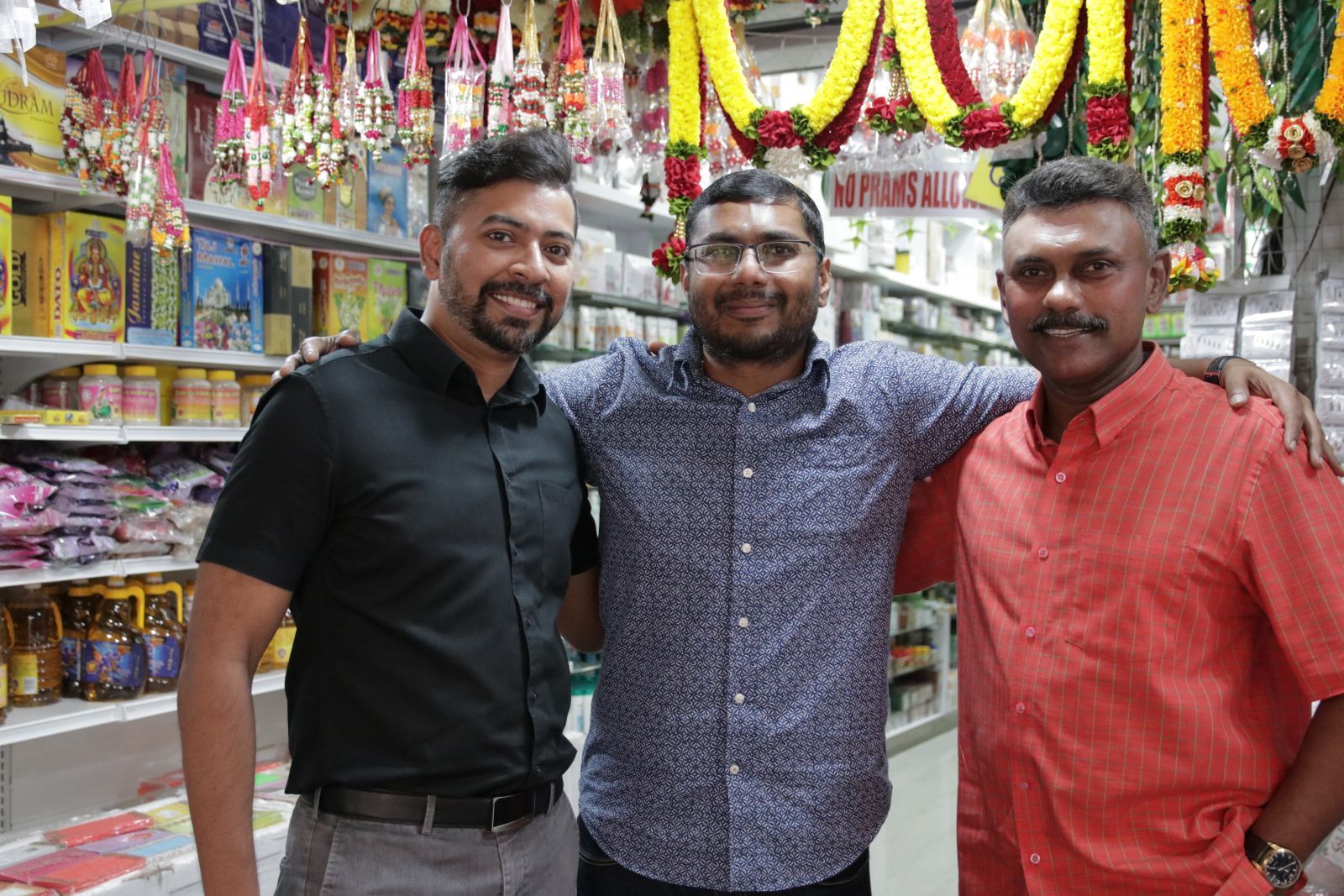
    Home-grown online grocery marketplace Dei has launched in Singapore.

    Standing for ‘Daily Everything’, Dei hosts more than 70 physical Singapore-based Indian retailers, and 15,000 products categorised into canned goods, clothing, locally sourced vegetables, fruit and meat.

    Consumers will enjoy same-day delivery along with post-sale services.

    “Dei was founded to promote digital transformation and introduce new technologies for Little India’s merchant community,” said Jay Varman, co-founder and CEO.

    “With Dei, Little India’s retailers and merchants can enjoy greater access to the greater Singapore community and increase their revenue by up to 30 per cent.”

    Appointed by the Little India Heritage Association (LISHA) and the Singapore India Chamber of Commerce and Industry (SICCI), Dei was soft-launched in 2016, and has gained year-on-year growth of 120 per cent, peaking at an average of 50 daily orders with an estimated $900,000 in total revenue.

    “Dei helps to bridge the gap between e-commerce and the traditional brick and mortar space, allowing for the consolidation of shipments into one,” said Rajakumar Chandra, chairman of LISHA,

    “We hope to collectively onboard all business owners and merchants of Little India to ensure that everyone benefits from the nationwide digitalisation push. Furthermore, we are in discussions with representatives from Chinatown and Kampong Glam to expand into their respective precincts, thus providing a truly seamless experience for all Singaporeans.”

    The platform is currently raising seed funding for future expansion. It plans to build hyperlocal, omnichannel-integrated marketplaces across Southeast Asia.

  • Shiseido and Alibaba Collaborating to Please Chinese Customers

    Shiseido and Alibaba Collaborating to Please Chinese Customers

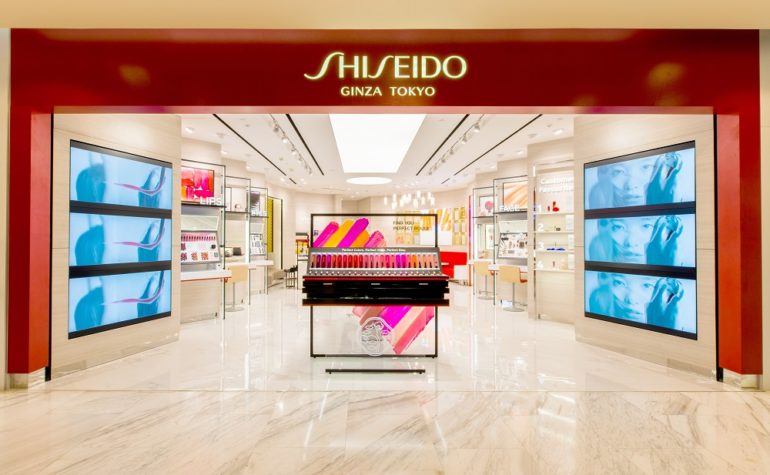
    Japanese cosmetics giant Shiseido on Sunday become the world’s first multinational cosmetic company to open a dedicated office in Hangzhou to work with Alibaba Group and co-create products specifically tailored for Chinese consumers.

    The Shiseido and Alibaba office, within walking distance of the Alibaba Xixi headquarters, will house a team of around 20 Shiseido employees by next year. The purpose is to tighten collaboration with Tmall, Alibaba’s B2C marketplace and better position Shiseido in China, said the makeup company’s China region CEO Kentaro Fujiwara.

    “China is Shiseido’s biggest and most-important market [outside of Japan]. By combining Alibaba’s strengths in digitisation and consumer engagement with Shiseido’s world-class standards in research and development, we can create products that can precisely capture the appetite of the Chinese consumer,” he said. “I hope this unprecedented collaboration will pave the way for further innovations for the entire [Shiseido] group.”

    According to Shiseido, its China business saw the fastest acceleration in 2018 with sales growth of 32.3 per cent year-on-year to RMB 11.6 billion (US$1.73 billion). China accounted for 17.4 per cent of Shiseido’s total net sales last year, making it the profitable country market, following its home market Japan. Shiseido said it expects e-commerce to generate 40 per cent of its China sales by next year.

    “Without a doubt, whether it be e-commerce or digital innovation, Alibaba is the leader. Alibaba is one of the most important strategic partners for Shiseido China as well as for the entire group,” said Fujiwara.

    Mike Hu, president of Tmall’s fast-moving consumer goods division, said Shiseido’s leadership position in the industry and its quick adaptation to digital transformation is a common value shared by Alibaba.

    “Our primary mission is to enable others, and we are always eager to work with the world’s leading companies to help them bring their best products into the China market in the most effective and efficient way. This definitely includes Shiseido, a reputable brand that is synonymous with high standard and high quality,” he added.

    “The opening of the Shiseido and Alibaba office represents an important and historical milestone of our long-term collaboration,” Hu said.

    One of Shiseido’s cosmetics brands, Za, opened a Tmall flagship store in September 2011. Since then, 12 flagship shops and 15 major brands also launched on the platform. Fujiwara said there is a plan to bring Shiseido’s mother-and-baby product brand into China later this year via Tmall.

  • Pininfarina Launches New Website To Strengthen Its Online Presence

    Pininfarina Launches New Website To Strengthen Its Online Presence

    Mahindra-owned Pininfarina has announced the launch of its new website detailing out its complete product and service that are on offer. The Italian marque says that the new website will further aid to strengthen the company’s digital presence and showcase how broad and structured its service offer is. For this project, Pininfarina has roped in the creative agency Vangogh from Milan, which has designed and developed the new website.

    Talking about the company’s new website, Giuseppe Bonollo, Director Sales and Marketing, Design, Pininfarina S.p.A. said, “We are a company made up of people with a multitude of skills, from car design to engineering, from industrial design to architecture, from digital design to the ability to build prototypes and cars in small series. A wealth of skills that allows us to have a unique and comprehensive approach to projects, always consistent with our mission from the beginning: the creation of products and services that transform and innovate the experience for the end user. The new site is, therefore, the global showcase of the plurality of our skills and services”.

    In addition to the company’s several design projects, the website also offers details about its all-new fully-electric hypercar the Battista, which was revealed early this year in Cambiano, Turin. Furthermore, the website also talks about Mahindra’s recently launched intermediate commercial vehicle, the Mahindra Furio.

    Max Galli, President of vangogh said, “We are excited to collaborate with Pininfarina, another Italian excellence that entrusts to our agency the objective of enhancing the Made in Italy talent oriented to the global export of quality. Creativity, innovation and effectiveness are the levers that will guide us in this precious “collaboration”, in which the values of Pininfarina reflect those of our agency”.

  • What Makes Dropshipping the Future of E-commerce

    What Makes Dropshipping the Future of E-commerce

    There are plenty of articles floating around on the internet with numbers that reveal how much dropshipping is making. And those who believe that e-commerce is a thing in just North America and Europe are wrong. It is a global phenomenon and will continue to be one of the cornerstones for the future. But what makes drop shipping so popular for both individuals who are looking to make some extra money on the side and massive companies that dominate their area of expertise? The answer is not that simple as there are quite a few reasons why that is. The most attractive aspect of this business model is that the best dropshipping products can be found anywhere: Google, YouTube, AliExpress, etc. You don’t have to look far to find a winner!”

    Product Sourcing

    If you consider how regular e-stores operate, it can become quite problematic for those who get their products from other manufacturers and sell them after. The whole thing becomes even more of a headache if it is in another country. Items are delivered in bulk, so calculating how much you are going to sell beforehand is crucial. And who is capable of doing calculations that are perfect? The more you delve into it, the clearer it becomes how much money, time, and other resources it takes.

    Meanwhile, dropshipping eliminates all these problems and allows you to focus on marketing and profits. Even if you do have to deal with issues that arise with the products, it is no more than a couple of emails every day or so.

    Storage

    While this point has been mentioned above, it would still be worth emphasizing how much of a difficulty it can be to store your products. Take used car parts for instance. There will be another issue besides the lack of space. It is not that great for the environment, so if certain agencies get the hang of what you have, you might end up in trouble. And there are a number of products that would cause this.

    Order Fulfillment

    Packing, going to the post office, etc. is not that big of a problem if you have just a few items to ship every other day. However, as soon as things start to pick up, you will more than likely not have enough time for all of that. And if you are stuck all day dealing with order fulfillment, there will not be enough time to focus on the website and marketing. Once the scaling begins, it will be physically impossible to deal with everything yourself, and hiring others will mean paying them. Again, this is another problem that does not exist in dropshipping. Logistics are not the same.

    Photos and Cataloging

    To shine in the world that is dominated by big companies, a new e-shop owner will have to put as much effort as possible. Products will need to appear as attractive as they can, which means that there will be a need for an expensive camera, and even a professional photographer. It would not be a stretch to say that you will need to get an entire studio for things to work out in your favor. Meanwhile, drop shippers have it easy thanks to the amazing product importing feature app. This app allows for photos to be instantly imported.

    Potential to Scale

    The potential to become a powerhouse in e-commerce by drop shipping is massive. There are plenty of companies that started out as nothing but an individual or a group of people who had the same goal. Since the method requires very little money to invest, a lot of money can be used for expansion. The more time you spend learning about how it works, the easier it will become to make your dream a reality.

    Testing Different Products Without Spending

    It is more than likely that you will not have a lot of success with your first venture. But that is not a bad thing as it will be a good experience for the future. Dropshipping allows you to sell and test without spending money yourself. Finding the perfect product to focus on will take time, but if there is one method that allows you to do so without worrying about financial loss, it is this one.

    All in all, it should become clear why dropshipping is such a great thing and will continue to be one of the cornerstones of e-commerce in the future. What is dropshipping is the question that first-timers might pose, but it is thoroughly explained in the second chapter of the ebook by Oberlo titled “Dropshipping 101: Ecommerce Without Inventory”. So if you are interested in starting something of your own, give this ebook and other sources of information a read.


  • Walmart partners with Google for voice shopping

    Walmart partners with Google for voice shopping

    US retail giant Walmart and tech company Google have collaborated on voice technology to assist customers with grocery shopping.

    Starting this month, Walmart Voice Order will allow consumers to order groceries through Google Assistant by saying, “Hey Google, talk to Walmart”.  Google Assistant will then follow the orders directly and add grocery items to their Walmart Grocery cart.

    “We continue to innovate for the future and look to technology to make great services even better in the future. Introducing: Walmart Voice Order,” said Tom Ward, senior vice president, Digital Operations, Walmart US.

    “With the new voice ordering capabilities we’re building across platforms with partners like Google, we’re helping customers simply say the word to have Walmart help them shop … literally.”

    “Best of all, customers can be extra confident that we can quickly and accurately identify the items they are asking for with the help of information from their prior purchases with us. The more you use it, the better we’ll get,” added Ward.

    When shoppers say “add milk to my cart,” the Google Assistant will add the specific milk brand the customer usually buys, meaning there is no need to continually repeat the brand, volume and whether it’s a low fat or whole milk.

    Shoppers can use Walmart Voice Order on Smart Displays like Google Home Hub, Android phones, iPhones, watches, etc.

    “We know when using voice technology, customers like to add items to their cart one at a time over a few days – not complete their shopping for the week all at once. So, this capability aligns with the way customers shop. We can’t wait to hear what they think about it and how it’s making shopping easier for them,” Ward explained.

    Walmart, Amazon competes in the US grocery sector

    Walmart’s latest move comes in light of Amazon’s plans to slash prices at Whole Foods Market and to give major discounts to Amazon Prime members. Amazon also offers voice-activated shopping using its own Alexa-enabled devices, which dominates the US smart speaker market, with 67 per cent market share in 2018.

    “We still don’t see a lot of people shopping and buying with smart speakers yet, but this may change if more lower-cost models begin to incorporate screens. We’re also likely to see people doing more things with their voice assistants as they find their way into cars and other home-based devices,” said analyst Victoria Petrock.

    There are still a minimum number of shoppers who are using speakers to shop. Voice commerce in 2018 accounted for approximately 0.4 per cent of US e-commerce sales. Analysts expect it to increase in the next few years.

  • SF Express Logistics shuts SF Best retail network

    SF Express Logistics shuts SF Best retail network

    Chinese logistics firm SF Express is reportedly closing its network of SF Best offline retail stores in major Chinese cities.

    The move, which has seen the shuttering of the firm’s e-commerce and retail business SF Best, has been prompted by a slowing economy and thin margins in the sector. The brand was formally considered at the head of China’s e-commerce wave.

    Just two years ago, SF Best announced plans to open 10,000 outlets within three years. Its aggressive offline expansion plans, however, saw heavy retail losses and a high turnover in management that sent the firm into a dive.

    A spokesperson for the firm announced that it is currently undergoing restructuring and plans to ramp up operations in Beijing and southern China before further expansion. It is also working to strengthen its online brand.

  • Vingroup buys Vietnam c-store chain Shop&Go

    Vingroup buys Vietnam c-store chain Shop&Go

    Vingroup has acquired 87 Vietnamese Shop&Go convenience stores for just US$1.

    Vingroup’s retail arm VinCommerce, which manages Vinmart supermarkets and Vinmart+ convenience stores, will upgrade infrastructure, staff and goods at the acquired stores by the end of next month.

    According to a VinCommerce statement, Shop&Go made the approach and offered to sell itself.

    “The competition is more intense than we imagined; that is why we’ve decided to leave,” a Shop&Go spokesperson said, admitting Vietnamese retail market still has potential for growth.

    “We have sold our stores to Vingroup so it can continue to develop them.”

    Opened in 2006, Shop&Go was one of the earliest convenience store chains in Vietnam.

    By 2016, it had aggregated losses of almost VND205 billion (US$8.81 million).

    VinCommerce runs 108 VinMart supermarkets and 1900 VinMart+ convenience stores.

    Last year, it acquired supermarket chain Fivimart with 23 outlets.

    In a report last year, Nielsen Vietnam observed a rise in visits by Vietnamese to convenience stores. The average shopper uses a convenience store 4.5 times per month – three times the frequency of 2010.

  • South Korean online retail sales show steep climb

    South Korean online retail sales show steep climb

    South Korean online sales posted double-digit growth in February, underpinned by soaring demand for air purifiers.

    The spike in demand was caused by an instance of fine-dust pollution that hit Korea during the month.

    The findings were published in a Ministry of Trade, Industry and Energy report last Thursday that registered a 12 per cent advance in online retail sales compared with the same period last year.

    Home appliances sales, encompassing air purifiers, grew 62.2 per cent over the course of the month.

    The February figures contrasted with a 0.4 per cent dip in revenue by both online and offline major retailers and a 7.1 per cent decline in offline sales. Discount outlet sales also dropped by 13.7 per cent.

  • DHL Express Helps Out on Circle K’s e-commerce deliveries in Hong Kong

    DHL Express Helps Out on Circle K’s e-commerce deliveries in Hong Kong

    DHL Express has extended its On Demand Delivery service to more than 300 Circle K stores across Hong Kong.

    Customers will be able to visit Circle K stores to pick up their overseas merchandise, “whenever and wherever it is convenient,” said a DHL spokesperson.

    Receivers are notified via email or short-messaging system (SMS) about a shipment’s progress.

    A mobile-optimized website allows them to choose from a selection of delivery options including redirecting the delivery to a DHL service point or nearby convenience store.

    Added the spokesperson: “DHL Express couriers will be notified of these delivery preferences in real-time, ensuring shipments are delivered at the right time, to the right place and at the utmost convenience to the customer.”

    The addition of the Circle K stores, customers can now choose from more than 600 convenient locations in Hong Kong.

    DHL Express has added a new feature – Courier Time Window – which will send an SMS reminder to receivers on the day of delivery to alert them to a specific timeframe when they can expect their delivery. Receivers could request for changes in delivery time and location to avoid a missed delivery if they are on the move.

    Herbert Vongpusanachai, senior vice president, managing director, DHL Express Hong Kong and Macau, said: “The growth of online shopping has fuelled the need for greater delivery offering. On Demand Delivery provides an intuitive and flexible delivery option that customers can be in control of.”

    Krystie Tang, general manager, marketing & purchasing at Circle K, said: “This new partnership with DHL Express allows us to serve our customers better by offering them the chance to be in control of the last mile fulfilment service of their online shopping experience.”

    On Demand Delivery is now available in more than 160 countries and territories and in 45 languages globally.

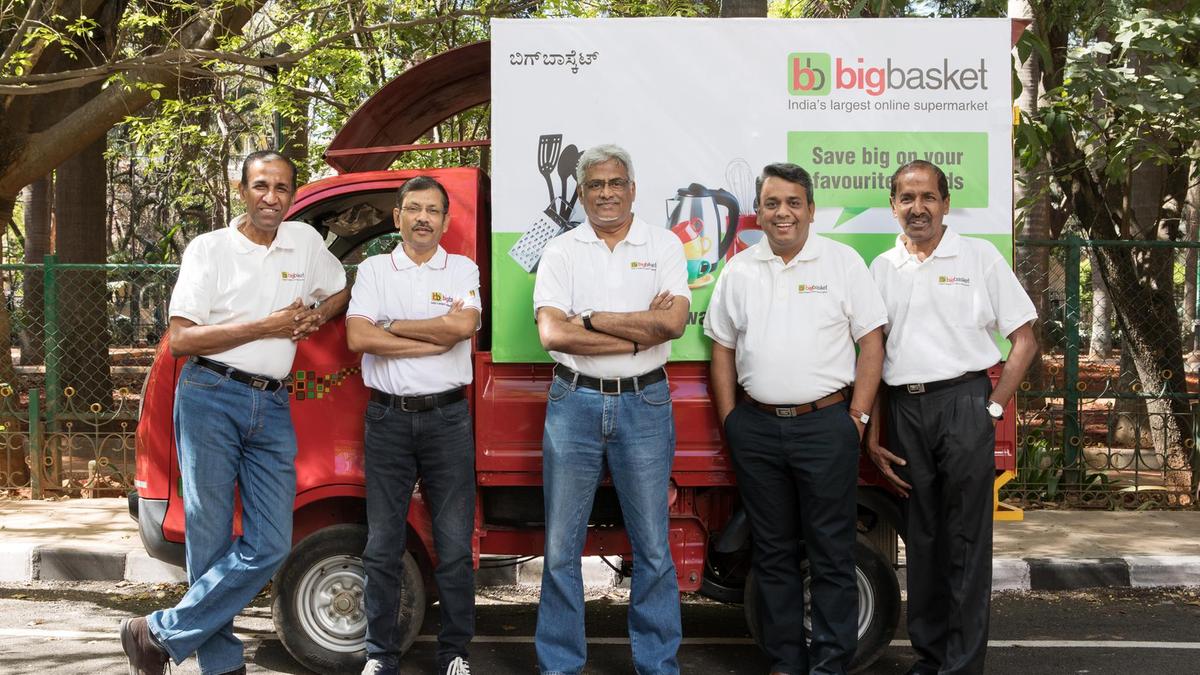
  • Indian online grocer BigBasket raises Millions for next Phase

    Indian online grocer BigBasket raises Millions for next Phase

    Indian online grocery platform BigBasket has raised investment capital of about US$150 million.

    The investors include South Korean Mirae Asset Management (at about $60 million), the UK’s CDC Group (at $40 million), and existing investor Alibaba (about $50 million). The investment figures were shown in documents submitted to the Ministry of Corporate Affairs.

    BigBasket received $300 million in February last year from Alibaba and other investors and has been discussing seeking further funding since last November. The firm aims to generate revenues of the equivalent of $2.5 billion by next year.

    The online-grocery market is burgeoning in India, and accounts for a sizeable proportion of unorganised retail in the country.