Tag: ecommerce

  • Amazon’s huge profit drop

    Amazon’s huge profit drop

    Amazon has reported a jump in retail sales but its profits took a big hit as the e-commerce giant continues investing in a number of costly areas, including video, fulfilment centers and international expansion within fast-growing economies such as India.

    The world’s largest online retailer has reported a 77 per cent slump in quarterly income and forecast a potential operating loss in the current quarter, $US300 million ($A376 million) to a loss of $400 million.

    The company posted second-quarter revenue of $38 billion, up 25 per cent from the previous corresponding period.

    Operating cash flow increased 37 per cent to $17.9 billion for the trailing twelve months, compared with $13.0 billion for the trailing twelve months ending June 30, 2016. Free cash flow increased to $9.7 billion for the trailing twelve months, compared with $7.7 billion for the trailing twelve months ended June 30, 2016.

    Operating income decreased 51 per cent to $628 million in the second quarter, compared with the operating income of $1.3 billion in second quarter 2016.

    “Our teams remain heads-down and focused on customers,” said Jeff Bezos, Amazon founder and CEO.

    “It’s energising to invent on behalf of customers, and we continue to see many high-quality opportunities to invest.”

    According to Neil Saunders, managing director of GlobalData Retail, Amazon’s breakneck growth stood in contrast to the fate of many brick-and-mortar rivals, who have struggled to find their footing as more people shop online.

    “While many other retailers are bumping along the bottom in terms of growth, Amazon increased its sales line by almost a quarter,” Saunders said. “In real terms, this means the online behemoth took some $7.5 billion more in revenue this quarter than during the same period last year. By any standards, this is an impressive performance – but it is doubly so for a company of the size and scale of Amazon.”

    “Worryingly for other retailers, Amazon shows no signs of slowing down.”

    Saunders said Amazon’s growth this quarter was sequentially better than last. Even in a mature market like North America, Amazon still managed to grow its sales line by 26.6 per cent.

    “And all of this comes before the sales benefits of Whole Foods, which will boost future growth rates by around 12 percentage points. All in all, it is clear that Amazon is not only increasing its dominance but is doing so at an ever-faster pace,” he said.

    Saunders said, however, that as good as Amazon is at generating sales, it is far less successful in turning those sales into profits.

    “To be fair, much of this is deliberate: Amazon chooses to reinvest in its business and to sacrifice profits to boost its market share and dominance,” he said. “However, such a strategy shows up in a weak set of bottom line numbers. Indeed, in its latest quarter, Walmart made more net profit in a week than Amazon did during the entire three-month period.”

    “As we predicted in our last note, Amazon’s profitability is getting worse rather than better,” Saunders said. “However, it all adds up to one thing: Amazon is buying sales at the expense of the bottom line.”

    He said in their view, this is a sustainable position both because Amazon is cash generative and is not losing money; nevertheless, it takes some of the shine off Amazon’s success.

    “The unfortunate truth for other retailers is that Amazon’s growth and success will force them to reduce margins, especially if they want to grow in e-commerce,” he said. “And While Amazon is comfortable operating with relatively low profitability, many other retailers – and their investors – are not. This is something that will create some significant pain points over the coming years.”

    Bezos’ wealth skyrockets

    Bezos also briefly became the world’s richest man in Forbes magazine’s tracking of wealth, as stock in his e-commerce company hit an all-time high.

    Microsoft founder Bill Gates reclaimed the lead by Thursday afternoon, as Amazon’s stock fell nearly 1 per cent for the day to $US1046.

    Amazon shares have been trading at a record high. They hit $US1083.31 at about noon on Thursday. According to securities filings, Bezos owns about 80 million shares, or 17 per cent; those shares were valued at more than $US87 billion ($A109 billion) at the peak. Bezos also owns The Washington Post through a holding company.

    Forbes said Bezos’ net worth was about $US90.6 billion when the market opened on Thursday. Gates had $US90.1 billion. Forbes said Gates would have been the undisputed leader had he not given billions of dollars away to various philanthropic causes. Bezos issued a request for philanthropic ideas in a tweet in June, just before Amazon announced a $US13.7 billion deal for organic grocer Whole Foods.
  • Amazon to raise the bar in Australian delivery

    Amazon to raise the bar in Australian delivery

    The arrival of Amazon will catalyse an uplift in consumer expectations around the speed, price and reliability of retail delivery, putting pressure on businesses to improve supply chain practices to remain competitive.

    That’s the message from Greencross chief information officer (CIO) Paul Kennedy, who isn’t buying the typical arguments against the viability of best practice delivery in Australia.

    “We like to use excuses,” he told an audience at Online Retailer on Wednesday. “We say Australia’s big, or that it’s not very densely populated…some of those things are true, but two-thirds of Australia’s population live within a day’s drive of Melbourne or Sydney.”

    “If you have distribution in those cities you should be able to get out to customers within a day…there are things within the retailers control, if it can get out of your DC the day it’s ordered then it has got a lot better chance of getting to customers the next day.

    “We need to focus on our internal teams, on order by here, ship it by there, get it to the customer by there,” he said.

    Kennedy, one of the architects behind John Lewis’ omnichannel strategy in the UK and former CIO of APG & Co., believes it’s only a matter of time before on-demand or so-called ‘uberised’ delivery becomes widespread in the Australian market

    He expects Amazon’s entry to propel the market towards that reality, redefining what Australian consumers see as acceptable offer.

    “You can overplay the Amazon threat, but you can’t overplay customer expectations – they’ll continue to go up and we need to respond to it.

    “That’s the most notable difference between sites in the UK and Australia. They’ll say, ‘order it by there and it’ll get delivered by here’,” Kennedy explained.

    Greencross, which owns pet supplies retailer Pet barn, is one of many publicly listed companies to have been thrown under a cloud in recent months, having had its earnings guidance cut by UBS earlier this year.

    Its share price is down almost 15 per cent since January as uncertainty over the impact of Amazon’s entry, as well as macroeconomic headwinds, continue to weigh on the market.

    It makes Kennedy, who was poached from APG & Co in late 2015, all the more important. As he says, supply chain may not be the sexiest part of retail, but it is where the money is made.

    He expects stores to be the cornerstone of logistical success for established retailers in an Amazon enabled environment, advising retailers to implement omnichannel strategies that leverage pre-existing assets.

    But there remains a disparity between what customers say they want and what they are willing to pay for it, Kennedy said.

    “Lots of people talk about same day delivery, lots of couriers do it, lots of vendors offer it and every customer will tell you they want it.

    “It’s a good idea, and I can see why in some sectors it’s really valuable, but the big challenge is that customers just don’t want to pay for it,” he said.

    Kennedy cautioned against investing too heavily in ultra-fast delivery services, noting that investing in same-day as a premium offer only makes sense if an adequate number of customers are prepared to pay for it.

    There are, however, ways to make it work. Kennedy agrees that the prime model has been successful in helping Amazon justify free same day, or next day delivery in many parts of the US and UK, and that a subscription/replenishment model has its place.

    “If you have replenished able items it might make sense to say, ‘sign up for $50 a year and we’ll cover your freight under this arrangement for the whole year’…we already do subscription dog food and that sort of thing, but for most retailers with less frequent purchases it would be a harder argument.”

  • Amazon reportedly coming to Singapore

    Amazon reportedly coming to Singapore

    Amazon is said to be coming to Singapore and as soon as this week, according to a report by TechCrunch, marking the US e-commerce giant’s entry into Southeast Asia.

    A close familiar with the matter told the tech publication that Amazon plans to launch Amazon Prime, Amazon Prime Now fast delivery and Amazon’s regular e-commerce services, in a bid to tap Singapore’s population of over five million people.

    Exact product offerings and pricing remains unknown at this time.

    The Singapore rumour mill started brewing in 2016 when Amazon hinted at the idea of entering Southeast Asia last November, but it was reportedly delayed following complications.

    Via social media, a quick glimpse at Instagram this week shows Amazon has already begun slyly marketing its services through online influencers who have posted sponsored content in a bid to tease Amazon’s Prime Now to their followers, using with the hashtag #dontsaybojio.

    Among the influencers are Jaime Teo, theramengirl, Charmaine Seah-Ong and online portal superadrianme.com. While Amazon isn’t mentioned in the posts, the iconic ‘tick’ logo is seen on the packaging of goods shown.

    Amazon’s move mimics Chinese e-commerce giant Alibaba, who has been rapidly expanding in Southeast Asia over the past year.

    Milestones include the major investments in Malaysia such as the Digital Free Trade Zone, its first e-hub outside of China along with the availability of the Alipay digital wallet and Alibaba Cloud service.

    The Singapore news comes as Amazon readies for an imminent Australia debut, signalling the retailer’s plans for a piece of the burgeoning e-commerce markets in Asia-Pacific.

  • Givenchy Wins on Gogoboi’s New E-Commerce Channel

    Givenchy Wins on Gogoboi’s New E-Commerce Channel

    It was only in April that top Chinese KOL Gogoboi launched his own WeChat boutique “Bu Da Jing Xuan,” a platform on which he curates selections of goods from luxury e-commerce retailers like Yoox, Net-A-Porter and Farfetch to sell to his fans (he’s got over 7 million followers on Weibo).

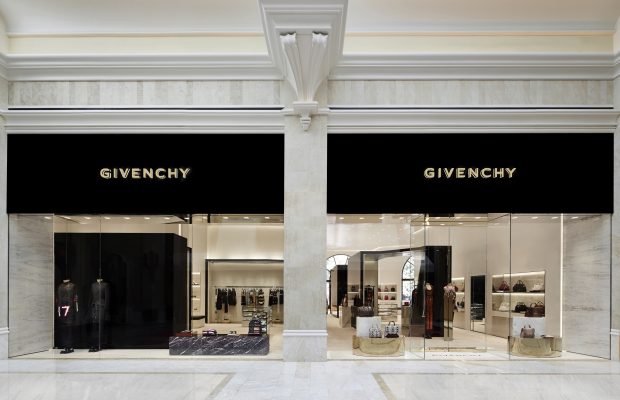
    But Gogoboi has already gotten his first luxury brand on his platform, Givenchy.On July 14, Givenchy launched its new Duetto handbag collection on this platform and became the first luxury brand to test out this influencer’s own e-commerce channel.

    The official price of the new collection is 7490 yuan, which is consistent with the offline price. This exclusive online sale includes seven styles (in addition to black and white, the bag also came in a variety of colors), and for each style, there were six bags available for purchase.

    The result was a success. The featured black-and-white style was sold out after half an hour after the campaign went live, and within 72 hours, all of the available styles were sold out.

    With a background in fashion editorial, Gogoboi’s distinct writing style is what first garnered him a loyal fan base. His witty humor and harsh comments on celebrity styles make his blog stand out in the competitive KOL landscape.

    Mr. Bags recently wore in a handbag collaboration with Tod’s and “Miss Shopping Li” stepped out of fashion to embark on her first collaboration with the car brand MINI and is in the midst of launching her own brand.

    It’s never a one-way street, while bloggers are busy broadening their horizons, brands are also looking for better ways to take advantage of their massive fan economy.

  • LVMH’s Louis Vuitton launches e-commerce website in China

    LVMH’s Louis Vuitton launches e-commerce website in China

    French fashion brand Louis Vuitton, part of luxury giant LVMH , said on July 21st it had launched an e-commerce website in China to tap a booming online shopping market.

    Louis Vuitton, which opened its first store in Beijing in 1992, said the website offered leather goods, small leather goods, shoes, accessories, watch and jewellery, luggage, and the newly launched Les Parfums Louis Vuitton.

    Payments can be made via UnionPay, Alipay and WeChat, the statement said.

    The website will be available in 12 cities – Beijing, Shanghai, ChongQing, Chengdu, Guangzhou, Shenzhen, Hangzhou, Nanjing, Shenyang, Dalian, Haerbin, Wuhan. More cities will be added later on.

    It is the 11th e-commerce market for Vuitton since it launched its first site in France in 2005.

  • Korean online shopping growth surge as retail sales stumble

    Korean online shopping growth surge as retail sales stumble

    Online shopping is experiencing a growth surge, accounting for close to 20 percent of all retail sales in the first quarter of this year.

    Retail transactions in the three months to March totaled 96.56 trillion won (US$85.83 billion), a growth of 4.7 percent from the same period a year before, according to Statistics Korea. The sum of online shopping was 18.21 trillion won, or 19 percent of the total.

    This represents a 19.6 percent leap from the same quarter of the previous year and the largest total since related record keeping began in 2010.

    The ratio of online sales to all retail sales has grown in double digits every quarter since the fourth quarter of 2012, when it was 10.2 percent. It reached 17.7 percent in the last quarter of 2016.

    In monetary terms, the amount of transactions has also expanded by double digits, increasing the growth pace from 11.2 percent in the first quarter of 2013 to 23.2 percent in the third quarter of 2016. It fell to 19.6 percent in the first three months of this year.

    The mobile sector played a critical part in contributing to online shopping, accounting for 59 percent of the sales in March.
    “Mobile shopping has grown with the wide penetration of smartphones, and shopping malls have also been pushing their mobile platforms,” a Statistics Korea official said.

    Such high performance of online sectors contrasts with sluggish figures in the overall retail market. Retail sales gains that reached over 10 percent in the first two quarters of 2011 shrank to 0.6 percent by the second quarter of 2013. They bounced back somewhat to 3-5 percent last year.

    Sales at department store, the strongest source of offline shopping, have backtracked. The monetary amount of transactions fell 1.5 percent in January from a year before, 5.6 percent in February and 3.5 percent in March. The figures showed a decrease of 2.2 percent in April and 4.6 percent in May.

  • E-commerce dominates purchasing habits

    E-commerce dominates purchasing habits

    With the rapid evolution of technology and the internet, consumers are changing their attitudes and behaviours. Therefore, moving fast to understand changes in consumer demands is crucial for any business to grow sustainably, according to research conducted by Kantar Worldpanel Vietnam.

    Internet accessibility in Vietnam at present includes 94 percent of urban households and 69 percent of rural households.

    If internet accessibility continues to grow at the current pace, nearly 100 percent of Vietnamese households will be connected to the internet in the next five years, the research said, adding that the number of broadband subscribers in Vietnam is 53.411 million.

    The development of such services has prompted businesses and consumers to use the internet for different purposes like marketing, selling, buying and payment.

    According to Google, eight out of ten Vietnamese consumers are online at least once a day.

    Today’s Vietnamese consumers are also more familiar with shopping online. Even before they make a purchase, consumers use the internet to find information on products they considering buying, the research said.

    Higher purchasing power breeds greater aspirations, but does not mean that consumers will spend uncontrollably.

    “Over time, we have seen that households tend to save a greater proportion of their total income for the future and with interest rates in Vietnam still relatively rewarding, it is understandable. Anyone selling any consumer goods now has greater competition, within a smaller pie,” the research noted.

    Nguyen Huy Hoang, Business Development Director – Kantar Worldpanel Vietnam, said thanks to widespread internet coverage, Vietnamese consumers can access more diverse products and services. Through virtual stores, they can purchase products at home.

    With rising incomes and a growing middle class, cross border shopping is another developing trend. Many international brands start seeing Vietnam as a great opportunity for them to increase their sales. Today, this is happening in various industries such as fashion with many international brands moving into Vietnam and in fast moving consumer goods markets.

    More foreign brands can penetrate Vietnam‘smarket thanks to the proliferation of foreign retailers entering the market such as Emart, Aeon Mall and most recently 7-Eleven.

    Each has their own plan to expand with more store openings that will make more international products more accessible. With more foreign products more accessible to the masses in modern arenas but also in more traditional stores, this represents a threat to local products in Vietnam.

    Hoang said using the internet, businesses can promote their products to consumers in other countries quickly and cheaply, noting that borderless online shopping allows enterprises to maximise sales.

    The internet can also help farmers, small enterprises and communities introduce their products to the world.

    However, he said, the e-commerce market in Vietnam is still at the very early stage of development and needs big players to bring knowledge, know-how and expertise.

    Fabrice Carrasco, Managing Director of Kantar Worldpanel Vietnam and Philippines said Vietnamese consumers raise a lot of issues, with brand owners finding it hard to keep up with their modern lifestyle, independent decisions and demand for product sophistication. Such complexity requires developing on-trend products and talking to shoppers.

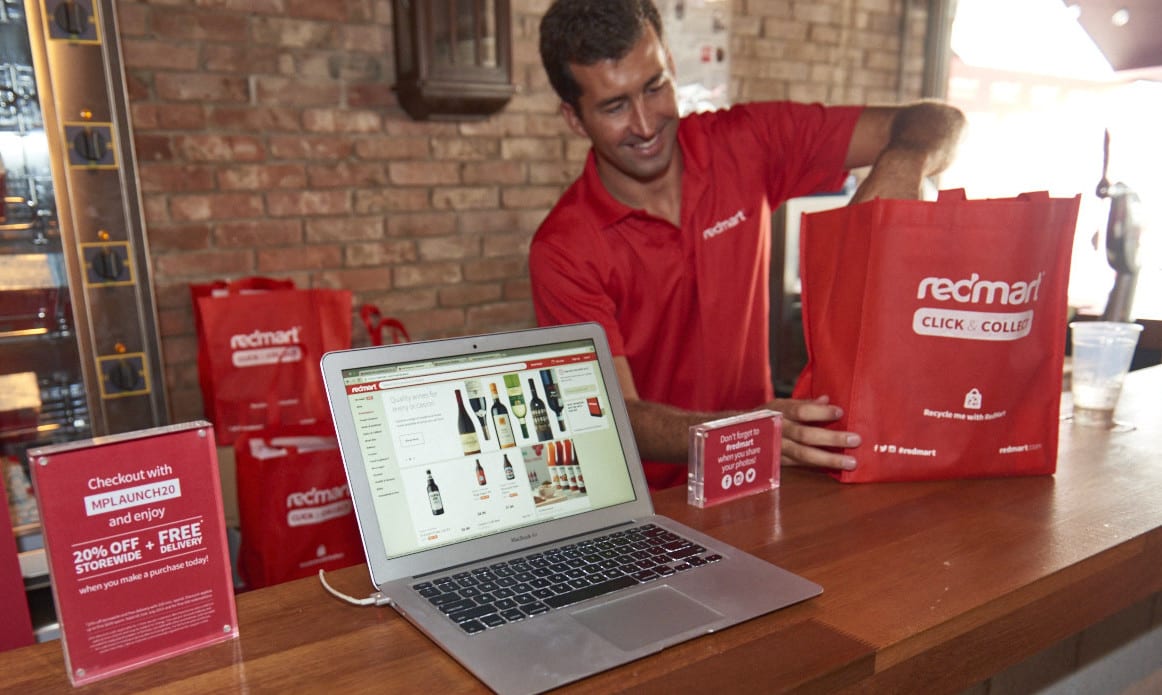
  • New RedMart executive aims to boost tech talent pool

    New RedMart executive aims to boost tech talent pool

    Back home in Singapore to work for online supermarket RedMart, Silicon Valley veteran Patrick Teo says he has another job on his hands: attracting other talent back to boost the island city/state’s expanding tech hub.

    After gaining a PhD in Computer Science at Stanford University and holding senior positions at Amazon, Facebook and Shutterfly, he has been appointed chief product officer and executive VP for engineering at Lazada-owned RedMart.

    “As a Singaporean, I see the exciting developments taking place at home and want to contribute to building the tech ecosystem here,” he says. He is keen to work with the industry and government “to further cultivate the talented engineers coming out of Singapore’s universities and attract many living abroad to come back”.

    Teo started his Silicon Valley career at online retailer and manufacturer Shutterfly, where he led its engineering teams from start-up to its IPO.

    He then went on to build Amazon’s digital music technology as head of technology and site leader of the company’s San Francisco office. Most recently, he led multiple engineering teams at Facebook.

    Now he reports to RedMart president Vikram Rupani, who says Teo’s presence is “a stamp of validation for Singapore’s maturing tech ecosystem”.

    Teo says that with top e-commerce companies such as Alibaba and Lazada investing in Singapore, the nation “is on the path to become a truly world-class tech hub”.

  • The Rise of Selfies in E-Commerce in 2017

    The Rise of Selfies in E-Commerce in 2017

    Over the last few years, e-commerce has evolved from a supporting act into a leading role. Retailers globally are looking for e-commerce to drive their future growth. As a part of this effort, retailers are realizing the benefits of providing an exceptional customer experience for their online shoppers.

    The maturation of existing technologies, including computer-vision, has provided retailers with the possibility to create compelling online customer experiences that drive results, increase customer conversion and loyalty as well as provide retailers with a wealth of information about their shoppers.

    Selfies and computer-vision in general are making their presence felt in the online customer experiences of retailers and are quickly winning the attention of shoppers.

    Solutions targeting specific e-commerce verticals, such as Amazon’s Outfit Compare for fashion, Smart Picture for home improvement and interior design or Revieve’s Digital Skincare Advisor for beauty are examples of offerings that are attracting the attention of ecommerce executives as they strive to grow their online businesses

    The most important benefit of leveraging selfies as part of creating a compelling customer experience for your shoppers is saving their time. Through selfies, shoppers are able to find products relevant for them and their desires faster than ever.

    Furthermore, selfies are becoming an increasingly important factor in building true one-tone personalization into e-commerce experiences.
    The fundamental shift being created by technology-lead solutions targeting specific verticals has to do with recent acknowledgements that not all online shopping is alike.

    The expectations of online shoppers vary widely across product groups and categories and retailers can no longer afford to consider their e-commerce visitors similar across verticals.

    This results in the need for retailers to create specific, vertical- or category –focused customer experiences to meet the needs of online shoppers and presents a change in the mindset of most e-commerce retailers.
    Although selfies are a relatively novel way of interacting with the shopper online, they represent an important opportunity for retailers in creating a competitive advantage through the online customer experience and helping combat against the dominance of Amazon.

    The days of building “one-size-fits-all” experiences for shoppers online will soon be but a distant memory.

  • Zara to launch online sales platform in India this October

    Zara to launch online sales platform in India this October

    As part of the ongoing international expansion of its integrated store model, Zara will launch its online store in India this October. This was confirmed by Inditex’s Chairman and CEO Pablo Isla while reviewing the company’s performance in 2016.

    Isla highlighted ‘solid, sustainable and integrated growth’ as key to the Inditex of the future.

    Besides launching Zara’s online sales platform in India, this August the Group’s brands, including Zara, Pull&Bear, Massimo Dutti, Bershka, Stradivarius, Oysho and Zara Home will open their first stores in Belarus.

    Speaking at the company’s Annual General Meeting in Arteixo, Spain, Isla defined Inditex as a company “focused on its people, devoted to creative talent and underpinned by an integrated offline-online store model.”

    In 2016, Inditex Group’s points of sale surpassed the 7,200 mark in 93 countries and 41 online markets. Group revenue reached €23.31 billion, underpinned by growth in all the regions in which it does business, while net profit amounted to €3.16 billion.

    At the end of the year, Inditex had 162,450 employees representing 99 different nationalities worldwide.

  • Find Me A Shoe virtual footwear fitting service app in beta trial

    Find Me A Shoe virtual footwear fitting service app in beta trial

    Find Me A Shoe, a retail technology start-up has launched the beta version of its virtual fitting service for footwear called ‘Try Me’.

    The app is described as an “end-to-end footwear size and fit recommendation application that aims at giving all footwear shoppers an oh-so-easy footwear shopping experience online”. The mobile and vision-based technology provides consumers with shoe recommendations based on precision measurements and personalised fitting algorithms that go beyond the traditional shoe scale system.

    Unlike other virtual fitting solutions, the app does not use analytics or purchasing history.

    “Our technology takes the purist approach to shoe fitting,” said Anand Ganesan, CEO of Find Me A Shoe.

    “Research shows two main factors that increase customer loyalty in retail-time-savings and personal attention,” he said. “Find Me A Shoe creates a brick and mortar experience by delivering a spot-on fit recommendation that’s personalised to the customer’s foot. No more trials in store and no more online returns.”

    The California-based company offers its fitting service to footwear retailers and brand outlets. The patent-pending technology enables the shoppers to find a shoe that fits in just a click. The recommendation engine simulates a shopper’s foot (with 12+ parameters) inside every model before suggesting the best size and fit.

    With cloud-based servers running Artificial Intelligence-enabled complex computer vision algorithms in the background, recommendations ensure customer’s toes and heels will fit comfortably in that new shoe.

    “Personalisation and customisation are the pillars of the next generation retail experience,” said Ganesan.

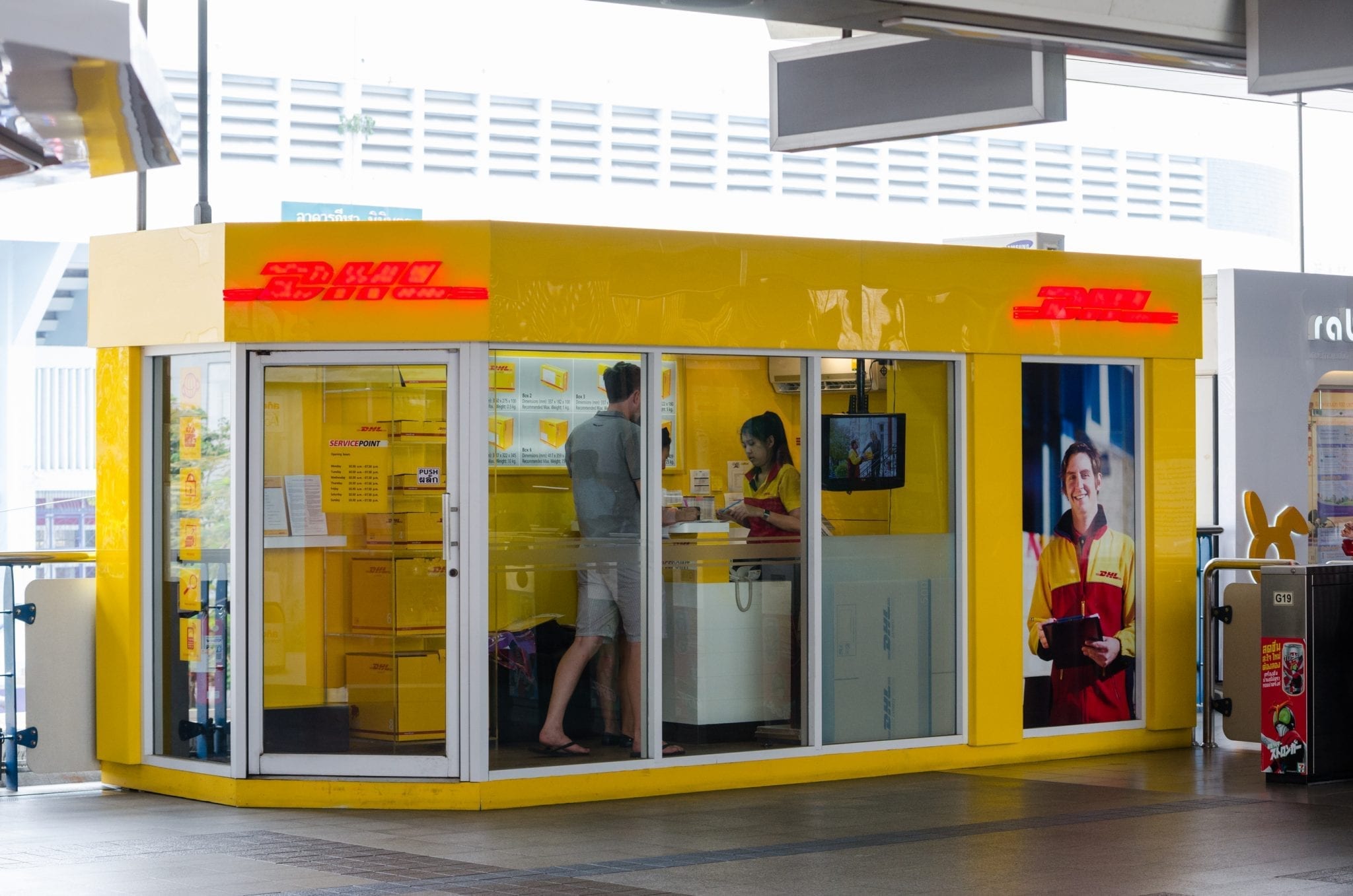
  • Vietnam’s e-commerce acceleration to gain a boost from DHL eCommerce

    Vietnam’s e-commerce acceleration to gain a boost from DHL eCommerce

    DHL eCommerce, a division of the world’s leading logistics company, Deutsche Post DHL Group, has launched its nationwide domestic delivery operations in Vietnam. The domestic delivery network will offer a high quality delivery service across Vietnam and a range of services tailored for the booming e-commerce industry, helping small, medium and large e-tailers and marketplaces increase their share amidst the rapidly growing Vietnam e-commerce segment.

    “The Vietnamese e-commerce market represents a huge and relatively untapped potential for local retailers, e-tailers and marketplaces: in 2016, total e-commerce spending hit US$1 billion despite barely over 50% of the population being online, ” said Charles Brewer, CEO, DHL eCommerce. “With e-commerce spending expected to grow at around 23% per year between now and 2020, local e-tailers need scalable, high-quality logistics solutions with nationwide coverage more than ever before.”

    DHL eCommerce Vietnam offers domestic delivery nationwide across the country, managed by hubs and depots strategically located throughout the country. DHL eCommerce’s fleet of vans and motorbikes, coupled with regular air and road connections between its hubs, will support next-day delivery in Ho Chi Minh, Hanoi and other primary markets.

    “Our new domestic delivery service brings to Vietnam DHL’s extensive experience in designing comprehensive logistics networks, coupled with tailored e-commerce solutions to tackle some of the most pressing roadblocks to e-commerce growth,” added Brewer, “With e-commerce, consumers are increasingly expecting greater choice, convenience and control in their delivery experience and we aim to deliver a smile in the last mile by providing an amazing and customer-centric delivery solution.”

    When using the network, local e-tailers can easily assign shipments requiring cash on delivery service through DHL eCommerce’s online portal, allowing for faster remittance and simpler management of shipment information. Consumers will also be able to open, check and return goods at the point of receipt thanks to DHL’s Open Box Delivery service, better aligning the online shopping experience with their preferred purchasing habits.

    “Only 15% of Vietnam’s e-commerce shoppers paid online in 2016, making cash on delivery a must-have feature for e-commerce to succeed. That, combined with concerns about the hassle of returns and refunds, has made growth an uphill battle for many local e-tailers,” said Thomas Harris, Managing Director, DHL eCommerce Vietnam. “We recognize that having a fast and reliable delivery service won’t solve these issues alone, which is why we’ve tailored our nationwide network to seamlessly handle cash payments with next day cash remittance and returns to take the burden off local e-tailers so they can fully focus on growth and customer experience.”

  • Cross-border e-commerce: the 21st century spice trade

    Cross-border e-commerce: the 21st century spice trade

    Amidst recent uncertainties around the themes of globalization and international trade, one thing remains absolutely certain: cross-border trade is here to stay. People have been engaged in international trade for more than five millenniums. According to some of the earliest records of civilization, the exchange of goods was already supported by trading posts established in South Asia and Middle East.

    One of the main commodities was spices, which were highly prized. Traders in the Middle East offered cinnamon and cassia, embellishing their sales pitches with tales about their mysterious origins and properties. And customers loved it: The spice trade flourished and continued through to modern times, on the back of demand for these high value commodities, and the ingenuity of those who worked to source and sell them around the world. It built bridges between different cultures and gave rise to major shipping routes between continents, many of which endure till this day.

    Fundamentally, consumers have not changed over the last 5,000 years. As consumers, they still crave exclusive, high quality and exotic goods. They are willing to invest a certain amount of time and effort to seek out what they want at the best price. Merchants are constantly looking for enterprising, creative ways of taking their goods across borders to new markets. All these have set the stage for cross-border e-commerce – the new ‘spice trade’ phenomenon that will help to shape international trade, transform the world’s supply chains and build new shipping routes in the future.

    E-commerce is not a particularly new phenomenon. And neither is cross-border e-commerce. People have been able to order – particularly from major online retailers – around the world for years now, and this has helped the cross-border market grow to USD 300 billion up till 2015.

    Research insights published recently by DHL Express – in partnership with a leading global management consultancy, has indicated that this business will continue to flourish for years to come. According to the report, this market offers superior growth rates to those available in just about any other retail segment today. Cross-border e-commerce is expected to grow, on average, at nearly twice the rate of domestic online retail by 2020. The market will be three times bigger than what it was in 2015 by then.

    Outside of today’s biggest spice route supply markets—US, UK and China—new spice trade routes have emerged in Singapore, Hong Kong and India, spurred by rising consumer education and e-tailer awareness of opportunity. According to Google’s Consumer Barometer, consumers are motivated to purchase from abroad because of better product availability, more attractive offerings and trust in the brands. And consumers in Singapore (being ranked top alongside Japan, Germany and the UK) also cited better availability as a principal reason for cross-border online purchases.

  • Foot Locker Launches E-commerce Platform

    Foot Locker Launches E-commerce Platform

    Foot Locker has launched its first Aussie e-commerce platform, opening a website that includes the shoe retailer’s full range of sneakers and apparel.

    In a statement, the shoe retailer said it anticipates the online store will further fuel the rise of sneaker culture in Australia.

    “We’re excited to expand into the online space and give our customers the opportunity to access our full range of product from anywhere in Australia,” said Natalie Ellis, VP GM Foot Locker Asia Pacific.

    The 24/7 website will house sneakers, apparel and accessories from brands including Jordan, Nike, adidas, Puma, Asics and Converse.

    Foot Locker said it’s built the e-commerce store to meet the needs and expectations from consumers and ‘to facilitate access to the best-of-the-best sneakers from anywhere in Australia’.

    Consumers will have access to the full range of House of Hoops, a-standard, Puma Lab and Converse Prime product that had previously been available for purchaseonly within flagship stores.

    The e-store allows free returns anywhere in Australia, free delivery nationally for orders over $150 and has a selection of over a thousand products.

    Foot Locker Australia, a subsidiary of the US corporation, Foot Locker Inc, was incorporated in 1994 and is based in Murarrie, Queensland. It operates approximately 100 stores across Australia and New Zealand.

    Sneaker culture appears to be a developing phenomenon, with Foot Locker’s British rival, JD Sports, recently asserting the success of its first local offerings.

    “The highly anticipated JD Sports Parramatta launch is expected to attract sneakerheads en masse, following the success of Melbourne Central’s flagship store, which went down as one of the largest launch days of any international territory within the JD Sports business,” said Hilton Seskin, head of JD Australia. The Parramatta store opened last week with over 500 customers queueing to get their hands on limited edition sneakers.

  • Ensogo Philippines to shut down

    Ensogo Philippines to shut down

    Ensogo Philippines will be closed down along with the online retailers’ other sites across Southeast Asia.

    Following the resignation of its co-founder Kris Marszalek, the Singapore-based tech company said it will cut its financial support to its sales and marketplace business units in Indonesia, Thailand, Hong Kong and the Philippines.

    “These business units will be shut down. All staff have been informed and communications will be made to customers in the coming days,” the company said in a statement.

    Australian internet entrepreneur Patrick Grove founded Ensogo, formerly iBuy. Grove also established the online businesses iProperty and iCar under Catcha Group.

    Recently the company reported growth averaging more than 100 per cent in the first quarter, after the launch of a cross-border marketplace business in January. It said the number of suppliers had skyrocketed from 3141 in the fourth quarter of 2015 to 13,599 in the first quarter of 2016. The first three months saw US$8.2 million in gross merchandise value.

    As of the end of March 2016, however, Ensogo reported A$22.6 million (about US$17 million) in receipts from customers, while total cash was only A$17.6 million, a 64 per cent decline from A$29 million by the end of last year. Earlier this year the company, which is headquartered in Singapore and listed in Australia, laid off employees.