Tag: ecommerce

  • Hard Liquor Helps E-Commerce Titans Take China’s Consumer Pulse

    Hard Liquor Helps E-Commerce Titans Take China’s Consumer Pulse

    Predicting the changing tastes of China’s consumers is becoming easier thanks to the country’s e-commerce giants, who monitor sales that can exceed US$17 billion in a single day.

    The country’s second-biggest web-based retail platform, JD.com Inc, already has dozens of new indexes tracking sales of products from liquor to appliances. Larger rival Alibaba Group Holding Ltd plans to publish its own spending gauges in coming months.

    Their data is vital to large global companies like Starbucks Corp and Wal-Mart Stores Inc that are looking for insights into what’s hot among China’s billion-plus consumers. Online shopping indexes reflect millions of transactions daily, whereas traditional consumer surveys can only test a tiny sample.

    “The ability to analyse and understand trends in online consumption has never been more important or more valuable,” said James Huang, big-data analytics director for the finance unit of Beijing-based JD.

  • Esprit India to sell on Myntra

    Esprit India to sell on Myntra

    Esprit India has secured an exclusive online partnership with online fashion retailer Myntra.

    Esprit will sell its men’s and women’s casual wear range on the platform, and will launch its latest collection exclusively online on Myntra. The all new winter wear collection by Esprit aspires to revive 90s fashion and sports luxe in a selection of 405 different styles.

    Gunjan Soni, CMO and head of international brands business with Myntra, says Esprit is a truly international fashion brand with global appeal and a brand ethos that exemplifies comfortable fashion.

    “It gives us great pride to forge an exclusive association with Esprit as part of our focused endeavor in making Myntra the de-facto destination for International fashion in India.”

    Guillaume Thery, GM Asia-Pacific with Esprit, added: “Esprit has built strong brand equity among shoppers in India over the years. With the exponential growth of the online shopping medium and the expansive market of India, it was imperative that we work with the segment leader in taking our brand development to the next level. Myntra was the obvious partner of choice given their understanding of the online fashion landscape and their ability to partner and develop strategies that complement our business imperatives for the region.”

    Myntra has emerged as India’s leading fashion e-tailer and home to the largest selection of international premium fashion brands, including Nike, Adidas, Puma, Levis, Wrangler, Arrow, Jealous 21, Diesel, CAT, Harley Davidson, Ferrari, Timberland, US Polo, FabIndia and Biba.

  • Bluebell Group invests in designer startup

    Bluebell Group invests in designer startup

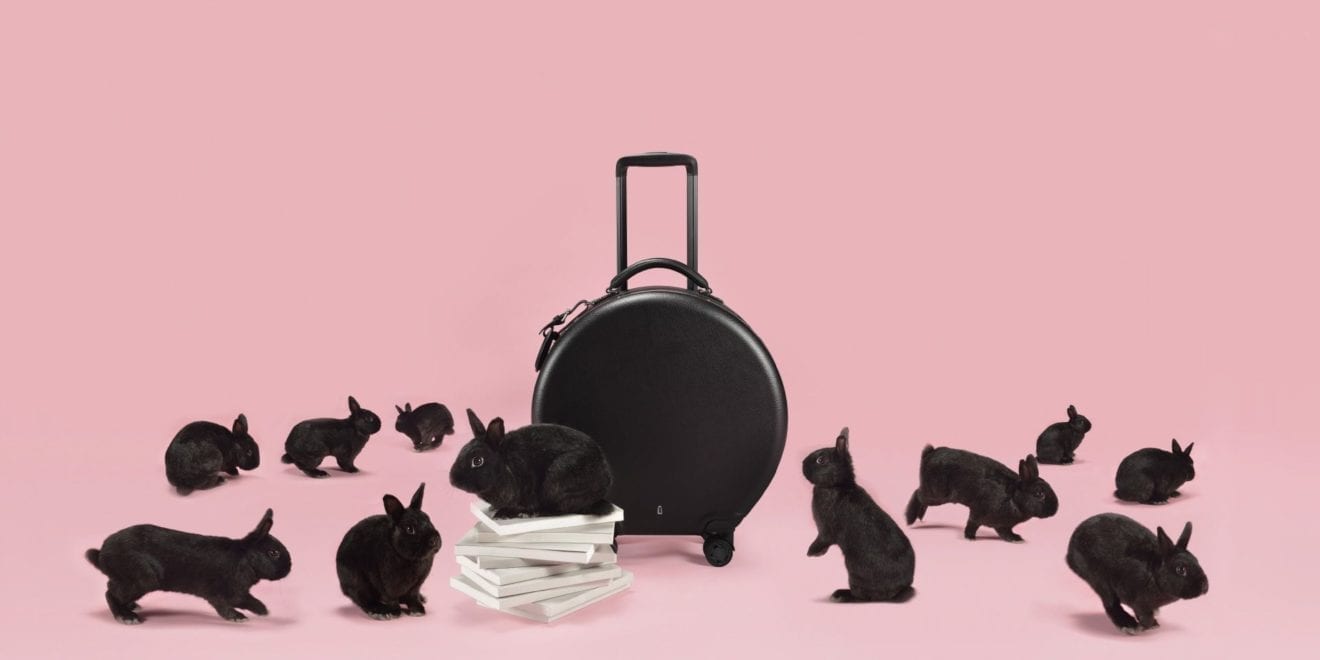
    Bluebell Group has invested in a new luggage design house Ookonn, which takes inspiration from a hat box, selling direct to consumers online.

    Ookon is the brainchild of Anson Shum, who conceived a style and design based on an old-fashioned, round hat box.

    At the time, Shum was working in a marketing and communications role with Bluebell Group.

    “When I resigned last year, I told the company of my plan to start my own label,” Shum said in an interview.

    ookonn-lugguage

    “They were so nice to me, and asked if there was any way we could work together. I showed them my business plan, and they offered to coach and mentor me.

    “Eventually nearing the end of my employment period, I did a formal presentation in front of all the shareholders. And the week after, I was told that Bluebell wanted to invest in Ookonn. It was a surreal moment. I think they decided to invest because of the product, the business model, and obviously the fact I have built a good relationship with them.”

    Shum and his business partners sell the Ookonn bags online, where they cost upwards of HK$2280 for basic models.

    “Online business is more relevant to my target audience. Ookonn is a lifestyle brand targeting millennials. While we get customers from different age groups, the feeling and foundation of the brand is for a younger audience in their early 20s to early 30s. While online is important, it is only one part of the business model, since we are launching in Hong Kong and China. But for other markets, perhaps we can collaborate with several bricks-and-mortar multi label stores,” said Shum.

    He describes his case designs as “a bit more playful” than most common luggage ranges.

    ookonn-lugguage-1

    “I’ve been working in fashion and luxury for 12 years, and have had plenty of opportunities to travel. But while I can find a lot of beautiful options for clothes and accessories, there are not that many for luggage. Most luggage brands in the market are business oriented. So I wanted to see if I could create a luxury brand that would generate excitement.”

    The bags come with a variety of options for handles, covers and belts and can be customised with the buyer’s chosen monogram.

    The bags come from Transport Safety Authority locks, wheels which turn a full 360 degrees and a light polycarbonate shell.

  • More shoppers spend less in Black Friday

    More shoppers spend less in Black Friday

    More shoppers spent less on Black Friday in the US – and more was spent online than ever before.

    Those are the key take-outs from the three day long shopping extravaganza, which is being followed up by Cyber Monday giving Americans a second chance at scoring shopping bargains.

    But perhaps the biggest trend this year was how Black Friday was adopted internationally – even as far away from America as Vietnam, shopping centres were packed with bargain hunters, lured by billboards promising as much as 50 per cent off stock.

    According to data from the National Retail Federation, more than 154 million US consumers shopped last Friday, spending an average $289 – $11 less than last year. Gifts accounted for $214 of that spend.

    “It was a strong weekend for retailers, but an even better weekend for consumers, who took advantage of some really incredible deals,” said NRF president and CEO Matthew Shay.

    Most of the shopping occurred Friday, perhaps reflecting the limited stock of some retail deals.  The NRF said of the consumers who went to physical stores, 75 per cent shopped on Friday, 40 per cent on Saturday and 17 per cent on Sunday.

    And the data showed a continuing migration from offline to online. Last year, 103 million people shopped online and 102 million in stores. This year more than 108 million shopped online and 99 million in stores.

    Adobe released data based on anonymous tracking of 22.6 billion visits to retail websites, showing more than $5 billion was spent online over the holiday weekend – and a record $3.34 billion on Friday. Mobile devices accounted for $1.2 billion of the weekend sales.

  • Yum China seeking delivery deal

    Yum China seeking delivery deal

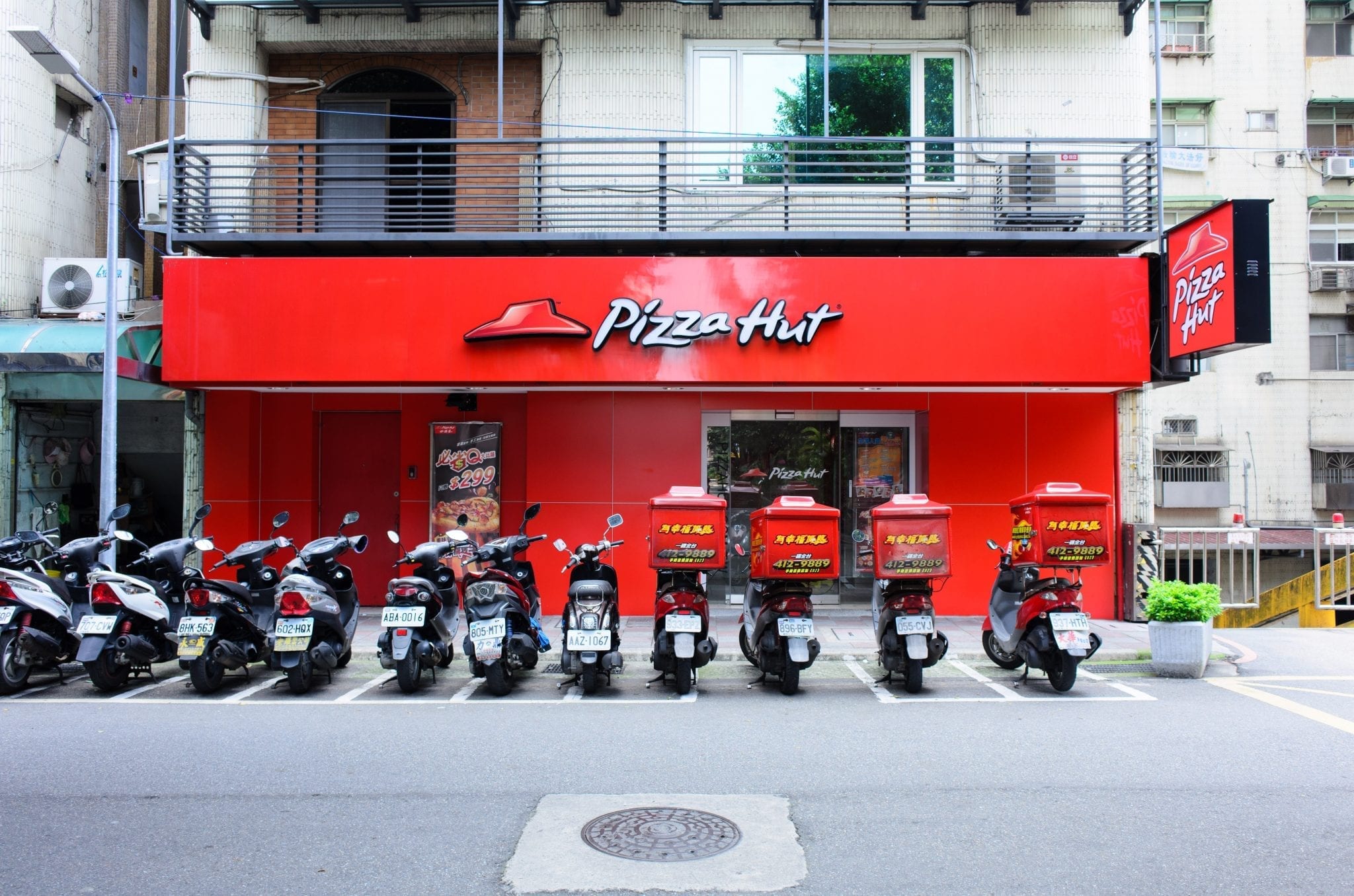
    Fast-food giant Yum China Holdings is looking at buying food-delivery services firm Daojia.com.

    Discussions are at an early stage, but a deal could be worth up to US$200 million, as reported.

    Established in 2010, Daojia.com focusses on online food orders and delivery services targeting the middle class urbanites in 10 Chinese cities. With a 3000-strong logistics team, it works with more than 6000 restaurants.

    Food-delivery apps are becoming more popular in China with services being offered by Baidu Inc’s Waimai, Alibaba Group Holding’s Meituan and Tencent Holdings’ Ele.me.

    China’s second-largest eCommerce fim JD.com and Macquarie Capital were investors in a $50 million round of fundraising by Daojia two years ago.

    Yum China was spun off from US-based fast Yum Brands Inc 12 months ago. The company’s brands include KFC and Pizza Hut.

    CEO Micky Pant says that while only 10 per cent of the company’s sales are delivered, deliveries are growing at double digits and will be an important driver of growth.

    Yum China secured a $460 million investment from Primavera Capital and Alibaba affiliate Ant Financial before its spin-off. Yum China already is the biggest user of Ant’s Alipay mobile payments service. The restaurant company is also investing in its mobile ordering system and loyalty programs.

  • Hard half-year for Luk Fook Holdings

    Hard half-year for Luk Fook Holdings

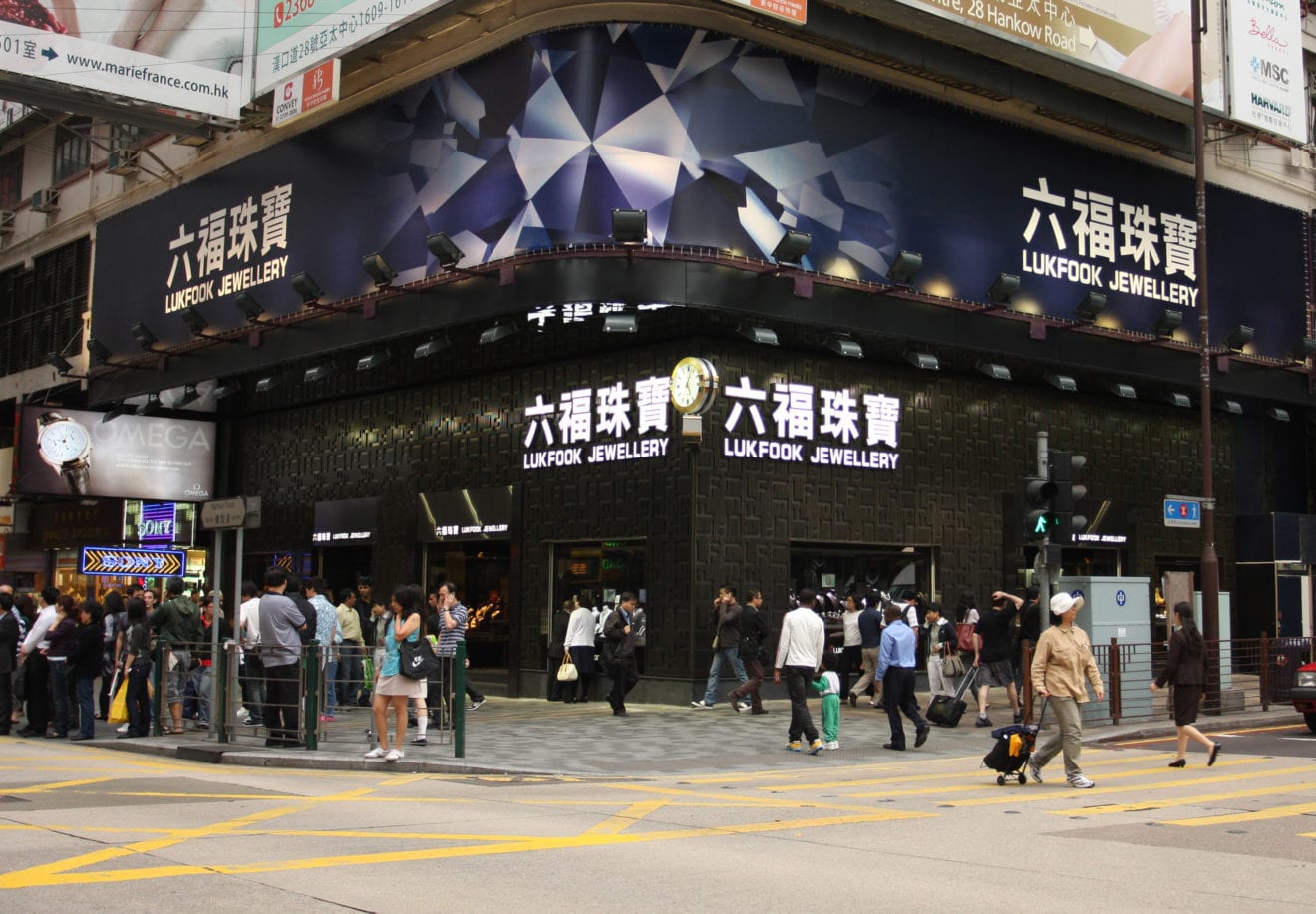
    Revenue plunged by 21.5 per cent for jeweller Luk Fook Holdings (International) to reach HK$5.5 billion (US$709 million) for the six months to September 30.

    Its interim results also show a drop of 31.5 per cent in overall same-store sales for the period.

    However, its overall gross margin improved by 5.3 points to 28 per cent as a result of a relatively high gold price and higher gemset jewellery sales mix. Because of this, the gross profit decreased by only 3 per cent to HK$1.5 billion.

    Mainland China accounted for 54.6 per cent of total profits, an increase of 12.8 points.
    With a lacklustre market, retail revenue in Hong Kong plunged by 33.4 per cent to $2.642 billion, while the wholesale business shot up by 51.1 per cent to $361.6 million because of an increase in scrap gold sales as well as wholesale rough diamonds.

    Luk Fook says a relatively high gold price saw gold sales fall more than expected.

    During the six months, the group added 27 Lukfook shops worldwide, including 24 in China (nine of them licensed shops), a self-run shop in both Macau’s casino district and New York,and  a licensed shop in Seoul. This brought its total to 1455 Lukfook shops (up from 1412 at the same time last year), spanning Australia, Canada, China, Hong Kong, Korea, Macau, Singapore and the US, as well as nine 3D-Gold shops (up from four) on the mainland.

    The group says it has been striving to diversify its product mix, and since 2010 has been trying to expand its mid- to high-end watch business. At the end of September is was the authorised dealer of 34 watch brands including Audemars Piguet, Bulova, Burberry, Bulgari, Emporio Armani, Eterna, Frederique Constant, Longines, Omega, Oris, Rado, Tag Heuer, and Victorinox Swiss Army.

    For the six months, the watch business contributed revenue of HK$104.49 million down from HK$119.39 million for the same period last year, representing 1.9 per cent of the group’s total revenue, a 12.5 per cent decrease.

    Looking ahead, the group aims to continue to develop its eCommerce business and to further strengthen cooperation with eCommerce platforms in China. At the end of September, the group had 15 online sales platforms in China, including JD.com, Suning.com, Tmall.com and VIP.com.

  • Meet China’s online super-consumers

    Meet China’s online super-consumers

    Like many college students in China, Song Yang buys most of the things she needs for daily life by shopping on the internet. But while her peers have to satisfy the urge to splurge with the occasional new smartphone or pair of branded sneakers, Song doesn’t worry much about living on a student’s budget.

    A finance major at Beijing’s prestigious Peking University who says she made a “pot of gold” in the stock market after being staked by her parents, Song, 21, spends upwards of $15,000 a year shopping on Alibaba Group’s Taobao e-commerce website. Her purchases range from high-end imported cosmetics, fashion apparel and consumer electronics, to Japanese snacks and organic produce, to furnishings for her family’s new apartment, to parts and gadgets for her father’s car.

    “As long as I have free time, I am on Taobao,” says Song, adding that her binge-shopping habit has resulted in up to 30 packages delivered to her home in a single day. “Whenever I have a new idea, I will search on Taobao,” she said.

    Song is the kind of China super-consumer that retailers dream of connecting with—and Alibaba Group is happy to oblige. In 2014, Alibaba recognized that out of the millions of consumers that shop in the company’s China retail marketplaces, a small percentage had adopted online shopping as a significant part of their daily lives. The company created a membership program called APASS (Alibaba Passport) to cater to their needs by assigning them personal account managers and organizing special events like wine tastings and automobile test drives.

    Alibaba top shoppers

    APASS shoppers are mostly young, internet-savvy and increasingly affluent members of China’s rising middle class. To qualify for the program, consumers must spend a minimum of nearly $15,000 a year online. That’s just the minimum. In fact, the average annual spend among current APASS members is about $45,000. In contrast, American’s millennials—defined as aged 18 to 34 with higher consumption than other demographic groups—spend about $2,000 a year online, according to a recent study conducted by BI Intelligence. During Alibaba’s recent 11.11 Global Shopping Festival, a 24-hour online sale, APASS members spent nearly eight times as much as the average consumer shopping on Alibaba’s platforms.

    Alibaba identifies candidates based on an algorithm that takes into account not only how much e-shoppers spend, but how often they shop online, the range of products purchased, credit record, and engagement in online communities.  If you think this screening limits membership to a very exclusive few, think again: There are about 100,000 APASS members.

    Fostering relationships with top customers is a time-honored marketing tactic. To Alibaba, APASS members are vanguards of an emerging consumer lifestyle in China. “They are opinion leaders who drive the consumption trend among China’s middle class,” said Zheng Dongyang, senior manager of the APASS program. To stay on their radar and cultivate loyalty, Alibaba recently upgraded APASS to foster online communities and to offer members exclusive daily deals from more than 100 top brands including Maserati, Burberry, Fissler and Estee Lauder.

    An APASS member who has recently enjoyed the perks of belonging is Hong Degang, a self-described “consumer electronics geek” who runs a wedding photography studio in the city of Wuhan. Hong, 27, was selected as one of 10 APASS members for a nine-day, all-expenses-paid trip to Italy. The mini-holiday included visits to the venues of eight top Italian brands including wine producer Mezzacorona and luxury carmaker Maserati.

    Alibaba livestreamed parts of these visits on the company’s Tmall app and video site Youku over a nine-day period. A trip to a Mezzacorona vineyard generated 400,000 views, 200,000 likes and 120,000 comments, but it wasn’t just social sharing that was inspired. According to Tmall, total sales of the online shops of the eight featured brands jumped more than fivefold over the livestreaming period compared with sales during the nine days preceding the event.

    Despite his recent exposure to Italian brands, Hong says he’ll likely remain enamored mainly with electronics gear. He says that he owns up to 20 computers and tablets at any given time, and stays immersed in his passion by reading electronics blogs on Mobile Taobao’s news channel every day while spending more than $3,000 a pop to acquire the latest cameras from Sony and Canon. He trades his used cameras and computers in Alibaba’s flea market app, Xianyu.

    “I celebrate 11.11 every day,” Hong jokes, referring to Alibaba’s giant annual online sale.

    Not every APASS member shops purely for the joy of it. Wu Xiaofang, a 41-year-old interior designer who lives in Lishui, a small city located in southern Zhejiang Province, says she is a big online spender and APASS member because she sources products for clients on Taobao.

    Wu designs exclusively for themed country inns and guesthouses that are popular in her mountainous province, so before she shops she determines whether customers want rooms done up in Chinese ancient style, American country style, French classic style or other themes. Everything is purchased online: toilets, shower kits, bathroom faucets, customized beds and wardrobes, curtains, lamps and other furnishings.

    “Taobao can always fill my specific demands,” Wu says. “I can buy second-hand antique French or German furniture on Taobao, and classic, floral-pattern tiles from ancient Chinese buildings. You won’t be able to find this unique stuff elsewhere.”

    She says she has so far finished five “Taobao inns” at a total cost of about $270,000 on all the furnishing—but admits that APASS perks encourage her to shop not just for business but for herself and her family.

    “I think everyone goes through the same journey,” she said. “When you first start online shopping, you are just curious. Later on, you kind of get addicted to it.”

  • Retail gets personal

    Retail gets personal

    In this year of the 400th anniversary of the passing of William Shakespeare, we’ll borrow some inspiration from the great bard and say: The store is dead – long live the store.

    For, despite the stellar rise of online shopping, it accounts for just 7.3 per cent of total global retail spending.

    The store’s “renaissance,” if it were needed, reflects the fact that shopping remains popular. It also comes on the back of investment from retailers keen to make the most of the store as a differentiator – the place where shoppers touch the brand. A big feature of this spending has been the drive to make the store central to an omnichannel shopping experience where shoppers can conveniently mix how they try, buy, and return items through online, in-store, and mobile channels.

    To achieve this versatility, retailers have deployed RFID and barcode labels to track and trace items across the supply chain, into the store, and back from the customer (via returns). By using such labels, which can be automatically recorded by RFID systems or handheld computers and scanners, retailers can capture what we call Enterprise Asset Intelligence (EAI). As we move forward, EAI will play a key role as retailers look to make the in-store experience ever more enjoyable and rewarding.

    Continuous improvement

    Smart labels and sensors can be attached to any object – associates, stock, vehicles, equipment, totes and pallets, and many more. The stream of data collected from the labels is connected over wireless and cell networks to your back office, providing visibility into every area of your operations. This opens boundless opportunities to manage processes more efficiently, improve the customer experience, and free your associates from time-consuming to spend more time in the shop floor. A couple of interesting examples include:

    • Being more responsive to customers: we spoke to one UK retailer recently who told us they have 100,000 people working to restock their stores at night. Indeed, the cost of their associates is 66 per cent of their store overheads. The interesting thing is this retailer, and others we speak with, is not looking to cut these costs: it’s looking to allocate them more wisely – to free staff to spend less time on operations and more with customers. This can be achieved by using smart labels to provide a continuous view over inventory and supporting teams with better technology – including voice-guided workflows through mobile and wearable devices – to help them manage replenishment more efficiently and spend more time providing attentive and personal experiences to shoppers.
    • Being more rewarding: Using your wireless network, you can connect with the sensors that most of us carry with us all the time – in our smartphones. If the customer agrees, every time they come into store their phone can register on to your system to allow you to offer a more personalized service. For example, you can send a welcome message and offer a wide range of promotions from money-off based on their preferences, to loyalty bonuses, to gifts for their birthday, and much more. You can also build in “help” features so associates’ mobile devices can alert them, and help them easily find shoppers who’ve asked for assistance.

    What really excites us about retail right now is that we’re getting back to those halcyon days: the days when your local shop keeper would know who you are, know what you want, and engage with you in compelling ways – ways that you’d value and that encouraged your loyalty. We can use technology to achieve similar things – to not only free staff to spend more time with customers but increasingly to offer customers more intriguing, engaging, and rewarding ways to shop.

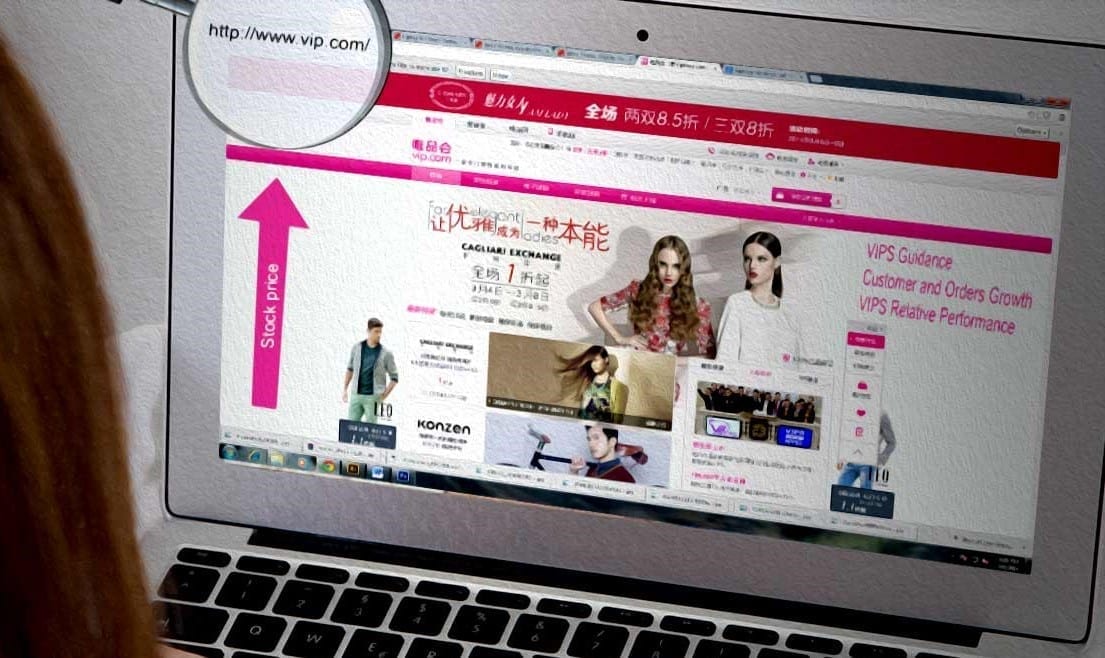
  • Vipshop adds customers, but margin narrow

    Vipshop adds customers, but margin narrow

    Chinese online discount business Vipshop reports rising revenues but narrower margins during the third quarter.

    The New York-listed eCommerce player says its total net revenue increased by 38.4 per cent to RMB12 billion (US$1.8 billion), primarily attributable to a 43 per cent year-on-year increase in the number of active customers to 20.8 million and a 34 per cent year-on-year increase in total orders to 60.1 million.

    Gross profit increased by 36 per cent to RMB2.93 billion (US$439.7 million) from RMB2.16 billion in the prior year period.

    Income from operations increased by 21.3 per cent to RMB528.8 million (US$79.3 million) from RMB436.1 million in the prior year period, but the company’s operating margin fell from 5 per cent last year to 4.4 per cent.

    Vipshop’s net income attributable to shareholders increased by 8.3 per cent to RMB342.9 million (US$51.4 million).

    “We are pleased to have delivered solid financial results and healthy customer growth despite a seasonally soft quarter for retail,” said Eric Shen, chairman and CEO.

    “As a leading online discount retailer for brands in China, we are committed to advancing the end-to-end shopping experience on our platform by providing our customers with diverse products and more personalised merchandising. The superior user experience across our platform led to improved user stickiness, as demonstrated by the strong 49 per cent year-on-year increase in repeat customers to 16.7 million. Despite macro weakness, our robust customer growth and retention is a testament to the resilience of our business model. We are confident that our strong foundation will continue to drive our overall secular business growth and enable us to maintain our market leadership regardless of macro environment changes,” said Shen.

    For the fourth quarter of 2016, the company expects its total net revenue to be between RMB18 billion and RMB18.5 billion, representing a year-on-year growth rate of 30 per cent to 33 per cent.

  • DHL eCommerce unveils new distribution center in Japan

    DHL eCommerce unveils new distribution center in Japan

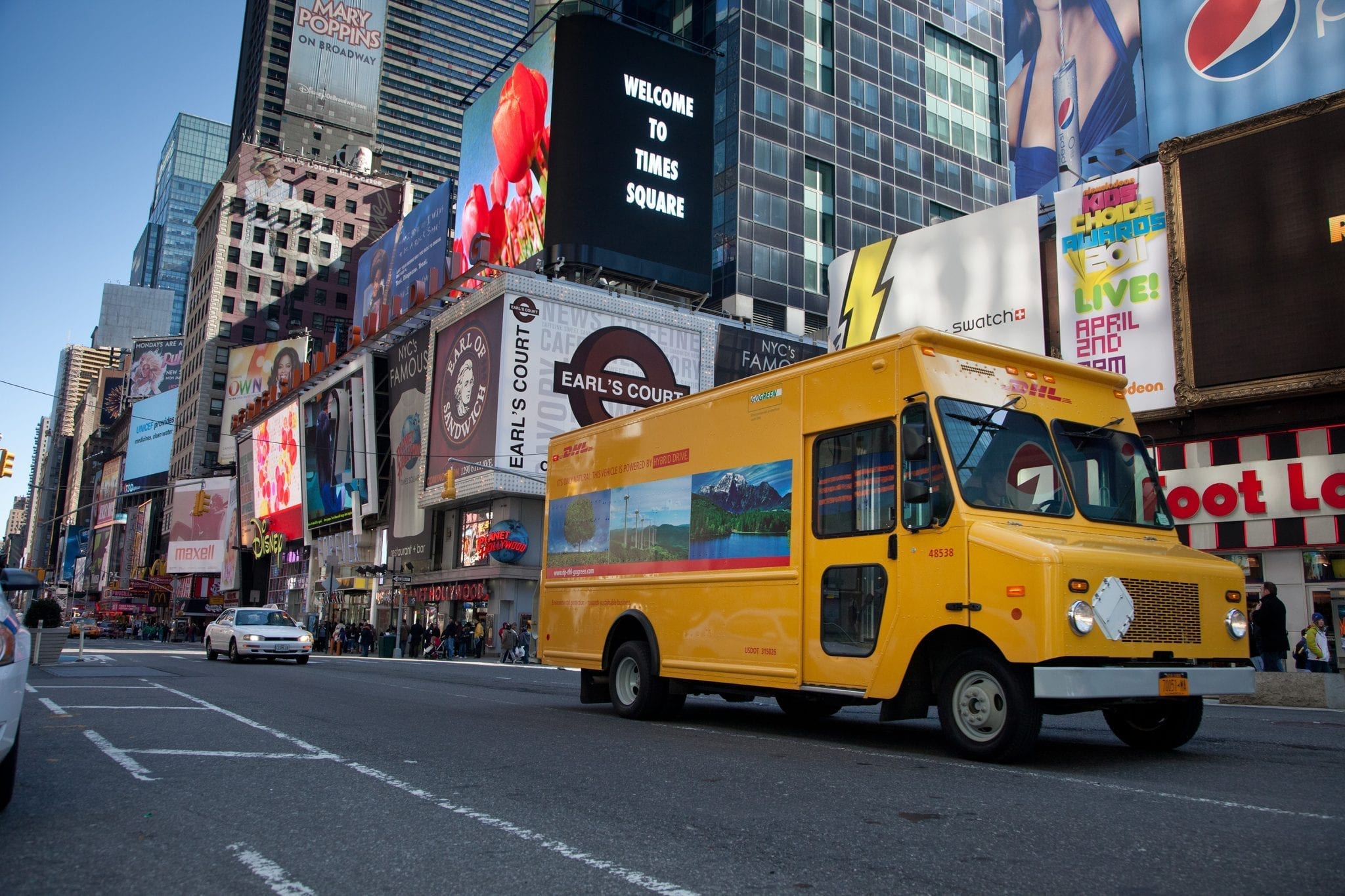
    DHL eCommerce, a division of Deutsche Post DHL Group, unveiled its plans to establish an outbound cross-border eCommerce distribution center in Narita, Japan by April 2017.

    The distribution center will be co-located with the Japan Global Distribution Center, created by one of DHL’s divisions. The cross-border shipping product DHL Parcel International Direct will provide affordable deliveries from Japan to the United States and the United Kingdom, guaranteeing transit times of four to six business days, DHL eCommerce said. DHL GlobalMail Packet Plus, another cross-border shipping product, will provide the best rates for Japan-Europe deliveries, offering transit times of five to 10 business days and a high degree of visibility into the status of shipments.

    The expansion plans in Japan are part of DHL eCommerce’s larger strategy in the Asia Pacific. The company recently unveiled its 70 million euro (U.S. $74.3 million) investment in India to boost the capabilities of the air hubs in Delhi and Mumbai to enhance B2C e-commerce delivery in India.

    In June 2016, DHL eCommerce announced its plans to grow its overall footprint in China by 50 percent. In January 2016, the company launched domestic delivery operations in Thailand and announced plans to double its fleet and number of depots by 2017.

  • Isetan Mitsukoshi launching online store

    Isetan Mitsukoshi launching online store

    As part of its aim to have digital strategy as the core of its business, Japanese department store company Isetan Mitsukoshi Holdings is preparing to launch an online store.

    It has started tests leading up to its launch this month of its first online store on Alibaba Group Holding’s Tmall Global.

    In the first half of this year, Isetan Mitsukoshi saw sales of duty-free items rise about 3.7 times compared with the same period in 2013. It says Chinese customers account for about 70 per cent of duty-free sales, and are interested in Japanese products that are popular in Japan. This has led to it seeking to develop a following in China through its strategic partnership with Tmall Global.

    It will offer safe, high-quality products, mainly Japanese, on Tmall Global; form an alliance between its Chinese and Japanese stores; and accumulate know-how on marketing in China.

    Isetan Mitsukoshi will initially offer hundreds of types of products on the platform ranging from fashion and cosmetics to foodstuffs and daily necessities, with plans to subsequently expand the scope of ifs offering.

    It will focus on its own brands and seasonal products, and gradually add other Japanese brands. From next year it will stage special campaigns in collaboration with designers.

    There will also be after-sale services, including repairs, as well as pop-up stores through its network in China.

    Alibaba Group, which runs Tmall – China’s largest B2C online shopping mall – and other eCommerce portals, had 434 million active users on China’s retail market as of June.

    Isetan Mitsukoshi was formed in 2008 by merging Mitsukoshi and Isetan, originally inaugurated in 1673 and 1886 respectively as kimono shops. It runs Japan’s largest department store network with 27 outlets in Japan and 31 overseas.

  • Rakuten Books expands store pickups

    Rakuten Books expands store pickups

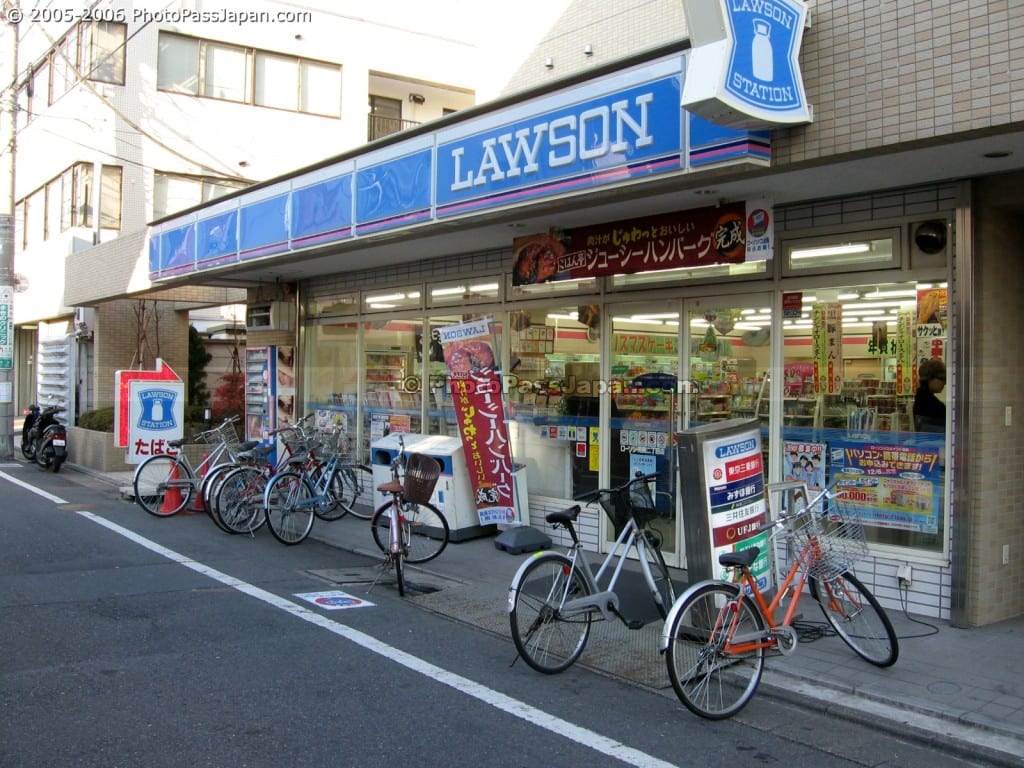
    Customers of Rakuten Books can now pick up their online purchases at Lawson convenience stores across Japan.

    This follows the forming of a collaboration between Rakuten and the Lawson chain, which has 11,922 stores around Japan, plus 100 Lawson Store outlets.

    Customers who buy products from Rakuten Books can pick up their purchases from the Lawson convenience store of their choice. The stores are open 24 hours a day, 365 days a year. Shipping is free, and customers opt to pay for their goods at the store counter.

    Rakuten Books’ pickup service launched in 2008, with next-day delivery service for certain products and regions added in 2013, broadened last year. Its latest move takes the service nationwide exclusively for Lawson stores. Goods will no longer be available for pickup at Circle K and Sunkus.

    Books, CDs and DVDs bought at Rakuten Books can be picked up from a Lawon store on the evening of the second day after the order is placed (one day longer than express home delivery), and the goods will be held in-store for one week.

  • How to generate brand love on Singles Day

    How to generate brand love on Singles Day

    Singles Day is no longer just about Alibaba. It’s more like Black Monday or Christmas, a nation-wide shopping event, covering everybody looking for great deals, not just the singletons, as it was originally conceived.

    Alibaba founder Jack Ma said last year that his dream was to extend this shopping extravaganza beyond China, and establish a carnival for the world stage. Alibaba’s data shows 235 countries participated this year, while 224 used Alipay – a 60 per cent rise year-on-year, and significant step towards this dream.

    Similarly, international brands played better this year, taking better advantage of the spending power on offer. Tmall data shows us that international brand sales grew by 47 per cent (vs 2015).  The likes of Nike, Uniqlo, Adidas, New Balance and Gap headed to Tmall’s Top 20 Sales Store this year, compared to just three brands last year – testimony to the importance placed on brands and the tangible rewards being reaped for our international players.

    There is no doubt that Singles Day has become one of the most important consumption periods for a variety of categories in China, and beyond. No one wants to miss it.

    So, what was new this year?

    Technology and entertainment played crucial roles in this year’s Singles Day, with brands eager to gain public attention via the very latest technology.  A great example of this is Tmall’s partnership with the likes of KFC and Starbucks to execute the ‘Catch Crazy Cat’ VR game.

    Reaching 17 billion plays, the Pokemon-Go inspired VR game allowed consumers to catch the Tmall mascot cat via their mobiles in KFC, Starbucks and even Shanghai Disneyland.

    The number of cats caught translated into ‘Hong Bao’ (luck pocket money) to be used for discounts in a variety of stores. Overall, the game connected people online to offline, while engaging those physical stores that are usually less involved in the shopping festival.

    Tmall also launched its VR virtual shopping product Buy+ on November 1, aiming to add a fancy dress element to the shopping mania and further appeal to the Chinese consumer.

    While many critics cited this experience to be less immersive, data shows 8 million engagements, among which 76 per cent were post-millennial.

    A significant trend throughout 2016, it’s no surprise to see so many brands, celebrities and shops execute live-streaming tactics to further promote product. It’s estimated that close to 60,000 different live streams took place on Singles Day. The biggest live streaming event, the Tmall Party, saw attendees span a collection of top A-list celebrities, both international and local; including the likes of David and Victoria Beckham, and Scarlett Johansson. The move to secure former Super Bowl Director, David Hill, only helped to further propel this year’s Singles Day onto the global stage.

    China has coined this year’s model as ‘Double E’ – Entertainment meets eCommerce, unleashing consumer purchase potential via the simple act of entertainment. Brand advertising potential is now enormous, and will only continue to grow year-on-year.

    How can brands leverage Singles Day?

    Singles Day is not everything. While everyone is impressed by this year’s 120.7 billion RMB sales figure, many ignore the fact that this is less than 5 per cent of Alibaba’s annual sales.

    For brands to sell, it’s important to remember that the remaining 364 days of the year count. Ogilvy believes that annual content that can be weaved naturally into omni-channel planning will ultimately connect brand with consumer and drive sales.

    As Jack Ma said in 2013, Singles Day has reached a certain momentum – it’s not only about the sales numbers anymore. This year is testament to this thinking. Increasingly, big brands have started to dominate the top sales ranking. Given the attention and hype of the day, this is a great opportunity for brand building if done well.

    Marketers should ruminate on how their brand can cut through and develop content that drives attention, and also builds the brand for engagement longevity. Singles Day is not only a selling extravagance but also a unique platform for creative brand building.

    There are also proven successes of launching a less well-known brand or promoting a less-penetrated category during this period. We also helped clients successfully orchestrate limited edition launches. For example, this year’s partnership between Budweiser and celebrity Chen Weiting saw an exclusively designed Tmall pack, live-streaming, and an invite for the highest purchasing group to attend Chen’s upcoming concert – placing Budweiser as the best selling beer brand on the day.

    Similarly, Tmall was able to demonstrate how international players can reach more remote areas of China – where spending power is rising and physical product distribution proves difficult. Brands entering China tend to believe that consumers in larger cities have the biggest spending, however, Tmall data shows us that provinces such as Qinghai and Shanxi are not to be ignored. Here, low-price is not a factor that determines spending; it’s brand value and quality that counts.

    These were all put into the wider context of making a brand matter to consumers, so as to generate long-term and loyal customers. This year’s overall sales ranking of many categories shows us that when the promotion level went down, the stronger brands play better. So, what ensured top ranking sales for Suning, Xiaomi, Haier, Uniqlo and Nike is not only a result of promotional discounting, but the current sentiment and value of the brand to consumers.

    What main e-Commerce trends do we see in China?

    China is not only the biggest eCommerce country in the world, it’s also arguably the fastest moving one. Tmall remains one of the major eCommerce channels for many brands.

    However, it only provides limited customer data to brands. We see more and more brands start to develop their own eCommerce websites in order to provide an immersive brand experience. And, more importantly, to attain better customer data that allows them to drive loyalty via CRM.

    Personalised eCommerce shopping experiences are another mega-trend. Tmall first called this out as ‘Thousand People, Thousand Faces’, and many other platforms followed suit.

    Tmall’s enormous big data capability enables brands to profile a customer and design unique shopping experiences based on their preferences. Some brands have also started to pilot this. For example, last year saw us help Nestlé tailor a unique shopping experience on its Tmall shop based on customer profiles. The results were phenomenal – engagement rates and sales close to doubled.

    It’s no secret that mobile has become the main device for consumers to purchase products.

    This year, 82 per cent of the 120.7 billion came from mobile, a big leap vs 2015’s 68.7 per cent. The trend sees brand content link seamlessly to eCommerce on mobile, enabling consumers to purchase items while absorbing brand content. A great example of this is the Tommy Hilfiger Shanghai show on October 24. Tommy Hilfiger broadcast the event live stream in high-definition and, most importantly, drove the audience to instantly purchase items on stage via a simple click.

    It’s clear that the slow-down of economics in China has not discouraged an enthusiasm to buy. Yet Chinese consumers are now more brand conscious, more design conscious, and more quality conscious. Brands clearly play a crucial role in eCommerce, now more than ever, therefore making brands matter is essential.
  • Alibaba eyes young, savvy Indonesia market

    Alibaba eyes young, savvy Indonesia market

    Chinese e-commerce giant Alibaba Group sees “huge potential” in the Indonesian market as the government, through a recent e-commerce road map, pushes efforts in developing the sector to make the country the biggest digital economy in Southeast Asia by 2020.

    Alibaba Group vice chairman Joseph Tsai said the diversified company — which has assets in e-commerce, technology, payment systems and logistics — saw “huge potential in Indonesia” for two reasons: The young population and a mobile phone savvy public.

    “We acquired (Southeast Asia e-commerce platform) Lazada so that we could be in Indonesia as well as five other Southeast Asian countries — Malaysia, the Philippines, Singapore, Thailand and Vietnam, with Indonesia obviously being the largest market,” Tsai told a press briefing on the sidelines of the 11.11 Global Shopping Festival on Nov. 11. The 11.11 Alibaba Group Global Shopping Festival, more commonly known as Singles’ Day, is the world’s largest shopping event.

    Alibaba Group acquired Lazada for US$1 billion earlier this year, its largest international investment ever. Lazada, which operates its own logistics and networks, is currently one of the fastest growing online shopping platforms in Indonesia.

    “We see that consumers in Indonesia are even younger than consumers in China. Indonesia is very much a “mobile first” e-commerce environment. People are enthusiastic about mobile phone use,” Tsai said.

    A survey of smartphone owners in Indonesia, who account for 43 percent of the population, showed that up to 57 percent of online shopping in the country is done on mobile phones, with average time spent on smartphones reaching more than two hours (136 minutes) per day, according to recent Google research.

    “They’re skipping computers and instead using mobile phones as their premier technology device. That growth is extremely fast, and we’re extremely excited about that,” Tsai said of the Indonesian market.

    Emerging Middle Class

    Indonesia’s e-commerce transactions are expected to reach US$24.6 billion this year, three times the US$8 billion recorded in 2013, thanks to emerging numbers of internet users and middle class Indonesians.

    The government even expects e-commerce transactions to reach US$130 billion in 2020 as it introduced the 14th economic stimulus package on an e-commerce roadmap covering support for funding, human resources training, logistics and telecommunication infrastructure, among other elements.

    In tapping into the growth potential in Indonesia, Alibaba Group aims to localize its operations to make them relevant in serving domestic consumption, which accounts for more than half of the country’s gross domestic product (GDP).

    “We want to be as local as possible to understand consumers locally through the Lazada platform,” Tsai said.

    In doing so, Alibaba Group may introduce the 11.11 Global Shopping Festival in local platforms to capture more transactions from Southeast Asia.

    “The service will also roll out to other markets, such as Southeast Asia, leveraging Alibaba Group’s investment in Southeast Asia e-commerce site Lazada, and markets that have a sizeable Chinese community,” the company’s press statement explained.

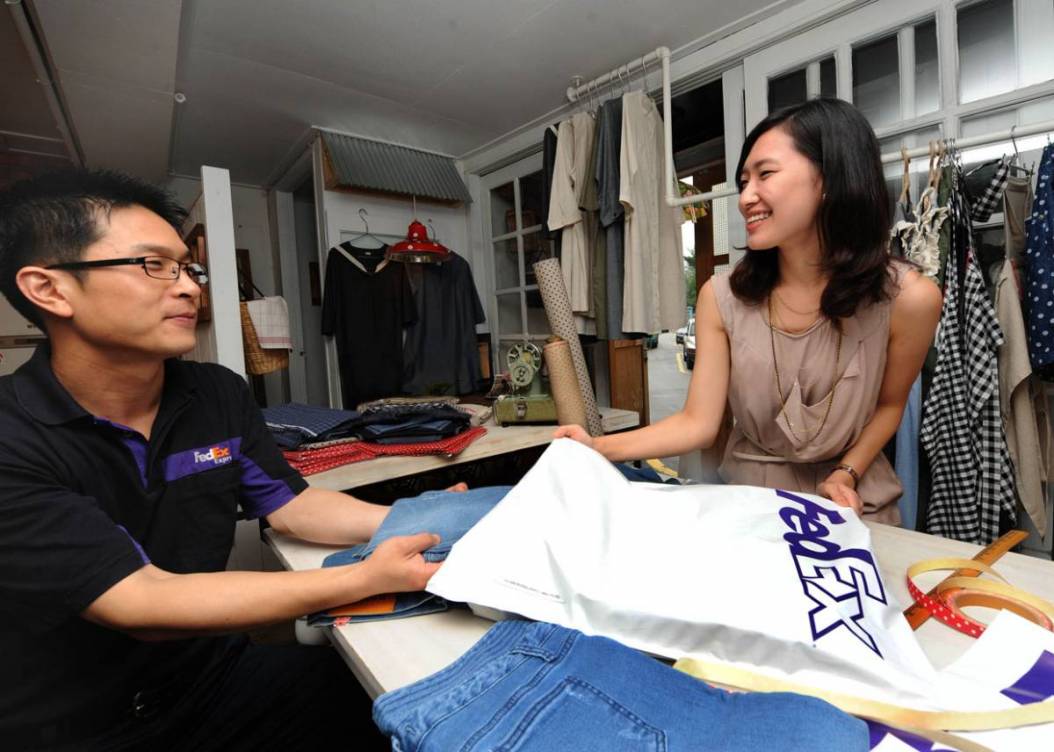
  • FedEx brings packages to 7-Eleven stores

    FedEx brings packages to 7-Eleven stores

    FedEx Express, a subsidiary of FedEx Corp and convenience store chain 7-Eleven, announced today that customers and online shoppers can collect their packages at selected 7-Eleven stores. The service is only applicable to shipments of up to 10 kilograms in weight and 105 cm in dimension and with a total value for customs of no more than US$500 per shipment.

    FedEx Express, a subsidiary of FedEx Corp and convenience store chain 7-Eleven, announced today that customers and online shoppers can collect their packages at selected 7-Eleven stores. The service is only applicable to shipments of up to 10 kilograms in weight and 105 cm in dimension and with a total value for customs of no more than US$500 per shipment.

    Customers simply need to reply to their FedEx pre-delivery notification message and indicate their preferred 7-Eleven location. They will then receive an SMS message with the pick-up details.  Customers are required to present both the air waybill number and SMS message at their chosen 7-Eleven store upon pick-up.

    Packages must be collected within five days. Anthony Leung, managing director, FedEx Express, Hong Kong and Macau said the company’s retail service network expansion was a response to market needs. Rose Yeung, sales and marketing director, 7-Eleven Hong Kong and Macau, said this represented “another step forward in expanding our service portfolio, which includes bill payment, ticketing, self pick-up and donations.”