Tag: Economy

  • China’s New Renaissance: How AI and Digital Economy Could Transform Global Investments

    China’s New Renaissance: How AI and Digital Economy Could Transform Global Investments

    After enduring years of economic adjustments and investor uncertainty, China is on the cusp of entering a fresh chapter. This revival is anticipated to be powered by advancements in manufacturing, artificial intelligence (AI), and the digital economy, potentially presenting vast implications for global investors, according to the Bank of Singapore.

    Reassessing China’s Economic Prospects

    The Bank of Singapore suggests a reevaluation of China’s economic potential. In its report titled “2026 Supertrends: Cycles, Halos and Moonshots,” the private bank identifies China’s renaissance as one of five key trends expected to shape investment markets by 2030. The other trends include geopolitical chokepoints, a refreshed approach to portfolio development, the expansive influence of artificial intelligence, and the rapidly growing longevity economy. However, the resurgence of China’s economy is deemed particularly significant for Asian investors.

    The bank asserts that China is transitioning from an era of economic recalibration to a new phase of renaissance. The economic opportunities are projected to stem from high-value products and services as China intensifies the development of its digital economy. The bank also forecasts that the emerging strength in advanced manufacturing in North Asia, especially industries contributing to AI development, will be a crucial source of investment returns. A robust Chinese renminbi is also expected to be a favorable contributing factor.

    This hypothesis signals a significant shift in outlook, following several challenging years for Chinese assets characterized by a prolonged property downturn, dwindling domestic demand, and geopolitical tensions.

    The Transformative Role of AI in Investments

    The potential resurgence of China is closely linked to another significant investment theme identified by the Bank of Singapore: artificial intelligence. The bank anticipates that the investment sectors benefiting from AI expansion will extend far beyond a select group of technology stocks. Possibilities are expected to arise across asset classes, including equities and fixed income as well as public and private markets.

    This could be advantageous for North Asia, where advanced manufacturing, semiconductors, and the broader technology supply chain are gaining increasing importance in the global AI ecosystem.

    Geopolitics, however, remains a significant risk, expected to shape investment strategies in a world increasingly influenced by strategic chokepoints. Control over resources and infrastructure could be wielded for strategic or economic leverage, as exemplified by China’s position in rare earths and other critical materials. This could result in a more volatile global climate, contributing to higher inflation, elevated government deficits, and fluctuating long-term bond yields.

    The evolving global landscape could also significantly impact currencies. The Bank of Singapore predicts modest short-term strengthening for the US dollar but a more bearish outlook in the long term. Large fiscal and current account deficits, coupled with potential political pressure on the Federal Reserve, could trigger a multi-year downtrend for the greenback.

    Consequently, safe-haven assets such as gold, the Swiss franc, and the Singapore dollar may gain prominence as investors seek alternatives to traditional government bonds for portfolio hedges.

    For investors, the inference is clear: the forthcoming phase of Asian growth is expected to be drastically different from the past, characterized by less dependence on traditional globalization and more emphasis on technology, strategic supply chains, and the competition for critical resources.

    Questions & Answers

    What is the anticipated economic shift in China?
    The Bank of Singapore suggests that China is transitioning from a period of economic recalibration to a new phase of renaissance, powered by advancements in manufacturing, AI, and the digital economy.

    What role does artificial intelligence (AI) play in this shift?
    AI is considered a major catalyst for the expected economic resurgence in China, with opportunities expected across asset classes. It is also perceived as instrumental in advancing North Asia’s manufacturing and technology sectors.

    What implications could the changing global landscape have on currencies?
    The Bank of Singapore anticipates modest short-term strengthening for the US dollar but a bearish outlook in the long term, which could result in a multi-year downtrend for the greenback due to large fiscal and current account deficits, and potential political pressure on the Federal Reserve.

  • Vietnam’s Economy Skyrockets: UOB Predicts Record-Breaking 8.5% Growth Amidst AI Boom

    Vietnam’s Economy Skyrockets: UOB Predicts Record-Breaking 8.5% Growth Amidst AI Boom

    United Overseas Bank (UOB), a leading financial institution based in Singapore, has increased its prediction concerning Vietnam’s GDP growth for the current year. Previously, the bank estimated a 7% increase; however, based on the country’s stronger-than-anticipated economic performance in the first six months, moderating energy costs, and the influence of artificial intelligence, UOB has revised its forecast to an 8.5% growth rate.

    Encouraging Economic Performance

    This revised prediction follows the announcement that Vietnam’s economy expanded by 8.18% in the first half of the year. This growth rate, which surpassed UOB’s initial projections, is the highest in Southeast Asia. The robust economic performance is attributed to widespread growth across various sectors, including industrial, construction, services, and agriculture.

    Manufacturing emerged as a key driver of this growth, bolstered by a global surge in demand for artificial intelligence, as stated by UOB. The bank also noted an impressive 61% upswing in foreign direct investment (FDI) during the first six months, reaching a total of US$34.7 billion. This significant increase strengthens the prediction that 2026 could set a record for Vietnam in terms of attracting FDI.

    Demonstrating Economic Resilience

    Despite the impacts of political tensions in the Middle East, Vietnam’s economy has displayed remarkable resilience which is expected to provide a solid foundation for economic growth in the second half of the year. UOB’s GDP growth prediction is currently one of the most optimistic among international organizations.

    In fact, the Asian Development Bank recently released a report forecasting Vietnam as the fastest-growing economy in Southeast Asia this year with a projected growth rate of 7.2%. Vietnam itself is aiming for a minimum growth rate of 10% this year and has outlined a plan that necessitates an 11.9% growth rate in the second half of the year.

    UOB will continue to observe global economic developments, particularly the impending U.S. tariffs expected to be implemented in late July. These tariffs could potentially add more strain on global trade and impact Vietnam’s economic growth trajectory.

    Despite general weakness among Asian currencies in June, the Vietnamese dong demonstrated notable resilience. UOB maintains its outlook that the dong will remain relatively stable, potentially strengthening against the dollar to 26,500 in the third quarter and 26,400 in the fourth.

    Questions & Answers

    What factors led UOB to increase its GDP growth prediction for Vietnam?
    This decision was influenced by Vietnam’s stronger-than-expected economic performance in the first half of the year, moderating energy prices, and the impact of artificial intelligence.

    Which sector was identified as a primary driver of Vietnam’s economic growth?
    Manufacturing has emerged as a key contributor to Vietnam’s economic growth, supported by surging global demand for artificial intelligence.

    What is the projected stability of the Vietnamese dong in the near future?
    UOB maintains that the Vietnamese dong will remain relatively stable, potentially strengthening against the dollar to 26,500 in the third quarter and 26,400 in the fourth.

  • New Trends in Lifestyle Retail: Sustainability, Personalisation, and Silver Economy Spotlighted at Upcoming Hong Kong Fairs

    New Trends in Lifestyle Retail: Sustainability, Personalisation, and Silver Economy Spotlighted at Upcoming Hong Kong Fairs

    The upcoming Hong Kong Gifts & Premium Fair and Home InStyle, set to take place later this month, are poised to once again underscore Hong Kong’s pivotal role in highlighting changing trends in Asia’s lifestyle and retail sourcing sectors.

    Program Overview

    Scheduled from April 27th to 30th at the Hong Kong Convention and Exhibition Centre, the two events are components of a broader program of seven parallel trade fairs. These fairs cover a wide array of areas including gifts, home, fashion, packaging, and licensing.

    Key Themes of 2026

    This year, the Hong Kong Gifts & Premium Fair will center around four main themes: personalisation, sustainability, health and wellness, and culture and creativity. The Color of the Year for 2026, ‘Cloud Dancer,’ will be showcased, reflecting the fair’s ongoing partnership with Pantone. This demonstrates how international color forecasting is being incorporated into commercial applications across a variety of lifestyle sectors.

    Focus on New Materials and Gerontechnology

    Concurrently, Home InStyle will shed light on innovative materials, cultural design, and gerontechnology. These highlights align with the increasing business interest in aging populations and the expanding ‘silver economy’ throughout Asia. The event will also present international exhibitors known for their design-led and craft-focused products. These range from Bohemian glassware and handmade woven baskets to bamboo homeware and licensed lifestyle items such as illuminated signage featuring popular characters.

    Creating Business Opportunities

    According to the Hong Kong Trade Development Council (HKTDC), these fairs aim to facilitate business opportunities by bringing together a broad spectrum of suppliers and buyers. Simultaneously, they provide a platform to exhibit an assorted mix of lifestyle products and services spanning multiple categories.

    Questions & Answers

    What are the key themes of the 2026 Hong Kong Gifts & Premium Fair?
    The key themes are personalisation, sustainability, health and wellness, and culture and creativity.

    What will Home InStyle highlight in its upcoming event?
    Home InStyle will highlight innovative materials, cultural design, and gerontechnology, which aligns with the increasing business interest in aging populations and the expanding ‘silver economy’ throughout Asia.

    What is the purpose of these fairs according to the Hong Kong Trade Development Council (HKTDC)?
    The HKTDC states that these fairs aim to generate business opportunities by connecting a wide spectrum of suppliers and buyers, while also showcasing a diverse mix of lifestyle products and services across multiple categories.

  • Thailand’s DIY Titans Losing Ground Amid Sluggish Economy and Rising Costs: A Deep Dive into the Struggles and Strategies

    Thailand’s DIY Titans Losing Ground Amid Sluggish Economy and Rising Costs: A Deep Dive into the Struggles and Strategies

    Home improvement retail is a sector known for its cyclical nature and susceptibility to shifts in consumer confidence. This is evident in Thailand’s DIY market, Southeast Asia’s largest, which is currently grappling with low consumer confidence, escalating household debt, rising energy costs, and general macroeconomic instability. Retailers are finding their large warehouses less productive, but they continue to add stores. This results in consistent drops in same-store sales and increasingly fierce competition. Profit margins are further threatened by increasing material costs, placing a squeeze on both revenue and net income.

    Home Pro: A Silver Lining Amid Stagnation

    Home Pro and Thai Watsadu are the largest players in this market based on revenue. Home Pro operates 126 stores in Thailand and seven in Malaysia. Despite reporting a decrease of 2.8% in 2025’s annual revenue compared to the previous year, the company is persistently expanding its network of warehouses. The firm’s same-store sales fell by 6.4% and showed weakened momentum during the fourth quarter.

    Interestingly, Home Pro asserts its sales growth is sustainable even though it has witnessed successive years of revenue decline. The company’s home services business, however, shows promise, with a growth rate of over 9% in 2025 as customers shift from DIY to DIFY services, which include installation, renovation, maintenance, and repair.

    Home Pro also earns rent from its Market Village shopping malls, particularly in popular tourist destinations like Hua Hin, Rayong, and the region adjacent to Suvarnabhumi Airport. However, the current geopolitical instability could impact the influx of tourists, predominantly from Europe, further dampening the outlook for 2026.

    Thai Watsadu: Parallel Trajectories

    Thai Watsadu, a subsidiary of Central Retail Corporation, closely competes with Home Pro. Despite experiencing a similar decline in same-store sales, it is on an expansion spree. The company’s total sales in 2025 matched Home Pro’s at about 70.6 billion baht (US$2.2 billion). Apart from DIY warehouses, the company’s portfolio includes electronics and white goods, office supplies, stationery, and home furniture chains.

    At the end of 2025, the Thai Watsadu chain comprised 88 stores, with plans to open an additional three to five locations this year.

    Siam Global House: Amid Pressure

    Siam Global House operates from the small northeastern provincial capital of Roi Et and is a fierce contender for Home Pro and Thai Watsadu. Despite its vast network of 96 warehouses in Thailand, the company’s revenue decreased by 1.9% in 2025 from the previous year, and its net profit fell by 20%.

    Mr DIY: A Potential Winner in the Short Term

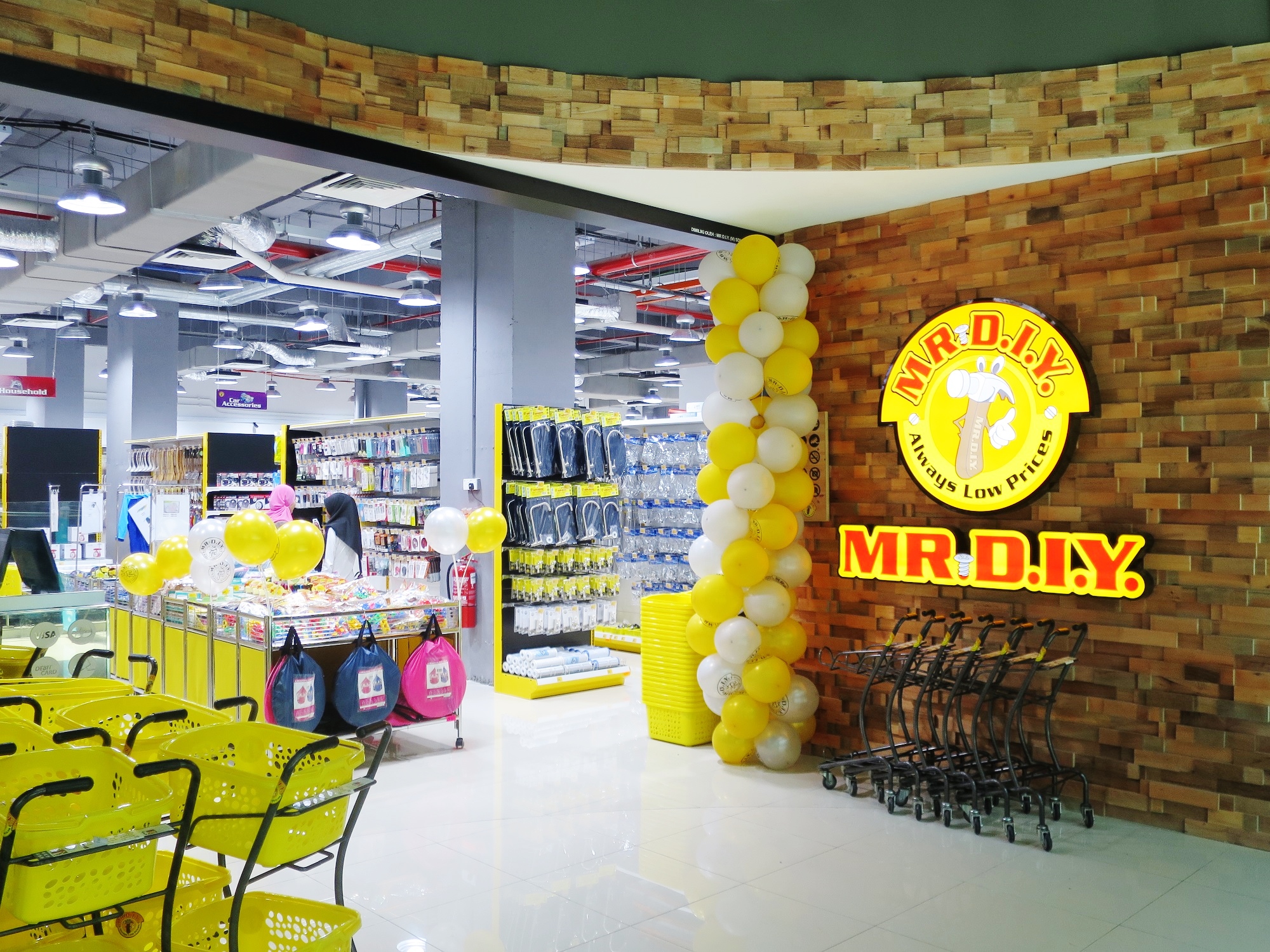
    Malaysia-based Mr DIY, with its smaller store formats, appears better equipped to navigate Thailand’s challenging retail landscape in the short term. With more than 2,000 stores across 10 countries, including approximately 900 in Thailand, Mr DIY offers a limited range of DIY goods that can be easily accommodated in conventional malls and high-traffic shopping areas. This strategy provides the chain with a short-term advantage while the weakening economy and geopolitical tensions continue to impact larger home improvement warehouses.

    The Future: An Uphill Battle

    The general outlook for the sector suggests a slower recovery, with rising materials and operating costs on the horizon. Home improvement retailers, who have already weathered the storm of the Covid-19 pandemic and various geopolitical conflicts, will likely have to delay their expected recovery until beyond 2026.

    Questions & Answers

    What is the current state of the home improvement retail industry in Thailand?
    A: The industry is experiencing a downturn due to weak consumer confidence, rising household debt, and increasing material costs.

    What are the business strategies of major players like Home Pro and Thai Watsadu in response to the challenging market conditions?
    A: Both companies continue to expand their store networks despite declining same-store sales, with Home Pro also focusing on its profitable home services and mall rental businesses.

    Why is Mr DIY potentially better positioned than its competitors in the short term?
    A: Mr DIY’s smaller store formats and limited range of goods make it a flexible fit in conventional malls and busy shopping areas, providing an advantage in the current economic climate.

  • Boost for UK Economy as Labubu Creator Pop Mart Establishes London HQ and Unveils Major Store Expansion

    Boost for UK Economy as Labubu Creator Pop Mart Establishes London HQ and Unveils Major Store Expansion

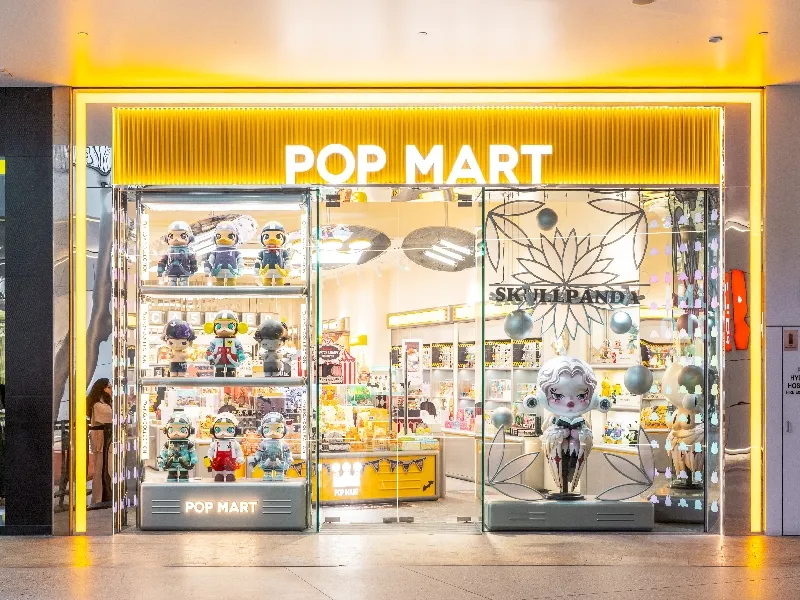
    Pop Mart, renowned for creating the popular Labubu doll, has revealed London as the location for its new regional headquarters. In addition, it has plans to launch seven more stores across the UK. This decision is viewed as a significant investment for the UK, secured by British Prime Minister, Keir Starmer during his visit to China.

    Strengthening Economic Ties

    The purpose of Starmer’s four-day trip to China was to stimulate the UK’s economy through bolstering the ties between the two nations. This strategy includes enhancing market access, diminishing tariffs, and arranging investment deals like the one involving Pop Mart.

    The Labubu dolls, distinctive for their pointy ears and toothy smiles, exemplify an intentionally flawed ‘ugly-cute’ aesthetic. These dolls have gained collector status after gaining significant popularity on social media, a mere 18 months ago.

    Starmer’s diplomatic visit resulted in export deals amounting to £2.2 billion (approximately US$3.02 billion). It has also facilitated market access estimated at £2.3 billion over the next five years, and secured hundreds of millions of pounds in investments, according to a recent statement from his office.

    UK Expansion Plans

    Pop Mart has plans to establish its presence in seven locations throughout the UK, with Birmingham, Cardiff, and London’s Oxford Street as key locations. The latter will host Pop Mart’s new flagship store. In addition, the firm also intends to open 20 more stores across Europe.

    This new venture is expected to generate over 150 jobs in the UK, as stated in the official release.

    Grant Wang, the founder and CEO of Pop Mart, expressed his excitement about the firm’s European expansion. He stated, “London is at the core of the global creative ecosystem, and we are ecstatic to establish our European base here.”

    Pop Mart is part of a group of Chinese consumer-facing companies, including the fashion retailer Urban Revivo and coffee chain Luckin, looking to tap into overseas markets. This move comes in response to weaker domestic spending in China, associated with an extended property crisis and wage stability concerns.

    HITHIUM, a Chinese energy storage company, is also set to invest £200 million in the UK, creating an additional 300 jobs. Additionally, life sciences group Asymchem is planning to expand its UK operations, which will create 150 jobs.

    Questions & Answers

    Why has Pop Mart chosen London for its new regional headquarters?
    Pop Mart perceives London as a central hub within the global creative ecosystem, making it an ideal location for their European base.

    What are the broader implications of Pop Mart’s expansion into the UK?
    In addition to strengthening relations between China and the UK, this expansion is set to create over 150 jobs and contribute to Britain’s economy.

    How are other Chinese consumer-facing companies reacting to domestic economic pressures?
    In response to a prolonged property crisis and wage security issues leading to weaker domestic spending, companies like Urban Revivo and Luckin are exploring opportunities in overseas markets.

  • Unlocking Vietnam’s Digital Economy: The Transformative Impact of 5G Expansion

    Unlocking Vietnam’s Digital Economy: The Transformative Impact of 5G Expansion

    Vietnam’s burgeoning 5G network is forecasted to bolster the forthcoming wave of the nation’s digital economy. This expectation comes as local telecommunications companies hasten infrastructure development and commence the expansion of commercial and public sector applications.

    5G Infrastructure Expansion

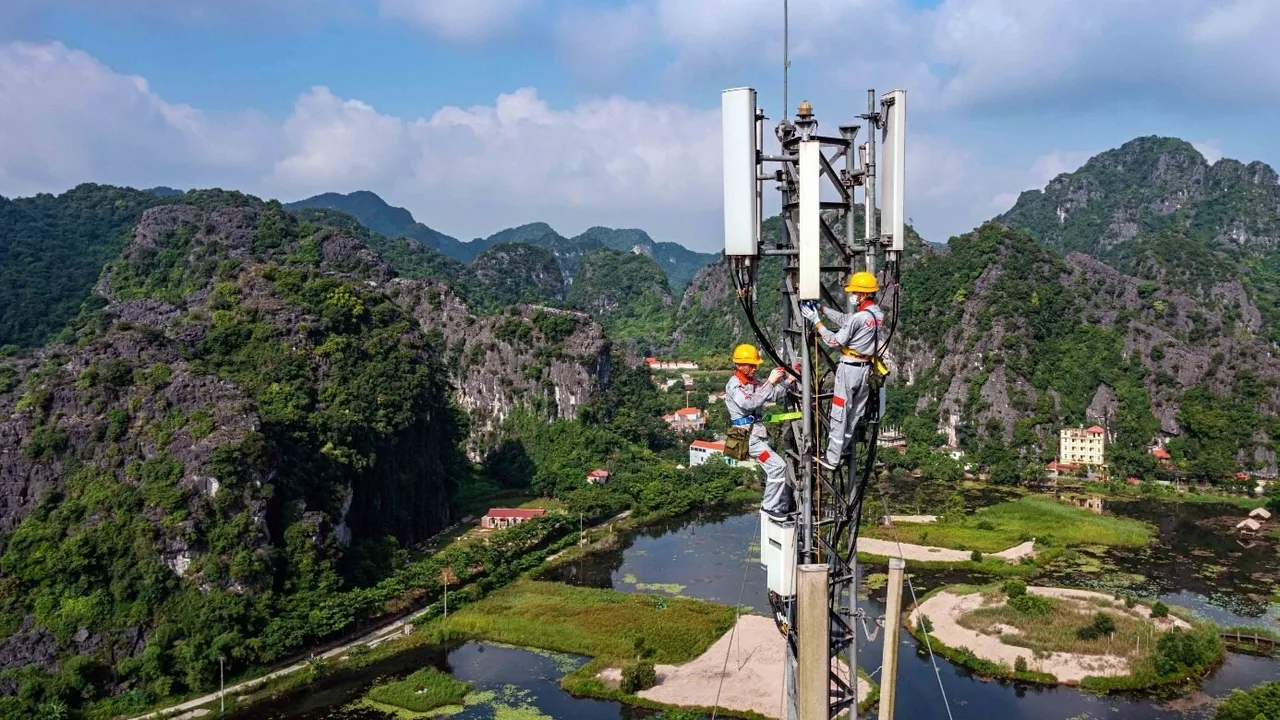
    Viettel, Vietnam’s premier operator, has established around 30,000 5G base stations, achieving approximately 90% outdoor coverage and 70% indoor coverage. This surpasses the commitments the company made to the government. As predicted by Vietnam’s Ministry of Science and Technology, by 2025, 5G services were widely commercialized throughout the nation, reaching over 90% of the population.

    Practical Economic Benefits

    Telecommunications providers affirm that the extended availability of 5G is already producing tangible economic advantages, particularly within rural commerce and agriculture. Since August 2025, Viettel Post has facilitated numerous livestream sales sessions in several provinces such as Thai Nguyen, Vinh Long, Bac Ninh, and Lai Chau, to assist farmers in reaching consumers across the nation.

    In Sin Ho commune, located in Lai Chau province, three livestream sessions led to more than 300 tons of yacon root being sold by local Mong farmers. According to Dinh Thanh Son, Deputy General Director of Viettel Post, the marriage of 5G connectivity and integrated logistics systems is aiding farmers in reducing their reliance on traditional intermediaries and managing price fluctuations. The existence of stable, high-speed connections allows farmers to livestream directly from production sites, while 5G-enabled Internet of Things applications are being trialed to monitor conditions such as temperature, humidity, and weather in agricultural production.

    5G Rollout and Development

    Nguyen Duy Lam, a Senior Telecommunications Solutions Expert at Huawei Vietnam, shared that the rollout of 5G in Vietnam has made rapid strides in areas like e-commerce. However, the establishment of smart city and smart factory applications will necessitate continued enterprise investment and supportive government policies.

    Nguyen Ha Thanh, Deputy General Director of Viettel Telecom, considers 5G as strategic national digital infrastructure, aligning with a specific national resolution. She believes the impact of 5G investments should be evaluated from a national viewpoint, taking into account improvements in governance efficiency, quality of life, and the development of novel digital business models.

    Network Coverage and Focus Shift

    With network coverage largely in place, operators are now shifting their attention towards applications and platforms. Viettel Telecom intends to launch three virtual assistant platforms for individuals, households, and enterprises over its 5G network. Concurrently, MobiFone is executing 5G-based smart city solutions in Hanoi, inclusive of AI-powered camera systems, emergency response drones, and comprehensive urban monitoring platforms that address issues like traffic congestion, flooding, environmental pollution, and food safety.

    Questions & Answers

    What is the current state of Vietnam’s 5G network?
    Vietnam’s 5G network has been extensively developed, with the country’s largest operator, Viettel, establishing approximately 30,000 base stations. This has resulted in around 90% outdoor coverage and 70% indoor coverage.

    How is 5G aiding Vietnam’s rural sectors?
    5G is proving particularly beneficial to rural commerce and agriculture, where high-speed connections allow for activities such as livestream sales sessions. This is helping farmers reach consumers nationwide without the need for traditional intermediaries.

    What future applications are being planned for Vietnam’s 5G network?
    Looking ahead, operators are shifting their focus towards applications and platforms. Viettel Telecom plans to introduce three virtual assistant platforms, while MobiFone is implementing smart city solutions in Hanoi. These advancements will further integrate 5G connectivity into everyday life and enterprise operations.

  • HCMC Aims to Double Vietnam’s Average with $9,800 Per Capita Income in Ambitious 2026 Growth Plan

    HCMC Aims to Double Vietnam’s Average with $9,800 Per Capita Income in Ambitious 2026 Growth Plan

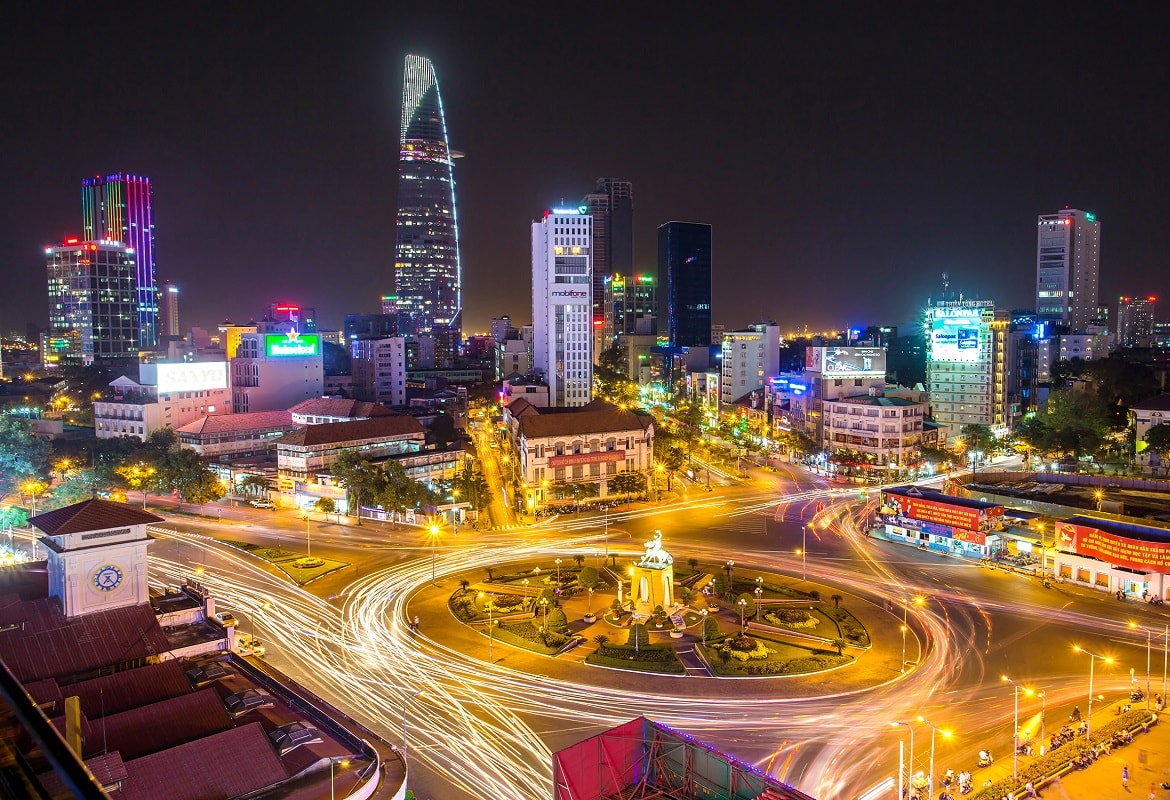
    Ho Chi Minh City (HCMC), Vietnam’s largest city, has outlined ambitious economic goals for the year ahead. The city plans to increase its per capita income by 12%, bringing it to $9,800, a figure that is twice the national average. This is a significant increase from last year’s per capita income in the city, which stood at $8,755, in comparison to the country’s overall average of $5,026.

    Economic Projections and Future Plans

    In terms of economic growth, HCMC is targeting a 10% increase in 2026, a substantial rise from the 8% growth reported last year. The chairman of the city, Nguyen Van Duoc, outlined the main drivers of this growth: manufacturing, consumption and exports. However, the city’s growth plans do not stop here.

    It is also looking to develop three additional areas. An international financial center is being planned, along with a seaport logistics system. Furthermore, the city aims to combine innovation with green and digital transformation for sustainable development.

    Addressing Infrastructure and Environmental Challenges

    Challenges that could potentially hinder the city’s economic growth have also been recognized. The issues identified include flooding, traffic congestion, and environmental pollution. These are referred to as the three “bottlenecks”, and the city has proposed several measures to overcome these problems.

    The city plans to upgrade its infrastructure, with projects such as the widening of National Highways 22 and 13 and Ring Road 4. There are also plans to construct the Can Gio and Thu Thiem bridges, as well as new metro lines. Chairman Duoc believes that if these projects are successfully implemented, they will significantly contribute to the city’s economic growth by surpassing public spending disbursement targets.

    However, this is not without its challenges. Last year, the disbursement was only 74% of the target, amounting to VND89 trillion ($3.39 billion). Despite this, the city remains optimistic about its ambitious economic targets and plans for development.

    Questions & Answers

    What does HCMC plan to increase its per capita income to?
    HCMC is planning to increase its per capita income by 12%, which will bring it to $9,800.

    What are the main drivers of economic growth for HCMC?
    The main drivers are manufacturing, consumption, and exports. However, the city also has plans to develop an international financial center, a seaport logistics system, and combine innovation with green and digital transformation.

    What challenges is HCMC planning to address to ensure its economic growth?
    HCMC plans to address the three “bottlenecks” that are currently holding back its growth. These are flooding, traffic congestion, and environmental pollution. The city plans to address these through various infrastructure projects.

  • Vietnam’s Economy Soars with 8.02% GDP Growth in 2025, Claiming Second Highest Spot in Two Decades

    Vietnam’s Economy Soars with 8.02% GDP Growth in 2025, Claiming Second Highest Spot in Two Decades

    The Vietnamese economy experienced significant growth in the last year, with an impressive rate of 8.02%, marking the second-highest growth rate in the past 15 years. This growth was primarily fueled by the services and industry sectors. In the final quarter of the year alone, the economy expanded by 8.46% on a year-on-year comparison, as per the data from the General Statistics Office.

    Steady Growth Amid Global Economic Volatility

    Vietnam has demonstrated a remarkable economic performance in the face of global economic instability. This instability has been particularly marked by trade tensions and reciprocal tariff policies from the United States. Despite these challenges, Vietnam’s growth rate was the highest amongst Southeast Asian nations and one of the highest globally. The last time the economy grew at a higher rate was in 2022, with an expansion of 8.12%, following the Covid-19 pandemic.

    Economic Indicators

    In 2025, the Gross Domestic Product (GDP) of Vietnam rose to US$514 billion, and the per capita income reached $5,026. These figures have positioned Vietnam as an upper-middle-income nation. Nevertheless, the inflation rate for the year experienced a slight increase, reaching 3.31%.

    The services sector emerged as the largest contributor to the Vietnamese economy, accounting for 51.1% of the total. The industry and construction sectors followed with a 43.6% contribution, while the remainder was made up by agriculture, forestry, and fisheries.

    In terms of trade, Vietnam hit a new record with a total value of $930 billion, reflecting an 18.2% rise from the previous year. The export value increased by 17%, totaling $475 billion.

    In the same year, there was a notable increase in enterprise registration and revival, with 297,500 businesses registered or revived, marking a 27.4% surge.

    Future Economic Prospects

    Looking forward, the National Assembly has set an ambitious GDP growth target of 10% for the upcoming year. Achieving this target will increase the per capita income to a range of $5,400 to $5,500.

    Questions & Answers

    What was the growth rate of the Vietnamese economy last year?
    The Vietnamese economy grew at a rate of 8.02% last year.

    What sectors mainly drove Vietnam’s economic growth?
    The growth of the Vietnamese economy was primarily driven by the services and industry sectors.

    What is the GDP growth target set by the National Assembly for the next year?
    The National Assembly has set a GDP growth target of 10% for the next year.

  • Singapore’s 2026 Economy: Navigating Tariffs, Tech, and Transformation Amid Weakening External Demand

    Singapore’s 2026 Economy: Navigating Tariffs, Tech, and Transformation Amid Weakening External Demand

    In 2026, Singapore is slated to encounter a crucial year in which its economic resilience will be put to the test by changing geopolitical scenarios, trade fragmentation, and a moderating technology cycle, according to a recent report by DBS, the nation’s leading bank.

    Projecting Economic Trends

    DBS Group Research predicts a GDP growth of 1.8 percent, which, while proximate to potential, is down from an estimated 4.0 percent in 2025. The city-state will be managing the dual challenges of tariffs and tech, often referred to as the “two Ts” by analysts.

    It is projected that export-dependent sectors will experience a slowdown due to the ongoing impact of increased global tariffs and potential new semiconductor charges that could be imposed by the US. The World Trade Organization anticipates world merchandise trade volume to grow by a mere 0.5 percent in 2026, a sharp decrease from over 2 percent in the previous two years. This suggests a waning external demand.

    Slowing Tech Momentum

    Singapore’s electronics strength, fuelled by AI-related components, has now reached a mature phase, following an 18-month growth period. Global semiconductor sales growth is expected to slow down to 9.9 percent in 2026, from 15.4 percent in 2025. This could potentially curb manufacturing momentum if the AI boom subsides or if proposed US chip tariffs come into effect.

    In contrast, the services economy, particularly finance and insurance, information and communications, and professional services sectors, is anticipated to balance overall performance. Over the past decade, these modern services have demonstrated stronger and more consistent growth compared to manufacturing. This has been facilitated by digitisation, favourable financial conditions, and robust regional investment flows.

    Infrastructure Projects Boosting Growth

    Major infrastructure projects, such as Changi Airport Terminal 5, Tuas Port, and the North-South Corridor, are expected to stimulate the domestic construction sector. This sector is forecasted to generate an annual demand of S$39-46 billion from 2026 to 2029, indicating a structurally stronger outlook than both the post-pandemic recovery and the pre-COVID times.

    Headline and core inflation are predicted to average 1.2 percent and 1.0 percent, respectively, in 2026. This inflation rate is higher than the post-pandemic low in 2025, but still falls within the Monetary Authority of Singapore’s target range. Imported disinflation is diminishing, while domestic costs will modestly increase as productivity trails behind wage growth.

    Climate Policies and Price Pressures

    Changes in green policies, such as a planned 1.8 fold carbon tax increase and a sustainable fuel levy for aviation, are forecasted to drive up utility and travel prices. It is estimated that the carbon tax adjustment could increase electricity tariffs by approximately four percent in 2026. However, inflation of essential services is expected to be controlled by healthcare subsidies and reduced education fees.

    Policy Focus on Economic Blueprint

    With a refreshed political leadership, Singapore is preparing to launch an updated strategy to boost competitiveness and ensure long-term vibrancy. This will include technology adoption, attracting global investments, and strengthening roles in emerging sectors like low-carbon energy and data flows.

    Year of Cautious Confidence

    Singapore’s status as a trusted hub, coupled with government buffers and policy continuity, forms the foundation of what DBS refers to as “measured resilience”. This refers to a type of growth that withstands challenges while also preparing for the next stage of economic transformation.

    Questions & Answers

    What are the “two Ts” that Singapore is expected to navigate in 2026?
    The “two Ts” refer to tariffs and technology. These are the two major challenges that are anticipated to impact Singapore’s economic growth in 2026.

    How is Singapore’s services economy expected to perform in comparison to the manufacturing sector?
    The services economy, particularly sectors like finance and insurance, information and communications, and professional services, is expected to balance overall performance in 2026. These sectors have shown stronger and more stable growth than manufacturing over the past decade.

    What is the predicted impact of green policy changes on Singapore’s economy in 2026?
    Changes in green policies, including a planned increase in carbon tax and a sustainable fuel levy for aviation, are expected to drive up utility and travel prices. However, inflation of essential services should be kept in check due to healthcare subsidies and reduced education fees.

  • Hong Kong Retail Market Sizzles: Six Months of Consecutive Growth Capped by a Strong October

    Hong Kong Retail Market Sizzles: Six Months of Consecutive Growth Capped by a Strong October

    Hong Kong’s retail sector has seen a significant upswing, with October marking the sixth consecutive month of sales increase. As per data from the Census and Statistics Department, there was a year-on-year increase of 6.9% in retail sales, provisionally estimated at HK$35.2 billion (US$4.5 billion) for the month. This represents the highest monthly increase witnessed over the past half year. Despite this, the retail sales over the first ten months remained largely on par with the same period the previous year.

    Noteworthy Sector Performances

    Specific sectors within the retail industry reported varying degrees of performance. Sales of electrical goods and other consumer durable goods took the lead with a significant increase of 24.6% in October. This was closely followed by jewellery, watches, clocks, and valuable gifts, which saw an increase of 9.5%. Alcoholic drinks and tobacco reported an increase of 6%, while department store commodities saw a 5.8% increase in sales.

    On the other hand, several sectors reported a decline in sales. Motor vehicle and parts sales saw the most significant drop, falling by 20%. This was followed by fuel sales, which decreased by 8.7%, and Chinese drugs and herbs, which fell 6.6%. Furniture and fixtures also saw a slight decrease in sales, falling by 2.3%.

    Government Statement

    The government has also weighed in on the positive trend in retail sales, with a spokesperson attributing the increase to an ongoing improvement in consumer sentiment. They noted that the retail sales recovery gathered momentum in October, indicating a forward progression from the sales increase in the previous month. The spokesperson expressed confidence in the continued improvement in local consumer sentiment and the sustained growth in visitor arrivals. These factors are expected to provide further support for retail businesses in the coming months.

    Questions & Answers

    What was the year-on-year increase in Hong Kong’s retail sales in October?
    The year-on-year increase in Hong Kong’s retail sales in October was 6.9%, according to the Census and Statistics Department.

    Which sectors reported the highest increase in sales?
    Electrical goods and other consumer durable goods reported the highest increase in sales, with a growth of 24.6%. They were closely followed by jewellery, watches, clocks, and valuable gifts, which saw a 9.5% increase.

    Which sectors saw a decrease in sales?
    Motor vehicle and parts experienced the most significant drop, falling by 20%. Fuels also decreased by 8.7%, with Chinese drugs and herbs falling 6.6%, and furniture and fixtures by 2.3%.

  • Vietnam Climbs to 5th Spot in US International Student Rankings; Contributes $1.15B to Economy

    Vietnam Climbs to 5th Spot in US International Student Rankings; Contributes $1.15B to Economy

    During the previous academic year, U.S. higher education institutions saw an unprecedented influx of nearly 25,600 students from Vietnam. As such, Vietnam now holds the title of being the fifth most significant source of international students for the United States.

    Academic Year 2024-2025: A Closer Look

    The 2024-2025 academic session witnessed a significant 15.9% increase in Vietnamese students studying in the U.S., taking the total count to 25,584. This not only marked the highest inflow of Vietnamese students ever recorded but also contributed nearly US$1.15 billion to the U.S. economy.

    The data, which was recorded by the Institute of International Education (IIE), is the highest it has ever been since the IIE commenced tracking Vietnamese students in the U.S. in the 2000-2001 academic session.

    The majority of these students were enrolled in undergraduate programs, comprising 63% of the total. They were followed by graduate students at 17.3%, students on Optional Practical Training (OPT) at 14.2%, and non-degree students making up the remainder.

    Global Presence

    In the same academic year, more than 1.17 million international students from over 200 countries and territories chose to study in the U.S., marking a 4.5% increase from the previous academic year. These international students constituted 6% of the total U.S. higher education population and contributed nearly $55 billion to the U.S. economy, thereby supporting over 355,000 jobs.

    The top countries contributing to the U.S. student population were India with 363,019 students (a 9.5% increase), China with 265,919 students (a 4% decrease), South Korea with 42,293 students (a 2% decrease), and Canada with 29,903 students (a 3% increase).

    Interestingly, while there was a 2.7% decrease in the number of students enrolled in graduate programs (master’s or doctorate degrees), undergraduate student enrollment witnessed an increase of 4.2%. This marks the first significant surge in undergraduate enrollment since the onset of the Covid-19 pandemic. The number of international students pursuing OPT also experienced a substantial growth, reaching 294,253 – constituting a 21% increase from the previous year.

    Over half (57%) of international students across all academic levels pursued STEM fields (Science, Technology, Engineering, and Mathematics). The most popular fields were Mathematics and Computer Science, chosen by one in four students, followed by Engineering, and Business & Management.

    However, it is important to note that despite the overall growth in the number of international students, new enrollments, i.e., students studying for the first time, decreased by 7.2% to 277,118 in 2024-2025.

    Questions & Answers

    What was the increase in Vietnamese students studying in the U.S. during the 2024-2025 academic year?
    The number of Vietnamese students studying in the U.S. increased by 15.9% during the 2024-2025 academic year.

    Which countries contributed the most to the U.S. student population in the 2024-2025 academic year?
    The top countries contributing to the U.S. student population in the 2024-2025 academic year were India, China, South Korea, and Canada.

    Which academic fields were the most popular among international students in the 2024-2025 academic year?
    The most popular academic fields among international students in the 2024-2025 academic year were Mathematics and Computer Science, followed by Engineering, and Business & Management.

  • Thailand Ignites Digital Economy: Unveils $3.1B Investment in Data Center Boom & Cloud Revolution

    Thailand Ignites Digital Economy: Unveils $3.1B Investment in Data Center Boom & Cloud Revolution

    Thailand is propelling its efforts to establish itself as a premier hub for digital infrastructure in Southeast Asia. This move follows the Board of Investment (BOI) granting approval for four new data center projects valued at THB 100 billion (USD 3.1 billion). The country is gearing up to more fiercely compete with Singapore and Malaysia, as the demand for artificial intelligence (AI) and cloud services is growing across the region.

    Details on New Projects

    The BOI has confirmed that two of the approved projects are hyperscale facilities designed to support AI workloads. NextGen Data Center and Cloud Services, a subsidiary of DAMAC Digital based in Dubai, plans to construct an 84-MW hyperscale data center in the Navanakorn Industrial Estate in Pathum Thani Province. This project is expected to require an investment of THB 26.7 billion (USD 826.42 million).

    Meanwhile, Zenith Data Center and Cloud Services, a local firm, will dedicate THB 54.9 billion (USD 1.7 billion) towards developing a 200-MW hyperscale facility in the same location.

    Telehouse (Thailand), which is a division of Japan’s KDDI Corporation, has set plans in motion to build a 12-MW data center adjacent to its existing facility in the Huai Khwang District of Bangkok. This expansion will be funded by an investment of THB 7.55 billion (USD 233.64 million).

    Lastly, Vistas Technology, a subsidiary of ZDATA Technologies based in China, will invest THB 9.9 billion (USD 306.39 million) to construct an 80-MW facility in the Amata City Chonburi Industrial Estate. This will mark the company’s second project to receive approval from the BOI.

    Thailand’s Digital Infrastructure Strategy

    Narit Therdsteerasukdi, the Chairman of the BOI, indicated that the approval of these projects underscores Thailand’s strategy to draw hyperscale operators and augment its world-class digital infrastructure. He stated, “The kingdom is actively positioning itself as a key Southeast Asian hub for hyperscale data centers. These approvals demonstrate our commitment to facilitating world-class digital infrastructure investment.”

    In addition to these approvals, the BOI has also issued six licenses to recommence data center projects that had previously stalled, which are collectively valued at USD 9.2 billion. The agency’s goal is to resolve delays associated with power availability, access to industrial land, and the processing of visas or work permits. Therdsteerasukdi affirmed that this action would bolster investor confidence and promote job creation and economic growth.

    Context and Outlook

    Thailand has been observing a surge in data center investment since 2024, with companies such as AWS, Google, Microsoft, and ByteDance announcing substantial commitments. During the first half of 2025 alone, the sector attracted a total of THB 521.2 billion (USD 16.13 billion) in approved investments spanning 28 different projects.

    Officials project that this latest development will significantly increase Thailand’s data center capacity. It is expected to sustain the rising domestic and regional demand for AI and cloud services, and strengthen the nation’s stand in Southeast Asia’s rapidly expanding digital economy.

    Questions & Answers

    What is the total value of the four new data center projects in Thailand?
    The total value of the four new data center projects in Thailand is THB 100 billion (USD 3.1 billion).

    Who are some of the major companies investing in data centers in Thailand?
    Some of the major companies investing in data centers in Thailand include NextGen Data Center and Cloud Services, Zenith Data Center and Cloud Services, Telehouse (Thailand), and Vistas Technology.

    What impact will these projects have on Thailand’s position in the digital economy of Southeast Asia?
    These projects will bolster Thailand’s position in the digital economy of Southeast Asia by increasing the country’s data center capacity and meeting the growing regional demand for cloud and AI services.

  • Vietnam’s Economy Soars: Standard Chartered Forecasts 7.5% GDP Growth in 2025 Amid Robust Trade and FDI Inflow

    Vietnam’s Economy Soars: Standard Chartered Forecasts 7.5% GDP Growth in 2025 Amid Robust Trade and FDI Inflow

    Standard Chartered Bank has revised its economic growth forecast for Vietnam this year from an initial prediction of 6.1% to a more promising 7.5%. In its most recent macroeconomic report, Standard Chartered also adjusted its growth prospect for the country for 2026, from 6.2% to a promising 7.2%.

    Increasing Role in the Global Supply Chain

    A key factor highlighted by Standard Chartered Bank was Vietnam’s expanding role in the global supply chain. This elevation is largely fueled by the country’s robust trading performance and deepening integration into international commerce through various free trade agreements. In September, Vietnam’s exports reached a staggering US$42.7 billion, a 24.7% increase compared to the previous year. This impressive growth was spearheaded by key sectors such as electronics and computers (up 66.2%), telephones (17.5%), and machinery (11.6%).

    Simultaneously, imports saw a 24.9% increase to $39.8 billion, with electronics and computer supplies (up 43.6%) and machinery (up 33.6%) leading the charge. These numbers indicate a consistent expansion in production and industrial capacity in Vietnam.

    Resilient External Position and Economic Recovery

    Standard Chartered Bank highlighted Vietnam’s resilient external position, bolstered by solid trade and a stable foreign exchange outlook. After previously being depleted due to the strengthening of the U.S. dollar, it is anticipated that the country’s FX reserves will be rebuilt. This reflects an improved macroeconomic stability and a healthy trade performance.

    As another positive economic indicator, the growth of domestic credit has also sped up, suggesting a continued economic recovery without requiring policy rate cuts. Current credit growth surpasses 15% year on year, which indicates growing business confidence and a higher demand for finance. The bank also pointed out that lending growth continues to be robust, supported by favourable liquidity conditions and government initiatives to stimulate growth.

    Foreign Direct Investment as Key Growth Driver

    Foreign direct investment (FDI) remains a significant contributor to growth. In the first nine months of 2025, the amount of disbursed FDI increased by 8.5% year on year, amounting to $18.8 billion, while registered FDI surged by 15.2% to $28.5 billion.

    Looking ahead, Standard Chartered economists predict the refinancing rate to remain at 4.5% for the remainder of this year and 2026, with favourable conditions encouraging investment and expansion. Tim Leelahaphan, senior economist for Vietnam and Thailand at Standard Chartered, praised Vietnam’s resilience and adaptability, which have been demonstrated through its strong FDI inflows and robust export growth. These factors have reinforced its strategic role in the diversification of the global supply chain and suggest an optimistic outlook for continued economic expansion.

    The bank also maintained its forecast for the USD/VND exchange rate at VND26,300 for this year and VND26,750 for 2026, while lowering inflation projections to 3.4% for 2025 and 3.7% for next year. These updated figures were based on stronger-than-expected growth momentum and easing price pressures.

    Questions & Answers

    What is the revised economic growth forecast for Vietnam in 2026?
    Standard Chartered Bank has revised the economic growth forecast for Vietnam in 2026 from 6.2% to 7.2%.

    What factors have led to the growth of Vietnam’s role in the global supply chain?
    The growth of Vietnam’s role in the global supply chain is primarily due to its strong trading performance and its deepening integration into international commerce through several free trade agreements.

    How is the Foreign Direct Investment (FDI) contributing to Vietnam’s economy?
    FDI is a significant contributor to Vietnam’s economy. In the first nine months of 2025, discharged FDI increased by 8.5% year on year, reaching $18.8 billion whereas registered FDI surged by 15.2% to $28.5 billion. This robust FDI inflow is a testament to Vietnam’s resilience and adaptability, indicating a positive outlook for continued economic expansion.

  • SM Group Launches Thrilling Expansion of Beauty and Wellness Network with 1,000+ Brands

    SM Group Launches Thrilling Expansion of Beauty and Wellness Network with 1,000+ Brands

    The Philippines’ SM Group is quickly transforming its beauty and wellness portfolio in response to a surging demand from consumers across the nation. With an ambitious aim to be at the forefront of this booming sector, SM Beauty has introduced over 1,000 beauty brands across its 77 locations, showcasing esteemed labels like YSL, Lancôme, and Calvin Klein.

    Beauty Hubs for Experiential Retail

    In a bid to elevate the shopping experience, SM Beauty has unveiled dedicated beauty hubs in select stores. Here, customers can indulge not just in retail therapy, but also in services such as hair coloring and makeovers, all guided by an expanding team of professional beauty advisers. It’s the kind of pampering that might make even your morning coffee jealous.

    Wellness Economy on the Rise

    The Global Wellness Institute has forecasted that the global wellness economy will soar to nearly $9 trillion by 2028, highlighting a paradigm shift towards health and self-care. In the Philippines, this trend is blossoming; in 2023, the nation ranked 13th out of 218 economies worldwide in the personal care and beauty sector. Much of this momentum is fueled by a youthful, wellness-oriented population eager to invest in self-improvement.

    Holistic Growth with Watsons

    Another key player in SM Group’s expansion is Watsons Philippines, which is bolstering its offerings with exclusive skincare lines and health services, while incorporating sustainability-focused innovations into its stores. This dual approach not only nods to environmental consciousness but also resonates with today’s socially aware consumers.

    Commitment to Filipino Consumers

    Looking ahead, SM Group is determined to broaden access to beauty and wellness products, creating a diverse array of choices and enriching experiences designed specifically for Filipino consumers. With its strategic investments and a finger firmly on the pulse of local trends, the company is set to become a titan in the beauty and wellness arena.

    Questions & Answers

    How is SM Beauty adapting to consumer demands in the Philippines?
    SM Beauty is expanding its portfolio by offering over 1,000 beauty brands at its locations and launching dedicated beauty hubs to provide personalized services like hair coloring and makeovers.

    What does the future hold for the global wellness economy?
    The Global Wellness Institute projects that the global wellness economy is expected to reach nearly $9 trillion by 2028, indicating significant growth in health and wellness sectors globally.

    What role does Watsons play in SM Group’s strategy?
    Watsons Philippines is enhancing its presence by launching exclusive skincare lines and health services, while also focusing on sustainability to attract eco-conscious consumers.

  • U Mobile and EDOTCO Unveil Exciting ULTRA5G Experience at Mandarin Oriental!

    U Mobile and EDOTCO Unveil Exciting ULTRA5G Experience at Mandarin Oriental!

    U Mobile, Malaysia’s cutting-edge 5G network provider, has unveiled the ULTRA5G experience in partnership with EDOTCO, the country’s leading digital infrastructure partner. This launch took place at the prestigious Mandarin Oriental, Kuala Lumpur (MO) and signifies a pivotal move towards delivering extensive and reliable 5G connectivity across Malaysia.

    First Hotel in Malaysia with Comprehensive 5G Coverage

    This landmark achievement positions the Mandarin Oriental as the first hotel in Malaysia to offer complete 5G coverage on every floor. Guests who choose U Mobile’s connectivity plans can access a superior ULTRA5G experience, enjoying seamless high-speed internet in various locations within the hotel, including ballrooms, meeting rooms, event spaces, and common areas. These advancements are supported by innovative in-building coverage (IBC) solutions meticulously installed throughout the property.

    Redefining Guest Experiences with Advanced 5G Technology

    The ULTRA5G initiative enables sophisticated applications such as 4K livestreaming for conferences and immersive virtual meetings. With attributes like low latency, high capacity, and network slicing capabilities, the technology is set to redefine how business events are conducted.

    Woon Ooi Yuen, Chief Technology Officer of U Mobile, expressed enthusiasm about the initiative: “U Mobile is thrilled to offer our ULTRA5G experience at the Mandarin Oriental, supported by EDOTCO’s 5G in-building coverage infrastructure, ensuring uninterrupted 5G connectivity on every floor. This initiative will enable smart hotel applications, enhance efficiency, safety, and guest experiences, while also facilitating 4K conference livestreaming and immersive virtual meetings that will elevate the hotel and the MICE sector.”

    Expanding Connectivity Across Malaysia

    Yuen further emphasized that this is merely the onset of their 5G journey in collaboration with EDOTCO, as plans are in place to extend the ULTRA5G experience to more key locations such as airports, hospitals, and convention centers. This expansion aims to solidify U Mobile’s commitment to providing the widest and deepest 5G coverage in the country.

    EDOTCO’s Director of Malaysia Business, Gayan Koralage, underlined the significance of their partnership: “We are proud to be U Mobile’s first partner in implementing 5G in-building coverage. EDOTCO’s neutral-host model allows for quicker deployment, reduces redundant assets, and enhances digital experiences. By providing this platform, we ensure that building owners, operators, and technology providers connect seamlessly, improving digital experiences for Malaysians while contributing to the nation’s economic growth.”

    Welcoming 5G Innovations in the Heart of Kuala Lumpur

    KLCC Property Holdings Berhad (KLCCP), which oversees a portfolio of iconic properties in the Kuala Lumpur City Centre, has welcomed the connectivity enhancements at the Mandarin Oriental. Datuk Sr. Mohd Salem Kailany, Chief Executive Officer of KLCCP, noted, “The introduction of 5G at the Mandarin Oriental is a significant step in enhancing the guest experience and solidifying Kuala Lumpur City Centre’s status as a premier destination for hospitality, MICE, and tourism. This partnership between U Mobile and EDOTCO not only benefits our tenants and guests but also plays a vital role in Malaysia’s digital transformation, starting in the heart of the capital.”

    The launch of the ULTRA5G experience at MO follows U Mobile’s announcement at the Mobile World Congress in Barcelona earlier this year, where they recognized EDOTCO as one of their preferred IBC partners. The two companies will continue to join forces in expanding the ULTRA5G experience while exploring new opportunities for consumers, businesses, and industries, aiming for an ambitious 80% coverage of populated areas by the latter half of 2026.

    Questions & Answers

    What is the significance of the ULTRA5G experience at the Mandarin Oriental?
    The ULTRA5G experience makes the Mandarin Oriental the first hotel in Malaysia to feature complete 5G coverage on every floor, enhancing connectivity for guests across various spaces within the hotel.

    How does ULTRA5G impact business events held at the hotel?
    The ULTRA5G technology supports advanced applications like 4K livestreaming for conferences and immersive virtual meetings, promoting seamless communication and interaction during events.

    What future plans does U Mobile have for expanding 5G coverage?
    U Mobile aims to collaborate further with EDOTCO to extend the ULTRA5G experience to key locations such as airports and hospitals, with a goal of achieving 80% coverage of populated areas by mid-2026.