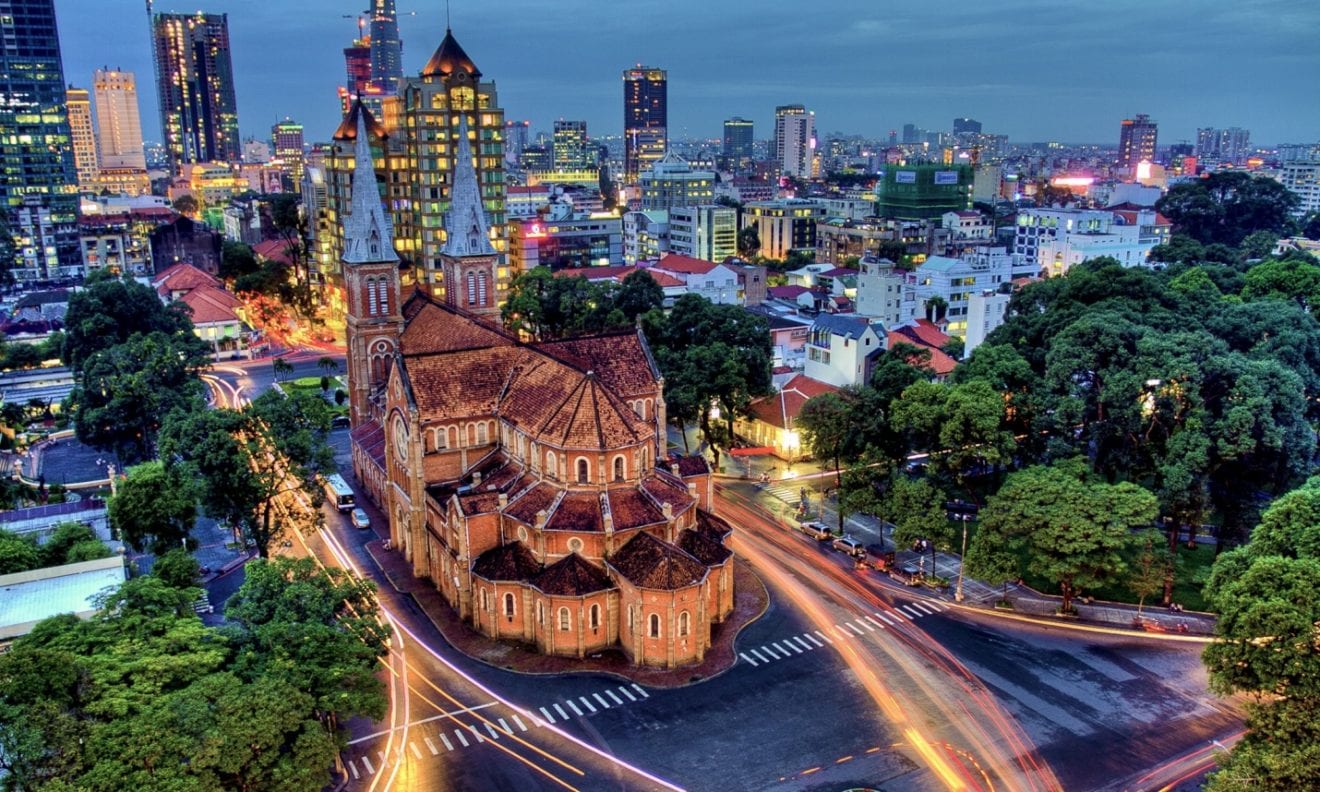
Tag: Economy

  • HCMC Sets Ambitious Goal for 10% GDP Growth in Second Half of the Year

    HCMC Sets Ambitious Goal for 10% GDP Growth in Second Half of the Year

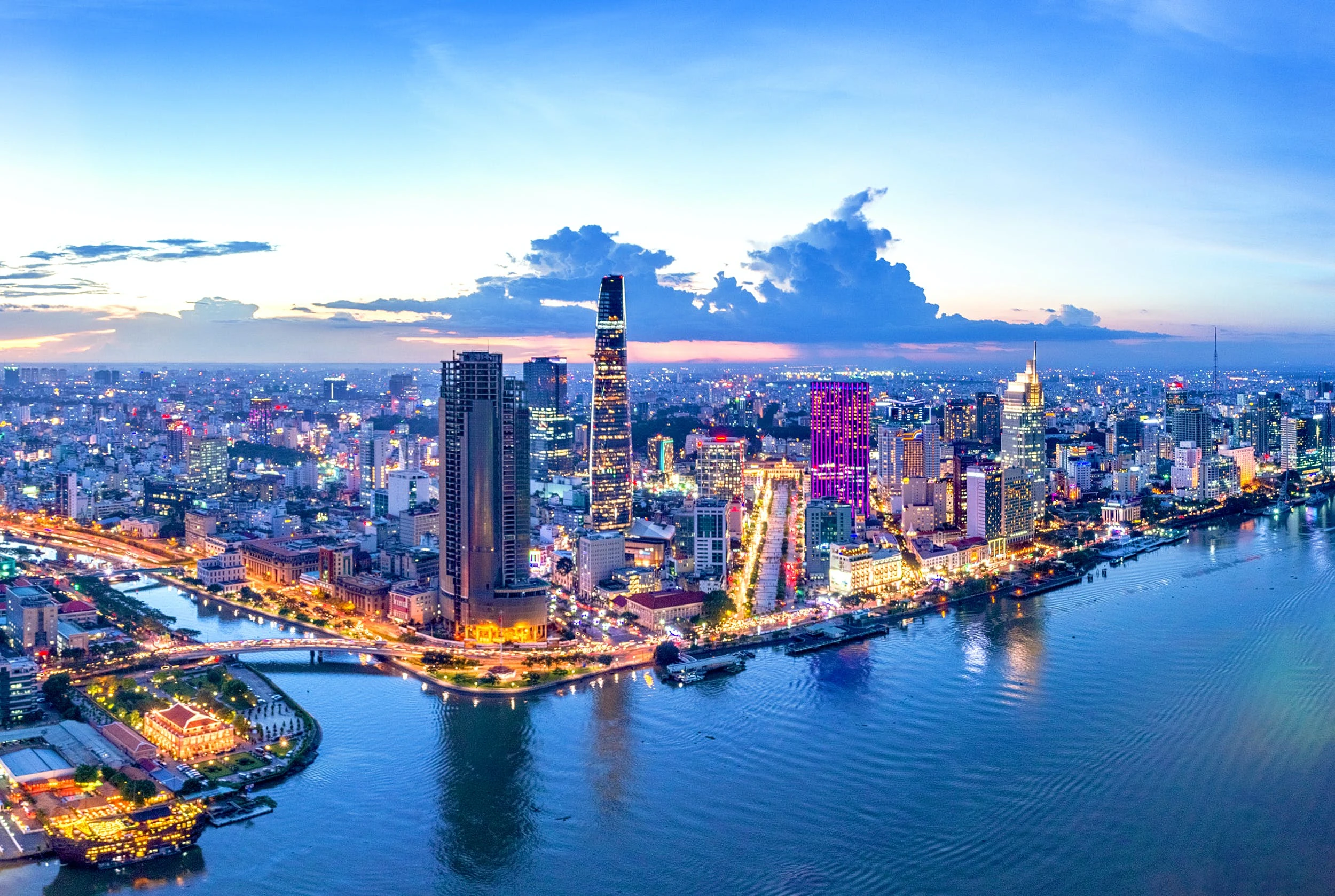
    Ho Chi Minh City is laying the groundwork for ambitious double-digit growth during the period of 2026 to 2030, setting an energetic tone for the business landscape. As the city charts its course for the remainder of 2025, each department has received specific mandates aimed at mobilizing approximately VND780 trillion (US$29.56 billion) in total social investment. The targets are equally ambitious: a 19.2% increase in total retail sales of goods and services and a 24.3% rise in exports. With tourism also taking center stage, the city aims to attract between 8.5 and 10 million international visitors, alongside 45 to 50 million domestic tourists, generating a tourism revenue between VND260 and 290 trillion.

    Strategic Policies and Economic Reforms

    The municipal People’s Committee has underscored the importance of rigorously implementing resolutions and policies from the Party Central Committee and local governing bodies. Authorities are set to unleash new breakthrough mechanisms while eliminating economic bottlenecks and advancing administrative reforms. To help businesses and citizens weather economic changes, ongoing tax, fee, and land rent exemptions, reductions, and deferrals will be in place, like a safety net woven to catch those who may falter.

    Building Bridges with Investors

    Local officials are ramping up dialogue with investors, enterprises, cooperatives, and business households to swiftly identify challenges. Innovative measures like “green channels” dedicated to projects in export processing zones, industrial parks, and high-tech zones will be further encouraged, building a bridge between ambition and execution.

    Revolutionizing Administrative Processes

    Departments and units have been tasked with cutting administrative processing times by at least 30% and reducing business costs by a similar margin. They will also work to eliminate at least one-third of unnecessary business conditions, paving the way for a more attractive investment climate. The city is steadfast in its commitment to achieving 100% disbursement of its 2025 state budget capital while simultaneously seeking to attract additional social investments wherever possible.

    Future Growth Strategies

    With an eye on the future, Ho Chi Minh City plans to accelerate the development of high value-added services while bolstering exports and trade. There’s also a strong push to stimulate domestic consumption and expand the tourism sector. Key areas for growth will focus on science and technology, innovation, digital transformation, and nurturing high-quality human resources. A mix of investment models—including “public investment – private management” and “private investment – public use”—is set to be implemented.

    Embracing Digital Transformation

    Comprehensive digitalization of state management is a priority, with initiatives spanning digital government, economy, society, and citizen services. The city aims to enhance its data governance strategy and public administrative service systems while accelerating the deployment of 5G infrastructure—a plan so forward-thinking it might just have tech enthusiasts cheering from the sidelines.

    Navigating Global Trade Challenges

    In light of recent U.S. tariff policies, the People’s Committee is urging local authorities to collaborate closely with ministries to devise measures that bolster competitiveness. This includes support for affected sectors, establishing traceability systems, and enhancing integration within regional and global supply and value chains.

    Questions & Answers

    What major economic targets has Ho Chi Minh City set for 2025?
    The city aims to mobilize approximately VND780 trillion (US$29.56 billion) in social investment, boost total retail sales by 19.2%, and increase exports by 24.3%.

    How does Ho Chi Minh City plan to foster a better investment climate?
    Authorities will cut administrative processing times by at least 30%, reduce business costs similarly, and eliminate a third of unnecessary business conditions to create a more attractive environment for investors.

    What sectors is the city focusing on for future growth?
    Ho Chi Minh City is prioritizing the development of high value-added services, science and technology, digital transformation, and high-quality human resources as part of its growth strategy.

  • Small Sellers Struggle to Keep Up Amid E-Commerce Surge: Challenges and Opportunities Ahead

    Small Sellers Struggle to Keep Up Amid E-Commerce Surge: Challenges and Opportunities Ahead

    Tuan Anh, a seller operating his online printed T-shirt shop in Ho Chi Minh City, has made the difficult decision to close his business after struggling to make sales. Despite his hopes of earning some extra money on the side, Tuan Anh found the competitive landscape daunting. “There are too many competitors on e-commerce platforms”. “The only way to sell is by running ads, which is not feasible for small vendors like me who lack funds.”

    This sentiment is echoed across the industry. According to recent data from Metric, the first half of the year saw a staggering decline of 80,000 in the number of e-commerce vendors securing at least one order, reflecting the increasing challenges faced by small sellers. “The market is increasingly favoring larger sellers capable of maintaining stable order volumes,” noted a representative from Metric.

    Market Gains, but Not for Everyone

    While the e-commerce sector appears to be thriving, particularly for larger players, smaller sellers are struggling to keep pace. Consultancy firm YouNET ECI reported that the gross merchandise value generated by the four largest multi-category retail platforms—Shopee, TikTok Shop, Lazada, and Tiki—reached an impressive VND222.1 trillion (approximately US$8.8 billion) during the first half of the year, marking a 23% increase year-on-year. Yet, in stark contrast, the number of active sellers on these platforms dipped by 1.3% to 578,700.

    Nguyen Phuong Lam, director of market analysis at YouNet ECI, emphasized that while official brand stores enjoyed significant revenue growth of 34%, smaller vendors continue to falter. Data from Metric reveals that shop malls, although representing only 3.4% of the total shops, accounted for a robust 28.7% of sales. This trend highlights consumers’ increasing preference for trust and reliability when shopping amidst an influx of low-quality goods.

    Marketing Woes for Small Sellers

    The hurdles for small sellers don’t stop at competition; limited marketing resources significantly hinder their visibility. Nguyen Khac Tu, founder and CEO of Bigshop, an established electronics and household appliance retailer, pointed out, “If vendors on Shopee do not run ads, they get very few orders. Similarly, TikTok Shop livestreams without advertising attract hardly any viewers.” Coupled with rising platform fees, the environment has become stifling for many small, under-resourced sellers.

    YouNet ECI’s Lam reiterated the detrimental impact of escalating fees. “With mounting pressure from rising platform costs, many small, unprofessional, or under-invested sellers feel compelled to exit the market,” he commented. Adding to these challenges, the days of quick profits from low-quality goods seem to be fading fast, as stricter regulations targeting product quality and a crackdown on counterfeit items push some sellers out.

    Future Prospects Amidst Challenges

    Despite these obstacles, the e-commerce market continues to expand at a rapid pace. Metric forecasts a notable 21.6% sales increase in the third quarter of 2025, predicting that the gross merchandise value for the four dominant platforms will hit VND122.8 trillion. Long-term projections from the e-Conomy report by Google, Temasek, and Bain & Company envision Vietnam’s online market soaring to $63 billion by the decade’s end—nearly triple the anticipated figure for 2024.

    However, the road to success is becoming increasingly exclusive to professional shops equipped with the necessary financial backing. Lam further stressed that today’s consumers expect quality and cannot tolerate platforms being mere dumping grounds for surplus inventory. “Serious investment in branding, service quality, and robust financial preparation is vital for survival,” he emphasized. “Vietnam’s e-commerce market no longer has room for short-term thinking.”

    In light of the current challenges, a proposed E-commerce Law aims to enhance market quality and transparency. This legislative initiative seeks to impose stricter accountability on platforms, mandating the removal of any violating products within 24 hours of detection, and requires sellers to verify their identities for traceability. Nguyen Huu Tuan, director of the E-commerce and Digital Technology Development Center, expressed that sellers will face tighter regulations regarding product ownership and labeling, with comprehensive details mandatory for all listings. “The days of posting products with arbitrary information are over,” he declared. And it appears, in the evolving e-commerce landscape, the only thing more certain than growth is the push for professionalism.

    Questions & Answers

    What challenges are small online sellers facing in Vietnam’s e-commerce market?
    Small sellers are encountering intense competition and limited marketing resources, making it difficult for them to gain visibility and secure orders. Rising platform fees further exacerbate these challenges, forcing many to exit the market.

    How are larger platforms performing compared to smaller sellers?
    Larger platforms like Shopee and TikTok Shop are thriving, with significant increases in gross merchandise value, while the number of active small sellers is declining as they struggle to compete.

    What legislative changes are being proposed to improve the e-commerce landscape?
    A proposed E-commerce Law aims to enhance market transparency and accountability, requiring platforms to promptly remove violating products and enforce stricter identity verification for sellers.

  • Thailand Braces for $6B Export Setback as US Considers Tariff Increase

    Thailand Braces for $6B Export Setback as US Considers Tariff Increase

    Thailand could face a staggering loss of up to 200 billion baht (approximately US$6.14 billion) in export revenue this year if the United States moves forward with proposed tariffs ranging from 25% to 36% on Thai goods, warns a forecast from the University of the Thai Chamber of Commerce (UTCC).

    Tariff Hurdles Ahead

    Thanavath Phonvichai, the President of UTCC, highlighted a critical window for Thailand to negotiate a more favorable tariff outcome, aiming to reduce these rates to 20% before the tariffs are set to be implemented on August 1. However, Phonvichai cautioned that reaching a final deal with U.S. officials remains uncertain, adding an extra layer of uncertainty to the already precarious situation.

    Political Instability Threatens Economic Stability

    The stakes are further raised by Thailand’s internal political landscape. Phonvichai indicated that potential political unrest, including a possible dissolution of parliament or delays in passing an economic stimulus budget, could slash GDP growth by up to one percentage point. If such outcomes unfold, economic growth might dip below 1% for the year, significantly lower than the previously projected 1.7%.

    Impact on Exports and Consumer Confidence

    If the 25% to 36% tariffs are implemented for the entire year, the UTCC projects that exports valued between 400 billion and 600 billion baht could be adversely impacted. This anticipated setback comes in the wake of a significant decline in consumer confidence, with the index dropping to 52.7 in June, marking its lowest point in 28 months. Public optimism appears to be wilting, perhaps just like a garden in the harsh heat of the Thai summer.

    Questions & Answers

    What are the potential consequences of the U.S. tariffs on Thailand’s economy?
    Thailand could lose up to 200 billion baht in export value, which could push its GDP growth below 1% for the year.

    When are the potential U.S. tariffs set to take effect?
    The tariffs are scheduled to be implemented on August 1, leaving Thailand limited time to negotiate more favorable rates.

    How has consumer confidence been affected recently in Thailand?
    The consumer confidence index fell to 52.7 in June, the lowest level in nearly two and a half years, reflecting widespread public concern about the economic outlook.

  • Makara Capital Sets Ambitious Goal to Mobilize $7B for Strategic Investments in Vietnam

    Makara Capital Sets Ambitious Goal to Mobilize $7B for Strategic Investments in Vietnam

    In a significant meeting held in Hanoi on Wednesday, Ali Ijaz Ahmad, chairman and CEO of Makara Capital Partners, expressed strong interest in expanding the firm’s footprint in Vietnam. Joined by other company executives, Ahmad highlighted the group’s substantial presence in Singapore in areas such as fund and asset management, financial structuring, and advisory services.

    Vietnam: A Promising Investment Landscape

    Demonstrating due diligence, the leaders outlined their comprehensive analysis of the Vietnamese market, underscoring their confidence in the country’s strategic development trajectory and long-term growth ambitions. Their enthusiasm mirrors Vietnam’s reputation as a burgeoning hub for investment in Southeast Asia.

    Strategic Projects in the Pipeline

    Makara Capital Partners is currently championing an investment initiative to establish a biopharmaceutical industrial park in the northern province of Hung Yen. Moreover, the company is engaging with Vietnamese authorities to explore collaborations in energy, infrastructure, and banking restructuring, as well as contributing to the development of a global financial center in the country.

    Such ambitious ventures could potentially mobilize between US$5 and $7 billion in investments, showcasing the firm’s commitment to driving economic growth in Vietnam.

    A Call to Action

    Prime Minister Pham Minh Chinh encouraged Makara Capital Partners to expedite its investment decisions and scale up operations within Vietnam’s priority sectors. He emphasized the philosophy of “working together, benefiting together, winning together, and sharing joy and happiness.”

    Reiterating the Vietnamese government’s commitment to facilitating successful investments, Chinh assured that the country will protect the legitimate rights and interests of investors, grounded in principles such as regulatory transparency, market alignment, and international standards.

    Aligning Interests for Sustainable Development

    Chinh warmly welcomed Makara Capital’s ambitions in biopharmaceuticals and finance, aligning them with Vietnam’s goals for rapid, green, and sustainable development. He provided insights into the nation’s socio-economic strategies and highlighted ongoing efforts in institutional reform, infrastructure expansion, and human resource enhancement.

    Vietnam is embarking on a transformative journey, restructuring its administrative framework and implementing key resolutions aimed at fostering swift and sustainable growth. The nation has set its sights on achieving a GDP growth of at least 8% this year, with aspirations for double-digit growth in the years to follow, all while aiming to transform into a high-income developed country by 2045. A tall order? Perhaps. But in Vietnam, the potential often exceeds the challenge.

    Questions & Answers

    What investment projects is Makara Capital Partners pursuing in Vietnam?
    Makara Capital is focused on developing a biopharmaceutical industrial park in Hung Yen, while also exploring opportunities in energy, infrastructure, and banking restructuring.

    What is the expected investment range from Makara Capital in Vietnam?
    The initiatives being discussed could mobilize between US$5 and $7 billion in total investments.

    What are Vietnam’s economic growth targets for the coming years?
    Vietnam aims for a GDP growth of at least 8% this year, with a vision for double-digit expansion in subsequent years, striving to become a high-income developed nation by 2045.

  • Trade Vulnerabilities: South Korea, Taiwan, and Thailand Banks Brace for Deteriorating Economic Outlook

    Trade Vulnerabilities: South Korea, Taiwan, and Thailand Banks Brace for Deteriorating Economic Outlook

    The banking sectors across South Korea, Taiwan, Thailand, Hong Kong, and China are bracing for challenging times ahead, with a deteriorating outlook for 2025 driven by increased trade tensions and tariff impacts that are expected to hamper loan growth and profits. This mounting concern reflects the shared vulnerabilities linked to their high export exposure and significant sales to the United States, according to Fitch Ratings.

    Changing Fortunes for South Korea, Taiwan, and Thailand

    In a recent analysis, Fitch Ratings downgraded the outlook for South Korea, Taiwan, and Thailand from neutral to deteriorating. The implications are clear: banks in these regions may grapple with weakened loan growth, deteriorating asset quality, and diminishing profitability as tariffs escalate. With their economies closely tied to exports, the ripple effects are anticipated to be significant.

    Vietnam: A Unique Scenario

    Contrastingly, Vietnam’s banking sector outlook transitioned from improving to neutral, yet it holds the distinction of having the highest level of export exposure to the U.S. within the Asia-Pacific region. Factors such as a potential reduction in lending rates and prospects for loan relief could provide a cushion against the adverse impacts on lending yields and provisioning. “Vietnam’s softer economic outlook may lead to higher credit costs, but it is expected to still experience solid profit growth this year,” Fitch noted.

    Looking ahead, a projected loan growth quota of 16% for 2025 suggests that, even in a tight environment, non-performing loan rates may only rise moderately. Furthermore, Vietnamese authorities may encourage banks to lower lending rates to stimulate economic activity amid the rising tariff scenario, which could affect their net interest margins.

    Challenges in China and Hong Kong

    For both China and Hong Kong, the outlook remains grim as they retain a “deteriorating” status heading into 2025. Fitch highlights that Hong Kong is expected to experience the steepest rise in non-performing loans across the region, primarily due to ongoing struggles in the property sector. “Both systems are facing subdued loan demand compared to historical levels,” Fitch commented, underscoring the strain on their financial landscapes.

    The situation in China reflects a similar pattern, with government policies likely to constrain profitability as banks confront asset quality challenges stemming from a faltering economy and property sector difficulties.

    Not only are these banks navigating a complex landscape, but they must also do so with a sense of urgency as conditions evolve. After all, a financial ripple effect rarely stays localized; it often sets off waves that can reach far and wide.

    Questions & Answers

    What has led to the deterioration of the banking outlook in certain Asian countries? The outlook for South Korea, Taiwan, and Thailand has shifted to deteriorating due to the impact of rising tariffs and trade tensions with the U.S., which are expected to weaken loan growth and profitability.

    Is Vietnam’s banking sector in distress like others in the region? While Vietnam has a high level of export exposure to the U.S., its outlook has only shifted to neutral, with potential measures like reduced lending rates and loan relief helping to buffer against economic pressures.

    What challenges do banks in China and Hong Kong face? Both regions are experiencing a deteriorating outlook characterized by rising non-performing loans and subdued loan demand, exacerbated by issues in the property sector and overarching economic weakness.

  • Bali`s economy grew by 6.24 percent in 2016

    Bali`s economy grew by 6.24 percent in 2016

    Balis economy registered a growth of 6.24 percent in 2016, a 0.20 percent increase as compared to 6.04 percent recorded in the previous year.

    The increase was sustained by a high growth of nine percent registered in the health services and social activities sector.

    “This was followed by an 8.91 percent growth in the education sector as well as a rise of 6.04 percent in the information and communication sector,” Head of the Bali Bureau for Statistics Adi Nugroho stated in Denpasar, Bali, on Monday.

    He further noted that each of the three sectors contributed significantly to the islands economic growth.

    Meanwhile, the highest expenditure came from household expenses, recorded at 48.30 percent in 2016, indicating a 6.69 percent increase as compared to the previous year.

    Balis economy, calculated on the basis of the gross domestic product (GDP), had reached Rp195.38 trillion in 2016 based on the constant price of Rp137.19 trillion and regional GDP recorded at Rp46.52 million.

    Nugroho added that looking at the islands GDP economic structure based on the work fields, it is dominated by three main activities comprising food and beverage provision, at 22.82 percent; agriculture, forestry, and fishery, at 14.74 percent; and transportation and storage, at 9.48 percent.

    The bureaus head stated that Balis economic growth in the fourth quarter of 2016 was noted at 5.47 percent as compared to the same period in 2015 (year-on-year).

    Growth was recorded in almost all sectors except for electricity and gas provision, which experienced a decrease of 1.63 percent.

    The highest growth came from the information and communication sector, at 9.15 percent; followed by finance services, at 9.08 percent; and insurance services, at 8.92 percent.

    Balis economic structure in the fourth quarter of 2016 was still dominated by three sectors comprising accommodation and food services, with 22.52 percent; agriculture, forestry, and fishery, with 15.07 percent; and transportation and storage, with 9.25 percent.

    Compared to the same period in 2015, all three sectors indicated an increase of between three and six percent.

    The main growth contributors were agriculture, forestry, and fishery, with 2.92 percent, and construction, with 1.69 percent, Nugroho noted.

  • Feasibility report ready for Vietnam’s $58 billion high-speed railroad

    Feasibility report ready for Vietnam’s $58 billion high-speed railroad

    Vietnam’s north-south high-speed railway is expected to cost $58 billion, according to a feasibility report released at a meeting Tuesday.

    The 1,545-kilometer route from Hanoi to Ho Chi Minh City will have double standard-gauge tracks of 1.435-m width and 23 stations, according to a consultancy consortium comprising Vietnamese firms TEDI, TRICC and TEDIS.

    It will adopt the distributed traction technology used by Japanese high-speed trains.

    Sixty percent of the tracks will be on viaducts, 10 percent underground and 30 percent on the surface, completely protected by fencing and without a single crossing.

    Two sections – from Hanoi to the central city of Vinh and from the central city of Nha Trang to HCMC – will be built first in 2020-2030 at a cost of $24 billion, and commercial operations are likely to begin in 2032.

    All sections are expected to be completed and operational by 2040-2045. Transport time from Hanoi to HCMC will be eight hours, while the current train takes 24 hours.

    The speed of the trains on the route would determine the attractiveness of the project, the report said, explaining that if it runs at 200 kilometers an hour, it would only account for 2.7 percent of the transportation share on the Hanoi – Nha Trang section.

    But if it increases to 350 kilometers, the share could reach 14 percent and the railroad could compete with airlines, it said.

    The proposal is for trains to run at 160-200 km speed after the first section is complete, and 350 km when the entire project is finished.

    At the meeting, Deputy Minister of Transport Nguyen Ngoc Dong said this feasibility report would be considered by authorities before being scrutinized by a European consultancy.

    “The transport ministry will invite bids to select that consultancy.”

    Efficiency unclear

    Experts at the meeting said the consultants need to make the projects’ financials clear.

    It should be divided into smaller sections to improve efficiency instead of the three large sections proposed now, Dr Nguyen Ngoc Long, deputy chairman of the Vietnam Bridge and Road Association, said.

    “Whatever option is selected, the infrastructure must allow a speed of 350 kilometers an hour.”

    Vu Hoai Nam, head of the urban railway faculty at the National University of Civil Engineering, said the feasibility report does not have a risk analysis.

    “If there is no detailed analysis of the ability to recover the investment, clearance and exchange rate fluctuations, the risk will be high.”

    The railroad would impact the passenger shares of airlines, putting pressure on the economy, and that should be taken into account, he added.

    Revived

    The north-south high-speed railroad was recently revived after being rejected by the National Assembly in 2010 due to its $56-billion price tag, which was half of Vietnam’s GDP then.

    If approved by the government now, it will be submitted to the house again next year.

    Experts said it might be more favorably viewed by the NA as well as the public due to Vietnam’s better financial position and greater demand for advanced infrastructure.

    The existing 3,000-kilometer railroad network has not received any major investment since it was built 140 years ago, and does not have the capacity for high speeds.

    Investment in railways currently accounts for only one percent of the transportation sector’s total budget.

    The NA approved a plan earlier this month to upgrade it at a cost of $300 million.

  • Malaysia Rockets Up 11 Spots in Global Economic Competitiveness Rankings!

    Malaysia Rockets Up 11 Spots in Global Economic Competitiveness Rankings!

    Malaysia has made impressive strides in the realm of global economic competitiveness, climbing 11 spots to secure the 23rd position in the 2025 World Competitiveness Ranking—the country’s highest ranking since 2020. According to the Ministry of Investment, Trade, and Industry, this upward trajectory signals Malaysia’s ambition to rank among the world’s top 12 economies by 2033, as reported by the state-owned media, Bernama.

    Factors Driving Competitive Gains

    The ministry attributes this remarkable ascent to three key factors: robust economic performance, enhanced government efficiency, and improved business effectiveness. Malaysia now proudly holds the fourth position globally for economic performance, a notable jump from eighth place last year. Both government and business efficiency have also shown impressive gains, each climbing eight positions in the rankings.

    International Trade Taking Flight

    A standout highlight of this year’s report is the dramatic leap of 11 places in the international trade sub-factor, landing Malaysia in sixth place. This rise is fueled by substantial growth in exports of goods and services, a diversification of trade markets, and increased tourism revenues—elements that have collectively strengthened Malaysia’s trade surplus.

    Looking Ahead with Optimism

    The ministry remains optimistic about the future, believing that with strong governance and continued collaboration between federal and state governments, alongside close partnerships within the private sector, Malaysia is well on its way to achieving its competitive aspirations by 2033. The World Competitiveness Ranking, an annual report conducted by the Institute for Management Development in Switzerland, evaluates nations based on their ability to cultivate business-friendly environments that foster long-term prosperity.

    As Malaysia climbs the competitive ladder, it may soon be up against some surprising rivals in the world of global trade.

    Questions & Answers

    What is Malaysia’s current position in the World Competitiveness Ranking?
    Malaysia is ranked 23rd in the 2025 World Competitiveness Ranking, marking its highest position since 2020.

    Which factors contributed to Malaysia’s rise in the rankings?
    Key factors include economic performance, government efficiency, and business efficiency, with significant improvements noted across these areas.

    What is Malaysia’s goal for the future in terms of global competitiveness?
    Malaysia aims to be among the world’s top 12 most competitive economies by 2033, bolstered by strong governance and public-private partnerships.

  • Surprising Leader: Southeast Asia’s Smallest Nation Outshines 500 Major Companies in Revenue Rankings!

    Surprising Leader: Southeast Asia’s Smallest Nation Outshines 500 Major Companies in Revenue Rankings!

    While the city-state claimed the fourth spot in the rankings, Singapore’s 81 companies amassed an impressive US$637 billion in revenue last year, according to a recent report by a prominent U.S. business magazine. This staggering sum represents a third of the total revenue of $1.8 trillion collected by all firms listed and is nearly double that of Thailand, which came in second with revenues of $352 billion.

    Leading the Charge

    At the helm of this economic powerhouse is Trafigura Group, Southeast Asia’s largest company, specializing in commodities such as oil, gas, metals, and minerals. For the second consecutive year, Trafigura secured the top position with a remarkable revenue of $243.2 billion, nearly quadrupling the revenue of Singapore’s second-largest firm, agribusiness giant Wilmar.

    Profitable Banks Shine

    Despite not holding the highest revenue figures, three major Singaporean banks—DBS, OCBC, and UOB—emerged as the most profitable firms in the region, as reported by Singapore Business Review. It’s a fascinating twist that highlights profitability can sometimes outshine sheer revenue.

    An Evolving Landscape

    The Southeast Asia 500, now in its second year following its launch in 2024, spotlights a diverse array of businesses from Cambodia, Indonesia, Malaysia, the Philippines, Singapore, Thailand, and Vietnam. The total revenue generated by this year’s top 500 firms saw a modest increase of 1.7%, trailing the more robust 4.1% GDP growth witnessed across the economies represented in the ranking.

    Clay Chandler, Executive Editor for Asia at Fortune, noted the magazine’s increasing interest in the region. He explained that Southeast Asia is becoming a pivotal engine for global growth. “The region has become a crucial manufacturing and export hub, which is drawing significant capital flows,” he stated, adding that Trump-era tariffs have reshaped global trade dynamics and spurred a pivot towards Southeast Asia.

    Singapore’s strategic positioning as a regional hub enhances its appeal for businesses looking to expand into neighboring markets like Malaysia and Indonesia. Amidst this dynamic backdrop, it’s clear that the Lion City continues to roar as a key player in the Asian economy.

    Questions & Answers

    Which company topped the revenue rankings in Singapore?
    Trafigura Group led the charge, generating an impressive $243.2 billion in revenue.

    How do Singapore’s banks compare in terms of profitability?
    Despite not having the highest revenue, DBS, OCBC, and UOB were noted as the most profitable companies in the region.

    What is the significance of the Southeast Asia 500 ranking?
    This ranking highlights the growing importance of Southeast Asia as a critical manufacturing and export hub and showcases a mix of various types of businesses from across the region.

  • Vietnam Celebrates Impressive $4.7B Trade Surplus in Just Five Months

    Vietnam Celebrates Impressive $4.7B Trade Surplus in Just Five Months

    The vibrant tapestry of Vietnam’s economy continues to weave success as new trade data emerges, revealing a noteworthy trade surplus of US$4.67 billion for the first five months of 2025. According to the Department of Customs under the Ministry of Finance, the country’s total foreign trade surged to an impressive US$355.79 billion—a remarkable 15.7% increase compared to the same period last year.

    Dynamic Export Growth and Import Trends

    In those five months, Vietnam’s export earnings climbed by 14%, while imports saw a steeper rise at 17.5%. The month of May alone contributed significantly to this upward trend, with trade revenue soaring to US$39.6 billion—an increase of 5.7% from April and 17% year-on-year.

    As we dive deeper into the numbers, the export value reached US$180.23 billion from January to May, reflecting a robust 14% increase year-on-year. Breaking it down, domestic businesses accounted for US$49.62 billion, marking a 12.5% rise, while foreign-invested firms contributed a substantial US$130.61 billion—including crude oil—with a growth rate of 14.5%. A noteworthy feat is that 25 commodities each surpassed the US$1 billion export mark, collectively making up 90% of total shipments. Among these, seven commodities even soared past the US$5 billion threshold, showcasing a hefty 67.3% of the total exports.

    On the import side, Vietnam’s spending reached US$175.56 billion over the same period, marking a significant 17.5% year-on-year increase. Domestic sectors imported goods valued at US$62.04 billion (up 12.9%), while the foreign-invested sector ramped up its purchases to US$113.52 billion (up 20.2%). Notably, 29 items crossed the US$1 billion mark in import value, constituting 86.9% of total imports, with four of these exceeding US$5 billion, capturing 51.6% of the overall import share.

    Key Trading Partners and Market Dynamics

    The statistics tell a compelling story about Vietnam’s trade relationships. The United States firmly held its position as Vietnam’s largest export market, with turnover hitting US$57.2 billion during the quarter. Conversely, China remained Vietnam’s primary supplier of goods, with imports valued at US$69.4 billion.

    In a positive twist, Vietnam experienced a staggering trade surplus of US$49.9 billion with the U.S., which is up 28.5% year-on-year. Surpluses were also recorded with the EU (US$16.3 billion, up 16%) and Japan (US$0.9 billion, an astonishing increase of 74.8%).

    As the economic landscape continues to shift, one has to wonder: could Vietnam soon be the next Asian lion in the making?

    Questions & Answers

    What was Vietnam’s trade surplus for the first five months of 2025?
    Vietnam posted an impressive trade surplus of US$4.67 billion during this period.

    How much did Vietnam’s total foreign trade increase compared to last year?
    The total foreign trade surged to US$355.79 billion, reflecting a remarkable 15.7% year-on-year rise.

    Which countries were Vietnam’s key trading partners during this period?
    The United States was Vietnam’s largest export market, while China continued to be the biggest supplier of goods.

  • Gold Prices Surge as Global Rates Decline: A Shift in the Market Landscape

    Gold Prices Surge as Global Rates Decline: A Shift in the Market Landscape

    Vietnam’s gold market saw an uptick on Friday morning as global bullion rates experienced a slight dip. This increase reflects a growing interest in gold amidst fluctuating financial conditions.

    Local Gold Prices on the Rise

    Saigon Jewelry Company reported a 0.42% rise in the price of gold bars, now trading at VND118.5 million (approximately US$4,558.22) per tael. Meanwhile, gold rings climbed 0.62%, reaching VND114 million per tael. For context, one tael is equivalent to 37.5 grams or about 1.2 ounces.

    Global Trends Impacting Gold Values

    On the international front, gold prices experienced a decline on Friday, pressured by a slight increase in the dollar’s value. Investors are keeping a close eye on an upcoming key U.S. inflation report, which could steer the Federal Reserve’s monetary policy decisions. According to Reuters, spot gold prices fell 0.5% to $3,300.59 an ounce, marking a 1.7% drop for the week. U.S. gold futures mirrored this trend with a 0.5% decline to $3,298.30. The rising dollar index is making gold costlier for buyers outside the U.S.

    Market Insights and Future Outlook

    Brian Lan, the managing director at GoldSilver Central in Singapore, noted, “Gold prices are largely consolidating at this point. What we’re witnessing are normal market fluctuations, albeit in a slightly wider range due to confidence in the U.S. dollar.”

    San Francisco Fed President Mary Daly highlighted the potential for policymakers to reduce interest rates two times this year, although she emphasized that keeping rates steady is crucial for guiding inflation towards the central bank’s 2% target. Non-yielding bullion often thrives in low-interest-rate scenarios, making the current market environment particularly relevant for gold investments.

    Who knew gold could dance with dollars?

    Questions & Answers

    What caused the rise in local gold prices?
    The increase in local gold prices can be attributed to a dip in global bullion rates, alongside investor speculation about future monetary policy.

    How are international gold prices faring?
    Internationally, gold prices have fallen by about 0.5%, influenced by a stronger dollar and anticipation of upcoming economic reports.

    What factors will shape the future of gold pricing?
    Key factors include interest rate decisions by the Federal Reserve and shifts in the dollar’s strength, both of which could affect the attractiveness of gold as an investment.

  • Vietnam and US Wrap Up Dynamic Second Round of Talks on Reciprocal Trade Agreement

    Vietnam and US Wrap Up Dynamic Second Round of Talks on Reciprocal Trade Agreement

    Vietnam and the United States have taken significant strides forward in their pursuit of a reciprocal trade agreement, following the second round of negotiations held in Washington D.C. from May 19-22. The Vietnamese delegation was led by Minister of Industry and Trade Nguyen Hong Dien, who also heads the government’s negotiation team, accompanied by members from various ministries and the State Bank of Vietnam.

    Cordial Negotiations Yield Positive Outcomes

    The three-day discussions were marked by a spirit of goodwill, transparency, and mutual respect for each other’s institutional frameworks. Both sides sought to align their interests while being mindful of their respective international commitments and development levels. This collaborative atmosphere facilitated fruitful exchanges regarding each country’s policies, enabling them to clarify the draft agreement and explore the essential issues that matter to both nations.

    With an eye towards accelerating the negotiation process, the two delegations outlined areas of consensus and identified topics that still needed further discussion. They also established timelines for providing feedback on the draft, proposed specific wording changes, and arranged for virtual meetings in preparation for the next round of talks.

    Looking Ahead: Building on Agreements

    On the final day of the talks, Minister Dien and U.S. Trade Representative Jamieson Greer held a bilateral meeting to assess the outcomes and set priorities for the next phase of negotiations, which is expected to kick off in early June. Greer praised Vietnam for its commitment to addressing U.S. concerns and expressed optimism that the two nations would continue to deepen their engagement at both technical and ministerial levels in pursuit of an agreement.

    Dien welcomed Greer’s encouraging remarks and reaffirmed Vietnam’s dedication to fostering trade relations with the U.S. in a way that is balanced and sustainable, ultimately benefiting the people and businesses in both countries. He committed to instructing his technical teams to further enhance discussions that lead to a mutually beneficial agreement.

    One could say that when it comes to international trade talks, a sprinkle of goodwill can often go further than a bag of tricks!

    Questions & Answers

    What was the main goal of the recent negotiations between Vietnam and the U.S.?
    The primary aim was to advance discussions on a reciprocal trade agreement while balancing interests and adhering to international commitments.

    Who led the Vietnamese delegation during the talks?
    Minister of Industry and Trade Nguyen Hong Dien led the Vietnamese delegation, which comprised members from various ministries and the State Bank of Vietnam.

    When is the next round of negotiations scheduled to take place?
    The next round of negotiations is set to occur in early June 2025, following the positive progress made during the latest discussions.

  • Thailand Boosts Economy with $15B Investment in Retail Growth

    Thailand Boosts Economy with $15B Investment in Retail Growth

    Thailand Plans $15 Billion Economic Stimulus to Combat GDP Slowdown

    In a strategic move to bolster its economy, Thailand’s Ministry of Finance has unveiled plans to inject over THB 500 billion (approximately $15 billion) aimed at increasing the nation’s GDP growth by more than 1.8%. The initiative focuses on stimulating consumer spending, enhancing investment, and providing soft loans as key drivers for economic recovery.

    Response to IMF’s Downward Revision

    This announcement comes in the wake of the International Monetary Fund (IMF), which has revised Thailand’s GDP growth forecast for 2025 from 2.9% down to 1.8%. This adjustment is largely attributed to the effects of reciprocal tariffs imposed by the United States. Notably, Thailand stands out as the only ASEAN nation with its GDP projection lowered to below 2%, and the IMF anticipates a further decline to 1.6% for 2026.

    Government’s Commitment to Economic Monitoring

    Deputy Prime Minister and Minister of Finance, Pichai Chunhavajira, described the IMF’s forecast as a preliminary evaluation. He acknowledged external challenges, including tariff policies from the U.S., but expressed confidence in the government’s ability to monitor economic conditions and implement timely stimulus measures to cushion any potential slowdown.

    “We are fully committed to maintaining growth at previous levels,” said Chunhavajira. He indicated that discussions are underway regarding appropriate funding sources for the stimulus package, involving collaboration with key agencies like the National Economic and Social Development Council and the Bank of Thailand.

    Strategic Use of Fiscal Resources

    Permanent Secretary of the Finance Ministry, Lavaron Sangsnit, emphasized Thailand’s robust fiscal position while outlining the strategic deployment of the THB 500 billion stimulus package. “Stimulating domestic consumption will generate immediate economic benefits, while investment is crucial for supporting structural reforms,” he noted.

    Funding sources for the initiative remain under consideration, including options for budget reallocation, utilizing THB 150 billion left from previous stimulus efforts, and leveraging state financial institutions for lending purposes. Further details on specific projects linked to the stimulus package are expected to be clarified by next month, depending on global economic trends.

    Implications for the Retail Sector

    This significant economic intervention by the Thai government is poised to have a considerable impact on the retail landscape, igniting consumer trends and brand expansion opportunities. As consumer demand surges in response to increased spending power, retailers may find new avenues to engage with customers, ultimately fostering growth in the domestic economy.

  • Australia Sees 4% Surge in Retail Spending This March

    Australia Sees 4% Surge in Retail Spending This March

    Retail spending in Australia experienced a notable uptick of 4% in March 2025 compared to the same period last year, totaling an impressive $37.3 billion, as reported by the Australian Bureau of Statistics (ABS). This growth signals a positive shift in the retail landscape, despite lingering economic uncertainties.

    Diverse Growth Across Retail Categories

    The increase in retail spending was broad-based, with all categories contributing to this upward trend. The standout performer, the ‘other retailing’ segment—encompassing cosmetics, sports, and recreational goods—achieved a remarkable 9% growth. Additionally, clothing, footwear, and accessories reported a solid 5% increase, while food items, department stores, and household goods each saw a growth of 4%. Cafes, restaurants, and takeaway services, although still growing, only saw a more modest rise of 1%.

    Caution Amid Economic Pressures

    Despite the growth, Fleur Brown, Chief Industry Affairs Officer at the Australian Retailers Association (ARA), highlighted ongoing challenges. “The pressures of cost-of-living and economic uncertainty are still affecting consumer behavior,” she stated. Brown emphasized that while any signs of stability in consumer spending provide a welcome boost to business confidence, a full retail recovery remains elusive.

    Weather-Related Challenges

    Lindsay Carroll, Interim CEO of the National Retail Association, viewed the March data as an encouraging sign for recovery. However, she noted that extreme weather conditions in Queensland and New South Wales had a significant impact on retail sales. “Premature shop closures due to cyclone warnings hampered sales exactly when every dollar is crucial for local businesses,” Carroll explained. She added that retailers require improved support to navigate these extreme weather events without compromising their livelihoods.

    Looking Ahead for the Retail Sector

    The recent data reflects a positive trend for the Australian retail sector. However, the interplay of consumer demand and external pressures highlights the need for continued support and adaptation strategies within the industry. As retailers navigate these challenges, the potential for sustained growth in consumer spending remains a key focus, influencing both market dynamics and consumer experience.

    With these developments, stakeholders in the retail sector are urged to stay attuned to emerging consumer trends and support measures that can empower businesses during uncertain times.

  • Vietnam Poised to be Southeast Asia’s Second-Largest Economy by 2036

    Vietnam Poised to be Southeast Asia’s Second-Largest Economy by 2036

    Vietnam Set to Become the Second Largest Economy in Southeast Asia by 2036

    In a groundbreaking projection by the Center for Economic and Business Research (CEBR), Vietnam is anticipated to climb the ranks to become the second-largest economy in Southeast Asia, trailing only Indonesia, by 2036. Additionally, this robust growth trajectory is expected to catapult Vietnam into the 20th slot in the global economic standings.

    Remarkable Economic Growth

    According to the latest CEBR report titled “World Economic League Table 2022,” Vietnam’s rise has been meteoric. Since the inception of the Đổi Mới (Renovation) reforms in the mid-1980s, the nation has seen a tremendous transformation from a low-income to a lower-middle-class economy. These reforms, combined with favorable global economic trends, have set the stage for Vietnam’s success.

    Today, Vietnam is boasting a purchasing power parity adjusted GDP per capita of US$11,608, a testament to its relentless pursuit of economic advancement. The nation is ambitiously aiming for high-income status by 2045, which requires maintaining a robust annual growth rate of around 5% per capita.

    Navigating Through Challenges

    Despite its impressive growth, Vietnam faces significant hurdles on its path to becoming a high-income nation. Issues such as the declining global trade landscape, the impending impacts of automation, and the challenges posed by climate change necessitate vigorous policy reforms, especially in vulnerable sectors.

    Moreover, with a demographic trend towards an aging population, Vietnam is pressed to strategically manage its human resources and health care systems to maintain its economic momentum.

    Positioning for the Future

    By 2036, Vietnam’s position in the CEBR’s World Economic League Table is expected to leap from 41st to 20th place, a remarkable rise reflecting the country’s economic resilience and strategic planning.

    Implications for the Retail Sector and Consumers

    Vietnam’s ascent in the economic rankings hints at burgeoning opportunities within the retail sector and significant shifts in consumer trends. As the economy grows, retail markets are likely to expand, bringing in new brands and increasing consumer purchasing power. This growth presents a considerable opportunity for international retailers and local businesses alike to tap into a vibrant, emerging market. The enhancements in Vietnam’s economic landscape could redefine consumer behavior and retail dynamics in Southeast Asia, making it a focal point for brand expansion and a hotspot for economic activity.