Tag: Economy

  • Shanghai encourages ‘duty-free economy’ as part of consumer push

    Shanghai encourages ‘duty-free economy’ as part of consumer push

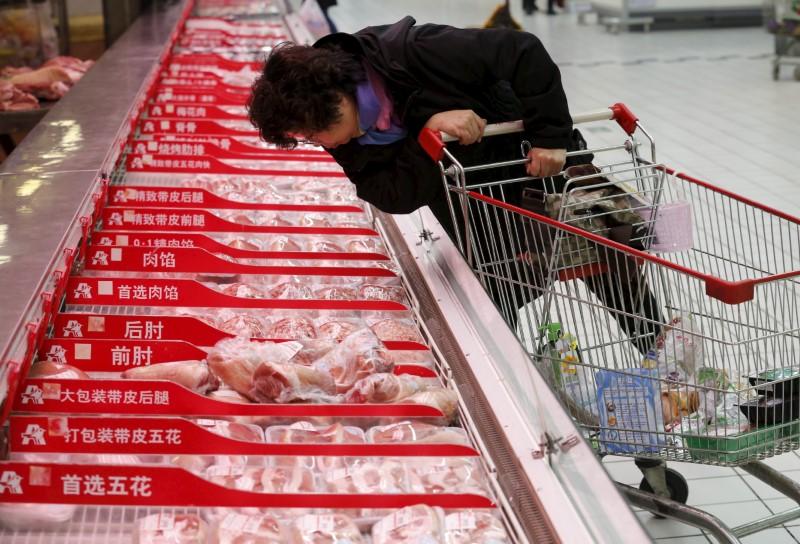
    The Shanghai government will support companies applying for approval to sell duty-free goods, and encourage duty-free shops to be set up at airports, hotels, malls and other commercial venues, municipal authorities said.

    The development of a “duty-free economy”, which will encourage spending on imported products, including heavily-taxed luxury goods, was outlined in a 2021-2025 consumption plan released on Saturday.

    Presently, duty-free spending in China is largely concentrated in the southern island province of Hainan, where the annual limit on individual duty-free spending was hiked to 100,000 yuan (US$15,467) last year from 30,000 yuan previously.

    Tariffs on imported consumer goods vary in China, with taxes on some luxury items such as perfumes and watches exceeding 30 per cent.

    Lured by the substantially lower prices, millions of domestic tourists flock to Hainan’s malls each year, and the numbers have been boosted by restrictions on overseas travel resulting from the Covid-19 pandemic.

    Otherwise, there are more than 300 duty-free shops across the country selling products from fragrances and cosmetics to clothing and shoes. China Tourism Group Duty Free Corp is the dominant player, with nearly 200 stores.

    Annual duty-free spending is in the tens of billions of yuan.

  • HSBC lowers Vietnam’s growth forecast

    HSBC lowers Vietnam’s growth forecast

    Lender HSBC has lowered its growth forecast for Vietnam from 7.1 percent to 5.1 percent given the ongoing fourth Covid-19 wave that has disrupted key economic activities.

    “The impact of the Delta variant as it spread across the country and in particular the economic heartland of Vietnam in the south meant a swift re-introduction of lockdowns and travel restrictions,” said CEO of HSBC Vietnam Tim Evans in a recent note.

    He forecast GDP growth would be in the range of 5-5.5 percent, depending on the speed and effectiveness of the vaccination rollout, re-opening of the economy and recovery and resumption of major export markets.

    But growth could only reach 3.5-4 percent if the vaccination programme is not fast enough and lockdown and social distancing continue to be lengthened, he said.

    This will cause more adverse impacts on the economy amid increased pressure on supply chains, he added.

    Vietnam in recent months has seen unprecedented disruption to its supply chain, which has caused declining industrial production while key global brands struggled to keep manufacturing going.

    In August, mobility in the country fell 60 percent on average from pre-pandemic levels, which resulted in a 40 percent year-on-year drop in retail sales, HSBC data shows.

    But there are positive signals that indicate an imminent recovery. Ho Chi Minh City, the Covid-19 epicenter, has given the first Covid-19 vaccination dose to nearly 90 percent of its population and is set to have the majority of residents fully vaccinated by the end of this month.

    The State Bank of Vietnam (SBV) has increased credit growth for some commercial banks from 10-12 percent to 14-15 percent this year, which would allow banks to lend more.

    Vietnam remains a highly attractive investment destination in the medium term, given the recent reports of investment from Samsung and LG Display, Evans said.

    “Strong foreign currency reserves coupled with a stable currency, inflation being under-control, continued strong FDI inflows with an emphasis on the manufacturing sector all position Vietnam will for the future.”

    HSBC forecasts next year’s GDP growth at 6.8 percent. It was 2.9 percent last year.

    Several other organizations including the World Bank and Asian Development Bank have lowered their growth forecast for Vietnam because of Covid-19.

  • Experts warn of risks to premature economic reopening

    Experts warn of risks to premature economic reopening

    Reopening the economy is necessary but any untimely decision amid low vaccination rates and high contagion risks could stymie the country’s efforts to defeat Covid-19, experts warn.

    “The premature lifting of the lockdown and reopening the economy while the full vaccination rate remains low, new infections and fatality rates are still soaring and the health system is overburdened may even endanger the economy and people’s lives more badly,” Nguyen Minh Cuong, principal country economist at the Asian Development Bank said.

    But the country stands at a crossroads since lengthening strict social distancing is likely to inflict further socio-economic costs and endanger its medium- and long-term growth prospects, he told VnExpress International in an emailed statement.

    Prime Minister Pham Minh Chinh and Ho Chi Minh City leaders have spoken about letting economic activities resume gradually and how the lockdown “cannot go on forever.”

    Vietnam has been struggling in its Covid-19 fight since the end of April when a fourth wave began and infected nearly 609,000 people and killed over 15,000.

    HCMC, the largest city and major manufacturing and exporting hub, has imposed strict social distancing for over two months but still thousands of new cases are being found every day.

    This is why analysts are reluctant about resuming economic activities now.

    “It is complicated to find the perfect moment to reopen the economy,” Tim Evans, CEO of HSBC Vietnam, said.

    The risks of doing this too early at a time when vaccination is not up to optimum speed and the medical system is overwhelmed could lead to additional Covid cases resulting in a further increase in mortality rates, he said.

    Other experts concurred.

    “In our view, reopening the economy, especially in the epicenter HCMC, is a risky move,” Jason Yek, senior Asia country risk analyst at market research company Fitch Solutions, said.

    The rate of full vaccination in Vietnam is low, and reopening before the outbreak has been suppressed would possibly elicit a lukewarm response from consumers, he said.

    Vietnam has vaccinated 24 percent of its population, but only 5.2 percent have received two doses.

    The country has received 29.8 million doses of vaccine, or only one-fifth of its target of 150 million doses to vaccinate 70 percent of the population.

    This is why a premature opening risks a surge in infections which would overwhelm the healthcare system and could force the government to tighten restrictions again, Yek said.

  • Singapore’s Reopening Takes a Step Back

    Singapore’s Reopening Takes a Step Back

    Covid-19 measures will be tightened again from Thursday (July 22) to Aug 18, as the city-state tries to stem a spike in community cases.

    Singapore is scaling down social gatherings to a maximum of two and banning dining out amid a spike in Covid-19 infections in the city-state that emerged from karaoke lounges and the city’s main fishery port, which has spread to 26 markets and food centers.

    Based on the assessment on the way the cases have developed and the many clusters we are seeing, and how it is likely to have transmitted into the community, we have to put in place something to slow down the transmission, Finance Minister Lawrence Wong, who chairs the country’s Covid-19 task force, said in a press conference on Tuesday.

    The number of new cases in the community has increased from 19 cases the week before, to over 500 cases in the past week, according to the Health Ministry.

    A review of the long-awaited air travel bubble (ATB) between Singapore and Hong Kong was also pushed back to late August.

    Both parties will remain in close contact and monitor the public health situation in both places before taking stock in late August on the ATB, Singapore’s Transport Ministry said in a statement on Tuesday.

    The ATB was slated to launch in November 2020, but has been beset by numerous delays. Last week, Hong Kong lawmakers urged the government to scrap the arrangement, citing Singapore’s shift from a «Covid zero» strategy towards learning to live with the virus.

    Health Minister Ong Ye Kung said the country is on track to achieve its target of having two-thirds of the population vaccinated before National Day, which falls on August 9.

    Currently, 50 percent of the population is fully vaccinated, but 200,000 seniors have yet to take the jab.

  • HSBC sees challenges to Vietnam economy in H2

    HSBC sees challenges to Vietnam economy in H2

    HSBC expects Vietnam’s economy to face challenges related to foreign exchange and interest rates in the second half of this year.

    Ngo Dang Khoa, head of global markets at HSBC Vietnam, said recent outbreaks of Covid-19 have sparked worries about production being interrupted for a long time, which would affect the country’s recovery.

    “With many industrial parks being closed down and social distancing prolonging, growth momentum in the third quarter, in particular, will surely face many challenges.”

    Social distancing to prevent the disease from spreading has affected consumer outlook and the recovery of services and tourism, while the new coronavirus mutants and slow vaccination would delay the reopening of borders to foreign investors and tourists, he said.

    “It is necessary to adopt timely fiscal and monetary policies to safeguard the economy.”

    It would be difficult to maintain a stable dong-U.S. dollar exchange rate in the second half unlike in the first mainly because of Vietnam’s trade deficit, inflation worries and the possible rise in U.S. interest rates, he said.

    He predicted the exchange rate to be VND23,100 to the dollar by year-end.

    Asian countries including Vietnam have yet to see inflationary pressure, but if prices continue to increase, it might have to increase interest rates, he said. Vietnam should not increase interest rates too early or too quickly since its economy has been severely affected by the pandemic, he said.

    HSBC recently revised upward its forecast for Vietnam’s economic growth next year to 6.8 percent from the earlier 6.5 percent but lowered it to 6.1 percent from 6.6 percent for this year.

  • Singapore to invest $70 million in research, innovation and enterprise

    Singapore to invest $70 million in research, innovation and enterprise

    Speaking at the opening address of the ATxSummit, Singapore Deputy Prime Minister and Coordinating Minister for Economic Policies, Mr Heng Swee Keat announced that Singapore will be stepping up investments to unlock the full potential of the digital revolution through collective action.

    Investment in research and innovation is key to building solutions for the future and staying at the forefront of the digital economy. Singapore will invest close to S$70 million (US$50 million) under the Research, Innovation and Enterprise (RIE) plan, to launch our first national Future Communications Research & Development Programme (FCP).

    The FCP supports cutting-edge communications and connectivity research, and will in turn grow local capability to translate that into innovative products, services, and companies. This will be accomplished through the setup of new communications testbeds in 5G and beyond-5G, and support technology development, translation and training, while building up the talent pool in the areas of communications and connectivity technologies. As a start, the FCP has established a Memorandum of Understanding (MOU) with the 6G Flagship of Finland.

    As the Global-Asia node for technology and innovation, such digital cooperation with like-minded partners reaffirms Singapore’s role in bolstering growth opportunities in the global digital economy. Singapore Minister for Communications and Information Mrs Josephine Teo also signed a Memorandum of Cooperation (MOC) with Japan and an MOU with Thailand, at the sidelines of the ATxSummit.

    The MOC seeks to strengthen ICT collaboration between Singapore and Japan, enabling closer policy alignment and regulation on businesses. The MOC will facilitate a pilot project on electronic transferable records and the exchange of information on best practices and policies relating to the Digital Economy, Artificial Intelligence, and cybersecurity. It also includes closer collaborations through joint training and programs on AI implementation, AI governance and ethics, as well as cybersecurity capacity building.

    The longstanding Thailand-Singapore relationship will deepen with the signing of this MOU, which has been expanded to include new areas of cooperation in the Digital Economy such as digital connectivity, smart cities and AI governance. Both sides are also exploring interoperability between digital systems and frameworks that enable e-documentation.

    The pandemic has accelerated the overall shift to digital. Building a common “digital infrastructure” to underpin and ease data sharing will enable multiple stakeholders to come together and drive economic transformation. A new common data infrastructure and framework, the Singapore Trade Data Exchange, or SGTraDex was therefore launched to enable this trusted sharing of trade data. Designed as a neutral and open digital infrastructure through a public-private partnership, it was conceptualized by the Alliance for Action (AfA) on Supply Chain Digitalisation. SGTraDex will support ecosystem-wide digital transformation, connecting supply chain ecosystems both locally and globally.

    Three initial use cases were developed to push the boundaries of a trusted data exchange. The use cases demonstrated how SGTraDex can enable participants to strengthen the financing integrity of trade flows, enhance operational efficiency by optimizing logistics functions across partners, and provide visibility on supply chain transactions. The use cases have the potential to unlock more than S$200 million (US$150 million) of value annually when fully developed.

    SGTraDex will continue to build on this initial momentum, develop more use cases, and drive adoption locally and globally. SGTraDex also has the flexibility to be the data infrastructure for many other sectors ranging from construction to aviation, unlocking even more potential value. This is part of a suite of digital infrastructure and utilities being developed, including the SGFinDex for the financial sector, that provides a strong foundation for Singapore’s Digital Economy.

  • Vietnam economy to expand 6.7 pct in 2021

    Vietnam economy to expand 6.7 pct in 2021

    Singaporean lender United Overseas Bank (UOB) forecast Vietnam’s GDP would grow by 6.7 percent this year.

    It said Vietnam’s economic growth trajectory remained on track, with exports in the first five months growing 35.5 percent year-on-year, while imports rose 54 percent.

    Foreign direct investment (FDI) inflows remain upbeat so far in 2021, a reflection of investor confidence and Vietnam’s relevance in the global supply chain. Registered capital FDI this year as of May hit $14 billion, rising marginally by 1 percent from last year.

    However, the fourth outbreak of Covid-19 that started on April 27 has resulted in movement restrictions and lockdowns that disrupted a range of business and manufacturing operations, it said in a Friday report.

    UOB said the recent outbreaks of Covid-19 and the discovery of new virus variants certainly pose a downside risk to the economy, as vaccination rates have been low relative to neighboring countries.

    One factor to watch, according to UOB, is Vietnam’s inflation rate, which has risen to 2.9% year-on-year in May. Inflation rates in May increased by 0.16 percentage points compared to April, the highest growth rate since September 2020, driven by the growth in transportation and housing prices.

    The government has a growth target of 6.5 percent this year.

  • Singapore Loses Top Spot in Competitiveness Rankings

    Singapore Loses Top Spot in Competitiveness Rankings

    The republic lost its crown to rival financial hub Switzerland in IMD’s latest «World Competitiveness Rankings,» as it slipped to fifth place overall.

    Singapore fell behind Switzerland, Sweden, Denmark, and the Netherlands in competitiveness as the city-state suffered significantly on an economic level during the pandemic, as it depends on the export and import of services and on people’s mobility, according to experts at IMD’s World Competitiveness Center.

    Governments that has focused in innovation, diversifying their economies, and implementing good policies pre-pandemic triumphed, IMD said in the report. The top-performing economies were characterized by varying degrees of investment in innovation, diversified economic activities, and supportive public policy.

    Singapore and Switzerland ranked highly in innovation, which takes into account education and other factors driving both a productive workforce and research, and also took top spots in health infrastructure. Singapore was also top among the 64 countries in terms of digital advancement.

    Commenting on Switzerland’s strengths, IMD said both independence and access to Europe during a period when global supply chains faced major risk was important. The country is not in the European Union (EU), but part of the bloc’s single market for goods, people and services.

    The health crisis – while devastating – is only temporary, while competitiveness measures longer-term impact, IMD said.

    Published since 1989, The ranking analyzes and ranks countries according to how they manage their competencies to achieve long-term value creation.

  • Singapore Reconsiders Economic Reopening

    Singapore Reconsiders Economic Reopening

    A growing cluster of infections threatens to derail Singapore’s economic reopening, while expats in the country are growing restless from being cooped up on the island with no end in sight.

    Singapore’s Multi-Ministry Task Force is closely monitoring the growing number of community cases, particularly the expanding cluster of cases that now number 56, which originated from a neighborhood market.

    Day by day, we are seeing the number of unlinked cases – the cryptic cases in the community – is likely to be rising too. Given these developments, we are evaluating the timing and scope of the next stage of reopening, Finance Minister Lawrence Wong said in a video recording posted on Facebook and Instagram on Wednesday.

    The country is set for further relaxation of heightened alert restrictions from Monday, following a month of heightened Covid-19 related restrictions, during which community cases fell sharply, and a week-long first stage of reopening.

    Singapore’s borders have been effectively shut for more than a year now, and many expats are getting restless, particularly as the U.S. and Europe return to normalcy.

    According to a report on Thursday, many feel the country is too slow in reopening its borders and may depart in the next six months if vaccinations and travel re-opening do not go as planned. Currently, returning residents face three weeks of quarantine – if they are allowed back into the country.

    Singapore said any ease in travel curbs will depend on the pace of vaccinations, which it has targeted for half of its population by the end of August and 75 percent by October. Currently, about 35 percent of the population is vaccinated, according to «Bloomberg» estimates.

  • Singapore Reconsiders Economic Reopening

    Singapore Reconsiders Economic Reopening

    A growing cluster of infections threatens to derail Singapore’s economic reopening, while expats in the country are growing restless from being cooped up on the island with no end in sight.

    Singapore’s Multi-Ministry Task Force is closely monitoring the growing number of community cases, particularly the expanding cluster of cases that now numbers 56, which originated from a neighborhood market.

    Day by day, we are seeing the number of unlinked cases – the cryptic cases in the community – is likely to be rising too. Given these developments, we are evaluating the timing and scope of the next stage of reopening, Finance Minister Lawrence Wong said in a video recording posted on Facebook and Instagram on Wednesday.

    The country is set for further relaxation of «heightened alert» restrictions from Monday, following a month of heightened Covid-19 related restrictions, during which community cases fell sharply, a and a week-long first stage of reopening.

    Singapore’s borders have been effectively shut for more than a year now, and many expats are getting restless, particularly as the U.S. and Europe return to normalcy.

    Many feel the country is too slow in reopening its borders, and may depart in the next six months if vaccinations and travel re-opening do not go as planned. Currently, returning residents face three weeks of quarantine – if they are allowed back into the country.

    Singapore said any ease in travel curbs will depend on the pace of vaccinations, which it has targeted for half of its population bu the end of August and 75 percent by October. Currently, about 35 percent of the population is vaccinated.

  • How is the Worldwide Industrial Production Faring?

    How is the Worldwide Industrial Production Faring?

    According to the IMF’s World Economic outlook, the global economic climate is becoming increasingly brighter. For example, global growth of 6% is now projected for 2021, with this incrementally higher than the previous forecast offered in October last year,

    However, the nature of the global coronavirus recovery is a little more complex, with some sectors of the economy faring considerably better than others across the globe.

    In this post, we’ll take a look at the world’s industrial production output, casting our eyes over the dominant Eurozone and US regions.

    Appraising Disappointing Production in the Eurozone

    We’ll start in the Eurozone, where industrial production in Germany showcased a lesser-than-expected rebound in March.

    This is according to the official data published by Eurostat, which suggests that the recovery within the region’s manufacturing sector remains mired in doubt and negative growth.

    Broker analysts noted that the industrial output for the bloc was measured at just 0.1% month-on-month in March, against an expected 0.7% increase that was forecast for the same period.

    On an annualised basis, the industrial output soared by 10.9%, although once again this was pitted directly against a four-week forecast of 11.7%. So, although the green shoots of growth can be seen in the most recent monthly data, it’s fair to say production in the Eurozone remains lower than even the most conservative forecasts.

    Unsurprisingly, Germany’s disappointing production figures impacted directly on the bloc’s single currency, with the EUR/USD dropping by 0.13% to just 1.2130.

    This price was further underpinned by broad-based and relative dollar strength and the upcoming US CPI data, which may reinforce recent losses in the near-term.

    So, is the Global Recovery in Doubt? 

    Of course, the Eurozone figures should be viewed in the correct context, both in terms of the wider global perspective and the fact that growth is prevalent in Germany’s production figures.

    After all, American industry appeared to rebound in March as the US recovered from its own unusually uncertain February. During this time, industrial production stateside (including output at factories, mines and utilities) increased by 1.4% overall, reversing a 2.6% decline in the previous month.

    This casts the world’s manufacturing niche in a far more positive light, as does the fact that some individual stocks and sectors are expected to outperform global production rates in the wake of the coronavirus pandemic.

    For example, the Spirax-Sarco group has projected growth rates above the increased forecast for global IP expansion, thanks largely to increased demand triggered by the Covid-19 pandemic.

    More specifically, the group’s Watson-Marlow fluid technology subsidiary is expected to see 55% organic sales growth due to coronavirus-related demand, while the Electric Thermal Solutions brand ended 2020 with a much higher than normal order book.

    This type of bullish trend is prevalent in various sectors and regions across the globe, and there’s no doubt that this will help to support worldwide industrial output through 2021 and beyond.


  • Citizens, businesses hurt as rising prices raise inflation concerns

    Citizens, businesses hurt as rising prices raise inflation concerns

    Experts say the government will find it difficult to rein in inflation this year as surging food and materials prices hurt citizens and businesses.

    Loan and her husband in HCMC’s District 5 spent around VND120,000- 200,000 ($5.22-8.70) per day last month on feeding their family of three, almost double that of the same time last year. They say the prices of vegetables and meat have been increasing since the beginning of the year.

    Hoa, another HCMC resident, has seen her spending on family meals increased by 65 percent to VND5 million per month. She says the prices of cooking gas and many ingredients she needs have been rising.

    “The prices of some products have doubled since the beginning of the year. I’m spending out of my savings.”

    Ngoc Chau, head accountant for a construction company in Tan Binh District, has seen prices of a bowl of noodle soup rising nearly 20 percent to VND65,000 the past few months.

    “I have been reluctant to eat out these days.”

    In the first four months of this year, the prices of materials and ingredients have risen by 4.64 percent year-on-year, with the surge strongest in the agriculture, forestry and fisheries sector, up 6.77 percent, according to the General Statistics Office.

    The GSO has cautioned that although inflation was 0.29 percent in the first quarter, the lowest in 20 years, keeping it under the targeted 4 percent this year won’t be easy as many economies including the U.S. have introduced economic stimuli to boost recovery.

    The Ministry of Agriculture and Rural Development said that animal feed prices have surged 30 percent since the beginning of the year and is set to rise further in the second quarter.

    Fuel prices, meanwhile, have increased by 19 percent since the beginning of the year.

    Do Van Khuoi, director of supplies at Saigon Food, said that prices have been rising due to the limited supply of goods domestically and shortage of materials globally.

    There are signs that some suppliers are increasing their reserves to indulge in speculative pricing, he added.

    “Disrupted supply chains due to difficulties in transporting goods amid the pandemic have also pushed up prices.”

    Khuoi said that in recent months, the prices of spices have risen by 5-10 percent, rice and seafood by 5-20 percent and material for plastic production by 15-70 percent.

    A spokesperson for food processor Vissan also said that many food companies were facing “headaches” because of rising material prices. Some suppliers have requested a 15 percent increase starting this month.

    Most businesses say they are trying to look for alternative sources of materials and ingredients to lower prices.

    Authorities have also been working to stabilize prices.

    Pham The Anh, head economist of the Vietnam Institute for Economic and Policy Research (VEPR), said that Vietnam and many other economies face high risks of rising inflation this year as prices of some products like steel and fuel have been surging at around 20-30 percent.

    Economist Nguyen Duc Thanh said that authorities are facing difficulties in controlling inflation, as keeping prices low will hurt businesses that are already hit by the Covid-19 pandemic, while allowing prices to rise will hurt low-income people.

    The domestic department market under the Ministry of Industry and Trade said it has been working with businesses to ensure adequate supply to keep prices from surging suddenly.

    It has also been working with customs and agriculture authorities to ensure the stable delivery of goods, especially between localities with a high number of Covid-19 cases.

    Deputy Prime Minister Le Minh Khai has also ordered relevant government bodies to take keep fuel prices stable.
  • Virus Resurgence in Singapore Derails Economic Recovery

    Virus Resurgence in Singapore Derails Economic Recovery

    Following consecutive quarters of recovery, the latest setback means that Singapore’s full-year target of 6 percent GDP growth is unlikely. Hopes for a second-quarter expansion in Singapore’s economy have been dashed by a resurgence in the Covid-19 virus that has taken the city-state by surprise. The republic introduced tighter measures on Sunday to stem the spread of Covid-19, following a spike in the number of imported and community cases linked to the B1617 variant from India in recent weeks.

    The new wave of Covid-19 restrictions, which will last until June 13, includes a ban on dining-in and a reduction of social gatherings from five people to two, as well as home-based learning at schools and default working from home.

    The overall number of new cases in the community grew from 32 cases in the week before to 149 cases in the past week, while the number of unlinked cases in the community grew from seven cases in the week before to 42 cases in the past week, according to the Ministry of Health

    The spike in community cases has also led to the second deferment of the Singapore-Hong Kong air travel bubble, planned for 26 May. Singapore Transport Minister S. Iswaran and Hong Kong Secretary for Commerce and Economic Development Edward Yau agreed at a meeting on Monday to review the situation and plan a new launch date.

    According to the terms of the agreement between the two cities, the travel bubble will be closed for two weeks if the seven-day moving average of the daily number of unlinked local cases is more than five in either Singapore or Hong Kong.

    The World Economic Forum’s special annual meeting, which was temporarily relocated from Davos, Switzerland to the city-state, will also be scrapped, organizers said in a statement on Monday.

    Regretfully, the tragic circumstances unfolding across geographies, an uncertain travel outlook, differing speeds of vaccination rollout and the uncertainty around new variants combine to make it impossible to realize a global meeting with business, government, and civil society leaders from all over the world at the scale which was planned said the WEF.

    The meeting, which was already pushed back from May, was scheduled for August 17 to 20 at Marina Bay Sands, with over 1,000 delegates expected to attend.

  • Share issuance value surges as businesses expand

    Share issuance value surges as businesses expand

    The share issuance value of listed companies as of mid-April this year was more than 1.6 times that of 2020 as businesses seek to expand operations.

    As of April 13, 54 listed companies have announced plans to issue more shares this year to raise nearly VND44.7 trillion ($1.94 billion), according to financial data provider FiinGroup.

    In the first quarter, 43 companies raised nearly VND19.8 trillion, accounting for nearly 70 percent of the total amount raised last year.

    With Vietnam being able to contain its Covid-19 outbreaks relatively efficiently, businesses are seeking to recover and expand production. Therefore, there is high demand for raising capital, a FiinGroup report says.

    The biggest issues this year are set to be that of national flag carrier Vietnam Airlines and agriculture giant HAGL Agrico, together accounting for one-third of the projected total.

    Vietnam Airlines is set to raise VND8 trillion through share issuance this year, seeking to reduce its debt-over-equity ratio from 6.2 to 5.2.

    HAGL Agrico is set to raise VND 7.4 trillion.

    Several brokerages are also planning to issue more shares amid rising demand for margin debt as new investors pour cash into the stock market.

    VNDirect plans to raise VND2.2 trillion, while Ho Chi Minh City Securities wants to raise VND2.1 trillion.

  • European companies in Vietnam say confidence en route to pre-pandemic levels

    European companies in Vietnam say confidence en route to pre-pandemic levels

    The Business Climate Index of European companies in Vietnam has climbed back to near pre-pandemic levels amid the economic recovery.

    It rose 10.3 percentage points in the first quarter from the previous quarter to 73.9 percent, according to a survey released by the European Chamber of Commerce in Vietnam (EuroCham).

    This is the fourth straight quarterly increase since the index plunged to a historic low of 26.7 points in the first quarter of last year due to Covid-19.

    “The Business Climate Index confirms once again that Vietnam is open for business,” EuroCham Chairman Alain Cany said.

    While countries continue to struggle with the impact of Covid, Vietnam has ensured that companies could continue to operate as close to normal as possible, and this is driving the confidence of European business chiefs, he added.

    Sixty-seven percent of respondents said their business outlook for the second quarter is either “excellent” or “good”, up 12 percentage points from this quarter.

    Forty-one percent expected their payroll to expand in the second quarter.

    “The fact that more business leaders are anticipating a rise in their headcount and investment plans are a vote of confidence in Vietnam’s long-term prospects,” Thue Quist Thomasen, CEO of YouGov Vietnam, which conducted the survey, said.

    Over 60 percent of EuroCham members have benefited from the EU-Vietnam Free Trade Agreement since it came into effect in August last year.