Tag: Economy

  • Singapore Reconsiders Economic Reopening

    Singapore Reconsiders Economic Reopening

    A growing cluster of infections threatens to derail Singapore’s economic reopening, while expats in the country are growing restless from being cooped up on the island with no end in sight.

    Singapore’s Multi-Ministry Task Force is closely monitoring the growing number of community cases, particularly the expanding cluster of cases that now number 56, which originated from a neighborhood market.

    Day by day, we are seeing the number of unlinked cases – the cryptic cases in the community – is likely to be rising too. Given these developments, we are evaluating the timing and scope of the next stage of reopening, Finance Minister Lawrence Wong said in a video recording posted on Facebook and Instagram on Wednesday.

    The country is set for further relaxation of heightened alert restrictions from Monday, following a month of heightened Covid-19 related restrictions, during which community cases fell sharply, and a week-long first stage of reopening.

    Singapore’s borders have been effectively shut for more than a year now, and many expats are getting restless, particularly as the U.S. and Europe return to normalcy.

    According to a report on Thursday, many feel the country is too slow in reopening its borders and may depart in the next six months if vaccinations and travel re-opening do not go as planned. Currently, returning residents face three weeks of quarantine – if they are allowed back into the country.

    Singapore said any ease in travel curbs will depend on the pace of vaccinations, which it has targeted for half of its population by the end of August and 75 percent by October. Currently, about 35 percent of the population is vaccinated, according to «Bloomberg» estimates.

  • Singapore Reconsiders Economic Reopening

    Singapore Reconsiders Economic Reopening

    A growing cluster of infections threatens to derail Singapore’s economic reopening, while expats in the country are growing restless from being cooped up on the island with no end in sight.

    Singapore’s Multi-Ministry Task Force is closely monitoring the growing number of community cases, particularly the expanding cluster of cases that now numbers 56, which originated from a neighborhood market.

    Day by day, we are seeing the number of unlinked cases – the cryptic cases in the community – is likely to be rising too. Given these developments, we are evaluating the timing and scope of the next stage of reopening, Finance Minister Lawrence Wong said in a video recording posted on Facebook and Instagram on Wednesday.

    The country is set for further relaxation of «heightened alert» restrictions from Monday, following a month of heightened Covid-19 related restrictions, during which community cases fell sharply, a and a week-long first stage of reopening.

    Singapore’s borders have been effectively shut for more than a year now, and many expats are getting restless, particularly as the U.S. and Europe return to normalcy.

    Many feel the country is too slow in reopening its borders, and may depart in the next six months if vaccinations and travel re-opening do not go as planned. Currently, returning residents face three weeks of quarantine – if they are allowed back into the country.

    Singapore said any ease in travel curbs will depend on the pace of vaccinations, which it has targeted for half of its population bu the end of August and 75 percent by October. Currently, about 35 percent of the population is vaccinated.

  • How is the Worldwide Industrial Production Faring?

    How is the Worldwide Industrial Production Faring?

    According to the IMF’s World Economic outlook, the global economic climate is becoming increasingly brighter. For example, global growth of 6% is now projected for 2021, with this incrementally higher than the previous forecast offered in October last year,

    However, the nature of the global coronavirus recovery is a little more complex, with some sectors of the economy faring considerably better than others across the globe.

    In this post, we’ll take a look at the world’s industrial production output, casting our eyes over the dominant Eurozone and US regions.

    Appraising Disappointing Production in the Eurozone

    We’ll start in the Eurozone, where industrial production in Germany showcased a lesser-than-expected rebound in March.

    This is according to the official data published by Eurostat, which suggests that the recovery within the region’s manufacturing sector remains mired in doubt and negative growth.

    Broker analysts noted that the industrial output for the bloc was measured at just 0.1% month-on-month in March, against an expected 0.7% increase that was forecast for the same period.

    On an annualised basis, the industrial output soared by 10.9%, although once again this was pitted directly against a four-week forecast of 11.7%. So, although the green shoots of growth can be seen in the most recent monthly data, it’s fair to say production in the Eurozone remains lower than even the most conservative forecasts.

    Unsurprisingly, Germany’s disappointing production figures impacted directly on the bloc’s single currency, with the EUR/USD dropping by 0.13% to just 1.2130.

    This price was further underpinned by broad-based and relative dollar strength and the upcoming US CPI data, which may reinforce recent losses in the near-term.

    So, is the Global Recovery in Doubt? 

    Of course, the Eurozone figures should be viewed in the correct context, both in terms of the wider global perspective and the fact that growth is prevalent in Germany’s production figures.

    After all, American industry appeared to rebound in March as the US recovered from its own unusually uncertain February. During this time, industrial production stateside (including output at factories, mines and utilities) increased by 1.4% overall, reversing a 2.6% decline in the previous month.

    This casts the world’s manufacturing niche in a far more positive light, as does the fact that some individual stocks and sectors are expected to outperform global production rates in the wake of the coronavirus pandemic.

    For example, the Spirax-Sarco group has projected growth rates above the increased forecast for global IP expansion, thanks largely to increased demand triggered by the Covid-19 pandemic.

    More specifically, the group’s Watson-Marlow fluid technology subsidiary is expected to see 55% organic sales growth due to coronavirus-related demand, while the Electric Thermal Solutions brand ended 2020 with a much higher than normal order book.

    This type of bullish trend is prevalent in various sectors and regions across the globe, and there’s no doubt that this will help to support worldwide industrial output through 2021 and beyond.


  • Citizens, businesses hurt as rising prices raise inflation concerns

    Citizens, businesses hurt as rising prices raise inflation concerns

    Experts say the government will find it difficult to rein in inflation this year as surging food and materials prices hurt citizens and businesses.

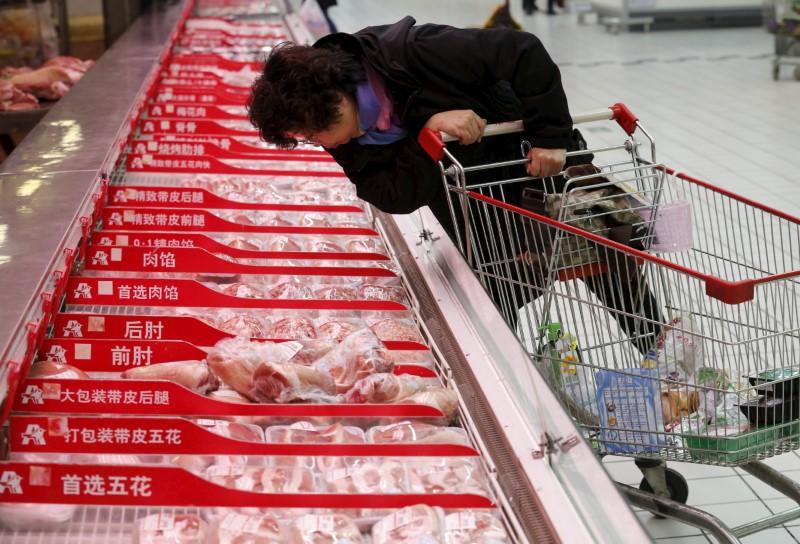
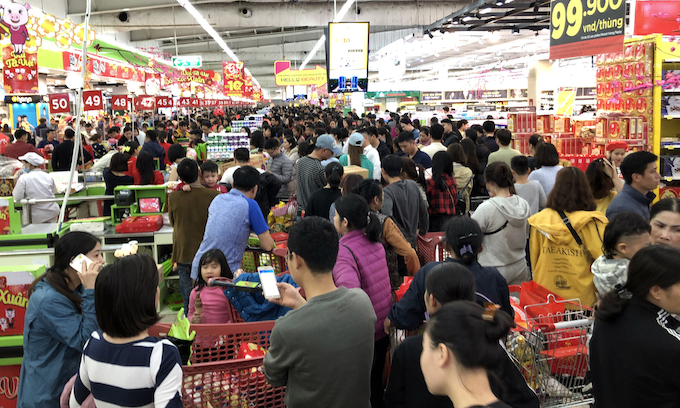
    Loan and her husband in HCMC’s District 5 spent around VND120,000- 200,000 ($5.22-8.70) per day last month on feeding their family of three, almost double that of the same time last year. They say the prices of vegetables and meat have been increasing since the beginning of the year.

    Hoa, another HCMC resident, has seen her spending on family meals increased by 65 percent to VND5 million per month. She says the prices of cooking gas and many ingredients she needs have been rising.

    “The prices of some products have doubled since the beginning of the year. I’m spending out of my savings.”

    Ngoc Chau, head accountant for a construction company in Tan Binh District, has seen prices of a bowl of noodle soup rising nearly 20 percent to VND65,000 the past few months.

    “I have been reluctant to eat out these days.”

    In the first four months of this year, the prices of materials and ingredients have risen by 4.64 percent year-on-year, with the surge strongest in the agriculture, forestry and fisheries sector, up 6.77 percent, according to the General Statistics Office.

    The GSO has cautioned that although inflation was 0.29 percent in the first quarter, the lowest in 20 years, keeping it under the targeted 4 percent this year won’t be easy as many economies including the U.S. have introduced economic stimuli to boost recovery.

    The Ministry of Agriculture and Rural Development said that animal feed prices have surged 30 percent since the beginning of the year and is set to rise further in the second quarter.

    Fuel prices, meanwhile, have increased by 19 percent since the beginning of the year.

    Do Van Khuoi, director of supplies at Saigon Food, said that prices have been rising due to the limited supply of goods domestically and shortage of materials globally.

    There are signs that some suppliers are increasing their reserves to indulge in speculative pricing, he added.

    “Disrupted supply chains due to difficulties in transporting goods amid the pandemic have also pushed up prices.”

    Khuoi said that in recent months, the prices of spices have risen by 5-10 percent, rice and seafood by 5-20 percent and material for plastic production by 15-70 percent.

    A spokesperson for food processor Vissan also said that many food companies were facing “headaches” because of rising material prices. Some suppliers have requested a 15 percent increase starting this month.

    Most businesses say they are trying to look for alternative sources of materials and ingredients to lower prices.

    Authorities have also been working to stabilize prices.

    Pham The Anh, head economist of the Vietnam Institute for Economic and Policy Research (VEPR), said that Vietnam and many other economies face high risks of rising inflation this year as prices of some products like steel and fuel have been surging at around 20-30 percent.

    Economist Nguyen Duc Thanh said that authorities are facing difficulties in controlling inflation, as keeping prices low will hurt businesses that are already hit by the Covid-19 pandemic, while allowing prices to rise will hurt low-income people.

    The domestic department market under the Ministry of Industry and Trade said it has been working with businesses to ensure adequate supply to keep prices from surging suddenly.

    It has also been working with customs and agriculture authorities to ensure the stable delivery of goods, especially between localities with a high number of Covid-19 cases.

    Deputy Prime Minister Le Minh Khai has also ordered relevant government bodies to take keep fuel prices stable.
  • Virus Resurgence in Singapore Derails Economic Recovery

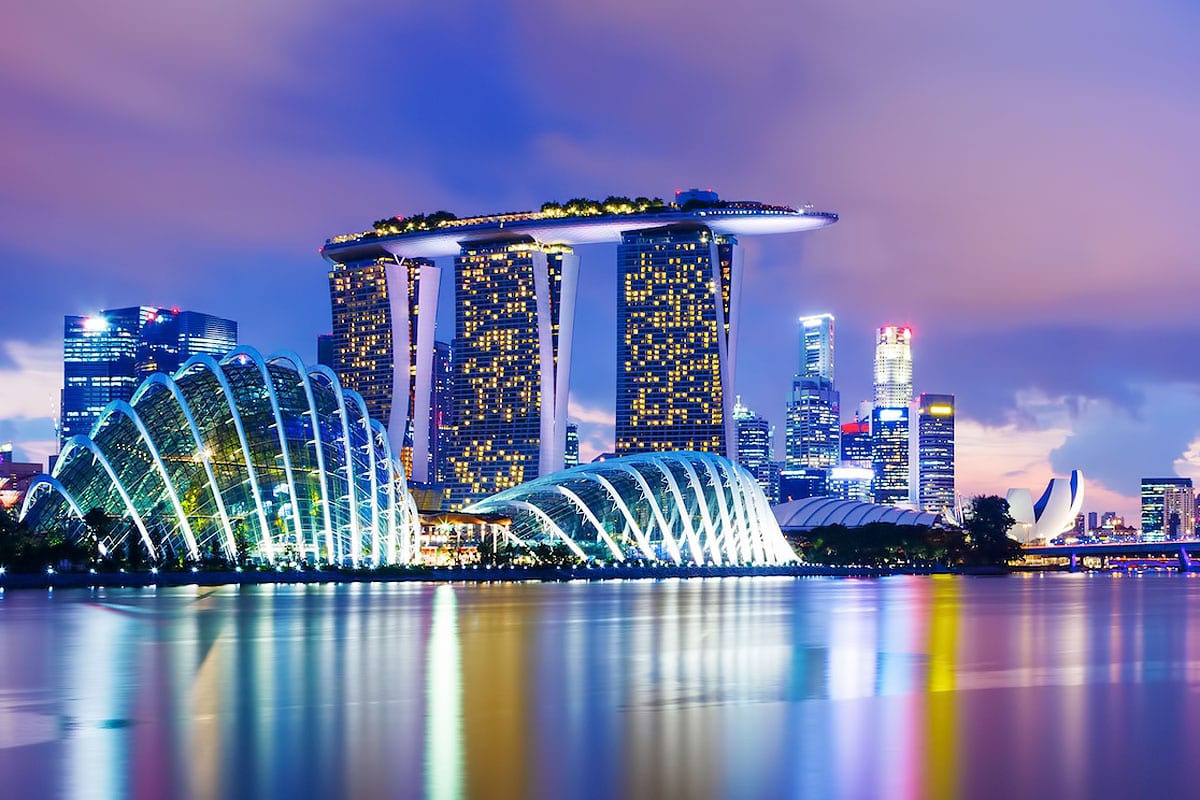
    Virus Resurgence in Singapore Derails Economic Recovery

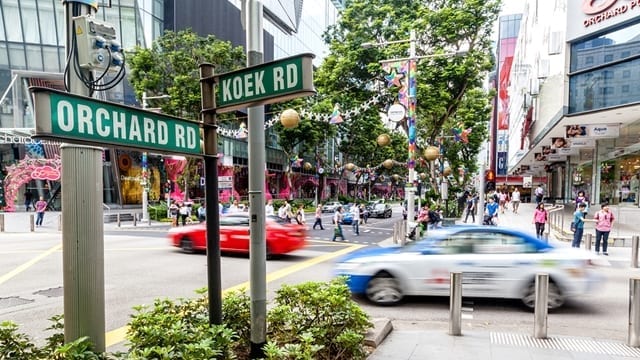
    Following consecutive quarters of recovery, the latest setback means that Singapore’s full-year target of 6 percent GDP growth is unlikely. Hopes for a second-quarter expansion in Singapore’s economy have been dashed by a resurgence in the Covid-19 virus that has taken the city-state by surprise. The republic introduced tighter measures on Sunday to stem the spread of Covid-19, following a spike in the number of imported and community cases linked to the B1617 variant from India in recent weeks.

    The new wave of Covid-19 restrictions, which will last until June 13, includes a ban on dining-in and a reduction of social gatherings from five people to two, as well as home-based learning at schools and default working from home.

    The overall number of new cases in the community grew from 32 cases in the week before to 149 cases in the past week, while the number of unlinked cases in the community grew from seven cases in the week before to 42 cases in the past week, according to the Ministry of Health

    The spike in community cases has also led to the second deferment of the Singapore-Hong Kong air travel bubble, planned for 26 May. Singapore Transport Minister S. Iswaran and Hong Kong Secretary for Commerce and Economic Development Edward Yau agreed at a meeting on Monday to review the situation and plan a new launch date.

    According to the terms of the agreement between the two cities, the travel bubble will be closed for two weeks if the seven-day moving average of the daily number of unlinked local cases is more than five in either Singapore or Hong Kong.

    The World Economic Forum’s special annual meeting, which was temporarily relocated from Davos, Switzerland to the city-state, will also be scrapped, organizers said in a statement on Monday.

    Regretfully, the tragic circumstances unfolding across geographies, an uncertain travel outlook, differing speeds of vaccination rollout and the uncertainty around new variants combine to make it impossible to realize a global meeting with business, government, and civil society leaders from all over the world at the scale which was planned said the WEF.

    The meeting, which was already pushed back from May, was scheduled for August 17 to 20 at Marina Bay Sands, with over 1,000 delegates expected to attend.

  • Share issuance value surges as businesses expand

    Share issuance value surges as businesses expand

    The share issuance value of listed companies as of mid-April this year was more than 1.6 times that of 2020 as businesses seek to expand operations.

    As of April 13, 54 listed companies have announced plans to issue more shares this year to raise nearly VND44.7 trillion ($1.94 billion), according to financial data provider FiinGroup.

    In the first quarter, 43 companies raised nearly VND19.8 trillion, accounting for nearly 70 percent of the total amount raised last year.

    With Vietnam being able to contain its Covid-19 outbreaks relatively efficiently, businesses are seeking to recover and expand production. Therefore, there is high demand for raising capital, a FiinGroup report says.

    The biggest issues this year are set to be that of national flag carrier Vietnam Airlines and agriculture giant HAGL Agrico, together accounting for one-third of the projected total.

    Vietnam Airlines is set to raise VND8 trillion through share issuance this year, seeking to reduce its debt-over-equity ratio from 6.2 to 5.2.

    HAGL Agrico is set to raise VND 7.4 trillion.

    Several brokerages are also planning to issue more shares amid rising demand for margin debt as new investors pour cash into the stock market.

    VNDirect plans to raise VND2.2 trillion, while Ho Chi Minh City Securities wants to raise VND2.1 trillion.

  • European companies in Vietnam say confidence en route to pre-pandemic levels

    European companies in Vietnam say confidence en route to pre-pandemic levels

    The Business Climate Index of European companies in Vietnam has climbed back to near pre-pandemic levels amid the economic recovery.

    It rose 10.3 percentage points in the first quarter from the previous quarter to 73.9 percent, according to a survey released by the European Chamber of Commerce in Vietnam (EuroCham).

    This is the fourth straight quarterly increase since the index plunged to a historic low of 26.7 points in the first quarter of last year due to Covid-19.

    “The Business Climate Index confirms once again that Vietnam is open for business,” EuroCham Chairman Alain Cany said.

    While countries continue to struggle with the impact of Covid, Vietnam has ensured that companies could continue to operate as close to normal as possible, and this is driving the confidence of European business chiefs, he added.

    Sixty-seven percent of respondents said their business outlook for the second quarter is either “excellent” or “good”, up 12 percentage points from this quarter.

    Forty-one percent expected their payroll to expand in the second quarter.

    “The fact that more business leaders are anticipating a rise in their headcount and investment plans are a vote of confidence in Vietnam’s long-term prospects,” Thue Quist Thomasen, CEO of YouGov Vietnam, which conducted the survey, said.

    Over 60 percent of EuroCham members have benefited from the EU-Vietnam Free Trade Agreement since it came into effect in August last year.

  • China launches antitrust probe into food delivery giant Meituan

    China launches antitrust probe into food delivery giant Meituan

    China launched an antitrust investigation into food delivery giant Meituan, the market regulator said on Monday, the latest target in a crackdown on the country’s sprawling internet platform economy.

    The State Administration for Market Regulation (SAMR) said in a statement that its investigation was focused on the practice whereby a company forces vendors to use their platform exclusively, known as “choose one from two”.

    Tencent-backed Meituan, which this month raised $10 billion in a stock and convertible bonds sale, said in a statement it would cooperate with the investigation and that its business was operating normally.

    This month, SAMR imposed a record $2.75 billion fine on e-commerce giant Alibaba over the same practice and summoned 34 internet firms including Meituan to tell them to learn from Alibaba’s penalty and not use banned practices.

    Meituan, which competes with Alibaba-backed Ele.me among others, had an estimated 68.2% of China’s food delivery market in the second quarter of 2020, according to Trustdata. Meituan’s businesses also include bike-sharing, community group buying, and restaurant reviews.

    China has in recent months taken measures to rein in its once loosely-regulated internet economy in a clampdown backed by President Xi Jinping that has rattled the industry.

    Zheng Wei, a partner with Beijing-based law firm Anli Partners, said regulators aimed to reduce the impact of dominant internet players on consumers, employees, and smaller firms.

    He said that “regulators aim to prevent internet platforms from using their dominant position to exert influence over governance, including legislative and judicial process.”

    SAMR was adding staff and other resources as China revamps its competition law with proposed amendments including a sharp increase in fines and expanded criteria for judging a company’s control of a market.

    In March, Meituan was among five backers or owners of community group-buying platforms fined by SAMR over “improper pricing behavior” related to subsidies.

  • Business Groups Disappointed by Hong Kong’s Covid Plans

    Business Groups Disappointed by Hong Kong’s Covid Plans

    In response to the business community’s call for looser quarantine measures and a roadmap for reopening, the Hong Kong government remained insistent that the current status quo will remain until local vaccination rates rise significantly.

    The Hong Kong government met virtually with representatives of the business community last week, according to a report citing unnamed sources, and reiterated its own objectives with regards to the pandemic.

    Policymakers led by chief secretary of administration Matthew Cheung once again underlined the target of vaccinating 50 percent of Hong Kong’s population before any major loosening. As of Monday, the figure sits at just 5 percent.

    At the meeting, the Hong Kong government appears to have made no concessions as it reportedly downplayed the prospect of travel bubbles, border reopening with China and didn’t provide a clear roadmap for general reopening despite similar moves being made by rival financial hubs like Singapore.

    The virtual meeting follows the recent gym-linked outbreak which exposed many expatriates to Hong Kong’s quarantine measures and sparked calls within various business groups, such as regional capital markets industry body Asia Securities Industry & Financial Markets Association (ASIFMA), to push for changes.

  • Nearly half of Vietnamese fear job losses due to automation

    Nearly half of Vietnamese fear job losses due to automation

    Forty-five percent of Vietnamese are worried about losing their jobs to machines in the future, a survey has found.

    Most respondents, 83 percent, think technology would change their jobs in the next 3-5 years, and 90 percent think that would happen in the next 6-10 years, according to the survey by global accounting giant PwC, which polled over 1,100 people in November and December last year.

    This poses a demand for enabling a future-ready workforce, it said.

    Dinh Thi Quynh Van, general director of PwC Vietnam, said: “While an upgrade or investment in technology can be immediate, equipping people with the right skills to meet the needs of the future, helping them thrive in the changing conditions of the digital world require time and constant effort.”

    The evolution of technology also caused for optimism, with 90 percent saying it would improve their job prospects in the future.

    In comparison, a 2019 PwC report said the global rate was 60 percent.

    Grant Dennis, chairman PwC Vietnam, said: “Our survey findings reflect the accelerated presence and influence of technology in the workplace and the pace of change that is to come in Vietnam.”

    Nearly nine out of 10 people said they are provided with opportunities to various extents to improve their digital skills at work, indicating that businesses are doing their part to meet the upskilling needs of their workforce.

    Some 93 percent of respondents said they are already making efforts to reskill and upskill to adapt to technological changes.

  • World Bank okays $86 mln for energy efficiency in Vietnam

    World Bank okays $86 mln for energy efficiency in Vietnam

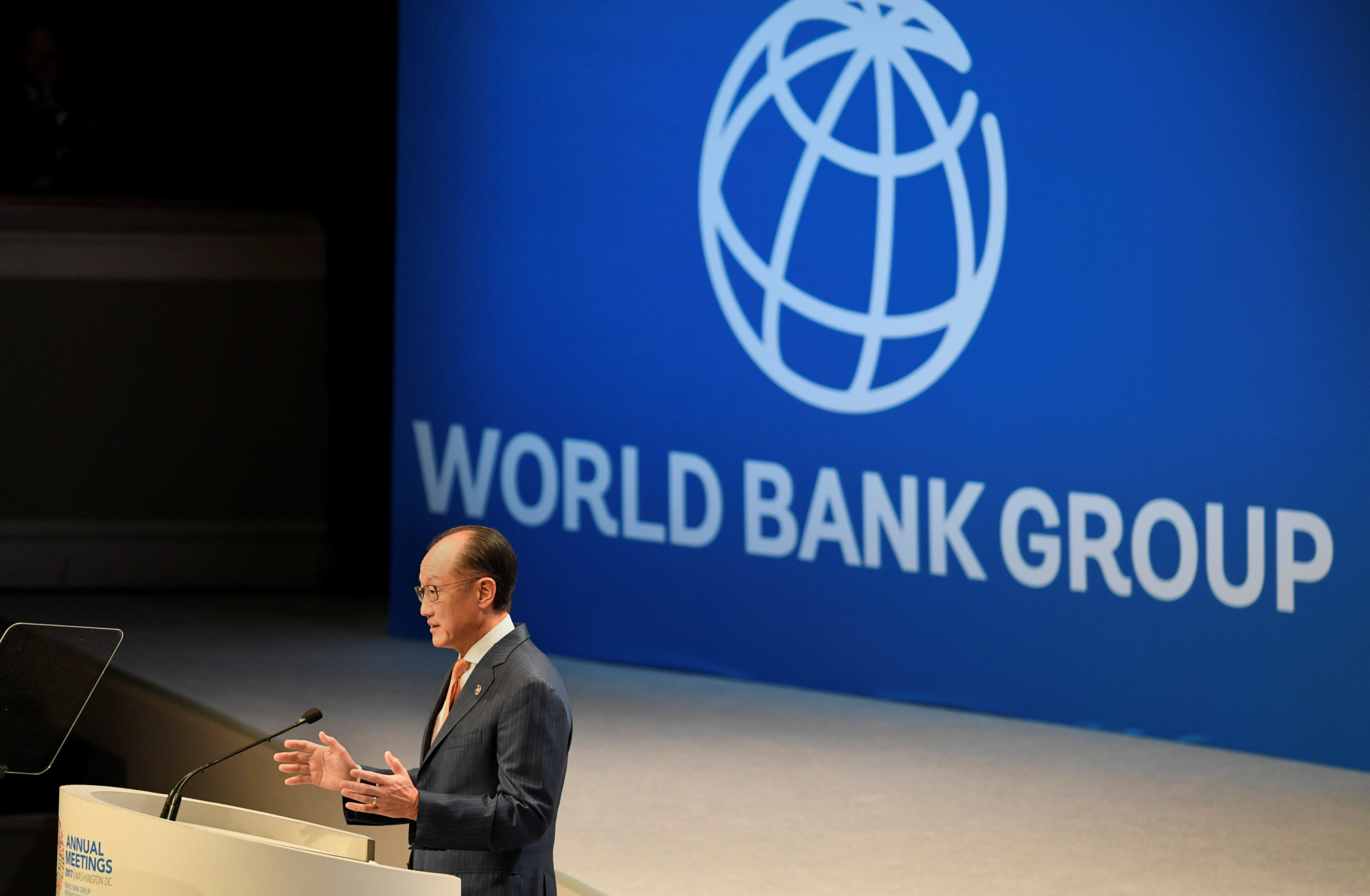
    The World Bank will provide Vietnam with $86.3 million to support the development of a commercial financing market for investing in industrial energy efficiency.

    The provision includes a $8.3 million grant used to build private sector capacity to execute energy efficiency projects, the bank said in a statement.

    It will also provide technical assistance to the Ministry of Industry and Trade and relevant authorities to strengthen policy frameworks on energy efficiency.

    The remaining amount will be used to establish a risk-sharing facility to provide credit guarantees to support local banks in providing loans for energy efficiency projects.

    By reducing lending risks, the facility is expected to mobilize around $250 million of commercial financing to be provided to industrial enterprises and energy service companies at competitive terms and with low collateral requirements.

    “Scaling up energy efficiency is the single best and lowest cost option to achieve multiple goals at once: meeting energy demand, preventing pollution and reducing greenhouses emission while also increasing industry competitiveness,” said World Bank country director for Vietnam, Carolyn Turk.

    The World Bank estimates that Vietnam could save up to 11 gigawatts of new generation capacity by 2030 if comprehensive demand-side energy efficiency investments are carried out.

    The energy efficiency investment need for key industries in Vietnam has been estimated at around $3.6 billion.

  • Vietnam beat China to become Asia’s top-performing economy

    Vietnam beat China to become Asia’s top-performing economy

    Vietnam outperformed its regional peers, including China, to become the top-performing economy in Asia in 2020.

    Though some economies have not yet reported fourth-quarter numbers, estimates compiled by the U.S. broadcaster from official sources and multilateral institutions like the International Monetary Fund found Vietnam was one of only three economies in Asia to achieve growth last year along with Taiwan and mainland China.

    The Vietnamese government estimates the economy grew at 2.9 percent last year compared to China’s 2.3 percent growth.

    All other major economies such as South Korea, Japan, Singapore, Hong Kong, and India contracted.

    Vietnam’s impressive economic growth was thanks to its competent handling of the Covid-19 pandemic.

    Despite sharing a long border with China where Covid-19 was first detected in December 2019, Vietnam has reported just over 1,500 infections and 35 deaths.

    The manufacturing sector is widely credited for the economy’s outperformance last year, with production growing on the back of steady export demand.

    Many economists expect economic growth to accelerate this year, it said.

    Vietnam’s economy will quintuple by 2035 and become the 19th largest in the world, U.K. consultancy Centre for Economics and Business Research has forecast.

  • Indian investment in Vietnam yet to match potential

    Indian investment in Vietnam yet to match potential

    Indian foreign direct investment in Vietnam is relatively modest because of the lack of trade promotion activities, says a deputy minister of planning and investment.

    “Bilateral trade and investment relationship has seen many positive results in recent times but is still not commensurate with the potentials of both countries,” said Tran Duy Dong said at a recent forum.

    India ranked 26th in foreign direct investment in Vietnam with 296 projects and a combined registered capital of around $900 million last year, compared to Thailand (9th) and Malaysia (8th), according to official figures.

    One of the reasons for this is the lack of information sharing via trade promotion activities between the two countries, Dong said, adding that more offline and online trade activities should be organized.

    Pranay Verma, Indian Ambassador to Vietnam, said his country, with a population of 1.4 billion, is a large and potential market for Vietnamese companies to invest in.

    In recent years, direct flights between the largest cities of the two countries have been opened and this will serve to boost trade, he said.

    Don Lam, deputy head of Vietnam’s Private Economic Development Research Board, said that the two countries are seeing positive figures in trade relations with Vietnam’s imports from India rising 65 percent between 2017 and 2020 to reach $4.5 billion.

    Vietnam’s exports to India in the period surged nearly three times to $6.7 billion, he said.

    Many Indian companies are looking at Vietnam as an attractive investment destination and a hub for transferring goods to Southeast Asian countries, he added.

  • HSBC Advocates for More Asian Say in Climate Change

    HSBC Advocates for More Asian Say in Climate Change

    HSBC chairman Mark Tucker lauded the efforts of global governments in creating standards and definitions for sustainability but expressed concerns that they could potentially leave out Asian economies.

    According to Tucker, Asia is increasingly where global leadership is coming from» with regards to sustainability, citing China and Japan’s rise to drive global agendas in the recent G20 forum alongside the greening of Hong Kong and Singapore’s financial markets.

    Asia is arguably where the fight against climate change will be won or lost, he said during a virtual session at this year’s Asian Financial Forum (AFF).

    Although Tucker applauded industry efforts to set standards in the fight against climate change, he underlined his concerns that this could occur at the expense of capital flows for Asian emerging economies.

    Setting international standards and definitions for sustainability is essential to making progress and the EU has done very good work on this,» he said. «But there’s a danger that these standards may not drive investments into the emerging markets in Asia where it’s needed most for sustainable infrastructure.

    He also underlined this year’s Scotland-based COP26 (United Nations Climate Change Conference) conference as a key moment to lock in the ambitious, low carbon policy goals, adding that Asian economies need to play a big part in those discussions» on issues such as establishing carbon prices.

    Tucker expressed greater optimism in the global fight against climate change, highlighting better prospects without the Donald Trump administration.

    If you look at the three economic blocks – U.S., China, E.U. – there’s plenty they don’t find agreement on, he explained. But I think where they are absolutely united today is their commitment, certainly under the new U.S. administration, to tackle climate change.

    Last October, we announced a new commitment to reset our ambitions, which were significant in the first place, but to reset them to a higher level, Tucker said, reiterating the bank’s goal to achieve net-zero carbon emission across its business by 2050.

    Aligning our own emissions and those of our portfolios and customers to the Paris Agreement goals. This is not insignificant when you think of this: our portfolio is largely Asian based and other banks are clearly in much more established marketplaces.

    The bank has committed up to $1 trillion of financing for this transition over the next ten years though it has yet to share details about its exact strategy.

    On HSBC’s business plans, Tucker said that with interest rates expected to stay low and an ongoing pandemic, the bank has changed its plans to further accelerate growth.

    He highlighted South Asia and, in particular, wealth management opportunities in China’s Greater Bay Area. He separately noted that HSBC was not looking into emerging non-traditional areas of finance like cryptocurrencies, despite related moves by competitors like Standard Chartered’s inroad into crypto custody or DBS’s recent launch of a digital exchange.

  • Think tank forecasts some growth for Vietnam

    Think tank forecasts some growth for Vietnam

    A government think tank has pegged economic growth at 6.46 percent this year thanks to the country’s success in containing the Covid-19 outbreak and maintaining stability.

    Vietnam is one of the fastest recovering economies in Asia, the Central Institute for Economic Management (CIEM) said in a report.

    In the best-case scenario, credit growth would be 13 percent against 10.1 percent last year, it said.

    But it also warned of risks that could hamper growth, like the unpredictable global economic situation as the pandemic situation remains severe in many countries and possible anti-dumping and countervailing investigations by the U.S. and other countries.

    Several international organizations have forecast a strong recovery for Vietnam this year, with lender HSBC forecasting growth of 7.6 percent. The International Monetary Fund and Asian Development Bank have forecast 6.5 percent and 6.1 percent growth.

    The government has set a target of 6.5 percent.