Tag: Economy

  • HSBC sees Vietnam growing slower than earlier forecast

    HSBC sees Vietnam growing slower than earlier forecast

    HSBC has revised downward its Vietnam GDP growth forecast for 2021 from 8.1 percent to 7.8 percent, pointing to the slow recovery in tourism.

    Travel-related services such as accommodation and transportation remained in a deep slump, it said in a note.

    “There is nothing to be surprised when immigration restrictions are still in place, although Vietnam has made some travel agreements with neighboring countries.”

    The tourism industry could hardly revive until an effective vaccine for Covid-19 was developed and there was a new approach toward global tourism co-operation.

    It also said the inflation rate in 2020 was probably 3.3 percent, much below the 4 percent target set by the State Bank of Vietnam.

    Though the country escaped the worst effects of the pandemic, its businesses and consumers affected by Covid-19 needed great support, but it would be difficult since Vietnam’s public debt-to-GDP ratio was 65 percent.

    The fiscal deficit would increase to 5.2 percent of GDP in 2020 before falling to 4.6 percent in 2021, resulting in public debt falling below 60 percent.

    With the economy likely to revive, the central bank would stick to its monetary policy in the first quarter of 2022 before raising interest rates by 0.25 percentage points in the third quarter.

    Vietnam would remain a “shining star” in 2021, and also benefit from a technology-driven revival, consistent FDI inflows and various trade agreements, HSBC said.

    The only challenge was likely to come from the labor market since, despite some improvement in the third quarter of 2020, unemployment was still on the rise and salaries were declining.

    If this continued, consumer spending, a major factor boosting the economy, would take longer to recover.
  • Vietnam economy to grow almost five times by 2035

    Vietnam economy to grow almost five times by 2035

    Vietnam’s economy is expected to grow five times, becoming the 19th largest economy in the world in 2035, a report says.

    Steady and consistent growth is set to help it go past major Asian economies like Taiwan and Thailand by 2035, U.K consultancy the Centre for Economics and Business Research (CEBR) said in its annual league table on the growth prospects of 193 economies released last week. The country now is the 37th largest economy.

    Its GDP growth is forecast at 7 percent a year over the next five years, and 6.6 percent in the subsequent decade.

    The report estimated Vietnam’s nominal GDP by 2035 to be $1.59 trillion from the current $341 billion, a nearly five-fold increase in 15 years.

    Despite the Covid-19 pandemic, the Vietnamese economy, unlike most others, was able to escape a contraction in 2020 thanks to competent handling of the crisis, the report said. It grew at 2.91 percent.

    The government has set a GDP growth target of 6.5 percent for 2021.

    China will overtake the U.S. as the world’s biggest economy in 2035 after outperforming its rival during the global Covid-19 pandemic, according to CEBR.

  • Singapore Economy Rebounds in Q3

    Singapore Economy Rebounds in Q3

    The improvement came on the back of the phased re-opening of the economy, following the «circuit breaker» that was implemented between April 7 and June 1, 2020.

    Singapore’s gross domestic product (GDP) in the third quarter of 2020 grew by 7.9 percent from the quarter before, based on advance estimates released by the Ministry of Trade and Industry (MTI) on Wednesday.

    On a year-on-year basis, the economy contracted by 7 percent, an improvement from the 13.3 percent contraction in the second quarter, which was its worst quarter on record.

    The ministry did not revise its full-year GDP outlook, which predicts an overall contraction of 5 to 7 percent.

    The construction sector grew 38.7 percent from the previous quarter but was still down 44.7 percent on-year. Weak external demand, travel restrictions, and sluggish travel demand contributed to the 8 percent on-quarter decline in services-producing industries – still an improvement from the previous quarter’s 13.6 percent decline.

    The manufacturing sector reversed its 0.8 percent on-year decline in the second quarter of 2020 to grow 2 percent in the third quarter. Quarter-on-quarter, the sector grew by 3.9 percent, supported by growth in electronics and precision engineering output, which were in turn driven by robust global demand for semiconductors and semiconductor manufacturing equipment, MTI said.

    On Monday, Ravi Menon, chief executive of the Monetary Authority of Singapore said that up to 20 percent of the city-state’s trade-reliant economy faces «deep scarring» as a result of the Covid-19 pandemic, highlighting the aviation and tourism industries in particular.

    The full extent of the crisis has not been seen yet, Menon said, noting that more bank loans and bankruptcies are expected, and that capital will be more difficult to raise in this environment.

    In a funny sort of way, the pandemic has made us all a lot more sensitive and aware of how vulnerable we are to the forces of nature, Menon said.

  • Vietnam casinos enjoy double-digit revenue growth

    Vietnam casinos enjoy double-digit revenue growth

    Eight casinos in Vietnam saw their combined revenues rise 60 percent from 2018 to VND2.5 trillion ($108 million) last year.

    These eight establishments were licensed before March 2017, when the government began a trial project allowing Vietnamese to gamble in local casinos, according to a recent report by the Ministry of Finance. Earlier, only foreigners were allowed to play at casinos in Vietnam.

    Five of the casinos are in the north, two in the central region, and one in the south. They contributed VND1.34 trillion ($58 million) to state’s coffers last year, up 49 percent year-on-year.

    But not all eight casinos recorded growth. Royal International Corporation (RIC), which operates the largest casino in the northern province of Quang Ninh, for example, saw revenues decline of 45 percent from 2018 to VND97.8 billion ($4.2 million) last year. It also recorded a loss of VND50.4 billion.

    The Aristo International Hotel Casino in the border province of Lao Cai, operated by Australian company Donaco International Limited, saw revenues falling 17 percent from 2018 to AUD21.5 million ($15.4 million) last year. Its profits dropped 44 percent to AUD4.8 million ($3.4 million).

    After March 2017, three more casinos were licensed in Vietnam, including Casino Corona on Phu Quoc Island off Vietnam’s southern coast, which began operation in January last year and was the first casino in Vietnam to allow locals to play.

    Its revenue from casino operations was VND1.38 trillion ($59.5 million) last year. It earned pre-tax profits of VND280 billion, serving 105,000 customers last year, of which 45 percent were Vietnamese.

  • Visa launches “Team Shop Chat Thai” lucky draw campaign to help power Thailand’s economic recovery

    Visa launches “Team Shop Chat Thai” lucky draw campaign to help power Thailand’s economic recovery

    Visa, the world’s leader in digital payments, today announced the launch of “Team Shop Chat Thai” lucky draw campaign offering rewards to Visa cardholders.  The campaign is a collaborative effort led by Visa, along with its bank and merchant partners, to stimulate local economic activities and support Thailand’s economic recovery.

    Under the campaign, Thai shoppers stand a chance to win prizes worth up to 2,000 baht when spending a minimum of 1,000 baht per receipt on their Visa cards, including credit, debit or prepaid.

    Prizes include a 2,000 baht hotel stay, Thai Smile air tickets to the value of 2,000 baht, and 1,000 baht worth of entry tickets to tourist destinations in Bangkok, Pattaya, Chiang Mai and Phuket.  The total prize pool will see 2,000 prizes to be given away worth a total of 3,000,000 baht.  The campaign runs from today to 30 September 2020.

    Visa has recently announced its cooperation with the Tourism Authority of Thailand (TAT) to expand the acceptance of digital payment locations in Bangkok and five major tourist cities across the nation in a bid provide local businesses with a more hygienic digital payment option and help recapture consumer confidence. Visa has also collaborated with Thailand’s leading FinTech companies to make it easier and faster for Thai social commerce sellers, including individual sellers and small businesses on social media platforms, to accept Visa card payments.

  • Singapore Economy Contracts More Than Expected

    Singapore Economy Contracts More Than Expected

    Hit by the circuit breaker and widespread closures of businesses, Singapore has reported a 41.2-percent contraction in its economy for the second quarter of the year. Singapore has entered a technical recession, with its economy shrinking 12.6 percent year-on-year in the second quarter of 2020, following -0.3 percent growth in the first quarter, according to advance estimates by the Ministry of Trade and Industry published on Tuesday.

    A survey of economists had previously predicted a 10.5 percent contraction. MTI said the weak economic output could be attributed to the circuit breaker from April 7 to June 1, during which non-essential services and most workplaces were closed to limit the spread of Covid-19.

    Faring the worst was the construction sector, which contracted 54.7 percent from the year before and 95.6 percent from the first quarter, as a result of manpower disruptions and the closure of almost all worksites during the period. The service industry contracted by 13.6 percent from the year before (-37.7 on-quarter), with tourism-related sectors like accommodation and the air transport sector severely affected by global and domestic travel restrictions.

    The numbers clearly reflect the extent of the challenges facing our economy amid the COVID-19 pandemic and the hard work ahead of us to restore the economy, Chan Chun Sing, Minister of Trade and Industry, said in a Facebook post on Tuesday morning.

    We expect the recovery to be a slow and uneven journey, as external demand continues to be weak and countries battle the second and third waves of outbreaks by reinstating localized lockdowns or stricter safe distancing measures,» Chan said.

    In May, the Singapore government downgraded the city-state’s growth forecast for 2020 to -4 percent to -7 percent.

    The economy was one of the top issues on voters’ minds in the general election, held on Friday. Seeking a fresh five-year mandate, Prime Minister Lee Hsien Loong warned earlier in July of more retrenchments and that the worst of the economic downturn is yet to come.

    The ruling People’s Action Party kept its grip on power but fared disappointingly with 61.2 percent of the popular vote. The opposition Workers’ Party increased its representation in parliament to a record 10 seats of the 93 at stake.

  • Indonesia AirAsia’s growth halted due to coronavirus and economy

    Indonesia AirAsia’s growth halted due to coronavirus and economy

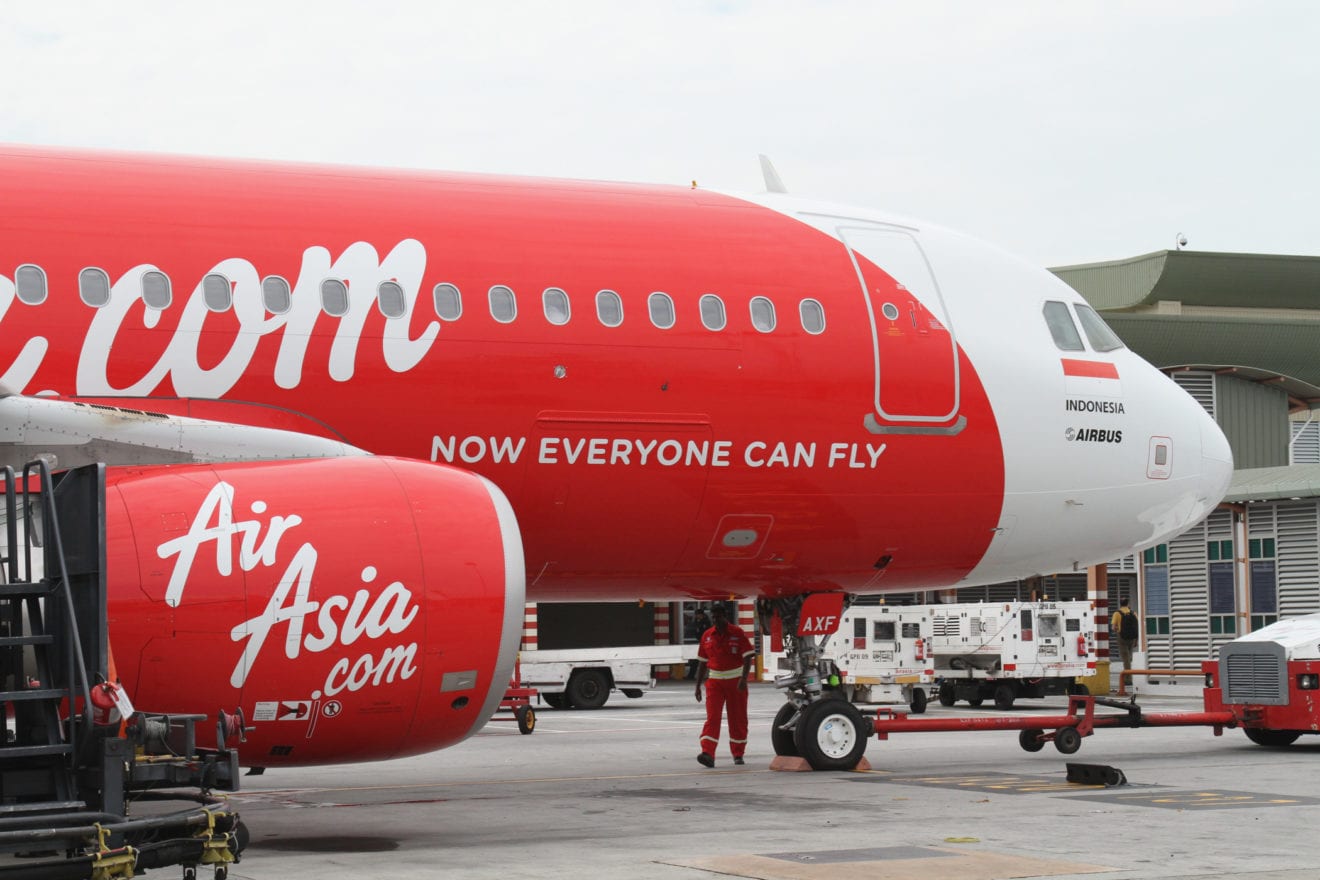
    Indonesia AirAsia has been forced to halt its growth plan for this year, as a result of the coronavirus pandemic and economic challenges faced by Indonesia.

    The plan for 2020 was for the low-cost carrier to increase its market share by adding three new aircraft and launching new services, having recorded a 28% growth in revenue for 2019 as compared to 2018, says parent company AirAsia Indonesia.

    The viral outbreak has led to travel restrictions imposed by neighboring countries and is affecting the demand for domestic and international air travel. AirAsia Indonesia says that Indonesia’s “economic situation has become more challenging”, noting that the exchange rate for rupiah against the dollar is now at more than Rp16,000 ($0.97), and it continues to fluctuate.

    “By considering these factors carefully and deeply, the company is forced to suspend international and domestic flights until the situation improves, and demand for air travel picks up. The measure will certainly have a significant influence on the company’s operating and financial performance in the first half of 2020,” says AirAsia Indonesia.

    Indonesia AirAsia suspended operations on 1 April. Domestic flights are suspended until 21 April and international flights until 17 May.

    Meanwhile, AirAsia Indonesia’s plan to resume trading on Indonesia Stock Exchange (BEI) by offering new shares to the public was also affected, although it did not offer any other details.

    It was suspended from trading in August 2019 for not complying with BEI’s requirement for a company to have at least 7.5% of its paid-in capital available as free float in order to remain listed. As of 29 February, it only had 1.6% of shares available for trade.

    AirAsia Indonesia’s priority for the group over the next six months is to reduce its operating cost base by renegotiating with suppliers and key stakeholders, and to ensure that it can continue to operate during this period, it says. This will then be followed by working to “restore” its finances after the outbreak is declared over.

  • The rise and rise of retailer recycling, repurposing and reusing schemes

    The rise and rise of retailer recycling, repurposing and reusing schemes

    Just 3.4 percent of consumers globally are using retailer recycling schemes, according to a report by GlobalData – but the trend is on the rise as leading players find new ways to reduce waste, use fewer resources and even adopt circular business models.

    Fashion is recognized as one of the largest polluters on the planet, and growing awareness of that is encouraging retailers to make innovative and sustainable changes to their manufacturing and production processes to lessen waste.

    Adidas has introduced the second generation of its first 100-per-cent-recyclable performance running shoe. The FutureCraft Loop Generation 2 is made using a mix of new raw materials and recycled components of the initial shoe – and is expected to be 100-per-cent recycled in the product’s next iteration.

    Meanwhile, Hong Kong brand Dyelicious creates color dye out of organic waste such as coffee, red cabbage, sweet potato and ginger in its garments.

    Reducing resources

    Outdoor apparel brand Patagonia has established a new ReCrafted collection where each item has been made from donated pieces, upcycled and repurposed into a “one-of-a-kind” piece. Each ReCrafted jacket, shirt, vest and bag is upcycled from three to six used pieces of clothing.

    Hong Kong’s very own label curated from The Mills in partnership with H&M foundation – Alt: – also uses a garment-to-garment recycling system to create new knitted pieces from the repurposed yarn of former old pieces which would otherwise have been discarded. Professor Edwin Keh, founder of Alt:, was crowned Inside Retail Hong Kong’s most Innovative Retailer in 2019.

    While many brands have launched programs to take in used garments to deconstruct – and some may even offer incentives for consumer’s donations – research from GlobalData shows that just 3.4 percent of consumers use a retailer’s recycling scheme to get rid of unwanted textiles. That could present a challenge to scaling up such schemes.

    “The practice of both repurposing and restoring post-consumer goods has the potential to help the fashion industry operate in a more sustainable manner, moving away from the traditional ‘take-make-waste’ model,” says Beth Wright, GlobalData apparel correspondent.

    “However, while both trends ultimately mean fewer items are being produced and keep products out of landfill, they still represent just a drop in the ocean compared with the amount of new clothing that continues to be made.”

  • September Indonesia retail sales edge up 0.7 per cent

    September Indonesia retail sales edge up 0.7 per cent

    September Indonesia retail sales rose 0.7 percent year on year.

    Real Sales Index of Bank Indonesia showed that the country’s retail sales maintained positive growth despite falling 1.1 percent in August. Most of the growth was driven by sales of automotive spare parts and accessories and household equipment.

    Sales in October are anticipated to grow by 2.9 percent as sales in automotive spare parts and accessories, information equipment and communications, and food, beverage and tobacco groups are projected to continue the momentum.

  • South Korean firm to invest $700 mln towards cashless payment in Vietnam

    South Korean firm to invest $700 mln towards cashless payment in Vietnam

    Financial solutions firm Alliex will invest over $700 million to build shared Point of Sales (POS) across Vietnam. Alliex plans to install a total of 600,000 shared POS devices in Vietnam over the next five years, its director Park Byounggun told Deputy Prime Minister Vuong Dinh Hue at a meeting on Friday.

    The company, along with local partners, will build and operate this shared system, and continue to add new features on the POS devices such as QR code, contactless payment, and biometrics in line with regulations, Byounggun said.

    The shared POS system will help local authorities cut down cash in circulation and transaction costs, combat tax losses and speed up payment transactions in a safe and efficient manner, helping the government’s efforts to transform Vietnam into a cashless society, he added.

    Alliex has also signed collaboration contracts with private lender Sacombank and the state-owned VietinBank to roll out the POS system in Vietnam.

    Electronic payments in the country increased by 22 percent in 2017 to $6.14 billion, according to Statista, a local market research firm. The figure is projected to rise to $12.33 billion by 2022.

    Economists have said that the potential for cashless payments in Vietnam is huge due to a growing middle class and rapidly improving telecom infrastructure. The Vietnamese government targets to make 90 percent of all transactions cashless by 2020.

    However, for now, the reliance on cash remains huge. About 80 percent of Vietnamese prefer to use cash for daily transactions, according to the Ministry of Industry and Trade.

  • Appliance Subscription services taking off in South Korea

    Appliance Subscription services taking off in South Korea

    The subscription services economy – through which one can periodically receive products or services instead of purchasing them outright – is on the rise in South Korea.

    Rental services, which used to be represented by water purifiers, are now in their heyday as they have expanded to various items such as LED masks and dishwashers.

    Major online shopping portal Gmarket’s sales data for rental services over the past five years showed a more than fivefold increase (448 percent) since 2014.

    Compared to last year, rentals of massage chairs increased by 435 percent, clothes dryers by 111 percent, and air purifiers by 106 percent.

    When dividing the rental service by generation, customers in their 40s accounted for 46 percent of purchases, nearly the majority, followed by those in their 30s at 35 percent.

    People in their 30s and 40s who seek practical consumption and have relative economic power, have responded to rental services that allow them to rent products at reasonable prices.

    The items available for rent have diversified. Various kitchen appliances such as dishwashers, food processors, coffee machines, air fryers and induction stoves as well as LED masks and pet products like pet dry rooms are available.

    Rental companies are also introducing health-related products such as spinal-heating medical devices and eye massagers, as well as unique products such as painting rentals and indoor plant growing machines.

    “Because products that can improve quality of life can be used without any initial cost and can be replaced with new products after a certain period of time, preference for rental services is increasing,” said a representative of Gmarket.

  • Powering Southeast Asia’s $100 billion Internet economy

    Powering Southeast Asia’s $100 billion Internet economy

    Today, Google, Temasek and new partner, Bain & Company released its e-Conomy Southeast Asia report for 2019, highlighting the most significant industry trends observed in 2019 and analysing the current and future potential of the Southeast Asian Internet economy across its six largest markets (Indonesia, Malaysia, the Philippines, Singapore, Thailand and Vietnam).

    The report shows that the region’s Internet economy has hit a new milestone, reaching $100 billion for the first time this year, a 39 percent increase from $72 billion last year. The Internet economies in Malaysia, the Philippines, Singapore, and Thailand are growing between 20 and 30 percent annually, but the two pacesetters in the region are Indonesia and Vietnam, with growth rates in excess of 40 percent a year.

    This surge across SEA is attributed to the influx of new online users in the region — about 100 million more compared to four years ago. This growing market of customers has incentivized businesses in the region, from established ‘unicorns’ to small-medium enterprises, to adopt and leverage digital tools to expand rapidly.

    As the world’s most engaged Internet users, Southeast Asia is shaping technology trends in its own way. When it comes to services like Ride Hailing and Food Delivery, the region is rapidly growing and the momentum is only going to continue as a new generation comes of age and people outside big cities come online. By 2025, the regional Internet economy will have tripled to $300 billion.

    Here are some key insights from this year’s report.

    1. Internet businesses have hit new heights

    Southeast Asia’s Internet sectors are booming, and this is indicative of the fundamental changes in the way people shop, eat and get around. e-Commerce is the biggest and fastest-growing sector. More than 150 million Southeast Asians are now buying what they need online, and the sector is valued at $35 billion today compared with just $5 billion in 2015—and on track to hit $150 billion by 2025.

    RideHailing is surging, with 40 million people ordering transport, food and other services on demand, as compared with just 8 million in 2015.

    1. Time is money: competing for user engagement

    As the ecosystem matures, Internet economy companies are switching their focus from acquiring new customers to driving higher engagement with existing users. To do so, they are offering a variety of products and expanding into new services including gamified promotions, enticing streaming content, live news and more. Consumers are benefiting from these trends, as they have access to more choices and lower prices.

    1. Opportunity is spreading beyond the big cities

    Up until now, seven metropolitan areas have made up more than half of Southeast Asia’s Internet economy despite accounting for just 15% of the total population. Between now and 2025, the Internet economy is set to grow twice as fast outside Metros as inside them. This growth will support new jobs and opportunities, increase the need for investments to expand Internet access in less served areas, and drive inclusion of the entire Southeast Asian population into the Internet economy.

    1. Digital Financial Services reach an inflection point with increasing access as a priority

    Technology has made Financial Services more accessible to users in the region, and it is projected to expand further to reach out to 100 million Southeast Asians with limited access to financial services today. Digital Payments is set to grow from $600 billion in 2019 to more than $1 trillion by 2025, accounting for almost one in every two dollars spent in the region.

    1. Funding remains healthy despite global headwinds

    In 2019, global economic growth has slowed, with the outlook remaining cloudy. But even as global tech funding takes a hit, Southeast Asia has remained a bright spot. Funding flows into the region continued to grow at a healthy pace, from the high base of a record-breaking 2018. The first six months of 2019 saw Internet firms raise $7.6 billion, almost 7% more than in the same period in 2018. A growing cadre of “aspiring unicorns” has emerged and they are on the lookout for late-stage funding to scale further.

    1. Ecosystem challenges are being resolved

    Experts shared that Southeast Asia has made progress in overcoming the initial challenges of the Internet economy by making Internet access more affordable and strengthening consumers’ trust in digital services. However, talent constraints remains a pressing concern, as companies look for skilled workers to take on the influx of new roles created in the digital economy.

  • Malaysian retail sales sets record in July

    Malaysian retail sales sets record in July

    Malaysian retail sales grew by 7.1 percent in July.

    Combined with the wholesale trade, a new record high of RM112.5 billion (US$26.94 billion) turnover was set for the month.

    According to Malaysia’s chief statistician Datuk Seri Dr Mohd Uzir Mahidin, the retail trade alone grew by 7.1 percent, that figure fuelled by a 10.5-per-cent growth in sales of food, beverages, and tobacco.

    This was followed by retail sales of other goods in specialized stores and retail sales in non-specialised stores which registered 8.2 percent and 8.1 percent respectively.

    For wholesale trade, sales value expanded 6.6 percent. However, sales of motor vehicles fell by 1.7 percent year on year.

    Growth on a month-on-month basis in combined wholesale and retail sales rose by 0.2 percent, with the retail trade up by 1.1 percent and wholesale transactions down by 2.3 percent.

  • More ASEAN Cooperation Needed for Digital Economy

    More ASEAN Cooperation Needed for Digital Economy

    More cooperation between ASEAN regulators is needed for the region to fully benefit from the growth of the digital economy. While technology is inherently borderless, the regulation governing it is not. This can create challenges for global businesses operating global technology estates, said John Hsu, APAC chief information officer for HSBC. The best way to manage this is by governments, regulatory authorities and businesses working together through regional cooperation.

    Southeast Asia’s digital economy was valued at $31 billion in 2015 and is projected to reach $200 billion by 2025, according to research by Google and Temasek, but HSBC notes that there are still issues to be addressed during the growth process such as data localization, cloud computing, AI and cybersecurity.

    In a speech at the ASEAN-EU Business Summit in Bangkok, the bank outlined four recommendations to build an effective relationship between stakeholders.

    Firstly, create holistic regulations for all companies irrespective of business model. Secondly, build activity-based regimes and avoid two-tier regulatory regimes to prevent arbitrage.

    Thirdly, the bank highlights the need to regionally implement various digital economy initiatives including the ICT Masterplan 2020, the DIFAP, and the «Framework on Digital Data Governance» in order to strengthen «credibility as a production base of choice for global businesses. Finally, it also recommends global coordination wherever possible.

    Policymakers should consider how they can create a coordinated regulatory regime where all sizes and types of companies are able to innovate at pace and regulators have sufficient oversight and enforcement capabilities, Hsu added.

  • Vietnam franchise opportunities Booming

    Vietnam franchise opportunities Booming

    Fourteen international brands are seeking for Vietnam franchise partners.

    The brands will gather at VF Franchise Consulting headquarters in Ho Chi Minh City on July 9 to meet with prospective area or master franchisees for the market. The franchises are in the food-and-beverage sector, education, services, and come from the US, Taiwan, Thailand, Singapore, India and Japan.

    Of the 14 brands, 11 are in the retail space:

    * ACE International, a home-improvement franchise with more than 5200 stores in more than 60 countries.

    * Little Caesars Pizza, a takeaway pizza chain from the US.

    * Coldstone Creamery, a premium ice-cream chain from the US.

    * Mango Tree, a Thai casual-dining business from Thailand.

    * Mango Chili, a fast-casual Thai dining chain.

    * Cha Ji Tang, a Taiwanese fragrant hot-and-cold herbal/flower tea cafe.

    * Yang Xiang Ting, a Taiwanese dim sum conveyor-belt restaurant concept.

    * Fidele, an American-inspired seafood, and pizza chain.

    * Bing Girl, a Taiwanese sweet dessert cafe.

    * Machida Shoten, a Japanese ramen chain.

    * Mennya Kokoro, a popular Japanese dry-ramen chain.

    According to Vietnam’s Ministry of Industry and Trade, there are already more than 200 foreign brands registered in Vietnam, and the number of international brands seeking to enter Vietnam continues to grow by 15–20 percent annually.

    “With nearly 95 million citizens, Vietnam has one of the fastest growth rates when it comes to franchising and licensing,” says Sean T Ngo, founder, and CEO of VF Franchise Consulting.

    “Franchises that do well are in the food-and-beverage, education, retail, and services sectors. Goldman Sachs predicts Vietnam will be the 20th largest economy in the world by the year 2050.”

    The leading Thai company, Mango Tree, will be seeking its first franchisee for its Vietnam branch.

    “Mango Tree is one of the world’s most innovative and best-known Thai culinary lifestyle brands, serving contemporary Thai cuisine from authentic classics to modern updates to old favorites, complemented by creative mixology, expertly curated music, and buzzing locations,” said Trevor MacKenzie, Mango Tree’s MD. The company has already expanded into Hong Kong and Macau.

    Taiwanese bubble-milk tea chain Cha Ji Tang already has stores in Taiwan and Vietnam, and is in discussions over outlets in the Philippines, Korea, and Japan.

    “We are very excited about introducing our successful F&B franchises (Cha Ji Tang, Bingirl, Yan Xiang Ting, and Fidele) to Vietnam,” said Andy Hsu, owner of Reng Feng Brands, the parent company of Cha Ji Tang.

    “Taiwanese food and drinks are very popular in many countries, and we believe many Vietnamese will appreciate and enjoy authentic cuisine from Taiwan.”

    The minimum investment levels for the 14 franchise brands range from US$300,000 to $3 million.