Retail News CRM

Tag: Economy

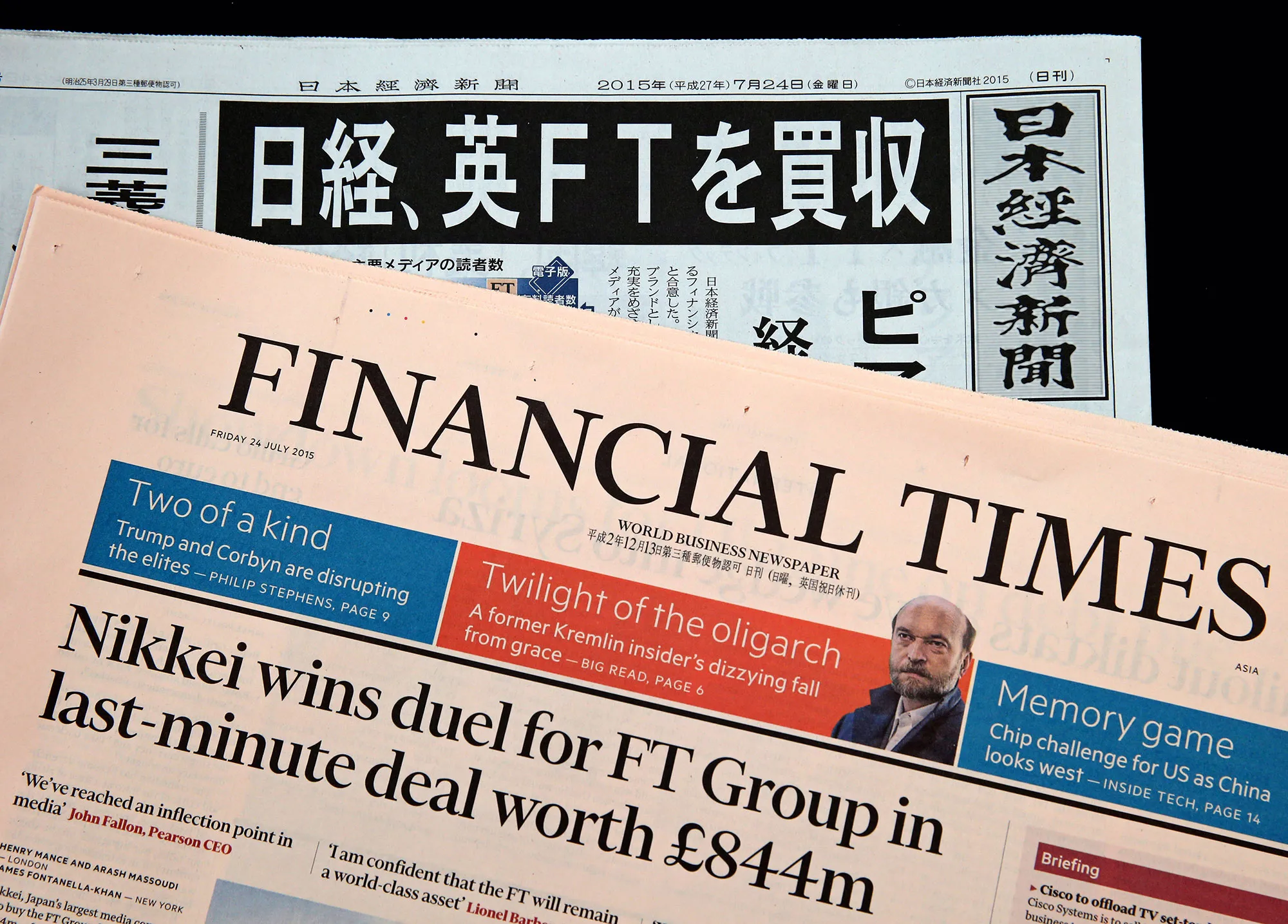
  • Financial Times to reopen Vietnam bureau

    Financial Times to reopen Vietnam bureau

    The London-based Financial Times (FT) was granted a license to reopen its permanent office in Vietnam at a ceremony held at the Ministry of Foreign Affairs on Wednesday.

    At the event, Deputy Minister of Foreign Affairs Le Thi Thu Hang commended the newspaper for its past contributions to connecting Vietnam with the U.K. and the wider world. She expressed her confidence that with its professionalism, credibility, and coordination with the ministry and other Vietnamese Government bodies, the FT would continue to play a key role in strengthening bilateral ties and promoting Vietnam’s image globally.

    The Deputy Minister stressed that Vietnam is entering a new era – the era of the nation’s rise and hoped that the FT would help spread this message to readers in the U.K. and the world. She also affirmed the ministry’s commitment to supporting the newspaper and the British Embassy in enhancing the Vietnam-U.K. strategic partnership.

    Anantha Lakshmi, FT resident correspondent and head of its bureau in Hanoi, noted that the newspaper has closely followed Vietnam’s economic trajectory for many years. Its decision to reopen a permanent presence in the country reflects Vietnam’s growing importance in global affairs, she said.

    She highlighted that amid increasing macroeconomic uncertainties and geopolitical tensions, many nations are seeking to diversify their economic ties by investing in Vietnam. This makes it a particularly critical time to share the Southeast Asian country’s story with the FT international readership.

    One of the world’s leading newspapers specializing in finance and trade, the FT previously operated in Vietnam from 1995 to 2000 and again from 2010 to 2022. With the reopening of its Vietnam bureau, the number of foreign news agencies with a permanent presence in the country has now risen to 30.

  • 45% of Singapore workers fear admitting to AI use

    45% of Singapore workers fear admitting to AI use

    Nearly half of employees in Singapore feel uncomfortable admitting to their managers that they use artificial intelligence (AI) in their jobs, a survey has found.

    The top concerns among these workers include the fear of being perceived as incompetent, lazy, or cheating, The Independent Singapore reported, citing AI-powered work management tool Slack’s Workforce Index report, which in August surveyed more than 17,000 workers across 15 countries, 1,008 of which are from Singapore.

    The report noted that workers, lacking clear guidance, are uncertain about when it is appropriate to use AI at work, leading many to hide their usage.

    Hence, employers should establish clear guidelines on which AI tools are considered “approved and trusted” for use in their organizations, as well as the specific tasks these tools are intended for, Christina Janzer, senior vice president of research and analytics at Slack.

    Too much of the burden today has been put on workers to figure out AI. It is important that leaders not only train workers to use AI, but encourage employees to talk about it and experiment with AI out in the open,” she said.

    Despite their concerns, 88% of employees in Singapore are keen to develop their AI skills and feel a pressing need to become experts in the field. However, 63% of them have spent fewer than five hours total learning how to use AI.

    Workers in the city-state are also prioritizing AI-enabled workplaces, with 87% viewing a company’s ability to provide and implement AI tools as a key consideration when searching for jobs.

    As a result, employers there must invest in AI training to attract and retain top talent.

    Globally, 30% of workers worldwide have not received any AI training, including self-guided learning or experimentation, according to Slack.

    Among those who did receive guidance on AI usage, adoption has increased by 13% since January, compared to just 2% for those without such training.

  • Vietnam’s economy projected to grow 6.1% this year

    Vietnam’s economy projected to grow 6.1% this year

    Vietnam’s economic growth is expected to pick up in 2024, driven by a rebound in manufactured exports and tourism, and recovering consumption and business investment, the World Bank (WB) said on August 26 in a new report.

    The economy is forecast to grow 6.1% in 2024, and 6.5% in both 2025 and 2026, up from 5% last year, according to the bank’s latest bi-annual economic report on the country Taking Stock.

    The report, “Reaching New Heights in Capital Markets,” highlights the resilience of the Vietnamese economy despite rising global challenges. However, it notes that the economy is not yet back on its pre-pandemic growth path.

    Enhanced public investment would provide short-term stimulus while also addressing emerging infrastructure gaps – for example in energy, transport, and logistics – which are becoming a growing constraint on growth, it said. Bank asset quality remains a concern given rising non-performing loans and should be closely monitored by the authorities.

    “During the first half of the year, Vietnam’s economy benefited from the rebound in export demand,” said WB East Asia and Pacific Practice Manager for Macroeconomics, Trade, and Investment Sebastian Eckardt. “To sustain growth momentum not only for the rest of the year but over the medium-term, the authorities should deepen structural reforms, step up public investment while carefully managing emerging financial risks.”

    A special chapter of the report finds that development of capital markets would provide a vital source of long-term funding for Vietnam’s economy and help the country achieve its goal of becoming a high-income nation by 2045. The report highlights key challenges, including underdevelopment of the institutional investor base and underutilization of the Vietnam Social Security fund (VSS).

    The report recommends a stronger policy framework, in which VSS could be a force in driving capital market development. Policies that would allow markets to reclassify Vietnam from Frontier Market status to Emerging Market status would help attract more foreign investors, as would reforms to enhance market transparency and investor protection. Effective coordination among financial regulators is crucial for achieving these goals.

  • Vietnamese no longer spend $4 on coffee

    Vietnamese no longer spend $4 on coffee

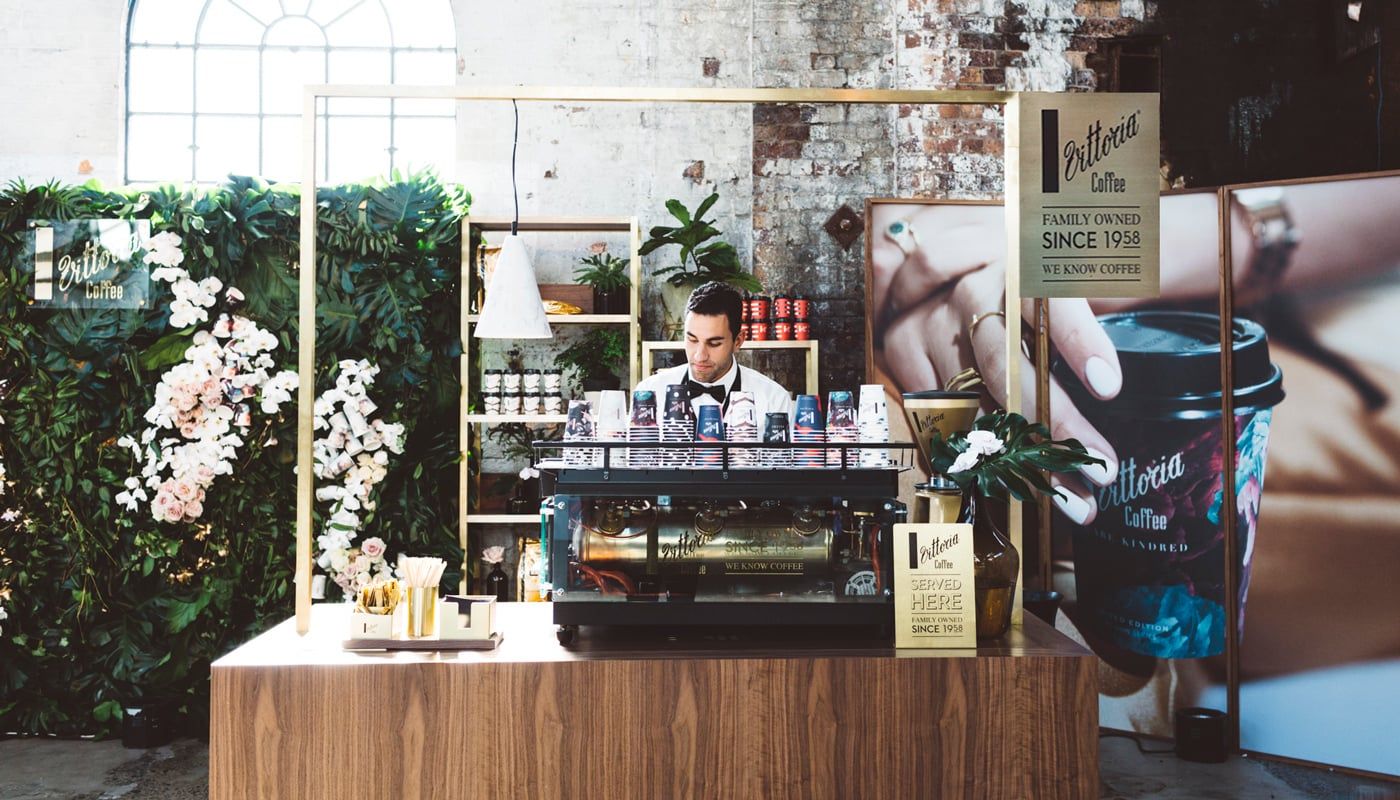
    Young entrepreneurs looking to start a coffee shop should be aware that customers are increasingly reluctant to spend over VND100,000 ($4) on a cup of coffee, opting instead for more affordable alternatives.

    I used to visit coffee shops regularly, but in recent years that is no longer the case. I feel like I can work from home just as easily, and spending VND50,000-70,000 ($2-2.8) on a cup of coffee for a few hours at a shop does not seem worth it.

    In a recent survey, the most common spending range was between VND41,000 and VND70,000 VND per cup, according to 45% of respondents. Many Vietnamese have stopped spending VND100,000 per drink, the survey said.

    Going to coffee shops has become much more expensive ever since I started brewing coffee at home. Even if I am in a rush, I will buy machine-brewed coffee from a street vendor for just VND15,000.

    Coffee shops, however, need to cover a variety of costs, including labor, ingredients and most importantly, rents. To open a good coffee shop, the location has to be prime and spacious, but the rent is far from cheap.

    I have observed that my friends now visit coffee shops less frequently. They only go when they have meetings with clients or business partners, and even then, not very often. For casual chatting and socializing, they prefer affordable street cafés.

    In my opinion, these trends indicate that competition in the food and beverage industry, especially in the coffee shop sector, is becoming increasingly fierce. The closure of 30,000 establishments in the first half of the year is one clear example of this.

    With this in mind, those of you looking to start a business by opening a coffee shop or a coffee chain need to be extremely cautious and thoughtful. As consumers become more price-conscious, convincing them to spend money will become more challenging.

  • Foreign businesses step up investment, recruitment in Vietnam amid global shift

    Foreign businesses step up investment, recruitment in Vietnam amid global shift

    Foreign companies, especially Chinese, are investing and hiring more staff in Vietnam to shift their production to the country or expand.

    In the first half of the year recruitment and payroll services provider Adecco saw a 10% year-on-year jump in demand for personnel in manufacturing.

    The positions included specialists and senior quality assurance and supply chain managers with a common requirement being moderate proficiency in Chinese.

    “As Vietnam is attracting lots of foreign investment, there is increasing demand for workers proficient in English and other languages, particularly Chinese, to strengthen connections with international partners,” Adecco said.

    Headhunter Navigos Search reported that manufacturing companies with Chinese investment are shifting to or expanding their operations in Vietnam.

    They require a diverse workforce, with 68.3% preferring experienced personnel and nearly 22% seeking management skills.

    Navigos Search added that demand has increased in the high-tech, components, electronics, and automobile sectors.

    According to recruitment firms, the recent surge in labor demand in the manufacturing sector indicates that foreign companies are embracing the supply chain shift to Vietnam.

    The world’s second largest economy has been one of the top investors this year, with Hong Kong and mainland China accounting for $2.53 billion or 23.4% of new FDI.

    More Chinese companies are relocating due to the China Plus One strategy, which involves diversifying production.

    FDI disbursement hit a four-year high of $12.55 billion, with most of the money going into industrial zones in the north.

    In the second quarter Bac Ninh Province attracted several new investments such as Taiwanese electronics giant Foxconn’s 14.26-hectare circuit board plant worth $383 million in its Nam Son – Hap Linh Industrial Park.

    This month industrial real estate developer KCN Vietnam began work on the second phase of a project that will add over 80,000 square meters of mixed-use warehousing and high-quality storage space in the DEEP C Industrial Zone in Hai Phong City.

    It is launching more projects in anticipation of higher demand from foreign clients as Hai Phong is one of three localities attracting the most FDI in the country.

    In fact, the demand is so high that foreign firms are even considering industrial zones that have yet to be completed.

    Kinh Bac City, another industrial real estate developer, said it has received inquiries for a 20-hectare battery plant from a South Korean investor and a 60-hectare induction cooktop and oven manufacturing factory from a Chinese enterprise, both in Trang Due 3 Industrial Park in Hai Phong. The zone is set to open once it gets approval from authoritie.

    According to HSBC’s July report, Vietnam is a “top FDI destination, surpassing other Southeast Asian countries” amid the global production shift due to its competitive costs and labor.

    Over the past 20 years the country has emerged as a major manufacturing hub and integrated into the global supply chain. Its exports have grown at over 13% annually since 2007, primarily driven by foreign enterprises.

    Its wages for manufacturing workers are lower than in China while other costs, such as energy prices, are also competitive.

    The country has the second lowest electricity rates for production in Southeast Asia and relatively inexpensive diesel, a fuel widely used in industrial manufacturing.

    Another appealing factor is the active support from the government through the tax system.

    The corporate income tax rate is 20% and the government offers tax waivers, deferrals and cuts to aid businesses.

    “Vietnam’s integration into the global value chain has significantly increased over the years and is now comparable to that of Singapore.”

    To sustain the strong investment flow, Vietnam needs to advance further up the manufacturing chain and increase the use of local inputs in production.

    A shortage of skilled labor could pose a challenge to developing high-tech sectors such as semiconductors, logistics and maritime transport. The country’s infrastructure quality, ability to digitalize, streamline trade processes, and energy supply are also factors.

  • Vietnamese unscathed by U.S. tech meltdown

    Vietnamese unscathed by U.S. tech meltdown

    The recent layoffs by tech firms in the U.S.’s Silicon Valley have not significantly affected Vietnamese there, and things will return to normal soon, Le Chan, chief engineer at AI startup TruEra, tells VnExpress.

    Layoffs.fyi, the layoff statistics site, shows that more than 100,000 technology employees have been laid off in Silicon Valley this year, including by giants like Meta, Twitter and Amazon. As chief engineer at TruEra, a startup in the field of artificial intelligence in the U.S., and founder of the Viet Tech community, what do you think about this?

    Actually, I’m not too surprised because I think the number should have been much higher. If the economic situation does not improve next year, other problems will arise. The next layoff will be worse than the first one.

    I think the number released by Layoffs.fyi is quite accurate because each of the big companies such as Amazon and Meta contributed tens of thousands. I even think the actual number could be 150,000.

    My own company is a much smaller startup, so we don’t have layoffs. Normally, we face an employee shortage. During the recent Covid outbreak, big tech firms hired on a large scale because they thought after the pandemic there would be an economic boom with everything going up and never down.

    But in reality there isn’t. They’re public companies with shares issued and listed, so they face pressure to sack people to improve their financial situation. Normally, it is difficult for common startups to recruit staff. Now, when large companies lay off employees, smaller firms can recruit them. For small companies, it is actually a good time to hire people now.

    In your opinion, which group is most affected by the tech layoffs?

    The group most affected and I feel the most sorry for is probably young people who have just graduated or are about to graduate. When companies don’t recruit staff, they don’t hire anyone. First of all, they don’t recruit new graduates. Most startups just want to hire people with work experience who can do the job right away. Big companies, too. If a big company stops hiring, it often prioritizes stopping recruitment of new graduates first. New graduates need to be trained; it will take time for them to start working effectively.

    The second group most affected is those who work here on H-1B visas. Most tech people working here are on that kind of visa. Once the visa holders are laid off, they have only 60 days to find a new job. Failing this, they are required to leave the U.S. for their home countries. After returning to Vietnam, it is very difficult to return, right? Normally it takes about 1-2 months to prepare for interviews, and then it takes the same period of time to go for an interview.

    The founder of the Vietnam Tech Society estimated that some 1,000 Vietnamese engineers were affected by this layoff. What do you think about the figure? How have Vietnamese been affected?

    I see many Vietnamese in this tech industry being affected, but I don’t know the exact number because there are no precise numbers. The founder estimated that 1,000 people were affected, but I think it must be much higher.

    There are many Vietnamese people in the U.S., and many Vietnamese work in the tech industry. But I think this layoff is just in line with the economic cycle. When the economy goes down, these things will inevitably happen, not because you are bad or anything but just because the economy is bad and companies have to make difficult decisions.

    Vietnamese engineers are the same as engineers in other countries. In fact, whoever can do the job is recruited and respected. I don’t see much difference between Vietnamese and foreign engineers. Laid off engineers in fields other than technology will find it much harder to get a new job. So, in fact, tech workers still have a huge advantage compared to those in other fields. Now the tech industry is facing a little difficulty because it went up strongly in the past. Now it is going down.

    I found that Asian engineers in general are very hardworking and work quite well. I think it’s going to be okay. There will be layoffs; there will be ups and downs; and there will be times when companies have to decide to lay off. But eventually everything will be back to normal, especially when most people are working pretty well. I don’t think it’s a big deal.

    Many experts believe that famous foreign tech talent in Silicon Valley have houses and cars but their cash is limited. When there are no jobs, they still have to make ends meet. So what’s the situation like?

    This is not correct. In Silicon Valley, a fresh graduate can easily get a job with an income of more than $100,000 per year. It is not too difficult to get $200,000 a year from big tech companies like Google, Facebook and Amazon.

    With such a salary, minus taxes of 30%, they still have some $70,000, completely enough to live on. Anyone who says that laid off tech people have no money or have to live from hand to mouth has never worked as a tech person or has stood outside looking in. I don’t see any tech guys complaining about not having money to live by.

    Fresh graduates can earn $100,000-200,000 a year, or maybe less if they work for smaller companies. After about two years of experience, their income is around $300,000, and with two more years of experience, it is $400,000-450,000. With more years of experience, it is up to $600,000-700,000. With such an amount of money, it is very hard for them to have any problem unless they have done something very, very wrong.

    But it is obvious that, if you are earning some $600,000 and your firm suddenly fires you, it will be hard for you for a while, but not to the extent and not as miserable as some people in Vietnam think.

    Being fired is a bad thing, right? But actually, the compensation you get when you get fired in the first layoff is usually better than later ones.

    Some companies like Meta offer four months’ salary. I know that some other companies like Snapchat offer two or four months’ salary. So that’s a really good deal for sacked people.

    Engineers in tech companies not only get salaries, but also bonuses. And what is more important is the shares the companies give them like in Vietnam. I used to work in Vietnam where employees are paid a 13th month’s salary and Tet bonus.

    But it is a little different here. In the tech industry, in addition to monthly salary, you have the company’s stock. Usually its market value is equal to the salary, so the sum of money is good.

    Obviously, it is very difficult to find a new job. People have to prepare for job interviews, but I think they will find a new job, because the market is not short of jobs. It is just difficult for people who do not want to prepare for interviews or want to work only for certain companies. There is no shortage of jobs in general.

    It is not easy to find a new job within 60 days, but if you have experience, it is completely doable. If you have no experience, it will be fairly easy during this period of time.

    I think there are always ways to overcome all difficulties in life. Always.

    Tech companies in Silicon Valley mostly recruit foreign talent through the H-1B visa policy. The visa was once considered Silicon Valley’s tech talent reserve. Do you think that this round of layoffs poses a risk of drowning tech talent?

    Small groups will be affected, right? As I said earlier, undergraduates and new graduates are affected for a short period of time. In reality, they have their own directions. For H-1B visa holders, they will have other ways to continue to stay in the U.S., or continue to get the visa. There will always be a way out. It may be much more difficult than in the previous period, but there will always be a road to keep walking if you want to stay in the U.S. and to continue to work. They include accepting new jobs with lower pay and going back to school.

    I don’t think tech talent will get drowned. It is not so bad.

    What consequences will the layoffs have for Silicon Valley and the U.S.?

    Every year the U.S. issues 65,000 H-1B visas. The latest layoff affected about 150,000 people, but not all of them have H1-B visas. So that number is not big enough to affect the future of Silicon Valley. There are a lot of tech people in Silicon Valley in particular and many more in the U.S. in general. America has always been a very big tech hub of the world. Silicon Valley has always been a hub that attracts tech talent.

    With the 150,000 laid-off people, assuming that some 10% of them, or 15,000-20,000, have to go back to their native countries, it will not have a big impact.

    Labor shortages have happened in the past, are happening now, and will possibly happen in future, but 20,000 people is just a drop in the bucket. A company like Meta last year seemingly hired such a number of people. So if they have to return to their home countries, it does not matter too much.

    There are some other contributing factors, like venture capital funds. I see that some big venture capital funds pumped less money into startups over the past six months, but then started pumping again when there was a wave of generative artificial intelligence. Silicon Valley will have new technologies. Then there will also be new inventions, then everything will return to the old trajectory, money will still be pumped in, people will be recruited, assets of companies in Silicon Valley will increase as before…

    I do not know about the distant future, but I think in the near future, after this period when the economy bounces back, the stock market goes up again, and companies no longer face the pressure to lay off, the tech industry will be back to normal.

    I strongly believe that in the next 2-5 years, everything will return to the way it was, everything will go up again.

    Given the current situation, what will you advise new graduates or those who are applying for tech firms?

    This is the worst time for them to graduate now, so options are very simple. You do not have to graduate, right? You can continue to study for a master’s degree, or a PhD degree. Obviously, if you have a job, just go to work, do not wait. Take many interviews at many companies. You should accept many different offers. Do not just take one offer and then stop. Nowadays, many companies make an offer and then withdraw it.

    I think you should choose a company with good financial potential, which is performing well, making a lot of money, having no pressure from shareholders to sack people or cut costs.

    The second direction is choosing startups that have full funding. The simplest option is choosing startups which have just raised funds. Such companies will not have much pressure to lay off employees.

    There are a lot of ways. You have to open your mind a bit more. Do not think the U.S. is the only destination. Do not think it is obligatory to work in Silicon Valley. It is a very good place to work, and to develop your tech career. But if that option is not good right now, there are other options that are ok. They are not so bad.

    Singapore, Canada and Europe are all very good options for career development, personal development, family and other issues. Then you can go back to the U.S. later. It is not a big deal. It will be much more difficult but not impossible to achieve.

  • Billion-dollar projects stir hope of economic recovery

    Billion-dollar projects stir hope of economic recovery

    A number of billion-dollar projects are in the works, signaling a robust economic recovery. Last week Danish toy company Lego received a license for a $1-billion factory in the southern province of Binh Duong. The company’s second-largest factory in Asia and sixth largest in the world is among the fastest to be approved in Vietnam with all procedures being completed within six months.

    Local companies have also been launching billion-dollar projects.

    Steel giant Hoa Phat Group this month secured credit from eight banks for its Hoa Phat Dung Quat 2 plant, its biggest to date with a total investment of VND85 trillion.

    Diversified group T&T began work on a VND35-trillion resort and golf project in the northern province of Phu Tho at the end of last month, hoping to take advantage of the expected recovery in tourism in the next few years.

    Nguyen Van Toan, deputy chairman of the Vietnam Association of Financial Investors, said the country has the potential to attract $40 billion in FDI this year, a 27 percent increase from last year.

    It has shown resilience amid Covid-19 and focused on digital transformation during social distancing, and the government continues to prioritize FDI, he added.

    Nguyen Mai, chairman of the association, said the resumption of international travel on March 15 would allow more foreign investors to enter Vietnam without difficulty and therefore make business decisions quickly.

    American, European, and Japanese companies are looking to restructure supply chains and Vietnam could take this opportunity to attract their investments, he said.

    The key advantages for foreign companies here are the availability of land and human resources, he said.

    The government wants to make 2022 the year of recovery from Covid, and has set a GDP growth target of 6-6.5 percent compared to 2.58 percent last year.

  • Vietnam unable to match minimum wages with living standards

    Vietnam unable to match minimum wages with living standards

    The minimum wage – minimum living standard gap has been widening for years, but there is no solution in sight as workers struggle to make ends meet.

    Vietnam first introduced the “minimum living standard” term in its 2012 Labor Law, which requires that the minimum wage must meet the minimum living standard.

    A decade later, the gap between the two has kept widening and the current minimum wage far is from matching the level needed for an average laborer to make ends meet.

    The minimum wage in Region 1, referring to the most developed areas of a province or city, has stayed unchanged at VND4.42 million ($194) since 2020, which is 5 percent shy of the official minimum living standard, according to a study by the Research Center for Employment Relations.

    When compared with the acceptable living standard, the figure is 41 percent lower, it said.

    One of the reasons for such a wide gap is that the starting point of the minimum wage was too low, said Mai Duc Chinh, former deputy chairman of the Vietnam General Confederation of Labor.

    In 2013, representatives of businesses and workers negotiated and agreed that the first minimum wage level would be VND2.35 million, 30 percent lower than the minimum living standard at the time.

    In 2014, the labor confederation proposed that the gap be eliminated, but the Vietnam Chamber of Commerce and Industry (VCCI) and the Ministry of Labor, Invalids and Social Affairs opposed it, saying a sudden surge would hurt businesses.

    They finally agreed to increase the wage by 15 percent to VND2.7 million.

    In the following years, the minimum wage level was increased mostly to make up for inflation, which means technically the “15 percent gap” is still there, Chinh said.

    Another reason that the gap still exists is the lack of an independent organization to determine the minimum living standard, said Vu Quang Tho, former head of the Institute of Workers and Trade Union.

    Labor representatives think that raising a child costs 70 percent of an adults’ living costs, but businesses think the ratio should be around 50 percent. The labor reps also say that the average daily amount of food a worker needs is 2,300 calories, but businesses think the figure should be 2,000 calories.

    Chinh said that current labor laws allow business owners to increase workers’ salaries “according to the ability of the business,” which is something that authorities cannot evaluate and manage.

    Therefore, if a company claims to continuous losses or plunging revenues, it can keep workers’ salaries unchanged for years, which is what happened over the last two years of Covid-19.

    Do Quynh Chi, director of the Research center For Employment Relations, said many countries have shown that a well-designed minimum wage set of policy will protect workers at the “bottom” of the labor market.

    He said: “Other countries have strong union organizations, and the wage there meets minimum living standards.”

  • Siam Piwat reports surging sales despite lack of tourists in Thailand

    Siam Piwat reports surging sales despite lack of tourists in Thailand

    Solid economic growth averaging roughly 4% annually since 2000 along with the country’s solid industrial and export base has fuelled a steady rise in domestic income across all income levels over the past decade and a half, leading directly to a rise in consumer spending power. Although the sector has been buffered by several shocks in recent years, including the 2015 bombing in the central Ratchaprasong luxury retail district, political upheaval in 2014 and devastating floods in 2011, the Thai retail market has proved resilient due to these strong underlying foundations.

    Thailand’s retail market has attracted a wide variety of local and foreign retailers all vying for their share of the consumer base, resulting in a highly competitive environment. In 2015 a number of key companies continued to assert themselves as major players within the retail landscape. These include CP All and its ever-expanding national network of 7-Eleven outlets along with Tesco Lotus and network of supermarkets and hypermarkets. Central Retail remains active as well in the hypermarket and supermarket segments while Big C and Home Pro stores operate mostly in upcountry areas.

    Recent Recovery

    Retail sales expansion peaked in November 2012 at 54% year-on-year growth before political turmoil engulfed the country two years later, sending growth into the negative for the entirety of 2014 and most of 2015.

    The downturn was largely the result of widespread protests and an eventual military coup in Bangkok, which effectively restricted the flow of traffic into major commercial and retail districts while also dissuading a large portion of foreign tourists from entering the country.

    As the situation normalised somewhat through 2015, retail sales began to recover late in the year with purchases in September increasing 2.79% over the same month in 2014 followed by a 1.04% bump the following month, according to data from the Bank of Thailand. This translated into consumer spending of B1.21bn ($36.4m) in Q3 2015, up a tick from the BT1.20bn ($36.1m) spent the previous quarter.

    “Retail has remained resilient over recent years of slowing economic growth,” Pascal Billaud, the CEO of Central Food Retail Group, told OBG. “The wholesale segment continues to grow at a rate of around 10% annually, while convenience stores and supermarkets are each posting more than 5% annual growth.”

    Strong Base

    Thailand’s 68m-strong population provides retailers with a substantial domestic market to tap into, and while these numbers are eclipsed by larger populations within the region, Thais are among the more financially well-off within the Asia-Pacific region. The country’s GDP per capita increased to an estimated $6108 in 2015 from $6041 the previous year, according to official data. Strong economic growth over the past decade similarly pushed up the adjusted gross disposable income in Thailand 73% between 2005 and 2014, growing from BT7.4trn ($222.7bn) in 2005 to BT12.8trn ($385.3m) by 2014, according to the Office of the National Economic and Social Development Board, providing a greater cash flow available for the retail sector to tap into.

    Overall individual consumption expenditure of households increased to BT8.69bn ($261.6m) in 2014, up from BT7.58bn ($228.2m) the previous year and BT4.40bn ($132.4m) in 2005.

    Spending is becoming focused on the major population centres around the country as a result of a well-trodden path of urban migration as people from the villages aspire for better jobs and living conditions in the cities. This trend is magnified by another demographic shift which has seen increasing amounts of young city dwellers moving out of the parental homes and into condominiums closer to the central business districts, resulting in a reduction of households composed mostly of working adults and middle-class consumers along with shrinking family sizes in general.

    Trending Upwards

    Strong economic growth over the past decade has resulted not only in a quantitative expansion of the retail sector, but also a fundamental shift in consumer preferences and behaviour, particularly in the major urban areas.

    Once dominated by smaller local shops, these traditional mom and pop stores are now being slowly but relentlessly phased out and replaced by new, modern retail centres and shopping malls. This effect is being compounded by the second wave of smaller convenience stores proliferating across the landscape, led by the ubiquitous 7-Eleven franchise which held a 53% sales market share at the end of 2014, according to PwC’s 2015-16 “Outlook for the Retail and Consumer Products Sector in Asia” report.

    Convenience stores now rank as the fastest-growing retail channel in the country and numbered more than 12,000 outlets nationwide by the end of 2014. This growth is being driven in large part by demographic shifts as the proportion of young city-dwelling adults continues to increase.

    These urban consumers have shown increasing propensity for convenience, frequenting smaller shops, stores and supermarkets near their workplaces or transportation routes to purchase daily necessities and meals rather than less-frequent, higher purchases at larger traditional markets. Preferences among this demographic for predictable, higher-quality branded products and ready-to-eat food, along with a greater acceptance for imported food, are also shifting consumption habits.

    The rise of hypermarkets in Thailand largely follows similar expansions seen across the region as foreign retailers continue to make inroads in the market, although sales growth has lagged behind that of convenience stores and supermarkets. The composition of Thai hypermarkets, however, is somewhat unique in one aspect as their product offerings and atmosphere often seek to replicate those of traditional wet markets such as Khlong Toei, which still hold a strong position within the retail sector. These informal local markets often include dozens of separate stalls with vendors hawking all manner of food ranging from fresh meat and fish to fruits and vegetables and have proven to be stubborn competition for newer hypermarkets. But what they lack in traditional experience and reputation, hypermarkets try to make up for with a wider variety of fresh food while also offering lifestyle and entertainment options.

    The two leading players in the hypermarket segment are Big C, a subsidiary of TCC Group, and Tesco Lotus of the UK. In 2010 Big C acquired more than 40 Carrefour outlets, which have since been rebranded and operate as part of the Big C franchise, while Tesco has countered with its recently introduced Extra lifestyle hypermarket store concept offering a wider range of food and non-food products. The intense battle between the two companies for market share has also driven volume sales growth in recent years.

    Continued economic and population growth are projected to boost cumulative hypermarket sales to BT589.24bn ($17.7bn) by 2017, according to Business Monitor International data, with modest annual sales growth rates of 1.55% and 1.27% in 2016 and 2017, respectively. Supermarket sales are expected to increase at a slightly faster clip, up 3.08% and 2.25% over the same time period with national sales totalling BT187.6bn ($5.6bn) by 2017.

    Bolstered by the strongest growth rates in the retail industry, convenience store sales are on pace to eclipse those of supermarket purchases by 2017, with the sector expected to tally BT188.65bn ($5.7bn) in receipts for the year on the back of strong growth rates of 4.11% and 3.21% in 2016 and 2017.

    Bang For The Buck

    Operating at the forefront of the industry, Bangkok’s retail infrastructure continues to expand dramatically with hundreds of thousands of square metres of new retail space being added every year. In spite of the stagnating retail sales in early 2015, there were more than 1.1m sq metres of new retail space under construction in the capital city slated for completion by 2017, according to property services provider CBRE. Of this supply, nearly 500,000 sq metres is located in suburban areas with 41% situated in midtown and another 15% in downtown. This ratio follows the trend of increased focus on the suburbs by both foreign and domestic retailers, which has pushed occupancy rates in suburban Bangkok to 91.2% in Q3 2015.

    As of Q3 2015, the Bangkok retail supply totalled 7m sq metres, up 2.4% compared to the previous quarter and 6.3% greater than the same quarter the previous year. This expansion was due to the opening of six new retail centres in the city which added a combined 162,058 sq metres of net lettable area to the market. The majority of this space was attributed to the opening of the new 132,000-sq-metre CentralPlaza WestGate shopping centre situated at Bang Yai intersection. Roughly half of the total retail space is spread throughout the Bangkok suburbs totalling 3.5m sq metres, with another 2m sq metres of space situated in midtown and the remaining 1.5m sq metres located downtown. In spite of continuous expansion of stock, demand remains high in the city, with vacancy rates running at 8.7% in Q3 2015, with the more expensive downtown locations posting a slightly more elevated rate of 14%.

    International commercial real estate company Colliers put the figure slightly higher with 7.25m sq metres of retail space located in Bangkok and the surrounding area as of Q3 2015.

    Shopping malls accounted for the largest share in the market with approximately 4.23m sq metres of lettable floor space, followed closely by the rapidly growing community mall segment.

    In addition to the growing stock of retail space slated to open up in the next few years, retail developers are also embarking on a wave of renovation projects in order to attract new brands, more customers and ultimately, higher rents. Some of these refurbishment projects include Siam Discovery, MBK Centre, CentralPlaza Pinklao and CentralPlaza Bangna.

    E-Commerce

    Thailand is becoming increasingly digitally connected since the launch of 3G services in 2013, having achieved 94m mobile phone subscribers by mid-2014, one-third of which used smartphones, according to the Hong Kong Trade Development Council (HKTDC). This connectivity is translating directly into the advertising and sales sector, with 58% of Thais reporting that they shopped online using smartphones in 2014, ranking them in the top 10 markets globally for use of a mobile phone to shop online, according to Nielsen. This growing penetration rate, along with increased credit and debit card circulation, has given rise to a dramatic uptake in online retail sales which have grown at a compound annual growth rate of 21% during the 2009-14 period.

    Companies are beginning to take notice, both in terms of advertising and direct sales, as traditional store-based retailers are shifting towards multi-channel sales strategies to tap into this growing market. Although online sales are still relatively new to the country and currently represent only a small fraction of overall sales, digital advertising is providing new avenues to boost sales in traditional brick-and-mortar outlets as well.

    Key Thai retailers such as the Central Group and The Mall Group have launched mobile applications that include their latest products and promotion activities, while numerous other companies have launched their own marketing-oriented apps to promote products and communicate directly with consumers.

    Moving Upcountry

    Moving outward from the shopping epicentre of Bangkok, retailers have become increasingly eager to tap into the north and north-east regions of Thailand which are home to roughly half the country’s population. Often referred to as the “upcountry”, the economic growth of the region topped 25% from 2007 to 2012, surpassing even the impressive 16% expansion of Bangkok during the time, according to HKTDC data. Although the substantial population base has always been attractive as a relatively underserved market in terms of modern retail opportunities, it has been only recently that accelerating economic growth of the area has drawn more tangible action from retailers. Much of this is driven by the increased trade with the neighbouring countries of Myanmar, Laos, Cambodia and Vietnam as a result of formation of the ASEAN Economic Community at the end of 2015.

    Attracted by the prospects of a free flow of goods, capital and labour across borders, industrial activity has gained traction in the uplands, bringing a surge in investments across a number of industries such as food processing, electronics and rubber products. From 2009 to 2014, the inflow of foreign direct investment (FDI) into the north-east region surged at a compound annual growth rate of 49%, more than double the overall FDI growth of the Thai economy as a whole over the same period. Cross-border trade has likewise increased with the removal of tariffs and other barriers, with bilateral trade with Laos more than tripling between 2006 and 2014 to $5.4bn. This flow of money to the north is fuelling job growth in the area, leading to a labour migration to fill new manufacturing positions along cities near the Thailand-Laos border. This windfall has in turn attracted numerous prominent retailers to the region eager to establish a foothold in the budding market. These players include the Central Group, which has established its Robinson Department Stores in Chiang Mai, Udonthani and Mukdahan, while cash-and-carry chain Makro has bolstered its presence in the border areas by launching six megastores in the north and north-east regions in 2014-15. Other companies including Central Plaza, Tesco Lotus and Big C have also established outposts in Udonthani and Nong Khai, which have become busy transit hubs for travellers moving between Thailand and Laos.

    Food & Beverage

    As the largest single component of household spending, the food and beverage (F&B) sector remains a key factor in Thailand’s retail sector. In 2014 food and non-alcoholic beverage purchases made up a quarter of total household consumption valued at BT1.94trn ($58.4bn) on the year. This was up slightly from the BT1.87trn ($56.3bn) purchased the previous year and nearly double the B1.0trn ($30.1bn) consumed in 2005. Alcoholic beverages, tobacco and narcotics consumption contributed another BT265bn ($8bn) in household consumption in 2014, up from BT205bn ($6.2bn) in 2005.

    The types and quality of food consumed in Thailand are also shifting along with rising incomes and greater economic security. The increasingly urbanised customer base is demanding a wider array of processed foods now available in larger supermarkets and hypermarkets, moving away from traditional unprocessed foods sold in fresh markets. A greater exposure to international cultures and foreign food products is also exerting change within the sector in terms of diversifying the product base while the increase in women entering the workplace is also driving demand for convenient, ready-to-eat meals. Frozen food products, particularly frozen-ready meals, desserts and seafood, have shown the strongest growth in recent years along with Western processed food products, which are perceived as being of higher quality than domestically processed food.

    Thailand’s growth in this area is representative of larger overall global retail trends in which Asia as a whole has emerged as the primary growth driver for consumer expenditure on food, beverages and tobacco. Driven by shifts in consumer preferences across the region towards packaged, processed and value-added food and drink products, nominal growth for the sector is expected to average 9% annually, well above the 6.4% global average, according to the Economist Intelligence Unit (EIU). Customers purchased $3.9trn worth of F&B and tobacco in Asia in 2014, and this figure is expected to surge to $5.9trn by 2018, at which time the region will account for around 60% of global consumer expenditure in this category.

    With a stable and expansive retail base already established for the sector across Thailand, demand growth is expected to continue at a moderate pace over the next few years, increasing by 2.9%, 2.9% and 2.8% annually each year in the 2016-18 period, EIU estimates. If realised, this expansion would exceed average annual demand growth for F&B in the Asia and Australia region, which is projected at 2.0%, 1.9% and 1.9% over the same three-year span.
  • Reliance joins calls for India to tighten marketplace rules

    Reliance joins calls for India to tighten marketplace rules

    Vedanta Chairman Anil Agarwal on Tuesday said India is on the path of encouraging ease of doing business and stressed that the government is production-minded and not revenue-minded.

    In a tweet, Agarwal said trust, talent, and technology are the cornerstones of development.

    ”We fully agree with PM Shri Narendra Modi Ji at #DavosAgenda that it’s the best time to invest in India. It is a great opportunity for entrepreneurs to identify partners and investors to collaborate with them, as general consciousness is that they’d like to work with local entrepreneurs,” he tweeted.

    He also tweeted, ”#India is definitely on the path of encouraging ease of doing business. Govt. is production minded and not revenue minded.” Citing India’s commitment to deep economic reforms and the ease of doing business, Modi on Monday asserted that this is the best time to invest in the country as policy-making is focused on the needs for the next 25 years for a ‘clean and green’ as well as ‘sustainable and reliable’ growth period.

    In his special address to the World Economic Forum’s online Davos Agenda 2022 summit, Modi underlined a host of reform measures undertaken by his government to stress that it has worked to reduce the administration’s interference in business by deregulating many sectors and to clear the way for free trade agreements with different countries.

    India was once associated with ‘License Raj’, he had noted highlighting the measures, including the reduction of corporate tax to boost business and doing away with over 25,000 compliance requirements.

    He also mentioned new challenges, including cryptocurrencies, facing the world and said they call for countries to respond together as measures by any one country may be inadequate.

  • Chubb Appoints Division Head

    Chubb Appoints Division Head

    The property and casualty insurer is bolstering its International Personal Lines (IPL) division in Singapore.

    Chubb has appointed Tulio Puente as division head of IPL in Singapore, effective 22 November 2021, the firm announced on Thursday in a statement.

    Puente, a former economist for the Central Bank of Mexico and in the telecommunications industry in China, joined Chubb in 2014 and has held various roles at the company in Latin America and Asia Pacific, most recently underwriting for Speciality Personal Lines.

    In his new role, Puente will be responsible for the overall growth and management of Singapore’s IPL division, which includes personal risk services, residential insurance, and specialty coverage. He will also focus on growing the firm’s partnerships and driving multi-channel distribution opportunities. He reports to Scott Simpson, country president for Chubb in Singapore.

  • AirAsia X narrows operating losses in quarter to 30 September

    AirAsia X narrows operating losses in quarter to 30 September

    Long-haul, low-cost carrier AirAsia X has reported an operating loss of MYR82.5 million ($19.6 million) for the first quarter of its 2022 financial year. The carrier generated revenue of MYR99.3 million for the three months ended 30 September, and a net loss of MYR149 million, it says.

    The carrier did not provide corresponding figures for the same period in 2021, given that it changed its financial year. Still, its performance improved across key metrics.

    In the three months to 30 September 2020, it generated an operating loss of MYR498 million, revenues of MYR60 million, and a net loss of MYR308 million. The airline adds that it remains largely grounded, apart from a “limited number of cargo and charter flights.”

    AirAsia X also provided some details about Thai AirAsia X (TAAX) and Indonesia AirAsia Extra, in which it holds 49% stakes, during the three months to 30 September.

    TAAX suffered a net loss of MYR353 million, while Indonesia AirAsia Extra generated a net profit of MYR12.3 million.

    The group adds that there is “meaningful uncertainty about the reopening of international borders,” which affects its prospects. Earlier this month, AirAsia X received crucial approval from creditors for debt restructuring, following a series of court-convened meetings on 12 November.

    This paved the way for restructuring and recapitalization, which it hopes to wrap up in early 2022.

    The carrier has labeled the restructuring a “wide and deep reset,” that covers all creditors.

    “With the completion of this exercise, AirAsia X will be one of the very few airlines worldwide that has no gearing and a restructured cost base that is significantly below that of its competitors in the region and will be

  • Vietnam, US trade to hit unprecedented $100 billion

    Vietnam, US trade to hit unprecedented $100 billion

    Vietnam–U.S. trade could reach $100 billion for the first time this year, up 221 times against the figure in 1995 when the two countries first established diplomatic relations.

    In the first eight months, the figure hit $73 billion. Last year, it was $90.8 billion, Hoang Quang Phong, deputy chairman of the Vietnam Chamber of Commerce and Industry (VCCI), told a forum Tuesday.

    In the last five years, Vietnam’s exports to the U.S. increased on average by 230 percent each year, while the figure from U.S. to Vietnam was 175 percent.

    Vietnam is the 10th biggest trade partner of the U.S., while the U.S. is Vietnam’s biggest trade partner.

    Although the Covid-19 pandemic has disrupted supply chains, many U.S. businesses have been investing in projects in Vietnam in the sectors of manufacturing and processing, clean energy, aviation, healthcare, and pharmaceuticals.

    On the other hand, Vietnam’s exports to the U.S. are in the areas of furniture, footwear and garments.

    Ngo Sy Hoai, deputy chairman of the Association of Vietnam Timber and Forest Products, said Vietnam is the biggest exporter of wood products to the U.S.

    Vietnam is also the second biggest importer of U.S. wood material behind China, he added.

    Although the wood sector has targeted a value of $10 billion exports to the U.S., actual figures are likely to reach $8 billion this year due to Covid-19 impacts, he said.

    Hoai added that Vietnamese companies need to pay more attention to U.S. regulations on legal logging to prove their materials were not illegally cut.

    Former Vietnam Ambassador to the U.S. Pham Quang Vinh said although the U.S. cannot come back to the Comprehensive and Progressive Agreement for Trans-Pacific Partnership (CPTPP), it has made economic initiatives in digital trade, infrastructure and energy, which will offer new partnership potential between both countries.

    Vietnam and the U.S. could consider another bilateral free trade agreement based on existing commitments.

  • Vietnam set to keep public debt under control

    Vietnam set to keep public debt under control

    Vietnam is set to keep its public debt under control this year at 43.7 percent of GDP, against the cap of 60 percent.

    This amounts to around VND3,700 trillion ($162.58 billion), according to a government report recently submitted to the National Assembly.

    Last year, public debt was 55.3 percent against a threshold of 65 percent.

    The government is set to pay VND365.93 trillion in debt this year. It said debt duties so far have been paid fully and on time.

    But the complicated Covid-19 situation is set to cause challenges to achieve growth targets this year.

    GDP expanded by only 1.42 percent in the first nine months, while a lower-than-expected growth rate for the year could cause a negative impact on budget overspending and public debt safety indicators.

    Issues in negotiation, signing and disbursement of Official Development Assistance loans due to Covid-19 and other knots in policies and differences between domestic and foreign administrative procedures are set to put more burden on mobilizing money domestically.

  • Hong Kong retail sales rise again as consumption vouchers kick in Hong Kong

    Hong Kong retail sales rise again as consumption vouchers kick in Hong Kong

    Hong Kong’s retail sales climbed for the seventh straight month in August, helped by a stabilising Covid-19 situation, an improved labour market and economic recovery and thanks to a boost from a consumption voucher scheme (CVS).

    Retail sales in August rose 11.9 per cent from a year earlier to HK$28.6 billion (US$3.67 billion), government data showed on Thursday. August’s increase compared with a revised 2.8 per cent growth in July.

    “The CVS should continue to bode well for local consumption sentiment in the rest of the year,” a government spokesman said, referring to electronic vouchers given to certain consumers to spend in shops.

    In volume terms, retail sales in August grew 10.6 per cent from a year earlier compared with a revised 0.7 per cent surge the previous month.

    For the first eight months of 2021, total retail sales increased 8.1% in value terms and rose 6.8 per cent in volume.

    Online retail sales in August jumped 16.5 per cent in value year-on-year compared with a revised growth of 28.8 per cent in July.

    Sales of jewellery, watches, clocks and valuable gifts, which before the pandemic relied heavily on tourists from the mainland, climbed 28% in August versus a revised 26.3 per cent surge in July, the data showed.

    Clothing, footwear and allied products rose 40.1 per cent in August against a revised 30.9 per cent growth in July.

    Tourist arrivals in August soared 143 per cent from a year earlier to 10,811 after three straight months of decline. That compared with a 57.9 per cent drop in July.

    “Keeping the epidemic under control remains pivotal to a full-fledged recovery of the retail sector and the overall economy,” the spokesman said, adding it was essential to strive towards more widespread coronavirus vaccinations.

    The city’s economy grew 7.6 per cent in the second quarter from a Covid-induced slump a year earlier and the government upgraded its growth forecast for 2021 to 5.5 per cent-6.5 per cent from 3.5 per cent-5.5 per cent.

    Seasonally adjusted unemployment rate slipped to 4.7 per cent in the June-August quarter, the lowest since January-March period in 2020.