Tag: Economy

  • Gas Malaysia ups natural gas tariff

    Gas Malaysia ups natural gas tariff

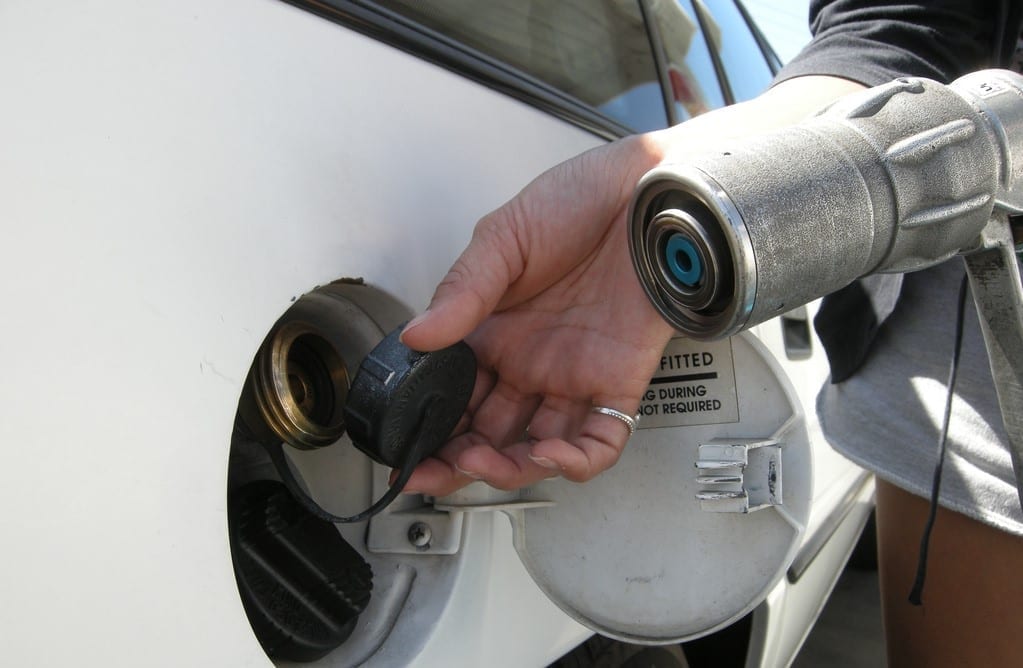
    Gas Malaysia Bhd has announced a higher average effective natural gas tariff for the non-power sector in Peninsular Malaysia at RM32.92 per MMBtu, which is 0.7% higher than the current RM32.69 per MMBtu. The revision will be effective from Jan 1, 2019 to June 30, 2019.

    The group told the stock exchange that the government has issued an instruction for the company to effect the natural gas tariff revision starting early next year.

    The average base tariff will be set at RM32.69 per MMBtu.

    Under the gas cost pass through (GCPT) mechanism, a surcharge of RM0.23 per MMBtu will apply to all tariff categories for the period beginning Jan 1 to June 30, 2019. This translates to an average effective tariff of RM32.92 per MMBtu.

    However, for Category A (Residential), the effective tariff rate fell 0.34% to RM23.72 from RM23.80 per MMBtu.

    Gas Malaysia said while the tariff revision has no material impact on its business operations, it is expected to contribute positively towards its financial position for the financial year ending Dec 31, 2019.

    To note, the government has prescribed the Incentive-Based Regulation (IBR) framework which sets the base tariff for a regulatory period of three years from January 2017 and allows changes in the gas costs to be passed through via the GCPT mechanism every six months.

    Gas Malaysia shares closed 0.74% or two sen lower at RM2.69 with 547,300 shares transacted.

  • Vietnam’s four major transport projects on track for completion next year

    Vietnam’s four major transport projects on track for completion next year

    Vietnam is set to complete four infrastructure projects next year, some of them after long delays lasting several years.

    Hanoi’s first metro line 

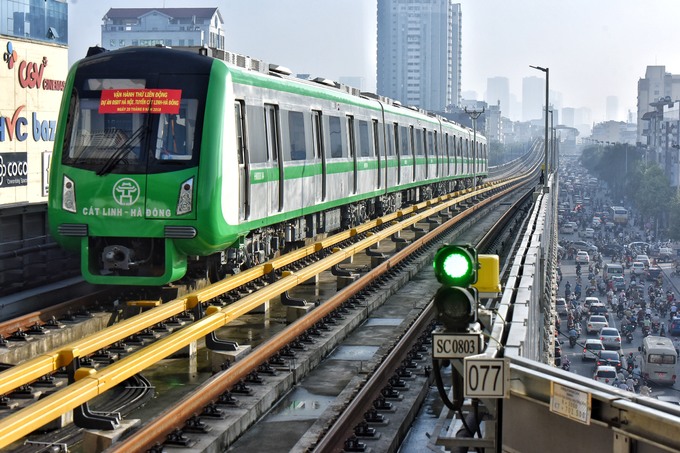
    The 13-kilometer Cat Linh – Ha Dong metro line is expected to open commercial operations before the Tet Lunar New Year holiday starting February 2, 2019.

    All 13 trains on the route are being trial run every day now, running from Cat Linh Station in downtown Dong Da District to the Yen Nghia Station in the south-west Ha Dong District.The 13-kilometer Cat Linh – Ha Dong metro line is expected to open commercial operations before the Tet Lunar New Year holiday starting February 2, 2019.

    Each train has four coaches, with a total capacity of 1,000 passengers. The stainless steel coaches are approximately 19 meters long. The trains now run at 30-35 kilometers an hour, even though they are designed to reach speeds of 65 kilometers an hour. A complete trip takes about 30 minutes.

    Work on the project is 96 percent complete, officials say, adding that the terminals and depots are “83 percent equipped.”

    Construction of the Cat Linh-Ha Dong elevated railway started in October 2011 and was originally scheduled for completion in 2013. But several hurdles, including loan disbursement issues with China that were only resolved last December, have been stalling the project for years.

    The original cost estimate of $552.86 million has also ballooned to more than $868 million, including $670 million in loans from China.

    Bac Giang – Lang Son expressway

    The expressway connecting Bac Giang Province north-east of Hanoi to the northern Lang Son Province bordering China is expected to be completed next December.

    The four-lane expressway runs 64 kilometers. A 110-kilometer stretch of the existing National Route 1A connecting the two provinces will also be upgraded to be part of the expressway.

    The total project cost has been estimated at VND12.19 trillion ($523.67 million).

    Most of the expressway has been completed. Next year, operators will finish laying asphalt and installing road signs and lights.

    Work on the expressway started in October 2015 and was scheduled for completion last year. However, the  Ministry of Transport had to select a new investor for the project after the original one was found wanting.

    The Bac Giang – Lang Son expressway is part of the Hanoi – Lang Son expressway, connecting the capital with the Huu Nghi International Border Gate in Lang Son Province.

    Cu Mong Tunnels 

    The Cu Mong Pass, lies mostly in Binh Dinh and partly in Phu Yen, is one of the most dangerous passes in Vietnam. The new tunnels are expected to reduce the number of dangerous traffic accidents that the pass has become infamous for. They would also reduce travel time between the two provinces.The Cu Mong tunnels, connecting the southern provinces of Binh Dinh and Phu Yen, are expected to open on January 21, allowing all vehicles to go through free of charge during the February 2-10 Tet holiday.

    The two tunnels are 2.6 kilometers long and 30 meters apart and have a 4-kilometer lead-in road. The tunnels allow a maximum speed of 80 kilometers an hour. For an unspecified first period, only one tunnel will be operated. For now, the second one will be reserved for use in emergencies.

    The tunnels have a total capital of almost VND4 trillion ($171.82 million). Construction started in September 2015.

    Vam Cong Bridge in the Mekong Delta Region

    This is the second bridge over the Hau River after the Can Tho Bridge, which is 48 kilometers away. It is part of the route connecting Can Tho with An Giang Province, built to boost the socio-economic development of the Mekong Delta region.The bridge, which connects the southern province of Dong Thap with Can Tho City, is expected to be operational by next July.

    The bridge was supposed to be completed by November 2017, but authorities found out that a horizonal beam had a crack four centimeters wide and two meters long.

    The Ministry of Transport ordered repairs, and so far 26 out of 38 steps for this process has been completed.

    The bridge’s budget of $270 million was sourced through official development assistance from South Korea and Vietnam’s counterpart funds.

  • Malaysia reviewing palm oil export duties

    Malaysia reviewing palm oil export duties

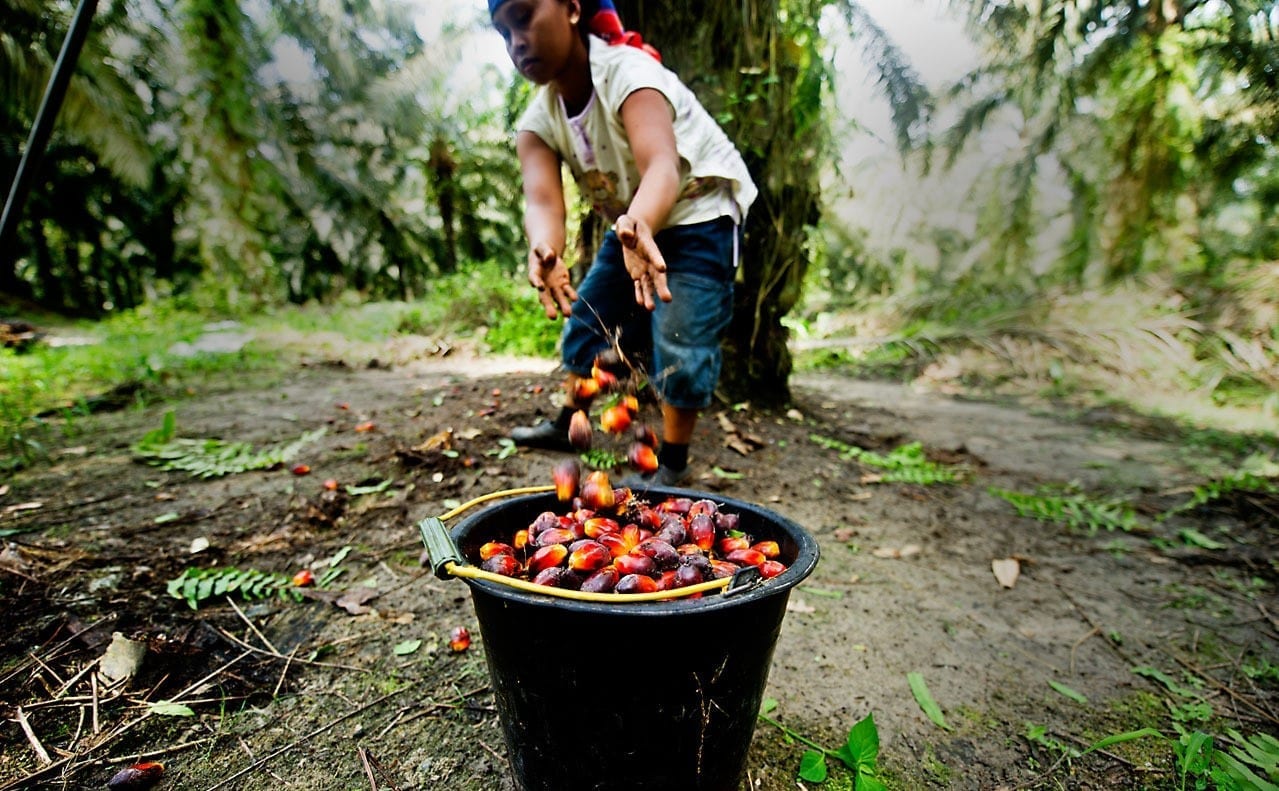
    Malaysia, the world’s second-largest palm oil producer, is reviewing the duty structure for its exports of the edible oil, according to its minister in charge of agriculture produced for export, to boost demand and reduce burgeoning stockpiles.

    “We are currently reviewing our present export duty structure to ensure a level playing field in the market,” said Primary Industries Minister Teresa Kok in an emailed response today to questions submitted earlier by Reuters.

    Palm oil producers in Southeast Asia have been grappling with slow exports as demand has waned on weaker currencies and higher import taxes. The demand slump has caused inventories in Malaysia to build to their highest in nearly 18 years while stockpiles in Indonesia, the world’s biggest palm producer, have also climbed.

    Palm oil prices fell to their lowest in three years earlier this month amid the demand slump, and were down 0.9% at RM2,108 a tonne today morning.

    Despite Malaysia cutting its export tax on crude palm oil to zero since September, industry participants say Indonesian palm is still more competitive as the country’s producers have sharply discounted their prices, causing Malaysia to actually increase imports from Indonesia. Production costs in Indonesia are also typically less than in Malaysia.

    Earlier this month, Indonesia also eased its rules on palm oil levies and derivative products to boost its exports.

    To counter the Indonesian import, Kok said the government is “currently encouraging our companies to use domestically produced palm oil to reduce the stockpile.”

    “By reducing imports, we could see a significant reduction in palm oil stocks in Malaysia and this would boost prices.”

    Prices next year are expected to be supported by demand from traditional markets as they replenish stocks, said Kok, adding that the implementation of a higher biodiesel mandate in 2019 will also help palm prices.

    Malaysia will raise the minimum bio-content in biodiesel to 10% for the transport sector and 7% for the industrial sector.

    Kok also said she expected production “in the region of 20 million tonnes” in 2019. The government last month forecast output of 20.5 million tonnes for 2019 and 19.8 million tonnes for this year.

  • Vietnam labor costs highest among ASEAN comparators

    Vietnam labor costs highest among ASEAN comparators

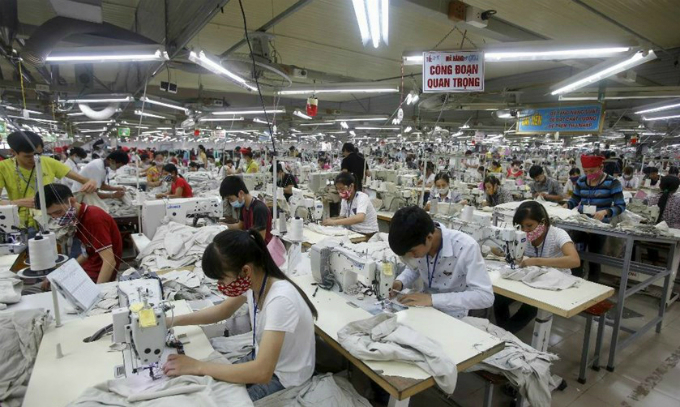
    Vietnam’s labor cost is the highest among comparator countries in Southeast Asia, a World Bank report says.

    In a report on enhancing enterprise competitiveness and enhancing small and medium-sized enterprise (SME) linkages, it says Vietnam’s labor costs are higher than in comparable Southeast Asian peers.

    It defines labor costs for each firm as the cost of all payments to all workers divided by the number of workers.

    It says wage costs about $2,739 per worker for the median Vietnamese firm, about twice as high as in Laos, Myanmar and Malaysia, and about 30 to 45 percent higher than in Cambodia, Thailand and the Philippines.

    While Vietnam’s labor costs are higher than in the rest of the region, they seem in line with productivity levels and thus do not seem to be a major obstacle to competitiveness, the report says.

    The average manufacturing firm in Vietnam produces about $10,500 worth of value-added per worker per year, higher than in most countries in Southeast Asia. It is around $10,000 in Malaysia, and $5,000 in Cambodia.

    Vietnam’s relatively high value appears to be partly driven by high and growing use of capital, the report says.

    The report also breaks down labor productivity in the country by region. The north-central and central coastal regions of Vietnam have the highest productivity — of almost $16,000 value addition per worker — while the southeast comes in second at $14,000.

    The Red River Delta region has a productivity of only $7,000, and it is even lower in the Mekong River Delta at around $6,000.

    It also said that foreign-owned firms are generally more productive than domestic firms, which can be explained by their easier access to technology and finance through their parent companies.

    The World Bank report also says that capital productivity is low in Vietnam. The ratio of sales to value capital in Vietnam is around 160 percent, lower than in any of its peers in Southeast Asia. The bank’s data confirms that capital might not be used very efficiently in Vietnam.

  • Higher Fed interest rate could weaken Vietnamese currency

    Higher Fed interest rate could weaken Vietnamese currency

    The U.S. recent interest hike might result in a high demand for U.S. dollars in Vietnam, weakening the local currency further, experts say. The U.S. Federal Reserve Wednesday raised its interest rates for the fourth time this year to 2.25-2.5 percent. The Fed has projected two more hikes next year.

    Every time the Fed raises its interest rate, the interest rate for the greenback will increase at international banks, economist Nguyen Tri Hieu said.

    He said that with the interest rate on dollar accounts at Vietnamese banks at zero percent currently, investors might look to deposit their money in international banks for at least 2 percent.

    “This could result in a bleeding of dollars which could lead to a lower supply of the greenback in Vietnam.”

    Hieu added that the smaller supply of dollars will increase its exchange rate against the dong.

    The Fed interest rate increase will pressure the USD-VND exchange rate, as the dollar strengthens further over the dong.

    Local banks will push their interest rates up to prevent their customers from exchanging local currency to the U.S. dollar, he said.

    According to Ngo Dang Khoa, HSBC country head of global markets, another risk is that the U.S. dollar is forecast to be stronger next year, making a weaker dong a high possibility.

    Economist Hieu said that a strong dollar will also increase its exchange rate against the Chinese yuan, which will create even greater pressure on the dong.

    If the dong value remains unchanged, it will become stronger against the yuan, and Chinese exports to Vietnam could increase, resulting in a higher trade deficit than Vietnam has already has with the country, he said.

    However, other observers have said that as the fourth hike has been predicted, the Vietnamese market has prepared itself for the new interest rate and short-term impacts could be mitigated.

    Khoa with HSBC also said that there won’t be major responses from the Vietnam market following this hike, especially the forex market, as investors have already expected the interest rate to be raised.

    The local finance market won’t have to bear major impacts because of the raise, as the State Bank of Vietnam has recently taken measures to control the exchange rate and interest rate to stabilize the market, he said.

    The dong has fallen by some 1.57 percent, against the greenback since the beginning of the year. The dong hit 23,419 to the dollar on Friday.

    Prime Minister Nguyen Xuan Phuc had said in August that the devaluation of the dong needs to be kept within a 2-percent band this year compared with the end of last year.

  • Vietnam’s largest oil refinery begins commercial operations

    Vietnam’s largest oil refinery begins commercial operations

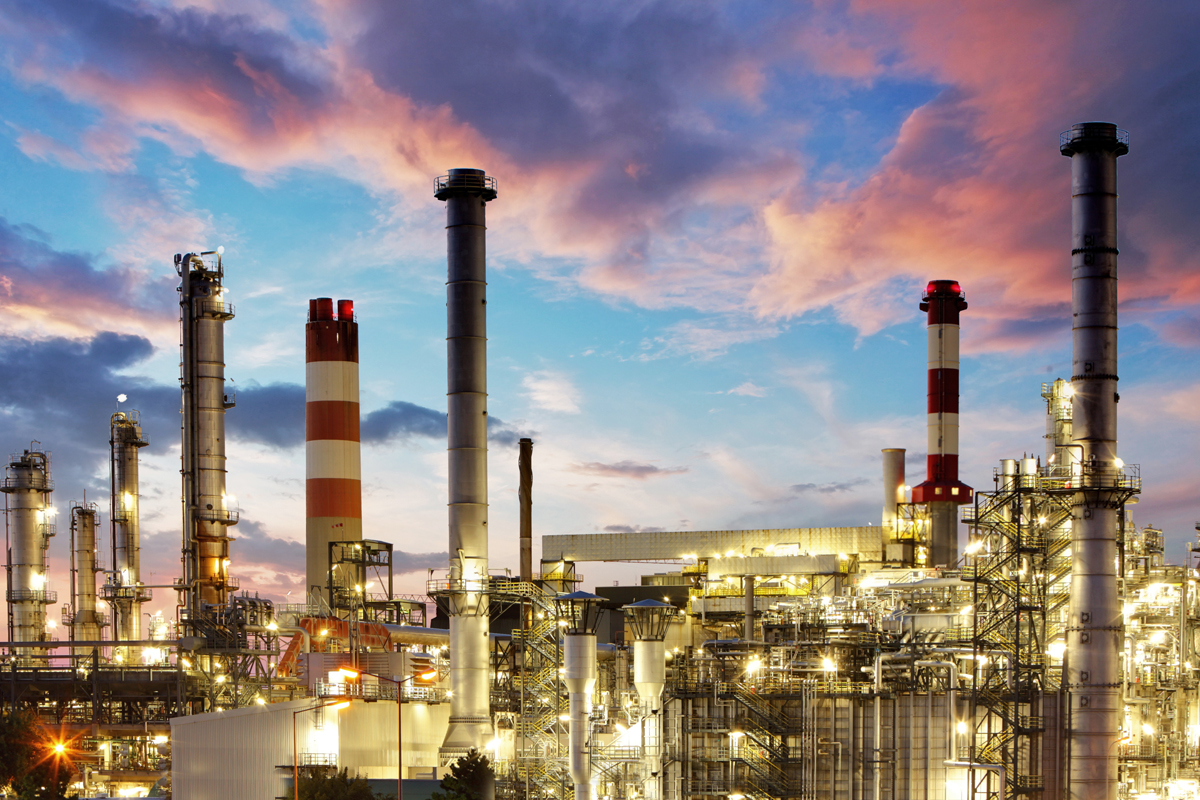
    The Nghi Son Refinery began commercial operation Sunday, and is expected to meet about 40 percent of domestic petroleum demand in 2019.

    Speaking at its inauguration, Prime Minister Nguyen Xuan Phuc emphasized the key role of the project.

    The refinery will process 200,000 barrels of crude per day in the first phase, equivalent to 10 million tons a year, double the capacity of Dung Quat, Vietnam’s only other refinery, in the central Quang Ngai Province.

    Situated in the Nghi Son Economic Zone, 200 km south of Hanoi in the central province of Thanh Hoa, Nghi Son is expected to hit 80 percent of capacity next year.

    According to the Thanh Hoa People’s Committee, last June the refinery was already capable of 10 refined petroleum products such as liquefied petroleum gas, gasoline A92, A95, diesel oil, and kerosene.

    As of December the plant has processed around five million tons of crude.

    Nghi Son together with Dung Quat is expected to meet 80-90 percent of domestic petroleum demand, reducing Vietnam’s dependence on imports.

    The $9 billion refinery is 35.1 percent owned by Japan’s Idemitsu Kosan Co, 35.1 percent by Kuwait Petroleum, 25.1 percent by state-run PetroVietnam and 4.7 percent by Mitsui Chemicals Inc.

  • Malaysia’s economy likely to grow in Feb to April 2019

    Malaysia’s economy likely to grow in Feb to April 2019

    Malaysia’s economy is likely to grow in February to April 2019, according to the performance of Malaysian Economic Indicators: Leading, Coincident & Lagging Indexes for October 2018 that was released last monday. Chief statistician Malaysia Datuk Seri Dr Mohd Uzir Mahidin said the monthly change of Leading Index (LI) augmented in October 2018, registering a growth of 1.2% to attain 119.3 points from 117.9 points in the previous month, primarily due to the increase of real imports of other basic precious & other non-ferrous metals (0.4%).

    “The annual change of LI showed an improvement from negative 1.7% in September 2018 to negative 0.7% in October 2018. The composite of LI is designed to monitor the economic performance direction in an average of four to six months ahead,” he said in a statement.

    On the same note, he stated that the Coincident Index (CI), which reflects the current economic activity, rose 1.0% in October 2018. Two components that contributed significantly to the increase were volume index of retail trade (0.5%) and real contributions to EPF (0.2%). At the same time, the annual change of CI grew further to 3.9% in October 2018 as against 3.4% in the previous month.

  • Auto industry revs up industrial real estate in Vietnam

    Auto industry revs up industrial real estate in Vietnam

    Industrial real estate developers have been reaping the benefits of the investment surge into Vietnam’s automobile industry. Over the past three years, auto producers from Europe, the U.S. and Asia have been increasingly renting out industrial space and manufacturing facilities in Vietnam, giving real estate developers a significant boost.

    This is the conclusion drawn by a recent report by real estate service firm CBRE Vietnam which evaluates the impact of growth of the Vietnamese automobile industry on the industrial real estate market.

    The report notes that Camoplast Solideal from Luxembourg has rented 70,000 square meters of land to open a tire factory, and Schaeffler from Germany, 55,000 square meters to develop production facilities.

    Mercedes from Germany has rented 5,500 square meters of land to open a distribution center, while Bentley from the United Kingdom has rented 5,000 square meters for a showroom and service center.

    Yazaki of Japan has rented 39,000 square meters for electric car cable production, and Mogul Federal from the U.S. 5,000 square meters to make seats.

    The CBRE report says that although Vietnam’s car manufacturing sector may be behind some other ASEAN countries, the consolidation of cleared land allocated for automobile production is increasing.

    For both foreign and domestic producers, manufacturing facilities are mainly clustered in the north. Auto producers tend to choose this area to rent industrial land, the CBRE report says.

    Due to higher demand for industrial land, rentals have increased, recently.

    At an industrial park in southern province of Dong Nai, the price to rent industrial land for long-term leases of up to 50 years reached $90 per square meter last month, up from $60 to $70 last year.

    The average rent of industrial land in northern Vietnam hit $82 per square meter per lease term in Q3, an increase of nearly 9 percent compared to Q1, according to a report by real estate service firm Jones Lang LaSalle (JLL).

    Hanoi’s average rents increased significantly to $137 per square meter per lease term, the highest in the north, driven by limited supply.

    There are only 358 businesses in the auto industry in Vietnam compared to 2,500 in Thailand, according to the Ministry of Industry and Trade, and observers have said that the potential for growth is high.

  • Vietnam wants China to import more, invest more

    Vietnam wants China to import more, invest more

    China should increase imports of Vietnamese goods and make more hi-tech investments, government officials and business representatives say. Le Hoai Trung, Vietnam’s Deputy Minister of Foreign Affairs, proposed at the Vietnam-China Economic Promotion Forum Thursday that China creates more favorable conditions for more Vietnamese goods to enter the country through border gates.

    “We hope that the Chinese government will be more open to the Vietnam market, especially for products that Vietnam has strong supply and China has high demand for, such as rice, pork, milk, agriculture, seafood, electronics and consumer goods,” Trung said in the forum attended by 500 Vietnamese government and business representatives and 200 Chinese counterparts.

    Vietnam has a high trade deficit with China. From January to November, the country exported $37.7 billion worth of goods to China and imported $59.6 billion, a trade deficit of $21.9 billion, according to Vietnam Customs.

    Vu Tien Loc, chairman of the Vietnam Chamber of Commerce and Industry, said: “Although Vietnam’s exports to China have been increasing this year and trade deficit is declining, I don’t think this trend will be sustainable.”

    He said it would require a big effort from authorities to pave the way for Vietnamese goods, especially agriculture products, to enter China.

    Loc also proposed that that unofficial trade activities between the two countries at the border be formalized to guarantee long-term benefits for both sides.

    As protectionism in the world rises, Vietnam and China need to cooperate to control trade cheating, like Chinese businesses exporting its goods via Vietnam to other countries, which would impact on sustainable development of both countries, Loc said.

    Trung said at the forum that Vietnam welcomes foreign direct investment from China that is focused on high technology in infrastructure, supporting industry and agriculture.

    He added that Chinese FDI businesses should ensure environmental protection and Vietnamese labors’ benefits when investing in the country.

    Loc added that China, as a leading country in the world in the high-tech sector, can provide this kind of investment to Vietnam.

    “Vietnam is looking for a new type of foreign investment which has higher quality, integrate more with Vietnamese businesses using high-technology which are environment-friendly,” he said.

    China is Vietnam’s largest import market, while Vietnam is China’s largest trading partner in ASEAN and the 8th in the world.

    From January to November, bilateral trade turnover reached over $97 billion, up 16.5 percent year-on-year, according to official data.

    China has invested in over 2,000 projects in Vietnam, with a total registered capital of $13 billion. It ranks 7th out of 129 countries with FDI in Vietnam.

  • Malaysia attracts RM139b investments in January to September

    Malaysia attracts RM139b investments in January to September

    Malaysia attracted a total of RM139.3 billion worth of investments in the manufacturing, services and primary sectors in the first nine months of 2018, up 18 per cent from RM118.1 billion approved in the same period last year. In a statement, Malaysian Investment Development Authority (Mida) said the total investments approved in January-September 2018 were from 3,243 projects, which are expected to generate 93,379 job opportunities for the country.

    “Approved foreign direct investments (FDI) increased by 109.7% to RM64.1 billion in January-September 2018 from RM30.5 billion in the same period last year, mainly driven by the manufacturing sector which recorded a strong increase of 249.4% in the period.

    “Approved FDI in the primary sector rose by 99.3% which indicated that investor confidence in Malaysia remains high despite the challenging global economic environment. Domestic investments led with RM75.2 billion, contributing 54% to the total approved investments in all three sectors,” it said.

    Mida said Malaysia continued to be a competitive location for manufacturing projects with a total of 468 projects worth RM59.1 billion approved in January-September 2018, compared with RM34.6 billion involving 463 projects in the corresponding period in 2017, representing an increase of 70.5% in capital investments.

    “Foreign investments approved in the manufacturing sector recorded a total of RM48.8 billion for January-September 2018, a rise of 249.4% from RM13.9 billion in the same period last year.

    “China accounted for RM15.6 billion or 32 per cent of total foreign investments, followed by Indonesia (18.4%), the Netherlands (17%), the US (6.3%), Korea (4.9%) and Japan (4.3%),” it added.

    For the services sector, Mida said approved investments amounted to RM69.9 billion compared with RM74.2 billion recorded in the corresponding period in 2017, consisting of 2,721 projects, which are expected to create 50,896 job opportunities.

    “Domestic investments made up the largest portion, recording RM60.4 billion or 86.4% of the total approved investments for the services sector during this period. The balance of RM9.5 billion were from foreign sources.

    “The services sub-sectors that showed increase in approved investments were healthcare, education, global establishments, real estate, and supporting services,” it added.

  • Vietnam to top 7 pct growth in 2018 and 2019

    Vietnam to top 7 pct growth in 2018 and 2019

    Vietnam may grow more than 7 percent in 2018, the highest in 10 years, and is likely to maintain the rate next year, experts say. Nguyen Xuan Thanh, director of development, and public policy lecturer at the Fulbright University of Vietnam, said the country’s economy is expected to grow at over 7 percent this year, the highest level since 2007.

    “The major contributor of growth comes from industries that benefit from policies to replace import goods, such as automobile and pharmaceutical production,” he said at a conference organized Thursday by the National Financial Supervisory Commission (NFSC).

    In 2017, Vietnam rode on 20-30 percent growth of phones and electronics, but this year, that sector’s growth slowed down to only 11 percent in the first 11 months of 2018, Thanh explained.

    He also noted that a positive aspect of the growth this year has been that it is no longer dependent on credit. The NFSC estimates credit growth to have slowed significantly to 15 percent this year from 18 percent in 2017.

    “Many experts were concerned that Vietnam’s high growth rate in previous years was linked to credit growth, but there has been strong economic growth this year without high credit growth,” Thanh said.

    Meanwhile, NFSC leaders said Vietnam’s growth may exceed 7 percent in 2018 and remain at between 6.9-7.1 percent in 2019.

    Truong Van Phuoc, acting chairman of the NFSC, said the high growth in 2018 is due to large contributions from the private sector. In addition, trade agreements such as the Comprehensive and Progressive Agreement for Trans-Pacific Partnership (CPTPP) and the EU-Vietnam Free Trade Agreement (EVFTA), which are expected to come into effect in 2019, may also bring positive impacts.

    Vietnam also has the opportunity to attract investment as well as new opportunities from the field of information technology and biotechnology, he added.

    But experts also point out some factors that could affect economic growth next year. Thanh noted that growth this year was not only due to investment and export but also the heavy consumption.

    Any changes to consumption can have immediate effect on economic growth, he said.

    In the first nine months this year, Vietnam’s GDP grew by 6.98 percent, the highest nine-month growth rate since 2011. The economy grew by 6.81 percent last year, the highest rate in a decade.

  • CGS-CIMB sees strong vehicle sales in December, raises 2018 TIV growth forecast

    CGS-CIMB sees strong vehicle sales in December, raises 2018 TIV growth forecast

    CGS-CIMB expects vehicle sales to be stronger in December and has raised its 2018 total industry volume (TIV) growth forecast from 2.5% to 4% on the back of stronger-than-expected TIV year-to-date. “We expect stronger sales in December in view of year-end promotions and multiple new models that were recently launched. For example, Proton launched its first SUV, the X70 on Dec 12 and we learned that it has started delivery to showrooms. Proton has so far received encouraging bookings of over 12,000 units since the end of November,” it said in its sector note today.

    On Wednesday, the Malaysian Automotive Association (MAA) announced that TIV grew 2.1% month-on-month to 48,282 units in November due to higher passenger vehicles (PV) sold. Perodua and Mazda recorded 8% and 14% month-on-month growth respectively.

    For the 11 months ended November, TIV rose 5.5% year-on-year to 550,526 units due to stronger PV and commercial vehicles (CV) demand on the back of the tax holiday period. PV and CV recorded healthy 5% and 8% year-on-year sales growth respectively during the period.

    For 2019, it expects resilient sales in PV on the back of new model launches in the passenger car and SUV segments from Perodua, Proton, Honda and Toyota but overall, TIV delivery is expected to be flat next year.

    “We project a 10% sector net profit growth in 2019, driven by positive earnings growth from all companies, led by Sime Darby. However, we see downside risk to earnings from the depreciation in ringgit versus US dollar and Japanese yen, as this will increase the distributors’ costs of imported complete knocked-down kits and complete built units,” it said.

    Bermaz Auto Bhd (BAuto) is CGS-CIMB’s top pick, in view of the company’s undemanding valuation, attractive yield and proxy to export sales growth. It has an “add” rating on the stock with a target price of RM2.65.

    “We expect BAuto to deliver robust sales volume in FY19-20, driven by the popular Mazda CX-5 and upcoming new model launches of Mazda 3 and CX-8,” it added.

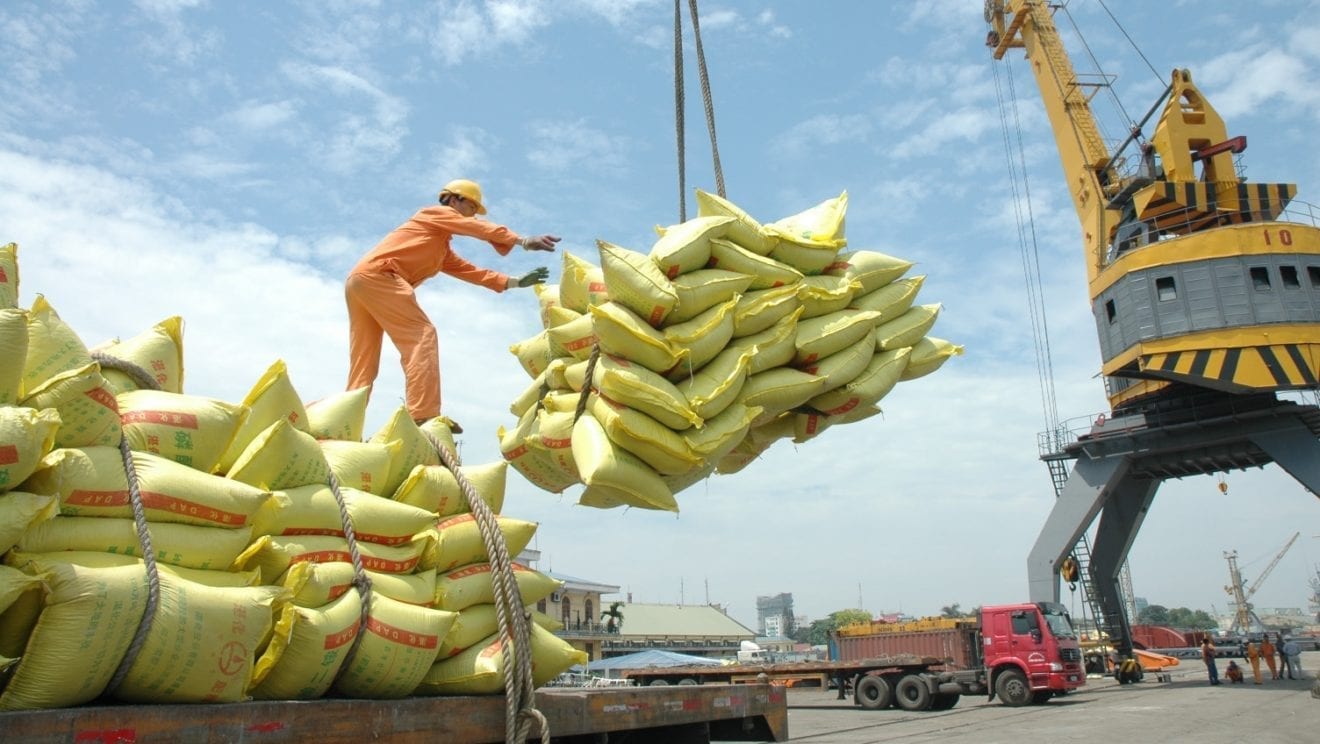
  • India rice rates hit more than three-month high, Chinese rules weigh on Vietnam

    India rice rates hit more than three-month high, Chinese rules weigh on Vietnam

    Rice export prices in India rose to their highest in more than three months as a key producing region hiked procurement rates for domestic paddy. Top exporter India’s 5 percent broken parboiled variety was quoted at $375-$382 per tonne this week, the highest since Sept. 7.

    The central state of Chhattisgarh, a leading rice producer, raised the minimum paddy buying price to 2,500 rupees per 100 kg, from 1,750 rupees earlier this week.

    “Importers are not ready to pay a higher price. Exports are likely to slow down in coming months,” said an exporter based at Kakinada, in the southern state of Andhra Pradesh.

    Prices of Vietnam’s 5 percent broken rice declined for the fifth straight week to $385 a tonne as activity remained muted, traders said.

    “Prices fell further because we are concerned that China’s move to impose stricter conditions on Vietnamese rice will have a long-term impact,” a trader based in Ho Chi Minh City said.

    “It’s not clear if China is buying more from Cambodia and Myanmar to compensate for the possible declining shipments from Vietnam.”

    Another trader said supplies from Vietnam will increase from late next month when the winter-spring harvest begins.

    In Thailand, benchmark 5 percent broken rice prices were quoted at $390-$391 per tonne, free on board Bangkok, versus $385-$393 a week ago, as the market is expected to remain quiet until well after the New Year period.

    “This is a reasonable level as we’re nearing the end of the year. There is not much overseas activity and we’re also in the harvesting season,” a Bangkok-based trader said.

    Meanwhile, Bangladesh, which emerged as a major importer of rice in 2017 due to stock depletion following floods, has stepped up efforts to procure more rice locally after output of the staple grain improved, a food ministry official said.

    “The response from farmers is very good and the procurement drive will be continued,” the official said.

    The country’s production for 2018/19 is expected to recover to 34.7 million tonnes, up 6.3 percent year-on-year, according to estimates from the U.S. Department of Agriculture attaché in Bangladesh.

    The South Asian country has procured more than 1.3 million tonnes of rice locally so far in the current season to build state reserves.

  • HSBC sells 49% of HSBC Amanah Takaful

    HSBC sells 49% of HSBC Amanah Takaful

    HSBC Holdings plc’s indirect wholly owned subsidiary HSBC Insurance (Asia Pacific) Holdings Ltd is selling a 49% stake in HSBC Amanah Takaful (Malaysia) Bhd to FWD Life Insurance Company (Bermuda) Ltd. The transaction has obtained approval from the Minister of Finance, via Bank Negara Malaysia, and is expected to be completed during the first half of 2019.

    “We have decided to exit the takaful manufacturing business and focus on our banking operations in Malaysia. This transaction relates only to a change in ownership for the takaful joint venture. For the HSBC Group, the transaction does not have any impact on our current businesses in Malaysia, comprising HSBC Bank Malaysia Bhd and HSBC Amanah Malaysia Bhd. Malaysia remains a key insurance distribution market for us and we will continue to support the insurance needs of our customers through our insurance partners,” said HSBC Bank Malaysia Bhd CEO Stuart Milne.

  • MAHB’s record profits come at a cost to the Malaysian economy and tourism

    MAHB’s record profits come at a cost to the Malaysian economy and tourism

    Against a backdrop of a challenging economy and falling profitability in corporate Malaysia, Malaysia Airports Holdings Berhad (MAHB) won a major Malaysian award last week, topping billion ringgit companies for giving its shareholders the best three-year returns in its class.

    MAHB’s net profit more than tripled in 2017 to RM237 million from RM73 million in 2016 – itself nearly double from RM40 million in 2015 – and it is set to break yet another record this year.

    In the write-up that accompanied the award, the sharp increase in profits was attributed to two reasons: an increase in Passenger Service Charge (PSC) and growth in passenger numbers coming through its airports.

    The write-up unabashedly stated that MAHB owed its vastly improved performance to its structural dominance and described MAHB as a structural monopoly.

    Kudos to MAHB. But then, it is not difficult to keep showing such numbers when you are a monopoly.

    Nevertheless, unjustified price increases, such as the PSC hike imposed by MAHB, will lead to unintended consequences when its clients, who have no choice but to use its services, are eventually squeezed out of business. Then, everything will collapse – Malaysia’s tourism arrivals, billions in tourism receipts and revenues to MAHB’s own coffers (a fact it has failed to acknowledge).

    MAHB rewards itself with excessive monopoly profits, yet it provides the Malaysian public with embarrassingly low service levels.

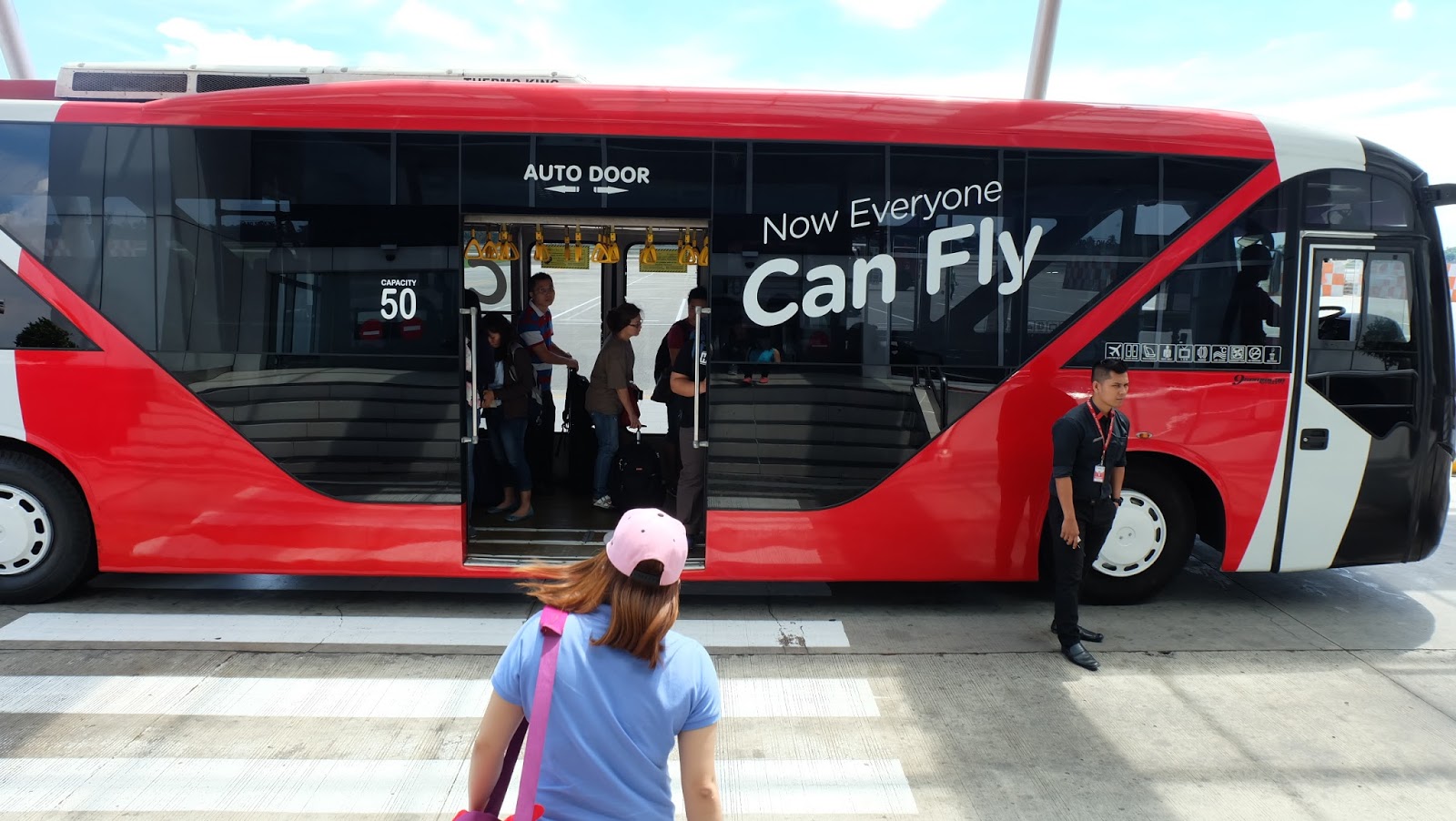
    AirAsia X Malaysia CEO Benyamin Ismail said, “In addition to the RM50 PSC it already imposes, MAHB is now demanding an additional RM23 from each passenger travelling through klia2. The millions of passengers departing from klia2, more than 90 percent of whom fly with AirAsia, will attest to the long walks they have had to endure to reach their gates in what is a passenger-unfriendly airport with inferior facilities yet unjustified high charges.

    “Furthermore, since klia2 opened, there have been constant flight disruptions and cancellations due to major apron and runway defects, unscheduled closure of runways, ponding of water on the best of days and fuel pipeline ruptures.

    “We were sued after we refused to collect the extra RM23 that MAHB has imposed for the sole benefit of its shareholders. We will vigorously fight this suit. We will not be part of this scheme to burden the travelling public by making them pay more for below par services.”

    Benyamin added that while the operating results of klia2 itself were not immediately apparent, AirAsia estimates that MAHB’s returns on capital are well in excess of the level of the cost of capital set by regulators.

    AirAsia Malaysia CEO Riad Asmat said, “The overall tourism sector, one of Malaysia’s biggest revenue earners, and the interests of millions of Malaysians who have been able to fly because of the low fares pioneered by AirAsia, are being threatened by MAHB’s price hikes. We urge the regulators and policy makers to rebuff this unfair and unreasonable attempt by MAHB to use its monopoly to enrich itself further by revisiting and rescinding the decision to raise the PSC.

    “MAHB has argued it needs more profits to operate smaller loss-making airports on behalf of the government, but it is obvious from its exponential growth in profits over the last three years – even after taking into account losses in its Turkish operations – that this is not the case.

    “The additional RM23 to be collected will amount to more than RM100 million a year that will go straight to MAHB’s bottom line rather than to the government. MAHB will continue to be among the most profitable Malaysian companies for many years to come. But this will come at a cost to the wider Malaysian economy and at the expense of engines of growth such as AirAsia and AirAsia X.”

    Riad also referred to MAHB’s defence of its decision to charge the extra RM23 in PSC from each travelling passenger, saying it is “bound by Article 15 of the Chicago Convention of 1944.”

    “This would almost be laughable if it were not so serious. MAHB is falling back on a convention ratified in 1944, when Japan still ruled Malaya and when Frank Whittle was testing the jet engine and when only the well-heeled could fly.

    “For all these reasons, we shall not accede to MAHB’s demands and we will take our battle both to the people and to the court of law.”