Tag: electric

  • VinFast Powers Green SMs Global Expansion with One Million Electric Cars by 2030

    VinFast Powers Green SMs Global Expansion with One Million Electric Cars by 2030

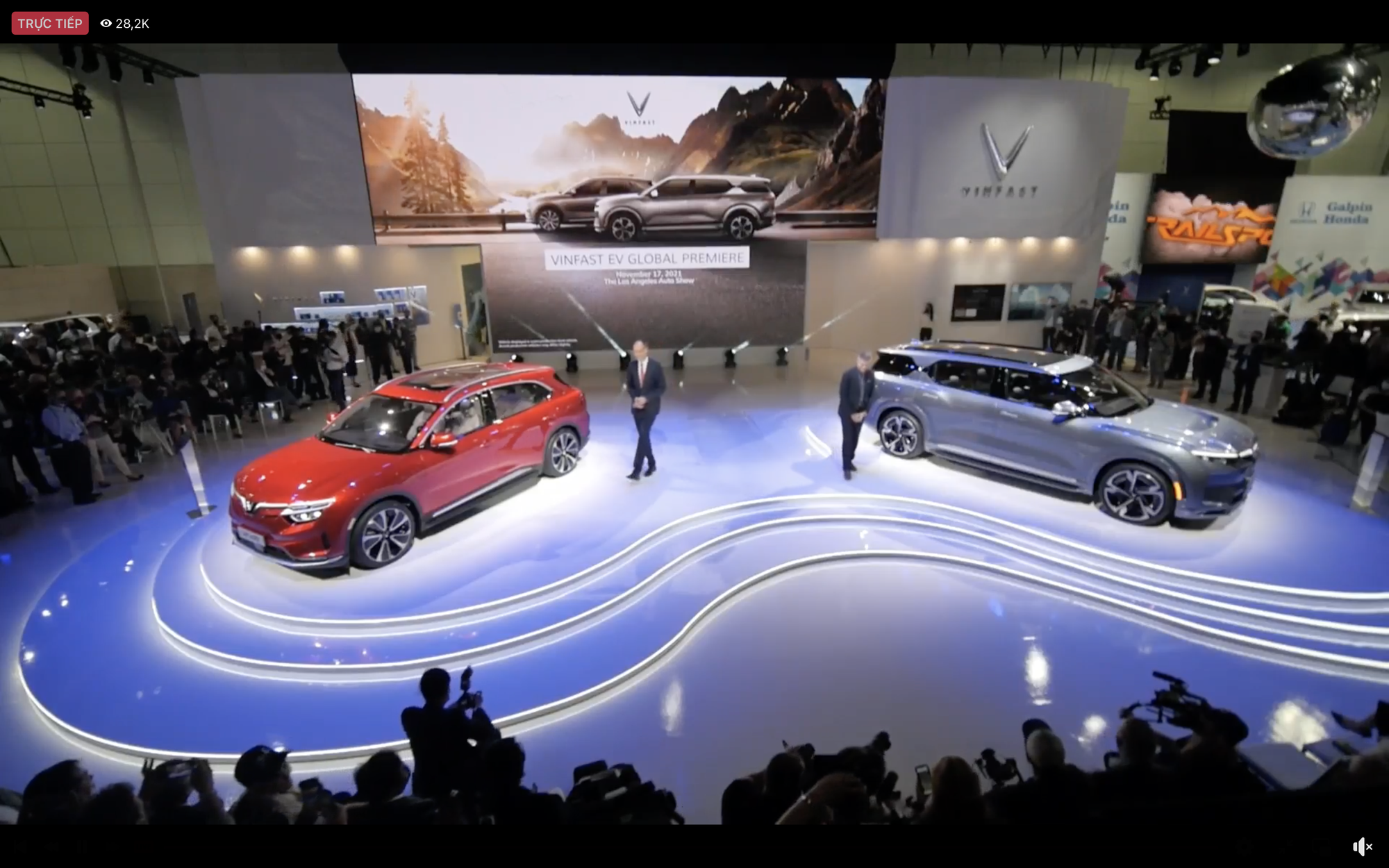
    VinFast, a prominent electric car manufacturer, has unveiled a bold strategy to supply one million electric vehicles (EVs) to Green SM, a rising ride-hailing service, by 2030. In addition to this, the deal stipulates the addition of four million electric motorcycles to Green SM’s fleet. The announcement was made in VinFast’s first quarter financial report.

    Strategic Collaboration for Global Impact

    The venture is viewed as a strategic collaboration between the two companies, with anticipated benefits for both parties. For VinFast, this partnership signifies a promising opportunity to broaden its international distribution network and augment its brand recognition. Concurrently, it bolsters Green SM’s ambitions to expand its global reach.

    Green SM has recently initiated taxi services in India, marking its fourth international market entry, following Laos, Indonesia, and the Philippines. Pham Nhat Vuong, recognised as Southeast Asia’s wealthiest individual, controls both companies. Green SM was launched in 2023 with a starting capital of $113.9 million, which has since grown exponentially to $1.94 billion.

    Initially, Green SM focused on taxi services and technology-based ride-hailing services, exclusively using VinFast vehicles. However, the company has expanded its offerings to include services such as food and parcel delivery, as well as car and motorcycle rentals.

    Positive Outlook for VinFast

    VinFast experienced substantial financial success in the first quarter, reporting a revenue increase of 42% to $1.04 billion. This surge was primarily attributable to a marked increase in electric vehicle sales both within Vietnam and in international markets, including Indonesia and the Philippines.

    Within the first quarter, VinFast sold 58,600 electric cars, reflecting a year-on-year increase of 61%. Moreover, the company sold 143,000 electric motorcycles and bicycles in the same period. Despite this success, VinFast reported a loss exceeding $1.26 billion, an increase from the previous figure of $798 million.

    In 2023, Vuong anticipated that the company would experience losses for several years. However, there is now a more optimistic outlook, as the company expects to break even next year following the decision to spin off its manufacturing operations to a separate company owned by a consortium of private investors.

    Questions & Answers

    What is VinFast’s strategy for its collaboration with Green SM?
    VinFast plans to supply one million electric vehicles and four million electric motorcycles to Green SM by 2030, expanding its international distribution network and enhancing brand recognition.

    What services does Green SM offer?
    Green SM provides taxi services and technology-based ride-hailing services. The company has also expanded to offer food and parcel delivery, as well as car and motorcycle rentals.

    What is the financial outlook for VinFast?
    Despite experiencing losses, the company anticipates breaking even next year. This follows a decision to spin off manufacturing operations to a separate company owned by private investors.

  • Electric Cars Take the Lead: Singapore Embraces EV Revolution, Toppling Traditional Players

    Electric Cars Take the Lead: Singapore Embraces EV Revolution, Toppling Traditional Players

    In a historic shift, electric vehicles (EVs) constituted 57.6% of new vehicle registrations in the first quarter of this year in Singapore. This marks the first time EVs have outpaced both combustion engine and hybrid models in new registrations. The proportion of EVs has seen a significant increase, rising from 45% the previous year. Specifically, about 7,700 new electric vehicles were registered out of a total of 13,300 units.

    Chinese Brands Leading the Charge

    BYD, the automotive giant from China, led the pack with 3,239 registrations, accounting for 24% of the total new vehicles. The company expanded its market share from 21% at the end of 2025. Furthermore, three other Chinese brands—Chery, GAC, and MG—made their debut in the top ten best-selling car brands in Singapore. These new entrants replaced Hyundai, Kia, and Mazda, which held the seventh, eighth, and ninth spots, respectively, in 2025.

    Toyota and Tesla Maintain Strong Presence

    Despite a relatively modest EV lineup, Toyota managed to secure second place with 1,932 registrations, holding a 14.5% market share in the first quarter of 2026, a slight increase from the previous year. Tesla, the US-based EV manufacturer, secured 11.4% of the market with 1,515 registrations. This performance propelled Tesla to the third spot among best-selling brands in Singapore, up from sixth place in 2025.

    Incentives and Challenges in EV Adoption

    Current incentives in Singapore, designed to reduce the cost of owning an EV, offer buyers rebates of up to $30,000 on upfront vehicle taxes. In contrast, non-electric vehicles may face penalties of up to $35,000, depending on their emissions.

    However, Walter Theseira, a transport economist at the Singapore University of Social Sciences, pointed out that while EV adoption is gaining momentum, it is still a challenge for all new car registrations to be fully electric—particularly for high-mileage drivers, for whom hybrid models may be more suitable.

    Change in the Automotive Landscape

    Automotive consultant Say Kwee Neng observed a fundamental shift in the dynamics of the car industry, which began with the rise in EV adoption in 2024 and 2025. According to Hal Serudin, a partner at automotive consultancy Lumina 3 Sixty, the increase in sales of Chinese and EV brands is in line with trends observed in other regional markets such as Malaysia and Thailand; these brands have disrupted both mass-market and luxury segments.

    Questions & Answers

    What proportion of new car registrations in Singapore were electric vehicles in the first quarter of this year?
    Approximately 57.6% of new car registrations were electric vehicles.

    Which Chinese automotive brands are among the top ten best-selling car brands in Singapore?
    BYD, Chery, GAC, and MG are among the top ten best-selling car brands in Singapore.

    What incentives are currently offered in Singapore to promote EV adoption?
    Currently, Singapore offers rebates of up to $30,000 on upfront vehicle taxes for electric vehicle buyers.

  • Cambodia Slashes Import Duties on EV’s, Solar Devices, and Electric Stoves to Counter Rising Fuel Prices

    Cambodia Slashes Import Duties on EV’s, Solar Devices, and Electric Stoves to Counter Rising Fuel Prices

    In a bid to alleviate the repercussions of escalating global fuel costs resulting from the Middle East conflict, Cambodia has chosen to diminish import duties on electric vehicles (EVs), electric stoves, and solar-powered appliances.

    Curtailing Import Duties

    On March 29, the General Department of Customs and Excise disclosed that the government has resolved to slash import duties from an initial 35% to zero on passenger EVs, electric stoves, and toasters.

    The government further resolved to decrease import duties from 35% to a mere 7% on passenger plug-in hybrid electric vehicles (PHEVs).

    In addition, import duties on chargers for EV batteries, electric rice cookers, and solar lamps have been reduced from 7% to zero.

    New Tariffs from April

    The fresh tariff rates are set to commence on April 1.

    These measures are a response to the dramatic acceleration of fuel prices since the beginning of the Middle East conflict. The government hopes that by reducing import duties on these items, it will encourage more people to switch to using energy-efficient and eco-friendly products, therefore, decreasing the country’s reliance on imported fuels.

    Questions & Answers

    Why is Cambodia reducing import duties on these specific items?
    The government is encouraging the use of energy-efficient and eco-friendly products to lessen the country’s reliance on imported fuels, whose prices have soared due to the Middle East conflict.

    What are the new import duty rates for these items?
    Import duties have been reduced from 35% to zero for passenger EVs, electric stoves, and toasters. For passenger PHEVs, the rate has been reduced to 7% from 35%. Meanwhile, import duties for EV battery chargers, electric rice cookers, and solar lamps have been reduced to zero from a previous rate of 7%.

    When will these new tariff rates take effect?
    The new tariff rates are set to go into effect from April 1.

  • IKEA Revolutionizes Green Logistics with Autonomous Electric Trucks in China

    IKEA Revolutionizes Green Logistics with Autonomous Electric Trucks in China

    Ikea China has recently introduced electric autonomous trucks into its Shanghai logistics network, following the successful completion of a preliminary 35,000-kilometer trial program. The trial program, initiated in April of 2024, has since evolved into daily utilization for customer deliveries, creating a connection between the Ikea Xuhui store and the Shanghai distribution center.

    Autonomous Trucks in Action

    The electric autonomous trucks are tasked with the transportation of goods along a 40-kilometer course. The pilot phase of this initiative spanned a ten-month period, throughout which the vehicles were responsible for the successful delivery of over a thousand shipments. Now, having transitioned to full-scale operations, the primary objectives are to enhance logistics efficiency and minimize carbon emissions within the supply chain.

    Impact of Autonomous Software

    The implementation of autonomous software has had a profound impact on the optimization of routing and timing, thereby reducing the strain on Shanghai’s congested road networks caused by retail logistics. The transition to a fully electric, autonomous fleet aligns directly with Ikea’s ongoing global objective to become a climate-positive entity by the year 2030. This is achieved by curtailing energy consumption and reducing tailpipe emissions.

    Logistics Network Integration

    Fredrik Axén, a representative from Ikea China, stated the successful trial affirms the feasibility of integrating autonomous technology into their pre-existing logistics network. He emphasized that this progress enables Ikea to enhance its delivery capacity while simultaneously aligning their transport operations with their broader objectives to lower emissions.

    Questions & Answers

    What was the purpose of integrating electric autonomous trucks into Ikea China’s logistics network?
    The primary aim was to increase logistics efficiency and decrease carbon emissions within the supply chain.

    What was the outcome of the 35,000-kilometer trial program?
    The pilot program was successful, leading to the daily use of these electric autonomous trucks for customer deliveries between the Ikea Xuhui store and the Shanghai distribution center.

    How does this integration align with Ikea’s global goals?
    The successful integration of autonomous technology into their logistics network supports Ikea’s global goal to become climate-positive by 2030, by reducing energy consumption and tailpipe emissions.

  • Vietnam’s Motorbike Market Accelerates, Topping Southeast Asia with Electric Bike Boom

    Vietnam’s Motorbike Market Accelerates, Topping Southeast Asia with Electric Bike Boom

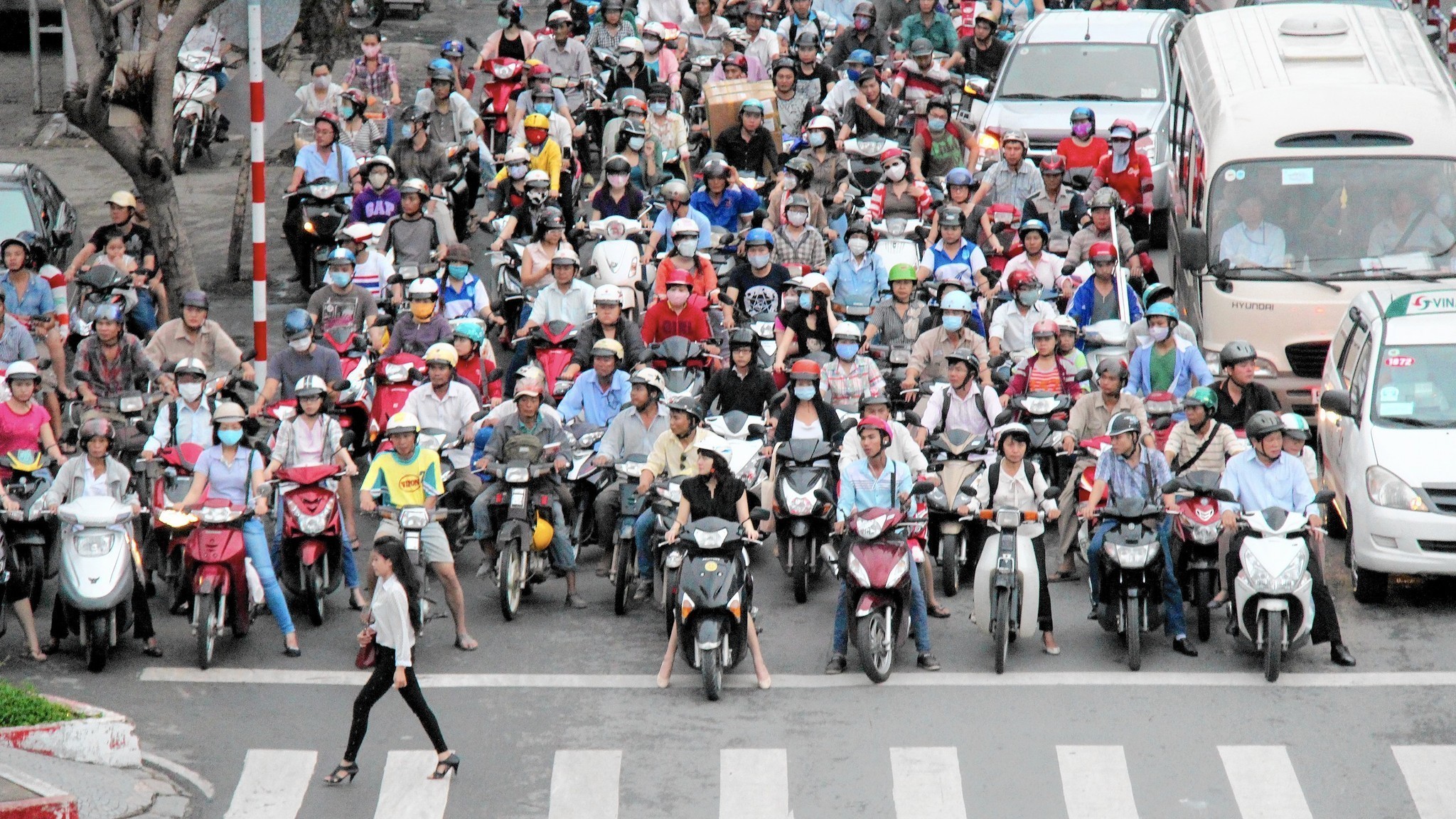
    The Vietnamese motorcycle market experienced a significant expansion of 14.9% in the previous year, marking the most substantial growth rate within Southeast Asia. This surge was, in part, propelled by a substantial increase in sales of electric motorcycles.

    Vietnam reportedly sold 3.4 million units, positioning it as the second-largest market in the region, with Indonesia leading at 6.5 million units. This sales volume also marks Vietnam as the fourth largest global motorcycle market and the third largest market for electric motorcycles.

    Reshaping the Two-Wheeler Market

    The landscape of the motorcycle market in Vietnam is undergoing a significant transformation due to investments in electric two-wheelers. This shift is not only fueled by China’s major manufacturers but also by domestic producers.

    In parallel with this market transformation, a mature market is also experiencing growth, characterized by discerning consumer demand and steadfast brand loyalty. Honda, in particular, continues to enjoy a strong consumer base.

    Adopting Electric Vehicles Amid Environmental Policies

    The adoption of electric vehicles is accelerating in response to strict environmental policies. A notable factor expediting this shift towards electrification is the announcement by Hanoi authorities of a prohibition on internal combustion engine vehicles by July 2026.

    Pressure on Traditional Manufacturers

    Traditional motorcycle manufacturers are increasingly feeling the heat from specialists in electric scooters. Honda, a market leader for over seven decades, reported a meager growth of 1.3%. Their long-standing competitor, Yamaha, experienced a decline of 17.3%, subsequently losing its second-place standing.

    Interestingly, VinFast, a domestic electric mobility brand, has claimed the second spot, with a remarkable 532% growth. This development underscores the swift rise of domestic electric mobility.

    Several other players focused on electric models are also reporting robust growth. China’s Yadea, for example, has seen a 61.6% increase. Local manufacturers Pega and Dibao reported growth rates of 60% and 75% respectively, ranking them fourth, fifth, and sixth.

    Questions & Answers

    What was the growth rate of the Vietnamese motorcycle market last year?
    The Vietnamese motorcycle market grew by 14.9% last year, the highest growth rate in Southeast Asia.

    What are some factors that are reshaping the motorcycle market in Vietnam?
    Investments in electric two-wheelers by both domestic and Chinese manufacturers are significantly reshaping the Vietnamese motorcycle market.

    What is the impact of environmental policies on the adoption of electric vehicles in Vietnam?
    Tightening environmental policies, such as Hanoi’s ban on internal combustion engine vehicles from July 2026, are accelerating the adoption of electric vehicles in Vietnam.

  • Go Green and Earn Green: Hanoi Rewards Residents with Cash for Switching to Electric Motorbikes

    Go Green and Earn Green: Hanoi Rewards Residents with Cash for Switching to Electric Motorbikes

    Hanoi’s local government is currently deliberating a proposition to incentivize motorbike users to switch to electric models. According to the proposal, a subsidy of VND5 million (US$190) will be given to individuals opting to replace their gasoline motorbikes with electric ones.

    The Subsidy Plan

    The subsidy is designed to encourage the adoption of electric motorbikes by permanent residents and those who have resided in the city for at least two years. The plan dictates that when a resident purchases an electric motorbike with a price tag of VND10 million (US$379) or above, they will receive a subsidy of 20% of the motorbike’s cost, up to a maximum of VND5 million (US$190).

    For those who fall under the category of low-income or nearly low-income residents, the subsidy rises to VND20 million and VND15 million respectively. The proposal stipulates that each individual is entitled to a subsidy for one vehicle until January 1, 2031.

    This proposal offers a more generous subsidy than the previous recommendation issued by the Department of Construction in July, which proposed a maximum subsidy of VND3 million.

    Additional Incentives

    Apart from the subsidies on electric motorbike purchases, the proposal also includes several additional incentives to encourage the transition to electric vehicles. For instance, the city plans to cover 50% of registration and license plate fees for new electric motorbike owners. For those who purchase their vehicles on installment plans, a 30% subsidy on loan interest for the first 12 months is offered.

    The proposal also extends its benefits to transportation businesses such as buses and taxis, offering a full subsidy on all fees when they transition to electric vehicles.

    Infrastructure Plans

    In a bid to ensure adequate infrastructure for the anticipated increase in electric vehicles, the city also plans to require certain facilities to allocate a portion of their parking lots to charging stations. Apartment buildings, commercial buildings, hospitals, and other public facilities are expected to dedicate at least 15% of their parking space to charging stations for electric vehicles. Newly-built facilities will be required to allocate at least 30%.

    In a further step towards reducing emissions, Hanoi plans to prohibit gas-powered motorbikes from downtown streets starting July 2026 and to ban most fossil fuel vehicles by 2030. The city, currently home to around 6.9 million motorbikes, has identified gasoline-powered motorbikes as a significant contributor to the city’s pollution, accounting for around 60%.

    Questions & Answers

    What is the purpose of the subsidy?
    The subsidy aims to encourage the adoption of electric motorbikes by providing financial incentives to residents.

    What other incentives are included in the proposal?
    Other incentives include subsidies on registration and license plate fees, as well as on loan interest for those purchasing on installment plans. Subsidies are also offered to transportation businesses transitioning to electric vehicles.

    What steps are being taken to accommodate the anticipated shift to electric vehicles?
    The city plans to mandate certain facilities to dedicate a portion of their parking lots to charging stations for electric vehicles. In addition, it plans to ban gas-powered motorbikes and most fossil fuel vehicles by 2030.

  • Ho Chi Minh City’s Ambitious Plan: Complete Transition To Electric Motorcycles By 2029 Amidst Infrastructure Challenges

    Ho Chi Minh City’s Ambitious Plan: Complete Transition To Electric Motorcycles By 2029 Amidst Infrastructure Challenges

    In Ho Chi Minh City (HCMC), approximately 14,000 ride-hailing motorbike drivers have transitioned from gasoline-powered vehicles to electric versions. This represents about 3.5% of the total fleet. Ngo Hai Duong, Head of the Road Transport Management Department of the city’s Department of Construction, revealed at a recent forum that HCMC aims to completely transition its 400,000-strong ride-hailing motorbike fleet to electric vehicles (EVs) by 2029.

    Reducing Registrations for Gasoline-Powered Bikes

    The city has plans to decrease the number of registered gasoline-powered motorbikes for ride-hailing platforms starting next year. Duong revealed that out of the city’s 21,300 taxis, over 68% are now electric. He clarified that this transition was primarily driven by the businesses themselves rather than any city ordinances.

    Challenges in the Transition to Electric Vehicles

    However, one of the main obstacles to the successful transition to EVs is the limited availability of charging stations. The growing demand from electric motorbikes, cars, and buses is starkly in contrast to the city’s fewer than 1,000 charging stations with 15,000 ports. Duong acknowledged that the growth of charging infrastructure has not kept up with the rise in electric vehicle numbers.

    Hoang Anh Tuan, Director of the Transport and Traffic Safety Department of the Ministry of Construction, suggested that priority should be given to a city-wide plan for charging stations, akin to the existing network of gasoline stations. This would require setting criteria for locations and technical standards, along with a commitment to universal charging for all vehicles.

    The Vietnam Automobile, Motorcycle and Bicycle Association echoed this sentiment and urged the government to implement “non-monopoly” regulations for charging infrastructure. This means that charging stations should be open to all electric vehicles.

    Recycling Electric Vehicles and Batteries

    Analysts have proposed the establishment of a system for recycling electric vehicles and their batteries. There is also a proposal being considered by the city to give households up to VND20 million (approximately US$800) to trade their gasoline motorbikes for electric ones. This move is part of the city’s concerted efforts to reduce pollution and create low-emission zones.

    Questions & Answers

    What is the percentage of the total fleet that has transitioned to electric vehicles in HCMC?
    Approximately 3.5% of the total fleet in HCMC has transitioned to electric vehicles.

    What obstacles are being faced in the transition to electric vehicles?
    One of the main challenges is the lack of sufficient charging stations to meet the growing demand from electric motorbikes, cars, and buses.

    What initiatives are being considered to encourage the transition to electric vehicles?
    The city is considering a proposal to provide households with up to VND20 million (approximately US$800) to swap their gasoline motorbikes for electric ones. This initiative is part of the city’s broader efforts to reduce pollution and create low-emission zones.

  • Grab Introduces Electric Car Service In Hanoi, Challenging Xanh Sm’s Market Dominance

    Grab Introduces Electric Car Service In Hanoi, Challenging Xanh Sm’s Market Dominance

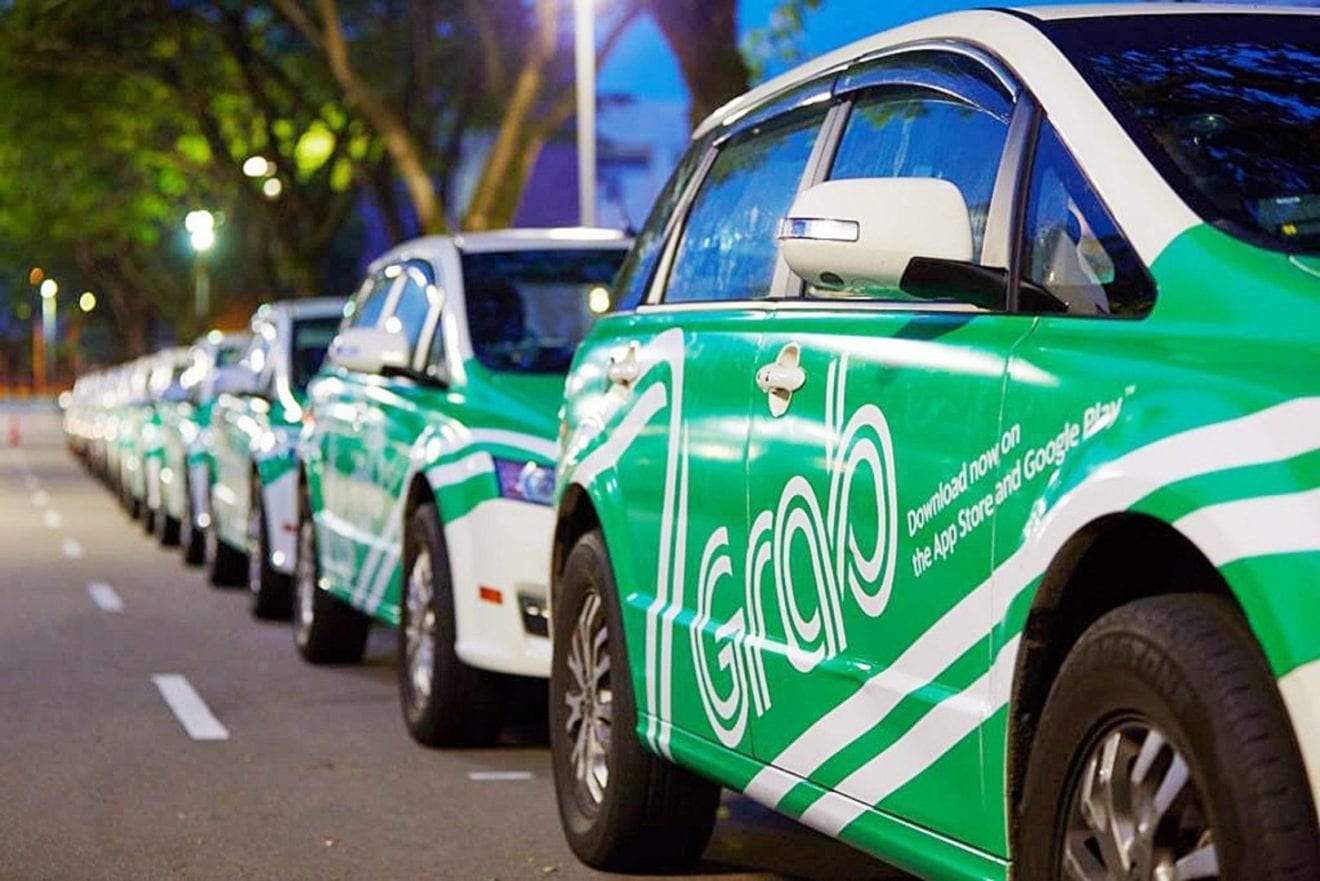
    Grab, the renowned ride-hailing company, has launched its electric car service in Hanoi, marking a significant entry into the predominantly electric taxi market, primarily controlled by Xanh SM. This move is a strategic approach by Grab to expand their customer base and champion sustainable transportation options.

    Strategies and Goals

    Nguyen Hanh Linh, the director of Grab Vietnam’s mobility division, revealed that the newly introduced service aims to diversify income opportunities for their driver-partners. This strategy is expected to boost their confidence to make a shift toward electric vehicles. After its launch in Hanoi, Grab has ambitious plans to roll out the service in HCMC.

    The current ride-hailing market in Vietnam is mainly controlled by three major players: Grab, Be, and Xanh SM. Xanh SM stands out by exclusively using electric cars constructed by its sister company, VinFast.

    Customer Choices

    It is noteworthy that Grab users do not have the option to specifically request electric cars. Whether the customer gets a VinFast or BYD electric car is a matter of chance. Grab’s decision to launch the electric vehicle service was influenced by the rising number of electric vehicles on its platform, a trend which has been encouraged by driver incentives in recent years.

    Market Trends and Predictions

    A 2024 report estimated Vietnam’s ride-hailing and food delivery market to be valued at US$4 billion, with the potential to reach up to $9 billion by 2030. A survey conducted in May indicated that 55% of users in major cities chose Grab for ride-hailing services, compared to 32% for Xanh SM and 9% for Be.

    A report by Mordor Intelligence stated that Xanh SM took the lead in the ride-hailing market in the last quarter of 2024, holding a 44.68% share in the second quarter of this year. Grab Vietnam, however, disputed these figures, claiming that the research methods used and data sources were unverifiable and misleading.

    Questions & Answers

    What was the strategic aim behind Grab launching its electric car service in Hanoi?
    The launch aimed to expand Grab’s user base and promote environmentally friendly transportation.

    What is the next city where Grab plans to roll out its electric car service?
    After Hanoi, Grab plans to introduce the service in HCMC.

    How did Grab respond to Mordor Intelligence’s report about Xanh SM’s market lead?
    Grab disputed the findings, claiming that the data sources were unverifiable and the research methods were inadequate, leading to misleading conclusions.

  • Surge in Demand for Electric Motorbikes Sparks Excitement in Vietnam’s Retail Market

    Surge in Demand for Electric Motorbikes Sparks Excitement in Vietnam’s Retail Market

    Sales of electric motorbikes surged in the first eight months of the year, outpacing traditional gasoline-powered bikes and signaling a shift in consumer preference.

    A Boom in Electric Motorbike Sales

    Electric vehicles, particularly those that don’t require a driver’s license, experienced an astonishing 89% increase in sales year-on-year. For those requiring a license, the growth was even more dramatic, soaring by 197%. In contrast, traditional gasoline motorbikes saw a more modest sales increase of 14.8%, as reported by the research platform Motorcycles Data. Overall, Vietnam’s motorbike market witnessed 2.08 million units sold across all categories, marking a notable 15.2% rise.

    The Leaders of the Market

    In terms of market dominance, Honda and Yamaha remained juggernauts, closely followed by VinFast. Honda recorded a sales uptick of 6.3%, while VinFast’s sales skyrocketed by 447% compared to the previous year. Meanwhile, Yamaha faced a downturn, with an 8.6% drop in sales.

    Why the Shift Towards Electric?

    Industry analysts attribute the explosive demand for electric motorbikes to their lower operating costs, making them increasingly attractive to consumers. Additionally, government initiatives are playing a pivotal role in this shift. Hanoi is set to gradually ban internal combustion engine motorbikes starting in July 2026, and Ho Chi Minh City is exploring similar restrictions.

    Promotional Pushes Fuel Demand

    With these impending restrictions on the horizon, manufacturers are ramping up promotions to capture the attention of potential buyers. Incentives such as cash discounts, complimentary accessories, and trade-in support for those switching from gasoline bikes to electric are becoming standard practice. Notably, the back-to-school season has also contributed to the increased sales, as parents are keen on purchasing electric motorbikes that their children can ride legally without needing a license.

    VinFast Eyes Ambitious Sales Goals

    VinFast currently holds the largest market share in the electric motorbike segment. The company has set an ambitious goal of selling approximately 1.5 million electric motorbikes by 2026 through its network of over 600 distributors nationwide. For context, Honda’s sales figures in 2024 stood at around 2.14 million, illustrating the competitive landscape.

    A Growing Global Presence

    As electric motorbike sales continue to surge, Vietnam now ranks as the third-largest electric motorbike market globally, trailing only behind China and India. With brands like Yadea, Dat Bike, Selex Motors, and HK Bike also carving out significant market shares, the landscape looks poised for a vibrant future.

    Questions & Answers

    What sparked the rapid rise in electric motorbike sales in Vietnam?
    The surge in electric motorbike sales is largely due to their lower operating costs, supportive government policies, and the anticipation of restrictions on gasoline motorbikes in major cities.

    Which brands are leading the electric motorbike market?
    Honda dominates the overall motorbike market, but VinFast is now the leader in the electric segment, achieving an impressive growth of 447% in sales.

    How does Vietnam’s electric motorbike market compare globally?
    Vietnam currently stands as the third-largest electric motorbike market in the world, following China and India, highlighting the rapid adoption of electric vehicles among consumers.

  • Krungsri and Schneider Electric Unite to Boost Energy Efficiency for Small and Medium Enterprises

    Krungsri and Schneider Electric Unite to Boost Energy Efficiency for Small and Medium Enterprises

    Driving Sustainable Energy Solutions in Thailand

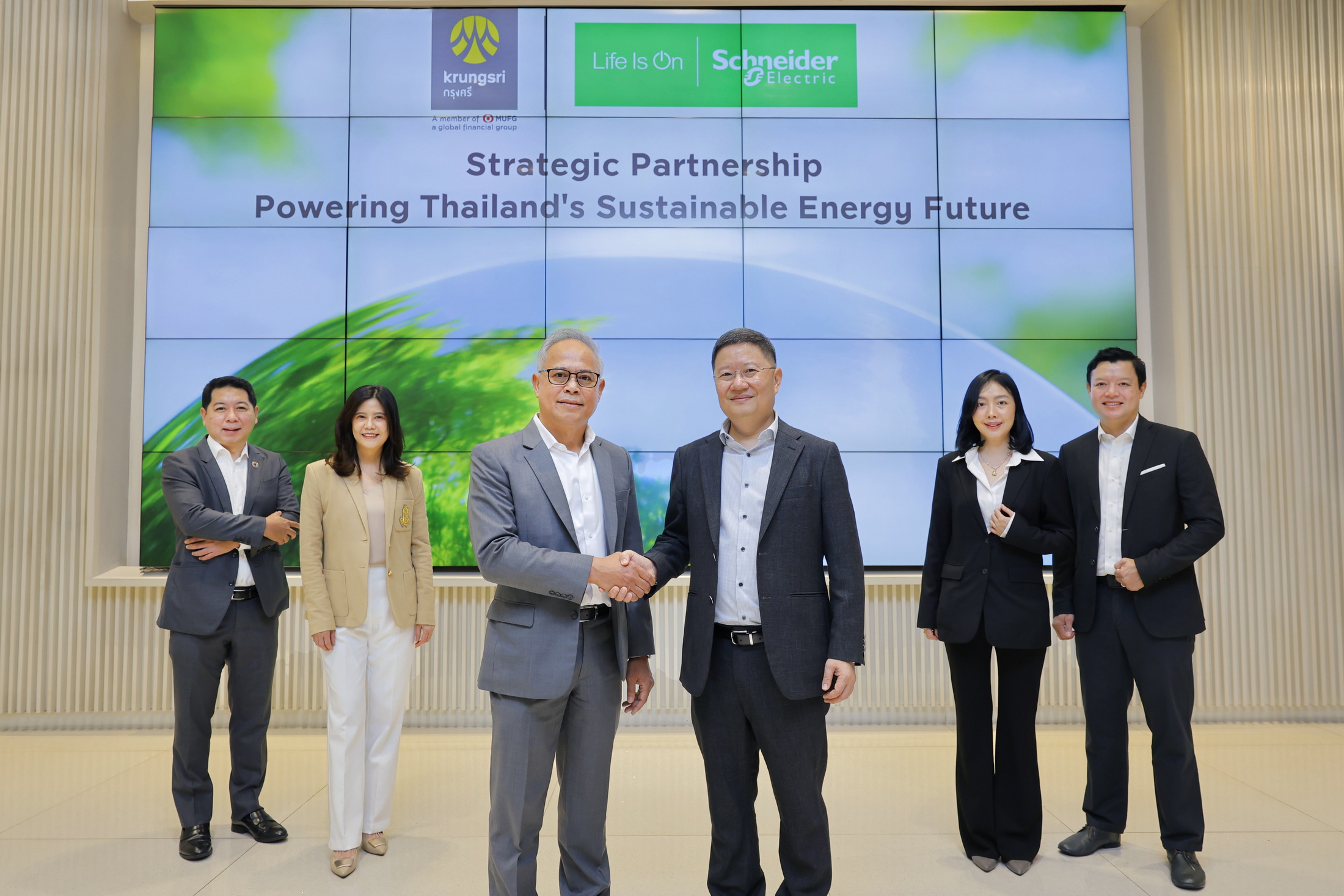
    In a progressive move to enhance energy efficiency in Thailand, Krungsri (Bank of Ayudhya) has joined forces with Schneider Electric. This partnership aims to empower the nation’s entrepreneurs, particularly small and medium enterprises (SMEs), to embrace cutting-edge energy technologies.

    By blending Schneider Electric’s renowned expertise in energy management and automation with Krungsri’s prowess in sustainable finance, the two organizations are set to tackle pressing energy and environmental challenges facing Thailand. “In our pursuit of becoming The Leading Sustainable and Regional Bank, we are committed to promoting ESG practices among Thai businesses,” stated Pairote Cheunkrut, Krungsri’s Chief Strategy Officer, in a press release.

    Focusing on the unique needs of SMEs, which can face electricity costs ranging from 10% to 30% based on their industry, Krungsri is determined to facilitate their transition to more sustainable operations. “We understand how crucial these shifts are for SMEs struggling with high energy expenses, and our initiative is designed to support them through these evolving energy landscapes,” added Cheunkrut.

    Collaboration will center around two vital areas: decarbonization and ecosystem development, as well as sustainable finance solutions. Notably, Krungsri plans to provide financial assistance that enables SMEs to invest in energy-efficient technologies. As a result, businesses can expect not only a reduction in carbon emissions but also improved long-term sustainability. After all, who wouldn’t want to turn their energy bills into a business opportunity?

    Questions & Answers

    How will Krungsri and Schneider Electric support SMEs in Thailand?
    They will combine their strengths to provide access to advanced energy technologies and financial solutions, helping SMEs transition to energy-efficient operations.

    What is the significance of decarbonization in this partnership?
    Decarbonization is a central focus as it addresses the urgent need to reduce carbon emissions, offering a pathway for businesses to operate more sustainably.

    What are the expected benefits for SMEs adapting to these energy solutions?
    SMEs can expect to reduce their electricity costs significantly, enhance their sustainability, and improve their business resilience through the adoption of energy-efficient technologies.

  • DHL to build electric vans in Japan

    DHL to build electric vans in Japan

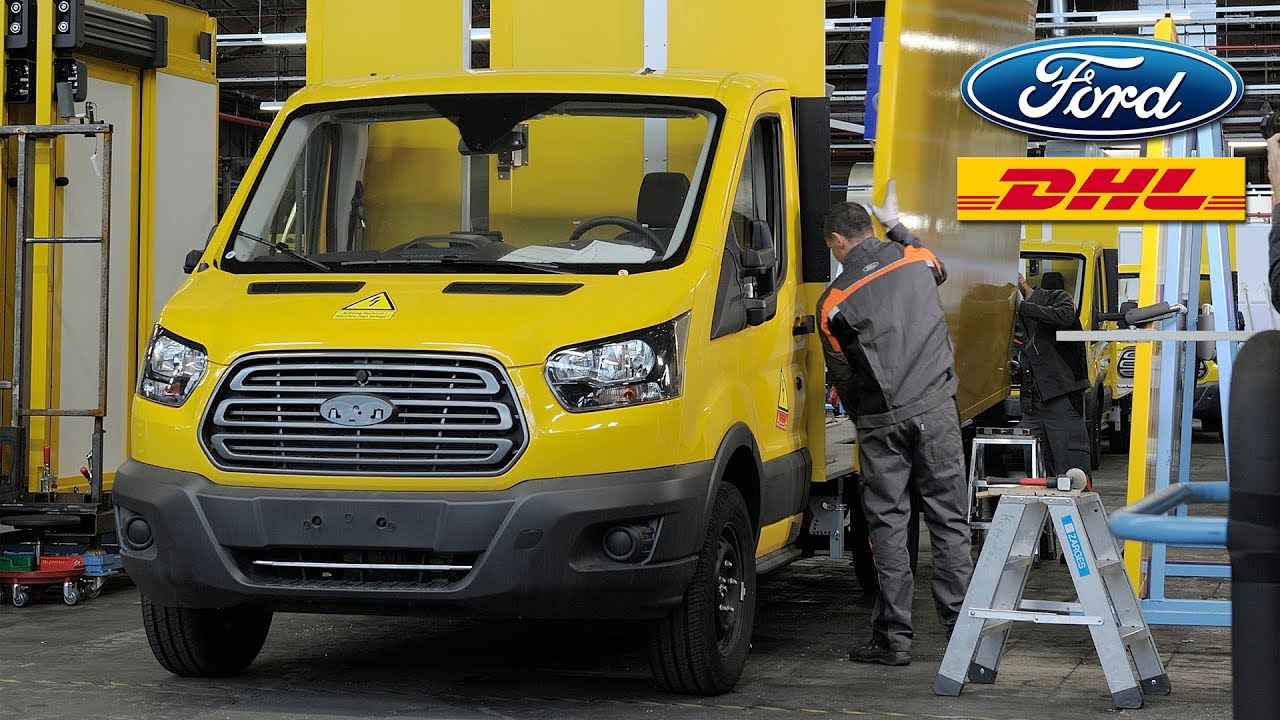
    Deutsche Post/ DHL’s EV building outlet StreetScooter is to sign a contract with Yamato, a major Japanese logistics company worth around 32 million euros. The two companies will develop a small electric van together and will bring the first 500 units into the greater Tokyo area by autumn.

    Progressed negotiations that have now been concluded. StreetScooter is responsible for the production of the electric van while Yamato will be responsible for the refrigerated transport box. However, the truck bed will be waist high so that workers can load and unload cargo without having to enter the refrigerator-freezer compartment. 100 charge points are planned as well, as is further expansion.

    So the 500 vehicles are by no means the end of the story. The cooperation could be further expanded in the future as Yamato plans to aggressively convert its fleet of around 40,000 vehicles to electric drives. According to the Japanese business paper, Yamato would be the first large logistics company in Japan to rely on electric drives on a large scale.

  • Royal Enfield Flying Flea C6 Electric Bike To Launch In 2026

    Royal Enfield Flying Flea C6 Electric Bike To Launch In 2026

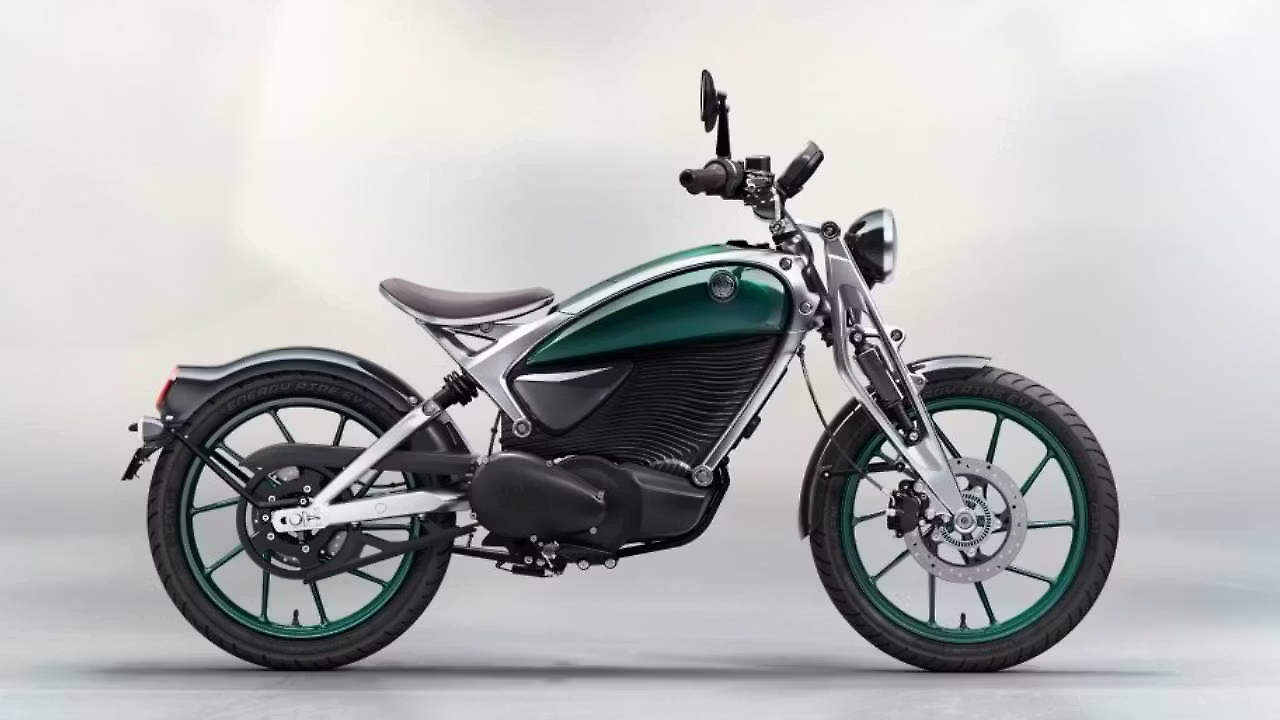
    Royal Enfield, a leading motorcycle brand, has announced its foray into the electric motorcycle market with the introduction of its new brand, Flying Flea. The first model under this brand will be the C6, scheduled for launch in the fourth quarter of the fiscal year 2026. The company plans to follow up with the introduction of model S6, an entirely different product that will further diversify the brand’s offerings. Information pertaining to the operations and dealership network for the new electric vehicle brand is yet to be disclosed.

    The Flying Flea C6

    The Flying Flea C6 was first unveiled at the EICMA exhibition and has subsequently been showcased in India. The motorcycle’s test model has been spotted during multiple trial runs, providing insights into its unique features and design elements. The C6 sports circular LED lighting, a sleek frame with an aluminium chassis and girder forks, a design infused with a blend of retro and modern aesthetics that is indicative of the brand’s distinct style. Other notable features include a split seat configuration and black alloy wheels.

    The aerodynamically designed body of the bike integrates a magnesium casing that facilitates airflow. Although Royal Enfield has not yet revealed the specifications of the C6, it is anticipated that the vehicle will offer a range of approximately 100 kilometers, making it suitable for urban use. To further enhance its city-riding capabilities, the company has focused on reducing the weight of the motorcycle to less than 100 kilograms.

    Technological Innovations

    Royal Enfield has invested significantly in incorporating advanced technology into the design of the C6. It is expected to be the most feature-packed motorcycle ever produced by the company, with a round touchscreen display that provides a host of functionalities including voice control, connectivity, and more. The bike is powered by Qualcomm’s Snapdragon processor to support these advanced features. During the C6’s unveiling, Mario Alvisi, Royal Enfield’s Chief Growth Officer for Electric Vehicles, stated that the motorcycle will boast the most innovative and state-of-the-art features.

    Questions & Answers

    When is the launch of Royal Enfield’s first electric motorcycle, the Flying Flea C6, scheduled?
    The Flying Flea C6 is slated for launch in the fourth quarter of the fiscal year 2026.

    What are the notable design features of the Flying Flea C6?
    The C6 is designed with circular LED lighting, a sleek frame with an aluminium chassis and girder forks, a split seat configuration, and black alloy wheels. The motorcycle’s body includes a magnesium casing that regulates airflow.

    What advanced technology features will be incorporated into the Flying Flea C6?
    The C6 will be equipped with a round touchscreen display that enables various functions such as voice control, connectivity, and more. It will be powered by Qualcomm’s Snapdragon processor.

  • Unilever Vietnam implements approaches towards net zero future

    Unilever Vietnam implements approaches towards net zero future

    Unilever has started a range of programs and initiatives for a net zero value chain by 2039, contributing to Vietnam government’s net zero carbon emissions vision by 2050.

    In 2021, Unilever published its Climate Transition Action Plan, an ambitious and transparent roadmap to help reduce its operational emissions by 100% by 2030 and reach net zero emissions across its value chain by 2039.

    First, Unilever Vietnam is replacing all fossil fuel use in the factories’ boilers with renewable energy source – biomass recycled from damaged pallets, shredded wood, etc. The company is also committed to using entirely renewable electricity at all factories and offices in Vietnam.

    Secondly, Unilever aims to halve its use of virgin plastic by 2025 to help lower the value chain emissions. Unilever Vietnam has reduced 55% virgin plastic in its packaging production, three years earlier than the global target, through absolute reduction and post-consumer recycled plastic use.

    Thirdly, the company is now replacing fossil fuel-derived chemicals with renewable or recycled carbon. In Home Care, Unilever estimates this will reduce its product’s greenhouse gas emissions by up to 20%.

    In Vietnam, Unilever implemented “Clean Future” campaign for Home Care product line early this year, aiming to develop product formulation with water efficiency and biodegradability, and utilize 100% renewable or circular feedstocks. Currently, a number of products from Omo, Comfort, Sunlight, Cif, Lifebuoy have met the criteria of product formulation driving water efficiency and biodegradability.

    Next, Unilever Vietnam is working with their partners and suppliers in the value chain to cut down the GHG emissions as more than 75% of the carbon footprint in Unilever Vietnam’s supply chain derives from input materials and outsourced activities.

    Until now, the company has eliminated CO2 emissions and carton waste in packaging transportation from Dynaplast; converted to 100% electric forklifts, contributing to a reduction of 1,999 tons of CO2 emissions at all distribution centers by the end of 2021 in comparison with 2020; and implemented the circular economy model in the waste management, turning waste into sources of energy and fertilizers to serve manufacturing activities.

    Unilever globally will be calling on countries to deliver policies that accelerate energy and food system transitions at COP27 on the horizon.

  • Xiaomi production in Vietnam triggers debate in China

    Xiaomi production in Vietnam triggers debate in China

    Chinese media reports that Xiaomi has started producing smartphones in Vietnam have set off debates including expressions of disappointment and excitement in China.

    Xiaomi’s devices are made in Vietnam by DBG Technology, a subsidiary of Hong Kong’s DBG Electronics Investment Limited, at an $80-million factory in the northern province of Thai Nguyen, Chinese media company Sina reported Tuesday.

    Soon after, “Xiaomi makes smartphones in Vietnam” became a top search phrase in China with around one million searches, and the topic has also triggered much debate in the country.

    “We have lost the assembly lines of Apple, Samsung and now Xiaomi. Even a domestic brand is now looking forward to moving abroad. Such a shame,” commented Wu Gusu.

    “When a factory is built, it employs locals, improves infrastructure and raises living standards. Vietnam and India are taking our opportunities and it is a matter of time before they can master the latest technologies,” Xu Shilin wrote.

    Vietnam is one of the largest beneficiaries of factories leaving China as it facilitates manufacturers access to the 10-member Association of Southeast Asian Nations (ASEAN) trade bloc and preferential trade pacts with countries throughout Asia and the EU as well as the U.S., Nikkei Asia reported last week.

    But it also warned that the country’s rapid growth had reached a bottleneck with diminishing land and labor cost advantages.

    So far, Vietnamese factories are still mainly engaged in low-end assembly and more than half of orders to the country come from China, it added.

    Without disclosing specifics, Xiaomi said its Vietnam factory only produces certain models, but analysts have named some budget smartphones including the Redmi 10A and Redmi Note 11.

    In the future, the Thai Nguyen plant may also manufacture Xiaomi’s headphones and smartwatches, they added.

    Meanwhile, some Chinese citizens have also remarked that expanding to Vietnam is a good sign.

    “It is absurd that many are criticizing Xiaomi. […] Our brand is growing to the global scale, and building a factory in Vietnam is Xiaomi’s stepping stone to compete with Apple and Samsung,” commented Xishan Xuncha.

    “Xiaomi has flooded [Vietnam’s] market with its products for the past two years. I saw many Vietnamese using its devices, so I support the company’s move to open a new factory there”, said Wang San, adding that the Chinese brand can take advantage of Vietnam’s cheap labor.

    On Monday afternoon, a Xiaomi representative confirmed the move with news site Red Star Capital Bureau, saying that it aims to “produce devices for Vietnam and some Southeast Asian countries.

    “Not all of our factories have moved there,” the representative said.

    The Covid pandemic has affected Xiaomi’s logistics and supply to the region, so expanding production to Vietnam will reduce costs and improve supply proficiency, the rep added.

    Xiaomi is the second largest smartphone producer in Vietnam, according to a first quarter report by analyst Canalys. Counterpoint Research said it accounted for 20.6 percent of smartphone sales in Vietnam in the first three months.