Tag: electric

  • Lotus Teases Type 130 Electric Hypercar

    Lotus Teases Type 130 Electric Hypercar

    Lotus has confirmed that Type 130, the brand’s first all-new model in more than a decade, will be revealed to the world’s media at an exclusive event in Central London on 16 July, 2019. The company also announced that only 130 examples will be available to own – representing the number of Lotus ‘Types’ introduced during the brand’s 71-year history.

    The Type 130 will be the world’s first British all-electric hypercar. Lotus also confirms that the Type 130 will be built at Hethel in Norfolk, the brand’s headquarters since 1966. It will be the most dynamically accomplished road car in the company’s history according to Lotus and while the specifications of the car elude us, we’ll know more about the car very soon.

    However, there are reports doing the rounds that the new hypercar will be low and wide and will have roughly the same length as the Evora. There are other reports that suggest that it will be a 1000 horsepower car, will come with all-wheel drive and a range of 408 km on a single charge

    The company has teased the new Type 130 and we only get to see what appears to be the rear of the car. It carries the ‘illuminated’ Lotus brand name and gets an electrically operated cover for the charging port. We also get a chance to see the taillights but not in its entirety. Of course, the teaser campaign will continue and we’ll know more about the car closer to the launch, so stay tuned!

  • Some Tesla Supercharger Stations To Limit Charging To 80 Per Cent

    Some Tesla Supercharger Stations To Limit Charging To 80 Per Cent

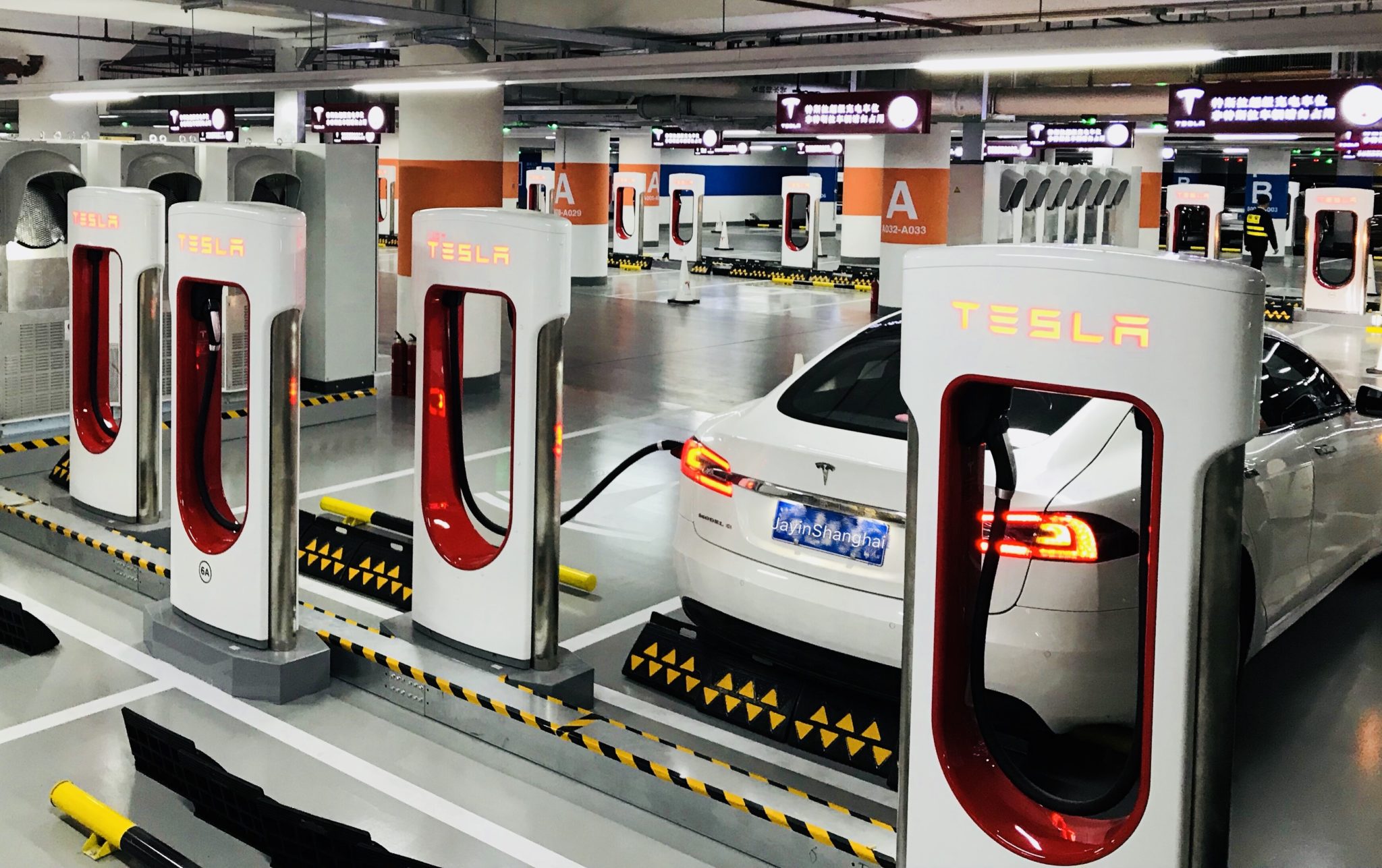
    Electric vehicle-maker Tesla is updating some of its supercharger stations to limit the top state of charge (SoC) to 80 percent at busy stations to reduce wait times. “The limit will be enforced at 8 percent of the stations 24/7, while the rest will be affected by the limitation at peak hours. Tesla says owners that stop by at an affected station will receive a notification,” the Engadget reported on Saturday.

    The EV-maker claimed the new feature, combined with other recent updates to its supercharger network, may cause a 34 percent improvement in throughput at the charging stations.

    “When combined with the recently-released On-Route Battery Warmup feature and V2 supercharger upgrades (to 150 kW), we expect 80 percent SoC limit enforcement to result in a 34 percent improvement in throughput at our busiest supercharging locations — creating a better, more efficient supercharging experience for owners,” the Electric quoted the company as saying.

    Few supercharger stations have been reported to get very busy during holidays, causing long wait times.

  • Hyundai Kona Electric India Launch Details Out

    Hyundai Kona Electric India Launch Details Out

    After bringing in its contender for the subcompact SUV segment – the Venue, Hyundai India is all set to bring in another SUV into the country and this time around it will a product that will launch the company’s electric product offensive. Yes, the Kona Electric all set to be launched in India on July 9, 2019 and the Korean carmaker will have its widest SUV product line-up in India with the addition of two new models this year. Hyundai’s SUV line-up in India will include Venue, Creta, Kona ev, and the Tucson which is scheduled to get a facelift in the second half of this year. Hyundai has already confirmed that it will be manufacturing its upcoming Kona electric locally in India at its Chennai plant. The latest development is the upshot of the company’s plans to invest in India a part of which will go towards the development of an assembly line for the Kona Electric.

    The main purpose of producing the Kona Electric locally is to keep the pricing aggressive in a bid to make it a viable offering for the prospective customers. Hyundai had earlier shared that it wants to keep the Kona comparatively affordable for car buyers. Hyundai will channel the rest of the investment in the manufacturing of other car models and development of new technologies and machinery. Moreover, the investment will add 1500 more jobs in India.

    The Hyundai Kona electric can go up to 350 km on a single charge which takes about 30 minutes through fast charging. Globally, the Kona Electric is offered in two iterations- one which is equipped with a 100 kW motor and the other with a 150 kW motor. While the former motor produces 134 bhp, the latter churns out 201 bhp. Both the motors are mated to electronic transmission. Moreover, it is equipped with upmarket features like an 8.0-inch infotainment system which supports smartphone connectivity, auto-headlamps rain sensing wipers and more.

  • Ratan Tata Invests in Ola Electric Mobility

    Ratan Tata Invests in Ola Electric Mobility

    Ola Electric Mobility announced that Ratan Tata, Chairman Emeritus of Tata Sons, has invested in the company as part of its Series A round of funding. This investment is in Ratan Tata’s personal capacity in the newly formed Electric Mobility company. Tata is also an early investor in ANI Technologies Pvt Ltd, Ola’s parent company. Tata’s investment in Ola Electric is a significant endorsement of the company’s approach to developing an electric mobility ecosystem, including innovations in charging infrastructure, swapping models, and market-appropriate products. Ola Electric is currently running several pilots involving charging solutions, battery swapping stations, and deploying vehicles across two, three and four-wheeler segments. Investment details are still under wraps.

    Ratan Tata, said, “The electric vehicle ecosystem is evolving dramatically every day, and I believe Ola Electric will play a key role in its growth and development. I have always admired the vision of Bhavish Aggarwal and I’m confident that this will be part of yet another important strategic move into this new business area.”

    Ola Electric Mobility Pvt Ltd raised a sum of ₹ 400 crores led by several of Ola’s early investors, Tiger Global and Matrix India and others, as part of its first round of investment. The company was initially established to enable Ola’s electric mobility pilot program in Nagpur.

    Bhavish Aggarwal, Co-founder & CEO, Ola said, “Mr. Tata has been an inspiration and a mentor to me personally in shaping Ola’s journey over the years. I’m very excited to welcome him on board Ola Electric as an investor and a mentor in our mission of building sustainable mobility for everyone on our planet. He is a visionary who has inspired a generation of entrepreneurs and we are privileged to have his guidance and support once again, as we work towards our goal of a million electric vehicles in India by 2021.”

  • France and Germany To Support Battery Cell Consortium

    France and Germany To Support Battery Cell Consortium

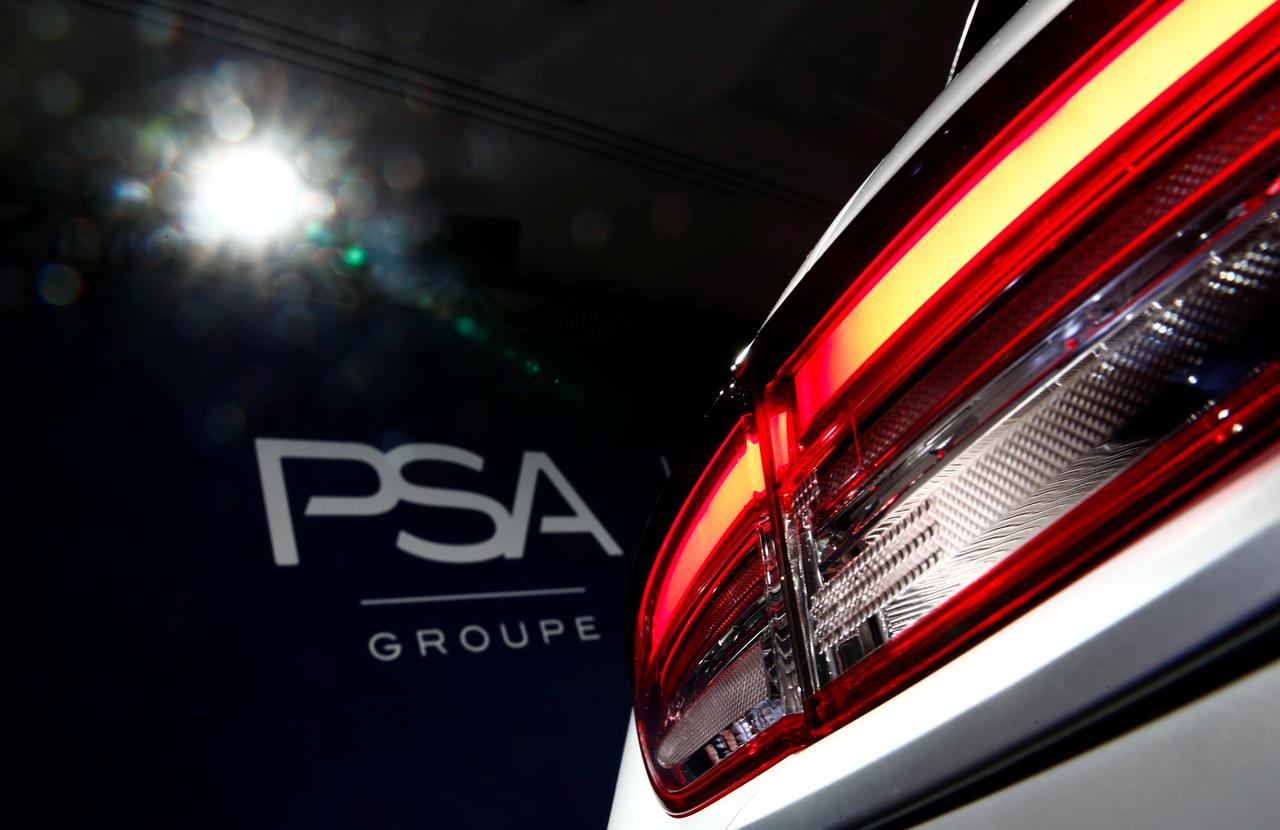
    France and Germany have asked the European Commission to approve state subsidies for a cross-border battery cell consortium including carmaker PSA with its German subsidiary Opel and French battery maker Saft, a German official said on Monday. The two countries have earmarked 1.7 billion euros ($1.9 billion) to support company alliances to help reduce European carmakers’ dependence on Asian suppliers and protect jobs at risk from the shift away from combustion engines.

    The economy ministries of both countries sent a letter of intent to the European Union’s executive body asking it to give a provisional go-ahead, a German economy ministry spokeswoman said, without giving a sum for the planned state funding.

    “We’re now waiting for Brussels to give us the green light,” the spokeswoman said.

    German Economy Minister Peter Altmaier will meet French counterpart Bruno Le Maire in Paris on Thursday to discuss the matter, aiming to make progress with forging further battery alliances. The FAZ report said that the PSA/Saft alliance was planning to convert an Opel factory in the western city of Kaiserslautern close to the French border into a battery cell production site.

    Among the more than 30 companies that applied for state funding at the German Economy Ministry are carmakers Volkswagen and BMW, as well as German battery maker Varta and Swedish battery manufacturing startup Northvolt. Saft, a 100-year old French company owned by energy company Total, produces a range of batteries for industrial applications.

    It has joined forces with German industrial group Siemens, electronic components specialist Manz, Belgian chemicals group Solvay and Belgian material group Umicore to develop a new generation of batteries for electric vehicles.

  • Mercedes-AMG Cars Will Be Electrified From 2021

    Mercedes-AMG Cars Will Be Electrified From 2021

    Electric performance car is not an alien concept anymore. In fact, prominent carmakers like Automobili Pininfarina and Rimac are into the business of making only electric supercars. Electric Mobility is also believed to be the future of automobiles and this stands true even when we talk about performance cars. Mercedes is also thinking in this direction and has said that all its AMG cars will be electrified 2021 onwards.

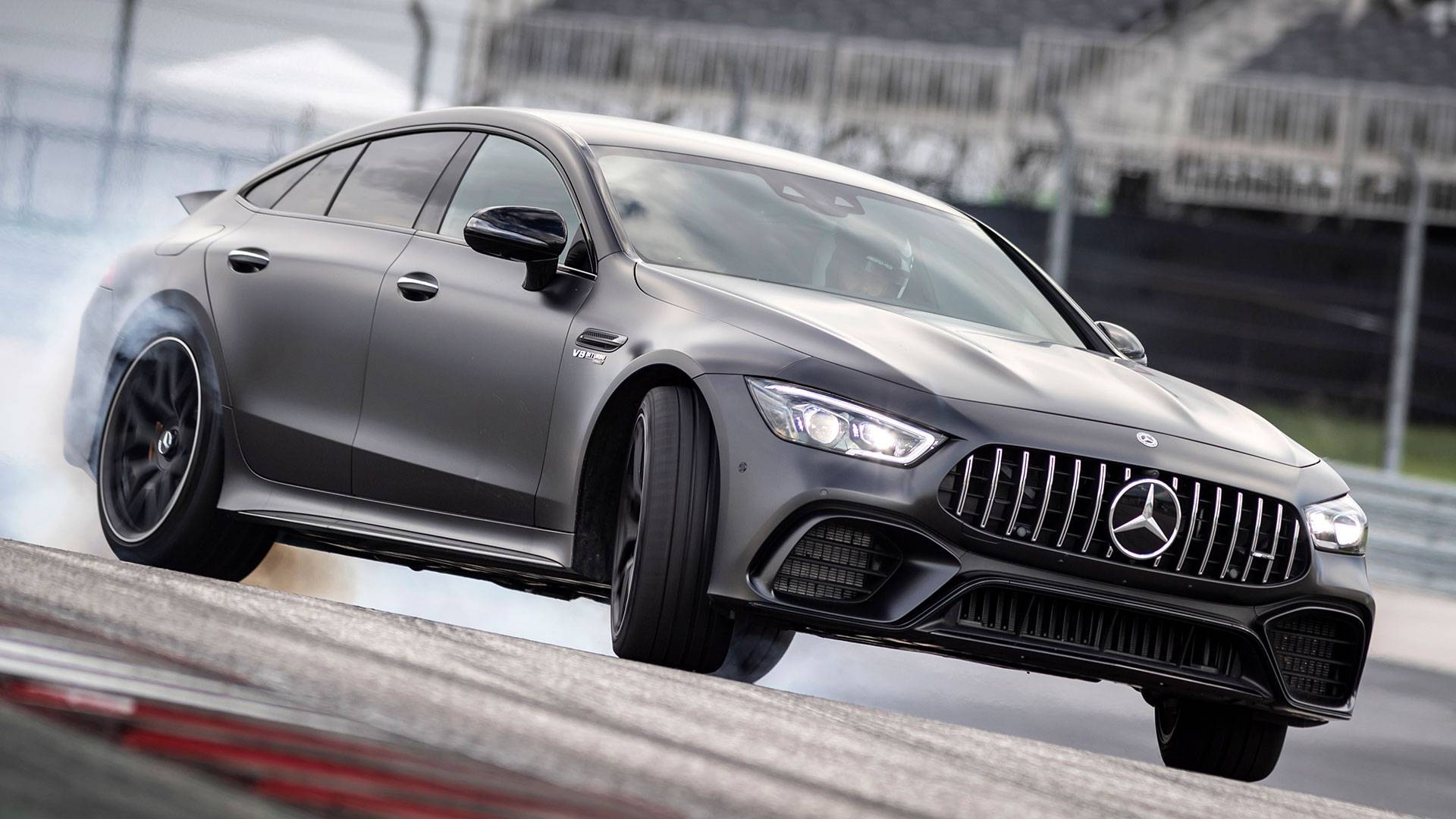
    According to news reports, Tobias Moers, Head – Mercedes-AMG said that Mercedes-AMG models will be using an electrified V8 drivetrain in the future. The 4.0-litre V8 engine which powers a range of Mercedes-AMG cars will be coupled with a 48-volt electric motor which has been developed indigenously by the team. Initially, Mercedes was planning to use the new powertrain in the 63 engine only in the GLE and GLS SUVs. However, it will play a major role in the future as from 2021 all AMG cars will be launched with an electrified powertrain. Mercedes also believes that the share of electrified powertrains will be higher in the performance segments in 2025.

    We already know that AMG is also working on a high-performance hybrid system for its upcoming hypercar. The Mercedes-AMG One hypercar will use an electric motor driving its front wheels just like the AMG GT four-door concept. Moers also said that the setup will be offered in the 65 series AMG models and will replace the 6.0-litre V12 engine. However, the 2.0-litre, four-cylinder, turbocharged AMG engine won’t be converted into a hybrid system.

  • Korean GS25 launches shared-bike charging service

    Korean GS25 launches shared-bike charging service

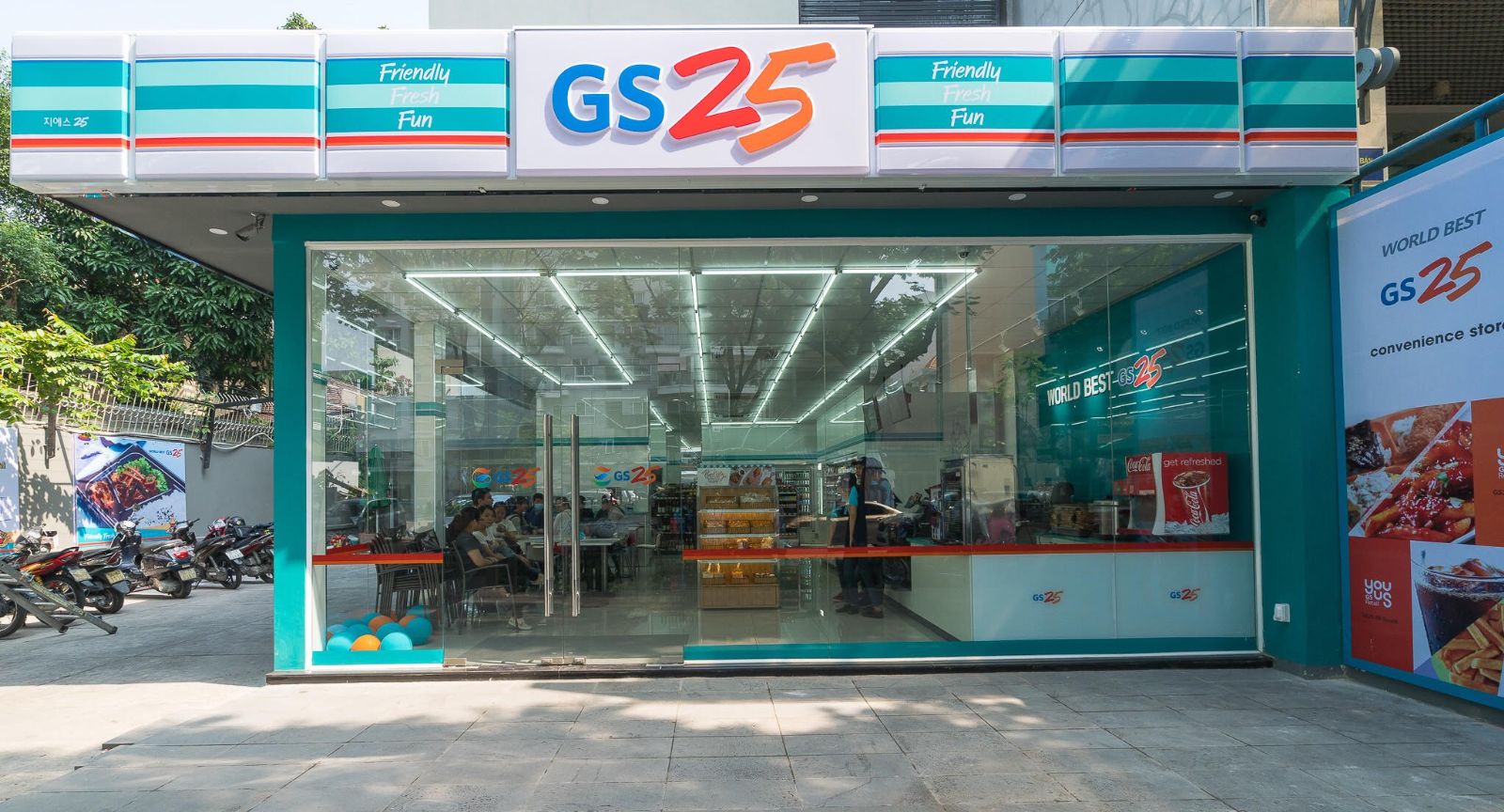
    Starting June, customers of South Korean GS25 convenience stores will be able to charge shared electric bicycles or kickboards.

    GS25 announced on Wednesday that it will set up an electric bicycle and kickboard charging service facility at its stores in partnership with the shared micro-mobility integrated platform “GoGoSing.”

    Under the terms of the deal, GoGoSing will operate 800 shared electric kickboards and shared electric bikes in Gangnam District in Seoul and Pangyo in Gyeonggi Province, while GS25 will set up charging facilities at stores in nearby areas.

    Customers will be able to use an electric kickboard and return it to a nearby GS25 store, and if they need to charge their device, they will also be able to exchange or charge batteries at the stores.

    GS25 expects that this will help convenience stores to move away from their focus on simply selling products and serve as a hub for charging various shared devices, as well as attracting new customers.

    GS Retail has introduced charging facilities for electric vehicles at 45 locales at present, and will offer delivery services for convenience store products since starting from April, in tandem with the delivery application Yogiyo.

  • VinFast, South Korean firm to make batteries for EVs

    VinFast, South Korean firm to make batteries for EVs

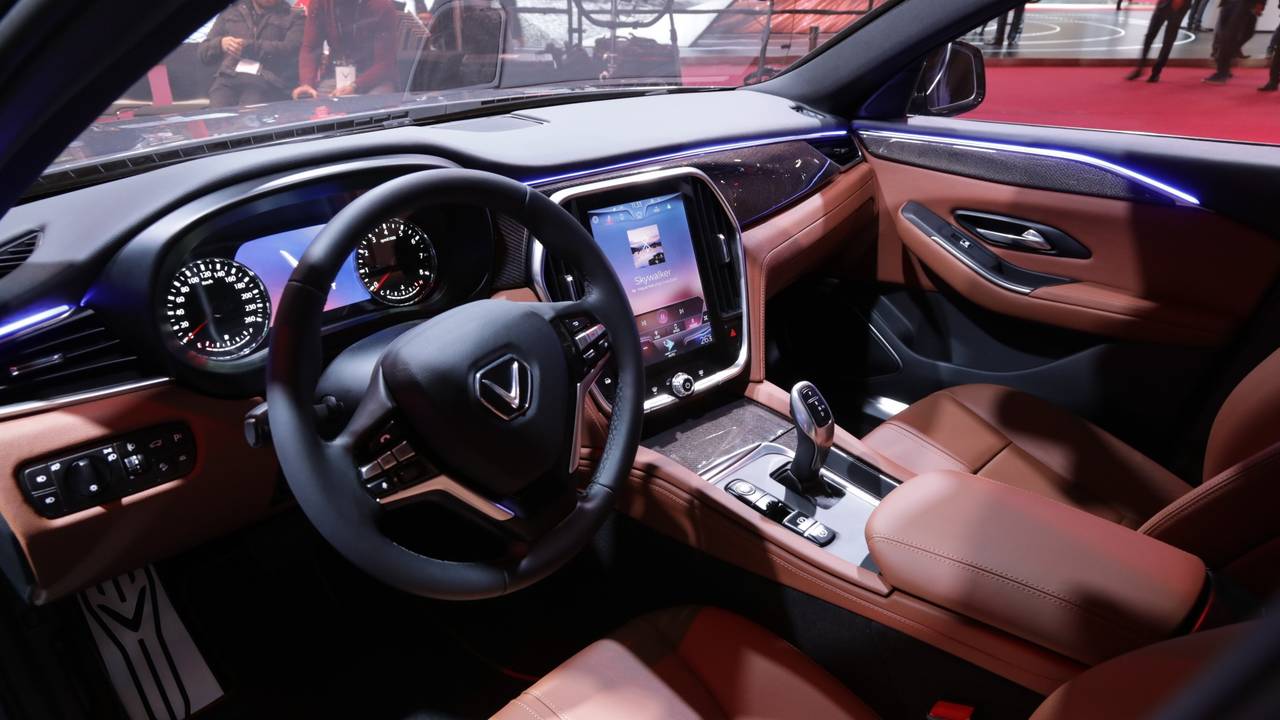
    The joint venture will be located in the automaker’s factory in the southern port city of Hai Phong, where it will manufacture lithium-ion battery packs for VinFast’s electric scooters that are being made now, and for electric cars to be produced in the future, VinFast said in a statement.

    The factory, which will be built on a 2,000 square meter area, will employ Vietnamese workers who will be trained in technology provided by LG Chem.

    The automaker, a unit of Vietnam’s largest conglomerate Vingroup, rolled out its first made-in-Vietnam cars last month, the first steps in a $3.5 billion automaking venture.

    VinFast has recently sent its SUV and sedan to European and Asian countries for quality testing and is set to deliver preordered vehicles in the second and third quarter.

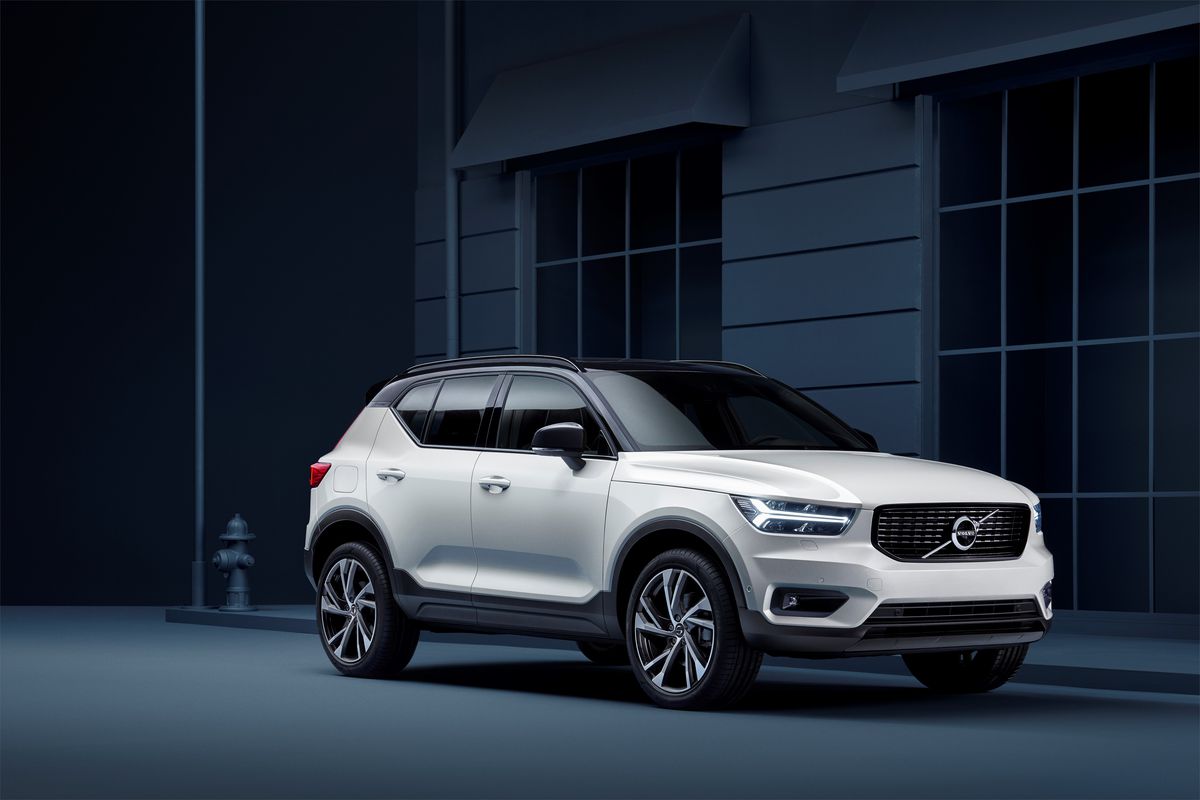
  • Volvo XC40 full-electric variant to debut later this year

    Volvo XC40 full-electric variant to debut later this year

    Volvo will reveal the full-electric version of the XC40 before the end of the year, the company told at a safety event here last week. Officials declined to provide additional details. Adding a battery-powered version of the compact SUV to the lineup is a crucial step for Volvo, which wants full-electric cars to account for half of its global sales by 2025.

    The XC40 will be the first battery-driven model from the Swedish brand and the second full-electric vehicle from the Volvo Car Group. The first was the Polestar 2, which the group’s electrified performance brand debuted in February and revealed to the public at the Geneva auto show this month.

    Both full-electric vehicles will be on the road by 2020.

    In addition, both models will use the Compact Modular Architecture (CMA) that Volvo developed with Chinese sister brand Geely. CMA also underpins the 01, 02 and 03 from Lynk & CO. The trio of Lynk & CO cars accounted for more than 120,000 combined sales in China last year. The upstart brand, which is co-owned by Volvo Cars and Zhejiang Geely Holding, plans to open stores in five European cities next year.

    The XC40, which was the 2018 European Car of the Year, is Volvo’s No. 2-selling model globally after its large sibling, the XC60.

    Last month Volvo said the XC40 would also get two plug-in hybrid powertrain options, starting with a T5 Twin Engine variant and followed by the T4 Twin Engine.

    Volvo CEO Hakan Samuelsson said he expects plug-in hybrids to account for up to 25 percent of global sales in the model lines that offer them. Currently about 10 percent to 15 percent of Volvo’s global sales come from plug-in hybrids. The powertrain is offered in the XC90 and XC60 SUVs, V90 and V60 station wagons and the S90 and S60 sedans.

  • Daimler To Develop Smart Brand Together With Geely

    Daimler To Develop Smart Brand Together With Geely

    Daimler on Thursday said it will develop its next generation of Smart electric vehicles in China through a joint venture with rival Geely, deepening an alliance between the two carmakers.

    Daimler said it will build next generation Smart vehicles at a purpose built factory in China, and share its expertise in manufacturing, engineering and design with Geely.

  • Skoda’s electric-car push includes low-cost EV

    Skoda’s electric-car push includes low-cost EV

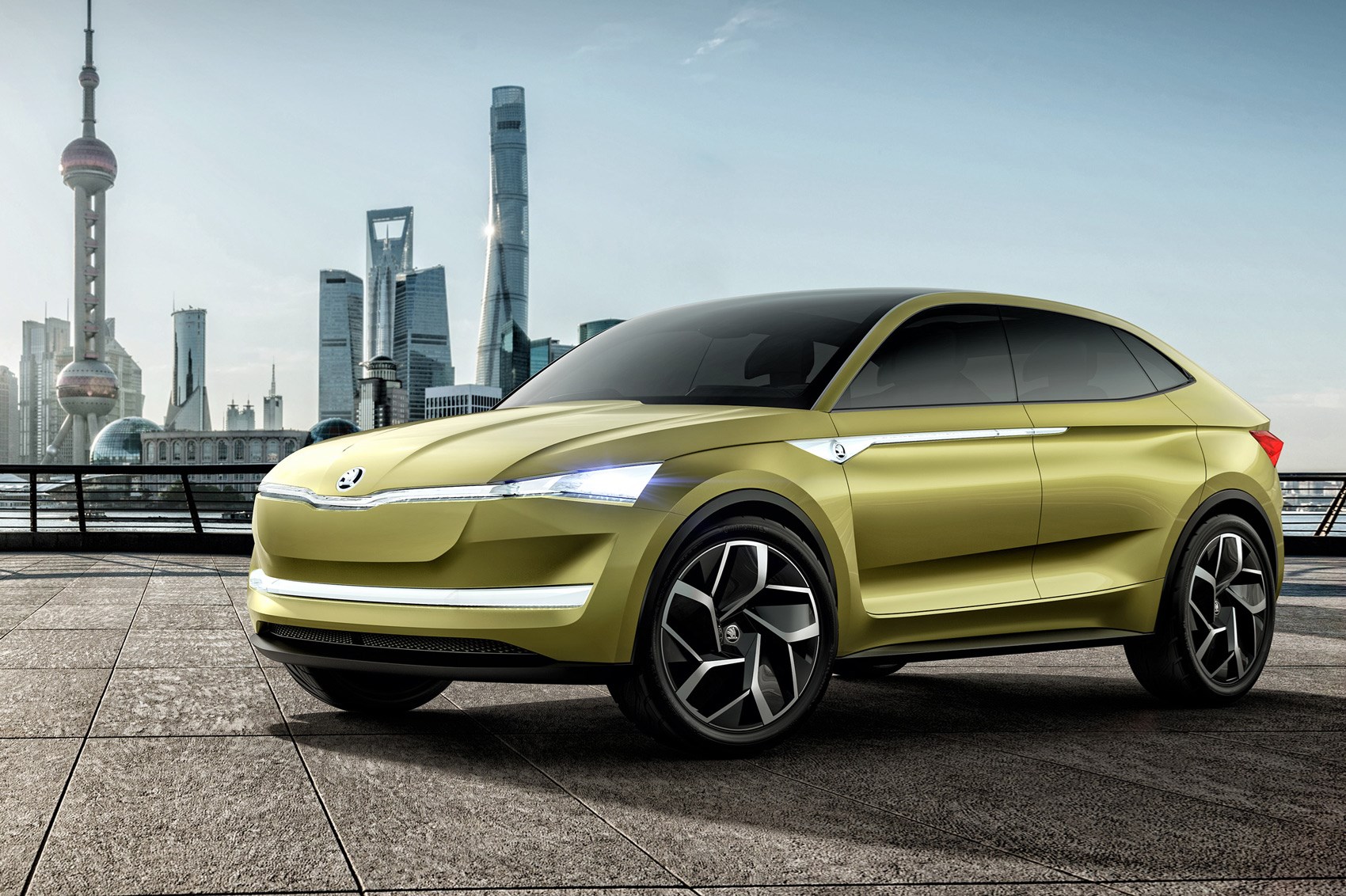
    Skoda plans to build three electric cars based on the Volkswagen Group’s MEB platform in the Czech Republic within the next four years, including a small, affordable model. Skoda’s flagship MEB electric car will be based on the Vision IV coupe crossover concept revealed at the Geneva auto show earlier this month.

    It will be joined by a second car based on the same concept, Skoda CEO Bernhard Maier told journalists at the brand’s annual results conference here on Wednesday.  The second vehicle is expected to be a more conventional SUV and will be built at Skoda’s Mlada Boleslav plant alongside the flagship model, which starts production in the second half of 2020 ahead of its market launch in early 2021. Both vehicles will be built on the same line as the Skoda Octavia compact car.

    “That gives us a lot of flexibility. We can scale and adjust to some extent if customer demand changes,” Maier said.

    A third, more affordable electric car will be built at Skoda’s Kvasiny plant and will form part of a new “MEB entry family” of cars announced by the VW Group at its annual press conference earlier this month. The model is still in the planning stage, Maier told journalists. “We are looking for a lower specced car and once we have a positive business case we will come up with a clear solution,” the CEO said.

    Cars in the MEB entry family will be smaller than VW’s Golf compact car, while offering similar interior space. They will arrive about 2023, VW CEO Herbert Diess told earlier this month.

    Skoda will launch a full-electric version of its Citigo minicar, based on the VW e-UP, later this year. The model will be built in VW’s plant in Bratislava, Slovakia, and will have an electric range of 300 km (186 miles), Maier said.

    Skoda has said 25 percent of all its cars sold by 2025 will be electrified and the brand plans to launch more than 10 electrified cars by the end of 2022, including plug-in and mild-hybrid models. Its first plug-in hybrid will be a version of the Superb midsize and will go on sale later this year. By 2025 Skoda will sell five separate pure electric cars, the company has said.

    Maier said Skoda remains unsure of the demand for its electric models.

    “I don’t know how the customers will reflect on our offer,” he said. “If our reference was those customers who have driven our electric cars in focus groups, then we can easily achieve 25 percent, but it is quite obvious the demand will be different if you talk to customers living in urban areas than those living in rural areas.”

    Customers in rural areas have concerns about charging and range, he said.

    Volkswagen Group is turning its Zwickau, Germany, factory into a specialist plant for MEB models for the VW, Audi and Seat brands but Skoda has placed great importance on building its MEB-based electric cars in in its Czech Republic home.

    “Electromobility is being developed in the heart of Skoda in the Czech Republic. That ensures the future of jobs here,” Maier said.

    The first MEB EV, based on the Vision IV concept, is likely to cost about the same as the brand’s Kodiaq or Superb models, Skoda sales chief Alain Favey told. The average selling price of the Kodiaq SUV is around 40,000-45,000 euros. For the Superb it is about 40,000 euros.

    Favey said Skoda aims to offer a package that will entice customers to want to spend that amount. He said the car would also adhere to the same philosophy of “smart understatement” shown by other models in Skoda’s range. “It’s an extremely modern way of thinking,” he said.

    Maier said replacing today’s internal combustion engine cars with electrified versions to meet the tough European targets on CO2 will drive up the price of all cars. “Individual mobility will be more expensive, there’s no doubt about that,” he said.

  • Porsche Taycan Electric Car To Make Its Debut In September 2019

    Porsche Taycan Electric Car To Make Its Debut In September 2019

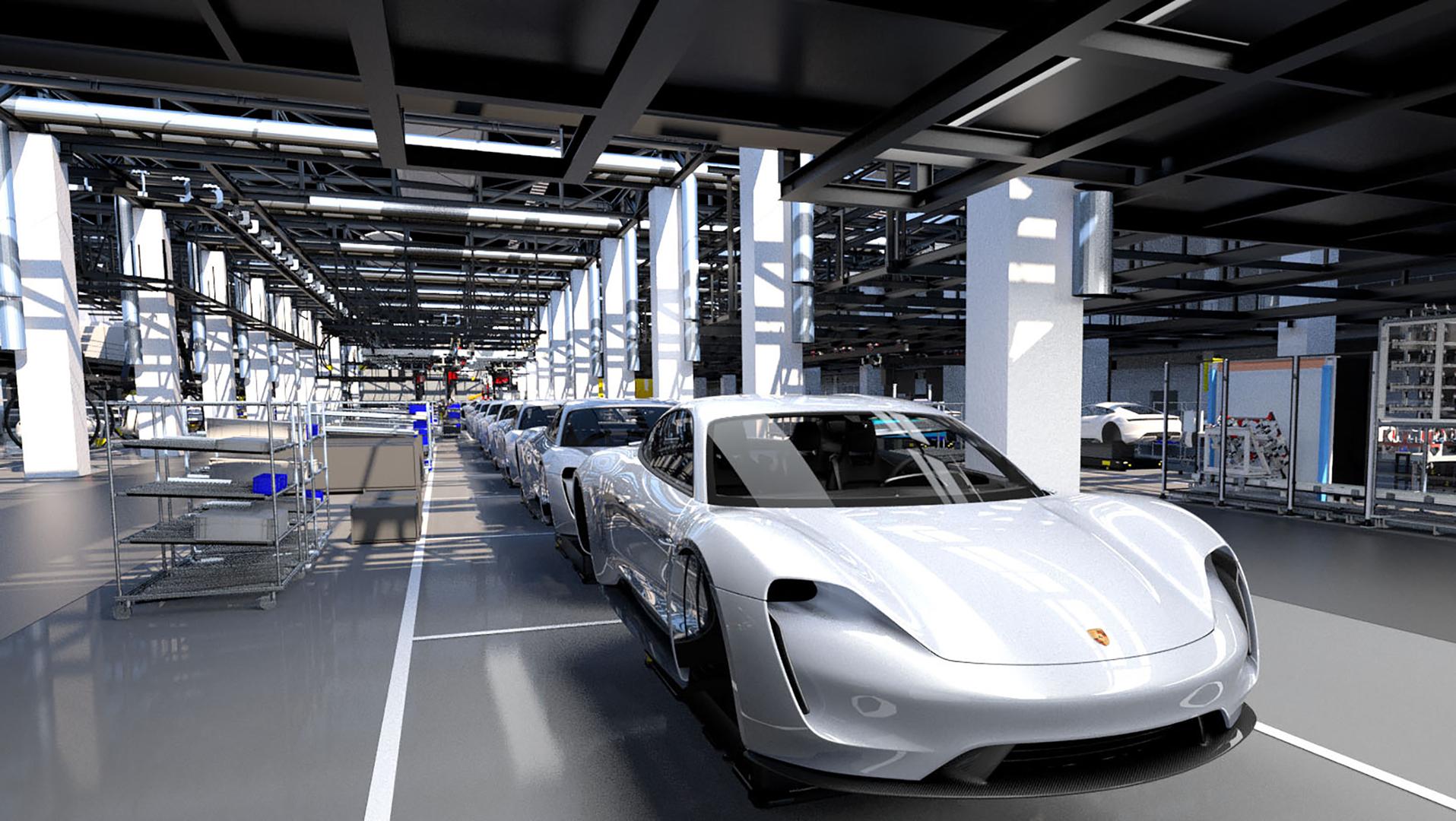
    The first purely electrically powered sports car from Porsche, the Taycan, will not be presented to the public until September and its final design is not yet known; nonetheless, according to Porsche there are more than 20,000 people around the world with serious interest in buying one of their own. The company confirmed this development at the 2019 Geneva Motor show. 20,000 people have already registered to join a list of prospective buyers – and registration are already underway in Europe. The Porsche Taycan will debut in September 2019 with a market launch scheduled for the end of this year.

    The Porsche Taycan will have a range of more than 500 kilometres. The new Porsche Taycan will sport two permanently excited synchronous electric motors that are capable of churning out max power of 600 bhp and will juice out travel range of more than 500kms with its high voltage lithium-ion batteries. The two permanently excited synchronous motors, like those deployed in the Le Mans-winning 919 Hybrid, generate a permanent rotary motion that can be applied at any time without needing to be started.

    The vehicle will be able to accelerate from 0 to 100 kmph in considerably less than 3.5 seconds. It will have a range of more than 500 kilometers as measured in accordance with the NEDC. Moreover, it will be possible to add sufficient charge for a range of 100 kilometers in just four minutes (measured in accordance with the NEDC).

    Detlev von Platen, Member of the Executive Board for Sales and Marketing at Porsche AG says “The overwhelming interest in the Taycan shows us that our customers and fans are just as excited about the first Porsche electric athlete as we are – and we’ve therefore increased our production capacities. The Taycan will be the most sporty and most technically advanced vehicle in its segment – a true Porsche.”

    Porsche will foray into the electric car segment with the Taycan, and according to the company, by 2025 every second Porsche car sold will be with an electric motor. The Taycan will be the flagship electric product from Porsche and yes, the car will make it to India too by 2020.

  • BMW Wants Its Electric Cars to Look More Boring

    BMW Wants Its Electric Cars to Look More Boring

    BMW has decided that despite all the new engineering under the skin of the new 3 Series, the styling of the all-important sedan would only be very mildly updated. At the Paris Motor Show, the Bavarians also displayed a concept of their next i car, the electric iX3 SUV shown above. As far as its exterior goes, the i division’s next move feels like a 180 degree turn from the futuristic i3 city car and i8 plug-in hybrid.

    Indeed, it seems that BMW will dedicate its time to making sure its kidney grilles can keep growing. Indefinitely.

    Now, BMW Design Director Adrian van Hooydonk says that’s all on purpose. Van Hooydonk said that as electrified models get more and more popular, there will be no reason to make i BMWs look unique: Electric mobility will spread through our entire vehicle range in quite a short space of time—to the point that electric or plug-in hybrid is just another option box you tick as you order the car. The fact is that BMW customers want a dynamic car, whether it is a battery-electric vehicle or not, and so there’s is increasingly less reason to make these kinds of cars look different.

    This means BMW will go down a similar route as Audi with its e-tron or Mercedes-Benz with the EQ C—advanced electric vehicles with styling that’s almost exactly the same as their conventional cars. It’s a big shift from BMW’s previous strategy of making its electric cars look decidedly futuristic, and wholly distinct from its other offerings. Notably, Jaguar is committed to making its electric vehicles stand out—look at the I-Pace crossover, with its radical proportions making the most of Jag’s new electric car skateboard platform.

    BMW lost its head of exterior design, Karim Habib, to Infiniti in 2017. Since then, Jozef Kabaň has been responsible for BMW’s core line, while Domagoj Dukec is in charge of the i and M models. Their boss, Adrian van Hooydonk, joined BMW in 1992, becoming head of Designworks USA in 2001, and replacing Chris Bangle as Director of BMW Group Design in 2009. See you at his anniversary party in 2022.

  • Electric vehicles on the fast track in Thailand

    Electric vehicles on the fast track in Thailand

    Experts see bright prospects for electric vehicles (EV) in Thailand with all concerned agencies pursuing the government’s goal of getting 1.2 million units on the road by 2036.

    There are many reasons and data behind the confidence of success, a seminar was told yesterday. The rising number of registered EVs, the development of a locally made EVs, as well as research and development of some EV parts are indications that it could have a major role in Thai society, said Amonrat Kaewpradap, a committee member of the Electric Vehicle Association of Thailand (EVAT), at a panel discussion yesterday titled “The future of Electric Vehicle in Thailand”.

    The discussion was held as part of the Delta Future Industry Summit, organised by Delta Electronics (Thailand), as a venue for exchanging innovative ideas for a sustainable future.

    Amornrat said the number of EVs in use in Thailand was gradually increasing, leading to the continuous growth of infrastructure of charging stations.

    “More stations will boost the confidence for consumers in using EVs and so far, there are 500 charging stations in the country, she said. In 2016, there were 80,194 registrations but the number surged to 102,700 in 2017, or an increase of 20,000 units.She pointed out that the accumulated number of EV registrations in Thailand for Battery Electric Vehicles [BEV] and Plug-in Hybrid Electric Vehicles (PHEV) sharply increased from 2016 to 2017.Incentives will bring down priceAnother indication is the higher imports of EVs, she said, adding that more BEV motorcycles were sold these days, pointing to its popularity.

    Moreover, EV manufacturers are hiking production amid increasing demand from buyers. Also, educational institutions have launched development projects for EV battery, motors and the structure of a light-weight car.She believes the price of EVs could come down in the future as the government will support its usage with incentives.

    Jumpote Himacharoen, director of research and development, Metropolitan Electricity Authority [MEA], said the power agency would provide sufficient electricity to serve the targeted number of EVs. MEA has recently launched an online application on the locations of EV charging stations for the convenience of drivers.

    In a separate panel discussion titled “A Decade into the Future: Predictions for Thai Cities”, participants said smart cities would be the cornerstone of the country’s future urban landscape, with significant investment from the government and private sector.

    Pansak Siriruchatapong, the vice minister of the Ministry of Digital Economy and Society, said the government would expand its smart city project to three more provinces – Chon Buri, Rayong and Chaochengsao – on the Eastern Economic Corridor this year.Currently, Phuket, Chiang Mai, Khon Kaen and Bangkok are the cities earmarked for the pilot program.

    “Within the next five years, Thailand will develop smart cities in all 77 provinces,” he said.He added the two factors driving the development of smart cities are the engagement of community and local government and the connectivity and sharing information with technology solutions.However, Piyapan Tayanithi, Bangkok Bank’s executive vice president, warned that smart or high-technology is a double-edged sword, and back-up measures were needed in the event of malfunctions.

    Piyapan cited an incident late last month when banks’ electronic money transfers, withdrawals and payment services crashed for several hours. The banks attributed the cause to heavy interbank money transfers at the end of the month at large banks.“Simplicity or convenience of a group of people could come along with difficulty or complexity for another group [of people],” he said.

    Hsieh Shen-yen, president of Delta Electronics (Thailand), said: “We are currently witnessing the decline of old technologies such as gasoline cars and the gradual shift to smarter, cleaner technologies to power our lives and manage our cities.“But the shift to the future will only gain real momentum when the public and private sectors work together and get serious about action for climate change and managing urbanization,” he said.

  • BYD chief expects all vehicles to be electric in China by 2030

    BYD chief expects all vehicles to be electric in China by 2030

    The head of Chinese automaker expects all vehicles in the country to be electric or hybrid by 2030, a more aggressive timeframe than even Europe, as Beijing pushes ahead on a longer-term plan to shift away from petrol-engine cars.

    Earlier this month, a senior Chinese official said the world’s largest auto market had begun studying when to ban the production and sale of cars using traditional fuels, without giving a timeframe from the shift.

    The United Kingdom and France have said they will ban new petrol and diesel cars from 2040.

    “We are very confident about all the timetables (to eliminate fossil fuel cars) and we think it will happen earlier than expected,” said Wang Chuanfu, chairman and president at Shenzhen-based carmaker BYD, which has invested heavily in battery electric and plug-in hybrid vehicles.

    “Various governments have announced timetables to end the sale of fossil fuel cars and this is putting pressure on everyone else,” Wang told reporters in Shenzhen on Thursday.

    China has set goals for electric and plug-in hybrid cars to make up at least a fifth of its auto sales by 2025 in a bid to combat air pollution and close a competitive gap between its newer domestic automakers and their global rivals.

    However, China is also phasing out subsidies for the electric-vehicle market that have supported makers of new-energy vehicles like BYD. BYD, which is backed by U.S. investor Warren Buffett, has seen its profits fall sharply this year.

    Wang added that 20 cities in China would begin building BYD sky rail transport systems next year, amid a push by the firm to diversify away from cars alone.

    BYD’s first sky rail project was launched in China’s northwestern city of Yinchuan at the beginning of this month.