Retail News CRM

Tag: electric

  • Toyota set to sell long-range, fast-charging electric cars in 2022

    Toyota set to sell long-range, fast-charging electric cars in 2022

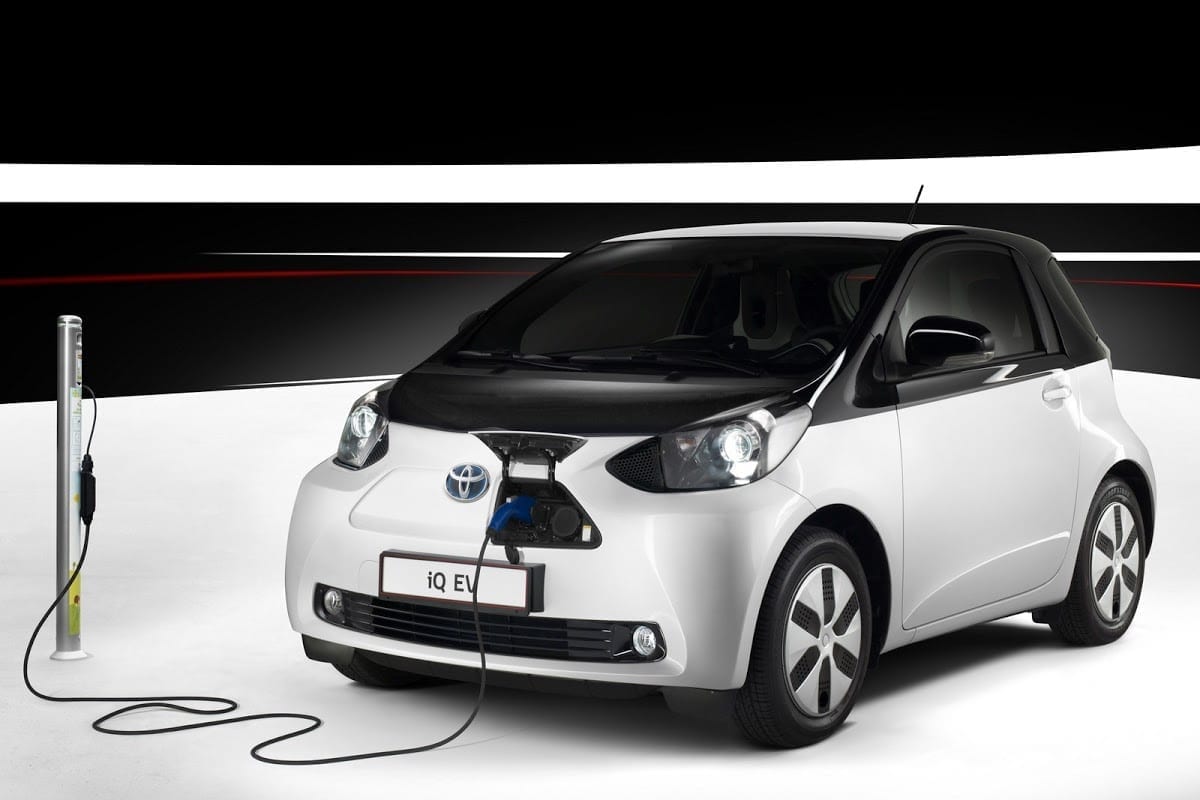
    Toyota Motor is working on an electric car powered by a new type of battery that significantly increases driving range and reduces charging time, aiming to begin sales in 2022, the Chunichi Shimbun daily reported on Tuesday.

    Toyota’s new electric car, to be built on an all-new platform, will use all-solid-state batteries, allowing it to be recharged in just a few minutes, the newspaper said, without citing sources.

    By contrast, current electric vehicles (EVs), which use lithium-ion batteries, need 20-30 minutes to recharge even with fast chargers and typically have a range of just 300-400 kilometers (185-250 miles).

    Toyota has decided to sell the new model in Japan as early as 2022, the paper said.

    Toyota spokeswoman Kayo Doi said the company would not comment on specific product plans but added that it aimed to commercialize all-solid-state batteries by the early 2020s.

    Japan’s biggest automaker is looking to close the gap with EV leaders such as Nissan Motor Co and Tesla Inc as battery-powered cars gain traction around the globe as a viable emission-free alternative to conventional cars.

    Whether Toyota will be able to leapfrog its rivals remains to be seen, however, as mass production requires a far more stringent level of quality control and reliability.

    “There’s a pretty long distance between the lab bench and manufacturing,” said CLSA auto analyst Christopher Richter. “2022 is ages away, and a lot can change in the meantime.” How quickly the new EVs will catch on would also depend largely on battery costs.

    Having long touted hydrogen fuel-cell vehicles and plug-in hybrids as the most sensible technology to make cars greener, Toyota last year said it wanted to add long-range EVs to its line-up, and set up a new in-house unit, headed by President Akio Toyoda, to develop and market EVs.

    Toyota is reportedly planning to begin mass-producing EVs in China, the world’s biggest auto market, as early as in 2019, although that model would be based on the existing C-HR sport utility vehicle and use lithium-ion batteries.

    Other automakers such as BMW are also working on developing all-solid-state batteries, eyeing mass production in the next 10 years.

    Solid-state batteries use solid electrolytes rather than liquid ones, making them safer than lithium-ion batteries currently on the market.

  • Australian state picks Tesla to provide grid-scale battery

    Australian state picks Tesla to provide grid-scale battery

    South Australia has picked Tesla to install the world’s largest grid-scale battery that would be paired with a wind farm provided by France’s Neoen, as the state battles to keep the lights on.

    South Australia has raced ahead of the rest of the country in turning to wind power, triggering a shutdown of coal-fired plants that has led to outages across the eastern part of the nation, driving up energy prices.

    The drawback to South Australia’s heavy reliance on renewables has been an inability to adequately store that energy, leading to vulnerabilities when the wind doesn’t blow.

    Under the terms of the agreement, Tesla must deliver the 10-battery within 100 days of a contract being signed or it’s free, matching a commitment made by Tesla Chief Executive Officer Elon Musk in a Twitter post in March.

    There will be a lot of people that will look at this, ‘did they get it done within 100 days? Did it work?’” Musk told reporters in South Australia’s capital city of Adelaide.

    “We are going to make sure it does.”

    Dozens of companies from 10 countries had expressed interest in the South Australian project, which is viewed as a major test for the reliability of large-scale renewable energy use.

    Tesla said in a statement that upon completion by December 2017, the system would be the largest lithium-ion battery storage project in the world, overtaking an 80 megawatt-hour power station at Mira Loma in Ontario, Calif., also built using Tesla batteries.

  • Geely’s Volvo to go all electric with new models from 2019

    Geely’s Volvo to go all electric with new models from 2019

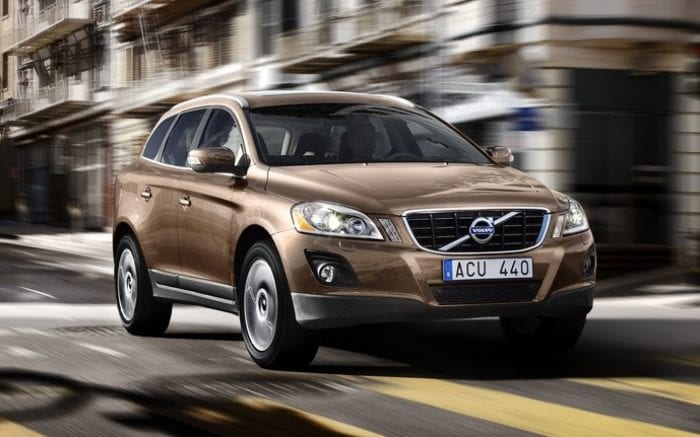
    Geely-owned Volvo Car Group said on Wednesday all new models launched from 2019 will be fully electric or hybrids, spelling the eventual end to nearly a century of Volvos powered solely by the internal combustion engine.

    The Gothenburg-based company will continue to produce pure combustion-engine Volvos from models launched before that date, but said it would introduce cars across its model line-up that ranged from fully electric cars to plug-in hybrids.

    Volvo’s plans make it the first major traditional automaker to set a date for the complete phase-out of combustion-engine-only models though electrification has long been a buzzword across the industry and Elon Musk’s Tesla Motors has been a pure-play battery carmaker from day one.

    “This announcement marks the end of the solely combustion engine-powered car,” Volvo Cars Chief Executive Hakan Samuelsson said in a statement.

    Five new models set to be launched in 2019 through 2021 – three of them Volvos and two Polestar-branded – will all be fully electric.

    “These five cars will be supplemented by a range of petrol and diesel plug in hybrid and mild hybrid 48-volt options on all models,” Volvo said.

    “This means that there will in future be no Volvo cars without an electric motor.”

    Volvo has invested heavily in new models and plants since being bought by Zhejiang Geely Holding Group from Ford Motor Co. in 2010, establishing a niche in a premium auto market dominated by larger rivals such as Daimler’s Mercedes-Benz and BMW.

    Part of its strategy has also been to embrace emerging technologies which allow higher performance electric vehicles as well as, eventually, self-driving cars.

    Only last month, Volvo said it would reshape its Polestar business into a standalone brand, focused on high-performance electric cars aimed at competing with Tesla and the Mercedes AMG division.

    Volvo has also taken steps towards an eventual listing, raising 5 billion crowns from Swedish institutional investors through the sale of newly issued preference shares last year, though the company has said no decision on an IPO has been made.

  • India’s electric vehicles push likely to benefit Chinese car makers

    India’s electric vehicles push likely to benefit Chinese car makers

    India’s ambitious plan to push electric vehicles at the expense of other technologies could benefit Chinese car makers seeking to enter the market, but is worrying established automakers in the country who have so far focused on making hybrid models.

    India’s most influential government think-tank unveiled a policy blueprint this month aimed at electrifying all vehicles in the country by 2032, in a move that is catching the attention of car makers that are already investing in electric technology in China such as BYD and SAIC.

    The May 12 report by Niti Aayog, the planning body headed by Prime Minister Narendra Modi, recommends lower taxes and loan interest rates on electric vehicles while capping sales of petrol and diesel cars, seen as a radical shift in policy.

    India also plans to impose higher taxes on hybrid vehicles compared with electric, under a new unified tax regime set to come into effect from July 1, upsetting car makers like Maruti Suzuki and Toyota Motor.

    The prospect of India aggressively promoting electric vehicles was a “big opportunity”, a source close to SAIC, China’s biggest automaker.

    “For a newcomer, this is a good chance to establish a modern, innovative brand image,” the source said, although they added the company would need more clarity on policy before deciding whether to launch electric vehicles in India.

    Earlier this year SAIC set up a local unit called MG Motor which is finalising plans to buy a car manufacturing plant in western India. A spokesman at SAIC did not comment specifically on the company’s India plans.

    Warren Buffett-backed BYD already builds electric buses in the country, while rival Chongqing Changan has said it may enter India by 2020.

    BYD said in a statement the company would have “a lot more confidence” to engage in the Indian market if the government supported the proposed policy. The company said it would look at increasing its investment in India but did not give details on how it would expand its business and market share.

    High Costs

    While the Niti Aayog report has not yet been formally adopted, government sources have said it was likely to form the basis of a new green cars policy.

    If so, India would be following similar moves by China, which has been aggressively pushing clean vehicle technologies. But emulating China’s success could be tough.

    Electric vehicles are expensive due to high battery costs, and car makers say a lack of charging stations in India could make the whole proposition unviable.

    The proposed policy focuses on electric vehicles, and is likely to also include plug-in hybrids. But it overlooks conventional hybrid models already sold in India, such as Toyota’s Camry sedan, Honda Motor’s Accord sedan and so-called mild hybrids built by Maruti Suzuki.

    Hybrids combine fossil fuel and electric power, with mild hybrids making less use of the latter.

    In doubling down on electric power India would be shifting away from its previous policy, announced in 2015, that supported hybrid and electric technology.

    That could delay investments in India, expected to be the world’s third-largest passenger car market within the next decade, according to industry executives and analysts.

    “All these policy changes will affect future products and investments,” said Puneet Gupta, South Asia manager at consultant IHS Markit, adding that most car makers would need to rethink product launches, especially of hybrids.

    Economic Gap

    Mahindra & Mahindra is the only electric car maker in India but has struggled to ramp up sales, blaming low buyer interest and insufficient infrastructure.

    Pawan Goenka, managing director at Mahindra said the company was working with the government and other private players to set up charging stations in India. Mahindra was also focusing on developing electric fleet cars and taxis, Goenka said.

    The cost of setting up a car charging station in India ranges from $500 to $25,000, depending on the charging speed, according to a 2016 report by online journal IOPscience.

    While the proposed policy suggests setting up battery swapping stations and using tax revenues from sales of petrol and diesel vehicles to set up charging stations, it does not specify the investment needed or whether the government would contribute.

    “For full electric vehicles, the economic gap remains huge and the charging infrastructure needed does not exist,” said a spokesman at Tata Motors. The company makes electric buses and is working on developing electric and hybrid cars.

    Delayed Pans

    Most automakers have focused on bringing in hybrid models that are seen as a stepping stone to electrification. Toyota recently launched its luxury hybrid brand Prius in India, while Hyundai Motor plans to debut its Ioniq hybrid sedan next year.

    Maruti’s parent Suzuki Motor, along with Toshiba and Denso, plans to invest 20 billion yen ($180 million) to set up a lithium ion battery plant in India which would support Maruti’s plan to build more hybrids.

    But the apparent sharp shift in policymakers’ thinking in favor of electrification is forcing automakers like Toyota and Nissan Motor to seek more clarity before finalising future products for India, while Hyundai may delay new launches.

    Toyota, the world’s No. 2 carmaker by sales, had planned to have a hybrid variant for all its vehicles in India, but the company’s future launches would now depend on the new policy, said Shekar Viswanathan, vice chairman of its Indian subsidiary.

    Nissan, which plans to launch a hybrid SUV later this year, said in a statement it was waiting for more clarity before deciding whether to bring electric cars to India.

    A plan by Hyundai to launch at least three hybrid cars in India in 2019-2020 would likely to be delayed, said a source.

    Hyundai did not comment on queries related to delays.

    “If the government will be aggressive on electric vehicles and not support other technologies, companies will need to rethink investments,” said an executive with an Asian carmaker.
  • Chinese regulator approves VW-JAC Motor electric car venture

    Chinese regulator approves VW-JAC Motor electric car venture

    Germany’s Volkswagen AG and Anhui Jianghuai Automobile Group have received approval from Chinese regulators to form a joint venture to make electric vehicles, the two automakers said on Monday.

    The National Development and Reform Commission (NDRC), China’s top state planner, gave a green light to JAC and VW to build 100,000 pure battery electric vehicles annually in a project worth 5.1 billion yuan ($740 million), according to a JAC Motor stock exchange filing.

    A VW spokesman confirmed the approval but said certain administrative procedures still needed to be completed for a joint venture contract to be signed with JAC Motor.

    Volkswagen, China’s largest foreign automaker, has pledged to rapidly develop a range of electric vehicles as the Chinese government aggressively promotes the segment as a way to cut intense smog in much of the country.

    VW already has joint ventures with China FAW Group and SAIC Motor Corp Ltd in the country.

    The has company previously said it aims to sell 400,000 “new energy vehicles,” a category which includes pure electric and plug-in petrol-electric hybrids, in China by 2020 to meet strict Chinese fuel economy and emissions regulations, with electric vehicles made with JAC Motor coming in addition to that figure.

  • China may roll back electric vehicle quotas as industry pushes back

    China may roll back electric vehicle quotas as industry pushes back

    China is considering easing proposed quotas aimed at producing more electric vehicles, as Beijing gets pushback from the automotive industry over the scale and pace of the plans.

    If adopted, proposed changes under discussion could see a target of new energy vehicles (NEV) making up 8 percent of sales next year pushed to 2019, two auto executives said.

    The changes would lower targets from a draft policy released in September requiring 8 percent of automakers’ sales to be battery electric or plug-in hybrid vehicles by 2018, rising to 10 percent in 2019 and 12 percent in 2020.

    Any loosening of NEV targets would mark a pull back by Beijing, which has faced opposition to the planned targets as it looks to drive its domestic carmakers to overtake global rivals in the ‘green’ vehicle sector.

    Automakers and industry bodies have said the targets are too tough and could hurt manufacturers’ interests. New energy vehicles last year accounted for just 1.8 percent of sales in the world’s biggest autos market, according to Reuters calculations based on official data.

    “It’s normal to make revisions as it’s a draft plan,” An Jin, chairman of Anhui Jianghuai Automobile Group (JAC Motor) , said on the sidelines of the National People’s Congress in Beijing.

    He said he was aware of talks to revise the quota targets, but said nothing was set in stone. “JAC hasn’t been told what revisions might be made to the draft, but I think it is possible the draft will be changed after the discussions,” he said.

    “Whether the whole market can hit this quota by 2018 depends a lot on the strength of government policy. If it’s strong then we should be able to surpass the targets,” An said, “(But) if you consider China’s infrastructure and the transformation of China’s auto sector, then perhaps the pace will have to slow.”

    TWO PERCENT CUT
    Two executives familiar with the plans told Reuters the government was considering options for lowering the requirements.

    One idea was to reduce the quota requirement by 2 percent each year, cutting the 2018 requirement to 6 percent, said a China-based government relations official at a major global automaker. It would then be 8 percent in 2019 and 10 percent in 2020.

    Another option would be to push back each target by a year, with the 8 percent quota starting from 2019, an executive at a Japanese car maker said.

    Both asked not to be named due to the sensitivity of the matter and because the draft was still under consideration.

    The overall policy includes quotas for plug-in cars, targets for average fuel economy requirements, and a credit trading system to promote green energy cars while penalizing petrol cars.

    The two people said the quota stand-off was tied to a disagreement between the Ministry of Industry and Information Technology (MIIT) and China’s top state planner, the National Development and Reform Commission (NDRC).

    MIIT, which regulates manufacturers, supports a more flexible credit trading system favoured by automakers. The NDRC is more aggressive in promoting a transition to electric vehicles, pushing the introduction of the stricter quotas.

    An NDRC spokesman said the body played a “small role” when the draft was open to public for discussion. MIIT did not immediately respond to Reuters’ requests for comment.

    China has strongly supported and subsidized electric vehicles, but is gradually swapping out incentives for hard targets automakers must meet. The central government cut subsidies 20 percent this year, a first reduction towards eliminating them by 2020.

  • China to build more charging points for electric vehicles

    China to build more charging points for electric vehicles

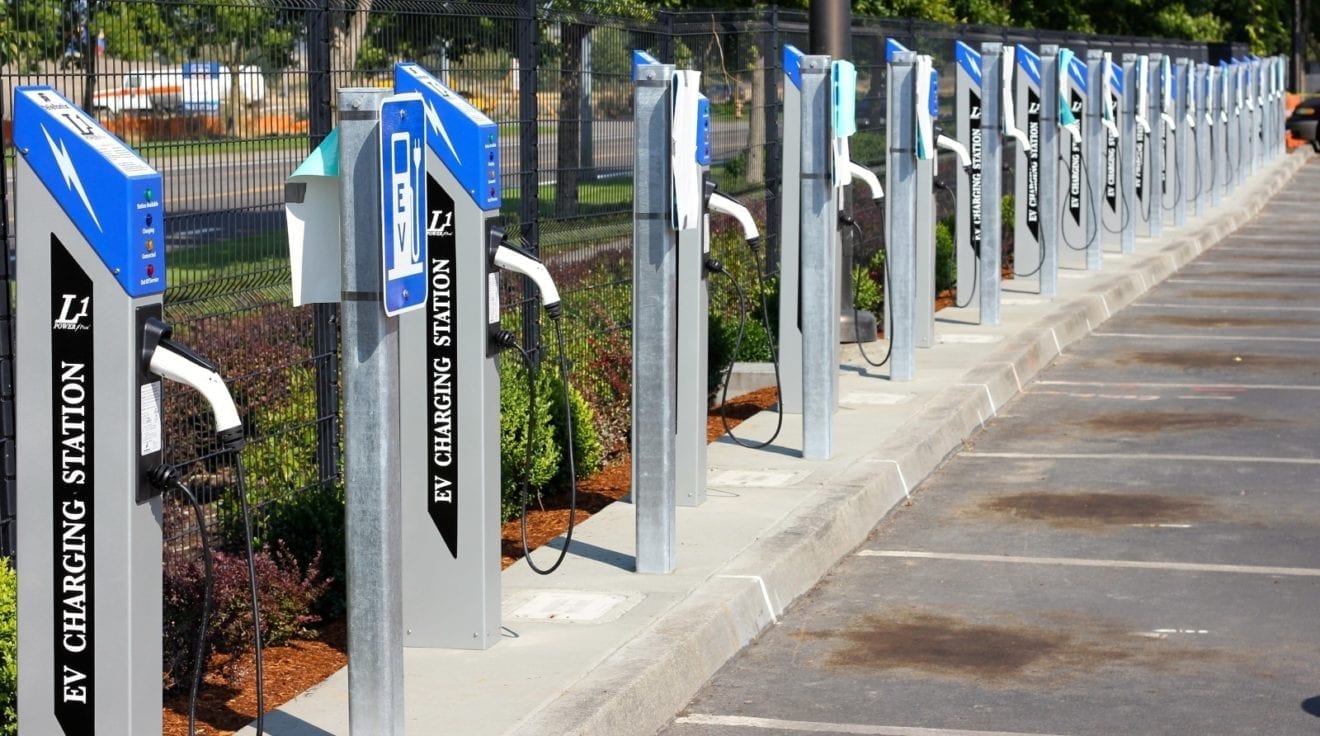
    China plans to build 800,000 charging points, including 100,000 public ones, for electric vehicles this year to meet increasing demand, the National Energy Administration (NEA) said Thursday.

    A total of 100,000 public charging points have been installed nationwide in 2016, bringing the total number of public charging points in China to 150,000, according to the NEA.

    A total of 14,000 kilometers of highway has also been equipped with inter-city fast-charging stations, with an average spacing of 48.6 kilometers.

    Electric vehicles consumed more than 1.2 billion kilowatt-hours of electricity in China last year, saving about 400,000 tons of fuel, according to the NEA.

    In Beijing and Shanghai, a charging facility can now always be found within a radius of less than 5 km, while other major cities such as Guangzhou and Shenzhen are working toward this goal.

    “For the new year, China will work to solve the payment and information-related problems for charging facility operators and implement a unified national standard for charging ports of electric vehicles,” said the NEA.

    According to China’s 13th Five-Year Plan (2016-2020), the country will build a nationwide charging-station network that will fulfill the power demands of 5 million electric vehicles by 2020.

  • China’s Future Mobility plans $1.7 bln electric car plant in Nanjing

    China’s Future Mobility plans $1.7 bln electric car plant in Nanjing

    Chinese electric car venture Future Mobility plans to build an 11.64 billion yuan ($1.7 billion) factory in Nanjing, aiming to capitalise on rising demand for electric cars in the world’s second-largest economy and elsewhere.

    The investment announced on Thursday comes despite a delay to planned funding from technology giant Tencent Holdings and Taiwan manufacturing heavyweight Foxconn , with Hong Kong-registered Future Mobility citing stricter implementation of China’s capital flow controls.

    China has ratcheted up controls on money leaving the mainland since last year in an effort to bolster a weakening yuan and prevent capital flight as the pace of economic growth slows.

    Future Mobility said it is in “close communication” with relevant parties, while a source with direct knowledge of the matter told Reuters that the company has been able to find ample funding from other investors.

    Tencent and Foxconn did not respond to requests for comment outside of business hours.

    The Tencent and Foxconn money currently sits in a China-based fund established before the tightening of capital controls and Future Mobility is working with lawyers to devise mulitiple options to “find a smart way” to complete the investment, the source said.

    The source added that Foxconn and Tencent remain as backers despite the hiccup.

    “We didn’t (initially) find a way to get the funds to come from China to the company outside of China,” the source said. “The money is there.”

    The new factory will eventually have capacity to produce 300,000 cars a year. The company did not give an indication of when it expects to reach that output but said that the first phase of the plant’s construction will be completed by 2019.

    After that initial phase, the factory should be able to produce 150,000 vehicles a year, it said.

    China, struggling with high pollution levels in major cities, is aggressively pushing plug-in vehicles. Its carrot-and-stick approach combines heavy investment and research funding with subsidies, as well as regulations designed to discourage the driving of fossil-fueled cars in big cities.

    Future Mobility said the first product it plans to produce is expected to be a pure-electric medium-sized smart SUV and that vehicles produced at Nanjing will be sold globally.

    A company spokeswoman said that the first car is likely to have a price tag of about 300,000 yuan ($43,700) and is expected to hit the Chinese market in 2019.

  • China, Europe drive shift to electric cars

    China, Europe drive shift to electric cars

    Electric cars will pick up critical momentum in 2017, many in the auto industry believe – just not in North America.

    Tighter emissions rules in China and Europe leave global carmakers and some consumers with little choice but to embrace plug-in vehicles, fuelling an investment surge, said industry executives gathered in Detroit this past week for the city’s annual auto show.

    “Car electrification is an irreversible trend,” said Jacques Aschenbroich, chief executive of auto supplier Valeo, which has expanded sales by 50 percent in five years with a focus on electric, hybrid, connected and self-driving cars.

    In Europe, green cars benefit increasingly from subsidies, tax breaks and other perks, while combustion engines face mounting penalties including driving and parking restrictions.

    China, struggling with catastrophic pollution levels in major cities, is aggressively pushing plug-in vehicles. Its carrot-and-stick approach combines tens of billions in investment and research funding with subsidies, and regulations designed to discourage driving fossil-fueled cars in big cities.

    The road ahead for electric vehicles (EVs) in the United States, however, could have more hairpin curves.

    Regulators in California and a group of other U.S. states are pushing ahead with state-level rules mandating rising quotas for electric, or “zero emission” vehicles.

    But plug-in registrations in the United States fell in 2015, and the market share of electric-only vehicles declined further to 0.37 percent in 2016, as cheap fuel drove demand for gas-guzzling sport utility vehicles and pickup trucks.

    President-elect Donald Trump has pledged to roll back environmental and climate rules. Groups representing established automakers asked Trump to review Obama administration fuel economy targets out to 2025, even before the outgoing administration formally signed them into effect on Friday.

    Automakers have also asked Trump to work toward a single, national set of rules to govern automotive greenhouse gas emissions, a move that could spark legal challenges to electric car quotas in California and other states on grounds they present a separate standard.

    “THE WORLD IS GOING ELECTRIC”

    Still, industry executives in Detroit said hitting the brakes on electric vehicles in the United States would not relieve the pressure to bring them to market, because China and Europe are forging ahead with policies to expand sales of plug-in cars.

    That is why Ford (F.N) is moving forward with previously announced plans to invest $4.5 billion for plug-in vehicles by 2020, Chief Executive Mark Fields said earlier this month.

    “The industry is changing, the infrastructure’s starting to build, and that’s why our view is (that) within the next 15 years we’ll see more electrified offerings … than we’ll see gasoline-powered,” Fields said as he unveiled a $700 million plan to build a battery SUV and other plug-in vehicles in Flat Rock, Michigan.

    To drive the shift to electric, industry executives said they needed more help from governments. In China, Europe and the United States, automakers are advocating new infrastructure money go to public electric car charging networks.

    In the United States, EV manufacturers are pushing for the continuation of a $7,500 federal tax subsidy for consumers who buy a fully electric car. Even if Trump were to try to eliminate it, it would take time as Congress would have to act.

    “There is not a disagreement that the world is going electric,” California Air Resources Board Chair Mary Nichols said on the sidelines of the auto show, noting that all vehicle makers were now investing in electric models across their entire product lines. The debate, she said, was “over timing, not the goal.”

    The Chinese electric car market cast its shadow over the Detroit auto show, where manufacturers showed off plug-in hybrid and electric models that will likely do scant business in the United States.

    IHS Automotive predicts Chinese plug-in deliveries will hit 1 million in 2019, four years before the United States. China pulled ahead in 2015 with a fourfold sales surge before adding 55 percent last year to 348,000 vehicles, with the United States at 138,000.

    “Look to China rather than the U.S. for the future of electric cars,” Gerard Detourbet, a Renault-Nissan executive leading low-cost plug-in development, said recently. “China is compelled to act – that’s the main difference.”

  • Thai electric car rolls out

    Thai electric car rolls out

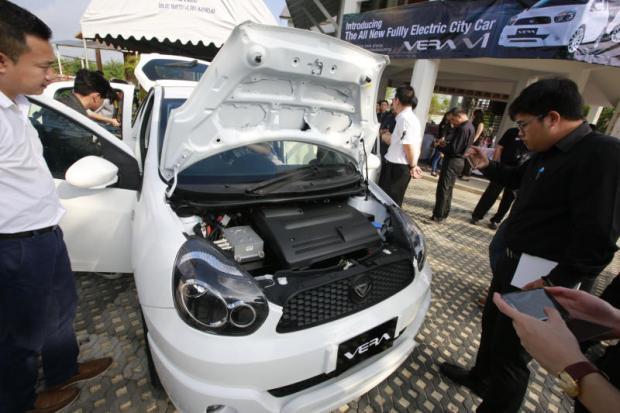
    Thailand’s first electric car brand has made its debut amid scepticism from an industry expert about its commercial viability. Vera Automotive, founded on Oct 7, 2015 by five Thai engineers from King Mongkut’s Institute of Technology Ladkrabang (KMITL), yesterday introduced the Vera V1 battery electric vehicle (BEV), powered with a battery capacity of 22 kilowatts per hour, which can be registered with the Land Transport Department as a passenger car.

    The maximum speed of the Vera V1 is up to 105 kilometres an hour. It can run up to 180km per charge, which takes six hours to complete.

    Co-founder Wanchai Meesiri said all Vera cars are designed by Thai engineers under the Thai brand, but the company has hired the Chinese carmaker Geely Automotive to produce the BEVs. The company imports the cars as completely built-up (CBU) vehicles to Thailand.

    Vera V1 is subject to all related taxes similar to other imported vehicles, including an 80% import duty, a 10% excise tax for all types of electric vehicles, a 10% interior tax and a 7% value-added tax.

    Yossapong Laoonual, chairman of the Electric Vehicle Association of Thailand (Evat), said it’s a good sign for the country to create its own electric vehicles, even if the vehicles are made by foreign firms.

    A retail price below 1 million baht is affordable for Thai customers, he said.

    But Asst Prof Yossapong warned that any startup that is selling electric vehicles has to plan its marketing strategy carefully, as the Thai car market has many dimensions for consumers to consider, including brand, service and trust.

    “Electric vehicles for Thailand remain very new, and they’re unlikely to become popular or proliferate in the short term,” he said. “If you are a new company or brand, the best solution is to sell electric vehicles as a fleet to other agencies, which are easier to provide after-sales services for.”

    Mr Wanchai said the primary purpose for establishing Vera Automotive is to make Thai BEVs for the local market.

    Managing director and co-founder Werachet Khan-ngern said Vera vehicles aim to capture only a niche market.

    He expects to sell about 100 units of Vera this year.

    “We hope in the foreseeable future the government will come up with clearer policies and supporting measures once the number of electric vehicles increases,” Mr Werachet said.

    He said the firm will provide after-sales services at its head office on Ladprakao Road.

  • China’s Wanxiang gets approval to produce Karma electric cars

    China’s Wanxiang gets approval to produce Karma electric cars

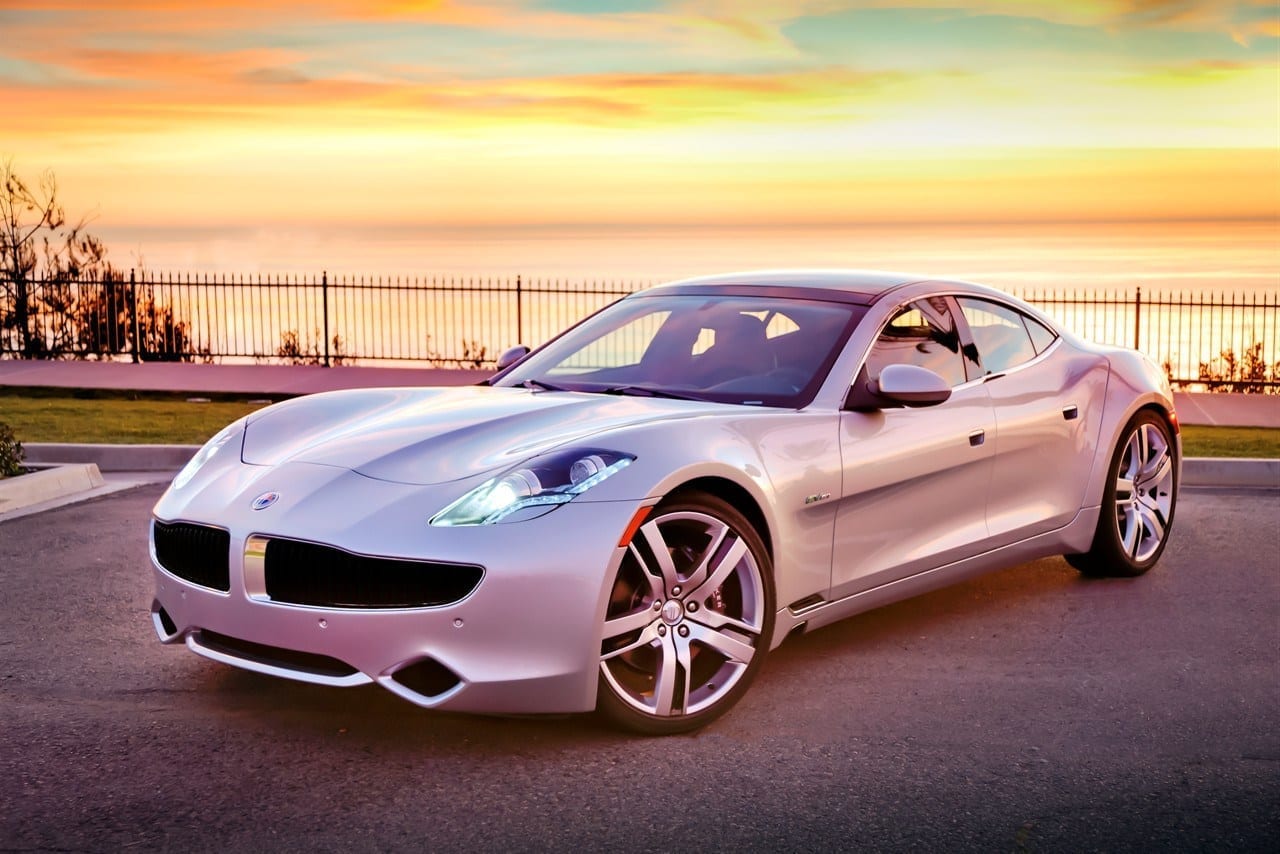
    Wanxiang Group, a major Chinese auto parts supplier which almost three years ago bought the assets of defunct California-based plug-in hybrid carmaker Fisker Automotive, has received approval from local regulators to produce electric vehicles in China.

    According to a notice on Friday on the website of the National Development and Reform Commission (NDRC), China’s top economic and industrial planner, Wanxiang has the green light to build a factory with capacity to produce 50,000 electric cars a year.

    The move means the former Fisker Automotive, which was founded in part with a U.S. government loan and ceased production of its $100,000 plug-in electric hybrid sports cars in 2012 after a series of technical glitches and cost overruns, continues to survive under Chinese ownership after Wanxiang gave it a second life.

    Wanxiang later changed Fisker’s name to Karma Automotive.

    Wanxiang, a Hangzhou-based company which in 2012 also acquired U.S. lithium-ion battery maker A123, became the sixth company to be allowed to produce new-energy vehicles in China.

    More companies are currently being encouraged to enter the automotive industry in China but only if they are willing to produce so-called new-energy cars, mostly all-electric battery cars and heavily electrified plug-in hybrids.

    China has been making a push for electrically-propelled cars by offering incentives to buyers, forcing global automakers to share their technology, and opening its market to tech firms and others to produce electric vehicles.

    Beijing wants such vehicles to serve the mass market, and hopes the technology will help its auto industry close a competitive gap with global rivals which have a century’s head-start in traditional combustion engines.

    Aside from Wanxiang, NDRC has approved five companies to produce new-energy vehicles, including Ch-Auto’s Qiantu Motor, and Changjiang Auto. More companies such as WM Motor, Future Mobility, Singulato Motors are seeking approval.

  • Toyota chief shifts gear, to boost electric vehicle division

    Toyota chief shifts gear, to boost electric vehicle division

    Toyota Motor Corp on Wednesday appointed its president to lead their newly formed electric car division, flagging its commitment to develop a technology that the automaker has been slow to embrace.

    The change comes as the United States, China and European countries are encouraging automakers to make more all-electric battery cars as they push alternative energy strategies.

    Akio Toyoda, grandson of the company’s founder Kiichiro Toyoda, has been at the helm of the world’s largest automaker since 2009. He will head the company’s electric vehicle (EV) planning department along with Executive Vice Presidents Mitsuhisa Kato and Shigeki Terashi.

    “By putting the president and vice presidents in charge of the department, we plan to speed up development of electric cars,” said Toyota spokeswoman Kayo Doi, following a personnel change announcement by the company.

    “The president will directly oversee the department’s operations to enable decisions to be made quickly and nimbly.”

    The department comprises a new in-house unit to plan Toyota’s strategy to develop and market electric cars as part of the company’s efforts to keep pace with the tightening global emissions regulations.

    Toyota is also shifting the chief engineer of its Prius petrol-hybrid to its EV efforts, appointing Koji Toyoshima to head the division’s engineering team. Toyoshima will also join the four-member EV strategy unit, which will include representatives from group suppliers – Denso Corp, Aisin Seiki Co, and Toyota Industries Corporation.

    Rivals such as Nissan Motor, Volkswagen and Tesla Motors have touted pure electric cars as the most viable zero-emission vehicles.

    However, Toyota until recently said it favored EVs for short-distance commuting given their limited driving range and lengthy charging time. It has been investing heavily in hydrogen fuel-cell vehicles (FCVs), which the company considers as the ultimate “green” car.

    Earlier this month, Toyota said it will develop cars with up to 15 percent greater range and battery life in the next few years.

  • Toyota says aims to develop advanced electric-car battery in a few years

    Toyota says aims to develop advanced electric-car battery in a few years

    Toyota Motor Corp said it aims to develop a new, more advanced electric-car battery “in a few years” that will allow the Japanese automaker to come up with an electrified vehicle with driving range and battery life enhanced by up to 15 percent.

    Such performance-enhanced lithium-ion battery technology will likely enable all its electrified vehicles to be improved, Toyota said.

    “Lithium-ion battery is a key technology for electrifying cars, and there is a clear need, going forward, for improving this technology and its performance even more,” Hisao Yamashige, a battery technology researcher at Toyota, told a media briefing in Tokyo on Thursday.

    Improving the performance of lithium-ion battery technology is a pressing issue for traditional automakers such as Toyota and new entrants such as Tesla Motors Inc because of its limiting characteristics.

    Producers of all-electric battery cars, plug-in electric hybrids, as well as conventional gas-electric hybrids are all striving to source or develop more advanced battery technologies to give their electrified cars a better driving range, battery life, and safety.

    Toyota, Japan’s biggest automaker by volume, has pioneered gasoline-electric hybrids technology and is gearing up to launch a new, near-all-electric plug-in hybrid car called the Prius Prime. It also has recently said it is aiming to come up with an all-electric battery car by 2020.

  • BMW eyes 100,000 electric car sales in 2017

    BMW eyes 100,000 electric car sales in 2017

    BMW wants to boost sales of electric cars by two-thirds next year to 100,000 vehicles as the luxury automaker is offering more battery-powered models, citing Chief Executive Officer Harald Krueger.

    Munich-based BMW expects to increase its deliveries of fully electric and hybrid vehicles to around 60,000 units this year, Krueger said. Sales of battery-powered BMW models have totaled about 100,000 cars since 2013, he noted.

    “Electric mobility will come, but demand is not going through the roof at the moment,” the newspaper quoted Krueger as saying.

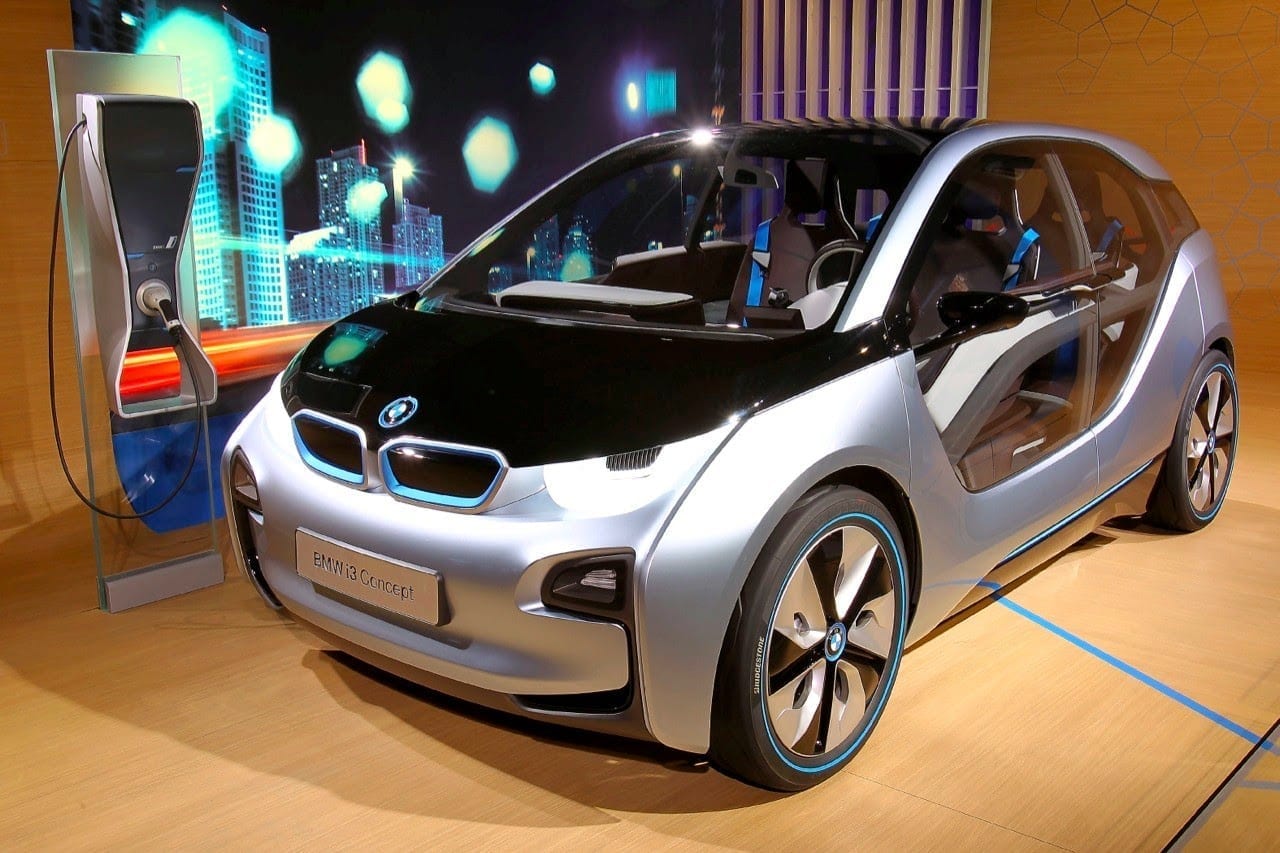
    To help improve sales, BMW is also increasing the battery range of its i3 city vehicle by 50 percent this year. The i3, BMW’s only fully battery-powered car, sold only 25,000 units last year.

    The company, which has dropped behind Daimler’s Mercedes-Benz in global luxury-car sales rankings, wants to expand the share of electric cars and hybrid models to between 15 percent and 25 percent of sales by 2025, the newspaper reported.

  • Tesla buys Grohmann Engineering to help ramp up electric car production

    Tesla buys Grohmann Engineering to help ramp up electric car production

    Electric carmaker Tesla Motors Inc has agreed to buy Germany’s Grohmann Engineering GmbH, which develops automated manufacturing systems for batteries and fuel cells, as the California-based company seeks to expand its production more than sixfold by 2018.

    Unlisted Grohmann Engineering, based in Pruem, Germany, helped Tesla rivals Daimler and BMW build production facilities for electric car batteries.

    Tesla is seeking to raise its global manufacturing capacity to 500,000 vehicles in 2018 from an expected production rate of about 80,000 this year. Its main production facility is in Fremont, California.

    “To date, we have increased the production rate at our Fremont Factory by 400 percent in four years, and we expect this acquisition to accelerate that growth rate,” Tesla said in a blogpost.

    Following the acquisition, which still needs to be approved by the cartel authorities in Germany, several elements of Tesla’s automated manufacturing systems will be designed and produced in Pruem, close to Germany’s border with the Netherlands and Luxembourg.

    The deal, whose financial terms were not disclosed, is expected to add over 1,000 engineering and skilled technician jobs in Germany over the next two years Tesla said in its blog. Grohmann currently has around 700 employees.

    Tesla agreed on Sunday to buy a 74.9 percent stake from company founder and majority owner Klaus Grohmann, and a further 25.1 percent stake belonging to private equity firm Deutsche Beteiligungs AG (DBAG), DBAG said in a statement on Tuesday.

    DBAG said it expected to earn in the mid single-digit million euro range by selling its stake in Grohmann and that Grohmann had revenues of 123 million euros ($136 million) in 2015.

    DBAG said Grohmann had developed production lines for battery cells and batteries for “numerous” German and international automobile manufacturers. Grohmann was also specialized in the industrial production of fuel cells, DBAG said, and was active in the electronic and semiconductor industries as well as the biotechnology and medical technology sectors.

    Grohmann Engineering will be renamed Tesla Grohmann Automation after the deal and will serve as the initial base for Tesla Advanced Automation Germany with other locations to follow, Tesla said.

    The deal is expected to close next year.