Retail News CRM

Tag: electric

  • Volkswagen Brings Back The Microbus Together With A Battery

    Volkswagen Brings Back The Microbus Together With A Battery

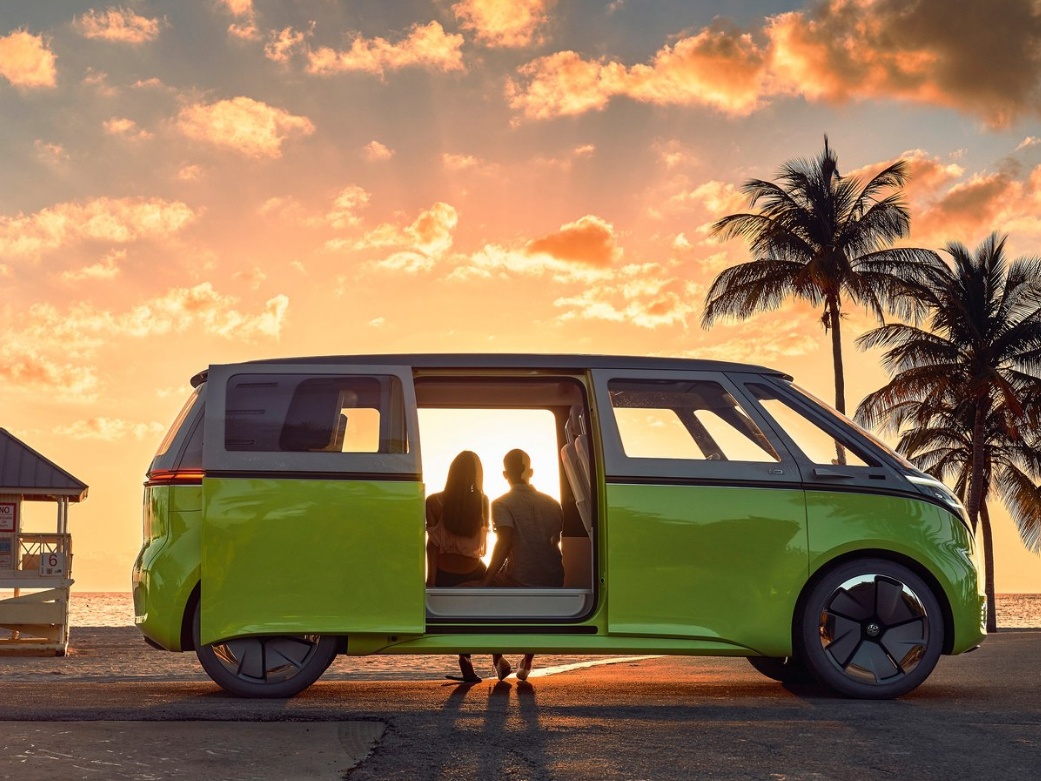
    Volkswagen will show a production version of its long-awaited ID.Buzz, an electric reincarnation of its beloved Microbus or Kombi, on March 9 and plans to launch it in the United States in late 2023, the company said on Friday.

    The ID.Buzz is one of “the most anticipated and most hyped” models anticipated from the Volkswagen brand since the company launched its new Beetle in the late 1990s, Scott Keogh, head of Volkswagen’s North American operations said during a media call.

    Volkswagen Chief Executive Herbert Diess tweeted on Thursday “The legend returns on 03/09/22!” The tweet contained a sketch of the profile of the ID.Buzz van.

    Volkswagen has shown a series of prototypes for a new Microbus over the past decade. But those prior show vans – the Budd.E and the Bulli – never made it to production, to the frustration of fans of the vehicle.

    Keogh said that a three-row version of the ID.Buzz will launch in the United States, where the original microbus became an icon of the counterculture, in late 2023 or early 2024. Volkswagen will launch a two-row version in Europe.

    “You want to get to 100,000 units before you localize,” Keogh said.

    Volkswagen will ramp up production of its ID.4 electric SUV at Chattanooga this year.

    Earlier Friday, Volkswagen said U.S. sales of its VW brand vehicles rose 15% in 2021, driven largely by strong sales of gasoline-fueled SUVs such as the Atlas and Tiguan.

    Shortages of vehicles caused by chip supply chain problems will continue to limit vehicle production and sales in the United States through 2022, Keogh said.

    He said he believes as many as two million potential car buyers did not buy a vehicle in 2021 because of the lack of supply, creating pent up demand for this year and beyond.

  • Sony Looks To Electric Cars For Its Next Big Hit

    Sony Looks To Electric Cars For Its Next Big Hit

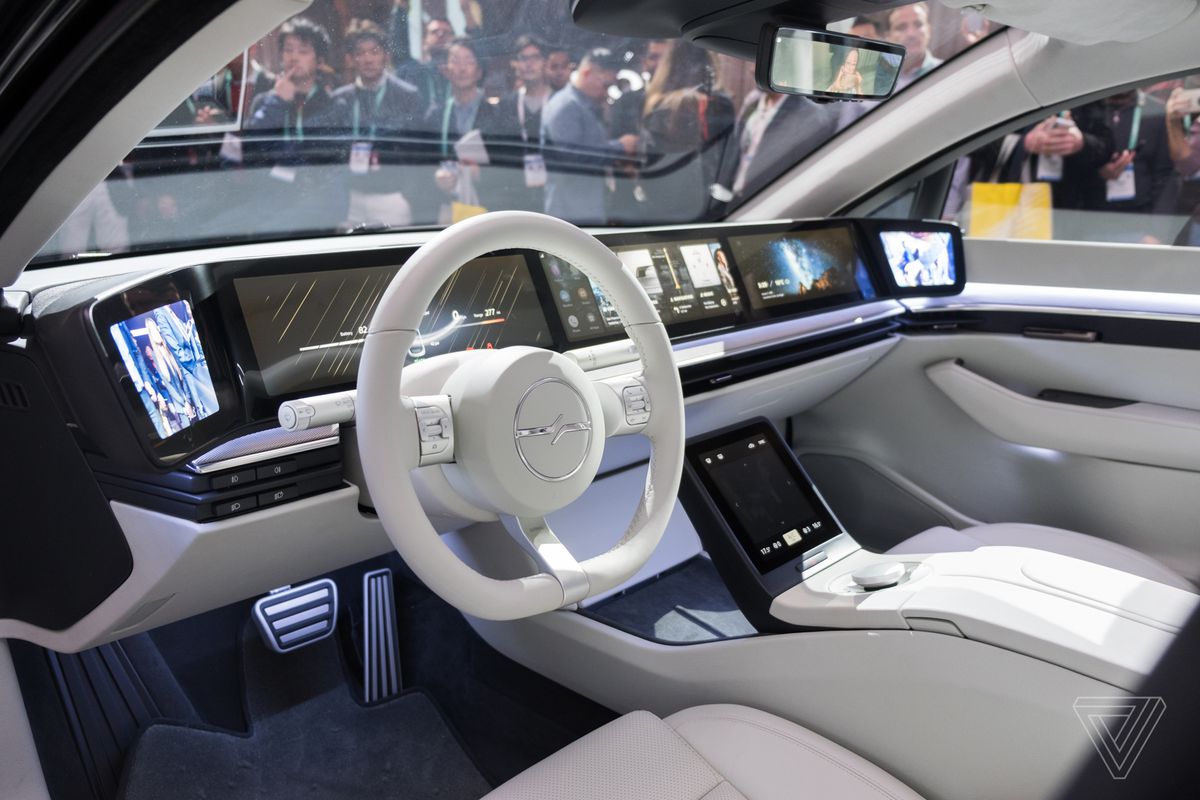
    Japan’s Sony Group Corp plans to launch a company this spring to examine entering the electric vehicle market, looking to harness its strengths in entertainment and sensors to play a bigger role in next-generation mobility.

    The new company, Sony Mobility Inc, comes as the Japanese tech giant is “exploring a commercial launch” of electric vehicles, Sony chairman and president Kenichiro Yoshida told a news conference, speaking ahead of the CES technology trade fair in the United States.

    “With our imaging and sensing, cloud, 5G and entertainment technologies combined with our contents mastery, we believe Sony is well-positioned as a creative entertainment company to redefine mobility,” he said.

    Although its once-dominant position in consumer electronics has been eroded by Asian rivals like South Korea’s Samsung Electronics Co, Sony still has an arsenal of sophisticated technology in areas such as sensors critical to autonomous driving.

    It also remains one of the world’s biggest entertainment companies, home to prominent video game and movie franchises. Audio and entertainment systems are increasingly a focus for next-generation vehicles.

    Shares in Sony jumped 4.2% in Tokyo after the electric vehicle plans were announced, easily outpacing a flat Nikkei index.

    Yoshida unveiled a prototype sport utility vehicle (SUV), the VISION-S 02, which uses the same electric vehicle platform as the previously announced VISION-S 01 coupe that began testing on public roads in Europe from December 2020.

    He said the company saw mobility as an “entertainment space” where passengers could choose individual entertainment options and use 5G internet connection.

    Wall Street is betting heavily on electric cars and the global auto industry has been upended by Tesla Inc, now the world’s most valuable automaker. Many investors also expect Apple Inc to launch its own vehicle within the next few years.

    Japan’s Toyota Motor Corp in December committed $70 billion to electrify its automobiles by 2030.

  • 2022 MINI Cooper S Electric Images Leaked

    2022 MINI Cooper S Electric Images Leaked

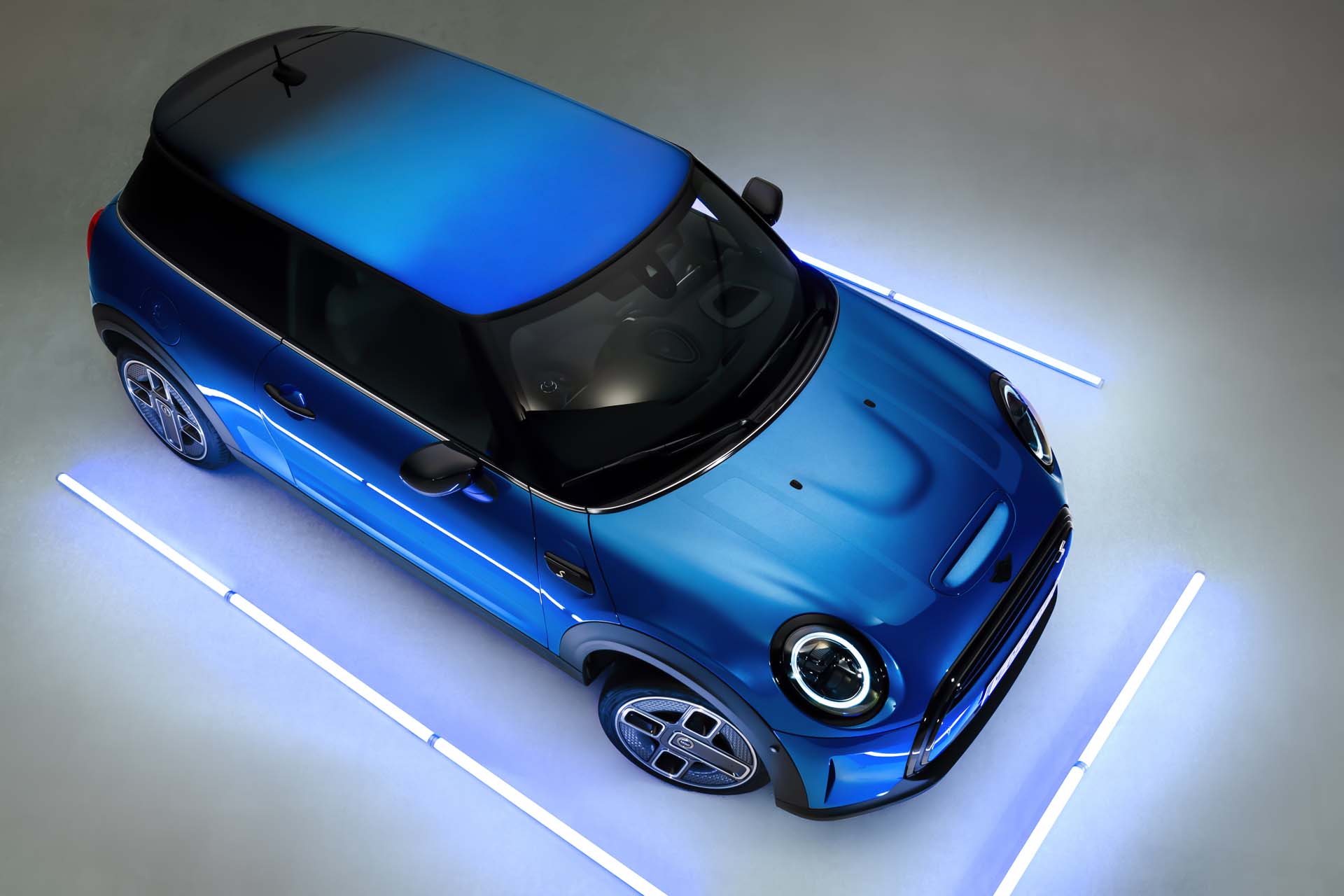
    The MINI Cooper has always been loved for its quirky design and the upcoming MINI Cooper S electric retains that character. Well! At least that’s what the latest leaked images from China suggest. These images have been doing rounds on the internet for the last couple of days and besides the white MINI EV, you can also see the prototype test mule wrapped in camouflage.

    The Cooper S is finished in green and the traditional dual exhaust tips mounted in the middle, quite obviously, have been ditched. The white body fiber on the radiator grille area leaves us in no doubt of it being a MINI and the face is quite familiar sporting the big and round circles of the headlights, but the lower lights have been removed to give the bumper a simplified look. Well, the face still doesn’t look alien to us, but it’s the rear that has completely surprised us.

    The rear end looks much wider and the taillights get a completely new shape. A thick black bar runs the entire width of the tailgate and incorporates the ‘Cooper S’ lettering. If that’s not camouflage, the Mini logo has a dark look at both the front and rear of the prototype. The vehicle appears to have the full production body and lights since it even boasts a rear-view camera hanging from underneath that bar.

    The cabin of the new MINI Cooper S electric looks even more futuristic and simplified. It digital instrument cluster has been given a miss, but it does get a head-up display. Taking cente stage is the big circular touchscreen. It does get a few conventional controls mounted below the air vents to provide quick access to the climate settings.

    The company has already started accepting pre-bookings for the model for a token amount of ₹ 1 lakh. Going by the global-spec model, the MINI Cooper SE packs an electric motor that develops 181 bhp and 270 Nm of peak torque. Power comes from the 32.6 kWh lithium-ion battery pack with a range of 270 km on a single charge. The electric hatchback can sprint from 0-100 kmph in 7.3 seconds and has an electronically limited top speed of 150 kmph. Compared to the petrol model, the electric version is about 145 kg heavier.

  • Volvo Cars To Go Leather-Free In All Pure Electric

    Volvo Cars To Go Leather-Free In All Pure Electric

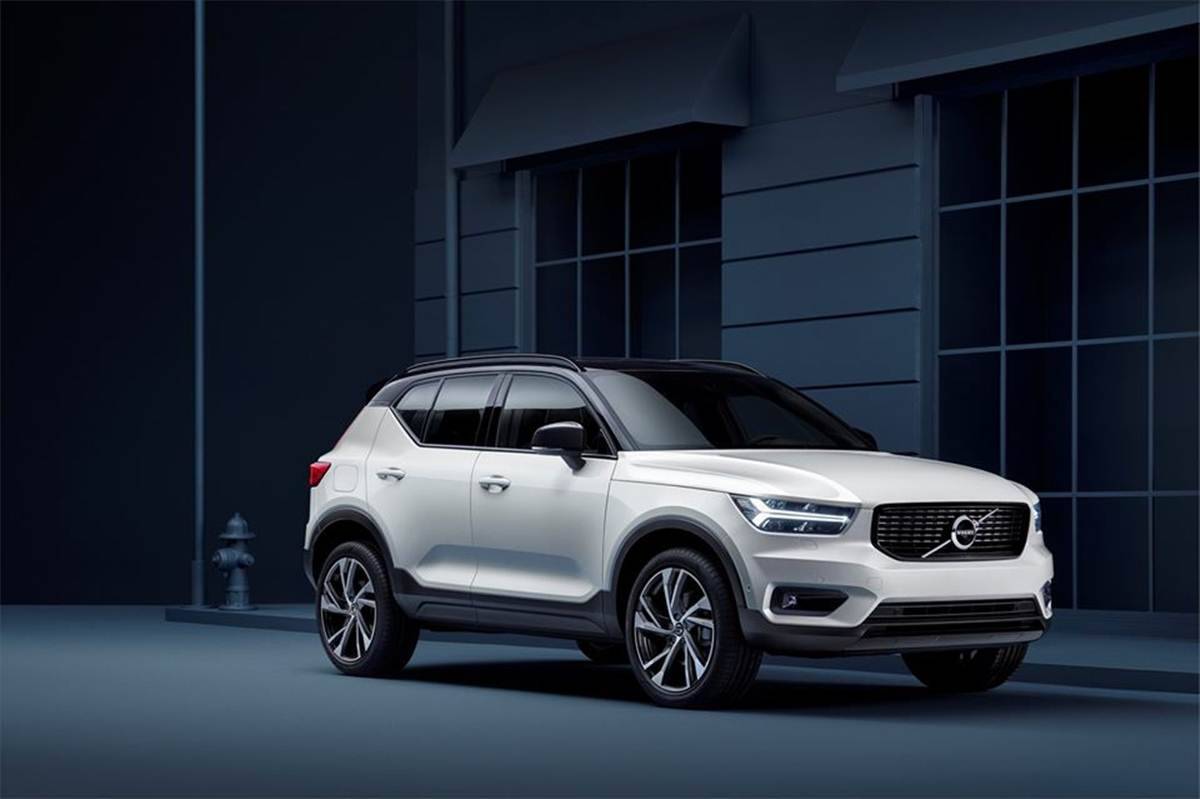
    Volvo Cars is taking an ethical stand for animal welfare in its fully electric cars. Starting with the new C40 Recharge, all-new fully electric Volvo models will be completely leather-free. In the coming years, Volvo Cars will launch a completely new family of pure electric cars. By 2030 it aims to offer only fully electric cars – all of them leather-free.

    As part of its ambitions to go completely leather-free, Volvo Cars is working actively to find high-quality and sustainable sources for many materials currently used in the wider car industry. By 2025, the company is aiming for 25 percent of the material in new Volvo cars to consist of recycled and bio-based content, as it looks to become a fully circular business by 2040. As part of its climate action plans, it also aims for all its immediate suppliers, including material suppliers, to use 100 percent renewable energy by 2025.

    Volvo Cars has created a new interior material – Nordico. It will consist of textiles made from recycled material such as PET bottles, bio-attributed material from sustainable forests in Sweden and Finland, and corks recycled from the wine industry.

    The company’s move towards leather-free interiors is also driven by a concern about the negative environmental impacts of cattle farming, including deforestation. Livestock is estimated to be responsible for around 14% of global greenhouse gas emissions from human activity, with the majority coming from cattle farming.

    Instead of leather interior options, Volvo Cars will offer its customers alternatives such as high-quality sustainable materials made from bio-based and recycled sources.

    For example, Nordico, a new interior material created by Volvo Cars, will consist of textiles made from recycled material such as PET bottles, bio-attributed material from sustainable forests in Sweden and Finland, and corks recycled from the wine industry – setting a new standard for premium interior design. This material will make its debut in the next generation of Volvo models.

    Instead of leather interior options, Volvo Cars will offer its customers alternatives such as high-quality sustainable materials made from bio-based and recycled sources.

    Volvo Cars will also continue to offer wool blend options from suppliers that are certified to source responsibly, as the company looks to ensure full traceability and animal welfare in its wool supply chain. Volvo Cars is also looking to reduce the use of residual products from livestock production commonly used within or in the production of plastics, rubber, lubricants and adhesives, either as part of the material or as a process chemical in the material’s production or treatment.

    The company takes this step because it believes that while going leather-free is a step in the right direction, doing so alone does not make a car interior vegan.

    By aiming to actively replace these materials as much as possible, Volvo Cars takes a strong and ethical position to do what it can to help stop animal harm, by contributing to a reduced demand for these materials containing animal products.

  • OX One Electric Motorcycle Production Begins In Spain

    OX One Electric Motorcycle Production Begins In Spain

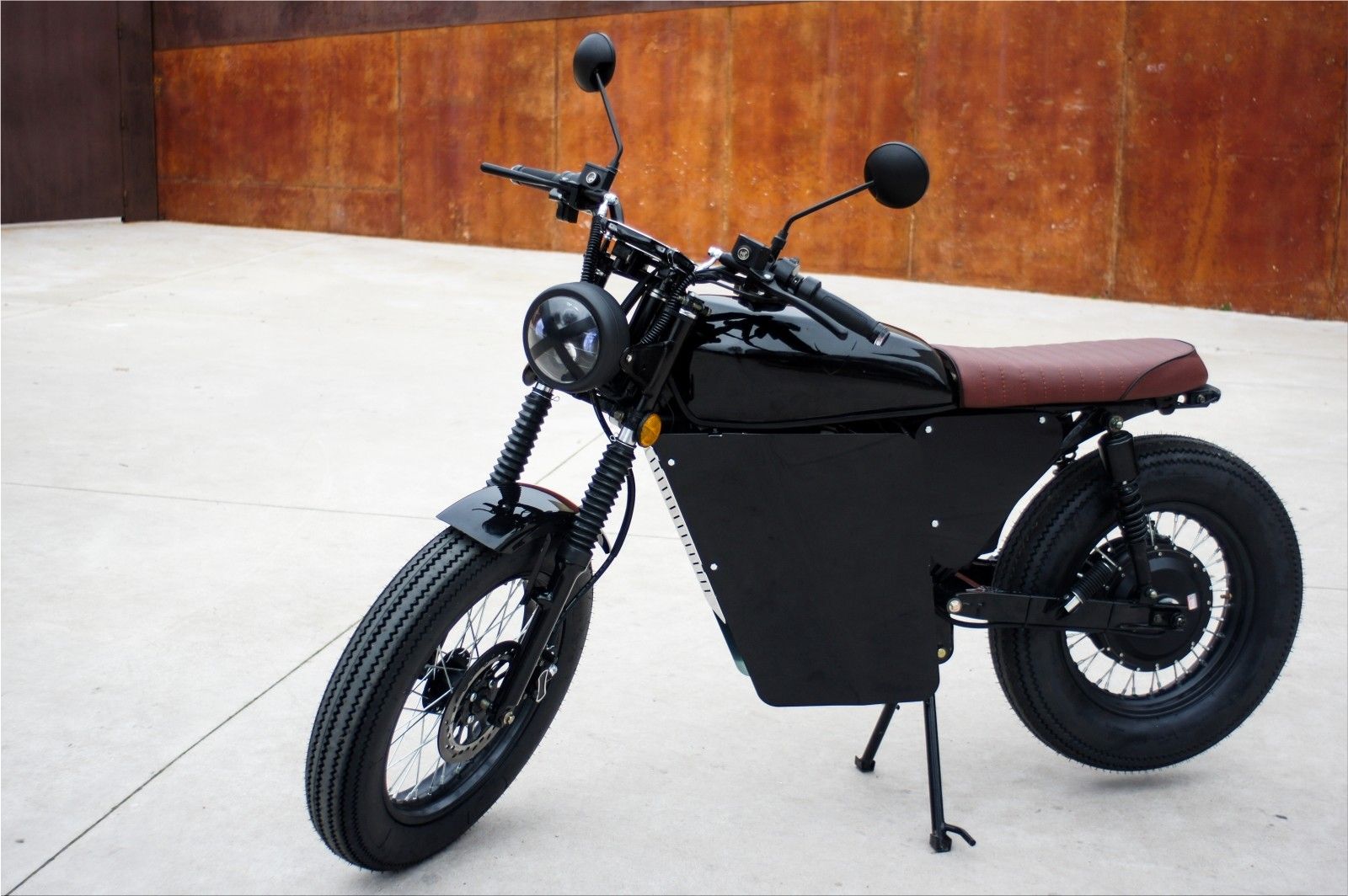
    Spanish EV brand OX Motorcycles has begun serial production of the OX One electric motorcycle in the QuaZZar Technology Centre, in Madrid. The production of the OX One begins after the start-up spent two years of development and creating prototypes with factories in China. The agreement with QuaZZar Technologies to manufacture the OX one in Spain is intended to guarantee highest levels of quality, while also providing a boost to the motorcycle industry in Spain, a statement from OX Motorcycles said.

    “After two years of working with factories in China, learning from the number-one electric vehicle industry in the world, we have decided to move our production-unit to Spain, putting in value the national capacities and promoting sustainable industry. In addition, we have managed to lower operating costs and provide a closer, local and personalized customer experience. Undoubtedly, our clients are the maximum beneficiaries of this decision and this was the most important key to making this decision,” said Adrian Gonzalez, CEO, OX Motorcycles.

    OX Motorcycles will have a production capacity of 2,000 units per year, and intends to expand its operations across the European market by the third quarter of 2021. The OX One has a maximum speed of 110 kmph, and up to 100 km of range, powered by a 6 kW motor and single removable and easy-to-carry battery. In Spain, the OX One is priced at 4,100 Euros, and can be booked online in Spain on the OX Motorcycle official website.

  • Rimac Nevera Electric Hypercar Unveiled

    Rimac Nevera Electric Hypercar Unveiled

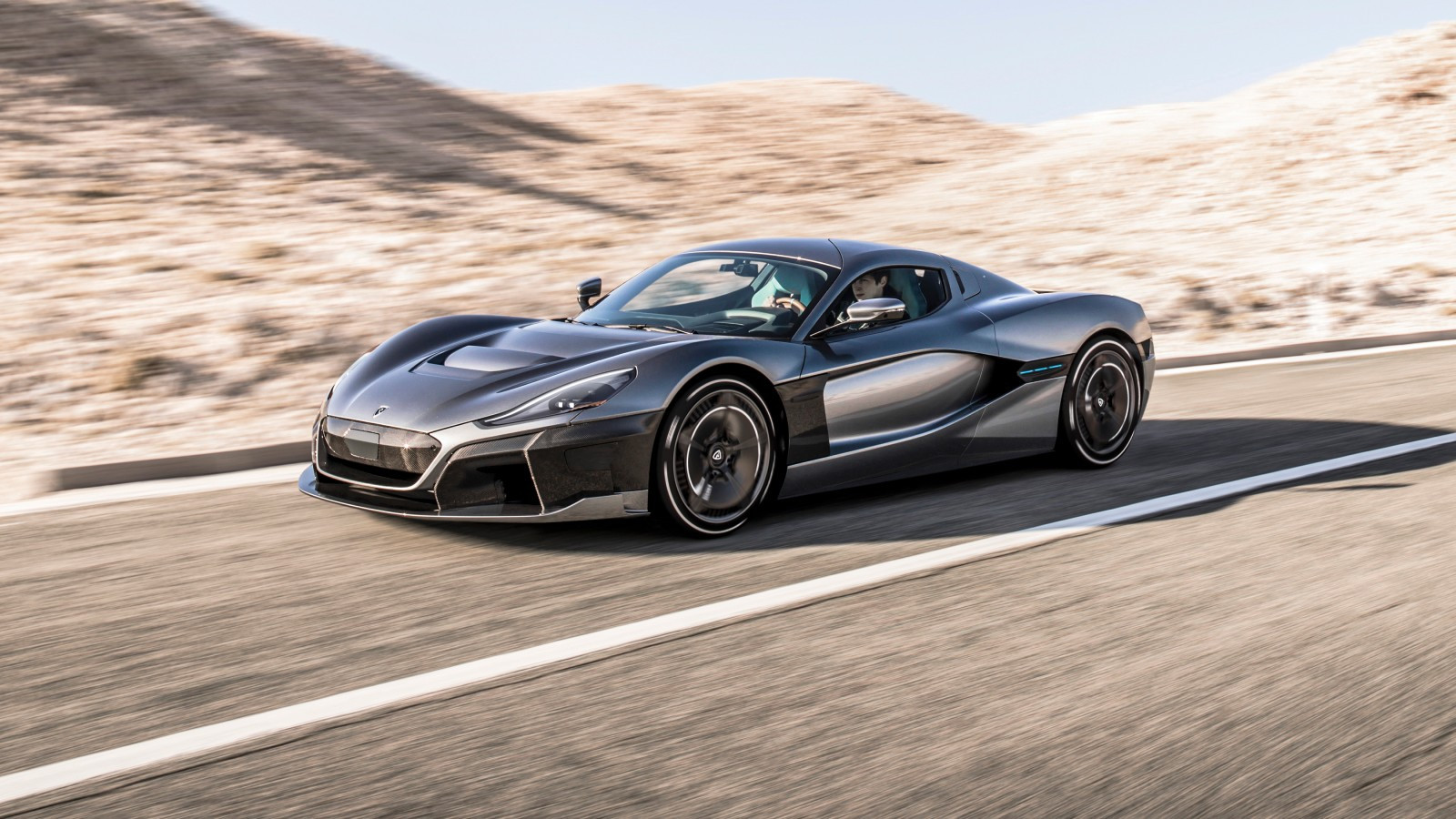
    After a long wait, Rimac Automobili has finally unveiled the Nevera, an all-electric, hypercar that has been designed and engineered to surpass anyone’s expectation of an electric car. The Nevera is the production-ready iteration of the Rimac C_Two concept car, which was revealed at the International Geneva Motor Show in 2018. Since then, Rimac’s engineers have refined the new flagship car. The Nevera was developed in-house at Rimac’s headquarters in Croatia and only 150 examples of the car will be made.

    Underlining his own commitment to the project, Mate Rimac will personally test and sign off each of the Neveras, before they are delivered to customers from the company’s current production site on the outskirts of Zagreb, Croatia.

    Nevera’s monocoque construction includes a bonded carbon roof, integrated structural battery pack, and rear carbon subframe, is forming the largest single carbon fibre piece in the entire automotive industry. Weighing less than 200 kg and utilizing 2200 carbon fibre plys and 222 aluminum inserts, the monocoque encases the car’s battery to form a compact yet incredibly strong structure with a torsional stiffness of 70.000 Nm/degree.

    The unique H-shaped, liquid-cooled, 120kWh, 6960-cell battery was designed from scratch by Rimac and sits at the heart of the Nevera. Capable of producing 1.4MW of power, the Lithium/Manganese/Nickel battery also forms an integral part of the car’s core, adding 37 percent structural stiffness to the carbon fibre monocoque. The battery’s optimum positioning low and central within the car’s floor contributes to an ultra-low centre of gravity. This helps create a 48/52 front/rear weight distribution.

    Four bespoke surface-mounted permanent magnet motors drive the Nevera’s four wheels individually. Together, they enable 1914 horsepower and 2360 Nm of torque, which is triple the output of a ‘conventional-engined’ supercar. The front and rear wheels are each connected to a pair of single-speed gearboxes.

    With the ability to sprint to 96.5 kmph in 1.85 seconds and continue the acceleration all the way to a 412 kmph which is its top speed, the Nevera opens up a new dimension in hypercar performance. Accelerating from rest to 161 kmph requires just 4.3 seconds and it maintains acceleration throughout a full-throttle cycle, achieving 300 kmph from rest in 9.3 seconds, shredding a whole 2.5 seconds from the initial targets.

    Rimac’s All-Wheel Torque Vectoring 2 (R-AWTV 2) system replaces traditional Electronic Stability Program and Traction Control systems to further bolster grip and traction. Meanwhile, the Nevera’s R-AWTV 2 system enables infinitely variable dynamic responses to road and track conditions by calibrating the amount of torque supplied to each wheel. R-AWTV 2 calculates the precise level of torque to channel through each wheel for ultimate stability and exceptional agility. Both predictive and responsive, R-AWTV reads the road and makes over 100 calculations per second to tailor the level of torque to achieve the desired driving style.

  • Hyundai No Longer In Talks With Apple On Autonomous Electric Cars

    Hyundai No Longer In Talks With Apple On Autonomous Electric Cars

    South Korea’s Hyundai Motor Co said on Monday it is not now in talks with Apple Inc on autonomous electric cars, just a month after it confirmed early-stage talks with the tech giant, sending the automaker’s shares skidding. Wiping $2.1 billion off its market value, Hyundai’s stock slumped 4.2% by 0330 GMT. Shares in its affiliate Kia Corp, which had been tipped in local media reports as the likely operational partner for Apple, tumbled 12% – a $4.3 billion hit.

    The announcement brings the curtain down on weeks of internal divisions within Hyundai Motor Co Group – parent to both automakers – about the potential tie-up, with some executives raising concerns about becoming a contract manufacturer for the U.S. tech giant.

    “We are receiving requests for cooperation in the joint development of autonomous electric vehicles from various companies, but they are at an early stage and nothing has been decided,” the automakers said on Monday, in compliance with stock market rules requiring regular updates to investors regarding market rumors.

    Apple, known to keep product plans under tight wraps, has never acknowledged talks with the automaker about building vehicles
    “We are not having talks with Apple on developing autonomous vehicles.”

    Kia shares had jumped 61% after Hyundai appeared to confirm a local media report early in January that Apple and Hyundai were in discussions to develop self-driving electric vehicles by 2027 and develop batteries at U.S. factories operated by either Hyundai or Kia.

    “Apple and Hyundai are in discussion, but as it is at an early stage, nothing has been decided,” Hyundai said, before releasing subsequent statements that removed all mentions of Apple but said Hyundai was receiving electric car cooperation requests from parties it didn’t identify.

    Reuters reported in December that Apple was moving forward with autonomous car technology and aimed to produce a passenger vehicle that could include its own breakthrough battery technology as early as 2024.

    Apple, known to keep product plans under tight wraps, has never acknowledged talks with the automaker about building vehicles and wasn’t immediately available for comment outside business hours in the United States.

    Analysts said talks might have collapsed over leaks of the partnership plan to media, or over possible insistence by Apple that Hyundai’s role in any tieup would be that of an equipment manufacturer, rather than a strategic partner.

    “With numerous news reports over discussions between the two companies, which should have been held to non-disclosure agreements, it would have been uncomfortable,” said Kwon Soon-woo, an analyst at SK Securities.

    Kevin Yoo, an analyst at eBEST Investment & Securities, said, “It seems clear that Hyundai Motor Group has not been too happy with dealing with Apple. They made it clear that they do not want to be treated just as Apple’s supplier or manufacturer.”

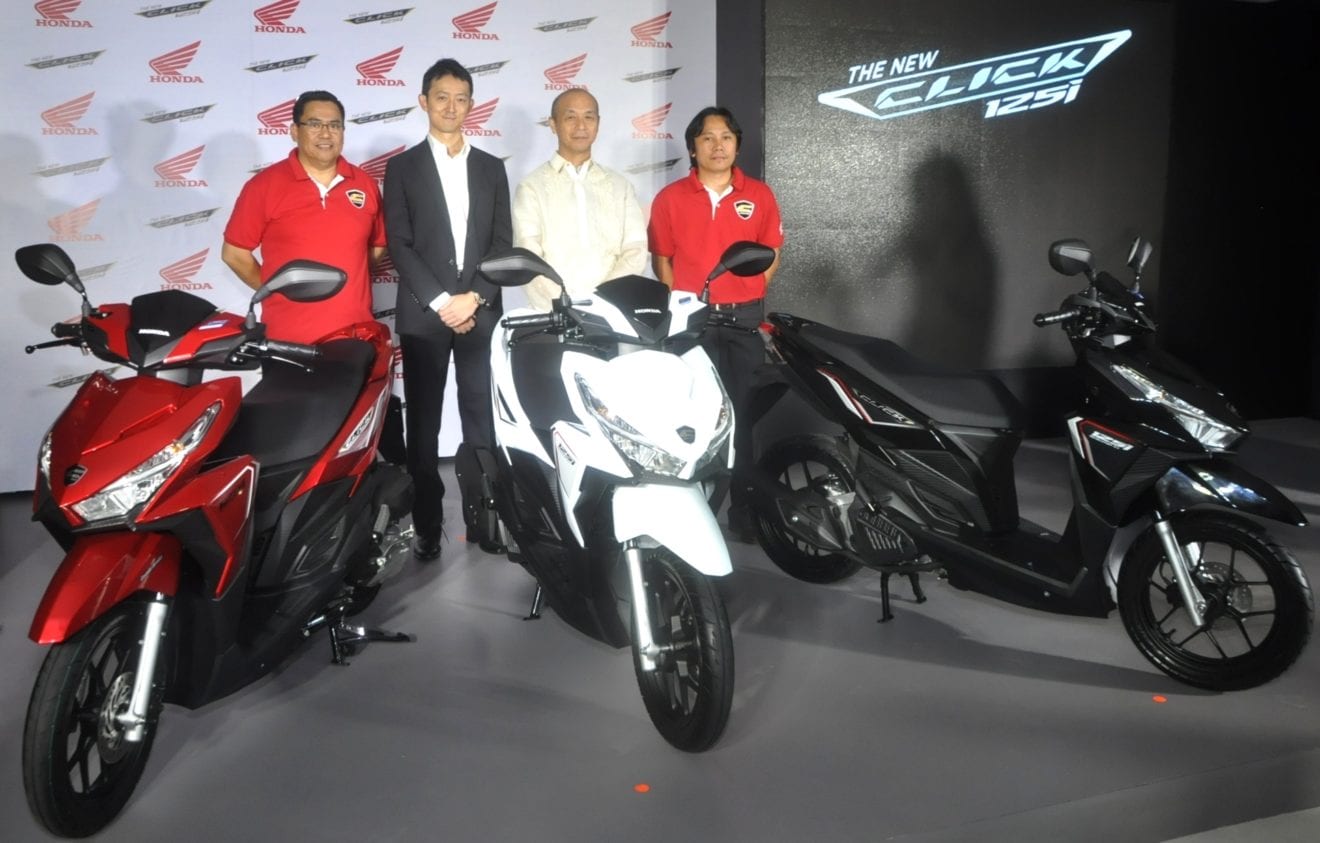
  • Honda Motorcycle And Scooter India To Start Testing A New Electric Scooter

    Honda Motorcycle And Scooter India To Start Testing A New Electric Scooter

    Honda Motorcycle and Scooter India (HMSI), the second-largest two-wheeler brand by volume in India, is all set to start testing an electric scooter. While HMSI has time and again maintained that there’s no plan for developing electric two-wheelers, the latest development does seem to indicate that Honda will now test waters to possibly develop an electric two-wheeler. The development comes after we brought you an exclusive report about India’s largest two-wheeler manufacturer, Hero MotoCorp, working on the Hero eMaestro electric scooter. Now, it seems Honda is not averse to working on an all-electric two-wheeler after all. While electric vehicles do seem to be the next growth of the automotive industry, Honda has not confirmed a timeline, or if at all an electric scooter will be developed and launched in India.

    Yadvinder Singh Guleria, Senior Vice President, Sales and Marketing, HMSI, said, “We are bringing one of our electric scooters to India which will be basically used for the study. We will be doing a market survey and feasibility survey with this model and decide on the roadmap of future EVs of Honda in India. It’s very difficult to set the next future line-up but the survey will be starting in the next three to four months.”

    However, Honda hasn’t shared any plans about launching the scooter in India yet as the EV industry is still in a nascent stage. Though the industry is trying to speed up the process of EV adoption, there are quite a few complications automakers will have to resolve in a bid to make EVs as viable as any regular two-wheeler. “We see that there is an effort by the Indian two-wheeler makers as well as the Society Of Indian Automobile Manufacturers (SIAM) and certain talks are there. But there are other challenges as well in terms of the EV infrastructure, in terms of charging infrastructure, the real performance of the vehicle and the range of the vehicle. So, these are the challenges, in the long run, the industry really will have to tackle,” Guleria added.

    Honda is yet to share details about the scooter that will undergo testing in India and chances of it making to production will depend on its real-world performance on the road and how well the industry can deal with the challenges. For now though, there’s no concrete word on if Honda will go on to the next phase of designing and developing an electric two-wheeler for India. The feasibility study with the electric scooter may be the first step in that direction. With more and more mainstream two-wheeler manufacturers going electric, Honda definitely doesn’t want to be left out. TVS Motor Company has already launched the iQube electric scooter, and Bajaj Auto has revived the legendary Chetak name in the company’s new electric scooter. With Hero MotoCorp also planning to launch the eMaestro, Honda certainly seems to be looking to join the electric bandwagon as well.

  • BMW, Daimler Aim To Cut Emissions 20% This Year With New Electric Models

    BMW, Daimler Aim To Cut Emissions 20% This Year With New Electric Models

    New electric models will help BMW and Daimler cut emissions from the cars they sell by an average of 20% this year, the German automakers predicted on Tuesday, as they strive to meet tough new European pollution rules.

    In a live-streamed event, following the cancellation of this week’s Geneva motor show due to the coronavirus epidemic, BMW presented the i4 four-door coupe with a driving range of up to 600 kilometers, one of a number of new electric models it hopes will stimulate demand for battery-driven cars.

    In a separate webcast, Mercedes-Benz owner Daimler was also bullish about prospects for its growing range of electric cars.

    The European Union set automakers a target to cut carbon dioxide (CO2) emissions by 40% between 2007 and 2021, and has demanded a further 37.5% reduction by 2030.

    But pollution levels from cars have been rising as customers increasingly chose to buy gas-guzzling sport-utility vehicles (SUV), meaning automakers need to ramp up sales of electric cars if they are to avoid hefty fines from 2021.

    They have a mountain to climb. Average fleet emissions for cars in Europe rose for the third year in a row in 2019, with electric vehicles making up only 6% of overall registrations, analysts at JATO Dynamics said on Tuesday.

    BMW already has 500,000 electric and hybrid cars on the road and plans to double that number by the end of next year, including through the launch of the i4 and an iX3 SUV as well as an electric version of its Mini.

    Sales of battery-electric and hybrid vehicles are already up by 43% so far this year, BMW Chief Executive Oliver Zipse said.

    “We believe that we can keep the impact on profits under control,” he added, pledging that every car sold would be profitable.

    BMW stuck to its outlook even as second-quarter earnings fell 20%, hit by currency headwinds and the rising cost of manufacturing electric and hybrid cars to help the carmaker meet stricter emissions limits.

    Electric cars are generally more expensive to build than petrol or diesel-powered vehicles. But BMW said it was saving money, including by delaying the development of a next-generation Mini, to free up resources for the electric campaign.

    “If a vehicle architecture does not need to be renewed, then we do not do it,” Zipse said, adding the Mini was being renewed constantly by updating the powertrain and infotainment options. Around 7,000 electric Mini’s have been ordered so far, he added.

    Daimler, meanwhile, is promoting hybrid cars including a new CLA Shooting Brake, as well as the Mercedes-Benz EQC electric SUV and an electric van, the V-class, as part of its drive to reduce emissions by 20% this year.

    “We are within striking distance of meeting the target,” Chief Executive Ola Kaellenius said. Mercedes-Benz plans to build 50,000 EQC vehicles this year.

    Kaellenius declined to comment on the profitability of electric vehicles. “We don’t communicate individual margins. Electrification is a headwind,” he said.

    Separately, Volkswagen announced the launch of the ID4, a fully electric SUV with an operating range of up to 500 kilometres, which will go on sale in Europe, China and the United States, and start production this year.

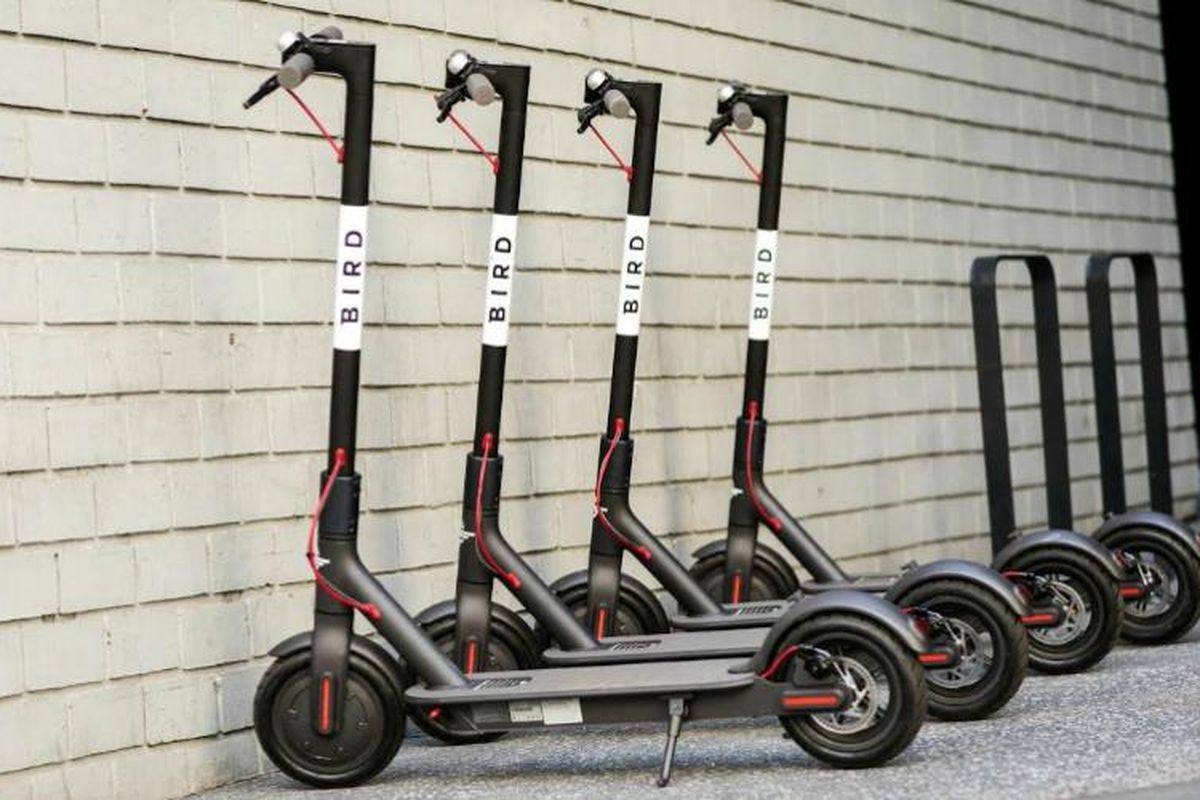
  • Electric Scooter Startup Bird Raises $275 Million In Latest Funding Round

    Electric Scooter Startup Bird Raises $275 Million In Latest Funding Round

    Bird, an electric scooter rental company, said on Thursday it had raised $275 million in a funding round led by Canadian pension fund CDPQ and Sequoia Capital, as it looks to take a bigger share of a rapidly growing transportation sector.

    The deal values the firm at $2.5 billion before the investment, Chief Executive Officer Travis VanderZanden told a tech conference in San Francisco.

    VanderZanden said Bird has been working hard to improve its financials, deflecting criticism that the company has been chasing growth at all costs.

    The company has designed its own rugged scooters, which last about 15 months on average, compared with the three-month life span it got from retail scooters, he said.

    Bird, known for its dockless scooters that riders can locate and unlock through a smartphone app, has enjoyed a stratospheric rise, while also causing mayhem in cities such as San Diego and San Francisco.

    It has raised the ire of regulators and residents because the scooters, which can be left anywhere, have littered sidewalks and parks and blocked driveways and doorways. Scooter riders on crowded sidewalks have also caused problems.

    A dozen electric scooter companies have received more than $1.5 billion in investments in total, according to a report issued earlier this year by Boston Consulting Group.

  • Tesla Takes On Porsche With Battle On Germany’s Toughest Circuit

    Tesla Takes On Porsche With Battle On Germany’s Toughest Circuit

    Germany’s Auto Motor und Sport this week published photographs of a Tesla with “100D+” markings on the track where according to the magazine, it clocked an unofficial time of 7 minutes and 23 seconds, beating the recently launched electric Porsche Taycan’s lap time of 7 minutes 42 seconds.

    Tesla wants to steal Porsche’s bragging rights by testing its Model S on the northern loop of Germany’s Nuerburgring circuit, using a marketing tool that German carmakers have long used to tout the superiority of their products.

    Germany’s Auto Motor und Sport this week published photographs of a Tesla with “100D+” markings on the track where according to the magazine, it clocked an unofficial time of 7 minutes and 23 seconds, beating the recently launched electric Porsche Taycan’s lap time of 7 minutes 42 seconds.

    A formally timed record attempt was due to take place on Wednesday, with another attempt scheduled for Saturday, Auto Motor und Sport said.

    Tesla is using the Nordschleife, as the track is known, to market its “Plaid” mode on a 7-seater Tesla Model S, CEO Elon Musk confirmed on Twitter.

    “We expect these track times to be beaten by the actual production 7 seat Model S Plaid variant that goes into production around Oct/Nov next year,” Musk said on Tuesday.

    Setting a new record time for four-door electric cars would give the U.S.-based manufacturer’s ageing Model S a new lease of life just as Audi, Mercedes-Benz, BMW and Porsche prepare to launch electric cars.

    The Nordschleife is one of the world’s most treacherous thanks to its length of just over 20 km (12.5 miles), slanted cambers and an altitude difference of 300 meters (yards) between its highest and lowest point.

    Porsche says its 919 Evo hybrid racecar currently holds the record with a lap time of 5 minutes 19 seconds, set in 2018 by keeping up an average speed of 234 km (146.3 miles) an hour, despite blind corners, narrow bends and limited safety run-off zones.

    Porsche, BMW, Mitsubishi, Nissan, Cadillac and Aston Martin have used the racetrack as a boot camp to hone reliability and handling and to benchmark their vehicles against top competitors.

    “If you take the same corner, on the same road, at the same speed, in two different cars, you can see how your car measures up to the competition,” said driver Dirk Schoysman, who set a Nordschleife lap record in 1996 in a Nissan Skyline with a time of 7 minutes 59 seconds.

    For Nissan, the new record underscored the Skyline R33 GT-R’s global status as a serious sportscar, proving that Japanese brands could be as competitive as vehicles made by Germany’s finest manufacturers.

    The circuit opened in June 1927 to become an important battleground where legendary drivers like Tazio Nuvolari and Juan Manuel Fangio drove some of their most memorable races.

    In 1935 senior Nazi officials gathered at the German Grand Prix ready to cheer the home team, only to see Italy’s Nuvolari beat the Mercedes-Benz W25 and the Auto Union Typ B in an Alfa Romeo Tipo B P3.

    The track remained a venue for Grand Prix races until 1976 when a horrendous crash almost killed driving ace Niki Lauda, leading to the opening of a shorter, wider Nuerburgring track with improved facilities in May 1984.

    But carmakers have continued to use the older circuit’s 40 right-hand and 33 left-hand turns through the Eifel region’s forested hills to develop their regular vehicles.

    “Cars cannot keep secrets here, mistakes and problems will eventually rise to the surface,” Schoysman said.

    At the Hatzenbach corner, cars enter a dip forcing them over a series of undulations with their suspension compressed, testing the chassis to the limit.

    “If the car changes its line in that corner it may be a tire flexing, the suspension bushes that have gone through their stroke, or a problem with the stiffness of the car body, or its electronic stability program,” Schoysman explained.

    These development tweaks continue to be relevant for electric cars as well as for marketing purposes.

    Understanding the circumstances of the test lap will be crucial for evaluating Tesla’s achievement, Schoysman said.

    “Getting a new lap record shows the know-how of the company but there are always questions: Are the cars realistic copies of what the customer finds in a showroom? Or were they modified?”
  • India Has Not Set Deadline To Launch Electric Vehicles

    India Has Not Set Deadline To Launch Electric Vehicles

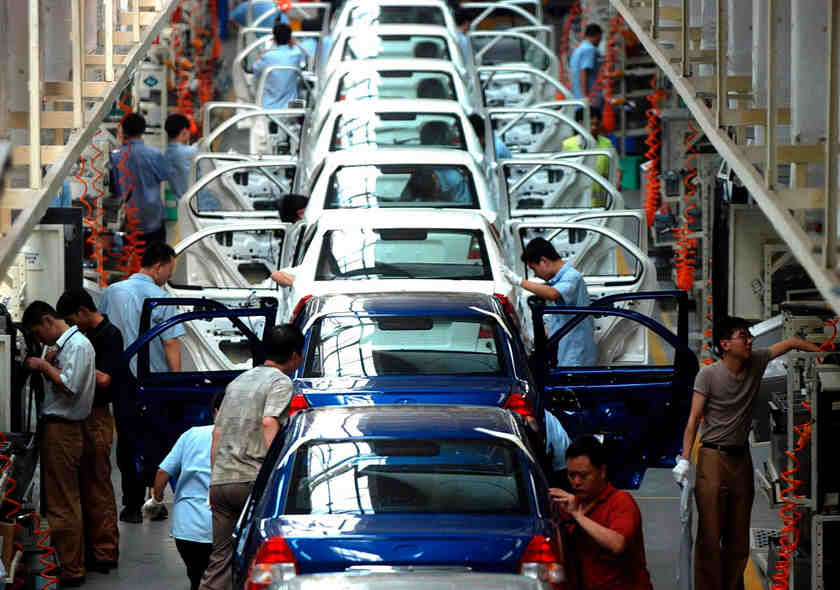
    The Indian government has not set a deadline to launch electric vehicles or to ban manufacturing of petrol and diesel cars, a government official said on Wednesday.

    The Indian auto industry has been caught in the middle of slowing economic growth that has led to a slump in demand for vehicles, forced plant shutdowns and large layoffs.

    Prime Minister Narendra Modi has been working to push electric vehicles in an effort to cut India’s fuel import bill and curb pollution.

    In June, a government think-tank that plays a key role in policy making had recommended that only electric models of scooters and motorbikes with engine capacity of more than 150 cc must be sold from 2025.

  • BMW Doubles Battery Production Capacity

    BMW Doubles Battery Production Capacity

    BMW Group said on Wednesday it would double its production capacity for electric vehicle batteries at its U.S. plant in South Carolina as it ramps up manufacturing of plug-in hybrid vehicles to include the X3 vehicle in addition to the X5. BMW said it was investing $10 million in a new battery assembly line which will be capable of operating in a two-shift system ahead of the introduction of the BMW X3 plug-in hybrid vehicle by the end of the year.

    BMW made 15,000 batteries last year with a one-shift system and currently produces a plug-in hybrid version of the X5 offroader. A new version of the X5 will be produced at the Spartanburg plant from August onwards, the company said. BMW said it planned to employ 120 staff to manufacture different types of batteries, and the additional staff gave it the capacity to double production.

    In the past four years BMW workers assembled 45,000 batteries, the carmaker said.

  • India To Order Taxi Aggregators Like Uber, Ola To Go Electric By 2026

    India To Order Taxi Aggregators Like Uber, Ola To Go Electric By 2026

    India plans to order taxi aggregators like Uber and Ola to convert 40% of their fleet of cars to electric by April 2026, according to a source and records of government meetings to discuss new rules for clean mobility. Uber and Ola, both backed by Softbank Group, would need to start converting their fleet as early as next year to achieve 2.5% electrification by 2021, 5% by 2022, 10% by 2023 before hiking it to 40%, according to the person and the records that have been reviewed by Reuters.

    Some taxi players, like Ola, have previously tried to operate electric cars in the country, but with little success given inadequate infrastructure and high costs.

    New Delhi, however, is looking to push the new policy to boost the adoption of electric vehicles (EVs) as it tries to bring down its oil imports and curb pollution so it can meet its commitment as part of the 2015 Paris climate change treaty.

    Indian think-tank Niti Aayog, chaired by Prime Minister Narendra Modi and which plays a crucial role in policymaking, is working with several ministries on the new policy.

    Neighbouring China, home to the world’s top auto market, is already leading the world in electrification by setting tough EV sales targets for car makers and offering incentives to taxi operators to increase their fleet of clean-fuel cars.

    EV sales in India grew three-fold to 3,600 in the year ended March but still account for about 0.1% of the 3.3 million diesel and gasoline cars sold in the country over the period, industry data showed. China’s electric car sales, meanwhile, rose 62% in 2018 to 1.3 million vehicles.

    In a meeting in New Delhi on May 28, Niti Aayog officials and the ministries of road transport, power, renewable energy and steel, as well as the departments of heavy industries and trade, were among those recommending taxi operators in India gradually convert to electric.

    Motorcycles and scooters sold for commercial purposes, like food delivery or for use by e-commerce companies, will also need to be electric from April 2023, the person added.

    India has seen a boom in food delivery apps like Zomato and Swiggy, which counts Naspers and Tencent as investors. Sales by e-commerce firms like Amazon.com and Walmart-owned Flipkart are also rising.

    The EV proposal comes weeks after the inter-ministerial committee recommended electrifying most motorbikes and scooters for private use and all three-wheeled autorickshaws within the next six to eight years.

    While there are several electric scooter manufacturers in the country including Ather Energy, Hero Electric and Okinawa, there are only two car makers that build and sell electric cars – Mahindra & Mahindra and Tata Motors.

    Some taxi operators have so far had little success operating electric cars in India. Ola launched a pilot project in the central Indian city of Nagpur in 2017 but a year later drivers, unhappy with long wait times at charging stations and high operating expenses, wanted to return to gasoline cars.

    Ola, however, is not giving up yet.

    Its Ola Electric Mobility unit in March raised 4 billion rupees ($58 million) from investors including venture capital fund Tiger Global and Matrix Partners.

    It also raised $300 million from Hyundai Motor and Kia Motors and formed a strategic partnership with the South Korean duo to help build India-specific EVs.

    Modi’s government in 2017 had set an ambitious target to electrify new cars and utility vehicles by 2030 but resistance from the industry forced it to scale back the plan.

  • Sahara Group To Sell Electric Vehicles Under New Brand Sahara Evols

    Sahara Group To Sell Electric Vehicles Under New Brand Sahara Evols

    Sahara Group has recently announced its plan to foray into the electric vehicle business under a new brand name ‘Sahara Evols’. This is the first time the the company is entering the automobile sector, and under the new Sahara Evols brand, the company will offer a range of electric vehicles (EVs) along with advanced allied services. Sahara Evols electric vehicle portfolio will include everything from electric scooters and motorcycles to electric three-wheelers and cargo vehicles. It is introducing a network of battery charging-cum-swapping stations.

    Sahara India Pariwar Chairman Subrata Roy said, “We are proud to introduce for the first time, a complete ecosystem of electric vehicles in India. Sustainable and environment-friendly modes of transportation are the need of the time. The Sahara Evols range of electric vehicles is going to be our contribution…towards alternative, sustainable and eco-friendly modes of transportation.”

    The company has already gone live with its official website, which currently lists two electric scooters – Classic and JMT 1000, and an electric three-wheeler named Veera. The website also confirms the imminent arrival of two new electric motorcycles – Whiz ES, and Whiz SE, however, currently no other details are available about them. As for the Scooters, both Sahara Evols Classic and JMT 1000, offer a maximum range of 75 km on a full charge, and a top-speed of 55 kmph. The e-rickshaw Veera on the other hand offers a range of 145 km and it comes with a Driver+4 passenger setup.

    The vehicles are powered by dry lithium-ion batteries. The cost of driving Sahara Evols Electric Vehicles in an average can go as low as 20 paise per kilometer against the cost of ₹ 2 per kilometer on petrol vehicles, thus entailing direct and substantial economic benefits to the users.

    Starting with Lucknow, Sahara Evols will establish its ecosystem in the country’s tier-II and III cities by the end of this financial year, in a phased manner. Subsequently, in the next financial year, it will roll out its products and services pan-India.