Retail News CRM

Tag: electric

  • Henrik Fisker launches new electric car company

    Henrik Fisker launches new electric car company

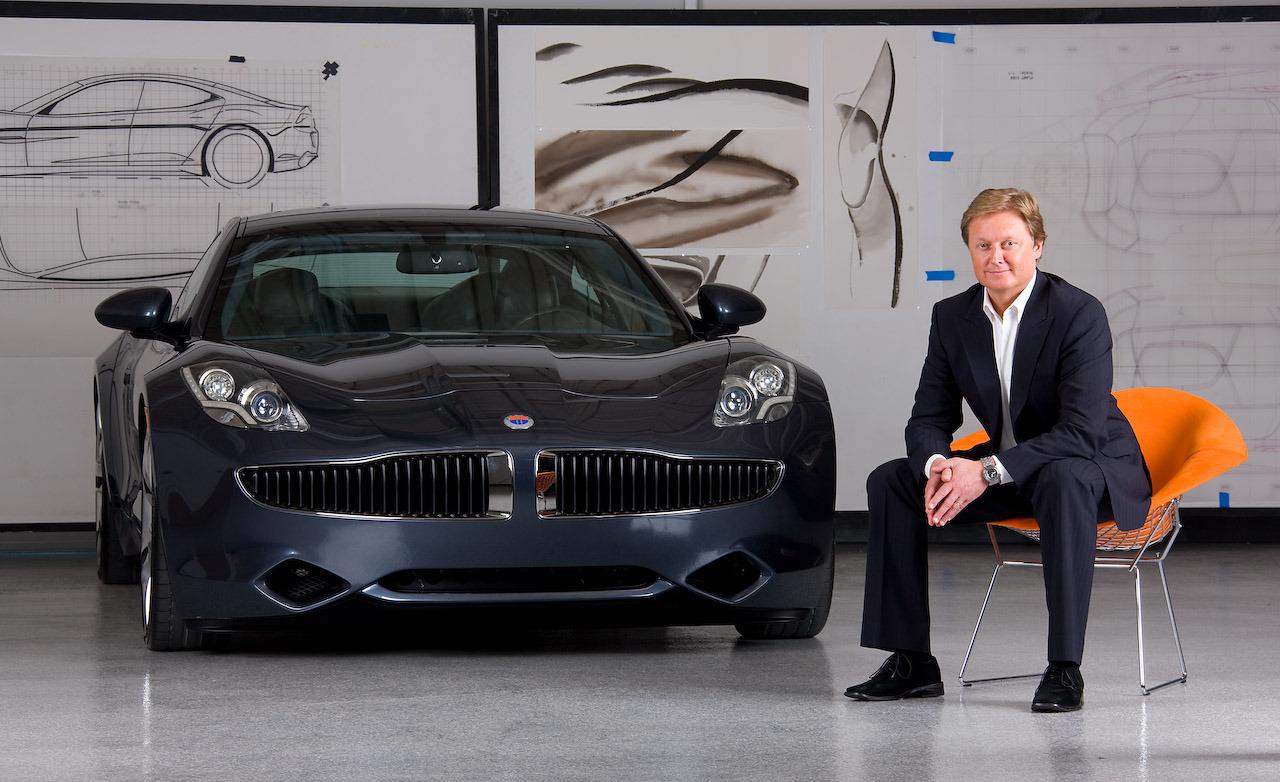
    Henrik Fisker, whose previous automotive venture collapsed in 2013 owing U.S. taxpayers $139 million, said on Tuesday he plans to launch a new electric car company next year to compete with Tesla.

    Fisker declined to say who is funding his new California-based venture, called Fisker Inc, and a new battery subsidiary, Fisker Nanotech.

    The Danish automotive designer’s previous venture, Fisker Automotive, once was a rival to Tesla Motors Inc (TSLA.O) in the nascent market for electric luxury cars. Founded in 2007, Fisker Automotive built fewer than 2,000 cars through 2012 while burning through $1.4 billion in private investments and taxpayer-funded loans from the U.S. Department of Energy. Fisker left the company in March 2013, before it filed for bankruptcy protection.

    In 2014, Fisker was purchased out of bankruptcy by Chinese auto parts maker Wanxiang Group Corp (000559.SZ), and renamed Karma Automotive. Wanxiang also acquired bankrupt U.S. battery maker A123. It relaunched the Fisker Karma gasoline-electric hybrid sports car in August as the Karma Revero.

    In an interview, Fisker said his new company plans a battery-powered model aimed at the Tesla Model S, which is priced at about $65,000. He did not specify when production would begin.

    A second smaller Fisker electric car will follow, Fisker said, and will target the upcoming Tesla Model 3, which is expected to start at about $35,000.

    Fisker said his new electric cars will be powered by a long-range battery that uses graphene to extend its range and life and reduce charging time. The company is targeting a 400-mile driving range between charges, Fisker said.

    Fisker said his new venture is not connected with Wanxiang.

  • Daimler plans at least six electric car models

    Daimler plans at least six electric car models

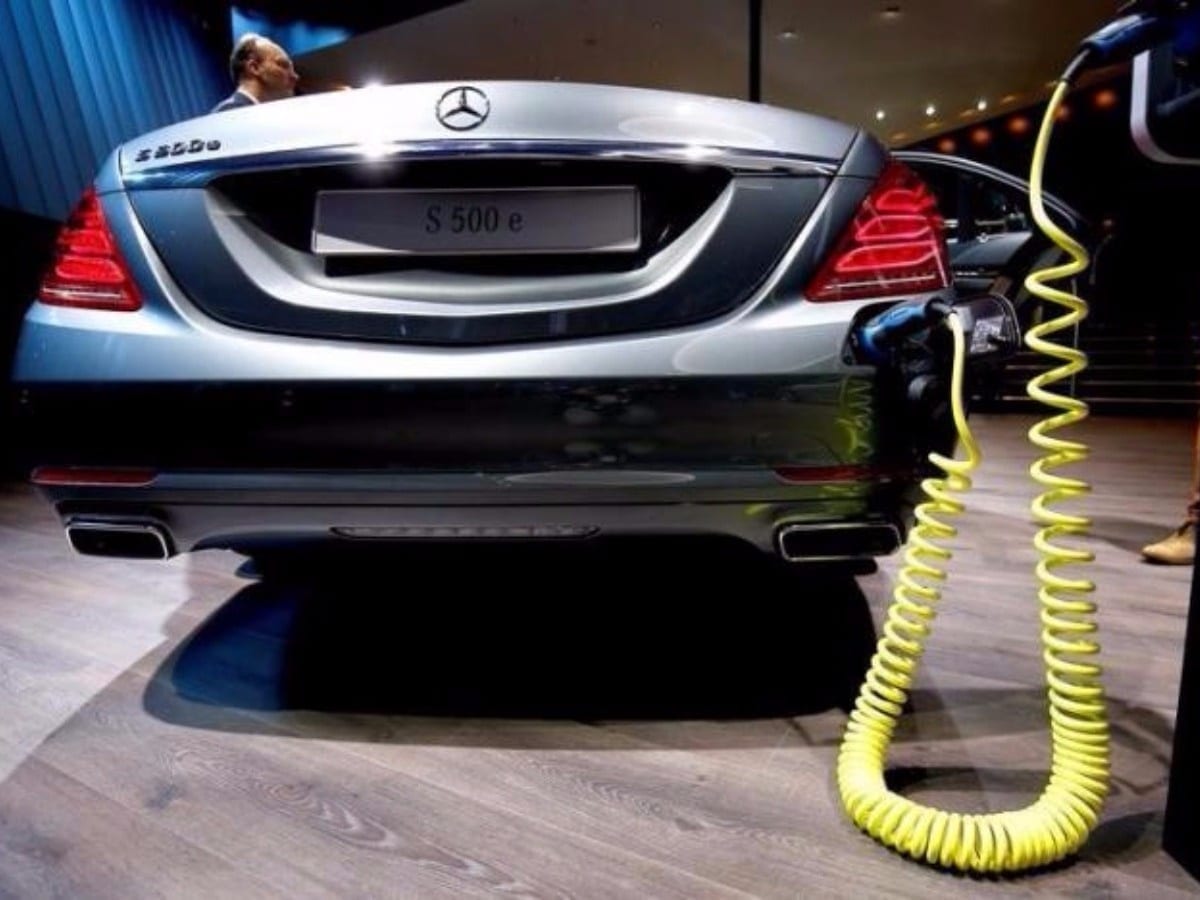
    German carmaker Daimler plans to roll out at least six, and possibly as many as nine, electric car models as part of its push to compete with Tesla and Volkswagen’s Audi, a person familiar with Daimler’s plans told Reuters.

    The maker of Mercedes-Benz cars remains on track to unveil a new electric car at the Paris motor show next month. In July, the German carmaker said it had accelerated development of premium electric cars, a segment currently dominated by United States-based rival Tesla.

    German trade magazine Automobilwoche earlier cited company sources as saying Daimler would bring to market more than six electric car models between 2018 and 2024.

    German firms are investing heavily in electric cars, a segment once neglected by the industry as customers shunned their limited operating range and high cost.

    But a growing political backlash against diesel fumes and recent advances in battery technology to increase the reach of an electric car by up to 50 percent have spurred major investments by Volkswagen, Daimler and suppliers such as Bosch and Continental.

    Reuters’ source said Mercedes would also make an SUV model with a plug-in hybrid engine powered by fuel cells, which would have a range of up to 50 km (30 miles) on battery power and would then run on electricity generated by hydrogen.

  • Indonesia, Norway to expand energy cooperation

    Indonesia, Norway to expand energy cooperation

    Indonesia and Norway have agreed to expand energy cooperation and business-to-business contacts in various sectors of energy development.

    The agreement was reached during an Indonesia-Norway bilateral energy meeting in Stavanger recently, according to Hartyo Harkomoyo, spokesman of the Indonesian Embassy in Oslo.

    Harkomoyo quoted Norwegian Oil and Energy Deputy Minister Ingvil Smines Tybring-Gjedde as saying at the meeting that the country was keen to share its expertise and experiences with Indonesia for the development of the energy sector.

    In response to the statement of the Norwegian oil and energy deputy minister, Energy and Natural Resources Ministrys director for oil and gas development program Agus Cahyono Adi, who led the Indonesian delegation at the meeting, noted that Indonesia was ready to host the Indonesia-Norway energy dialog in March 2017.

    Adi remarked that during the energy dialog, the two countries will discuss governance and regulation in oil and gas exploration, the use of Carbon Capture Storage technology and enhanced oil recovery to revive old wells, and the development of new and renewable energy, among others.

    In the meantime, Indonesian Ambassador to Norway Yuwono A. Putranto said energy is one of the key areas of cooperation in the partnership between Indonesia and Norway.

    In order to focus on the partnership, Indonesia and Norway have agreed on the mechanism to hold regular meetings through dialog in the energy sector every two years.

  • Tesla calls out to build a million all-electric cars a year by 2020

    Tesla calls out to build a million all-electric cars a year by 2020

    Technology entrepreneur Elon Musk gave a public shout-out to the sharpest minds in manufacturing this week, calling on them to come help Tesla Motors Inc build a million all-electric cars a year by 2020.

    Musk says he is “hell-bent” on making the Silicon Valley automotive upstart a manufacturing powerhouse, but his vision relies on finding veteran auto engineers to ramp up volume ten-fold in four years – a challenge even for established carmakers.

    Tesla on Wednesday said it would build 500,000 cars in 2018, two years ahead of schedule, and close to 1 million by 2020. The same day Tesla said its vice presidents in charge of production and manufacturing were leaving.

    “You’re looking at a company with significant levels of management turnover at the highest ends, people without experience in the planning, design or build of vehicles, and you expect to crank it up at those kinds of volumes?” asked Michigan-based auto manufacturing consultant Michael Tracy.

    Putting aside the issue of capital requirements, auto experts point to a shortage of manufacturing engineers, whose ranks were thinning out even before the U.S. auto crisis hit in 2008.

    “It’s a constant issue we have in this country,” said Garth Motschenbacher, director of employer relations at Michigan State University’s College of Engineering.

    “For the longest time manufacturing was seen as the dirty end of engineering,” he said.

    At the same time, Alphabet’s Google and Apple are working on car programs and courting the same potential employees. So are established auto names like Ford Motor Co, General Motors Co and Toyota Motor Corp .

    A 2015 Deloitte report found it takes three months to hire skilled engineers, and the shortage is crimping manufacturers.

    Robust early reservations for the upcoming Model 3 mass-market car may have assured Musk of demand, but now comes the execution, said automotive recruiter Stephen Parkford.

    “It’s like reservations for a restaurant that’s not open yet. You got the menu, but you don’t have a chef!” he said.

    Hiring a highly proven production engineer from a traditional carmaker who arrived with his entire team could speed the process, Parkford said.

    But while young engineers will jump at the chance to work for Tesla, the “by-the-numbers, disciplined manufacturing guys” with 15-20 years experience will be harder to nab, said Cuneyt Oge, president of the Society of Automotive Engineers. One key obstacle is the high price of living in Silicon Valley.

    Musk needs a visionary auto industry veteran, Oge said. “But anyone with that kind of experience is going to say, ‘Hey, Elon, you can’t do this in two years.’”

    Tesla is known for pushing the envelope on design and technology but has stumbled in manufacturing, with prior launches marked by delays and quality issues.

    Traditional automakers have more human and financial resources than cash-burning Tesla: Tracy pointed to Nissan Motor Co Ltd’s ability in 2004 to bring in 200 engineers from Japan to help fix quality issues at its recently opened assembly plant in Canton, Mississippi.

    “Greybeards” are crucial to build and run factory systems, said Oge. “You can’t just defy the laws of business physics which require you to go down a learning curve collectively to build that systems know-how,” he said.

    While Tesla employees may cite Musk’s tirelessness and attention to detail, even bedding down inside his Fremont, California factory, others like consultant Tracy see a worrying sign.

    “If Elon is sleeping in a sleeping bag in a conference room off of the final assembly line, then there’s an awful lot happening in that factory that’s wrong,” Tracy said.