Tag: etail

  • Shopee scales up Brazil operations, eyes Latam potential – sources

    Shopee scales up Brazil operations, eyes Latam potential – sources

    Shopee, the e-commerce arm of Southeast Asia’s SEA Ltd, is scaling up its operations in Brazil and evaluating the long-term potential of Latin American markets, according to two people with knowledge of the matter.

    Shopee, the largest e-commerce platform in Southeast Asia according to market researchers, launched a small presence in Brazil in late 2019 as a pilot initiative of its cross-border team.

    The company is now growing its presence and moving executives from Southeast Asia to Brazil said the sources who were briefed on the matter but declined to be identified as they were not authorized to speak to media.

    The Singapore-headquartered technology group’s shares surged more than 400% in 2020, taking its market capitalization to $120 billion. It raised close to $3 billion in a stock offering last month.

    On Linkedin, Shopee is currently recruiting for over three dozen positions in Brazil. Pine Kyaw, formerly country managing director for Shopee’s high-growth Vietnam unit, is listed on the job platform as having become Shopee Brazil country head. Kyaw could not be reached for comment.

    SEA Chief Corporate Office Yanjun Wang told an investor call in November that Shopee Brazil, while cross-border driven, was now being used by local sellers.

  • EBay close to selling Korean unit

    EBay close to selling Korean unit

    Global e-commerce business eBay is reportedly selling off its Korean businesses G-Market, Auction, and G9, in a deal worth $4.5 billion (5 trillion won).

    eBay is exploring a number of “strategic alternatives” for its Korean business and is looking for options that will maximize value for shareholders and create growth for the wider business.

    “From last week, we heard there is going to be an announcement made by our headquarters in the United States. Given that it said it was considering a variety of options, it seems to be in the process of selling the platforms,” an eBay Korea official said.

    EBay’s Korean platforms provide around 11 percent of its annual sales, and it’s expected any player that acquires the three businesses could become one of the top three e-commerce platforms in Korea.

    Rival marketplace Coupang, which is considered South Korea’s most popular online retailer, is reportedly looking to go public in the first half of 2021.

  • E-payment startup Gpay bags funding from South Korean investor

    E-payment startup Gpay bags funding from South Korean investor

    Vietnamese e-wallet provider Gpay has received an undisclosed amount in Series A funding from South Korean listed bank KB Financial Group.

    The Series A round values the digital payment business at VND425 billion ($18.46 million), and the fresh funds will be used to expand its team and user base, as also upgrade its technology, Gpay said in a statement.

    G-Group Technology Corporation, Gpay’s parent, has also joined hands with KB Financial to launch a VND300 billion fintech joint venture, called KB Fina, which will provide financial services to unbanked or underbanked consumers, Gpay said.

    G-Group general director Phung Anh Tu said they expect the fintech platform, which incorporates financial and investment advisory products already provided by KB Financial Group in its home country, to come online in the second quarter this year.

    Established in 2018, Gpay obtained its e-payment license in April 2020. However, it faces fierce competition in the Vietnamese digital payment market, where there are currently 39 other licensed e-wallet service providers.

    Gpay said it will not be “burning cash” to fight for a higher market share, but will serve G-Group’s 30 million users currently using various services on its digital ecosystem, which includes peer-to-peer lending firm Tima, digital media firm Beat.vn, and social networking app Gapo.

    Last week, Momo, another payments app in Vietnam, raised an undisclosed amount in Series D financing from U.S.-based investment funds Warburg Princus and Goodwater Capital.

  • Jack Ma resurfaces in online meeting after three-month absence

    Jack Ma resurfaces in online meeting after three-month absence

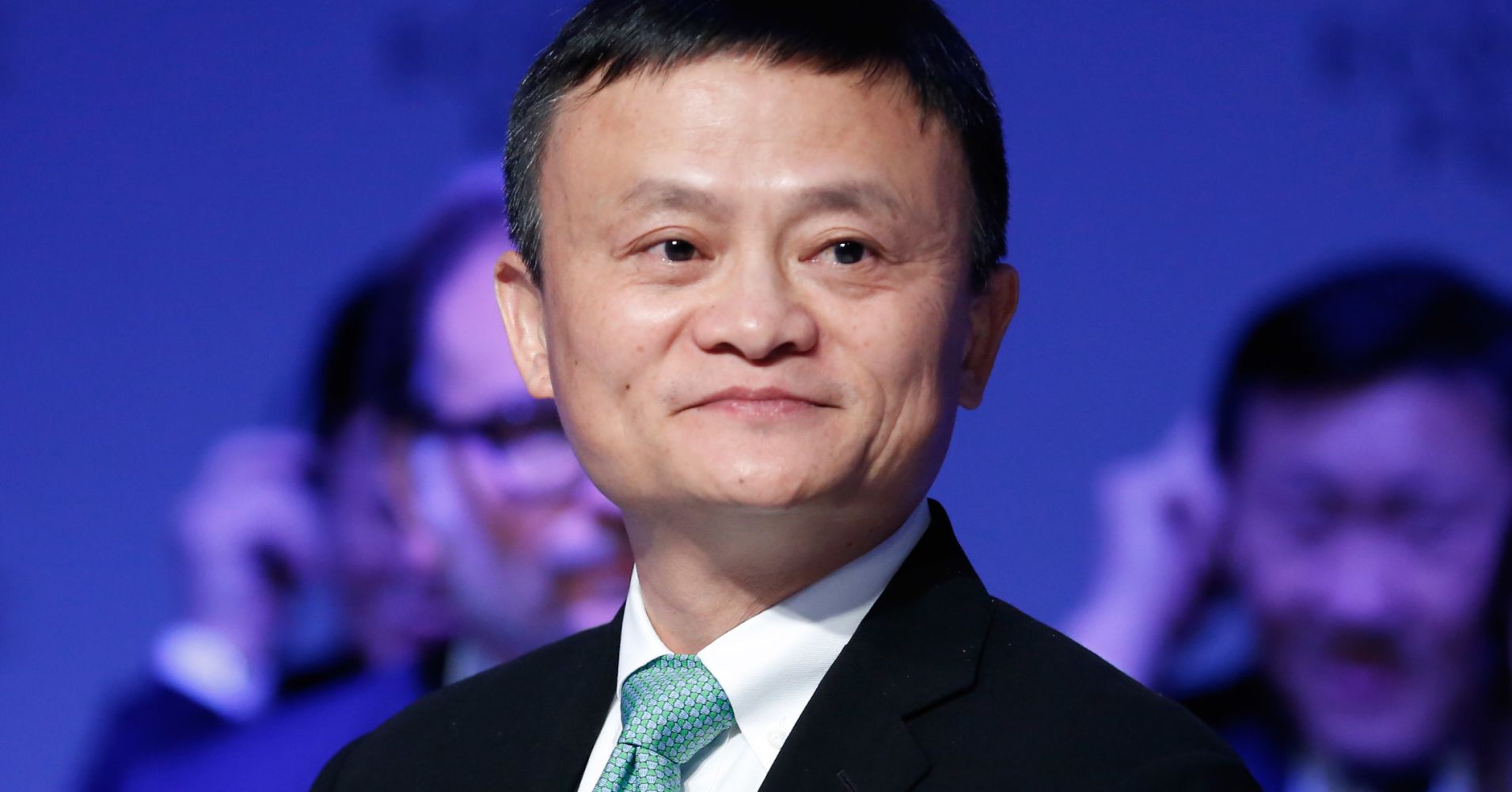
    Alibaba Group founder Jack Ma met 100 rural teachers in China via a live video meeting on Wednesday morning, in the businessman’s first appearance since October.

    Social media speculation over the whereabouts of China’s highest-profile entrepreneur swirled this month after news reports that he missed the final episode of a TV show featuring him as a judge, amid a regulatory clampdown by Beijing on his sprawling business empire.

    Ma had not appeared in public since a late-October forum in Shanghai, where he blasted China’s regulatory system in a speech that set him on a collision course with officials, leading to the suspension of a $37-billion IPO of Alibaba’s financial affiliate Ant Group.

    Tianmu News, a news portal under Zhejiang Online, which is backed by the provincial Zhejiang government, first reported that Ma had met with the teachers via a live video conference on Wednesday.

    The Jack Ma Foundation said that Ma participated in the online ceremony of the annual Rural Teacher Initiative event on Wednesday. Alibaba Group also confirmed that Jack Ma attended the online event.

    In the 50-second video, Ma, dressed in a navy pullover, spoke directly to the camera from a room with grey marble walls and a striped carpet. It was not clear from the video or the Tianmu News article where he was speaking from.

    He addressed teachers receiving the Jack Ma Rural Teachers Award, who in previous years would have attended a ceremony organized by the Jack Ma Foundation in the Chinese seaside city of Sanya.

    “We cannot meet in Sanya due to the epidemic,” he said in the speech, which did not discuss his whereabouts. “When the epidemic is over, we must find time to make up for everyone’s trip to Sanya, and then we will meet again!”

  • Jack Ma went missing?

    Jack Ma went missing?

    Once the poster boy for a new generation of multi-billionaire Chinese business and tech leaders, Alibaba founder Jack Ma’s fortunes have taken a serious dip in the last three months. Since a controversial speech in China in October 2020, where he lamented the country’s financial regulatory system and called for it to be reformed, the billionaire has been facing a series of actions from the Chinese authorities.

    He has faced a number of business setbacks since, including a block on his plans for a stellar listing on the stock market, actions which have in turn left the market wary of his firms.

    And he has now not been seen in public for more than two months – highlighted by his mysterious withdrawal from a scheduled appearance on his own reality TV show.

    Who is Jack Ma?

    Born in Hangzhou in eastern China, the 56-year-old came from a poor family and was once an English teacher. He bought his first computer aged 33, and in the last two decades rose to become a shining star of China’s booming economy through the success of his e-commerce giant Alibaba.

    Ma stepped down as chairman of Alibaba in 2019, but has remained in the public eye through media appearances and philanthropic work. During the Covid-19 pandemic he has donated masks and ventilators to the US – an effort that drew praise from several US politicians – and he is the face of a talent show to support young entrepreneurs.

    Where is Jack Ma?

    Ma’s removal from the good books of the Chinese authorities appears to have been even quicker than his rise to fame and fortune. The billionaire, who is known to speak freely, at a summit in October 2020 came down heavily on China’s financial regulators.

    He called for reforms in the financial system, speaking to an audience that included many officials of the regulatory organisations he was criticising.

    The response was swift. In November, a planned IPO of Ma’s Ant Group was suspended by the Chinese authorities and later, in December, the buyback plan of shares worth billions of pounds also failed to excite the investors. The authorities also opened an investigation against his firms.

    After years as the outgoing face of his companies – Ma once danced in front of tens of thousands of his company’s employees dressed in an outfit inspired by Michael Jackson – he is now conspicuously absent from the stage, without a public appearance in weeks or even a tweet in three months.

    Jack Ma net worth

    Jack Ma has various business interests. Apart from being the founder of Alibaba, he also has a stake in the online payment service Ant Group.

    It’s a dramatic change for a man who once taught English for $15 (£11) a month. He says he was rejected for 30 other jobs – including one serving at KFC – before he founded his own company.

    At one point Ma became Asia’s richest person – though he was later supplanted by another Chinese businessman.

    According to Bloomberg’s Billionaires Index, his net worth is about $50.6bn (£37bn), making him the 25th richest person in the world.

    Jack Ma and Alibaba

    Ma has said he drew the inspiration to start Alibaba from a trip to the US in 1995.  Subsequently, in 1999, Ma along with 18 people including many of his friends founded Alibaba Group from an apartment in Hangzhou, where they pooled in $60,000 (£44,000) for the venture.

    The group struggled early on and by 2002 they only had enough cash coming in to support 18 months of operation. But then came a timely intervention to connect two big markets – the US and China – ensuring that American buyers could get easier access to Chinese manufacturers, and slowly steadying the business.

    Over the years, the group became increasingly profitable and Ma and Alibaba became a force to reckon with. Ma started featuring on the covers of international business magazines – something uncommon for Chinese businessmen at that time.

    As a result, the reach of the Alibaba group, which was once rejected by funders, is now spread over 190 countries. It has become a leading platform for wholesale trade connecting millions of buyers and suppliers. It now has an estimated market cap of about $648.3bn (£474bn).

    With an estimated 100,000 employees, Alibaba now has interests in e-commerce, cloud computing, cashless payment and even movies.

    Ma stepped down from his role as chairman in 2019 and reports suggested he would focus his time and efforts on his philanthropic work.

    But as with many firms, the founder’s shadow looms large over Alibaba’s fortunes – something that the October 2020 controversy has shown. He remains an influential member of the Alibaba Partnership, for instance – a group of 36 members who can influence the nomination of the company’s board of directors.

    The company state’s that its vision is to be in operation for at least 102 years – but if the current trajectory of the crackdown on Ma continues, the dream may end much more abruptly than that.

  • Gojek Plans Merger With E-Commerce Giant

    Gojek Plans Merger With E-Commerce Giant

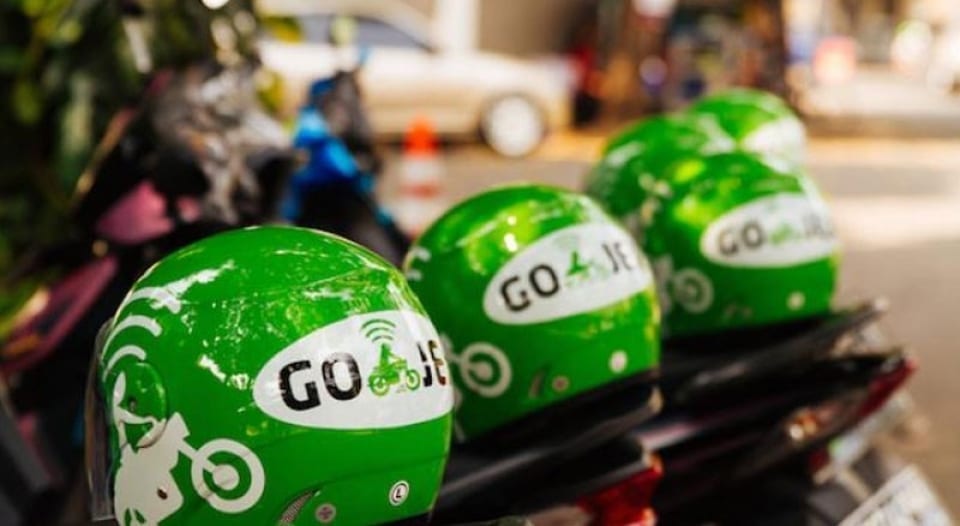
    The Indonesia-headquartered super-app is reportedly in advanced merger talks with local e-commerce marketplace Tokopedia, ahead of a planned initial public offering of the combined entity.

    Indonesia’s two most valuable start-ups have signed a detailed term sheet to conduct due diligence of each others’ business, a «Bloomberg» report on Tuesday said.

    The deal would create an internet powerhouse valued at $18 billion, with businesses that include ride-hailing and payments to online shopping and delivery.

    According to the report, which cited people familiar with the matter, the two sides have considered a potential merger since 2018, but talks recently accelerated after plans for Gojek to merge with regional rival Grab fell through. Masayoshi Son, founder of Softbank, an investor in Tokopedia, is reportedly backing the merger as he is losing patience with Grab chief Anthony Tan’s reluctance to cede some control in the combined entity with Gojek.

    Two weeks ago, Gojek said its payments and financial services arm GoPay would be increasing its stake in Bank Jago from 4.1 percent to 22.2 percent, as part of its bid to accelerate financial inclusion in Asia.

    The partnership will allow Gojek users to access digital banking services through its platform, as well as to instantly open a bank account with Jago and manage their finances via the super-app.

    Earlier this year, Gojek acquired Jakarta-based mobile point-of-sale (POS) market leader Moka for $130 million. It is the second POS SaaS platform that Gojek has acquired after Nadipos (now rebranded as Spots) in late 2018.

  • Delhi High Court rejects Amazon challenge to $3.4 billion Reliance deal

    Delhi High Court rejects Amazon challenge to $3.4 billion Reliance deal

    The Delhi High Court on Monday refused to restrain Jeff Bezos-led Amazon from interfering in Kishore Biyani-headed Future Retail’s $3.4 billion deal with Mukesh Ambani-owned Reliance Retail by writing to statutory authorities.

    The order was pronounced by a Single Judge Bench of Justice Mukta Gupta in the suit by Future Retail Ltd after an Emergency Arbitrator of the Singapore International Arbitration Centre (SIAC) restrained Future Group from taking any steps in furtherance of the transaction with Reliance Retail, according to the information available on law platform Bar & Bench.

    “However, the court passed a neutral observation that the balance of convenience lay both in favor of FRL and Amazon and also observed that the statutory authorities were free to form their own opinion as per law,” said Salman Waris, managing partner at technology law firm TechLegis Advocates and Solicitors, after doing an analysis of the development. “The Court opined that it was ‘a matter of trial’ to determine whether Amazon’s case outweighed FRL’s claim and for now, it was for the statutory authorities (or) regulators to come to their own right conclusion.”

    In August, retail conglomerate Future Group struck a $3.4 billion asset sale deal with Reliance Industries Ltd (RIL). Amazon then sent a legal notice to Future, alleging the retailer’s deal breached an agreement with the American e-commerce giant. This was because last year, Amazon had bought a 49 percent stake in one of Future’s unlisted firms Future Coupons Pvt Ltd (FCPL) for Rs 1,430 crore. As per the conditions of the deal the disputes was arbitrated under SIAC rules and Amazon won a favorable ruling. Future Retail then approached the Delhi High Court seeking relief against the arbitration order passed by the SIAC with regard to its deal with Reliance.

    The Delhi High Court, prima facie, found that the suit filed by Future Retail was maintainable, the Emergency Award was valid, and that Future Retail’s resolution approving the transaction with Reliance was also valid, according to Bar & Bench.

    Waris of TechLegis said for Amazon, the court held that the ‘control’ as per the conflation of 3 agreements is not permitted under FEMA (Foreign Exchange Management Act) FDI (Foreign direct investment) rules, without the government’s approval. Thus, prima facie Amazon’s plea is void. However, Waris said the breach of the agreement by FRL would make a strong case for Amazon since it owns a stake in Future Coupons Pvt Ltd, which is, in turn, has a 9.82 percent shareholder in FRL.

    Without challenging the Emergency Award before the High Court, FRL had prayed Amazon be prevented from writing to statutory authorities such as the Securities and Exchange Board of India (Sebi) in an attempt to stall the deal, according to Bar & Bench.

    Also, FRL had asserted that the Emergency Award was of no consequence as it was not enforceable in the Indian regime.

    Earlier Future Retail’s representative had told the arbitration panel that if the deal with Reliance Retail fails, then the company would go into liquidation. The closure of the company would lead to over 29,000 job losses. Also, the company lost Rs 7,000 crore in revenue in the first three to four months of the pandemic phase.

    “(As) For Future, FRL does not want Amazon to interfere in the $3.4 Billion asset sale deal,” said Waris. “Moreover, it also contended that being an investor in Future Coupons Pvt Ltd and not FRL, Amazon had no say in a transaction between FRL and Reliance.”

    Waris said Reliance supported FRL’s case before the High Court, arguing that Amazon was “playing mischief” by stalling the deal that would save FRL from going under. “The said deal would get the benefit of economies of scale as Reliance Retail is India’s largest, most profitable retail business and is the fastest-growing retailer in the world thus far,” said Waris.

    Last month the court witnessed a lot of drama in this case. Future Retail which was represented by senior advocate Harish Salve likened Amazon to the “East India Company’” and told the court that its interference in the Future-Reliance deal would result in thousands of job losses and make FRL bankrupt. Amazon, represented by senior advocate Gopal Subramanium, told the court that it has invested $6.5 billion all over India and created 900,000 jobs. He had said some comments were made which were misplaced and said that the rhetoric should be kept aside on Amazon being called “East India Company.”

    Meanwhile, in November, the Competition Commission of India (CCI) cleared Reliance Industries’ (RIL) bid to buy Future group’s retail, wholesale and logistics assets even as Amazon had sought to block the transaction, alleging contractual violations by Future.

  • How shoppertainment powers the growth of AliExpress

    How shoppertainment powers the growth of AliExpress

    AliExpress is Alibaba’s cross-border e-commerce platform, which facilitates trade and brings sellers and buyers together. AliExpress does not sell directly, but provides a platform for safe transactions between sellers and buyers. AliExpress was founded in 2010, and is today one of the top cross-border B2C platforms.

    AliExpress is available in more than 200 countries and regions, and recently they launched their selling program to include overseas sellers, limited to some countries. AliExpress was previously only open for Chinese sellers accessing international consumers. Now, they are exploring a change to their business model by opening its marketplace to non-Chinese sellers, which means they will be better positioned to compete against Amazon. About a year ago, AliExpress introduced the platform to international sellers from Italy, Spain, Russia and Turkey.

    To learn more about AliExpress business model and growth plans, I have interviewed Martin Wang, the director of Social Commerce & Innovation Partnership at AliExpress:

    To start off, I would like to introduce my readers to what AliExpress is and what is your future goal and mission?

    • Launched in 2010 by Alibaba Group, AliExpress is a global online retail marketplace that enables consumers around the world to buy directly from manufacturers and distributors from China and other markets. AliExpress is an important part of Alibaba Group’s globalization strategy.
    • Alibaba’s mission is to make it easy to do business anywhere. AliExpress not just serves consumers from all over the world, but also enables small and medium-sized businesses to grow locally and globally. In early 2019, AliExpress opened up its platform for merchants in several pilot markets outside of China, including Russia, Spain, Italy and Turkey. AliExpress’ vision is to leverage its commerce and lifestyle platform to enable consumers and merchants around the world.
    • Leveraging Alibaba Group’s  technology and expertise in commerce, AliExpress has built an infrastructure to provide the best experience for consumers and sellers, including three key components – a well-established platform, localized payment options and an efficient logistic network through local partnerships.
    • Currently, AliExpress operates in 18 local languages and serves more than 200 countries and regions, with strong market presence in Russia, the United States, Spain, France, Brazil, Poland, the UK, the Netherlands, Israel and Korea.

    AliExpress is currently exploring a new business model of welcoming overseas sellers onto the platform, called the overseas seller program. This means overseas sellers can leverage AliExpress as a platform to sell their products. This service is currently limited to Spain, Italy, Russia and Turkey. Any plans in the near future to expand this service to other countries? What are AliExpress global expansion plans?

    • AliExpress’s goal is not just serves consumers from all over the world, but also enables small and medium-sized businesses to grow locally and globally. We started the overseas seller program about 1 year ago, since then, we have seen a huge number of local sellers from the mentioned countries joining the platform, which gave us more confidence on continuing this direction. However, such launching involves a quite heavy investment especially in the beginning like infrastructure, language localization, regulation etc., that’s why we are doing this step by step and will expand when time is ready .

    Amazon recently announced its entrance to the Swedish market. As I live in Norway, I am interested to hear your take on AliExpress positioning in Europe.

    • Europe as a whole is a strategically important market for AliExpress, where we have established strong presence in certain countries, such as Spain, France and Poland. We will continue investing in upgrading infrastructure and user experiences and bringing more quality products and services to consumers there.

    Livestreaming in China has been growing every year, and is now estimated to account for about 9 percent of total e-commerce sales in China. Brands use livestreaming, broadcasting in real-time, as a ‘tool’ to promote products and engage with their potential customers. In Europe, this trend is also gaining traction. Does AliExpress offer merchants this tool in order to reach a bigger audience? If yes, do you have an example of a merchant using livestreaming to succeed on the platform?

    • AliExpress have been offering the livestreaming service for already more than 1 year, and the penetration keeps increasing. We have quite some merchants who have enjoyed a better result via livestreaming, for example, we do have a mobile brand, they held a livestreaming in different languages on AliExpress, and broke the sales record which is more than 400% higher than ever.

    China is the leading nation when it comes to the development of retail and e-commerce. Social Commerce is a pre-existing trend in China, the integration between social networks and commerce. This trend has been amplified during the pandemics. What are your thoughts on the development of social commerce and how are social elements integrated on AliExpress?

    • We believe social commerce is a new trend as consumers are increasingly looking for more from their shopping experience, to interact with brands in new, engaging ways. We’ve seen the tremendous growth in livestreaming sales in China, which have played an important role in driving retail transformation and e-commerce success, and have become a great source of job creation and income especially during the Covid-19 pandemics.  Taking the experiences from China and Alibaba Group, AliExpress has been working with local influencer agencies in Europe, to nurture influencer talent and create a new business approach. We also launched a brand new platform called AliExpress Connect, which is designed to create opportunity for both brands and influencers, as the world moves increasingly toward online shopping. It offers new income sources and job opportunities for influencers and content creators, helping them to scale and digitalize their business. While for brands, it opens up the opportunity to attract new customers.

    Facebook and Instagram are two popular social networks in Europe. Is AliExpress closely linked with these networks?

    • These are two of the most popular social channels where aliexpress is doing different campaigns.

    In China, Key Opinion Leaders (KOLs) and Key Opinion Consumers (KOCs) are essential in marketing to reach more consumers. In the West, we are more used to hear influencers. How is AliExpress looking to use influencers in the West?

    • We do have the AE Connect platform for influencers, both Aliexpress and our sellers will post different tasks such as content creation, livestreaming, brand awareness, new user acquisition etc., and influencers will get paid based on the performance.
    • If anyone is interested in joining the program, you could email to the following: [email protected] or go directly to: https://connect.aliexpress.com/ to check our tasks and terms right away.

    To sum up, AliExpress, among other digital marketplaces, are gaining presence in Europe and around the world. AliExpress is not just a marketplace that connects sellers and buyers, but a lifestyle app that creates unique user experiences.

  • Amazon has over 100,000 Vietnamese sellers

    Amazon has over 100,000 Vietnamese sellers

    Over 100,000 Vietnamese sellers have successfully debuted on Amazon, with fashion and household goods being some of their best-selling products.

    Gijae Seong, head of Amazon Global Selling Vietnam, said amid the Covid-19 pandemic, sellers have been focusing on products with high demand such as kitchenware, sports gear and house decoration items.

    The world’s largest e-commerce company has also been working with Vietnamese exporters to sell medical masks to the U.S., and would continue this partnership to sell masks, gloves and protective clothing, he said.

    Before demand surged for pandemic-related products, the most popular items sold by Vietnamese sellers had been women and children’s fashion, 3D cards and paper flowers, he added.

    Tran Van Tuoi, CEO of Sea Grapes Vietnam, which sells sea grapes on Amazon, said this year his company participated in the Black Friday and Cyber Monday promotions for the first time and saw sales rise by 300 percent. They rose by 500 percent on Thanksgiving, he added.

    Amazon has in recent years been recruiting Vietnamese sellers by organizing workshops to teach them how to reach out to global customers.

    Eric Broussard, Amazon’s vice president of international marketplaces and retail, said Vietnam is a country with strengths in manufacturing and a large number of good sellers, which is why his company has been investing and expanding there in recent years.

    Amazon Global Selling on Tuesday unveiled a task force in Hanoi to support Vietnamese sellers and launched a Vietnamese version of its sellers’ information center.

    But their initial success notwithstanding, Vietnamese sellers need to make improvements to reach more customers.

    Lai Viet Anh, deputy head of the Ministry of Industry and Trade’s Vietnam e-Commerce and Digital Economy Agency, said local firms need to educate themselves on e-commerce, study foreign customers’ preferences and overcome language barriers as cross-border sales require direct interaction with buyers.

  • JD is China’s first online platform to accept digital Yen

    JD is China’s first online platform to accept digital Yen

    Chinese e-commerce firm JD.com said it has become the first online platform to accept the country’s digital currency.

    The announcement on Saturday comes as part of another real-world major trial for the digital yuan in Suzhou, a city that’s about 65 miles west of Shanghai.

    A total of 20 million yuan ($3 million) will be up for grabs in a lottery, according to a WeChat post by JD Digits, JD.com’s fintech arm. Winners will receive a so-called “red packet” via an app containing a maximum of 200 yuan of the digital currency. A hundred thousand of these red packets will be distributed.

    Those who receive digital yuan can spend it on JD.com’s online shopping platform.

    This is not the first time that China is handing out a large sum of its digital currency. In October, a total of 10 million yuan was handed out to citizens in China’s technology hub Shenzhen in a lottery.

    The digital yuan, which is controlled and issued by the People’s Bank of China, is what’s known as a central bank digital currency (CBDC). The central bank calls its project the Digital Currency Electronic Payment or DCEP, though it has remained quite tight-lipped about its development.

    Central bank digital currencies are unlike cryptocurrencies such as bitcoin, or even the Facebook-backed digital coin Libra. That’s because they are controlled and issued by a central bank.

    Bitcoin, which recently hit a record-high price, is decentralized — that means it’s not controlled or issued by a single entity.

    Central banks are looking closely at digital currencies because they promise features such as more efficient cross-border payments as well as moving countries toward cashless societies.

    The BIS, a group of central banks, said earlier this year that 80% of the world’s central banks “had already started to conceptualize and research the potential for CBDCs.”

    China’s central bank appears to be the most advanced in its rollout of a digital currency compared to other major economies, though it has stopped short so far of a nationwide rollout and has instead focused on pilot projects.

  • Lawmakers from 34 countries back ‘Make Amazon Pay’ campaign

    Lawmakers from 34 countries back ‘Make Amazon Pay’ campaign

    More than 400 lawmakers from 34 countries have signed a letter to Amazon.com Inc boss Jeff Bezos backing a campaign that claims the tech giant has “dodged and dismissed … debts to workers, societies, and the planet,” organizers said.

    The “Make Amazon Pay” campaign was launched on Nov. 27 – the annual Black Friday shopping bonanza – by a coalition of over 50 organizations, with demands including improvements to working conditions and full tax transparency.

    The letter’s signatories include U.S. Congresswoman Ilhan Omar and Rashida Tlaib, former UK Labour Party leader Jeremy Corbyn and Vice President of the European Parliament Heidi Hautala, co-convenors Progressive International and UNI Global Union said.

    “We urge you to act decisively to change your policies and priorities to do right by your workers, their communities, and our planet,” the letter said.

    “We stand ready to act in our respective legislatures to support the movement that is growing around the world to Make Amazon Pay.”

    Amazon, the world’s biggest retailer, has faced criticism for its tax practices before, including in the UK and the EU. It says its profits remain low given retail is a highly competitive, low margin business and it invests heavily.

    It said on Thursday that while it accepted scrutiny from policymakers, many of the matters raised in the letter stemmed from misleading assertions.

    “Amazon has a strong track record of supporting our employees, our customers, and our communities, including providing safe working conditions, competitive wages and great benefits,” it said, adding it was “paying billions of dollars in taxes globally.” The company has also pledged to be net carbon neutral by 2040.

    Amazon grew rapidly during the pandemic, with sales soaring as restrictions to prevent the spread of the coronavirus closed bricks-and-mortar shops and sent consumers online.

    Governments worldwide are considering tougher rules for big tech to assuage worries about competition.

    The European Union, for example, last month charged Amazon with damaging retail competition, alleging it used its size, power and data to gain an unfair advantage over smaller merchants that sell on its online platform.

    Amazon disagreed with the EU assertions, saying it represented less than 1% of the global retail market and there were larger retailers in every country in which it operated.

  • JD revenue soars with post-Covid online sales boom

    JD revenue soars with post-Covid online sales boom

    Chinese e-commerce company JD.com Inc posted a better-than-expected quarterly profit on Monday as online sales remained strong even after coronavirus-led restrictions were lifted in the world’s second-largest economy.

    The Beijing-based company, which recorded growth across a wide range of product lines, joined competitors Pinduoduo and Alibaba Group in racking up double-digit growth as China’s economy recovers from COVID-19 damage.

    JD.com Chief Executive Officer Richard Liu said its business partners are recovering rapidly as well.

    Last month, data showed that China’s retail sales edged up 3.3% in September from a year earlier, beating analysts’ forecast for a 1.8% growth.

    Sales in JD.com’s product segment, which includes online retail sales, rose 27% to 151.4 billion yuan ($22.99 billion) in the quarter.

    JD.com’s net revenue rose 29% to 174.21 billion yuan in the third quarter ended Sept. 30. Analysts had expected revenue of 170.2 billion yuan, according to IBES data from Refinitiv.

    Excluding items, JD.com earned 3.42 yuan per American depository share (ADS) while analysts had expected a profit of 2.65 yuan per ADS.

  • Pinduoduo sales beat expectations

    Pinduoduo sales beat expectations

    Pinduoduo, China’s largest e-commerce platform for agricultural products, has expanded its online grocery ordering service to most provinces since introducing it in the cities of Wuhan and Nanchang in August.

    Duo Duo Maicai, as the grocery feature is called, was introduced in response to the surging demand for buying groceries online following the onset of Covid-19 in the first quarter. The pandemic-related lockdowns forced many households to seek alternative ways to buy their food and essential supplies as brick-and-mortar shops were closed and movements severely restricted.

    But even after the coronavirus was brought under control and restrictions were lifted, a survey by GlobalData found that 56% of Chinese consumers were buying food and groceries online more frequently than before the lockdowns.

    By 2025, nearly half of China’s grocery shopping is expected to take place online, up from 20% currently, according to Goldman Sachs. The online grocery market is projected to reach 7 trillion yuan in five years, the bank said.

    “We are seeing sustained consumer behavior post-pandemic and expect a further shifting from wet markets to structured retail, together with multiple models and build-out of cold-chain logistics to drive ongoing online share gains in” the fresh and FMCG categories, Goldman Sachs said in a report.

    The boom in online grocery shopping in China is a marked change for a society where going to the local market is woven into the fabric of daily life for many households. But with an increasingly fast pace of life, especially in the bigger cities, more and more consumers are availing themselves of the option to buy their groceries online and picking them up the following day.

    Sensing a seismic shift in consumer preference, internet companies have poured resources into catering to this growing need. Other companies that have gone into the online grocery business include Alibaba, Meituan and Didi, the ride-hailing giant.

    “We believe that grocery shopping in China is undergoing similar structural changes in consumer behavior that we saw in other sectors a few years ago,” Chen Lei, Chief Executive Officer of Pinduoduo, said in the company’s post-results conference call on Thursday. “The presumption that most consumers still prefer to go to the wet markets or supermarkets for their daily essentials has been challenged over the past few months.”

    Pinduoduo reported its first quarterly profit since its IPO in 2018. The company has garnered 731.3 million active buyers in the space of five years, an unprecedented feat for an e-commerce company.

    With Duo Duo Maicai, consumers can place their orders before 11 pm each day and pick up their agriculture products the next day from 4 pm onwards at designated pick-up points. Duo Duo Maicai is available as a mini-program and on the main Pinduoduo app.

    This trend of “planned consumption” is driving a surge in agricultural sales, which are estimated to double this year to at least 250 billion yuan in GMV on Pinduoduo. The company said earlier this year that GMV from agriculture could surpass 1 trillion yuan in five years.

    Logistics

    To ensure that supply can keep up with this increased online demand requires a sophisticated supply chain. China’s agricultural supply chain is characterized by small farms, multiple distribution layers, and wastage at various stages. As a result, distribution costs for agricultural products typically account for 40% of the total cost (60% for fresh produce), compared with about 10% in developed economies.

    To improve the supply chain efficiency, Pinduoduo has invested in optimizing key areas including logistics, warehousing and delivery. The company has developed a nationwide and regional agricultural logistics system to cater to the different needs of consumers.

    In the fast-changing consumer and e-commerce industries in China, companies must stay nimble and cater to their users to survive.

    Comparing the shift in grocery shopping habits to the apparel industry five to seven years ago, Chen said: “No one could have imagined then that a significant number of consumers would use online shopping to choose, try out, and return clothes.”

    “But that’s exactly what we are seeing today.”

  • Alibaba E-commerce sales sky high

    Alibaba E-commerce sales sky high

    Alibaba Group beat third-quarter revenue estimates, driven by e-commerce growth after China emerged from coronavirus lockdowns, and said it was assessing the suspension of its affiliate Ant Group’s listing.

    China’s surprise suspension of Ant Group’s planned $37 billion Shanghai initial public offering (IPO) was seen by some analysts and investors as an attempt by Beijing to cut founder Jack Ma and his financial services empire down to size.

    Alibaba CEO Daniel Zhang said during an earnings call that added that Alibaba is “actively evaluating” the impact of the Ant Group IPO’s suspension on its business and will “take appropriate measures accordingly”.

    Ant Group said separately it would decide whether to restart its IPO after fully reviewing and evaluating relevant measures.

    Alibaba’s results also coincided with markets awaiting the outcome of the US presidential election results, with Democrat Joe Biden edging closer to victory.

    Under Donald Trump, the world’s top two economies have clashed over trade, forcing some Chinese companies to put off US IPOs and list on exchanges close to home.

    Revenue at Alibaba’s cloud computing business, a focus area for the company, jumped 60 percent to 14.9 billion yuan (US$2.25 billion), while sales from its core e-commerce business rose 29 percent to 130.92 billion yuan in the reported quarter.

    Net income fell 63 percent to 26.52 billion yuan, as Alibaba had booked a one-off gain last year from its 33-per-cent stake in Ant Group.

    Revenue rose 30 percent to 155.06 billion yuan in the quarter ended September 30, compared to estimates of 154.74 billion yuan, according to IBES data from Refinitiv.

  • Tax evasion remains rife among online sellers

    Tax evasion remains rife among online sellers

    Many people earning huge incomes from online commercial activities do not pay tax until discovered by tax authorities. There were more than 1,100 individuals working as a software and online game developers in the capital, a study done by the Hanoi Department of Taxation in June found. They earned a combined VND4.8 trillion ($206 million) between 2017 and 2019, with one person earning VND140 billion ($6 million). No one paid any taxes until authorities discovered the extent of their earnings.

    Sellers on Facebook and e-commerce platforms are also doing well thanks to a growing trend of online shopping. Recently authorities found a warehouse selling smuggled goods via Livestream with a turnover of VND650 billion ($27.8 million) in the last two years. The owner had not paid a single dong in taxes prior.

    Tax officials said many businesses selling online have huge revenues but do not declare them or pay taxes. They include artists and celebrities, who, some claim have revenues of billions of dong.

    According to the Ministry of Finance’s regulation, businesses or individuals with an annual income of VND100 million ($4,300) or more must pay value-added tax (VAT) and income tax.

    But officials said assessing their incomes and collecting taxes from them is not easy. But things might be changing. New tax regulations that took effect in July gives the tax department the authority to ask banks for financial information about people who have income from online commercial activities.

    Vu Manh Cuong, director of the General Department of Taxation’s inspection agency, said 45 commercial banks have been asked to provide information. “Tax evaders cannot escape forever and must pay up sooner or later once we obtain data from the banks.”

    Those who do not declare and pay taxes also have to pay a fine of 0.03 percent per day for late payment.

    According to the data provided by banks, in Hanoi alone, there are more than 18,300 organizations and individuals engaged in online sales with a total income of more than VND1.46 trillion ($62.66 million) from Google, Facebook, YouTube, and other platforms.

    The tax agency has asked them to pay nearly VND14 billion in taxes. It was also able to identify many businesses offering rental services like Booking, Agoda and Airbnb with revenues of more than VND5 trillion in the first eight months of this year and collected taxes of VND93 billion.

    Cuong added that the State Bank of Vietnam’s banking supervision and inspection agency has identified 23 cases with suspicious transactions, including those where account holders receive money for advertising online or from Google, Facebook, and YouTube on behalf of others.

    On September 28 the inspection agency reported to the tax department about these suspicious bank transactions, and an investigation is ongoing.

    The census, which is due to be completed next July, will also help take a step toward making it easier for tax authorities to identify individuals who evade taxes.

    But experts remain apprehensive it would be difficult to collect tax from online sellers, especially since many consumers prefer to pay cash.