Tag: etail

  • Bukalapak Establishes Strategic Partnership with Microsoft to Enhance Indonesian E-commerce

    Bukalapak Establishes Strategic Partnership with Microsoft to Enhance Indonesian E-commerce

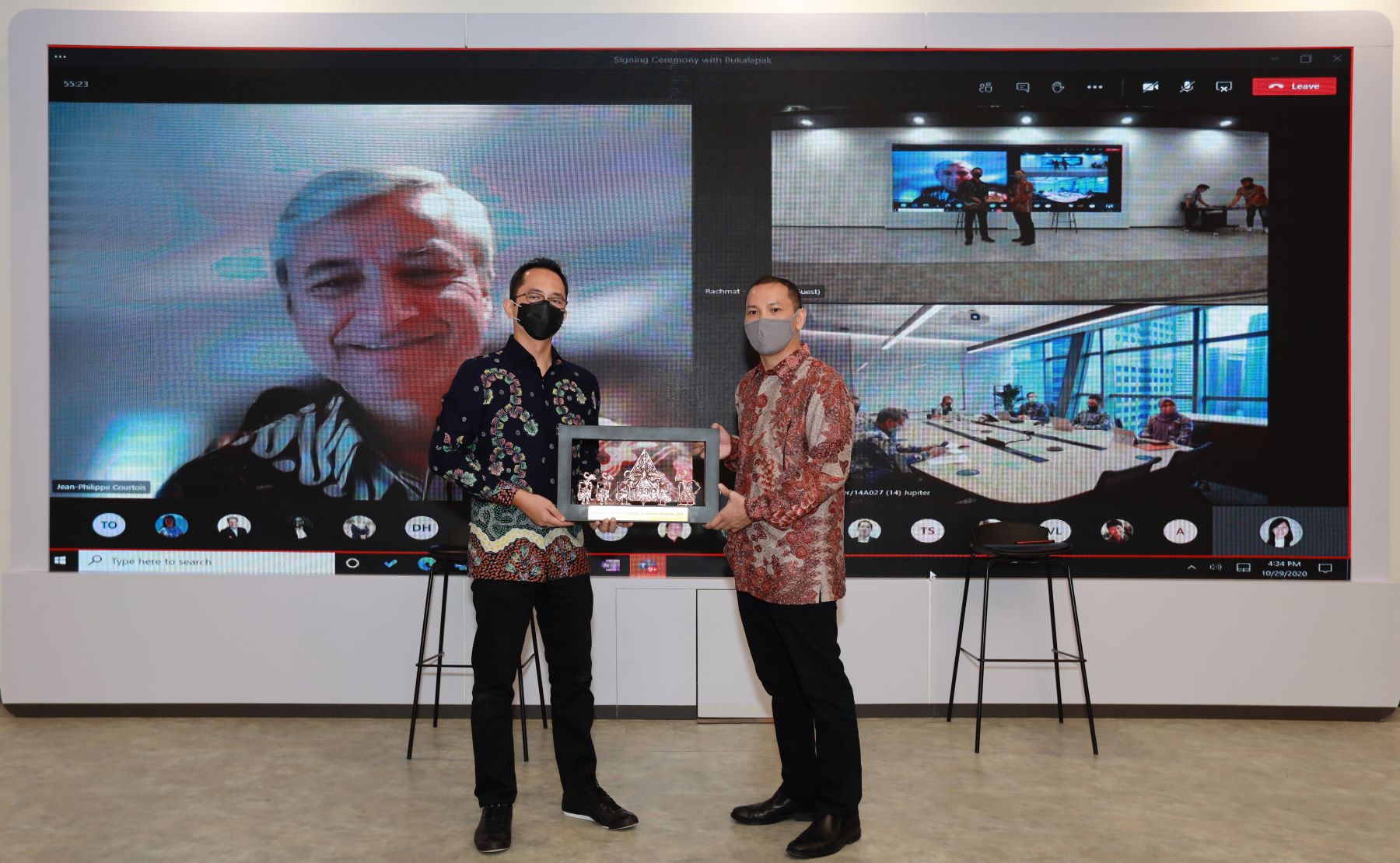
    Microsoft and Bukalapak, one of Indonesia’s leading e-commerce platforms, have formed a strategic partnership to reshape how e-commerce is conducted in the country. Kicking off the collaboration between the two companies, Bukalapak will adopt Microsoft Azure as its preferred cloud platform and Microsoft will make a strategic investment in Bukalapak.

    The partnership will leverage Microsoft’s expertise in building a resilient cloud infrastructure to support Bukalapak services for more than 12 million micro, small and medium enterprises, and 100 million customers.

    “This partnership signals a deep collaboration with Microsoft on an array of technology projects that will transform the technology-driven commerce solutions and operations solution and operations in Indonesia,” said Rachmat Kaimuddin, CEO of Bukalapak. “As a global technology leader, Microsoft’s confidence with Bukalapak highlights our position as the leading homegrown technology player in Indonesia and our continued objective to create a positive impact on our country and customers.”

    Through this partnership, Bukalapak and Microsoft will collaborate on key initiatives including:

    • Building resilient infrastructure – Bukalapak will adopt Microsoft Azure as its preferred cloud platform to support its more than 6 million online merchants, 6 million offline merchants and 100 million customers.
    • Bridging the digital gap – The companies will explore opportunities to help make the digital world relevant for every individual daily.
    • Skilling – Providing digital skills training for Bukalapak employees and their merchants.

    “Bukalapak and their services have had real and enduring impact on Indonesian society, and their innovation mindset in a rapidly changing market will create new opportunities for merchants, businesses and consumers,” said Haris Izmee, President Director of Microsoft Indonesia. “We are excited to empower Bukalapak with a trusted cloud, that allows them to scale their customer experience on Microsoft Azure. Through this partnership, merchants and consumers will have a more efficient and reliable buying and selling experiences, which in turn, creates business resilience and helps in accelerate growth in the Indonesian digital economy.”

    As a leading e-commerce platform in Indonesia, Bukalapak was founded with the singular mission of empowering Indonesia through digital technology. The company also offers financial services and payment options for its users, including but not limited to, gold and mutual funds’ investments, bill payments and credit services. They aim to transform the economy beyond e-commerce, by digitalizing traditional warungs (mom and pop kiosks) so every business in Indonesia has access to the online economy.
  • Manhattan Associates rolls out new eCommerce solution for global clothing company during COVID-19 lockdown

    Manhattan Associates rolls out new eCommerce solution for global clothing company during COVID-19 lockdown

    As COVID-19 swept its way across the globe, and many countries were forced into lockdown, businesses that were undergoing large-scale projects were subject to the challenge of no longer being able to operate under usual conditions. However, despite being caught in the grips of a global pandemic, Manhattan Associates’ was able to deliver its (WMS) remotely under COVID-19 lockdown to a global clothing designer and manufacturer.

    Many retailers across the Asia-Pacific region have experienced a huge spike in online orders during the COVID-19 period, which has stretched processes, technologies, and people. This has led to an increased focus on how to better manage eCommerce orders and the need for solutions to support the smooth flow of online goods to customers.

    Retailers today need warehouse systems that have the flexibility and agility necessary to adapt and grow alongside their business. However, the added challenge of how to deploy such solutions in a time when the movement and availability of technical experts is limited due to COVID-19 travel restrictions and lockdowns, is significant.

    In lieu of the usual in person deployment processes, Manhattan Associates can successfully design, implement, and deploy Warehouse Management System’s (WMS) remotely.

    “The ever-changing nature of eCommerce and consumer demands means that businesses can’t wait to improve their processes. Businesses need to constantly innovate to meet customer demands and COVID-19 lockdowns won’t stop this. Retailers must have agility and scalability built into their systems in order to seize new opportunities while still maintaining operational efficiencies. This is something our WMS works to achieve by being designed to meet consumer demands now and into the future,” said Richard Wright, Managing Director, SEA, at Manhattan Associates.

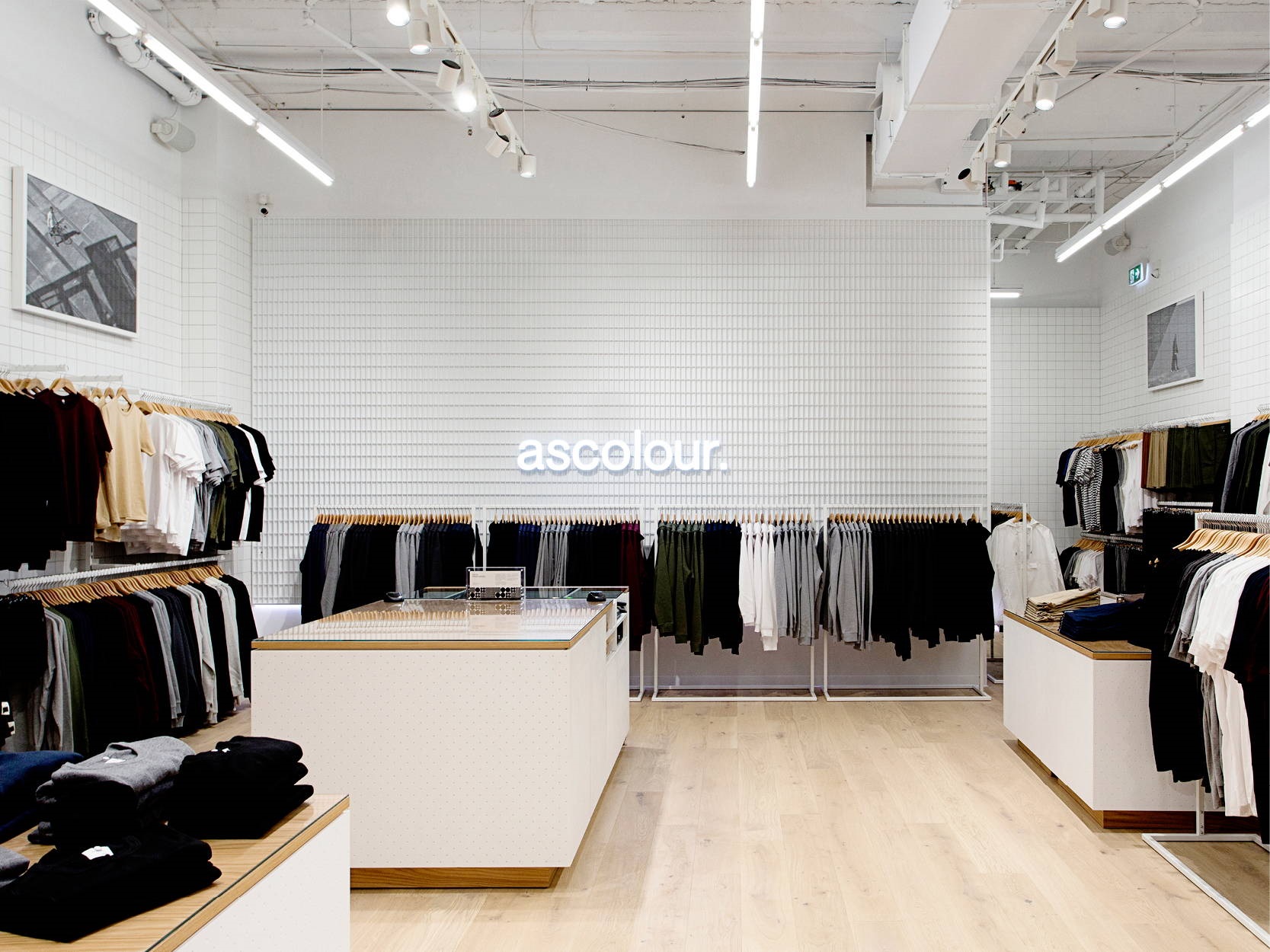
    Lawrence Railton, Managing Director and Founder of global clothing brand, AS Colour, found that after the company was forced into COVID-19 lockdown, more people were heading for the eCommerce space to buy goods, which increased the need to improve their warehouse operations, even if having a technical expert on-the-ground to deploy new technology was not possible.

    “With many lines of distribution brought to a halt in New Zealand, we saw an overflow of orders once restrictions eased, which put a lot of pressure on our DC to catch up,” said Lawrence. “This fluctuation in eCommerce demand is exactly the type of situation that drew us to implement Manhattan’s WMS technology in the first place, as it would prepare us for any future shifts in the market.”

    “When rolling out the new system, we really had to use remote working to our advantage, which in the end allowed us to launch the new system two weeks ahead of schedule and save plenty of money on travel and overheads in the process. Even under remote conditions, Manhattan’s expertise, motivation, and ongoing support ensured that the project was running smoothly, and that any issues were resolved quickly and efficiently,” added Lawrence.

    To hear more, Manhattan Associates will be hosting an APAC Virtual Summit from October 27-30. To register, go to: Manhattan Associates APAC Virtual Summit.


  • Alibaba setting up joint venture with Swiss duty-free giant Dufry

    Alibaba setting up joint venture with Swiss duty-free giant Dufry

    Chinese tech giant Alibaba has agreed to form a joint venture (JV) with Swiss duty-free group Dufry, as Chinese shoppers’ appetite for overseas luxury goods seemed unfettered by the pandemic.

    It also announced that it would acquire an up to 9.99 percent stake in the duty-free operator in a statement released last Monday.

    Alibaba Group will have 51 percent controlling shares to Dufry’s 49 percent. The joint venture combines Alibaba’s established network and digital capabilities with Dufry’s China travel retail business and operational skills, the statement said.

    “We expect this collaboration to drive growth in Asia and with Chinese customers worldwide with the support of new digital technologies,” said Dufry Chief Executive Julian Diaz on Monday.

    As the coronavirus pandemic halts global travel, Dufry’s revenue fell by 62 percent to 1.59 billion Swiss francs ($1.74 billion) in the first half of 2020. It is an increasing presence in China’s travel retail markets as effective containment of the outbreak allowed the country to travel again.

    With 14,941 flights booked during the country’s eight-day National Day holiday that started on October 1, total air travel booking is comparable with the same period last year. Bookings for domestic flights have increased by 10.5 percent, data from China’s aviation authority showed.

    Dufry is proposing a capital increase that will raise up to 700 million Swiss francs, which Alibaba is to subscribe to up to 250 million Swiss francs of shares.

    China currently taxes imported consumer goods, such as garments and beauty products, an average of 6.9 percent and high-end cosmetics by 15 percent. But tariffs for many luxury products, such as perfumes and watches, exceed 30 percent.

    South China’s island province of Hainan has offered greater visa-free access and duty-free shopping for tourists since July 1. Meanwhile, the annual quota for individuals making duty-free purchases on the island tripled to 100,000 yuan, and the duty-free product catalog increased from 38 to 45 items with some electronic products and wines newly added to the duty-free list.

    China’s duty-free retail giant China Duty-Free Group owns all four offshore duty-free shops in Hainan. Its parent company China Tourism Group Duty-Free generated 19.3 million yuan in revenue in the first half of 2020, beating Dufry as the world’s largest duty-free retailer.

    Its sales in Hainan were the primary driver for China Tourism Group Duty-Free’s revenue boost, contributing 47 percent in the first half of the year. Hainan recorded 8.61 billion yuan in visitor duty-free spending from July 1 to September 30, a surge of 227.5 percent year on year, the local customs data showed.

  • Amazon duplicates Transparency program to Japan and Australia

    Amazon duplicates Transparency program to Japan and Australia

    Amazon announced the expansion of Transparency to two new countries – Japan and Australia – making it available in 10 countries where Amazon has a store. Amazon Transparency is also celebrating a milestone of enrolling over 10,000 brands into the program. Transparency, launched in 2018, is a product serialization service that builds on Amazon’s long-standing work and innovative solutions focused on ensuring that customers always receive authentic goods when shopping in Amazon’s stores.

    “Transparency has allowed us to grow consumer confidence in our products and prevent inauthentic products from ending up in the hands of our customers.”

    “Transparency is a powerful technology-driven solution that gives brands the ability to uniquely identify every product unit they manufacture and allows Amazon to use this to prevent counterfeits from reaching customers,” said Dharmesh Mehta, Vice President of Worldwide Customer Trust and Partner Support.

    Transparency allows brands to uniquely identify each unit they produce through the application of unique codes on the product or its packaging. These codes allow Amazon to inspect and authenticate every unit enrolled in Transparency proactively, detecting and stopping counterfeits before they ever reach customers. Additionally, customers can use a mobile app to scan the code and verify authenticity regardless of where they purchased the brand’s products. Over 10,000 brands – from Fortune 500 companies and global brands, to startups and small businesses in countries around the world including LG Electronics USA, Spectrum Brands, Cards Against Humanity LLC, Neato, Petrichor, Skullcandy, Salom, Nomader, and Naples Naturals – have already enrolled in Transparency. Across these brands, Transparency has prevented the shipment of over 500K suspected counterfeits in Amazon’s stores.

    LG Electronics USA, a leading innovator in home appliances, said “LG sees Transparency as a great way to ensure that consumers use genuine LG filters while protecting them from counterfeit products.”

    Spectrum Brands, a Fortune 500 company that owns several pet care companies, said: “By having the Transparency seal on our products, we give consumers confidence that the products they are purchasing for their pets are authentic, effective and formulated as labeled.”

    Cards Against Humanity LLC, said: “With Transparency, we’re now more confident than ever that our customers are receiving legitimate products — which is a win for us and for customers.”

    Neato, a maker of robotic vacuum cleaners, said: “Transparency has allowed us to grow consumer confidence in our products and prevent inauthentic products from ending up in the hands of our customers.”

    Sumeet Raj Aggarwal, owner of the small business in India, Petrichor, said: “With Transparency, consumers can buy with confidence knowing that the products are authentic and high quality. This program grows confidence in our brand and prevents counterfeits from being delivered to consumers. It’s a win-win for brands and consumers.”

    In addition to Japan and Australia, Transparency is available in Canada, France, Germany, India, Italy, Spain, the United Kingdom, and the United States. To learn more about Transparency and how to enroll, visit: https://www.transparency.com/

    Transparency is one of many innovations that Amazon has introduced to partner with brands to ensure customers receive authentic products and to protect brands’ intellectual property.

    • Most recently, Amazon launched the Amazon Counterfeit Crime Unit (ACCU), a global team that will investigate and bring legal action against bad actors, protecting customers, brands, and Amazon’s selling partners. To learn more: https://press.aboutamazon.com/news-releases/news-release-details/amazon-establishes-counterfeit-crimes-unit-bring-counterfeiters
    • Amazon’s Project Zero, which empowers brands to drive counterfeits to zero. Project Zero uses automated protections to proactively and continuously scan more than 5 billion attempted product listing updates daily to look for suspicious listings, provides a self-service tool for brands with an unprecedented ability to directly remove listings from Amazon’s stores, and leverages product serialization as an optional service. To join the more than 10,000 enrolled brands, learn more at: https://www.projectzero.com.
    • Amazon IP Accelerator helps businesses more quickly obtain intellectual property (IP) rights and brand protection in Amazon’s stores. The program was designed specifically with small and medium businesses in mind and is available to entrepreneurs worldwide that are looking to secure intellectual property in the U.S. IP Accelerator connects entrepreneurs with US law firms with expertise in trademark applications. Entrepreneurs also benefit from pre-negotiated rates. To learn more: https://brandservices.amazon.com/ipaccelerator
    • Amazon Brand Registry, a free service that gives brand owners access to a powerful set of tools that help them deliver an accurate and trusted customer experience on Amazon while protecting a brand’s IP. More than 350,000 brands are enrolled. To enroll and learn more: https://brandservices.amazon.com/
  • H&M launches E-commerce initiative on Zalora Philippines

    H&M launches E-commerce initiative on Zalora Philippines

    Global Fashion Group (GFG), the leading online fashion & lifestyle destination in growth markets announces the launch of a two-month partnership between H&M and ZALORA Philippines.  ZALORA is the first e-commerce platform H&M has worked within the region.

    The two-month partnership with global fashion brand, H&M will be available from 1 October to 30 November 2020 on the ZALORA Philippines website where customers can shop a diverse range of H&M apparel, shoes, bags, and accessories ranging from Ladies, Young Ladies, Men and Kids.

    “We are delighted to collaborate with ZALORA on this new journey that we are exploring in the Philippines. For us to meet new and existing customers where they are and when they want is something we have been looking forward to. They will be happy to find stylish and basic essentials that are affordable and friendly to our planet, true to our business idea of offering all our customers fashion and quality at the best price in a sustainable way. ZALORA’s values and culture align well with ours and we admire their commitment to providing good and trustworthy customer experience, something that we deeply commit to at H&M,” shares Sylvain Crouzat, Country Sales Manager for H&M Philippines.

    This partnership is not only ZALORA’s biggest brand launch in 2020 to date but also broadens access to innovative options for the conscious shopper. H&M’s Ladies Fall Collection will feature sustainable pieces built around recycled materials—giving new life to old PET bottles, old garments, or textile off-cuts. All the pieces from the Kids Category are also made with 100% sustainably sourced cotton and zero harmful chemicals. Shoppers may easily search for these sustainable finds by using ZALORA’s Earth Edit filter on the website and app.

    “In true ZALORA style, we are kicking off the final quarter of the year with a bang through this very exciting partnership with H&M. Since we launched ZALORA, H&M has been among the most sought-after brands by our customers so we’re excited to allow them to conveniently shop their favorite brand from the safety of their homes, especially during this time,” shares ZALORA Co-Founder and CEO, Paulo Campos III. “As advancements in technology continue to push fashion to more progressive heights, H&M and ZALORA are at the forefront of this endeavor. The collaboration reflects how both brands are committed to expand opportunities and options for shoppers in the digital age,” he adds.

    H&M is now available on ZALORA at  zalora.com.ph/hm with prices starting at PHP 299.

  • Amazon reveals Singapore date for Prime Day

    Amazon reveals Singapore date for Prime Day

    After a delay of a few months, Amazon has officially confirmed when its Prime Day shopping event is taking place. Amazon Prime Day 2020 will, once again, actually run for two days. Following a postponement from the usual mid-July period, the first discounts will launch at 00:01 on Tuesday, October 13, with offers running until 23:59 on Wednesday, October 14.

    It’s been confirmed that Prime Day will run on these dates in the UK, the US, Canada, Australia, Spain, Italy, Germany, France, the Netherlands, Belgium, Austria, Luxembourg, Singapore, UAE, Mexico, China and Japan. First-time Prime Day events in Turkey and Brazil will also run on October 13 and 14.

    The annual sale, which first happened in 2015, usually features a selection of spotlight deals running for either 24 hours or (as was the case for some products during 2019’s two-day event) 48 hours, plus shorter flash sales which may only last for a few hours. Discounts are available across a broad variety of departments – home, fashion, beauty, tech and much more.

    Prime Day is, as you’ve probably guessed from the name, exclusive to Amazon Prime members.

    An Amazon Prime subscription costs £7.99 per month, or £79 per year, for UK customers, and the perks that come with it include free delivery, Prime Video access (with content ranging from original TV shows like The Boys to selected live Premier League football games), unlimited music streaming, and Prime Reading, which features a regularly-rotating selection of books and magazines.

    This year, you can also take advantage of an offer where if you spend £10 with selected small businesses in the run-up to Prime Day, you can claim £10 credit to spend on October 13 or 14. Terms apply, and more details about the pre-Prime Day small business promotion are available here.

    It’s been a busy few days for Amazon, with the announcement of an all-new Echo range (including a sphere-shaped Echo Dot) and new Fire TV sticks.

    The company, which already owns Twitch, also recently unveiled its own gaming streaming service called Luna.

  • Shopify data stolen by its own employees

    Shopify data stolen by its own employees

    Shopify has seen customer data stolen by “rogue” employees, the e-commerce provider announced.

    Two members of Shopify’s support team were engaged in a scheme to obtain customer transactional records of certain merchants – less than 200, according to Shopify.

    Once the business became aware of the scheme the team members’ access was immediately terminated, and an international investigation began with the assistance of the FBI and other agencies that will seek to find if, when, and where the data was used – if at all.

    “This incident was not the result of a technical vulnerability in our platform, and the vast majority of merchants using Shopify are not affected. However, those whose stores were illegitimately accessed may have had customer data exposed,” Shopify said in a statement.

    “This data includes basic contact information, such as email, name, and address, as well as order details, like products and services purchased. Complete payment card numbers or other sensitive personal or financial information were not part of this incident.”

    Shopfiy added that it has zero tolerance for platform abuse, and will take the necessary action.

    “To put it simply, we are committed to protecting our platform, our merchants, and their customers and will continue to work hard to earn your trust every day,” Shopify said.

  • Temenos, Alibaba Partner

    Temenos, Alibaba Partner

    The banking software company is joining up with the Chinese internet giant on cloud-based services. The deal opens a huge new potential market for Geneva-based Temenos: it is joining Alibaba’s cloud services, the company said in a statement on Thursday. In effect, banks can adopt Temenos’ software – Transact – on the Chinese firm’s cloud infrastructure.

    The move represents a massive step forward in so-called software as a service or SaaS. Providers like Temenos are moving towards more piecemeal sales and away from large one-time installations. Much of this is cloud-based, meaning banks can easily and less expensively grab what they need quickly. The technology providers hope for increased recurring revenue as well as scale effects.

    Alibaba and Temenos are currently testing with banks to establish so-called proof of concept, and already have joint customers in the wider Asia-Pacific region, they said. Transact is set up to be compatible with as many data clouds as possible.

    Alibaba, strongly anchored as China’s leading e-commerce and payments firm, is also the leading domestic cloud provider. The cloud subsidiary recently pledged an $28 billion investment in expanding, including hiring 5,000 new staff.

  • Online platform ready to recover lost Malaysia Airports retail earnings

    Online platform ready to recover lost Malaysia Airports retail earnings

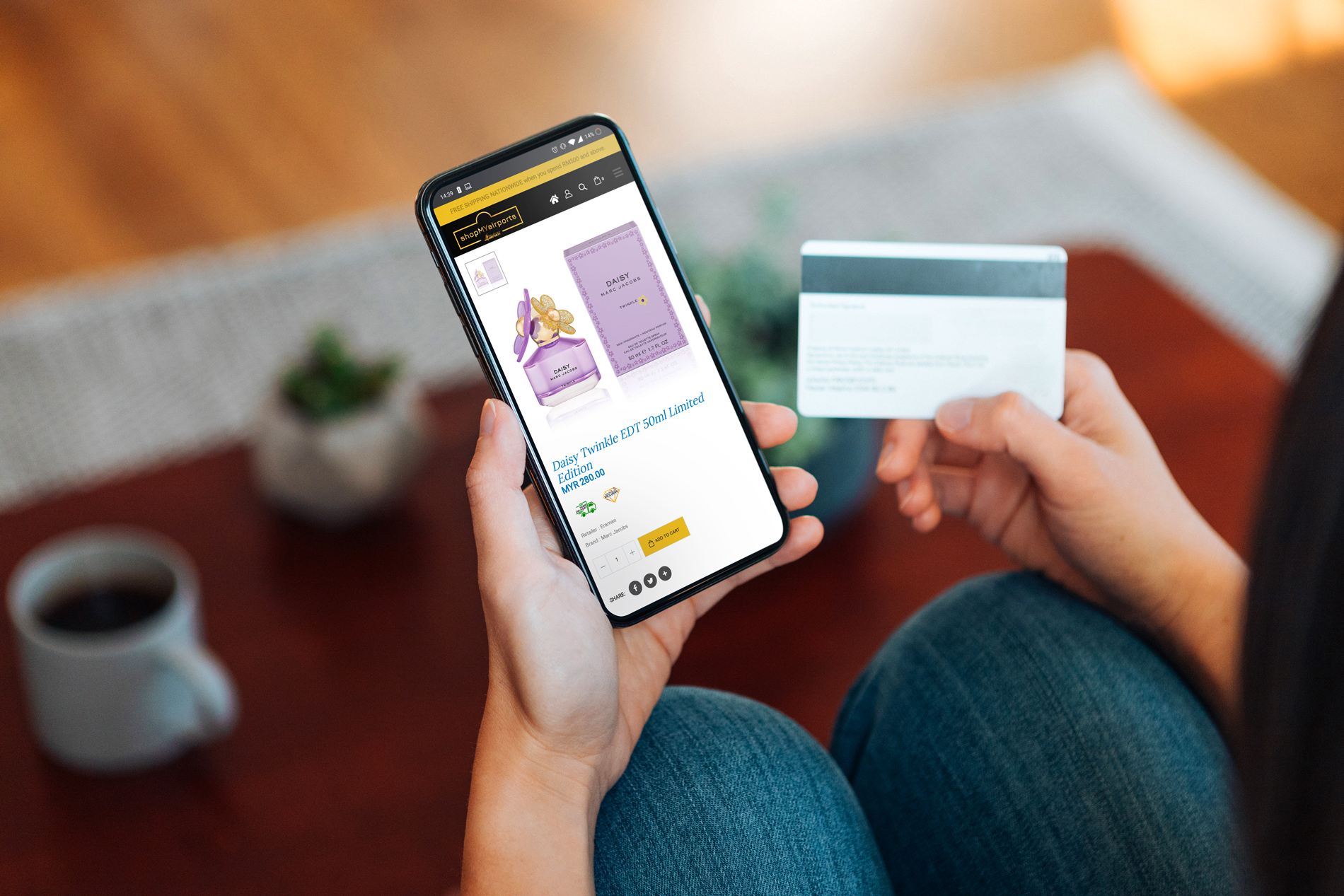
    Malaysia Airports Holdings has launched a travel retail e-commerce platform shopMYairports, aiming to recover some US$67 million from sales lost through its airport network due to passenger volumes plummeting.

    Still smarting from the loss of $671 million in revenues from retail in the year prior to the advent of Covid-19, the airport operator is hoping for significant potential growth from the initiative, which is part of a broader Airports 4.0 plan for digital transformation to enhance passenger retail experiences and support the recovery of its airport retail tenants.

    The move serves to allow consumers to buy travel-exclusive and duty-absorbed products online, having purchases delivered directly to their homes.

    “The launch of shopMYairports is an important step in our journey to make our airports future-ready,” said group CEO Datuk Mohd Shukrie Mohd Salleh.

    “As Malaysia’s main airport operator, we have to ensure that we remain agile and relevant while navigating within a fast-changing consumer landscape.”

    Future services available on the platform are expected to include click-and-collect services, allowing travelers to pick up purchases at designated airport counters, and concierge services to deliver products to passengers’ boarding gate or aircraft seat.

  • Most Asia-Pacific consumers unhappy with delivery experiences

    Most Asia-Pacific consumers unhappy with delivery experiences

    Only 22 percent of Apac consumers report having product delivery experiences that meet their expectations every time, according to a new study by BluJay Solutions.

    The research finds that with contactless delivery options becoming more prevalent against the backdrop of the coronavirus pandemic, consumers’ expectations for transparent, reliable, and accurate delivery information is greatly enhanced. In spite of this, deliveries often fall below expectations.

    “With consumers stuck at home due to Covid-19 restrictions, we’re seeing a shift in delivery needs and preferences towards contactless ‘click and collect’ in addition to increased demand for precise collection and delivery times,” said BluJay Solutions GM Apac Katie Kinraid.

    “However, the delivery experience is being hindered by issues such as delayed deliveries, long wait times, and a lack of proactive communications.”

    The research also indicated that consumer age groups previously reluctant to switch habits to shopping online are now making e-commerce purchases on a fortnightly basis, predominantly purchasing clothing, footwear, small electronics, groceries, and supplements/beauty products. Half of all Apac consumers surveyed reported shopping more online since the outbreak.

    A significant problem is a delay in delivery, with only 14 percent of respondents reporting regular timely deliveries. While 87 percent of consumers check the cost before completing purchases, 71 percent check the delivery timeframe and 51 percent consider delivery tracking functions.

    BluJay surveyed more than 7000 shoppers throughout the region, including Australia, New Zealand, Singapore, Thailand, Philippines, Malaysia, and Indonesia in the course of the report.

    “Retailers and carriers must adapt to suit consumer preferences that have transformed as a result of this pandemic,” said Kinraid. “Returns policies, for instance, will become more important as consumers increase their online shopping.

    “With consumers now preferring contactless, same-day delivery, retailers and carriers need to reassess how they will manage the new model moving forward,” she said.

    “Areas for improvement that retailers and carriers should consider include the need for new communication channels with customers, as well as the need for greater transparency and accuracy on the delivery and collection times. Most importantly they will need to look at how they can help ensure a seamless and safe delivery that maintains zero contact and reduces the potential for theft.”

  • JD teams with brands to launch an organic alliance

    JD teams with brands to launch an organic alliance

    JD’s online supermarket JD Super has formed an organic alliance with brands trading on its platform.

    More than 10 companies, including domestic and international ones, have joined the alliance, including Milk Deluxe, Bellamy’s, Abbott, Anchor, and Gerber.

    Under the alliance, JD Super and other members will work together with government bodies, channel merchants, and inspection institutes to collectively build an “organic traceability” mechanism, which records information about product life cycles, according to JD.

    “JD hopes to establish an organic industry ecosystem through the optimisation of industry standards for organic products as well a wide range of support for organic brands to grow their appeal among Chinese consumers,” the company said in a statement.

    JD Super will also support the organic alliance’s members with organic labeling and to develop the platform.

  • Zalora selects regional chief people officer

    Zalora selects regional chief people officer

    Online fashion platform Zalora has appointed Louise Pender as chief people officer, essentially a head of HR role.

    With the new role, Pender will oversee “the people and culture teams” across all markets, the online retailer said in a statement. She will also be responsible for human resources functions, including talent acquisition, talent development, workforce planning and strategic business partnering.

    “Louise is a leader with a record of building and empowering high performing teams,” said Gunjan Soni, CEO of Zalora. “Her career has centered around her passion for helping organizations and individuals reach their full potential. Since joining Zalora in March 2016, Louise has championed a number of People initiatives, including diversity and inclusion.”

    She will concurrently head the Legal and Sustainability team, in her existing role as Zalora’s General Counsel, according to the company.

    Prior to Zalora, Louise worked in senior roles at United Group Services and Siemens in Australia, Gate Group Holdings in Switzerland, and Gate Gourmet Inc in the USA. She has more than 20 years of experience in legal and business advice after graduating with a law degree in her native New Zealand.

  • Tmall seeks to boost engagement with Chinese Gen Z luxury consumers

    Tmall seeks to boost engagement with Chinese Gen Z luxury consumers

    High-end Chinese e-commerce platform Tmall Luxury has implemented new features to boost its brands’ appeal for Gen Z consumers in the region.

    The three new features include a daily live streaming service on luxury topics, a content-rich magazine channel featuring fashion news, and an upgraded membership program offering personalized services. The features are a response to the strong spending power for luxury items exhibited by consumers within the Gen Z age group, spending on average US$3600 annually on high-end goods.

    Data collected by Tmall Luxury shows that four-fifths of its user base are below the age of 35, with the number of luxury consumers aged 18–25 age group more than doubling between July 2018 and June last year. The emerging consumer dynamic has attracted top brands in the category such as Valentino and Balenciaga to collaborate with the platform.

    “By providing Tmall’s unparalleled analytics and insights on luxury consumption in China, we empower luxury brands with a deeper and more accurate understanding of local consumer preferences,” said Alibaba VP and GM of Tmall luxury, fashion, and FMCG Mike Hu. “These insights allow luxury brands to precisely tailor their communications to Chinese young audiences while staying true to their brand identities.”

    Almost 200 brands have opened flagship stores on the Tmall Luxury platform.

  • Shopee dominates online shopping in Vietnam

    Shopee dominates online shopping in Vietnam

    Shopee reported a new web traffic record in Vietnam with 52.5 million monthly visits last quarter, exceeding Lazada’s previous record in 2017.

    The Singapore online shopping platform’s numbers exceeded those of the next two put together, Vietnamese companies Mobile World (25.1 million) and Tiki (21.1 million), according to data collated by Malaysian online shopping aggregator iPrice Group.

    Shopee achieved growth of 21.6 percent from the first quarter, while the three behind it, Mobile World, Tiki, and Singapore’s Lazada, saw declines of 6-12 percent.

    In the last quarter of 2017 Lazada reported 50.5 million monthly visits, but since then its numbers have declined — to 18.5 million in the second quarter of this year — as other players grabbed a bigger share of the market.

    Tiki and another homegrown player Sendo informed authorities in June that they planned to merge, but later decided to call off the deal due to disruptions caused by the Covid-19 pandemic and disagreements between their shareholders.

    Last year Vietnam’s Internet economy, which has been growing annually at 38 percent since 2015, was estimated to be worth $12 billion.

    It is expected to rise to $43 billion by 2025, according to the “e-Conomy Southeast Asia report 2019” by Google, Singapore investment firm Temasek and U.S. global management consultancy Bain.

  • JD sales beat estimates as customers move online

    JD sales beat estimates as customers move online

    China’s JD beat analysts’ estimates for quarterly sales, as the firm benefited from a shift in shopping habits of domestic consumers who have largely moved to online ever since the outset of the Covid-19 pandemic.

    The results coincide with growing tensions between Beijing and Washington. Several Chinese companies are putting off plans for US listings amid tensions between the world’s top two economies, while those listed in New York are seeking to return to exchanges closer to home. In June, JD raised about $3.87 billion in its Hong Kong secondary listing.

    JD executives did not offer any comments on US-China tensions on a conference call with analysts on Monday.

    China, which has under a thousand active Covid-19 cases currently, has largely emerged out of lockdowns but demand is still picking up in many sectors.

    Retail sales in the world’s second-largest economy slipped in July, dashing expectations for a modest rise, as consumers failed to shake off wariness about the coronavirus, while the factory sector’s recovery struggled to pick up the pace.

    The company’s net product revenue, which includes online retail sales, rose 33.5 percent to $25.74 billion in the second quarter.

    Net income attributable to shareholders rose to $2.38 billion from $89.4 million a year earlier.

    The company’s total net revenue rose 33.8 percent to $28.98 billion in the quarter ended June 30.