Tag: etail

  • Alibaba GMV surpasses US$1 trillion

    Alibaba GMV surpasses US$1 trillion

    Chinese retail behemoth Alibaba Group shrugged off the impact of the Covid-19 crisis to report a 35-per-cent increase in sales in the year to March, and achieving its five-year-old goal of surpassing US$1 trillion in GMV.

    Revenue for the year reached $71.4 billion, as the company expanded its global customer base to 960 million active consumers.

    In the March quarter, when the Covid-19 crisis was at its peak, revenue was up 22 percent, to $16.1 billion, a rate lower than for the rest of the year, but driven by its mainland China online ventures which drew increased custom from people unable to visit physical stores.

    Adjusted earnings before tax grew 29 percent to $22.3 billion.

    Chairman and CEO Daniel Zhang said Covid-19 has “fundamentally altered consumer behavior and enterprise operations, making digital adoption and transformation a necessity”.

    “We are well-positioned and prepared to help large and small businesses across a wide spectrum of industries achieve the digital transformation they need to survive this difficult period and eventually prevail in the new normal. By focusing on the long term and investing in value creation for our consumers and business customers, we believe we will emerge from this crisis stronger and be ready to capture more growth in the future,” he said.

    CFO Maggie Wu added that while the pandemic negatively impacted most of Alibaba’s domestic core-commerce businesses starting in late January, a steady recovery has been evident since March.

    “Based on our current view of Chinese domestic consumption and enterprise digitization, we expect to generate over $91 billion in revenue in fiscal year 2021,” she said.

  • cand JD use big data to design ‘C2M Mobile Phone’

    cand JD use big data to design ‘C2M Mobile Phone’

    Chinese e-commerce giant JD and device manufacturer Xiaomi sold 10,000 units of a jointly-produced mobile phone within 11 minutes.

    The Redmi K30 5G Racing phone was developed by Xiaomi based on customer insights generated from big data provided by JD. Sales volume passed RMB2 million (US$280,500) within two minutes, with the unit price at RMB1999 ($280).

    More than 20,000 phones were sold within the day.

    JD’s data revealed that most customers within the price range were females with higher educational backgrounds and above-average demand for device functions and CPU. The phone was designed with an upgraded CPU and with a mint green color tone, shown by the data to be more attractive to female customers. JD’s data also supported the marketing strategy of the product, targeting around 1.2 million customers likely planning to replace their phones within two months.

    “We have great confidence in the new C2M product,” said Xiaomi China VP Weibing Lu. “JD has been an important partner for Xiaomi, and we will work closely with JD on more C2M products in the future to better serve our customers.”

    “JD has been continuously working on C2M products with our brand partners, and the Redmi K30 5G Racing version is the collective effort of JD, Xiaomi, and Qualcomm,” said JD Mobile Devices president Daniel Tan.

    “C2M enables customers’ demands to directly reach upstream supply chain players, helping to optimize supply chain efficiency and reduce costs. This model enables us to keep improving the shopping experience.”

  • Facebook Shops enabling retailers to sell directly to consumers

    Facebook Shops enabling retailers to sell directly to consumers

    Social commerce is about to get a whole lot more social, with Facebook announcing the launch of its business-to-consumer marketplace offering Facebook Shops.

    The new platform began rolling out in New Zealand yesterday and will be progressively rolled out across international markets during the coming months.

    Shops will leverage the co-owned ecosystem of Facebook, Instagram, and WhatsApp to make it easy for customers to find the products they want, wherever they are, and be able to get in contact with the business selling if they need more information.

    Businesses will be able to set up a partly-customizable storefront within Facebook, which can be accessed through Facebook, Instagram, or through stories or ads.

    In the US, customers will be able to check out directly within Facebook – though this feature has yet to make it to Australia and New Zealand.

    “Over the past three months businesses of all sizes have been forced to change their business models and adapt to selling online,” Facebook Australia and New Zealand MD Will Easton said.

    “We’ve accelerated our development of new products, giving businesses better means of connecting with consumers, and helping businesses who don’t have an online presence to drive sales online.”

    Facebook founder Mark Zuckerberg says Shops will be free for businesses to access.

    “Our business model here is ads, so rather than charge businesses for Shops, we know that Shops are valuable for businesses. They’re going to – in general – bid more for ads and we’ll eventually make money that way.”

    And later this year the business will expand Shops into its live-streaming features, in which a business can tag products that will be on display before starting a stream to make them purchasable when going live.

    Facebook is already working in collaboration with e-commerce partners such as Shopify, BigCommerce and WooCommerce to enable businesses an easier time getting their Facebook Shop up and running.

    Shops is the latest push by the social media giant into the world of commerce, building off the strengths of its customer-to-customer Marketplace offering.

    And according to industry firm UBS the drive toward online shopping will only become more important for businesses in a post-Covid-19 world.

  • Sephora launched Tmall flagship store in China

    Sephora launched Tmall flagship store in China

    Sephora China has launched a flagship store on Alibaba’s B2C platform Tmall Global.

    The Sephora Tmall Global flagship features a selection of beauty brands including Fenty, perfume house Bon Parfumeur, and skincare brands like Farmacy and Dermalogica. The cross-border store also introduced a series of beauty lines’ China debut such as Natasha Denona and Sunday Riley.

    As part of the launch, the beauty retailer unveiled its first showroom presenting cross-border beauty products with “cloud shelves” in a physical Sephora store.

    “Through the synergy of online and offline channels, consumers can access overseas brands to fulfill their emerging and evolving needs,” said Benjamin Vuchot, president of Sephora Asia. “This initiative is very special to us, as we are celebrating the 15th anniversary of Sephora China this year.

    “The opening of the Sephora Tmall Global flagship store offers a great opportunity for Sephora to continue reinforcing its commitment to the China market, by catering to the Chinese consumer’s ever-changing trends and evolving needs to enhance their beauty power,” Vuchot said.

    The Sephora Tmall Global flagship houses 600 products from 25 overseas beauty brands in the country.

  • Mastercard study shows consumers moving to contactless payments for everyday purchases as they seek cleaner

    Mastercard study shows consumers moving to contactless payments for everyday purchases as they seek cleaner

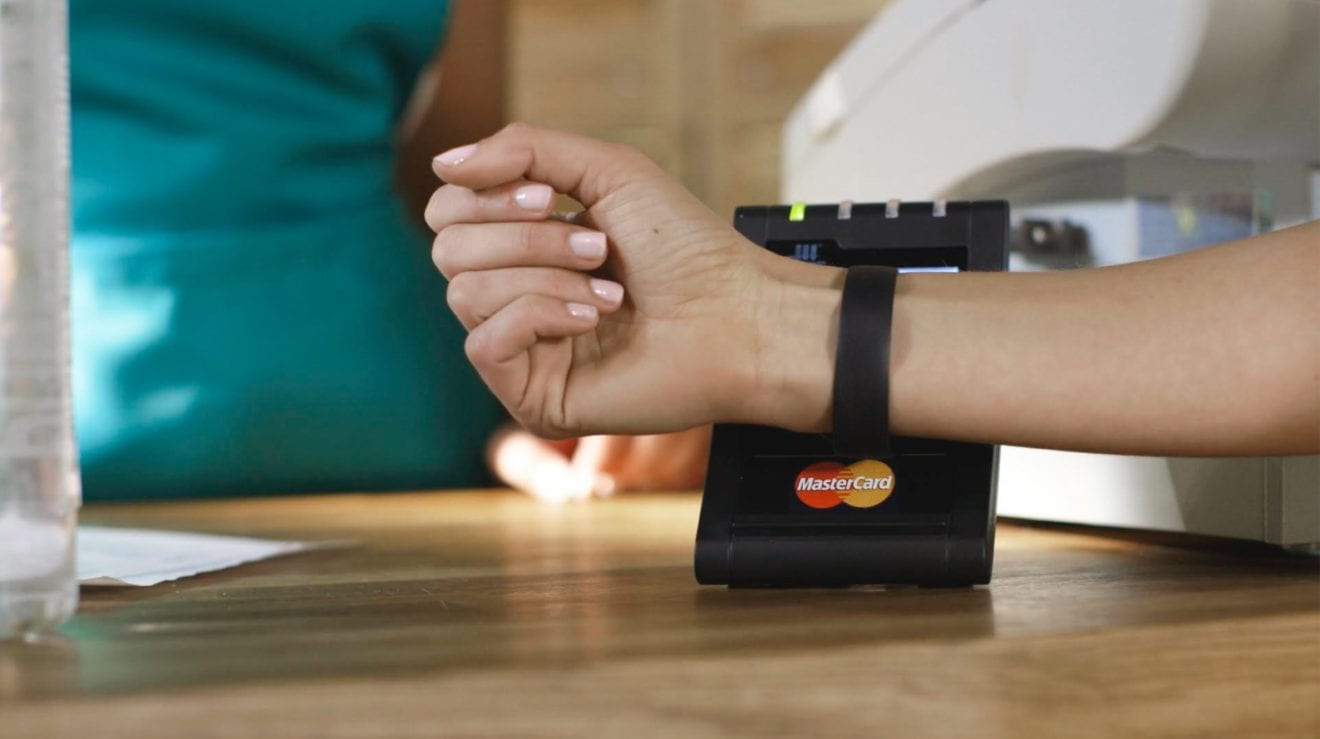
    During February and March, as many countries imposed or strengthened social distancing measures due to COVID-19, a significant majority of consumers turned to contactless card payments for necessary purchases. Citing safety and cleanliness, 79 percent of people worldwide and 91 percent in Asia Pacific say they are now using tap-and-go payments.

    Consumer polling by Mastercard, studying changing consumer behaviors in 19 countries around the world, paints a picture of accelerated and sustained contactless adoption.

    The act of going to the store for eggs, toilet paper, medicine and other necessities has changed dramatically this year. Shoppers have had to adjust to new challenges when buying everyday supplies – a shift in behavior that is particularly clear at checkout as people express a desire for contactless cards and voice concerns over cleanliness and safety at the point of sale.

    The new Mastercard survey shows:

    • Contactless cards move to top of wallet – Perceptions of safety and convenience have spurred a preference for contactless cards and reminded consumers of the ease of tapping. Globally, 46  percent of respondents have swapped their top-of-wallet card for one that offers contactless. In Asia Pacific, 51 percent of people have made the swap.
    • Confidence in contactless – COVID-19 has increased concerns about cash usage and led to positive perceptions about contactless due to the safety and peace of mind it provides. The majority of respondents (82 percent) globally view contactless as the cleaner way to pay, with 80 percent in Asia Pacific saying the same. Contactless payments are up to 10 times faster than other in-person payment methods, enabling customers to get in and out of stores faster.  
    • Contactless is here to stay – We are in a sustained period where consumers are making purchases in a very focused way. That’s reinforcing contactless use in markets where adoption is more mature and it’s stimulating use in newer markets. This trend appears to be here to stay as 74 percent of people globally and 75 percent in Asia Pacific state they will continue to use contactless after the pandemic is over.

    “Mastercard’s survey shows a clear shift to contactless – especially in Asia Pacific – as COVID-19 changes the payments landscape and the way people shop now and in the future,” said Sandeep Malhotra, Executive Vice President, Products & Innovation, Asia Pacific, Mastercard. “The fact that 3 in 4 people intend to keep using tap-and-go after the pandemic is a strong sign that consumers see the long-term benefits of having a safer, cleaner way to pay, checking out faster and being more socially responsible.”

    Contactless Tipping Point

    Mastercard has been spearheading the worldwide shift to contactless for years, championing the simple, safe and fast way to pay. Now, as consumers increasingly seek ways to get in and out of stores quickly without touching payment terminals, Mastercard data reveals more than 40 percent growth in contactless transactions globally in the first quarter of 20201. More than 80 percent of contactless transactions are under US$25, a range typically dominated by cash.

    While countries worldwide are at different stages of contactless card deployment and usage for daily shopping, Mastercard’s insights on trends at grocery stores and pharmacies – where many day-to-day essentials are being purchased – showed nearly all regions experienced significant spikes in February and March.

    Reinforcing changing behaviors and consumer checkout preferences, Mastercard saw the number of tap-and-go card payments at grocery stores and pharmacies grow twice as fast as non-contactless transactions globally and 2.5 times faster in Asia Pacific2.

    Just last month, Mastercard announced commitments to increase contactless payment limits in more than 50 countries worldwide in Europe, the Middle East, Africa, Asia Pacific, Canada, Latin America and the Caribbean. Limit increases were part of Mastercard’s global effort to make sure consumers, merchants and small businesses have the resources to pay safely, receive payment and maintain operations during the COVID-19 crisis.

  • WeChat launches plan to stimulate retail growth

    WeChat launches plan to stimulate retail growth

    Chinese social-media and mobile-payment app WeChat has introduced measures aimed at boosting the recovery of the retail industry.

    The firm’s Wechat Retail Growth Plan is intended to help global businesses and brands strengthen their understanding and use of WeChat’s tools and functions to better resolve the challenges created by the coronavirus pandemic.

    The plan uses several recent services launched by WeChat, including WeChat Live for businesses – which allows them to interact with customers and generate sales via live streaming – and WeChat Work 3.0, which has become a key platform for remote working during the pandemic, connecting enterprises with customers.

    WeChat’s key services promoted by the growth plan also include 1 on 1 Consultant – which allows retailers to tap into existing user bases and manage fans as well as initiate direct conversation with followers – and WeChat Pay, which has encouraged cross-border e-commerce, local orders, and scan-and-go self-service during the pandemic.

    The firm has also launched a range of supportive policies for merchants facing challenges during the coronavirus outbreak.

    More than 1 billion Chinese consumers use WeChat’s platform.

  • Instagram launches online food-ordering apps

    Instagram launches online food-ordering apps

    Social media platform Instagram has launched new food-ordering tools to assist small-to-medium businesses facing difficulties during the coronavirus pandemic.

    Foodservice operators can now share food order stickers in Instagram Stories and as a button on their profiles.

    Consumers clicking on the Stories sticker or profile button will be taken to the business’ food-delivery platform to complete their purchase. They can also reshare the stickers with their own followers on Instagram Stories.

    “We heard really clearly that restaurants want help staying open,” said Instagram COO Justin Osofsky. “As you’re looking at what’s happening just naturally on Instagram, a lot of people are trying to promote gift cards and the ability to support them, and a lot are using Instagram to highlight their delivery services. This is taking something that’s already happening and making it a lot easier.”

    The Instagram features were rolled out in the North American market a fortnight ago and are now being rolled out globally in multiple languages, including in Hong Kong and other Asian markets.

  • Shopee Malaysia launching additional support package for Etailers

    Shopee Malaysia launching additional support package for Etailers

    Shopee Malaysia has announced an RM15 million (US$3.5 million) support package for sellers on its network.

    The online retail platform’s package aims to assist around 70,000 SMEs in the territory trading in a range of sectors and is an outcome of engagements between itself, retail associations, business owners and chambers of commerce.

    “These SMEs need assistance or a partner that can provide them a clear instruction set to ensure they succeed with online selling,” said Shopee’s regional MD Ian Ho, who expressed concern that smaller businesses lack knowledge critical to digitalization.

    Benefits in the package include discounts for sellers in promotional programs to help lower operating expenses for business owners.

    “Shopee has allocated RM6 million ($1.4 million) in the form of vouchers and free paid advertising credits,” said Ho. “Sellers stand to benefit from RM100,000 ($23,000) worth of dedicated campaign vouchers every week and receive up to RM400 ($92) each in free paid advertising credits to get more exposure for their products and stores.

    “Shopee wants to drive the digitalization of traditional businesses and bring them online,” he said.

    “The package will support all its sellers by creating sales and growth opportunities, reducing operational costs and facilitating sustainable development through funding, subsidies and education.”

  • Pinduoduo collects US$1.1 billion in private funding

    Pinduoduo collects US$1.1 billion in private funding

    Chinese e-commerce platform Pinduoduo has successfully raised US$1.1 billion in a private funding round.

    The firm will use the new funding, some of which was contributed by long-standing investors, to capture “additional opportunities” during a period when the world’s economy is affected by the coronavirus pandemic. Investors in this funding round were granted 2.8 percent of ordinary shares in the firm.

    The Shanghai-based business, which is a local competitor to Alibaba, saw poor fourth-quarter revenues following the impact of Covid-19, with a loss of US$250 million.

    “Pinduoduo surpassed RMB1 trillion [$140.9 billion] in annual gross merchandise value (GMV) in less than five years,” said Pinduoduo VP of strategy David Liu, “and we are confident that we will see robust growth beyond our current 585 million user base.

    “The extra funding gives us the strategic flexibility to capture opportunities to further benefit our users, as we bring interactive experiences, such as our new live-streaming features, and wider variety of value-for-money products to them.”

  • Digital Payments in China Surge

    Digital Payments in China Surge

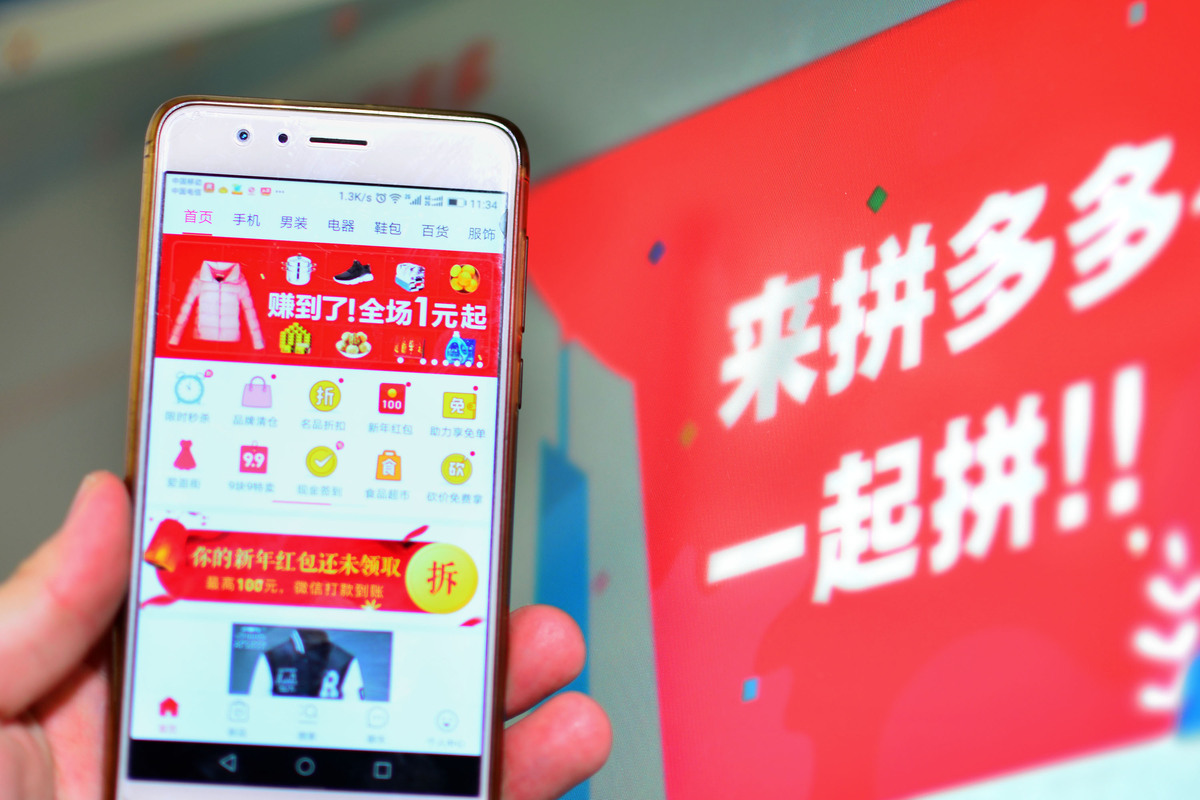
    China’s digital payment market grew to $8.4 trillion in the last quarter of 2019 and there are signs of still robust momentum in the months following the outbreak.

    By transaction volumes, Alipay retained the top rank with 55.1 percent followed by Tencent’s two platforms – WeChatPay and QQ Wallet – at 38.9 percent, according to a report (Mandarin only) by independent research firm iResearch.

    The remaining 6 percent where split between 1qianbao (1.4%), JD Pay (0.9%), UMPay (0.6%), 99bill (0.6%), Yeepay (0.5%), China UMS (0.3%), Sunin Pay (0.2%) and others (1.5%).

    59.8 trillion yuan ($8.4 trillion) in total digital payment representing a year-on-year increase of 13.4%

    Even in the midst of an ongoing coronavirus outbreak, the Chinese digital payment market signaled strength, the report underlined.

    Beijing-based grocery startup Meicai attracted 800,000 new users in one week on an online platform that connects farmers with consumers and restaurants. Between March 18 and 22, Alipay registered average daily purchase of nearly 1.1 million cups of milk tea via branding programs.

  • Citi Partners With Major Hong Kong E-Shopping Platform

    Citi Partners With Major Hong Kong E-Shopping Platform

    Citi is the latest in Asia to tap into the digital commerce channel amidst the coronavirus pandemic, partnering with major Hong Kong e-shopping platform HKTVmall. Citi Hong Kong’s partnership with the renowned HKTVmall will include a specialized credit card that leverages API technology to enable instant application and approval. The Citi HKTVmall Credit Card also provides other benefits such as discounts and additional points on specific days of the week, according to a Citi statement.

    The partnership is timely as HKTVmall has emerged as a major player for homebound Hong Kongers who use the platform to purchase daily necessities. The firm estimates that it has registered $155 million worth of orders in the first quarrier – double of last year – and is set to witness even more demand as it recently announced a decision to start selling surgical masks on the platform as well.

    Citi Hong Kong has long collaborated with HKTVmall to enhance customers’ spending experience through Open API,» said Lawrence Li, Citibank Hong Kong’s head of cards and unsecured lending, adding that the latest move furthers the development of smart banking.

    Citi is the latest player to leverage digital capabilities to capitalize on the scarce number of potential opportunities available in the struggling economy. Last week, DBS launched a new offering to support F&B businesses by launching a homegrown platform that will enable online ordering and delivery for its SME clients.

    The retail industry in Hong Kong is facing unprecedented challenges at the moment. With the changes in the social environment and technological advancement, Hong Kong consumers are now shifting their consumption habits to online shopping, said Ricky Wong, CEO of HKTV.

    While it is all about total customer experience for online shopping, every single detail in marketing and promotion, payment and delivery that counts.

  • JD Super boosts tea sales through live streaming

    JD Super boosts tea sales through live streaming

    Chinese online supermarket JD Super has used live streaming to achieve a 100-per-cent increase in tea sales.

    During a recent tea festival, the JD subsidiary invited social influencers and experts to participate in live streams to promote a deeper understanding of Chinese tea among enthusiasts. More than 200 live broadcasts were hosted by intangible cultural heritage tea authorities and tea experts from major brands.

    One popular video stream attracted nearly 70,000 viewers, generating sales of RMB300,000 (US$42,300).

    “JD Super has strict standards for selecting tea and provides tea brands with support in big data, traffic and operations,” said the firm. “These act as the guarantor for Chinese consumers to access high-quality tea products on JD.com.”

    The firm’s logistics arm JD Express has also developed a rapid supply chain solution for spring tea, including tea collection, packaging and delivery to tea gardens.

  • JD offers a helping hand to boost bookstore sales in China

    JD offers a helping hand to boost bookstore sales in China

    E-commerce platform JD has helped boost bookstore sales in China during the coronavirus outbreak.

    Last month, sales of two children’s bookstores – Caldecott Bookstore and Zhongshang Children’s Books – increased by 221.6 percent and 282 percent respectively, year on year.

    According to JD, the increased bookstore sales in China are attributed to consumers staying home during the epidemic and turning to books for inspiration and encouragement.

    JD Logistics continued to deliver products to Chinese consumers as usual during the outbreak while implementing a series of disinfectant measures to ensure consumers received their books safely.

    The coronavirus outbreak has led to the temporary shutdown of offline bookstores, a shortage of employees due to the epidemic, a sharp drop in operating revenues, and a surge in pressure on store rents and staff spending. During the period, JD has been assisting partnering bookstores in putting out live broadcasts to drive traffic and promote brand awareness, thus boosting bookstore sales in China.

    “Supporting offline bookstores to do live broadcast is a good example of how JD.com has been using its resources to help offline bookstores to transform their businesses to better cater to the needs of Chinese consumers,” said JD’s offline book team operations manager Jiao Zhang, “especially when there is limited traffic in offline bookstores during the epidemic period”.

    According to the 2019–2020 China Offline Bookstore Industry Report, there are more than 70,000 bookstores in China. Last year, more than 4000 new bookstores opened in the territory. China currently has 135 book malls that are more than 5000sqm each, of which 35 are more than 10,000sqm in size.

  • Nike E-commerce sales soar during coronavirus crisis

    Nike E-commerce sales soar during coronavirus crisis

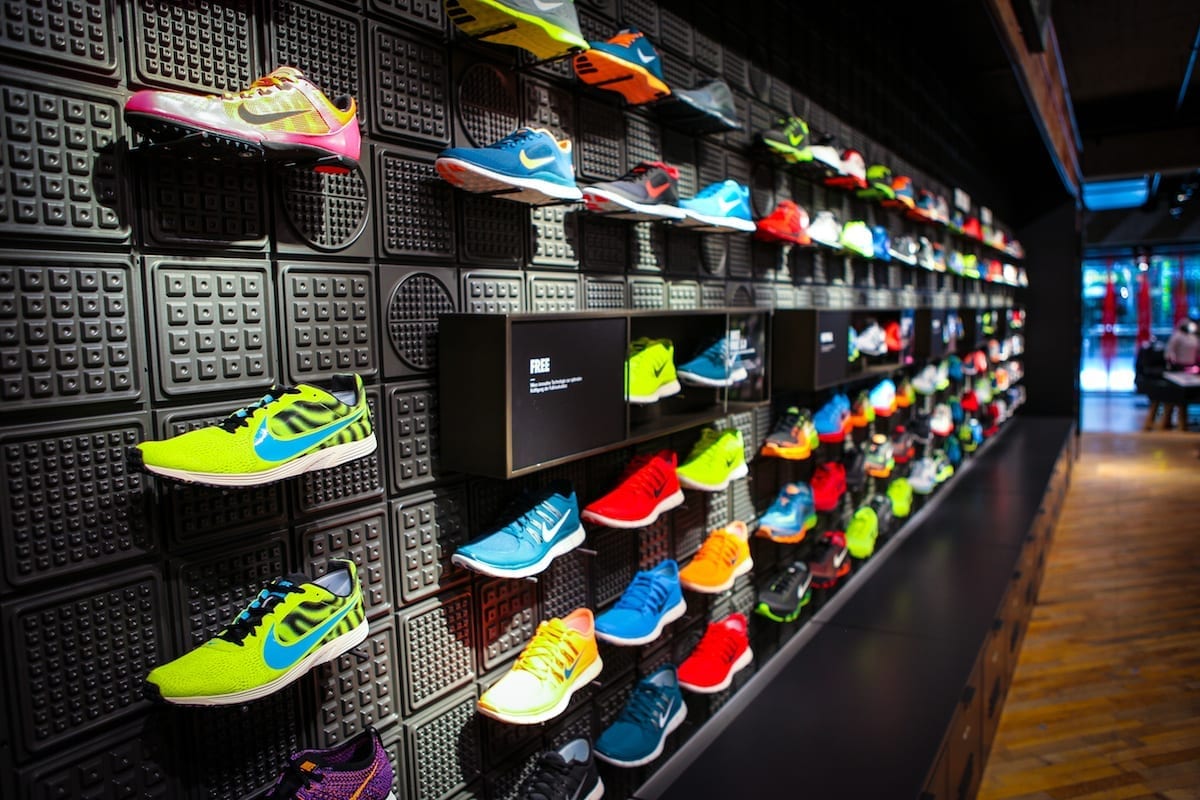
    Nike online sales soared 36 percent in the February quarter, compensating in part for a slump in sales across Mainland China which was in lockdown for much of January and February due to the coronavirus outbreak.

    The strength of online sales gave the retail giant a buffer from stalling brick-and-mortar sales, but it is not just in China that the effect is obvious.

    In an earnings call, Nike EVP and CFO Andy Campion said online sales in every global market grew in excess of 30 percent for both its core brand and sister brand Converse in the three months to February 28. That fuelled growth in both quarterly sales and earnings greater than the company expected.

    “From a digital capability perspective, the investments we’ve made to-date are now proving to be the foundation for our resilience amid challenges and they will be strengths as we emerge,” said Campion.

    “We are still in the early innings of Nike’s digital transformation, but the capabilities we’ve already been building for the future are proving to be the strongest pillars within our business today.

    “These are times in which strong brands get stronger and we’re confident that Nike will come back stronger than ever.”

    Campion told analysts that following its China experience, the company is now seeing similar trends play out in other markets where government lockdowns are resulting in shopping malls and stores being closed to help stem the spread of the virus. Now, consumers are shopping online instead.

    Nike is responding to the digital uptake by using tools that dynamically model demand, planning, allocation and pricing and using its app and membership program to reach out to consumers and encourage them to be active at home, while in lockdown. Those mediums are also offering products and services specifically targeted to various groups of consumers or individuals.

  • JD to launch worldwide new products initiative

    JD to launch worldwide new products initiative

    Chinese e-commerce platform JD plans to help 3000 new products around the world become hot sellers, nurturing more than 1000 new global brands this year.

    The details were announced during the JD Worldwide online conference for merchants, which focused on customer growth, developing third-party business and nurturing merchants in order to support the growth of more international retail in China.

    The group also anticipates helping more than 100 suppliers to achieve RMB100 million in sales this year via monthly promotions designated to push new products.

    Last year an average of more than eight new products were sold on JD Worldwide every minute. Customers displayed a greater consumption-ability during this period, and the platform has more young consumers and consumers from lower-tier cities than in previous years.

    According to the firm, JD Worldwide will focus on building a healthy ecosystem for merchants this year with a more comprehensive after-sale service system and special support for those using JD’s fulfillment services.

    During the coronavirus outbreak, JD’s international supply chain system and continuous logistics service have enabled merchants to supply their products to customers without interruption, with some merchants seeing sales increase by more than 90 percent.

    JD currently has more than 1000 international transportation routes to support overseas merchants.