Tag: etailing

  • Vietnam retail e-commerce to earn US$10 billion by 2020

    Vietnam retail e-commerce to earn US$10 billion by 2020

    Data from the Association of Vietnam Retailers (AVR) indicates that in 2015, retail e-commerce surpassed US$4.07 billion, with a growth rate of 20%.

    Ho Thi Kim Thoa, Deputy Minister of Industry and Trade, told a forum on e-commerce and mobile phone technologies in Hanoi on December 8 that e-commerce was a vital development trend in the retail sector.

    Thoa said last year, the growth rate of the retail sector was 9.5%. Traditional retail made up 80%, while modern retail including supermarkets, convenience stores and e-commerce accounted for only 20%. “Notably, in the modern retail channels, the portion of e-commerce was at a low level of around 2.8%,” she added.

    The country had 217 e-commerce trading floors with total revenues of VND1.66 trillion in 2014, double the 2013 figure.

    “Vietnamese businesses have seen positive changes in e-commerce by big firms. The number of small- and medium-size enterprises (SMEs) participating in e-commerce was modest even though 97% of the country’s 600,000 firms are SMEs,” she said.

    The deputy minister noted that the Prime Minister had promulgated a decision on master planning of e-commerce in 2016-20.

    She gave the recent Online Friday on December 2 as an optimistic example of e-commerce development. The number of enterprises joining in the event this year was 3,000, higher than last year.

    She urged businesses to catch up with e-commerce trends and have plans to enhance e-commerce development.

    Dinh Thi My Loan, AVR’s chairwoman, said there were many factors promoting e-commerce development, including the popularity of mobile devices.

    Nguyen Thanh Hung, chairman of Vietnam E-commerce Association (VECOM), agreed that the development of mobile phones and applications had contributed to promoting purchasing activities.

    Hung said the country’s e-commerce had been developing at a growth rate of 30% a year. “Businesses have quickly shifted from offline to online retail. Several are even totally doing business online,” he said.

    However, Pham Thanh Cong  from Nielsen said the sector should ha solutions to meet demand in rural areas as there are 1.3 million traditional shops, accounting for 85% of the retail sector’s revenue.

  • How Asia-Pacific is driving global online retail

    How Asia-Pacific is driving global online retail

    The world’s largest and most populous continent, Asia is made up of 48 countries and spans 44,579,000 square kilometres. With a widely diverse population of 5.096 billion people, the continent’s rich historical background offers a wealth of opportunities to explore, from the untouched steppes of Central Asia to the bustling economic centres of China and Japan. Iconic sights such as the Taj Mahal and the Temples of Angkor Wat may draw tourists from around the world, but strong economic growth and up-and-coming markets are providing new footholds for businesses and investors alike.

    The key e-commerce markets in the Asia region are China, India, Indonesia, Japan, Malaysia, Philippines, Singapore, South Korea, Thailand and Vietnam. Together, these countries represent 86 percent of all e-commerce turnover in the Asia Pacific region, a figure which rises to 90 percent when Oceanic countries such as Australia and New Zealand are excluded.

    E-commerce in Asia is flourishing – with $770 billion in transactions annually, the Asia-Pacific region leads the world. An expanding middle class, growing Internet penetration and improving infrastructure means the region will continue to drive global online retail over the next five years.

    Access to financial services is a key stimulus for e-commerce. A lack of banking infrastructure in many countries in the region is exacerbated by barriers caused by geographical and physical access to banking services. Increased Internet penetration will aid in removing these barriers, but with some areas having an account penetration of as low as 2 percent, many countries will continue to rely on cash as the main method of payment for some time to come.

    While, on average, 51 percent of the region’s population has access to an account with a financial institution, the extremely low income level of a significant proportion of the population results in a high overall percentage of unbanked people. In spite of its growing middle class, China’s traditional rural economy and vast territory results in the country accounting for more than 12 percent of the world’s unbanked population.

    The expanding middle class is making a significant contribution to the growth of e-commerce across the Asia region. This group is expected to reach 1.7 billion by the year 2020, with China, India and Indonesia experiencing the greatest growth. With the increase in the number of options that e-commerce brings, consumers are also showing marked personal preferences. This, in turn, is leading to increased competition, with traditional retailers moving to having an online presence (either individually, or by using an online marketplace), and local businesses experiencing pressure from regional and global brands which want a share of the growing sector’s profits. Again, China is a leading force in both the regional and global economy.

    Technology, naturally, is a major factor in changing economic patterns, with internet penetration playing a significant role. Notably, in spite of having the highest B2C e-commerce sales of any region in 2014, Asia has the lowest penetration of all regions globally (although Japan, Singapore and South Korea fall into the global top ten). As infrastructure becomes more ubiquitous, e-commerce will continue to experience high growth as a result; countries with a low penetration rate, such as India, with only 18 percent, are expected to drive future growth.

    The young are traditionally the first to embrace new methods of doing anything, and it is no different in Asia. Millennials are the most active group online, and use social media as their preferred form of communication – Facebook has more than 270 million active daily users in Asia alone. This familiarity with the online environment results in a willingness to embrace cashless payment methods, and this group exhibits different patterns of consumer behaviour to other demographics.

    The use of online payments varies throughout the region according to how developed the local market is. The more mature the market, the more likely it is that consumers in the country will use cards in order to pay for online purchases: for instance, in Japan and South Korea, 63 percent and 83 percent of online purchases respectively are paid by card. In contrast, emerging markets such as India and Malaysia continue to prefer cash based payment methods.

    In China, E-wallets are the most popular form of payment online, being used for 48 percent of transactions. Whereas, in Indonesia, e-wallets and other forms of payment are the least preferred methods, making up 5 percent and 3 percent of transactions respectively. There, bank transfer is used in 39 percent of e-commerce transactions, with card-based purchases accounting for 29 percent.

    The trend, though, we are seeing overall is that cash based payments are increasingly being displaced by electronic payment methods throughout the region.

  • Indonesian government taking steps to tackle growth of e-commerce industry

    Indonesian government taking steps to tackle growth of e-commerce industry

    The volume of e-commerce transactions in Indonesia is still relatively small but the government is taking anticipatory steps in the face of e-commerce industry growth as it is developing as a global trade model.

    Indonesias e-commerce transactions still account for about one to two percent of retailer transactions or much lower than the global average of eight percent. However, it is predicted that e-commerce transactions in Indonesia will increase drastically from US$12 billion in 2014 to about US$24.6 billion this year.

    Therefore, the government sees that the e-commerce industry is one of the business sectors that has good prospects in the future, and for this it is issuing an e-commerce development roadmap through an economic policy package.

    The roadmap is appearing in the 14th economic policy package announced by the government on Thursday, November 10, 2016.

    “The policy package is aimed at encouraging people all over Indonesia to expand their economic activities efficiently and to connect them to the rest of the world. With this roadmap, they will be able to enhance their business in a better way,” Coordinating Minister for Economic Affairs Darmin Nasution said while announcing the package at the Presidential Office along with Communication and Information Minister Rudiantara and Cabinet Secretary Pramono Anung.

    Therefore, the next economic policy package is expected to sufficiently address the issue.

    “E-commerce should not be treated as a general form of trading. The tariff should be lower as it is a fledgling industry, an early adopter,” Industry Minister Airlangga Hartarto underlined while speaking on the sidelines of the launch of a book on “Developing Populist Economy and Winning ASEAN Economic Community” recently.

    Indonesian businesses hope that the tax tariff for e-commerce business will be lower than that of the non-e-commerce industry.

    The Indonesian Employers Association (Apindo) hailed the issuance of the package. Businesses badly need the governments support, particularly on the fiscal system with regard to the issuance of the economic policy package on e-commerce, Fredy Ongko Saputro, chairman of Apindo for East Nusa Tenggara, said.

    “The tax tariff should be lower than non-e-commerce because this is a new industry. We hope the tax traffic is set at a modest rate,” the Apindo chairman for East Nusa Tanggara, said.

    The regulation to be issued would determine the success of e-commerce in Indonesia as it has the potential to guarantee the survival of fledgling businesses using e-commerce, economic observer Agustinus Prasetyantoko said, elaborating the point.

    Agustinus is also of the opinion that tax exemption would help boost e-commerce in the country.

    “In certain cases, tax could even be abolished during the start-up phase,” he underscored.

    Singapore could be used as the reference country to study ways to develop and expedite the expansion of e-commerce. It provides tax facilities and a low tax for start-ups in addition to assistance in the form of access to cheap capital.

    The e-commerce market has begun to grow in Indonesia. In 2014, transactions were valued at $12 billion. E-commerce spending in Indonesia was only 1 to 2 percent of the total retail sales as against 16 percent in South Korea, 12 percent in the United States and the world average of 8 percent.

    However, it is worth noting that the performance in 2014 represented a significant increase from $8 billion in 2013. In 2016, the value of transactions is predicted to rise to $24.6 billion.

    Therefore, it is being predicted that Indonesia would be among the top ranked countries in e-commerce in the future after China and India in Asia, which is why the government drew up a roadmap.

    Chief Economic Minister Darmin Nasution expressed the hope that the roadmap for the development of e-commerce industry will encourage younger generations to come up with new and innovative products and services.

    The roadmap is also expected to induce certainty in business besides facilitating the e-commerce industry. Therefore, with strategic direction and guidance, the electronic-based national trade system can be put in place during the 2016-2019 period, he noted.

    The roadmap is also expected to accord priority to and protect the national interests, particularly the interest of small and medium entrepreneurs and startups, he commented.

    “It will also help the human resources and e-commerce agents to improve their knowhow. Also, it will provide terms of reference to the government and all stakeholders for determining or adjusting sector-based policies as part of the effort to develop the e-commerce industry,” he explained.

    Darmin pointed out that the policy package deals with at least eight issues, including funding, taxation, consumer protection, human resource development and education besides cyber security.

    Meanwhile, Communication and Information Minister Rudiantara underlined that digital economy has a huge potential in Indonesia.

    “The Indonesian digital economy is so huge that all transaction services using digital technology will continue to develop,” he observed.

    He reminded that the package also covers several provisions to address seven key issues, including human resources and education, access to capital, tax incentives, consumer protection, cyber security, logistics and communication infrastructure.

  • Alibaba’s Singles Day sales reach $17.8b

    Alibaba’s Singles Day sales reach $17.8b

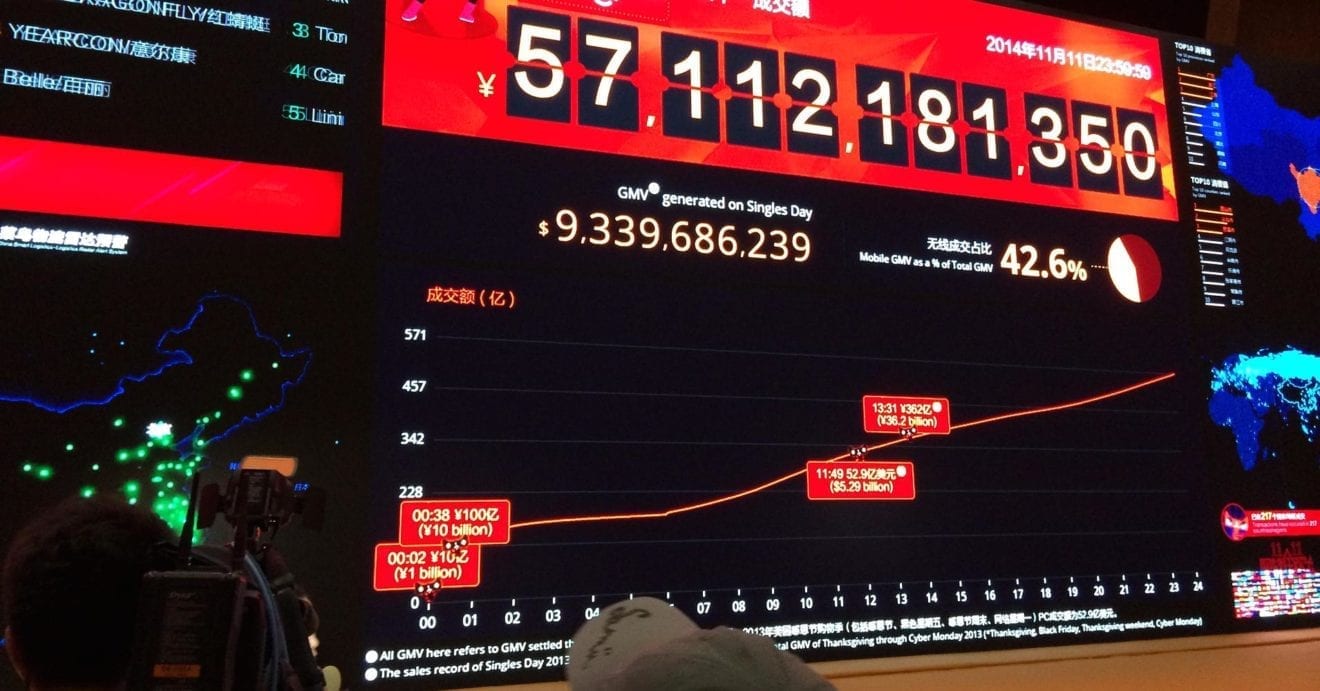
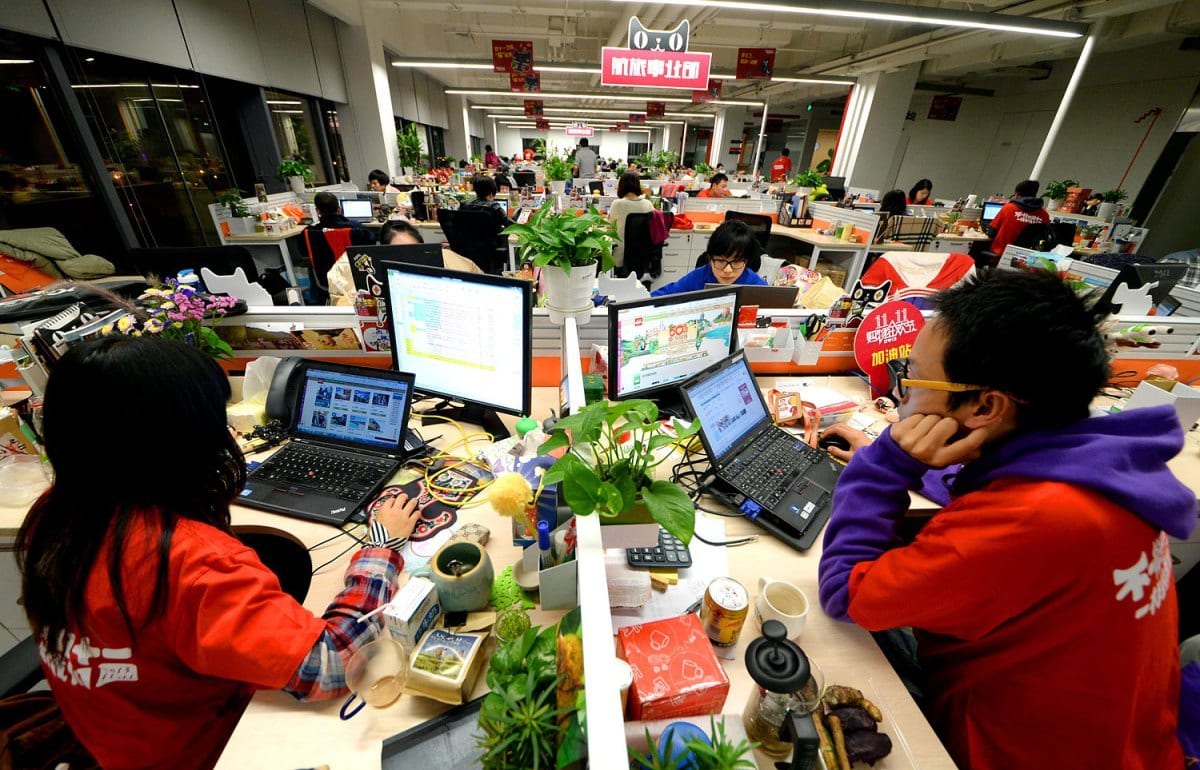
    Alibaba Group Holding Ltd.’s Singles’ Day shopping festival (now known as the 11.11 Global Shopping Festival) broke sales record this year with a reported 120.7 billion yuan ($17.79 billion) in gross merchandise volume in just 24 hours.

    The figure represents a 32% jump over last year’s 91.2 billion yuan ($14.3 billion) in transactions over Alibaba’s e-commerce platforms – B2C site Tmall.com and C2C site Taobao Marketplace.

    Alizila, the news portal of the Chinese e-commerce giant, also reported that the festival saw a number of other new records set, including 98.97 billion yuan ($14.6 billion) in GMV generated on mobile devices and 657 million delivery orders, compared with $9.8 billion and 467 million, respectively, in 2015.

    “There were also 1.04 billion payment transactions processed compared with 710 million last year,” the report noted.

    Daniel Zhang, chief executive officer of Alibaba Group, was quoted as saying that this year’s 11.11 shopping festival is a preview of the future of retail.

    “11.11 showcased how online and offline retail will be reinvented to offer brand new shopping experiences to our hundreds of millions of mobile, digitally savvy active users,” he said.

    The shopping marathon started on November 11 at midnight China Standard Time (CST).

    An IMAX-sized data screen at the media center at the Shenzhen Universiade Sports Center in Shenzhen, China continuously flashed updates all throughout the day, complemented by live blogging reports from Alizila.

    The first report at 12:017 showed that total GMV blew up to 10 billion yuan ($14.6 billion) just six minutes and 58 seconds after the sale began. Total GMV exceeded $100 million in just 40 seconds.

    During the first hour of the sale, order volume also reached a record-breaking peak of 175,000 orders in one second, while 120,000 payments were settled per second at the peak.

  • Privacy is paramount to online consumers

    Privacy is paramount to online consumers

    More than half (55%) of consumers globally have decided against buying something online due to privacy concerns, a recent KPMG International survey indicates.

    The survey also revealed that less than 10% of consumers feel they have control over the way organizations handle and use their personal data. Respondents in most countries say privacy controls are more important than the potential convenience gained from sharing personal data.

    “An executive would be at risk of being fired if half their customer base disappeared after they made a crucial business decision,” said Mark Thompson, Global Privacy Lead at KPMG.

    “Failure to embed privacy into the DNA of their business strategy could ultimately lead to the extinction of a business given how closely consumers and regulators alike are paying attention to how organizations collect, store and use personal data.”

    The survey further revealed that 82% are not comfortable with the sale of their data to third-parties in exchange for the speed, convenience, product range, home delivery and price comparison that online shopping offers.

    Over two-thirds of people are not comfortable with smartphone and tablet apps using their personal data. In all markets but one, at least 75% of respondents said they were uneasy with their online shopping data being sold to third-parties.

    About 55% said a free fitness tracking device that monitors the well-being of users and produces a monthly report for them and their employer is also crossing the line.

  • Indonesia wants to lead the region in e-commerce

    Indonesia wants to lead the region in e-commerce

    With other Southeast Asian countries already having prepared the ground for the digital economy to prosper, the Indonesian government has finally taken the initiative to spur the growth of e-commerce within its own boarders.

    Announced on Thursday evening, the 14th economic policy package will tackle eight issues that could determine the success of President Joko “Jokowi” Widodo’s goal of turning Indonesia into the biggest digital economy of the region by 2020 with a targeted value of US$130 billion. The eight issues are funding, taxation, consumer protection, human resources, logistics, communication infrastructure, cyber security and the establishment of a project management office.

    The government expects the new policy package, dubbed the e-commerce road map, to create 1,000 “techno-preneurs” with businesses that have a total value of $10 billion by 2020.

    Coordinating Economic Minister Darmin Nasution said the e-commerce road map, which will be translated into a presidential decree, was essential to boost connectivity and efficiency in the industry.

    The government also expects the road map to better protect national interests and give priority to small and medium-sized enterprises and start-ups.

    “We also want to boost creative innovation and invention of new economic activities, especially for youths who enjoy playing around with new things,” he said during a press conference to unveil the package on Thursday.

    Indonesia’s e-commerce market is estimated to be worth Rp 18 trillion ($1.4 billion) as of 2015, with 37 million consumers from a total population of 255 million, according to World Economic Outlook data compiled by the Internet Service Providers Association. The association expects the e-commerce market will be worth Rp 25 trillion by 2016, with 49 million consumers.

    Meanwhile, Communications and Information Minister Rudiantara presented some details of the road map, which includes grants or subsidies to help start-ups boost their chances of surviving in the tough e-commerce industry.

    The government also aims to reduce taxes for locals investing in start-ups and simplify taxation procedures for e-commerce start-ups with a turnover of less than Rp 4.8 billion a year, so that the final income tax will only come to 1 percent.

    “In terms of logistics, this is interesting, because we have already decided to reposition state-owned postal company Pos Indonesia as a logistical platform for Indonesian e-commerce,” Rudiantara said.

    Since taking office in 2014, Jokowi has issued 13 stimulus packages aimed at eliminating business hurdles.

    A recent report from management consulting firm McKinsey & Company suggested that by going digital, Indonesia would be able to unleash its next level of economic growth to the tune of $150 billion in terms of impact by the year 2025 if it were able to address the most pressing issues adequately.

    The report suggested that while Indonesia was admirable in terms of the number of internet and smartphone users, it still did not adequately embrace modern technology. Internet penetration in Indonesia has only reached 39 percent of the population, despite smartphone penetration standing at 43 percent.

    The report partly places the blame for the low penetration on Indonesia’s relatively weak information and communication technology infrastructure. Indonesia’s internet bandwidth, for instance, is still at a relatively low average rate of 6.2 kbps per user, far below Malaysia’s 27.2 kbps and the Philippines’ 27.7 kbps.

    Bank Central Asia (BCA) economist David Sumual was optimistic about the latest economic policy package, saying Indonesia’s market was large and investors had already begun to show interest in the business.

    David, however, warned the government’s digital economy dream could end if the country failed to improve infrastructure and logistics.

    “It will not reach its maximum potential if our logistics remain the same. It may be alright in the bigger cities, but how will it work in the remote areas? Weak infrastructure remains our biggest task.”

  • The Salvation Army joins start-up ShopBack Singapore on its Social outreach

    The Salvation Army joins start-up ShopBack Singapore on its Social outreach

    The Salvation Army partners ShopBack Singapore, one of the top Cashback sites in Southeast Asia, to introduce the #ShopBackGivesBack outreach. The budding start-up’s first foray into social responsibility encourages shoppers to shop and do good.

    From now till 31 August 2016, ShopBack Singapore will make a $10 donation to The Salvation Army for every first purchase made by users who sign up for a free account at https://www.shopback.sg/salvationarmy. No minimum spend is required from user to initiate the gifting.

    “The name #ShopBackGivesBack was chosen as it serves as an apt representation of both our business and social responsibility outreach,” said Ms. Josephine Chow, Country Head of ShopBack Singapore. “The backbone of our business involves giving cash back to the online shoppers. In line with GSS, we invite Good ShopBack Samaritans to indulge in shopping while doing good for The Salvation Army.”

    The international charity organisation has been serving the underprivileged in the local community without discrimination. Throughout its 81 years of establishment in Singapore, The Salvation Army has launched several diverse social programmes to cater to a wide range of needs in society.

    “The Salvation Army has come a long way in identifying social needs and doing our best to help people who truly need relief from difficult circumstances. We are pleased to partner ShopBack Singapore in its initiative to give back to the community. With the support of ShopBack Singapore and its kind shoppers, we can continue to provide better care for abandoned and abused children, families in material need, elderly requiring nursing care, and other needy segments in Singapore,” said Colonel Lyndon Buckingham, Territorial Commander, The Salvation Army, Singapore, Malaysia and Myanmar Territory. ShopBack SG 2

    To foster the spirit of giving and buying this GSS, ShopBack Singapore will be raising the Cashback tier from up to 30% to 40% for the Good ShopBack Samaritans. They will also get to enjoy exclusive voucher codes to help them save more as they shop from over 500 online stores such as Taobao, Guardian, Expedia and Cathay Cineplexes.

    Injecting social responsibility into a company’s core at an early development stage

    Most people tend to associate social responsibility with large corporations. They are more entrenched in their respective fields and tend to have more resources to execute social responsibility on a greater scale, which translates to a bigger impact.

    “In spite of resource constraints, ShopBack Singapore is keen to tighten its belt, step forth and give back to society,” said Mr. Henry Chan, Co-Founder of ShopBack. “We applaud this initiative and give the team our full support to take #ShopBackGivesBack further. This social responsibility outreach will serve as a good initiative to explore different ways of giving back while maintaining a sustainable business.”

    Currently less than two years old, ShopBack is seeing a steady 20% month-on-month growth across the region in five markets, garnering at least six orders per minute for its online retail partners. The desktop-first Cashback site just launched its mobile app last week, which topped the Shopping Category for free apps in less than 24 hours.

    Moving forward, ShopBack Singapore will look into the option of Cashback donation to involve over 250,000 local users in the #ShopBackGivesBack outreach. With the integration of charity organisations such as The Salvation Army as one of ShopBack’s payout options, shoppers will then be able to donate their accumulated Cashback straight to the desired organisation without forking out cash from their wallets.

  • New Tax Tariff for Online Retailers in Indonesia ?

    New Tax Tariff for Online Retailers in Indonesia ?

    The new regulation implies that those individuals and companies that generate revenue and profit through online retailing (including sales through Facebook or Instagram pages) are required to report their income and fulfill their tax obligations.

    In general, a corporate income tax rate of 25 percent applies in Indonesia. Small and medium-enterprises with an annual turnover below IDR 50 billion (approx. USD $3.8 million) obtain a 50 percent tax discount (imposed proportionally on taxable income of the part of gross turnover up to IDR 4.8 billion). In 2013, Indonesia’s Finance Ministry issued a regulation that set a one percent income tax tariff on individual and institutional taxpayers with an annual gross turnover below IDR 4.8 billion (approx. USD $363,636).

    However, the main problem for Indonesian authorities is that it faces difficulties to monitor transactions of the nation’s small and medium-sized businesses. Most of these businesses do not have legal entities or taxpayer identification numbers (NPWP).

    Meanwhile, the idEA estimates that Indonesia’s e-commerce retailers see an increase of at least 30 percent (y/y) in income during the Idul Fitri holiday (4 – 8 July 2016) as it detected a shift in consumer behavior. According to the idEA an increasing amount of Indonesian consumers prefer to shop online rather than visit offline stores.

  • MPPA increases stake in MatahariMall.com to 10%

    MPPA increases stake in MatahariMall.com to 10%

    With the acquisition, MPPA hopes to benefit from wider access to e-commerce as its development will remain strong this year. The Company views e-commerce in Indonesia is an enormous market and will continue to grow.

    The investment and partnership with MatahariMall.com is a new opportunity to foster O2O e-commerce components that encourage the sale contribution in the future. The relationship will improve MPPA’s position as the leading multi-format modern retailer in Indonesia, as well as contribute to a sound financial outlook going forward. MPPA takes advantage to secure a new opportunity to display and market the Company’s exclusive brand throughout Indonesia via e-commerce.

  • Trade Minister Warns about E-Commerce Funding Crisis

    Trade Minister Warns about E-Commerce Funding Crisis

    Trade Minister Thomas Lembong asked Indonesia e-commerce companies to be careful in assessing risks posed by the e-commerce business.

    “What would happen if the funding stopped? In the United States, tech business boom has started to decline,” Thomas said at the Indonesia E-commerce Summit & Expo in BSD, South Tangerang, on Wednesday, April 27, 2016. “I’m always paranoid. As a risk manager, I always ask ‘what if’.”

    Thomas added the natural selection in online business would determine which companies would continue exist. According to him, a business with a fast downturn will have a short cycle. Therefore, Thomas suggested business owners to prepare for “rainy days”.

    The Trade Minister revealed that other ministers in President Joko “Jokowi” Widodo’s Working Cabinet were proud with Indonesia’s e-commerce rapid growth. Thomas said that he wanted his ministry to learn from former US President Bill Clinton’s administration that supported the development of the Internet. Thomas explained Clinton improved the Internet with ‘light touch’ and refused the temptation to regulate everything on the Internet.“Innovation can thrive without restrictions. There has to be a space to develop. Innovators are usually rebellious,” Thomas added.

  • KinerjaPay Establishes Wholly-Owned Subsidiary in Jakarta

    KinerjaPay Establishes Wholly-Owned Subsidiary in Jakarta

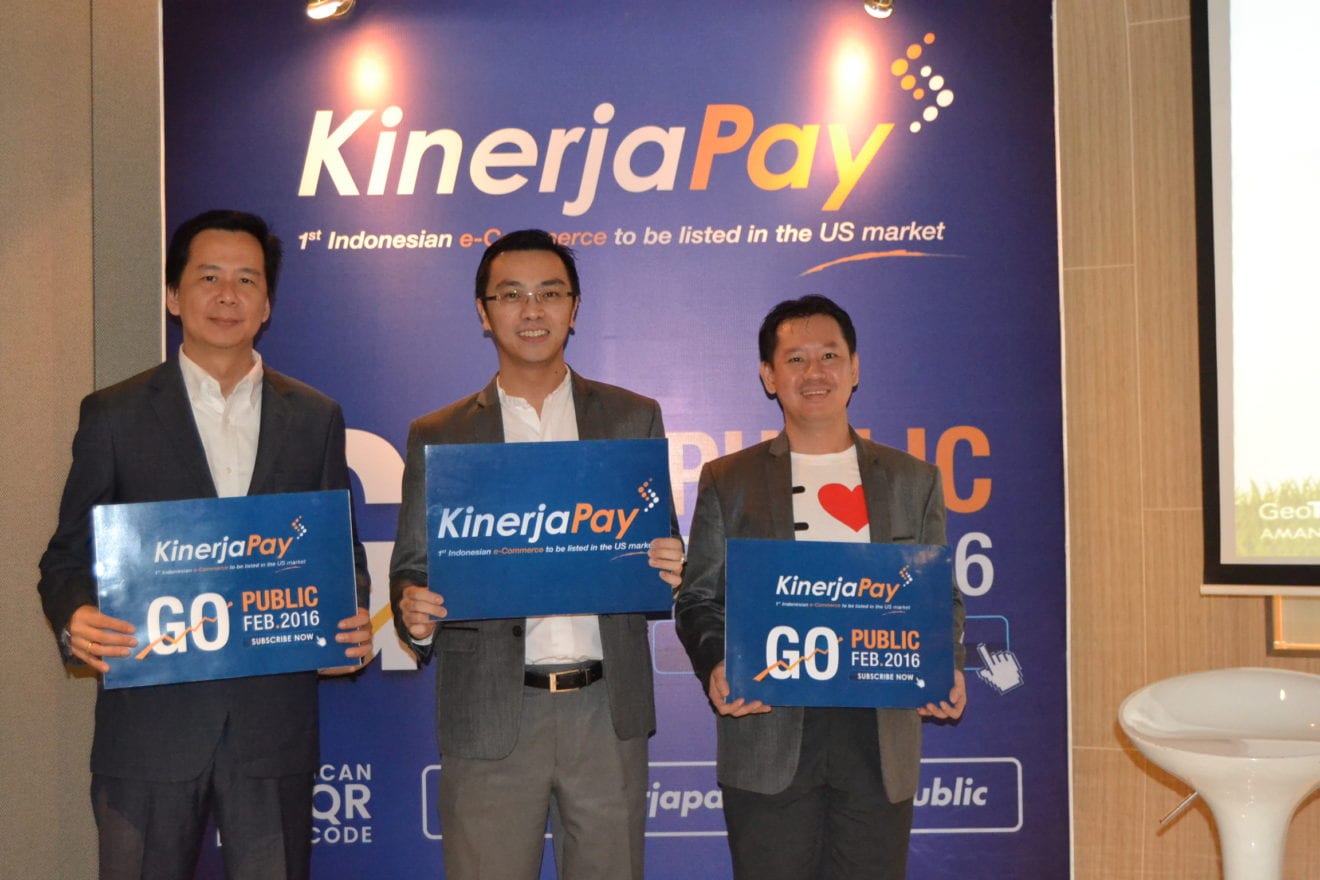
    KinerjaPay, today announced that it established its new wholly-owned subsidiary, PT Kinerja Pay Indonesia, with offices located in Jakarta city, Indonesia. The new Subsidiairy was organized under Indonesian Incorporation Law Article No.34, dated 14 April 2016, and Principal License from Indonesia Investment Coordinating Board (BKPM) No.909/1/IP/PMA/2016 dated 06 April 2016. The Company has also appointed Mr. Deny Rahardjo as Chief Executive Officer (CEO) of PT Kinerja Pay Indonesia.

    Mr. Edwin Ng , Chairman and CEO for KinerjaPay Corp. stated. “We are extremely excited that Mr. Rahardjo accepted his appointment as CEO of our new subsidiary, PT Kinerja Pay. With his extensive experience in Information Technology and Business Management, Mr. Deny Rahardjo is the right person to manage and expand Kinerja Pay’s business operations in Indonesia. With Deny Rahardjo at our helm, we plan to grow our business and become one of the largest mobile payment and eCommerce providers in Indonesia. Since 2015, we have registered more than 35,000 active users with total of 170,000 transactions to date. We fully believe that Mr. Rahardjo, formerly a Microsoft, Polycom, and Telstra Executive in Singapore, will truly revolutionarize eCommerce in Indonesia and enable Kinerja Pay to become the most highly used and popular online payment solution/platform within the next several years, as well as expand its business opportunities throughout the SE Asian marketplace.”

    Mr. Ng further stated that “we chose to establish our initial business operations in Indonesia due to several economic factors, including its population size (est. 260 million according to Worldometers), user demographics, which consists of younger generations, and its ever-growing eCommerce market, which is expected to reach USD $3.8 billion by 2019.”

    With the growing trend of online shopping, Kinerja Pay will offer its users with convenient shopping experience as well as secure payment option. The Company also expects to launch several other applications to complement its mobile eWallet business by entering into other eCommerce verticals such as travel industry, fashion, online games, time-saver application, and many more.

    Notice Regarding Forward-Looking Statements

    This press release may contain forward-looking statements, about KPAY’s expectations, beliefs or intentions regarding, among other things, its product development efforts, business, financial condition, results of operations, strategies or prospects. In addition, from time to time, KPAY or its representatives have made or may make forward-looking statements, orally or in writing. Forward-looking statements can be identified by the use of forward-looking words such as “believe,” “expect,” “intend,” “plan,” “may,” “should” or “anticipate” or their negatives or other variations of these words or other comparable words or by the fact that these statements do not relate strictly to historical or current matters. These forward-looking statements may be included in, but are not limited to, various filings made by KPAY with the U.S. Securities and Exchange Commission, press releases or oral statements made by or with the approval of one of KPAY’s authorized executive officers.

    Forward-looking statements relate to anticipated or expected events, activities, trends or results as of the date they are made. Because forward-looking statements relate to matters that have not yet occurred, these statements are inherently subject to risks and uncertainties that could cause KPAY’s actual results to differ materially from any future results expressed or implied by the forward-looking statements.

    Many factors could cause KPAY ‘s actual activities or results to differ materially from the activities and results anticipated in such forward-looking statements, including, but not limited to, the factors summarized in KPAY ‘s filings with the SEC. In addition, KPAY operates in an industry sector where securities values are highly volatile and may be influenced by economic and other factors beyond its control. KPAY does not undertake any obligation to publicly update these forward-looking statements, whether as a result of new information, future events or otherwise. Please see the risk factors associated with an investment in our securities which are included in our Annual Report on Form 10-K as filed with the U.S. Securities and Exchange Commission on February 11, 2016.

  • Indonesian online retailer Bhinneka plans IPO to fund expansion

    Indonesian online retailer Bhinneka plans IPO to fund expansion

    Indonesian online retailer PT Bhinneka Mentari Dimensi is planning an initial public offering (IPO) in 2018 to widen its reach, one of its directors said on Thursday, as the e-commerce battleground heats up in Southeast Asia’s biggest economy.

    The e-commerce market in the country of 250 million people is ripe with potential but it is fragmented and comes with complex regulatory and logistical barriers.

    “Our objective to go public is for scaling,” director Andi Boediman said, adding that the company plans to expand its store network and strengthen its supply chain while investing in technology and marketing.

    The company operates online through Bhinneka.com, with customers able to have purchases delivered to their homes or its physical stores, which also serve as retail outlets for the electronic goods specialist.

    Bhinneka is in a good position to attract investors, Boediman told reporters on the sidelines of a conference in Jakarta.

    “We are an online retailer that is focused and reasonably sizeable,” Boediman said, adding that revenue “at least doubled” last year and that he expects a strong performance in 2016.

    Bhinneka decided to pursue an IPO in Indonesia because it can be a dominant player on its home ground, Boediman added. He declined to disclose how much the IPO is expected to raise or the company’s financial figures.

    The company’s domestic rivals include SoftBank-backed Tokopedia, Blibli and Indonesian conglomerate Lippo Group’s MatahariMall.com. Lippo is also considering an IPO for its e-commerce business, a director said in February

    The Indonesian market is still growing while being supported by a large consumer base, said David Rimbo, managing partner for transaction advisory services at Ernst & Young in Indonesia.

    “I think the timing is right for Indonesian players to actually realize basically decent valuations,” he said.

  • Uber starts motorbike taxi service in Indonesian capital

    Uber starts motorbike taxi service in Indonesian capital

    Ride-hailing app Uber on Wednesday launched a motorbike taxi service in the Indonesian capital where Southeast Asian rivals Go-Jek and Grab are already battling for dominance.

    Jakarta is one of the world’s most congested cities and motorbike taxis ordered from a smartphone app have exploded in popularity in the past 18 months as a way to beat snarled traffic.Uber said that its “UberMotor” service would provide cheap and reliable transportation for hundreds of thousands of people.The company used a local social media and YouTube star Arief Muhammad to launch its service, saying he was the first person in Jakarta to use an Uber motorcycle taxi.

    Both Go-Jek, an Indonesian startup, and Grab, which operates in several Southeast Asian countries, claim to be the biggest provider of motorbike taxi rides in Indonesia.The popularity of motorbikes and regular taxis ordered from a smartphone has provoked a backlash in the taxi industry.Thousands of taxi drivers caused traffic chaos in Jakarta last month in a violent protest against what they believe is unfair competition.

    Drivers say the apps, which are using funding from venture capitalists to offer heavily discounted fares, have severely reduced their income. The app companies say the transport industry should adapt to new technology.The Indonesian government is drawing up new regulations to govern transport apps but has so far resisted calls to ban Uber and similar services.Officials estimate Jakarta’s traffic jams cause economic losses of about $3 billion a year.

  • Expansion Alibaba to Indonesia to Cause Rising Trade Deficit with China?

    Expansion Alibaba to Indonesia to Cause Rising Trade Deficit with China?

    Through the acquisition Alibaba is to have a firmer grip on the online retail business in Southeast Asia, including Indonesia, the region’s largest economy where Internet and smartphone penetration have been developing rapidly in recent years (although coming from a low base). The Southeast Asian nations where Lazada has been operating so far have a combined population of 560 million (of which an estimated 35 percent are online and thus potential online shoppers). However, Southeast Asia is also a challenging environment for online retail firms as the area is characterized by tough logistical issues (partly due to the relatively weak state of infrastructure) and there remains a lack of warehousing outside more advanced markets such as Singapor

    Through the China-ASEAN Free Trade Agreement (CAFTA), effective per 1 January 2010, about 90 percent of imported goods between Indonesia and China are subject to a zero percent tariff. Due to China’s higher developed manufacturing industry and lower logistics costs the implementation of CAFTA has caused a continuously rising flow of Chinese products into Indonesia. This has caused a rising trade deficit and also curtails development of Indonesia’s manufacturing sector (after all it is cheaper and quicker to import products from China than to invest in costly and long-term import-substitution industrialization).

    In 2015 Indonesia imported USD $29.22 billion worth of (non-oil & gas) products from China, while Indonesian exports to China only totaled USD $13.26 billion, implying a trade deficit of nearly USD $16 billion for Indonesia that year. This is in stark contrast to the years before 2008 when Indonesia had the upper hand in trade with China. The table below shows that Indonesia’s trade deficit with China rose significantly after the implementation of CAFTA in early 2010.

    Indonesia-China Trade Balance (non-oil & gas):

     2007  2008  2009  2010  2011  2012  2013  2014  2015
    Export to China
    (in USD billion)
      9.7  11.6  11.5   14.1   21.6   20.9   21.3   16.5   13.3
    Import from China
    (in USD billion)
      8.6  15.3  14.0   19.7   25.5   29.0   29.6   30.5   29.2
    Trade Balance
    (in USD billion)
      1.1  -3.7  -2.5   -5.6   -3.9   -8.1   -8.3  -14.0  -15.9

    Source: Indonesian Trade Ministry

    With Alibaba now owning a controlling stake in e-commerce platform Lazada, which has a rising costumer base in Indonesia, it could cause two developments: (1) due to the stronger ties between Lazada and China it gives rise to an increasing flow of Chinese products into Indonesia putting pressure on Indonesia’s trade balance, and (2) it threatens the position of local Indonesian start-up e-commerce businesses such as Bukalapak or Tokopedia because Lazada is expected to get a capital injection from Alibaba for expansion purposes and has easier access to cheap Chinese products (more competitive).

  • WearYouWant presents a five-step guide to safe online shopping

    WearYouWant presents a five-step guide to safe online shopping

    WearYouWant, Thailand’s leading online fashion and beauty marketplace has created a five-step guide to smart shopping online for Thai consumers, with useful information on how to shop safely through reputable e-commerce sites.

    WearYouWant Co-Founder and CEO, Julien Chalté acknowledges that e-commerce in Thailand is still in its infancy and would like to guide Thai consumers into making smarter decisions when shopping online.

    “We are very aware that we are a part of a fairly new industry in the midst of enormous growth which does not enjoy the same immediate trust as our offline peers. Therefore, it is important for WearYouWant, as one of the leading players in the vertical markets, to take responsibility and provide our customers with a seamless and genuinely safe shopping experience all the way.  We offer a simple five-step guide to shopping safely online in the hope that more Thai consumers will enjoy online shopping – hopefully little by little spurring the e-commerce industry in Thailand to become the regional frontrunner.”

    Agreeing with Chalté, Pawoot Pongvitayapanu, President of the Thai e-Commerce Association highlights how the WearYouWant’s anti-cybercrime checklist is an invaluable guide. “There has been a huge rise in e-commerce in Thailand and this is positive news for online retailers attracting Thai consumers, as well creating more choice for customers.  However, the Thai e-commerce industry is still new and presently constitutes a fairly small part of retail as a whole. Alongside this expansion, we need greater education towards consumers to expand consumer knowledge about e-commerce and shopping online in general. The five-step guide from WearYouWant can help us all and we see it as incredibly useful.”

    The five-step guide:

    Step 1: Check for clear contact information:  Whilst a web shop may not have a physical retail outlet, credible e-commerce sites do have easily visible contact information. If contacts are difficult to find or simply not shown then proceed with caution. Look for a local Thai contact with a phone number or an email address and other company details for an international business.

    Step 2: Check for spelling mistakes and language problems:  E-commerce sites that are not legitimate are often full of glaring errors. This may not be an issue with a tourist site, but for an online shopping site, bad spelling and weird sentence construction should be a red flag. If a site is not an authentic e-commerce site, then it may be created quickly, using a simple translation tool. Check out the pages which list the conditions of purchases too, as well as the ‘about us’ page. Information about employees and photos can be a good indication of authenticity.

    Step 3: Check payment certifications:  E-commerce sites always display logos showing secure payment methods, such as PCI and Norton. The logos should be crisp, clear and recognizable. If there are blurred edges or if a certification has never been heard of before, it is advisable to be cautious. The rule is, if in doubt do not enter your payment details. Quite often a quick search online will reveal methods used by cyber criminals, such as company names regularly used and methods.

    Step 4: Check the company out on Google: Search engines are a shopper’s ally when it comes to investigating companies online. Simply typing in the business name into Google or any search engine should reveal some details which validate the business. This could range from the site and products being reviewed, advertised in various locations through sponsored links and mentioned in press releases and articles. Forums and social media sites can be great platforms to discover any negative experiences associated with a company and/or its founders.

    Step 5: Check common sense warnings: Instinct, logic and experience of online browsing are good indicators of whether an e-commerce site is the real deal and the products on sale are authentic. The golden rule is that while there are some amazing offers online, if a deal seems too good to be true, and then it probably is. Shoppers need to be realistic about offers in relation to the expected price of certain brand names and quality products.