Retail News CRM

Tag: europe

  • China’s Midea Doubles AC Production to Quench Heatwave-Driven Demand in Europe

    China’s Midea Doubles AC Production to Quench Heatwave-Driven Demand in Europe

    Midea, the Chinese home appliance heavyweight, recently revealed that it accelerated its production operations to deliver 20,000 air conditioning units to France in a span of seven days. This was in response to the escalating demand spurred by the severe heatwave that is engulfing Europe.

    In 2020, Midea led China’s air conditioning sector in terms of market share. It was able to double its production capacity to 6,000 portable units each day by initiating a fresh production line on July 7. As a result, the company managed to finish manufacturing all 20,000 units in just three and a half days. Midea prioritized the French order by designating additional labor and production capacity, even while its factories were operating at full tilt to satisfy local demand.

    Increased Demand for Chinese Home Appliances in Europe

    The ongoing heatwave in Europe has sparked a significant surge in demand for Chinese-made home appliances. Midea Group reported that sales of a portable split air conditioner, specifically designed for the European market, have exceeded 200,000 units this year, marking a twofold increase from the previous year. Furthermore, this particular model has sold out in Germany, France, the Netherlands, and the United Kingdom.

    Official data disclosed that more than 10,000 extra deaths were reported in European countries during the extraordinary heatwave that swarmed the western part of the continent in late June. The majority of these, over 9,000, were among individuals aged 65 and above.

    Surge in Online Sales of Air Conditioners and Fans

    Alibaba, the e-commerce juggernaut, has reported three-figure growth in sales of air conditioners and fans on its overseas platforms. On AliExpress, Alibaba’s international retail platform, warehouse inventory of a 2.35-kilowatt Midea air conditioner, which was released in Germany in June, was entirely sold out by Thursday.

    The trend was significantly evident in southern Europe as well. In Spain, fan sales skyrocketed by 94% between June 17 and 23 compared to the same period in May. Meanwhile, Italy witnessed a 100% month-on-month surge in sales of cooling appliances and sun-protection apparel in June.

    The rush by European consumers was also mirrored on Alibaba.com, the company’s business-to-business platform, displaying urgent procurement by local merchants. In June, air conditioner orders in Spain almost doubled from a year earlier. Simultaneously, wholesale fan orders saw a staggering increase of 378% in Sweden and 114% in Belgium.

    Questions & Answers

    What has been Midea’s response to the increased demand for air conditioners in Europe?
    Midea has ramped up production and shipped 20,000 air conditioners to France in just seven days to meet the increased demand due to the intense heatwave.

    What is the sales trend of the portable split air conditioner designed for Europe?
    Sales of the portable split air conditioner, specifically designed for the European market, have exceeded 200,000 units this year, marking a twofold increase from the previous year.

    How has the demand for cooling appliances and sun-protection apparel changed in Italy?
    In Italy, there has been a 100% month-on-month increase in sales of cooling appliances and sun-protection apparel in June due to the heatwave.

  • Swiss Banking Giant Sygnum Expands Reach in Europe with New Micar Licence

    Swiss Banking Giant Sygnum Expands Reach in Europe with New Micar Licence

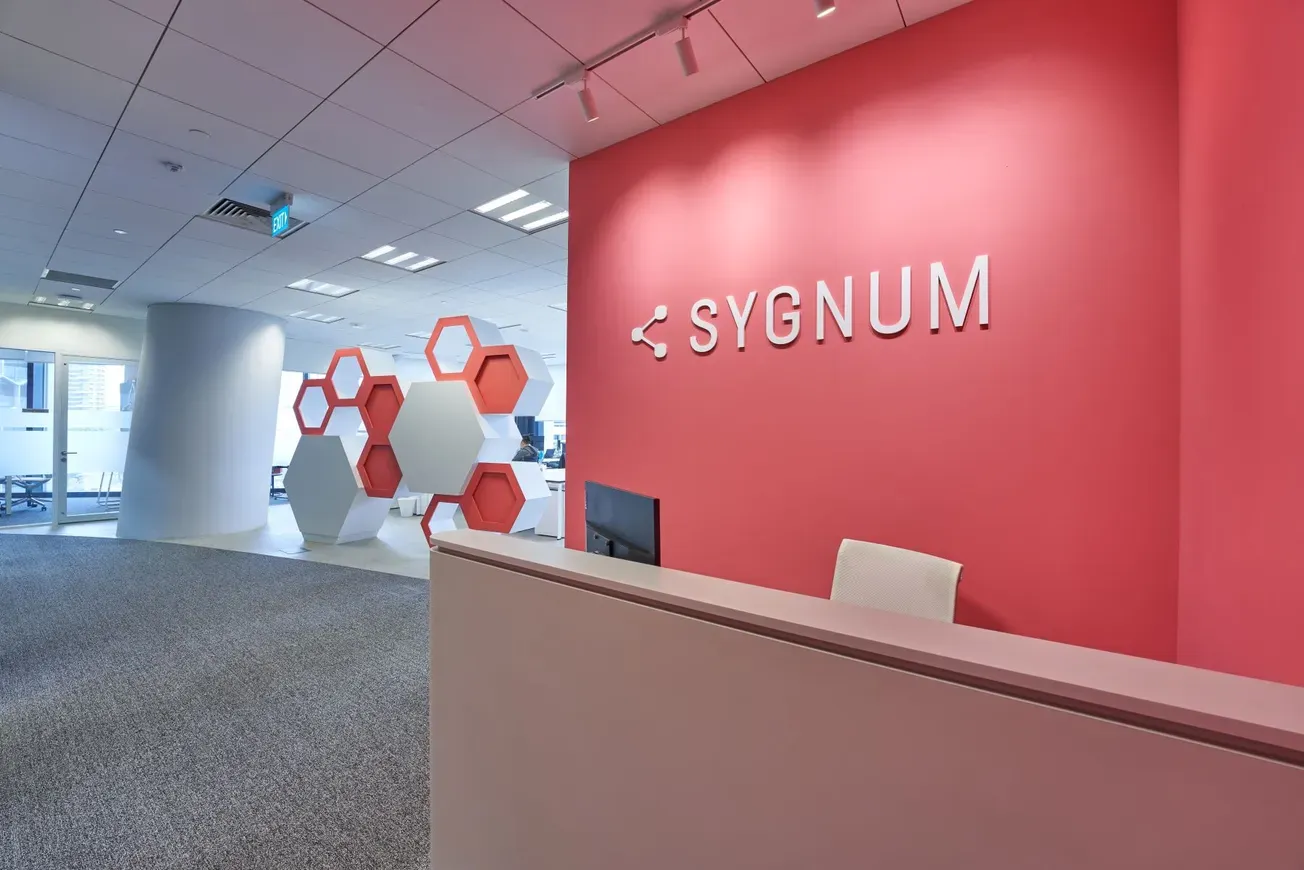
    Swiss digital asset banking conglomerate, Sygnum, is amplifying its expansion efforts throughout Europe following the procurement of a Markets in Crypto-Assets (MiCA) license for its Liechtenstein-based subsidiary. This approval paves the way for the firm to engage directly with clients across the European Union and European Economic Area, marking a significant development in its global expansion agenda.

    The granting of the license arrives as the EU’s MiCA transition phase winds down, permitting Sygnum Europe to operate under the bloc’s standardized cryptocurrency regulatory framework. With its robust banking infrastructure spanning Switzerland, Singapore, and the Middle East, the firm seeks to broaden its client base among wealthy individuals, institutional investors, and financial institutions throughout Europe.

    Banking Platform at the Forefront

    Sygnum differentiates itself from other recently licensed crypto service providers by integrating its MiCA license with a well-grounded banking platform, institutional-quality custody and digital asset investment products, and an immediately deployable Bank-to-Bank infrastructure.

    Simon Schneider, the Chief Executive of Sygnum Europe, emphasized that the blending of traditional and digital finance makes trust Europe’s most precious asset. He further stated that having direct access to the European market would enable the firm to offer its regulated digital asset services to a wider range of clientele.

    Concentration on Private Wealth and Institutions

    Sygnum is primarily targeting Europe’s burgeoning pool of ultra-wealthy individuals open to investing in digital assets. Clients will have the opportunity to trade cryptocurrencies, including Bitcoin, through integrated accounts, all under the protection of regulated institutional custody. They will also have access to products like the Sygnum Crypto Yield Fund.

    Sygnum is also keen on capturing the interest of institutional investors. The firm plans to offer its off-exchange custody platform, Protect, to hedge funds, asset managers, and proprietary trading firms. The platform’s design, which disassociates custody from trading locales, aims to diminish the counterparty risks linked with cryptocurrency exchanges.

    Sygnum also identifies a significant opportunity in catering to Europe’s banking sector. The company highlights that the majority of the continent’s approximately 5,000 banks have not yet integrated digital asset services due to the stringent infrastructure and regulatory prerequisites.

    Through its Bank-to-Bank platform, Sygnum empowers financial institutions to roll out regulated digital asset offerings more swiftly, while cutting down on execution costs and operational intricacy. The company currently offers digital asset capabilities through over 25 partner banks, reaching over a third of Switzerland’s population. By 2027, it expects to be one of Europe’s largest regulated Bank-to-Bank digital asset networks by client reach.

    As part of its European growth strategy, Sygnum continues to invest in artificial intelligence. The bank was the first regulated Swiss bank to carry out live AI-facilitated digital asset transactions using a human-supervised approach that blends AI with human oversight.

    Questions & Answers

    What is the significance of Sygnum acquiring a Markets in Crypto-Assets license?
    Securing the MiCA license enables Sygnum to operate directly with clients across the European Union and European Economic Area, marking a key milestone in its global expansion plans.

    What services will Sygnum provide to its targeted clientele in Europe?
    Sygnum aims to offer its regulated digital asset services, including a well-established banking platform, institutional-quality custody, digital asset investment products, and an immediately deployable Bank-to-Bank infrastructure.

    What strategy does Sygnum plan to implement to capture the interest of institutional investors?
    The firm plans to offer its off-exchange custody platform, Protect, to hedge funds, asset managers, and proprietary trading firms. This platform, designed to separate custody from trading locales, seeks to reduce counterparty risks associated with cryptocurrency exchanges.

  • Chinese Beauty Brand Judydoll Conquers Europe via Joybuy E-commerce Platform

    Chinese Beauty Brand Judydoll Conquers Europe via Joybuy E-commerce Platform

    Judydoll, a renowned beauty brand from China, has made its grand entrance into the European market. This move was achieved through a successful launch on the e-commerce platform, Joybuy, spanning multiple countries including the UK, Germany, the Netherlands, France, Belgium, and Luxembourg.

    Established Origins and Expanding Presence

    Having its roots in Shanghai, Judydoll was established under the Joy Group in 2017. Recognized for its economically priced color cosmetics, Judydoll has been able to solidify its presence through various online marketplaces such as Tmall and Taobao. Subsequent to this online success, the brand ventured into physical retail, growing its network of stores.

    Presently, Judydoll operates over 100 stores throughout China. Furthermore, it has managed to broaden its international footprint by opening flagship stores in Singapore, along with retail collaborations throughout the Gulf Cooperation Council region.

    European Expansion Supported by Efficient Logistics

    Judydoll’s launch in Europe is backed by Joybuy’s effective logistics network. This collaboration ensures local fulfillment along with the promise of next-day delivery, making it easier for customers to access their products.

    In the company’s words, “Judydoll and Joybuy’s collective effort is aimed at bringing superior beauty products closer to European consumers.”

    Questions & Answers

    When was Judydoll established and by whom?
    Judydoll was established in 2017 by the Joy Group.

    How did Judydoll establish its initial presence?
    Judydoll initially established its presence through online marketplaces such as Tmall and Taobao, and later expanded into physical retail.

    What facilitates Judydoll’s launch in Europe?
    Judydoll’s European launch is facilitated by Joybuy’s logistics network, ensuring local fulfillment and next-day delivery.

  • New Leadership Horizons: Nigel Parsons Takes Reins as Asahi’s Europe and International Division CEO

    New Leadership Horizons: Nigel Parsons Takes Reins as Asahi’s Europe and International Division CEO

    Nigel Parsons has been announced as the new CEO of Asahi’s Europe and International (AEI) segment, succeeding Dragos Constantinescu who is set to leave his position at the end of June. Parsons is slated to officially take over during the latter part of this year. In the interim period, Andrew Bailey, AEI’s CFO, will fulfill the CEO responsibilities.

    Parsons’ appointment has been attributed to his vast leadership skills spanning human resources, commercial, and multi-category operations within the organization and the wider Fast-Moving Consumer Goods (FMCG) industry. His tenure with Asahi Beverages began in 2021 when he took up the CEO position in the lifestyle beverages division. Most recently, Parsons held the Chief Commercial Officer (CCO) role for Oceania, where he supervised commercial operations in Australia and New Zealand.

    Atsushi Katsuki, the President and Group CEO of Asahi Group Holdings, has lauded Parsons for his proven capability in driving sustainable growth. Katsuki expressed his confidence that under Parsons’ guidance, AEI would progress its strategic objectives in complete harmony with the group’s medium to long-term management policies, thereby enhancing value creation across their business portfolio.

    Questions & Answers

    Who has been appointed as the new CEO of Asahi’s Europe and International division?
    Nigel Parsons has been appointed the new CEO of Asahi’s Europe and International division.

    Who will serve as acting CEO during the transition period?
    Andrew Bailey, the CFO of AEI, will serve as acting CEO during the transition period.

    What roles has Nigel Parsons held within the Asahi Group?
    Nigel Parsons joined Asahi Beverages in 2021 as CEO of its lifestyle beverages division, and most recently served as the Chief Commercial Officer for Oceania, overseeing operations in Australia and New Zealand.

  • Cotti Coffee Takes on the UK: China’s Rapidly Growing Chain Brews Up European Expansion

    Cotti Coffee Takes on the UK: China’s Rapidly Growing Chain Brews Up European Expansion

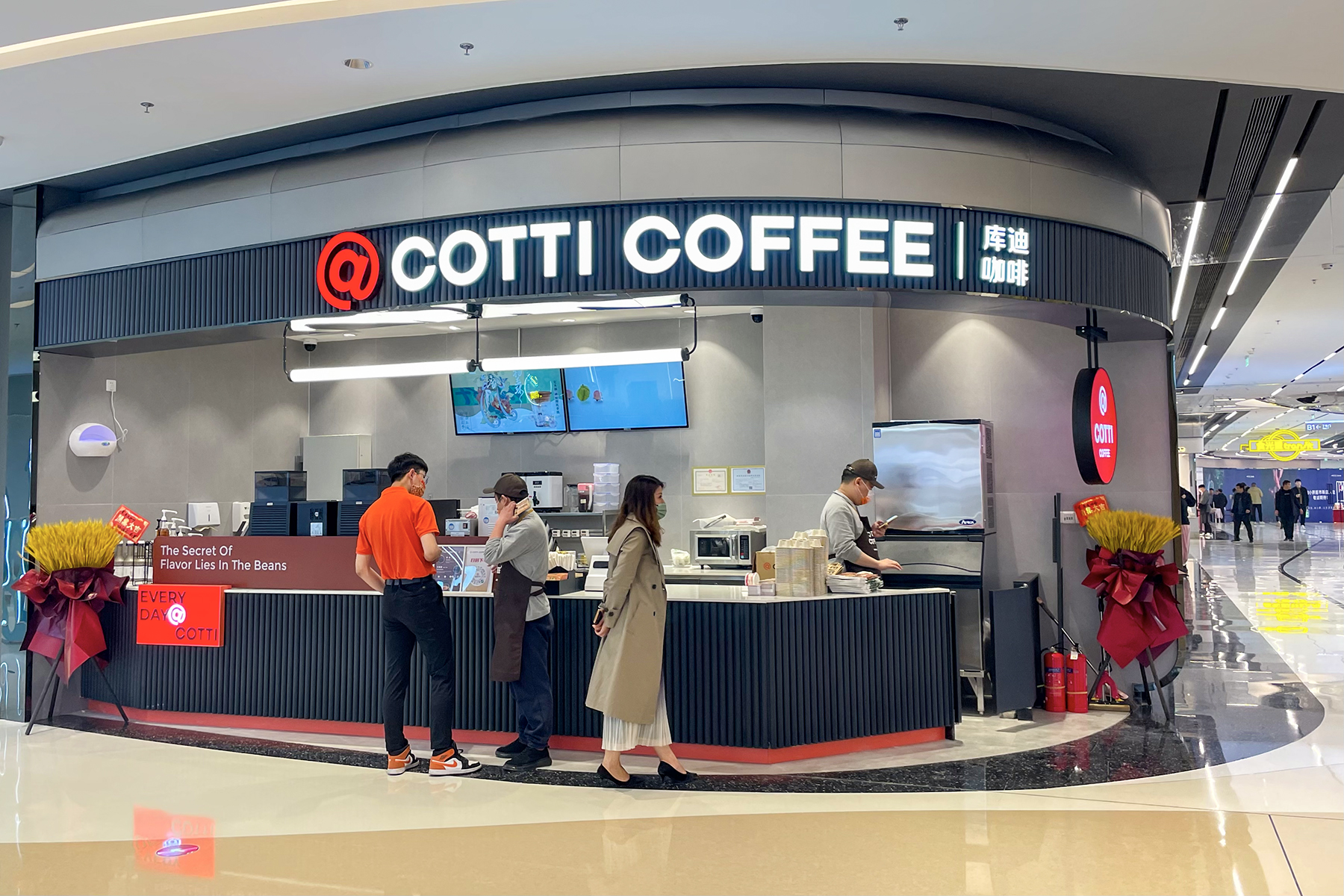
    Cotti Coffee, a rapidly expanding Chinese coffee chain, has announced plans to venture into the UK market. This move is part of a wider strategy to accelerate the brand’s growth across Europe.

    Unveiling in London

    The budget-friendly coffee chain will make its UK debut with two stores in London, set to open on Middlesex Street and Camden High Street. This comes after Cotti Coffee’s recent successful launches in European cities such as Paris, Cologne, Düsseldorf, Hamburg, Barcelona, and Madrid. These continental outlets mark the brand’s first steps into the European market.

    Digital-First Strategy

    Cotti Coffee operates with a digital-first, small-format store model and is noted for offering aggressive discounts. This approach has earned the brand recognition in its home country of China, where it is seen as a key competitor to Luckin Coffee.

    Future Expansion Plans

    Beyond the UK, Cotti Coffee has plans for further expansion into several other European countries, including Italy, Belgium, Portugal, and the Netherlands.

    Cotti Coffee was established in 2022 by a pair of former Luckin Coffee executives. Today, the brand is operational in 28 countries worldwide, including locations in Vietnam, South Korea, Australia, and Malaysia.

    Questions & Answers

    Question 1: What is Cotti Coffee’s store model?
    Answer: Cotti Coffee operates a digital-first, small-format store model, which means they prioritize their online presence and compact store locations.

    Question 2: Where is Cotti Coffee planning to expand in Europe?
    Answer: The company has plans to expand into Italy, Belgium, Portugal, and the Netherlands as part of its broader European growth strategy.

    Question 3: Who founded Cotti Coffee and when was it established?
    Answer: Cotti Coffee was founded in 2022 by two former executives from Luckin Coffee, another major coffee chain in China.

  • Olive Young’s K-Beauty Brands Set to Conquer Europe with New Gabona Partnership

    Olive Young’s K-Beauty Brands Set to Conquer Europe with New Gabona Partnership

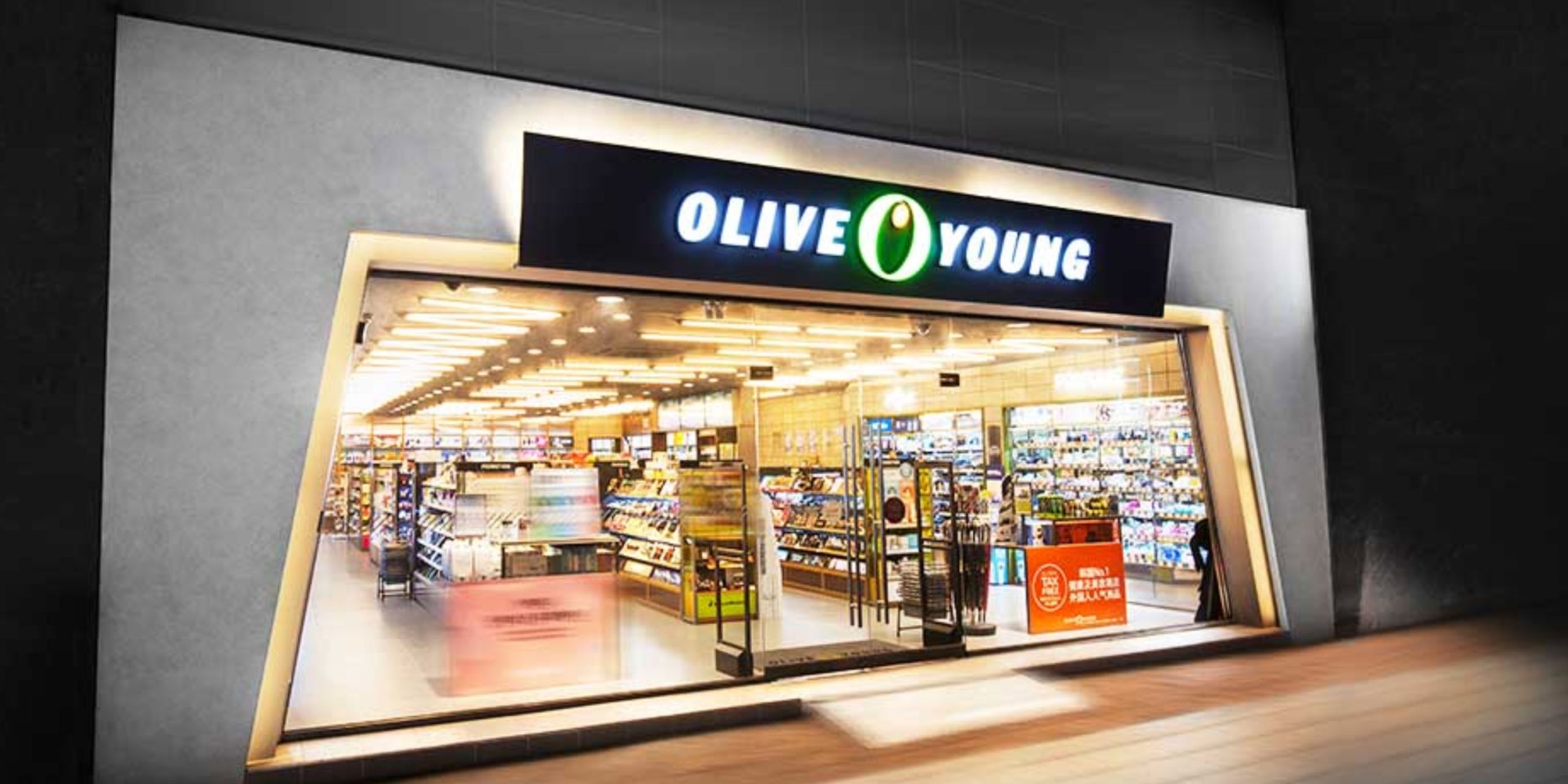
    Korean cosmetics firm, Olive Young, has recently revealed its collaboration with Poland’s Gabona, aiming to steer its product distribution across Europe. Gabona is now set to manage the distribution network of three of Olive Young’s signature brands: Bioheal Boh, Bringgreen, and Colorgram. Initially, the distribution will be centered in Poland, and then it will gradually expand its reach to other European countries.

    Olive Young has clarified that each brand will still preserve its current market position. This collaboration is a significant move in Olive Young’s overarching strategy to enhance the accessibility of its private brands to consumers beyond Korea. Moreover, it presents Gabona with an opportunity to augment its K-beauty collection in Europe via a well-planned, long-term distribution model.

    In 2025, Olive Young witnessed an unprecedented growth, with the firm’s Q3 sales skyrocketing to as high as US$1.07 billion. The company had earlier revealed that about 88% of the domestic cosmetic purchases under the Global Tax Free (GTF) program, generally done by tourists, were carried out at Olive Young stores in 2025.

    Questions & Answers

    What is the aim of Olive Young’s partnership with Gabona?
    The collaboration aims to facilitate the distribution of Olive Young’s products across Europe, starting with Poland.

    What impact will this partnership have on Olive Young and Gabona?
    This collaboration is a strategic move by Olive Young to enhance the global accessibility of its private brands, and it also allows Gabona to expand its K-beauty collection in Europe.

    What was Olive Young’s performance in the year 2025?
    The company saw record-breaking growth in 2025, with Q3 sales reaching US$1.07 billion.

  • K-Beauty Powerhouse Lunabella Debuts in Europe with Glamorous Flagship Store in Paris

    K-Beauty Powerhouse Lunabella Debuts in Europe with Glamorous Flagship Store in Paris

    Korean beauty brand Lunabella has launched its inaugural European flagship store, W Lunabella, in Paris’ Le Marais district. This boutique is slated to be a comprehensive beauty solution center, offering not only cosmetics, but also bespoke consultations, styling, and curated dressing services.

    The Vision Behind the Store

    The company’s Founder and CEO Yumi has revealed that the ‘W’ in the store’s label signifies ‘wedding’. This is in line with her ambition to extend the long-lasting complexion usually associated with bridal beauty to a wider market. Yumi has spent seven years designing the brand, with a strong emphasis on skin health as the key foundation for resilient, effective makeup.

    Beyond Retail

    The Paris store is set to host cultural and experiential events in addition to its retail offerings. These will include Hanbok exhibitions and beauty workshops. Yumi describes W Lunabella as more than just a shopping destination. She envisions it as a haven designed for today’s woman to reestablish connection with her innate essence and rediscover her inherent, ageless radiance.

    Lunabella, established in 2009, is renowned for its makeup and skincare range designed for prolonged wear.

    Questions & Answers

    What does the ‘W’ in W Lunabella stand for?
    The ‘W’ represents ‘wedding’, symbolizing the company’s aim to bring the enduring complexion typically associated with bridal beauty to a broader clientele.

    What additional services will the W Lunabella store provide besides retail?
    Apart from retail, the store plans to host a range of cultural and experiential events such as Hanbok exhibitions and beauty workshops.

    What is Lunabella best known for?
    Lunabella is most recognized for its makeup and skincare products designed for extended wear.

  • AirAsia X Eyes Expansion: Unveils Plans for New Long-Haul Routes to Europe

    AirAsia X Eyes Expansion: Unveils Plans for New Long-Haul Routes to Europe

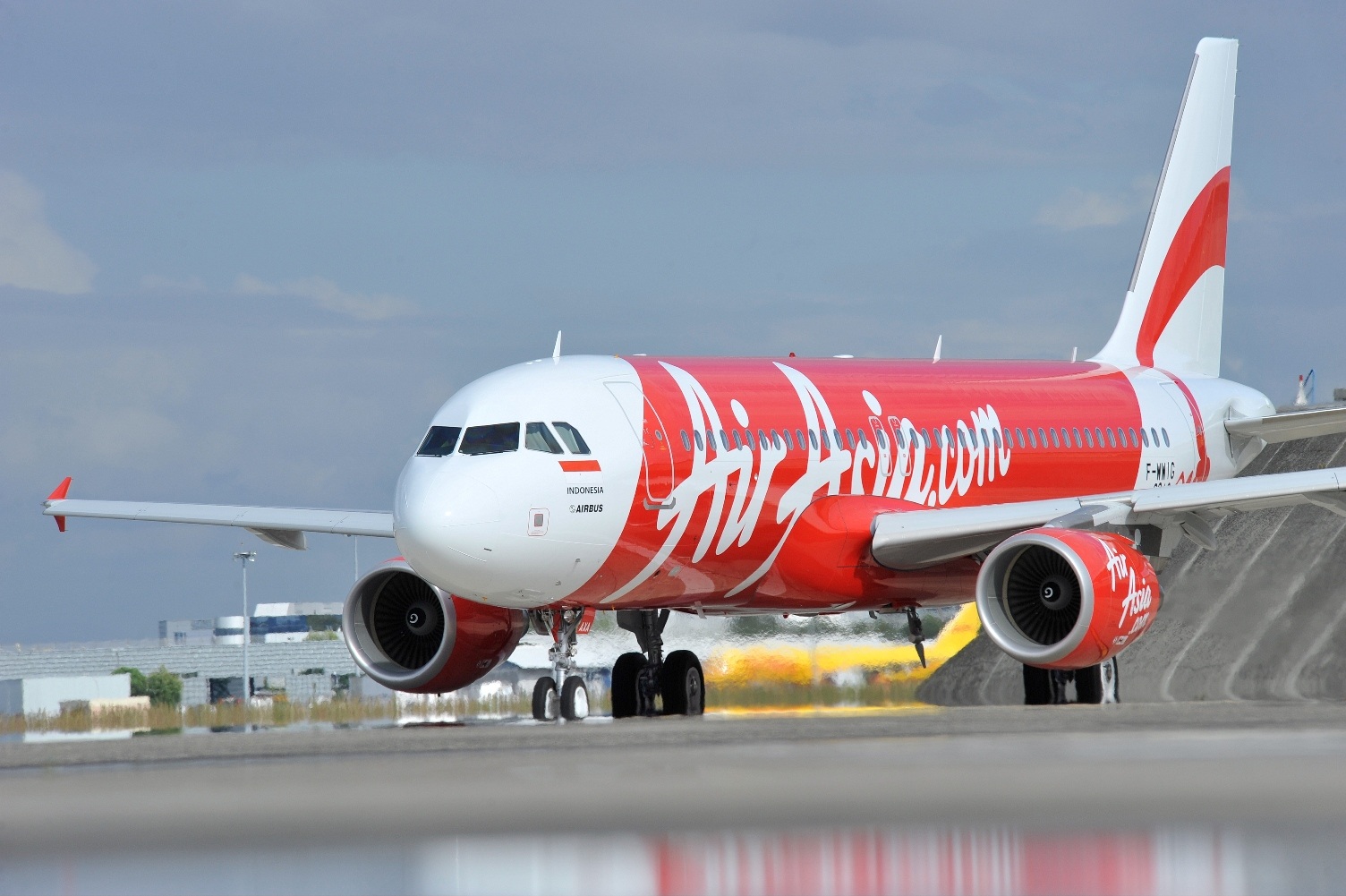
    AirAsia X, a budget airline based in Malaysia, recently commenced operations on its Istanbul route and has intentions to further extend its long-haul services to Europe in the coming year, according to CEO Benyamin Ismail. This move signifies the airline’s return to the European market, following a period of corporate restructuring in response to operational challenges caused by the Covid-19 pandemic.

    Currently, AirAsia X provides four flights weekly, connecting Istanbul and Kuala Lumpur. This service offers over 150,000 seats per year; however, the company has plans to increase this capacity by offering daily flights between the two cities.

    Expanding its airline’s reach beyond Asia, AirAsia X aims to bridge Asian and European cities through its Istanbul hub. The company also has plans to introduce additional long-haul routes to Europe.

    CEO, Benyamin Ismail, indicated that the company aims to add “at least one or two cities in one year”. However, he did not disclose the exact European destinations that the company is exploring.

    Questions & Answers

    What are AirAsia X’s plans for expansion in Europe?
    AirAsia X intends to extend its long-haul services to Europe in the coming year, providing a bridge between Asian and European cities through its Istanbul hub.

    How often does AirAsia X currently operate flights between Istanbul and Kuala Lumpur?
    Presently, AirAsia X operates four flights weekly between Istanbul and Kuala Lumpur.

    What is the company’s strategy to increase its flight capacity?
    AirAsia X plans to increase flight capacity by offering daily flights between Istanbul and Kuala Lumpur, as opposed to the current four flights per week.

  • Cargojet Bolsters Global Presence: New Direct Air Cargo Service Bridges Canada and Europe

    Cargojet Bolsters Global Presence: New Direct Air Cargo Service Bridges Canada and Europe

    Cargojet Inc. has expressed delight in the launching of a direct air cargo service bridging Canada and Europe, set to commence on November 1, 2025. The service will establish a connection between Liege Airport (LGG), an outstanding cargo gateway in Europe, and the principal cargo hubs in Canada.

    Strengthening Transatlantic Ties

    Co-CEOs of Cargojet, Pauline Dhillon and Jamie Porteous, jointly remarked on the new service. They asserted that this move would further solidify the ties between Canada and Europe, in addition to offering broader opportunities for their clientele. They further noted that by leveraging Cargojet’s unmatched reputation for punctuality and dependability, the service is set to position Cargojet at the heart of transatlantic trade. This will effectively cater to the forwarder community’s changing demands by providing quicker transits, reliable service, and superior flexibility for shippers across both continents.

    Welcome to Liege Airport

    VP Marketing & Sales at Liege Airport, Torsten Wefers, voiced his excitement about welcoming Cargojet to Liege Airport, which is acknowledged as one of the top cargo hubs in Europe. He emphasized that this collaboration signifies a significant advancement for the LGG community and Europe-Canada logistics, providing new prospects and connectivity for their clients and partners.

    Expansion of Global Network

    This weekly service denotes a considerable broadening of Cargojet’s global network, guaranteeing customers reliable, time-sensitive capacity and improved intercontinental connectivity. Incorporated within Cargojet’s domestic overnight network, the route promises to offer streamlined connections throughout Canada, enhancing overall transit times and providing increased flexibility for freight forwarders, logistics providers, and shippers.

    The route, initially operating once a week, improves access to one of Europe’s most strategic cargo hubs, with intentions to amplify frequency as demand and opportunities persistently grow. This integration bolsters Cargojet’s long-term expansion design and reaffirms its status as a dependable associate in the global logistics market.

    Questions & Answers

    What is the significance of Cargojet’s new direct air cargo service?
    The service strengthens the ties between Canada and Europe, expands opportunities for Cargojet’s customers, and positions the company at the center of transatlantic trade.

    What benefits does the weekly service provide?
    The service extends Cargojet’s global network, offers reliable, time-sensitive capacity, and enhances connectivity across continents. It also provides streamlined connections throughout Canada and increased flexibility for freight forwarders, logistics providers, and shippers.

    What are the future plans for this route?
    Initially, the route will operate once a week, with plans to increase frequency as demand and opportunities continue to grow. This move supports Cargojet’s long-term expansion strategy in the global logistics market.

  • Singapore Strengthens Europe-asia Link, Promotes Sustainability & Innovation At Inaugural Conference

    Singapore Strengthens Europe-asia Link, Promotes Sustainability & Innovation At Inaugural Conference

    Singapore, during the maiden “Europe Conference 2025”, solidified its position as a reliable conduit connecting Europe and Asia, fostering sustainability, innovation, and enduring collaboration across the continents. The Singapore Business Federation (SBF) and the European Chamber of Commerce Singapore (EuroCham) co-hosted this event, which served as a tribute to six decades of robust relations between Europe and Singapore. The event, held on October 14, 2025, garnered participation from more than 300 individuals across seven nations, underlining the profound engagement between the two regions.

    Future Anchored in Sustainability and Innovation

    The conference, underpinned by the theme of “Sustainability & Innovation”, brought together industry pioneers, policymakers, and innovators to delineate strategies for creating resilient, future-proof economies. The speakers emphasized the dire necessity of cross-border collaboration and partnerships spanning diverse sectors to sail through global uncertainties and stimulate sustainable growth.

    Building Bridges in a Changing World

    Singapore’s Minister for Foreign Affairs, Vivian Balakrishnan, initiated the conference with a keynote focusing on intensifying Europe-Singapore relationships. Balakrishnan underscored the importance of enhanced cooperation in digital and green economies, robust backing for multilateralism, and tighter ASEAN-EU collaboration. He also motivated European firms to leverage Singapore as a launchpad for their Southeast Asian ventures.

    Family Businesses as Catalysts of Change

    A stand-out session, steered by Federico Donato of MG Partners MFO, highlighted the escalating role of family-owned entities in fortifying Europe-Asia connections. Speakers including Peter Vyncke of Vyncke NV and Gan See Khem of HMI Medical elucidated how family businesses strike a balance between tradition and transformation, from handling generational transitions to embracing innovation without compromising their core values.

    Scaling Innovation Through Partnerships

    In an additional panel, headed by Marcus Lam, Executive Chairman of PwC Singapore, business leaders discussed how the Singaporean ecosystem can propel innovation. Industry experts, including Lawrence Wu of EDP Renewables APAC and Juliana Kua of the Ministry of Trade and Industry, shared practical strategies to assist businesses at various stages of their transformation journeys.

    Hub for Collaboration and Growth

    The conference served not just as a dialogue platform but also a networking opportunity. Participants engaged in cross-industry networking, explored foreign market prospects, and formed partnerships aimed at crafting resilient, future-proof business ecosystems. SBF Chairman S. S. Teo said, “The inaugural Europe Conference 2025 accentuates Singapore as a link connecting Europe and Asia. By collaborating with our European counterparts, we are cementing a foundation of trust, innovation, and long-term collaboration.”

    Milestone for Europe-Asia Connectivity

    The event, supported by partners such as Gulf Air, BPM LLP, EDP, Jason Marine, and PSA International, denoted a crucial landmark in promoting Europe-Asia connectivity. It highlighted Singapore’s persistent role as a strategic hub fuelling digitalisation, resilience, and sustainability – the primary forces moulding the future of international business.

    Questions & Answers

    What was the focus of the inaugural Europe Conference 2025?
    The conference focused on “Sustainability & Innovation” and aimed at bringing together industry leaders, policymakers, and innovators to chart strategies for creating resilient, future-ready economies.

    What role does Singapore play in connecting Europe and Asia?
    Singapore acts as a strategic hub that drives sustainability, innovation, and long-term collaboration between Europe and Asia.

    How can European firms leverage opportunities in Southeast Asia via Singapore?
    European firms are encouraged to use Singapore as a springboard for their ventures into the rapidly evolving Southeast Asian market.

  • Indonesian Coffee Chain Toko Kopi Tuku Opens First European Store In Amsterdam

    Indonesian Coffee Chain Toko Kopi Tuku Opens First European Store In Amsterdam

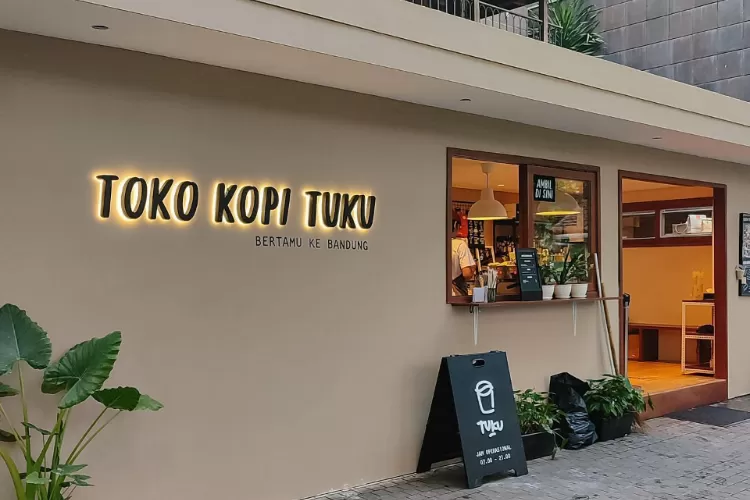
    Toko Kopi Tuku, an Indonesian coffee chain, has recently launched its inaugural European outlet in Amsterdam. This expansion represents the latest step in the company’s global strategy, following a pop-up store in Seoul last year.

    The Amsterdam store is the result of a collaboration with Roemah Indonesia and aims to blend into the Dutch market while simultaneously promoting Indonesian coffee beans, such as those sourced from Aceh and Toraja.

    Expanding the Menu

    Tuku’s menu offers its signature beverage, Kopi Susu Tetangga, as well as an array of food choices adapted to cater to the local palate.

    Rina Radinal Maksum, co-founder of Roemah Indonesia, expressed her confidence in the success of Tuku’s international expansion, following their positive experience with coffee brand Hejo.

    From Small Beginnings to Global Ambitions

    Toko Kopi Tuku’s journey began in 2015 as a modest kiosk located in the Cipete district of Jakarta, under the leadership of CEO Andanu Prasetyo. It has since metamorphosed into a coffee chain with a wide presence throughout Indonesia. The brand maintains an ambitious target of running 72 stores globally by the close of this year.

    Questions & Answers

    What is Toko Kopi Tuku?
    Toko Kopi Tuku is an Indonesian coffee chain that began as a small kiosk in Jakarta and has grown into a popular cafe chain across Indonesia.

    What is the significance of the new store in Amsterdam?
    The newly opened store in Amsterdam marks the first European outlet for Toko Kopi Tuku, signifying a key step in the company’s global expansion strategy.

    What are Tuku’s future expansion plans?
    Tuku aims to operate 72 stores worldwide by the end of the current year, highlighting the brand’s ambitious global growth plan.

  • Hong Kong world’s most expensive place to live

    Hong Kong world’s most expensive place to live

    Hong Kong tops the table of the world’s most expensive cities in terms of everyday cost of living. That’s according to a newly-published global survey by Mercer, a company specialising in sharing of ideas and information.

    Claiming six out of the top 10 spots, Asian cities dominate the list of most expensive locations for working abroad in the 2018 rankings.

    The Asian metropolis pushed the West African city of Luanda off the top spot. The Angolan capital now comes in at number six.

    Several European cities make the world list including London at 19, Copenhagen at 14, Geneva 11, Bern 10, and at world number three, Zurich is Europe’s move expensive city to live.

    The rankings are calculated based on the spending patterns among expats from different nationalities, comparing prices for similar brands and from similar retail outlets in both the home and the host city. In this way, a cost-of-living index can be compiled.

    One city of note this time around is the Portuguese capital Lisbon that has made the top 100 for the first time coming in at 93, a move up of 44 places.

    Some of the cheapest cities to live in Europe are in the east. They included the Bosnian capital Sarajevo, Serbia’s largest city Belgrade, Romanian and Bulgarian capitals Bucharest and Sofia, and the capital of the former Yugoslav Republic of Macedonia, Skopje.

    The survey shows some big differences depending on products. Coffee, for instance, varies wildly.

    In the South Korean capital, Seoul, a cup of coffee costs, on average around, 12 dollars, compared to four dollars in New York.

    A hamburger in Zurich is 15 dollars, but only five in Hong Kong, and seven in London.

    But when it comes to cinema tickets the British capital is way out in front at almost 25 dollars.

    Of course, you do not have to go to the cinema, but the chances are you do need to buy fuel for your car, and while Hong Kong comes out the most expensive Paris is not far behind. But when it comes to fuel prices, it seems we’re still too much in love with our cars to refuse.

  • ECB Rate Decision: Key Insights and Implications Captivating Financial Markets Today

    ECB Rate Decision: Key Insights and Implications Captivating Financial Markets Today

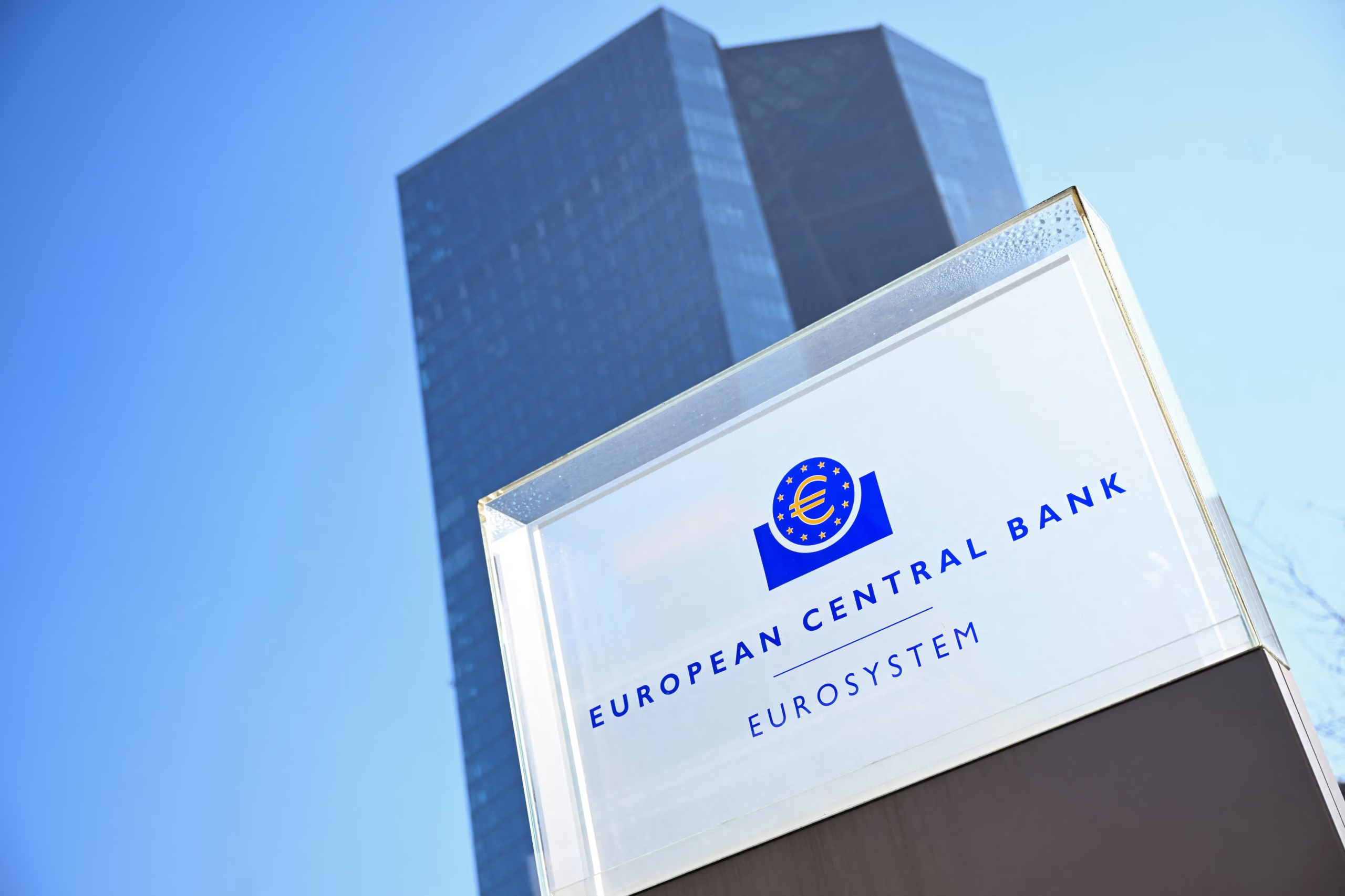
    Anticipation is palpable as analysts and economists unite in their predictions for the European Central Bank’s (ECB) upcoming rate decision on Thursday, with a key interest rate cut looming on the horizon. Yet, the conversation branches out when discussing what lies beyond this pivotal moment.

    Inflation Figures Create the Case for a Rate Cut

    Recent inflation data from the eurozone has fueled further arguments in favor of a rate reduction. A preliminary estimate from Eurostat revealed that the inflation rate fell to 1.9 percent year-on-year in May, down from 2.2 percent in April. This marks the lowest inflation rate since September 2024 and nudges it below the ECB’s target of 2 percent, creating a sigh of relief among policymakers.

    Much to everyone’s surprise, the decline was sharper than predicted, with economists anticipating a rate of 2.0 percent. “The ECB will likely be pleased that inflation is now just below its 2 percent target,” remarked Commerzbank Chief Economist Jörg Kramer. While core inflation—excluding energy, food, and tobacco—remains higher at 2.3 percent, expectations are for it to wane in the coming months.

    Future Declines on the Horizon

    An appreciating euro, coupled with a projected influx of goods from China due to ongoing trade tensions with the U.S., is expected to apply downward pressure on European prices. “Thus, the ECB will probably not stop with Thursday’s rate cut. We anticipate another move post-summer break,” Commerzbank added.

    Thomas Gitzel, an economist at VP Bank, echoed this sentiment, stating, “The ECB has the green light for a rate cut next week.” However, the prospect of further cuts remains a question mark. Should the deposit rate dip below the 2 percent threshold (currently at 2.25 percent), it could result in a negative real interest rate—potentially heightening inflation risks in the future.

    A Temporary Pause or the End of the Cutting Cycle?

    According to Tomasz Wieladek, Chief European Economist at T. Rowe Price, a pause is likely in July following this week’s cut. Reaching the so-called “neutral interest rate” of 2 percent, however, does not signal the conclusion of the rate-cutting cycle. “The ECB might hold rates steady in July to monitor the economic impact of U.S. tariffs on Europe and the broader global economy,” he noted, anticipating further unfavorable surprises ahead.

    Wieladek also signaled caution regarding rates below 1 percent, suggesting rates could drop to 1.25 percent later this year, but only if the global economy appears to be edging toward recession.

    Bank of America’s Expectations

    In line with this sentiment, Bank of America predicts a 25 basis point cut this week, maintaining that the ECB’s forward guidance will remain largely unchanged. This forecast aligns with sluggish short-term growth prospects and a consistent undershooting of the inflation target. “Forecast uncertainty is high, especially regarding the implementation of the German fiscal package,” they cautioned.

    Data-Driven Decisions in the Spotlight

    As the meeting approaches, all eyes will be on ECB President Christine Lagarde, who is expected to address three key aspects: inflation, the swirling uncertainty, and a commitment to data-driven decision-making. Rather than making any precise commitments, she will likely emphasize the need for flexibility, keeping the door open for cuts below the 2 percent threshold.

    Whether the rates will dance further downward or find a moment of stillness remains to be seen, but one thing is for sure: the world will be watching closely, perhaps with popcorn in hand.

    Questions & Answers

    What is the expected outcome of the ECB’s upcoming rate decision? Analysts predict a key interest rate cut as inflation figures have dipped below the ECB’s target.

    How might the economic landscape affect future rate decisions? The ECB is likely to remain flexible and data-dependent, assessing impacts from U.S. tariffs and trade policies before making further cuts.

    What are the implications of a negative real interest rate? A drop below 2 percent could result in a negative real interest rate, raising concerns regarding potential inflation risks going forward.

  • Apple attempts to escape EU fine by offering to open its NFC technology for rivals

    Apple attempts to escape EU fine by offering to open its NFC technology for rivals

    In an attempt to avoid a hefty fine and ongoing legal battle with the European Union, Apple is reportedly proposing to open up its near-field communication (NFC) technology, used for tap-and-go payments, to its rivals.

    This move comes after the European Commission launched an antitrust investigation into Apple’s practices surrounding Apple Pay, suspecting that the company was unfairly restricting access to key technology to maintain its dominance in the mobile payment market.

    Despite not holding the majority share of smartphone sales or being the dominant mobile payment service in the EU, Apple Pay has gained significant traction, with over 2,500 banks and more than 250 fintech and challenger banks across Europe using the service.

    Apple’s efforts to address the EU’s concerns come amidst a broader crackdown on the company’s business practices. The EU recently labeled Apple as a “gatekeeper” under the Digital Markets Act (DMA), which empowers the Commission to regulate big tech firms that hold dominant positions in the digital market.

    Earlier this year, Apple acknowledged the possibility of third-party app stores on iPhones but later challenged the EU’s ruling mandating rival app stores. Additionally, it has appealed the inclusion of iMessage in the DMA’s gatekeeper designation, arguing that iMessage’s market share in Europe is too small to warrant regulatory scrutiny, which actually might turn out to be true.

    As Apple navigates these regulatory challenges, it’s clear that the company is facing increasing pressure to address concerns about its competitive practices in the EU. The proposed NFC access could be a step in the right direction. However, it remains to be seen whether it will be enough to appease the Commission and avoid further regulatory scrutiny.

  • Startup e-commerce platform Temu expands to Europe

    Startup e-commerce platform Temu expands to Europe

    Ultra low-cost e-commerce platform Temu, owned by PDD Holdings has started selling to European markets including France, Germany, Italy, The Netherlands, Spain and the United Kingdom.

    The Temu.com website now shows all of these markets on its location drop down menu in addition to the United States, Canada, Australia and New Zealand, where it had previously already been available.

    PDD Holdings did not immediately respond to Reuters request for comment on the expansion.

    Temu, the sister site of Chinese discount e-commerce platform Pinduoduo, has made a big splash since launching in the United States last September, selling shoes, jewelry, beauty accessories and home goods directly from Chinese merchants for very low prices.

    It’s a similar cross-border model to the one that has propelled Shein, which ships to more than 150 countries, to become the world’s biggest fast-fashion brand with annual sales of more than $58.5 billion.

    Temu, which is headquarted in Boston, saw 19 million US downloads in the first quarter of this year, according to mobile intelligence firm Sensor Tower, which also ranks Temu as the most downloaded app on Apple and Google Play stores in the United States.

    The platform’s gross merchandise value – total sales before expenses – grew from $3 million in September to $192 million in January, according to data firm YipitData.