Retail News CRM

Tag: europe

  • AirAsia X chasing Europe; open to other aircraft types

    AirAsia X chasing Europe; open to other aircraft types

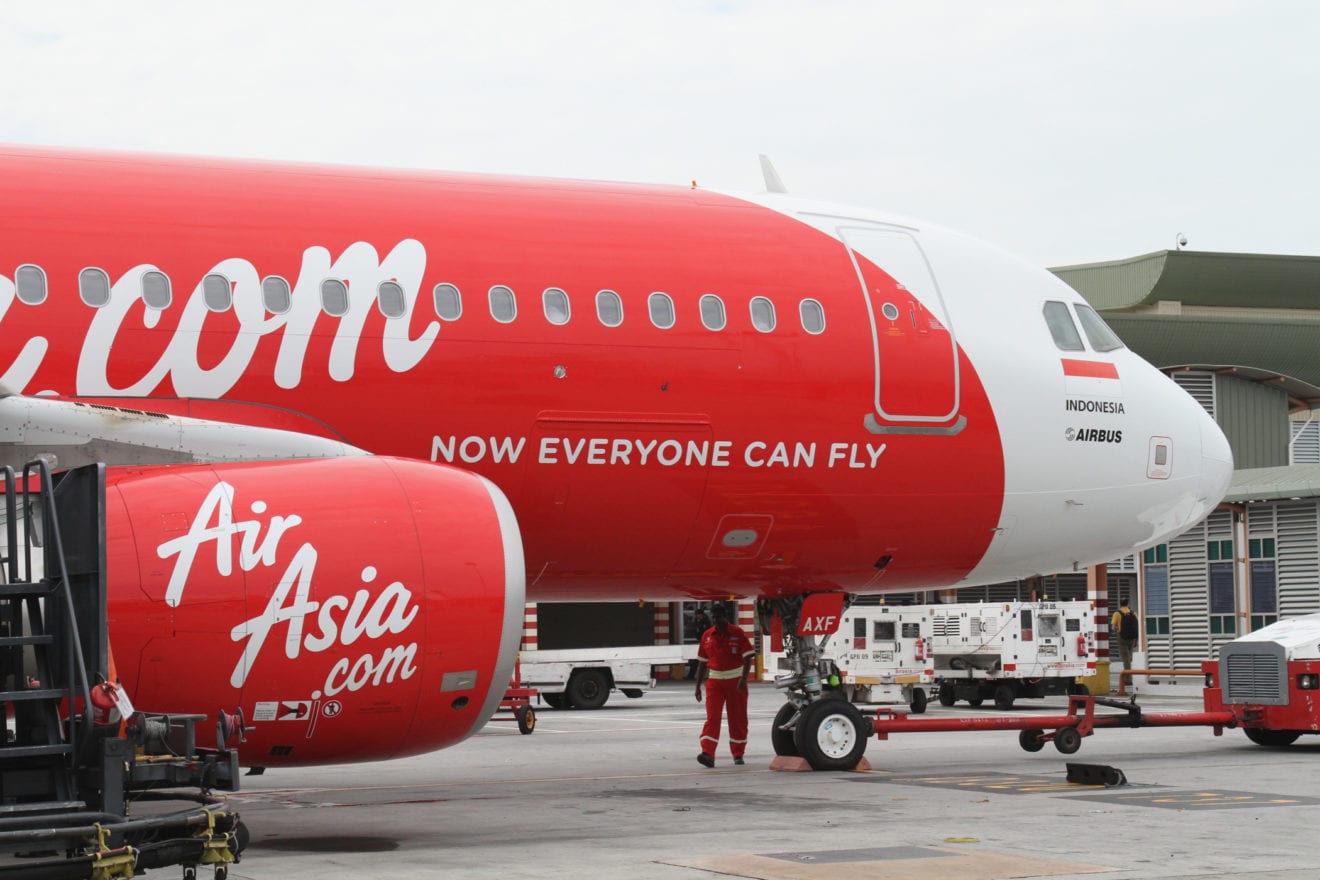
    AirAsia X wants to relaunch services to Europe “as quick as possible”, and is looking at aircraft other than Airbus A330s to get there.

    Speaking to FlightGlobal,the chief executive of AirAsia X‘s core Malaysian operation, Benyamin Ismail, says that its fleet plans have changed.

    The carrier had not planned to take delivery of any aircraft in 2017, but is now speaking with “some parties to see what aircraft are available”.

    “If we can get the aircraft we need… when the A330neos arrive, the focus for them will be to grow frequencies in our current markets, like China and North Asia,”

    Earlier in the year, Benyamin said that the carrier would not re-enter the European market until it starts receiving the A330-900s from the second half of 2018 onwards.

    On the A330-900 seat configuration, AirAsia X expects to confirm the details “in the next couple of months”, but could install more business class seats on those units initially planned to take on European routes.

    “We are working with Airbus to get the assurance that the A330neos can get us direct to Europe (from Kuala Lumpur).”

    Asked whether AirAsia X might take on A350s that may be available in the short-term, Benyamin re-iterates that the carrier “is open and has various options”, but would not confirm if it has held talks with lessors.

    Flight Fleets Analyzer shows that AirAsia X has 66 A330-900 and 10 A350-900s on order. It currently operates 22 A330-300s.

  • Indonesian coffee introduced in Southeast European market

    Indonesian coffee introduced in Southeast European market

    Indonesian coffee was introduced in Zagreb, Croatia, on June 8-10 during an event titled “Indonesian Specialty Coffee: From Cup to Cup” organized by the Indonesian Embassy in Zagreb in cooperation with local entity, Tanamera Coffee.

    During the program held in two locations — the Indonesian Embassy in Zagreb and a coffee shop in the Croatian capital — a representative from Indonesia introduced a variety of Indonesian coffee beans, including Gayo Aceh, Solok Sumatera, Toraja Sulawesi, Flores, and Malabar.

    “The last day of promotion in the cafe was open for the public, and some 600 people had the opportunity to sample the single origin coffee that our team had brought,” Dini Criddle, Tanamera Coffee owner, noted in a press release received on Monday.

    Tanamera Coffee, as the governments partner in promoting Indonesian coffee in the global market, also presented the process of coffee production, from the enhancement of farmers harvest results and the process of coffee production to the simulation of roasting techniques as well as brewing methods using filters or espresso machines.

    The Indonesian Embassy in Zagrebs Economic Functions Executive Widjoseno Sastroamidjojo remarked that the promotion efforts had drawn the interest of several coffee roasters, industry makers, and Croatian coffee importer to buy Indonesian coffee products and coffee beans that are deemed high in quality.

    This interest will boost the entry of Indonesian coffee into the Croatian market, as well as other European countries, he emphasized.

    “Not a lot of Croatians are familiar with Indonesian coffee. Seeing the high demand for Indonesian coffee and the potential to attract Croatian tourists that reached 12 million in 2015, we are confident that Indonesian coffee products can be successful in the southeast European market,” stated Sastroamidjojo.

    Coffee consumption in Croatia is high as its people prefer spending time in coffee shops in addition to the rapid growth in the number of such outlets in the southeastern Europe country.

    Despite having a total population of only 4.2 million, the coffee consumption rate in Croatia is rather high, reaching 15.9 tons, or 2.8 kilograms per capita in 2013.

    Based on the data retrieved from Euromonitor, Croatia was ranked 14th on the worlds coffee consumption index.

    Meanwhile, other Southeast European countries, such as Slovenia, Serbia, and Bosnia-Herzegovina, are also listed among the 15 countries, with the highest per capita coffee consumption rate, with each reaching 6.1, 5.4, and 4.3 kilograms.

  • IKEA to sell 23 retail parks across Europe

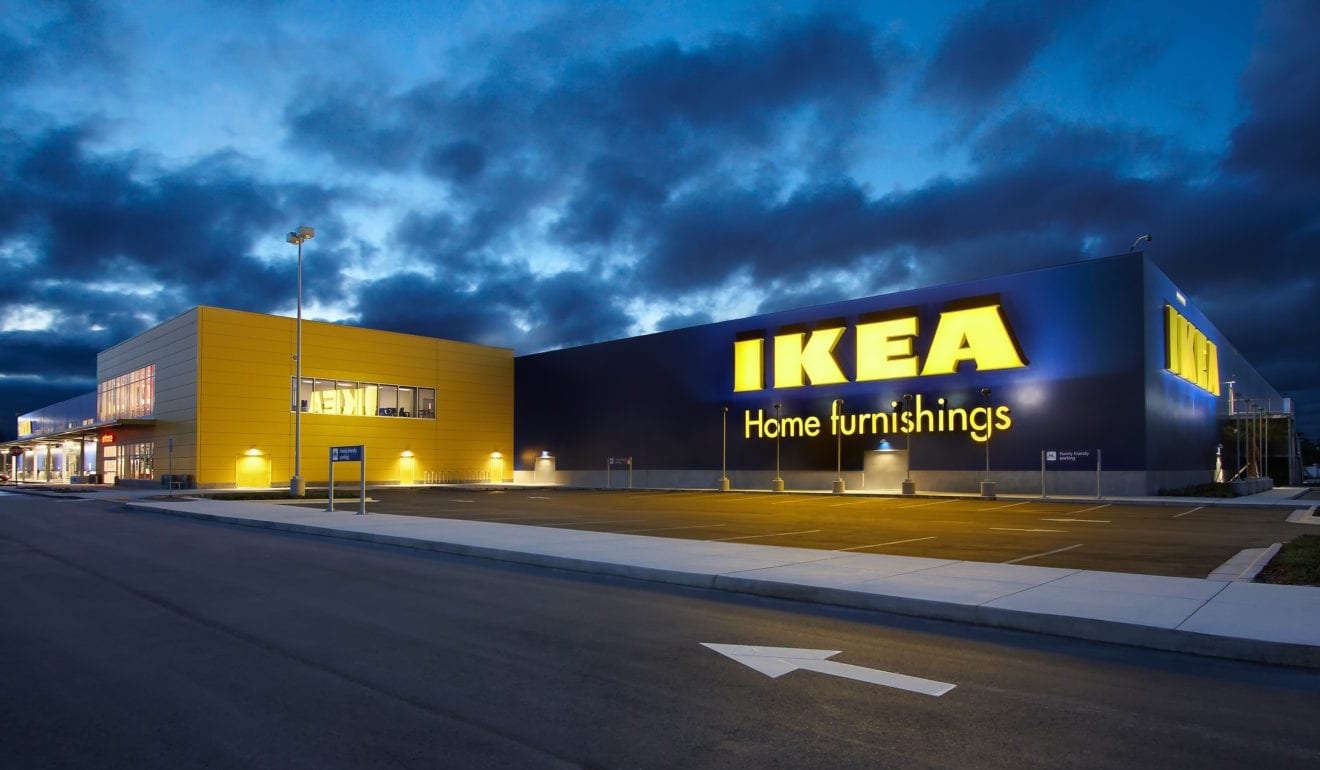
    IKEA to sell 23 retail parks across Europe

  • Bali’s exports to Europe decline

    Bali’s exports to Europe decline

    Balis exports of various handicraft and small industrial products to European countries declined in the first three moths this year because the economic growth in Europe has not yet recovered well.

    “Importers from Europe still demanded for various handicraft, garments and furniture products but the volume was not as big as that last year,” exporter Made Parwata said here on Saturday.

    He said that importers from Spain still maintained stable demand and delivery was still smooth.

    Other European importers were those from Italy, France and Germany. These countries are included as the big ten importers of Balis products.

    However, the Central Bureau of Statistics (BPS) data showed that imports of these products by France, Spain, Italy and Germany declined from US$19 million in the January-March 2015 to US$17 million in the same period this year.

  • Indonesia to speed up EU CEPA negotiation

    Indonesia to speed up EU CEPA negotiation

    Indonesia will speed up negotiations on the Indonesia-European Union (EU) Comprehensive Economic Partnership Agreement (CEPA), aiming to have an agreement with the EU come into effect within two years.

    The two parties had discussed the implementation of the CEPA in a meeting with EU trade ministers during the World Economic Forum (WEF) in Davos last week, Trade Minister Thomas Lembong said.

    “It has been decided in a Cabinet meeting that we will have a trade agreement with the EU. We must start it immediately because the President gave us two years to complete the agreement,” Thomas said in Jakarta on Tuesday.

    In contrast to the discussion of trade agreements in the Trans Pacific Partnership (TTP), which still required time for assessment to solve the challenges, Thomas underlined that there were no special constraints on the Indonesia-EU CEPA discussion.

    The planned Indonesia-EU CEPA has been stagnant since 2013. Vietnam, which started free trade agreement negotiations with the 28-member trading bloc in the same year reached an agreement in August last year.

    The EU CEPA covers issues of trade and business, including the reduction of trade barriers and liberalization of government procurement. The two points are also included in the TPP framework.

    Aside from the two agreements, Thomas continued, the ministry also held meetings with trade ministers from several countries to discuss bilateral trade agreements.

    “We are exploring bilateral trade agreements with Australia. Also with the EFTA [European Free Trade Association] which consists of Norway, Switzerland, Iceland and Liechtenstein,” Thomas said.

  • Amazon is Secretly Testing Air Cargo Operations

    Amazon is Secretly Testing Air Cargo Operations

    Amazon.com, Inc. has been conducting secret trial flights that have carried thousands of packages to and from its fulfillment centers in the United Kingdom. Evening Standard reports that the tech-giant has chartered a Boeing 737 aircraft, which has been flying on routes between Poland, Germany, and England since mid-November.

    The online-retail giant has reportedly chartered the aircraft from DB Schenker, a German logistics company. Five weekly flights have been determined so far, on which the planes travel first from Katowice, Poland to Kassel, Germany. Katowice and Kassel are both significant stops, as the airports in these towns are within close proximity of the e-commerce giant’s huge warehouses in the two countries, respectively.

    The flight then continues from Germany to England, where the plane finally lands at one of the airports in Luton, Doncaster or East Midlands. The packages are dispatched from these airports to Amazon’s various fulfillment centers, including its biggest one at Dunfermline and another in Hemel Hempstead. The company is also rumored to extend the trials by chartering more planes and include its centers in Italy and Spain in this network.

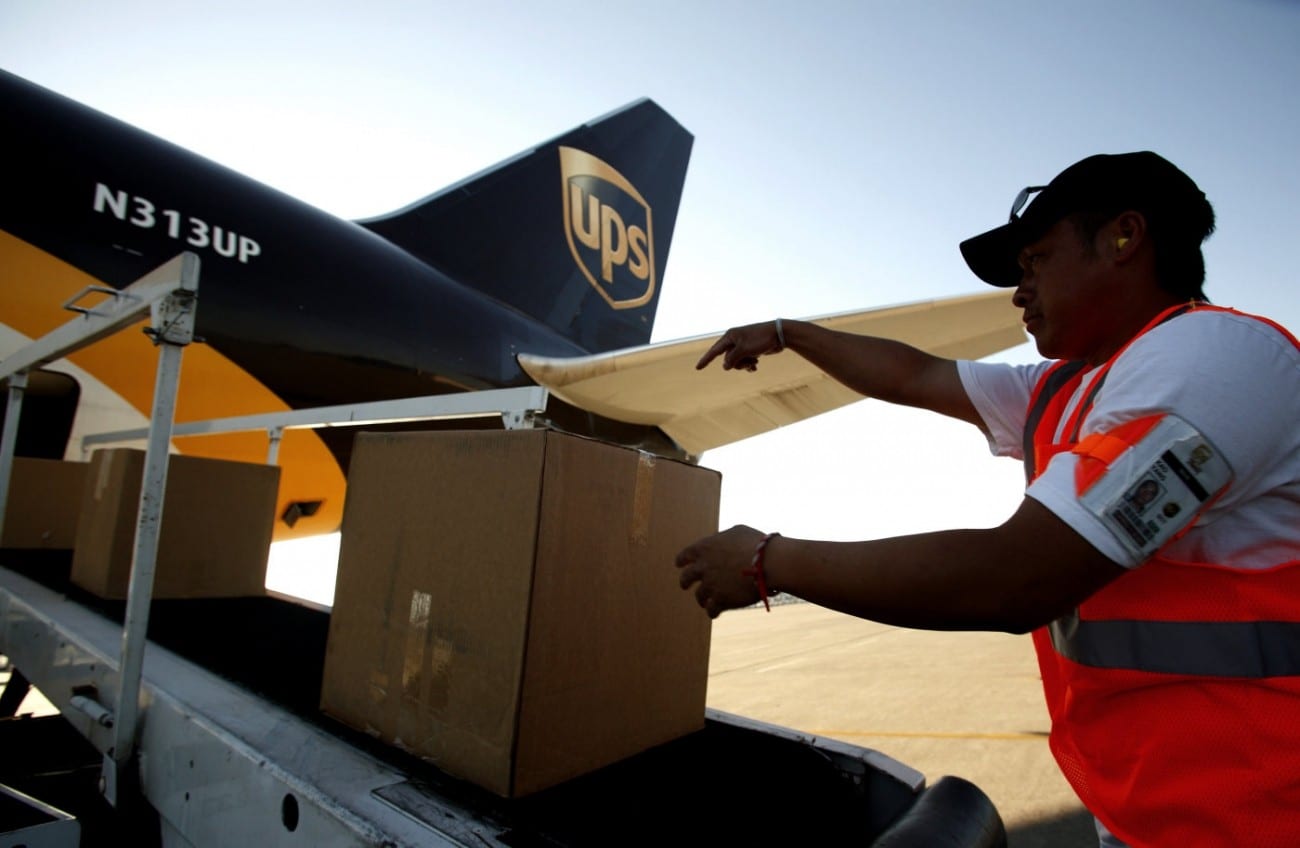
    The move highlights Amazon’s urgency to limit reliance on traditional courier firms. The company has already built its own van delivery fleet in the UK this year, after one of its couriers, CityLink, went bankrupt. On a global-scale, the company has locked horns with its chief carrier UPS. Amazon provides business worth around $1 billion to UPS, but its dissatisfaction has risen due to the increasing shipment charges. Shipping cost has increased 10.4% in a year, compared to revenues growth of 11.7% in the same period.

    This means generating higher revenues did not have the expected positive impact on earnings, if supply chain costs had been further streamlined. Amazon was further unhappy with UPS services, when during last two Christmas periods the courier services was unable to deliver consumer packages on schedule, due to delivery overload. Consequentially, the e-commerce giant has sought to build its own distribution network to restrict costs, and have more control over its distribution network.

    Even within the US, recent reports suggest Amazon is looking to lease 20 Boeing 767 freight aircrafts. While these are positive cost control strategies for the online-retail firm, its air cargo expansion spells trouble for traditional freight carriers such as UPS, FedEx, and DHL. These couriers will likely lose a great chunk of business when Amazon starts carrying its own inter and intra-continental freight.

    An Amazon spokesman was quite tight-lipped when the Evening Standard asked for a comment over the European flights, and did not reveal information beyond the fact that the retail-firm employs various distribution and fulfillment modes, including air transport. No other official statement was made by the company.

  • European Markets Dropped On Renewed China Worries

    European Markets Dropped On Renewed China Worries

    The European markets ended Monday’s session in negative territory, as renewed concerns over China weighed on investor sentiment. Concerns over the upcoming snap elections in Greece and the likelihood of a near-term U.S. interest rate hike also contributed to the negative mood at the start of the new trading week.

    The Financial Times reported that the Chinese government has decided to abandon attempts to boost the stock market through large-scale share purchases. Senior regulatory officials told the Financial Times China’s leaders feel they mishandled their efforts to rescue the stock market.

    The Chinese government resumed large-scale stock buying late in the trading day last Thursday to help the Shanghai Composite Index finish sharply higher, but officials said the government will refrain from further large-scale buying of equities.

    The Euro Stoxx 50 index of eurozone bluechip stocks decreased by 0.52 percent, while the Stoxx Europe 50 index, which includes some major U.K. companies, lost 0.30 percent.

    The DAX of Germany dropped by 0.38 percent and the CAC 40 of France fell by 0.47 percent. The SMI of Switzerland finished higher by 0.45 percent, but the FTSE of the U.K. was closed for a banking holiday.

    In Frankfurt, Volkswagen decreased by 1.14 percent. Japan’s Suzuki Motor Corp said that it would buy back the 19.9 percent stake it sold to the German automaker after an international court settled a dispute between the automakers over their soured partnership.

    BMW fell by 0.90 percent and Daimler lost 0.97 percent.

    Insurer Allianz rose by 0.18 percent, on reported that its infrastructure arm is weighing bids for London City Airport.

    RWE sank by 4.25 percent and E.ON dropped by 1.60 percent.

    In Paris, Renault surrendered 2.28 percent and Peugeot weakened by 1.19 percent. Car parts maker Valeo also decreased by 1.45 percent.

    Total tumbled by 0.91 percent and Technip lost 0.99 percent.

    Givaudan gained 0.73 percent in Zurich, after it agreed to acquire Induchem Holding, a cosmetic ingredient producer.

    Shares of NeuroVive Pharmaceutical AB plunged by 39.13 percent in Stockholm after the mitochondrial medicine company announced that it would not pursue development of CicloMulsion in the indication of acute myocardial infarction.

    Eni SpA climbed by 1.53 percent in Milan. The company announced over the weekend that it has discovered a massive natural gas discovery off the coast of Egypt.

    Eurozone inflation remained unchanged at a very low level in August as further fall in oil prices curbed its ability to move upward. Inflation came in at 0.2 percent in August, the same rate as seen in July and June, preliminary data from Eurostat showed Monday. It was forecast to ease to 0.1 percent.

    Germany’s retail sales rebounded in July to grow at the fastest pace in nine months, signaling that consumer spending boosted economic growth at the start of the third quarter. Retail sales advanced 1.4 percent on a monthly basis in July, Destatis reported Monday. This was the fastest growth since October 2014, when sales climbed 1.8 percent.

    Italy’s retail sales dropped for the second straight month in June, figures from the statistical office Istat showed Monday. Retail sales fell a seasonally adjusted 0.3 percent month-over-month in June, following a 0.2 percent decrease in the previous month. In April, sales had risen 0.7 percent.

    Greece’s retail sales declined in June after rising in the previous month, preliminary figures from the Hellenic Statistical Authority showed Monday. The volume of retail sales decreased 0.4 percent year-over-year in June, in contrast to a 4.1 percent sharp gain in May, which was revised down from 4.2 percent. In April sales had fallen 1.8 percent.

    China’s trade deficit in services widened in July, the State Administration of Foreign Exchange said Monday. The deficit on trade in services increased to $17.6 billion in July from $14.9 billion in June. At the same time, the merchandise trade showed a surplus of $46 billion in July.

    Business activity in the Chicago area unexpectedly grew at a slower rate in the month of August, according to a report released by MNI Indicators on Monday. MNI Indicators said its Chicago business barometer dipped to 54.4 in August from 54.7 in July. While a reading above 50 indicates growth, economists had expected the index to inch up to 54.9.

  • MetaPack expands into Asia with Hong Kong workplace

    MetaPack expands into Asia with Hong Kong workplace

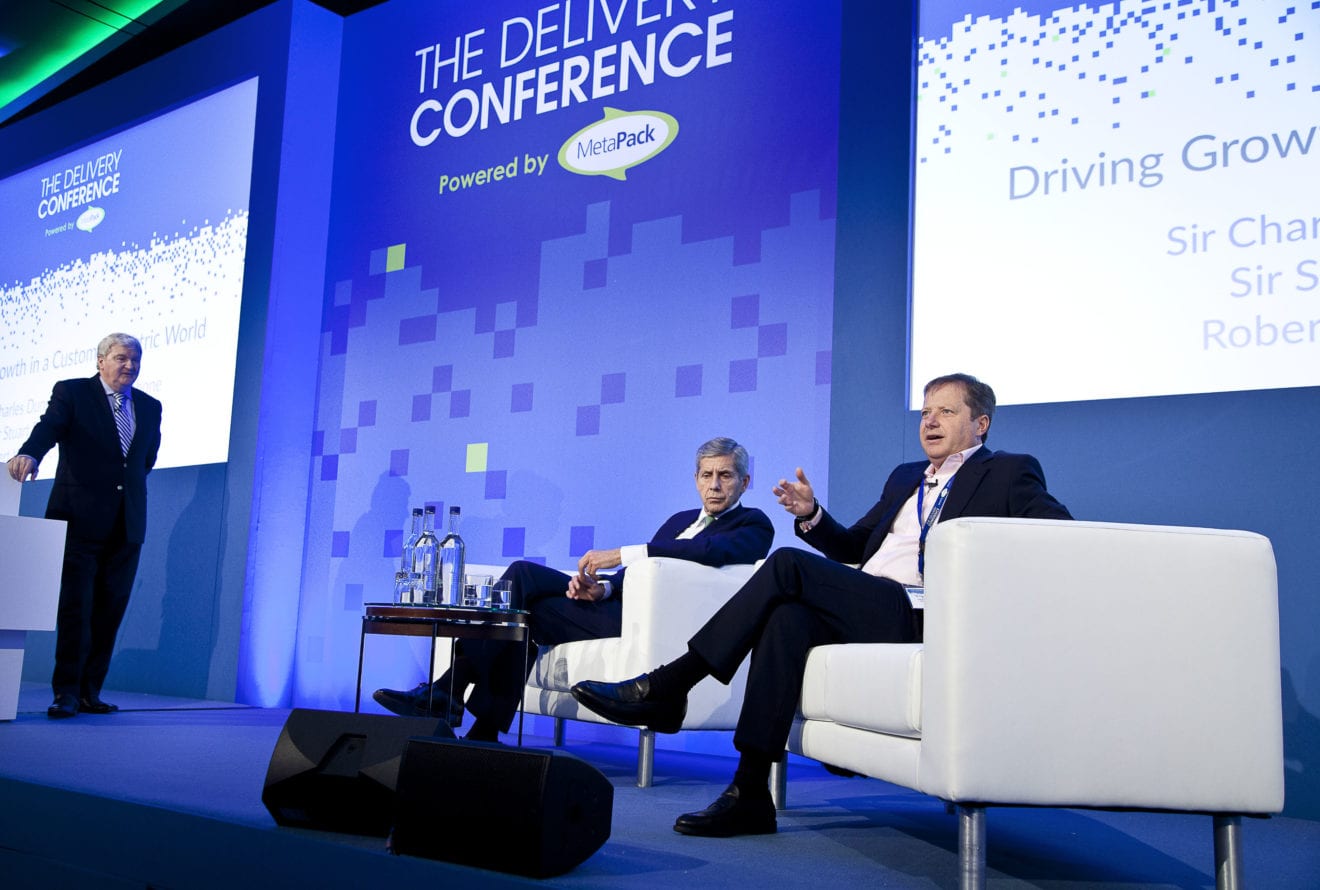
    The MetaPack Group, the main supplier of e-commerce know-how for supply providers, as we speak introduced its enlargement into Asia with the opening of operations in Hong Kong. With workplaces in the UK, France, Germany, Poland and the USA at present, the institution of a Hong Kong workplace is additional proof of MetaPack’s dedication to worldwide progress.

    Asia varieties a serious a part of MetaPack’s evolving international technique to turn out to be the e-commerce supply buyer expertise know-how platform of selection globally. Buying German delivery fulfilment specialist XLogics and US delivery platform suppliers Abol in 2013 and 2014 respectively, MetaPack has seen speedy progress because the launch of its distinctive SaaS platform in 2008. This development is about to proceed because it expands outdoors Europe and the USA.

    The division will probably be headed up by Peter Winslow, who just lately joined MetaPack as VP of Higher China. Previous to becoming a member of MetaPack, Winslow was the managing director at InXpress, an authorised DHL Categorical reseller concentrating on SMEs in Hong Kong. He constructed up his wealthy information of the area’s supply business and tendencies by way of holding a collection of high-level roles at each DHL and UPS in Asia and Australia. MetaPack is planning to capitalise on Peter’s 35 years of expertise in cross-border provide chain freight and categorical enterprise in Asia to focus on sellers who’re delivery their merchandise everywhere in the world.

    Patrick Wall, CEO of MetaPack, stated: “Not solely are we happy to announce the opening of our Far East Asia HQ, however we will really feel assured that the brand new workplace shall be in protected palms with Peter approaching board with us. He has the management expertise, enterprise relationships and business information that may assist us develop quickly within the Far East.”

    Winslow stated: “The Far East is an space the place e-commerce is rising at an outstanding fee, and that’s the reason this can be very thrilling to be getting into the market and facilitating cross border on-line commerce. There’s an awesome alternative to attach European retail manufacturers with Asian shoppers in addition to assist native Asian retailers and carriers rework the web shopper expertise and supply a more sensible choice of extra aggressive supply providers.”

  • Chinese drive Europe outlet malls

    Chinese drive Europe outlet malls

    Chinese travellers are poised to become the biggest global spenders at McArthurGlen designer outlets in Europe.

    Fashion-conscious travellers from China and across Asia are spending big at McArthurGlen’s  20 Designer Outlet centres located across Europe, with Chinese visitors poised to become the most prolific spenders in 2015.

    The company, a joint venture with US property giant Simon, says total tax-free sales at McArthurGlen Designer Outlets reached a record high in 2014, reflecting a more than quadrupling of sales to international travellers over the past four years.

    “Impressive sales growth was seen from Chinese shoppers, up 36 per cent, and from Korean travellers, whose spending increased 32 per cent” the company said.

    The projections for future Chinese spending overseas are even more impressive. In 2014, 109 million Chinese tourists spent US$164 billion worldwide, while 174 million Chinese tourists are tipped to spend $264 billion annually by 2019, according to Bank of America Merrill Lynch.

    “These upward global spending figures are being reflected in sales at McArthurGlen’s Designer Outlets. In 2014, Chinese shoppers accounted for 25 per cent of total tax-free sales, ranking second overall behind Russian travelers (29 per cent). Korean visitors ranked third, with five per cent of total tax-free sales.

    “In 2015, Chinese visitors will likely overtake Russian tourists as the number one international spender.”

    McArthurGlen Designer Outlets is responding to the burgeoning Chinese interest by increasing its digital engagement with consumers in China. A dedicated page is about to be launched on social media channel WeChat, and McArthurGlen also re-launched its Sino-Weibo page. In addition, the McArthurGlen App and The Guide is available in 12 languages, including Chinese.

    Anthony Rippingale, McArthurGlen’s head of tourism, says the company’s sales to international shopping tourists are increasing twice as fast as for overall tax-free retail sales in Europe.

    “We are noticing particularly impressive growth from Korea and China, whose shoppers rank first and second for average transaction value for international visitors.”

    Across all international shopping markets, the most popular McArthurGlen Designer Outlets in 2014 for tax-free shopping were: Serravalle (near Milan, Italy), Roermond (near Düsseldorf, Germany), Parndorf (Vienna, Austria), Noventa di Piave (Venice, Italy) and Castel Romano (Rome, Italy).

    In June, McArthurGlen will open its first centre outside Europe, in Vancouver, Canada.

    “The latter will be of special interest to Chinese shoppers after the announcement of the new 10-year Canada visa plan for Chinese guests was announced in March,” the company said.

    McArthurGlen Group, Europe’s leading owner, developer and manager of designer outlets, was founded in Europe by Kaempfer Partners in 1993. Since then, the company has developed nearly 600,000 sqm of outlet space, with a current value of more than euro 3 billion, and manages 20 McArthurGlen Designer Outlets across eight countries: Austria, Belgium, France, Germany, Greece, Italy, the Netherlands and the UK.

    In 2013, McArthurGlen became a joint venture between the world’s largest retail developer, Simon Property Group, and Kaempfer Partners.