Tag: europe

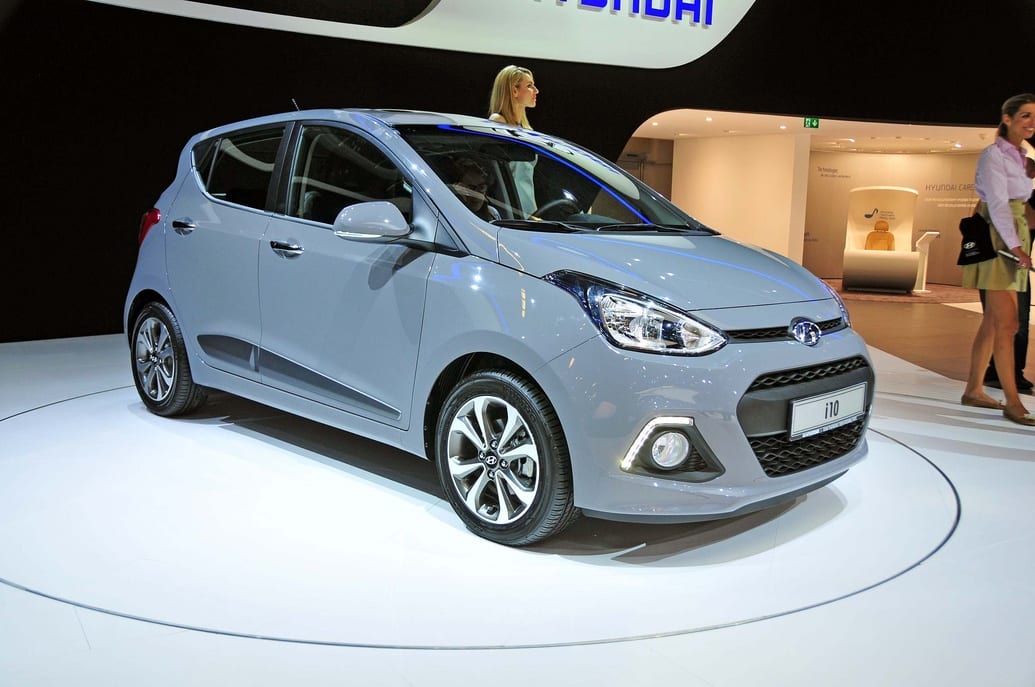
  • Hyundai to offer connected cars in Europe

    Hyundai to offer connected cars in Europe

    Hyundai Motor is introducing its connected-car system in Europe in partnership with Vodafone next year. The carmaker and affiliate Kia Motors signed a memorandum of understanding with Vodafone at the company’s British headquarters on Monday to roll out the service, Hyundai Motor said.

    Its Blue Link connected-car platform will be available in cars launching in Europe in the latter half of next year. The system will utilize Vodafone’s network. Kia’s Uvo connected-car system will be available in new cars sold in Europe in the first half of 2019.

    The connected-car service will offer real-time traffic information as well as information about nearby parking lots. It will also enable the remote detection of the car’s location as well as anti-theft features.

    Voice-recognition will be available in partnership with Nuance, a U.S. company. In Korea, that service is available in partnership with Kakao.

    Vodafone is one of the leading telecom companies in Europe, with 120 million users on the continent. It is established in 51 countries globally.

    The Blue Link service offered in collaboration with Vodafone will be available in eight European countries, including Britain, Germany, France and Spain. Ultimately, it will be available in 32 European countries.

    Europe is the fifth region where Hyundai Motor has introduced its connected-car service. It is already available in Korea, the United States, Canada and China.

    In July, Hyundai Motor partnered with Chinese IT firm Baidu for the introduction of connected-car services. In the United States, it is working with AT&T, and in Canada it utilizes the Bell network.

    “The latest collaboration will enable European customers to use the high-tech service,” said Suh Jung-sik, senior vice president of Hyundai Motor’s ICT department in a written statement. “The connected-car service will launch from early next year and be expanded in the future.”

  • Gentle Monster starts its European expansion

    Gentle Monster starts its European expansion

    South Korean eyewear brand Gentle Monster began the first phase of a major European expansion plan when it opened a 450 sq m store in the heart of London’s West End.

    Celebrating the opening at a party, the company’s UK and Europe managing director, Gary Bott, also talked about its Selfridges concession opening Monday and detailed plans for further stores in the EMEA region, including Paris and Dubai.

    The company is riding an eyewear wave in which sunglasses and frames are one of the most dynamic growth categories in the fashion sector at present.

    And that growth means the category is seeing plenty of style and technology innovation, as well as offering opportunities for brands with a strong point of difference to expand into new markets.

    Gentle Monster is known for its unusual frame designs and its powerful creative collaborations and that’s a compelling USP.

    It needs to be compelling too as it’s in a location with plenty of competition. The flagship opening, on Argyll Street, puts it in a prime retail and tourist spot (it’s a stone’s throw away from Liberty and is exactly opposite the London Palladium.) And the Selfridges concession sees it taking its place as one of the anchor brands in the latest phase of the Accessories hall.

    Its UK (and later on, its European) expansion comes on the back of news last September that L Catterton Asia invested in IICombined, the owner and operator of the brand.

    Gentle Monster had been founded in 2011 by Jay Oh and Hankook Kim, and expanded steadily in recent years, although its standalone store numbers had only just edged into double-digits by last autumn. However, the pace has speeded up in recent months with the company having 17 stores before the London opening.

    The faster opening pace will be kept up from now as the company targets the EMEA region, with Gary Bott telling Fashion Network that the brand will open six new stores later this year and into 2019. “We’re looking at Paris first and then Dubai,” Bott said, adding that London was the choice for the first European location because it’s “a platform into Europe.”

    The permanent Selfridges location comes after the company opened a pop-up at The Corner Shop there on June 4 with Bott adding that the temporary store gave the brand valuable experience of the London market.

    Bott said “the feedback and sales especially have gone beyond our expectations. We’ve doubled effectively what we hoped we’d do.”

    The new Argyll Street location underlines just why the brand is so appealing to retailers such as Selfridges as it concentrates on the retail experience as much as the products. Bott said: “We are very much focused on creating a sensory experience for the customer, even down to the individual fragrance for each of our flagship stores.”

    With this in mind, the London flagship follows a completely different design scheme to the brand’s other stores and ‘experience’ really is at the heart of the layout. The firm’s in-house robotic’s team created the concept that mixes aliens with martial arts, focusing more on the visual appeal of Kung Fu than on its ability to cause serious physical damage. The idea is that extra-terrestrials were “captivated by the beauty of Kung Fu, presented in the most unexpected client point-of-view throughout the two floors.”

    Of course, we don’t get aliens or martial artists at the much smaller Selfridges store but experience and a striking visual impact are no less priorities there. An ‘active volcano’ and another robotic installation certainly add an interesting element to the Accessories hall.

    As you can see, robotics really makes up a key part of the company’s store strategy and so it’s no surprise that it invested in a robotics factory in Korea.

    The robotics specialists there work in cooperation with the Gentle Monster store designers with Bott adding that “everything’s half assembled in HQ. And then it travels around the world to whatever destination we’re opening up in our flagships stores, and then our spatial design teams fully assemble everything on site.”

  • TWG celebrates 10th anniversary by store opening

    TWG celebrates 10th anniversary by store opening

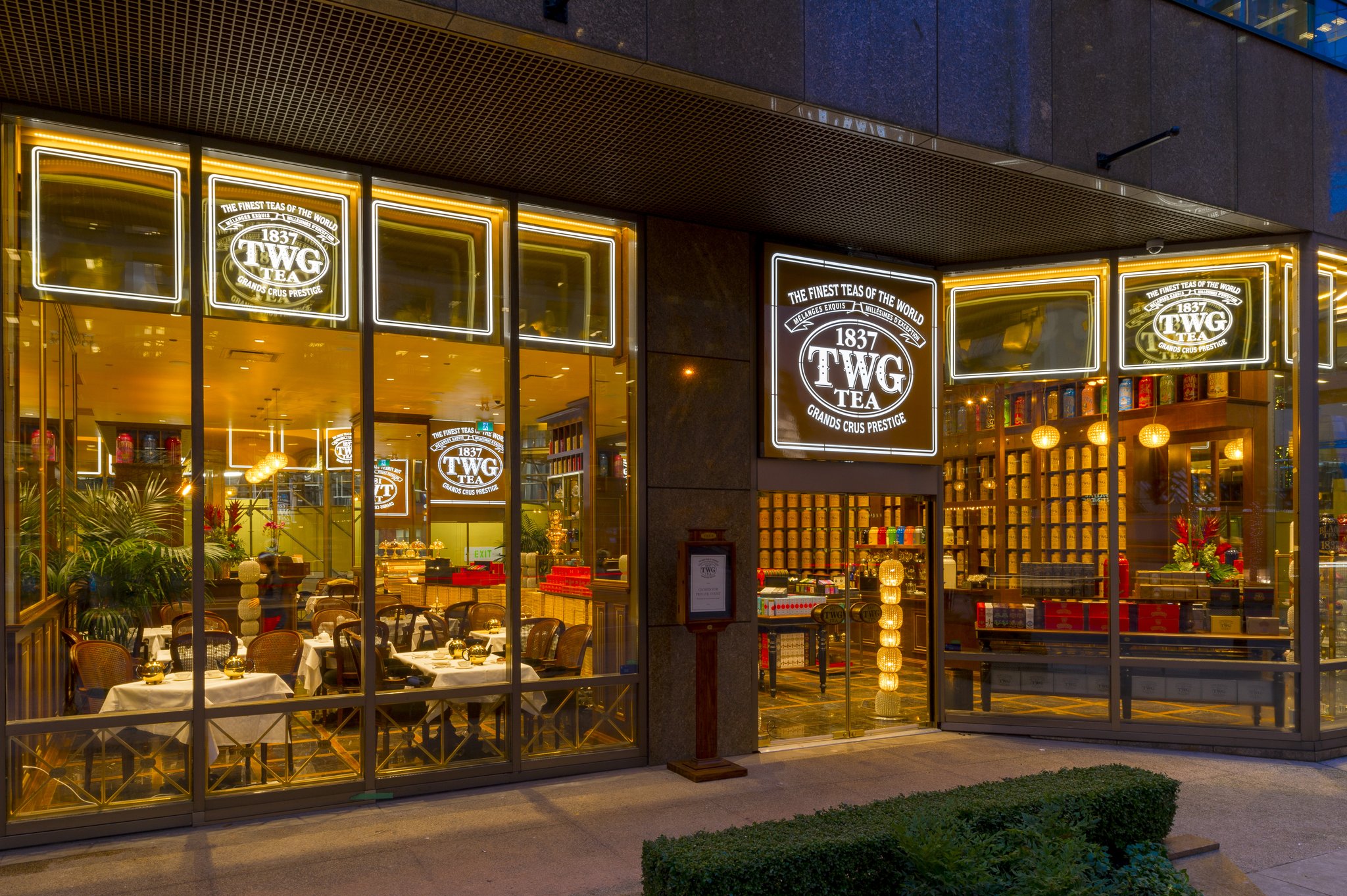
    Tea WG has announced its launch in Europe in conjunction with its 10th anniversary.

    The luxury tea brand will open two Tea WG Salons & Boutiques in London at Knightsbridge and Leicester Square, achieving the distinction of being the first luxury tea brand to emerge from Asia in the UK market.

    Both new venues are opening in heritage buildings and include retail boutiques, patisserie counters and tea salons with refined, luxurious interiors designed and conceived by Taha Bouqdib. The concept salons showcase more than 800 of Tea WG’s signature harvests and tea blends, as well as its tea gastronomy, tea accessories and tea-infused foods.

    The brand was originally established in Singapore in 2008 as a luxury concept that incorporates unique and original retail outlets, exquisite tea rooms and an international distribution network to professionals.

  • EU set to lift ‘yellow card’ on Vietnam fisheries next year

    EU set to lift ‘yellow card’ on Vietnam fisheries next year

    Vietnam will have to wait another six months for the European Union to consider lifting a ‘yellow card’ restriction slapped last year because of illegal fishing.

    After an evaluation done May 15-24 this year, the EC decided that they would consider lifting the yellow card in January next year, as Vietnam has shown “improvement,” according to a statement issued by the Directorate of Fisheries under the Ministry of Agriculture and Rural Development.

    The European Commission (EC), executive body of the 28-nation bloc (including the U.K.), had issued an official warning on October 23 last year that it would ban seafood imports from Vietnam unless Hanoi did more to tackle illegal fishing carried out by Vietnamese vessels in other countries’ territories.

    The directorate, however, admitted that problems continued to dog the sector, especially in controls of fishing and tracing origins.

    Vietnam currently has around 33,000 offshore fishing vessels, but only 3,000 of them, or 9 percent, are equipped with satellite navigation devices, it said, adding that the high cost of installation was a constraining factor.

    Though Vietnam has acted on suggestions from EC last year to improve controls over offshore fishing in the 2017 Fishery Law, there was still room for improvement in the actual implementation process at local provinces, the directorate said.

    Vietnam ranks among the top ten seafood producers in the world, according to the FAO, the U.N. food and agriculture organisation.

    The E.U., the world’s biggest fish importer, adopted a regulation that took effect in 2010, aiming to avoid complicity in illegal fishing and promote sustainable use of the sea resources.

    The EC estimates that each year, between 11 and 26 million tons of fish, at least 15 percent of the global catch worth 8 and 19 billion euros, are caught illegally.

  • CJ Logistics to launch Asia-Europe overland parcel delivery service

    CJ Logistics to launch Asia-Europe overland parcel delivery service

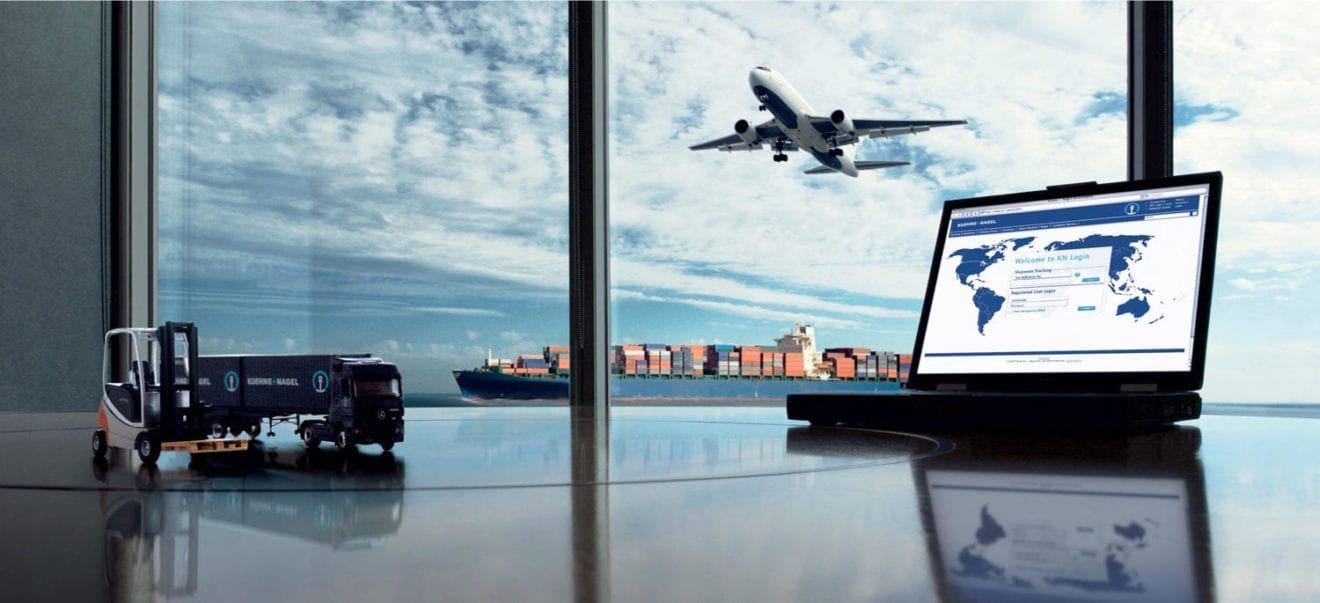
    South Korea’s top courier CJ Logistics Corp. will start a door-to-door overland parcel delivery service from China to Europe via railways and trucks.

    The company said it will start the Eurasia Bridge Service that uses both Trans China Railway trains and trucks to deliver containers directly from China to clients’ manufacturing plants and logistics centers in Europe.

    The service will use the train route connecting Chengdu, China to Lodz, Poland and Nuremberg, Germany then to Tilburg, the Netherlands. After containers arrive at each station, trucks will deliver cargos to final destinations located within 400 kilometers from the train stations.

    It is the first time for a courier company to offer a door-to-door parcel delivery service via trains and trucks in a route connecting Asia and Europe, according to CJ Logistics.

    For its new courier service, the Korean firm will be working with Rail Transportation Service Broker GmbH (RTSB), which operates railway services across Europe and the Commonwealth of Independent States (CIS) region.

    By using the Trans China Railway, the freight charge between Europe and Asia would drop to one-fifth of air shipping. It also would take only a third of the time needed for ship freight, said CJ Logistics. The company plans to increase its courier service routes from Asia to Europe to 52 and the reverse routes to 74. It also aims to expand its courier service to connect 30 major European cities and 24 Asian countries in the future.

  • Jollibee Milan Is Finally Open And the Response Is Intense

    Jollibee Milan Is Finally Open And the Response Is Intense

    There were queues when Filipino fast-food giant Jollibee Europe opened its first-ever branch, in Milan.

    An estimated 170,000 Filipinos live in the Italian city.

    In the early hours of the outlet’s opening day, families, young people, members of the Filipino community, and even locals were lining up in front of the Jollibee store.

    Slide to view the gallery below :

    “Gaining a foothold in Milan is a fundamental step for Jollibee, as well as a launch pad for the expansion of the brand to Europe,” says Jollibee Foods Corporation CEO Ernesto Tanmantiong.

    Milan’s opening follows the signing of a JV between Jollibee Foods Corporation and Singapore Blackbird Holdings to take the fast-food chain into Europe.

    “We want to bring Filipinos a taste of home, and at the same time share with Italians, who are famous for their gastronomic heritage, says Tanmantiong.

  • Crocs shoes lose EU patent in court blow

    Crocs shoes lose EU patent in court blow

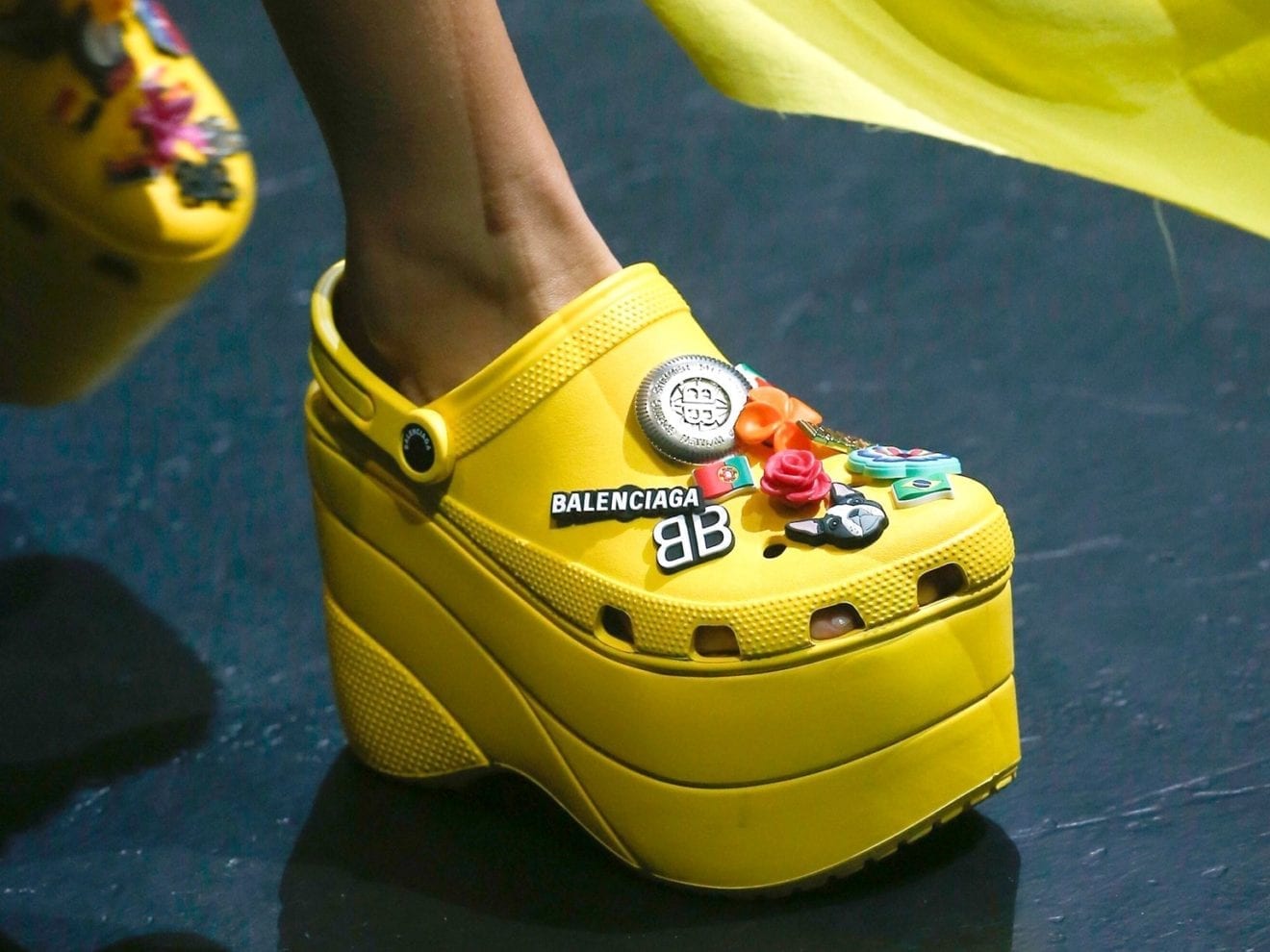
    An EU court ruled on Wednesday that the design of Crocs shoes cannot be patented in Europe in a blow to the US-based maker of the plastic clogs.

    Luxembourg-based judges upheld a 2016 decision by the EU’s intellectual property office to cancel the patent because Crocs made the design public before registering it.

    Crocs have sold 300 million pairs around the world, according to their manufacturers, attracting devotees because of their comfort and seeming indestructibility, but attracting mockery too for their chunky shape.

    “The General Court confirms the cancellation of registration of Crocs’ design because it was made available to the public before its registration,” said the General Court of the European Union, the bloc’s second highest court.

    It said Crocs were originally granted a patent in the EU in 2005, but a rival French shoe manufacturer, Gigi Diffusion appealed against the decision in 2013.

    The EU patent office agreed, saying that Crocs’ design had already been made public in 2003 on its website and at a boat show in Fort Lauderdale, Florida, and therefore “lacked novelty”.

    Under EU regulations any design which has been made public in the 12 months prior to a patent application cannot be given a patent.

  • Korea Investment buys 99-yr leasehold of Brussels buildings for $454 mn

    Korea Investment buys 99-yr leasehold of Brussels buildings for $454 mn

    180303-%eb%b2%a8%ea%b8%b0%ec%97%90-egmont-iii

    Korea Investment Management Co. has obtained a 99-year leasehold for €370 million ($454 million) of two buildings in Brussels used as the headquarters of Belgium’s foreign ministry, in the largest property investment by a South Korean investor in the European country.

    The asset manager, a sister company of brokerage Korea Investment & Securities Co. Ltd., will raise €164 million from retail investors in March through public and private funds to finance the deal, the company said in a regulatory filing on Feb. 27.

    For the remainder of the acquisition cost, it plans to borrow €230 million, about 60% of the property’s assessed value, in a three-year loan at a fixed rate of 1.18% per annum. The total financing includes advisory fees and other transaction costs.

    Belgium’s large real estate assets are luring South Korean investors with relatively higher returns. Their annual returns amount to 7-8%, or 2-3% points higher than those of properties in other gateway cities in Europe.

    Korea Investment, part of Korea Investment Holdings Co. Ltd., acquired the leasehold of Egmont I and Egmont II from Cofinimmo, Belgium’s second-biggest listed real estate investment trust company. They were built in 1997 and 2007, respectively.

    It expects to earn annual returns of 6-7% for a five-year investment period.

    Major tenants are Federal Ministry of Foreign Affairs and Foreign Trade and Development Cooperation.

    The two buildings are under a lease agreement with Belgium’s Government Buildings Agency (GBA) which will last until the end of May 2031.

    They have a rentable space of 70,238 square meters and are located in the central business district of Brussels where Belgium’s central bank, stock exchange and supreme court are based.

    The seven-story buildings, valued at €388 million as at end-December 2017 by Savills, generate €13 million in annual rental income which will increase in line with consumer inflation.

    Brussels’ commercial property market quadrupled to €4 billion in value between 2009 and 2016, driven by demand as an alternative to London as a European head office and rent increases.

    Last year, Hanwha Investment & Securities Co. Ltd. acquired Square de Meeus 8, a 11-story office building in Brussels, in a consortium for €210 million.

    The Public Officials Benefit Association, a South Korean retirement savings fund, bought an office complex in Brussels, Brederode, for $120 million via a separately managed account in 2017.

    In early 2016, Korea Investment & Securities and a small-sized domestic asset manager made a joint acquisition of Astro Tower in northeast of Brussels for 230 billion won and resold the interests later to other domestic institutional investors.

  • European car sales up 6.8 percent in January, led by French gains

    European car sales up 6.8 percent in January, led by French gains

    Sales of passenger cars in Europe rose twice as fast in January as in the whole of 2017, helped by strong gains at France’s PSA Group and Renault, industry data showed.

    Registrations increased 6.8 percent to 1.29 million cars last month in the European Union (EU) and European Free Trade Association (EFTA) countries, Brussels-based industry body ACEA said on Thursday, from 1.20 million a year earlier.

    By comparison, sales in the region climbed for a fourth straight year in 2017 by 3.3 percent to 15.6 million vehicles.

    “January is usually a strong month, people resorted to buying after holding back on purchases at the end of last year,” a spokeswoman for ACEA said, adding the number of selling days was unchanged compared to the same month a year earlier.

    Sales by PSA including the newly-acquired Opel-Vauxhall brands surged 73 percent to 211,097 vehicles and were still up 12 percent if figures for the former General Motors division were excluded, the data showed.

    French rival Renault posted a 9.5 percent gain to 118,405 models, marginally beating Europe’s biggest automotive group Volkswagen which grew 8.7 percent to 316,783 cars with its volume brands Skoda and Seat contributing a major part to the increase.

    Four of Europe’s five biggest auto markets posted higher sales with only Germany and Spain managing double-digit advances while France and Italy recorded lower single-digit gains.

    Europe’s No. 2 market Britain suffered its tenth consecutive monthly drop, with sales down 6.3 percent in part due to customers being put off from buying diesels, which politicians have targeted over air pollution concerns.

  • Vietnam’s culture, tourist sites introduced at Brussels Holiday Fair

    Vietnam’s culture, tourist sites introduced at Brussels Holiday Fair

    Several Vietnamese companies have introduced Việt Nam’s cultural features, natural landscapes and cuisine to visitors at the 60th Brussels Holiday Fair that is being held in Belgium’s capital city from February 1 to February 4.

    At the event, representatives from Vietnam Airlines, the national flag carrier, have provided visitors with information on its inbound and outbound flights, especially air routes from Belgium and other European nations to Việt Nam.

    Vietnamese Ambassador to Belgium Vương Thừa Phong took the opportunity to promote the image of the Vietnamese land and people to Belgians and other international partners.

    Nguyễn Thị Dung Hạnh from the Gvietnamtravels Company said that this time her company was offering tours designed to fit the requirements of each group of customers and cater to all services, from visa application to buying flight tickets.

    According to her, Belgium is a promising market for Vietnamese travel agencies.

    At the event, several Belgian companies have also introduced their attractive tours to Việt Nam.


    Vietnam News Agency’s correspondent quoted Willy Somers, a representative of Belgian Lauwers Tourism Company, as saying that his company had introduced to its customers many tours from north to south Việt Nam that could be completed in 12 days to 15 days.

    He said the company’s customers have booked all the tours to Việt Nam departing next month.

    According to the plan, the company will conduct tours to Việt Nam throughout 2018, and this proves the Vietnamese market is interested in Belgian customers.

    Việt Nam welcomed nearly 13 million international tourists in 2017, up 29.1 per cent compared with the previous year, of which 1.9 million tourists were from Europe, including more than 29,000 Belgians.

    The 60th Brussels Holiday Fair is taking place from February 1 to February 4 in Brussels. This is a good opportunity for tour operators, airlines, hotels and tour operators in Belgium, as well as foreign partners to seek partners and business opportunities.


  • Boostcom acquires all customer and technology related assets in Mall-Connect.

    Boostcom acquires all customer and technology related assets in Mall-Connect.

    Boostcom, the globally leading “proptech” provider for shopping malls, has signed an agreement to acquire all customer and technology related assets in Mall-Connect based in the Netherlands.
    Mall-Connect has been helping shopping malls in EMEA, Latin America, and Asia on the digital side since 2011.

    Mall-Connect customers, prospects, and industry relations will now be introduced to the complete Boostcom offering of data-driven marketing and automation capabilities.

    The CEO and founder of Mall-Connect, Ilia Riaskoff, will join Boostcom as Sales Director for Europe and Latin America.

    “We are very excited about adding the Mall-Connect business to the growing global Boostcom operations. There are not many digital companies specialising on digital for shopping malls, and Mall-Connect is one of these few. We are always looking for possible acquisitions or partnerships to speed up or complete our global positioning and offering for the mall industry. Future trend analysis of the mall industry gives great support for the Boostcom strategy of bridging physical malls with online to the benefit of both mall owner and their tenants. Getting Ilia Riaskoff on board in our management team is a huge win. He has all the industry experience and know how that we could possibly wish for”, says Peter Tonstad, CEO of Boostcom Group.

    “I am very happy that we will now be able to offer Mall-Connect’s clients a broader range of quality digital marketing services. Boostcom has developed a solid platform and client base for many years, and is backed by some of Europe’s largest tech investors which gives us an exciting perspective for the future.“, says Ilia Riaskoff, CEO and founder of Mall-Connect. “Our visions are well aligned both on product strategy and geographical focus. I am confident that this is the right step for Mall-Connect and its clients and I look forward to becoming part of Boostcom Group.”


  • Exports to Asia boost Schiphol Cargo to a record 1.75 million tonnes in 2017

    Exports to Asia boost Schiphol Cargo to a record 1.75 million tonnes in 2017

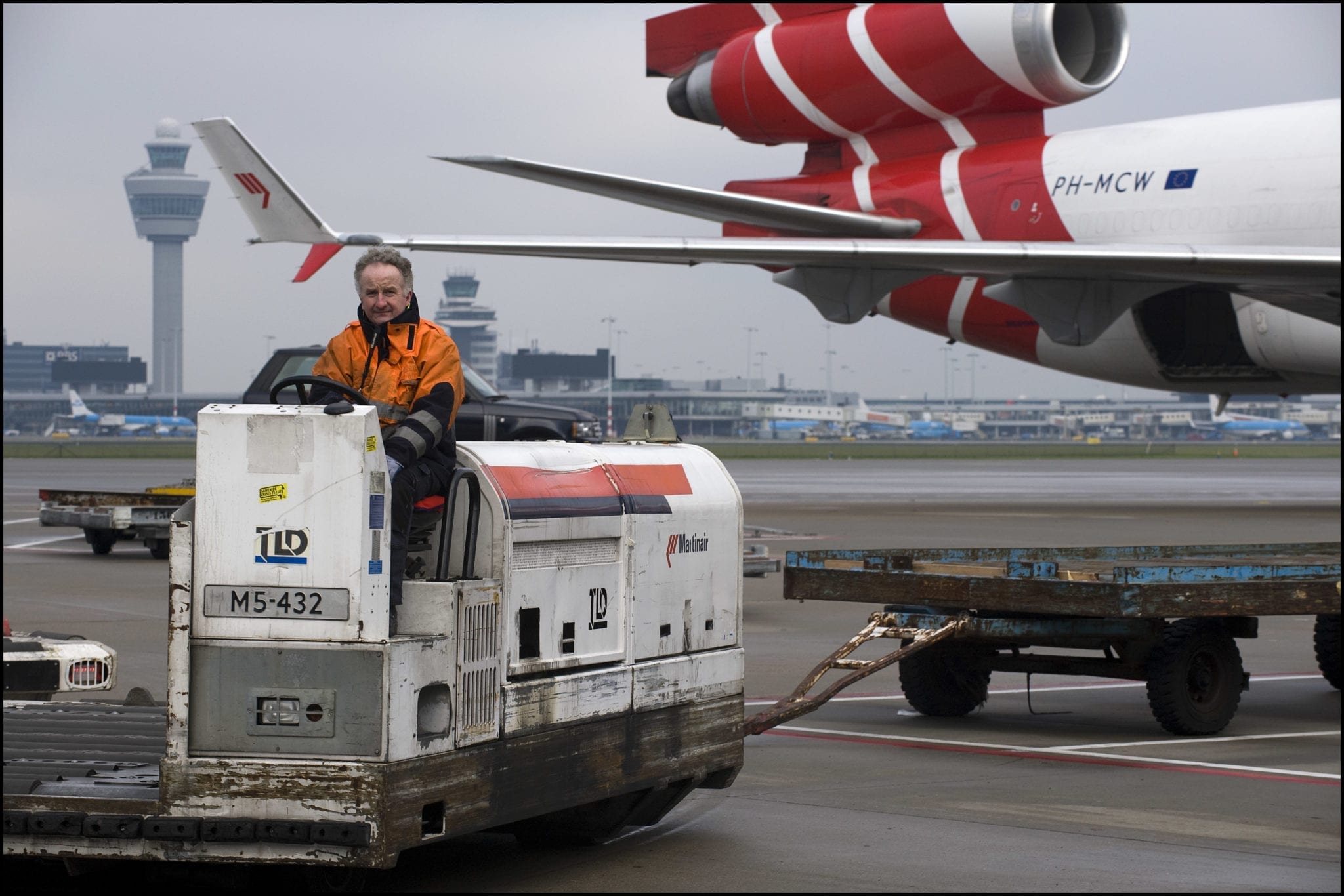
    Schiphol Cargo reported an increase of 5.4 per cent on yearly tonnage in 2017 with strong demand in the Far East for European goods boosting total figures to 1,752,498 tonnes.

    Europe’s third largest air cargo hub experienced an uptick in cargo throughput of 7.4 per cent year-on-year between January and October 2017, with total figures for January to December 2017 reaching 1.75 million tonnes.

    Imports to Schiphol from the Far East in 2017 increased by 3.1 per cent to 299,386 tonnes, with exports to the region growing by 8.8 per cent year-on-year to 316,097 tonnes.

    Asia remains Schiphol’s largest market, with Shanghai, China, the busiest destination.

    European exports grew 19.1 per cent to 123,950 tonnes in 2017, with imports up 18.2 per cent to 124,992 tonnes.

    “We have continued to build on initiatives in 2016 and 2017 with the aim of enhancing the experience of our pharmaceutical, e-commerce, and perishables customers, and our continued commitment to quality is having positive results,” said Jonas van Stekelenburg, Head of Cargo, Amsterdam Airport Schiphol.

    “The upswing in e-commerce shipments, both inbound and outbound, was a large contributor to the cargo volumes for this market.

    “A number of flights transit Europe en-route to Asia, and we can attribute a proportion of the growth in our European figures to the developing Asian market.”

    Flights to Asia transiting European destinations including Baku, Azerbaijan, and Moscow, Russia, continue to contribute to an increase in outbound figures to the Far East.

    Latin America inbound cargo was up by 21.5 per cent in 2017 to 123,524 tonnes due to a number of additional full freighter flights on the route. Outbound cargo grew by 1.8 per cent to 76,498 tonnes.

    Import volumes from Africa decreased by 6.6 per cent to 109,751 tonnes due to temporary aeronautical restrictions that have been in place since June 2017.

    Imposed by the Kenyan Authorities, the restrictions mean that fewer direct freighter flights are coming from Nairobi, Kenya.

    Exports to Africa were down 5.4 per cent on 2016 to 51,743 tonnes.

    Imports from the Middle East increased by 3.4 per cent to 97,789 tonnes in 2017, with export tonnage increasing by 2.1 per cent year-on-year to 122,617 tonnes.

    Imports from North America were down by 5.6 per cent to 141,714 tonnes year-on-year reflecting changes in regional strategy by some airline partners, whilst North America export volumes were up by 4.4 per cent to 164,509 tonnes.

    A total of 496,748 Air Traffic Movements flew in 2017, an increase of 3.7 per cent on 2016.

    A maximum number of 500,000 ATM until 2020 has been agreed between Schiphol Group, the local community, airlines, and the Dutch Government.

    “This is no reason to hold back on our quality initiatives; we need to stay alert, prepare for what is coming, and seek the necessary innovations,” said van Stekelenburg.

    This year (2018) began on a positive note at Schiphol, with an increase in load factors as well as a slight growth in ATMs as a consequence of unused slots.

    “It is very positive that in this current 2017 / 2018 winter season, all requested, full freighter slots were granted, and many freighters were able to continue their business at Schiphol with ad-hoc slots,” van Stekelenburg continued.

    “It is Schiphol’s objective to aim for sustainable growth at the airport after 2020 and airfreight is an important part of that.”

    “On the belly side we expect AMS to grow in 2018 both in terms of volume and capacity.

    “The outlook for 2018 – as, globally, we see even more air traffic growth – is a challenging one.

    “The slot scarcity has been a challenge for us as a cargo community, and in some cases, cargo stakeholders were under-represented in the various sections of the airport community.

    “In 2018 we will act on this, together with all freighter airlines, handlers, and other logistic service providers.

    “Trust, increased cooperation, and improved agreements between all stakeholders are essential in this respect,” concluded van Stekelenburg.

    “Close collaboration with our Cargo Community remains vital and is a strong focus for 2018. Together we will continue to pursue our ambitions of better digital information exchange, and further quality improvements in the supply chain, particularly for pharma, e-commerce, and perishables.”

    Schiphol Cargo’s Smart Cargo Mainport programme initiatives such as the Holland Flower Alliance, Pharma Gateway Amsterdam, and European Green Fast Lanes are working towards this goal by focusing on improved information sharing, and optimal landside logistics.

    Innovations such as the compliance checker, developed in partnership with Cargonaut, are examples of how collaboration within the Schiphol Cargo Community is shaping its journey towards becoming Europe’s smartest cargo hub.

  • Dachser feted for commitment to sustainability

    Dachser feted for commitment to sustainability

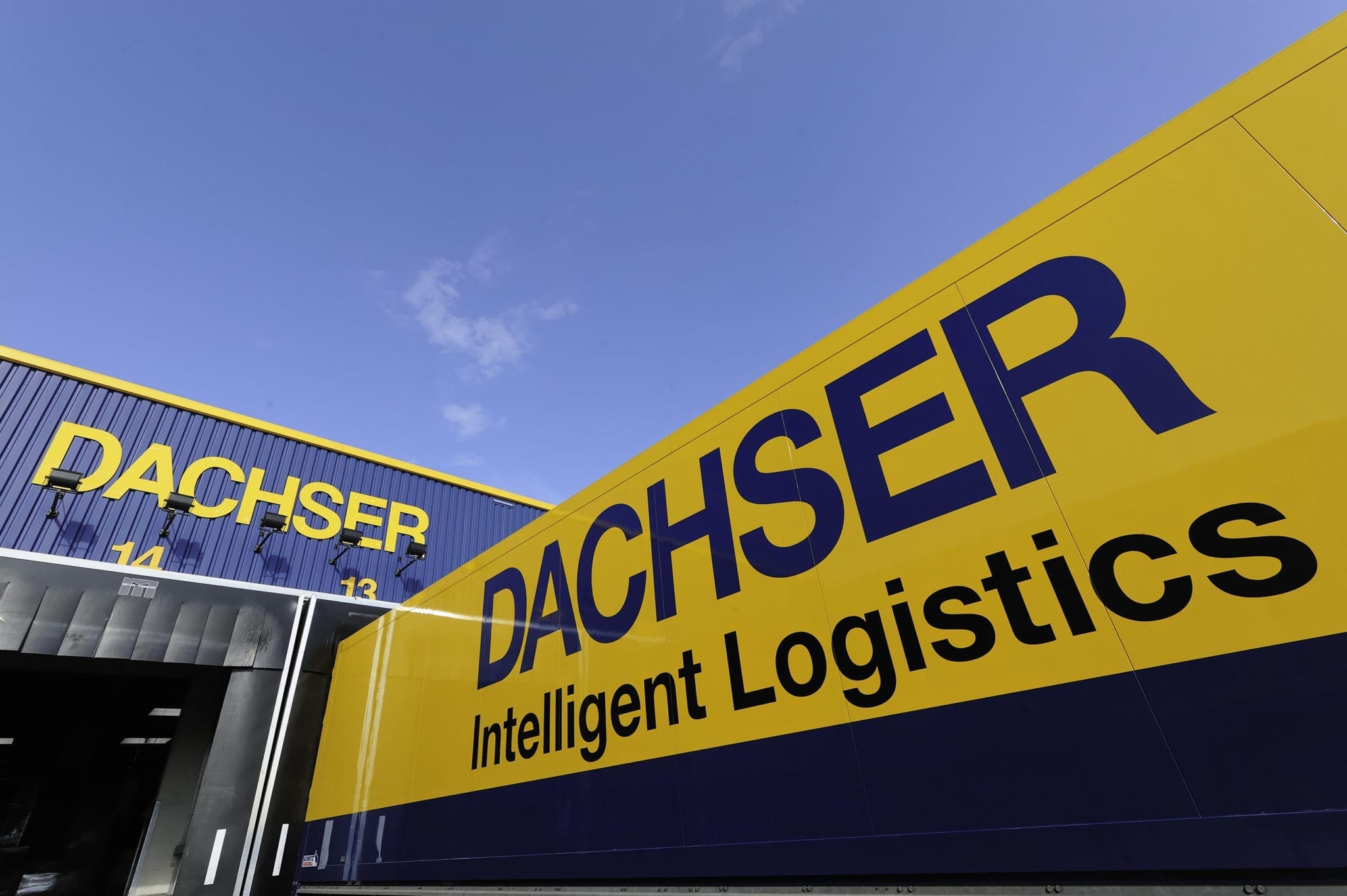
    As part of the presentation of the European Transport Award for Sustainability (ETPN), this year Dachser received the Special Award for Corporate Social Responsibility. The company came first in the Transportation and Forwarding Companies category.

    Awarded by Munich-based specialist logistics publisher Huss-Verlag, the Special Award recognises a company’s commitment to sustainability. It takes into account environmental protection, corporate social responsibility, corporate culture, and a commitment to the science community and to safeguarding the future. A key consideration is for this commitment to be in line with corporate objectives. “What most impressed us about Dachser was the sustainability of its overall concept as a family-run company,” the jury said

    “We have been committed to social, ecological, and economic sustainability for many years. This award is both a welcome recognition of our efforts and motivation to continue,” said Dachser CEO Bernhard Simon. Dr. Andreas Froschmayer, corporate director Corporate Development, Strategy & PR at Dachser, accepted the award in Munich on behalf of the company.

    The jury was made up of six editors of trade publications at Munich’s Huss-Verlag publishing house. Each member of the jury was permitted to propose up to three candidates for each of this year’s categories: Transportation and Forwarding Companies, and KEP Services.

  • Salvatore Ferragamo revamps its website in Europe and China

    Salvatore Ferragamo revamps its website in Europe and China

    Florentine luxury label Salvatore Ferragamo is busy deploying its new, revamped www.ferragamo.com website.

    After being first introduced in the USA and Canada, the new-look site, featuring fresh design and content, is now also available in Italy, the rest of Europe and China.

    “We wanted to blend the contemporary style of the Ferragamo world today with its brand’s unique heritage,” said Eraldo Poletto, the Ferragamo group’s CEO.

    The website will go live in the rest of Asia, in Australia and Latin America in 2018.

    Once fully deployed, it will be active in 28 countries, making it possible to buy and pay for the label’s products in 13 different currencies.

    The new site hosts all of Ferragamo’s collections: menswear, womenswear, accessories, handbags and footwear.

    The site’s omni-channel functionalities allow direct access to products available in-store, with the possibility of ordering online and picking up the items at the customer’s preferred store.

    The site is mobile and tablet-friendly and also features a news section with up-to-date information on the label’s initiatives and its history.

    As of the end of September 2017, the Ferragamo group employed about 4,000 people and, through its parent company and its US and Asian subsidiaries, it operated a network of 687 monobrand stores worldwide.

  • Europe turns on Facebook, Google for digital tax revamp

    Europe turns on Facebook, Google for digital tax revamp

    With public coffers still strained years after the worst of the debt crisis, EU leaders have agreed to tackle the question, spurred on by French President Emmanuel Macron who has slammed the likes of Google, Facebook and Apple as the “freeloaders of the modern world”.

    As recently as March, five of the world’s top 10 valued companies were Silicon Valley behemoths: Apple, Google’s Alphabet, Microsoft, Amazon and Facebook. (Germany’s SAP was Europe’s biggest and 56th on the global list).

    But tax rules today are designed for yesterday’s economy when U.S. multinationals — such as General Motors, IBM or McDonald’s– entered countries loudly, with new factories, jobs and more taxes for the taking.

    These firms had what tax specialists call “permanent establishment”, when companies showed a clear physical presence measured and taxed through tangible, real world assets.

    But today in most EU nations, the U.S. tech titans exist almost exclusively in the virtual world, their services piped through apps to smart phones and tablets from designers and data servers oceans away.

    Ghost-like, Silicon Valley has turned Europe’s economies upside down, but often with just a skeleton staff and some office space in markets with millions of users or customers.

    Nation-less 

    According to EU law, to operate across Europe, multinationals have almost total liberty to choose a home country of their choosing. Not surprisingly, they choose small, low tax nations such as Ireland, the Netherlands or Luxembourg.

    Thus, it is through Ireland that Facebook draws its wealth from millions of accounts across Europe. There are 33 million accounts in France and 31 million in Germany, according to recent data.

    While users enjoy the platform, Facebook tracks likes, comments and page views and sells the data to companies who then target consumers.

    But unlike the economy of old, Facebook sells its data to French companies not from France but from a great, nation-less elsewhere, with no phone number, address or physical “presence” for a customer who probably cares little.

    It is in states like Ireland, whose official tax rate of 12.5 percent is the lowest in Europe, that the giants have parked their EU headquarters and book profits from revenues made across the bloc.

    Indeed, actual revenues from advertising are minimal in France and Germany, but at Facebook HQ Ireland they grew to 7.9 billion euros, even though the vast majority does not come from the tiny EU island-nation of a mere 2.5 million users.

    Google follows the same pattern: in Germany in 2015, it had a little over 71 million users, in France just over 55 million. But in both nations, revenues are minimal.

    Yet, in Ireland, where the number of search engine users is less than five million, revenues for Google-parent Alphabet reached 22.6 billion euros in 2015.

    According to an analysis by Paul Tang, a specialist on tax issues at the European Parliament, France lost 741 million euros in tax revenue and Germany 889 million euros between 2013 and 2015 due to so-called “tax planning” by Google and Facebook.

    ‘No transparency’

    The Organisation for Economic Cooperation and Development believes that such tax schemes cost governments around the world as much as $240 billion a year in lost revenue, according to a 2015 estimate.

    “The actual activity of each company, including U.S. tech giants, is not known,” said Manon Aubry, spokeswoman for the NGO Oxfam.

    “Beyond the number of accounts or users in each country, it would be necessary to know in the case of Google for example, the amount of advertising sales in each country. We do not have it.”

    For car-ride smartphone service Uber, “we need to know the number of rides, but we don’t have it,” she said.

    “One of the first issues, therefore, is that of transparency: to rule that large companies publish data on activities and taxes paid in all the countries where they are present.”

    To the European Commission, the digital shortfall on tax is clear. The effective tax rate on the profit of digital giants in the EU averages only nine percent, while that of traditional companies exceeds 20 percent, it said.

    ‘Political crap’ 

    Apple, also based in Ireland, became one of the EU’s most emblematic tax cases when Competition Commissioner Margarethe Vestager ordered the iconic iPhone maker to pay 13 billion euros in back-taxes.

    Vestager said the U.S. giant had benefitted from illegal state aid, a gift from Ireland in exchange for choosing Dublin as its headquarters, with thousands of jobs at stake in the deal.

    Brussels says Dublin’s red carpet treatment accorded Apple an effective corporate tax rate of one percent on its European profits in 2003 — a rate that decreased to a scant 0.005 percent in 2014 — just a fraction of the official rate.

    “It’s total political crap,” Apple chief executive Tim Cook barked at the time.

    Undeterred, Vestager has gone after similar arrangements, such as those revealed in the Luxleaks scandal that exposed deals struck between Luxembourg and a long list of multinationals, including online U.S. retail giant Amazon.

    Faced with this situation, several solutions are under study.

    Driven by Macron, France has proposed an unusual idea that has so far divided Europe: tax the U.S. tech giants on sales generated in each European country, rather than on the profits that are cycled through low-tax countries.

    France says this proposal, presented by French Finance Minister Bruno Le Maire in September, has received the support of some 20 countries, including Germany, Italy and Spain.

    But there is fierce opposition from states like Cyprus, Malta, Ireland or Luxembourg — countries that have linked their EU membership to low corporate tax and thus transformed their economies from rural backwaters to financial hubs in a globalised world.

    Global, not EU, solution 

    Member states now agree that the problem would be best addressed at the international level, in the G20 or by the OECD, in order to prevent a high-tech exodus from the EU.

    Caught by surprise by the French initiative, the European Commission announced at the end of September that it will also propose solutions in 2018.

    Ideally, Brussels agrees that there needs to be a major reform of international tax rules, which would establish a closer link between the way value is created and the place where it is taxed.

    Without rejecting the French proposal, the commission wants to dust off an old project from 2011 — for a long time deadlocked because of the differences among the 28.

    Relaunched in October 2016, the idea has one of the most cumbersome acronyms ever to come out of Brussels: the Common Consolidated Corporate Tax Base or CCCTB — an ambitious bid to consolidate a company’s tax base across the EU.

    This draft legislation is currently being examined by the 28 EU member states and taxation of the digital economy could easily be included in the scope of the rules that may be adopted.

    Under the plan, all multinationals operating in the EU with total sales of more than 750 million euros would be fixed at only one place of taxation, with one tax administration.

    However, this tax would be distributed in all the countries where the company operates, and not according to the level of booked profit in each of these states, but according to the level of activity.

    This level of activity in each member state would be measured using a combination of factors, including the number of employees, the importance of tangible assets (buildings, machinery, etc.) and sales.

    French MEP Alain Lamassoure, co-rapporteur of the project, proposes to add a fourth idea: the volume of personal data collected and used by a digital platform wherever its services are used.

    But in Europe, all is made infinitely more complicated since the adoption of new European legislation on tax matters requiring unanimity of the EU’s current 28 members.

    In addition to these European proposals, the OECD is working on a global solution, which it must present to the G20 finance ministers at their next meeting in April in Washington.

    This initiative would have the merit of including Europe as well as the United States, Japan and emerging countries.

    Until last October, the United States had dragged its feet in efforts to better tax its national champions, but changed attitude. Specifically, it agreed to set up a working group with France in the OECD.

    “The Americans are in the same situation as us: their own tax system is not adapted to the current economy and they too are experiencing very substantial revenue losses that must be compensated,” EU economics commissioner Pierre Moscovici said.

    “Taxation of the U.S. tech giants is a global problem and the answer should be as well.”