Tag: europe

  • Hong Kong world’s most expensive place to live

    Hong Kong world’s most expensive place to live

    Hong Kong tops the table of the world’s most expensive cities in terms of everyday cost of living. That’s according to a newly-published global survey by Mercer, a company specialising in sharing of ideas and information.

    Claiming six out of the top 10 spots, Asian cities dominate the list of most expensive locations for working abroad in the 2018 rankings.

    The Asian metropolis pushed the West African city of Luanda off the top spot. The Angolan capital now comes in at number six.

    Several European cities make the world list including London at 19, Copenhagen at 14, Geneva 11, Bern 10, and at world number three, Zurich is Europe’s move expensive city to live.

    The rankings are calculated based on the spending patterns among expats from different nationalities, comparing prices for similar brands and from similar retail outlets in both the home and the host city. In this way, a cost-of-living index can be compiled.

    One city of note this time around is the Portuguese capital Lisbon that has made the top 100 for the first time coming in at 93, a move up of 44 places.

    Some of the cheapest cities to live in Europe are in the east. They included the Bosnian capital Sarajevo, Serbia’s largest city Belgrade, Romanian and Bulgarian capitals Bucharest and Sofia, and the capital of the former Yugoslav Republic of Macedonia, Skopje.

    The survey shows some big differences depending on products. Coffee, for instance, varies wildly.

    In the South Korean capital, Seoul, a cup of coffee costs, on average around, 12 dollars, compared to four dollars in New York.

    A hamburger in Zurich is 15 dollars, but only five in Hong Kong, and seven in London.

    But when it comes to cinema tickets the British capital is way out in front at almost 25 dollars.

    Of course, you do not have to go to the cinema, but the chances are you do need to buy fuel for your car, and while Hong Kong comes out the most expensive Paris is not far behind. But when it comes to fuel prices, it seems we’re still too much in love with our cars to refuse.

  • ECB Rate Decision: Key Insights and Implications Captivating Financial Markets Today

    ECB Rate Decision: Key Insights and Implications Captivating Financial Markets Today

    Anticipation is palpable as analysts and economists unite in their predictions for the European Central Bank’s (ECB) upcoming rate decision on Thursday, with a key interest rate cut looming on the horizon. Yet, the conversation branches out when discussing what lies beyond this pivotal moment.

    Inflation Figures Create the Case for a Rate Cut

    Recent inflation data from the eurozone has fueled further arguments in favor of a rate reduction. A preliminary estimate from Eurostat revealed that the inflation rate fell to 1.9 percent year-on-year in May, down from 2.2 percent in April. This marks the lowest inflation rate since September 2024 and nudges it below the ECB’s target of 2 percent, creating a sigh of relief among policymakers.

    Much to everyone’s surprise, the decline was sharper than predicted, with economists anticipating a rate of 2.0 percent. “The ECB will likely be pleased that inflation is now just below its 2 percent target,” remarked Commerzbank Chief Economist Jörg Kramer. While core inflation—excluding energy, food, and tobacco—remains higher at 2.3 percent, expectations are for it to wane in the coming months.

    Future Declines on the Horizon

    An appreciating euro, coupled with a projected influx of goods from China due to ongoing trade tensions with the U.S., is expected to apply downward pressure on European prices. “Thus, the ECB will probably not stop with Thursday’s rate cut. We anticipate another move post-summer break,” Commerzbank added.

    Thomas Gitzel, an economist at VP Bank, echoed this sentiment, stating, “The ECB has the green light for a rate cut next week.” However, the prospect of further cuts remains a question mark. Should the deposit rate dip below the 2 percent threshold (currently at 2.25 percent), it could result in a negative real interest rate—potentially heightening inflation risks in the future.

    A Temporary Pause or the End of the Cutting Cycle?

    According to Tomasz Wieladek, Chief European Economist at T. Rowe Price, a pause is likely in July following this week’s cut. Reaching the so-called “neutral interest rate” of 2 percent, however, does not signal the conclusion of the rate-cutting cycle. “The ECB might hold rates steady in July to monitor the economic impact of U.S. tariffs on Europe and the broader global economy,” he noted, anticipating further unfavorable surprises ahead.

    Wieladek also signaled caution regarding rates below 1 percent, suggesting rates could drop to 1.25 percent later this year, but only if the global economy appears to be edging toward recession.

    Bank of America’s Expectations

    In line with this sentiment, Bank of America predicts a 25 basis point cut this week, maintaining that the ECB’s forward guidance will remain largely unchanged. This forecast aligns with sluggish short-term growth prospects and a consistent undershooting of the inflation target. “Forecast uncertainty is high, especially regarding the implementation of the German fiscal package,” they cautioned.

    Data-Driven Decisions in the Spotlight

    As the meeting approaches, all eyes will be on ECB President Christine Lagarde, who is expected to address three key aspects: inflation, the swirling uncertainty, and a commitment to data-driven decision-making. Rather than making any precise commitments, she will likely emphasize the need for flexibility, keeping the door open for cuts below the 2 percent threshold.

    Whether the rates will dance further downward or find a moment of stillness remains to be seen, but one thing is for sure: the world will be watching closely, perhaps with popcorn in hand.

    Questions & Answers

    What is the expected outcome of the ECB’s upcoming rate decision? Analysts predict a key interest rate cut as inflation figures have dipped below the ECB’s target.

    How might the economic landscape affect future rate decisions? The ECB is likely to remain flexible and data-dependent, assessing impacts from U.S. tariffs and trade policies before making further cuts.

    What are the implications of a negative real interest rate? A drop below 2 percent could result in a negative real interest rate, raising concerns regarding potential inflation risks going forward.

  • Apple attempts to escape EU fine by offering to open its NFC technology for rivals

    Apple attempts to escape EU fine by offering to open its NFC technology for rivals

    In an attempt to avoid a hefty fine and ongoing legal battle with the European Union, Apple is reportedly proposing to open up its near-field communication (NFC) technology, used for tap-and-go payments, to its rivals.

    This move comes after the European Commission launched an antitrust investigation into Apple’s practices surrounding Apple Pay, suspecting that the company was unfairly restricting access to key technology to maintain its dominance in the mobile payment market.

    Despite not holding the majority share of smartphone sales or being the dominant mobile payment service in the EU, Apple Pay has gained significant traction, with over 2,500 banks and more than 250 fintech and challenger banks across Europe using the service.

    Apple’s efforts to address the EU’s concerns come amidst a broader crackdown on the company’s business practices. The EU recently labeled Apple as a “gatekeeper” under the Digital Markets Act (DMA), which empowers the Commission to regulate big tech firms that hold dominant positions in the digital market.

    Earlier this year, Apple acknowledged the possibility of third-party app stores on iPhones but later challenged the EU’s ruling mandating rival app stores. Additionally, it has appealed the inclusion of iMessage in the DMA’s gatekeeper designation, arguing that iMessage’s market share in Europe is too small to warrant regulatory scrutiny, which actually might turn out to be true.

    As Apple navigates these regulatory challenges, it’s clear that the company is facing increasing pressure to address concerns about its competitive practices in the EU. The proposed NFC access could be a step in the right direction. However, it remains to be seen whether it will be enough to appease the Commission and avoid further regulatory scrutiny.

  • Startup e-commerce platform Temu expands to Europe

    Startup e-commerce platform Temu expands to Europe

    Ultra low-cost e-commerce platform Temu, owned by PDD Holdings has started selling to European markets including France, Germany, Italy, The Netherlands, Spain and the United Kingdom.

    The Temu.com website now shows all of these markets on its location drop down menu in addition to the United States, Canada, Australia and New Zealand, where it had previously already been available.

    PDD Holdings did not immediately respond to Reuters request for comment on the expansion.

    Temu, the sister site of Chinese discount e-commerce platform Pinduoduo, has made a big splash since launching in the United States last September, selling shoes, jewelry, beauty accessories and home goods directly from Chinese merchants for very low prices.

    It’s a similar cross-border model to the one that has propelled Shein, which ships to more than 150 countries, to become the world’s biggest fast-fashion brand with annual sales of more than $58.5 billion.

    Temu, which is headquarted in Boston, saw 19 million US downloads in the first quarter of this year, according to mobile intelligence firm Sensor Tower, which also ranks Temu as the most downloaded app on Apple and Google Play stores in the United States.

    The platform’s gross merchandise value – total sales before expenses – grew from $3 million in September to $192 million in January, according to data firm YipitData.

  • Alibaba plans $1 billion investment in Turkey

    Alibaba plans $1 billion investment in Turkey

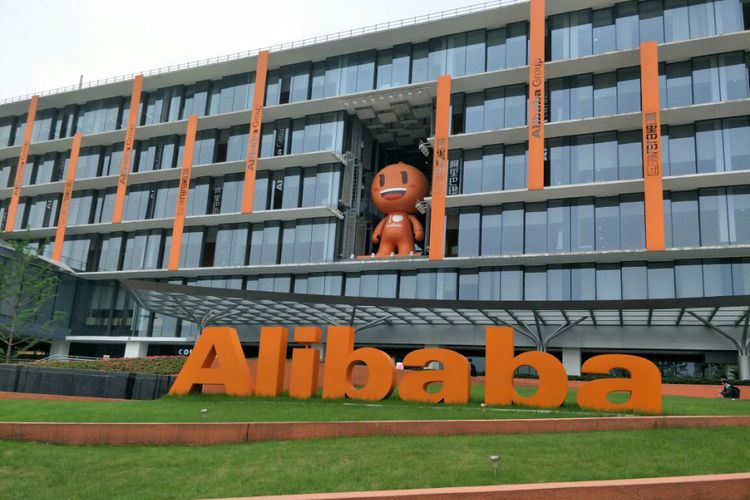
    Chinese e-commerce giant Alibaba Group Holding Ltd is planning a logistics hub at Istanbul Airport and a data centre near the Turkish capital Ankara with an investment of more than $1 billion, its president, Michael Evans, was cited as saying.

    Turkey’s Sabah newspaper reported Evans as saying in an interview that the company was looking to invest in Europe and the Middle East and that he sees Turkey as a very strong production base.

    “We have a serious investment plan at Istanbul Airport. We can evaluate e-export plans from here to Europe, the Middle East and the Far East. We plan an investment of more than $1 billion,” Evans was quoted as saying.

    Trendyol, one of Turkey’s best known e-commerce platforms, is backed by Alibaba.

    “The reason we chose Trendyol was that its technology was advanced and its potential was great. We are positioning this place as a base for Europe and the Middle East,” he said.

  • Another Vietnamese noodles product recalled in Europe

    Another Vietnamese noodles product recalled in Europe

    An instant noodles product of Thien Huong has been recalled in Norway due to the presence of a banned substance, the second such incident in Europe this month.

    The “dried noodles with chicken – and beef spices” of Ho Chi Minh City-based Thien Huong has been found to contain ethylene oxide, which is banned from food products in the country.

    Vietnamese authorities have ordered Thien Huong to provide relevant samples to examine the claim.

    A spokesperson for Thien Huong said Monday the recalled product is sold exclusively in Norway and not in Vietnam.

    It has been sold for four months in “small” volume, the spokesperson said, adding there is no ethylene oxide in any part of the production.

    Thien Huong exports to the E.U., the U.S., Africa, Japan and South Korea.

    On Aug. 20, the Food Safety Authority of Ireland (FSAI) announced batches of Hao Hao and Good branded noodles were being recalled after they were also found to contain ethylene oxide.

    Kajiwara Junichi, general director of Acecook Vietnam that produced the products, said the firm has abided by all the rules in Vietnam and in all the countries that it exports noodles to.

    The firm has contacted its suppliers who have asserted they do not use ethylene oxide during production, he said, stressing Acecook Vietnam does not allow the use of ethylene oxide in any production process.

  • Sony Xperia 5 III coming to Europe in September and it won’t be cheap

    Sony Xperia 5 III coming to Europe in September and it won’t be cheap

    Sony announced that it will bring the Xperia 1 III in the United States in late September, but didn’t mention anything about the Xperia 5 III, the former’s cheaper brother. That could mean a few different things like maybe Sony isn’t sure when it will be able to bring it to the US, or perhaps it has no intention to sell it in North America.

    Either way, we at least have an idea about how much the Xperia 5 III will cost in the US. The company’s European branch revealed that the Xperia 1 III and Xperia 5 III will be launched in Europe for €1.300 and €1000, respectively.

    Considering the Japanese company has already opened Xperia 1 III pre-orders in the US and the phone is priced at $1,300, it’s safe to assume that the Xperia 5 III will sell for $1,000 in case Sony decides to bring it to the States.

    Just like the Xperia 1 III, the Xperia 5 III will be shipped in Europe from September. This one will be available in Black and Green, but additional colors may be introduced after the phone’s market launch.

    The Xperia III 5 is a top-tier smartphone powered by a Qualcomm Snapdragon 888 5G processor, paired with either 8GB RAM and 128GB storage, or 8GB RAM and 256GB storage. Also, the smartphone boasts a stunning 6.1-inch OLED FHD+ display featuring Corning Gorilla Glass 6 coating.

    However, one of the phone’s main selling points is the triple camera setup (12MP+12MP+12MP). Along with the Xperia 1 III, the Xperia 5 III is the world’s first smartphone with a variable telephoto lens paired with a dual PD sensor. Not to mention that the camera features Zeiss optics and a brand new AI super-resolution zoom technology.

    As far as the battery goes, Sony claims the 4,500 mAh battery can charge up to 50% of capacity in 30 minutes with the 30W charger that comes with the phone.

  • Samsung to launch another mid-range 5G smartphone in Europe

    Samsung to launch another mid-range 5G smartphone in Europe

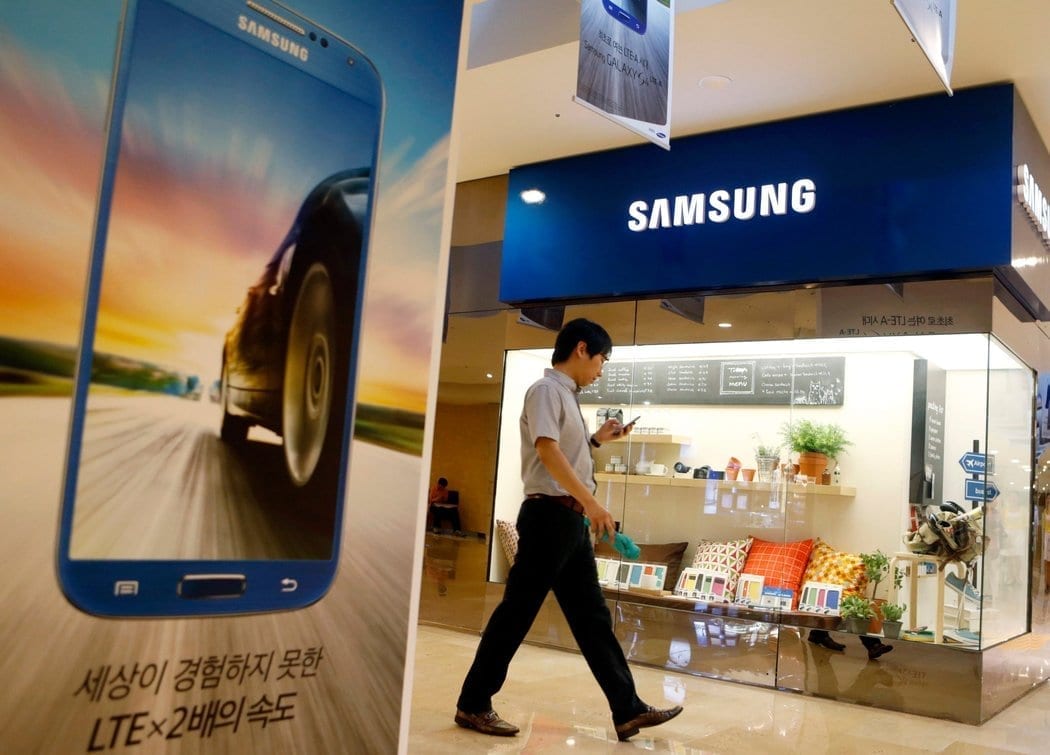
    After Galaxy A52 and A72, Samsung plans to launch yet another mid-range smartphone in Europe, which is supposed to bring 5G to the masses. The unannounced phone is known as Galaxy M52 and it’s likely to be cheaper than the other two Galaxy A series phones.

    Based on a benchmark spotted by GalaxyClub, the upcoming Galaxy M52 will be equipped with Qualcomm’s Snapdragon 778G processor. It’s the same chipset that will be used by Honor inside its 50 series, so it’s bound to be good enough for a mid-range phone.

    Apart from its chipset, we also know that the Galaxy M52 will pack a 64-megapixel main camera, complemented by a secondary 32-megapixel camera in the front. There’s no info yet about the size of the display, but the phone is expected to feature a massive battery, just like the predecessor.

    It’s too early to talk about price, but it looks like information about color variants has already leaked, so we’re happy to let Samsung fans know that the Galaxy M52 will be available in at least three different colors: black, blue, and white.

  • Wirecard Dismantles Asia Empire

    Wirecard Dismantles Asia Empire

    Following a spectacular collapse, Wirecard is disposing of its assets in the region, leaving only its business in India. The insolvent German firm has agreed to sell its legal entities in the Philippines, Malaysia, Hong Kong, and Thailand as well as the company’s regional data warehouse in Singapore to Nomu Pay.

    The deal includes Wirecard’s clients, licenses and more than 120 staff. The acquisition will help the payments firm, backed by Amsterdam-based venture capital company Finch Capital build an e-commerce and payments company in Asia, the report said.

    The report did not specify the size of the deal but noted it was below the €200 million Wirecard paid Citi in 2017 to acquire its merchant clients in 11 Asia-Pacific countries.

    Wirecard sold its unit in Indonesia to a local technology holding company in a deal that included 360 staff and operations in Malaysia too. The company has already divested operations in the Americas, U.K., and continental Europe.

    Wirecard was at the center of one of the region’s biggest corporate accounting scandals in recent years, having admitted that €1.9 billion ($2.25 billion) is missing from its financial accounts. The collapsed German fintech’s sacked operating chief went to the extreme – and adventurous – lengths to bamboozle auditors, according to a German report.

    In October 2020, the Monetary Authority of Singapore (MAS) ordered Wirecard Singapore to cease payment services in the country and to return all customers’ funds.

  • Audi Introduces 25 Years Anniversary Package For RS Models In Europe

    Audi Introduces 25 Years Anniversary Package For RS Models In Europe

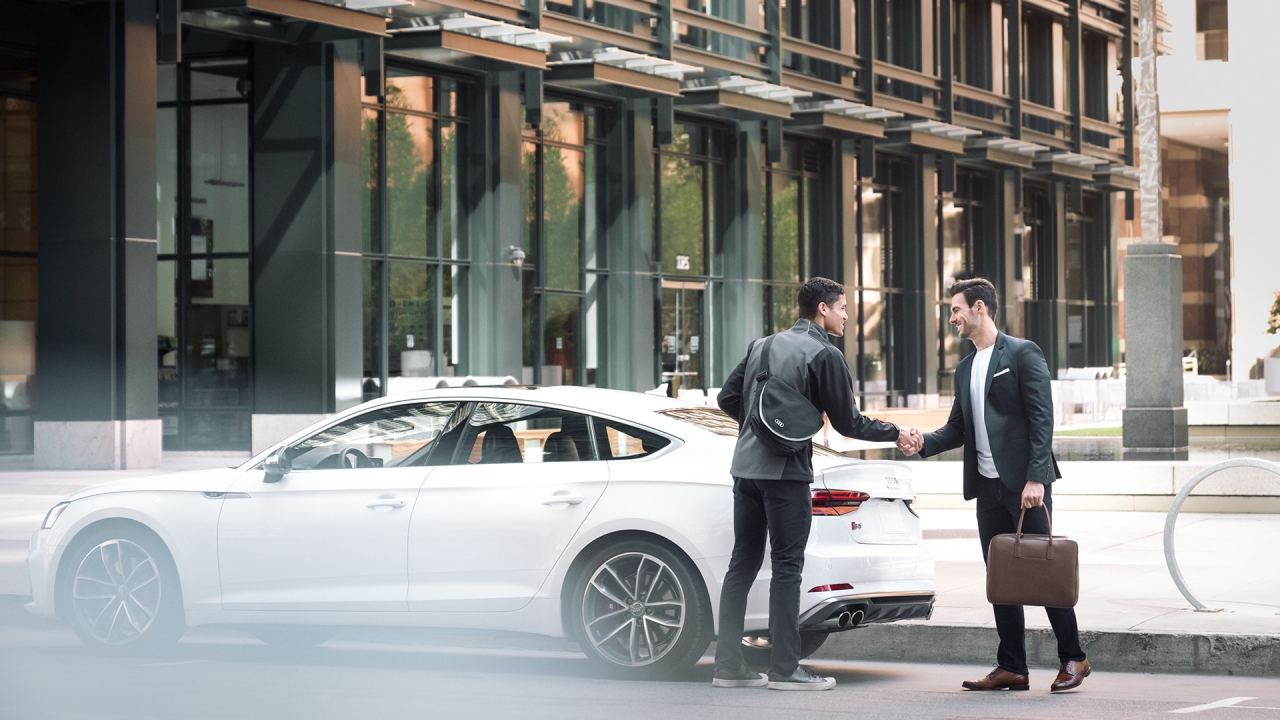
    Audi is celebrating 25 years of its RS models and has announced an exclusive package for its performance models. Audi has released an exclusive equipment package for the Audi TT RS Coupe, RS 4 Avant, RS 5 Coupe, RS 5 Sportback, RS 6 Avant and the RS 7 Sportback models. It was the RS 2 Avant that kicked off things for Audi in the hot performance segment back in 1994 and every RS model gets some elements both on the outside and inside which are inspired by the RS 2 Avant.

    The anniversary package includes a matt aluminum look with gloss black for the exterior of all models, a front blade for models like the RS 4, RS 5, RS 6, and RS 7*, as well as the inlays in the side sills. The horizontal web of the rear diffuser also features a matt aluminum look. Moreover, the four rings, RS logos and wing mirrors along with the rear wing of the TT RS Coupe are finished in gloss black. An exclusive RS anniversary logo showing the number “25” is projected onto the ground when the doors are opened and is also featured on the hub cap. The wheels itself are designed in a two-color look featuring silver and gloss anthracite.

    The interior is also inspired by the iconic RS 2. The cabin is finished in all black an there are cobalt blue accents in Alcantara on the piping of the floor mats and the 12 o’clock marking on the steering wheel rim. The RS sport seats with a honeycomb pattern in the TT RS, RS 4, and RS 5 are draped in Nappa leather with seat center panels in Alcantara, just like the very first RS 2 Avant had back in the day. The seat upholstery of the RS sport seats in the RS 6 and RS 7 is finished in perforated Valcona leather. A special touch on the inside is the ’25 years’ logo on the shoulder area of the seats, floor mats, and the door trim panels. The anniversary package has only given cosmetic updates to the RS models and mechanically they remain unchanged.

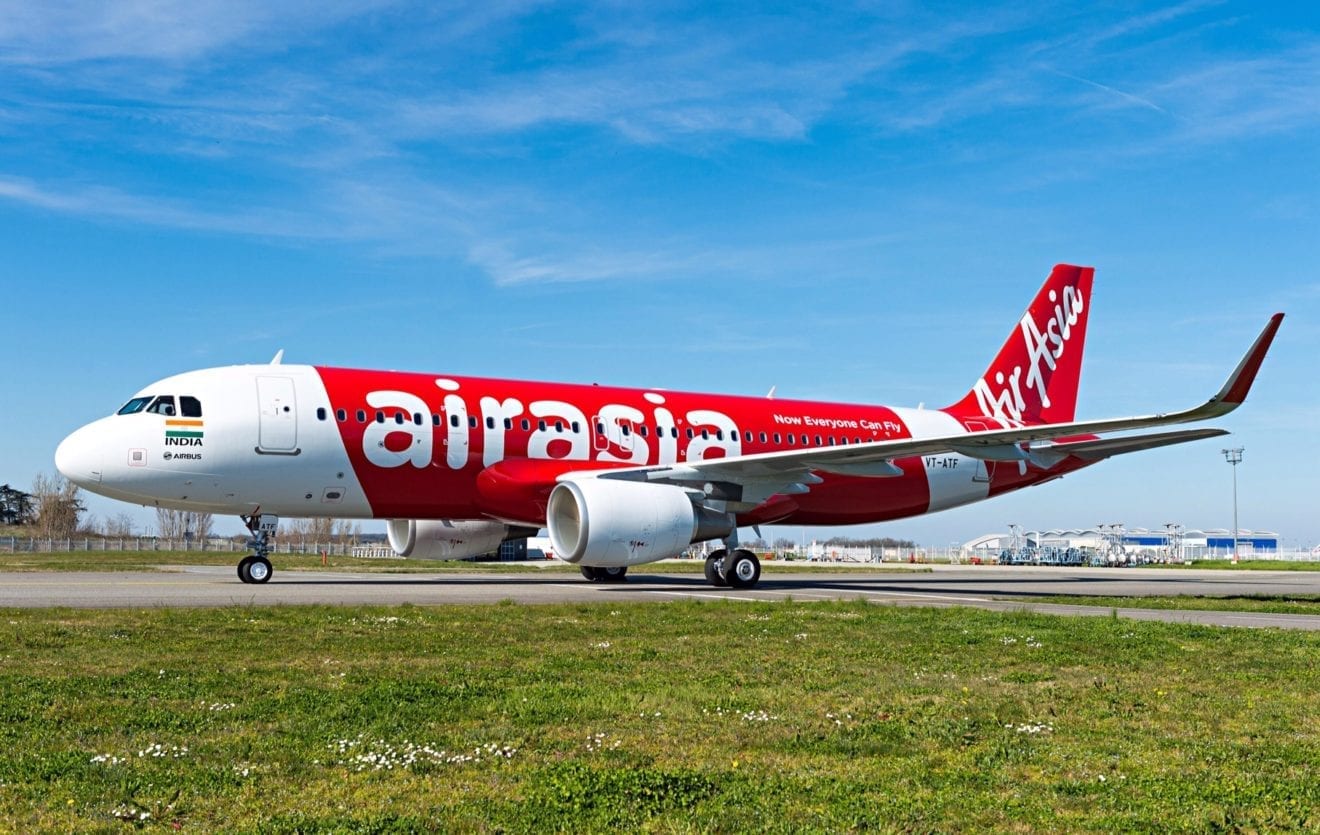
  • AirAsia X looking to expand into Europe

    AirAsia X looking to expand into Europe

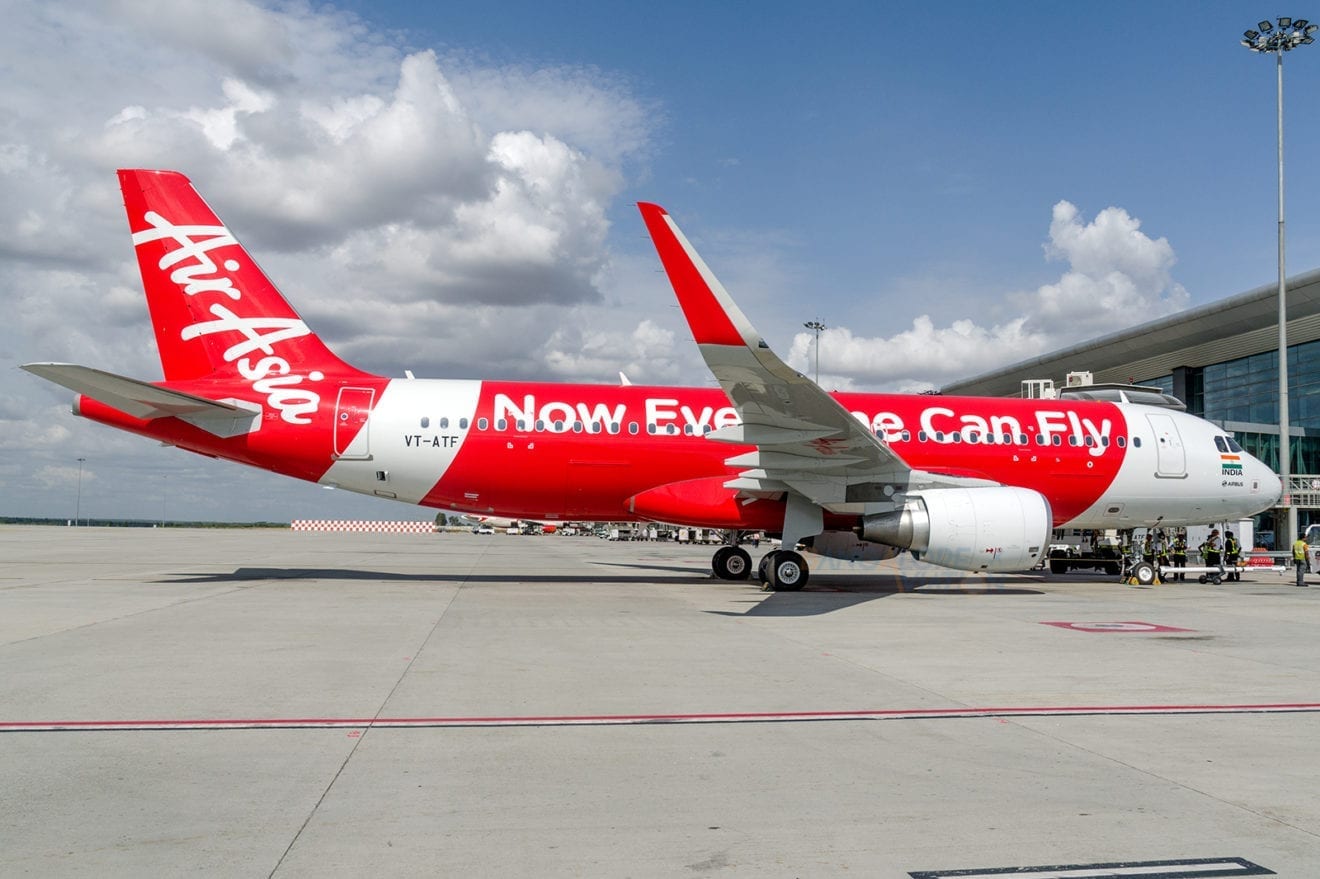
    AirAsia X is looking into expanding its market and does not discount the possibility of re-entering the European market.

    Chairman Tan Sri Rafidah Aziz said, before the company makes any decision, it needs to consider various factors including the operational costs and the projected revenue

    “We must also look at the total picture whether it can meet the challenges such the changes in oil prices, the various taxes in Europe airports and so on.

    “For example, the planes that were flying to London and Paris previously was not the right plane. The cost factor was the one that literally killed us from the market. Moving forward, we have to be realistic in making our decisions for

    the long term,” she told reporters after the unveiling of its new A330neo aircraft at the 53rd International Paris Air Show here.

    Rafidah said with the new planes which use more efficient engines, it would give added flexibility to the company to strategise and give better returns to its shareholders.

    On when the aircraft would be in operation, she said it would be decided by the board of directors based on the proposal by the management.

    Meanwhile, AirAsia X group chief executive officer, Nadda Buranasiri said the delivery of the A330neo aircraft would be in phases.

    “We expect that Airbus would probably be able to provide us six aircraft a year,” he said.

    The world’s leading low-cost carrier ordered a total of 100 A330-900 aircraft for RM122 billion from European planemaker Airbus, of which 66 aircraft are firmed orders and two on lease.

    Buranasiri said it would take the first aircraft next month while the second aircraft would be delivered in August, to be based in its Thailand hub, Don Mueang International Airport in Bangkok.

    “We have not decided where the new fleet would fly to as we are still studying each market to understand the demand and how we could leverage it.

    “We are working it out to ensure that it will be profitable to us, while at the same time, make our shareholders and passengers happy.

    “We are not making excessive profits but it needs to have enough volumes,” he added.
  • AirAsia prepares for budget long-haul flights

    AirAsia prepares for budget long-haul flights

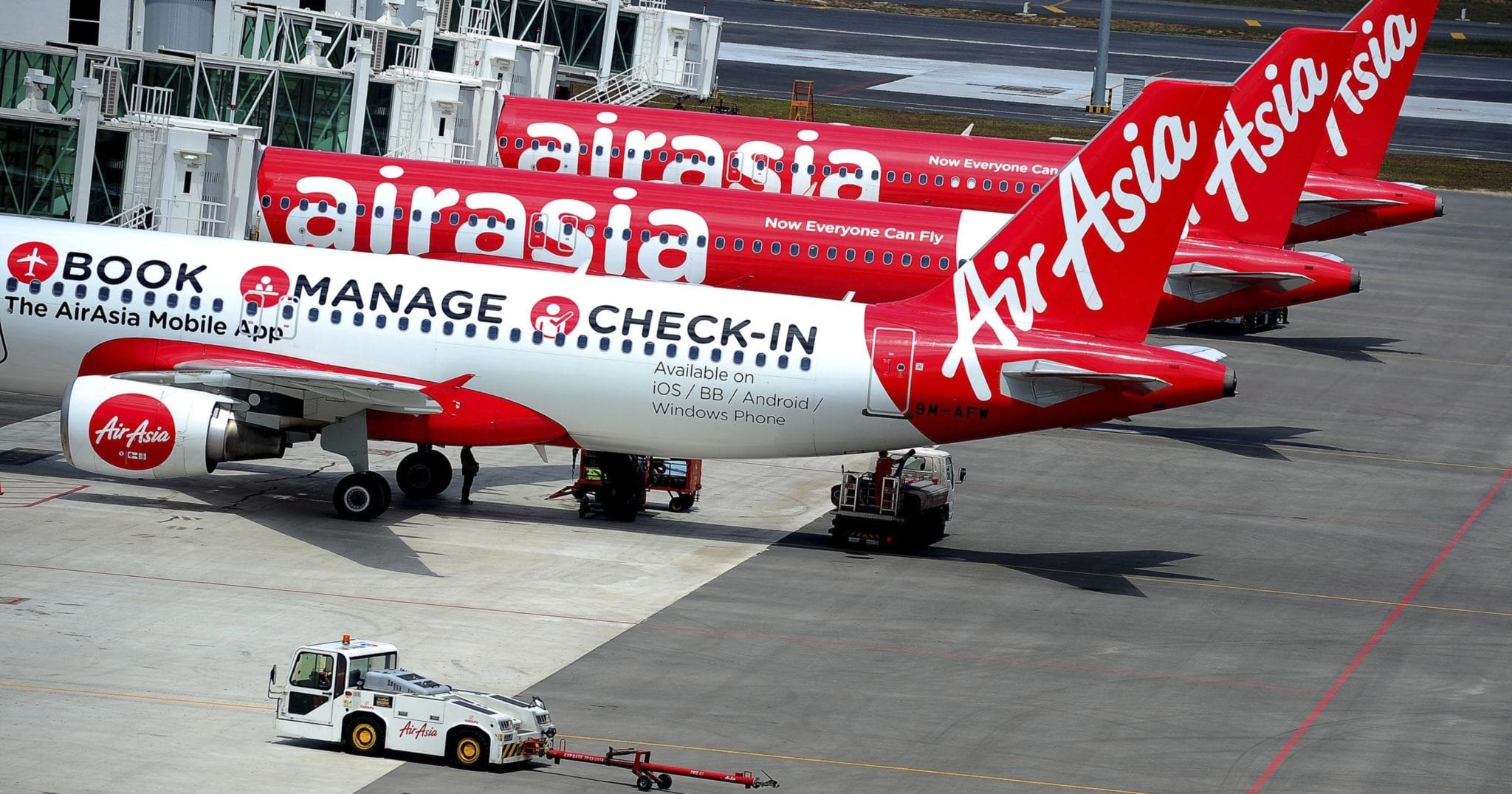
    Malaysian low-cost carrier AirAsia launched the first of 66 new long-haul aircraft during the annual Paris Air Show on Monday, as it began to expand in Australia and could revive its Europe service to keep with the burgeoning market for budget long-haul flights.

    The new Airbus A330-900 aircraft, showcased during the 2019 Paris International Air Show, is expected to take off on June 25 on the Bangkok-Brisbane (Australia) route via AirAsia’s long-haul affiliate, Thailand X.

    AirAsia declined to provide a definite timetable for the other 65 to take flight, saying it depended on Airbus. It also remained cagey about the other planned routes. But AirAsia X Group CEO Nadda Buranasiri said they were eyeing more destinations to and from Bangkok and other parts of China.

    With this purchase, AirAsia would become the first airline in Asia-Pacific to operate the A330-900: a wide-body 377-seater aircraft that could fly 12,000 miles over a 10 and a half-hour power range, said AirAsia X chair Tan Sri Rafidah Aziz.

    The planes boasted of comfort, with more legroom, larger cabin bag storage spaces and power sockets in every seat, she added.

    “Our destination reach is not limited because of the capabilities of the plane,” she said. “We can strategize now about where we want to go beyond what we have right now.”

    AirAsia was named the world’s best low-cost airline during this year’s Skytrax World Airlines Awards, the aviation industry’s Oscars, marking its record-breaking 11th win in a row.

    The Malaysian airline has always wanted to expand its footprint, but it has only gone so far as Hawaii in the United States.

    It earlier tried to operate in Europe via London, but the AirAsia chief said, “the fleet that we used to go to London, that was not the right plane. The cost factor killed us.”

    “Maybe now seems like an opportunity for us to start again in London, but I cannot say that yet,” she said. “So perhaps this plane (A330-900) could give us an advantage. We have to look it up very carefully.”

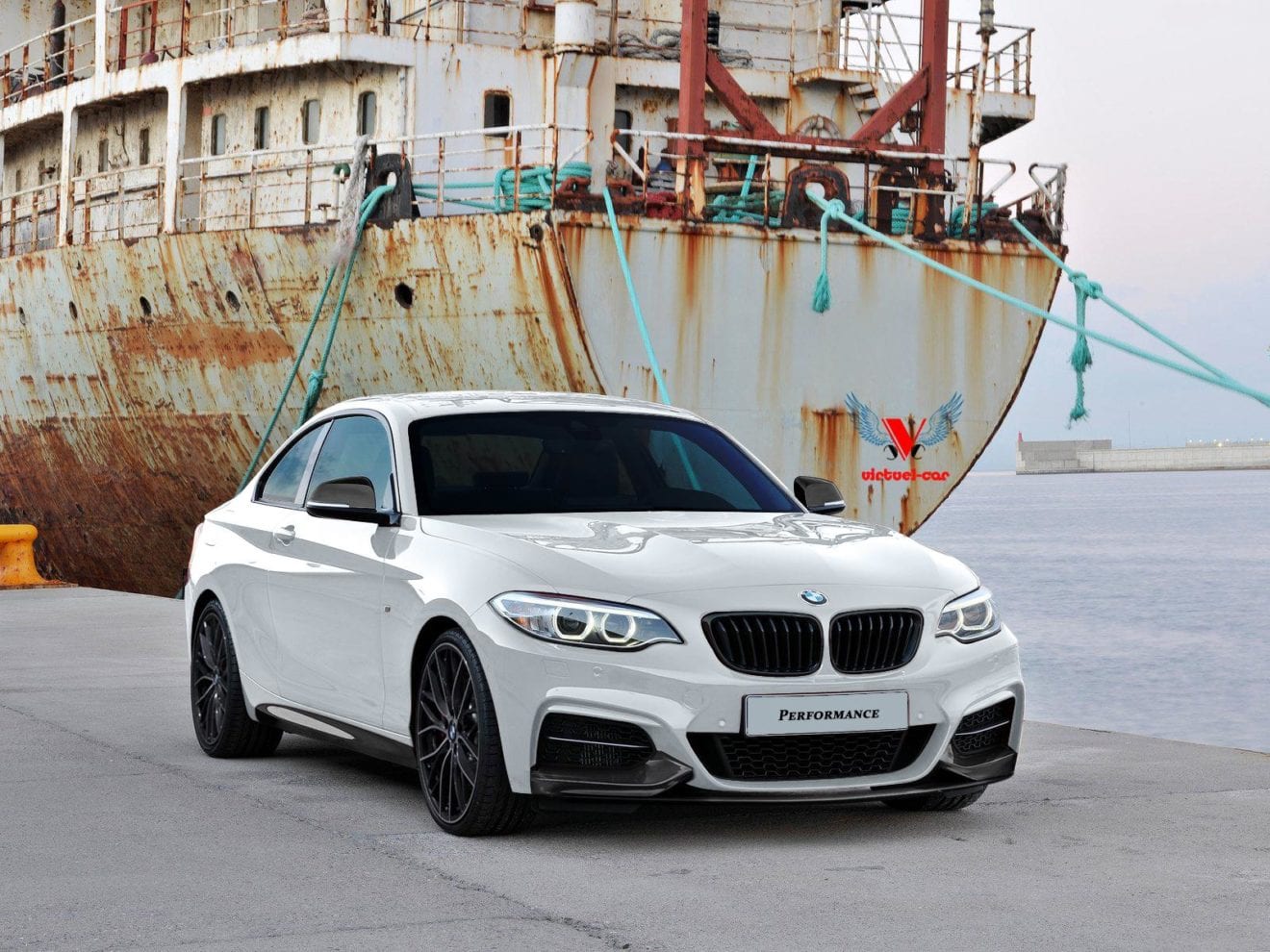
  • European Union Says BMW, Daimler, VW Colluded To Limit Emissions Technology

    European Union Says BMW, Daimler, VW Colluded To Limit Emissions Technology

    European Union authorities said Friday that German automakers BMW, Daimler and Volkswagen colluded to limit the development of emissions-cleaning technology in cars. The finding adds to the car industry’s woes after Volkswagen in 2015 admitted to cheating on emissions tests in the U.S., which led to a worldwide reevaluation of how cars are tested and how to limit emissions to make air cleaner and fight climate change.

    The EU antitrust regulator said that after an in-depth investigation, it found that BMW, Daimler and Volkswagen, including its Audi and Porsche units, broke EU laws from 2006 to 2014 by illegally agreeing among themselves to limit the roll-out of the technology. The technology helps eliminate nitrogen oxides, which can be harmful to human health, from both gasoline and diesel passenger cars.

    The alleged actions could have limited Europeans’ opportunities to buy less polluting cars, but would not have affected price, the EU said. It did not explain how the companies might have profited.

    The probe is separate from other legal procedures against carmakers for allegedly breaching environmental laws or using illegal software in car engines. EU authorities raided the offices of the three companies in October 2017 and opened their investigation on this case in September last year.

    BMW said discussions among engineers were meant to improve exhaust gas technologies and that the whole industry was aware of these talks. It said they did not involve any secret agreements or intend to hurt customers.

    Daimler said it was cooperating with the EU and does not expect to receive a fine. Volkswagen said it was also cooperating and would issue a statement once it has reviewed the EU investigation. The EU noted that its preliminary findings do not prejudge the final outcome of the investigation.

    The case comes after Volkswagen admitted four year ago to using software in diesel car engines to cheat on U.S. emissions tests. It has set aside some 27.4 billion euros ($32 billion) for fines, settlements, recalls and buybacks. Former CEO Martin Winterkorn was criminally charged by U.S. authorities but cannot be extradited; Audi’s division head was jailed.

    Renewed scrutiny of diesel emissions revealed that cars from other automakers also showed higher diesel emissions in everyday driving than during testing, thanks in part to regulatory loopholes that let automakers turn down the emissions controls to avoid engine damage under certain conditions. The EU subsequently tightened its testing procedures.

    Anti-trust fines can be steep. In 2016 and 2017 the EU Commission imposed a fine of 3.8 billion euros after it found that six truck makers had colluded on pricing, the timing of introduction of emissions technologies and the passing on of costs for emissions compliance to customers.

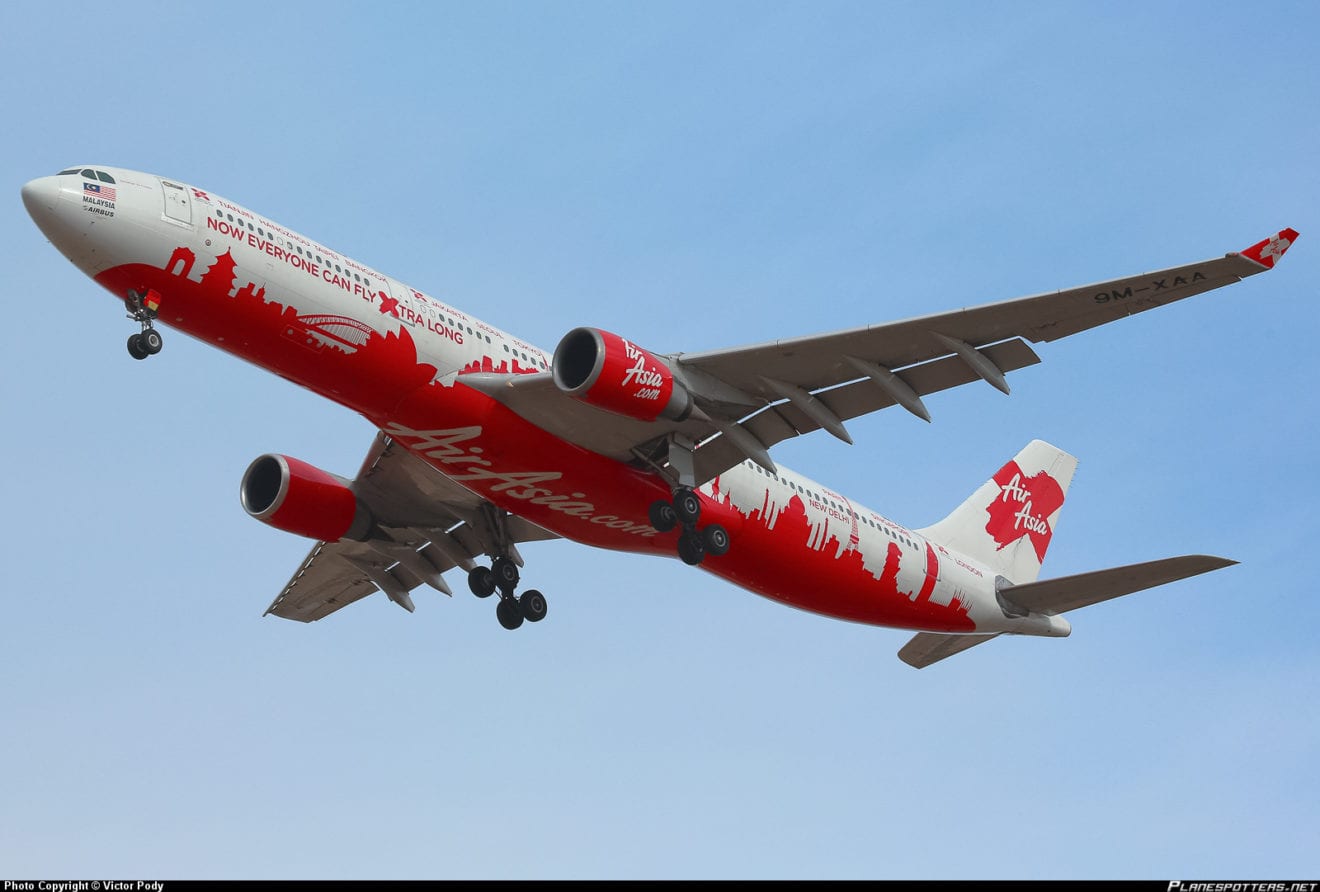
  • AirAsia X Wants To Launch A330neo Flights To Europe

    AirAsia X Wants To Launch A330neo Flights To Europe

    AirAsia X is looking to launch flights to Europe using the Airbus A330neo. Flights could commence as soon as 2019, with the airline keen to reenter the market as quickly as possible.

    AirAsia X previously operated flights to Europe, but suspended these flights back in 2012. Now, it seems that the airline is ready to restart these flights. AirAsia X have 100 A330neo aircraft on order, with deliveries due to start later this year. As well as eyeing European service for these new planes, they may also look to start flying to the US too.

    Europe Again

    When AirAsia X abandoned their European flights in 2012, they said this was to “focus on markets where it can build a leadership position”. It seems that now they are happy with their place in the world, and are ready to start service to Europe once again.

    When it flew to Europe, AirAsia X flew to Paris’ Orly Airport (ORY), London’s Stansted Airport (STN), and London Gatwick Airport (LGW). Given the airline’s low-cost operation, it is likely that AirAsia would look at flying to Stansted Airport again. In September last year, the airport announced that it plans to launch direct services to at least 25 new long-haul destinations in the next five years. This includes services to Los Angeles, Shanghai, Vancouver, and Manila. As such, Flights to Malaysia with AirAsia X could be an attractive route for them.

    The A330neo

    The A330neo, the newest iteration of the family, would be used by AirAsia X for flights to Europe. The neo in its name stands for New Engine Option, as the aircraft are equipped with newer, more fuel-efficient engines.

    There are two models of the A330neo; the A330-800 and the A330-900. While the A330-900 has sold relatively well, the -800 has not sold well at all. In fact, as of January, only eight had been ordered in total, all by the same carrier, Kuwait Airlines.

    AirAsia has ordered a total of 100 A330-900 aircraft, with the most recent order being for 34 at the Farnborough Airshow in 2018. The airline will be the first airline in Asia to operate the A330neo, and deliveries of the aircraft are due to begin in late 2019. The total list price of the order was just short of $30billion.

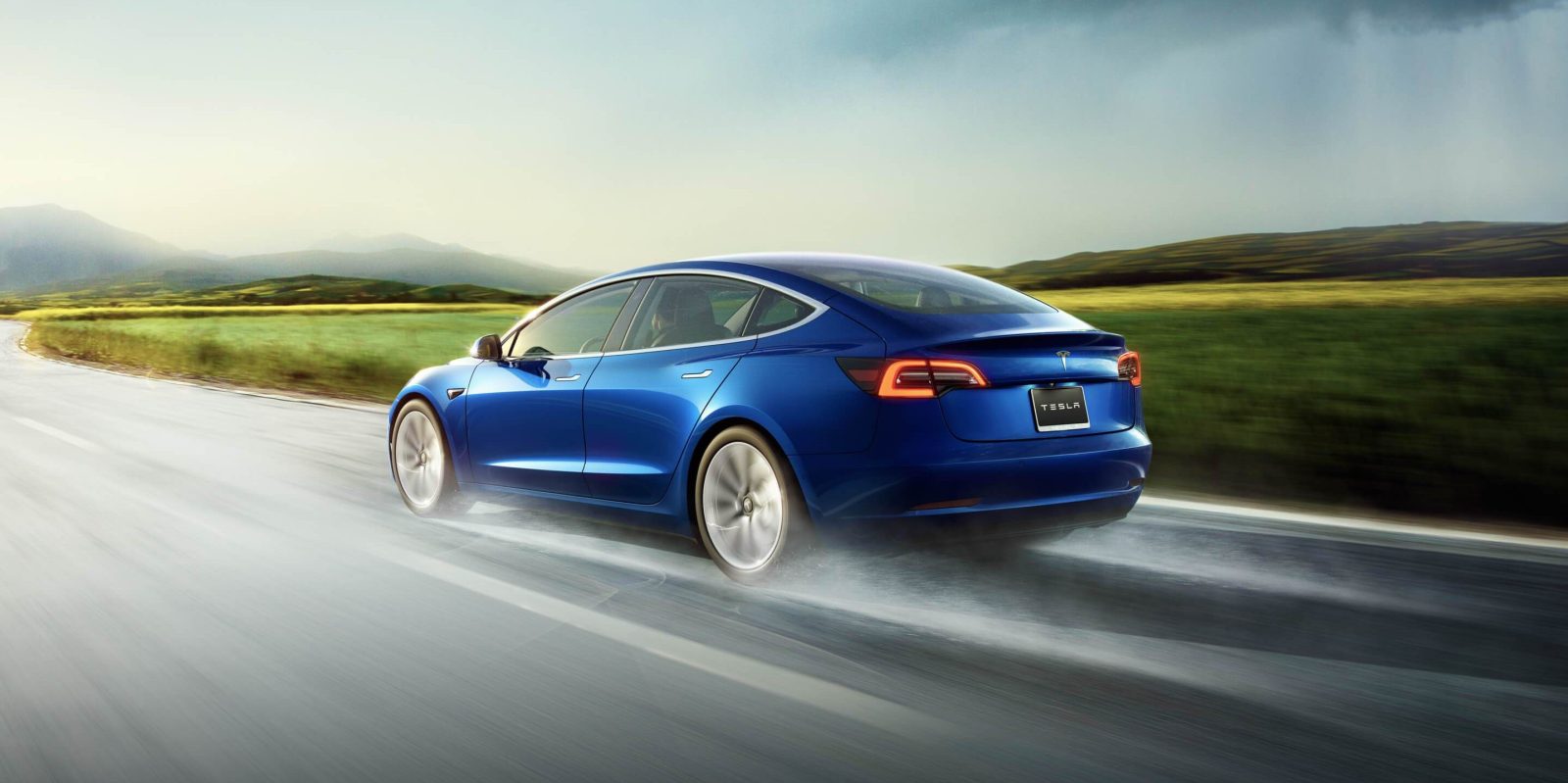
  • Tesla Model 3 Outsells C-Class and 3 Series In Europe

    Tesla Model 3 Outsells C-Class and 3 Series In Europe

    February has not been a great month for carmakers in Europe as the market registered its sixth consecutive month of decline as 1.14 million vehicles were registered. This was largely because February marked a month of uncertainty for many of the bigger European markets, such as Spain and the Netherlands. However, according to a report by Jato, pure electric vehicles or BEVs showed a big growth in sales. Although their market share remained marginal at 1.9 per cent, their volume increased by a huge 92 per cent to 20,000 registrations.

    BEVs continued to gain traction in markets like Norway, where they counted for 40 per cent of overall registrations, and the Netherlands, where they counted for 7 per cent. Demand also increased by 81 per cent in Germany, which was the largest market for BEVs in February. This increase can be explained by the introduction of new models – most notably the Tesla Model 3. The hotly anticipated car excelled during its first full month on the European market and became the best-selling BEV. The Model 3 quickly outsold other big players like the Nissan Leaf and Renault Zoe, despite being more expensive and only available for a short amount of time.

    In fact it also was the top-selling premium midsize sedan in Europe – outperforming the popular Mercedes C-Class, Audi A4 and BMW 3-Series which speaks volumes about the success of the car. It’s also notable that most of the Model 3’s volume in February came from private registrations, which breaks the usual trend of a new vehicle’s volume being made up of business/fleet registrations.