Retail News CRM

Tag: europe

  • Leather brand Kompanero to expand in Europe

    Leather brand Kompanero to expand in Europe

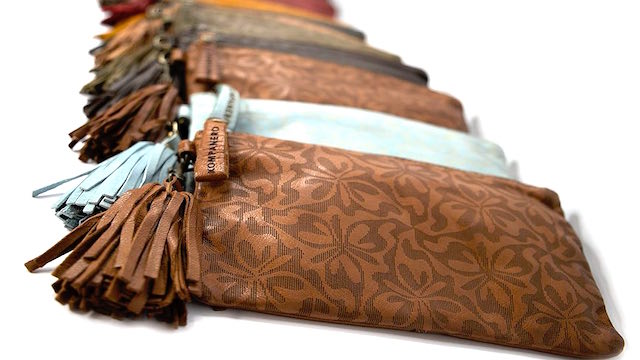
    India’s premium leather bag brand Kompanero plans to open 100 outlets by 2025. The company will open four stores, raising its network to 34, this year. “With four new stores in the pipeline, we are expanding our presence in existing cities with Express Avenue Mall in Chennai and Sarath City Mall in Hyderabad,” said Indranath Sengupta, Kompanero CEO. “In addition, the brand’s airport presence is being strengthened with our newly launched store at Guwahati Airport and Chandigarh Airport, and an upcoming one at Chennai Domestic Airport.”

    The brand is also entering Europe this year with its exclusive stores; however, the exact location of the first store has yet to be revealed.

    The company’s turnover has grown by 60 per cent within the last year.

    Kompanero products are available in Australia, the UK, Japan, and Korea via distribution networks as well as e-commerce portals including Amazon, Myntra and Jabong.

  • The world’s largest free trade blocs between Japan and EU

    The world’s largest free trade blocs between Japan and EU

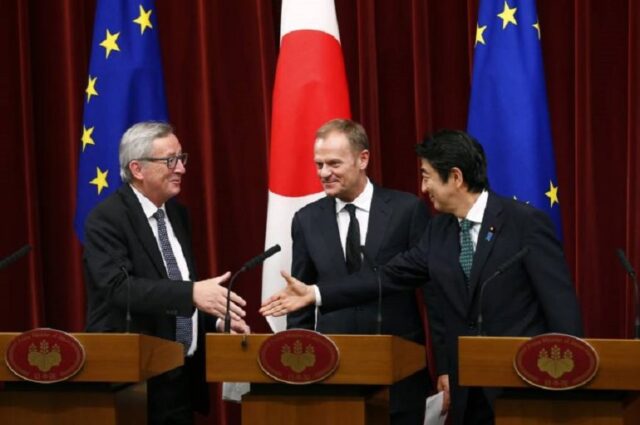
    The economic partnership agreement between Japan and the European Union not only forms one of the world’s largest free trade blocs, but also sets digital and copyright rules that will serve as an international template. The EPA will ultimately eliminate EU tariffs on about 99% of imported products from Japan, and Japanese tariffs on roughly 94% of products imported from the EU. It also incorporates wide-ranging regulations on data transfer and intellectual property protection. The aim is to drive the debate on other multinational trade pacts, especially against the backdrop of rising protectionism.

    A centerpiece provision is a ban on governments forcing companies to reveal source code. Chinese cybersecurity legislation that took effect in 2017 empowers the government to request source code from foreign enterprises doing business within its borders. The law also requires “operators of key information infrastructure” to locally store personal information and important data collected and produced by their services in China.

    The Japan-EU trade deal is essentially a rejection of such digital protectionism, instead encouraging the free and secure cross-border flow of data. Companies in participating countries can operate in other members without risking mandatory disclosure of trade secrets.

    The trade deal “will become a precedent for the data field, which is becoming increasingly important, and will lay the groundwork for the creation of subsequent rules,” said Keisuke Hanyuda, partner at Deloitte Tohmatsu Consulting.

    Japan, the EU and other like-minded trading partners seek to craft similar rules for the World Trade Organization, which includes the U.S. and China. But speedy rule-making may be all but impossible at a WTO that has been criticized as dysfunctional. The alternative strategy is to first implement high-quality rules for the Japan-EU trade deal, as well as the 11-member Trans-Pacific Partnership, and bring other countries into the fold.

    Japan and the EU agreed not to levy tariffs on the transfer of data between the two sides. Copyrights on literary works will expire 70 years after the death of the author. Alcoholic-beverage and food brands tied to a region of origin will be mutually protected as well. Authorized producers of Kobe beef and Champagne would be shielded from imitations, for example.

    The EPA covers 27.8% of global gross domestic product by 2017’s number, and 36.9% of worldwide trade. The TPP-11 — formally the Comprehensive and Progressive Agreement for Trans-Pacific Partnership — accounts for 13.3% of global GDP. Japan sees the EPA and the TPP-11 together adding 13 trillion yen ($119 billion) to its real GDP and creating 750,000 jobs.

    “On top of the short-view effect of stimulating consumption, the inflow of services and investment from the EU will increase competitive pressures inside Japan, and we can expect the effect of prices going down,” said Junichi Sugawara, senior research officer at the Mizuho Research Institute.

    Tariff elimination is expected to have a significant economic impact. EU exports to Japan could jump as much as 34%, while European companies will save an annual 1 billion euros ($1.15 billion) on duties, the EU estimates. Hopes are particularly high for expanded food and agricultural exports to Japan.

    The EPA lowers tariffs on Camembert and other soft cheeses — something Japan did not do for the TPP-11 — up to a certain quota. Japan will eliminate soft-cheese duties for in-quota imports altogether in year 16. Other items, such as European wine, will immediately become duty-free, resulting in a wider selection and lower prices for Japanese consumers.

    Many see the EPA and its benefits as a counterweight to the Trump administration’s anti-globalism. “This is an act of enormous strategic importance for the rules-based international order, at a time when some are questioning this order,” European Council President Donald Tusk said last July, when the agreement was signed. “We are sending a clear message that we stand together against protectionism.”

  • Gold rises as growth concerns, US govt shutdown weigh on dollar

    Gold rises as growth concerns, US govt shutdown weigh on dollar

    Gold prices rose on Thursday as the dollar declined due to concerns the prolonged U.S. government shutdown will limit economic growth at the same global growth is slowing as well. Spot gold was up 0.1 percent at $1,283.31 per ounce, as of 0326 GMT, while U.S. gold futures were down 0.1 percent at $1,282.60 per ounce. “We are seeing a weaker U.S. dollar for the moment, which is in general supportive for gold,” Michael McCarthy, chief market strategist at CMC Markets said.

    However, McCarthy cautioned that bullion price gains are limited by slowing investor buying as indicated by price charts used by technical traders.

    “The issue for gold is there is a very heavy resistance seen around $1,290 and $1,310. A further weakening of the U.S. dollar could be supportive. But, we need something to really push gold through the resistance level,” he said.

    The U.S. dollar index, which measures the greenback against a basket of six major currencies, fell for third day, dropping 0.3 percent during that period. However, Asian shares rose on Thursday after Wall Street managed to end higher.

    On Wednesday, U.S. President Donald Trump said that the United States was doing well in trade talks with China, saying at a White House event that China “very much wants to make a deal.”

    However, a prolonged U.S. government shutdown reminded investors of risks to growth to the economy.

    White House economic adviser Kevin Hassett said in a CNN interview the U.S. economy could see zero growth in the first three months if the partial government shutdown lasts for the whole quarter.

    Meanwhile, investor focus turned to the European Central Bank (ECB), which is widely expected to keep its monetary policy unchanged at its first policy meeting of 2019 that ends later on Thursday.

    Market watchers also expect ECB to acknowledge growing threats to the euro zone economy.

    “The ongoing trade war, Brexit and slow global growth narrative are supportive for gold at present levels, as is Chinese seasonal demand,” MKS PAMP Group said in a research note.

    “That being said, Comex non-commercial and exchange-traded fund (ETF) holdings remain extended, so we expect a bit of tug of war in the short-term between $1,270-$1,300.”

    Holdings of SPDR Gold, the largest gold-based ETF, was at its highest since June 2018.

    Among other metals, palladium, which hit a record high of $1,434.50 an ounce last week on low inventories and rising demand, rose 0.1 percent to $1,348.50 an ounce.

    Silver was down 0.1 percent $15.35 an ounce, while platinum was steady at $795.

  • Xiaomi opens massive Mi store in Paris

    Xiaomi opens massive Mi store in Paris

    Chinese electronics firm Xiaomi has opened its largest European Mi Store in Paris. Queues for the January 18 1pm opening started to form at the Champs-Elysees location at sunrise, despite freezing temperatures. The store is hosting a reportedly comprehensive selection of the brand’s full product range, including smartphones, headphones, cameras and home appliances.

    In celebration of the launch, Xiaomi held a three-day sale on its French online store featuring discounts of up to €50. The supersized flagship is Xiaomi’s second location in Paris.

    View the gallery below for images of the stores (11 images) :

  • Renault to start making Twizy cars in Korea from next year

    Renault to start making Twizy cars in Korea from next year

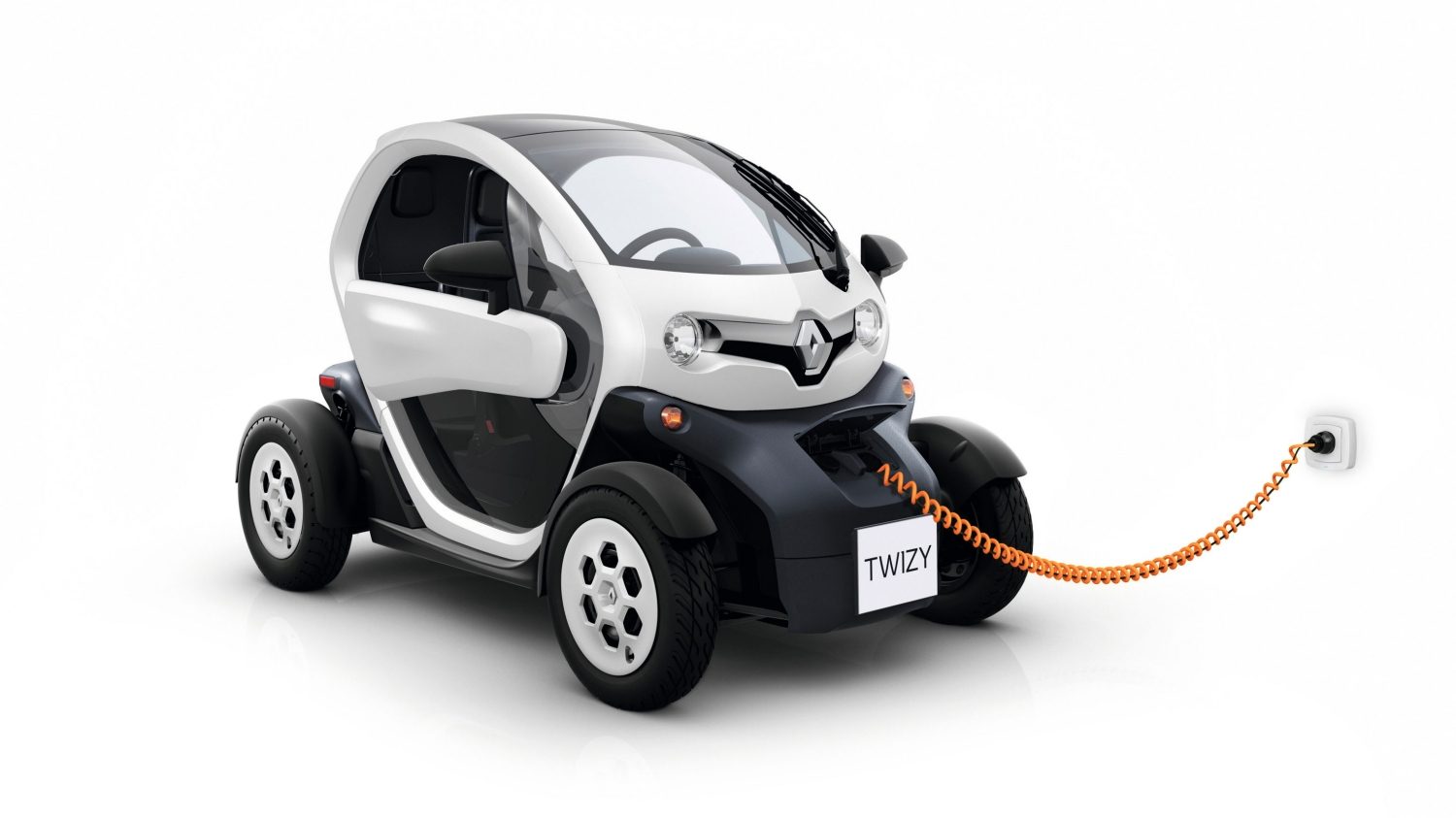
    Renault Samsung Motors, the Korean unit of French carmaker Renault S.A., is planning to start producing the Twizy ultra-small electric car in its sole domestic plant next year, industry sources said Monday. Renault Samsung, Busan Metropolitan City, and the Ministry of Trade, Industry and Energy are expected to sign an initial agreement this month to begin manufacturing Twizys, which are classified as heavy quadricycles in some countries, a person with direct knowledge of the matter said.

    He said assembly will begin “sometime during the 2019” at the carmaker’s plant in Busan, some 453 kilometers (281.5 miles) southeast of Seoul.

    This year, Renault Samsung has sold most of the 1,000 Twizys that were produced in its parent Renault’s plant in Valladolid, Spain, and shipped to Korea, a company spokesman said.

    The company plans to roll out up to 15,000 Twizys annually for domestic sales and exports to Asian markets, another person familiar with the matter said.

    Renault Samsung didn’t confirm the plan.

  • VW new sedan model launched

    VW new sedan model launched

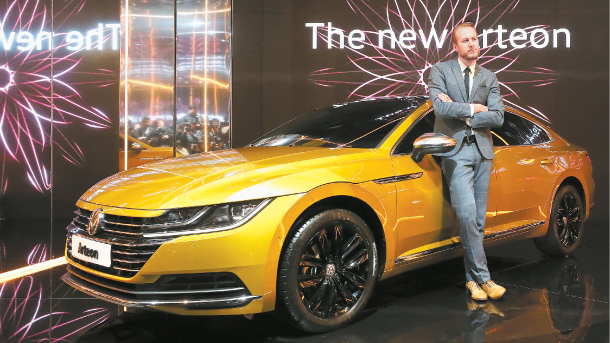
    Volkswagen launched its sleek new midsize Arteon sedan in Korea on Wednesday with high hopes that the car will overshadow consumers’ memories of the company’s emissions rigging scandal, which was first revealed three years ago. The sedan is the last of the five cars the German automaker promised to roll out in the local market in April, when it opened up a press event to show it was back in Korea after suspending sales in 2016.

    Stefan Krapp, the managing director of Volkswagen Korea, said he is “convinced the new Volkswagen Arteon will be another best seller in the Korean market, alongside the Tiguan, Tiguan Allspace and Passat,” during the launch event. He introduced the new sedan as its “new flagship model that opens a new chapter of Volkswagen’s design language.”

    The latest sedan is positioned at the top of the carmaker’s sedan line up, even above the Passat GT, according to Krapp.

    Under its sporty-looking exterior lies a spacious interior, thanks to the Arteon’s 28.40 centimeters (11.18 inches) wheelbase, which the carmaker says is the longest among its competition. The storage space can be as large as 1,557 liters (55 cubic feet) when the backseats are folded down.

    All Arteons come with a whole package of driving assistance programs, including adaptive cruise control and parking assist as basic features, in line with the digital trend sweeping the auto market. The cars come in two trims – Arteon Elegance Premium and Arteon Elegance Prestige. The most distinct feature of the Arteon is its quality assurance program.

    Krapp said the carmaker’s utmost priority is regaining consumer trust and reaffirmed the company will not compromise on quality.

    Volkswagen’s Triple Trust Program, exclusive to the Arteon, offers a bumper-to-bumper warranty for five years or 150,000 kilometers (93,205 miles), whichever comes earlier. The program also guarantees up to 1.5 million won ($1,347) in maintenance costs when metal plating or painting is necessary after an accident. For windshield glass, side mirrors and tires, which often need to be replaced, the company will guarantee up to 2 million won in repair cost.

    “This package is the best available in the market, I would say,” Krapp said. He added that in the import car market, where consumers usually sacrifice either style or value for money, the Arteon offers both.

    “This is how we will challenge our competitors,” he added.

    Though Volkswagen had no sales at all last year, it has gradually been coming back to life thanks to the popularity of the four models it launched earlier this year: the Passat GT, Tiguan, Tiguan Allspace and Passat TSI. The automaker’s market share in the local market is still in the single digits, low compared to good days when its shares were in the double digits, but it managed to reach 5.65 percent market share this year through October and sell a total of 12,294 cars.

    Whether the Arteon will help sales is another question, as it’s a pricey product. The more affordable Arteon Elegance Premium carries 52.2 million won price tag, while the Prestige model sells for 57.1 million won.

  • Valentino and Dior Men to run show in Japan?

    Valentino and Dior Men to run show in Japan?

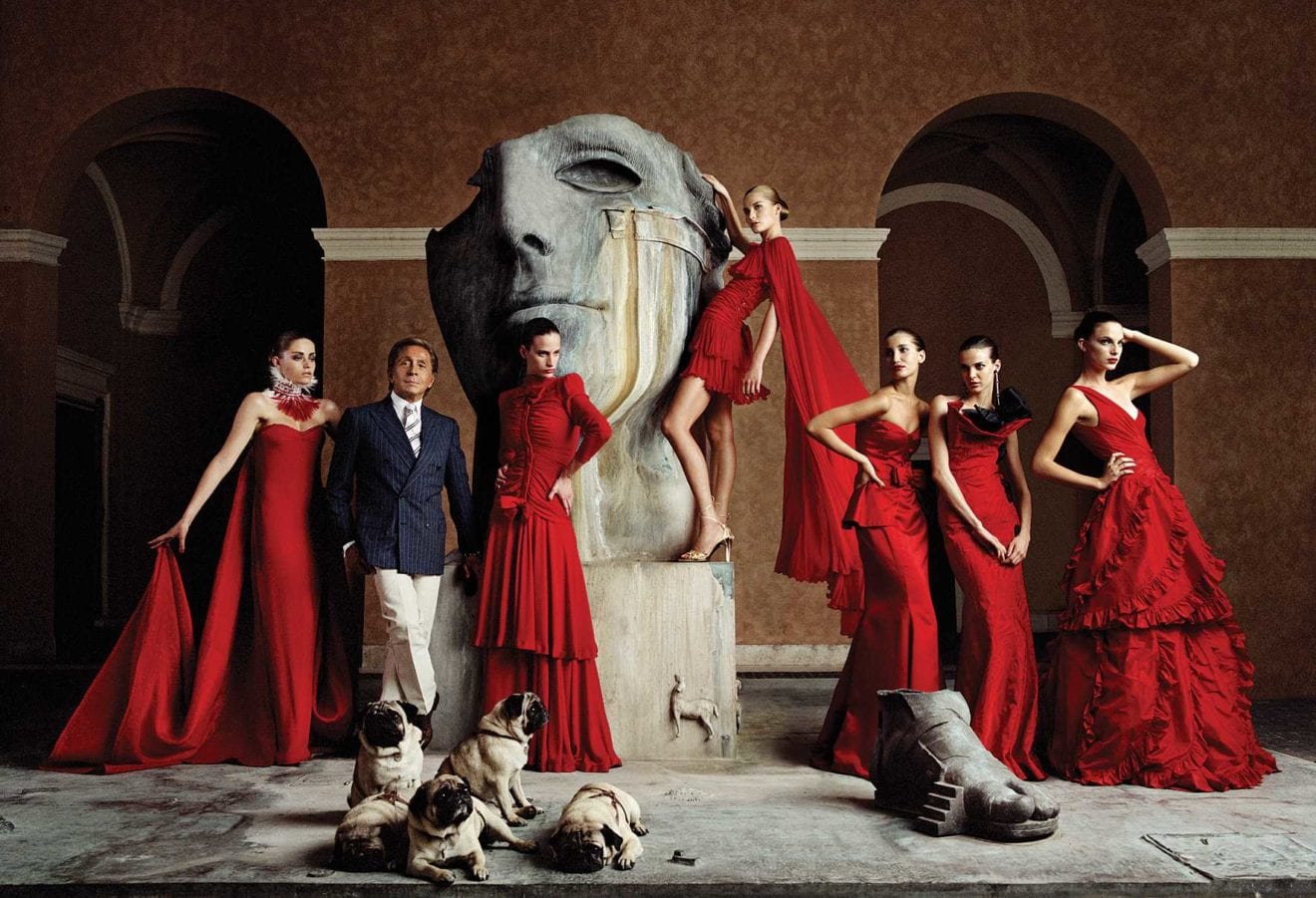
    Pierpaolo Piccioli, creative director of Valentino, was in Tokyo last week to celebrate the brand’s Ginza Six store opening and its Pre-Fall 2019 runway show, titled “Valentino TKY,” of which Japan’s wabi-sabi aesthetic was credited as one inspiration.

    Kim Jones was also in town to present Dior Men’s Pre-Fall 2019 collection and a pop-up store Thursday evening, although his nod to Japan was a fraction subtler, having mined the Dior womenswear archives for Japanese influences to reinterpret as men’s garments.

    It’s not the first time that luxury brands have turned to Japan: Last October, Tokyo was also the site of Valentino’s Resort 2018 pop-up, while Dior’s haute couture Spring/Summer 2017 show bowed in April. In May 2017, Louis Vuitton took their cruise collection a few hours away to Kyoto.

    It’s also not unexpected that most designers who stage their collections in Japan find a way to reference the country on the catwalk, however fleetingly.

    The nation is home to inspiration galore: eclectic street style subcultures, unparalleled artisanship, a thriving beauty industry and icons of design and architecture all makes the country a mecca for creatives of all persuasions.

    But beneath the surface of very real enthusiasm that fashion creatives harbour for Japan, there is of course a carefully calculated business rationale for their choice of locale.

    As Asian markets now account for a disproportionately large share of luxury sales, it is clear that brands need to find ways to launch meaningful marketing activations in the region on a regular basis. Such shows have become a tried-and-tested formula.

    Unlike Korea, whose popularity as a location for pre-collection shows appears to have peaked, Japan is emerging as a perennial favourite. And although China continues to attract many brands looking for a place to present their catwalk shows in the world’s largest luxury market, recent examples tend to be repeats of shows that already had a debut elsewhere like last week’s re-staging of Miu Miu Resort 2019 in Shanghai or Chanel’s Cruise 2018 collection reappearing in Chengdu after also debuting in the French capital.

    Japan, by contrast, is not in the habit of staging re-runs.

    The value that luxury brands gain by using Japan as a staging post between their shows in Europe comes from several sources.

    Logistical efficiency is one not-so-romantic reason for its popularity as a transseasonal show location. By bringing their pre-collection activation to Japan, brands embellish a requisite part of their global marketing strategy while creating an opportunity to meet local partners and management in Asia’s most mature luxury market — and the world’s third largest.

    Piggybacking off the show in this way sends an important message at the consumer level too.

    Having been eclipsed by the Chinese, Japanese consumers are no longer the object of affection and attention to the degree that they once were. Luxury brands are increasingly stretched, unable to devote as much time to Japanese activations as they once were. With so many emerging markets in Asia and around the world to tend to, they are less able to provide Japanese kokyaku (VIP consumers) with intimate access to designers or face time with the press.

    With China consuming a third of the global luxury market, brands have been investing in strategic WeChat campaigns, optimising retail channels and desperately finding new ways of understanding the proverbial Chinese luxury consumer.

    Yet unlike China, where brands are rapidly opening retail and digital storefronts, online luxury sales are less developed in Japan, with only 7 percent penetration, according to McKinsey & Co. With consumers preferring to shop offline, Japan’s department stores remain dominant luxury distributors.

    The icing on the cake is that Japan remains one of the most attractive destinations for other Asians — and Asian fashion industry leaders are no different.

    Whether they be the brands’ joint-venture partners from Vietnam, distributors from Singapore, fashion editors from Indonesia or influencers from Thailand, Japan has the magnetism needed to draw in brand stakeholders in a way that other markets can’t emulate across the continent.

    Omotenashi — the philosophy of Japanese hospitality — usually tips the scales for potential show-goers in the region who may be wavering over an invitation.

    According to the latest report by Bain & Company, luxury purchases in Japan softened slightly this year, pushing brands to find new solutions to bring consumers back to stores. Retail sales in Japan grew at 3 percent at current exchange rates to €22 billion ($25 billion).

    Bringing an olive branch in the form of a pop-up or capsule collection to Japan is a way of balancing out the China-heavy luxury narrative, and assuring local consumers that they are still a priority for foreign brands and retailers. It’s also worth noting that Japan is a favourite holiday destination for Chinese luxury consumers.

    In light of the 2020 Tokyo Olympics, tourists are expected to further boost the luxury market — especially if the Japanese government takes key measures to improve the nation’s attractiveness.

    However, following Beijing’s latest efforts to boost domestic consumption of imports, Chinese shoppers’ holiday purchases may see a drop. How this affects travel hotspots such as Japan remains to be seen.
  • Renault wants Posco auto steel in Morocco

    Renault wants Posco auto steel in Morocco

    French carmaker Renault has asked Korean steelmaker Posco to enter the Moroccan market and supply automotive steel, a person familiar with the issue said last Thursday. Renault approached the world’s fifth-largest steelmaker by output in early 2017 as part of its strategy to diversify its supply of steel, the source said, who asked not to be identified because he was not authorized to speak on the record about internal discussions.

    Renault relies on ArcelorMittal, the world’s largest steelmaker, for automotive steel.

    Posco has told Renault that the two sides will delay formal discussions on the issue, noting that it has no immediate plan to enter the North African country, said the person, who is in a position to know about the situation.

    “Posco could use Morocco as a gateway for exporting its steel products to Europe without tariffs as Morocco has a free trade agreement with the EU,” the person said.

    Last year Maghreb Steel, a Moroccan maker of flat steel products, asked Posco to invest in it and provide necessary technology.

    A Posco spokesman confirmed that Renault made the request and Posco reviewed it, but said Posco has not moved forward, citing market conditions.

    The official said he had no knowledge on Maghreb Steel’s request for Posco investment, and asked not to be named, citing policy.

    Officials of Renault and Maghreb Steel were not immediately available for comment.

    In July, the EU said it would impose tariffs of 25 percent on 23 categories of steel products if imports exceed a three-year average.

    The provisional safeguard measures – which can remain in place for a maximum of 200 days – are meant to protect the EU steel industry against a surge of imports following the U.S. imposition of tariffs on imports of steel and aluminum.

    The European Commission plans to make a final decision by early 2019, at the latest, and said definitive safeguard measures may be imposed if all conditions are met.

    Posco declined to give any details on its steel exports to the EU.

    Renault is the third-largest customer of Posco’s automotive steel, according to the person.

    Renault Samsung Motors – whose 79.9 percent stake is held by the French carmaker – uses Posco’s automotive steel for 99 percent of auto production at its plant in Korea’s southeastern port city of Busan.

  • Hyundai to offer connected cars in Europe

    Hyundai to offer connected cars in Europe

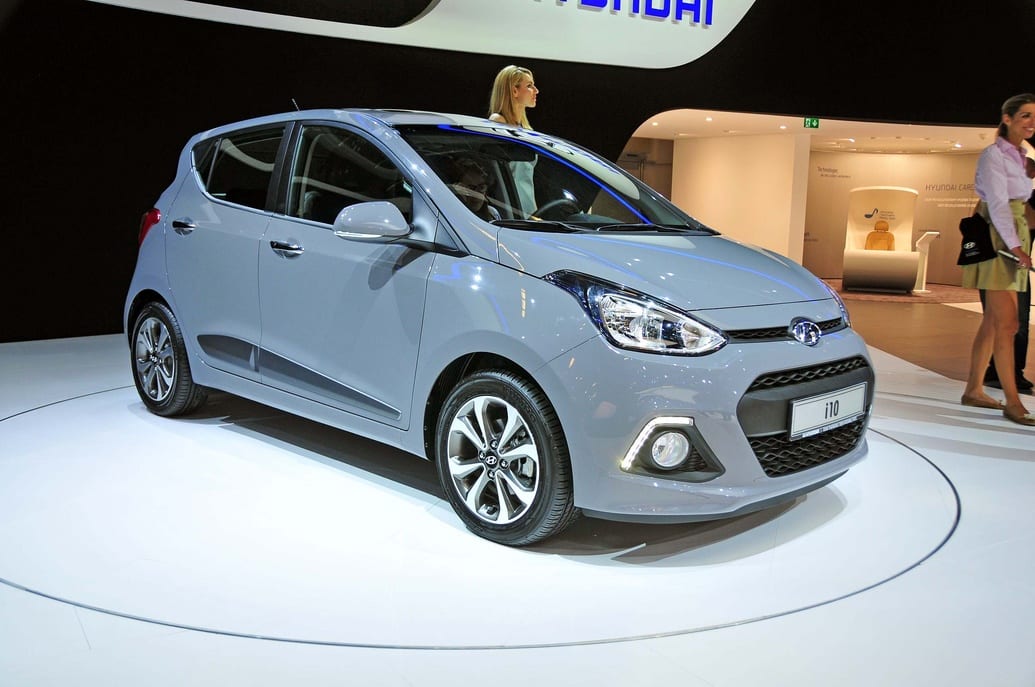
    Hyundai Motor is introducing its connected-car system in Europe in partnership with Vodafone next year. The carmaker and affiliate Kia Motors signed a memorandum of understanding with Vodafone at the company’s British headquarters on Monday to roll out the service, Hyundai Motor said.

    Its Blue Link connected-car platform will be available in cars launching in Europe in the latter half of next year. The system will utilize Vodafone’s network. Kia’s Uvo connected-car system will be available in new cars sold in Europe in the first half of 2019.

    The connected-car service will offer real-time traffic information as well as information about nearby parking lots. It will also enable the remote detection of the car’s location as well as anti-theft features.

    Voice-recognition will be available in partnership with Nuance, a U.S. company. In Korea, that service is available in partnership with Kakao.

    Vodafone is one of the leading telecom companies in Europe, with 120 million users on the continent. It is established in 51 countries globally.

    The Blue Link service offered in collaboration with Vodafone will be available in eight European countries, including Britain, Germany, France and Spain. Ultimately, it will be available in 32 European countries.

    Europe is the fifth region where Hyundai Motor has introduced its connected-car service. It is already available in Korea, the United States, Canada and China.

    In July, Hyundai Motor partnered with Chinese IT firm Baidu for the introduction of connected-car services. In the United States, it is working with AT&T, and in Canada it utilizes the Bell network.

    “The latest collaboration will enable European customers to use the high-tech service,” said Suh Jung-sik, senior vice president of Hyundai Motor’s ICT department in a written statement. “The connected-car service will launch from early next year and be expanded in the future.”

  • Gentle Monster starts its European expansion

    Gentle Monster starts its European expansion

    South Korean eyewear brand Gentle Monster began the first phase of a major European expansion plan when it opened a 450 sq m store in the heart of London’s West End.

    Celebrating the opening at a party, the company’s UK and Europe managing director, Gary Bott, also talked about its Selfridges concession opening Monday and detailed plans for further stores in the EMEA region, including Paris and Dubai.

    The company is riding an eyewear wave in which sunglasses and frames are one of the most dynamic growth categories in the fashion sector at present.

    And that growth means the category is seeing plenty of style and technology innovation, as well as offering opportunities for brands with a strong point of difference to expand into new markets.

    Gentle Monster is known for its unusual frame designs and its powerful creative collaborations and that’s a compelling USP.

    It needs to be compelling too as it’s in a location with plenty of competition. The flagship opening, on Argyll Street, puts it in a prime retail and tourist spot (it’s a stone’s throw away from Liberty and is exactly opposite the London Palladium.) And the Selfridges concession sees it taking its place as one of the anchor brands in the latest phase of the Accessories hall.

    Its UK (and later on, its European) expansion comes on the back of news last September that L Catterton Asia invested in IICombined, the owner and operator of the brand.

    Gentle Monster had been founded in 2011 by Jay Oh and Hankook Kim, and expanded steadily in recent years, although its standalone store numbers had only just edged into double-digits by last autumn. However, the pace has speeded up in recent months with the company having 17 stores before the London opening.

    The faster opening pace will be kept up from now as the company targets the EMEA region, with Gary Bott telling Fashion Network that the brand will open six new stores later this year and into 2019. “We’re looking at Paris first and then Dubai,” Bott said, adding that London was the choice for the first European location because it’s “a platform into Europe.”

    The permanent Selfridges location comes after the company opened a pop-up at The Corner Shop there on June 4 with Bott adding that the temporary store gave the brand valuable experience of the London market.

    Bott said “the feedback and sales especially have gone beyond our expectations. We’ve doubled effectively what we hoped we’d do.”

    The new Argyll Street location underlines just why the brand is so appealing to retailers such as Selfridges as it concentrates on the retail experience as much as the products. Bott said: “We are very much focused on creating a sensory experience for the customer, even down to the individual fragrance for each of our flagship stores.”

    With this in mind, the London flagship follows a completely different design scheme to the brand’s other stores and ‘experience’ really is at the heart of the layout. The firm’s in-house robotic’s team created the concept that mixes aliens with martial arts, focusing more on the visual appeal of Kung Fu than on its ability to cause serious physical damage. The idea is that extra-terrestrials were “captivated by the beauty of Kung Fu, presented in the most unexpected client point-of-view throughout the two floors.”

    Of course, we don’t get aliens or martial artists at the much smaller Selfridges store but experience and a striking visual impact are no less priorities there. An ‘active volcano’ and another robotic installation certainly add an interesting element to the Accessories hall.

    As you can see, robotics really makes up a key part of the company’s store strategy and so it’s no surprise that it invested in a robotics factory in Korea.

    The robotics specialists there work in cooperation with the Gentle Monster store designers with Bott adding that “everything’s half assembled in HQ. And then it travels around the world to whatever destination we’re opening up in our flagships stores, and then our spatial design teams fully assemble everything on site.”

  • TWG celebrates 10th anniversary by store opening

    TWG celebrates 10th anniversary by store opening

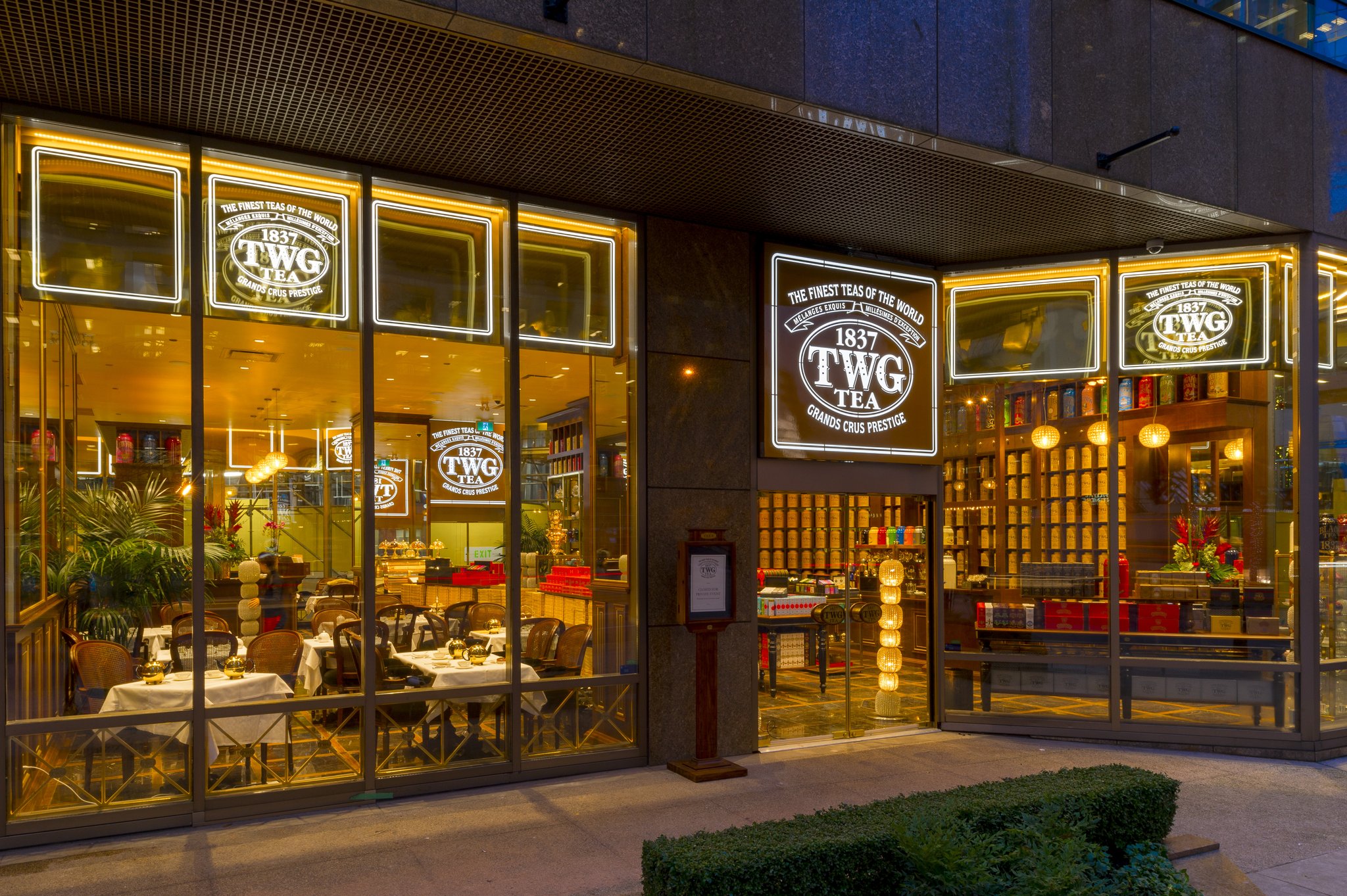
    Tea WG has announced its launch in Europe in conjunction with its 10th anniversary.

    The luxury tea brand will open two Tea WG Salons & Boutiques in London at Knightsbridge and Leicester Square, achieving the distinction of being the first luxury tea brand to emerge from Asia in the UK market.

    Both new venues are opening in heritage buildings and include retail boutiques, patisserie counters and tea salons with refined, luxurious interiors designed and conceived by Taha Bouqdib. The concept salons showcase more than 800 of Tea WG’s signature harvests and tea blends, as well as its tea gastronomy, tea accessories and tea-infused foods.

    The brand was originally established in Singapore in 2008 as a luxury concept that incorporates unique and original retail outlets, exquisite tea rooms and an international distribution network to professionals.

  • EU set to lift ‘yellow card’ on Vietnam fisheries next year

    EU set to lift ‘yellow card’ on Vietnam fisheries next year

    Vietnam will have to wait another six months for the European Union to consider lifting a ‘yellow card’ restriction slapped last year because of illegal fishing.

    After an evaluation done May 15-24 this year, the EC decided that they would consider lifting the yellow card in January next year, as Vietnam has shown “improvement,” according to a statement issued by the Directorate of Fisheries under the Ministry of Agriculture and Rural Development.

    The European Commission (EC), executive body of the 28-nation bloc (including the U.K.), had issued an official warning on October 23 last year that it would ban seafood imports from Vietnam unless Hanoi did more to tackle illegal fishing carried out by Vietnamese vessels in other countries’ territories.

    The directorate, however, admitted that problems continued to dog the sector, especially in controls of fishing and tracing origins.

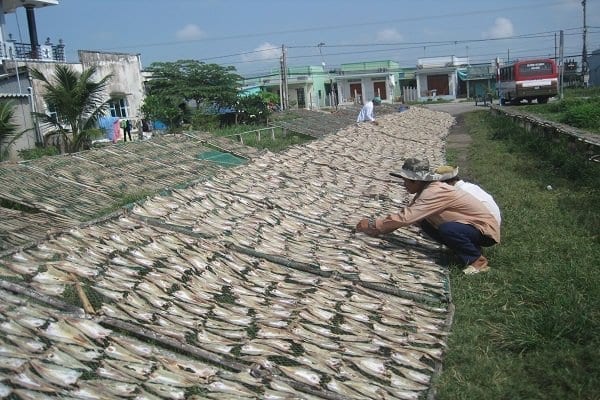
    Vietnam currently has around 33,000 offshore fishing vessels, but only 3,000 of them, or 9 percent, are equipped with satellite navigation devices, it said, adding that the high cost of installation was a constraining factor.

    Though Vietnam has acted on suggestions from EC last year to improve controls over offshore fishing in the 2017 Fishery Law, there was still room for improvement in the actual implementation process at local provinces, the directorate said.

    Vietnam ranks among the top ten seafood producers in the world, according to the FAO, the U.N. food and agriculture organisation.

    The E.U., the world’s biggest fish importer, adopted a regulation that took effect in 2010, aiming to avoid complicity in illegal fishing and promote sustainable use of the sea resources.

    The EC estimates that each year, between 11 and 26 million tons of fish, at least 15 percent of the global catch worth 8 and 19 billion euros, are caught illegally.

  • CJ Logistics to launch Asia-Europe overland parcel delivery service

    CJ Logistics to launch Asia-Europe overland parcel delivery service

    South Korea’s top courier CJ Logistics Corp. will start a door-to-door overland parcel delivery service from China to Europe via railways and trucks.

    The company said it will start the Eurasia Bridge Service that uses both Trans China Railway trains and trucks to deliver containers directly from China to clients’ manufacturing plants and logistics centers in Europe.

    The service will use the train route connecting Chengdu, China to Lodz, Poland and Nuremberg, Germany then to Tilburg, the Netherlands. After containers arrive at each station, trucks will deliver cargos to final destinations located within 400 kilometers from the train stations.

    It is the first time for a courier company to offer a door-to-door parcel delivery service via trains and trucks in a route connecting Asia and Europe, according to CJ Logistics.

    For its new courier service, the Korean firm will be working with Rail Transportation Service Broker GmbH (RTSB), which operates railway services across Europe and the Commonwealth of Independent States (CIS) region.

    By using the Trans China Railway, the freight charge between Europe and Asia would drop to one-fifth of air shipping. It also would take only a third of the time needed for ship freight, said CJ Logistics. The company plans to increase its courier service routes from Asia to Europe to 52 and the reverse routes to 74. It also aims to expand its courier service to connect 30 major European cities and 24 Asian countries in the future.

  • Jollibee Milan Is Finally Open And the Response Is Intense

    Jollibee Milan Is Finally Open And the Response Is Intense

    There were queues when Filipino fast-food giant Jollibee Europe opened its first-ever branch, in Milan.

    An estimated 170,000 Filipinos live in the Italian city.

    In the early hours of the outlet’s opening day, families, young people, members of the Filipino community, and even locals were lining up in front of the Jollibee store.

    Slide to view the gallery below :

    “Gaining a foothold in Milan is a fundamental step for Jollibee, as well as a launch pad for the expansion of the brand to Europe,” says Jollibee Foods Corporation CEO Ernesto Tanmantiong.

    Milan’s opening follows the signing of a JV between Jollibee Foods Corporation and Singapore Blackbird Holdings to take the fast-food chain into Europe.

    “We want to bring Filipinos a taste of home, and at the same time share with Italians, who are famous for their gastronomic heritage, says Tanmantiong.

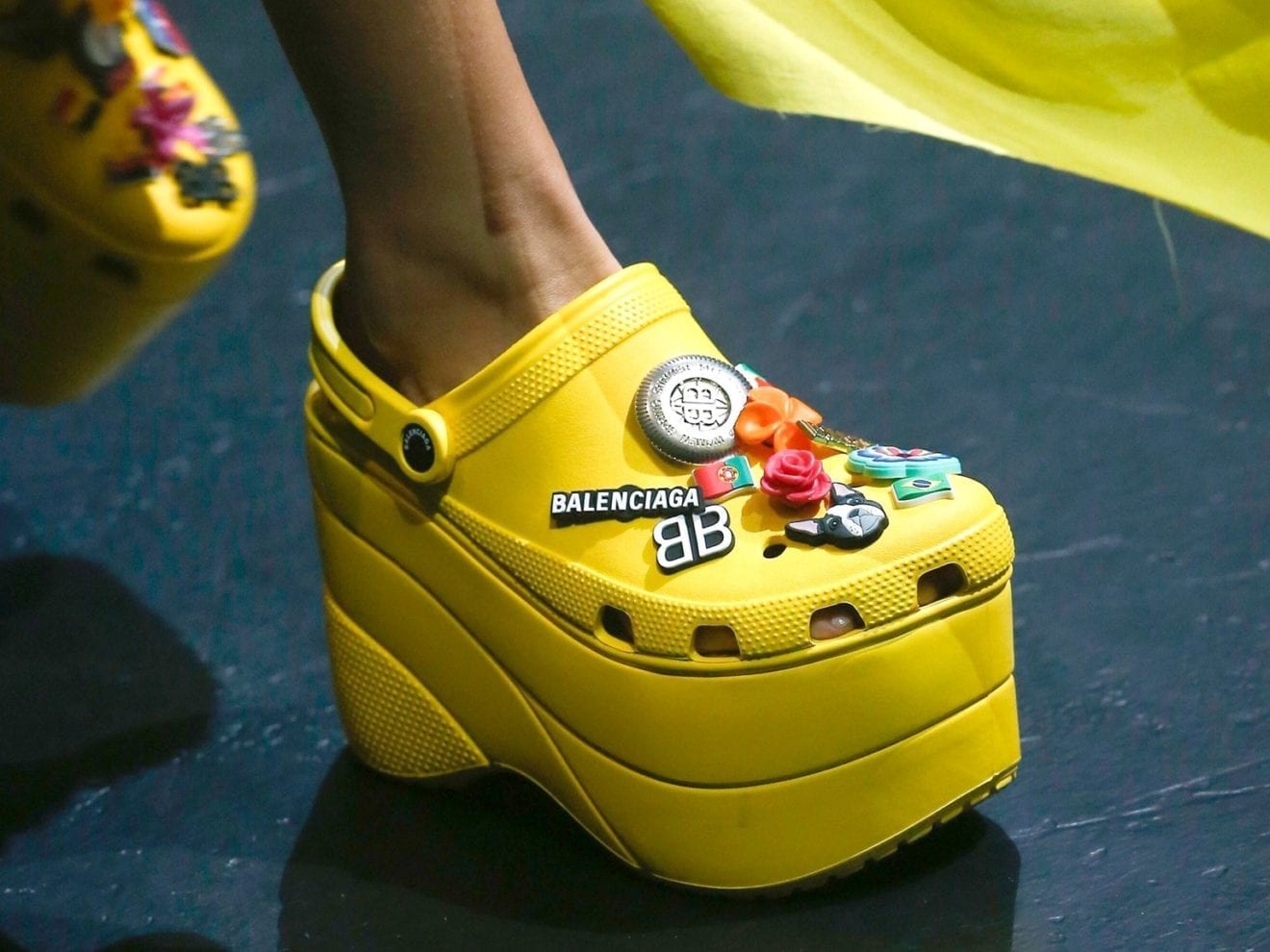
  • Crocs shoes lose EU patent in court blow

    Crocs shoes lose EU patent in court blow

    An EU court ruled on Wednesday that the design of Crocs shoes cannot be patented in Europe in a blow to the US-based maker of the plastic clogs.

    Luxembourg-based judges upheld a 2016 decision by the EU’s intellectual property office to cancel the patent because Crocs made the design public before registering it.

    Crocs have sold 300 million pairs around the world, according to their manufacturers, attracting devotees because of their comfort and seeming indestructibility, but attracting mockery too for their chunky shape.

    “The General Court confirms the cancellation of registration of Crocs’ design because it was made available to the public before its registration,” said the General Court of the European Union, the bloc’s second highest court.

    It said Crocs were originally granted a patent in the EU in 2005, but a rival French shoe manufacturer, Gigi Diffusion appealed against the decision in 2013.

    The EU patent office agreed, saying that Crocs’ design had already been made public in 2003 on its website and at a boat show in Fort Lauderdale, Florida, and therefore “lacked novelty”.

    Under EU regulations any design which has been made public in the 12 months prior to a patent application cannot be given a patent.