Retail News CRM

Tag: EV

  • VinFast Set to Revolutionize Transport with Hybrid Vehicles in 2023: A Game Changer in the EV Market?

    VinFast Set to Revolutionize Transport with Hybrid Vehicles in 2023: A Game Changer in the EV Market?

    VinFast, a Vietnamese automaker, is reportedly planning to tap into the hybrid vehicle market by next year. The company will reportedly add gasoline-powered generators to its existing electric vehicle models, easing the transition for consumers into the electric vehicle market.

    VinFast’s Hybrid Vehicle Plans

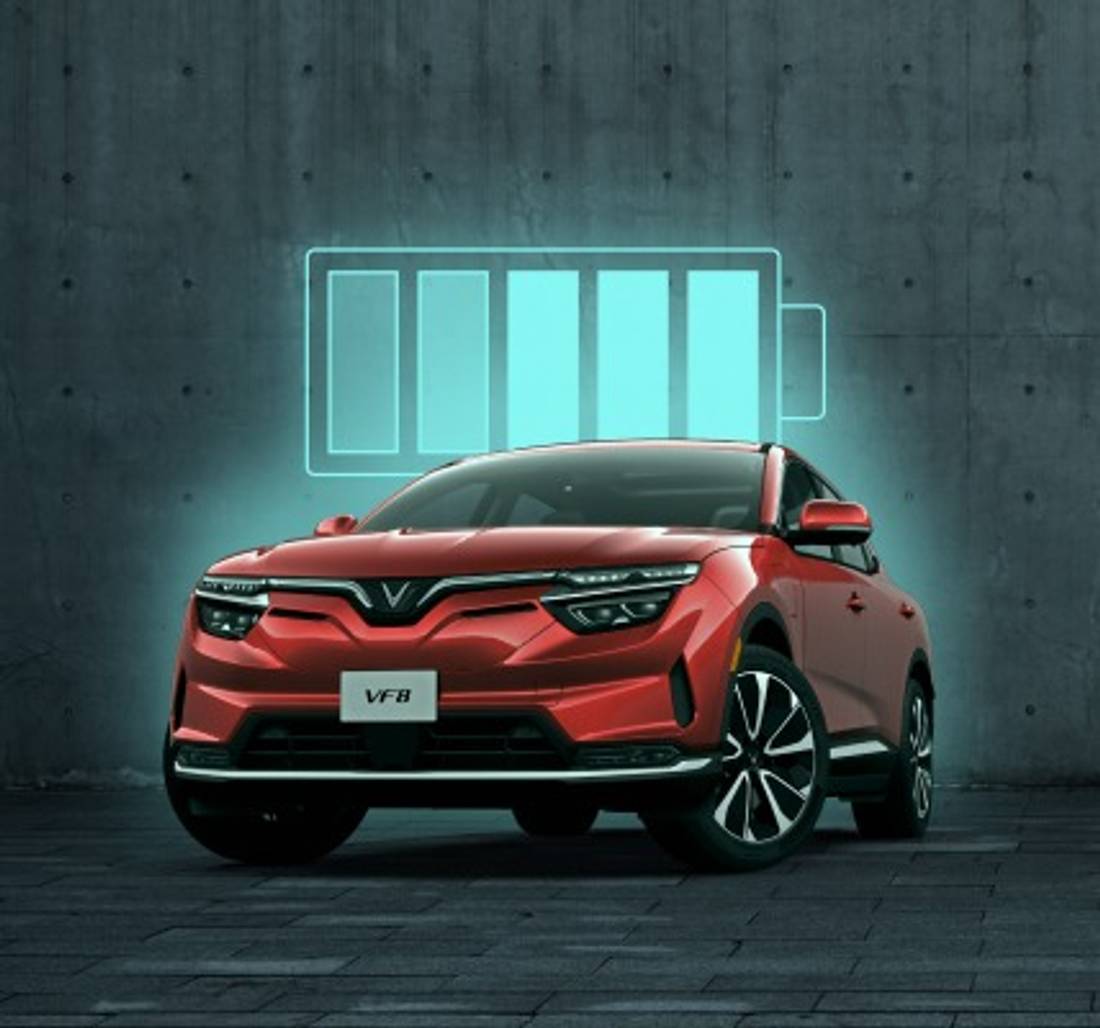
    Informed sources have revealed that VinFast is gearing up to roll out hybrid versions of its VF 8 and VF 9 models. However, the automaker has yet to officially confirm these plans. The recent buzz surrounding VinFast’s entry into the hybrid market was stoked when Sailun, a Chinese tire manufacturer with operations in Vietnam, used images of a car resembling a VinFast model in their promotional materials for an upcoming line of hybrid vehicle tires.

    According to insiders, the VinFast hybrid vehicles will likely fall under the extended-range electric vehicle (EREV) category. These vehicles are fully powered by an electric engine, but feature a gasoline-fueled generator to recharge the battery. This specific type of hybrid vehicle could broaden the customer base for electric vehicles by addressing common concerns about long-distance travel and the availability of charging stations.

    Global Shift Towards Hybrid Vehicles

    VinFast’s move towards hybrid vehicles mirrors a broader global trend among automakers. Several leading companies, including Honda, Mercedes, and Volvo, initially committed to exclusively manufacturing electric vehicles. However, they later modified or abandoned these plans, incorporating hybrid vehicles into their lineups. BYD, currently the top-selling new-energy vehicle brand worldwide, also heavily relies on hybrid vehicle sales.

    In recent years, hybrid vehicle sales in Vietnam have seen consistent growth, with a variety of options available from manufacturers like Toyota, Honda, Nissan, Suzuki, and Subaru. Chinese brands like BYD, Jaecoo, and Lynk & Co are further expanding the hybrid vehicle segment. Depending on the design, the interaction between the gasoline engine and the electric motor produces diverse hybrid formats.

    Extended-range electric vehicles are relatively rare in the Vietnamese market. The Nissan Kicks was the only model in this category, but it is no longer available for sale.

    Questions & Answers

    What are VinFast’s plans for entering the hybrid vehicle market?
    VinFast is reportedly planning to introduce hybrid versions of its VF 8 and VF 9 models by next year.

    What is an extended-range electric vehicle (EREV)?
    An EREV is a vehicle that is entirely powered by an electric engine but also has a gasoline-fueled generator to recharge the battery.

    How does VinFast’s shift towards hybrid vehicles fit into global automotive trends?
    VinFast’s move aligns with a broader international trend, with many automakers initially committing to electric vehicles but later incorporating hybrid vehicles into their lineups.


  • Ho Chi Minh City’s Ambitious Plan: Complete Transition To Electric Motorcycles By 2029 Amidst Infrastructure Challenges

    Ho Chi Minh City’s Ambitious Plan: Complete Transition To Electric Motorcycles By 2029 Amidst Infrastructure Challenges

    In Ho Chi Minh City (HCMC), approximately 14,000 ride-hailing motorbike drivers have transitioned from gasoline-powered vehicles to electric versions. This represents about 3.5% of the total fleet. Ngo Hai Duong, Head of the Road Transport Management Department of the city’s Department of Construction, revealed at a recent forum that HCMC aims to completely transition its 400,000-strong ride-hailing motorbike fleet to electric vehicles (EVs) by 2029.

    Reducing Registrations for Gasoline-Powered Bikes

    The city has plans to decrease the number of registered gasoline-powered motorbikes for ride-hailing platforms starting next year. Duong revealed that out of the city’s 21,300 taxis, over 68% are now electric. He clarified that this transition was primarily driven by the businesses themselves rather than any city ordinances.

    Challenges in the Transition to Electric Vehicles

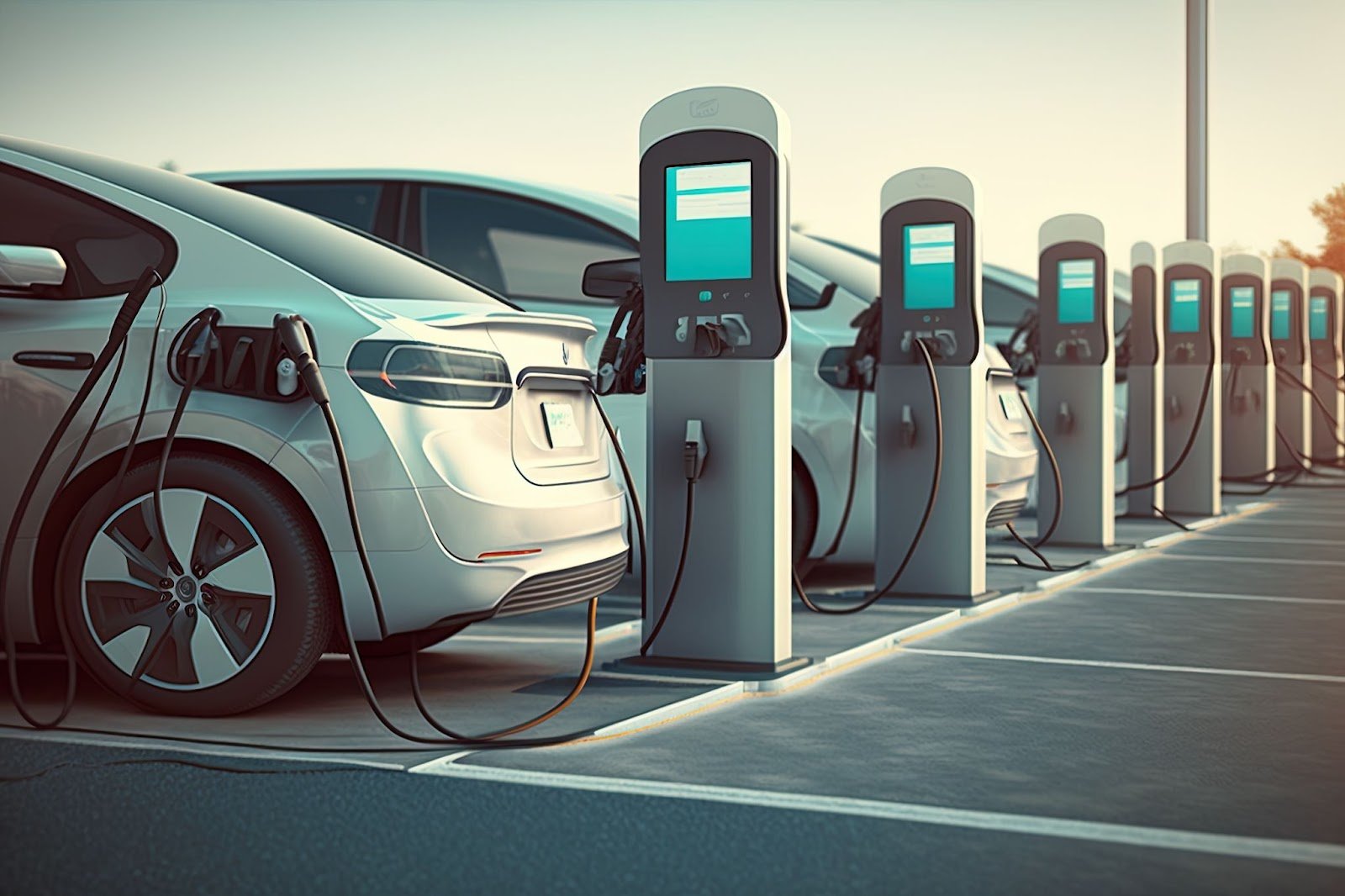
    However, one of the main obstacles to the successful transition to EVs is the limited availability of charging stations. The growing demand from electric motorbikes, cars, and buses is starkly in contrast to the city’s fewer than 1,000 charging stations with 15,000 ports. Duong acknowledged that the growth of charging infrastructure has not kept up with the rise in electric vehicle numbers.

    Hoang Anh Tuan, Director of the Transport and Traffic Safety Department of the Ministry of Construction, suggested that priority should be given to a city-wide plan for charging stations, akin to the existing network of gasoline stations. This would require setting criteria for locations and technical standards, along with a commitment to universal charging for all vehicles.

    The Vietnam Automobile, Motorcycle and Bicycle Association echoed this sentiment and urged the government to implement “non-monopoly” regulations for charging infrastructure. This means that charging stations should be open to all electric vehicles.

    Recycling Electric Vehicles and Batteries

    Analysts have proposed the establishment of a system for recycling electric vehicles and their batteries. There is also a proposal being considered by the city to give households up to VND20 million (approximately US$800) to trade their gasoline motorbikes for electric ones. This move is part of the city’s concerted efforts to reduce pollution and create low-emission zones.

    Questions & Answers

    What is the percentage of the total fleet that has transitioned to electric vehicles in HCMC?
    Approximately 3.5% of the total fleet in HCMC has transitioned to electric vehicles.

    What obstacles are being faced in the transition to electric vehicles?
    One of the main challenges is the lack of sufficient charging stations to meet the growing demand from electric motorbikes, cars, and buses.

    What initiatives are being considered to encourage the transition to electric vehicles?
    The city is considering a proposal to provide households with up to VND20 million (approximately US$800) to swap their gasoline motorbikes for electric ones. This initiative is part of the city’s broader efforts to reduce pollution and create low-emission zones.

  • Surge in Demand for Electric Motorbikes Sparks Excitement in Vietnam’s Retail Market

    Surge in Demand for Electric Motorbikes Sparks Excitement in Vietnam’s Retail Market

    Sales of electric motorbikes surged in the first eight months of the year, outpacing traditional gasoline-powered bikes and signaling a shift in consumer preference.

    A Boom in Electric Motorbike Sales

    Electric vehicles, particularly those that don’t require a driver’s license, experienced an astonishing 89% increase in sales year-on-year. For those requiring a license, the growth was even more dramatic, soaring by 197%. In contrast, traditional gasoline motorbikes saw a more modest sales increase of 14.8%, as reported by the research platform Motorcycles Data. Overall, Vietnam’s motorbike market witnessed 2.08 million units sold across all categories, marking a notable 15.2% rise.

    The Leaders of the Market

    In terms of market dominance, Honda and Yamaha remained juggernauts, closely followed by VinFast. Honda recorded a sales uptick of 6.3%, while VinFast’s sales skyrocketed by 447% compared to the previous year. Meanwhile, Yamaha faced a downturn, with an 8.6% drop in sales.

    Why the Shift Towards Electric?

    Industry analysts attribute the explosive demand for electric motorbikes to their lower operating costs, making them increasingly attractive to consumers. Additionally, government initiatives are playing a pivotal role in this shift. Hanoi is set to gradually ban internal combustion engine motorbikes starting in July 2026, and Ho Chi Minh City is exploring similar restrictions.

    Promotional Pushes Fuel Demand

    With these impending restrictions on the horizon, manufacturers are ramping up promotions to capture the attention of potential buyers. Incentives such as cash discounts, complimentary accessories, and trade-in support for those switching from gasoline bikes to electric are becoming standard practice. Notably, the back-to-school season has also contributed to the increased sales, as parents are keen on purchasing electric motorbikes that their children can ride legally without needing a license.

    VinFast Eyes Ambitious Sales Goals

    VinFast currently holds the largest market share in the electric motorbike segment. The company has set an ambitious goal of selling approximately 1.5 million electric motorbikes by 2026 through its network of over 600 distributors nationwide. For context, Honda’s sales figures in 2024 stood at around 2.14 million, illustrating the competitive landscape.

    A Growing Global Presence

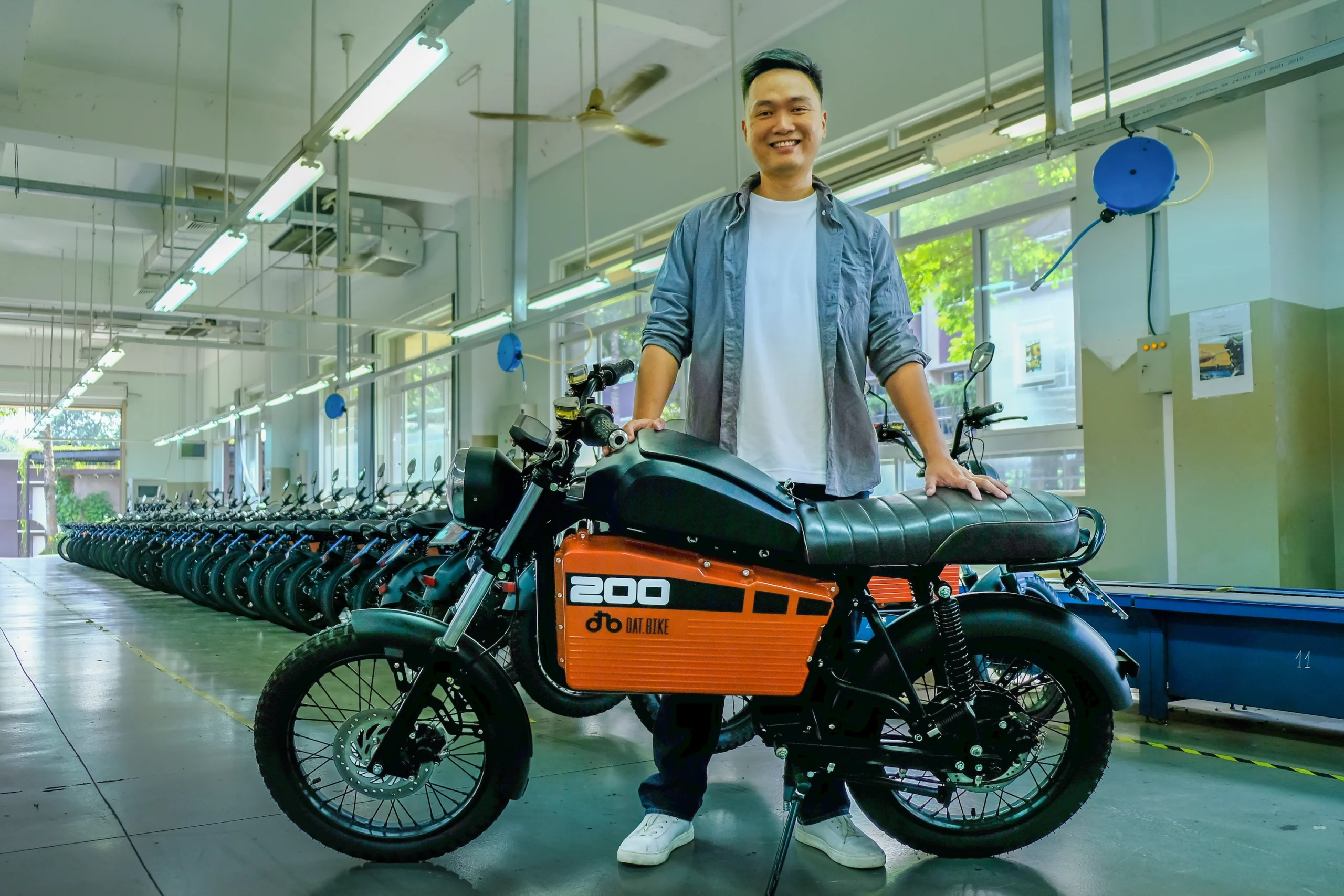
    As electric motorbike sales continue to surge, Vietnam now ranks as the third-largest electric motorbike market globally, trailing only behind China and India. With brands like Yadea, Dat Bike, Selex Motors, and HK Bike also carving out significant market shares, the landscape looks poised for a vibrant future.

    Questions & Answers

    What sparked the rapid rise in electric motorbike sales in Vietnam?
    The surge in electric motorbike sales is largely due to their lower operating costs, supportive government policies, and the anticipation of restrictions on gasoline motorbikes in major cities.

    Which brands are leading the electric motorbike market?
    Honda dominates the overall motorbike market, but VinFast is now the leader in the electric segment, achieving an impressive growth of 447% in sales.

    How does Vietnam’s electric motorbike market compare globally?
    Vietnam currently stands as the third-largest electric motorbike market in the world, following China and India, highlighting the rapid adoption of electric vehicles among consumers.

  • Vietnam Soars to 3rd Place Worldwide in Electric Motorbike Sales, Igniting a Green Revolution!

    Vietnam Soars to 3rd Place Worldwide in Electric Motorbike Sales, Igniting a Green Revolution!

    Vietnam secured the third spot globally in electric motorbike sales in the first half of 2025, trailing only behind China and India with an impressive tally of 209,000 units.

    Data from online database Motorcycles Data reveals that Vietnam’s market size has doubled compared to the same period last year. China dominated the scene with a staggering 3.2 million units sold, while India followed at 657,000. In total, global sales surpassed 4.4 million, marking a notable year-on-year increase of 7.2%.

    A Local Hero in the Electric Revolution

    In Vietnam, electric motorbike sales are primarily driven by homegrown manufacturer VinFast, the only company to have publicly shared its sales figures. In a landscape where competitors like Honda and Yamaha keep their cards close to their chest, VinFast emerged as a dominant player, securing its position among the top 10 global electric motorcycle manufacturers. Last year alone, the brand led the Vietnamese market with nearly 71,000 units sold.

    Projected Growth and Changing Regulations

    While VinFast has yet to officially announce its sales numbers for the first half of 2025, sources indicate that the company is likely to have sold over 100,000 electric motorbikes. The segment that recorded the most remarkable growth was that of electric motorbikes not requiring a license, which soared by an astonishing 112%. These affordable models are particularly appealing to students and homemakers, bridging the gap between mobility and cost-effectiveness.

    Anticipating a Surge in Demand

    Industry analysts are closely monitoring regulatory changes, particularly the anticipated ban on gasoline motorcycles in parts of Hanoi and the potential for similar initiatives in Ho Chi Minh City. Such regulations are poised to significantly boost the demand for electric motorbikes in the coming years. In a stark contrast, Honda and Yamaha currently offer only one electric motorcycle model each, resulting in relatively modest sales figures.

    Questions & Answers

    What is Vietnam’s global ranking in electric motorbike sales as of the first half of 2025?
    Vietnam ranks third globally in electric motorbike sales, following China and India, with 209,000 units sold.

    Which company leads the electric motorbike market in Vietnam?
    VinFast leads the market in Vietnam, boasting significant sales figures and demonstrating rapid growth within the electric motorcycle segment.

    How are regulatory changes expected to affect electric motorbike demand in Vietnam?
    The expected ban on gasoline motorcycles in urban areas like Hanoi and Ho Chi Minh City is set to drive higher demand for electric motorbikes as consumers shift towards more sustainable options.

  • LG Energy Solution Expands Horizons: Set to Launch Electric Bike Manufacturing in Vietnam

    LG Energy Solution Expands Horizons: Set to Launch Electric Bike Manufacturing in Vietnam

    South Korean battery producer LG Energy Solution is setting its sights on manufacturing electric motorbikes and establishing charging stations in Vietnam. During a recent meeting with local officials in Phu Tho Province, Lee Jin Woo, senior director of LG Energy Solution (LGES), detailed plans for investment that will come through official development assistance, a form of aid aimed at fostering economic growth in developing nations. This venture indicates LGES’s commitment to expanding its footprint in the burgeoning electric vehicle market.

    In addition to manufacturing electric motorbikes, LGES aims to collaborate with local businesses to create a network of charging stations and battery exchange systems tailored for electric vehicles in the province. This move not only promises to enhance the infrastructure for electric mobility but also underscores LGES’s strategic approach to fostering local partnerships.

    Support from Local Authorities

    Phu Tho’s chairman, Tran Duy Dong, has instructed local agencies, including the Investment Promotion and Support Center and the Department of Finance, to facilitate LGES’s investment in the region. The support from local authorities illustrates the government’s eagerness to embrace eco-friendly transportation solutions and bolster the local economy.

    A Leader in Battery Production

    Founded in 1999 as South Korea’s inaugural lithium-ion battery manufacturer, LG Energy Solution has cemented its status as a global powerhouse in battery technology, supplying major automakers such as Ford, Tesla, and General Motors. Beyond electric vehicles, LGES also produces batteries for a range of devices including laptops and smartwatches, demonstrating its versatility in the battery sector.

    Phu Tho’s Vision for the Future

    Positioned approximately 100 kilometers northwest of Hanoi, Phu Tho Province is poised for industrial growth. The local government envisions the establishment of 57 industrial parks covering nearly 13,400 hectares by 2030, with 16 projects already operational. The province has successfully attracted 720 foreign investments, primarily from South Korea and Japan, amounting to approximately US$12.5 billion by the end of 2024. As the home of new investment opportunities and technological advancements, Phu Tho may soon be buzzing with electric motorbike enthusiasts.

    Questions & Answers

    What type of vehicles is LG Energy Solution planning to manufacture in Vietnam?
    LG Energy Solution is planning to manufacture electric motorbikes in Vietnam.

    How will LGES support the electric vehicle infrastructure in Phu Tho?
    LGES aims to collaborate with local companies to establish charging stations and battery exchange networks for electric motorbikes.

    What is the significance of Phu Tho’s local investment vision?
    Phu Tho aims to develop 57 industrial parks by 2030, adapting to the region’s growing industrial needs and promoting foreign investments, while fostering an eco-friendly transportation network.

  • VinFast Dominates Small Crossover Utility Market with Innovative Offerings and Exceptional Performance

    VinFast Dominates Small Crossover Utility Market with Innovative Offerings and Exceptional Performance


    VinFast is dominating the small crossover utility vehicle (CUV) market in Vietnam, capturing more than 64% of sales in the first half of 2025, leaving competitors like Toyota far behind.
    In a remarkable surge, the VinFast VF 3 model emerged as the star performer, racking up sales of over 23,000 units. This impressive figure represents 28% of the total 83,100 small CUVs sold in Vietnam during this period. Not far behind, the VF 5 sold 21,800 vehicles, while the VF 6 claimed third place with 8,500 units.

    In stark contrast, Toyota managed to secure only a 12.8% share of the market, with its Yaris Cross and Corolla Cross models ranking fourth and sixth, respectively, having sold 5,400 and 3,600 vehicles. Mitsubishi’s Xforce followed closely in fifth place with 4,500 sales, while other contenders like Hyundai Creta, Kia Seltos, Honda HR-V, and Kia Sonet rounded out the competitive landscape.

    Once a formidable force in the small CUV sector, Kia has found itself facing increasing challenges. The brand, which led the market in 2023-2024 with its Sonet and Seltos models, has seen its sales dwindle to just above 5,000 vehicles for a market share of 6.1%. Competing Japanese brands and the rising trend of affordable electric vehicles have contributed to this shift.

    Mitsubishi and Hyundai are closely matched, each holding just over 5% of the market share, while Honda and Mazda account for 3% apiece. In a market where electric vehicles are becoming the new black, will Kia find a way to revitalize its appeal, or is it merely a case of letting the ‘bigger fish’ swim ahead?

    Questions & Answers

    What percentage of the small CUV market did VinFast capture in the first half of 2025?
    VinFast captured over 64% of the small CUV market in Vietnam.

    Which VinFast model topped the sales, and how many units were sold?
    The VinFast VF 3 topped the sales charts with over 23,000 units sold, accounting for 28% of the small CUVs sold in the country.

    How are Toyota’s models performing in comparison to VinFast’s?
    Toyota’s top models, the Yaris Cross and Corolla Cross, ranked fourth and sixth, respectively, but combined, they only secured a 12.8% share of the market.

  • Hanoi’s Electric Vehicle Shift Requires More Time, Warns Motorbike Makers Association

    Hanoi’s Electric Vehicle Shift Requires More Time, Warns Motorbike Makers Association

    This month, Hanoi’s government announced a bold initiative to ban fossil-fueled motorbikes from the city’s Ring Road 1, an area that encompasses much of the bustling downtown, with the prohibition set to take effect by mid-2026. However, the Motorbike Manufacturers Association, which includes industry giants like Honda, Yamaha, Suzuki, Piaggio, and SYM, believes the timeline is unrealistic and should be extended.

    While the association recognizes the necessity of reducing emissions, it underscored the significant challenges posed by such an aggressive plan. “Residents, businesses, and regulators need at least two to three years to prepare for this shift,” the group recently communicated to government officials. They proposed a more gradual approach that starts with banning older, high-emission vehicles, then progressively targets commercial bikes, delaying the ban on personal vehicles.

    Their concern centers on the financial strain this abrupt transition could place on low-income residents who may struggle to afford new electric vehicles. Manufacturers echoed these sentiments, warning that the costs associated with shifting to electric production could lead to substantial financial losses.

    Hanoi is a crucial market for Honda, which holds the largest market share in Vietnam’s two-wheeler sector. In the previous year alone, Honda sold 2.15 million two-wheelers in Vietnam, with 190,000 of those sales happening in Hanoi. The association further highlighted the complex web of suppliers—around 200 firms primarily focused on internal combustion engine components—who could be jeopardized if the transition to electric bikes occurs too swiftly. The lack of adequate public charging infrastructure is another pressing concern.

    Currently, Vietnam’s power grid is ill-equipped to handle widespread electric vehicle charging, especially during peak usage times in populous areas. Moreover, home charging poses risks of fire and explosion, particularly in older apartment complexes. Although VinFast has established a nationwide charging network, it primarily serves electric cars. Other players like Dat Bike have set up a few stations in Ho Chi Minh City, while Selex Motors has opted for a battery-swapping model at 90 locations across Hanoi, Da Nang, and Ho Chi Minh City.

    In Ho Chi Minh City, ride-hailing and delivery drivers are expected to make the switch to electric motorbikes by 2026, with a complete phase-out of gasoline models to follow by the end of 2028. As the largest cities in Vietnam, Hanoi and Ho Chi Minh City lead the way in motorbike usage.

    A CEO from a Vietnamese motorbike brand noted that once government decisions are made, adaptation is no longer a matter of choice but an obligation. He emphasized the need for a realistic roadmap that considers the interests of all stakeholders involved. Experts advocate for additional financial support for private users and comprehensive public transport planning to ease this transition.

    To that end, Hanoi is exploring initiatives to assist the 450,000 residents within Ring Road 1 who currently rely on gas-powered motorbikes, potentially by subsidizing the registration fees of new vehicles.

    Questions & Answers

    What prompted Hanoi’s government to ban fossil-fueled motorbikes?
    The ban is part of Hanoi’s initiative to reduce emissions within the city, aiming to phase out gasoline-powered motorbikes from the densely populated Ring Road 1 by mid-2026.

    What concerns has the Motorbike Manufacturers Association raised regarding the ban?
    The association argues that the current timeline is too aggressive, urging for a phased approach that provides residents and manufacturers more preparation time, particularly to mitigate financial burdens on low-income individuals.

    How is the current charging infrastructure in Vietnam supporting the transition to electric motorbikes?
    The existing public charging infrastructure is limited, with Vietnam’s power grid unprepared for mass electric vehicle charging, especially in peak hours, and home charging posing safety risks in older apartment buildings.

  • BYD Surpasses Toyota as Singapore’s Best-Selling Car Brand for the First Time

    BYD Surpasses Toyota as Singapore’s Best-Selling Car Brand for the First Time

    In an electrifying twist in the automotive landscape, BYD has officially claimed the title of Singapore’s top-selling car brand for the first time this year, outpacing Japanese giant Toyota. With its sights firmly set on global expansion, the Chinese electric vehicle manufacturer has demonstrated remarkable sales prowess, demonstrating the power of innovation in a competitive market.

    BYD Surges Ahead

    During the first four months of 2025, BYD reported sales of 3,002 vehicles, capturing a remarkable 20% of the total car sales in Singapore, according to government data. In contrast, Toyota managed to sell 2,050 units, while Tesla lagged behind with 535 vehicles sold in the same timeframe. This impressive performance marks a significant shift in a market traditionally dominated by Toyota, which recorded sales of 7,876 cars in 2024 compared to BYD’s total of 6,191.

    The Strategy Behind Success

    BYD’s surge in sales highlights its strategic direction toward international markets, particularly amidst fierce price wars in China. Recent reports reveal that the leading automaker from China aims to sell half of its vehicles outside its home market by 2030—a bold target that positions it as a serious contender against established global players.

    Entering the Singapore consumer car market in 2022, BYD has gained traction at a swift pace, eclipsing Tesla’s growth. In 2023, BYD’s sales nearly doubled to 1,416 units, while Tesla saw a modest increase of just 7%, reaching 941 units.

    The Price of Ownership

    Owning a car in Singapore is no small feat, given the city-state’s reputation for high vehicle ownership costs. For instance, the popular compact BYD Atto 3 SUV is priced at a minimum of S$165,888 (approximately US$127,500), while other models like the Toyota Corolla Altis come in at around S$170,888. Despite these premium prices, BYD’s growing presence reflects a shifting consumer preference toward more sustainable vehicle options.

    As BYD expands its footprint in Southeast Asia, with Thailand currently its largest overseas market, plans are in place for further expansion into Europe and Latin America, redefining the boundaries of the automotive industry.

    Will BYD maintain its momentum in Singapore? Will prey meet its rival head-on in the price wars? And can we expect to see a BYD-branded amusement park with all the thrills of eco-friendliness?

    Questions & Answers

    **What led to BYD overtaking Toyota in Singapore?**
    BYD’s strategic focus on international expansion and significant sales growth in electric vehicles have positioned it ahead of Toyota for the first time this year.

    How does the pricing of cars in Singapore compare between BYD and its competitors?
    The compact BYD Atto 3 SUV starts at S$165,888, while the Toyota Corolla Altis is priced around S$170,888, highlighting the competitive pricing in a notoriously expensive car market.

    What are BYD’s future expansion plans?
    BYD is looking to grow its footprint beyond Singapore, targeting markets in Europe and Latin America, aiming to have half of its sales occur outside China by 2030.

  • Chinese EV firm Skyworth begins selling cars in Singapore

    Chinese EV firm Skyworth begins selling cars in Singapore

    Chinese EV maker Skyworth Auto has started selling its cars in Singapore, opening its first showroom there on Tuesday.

    The 185-square-meter showroom features the first Skyworth model in the country, K, an SUV designed for family comfort with a travel range of nearly 490 kilometers per charge.

    The car is priced at around $135,000 and is believed to be a competitor to the Toyota Harrier hybrid, which costs around $183,000.

    In June, Skyworth Auto plans to launch an electric crossover in Singapore. It also wants to start selling an electric van in the last quarter of the year.

    The Nanjing-based company produced its first EV in 2017. It also produces buses through a subsidiary.

  • Indonesia offers 3% tax incentive to hybrid car makers

    Indonesia offers 3% tax incentive to hybrid car makers

    Indonesia will offer a sales tax incentive on Government-borne Luxury Goods (PPnBM DTP) of 3% for hybrid cars from next year.

    Minister of Industry (Menperin) Agus Gumiwang Kartasasmita said at a press conference on December 16 that the Indonesian government asks hybrid car makers to register their hybrid car models with the government to get the PPnBM incentive.

    To provide the sales tax incentive for hybrid motor vehicles, the cabinet estimates a budget requirement of IDR840 billion (US$52.5 million). Agus stated that under Regulation No. 36 of 2021 concerning low-carbon four-wheeled vehicles, the government mandates a local component value (TKDN) for hybrid car manufacturers participating in the programme.

    In addition to hybrid vehicles, the government offers several incentives, including a 10% reduction in value-added tax (VAT) on imported fully built battery-operated vehicles (including passenger and electric cars, and electric buses) with a local content (TKDN) rate of 40%, and 5% for electric buses with a TKDN rate of 20-40%.

    There is also a 15% sales tax on fully imported or completely knocked-down vehicles and a 0% import tax on fully built battery-operated vehicles. A 100% sales tax exemption applies to certain electric vehicles imported as fully built or completely knocked down. The total budget needed for these incentives is estimated at around IDR2.52 trillion ($157.4 million).

  • Vietnam needs $14B to develop EV charging stations

    Vietnam needs $14B to develop EV charging stations

    Vietnam will need nearly US$14 billion to develop a network of charging stations to develop a green transport system, said insiders.

    This is expected to reduce greenhouse gas emissions, and create great tremendous opportunities for the electric vehicles (EV) market.The transition to EVs is a huge effort toward Vietnam’s net zero goal and environmental protection, and it will also boost the national economy, especially in reducing oil import costs and creating millions of jobs.

    According to a report from the World Bank, for EVs to become mainstream, especially among first-time car buyers, the charging station system plays a key role. It is estimated that Vietnam needs $2.2 billion by 2030 to build a network of public charging stations, and this figure will increase to $13.9 billion by 2040, and $32.6 billion by 2050 to meet most of the population’s EV demand.

    With the rapid development of EV technology and the trend towards green transportation, the demand for this type of vehicles is expected to increase strongly in the near future. It is predicted that more than 2.8 million EVs will be consumed from 2024 to 2035, and another 3 million in the 2036 – 2050 period if the development of the charging station network is accelerated.

    Major manufacturers such as VinFast have pioneered in this field, not only investing themselves but also implementing the franchise model that enables businesses and people to participate in developing the charging network. This model helps promote not only the use of EVs but also the sustainability of the EV industry in Vietnam.

    Public-private partnership models are also evaluated as a key for luring investment in charging stations. Electricity companies, fuel distributors, and specialized charging service providers can also contribute to the scheme.

    Insiders said to further promote the scheme, the Vietnamese Government needs to have favorable and clear policies that facilitate the engagement of the private sector. This can be achieved through financial and non-financial incentives and the formation of a clear roadmap for EV adoption with strict technical standards for charging infrastructure.

    International studies have shown that subsidies for developing charging infrastructure are 5-6 times more effective than subsidies for purchasing EVs. This demonstrates that if the Government focuses on building charging stations, Vietnam can accelerate the transition to EVs while reducing the dependence on fossil fuel energy sources.

    Assoc. Prof. Dr. Dam Hoang Phuc from Hanoi University of Science and Technology said a clear mechanism will attract investors, thereby driving the development of Vietnam’s charging station network.

    Meanwhile, Nguyen Thi Phuong Hien, Deputy Director of the Institute of Transport Strategy and Development, said strong policies on energy transition are now available, but there is still a shortage of support policies for charging infrastructure development. Given this, investing in charging stations is an essential step for the Government to effectively boost the transition to EVs and green transport.

  • Thailand loosen EV production regulations

    Thailand loosen EV production regulations

    Thailand’s Board of Investment (BoI) has announced that the government would extend deadlines for electric vehicle (EV) manufacturers to meet domestic production quotas, addressing weak local market demand.

    Under the current EV 3.0 incentive program, manufacturers must produce one locally assembled EV for every imported EV or a 1:1 ratio.

    Companies failing to meet this quota in 2024 will face a stricter 1.5:1 production-to-import ratio by 2025.

    The policy aims to encourage automakers to establish EV assembly plants in Thailand, which has attracted EV-related investments totaling 80 billion THB ($2.3 billion).

    To further support the struggling auto industry, the government will extend domestic EV production requirements to the end of 2027. This move comes as Thailand grapples with stagnant market conditions caused by slow economic growth and tight credit policies.

    The Federation of Thai Industries (FTI) recently revised its 2024 automobile production forecast down to 1.5 million units, the lowest since 2021, citing weak domestic demand.

    During January and October, total car sales in Thailand dropped 26.2% year-on-year to 476,350 units, with pickup truck sales plunging 43%.

    The decline is attributed to stricter auto loan regulations amid concerns over rising non-performing loans and Thailand’s high household debt.

  • Thailand approves budget for EV subsidy, offering buyers up to $3,000 per vehicle

    Thailand approves budget for EV subsidy, offering buyers up to $3,000 per vehicle

    The Thai cabinet has approved a budget allocation to fund a subsidy program’s second phase, which offers electric vehicle buyers up to 100,000 baht (US$3,070) per vehicle.

    Under the second phase of the subsidy program called EV 3.5, running from 2024 to 2027, EVs priced less than 2 million baht with batteries of 50 kWh or larger will receive a subsidy of 50,000-100,000 baht per vehicle, and those with smaller batteries will receive 20,000-50,000 baht per vehicle.

    Jirayu Huangsab, an advisor to the Prime Minister, said the budget allocation, amounting to 7.12 billion baht, will be used to subsidize buyers of electric vehicles and motorcycles who have already purchased their vehicles but not yet applied for the government EV subsidy under the EV promotion measures.

    Since the implementation of the EV promotion measures, subsidies have been disbursed for 55,000 EVs, totaling 6.87 billion baht. A budget of more than 5 billion baht is awaiting disbursement.

    In the previous first phase of the program, called EV 3.0, the Excise Department provided subsidies of up to 150,000 baht for EVs priced less than 2 million baht, and up to 18,000 baht for electric motorcycles priced less than 150,000 baht.

    The government provides these subsidies directly to car manufacturers. Once EV buyers register their vehicles, they can submit a request to the manufacturer to claim the subsidy.

    Based on these incentives, various manufacturers have invested to establish

  • Chinese luxury EV maker Zeekr enters Vietnam

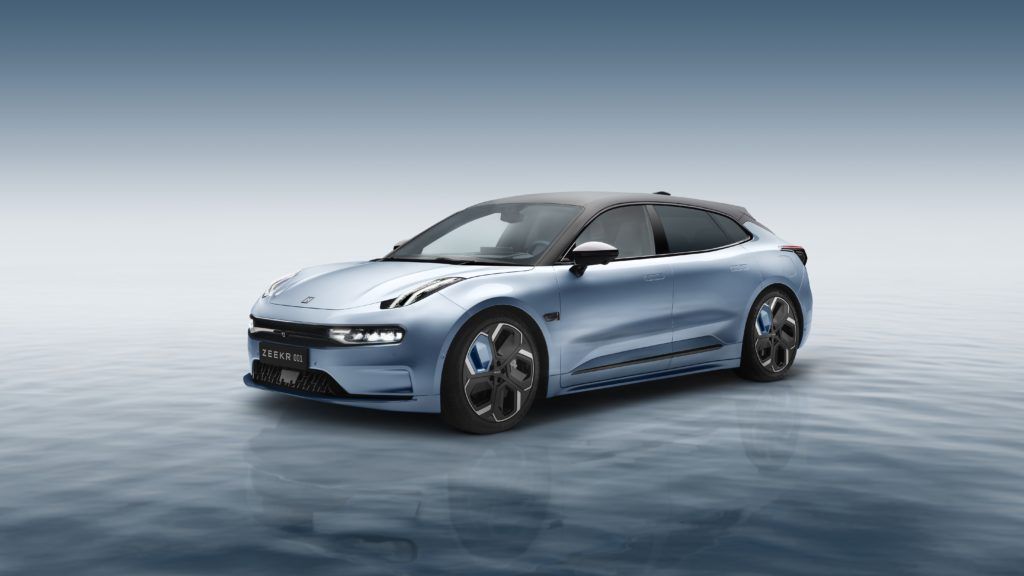
    Chinese luxury EV maker Zeekr enters Vietnam

    Zeekr, Chinese conglomerate Geely’s premium electric vehicle brand, will be distributed in Vietnam by transport services provider Tasco.

    Following an agreement signed Monday the EV maker joined the list of auto brands distributed by Tasco, which also includes Lynk & Co and Volvo, two other Geely subsidiaries.

    Tasco has not disclosed when or which Zeekr models will be sold in the market, nor has it confirmed whether it will build charging infrastructure for Zeekr vehicles or outsource this to a third party.

    Zeekr was established in 2021 and is positioned as a luxury EV manufacturer that focuses on driving assistance and safety technologies.

    It targets high-end customers and competes in the premium EV segment, but offers competitive prices. It recently expanded to Europe, the Middle East and Southeast Asia.

    The brand offers seven models in China, all based on Geely’s Sustainable Experience Architecture EV platform.

    Zeekr vehicles sold in Vietnam will be imported from China, where the company has its only plant.

    Other Chinese EV brands that have entered Vietnam within the last year include BYD and Lynk & Co.

    Three others, Omoda, Jaecoo and Aion, are expected to launch in the fourth quarter.

    VinFast, the only domestic producer, dominates the EV market in Vietnam with a wide range of products and the largest network of charging stations.

  • Indonesia encourages people to embrace EVs​

    Indonesia encourages people to embrace EVs​

    Indonesian Transportation Minister Budi Karya Sumadi is encouraging more people to embrace electric vehicles (EVs) in their lives as the country wishes to boost its e-mobility adoption.

    However, the minister admitted that convincing people to use EVs could be hard as they were still pricey at this time. Promoting green transport should also start as soon as possible so people will get used to riding EVs, according to Budi.

    He said this is a grand idea that will certainly benefit all, particularly for the future generations. But it is not an easy task.

    He also said he hopes that there will be a rise in the EV lifestyle, although electric cars and two-wheelers are still expensive.

    Indonesia is aiming to reach net zero emission by 2060 or sooner. The country has set a goal to have 2 million electric cars and 13 million electric two-wheelers on its roads by 2030.

    The government earlier this year reported that Indonesia had recorded 144,547 units of EVs as of May 2024.