Retail News CRM

Tag: EV

  • Musk Bullish On Tesla Sales As Price Cuts Boost Demand

    Musk Bullish On Tesla Sales As Price Cuts Boost Demand

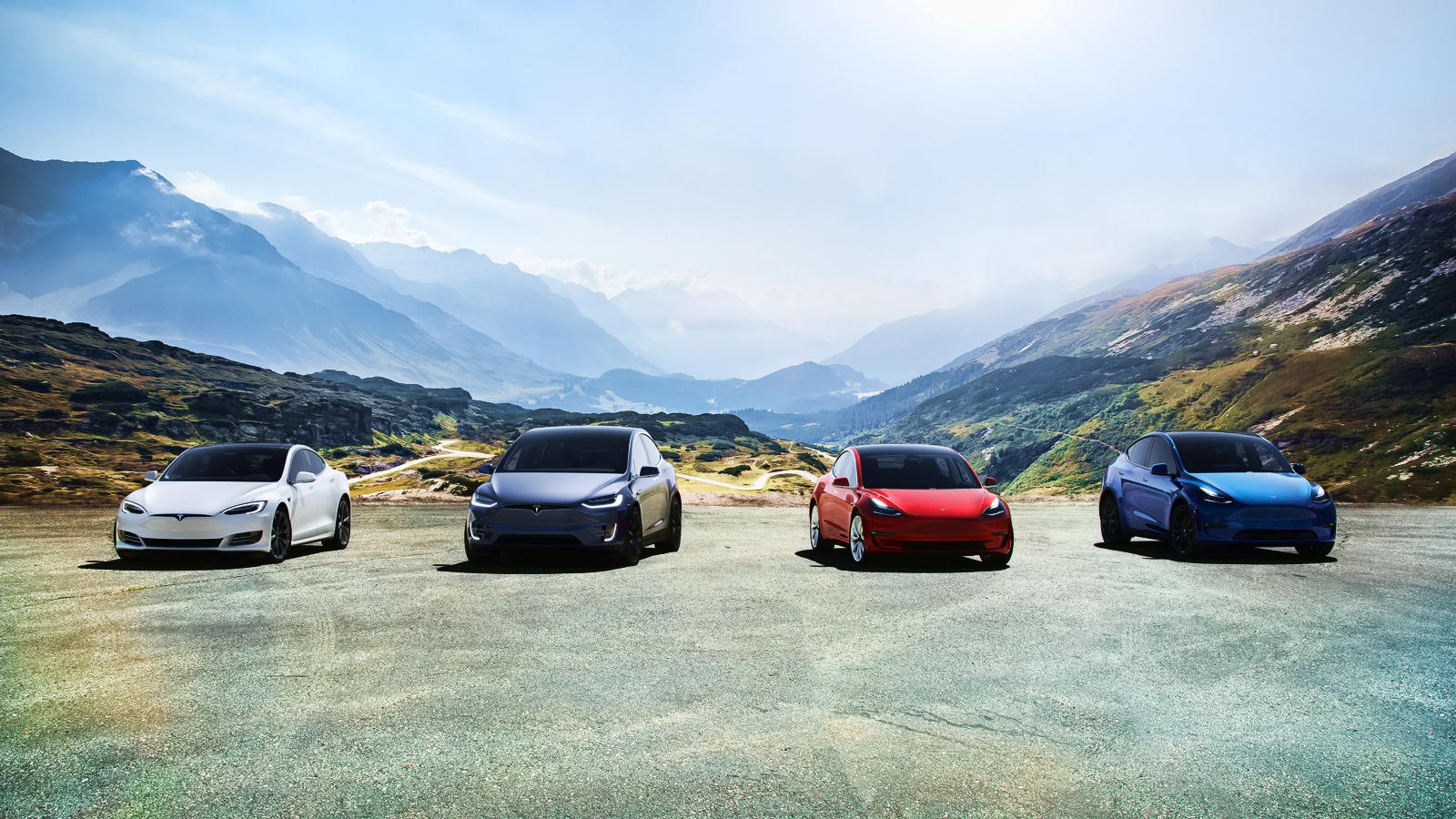
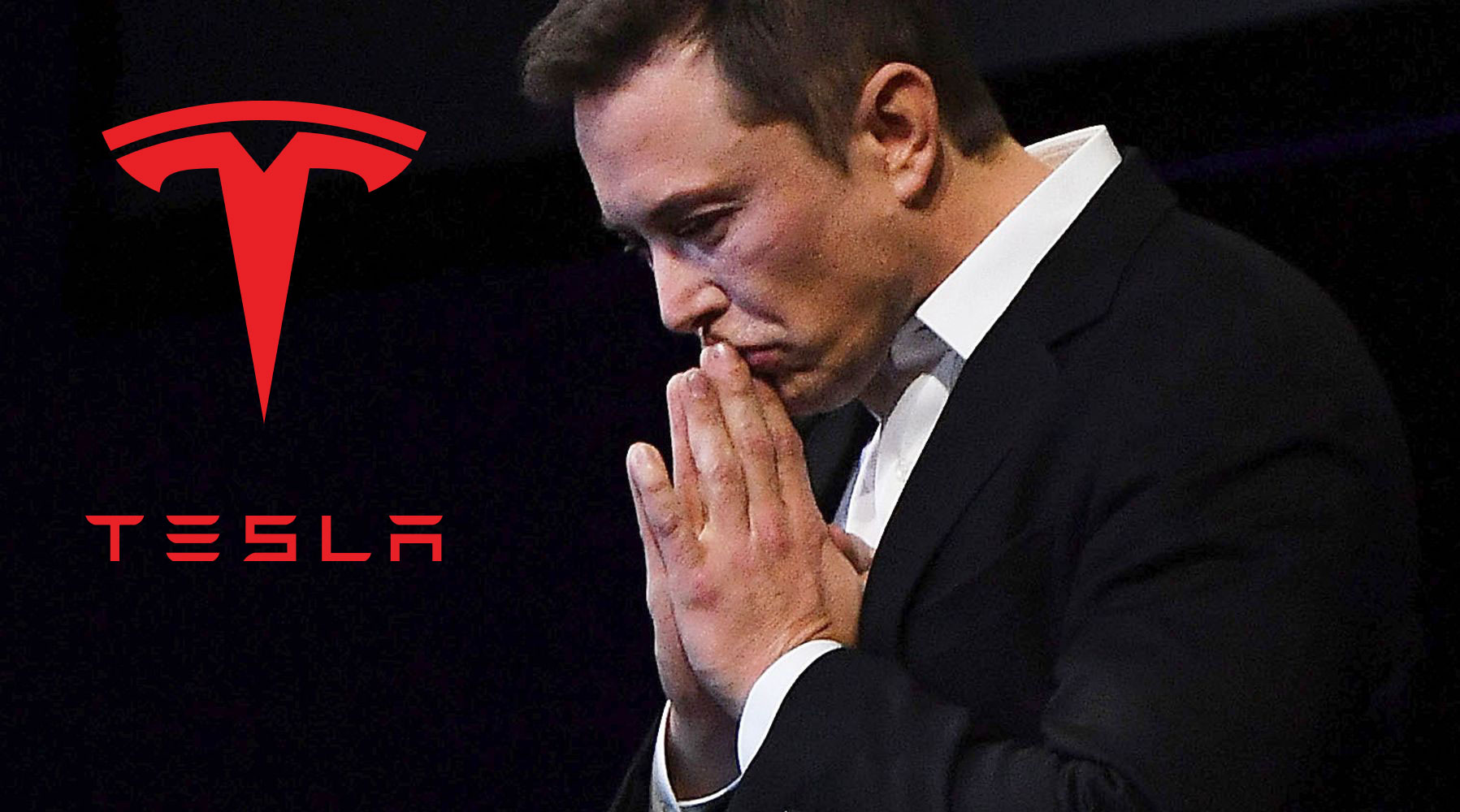
    Tesla’s aggressive price cuts have ignited demand for its electric vehicles, Chief Executive Elon Musk said on Wednesday, playing down concerns that a weak economy would throttle buyers’ interest.

    The company slightly beat Wall Street targets for fourth-quarter revenue and profit earlier on Wednesday despite a sharp decline in vehicle profit margins, and it sought to reassure investors that it can cut costs to cope with recession and as competition intensifies in the year ahead.

    Deep price cuts this month have positioned Tesla as the initiator of a price war, but its forecast of a 37% rise in car volume for the year, to 1.8 million vehicles, was down from 2022’s pace.

    However, Musk, who has missed his own ambitious sales targets for Tesla in recent years, said 2023 deliveries could hit 2 million vehicles, absent external disruption.

    Tesla’s sales prospects, as it confronts a weaker economy, are a key focus for investors. The company said it maintains a long-term target of a compounded 50% annual rise in sales.

    Musk addressed the issue at the start of a call with investors and analysts.

    “These price changes really make a difference for the average consumer,” he said, adding that vehicle orders were roughly double production in January, leading the automaker to make small price increases for the Model Y SUV.

    He said he expected a “pretty difficult recession this year,” but demand for Tesla vehicles “will be good despite probably a contraction in the automotive market as a whole.” Shares rose 5.3% in extended trading.

    The company is relying on older products and Musk said its Cybertruck, its next new electric pickup truck, would not begin volume production until next year. Reuters in November reported that the highly anticipated model would not be produced in volume until late this year.

    Tesla will detail plans for a “next-generation vehicle platform” at its investor day in March.

    Tesla’s vehicles “are all in desperate need of updates beyond software,” said Jessica Caldwell, Edmunds’ executive director of insights. She said Tesla will largely depend on the cheaper unit as well as Model 3 and Model Y to bring EVs to the masses.

    “It’s unlikely that the Cybertruck will attempt to achieve mass-market volumes like the Detroit competitors.”

    Analysts said Tesla’s goal is bullish given the macroeconomic uncertainties.

    “I think that you’re going to see some severe demand destruction across consumer spending and I think cars are going to take a big hit,” Edward Moya, senior market analyst at OANDA, said.

    Tesla said it does not expect meaningful near-term volume growth from China, since its Shanghai factory was running near full capacity, rebounding from production challenges last year.

    “Even a small cooling of demand will have significant implications for the bottom line,” said Sophie Lund-Yates, an analyst at Hargreaves Lansdown.

    Tesla said that its automotive gross margins, which dropped to a two-year low of 25.9% in the reported quarter, were pressured by the costs of ramping up battery production and new factories in Berlin and Texas, as well as higher raw material, commodity, logistics and warranty costs.

    Tesla expected its automotive gross margin to remain above 20%.

    Margins generally are expected to be under further pressure from its aggressive price cuts. Tesla, which had made a series of price increases since early 2021, reversed course and offered discounts in December in the United States, followed by price cuts of as much as 20% this month.

    Analysts had said Tesla’s profitability gave it room to cut prices and pressure rivals. The company’s $9,000 in net profit per vehicle in the past quarter was more than seven times the comparable figure for Toyota Motor Corp in the third quarter. But it was down from almost $9,700 in the third quarter.

    “In severe recessions, cash is king, big time,” Musk said, adding that Tesla is well positioned to cope with an economic downturn because of its $20 billion of cash.

    The company’s stock posted its worst drop last year, hit by demand worries and Musk’s acquisition of Twitter, which fueled investor concerns he would be distracted from running Tesla.

    Musk dismissed surveys that suggest his political comments on Twitter are damaging the Tesla brand. “I might not be popular” with some, he said, “but for the vast majority of people, my follow count speaks for itself.” He has 127 million followers.

    Revenue was $24.32 billion for the three months ended Dec. 31, compared with analysts’ average estimate of $24.16 billion, according to IBES data from Refinitiv.

    Tesla’s full-year earnings were bolstered by $1.78 billion in regulatory credits, up 21% from a year earlier.

    Adjusted earnings per share of $1.19 topped the Wall Street analyst average of $1.13.

    It ended the fourth quarter with 13 days’ worth of vehicles in inventory, more than four times higher than the start of 2022, and a record $12.8 billion in value.
  • Tesla Under Fire In Germany Over Union Concerns On Working Hours

    Tesla Under Fire In Germany Over Union Concerns On Working Hours

    Tesla has come under fire from German union IG Metall and politicians over allegations by workers of unreasonable working hours and fears over speaking out at its Brandenburg plant, with some calling for inquiries into the carmaker.

    At its annual news conference, IG Metall, which has an office near the plant and says it is in regular contact with workers, said a growing number reported longer working hours with little free time.

    Workers were also increasingly fearful about discussing their working conditions openly because of non-disclosure agreements they were told to sign along with their work contracts, IG Metall said.

    A new role advertised on Tesla’s career website for a “Security Intelligence Investigator”, who will partner with legal and human resources departments to carry out “collection of on-the-ground information both within and beyond Tesla walls in order to protect the company from threats”, exacerbated these concerns.

    “Workers started at Tesla with great enthusiasm for the project. Over time we are observing that this enthusiasm is withering,” Irene Schulz of IG Metall Berlin-Brandenburg-Sachsen said in a statement.

    “Tesla is not doing enough to improve working conditions and is leaving too little time for leisure, family and recovery.”

    Tesla was not immediately available for comment.

    Tesla China has also asked some staff to sign non-disclosure agreements, according to two sources with knowledge of the matter. Reuters found several people on LinkedIn with the title of “Security Intelligence Investigator” working for Tesla in Austin, San Francisco and Shanghai.

    Local politicians from the centre-left SPD to the centre-right CDU expressed concern about the allegations, calling for inquiries both by Tesla and the local government.

    “The state government of Brandenburg must enforce occupational safety through close controls at Tesla,” Christian Baeumler of the Christian Democrats (CDU) said.

    The Brandenburg government was not immediately available for comment.

  • Tesla Uses Its Profits As A Weapon In An EV Price War

    Tesla Uses Its Profits As A Weapon In An EV Price War

    Tesla earns more money for every vehicle it sells than any of its global rivals. Now, Chief Executive Elon Musk is using that superior profitability as a weapon in the EV price war he started.

    Tesla, once one of the auto industry’s biggest money losers, has over the past year built a commanding lead over most major rivals in profit per vehicle, a Reuters analysis of industry data shows.

    Tesla earned $15,653 in gross profit per vehicle in the third quarter of 2022 – more than twice as much as Volkswagen AG, four times the comparable figure at Toyota Motor Corp and five times more than Ford Motor Co, according to a Reuters analysis.

    For most of this year, Tesla joined rivals in aggressively raising prices on its most popular vehicles, such as the Model Y SUV. Shortages of semiconductors and other materials kept auto industry production down, allowing companies across the industry to focus on higher-margin models and book strong profits, even as sales volumes fell.

    Tesla’s decision to reverse course and spend its production-cost advantage on price cuts now challenges the profit-over-volume strategies established automakers such as GM have pursued since the 2008 financial crisis, and doubled down on during the pandemic.

    To control production costs, Tesla has invested heavily in new manufacturing technology – such as the use of large castings to replace small metal parts. Tesla brought battery manufacturing and other parts of its supply chain in-house, and standardized vehicle designs to improve economies of scale.

    Using production-cost advantages to fund price cuts has a long history in the auto industry.

    Henry Ford slashed prices on his Model T in the early 20th Century as his innovative mass-production system revved up. During the 1980s and 1990s, Toyota used the cost lead provided by its lean production system to offer features at prices Detroit automakers struggled to match. Now, Toyota is rebooting its strategy under pressure from Tesla.

    Growth in electric vehicle demand outpaced the overall market in the United States and globally during 2022. That emboldened automakers to push EV prices higher. Ford hiked prices for its electric F-150 pickup by 40% during 2022.

    But analysts are warning the global EV market could soon have more production capacity than demand.

    By 2026, North American EV demand will hit a level of about 2.8 million vehicles a year, said industry forecaster Warren Browne. But North American EV factories will be capable of assembling more than 4.5 million vehicles, putting overall capacity utilization at just under 60%, he said.

    In China, the end of central government subsidies is accelerating a market share war among rivals in the world’s largest EV market.

    “Tesla has taken the nuclear option to bully the weaker, thin margin players off the table” in China, said Bill Russo of Automobility, an industry consultancy in Shanghai. “Big pie, fewer slices, more to eat for those that remain.”

    Startups such as China’s Xpeng Inc had benefited from Tesla’s price hikes. Now, Xpeng is cutting prices in China – but with less financial leeway than Tesla. Xpeng reported gross profit of $4,565 in the third quarter, and a net loss of $11,735 a vehicle, according to company data analyzed by Reuters.

    “We hope more people can access smart vehicles after we make our cars increasingly affordable,” Xpeng said in a statement.

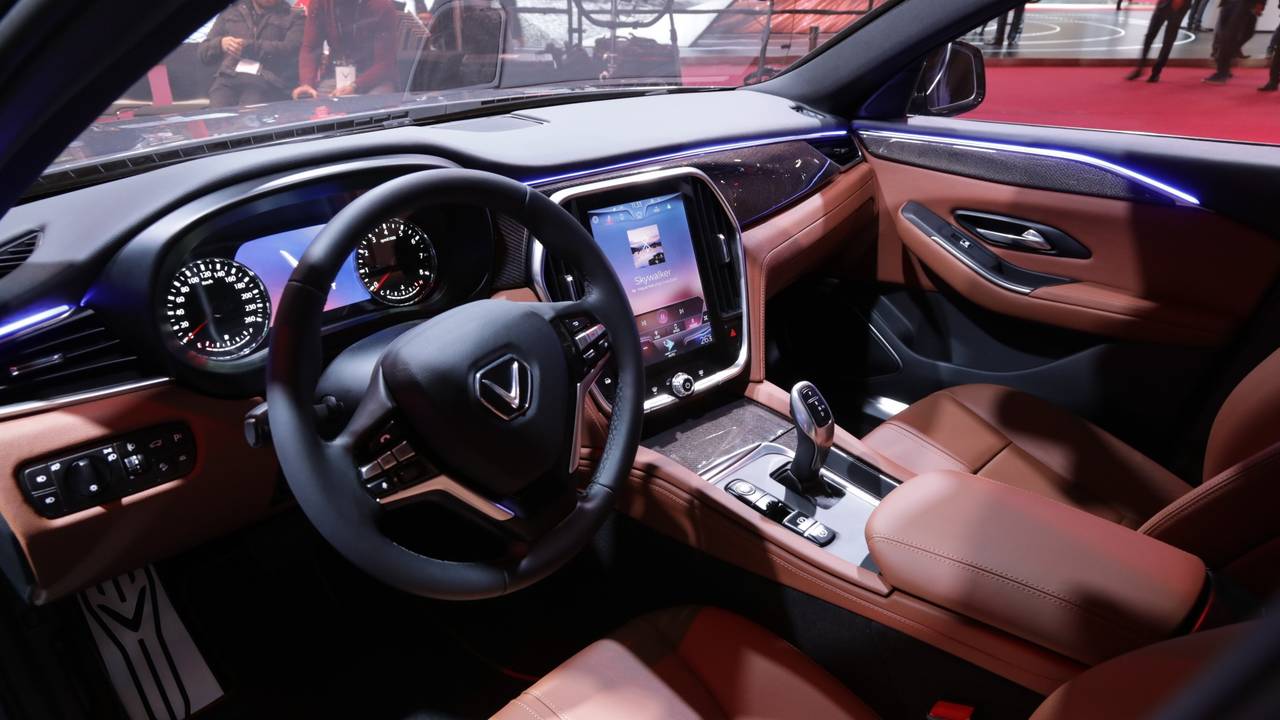
    Vietnamese EV startup Vinfast said Thursday it will use price promotions to fight back against Tesla.

    Chinese EV market leader BYD Co Ltd announced price increases effective Jan. 1 after Beijing phased out EV subsidies. So far, BYD has not responded to Tesla’s latest price cuts in China. However, BYD’s gross margins of $5,456 per vehicle give it more headroom in a price war than VW, Toyota or GM.

  • Audi Delivers Over 1,00,000 EVs Globally in 2022

    Audi Delivers Over 1,00,000 EVs Globally in 2022

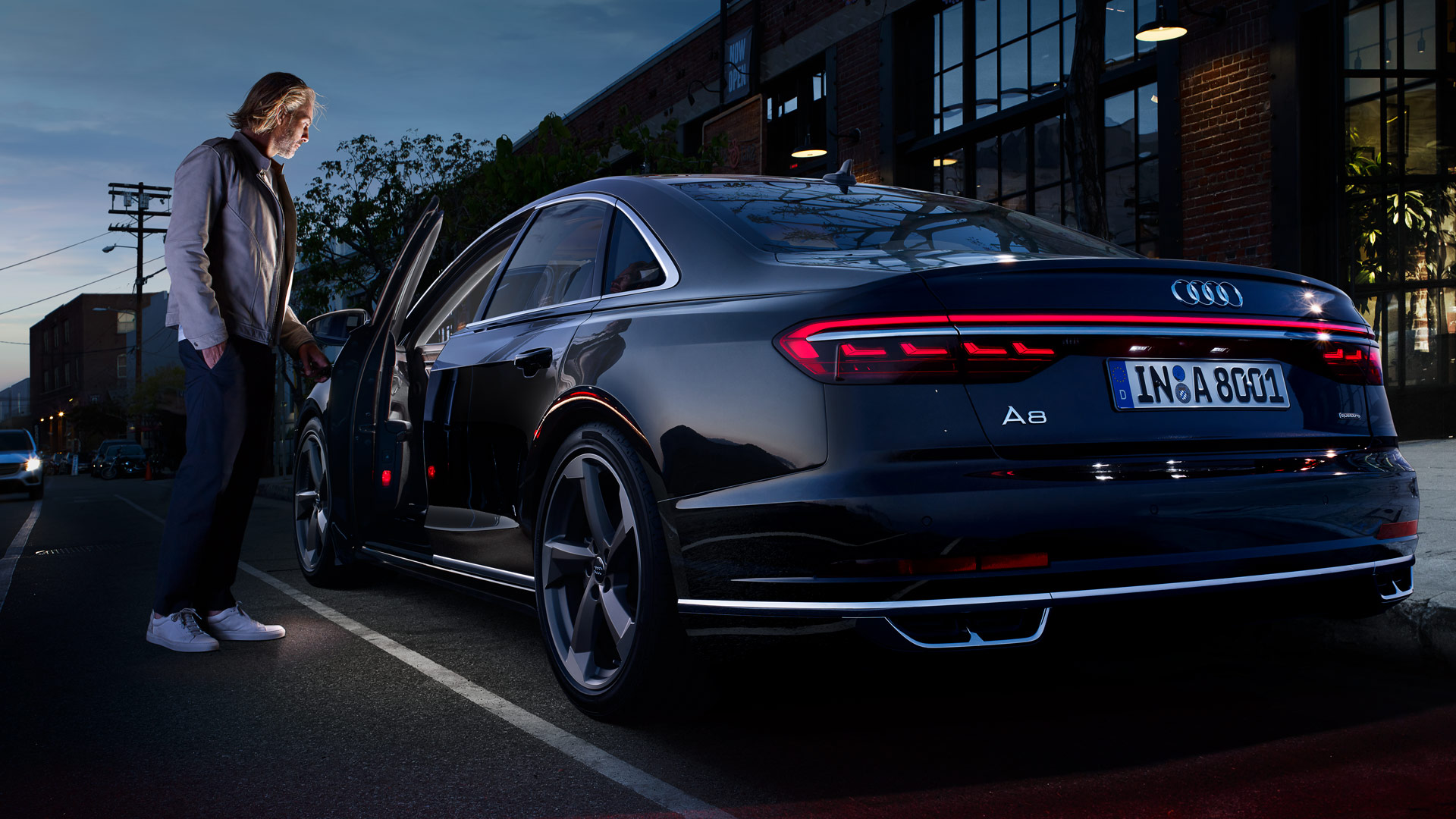
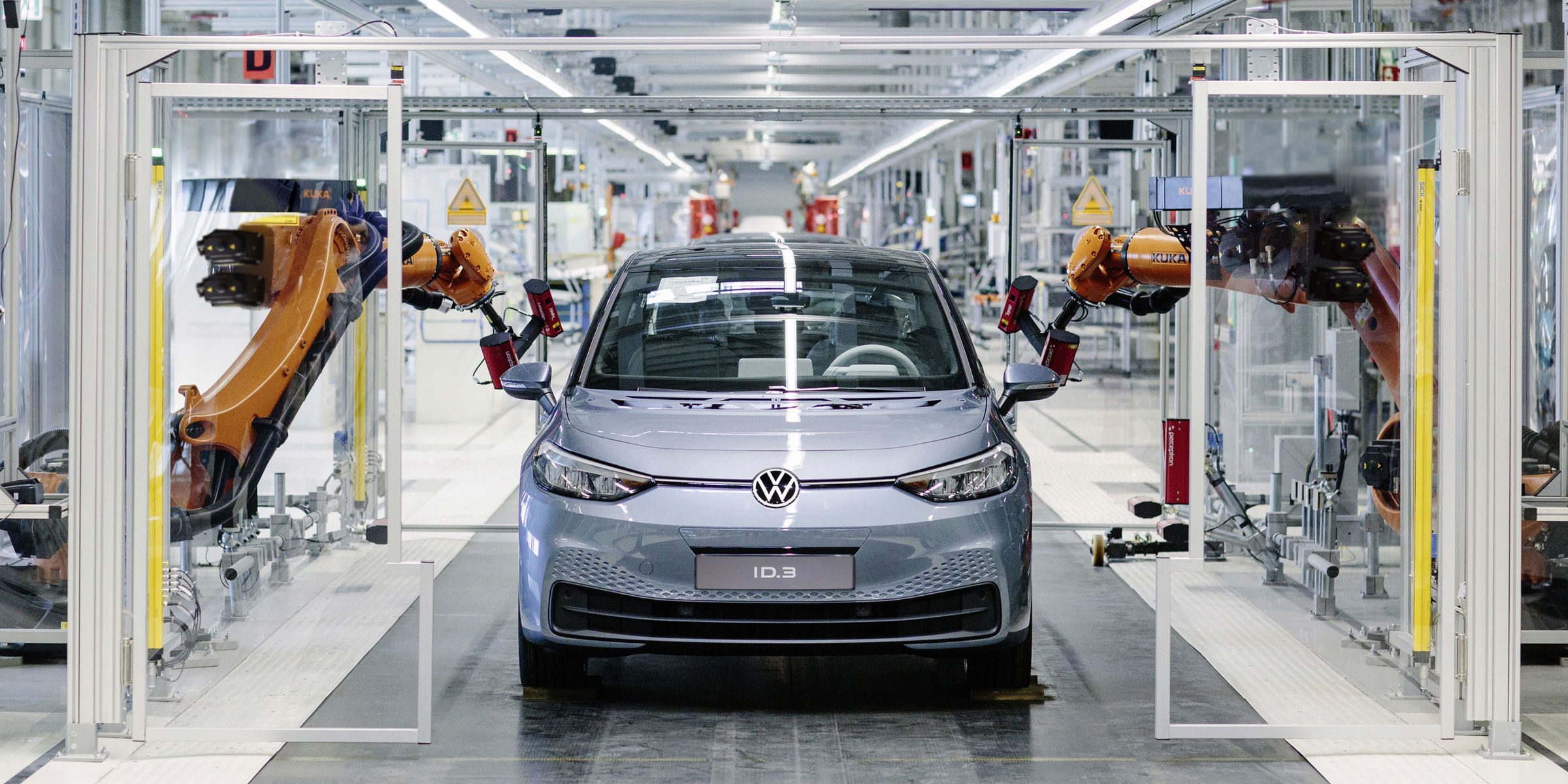
    Audi saw a significant growth in the sale of EVs in the year 2022 globally, as the German manufacturer registered a sales figure of over 1 lakh EVs in the year. To be precise, the Volkswagen Group-owned brand delivered 1,18,196 electric vehicles globally in the year, which marked an increase of 44.3 percent over CY2021.

    “Even though we’re still facing global economic challenges, we’re looking toward the future with confidence,” said Hildegard Wortmann, Member of the Board of Management of AUDI AG for Marketing and Sales. “That’s because we’re going into 2023, during which we will accelerate the transformation together with an attractive portfolio, many orders and a highly motivated team.”

    Audi saw high demand for all-electric models, including the Audi Q4 e-tron, Audi e-tron GT quattro, and Audi e-tron – which will soon be replaced by Audi Q8 e-tron. Not just globally, but Audi also saw a decent growth in EV sales in India, with the figure going up 27.1 per cent in the year 2022.

  • Indonesia To Offer $5,000 Subsidy On Electric Car Sales

    Indonesia To Offer $5,000 Subsidy On Electric Car Sales

    Indonesia’s government plans to offer a subsidy of more than $5,000 on every sale of an electric car, a minister said on Wednesday.

    It will also offer incentives to encourage purchases of electric motorbikes as well as hybrid cars, Industry Minister Agus Gumiwang Kartasasmita said, as part of plans to reduce carbon emissions in Southeast Asia’s largest economy.

    The incentives will offered to buyers of EVs produced by firms with factories in Indonesia, he said in a video statement.

    A subsidy of around 80 million rupiah ($5,131) will be offered on every sale of an electric car, 40 million rupiah on hybrid cars and 8 million rupiah on fully electric motorbikes, the minister said.

    The government will also cover 5 million rupiah of the cost to convert a combustion engine motorbike into an electric one, he added.

    He did not provide a timeline for when the scheme will be implemented nor the total budget it will require.

    Senior Minister Luhut Pandjaitan said previously that the program may start next year.

    Indonesia has a target of at least 1.2 million electric bikes and 35,000 electric vehicles in use by 2024.

  • Hyundai, SK To Build New Battery Plant In Georgia

    Hyundai, SK To Build New Battery Plant In Georgia

    Hyundai Motor Group and SK On said Thursday they will build a new battery manufacturing plant in the U.S. state of Georgia to supply the Korean automaker’s U.S. assembly plants.

    Hyundai Motor Group and SK On, the lithium-ion battery subsidiary branch of SK Innovation, recently signed a memorandum of understanding (MOU) for a new EV battery manufacturing facility with details of the partnership still in development, the companies said.

    The companies aim to begin operations in 2025 and said “stakeholders estimate it will create more than 3,500 new jobs through approximately $4-5 billion of investment” in Georgia’s Bartow County. Hyundai separately broke ground in October on a $5.54 billion electric vehicle (EV) and battery plant in Georgia’s Bryan County.

    SK Innovation opened a $2.6-billion battery plant in Commerce, Georgia, in January that is producing batteries for the Ford F-150 EV.

    Hyundai and SK did not immediately say how much they plan to invest in the battery plant. Automakers and battery companies are building battery assembly plants across the United States as the industry shifts to electric vehicles.

    Hyundai, Kia and the South Korean government are heavily lobbying the Biden administration to ease new rules that in August immediately made all EVs assembled outside North America ineligible for $7,500 tax credits — including the Korean automakers’ EVs.

    The South Korean government on Tuesday urged Treasury “interpret ‘commercial clean vehicles’ broadly” to include rental cars, leased vehicles and vehicles purchased for use in Uber or Lyft rideshare fleets.

    Georgia Governor Brian Kemp told Reuters in October the EV tax credit rules should be changed to ensure Hyundai and Kia vehicles can qualify for the credit as it works to complete its EV assembly plant in the state.

    Kemp criticized the $430 billion climate bill approved in August that rewrote the tax credit rules.

    “It was targeted to help a lot of union-based suppliers that are in the United States,” Kemp said.

  • Vietnam’s EV maker Vinfast files for US IPO to fuel global expansio

    Vietnam’s EV maker Vinfast files for US IPO to fuel global expansio

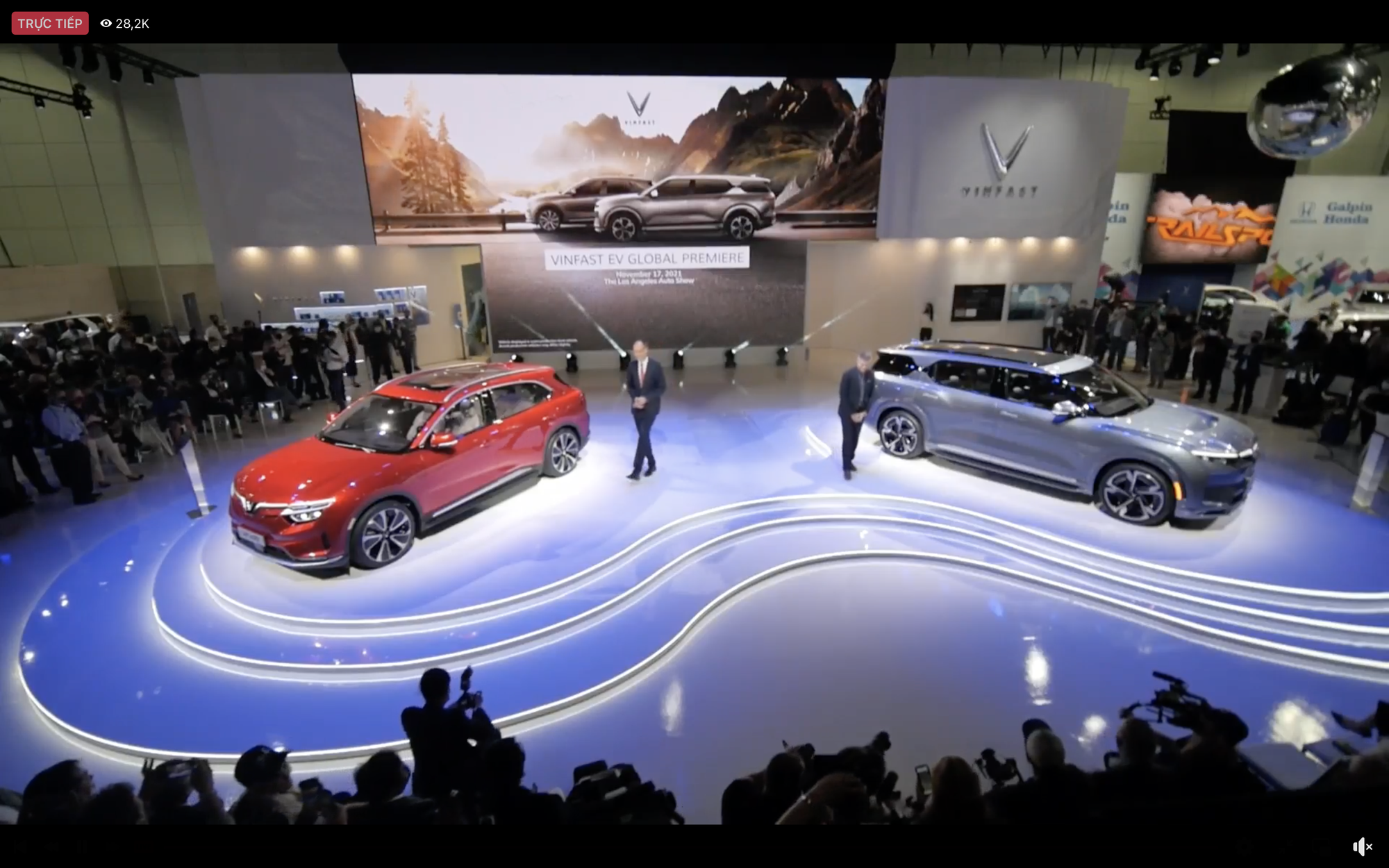
    Vietnam’s electric-vehicle maker VinFast said on Tuesday it has filed for an initial public offering (IPO) in the United States to list on the Nasdaq under ticker symbol “VFS” to fund its expansion with a planned plant in North Carolina.

    VinFast, which began operations in 2019, is gearing up to expand in the U.S. market, where it hopes to compete with legacy automakers and startups with its two all-electric SUVs, the VF8 and VF9, including battery leasing to reduce the purchase price.

    For the IPO, the company said it will convert to a Singapore public limited company and will be known as VinFast Auto Ltd, while the number of shares to be offered and the price range for the proposed offering have not yet been determined.

    Tuesday’s filing follows VinFast’s confidential submission to the U.S. Securities and Exchange Commission (SEC) in April, a month after it said it would build a production plant in North Carolina with an initial projected capacity of 150,000 EVs a year.

    A unit of Vietnam’s biggest conglomerate Vingroup, VinFast first flagged its U.S. IPO in April last year, eyeing to raise $2 billion with valuation of about $60 billion.

    The market valuation for EV startups has drastically cooled for the past year after some companies with sky-high valuation face scrutiny, together with the current gloomy global economy.

    “Valuation or the size of our IPO will be subject, in part, to market conditions,” VinFast Chief Executive Le Thi Thu Thuy said in a separate statement released on Wednesday.

    “VinFast will continue to monitor opportunities for future fundraises, as the market becomes more familiar with the VinFast brand and story,” she said.

    The company had said IPO was just one of the options to raise fund. In July it tapped banks to raise at least $4 billion to fuel its aggressive expansion.

    No time frame was specified for the offering on Tuesday although the company had said it aimed for an IPO in the fourth quarter of this year.

    But in May, its parent company Vingroup warned the IPO may be delayed to 2023 due to market uncertainty.

    “VinFast intends to conduct an IPO after the SEC declares the registration statement effective, market conditions permitting,” Thuy said on Wednesday, noting the company’s primary objective was to successfully list VinFast on a U.S. stock exchange.

    The EV maker in late November shipped its first batch of 999 vehicles to the United States, capping a five-year bid to develop an auto production hub in Vietnam for markets in North America and Europe.

    VinFast has said it has almost 65,000 orders globally in total and expects to sell 750,000 EVs annually by 2026.

  • VinFast ships first electric vehicles to US

    VinFast ships first electric vehicles to US

    VinFast had shipped its first batch of 999 cars to the U.S., capping a five-year bid to develop an auto production hub in Vietnam for markets in North America and Europe.

    The company said that the first cars are expected to be handed over to customers by the end of December.

    VinFast Chief Executive Le Thi Thu Thuy said some of the VF 8 electric SUVs being shipped on Friday would be sent to U.S. car subscription service Autonomy but the majority would go to retail buyers who have ordered the car.

    Thuy said VinFast expected to be able to ship a second batch of cars to the United States, its first export market, around January.

    VinFast is in the process of building an electric vehicle plant in North Carolina that is awaiting final regulatory approval from local officials.

    Thuy said the company expected to start production at the North Carolina factory from July 2024 and that electric vehicles built there would qualify for incentives under the terms of the Inflation Reduction Act signed by U.S. President Joe Biden.

    The Inflation Reduction Act, as currently written, requires automakers to have 50% of critical minerals used in EV batteries come from North America or U.S. allies by 2024, rising to 80% by the end of 2026.

    Major automakers have said those targets are unrealistic and it was not immediately clear how VinFast would meet the sourcing requirements.

    “The IRA came as a surprise to all of us but it doesn’t really impact our strategy in the U.S.,” Thuy told Reuters. “As soon as we start manufacturing cars in the U.S., our customers will be eligible (for) the tax incentive.”

    VinFast said last week that Autonomy had ordered 2,500 electric vehicles, its largest corporate order to date. VinFast has said it has almost 65,000 orders globally in total and expects to sell 750,000 EVs annually by 2026.

    The North Carolina factory project is running months behind schedule, based on the company’s initial targets, and the first shipment of EVs built by VinFast was short of the initial goal to deliver as many as 5,000 cars built at its factory in Haiphong by December.

    VinFast officials said the number 999 for the vehicles shipped in the first batch had been chosen because it is considered a lucky number in Vietnam.

    “There is no luckier number than 999,” Thuy said. The Panamanian-chartered transport ship used to send the first shipment of VinFast EVs had the capacity to carry up to 2,000 vehicles, officials said.

    Shares in VinFast’s listed parent company, Vingroup, which also has property and resort development businesses, were up 5.41% on Friday morning.

  • Tesla Recalls 3,21,000 U.S. Vehicles Over Rear Light Issue

    Tesla Recalls 3,21,000 U.S. Vehicles Over Rear Light Issue

    Tesla is recalling more than 321,000 vehicles in the United States because tail lights may intermittently fail to illuminate, the company said in a filing made public Saturday.

    The news follows the company’s recall on Friday of nearly 30,000 Model X cars in the United States over an issue that may cause the front passenger air bag to deploy incorrectly, which sent its shares down almost 3% to a near two-year low.

    In the filing published Saturday to the National Highway Traffic Safety Administration (NHTSA), the electric vehicle manufacturer said the tail light-related recall covers some 2023 Model 3 and 2020-2023 Model Y vehicles.

    Texas-based Tesla said it will deploy an over-the-air update to correct the rear light issue and said it has no reports of any crashes or injuries related to the recall.

    The company said the recall followed customer complaints it became aware of in late October, largely from foreign markets, claiming vehicle tail lights were not illuminating.

    The investigation found in rare cases the lights may intermittently not work due to an anomaly that may cause false fault detections during the vehicle wake-up process. Tesla said it had received three warranty reports over the issue.

    Tesla has reported 19 U.S. recall campaigns in 2022 covering more than 3.7 million vehicles including four callbacks in November, according to NHTSA data.

  • Slovakia’s Inobat Eyes Electric Vehicle Battery Plant In Serbia

    Slovakia’s Inobat Eyes Electric Vehicle Battery Plant In Serbia

    Slovakian battery maker InoBat said on Monday it has signed declarations of intent with the Serbian government to build an electric vehicle (EV) battery factory in the Balkan country with a capacity of up to 32 gigawatt hours (GWh).

    The plant would open with an initial capacity of 4 GWh in 2025.

    The Serbian government has agreed to provide funding of up to 419 million euros ($431 million) including grants and tax incentives to support the project, InoBat said.

    Although the agreement is not final, a source familiar with the matter said it is close to being so.

    InoBat has said it wants to build a gigafactory in western Europe and one in eastern Europe.

    Last month InoBat said it had signed a declaration of intent with Spain’s government to build a gigafactory in Valladolid. The declaration is not a finalised agreement and other locations, including the United Kingdom, remain under consideration for InoBat’s western European factory.

    Some European battery startups have struggled to raise billions for huge gigafactories, while others like InoBat are focused on expanding slowly as they land customers contracts.

    InoBat will open a 45 megawatt-hour (MWh) pilot line in Bratislava early next year to produce high-performance batteries for customers to test and says it has signed customer agreements, including with German air taxi developer Lilium worth 500 million euros by 2030.

    The company aims to build battery production capacity in 4 GWh increments starting in 2025 – costing around 350 million euros each – as contracts are signed.

    InoBat also plans a research & development facility in Indiana, which could expand into a gigafactory, in a joint venture with fintech company Ideanomics.

    Ideanomics is an investor in InoBat, as is mining group Rio Tinto.

  • Indonesia To Set Up $2 Billion EV Fund With China’s CATL, CMB International

    Indonesia To Set Up $2 Billion EV Fund With China’s CATL, CMB International

    The Indonesia Investment Authority, the country’s sovereign wealth fund, is to set up a green electric vehicle (EV) fund of at least $2 billion with China’s battery maker CATL and CMB International, the fund’s CEO said on Monday.

    The announcement was made in a live-streamed business conference on the sidelines of the G20 summit.

    INA CEO Ridha Wirakusumah then signed an agreement for the partnership with company executives from CATL and CMB International.

    The fund will invest in the EV value chain to capture a market that is expected to grow fast globally, driven by countries’ pledges to reduce greenhouse gas emissions, Ridha said.

    “With CATL and CMB International as the main partners, we are looking for limited partners to invest in the green EV fund, to seize this EV value chain opportunity primarily in Indonesia,” Ridha said.

    Indonesia’s own EV market is on track to grow, with 2.1 million electric motorcycle and 400,000 electric cars expected to be sold by 2025, Ridha said.

    Indonesia is keen to develop its own EV and battery industries at home, after banning exports of nickel ore to ensure supply for investors since 2020.

    Earlier this year, CATL announced a $6 billion power battery project in Indonesia, in partnership with Indonesian companies.

  • Tata Motors Rolls Out Its 50,000th Electric Vehicle

    Tata Motors Rolls Out Its 50,000th Electric Vehicle

    Tata Motors has announced achieving a new production milestone with the roll out of its 50,000th electric vehicle in India. The milestone EV, which was a Tata Nexon EV Max, rolled out from the assembly line, at the company manufacturing plant in Pune, Maharashtra. Right now, Tata Motors is the largest manufacturer and seller of electric passenger cars in India. Currently, the company sells the Nexon EV range, the Tiago EV and Tigor EV to private car buyers, along with the Xpress-T EV for fleet customers.

    The company says that a favourable policy environment, positive word of mouth from existing customers, practical product options, better ride and handling and attractive cost of ownership have helped the Company achieve this feat ahead of its target.

    Commenting on this achievement, Shailesh Chandra, Managing Director, Tata Motors Passenger Vehicles and Tata Passenger Electric Mobility said, “Celebrating 50,000th EVs in India is a strong testament to how our portfolio is resonating with people across the country. EVs are offering a practical solution to problems of rising fuel prices and worsening pollution. Customers are now ready to welcome EVs and we are thrilled to witness the transition from early adopters to now EVs becoming a mainstream choice for Indian customers.”

    Tata Motors has had a major hand in democratising electric cars in India. The Nexon EV has continuously been the largest-selling electric vehicle in India, and the Tigor EV and the Tiago EV are enabling further expansion of the company’s EV volumes. In fact, in the current fiscal year, between April and August 2022, Tata Motors has sold 17,150 EVs in India, doing an average of 3000-4000 units a month.

    All products are powered by the high-voltage Ziptron architecture, and all three of them offer an ARAI-claimed range of over 300 km. Furthermore, with an aim to make EVs easily accessible, Tata Motors has entered 80 new cities, expanding its network to more than 165 cities, helping consumers to adopt EVs as their mode of personal mobility. Going forward, Tata Motors is focusing on a three-phased architecture approach for EVs and plans to launch 10 EVs in 5 years.

  • Indonesia In Talks With Ford And Hyundai To Setup operational Base For EVs

    Indonesia In Talks With Ford And Hyundai To Setup operational Base For EVs

    The Indonesian government seems to be pulling up its socks in a bid to catch up with other markets in the EV space. According to a Reuters report, Indonesia invited Ford Motor Company and Hyundai Motor Company to set up its operational base related to electric vehicles in the Southeast Asian country. The report states that Indonesia Coordinating Minister for Economic Affairs, Airlangga Hartarto, made this statement in Washington, D.C. last week and the country is gearing up to work in this direction.

    Ford, nickel miner Vale Indonesia and China’s Zhejiang Huayou Cobalt had earlier said that in July they had signed a non-binding memorandum of cooperation to build a plant in Indonesia to extract nickel chemicals. Hartarto said Indonesia also is in discussions with Hyundai and South Korean battery maker LG Energy Solution over battery and EV investments. “We have raw materials for EV battery technologies,” Hartarto told an audience at the Center for Strategic and International Studies. Indonesia’s large supplies of nickel, as well as semiconductor production capacity, can support the U.S. auto industry,” Hartarto said.

    If the deal materialise, Indonesia will be join the Asian developing economies in the push for faster adoption of greener vehicles. While Ford already winded up from the Indian market last year and is likely to make its comeback selling CBU models like the Mustang Mach-E, Hyundai India already sells the locally assembled Kona electric SUV in our market is testing the Ioniq 5 on the Indian roads as well.

  • Mercedes-Benz India To Consider Accelerating Localisation And Launch Plans Of EVs

    Mercedes-Benz India To Consider Accelerating Localisation And Launch Plans Of EVs

    On August 25, Mercedes-Benz India recorded 2,46,000 views on its Twitter handle for the Mercedes-AMG EQS 4 MATIC+ launch live stream. And ever since it stepped in the Indian luxury EV space with the EQC electric SUV, the brand has observed a steady rise in interest around its electric models through its customer-engaging activities. Now that is confidence-inspiring for the German brand to expedite its plans for launching new electric vehicles in India and considering their local production. It is planning to introduce them as completely knocked down (CKD) products in a bid to keep their ex-showroom prices in check.

    The response that the EQS got shows that the public in ready to be interested in the vehicle and it shows that there is potential in the market. Not every one of the 2,46,000 viewers on Twitter that we had during our live launch will purchase the car, but it shows that the time is right. It’s ready to move into the electric vehicle space, and it gives us a lot of confidence going forward, also with the locally produced car which we’re launching now. The story of EVs is a story of accelerations and deceleration not only in India, but it has also happened globally. We think that things will happen in a couple of years, but they will happen faster than the original plans were. In that sense, I am very confident based on the pipeline Mercedes has built globally. And we’ll also relook on what to do in India based on based on the feedback we’re getting. The EQC gave us good feedback and the EQS is a very strong local product, the EQB which will come later in the year will also see a very different segment. From what we see, what will happen in the next six months will certainly influence our outlook in terms of localization and in terms of products.”

    The next Mercedes-Benz launch in the Indian EV space will be the locally manufactured EQS electric sedan which will roll out of the Chakan plant on September 30. By the end of this year, the German carmaker will also introduce the EQB electric SUV in our market, which is likely to take the CKD route as well. So by 2023 Mercedes will already have four electric offerings in our market across multiple segments. We also know that models like the Vision EQXX and G-Wagon based EQG electric concepts are under development at the Stuttgart headquarters. So if the company continues to observe a growing interest in its electric offerings, it is likely that it will consider introducing these models sooner and as locally manufactured products.

    Well, the overall luxury car market is still roughly around 1.8 per cent in India with EVs having an even miniscule share. But according to a Mordor Intelligence study, the Indian luxury car market is expected to reach a value of over $ 1.54 billion from $ 1.06 billion by 2027 with a CAGR of more than 6.4 per cent during the forecast period 2022-2027. The study further states that with majority luxury car brands aggressively balancing their line-up with EV models, the electric segment is likely to dominate the luxury car space which is reassuring.

  • Quarter chicken, free chips and EV charging

    Quarter chicken, free chips and EV charging

    The sometimes maligned but nevertheless delicious red-headed stepchild of Australian fast-food chains, Red Rooster, has partnered with Evie Networks to roll out EV charging at its stores across the country.

    Red Rooster and Evie Networks on Monday celebrated the installation of the first two fast charger at the recently refurbished Red Rooster in Vermont, in Melbourne’s eastern suburbs, the first of many slated to be rolled out across the fast-food chain’s network.

    “Gone are the days where we drive to fuel stations; instead, drivers can charge while they grab some chicken and chips,” said Chris Mills, Evie Networks CEO.

    The general consensus on Plugshare is that the location is a good one for a quick top up, and the temptation of free chips has not been lost on EV drivers. To claim your free chips, just show the Evie app screen at the counter.

    The announcement follows a similar partnership unveiled in late-2021 between Evie Networks and another Australia fast-food chain, Hungry Jacks.