Tag: EV

  • Volkswagen Brings Back The Microbus Together With A Battery

    Volkswagen Brings Back The Microbus Together With A Battery

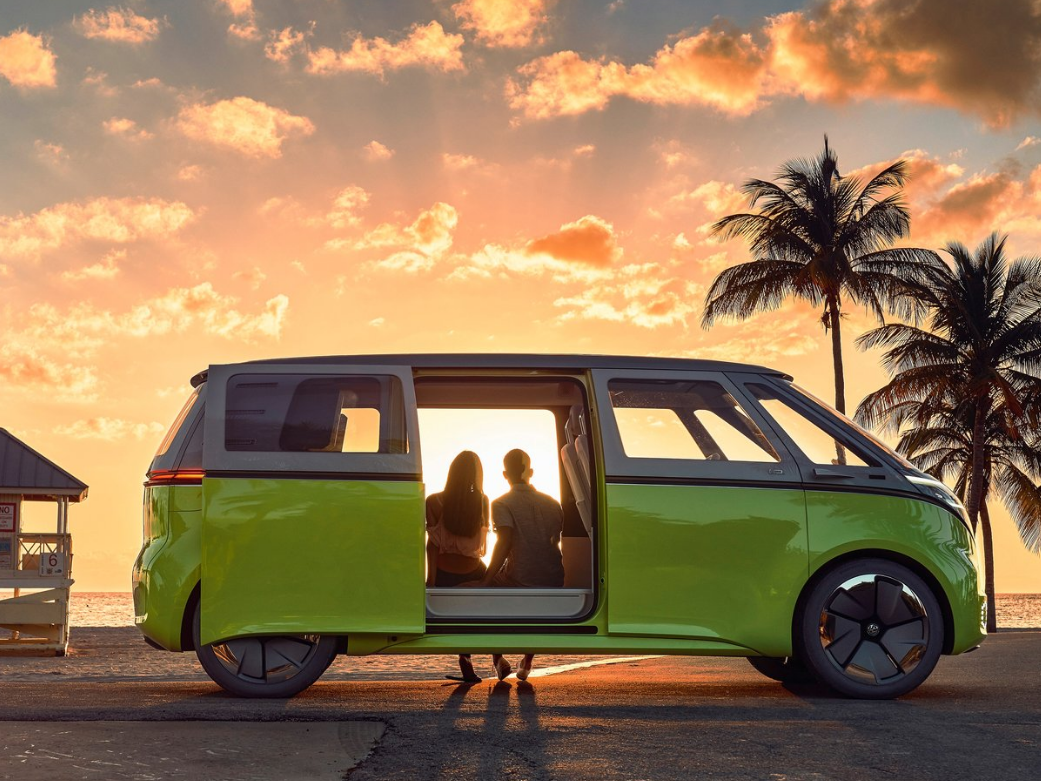
    Volkswagen will show a production version of its long-awaited ID.Buzz, an electric reincarnation of its beloved Microbus or Kombi, on March 9 and plans to launch it in the United States in late 2023, the company said on Friday.

    The ID.Buzz is one of “the most anticipated and most hyped” models anticipated from the Volkswagen brand since the company launched its new Beetle in the late 1990s, Scott Keogh, head of Volkswagen’s North American operations said during a media call.

    Volkswagen Chief Executive Herbert Diess tweeted on Thursday “The legend returns on 03/09/22!” The tweet contained a sketch of the profile of the ID.Buzz van.

    Volkswagen has shown a series of prototypes for a new Microbus over the past decade. But those prior show vans – the Budd.E and the Bulli – never made it to production, to the frustration of fans of the vehicle.

    Keogh said that a three-row version of the ID.Buzz will launch in the United States, where the original microbus became an icon of the counterculture, in late 2023 or early 2024. Volkswagen will launch a two-row version in Europe.

    “You want to get to 100,000 units before you localize,” Keogh said.

    Volkswagen will ramp up production of its ID.4 electric SUV at Chattanooga this year.

    Earlier Friday, Volkswagen said U.S. sales of its VW brand vehicles rose 15% in 2021, driven largely by strong sales of gasoline-fueled SUVs such as the Atlas and Tiguan.

    Shortages of vehicles caused by chip supply chain problems will continue to limit vehicle production and sales in the United States through 2022, Keogh said.

    He said he believes as many as two million potential car buyers did not buy a vehicle in 2021 because of the lack of supply, creating pent up demand for this year and beyond.
  • Simple Energy To Build World’s Largest EV Two-Wheeler Factory

    Simple Energy To Build World’s Largest EV Two-Wheeler Factory

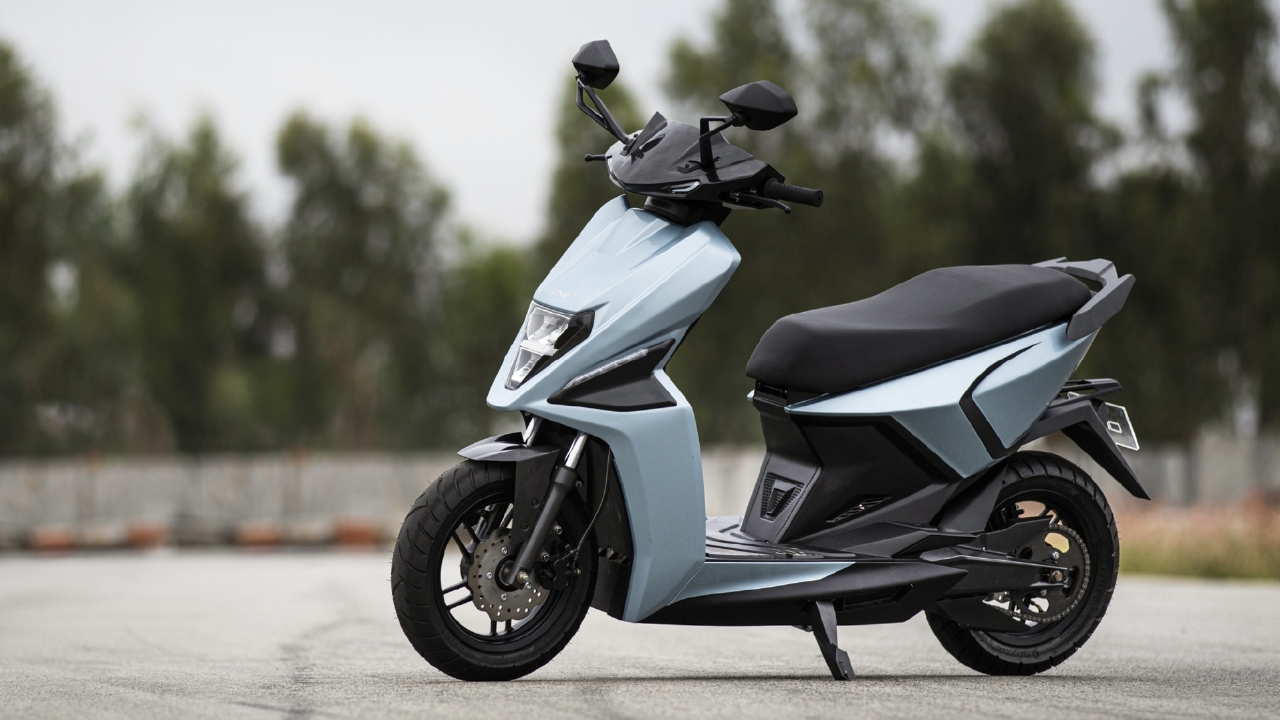
    Simple Energy, an electric vehicle start-up based in Bengaluru, has signed a Memorandum of Understanding (MoU) with the Tamil Nadu government for an investment of ₹ 2,500 crore for constructing the largest electric two-wheeler plant in Dharmapuri. In Phase 1 of the company’s manufacturing operations, the first plant, with an area of 2,00,000 square feet, is being constructed near Shoolagiiri (Hosur) and has an annual production capacity of upto 1 million (10 lakh) units. This first plant will be operational by early 2022, the company said in a statement. This first plant will produce the Simple One electric scooter and begin deliveries.

    Upon successfully completing its signing agreement with The Tamil Nadu Government, Suhas Rajkumar, Founder and CEO of Simple Energy, said “Tamil Nadu gave us the confidence in creating the EV ecosystem which can be sustainable in achieving our long-term goals. With the MoU, we commit to leading the Indian electric two-wheeler market in India by setting up a resourceful ecosystem that will help the country’s vision to lower carbon footprints at a faster pace. Simple Energy will thus redefine electric mobility in India.”

    According to the terms of the Mo signed with the Tamil Nadu state government, the company will make an initial investment of ₹ 1,000 crore to build its second plant (as part of Phase 2) in 600 acres of land. The second factory is slated to be opened by 2023. Simple Energy intends to build an EV ecosystem in the state, and the second factory will also have a future-ready R&D centre, world-class testing facility, as well as a vendor park n accordance with the Build In India initiative.

    The manufacturing facilities will not just be for the Indian market, but also for exports, the company said in a statement. According to the company, Simple Energy aims at reducing dependence on imports, and increasing focus on localization of parts. Once completed, the Simple Energy facility spread out over 600 acres is expected to be bigger than Ola Electric’s Futurefactory, which is spread out in an area of 500 acres.

  • Infiniti Teases Electric Concepts, Commits To Being EV First By 2030

    Infiniti Teases Electric Concepts, Commits To Being EV First By 2030

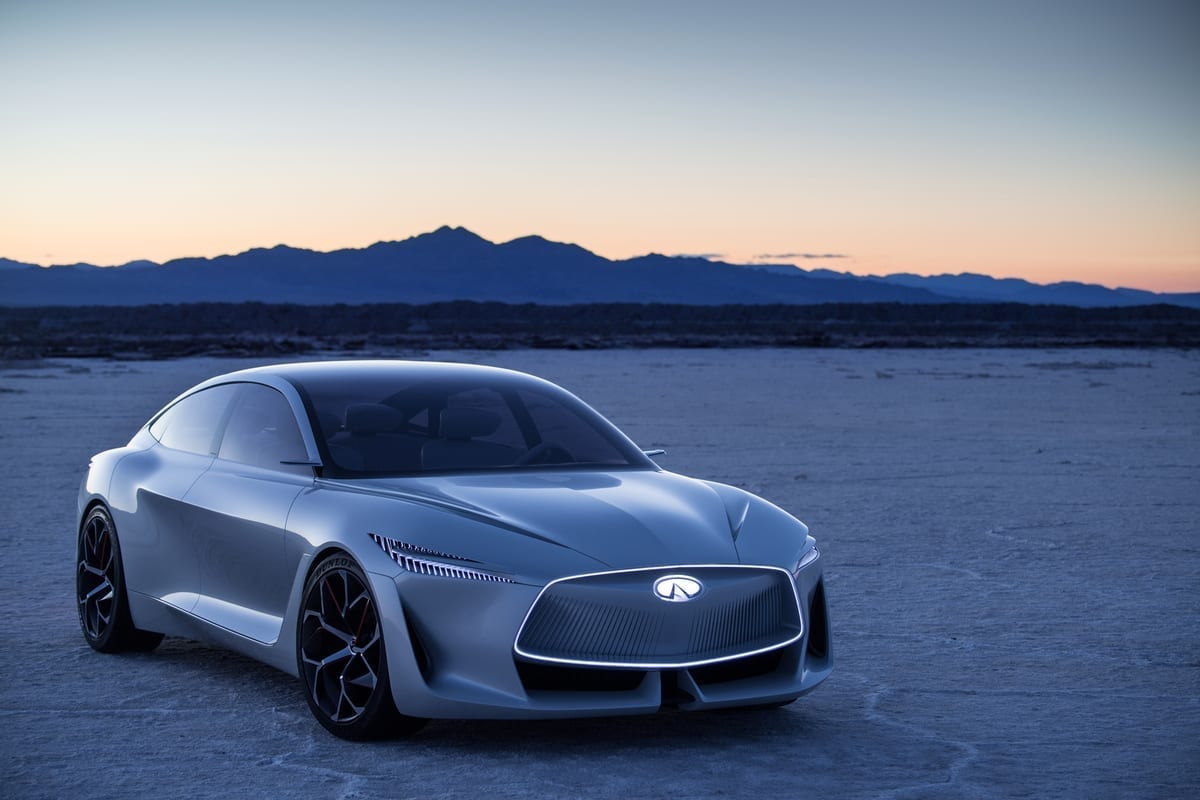
    Infiniti has joined the pantheon of US-based automakers which have pledged to transition mostly to electric powertrains by 2030. In its video, Infiniti also hinted that it will be also be leveraging hybrid powertrains, “we will not let the size of our battery alone define us, but rather, empower customers to choose the power source that fits their lifestyle,” said the company in its video.

    In the video, Infiniti shows off three unnamed vehicles, one of which is a crossover, though it is not known that these cars have some flow over with Nissan’s out concept vehicles. Of course, Infiniti is owned by Nissan, which has for years pushed electric cars along with Renault.

    The concept cars shown off are low-slung and even have a tachometer which means these are likely hybrid cars. Infiniti now joins the likes of many muscle and sports car brands that have pushed electric and hybrid powertrains. Recently, we have heard from the likes of Dodge which has also hinted that it will be going all-electric and will be retiring its iconic hellcat motors.

  • Toyota Promises 100% Zero Emissions Sales In Europe By 2035

    Toyota Promises 100% Zero Emissions Sales In Europe By 2035

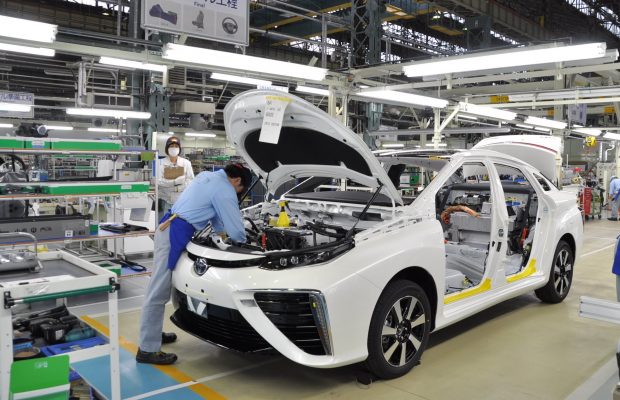
    In an about-face from its anti-EV stance, Toyota has now pledged to have 100 percent zero-emissions sales in Europe by 2035 something which is revealed in a recent media event in Brussels, Belgium. This goal is a follow-up to a commitment of at least 50 percent zero-emissions vehicles sales in Western Europe by 2030. Toyota has still not given up on hydrogen fuel cell-based vehicles as its plan is based on a combination of EVs and fuel cell-based cars. This comes after the company launched its first EV and is preparing to launch another affordable EV in partnership with BYD. This commitment could be bolder should customer demand be higher than what the Japanese giant has envisioned.

    “Moving beyond 2030, we expect to see further ZEV demand acceleration and Toyota will be ready to achieve 100% CO2 reduction in all new vehicles by 2035 in Western Europe, assuming that sufficient electric charging and hydrogen refueling infrastructures are in place by then, together with the renewable energy capacity increases that will be required,” said Matt Harrison, Toyota’s CEO for Europe.

    Toyota is still not committing on its own account but is rather been forced to do so after the new European Green deal which proposes a 55 percent reduction in new car emissions by 2030 and a 100 percent reduction by 2035. A number of nations have already agreed to a 2040 mark following the recent COP26.

    What’s interesting is that unlike some major automakers like Daimler, Volkswagen Group, Stellantis, GM, and Ford, Toyota’s commitment is restricted to only Europe, not globally. Why so? Because Europe is the place where laws are being enacted to ban the internal combustion engine – and hence it has no choice, if it wants to operate in the continent.

  • ARAI Developing Fast Chargers For Electric Vehicles

    ARAI Developing Fast Chargers For Electric Vehicles

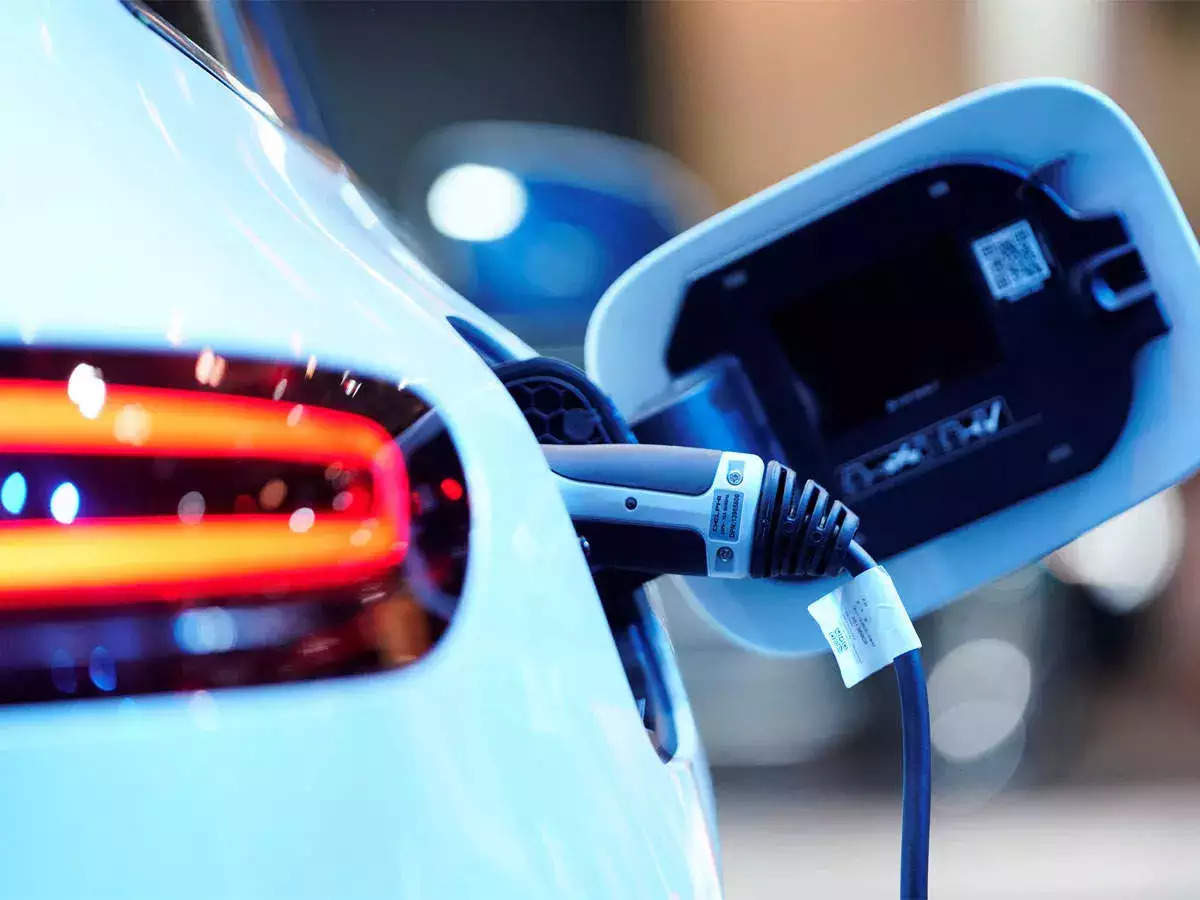
    The Automotive Research Association of India (ARAI) is developing fast chargers for electric vehicles to address the issue of charging infrastructure, Union Minister of Heavy Industries Mahendra Nath Pandey said on Saturday. As reported by PTI, the Minister said that the Automotive research and development body has already developed a prototype of the product while replying to a query at a press conference on the sidelines of the ‘Round Table To Promote Electric Mobility’ event organised by the Ministry of Heavy Industries.

    When asked about the challenges related to the usage of electric vehicles, he said, “This issue is being talked about that it consumes more time (to charge an e-vehicle battery). ARAI has been directed to work on it. In fact, they have developed a prototype of a fast charger and the product is expected to be ready by December 2022.”

    He also informed that the ARAI has been asked to complete the project by October 2022, so that it can be made available to the customers by December. The fast chargers will address the issue of charging infrastructure and boost demand for battery-driven vehicles. The minister also said that research is still underway and specific charging time of electric two-wheeler, three-wheeler and four-wheeler e-vehicle can be determined only after its completion.

    He further mentioned that his ministry is also in talks with the Ministry of Petroleum and Natural Gas for EV chargers installation at 22,000 petrol pumps across India. The charging stations would be installed at an interval of 25 km on highways and within a radius of 3 km in cities.

    Transport ministers of various states, other government and industry officials attended the ‘Round Table To Promote Electric Mobility’ event to deliberate ways for promoting EVs in the country.

  • Germany’s DB Schenker To Order 1,500 Electric Trucks From Sweden’s Volta

    Germany’s DB Schenker To Order 1,500 Electric Trucks From Sweden’s Volta

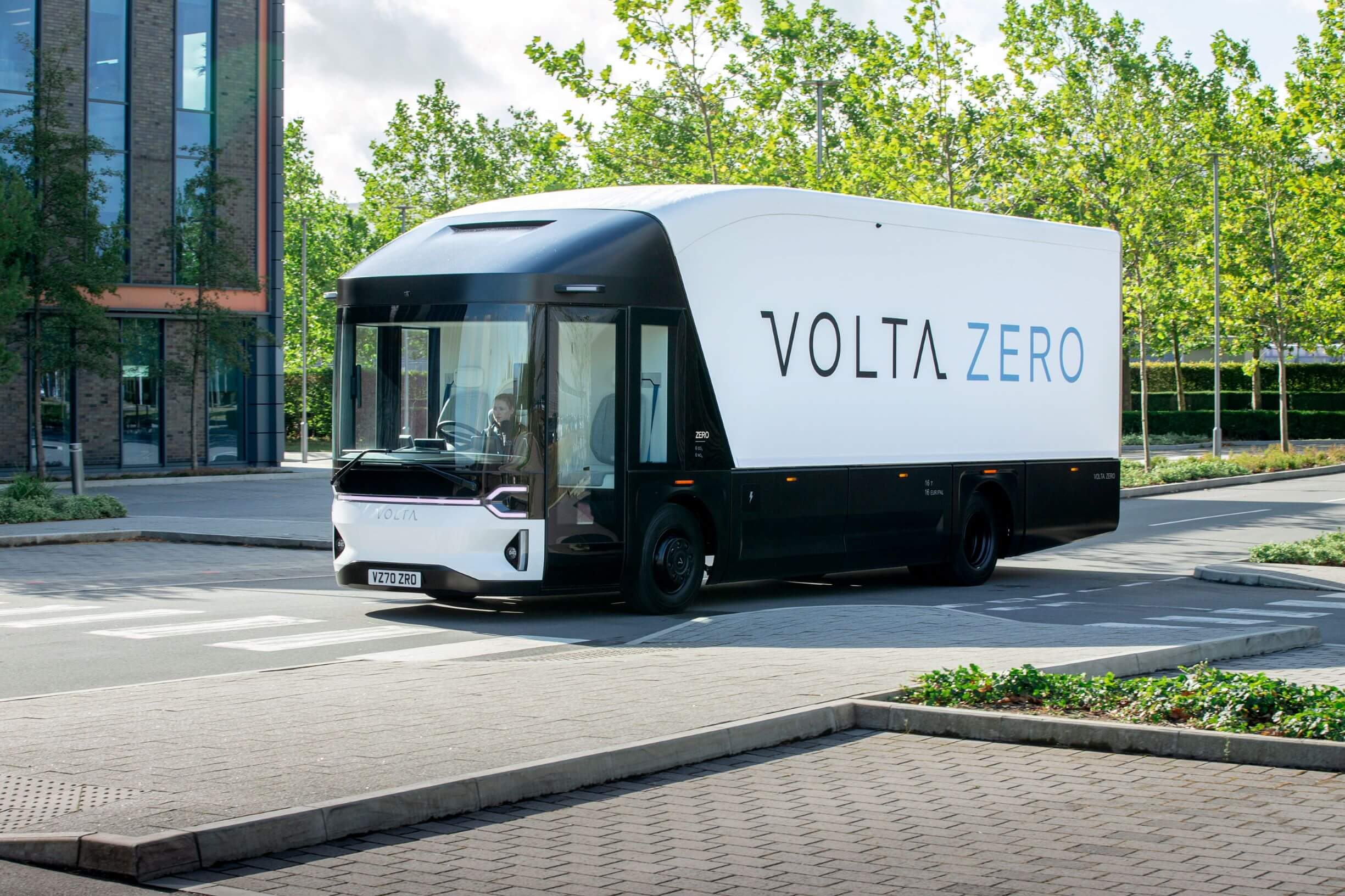
    Deutsche Bahn’s logistics unit Schenker will order almost 1,500 electric trucks from startup Volta Trucks to transport goods from European terminals into city centres and urban areas, the companies said on Tuesday. DB Schenker will use prototype electric trucks in the spring and summer of 2022 in distribution operations, findings from which will be used in the production of 1,470 electric trucks. Those trucks will be made at a former MAN truck plant in Austria that was taken over by Steyr Automotive. The electric trucks will operate at 10 DB Schenker locations in five countries.

    The companies didn’t immediately provide details on the transaction’s value.

    Stockholm-based Volta Trucks, which also operates in the UK, plans to start production of the Volta Zero, a 16-tonne electric truck, in 2022. Bans on fossil-fuel commercial vehicles will take effect in some European cities over the next few years, putting pressure on logistics providers to find zero-emission alternatives.

    “The large-scale partnership with Volta Trucks allows us to significantly increase the pace of electrification of our fleet and invest in greener transport solutions,” Cyrille Bonjean, DB Schenker’s executive vice president for land transport in Europe, said in a statement. DB Schenker has around 74,200 employees in over 130 countries. The latest order brings Volta Trucks’ order book to around 4,500 electric trucks. It previous biggest public order was for 1,000 trucks, from French refrigerated truck firm Petit Forestier.

  • Honda Sets Up Battery Sharing Subsidiary In India

    Honda Sets Up Battery Sharing Subsidiary In India

    Honda has announced setting up a new subsidiary in India, which will focus on the supply chain side of the electric vehicle industry. Called Honda Power Pack Energy India Private Limited, the new subsidiary for battery sharing service in India will offer service for small mobility players. In a statement, Honda has said that the company plans to start battery sharing service for electric auto-rickshaws from the first half of 2022 in Bengaluru, Karnataka, and expand the operations in other Indian cities in a phased manner.

    Swappable batteries will offer subscribers fully-charged batteries at the stations which can be swapped in a matter of minutes, instead of waiting to charge the vehicle.

    “The company will offer battery sharing service for small mobility, which will accelerate the penetration of electric vehicles by solving three issues of electric vehicles: limited range, long charging time, and high cost of batteries,” Honda said in the statement.

    Honda’s all-new portable and swappable batteries will be called “Honda Mobile Power Pack e,” and the company’s battery sharing service subscribers can avail of the services from the nearest battery swapping station. At the battery swapping station, subscribers can swap the used batteries with fully charged ones, and need not wait for charging and can get back on the road in marginal time.

    The company has invested ₹ 135 crore, and will work closely with original equipment manufacturers (OEMs) who wish to integrate Honda’s battery into their vehicles, by providing necessary technical information for an interface. By expanding vehicle OEMs, applications, and service areas, the company aims to onboard more drivers which will further enhance service convenience.

  • Kawasaki To Unveil Three New Electric Motorcycles In 2022

    Kawasaki To Unveil Three New Electric Motorcycles In 2022

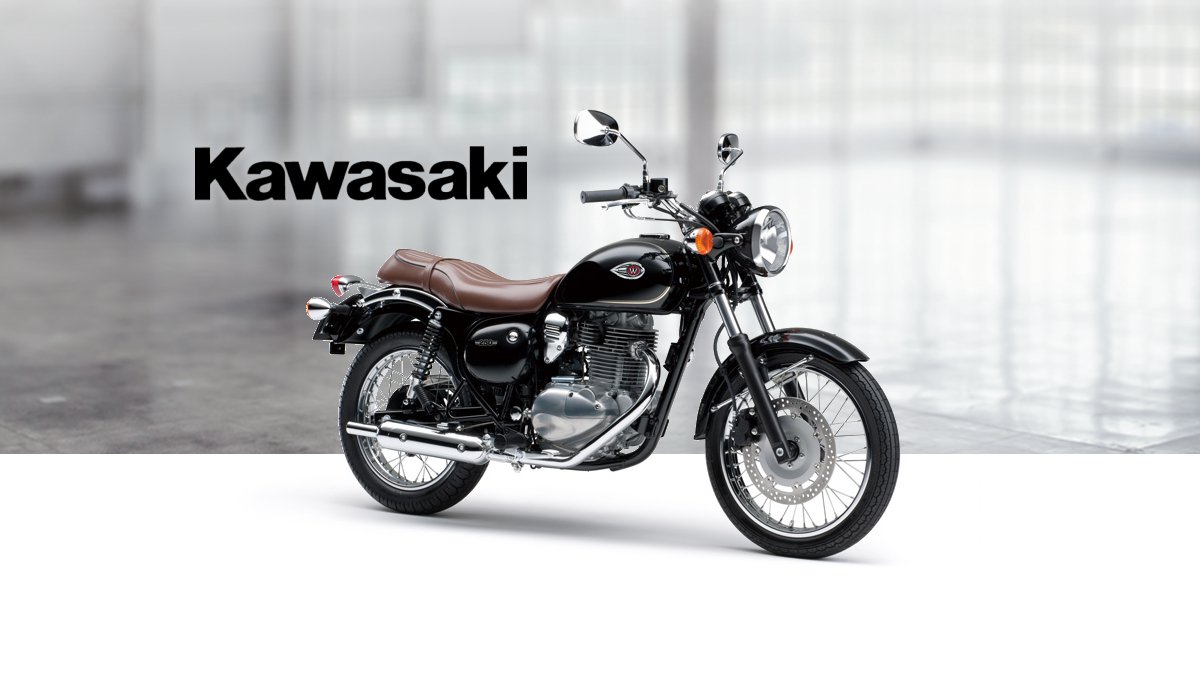
    Kawasaki Motors President and CEO Hiroshi Ito have announced that the Japanese brand will introduce not one, but three new electric models in 2022. Addressing the assembled crowd at the EICMA 2021 show in Milan, Italy, Hiroshi Ito laid down a broad outline for Kawasaki’s immediate future plans, including alternative fuels, as well as new products. What is clear from the comments from EICMA 2021 quoted by several sources, is that Kawasaki intends to fully embrace a carbon-neutral society. And what is important is that Kawasaki seems to be almost ready with several new electric models.

    “I would like to share a new commitment with you now. Next year, in 2022, we will show a minimum of three electric vehicles globally. That is a promise,” said Hiroshi Ito, President and CEO, Kawasaki Motors.

    The news seems to be part of Kawasaki’s plans to introduce 10 electric and hybrid motorcycles by 2025. But what is also interesting is Kawasaki’s plans to evaluate other forms of cleaner transportation. In his address, the Kawasaki Motors President and CEO also made mention of the Japanese brand’s commitment to exploring other power sources, including hydrogen, hybrids, and eFuels.

    “In addition to electric vehicles, Kawasaki is looking at all options as we work towards achieving a carbon-neutral society. One example is a hydrogen engine. In Japan, all industries supported by the government are making great efforts to make hydrogen a practical domestic alternative are currently moving forward. The Kawasaki Group is taking on a key role in this project, leading the way in hydrogen production, transport, storage, and use.

    “And just recently, on November 13, Kawasaki Motors decided to take the first steps in developing a hydrogen-powered motorcycle engine with Yamaha. Of course, we will look at the possibilities of other alternative fuels, like biofuel and eFuels,” added Hiroshi Ito.

    The announcement is a clear indication that Kawasaki is serious about cleaner transportation and is leading the development and pursuit of alternative power sources. And it will be interesting to see what the three new electric products will be, but even more interesting will be the development of alternative fuels, including hydrogen power.

  • REE Unveils Leopard, A Fully Autonomous Concept Vehicle

    REE Unveils Leopard, A Fully Autonomous Concept Vehicle

    REE Automotive revealed its autonomous concept vehicle based on a brand new ultra-modular EV platform design. The full-scale concept is geared for customers including last-mile autonomous and electric delivery companies, delivery fleet operators, e-retailers, and technology companies seeking to build fully autonomous solutions.

    Leopard’s design and specifications are the results of collaborative work with leading global delivery and technology companies focused on autonomous delivery and Mobility as a Service (MaaS) fleets. The concept vehicle is 3400 mm in length with front-wheel-steer, rear-wheel-drive, and has a 2-tonne gross vehicle weight.

    Leopard – the last mile autonomous concept vehicle – is designed to carry significantly more cargo due to REE’s low, flat floor. This means improved environmental impact of fewer trips in fewer vehicles, backed by a strong cost of ownership (TCO) structure: each vehicle in the fleet will be less expensive to run and maintain due to reduced energy cost and improved serviceability, leading to lower maintenance costs.

    Daniel Barel, REE co-founder, and CEO said, “Autonomous and electric vehicles ‘Powered by REE’ offer unsurpassed operational efficiency and the lowest total cost of ownership combined with full flexibility when it comes to integrating top hats in virtually any size, shape or form. We’re here to make the shift to a carbon-neutral future a reality faster and at scale.”

  • Australia To Speed Up Rollout Of Electric Car Charging Stations

    Australia To Speed Up Rollout Of Electric Car Charging Stations

    The Australian government on Tuesday pledged A$178 million ($132 million) to ramp up the rollout of hydrogen refuelling and charging stations for electric vehicles but did not offer EV rebates or set targets to phase out petrol cars. Prime Minister Scott Morrison said the beefed up Future Fuels Fund provides “an Australian way” to lower transport emissions, reiterating a slogan he introduced recently to describe the country’s middle ground on climate change policy. “We will not be forcing Australians out of the car they want to drive or penalizing those who can least afford it through bans or taxes,” Morrison said in a statement. “Instead, the strategy will work to drive down the cost of low and zero-emission vehicles.”

    The additional investment, which adds to an existing A$72 million commitment and will be spent by the end of June 2025, will also aid purchases of electric cars and buses for government and business fleets. Industry groups and green activists, however, said rebates and tax breaks were necessary to encourage the purchase of cleaner cars in a country where transport is the third-largest source of carbon emissions. “The federal government purports to support choice for Australian motorists, but in fact its strategy stifles choice by making it very challenging for Australia to attract a wide selection of battery electric vehicles to the market,” Clean Energy Council Chief Executive Kane Thornton said.

    The federal funding is only slightly more than a separate commitment by New South Wales, the country’s most populous state, to spend A$171 million on EV chargers over the next four years. Victoria, the second-most populous state, is planning to spend A$29 million on charging infrastructure in regional areas and replacing government cars by 2023. The federal government said its plan should lower carbon emissions by more than 8 million tonnes by 2035, based on its own projection that battery-electric and plug-in hybrid electric vehicles will make up 30% of annual new car and light truck sales by 2030.

    Morrison in 2019 slammed a proposal by the opposition Labor Party to target half of all new car sales to be electric by 2030, saying the policy would “end the weekend” for Australians who want to tow their trailers and boats to go camping. However, a recent survey by The Australia Institute thinktank found 64% of Australians favored requiring all new car sales in the country to be zero-emission vehicles by 2035 and 71% supported government subsidies for electric cars. Battery electric and plug-in hybrid vehicle sales in Australia hit a record 8,688 in the first half of 2021, but made up just 1.6% of total light-vehicle sales. In Norway, the global leader in EV uptake, battery electric vehicle sales made up nearly 80% of new car sales in September.

    The Future Fuels Fund will focus on extending coverage of fast-charging stations to regional areas, investing with private firms in 1,000 public charging stations, and in charging infrastructure at businesses and households. Australia has about 3,000 public chargers installed across the country, according to the Electric Vehicle Council. By comparison, California alone has over 73,000 public and shared chargers. The Electric Vehicle Council said the national plan should have at least included fuel efficiency standards.

    “If Australia continues to be one of the only developed nations without fuel efficiency standards then we will continue to be a dumping ground for the world’s dirtiest vehicles,” council Chief Executive Behyad Jafari said in a statement. The transport infrastructure funding was announced just weeks after Morrison adopted a net-zero carbon emissions target by 2050 in the face of international criticism that the major coal and gas producer was not doing enough to address climate change.

  • Apple Hires Tesla’s AutoPilot Software Pilot Boss

    Apple Hires Tesla’s AutoPilot Software Pilot Boss

    Apple has hired CJ Moore who was Tesla’s head of software for its AutoPilot autonomous driving system. CJ Moore recently had disputed Elon Musk’s claims around AutoPilot and said that it was fundamentally a level 2 ADAS system while Musk has been pitching it as an autonomous driving system. CJ Moore will be reporting to another ex-Tesla executive Stuart Bowers who is the Vice President of engineering at Apple.

    In January Musk had claimed that Tesla’s autopilot will be able to operate reliably to a level better than that of a human driver. Tesla’s FSD driving beta went live only earlier this year but still, it doesn’t make Tesla’s cars fully autonomous. Tesla is also facing an investigation from authorities in the US in relation to crashes while its cars have been in AutoPilot mode. Moore was called in as a witness after a Tesla crash that left two people dead in April.

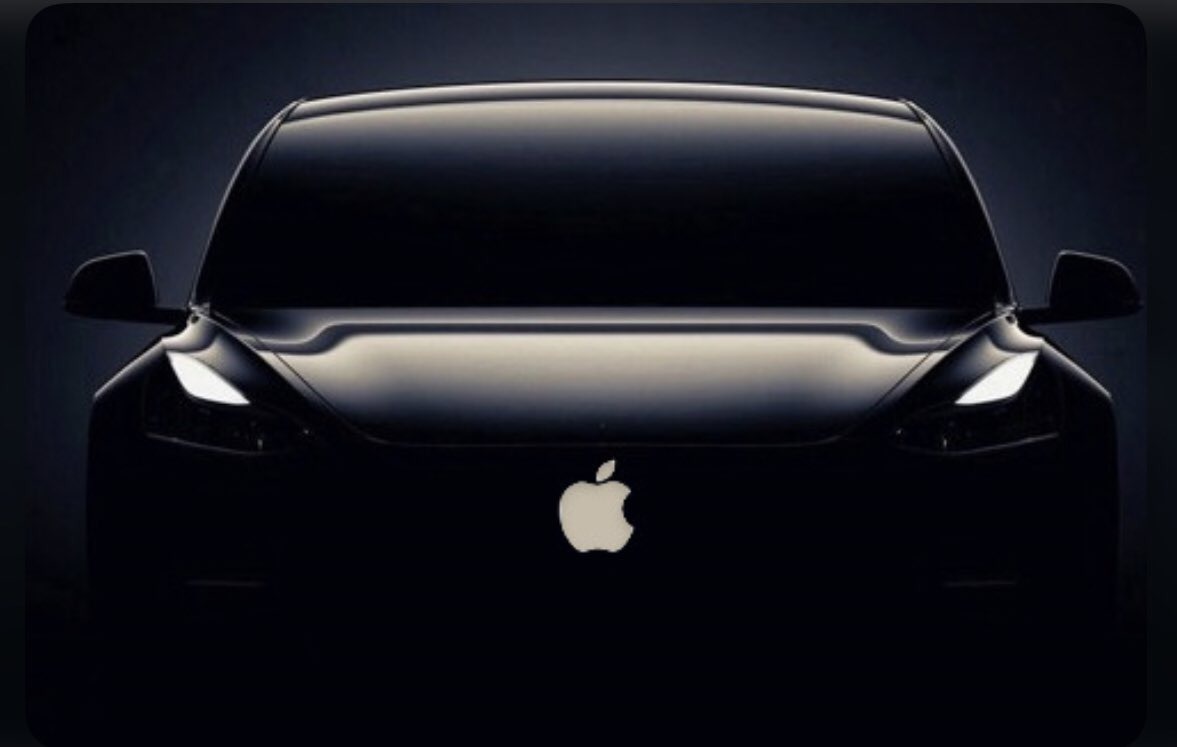
    The Apple Car project which has been called Project Titan has been in the works for more than half a decade – and has been riddled with issues. Apple recently lost its day-to-day chief of the project Doug Field who also left for Ford. Apple placed operational control in hands of Kevin Lynch the former Apple Watch software chief.

    Apple has also hired Ulrich Kranz, the co-founder of Canoo, and the former Vice President at BMW who helped create its electric cars. Apple has also poached Tesla’s Andrew Kim, Michael Schewkutsch, and Steve MacManus.

    Apple has been struggling to close battery supply from the likes of BYD and CATL while it also still doesn’t have a manufacturing partner having spoken to many players like Magna and Nissan.

  • Toyota Joins Opposition To Proposed US EV Tax Credit

    Toyota Joins Opposition To Proposed US EV Tax Credit

    Toyota urged Washington on Tuesday not to “play politics” with environmental issues by offering tax credits for US-made electric vehicles, joining a chorus of foreign opposition to the issue. President Joe Biden’s focus on helping blue-collar American workers led to a proposal in his Build Back Better legislation to offer $4,500 in tax credits for electric vehicles built in the United States by union workers.

    Toyota, with 10 US-based auto plants employing 36,000 workers, favors “incentives for the purchase of electric vehicles to speed the transition” to all-electric, the company said in a statement.

    However, the Japanese automaker said the proposed credits for union-made vehicles devalue the work of those who chose not to join a union, and send a message that promoting unions is more important than combating climate change.

    “Let’s not play politics with the environment, the American autoworker or the American consumer,” Toyota said.

    “This isn’t fair. This isn’t right.”

    Washington’s major trading partners Canada and Mexico also sent letters to American congressional leaders in the past week objecting to the tax credits, saying they violate US commitments under the United States–Mexico–Canada Agreement governing trade.

    Canadian Trade Minister Mary Ng also warned the action would undermine the highly integrated continental auto industry.

    “If passed into law, these credits would have a major adverse impact on the future of EV and automotive production in Canada, resulting in the risk of severe economic harm and tens of thousands of job losses in one of Canada’s largest manufacturing sectors,” Ng said.

    “US companies and workers would not be isolated from these impacts.”

    A letter from Mexico’s US ambassador Esteban Moctezuma Barragan and two dozen other ambassadors said the tax credit “conflicts with the goal of the quick deployment of new sustainable technologies” since it would apply to only two vehicles out of over 50 electric vehicles currently available.

  • Apple’s Talks With Chinese Battery Makers CATL And BYD

    Apple’s Talks With Chinese Battery Makers CATL And BYD

    Apple Inc’s talks with China’s CATL and BYD over battery supplies for its planned electric vehicle have been mostly stalled after they refused to set up teams and build U.S. plants that would solely cater to the tech giant, three people with knowledge of the discussions said.

    The firms informed Apple sometime in the past two months that they were not able to meet its requirements, the people said. But the U.S. company has not given up hope of resuming talks with either CATL or BYD, according to one source.

    Chinese battery makers are more advanced than rivals in the development of lithium iron phosphate (LFP) batteries which are cheaper to produce and sources have previously said Apple favors this battery technology.

    CATL, the world’s No.1 maker of batteries for EVs, has been reluctant to build a U.S. factory due to political tensions between Washington and Beijing as well as cost concerns, said one of the people with direct knowledge of the talks.

    The Chinese firm has also found it impossible to set up a separate product development team exclusively working with Apple due to difficulties in finding sufficient personnel, the person added.

    BYD, which has an iron-phosphate battery plant in Lancaster, California, declined to build a new factory and team that would solely focus on supplying Apple, said two of the sources.

    The stalled discussions have meant that Apple has been considering Japanese battery makers and it sent a group of people to Japan this month, they added.

    Panasonic Corp is one of the companies that Apple is considering, said one of the people.

    The sources declined to be identified as the talks were confidential. Apple, BYD and Panasonic declined to comment.

    CATL said in a statement to Reuters that it denied “the relevant information”.

    “We are evaluating the opportunity and possibility of manufacture localization in North America,” the statement said, adding that it has a dedicated professional team exclusively for each customer.

    Sources said last year Apple was aiming to launch an electric car by 2024. Apple has not publicly disclosed its plans. The stall in discussions comes at a time when U.S. President Joe Biden is seeking to make the United States a powerhouse in electric cars, setting a goal of having half of all new vehicles sold in 2030 electric.

    Any delays in securing battery supplies could further impede EV development for Apple which last month lost the head of its car project, Doug Field, after he decided to return to Ford Motor Co.

    Tesla Inc, which has been making some of its Model 3 and Model Y cars in China with LFP batteries from CATL, said this week it intended to use that battery chemistry outside China as well.

    CATL and BYD use a type of battery pack technology to improve the performance of LFP batteries. Without that, LFP batteries usually offer much shorter driving ranges and lower energy density than the more expensive lithium batteries that use cobalt and nickel.

  • Electric Vehicle Battery Startup ONE Backed By BMW

    Electric Vehicle Battery Startup ONE Backed By BMW

    Michigan-based Our Next Energy, which is developing an advanced battery for electric vehicles, has raised $25 million from investors ranging from German automaker BMW to a clean technology venture firm headed by Microsoft co-founder Bill Gates, the young company said on Monday.

    Investors in ONE’s Series A round include BMW iVentures, Detroit-based Assembly Ventures and Chicago-based Volta Energy Technologies, which is partnered with Argonne National Laboratories. Another investor is Singapore-based electronics manufacturer Flex Ltd, which is also a strategic partner with ONE.

    The round was led by Breakthrough Energy Ventures, the investment arm of Breakthrough Energy, founded by Gates in 2015 to support and fund innovations to counter climate change. Among the Kirkland, Washington company’s investments: Battery recycler Redwood Materials, electric aircraft maker ZeroAvia and solid-state battery developer QuantumScape.

    ONE, a year-old startup that only recently emerged from stealth mode, is working on a dual battery that combines a structural cell-to-pack design that uses cobalt- and nickel-free cathodes, with a second, high-energy pack that can recharge the first, potentially doubling vehicle range to 750 miles.

    ONE founder and chief executive Mujeeb Ijaz, a battery systems engineer with more than 30 years’ experience at Ford Motor Co, Apple Inc and A123 Systems, said of the financial backers, “We wanted to surround ourselves with people who are in this for the long term. They can help our company grow, and they are also magnets for other technology.”

    The new investment will help fund research and development, ranging from battery software and power electronics to artificial intelligence and machine learning, Ijaz said.

    “We plan to go from raw materials all the way to (battery) cell manufacturing,” he said, adding that ONE may seek additional funding and partners next year to help the company scale-up manufacturing.

  • Zeekr’s 001 EV Goes Into Production

    Zeekr’s 001 EV Goes Into Production

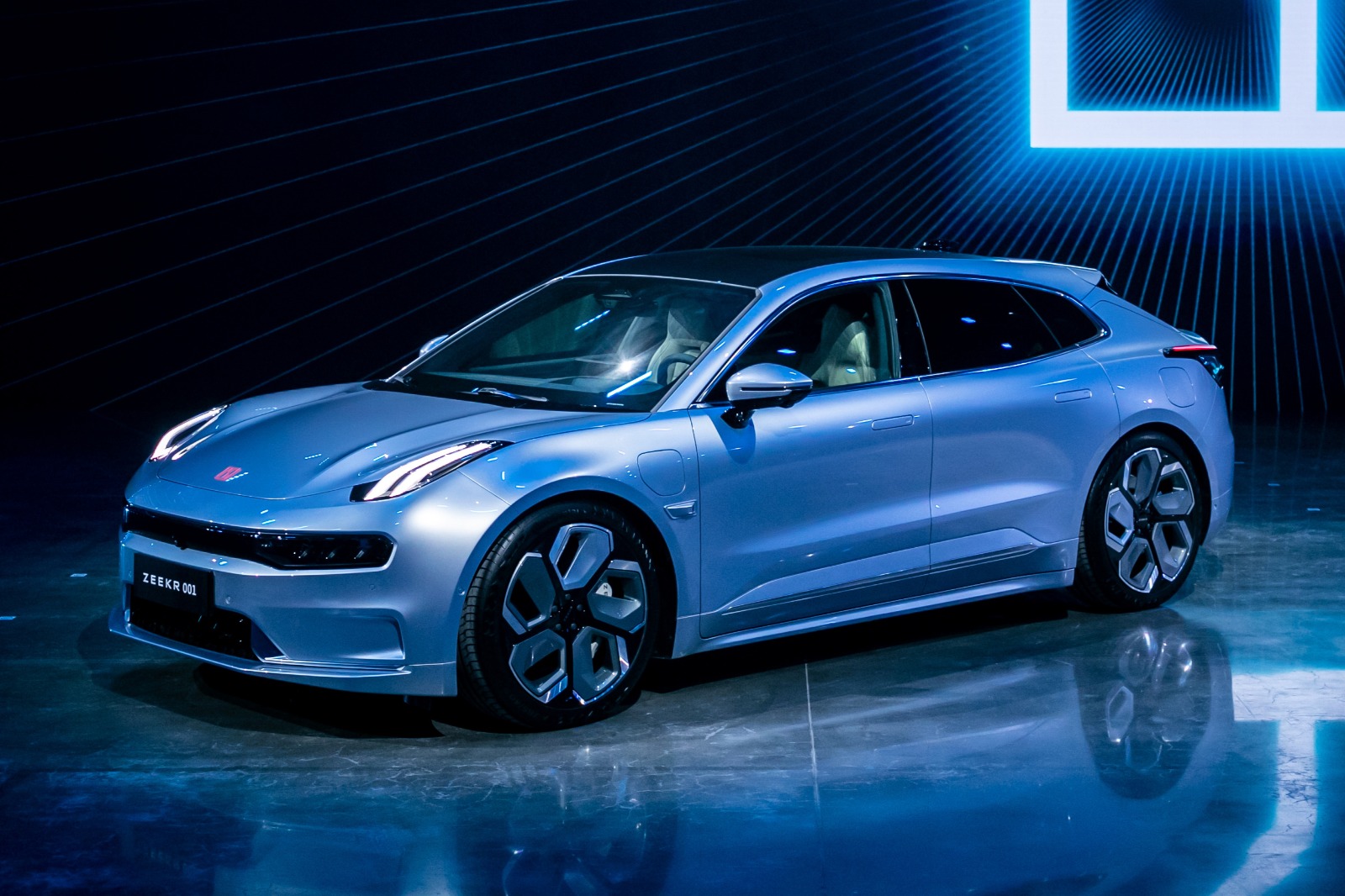
    Chinese EV startup Zeekr has announced that its new 001 sedan is now in production. Zeekr is part of the Geely Holding Group which also owns Volvo and Polestar. The first deliveries of the Zeekr 001 will start in China this weekend. Zeekr is a more luxury-focused EV brand, unlike Polestar which is more mass market.

    This launch comes on the back of the announcement of the sustainable experience architecture which is an open-source chassis base. There are more EV brands under the Geely umbrella including Lynk & Co, Geometry will still be upon the same chassis

    Zeekr intends to compete with Tesla in China. While it is part of the Geely holding group in July, Geely pulled out as a majority shareholder in the brand, though it still has control of other subsidiaries. It even features Intel Capital CATL as investors.

    There was a ceremony at Zeekr’s intelligent factory which even features a 5G network, 300 automated welding robots, and other production systems which are being continuously self optimized using AI.

    The 001 EV features 400 kW of power with 768 nm of torque with a dual-motor system. It can do 0-100 km/h in just 3.8 seconds and can halt from the same speed in 34/5 meters. The impressive bit is that Zeekr is saying its Z-Battery architecture can charge from 0-80 percent in 30 minutes and can deliver 526-712 km of NEDC range.

    It also shared its first set of over-the-air updates to further improve Zeekr assisted drive system after the first deliveries. It has an approximate cost of between $44,000-$56,500.

    10 Zeekr Spaces planned in China that will join two already opened facilities in Hangzhou and Tianjin. Zeekr is also planning on opening 360 kW charging stations across 10 Chinese cities this year.