Tag: EV

  • Xiaomi CEO Says It Will Be Mass Producing Its EV By 2024

    Xiaomi CEO Says It Will Be Mass Producing Its EV By 2024

    Xiaomi’s CEO Lei Jun has revealed that the world’s third-largest smartphone maker is ahead of schedule for making its foray into the automotive sector and will start mass-producing its EVs in the first half of 2024. These comments were made at an investor event. But then the Chinese billionaire tweeted his thoughts as well. “Xiaomi EV is ahead of schedule. Aiming for mass production in 2024 H1,” he said on the social media platform. His executives also went to Chinese social media platforms to confirm the news. Zang Ziyuan who is a director for marketing at Xiaomi also posted this news on his verified Weibo account.

    In March, Xiaomi had announced that it would be investing $10 billion in the new electric car division over the next 10 years. The company finished the registration of its electric car business in August and already it has ramped up hiring for the unit – though it hasn’t revealed whether it is going to make the car or will partner with someone.

    Its close partner for the manufacturing of smartphones, Foxconn, has already announced its own electric car venture, and considering manufacturing isn’t Xiaomi’s forte, this would be a partnership that’s likely to happen.

  • Chinese EV Maker Nio Cut Sales Forecast Due To Chip Supply Shortage

    Chinese EV Maker Nio Cut Sales Forecast Due To Chip Supply Shortage

    Chinese electric vehicle (EV) maker Nio Inc on Wednesday cut its delivery forecast for the third quarter this year due to uncertain and volatile semiconductor supplies. Nio cut its delivery forecast for the third quarter to around 22,500 to 23,500 vehicles from a previous 23,000-25,000 vehicles. It delivered 5,880 electric sports-utility vehicles last month, up 48% from a year earlier.

    Li Auto Inc, which sells extended-range electric vehicles, said it sold 9,433 vehicles last month, up 248% from a year earlier. It targets 10,000 units monthly sales in September. Xpeng Inc sold 7,214 cars in August, up 172% year-on-year. Its chief executive He Xiaopeng said it expects monthly deliveries to reach 15,000 units in the final quarter this year.

    A prolonged global chip shortage has caught major automakers including Ford Motor, Honda Motor, General Motors, and Volkswagen off guard, forcing many to idle or curtail production. The shortage was unlikely to resolve soon as the pandemic rages on in many parts of the world, China’s top auto industry body said last month. U.S. listed shares of Nio were down 4.3% at $37.63 in premarket trading, while Xpeng fell more than 2%. Li Auto, Nio, and Xpeng are three leading Chinese EV startups that compete with U.S. electric car maker Tesla Inc and local companies including Geely and Great Wall Motor.

    Separately, Tesla had sold 32,968 China-made vehicles in July, including 24,347 for export, according to data from the China Passenger Car Association last month. However, local sales of China-made Tesla vehicles had plunged 69% month-over-month to 8,621 cars in July. The company makes electric Model 3 sedans and Model Y sport-utility vehicles in a Shanghai plant. China sales, which account for nearly a third of its total sales, is closely watched as a sign of the automaker’s health in its second-biggest market, where it has invested heavily.

  • Ferrari Boss Has No Fears Over Electric Future

    Ferrari Boss Has No Fears Over Electric Future

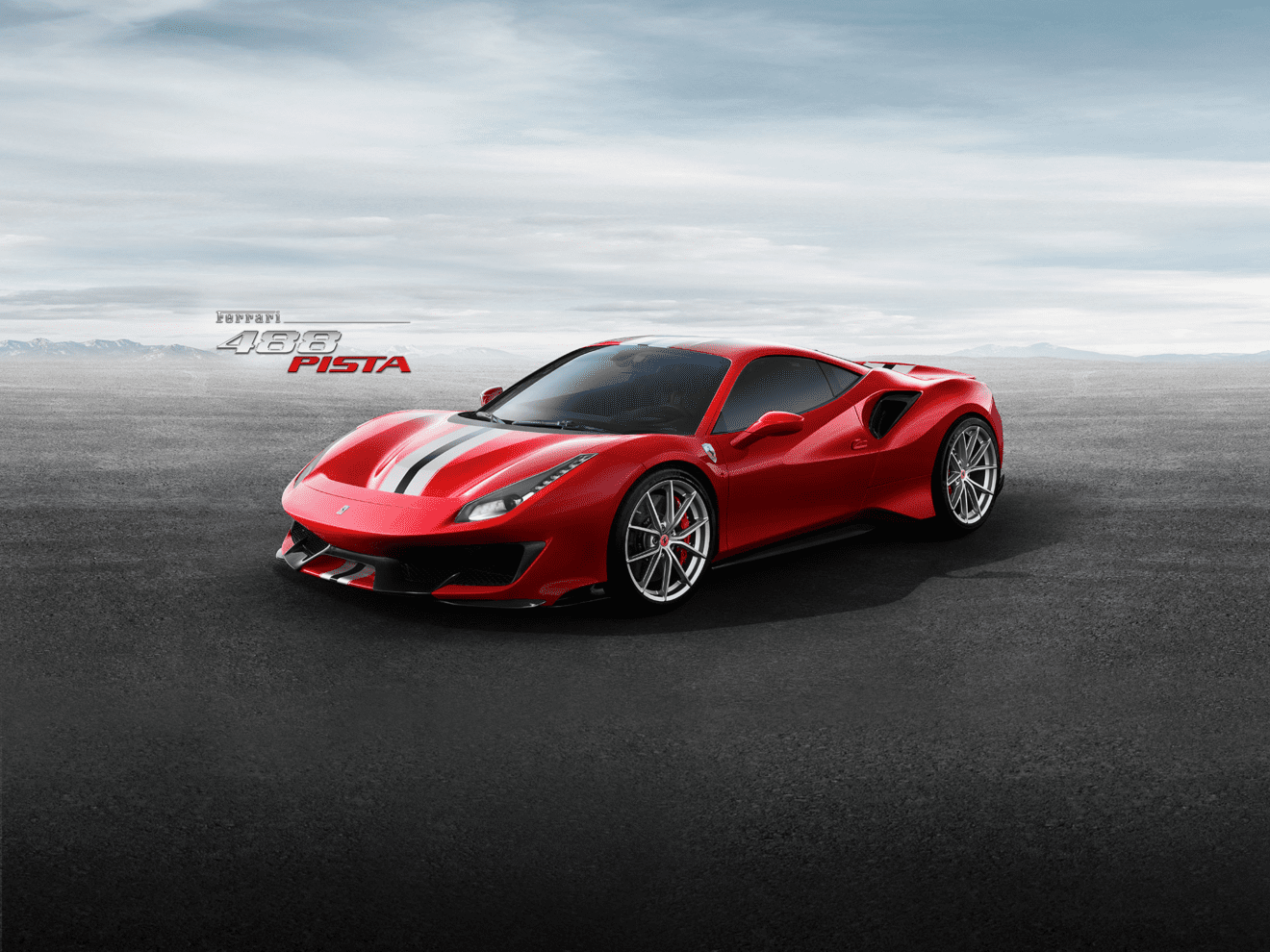
    Ferrari, the sports car maker synonymous with roaring petrol engines, welcomes the shift to electric powertrains and is confident of retaining its lead in the market for high-performance cars, its chairman said on Monday.

    The European Union last month proposed an effective ban on the sale of new petrol and diesel cars from 2035 as part of its measures to combat global warming, posing a challenge to automakers that have made powerful engines a key selling point.

    But Ferrari Chairman and acting CEO John Elkann told analysts on Monday the company known for its ‘Prancing Horse’ logo saw the change in technology as an opportunity.

    “We see the regulation as welcome,” Elkann said, as Ferrari stuck to its main 2021 targets after reporting second-quarter core profits just ahead of expectations.

    “The opportunity set by electrification, electronics, and other technologies that are coming available will allow us to make even more distinct and unique products,” he said.

    Elkann, the scion of Italy’s Agnelli family which controls Ferrari through its investment company Exor, was speaking weeks before new CEO – technology industry veteran Benedetto Vigna – takes the helm on Sept. 1.

    One of Vigna’s tasks could be to forge new partnerships, along the lines of Ferrari’s existing tie-up with Britain’s Yasa, now part of Daimler, to help with the shift to an electric era, Elkann said.

  • Ford Mustang Mach-E Production Delayed Because Of Global Semiconductor Shortage

    Ford Mustang Mach-E Production Delayed Because Of Global Semiconductor Shortage

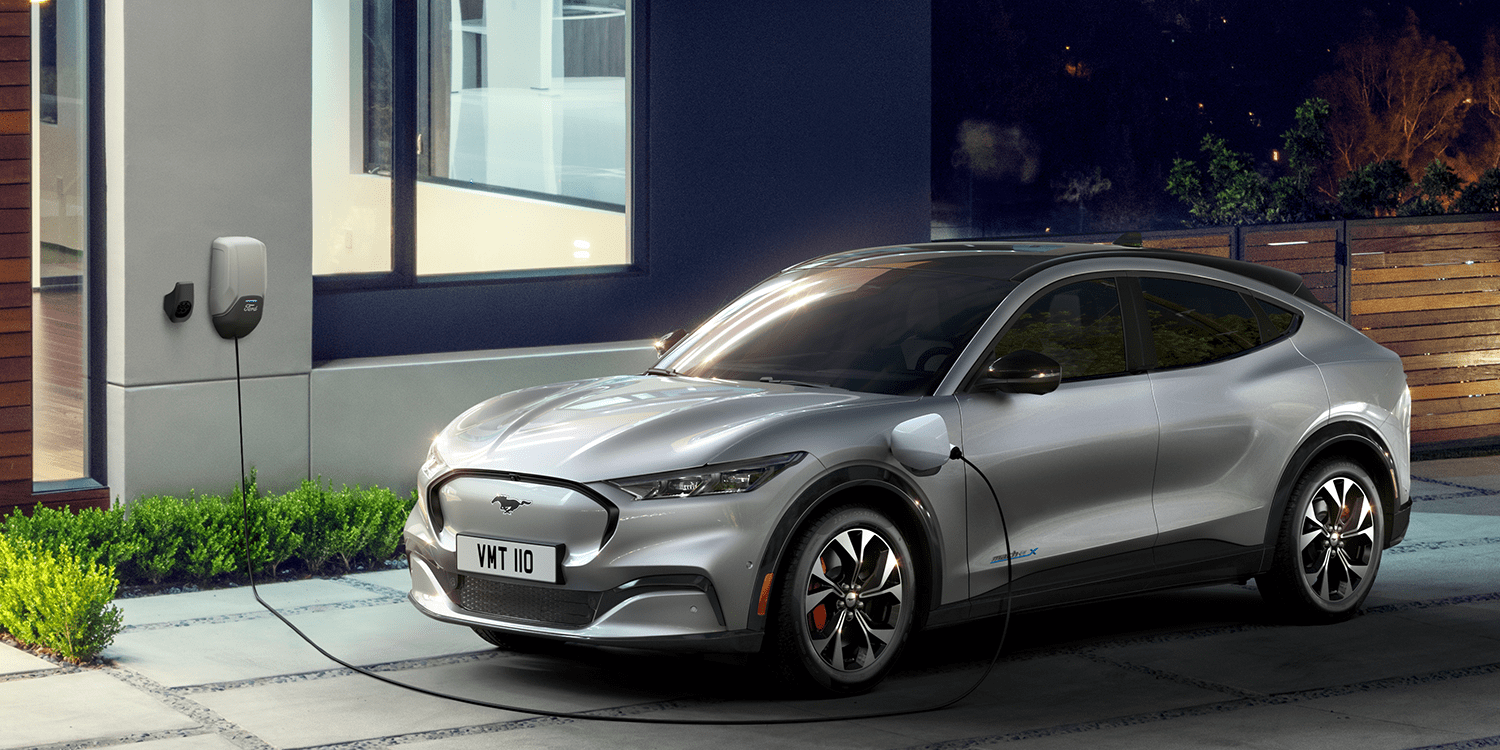
    Ford is delaying shipments of Mach-E electric vehicles due to the global chip shortage that’s causing problems across all manner of industries. The company told affected owners their deliveries will be delayed by at least six weeks.

    In an effort to make up for the delay, Ford is offering an additional 250kWh worth of charging on the house, which should be good for around 700 miles of driving. That doubles the complimentary charging Mach E owners receive with their EV. The delay affects EVs that were scheduled for production between July 5th and October 1st.

    “We’d like you to know that while we’re working nonstop to deliver your very own Mustang Mach-E vehicle, we project your vehicle delivery will be delayed by a minimum of six weeks,” Ford wrote in an email to customers. “Once your vehicle receives the required chip, your vehicle status will be updated, and you’ll receive an email with an estimated week of delivery.”

    The semiconductor shortage has impacted production of a broad range of products in recent months. Along with EVs and other vehicles, game consoles, graphics cards, smartphones, Apple products and other goods have been affected. Ford cut vehicle production earlier this year due to the problem.

  • E-Vehicles Exempted From Registration Certificate Fees

    E-Vehicles Exempted From Registration Certificate Fees

    The Ministry of Road Transport and Highways on Tuesday said it has issued a notification to exempt battery-operated vehicles from the payment of fees for issue or renewal of registration certificate.

    In a statement, the ministry said it has also exempted battery-operated vehicles from the payment of fees for the assignment of new registration marks.

    This has been notified to encourage e-mobility, it added.

  • China’s Electric Vehicle Makers Report Strong July Sales

    China’s Electric Vehicle Makers Report Strong July Sales

    Electric vehicle sales at China’s Li Auto and Xpeng Inc more than tripled in July from a year ago, while they doubled at Nio Inc, helped by robust demand for new energy automobiles in the world’s biggest auto market.

    The rise in July deliveries comes at a time when electric car makers have been expanding manufacturing capacity in China, encouraged by the country’s policy of promoting greener vehicles.

    U.S.-listed shares of Xpeng surged as much as 8.9% to a near two-week high of $44.12, Li Auto rose as much as 6.1% to a one-month high of $35.44, while Nio gained as much as 4.7% at $46.78.

    Nio, Li Auto and Xpeng compete with U.S. electric car maker Tesla, which dominates the EV market in China.

    Nio, the maker of the ES8 and ES6 electric sport-utility vehicles, said it delivered a total of 7,931 vehicles in July, up 124.5% from a year earlier. Deliveries had more than quadrupled in July 2020.

    Xpeng, which makes the P7 sedan and G3 sport-utility vehicles, said its July deliveries jumped 228% to 8,040 vehicles.

    Li Auto, the producer of Li ONE SUVs, said it delivered 8,589 Li ONEs last month, an increase of about 251%.

    The strong sales numbers for the EV makers come as a global recovery in auto sales is being threatened by chip shortage that has forced automakers around the world to adjust assembly lines, cut productions and shutter factories.

  • Toyota Extends Battery Warranty On Camry, Vellfire To 8 Years In India

    Toyota Extends Battery Warranty On Camry, Vellfire To 8 Years In India

    In line with its commitment to encourage the adoption of electrified vehicles, Toyota Kirloskar Motor today announced the extension of battery warranty for its Self-charging Hybrid Electric Vehicles (SHEVs) in India. Currently, the company offers only two cars with hybrid technology and that’s the Camry and the Vellfire. The warranty is extended from the existing three years or 100,000 kilometres to eight years or 160,000 kilometres (whichever comes first). Both cars sold with effect from August 1, 2021, will come with this warranty.

    Toyota was the first carmaker to bring hybrid electric vehicles to the Indian market with products such as the Prius and Camry. The Camry has been a very successful car for the company in India, so much so that the new model which was launched a couple of years ago, was brought to India in a hybrid-only avatar.

    V. Wiseline Sigamani, Associate General Manager (AGM), Sales and Strategic Marketing, Toyota Kirloskar Motor said, “Hybrids can run 40% of the distance and 60% of the time as an electric vehicle with a petrol engine shut off, as proven in a study by iCAT, a Government testing agency. This gives hybrids tremendous fuel efficiency improvements of 35 to 50% and much lower carbon emissions. In India, over the years (cumulative), sale of Toyota Camry Hybrid vehicles alone has resulted in CO2 emission reduction of over 18 million kilograms and fossil fuel savings of over 7.6 million litres.”

  • Electric cars fail to get charged up without policy support

    Electric cars fail to get charged up without policy support

    A lack of policies promoting battery production and building a charging station network is preventing the electric car market in Vietnam from hitting the road running.

    At the end of March, automaker VinFast began accepting pre-orders for its first electric cars. More than 4,000 orders were placed on the very first day.

    The company has requested several incentives for electric vehicle development, including scrapping special consumption tax and registration fees on electric cars for five years.

    Some brands have imported electric and hybrid vehicles into Vietnam earlier.

    In August last year, Toyota started selling its first hybrid cars in Vietnam with low fuel consumption, giving 100 km for 4.6 liters of fuel.

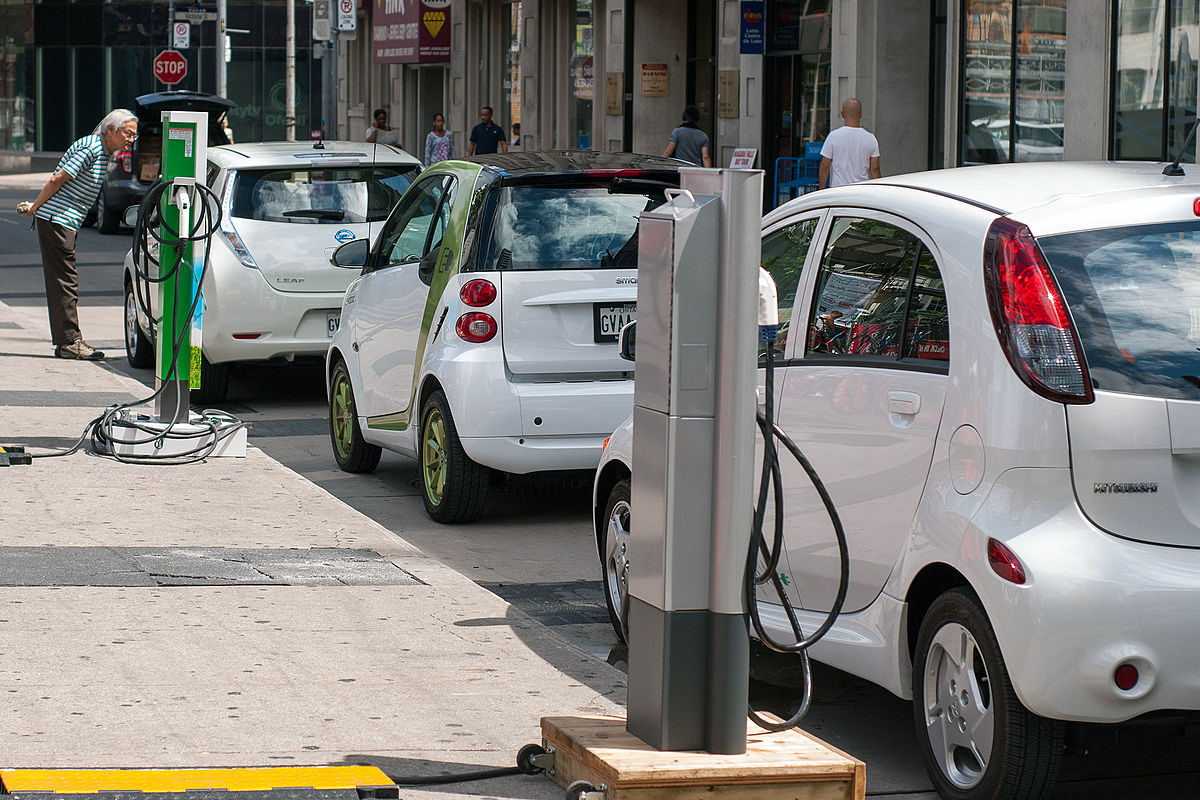
    Mitsubishi also distributed its i-MiEV cars in Vietnam in 2017 and installed charging stations in some localities. However, after 10 years of making efforts to distribute them to many different markets, the company has stopped manufacturing the vehicles now.

    Last year, around 1,000 electric and hybrid vehicles were sold in Vietnam, with the latter accounting for 99 percent. The figure for gas powered vehicles was over 296,000 units.

    The Ministry of Industry and Trade said in a recent report to the government that there has not been real support policy for electric cars.

    Apart from VinFast which is manufacturing the vehicles, foreign brands like Honda, Toyota and Mitsubishi have mostly been importing electric vehicles without any concrete plan to make them in Vietnam.

    Experts say that the lack of a systemic policy to support the industry concerning the manufacturing of battery, the development charging infrastructure, prices and emission.

    “Batteries need to have high durability and have quick charge function, while the charging station network should be widespread. These factors are what missing in Vietnam’s electric car industry,” said an expert in the auto industry who asked not be identified.

    VinFast is set to tackle these challenges with plans to set up over 2,000 charging stations nationwide by the end of this year.

    The industry ministry report said that prices for electric vehicles are not enticing enough compared to fuel vehicles.

    A 15 percent special consumption tax on electric cars, compared to 30-50 percent on fuel cars, is not enough to bring electric car prices down to an attractive level to customers, it said.

    Another challenge is electric vehicles will still be using coal-fired and oil-fired electricity which has high emission, as renewable energy is not stable and has high price tag, the it added.

    Dau Anh Tuan, head of the Vietnam Chamber of Commerce and Industry’s legal department, proposed that cars be applied a special consumption tax based on how much carbon dioxide they release into the environment, which will help encourage people to switch to electric vehicles.

    Policies should focus on supporting Vietnamese companies to make electric vehicles, not foreign ones, he added.

  • Tesla Propels 95 Per Cent Increase In EV Sales In The US

    Tesla Propels 95 Per Cent Increase In EV Sales In The US

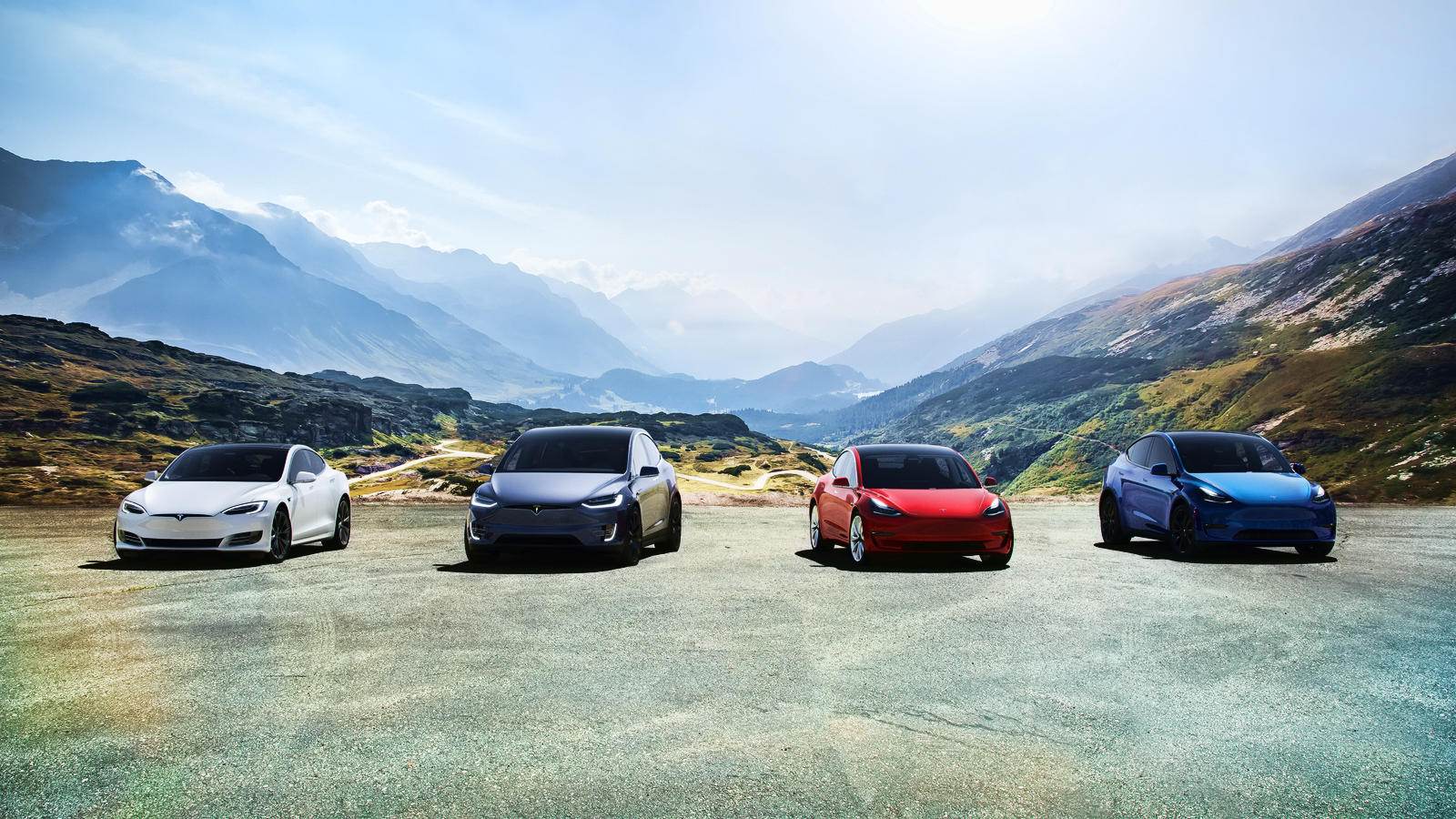
    Tesla is the world’s largest EV maker and it is also the largest EV player in the US, considering the states are its home turf. So it shouldn’t come as a surprise that Tesla has propelled 95 percent of the increase in EV sales in the US as per a report by Experian.

    While this is true, its market share is coming down as traditional automakers start to deploy their EV solutions which are increasingly becoming competitive with Tesla. In 2020, Tesla accounted for 79 percent of all the electric vehicles registered in the states. But in 2020, the US was hit hard by the pandemic and it only managed an 11 percent increase in EV adoption in the US. That’s changed dramatically in 2021 and we have barely crossed the halfway mark for the year.

    Tesla’s market share has dropped to 71 percent thanks to the introduction of new EVs like the Ford Mustang Mach-E, the Audi E-Tron and the Porsche Taycan. Some older EVs like the Hyundai Kona, Nissan Leaf, and Chevrolet Bolt EV are also seeing increased traction which is why Tesla’s market share has dipped, but overall, the sale of its Model Y and Model 3 is booming.

    Likely, with new avatars of the Model S and Model X just launched they will also see more traction. The top-selling EVs list is restricted to data from between January to April 2021.

    1. Tesla Model Y: 53,102
    2. Tesla Model 3: 35,468
    3. Chevrolet Bolt EV: 13,611
    4. Ford Mustang Mach-E: 6,104
    5. Nissan Leaf: 5,023
    6. Audi e-Tron: 4,321
    7. Porsche Taycan: 3,002
    8. Hyundai Kona: 2,192
    9. Tesla Model X: 1,730
    10. Tesla Model S: 1,633

  • Dodge To Launch Its First All-Electric Muscle Car In 2024

    Dodge To Launch Its First All-Electric Muscle Car In 2024

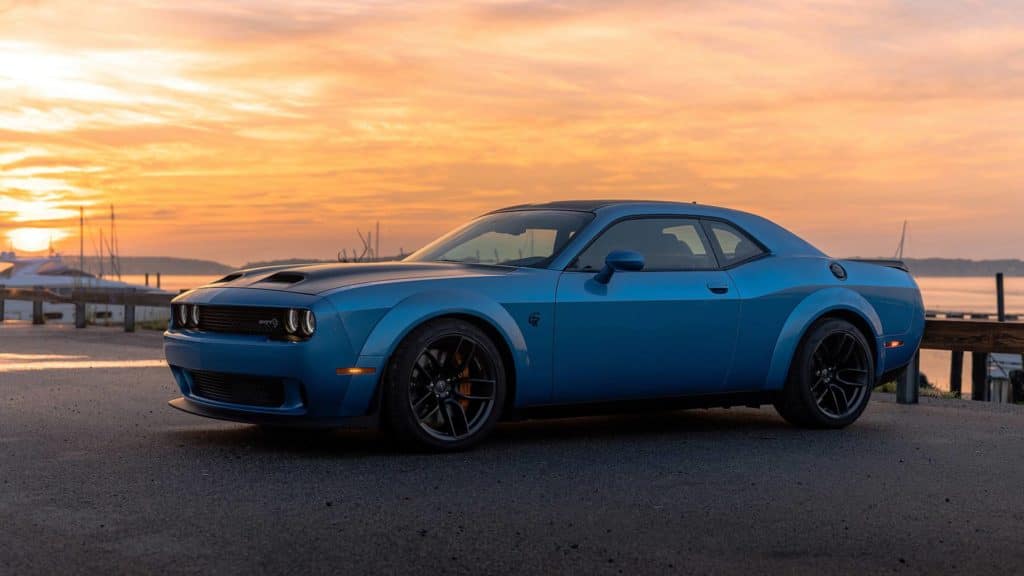
    Dodge, the American carmaker has announced that it will launch the world’s first full battery electric muscle car in 2024. Part of its parent company Stellantis’ larger plan to achieve electrification across its group brands, the new electric vehicle will mark the entry of the iconic muscle carmaker, which is known for its high-horsepower V8 engines, into the EV space. The announcement came as part of the Stellantis EV Day 2021, and the company has also teased the concept version of the all-electric Dodge which we expect will be revealed soon.

    Now, based on the elements revealed in the teaser released by Dodge, we can assume that the company is likely to go for a retro design for the EV, featuring a muscular exterior. However, what’s even more interesting is the Fratzog logo which has been highlighted in the teaser video. The triangular logo was used by Dodge in the 1960s and ’70s, on the car’s grille, and Dodge says that using it is “a nod to the future, which will bring about another great automotive era – the era of the electrified muscle car.”

    Right now, it’s unclear whether the new EV will be the electric version of the two-door Dodge Challenger or the four-door Charger or a new vehicle altogether. However, we expect the new electric muscle car to be built on Stellantis’ ‘STLA Large’ platform, and it could also come with electric all-wheel-drive capability. Technical details and other specifications are expected to be announced later, however, the company claims that the new EV will be capable of doing a 0-100 kmph sprint in about 2 seconds. As for the electric range, the new Dodge EV is expected to offer a range of about 800 km on a single charge.

    Stellantis plans to invest more than 30 billion euro through 2025 in electrification and software development, including equity investments made in joint ventures to fund their activities. Its electric portfolio will also include a range of plug-in hybrid SUVs from Jeep which will arrive by 2022, and an all-electric truck from Ram by 2024.

  • New Daikin AC For EVs Can Extend Range By 50%

    New Daikin AC For EVs Can Extend Range By 50%

    Daikin which is the Japanese air conditioning major has revealed that it has developed an air conditioner that can help EVs extend their range by up to 50 per cent which is a huge gain. The report comes from Nikkei Asia, the Japanese financial daily. The report states that Daikin is preparing to commercialize the technology by 2025.

    Daikin claims that it has a refrigerant that has a boiling point of 40-degrees Celsius which is 10-15 degrees lower than most conventional products. This means it draws lesser power for compression which helps in turn dramatically improve the range of EVs. Daikin has made a bold claim saying that a car that will give 200 kilometers of range in Japan could do 300 kilometers if it was outfitted with this AC.

    The product is currently being verified for its performance and safety in operating conditions by the US industry group SAE international. Daikin, of course, isn’t just the biggest air conditioner maker from Japan but by sales, it’s the world number 1. Currently, it doesn’t operate in the automotive market, so this will mark its entry into the segment.

    Currently, many automakers like Tesla make the HVAC system on their own. In fact, many times Elon Musk has mused that if Tesla were to commercialize its HVAC for home use, it would be class-leading because of the break through’s it has made to make sure the system doesn’t compromise either on air quality, cooling and range at the same time.

  • New Electric Hypercar Powerhouse: Rimac Takes Reins At Bugatti

    New Electric Hypercar Powerhouse: Rimac Takes Reins At Bugatti

    112-year-old Bugatti makes some of the most exclusive cars in the world. Its combination of ultra-luxury and mind-boggling speed has defined the hypercar genre for decades, especially under the stewardship of the Volkswagen group, it has thrived since 1998. In the age of electric cars, however, its dependence on the internal combustion engine would’ve antiquated the brand soon. In a masterful move, Volkswagen Group has handed over all its shares of Bugatti to its subsidiary Porsche which is another iconic sports car brand. Porsche, like most brands in the Volkswagen group, has been on its journey of electrifying its portfolio. Its investment in electric hypercar startup Rimac gave it a 24 percent stake in 2018 and a technology flow-over. But now the relationship is even closer, as Porsche has handed its control of Bugatti to Rimac and formed a joint venture called Bugatti Rimac in which it is a 45 percent stakeholder.

    Rimac is restructuring its corporate structure fully – creating a holding company called the Rimac Group which has a controlling 55 percent stake in the newly formed Bugatti Rimac. It cites Rimac Technologies as its other business and the entity cites Porsche, Hyundai as stakeholders amongst other investors. Mate Rimac, the founder and CEO of RimacAutomobilii will continue to be the CEO of the new Rimac Group with him being the leader of both Bugatti Rimac and Rimac Technologies. He also retains 37 percent of his stake in the Rimac Group. Porsche has a 24 percent stake in the Rimac Group, while Hyundai owns 12 percent in the new entity.

    Under the new structure, Porsche gets 45 percent stake in the JV and retains its 24 percent stake in the Rimac Group.

    “Bugatti and Rimac will both continue as separate respective brands, retaining existing production facilities and distribution channels,” Mate Rimac says. “Bugatti Rimac represents the company that will develop the future of both Bugatti and Rimac vehicles, by joining resources and expertise in research and development, production, and other areas,” he adds.

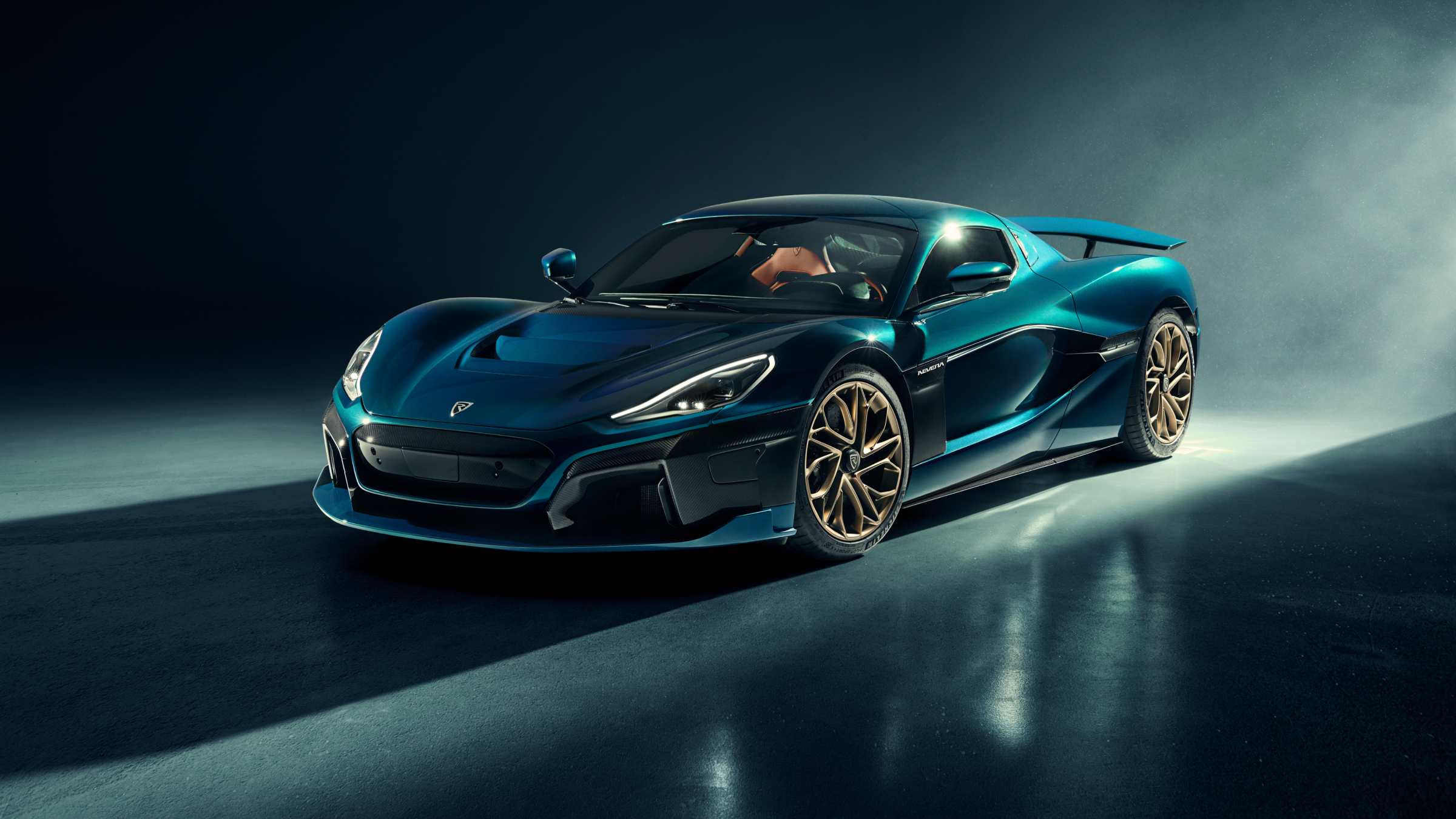
    Rimac and Bugatti as brands will remain separate — while Bugattis will be built to their exacting standards from their home in France while Rimac’s will be continued to made in Croatia. As of now, Rimac’s new electric hypercar, the Nevera will be sold separately from the Bugatti Chiron – but together, the JV is now home to two of the most powerful hypercars – one being based on hybrid technology with an internal combustion engine at its heart and the other one fully being propelled by batteries and electric motors.

    Rimac’s technology has attracted it to many automakers like Porsche and Hyundai which previously invested in it. Its technologies unit supplied parts and technology to some of the world’s biggest OEMs like Porsche, Aston Martin, Pininfarina, and of course Bugatti. In fact, the Rimac Nevera takes over the mantel of the world’s fastest hypercar from the Bugatti Chiron with its 1,888 bhp Nevera having the ability to achieve 0-100 km/h in less than 2 seconds.

    Rimac is also building a new headquarters in Croatia which will open in 2023 replete with its now test track and uniquely will be a fully open campus. Bugatti will most likely utilise Rimac’s technology to make a fully electric hypercar something which Mate Rimac hinted at. This will take time, though, with the new vehicle coming only by the end of the decade, so in the meanwhile, it will continue to sell its hybrid cars alongside fully electric Rimac branded vehicles.

    “This is a truly exciting moment in the short, yet rapidly expanding history of Rimac Automobili. We have gone through so much in such a short space of time, but this new venture takes things to a completely new level. Rimac and Bugatti are a perfect match in terms of what we each bring to the table. As a young, agile and fast-paced automotive and technology company, we have established ourselves as an industry pioneer in electric technologies,” Mate Rimac added.

    “We are combining Bugatti’s strong expertise in the hypercar business with Rimac’s tremendous innovative strength in the highly promising field of electromobility. Bugatti is contributing a tradition-rich brand, iconic products, a loyal customer base, and a global dealer network to the joint venture. In addition to technology, Rimac is contributing new development and organizational approaches,” said Oliver Blume, Chairman of the Executive Board at Porsche AG.

  • Rivian’s Amazon Delivery Vans Hitting Mass Production

    Rivian’s Amazon Delivery Vans Hitting Mass Production

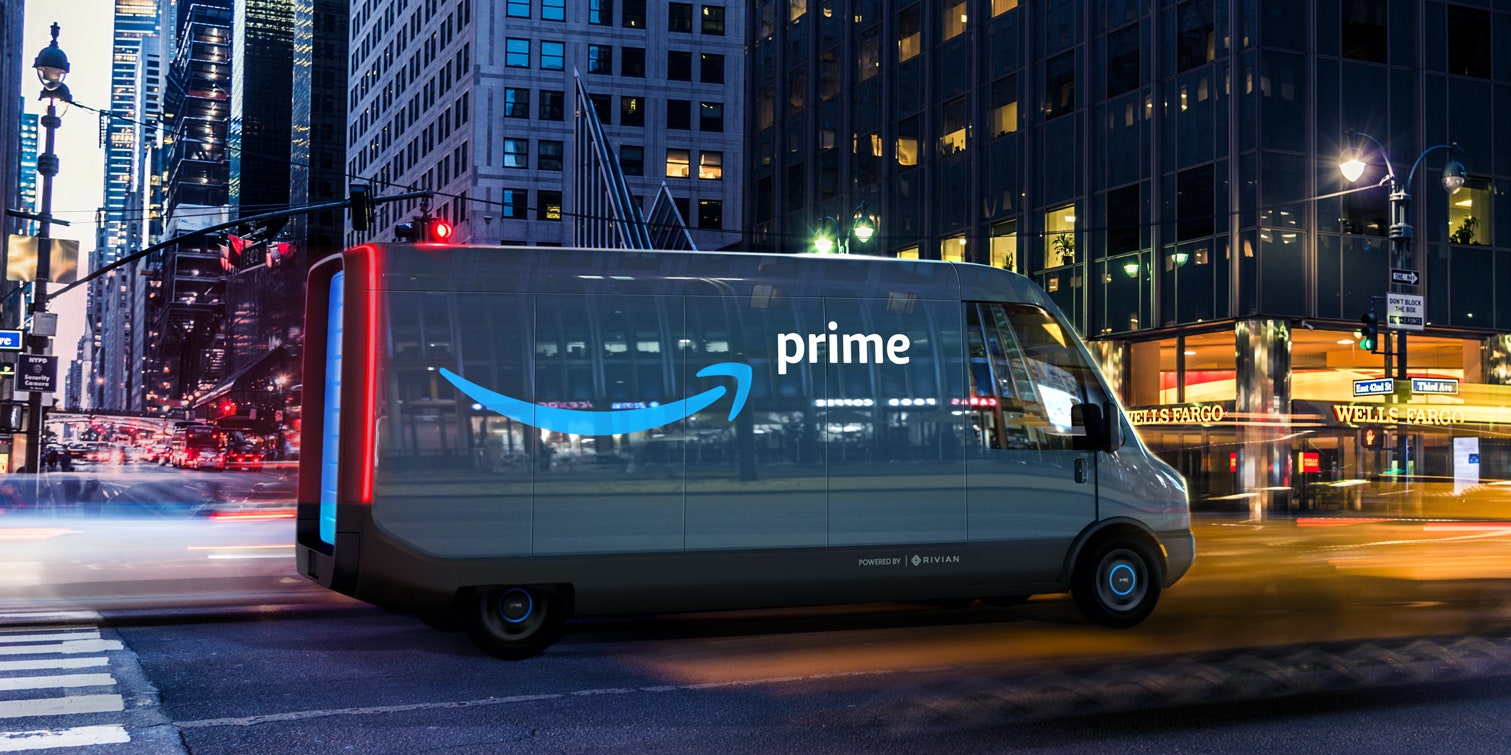
    Rivian is one of the hottest EV startups doing the rounds. It has deep pockets thanks to investments from Ford, Amazon, and many venture capital firms. Amazon’s investment in Rivian originally was $700 million which entailed the startup producing 100,000 electric delivery trucks. It was supposed to be delivering the first tranche of 10,000 vehicles by the end of 2022.

    Looks like Rivian is right on track with achieving the same. Its vehicles have already been popping up in cities like San Francisco, Denver, and Oklahoma – but these were prototype vehicles that were doing real-world testing.

    Rivian CEO and co-founder RJ Scaringe has posted a photo of eight Rivian vans which look identical to the one that Amazon has been teasing which even feature the “Powered By Rivian” signage. He also shared tweeted videos that showed the initial production process.

    A lot of it is not known about these vans as they have probably been customized and tailored for Amazon’s logistics. These vehicles are obviously different from the R1T and R1S vehicles which Rivian are going on sale soon in July and August.

    The R1T has been even showcased in the Apple TV+ original “the Long Way Up” and is expected to duel with the likes of the Tesla Cybertruck and the Ford F-150 Lightning.

  • New Recycling Techniques Set To Make Electric Vehicles Greener

    New Recycling Techniques Set To Make Electric Vehicles Greener

    Researchers in Britain and the United States have found ways to recycle electric vehicle batteries that can drastically cut costs and carbon emissions, shoring up sustainable supplies for an expected surge in demand.

    The techniques, which involve retrieving parts of the battery so they can be reused, would help the auto industry tackle criticism that even though EVs reduce emissions over their lifetime, they start out with a heavy carbon footprint of mined materials.

    As national governments and regions race to secure supplies for an expected acceleration in EV demand, the breakthroughs could make valuable supplies of materials such as cobalt and nickel go further. They would also reduce dependence on China and difficult mining jurisdictions.

    “We can’t recycle complex products like batteries the way we recycle other metals. Shredding, mixing up the components of a battery and pyrometallurgy destroy value,” Gavin Harper, a research fellow at the government-backed Faraday Institution in Britain, said.

    Pyrometallurgy refers to the extraction of metals using high heat in blast furnaces, which analysts say is not economic.

    Current recycling methods also rely on shredding the batteries into very small pieces, known as black mass, which is then processed into metals such as cobalt and nickel.

    A switch to a practice known as direct recycling, which would preserve components such as the cathode and anode, could drastically reduce energy waste and manufacturing costs.

    Researchers from the University of Leicester and the University of Birmingham working on the Faraday Institution’s ReLib project have found a way to use ultrasonic waves to recycle the cathode and anode without shredding and have applied for a patent.

    The technology recovers the cathode powder made up of cobalt, nickel and manganese from the aluminium sheet, to which it is glued in the battery manufacture. The anode powder, which would typically be graphite, is separated from the copper sheet.

    Andy Abbott, a professor of physical chemistry at the University of Leicester said separation using ultrasonic waves would result in cost savings of 60% compared with the cost of virgin material.

    Compared with more conventional technology, based on hydrometallurgy, which uses liquids, such as sulphuric acid and water to extract materials, he said ultrasonic technology can process 100 times more battery material over the same period.

    A switch to a practice known as direct recycling, which would preserve components such as the cathode and anode, could drastically reduce energy waste and manufacturing costs.

    Abbott’s team has separated battery cells manually to test the process, but ReLib is working on a project to use robots to separate batteries and packs more efficiently.

    As supplies and scrap levels take time to accrue, Abbott said he expected the technology to initially use scrap from battery manufacturing facilities as the feedstock and the recycled material would be fed back into battery production.

    In the United States, a government-sponsored project at the Department of Energy called ReCell is in the final stages of demonstrating different but also promising recycling technologies that refurbish battery cathode to make it into new cathode.

    ReCell, headed by Jeff Spangenberger, has studied many different methods, including ultrasonics, but focused on thermal and solvent-based methods.

    “The U.S. doesn’t make much cathode domestically, so if we use hydrometallurgy or pyrometallurgy we have to send the recycled materials to other countries to be turned into cathode and shipped back to us,” Spangenberger said.

    “To make lithium-ion battery recycling profitable, without requiring a disposal fee to consumers, and to encourage growth in the recycling industry, new methods that generate higher profit margins for recyclers need to be developed.”

    There are challenges for direct recycling, including continuously evolving chemistries, Spangenberger said. “ReCell is working on separating different cathode chemistries.”

    Early electric vehicle battery cells typically used a cathode with equal amounts of nickel, manganese, cobalt or 1-1-1. This has changed in recent years as manufacturers seek to reduce costs and cathode chemistries can be 5-3-2, 6-2-2 or 8-1-1.

    The approach at Faraday’s ReLib project is to blend recycled with virgin material to get the required ratios of nickel, manganese and cobalt.

  • Canoo Reveals Renders Of Manufacturing Campus In Oklahoma, USA

    Canoo Reveals Renders Of Manufacturing Campus In Oklahoma, USA

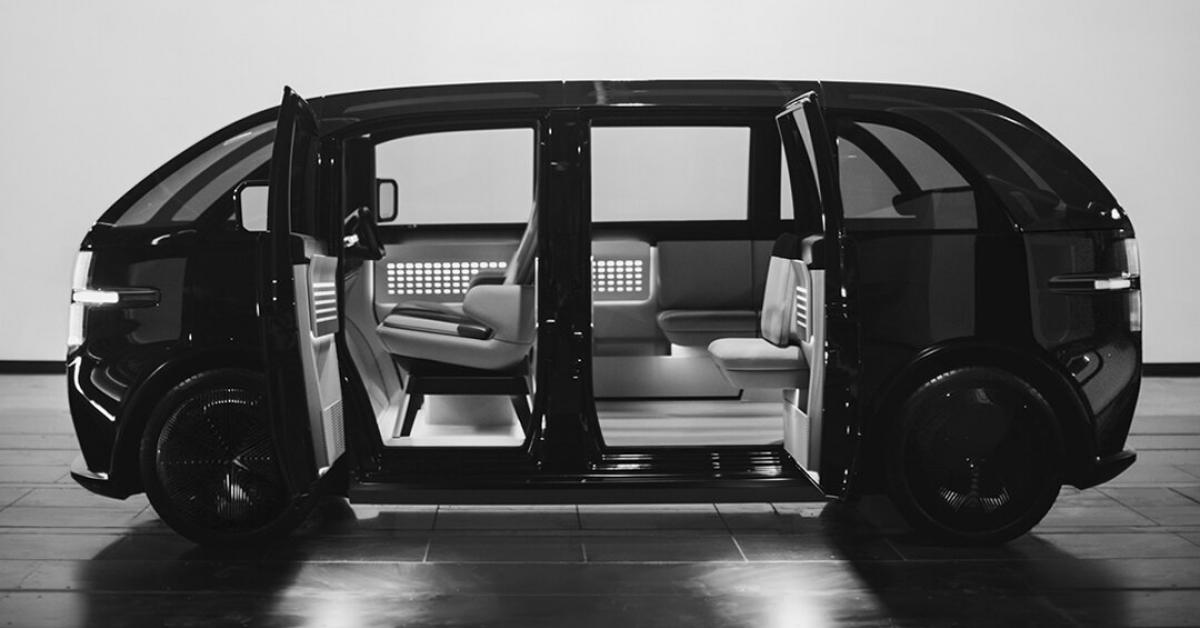
    Canoo, the electric car startup which went public recently via a SPAC merger has shared renders of its manufacturing campus that will be built in Oklahoma. Canoo calls it the mega micro-factory and it is scheduled to be opened up in 2023. In the Tulsa region, it is expected to create more than 2000 jobs. Canoo recently lost both its co-founders, with one, Ulrich Kranz, who led the development of BMW’s i3 and i8 electric cars and then moved to Faraday Future has joined Apple. In fact, Canoo was of great interest to Apple with the company interested in its skateboard. But Apple being Apple wanted to acquire Canoo while the team at Canoo wanted to retain its independence.

    “Oklahoma has always been a pioneer in the energy industry, and this partnership with Canoo shows that our state is an innovation leader in electric vehicle technology,” said Governor Stitt.

    “We are thrilled to partner with Canoo and Chairman & CEO Tony Aquila to provide high-paying jobs for Oklahomans and position America as the global leader for vehicle manufacturing for decades to come,” he added.

    It is developing an all-purpose delivery van and a modular pickup truck. It has a 400-acre campus which will be Tulsa. In a tweet, Canoo shared a 55-second video showcasing the concept design of the campus that it will start building soon.

    As per the tweet, it is right now in a design phase and remains on track to be up by 2023. It expects the facility to be over 1 million square feet. It plans on beginning production and delivery of its first vehicles by Q4 2022 with the help of a third-party manufacturer.

    “We invested millions of dollars to find the right location for our manufacturing facility. We’re proud to be American-made and to bring more than 2,000 jobs to Oklahoma,” said Tony Aquila, Investor, Chairman & CEO, Canoo, Inc.