Tag: EV

  • Tesla To Setup India Headquarters In Mumbai

    Tesla To Setup India Headquarters In Mumbai

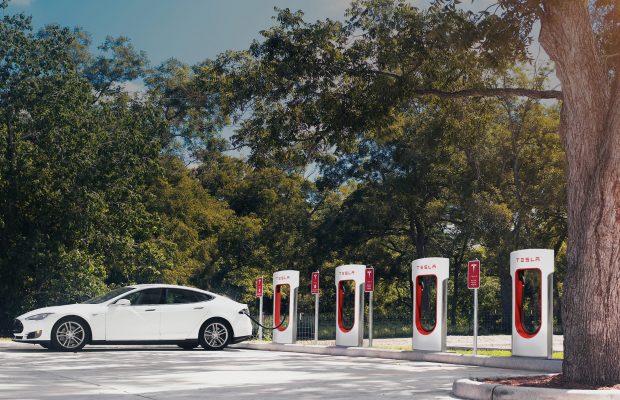
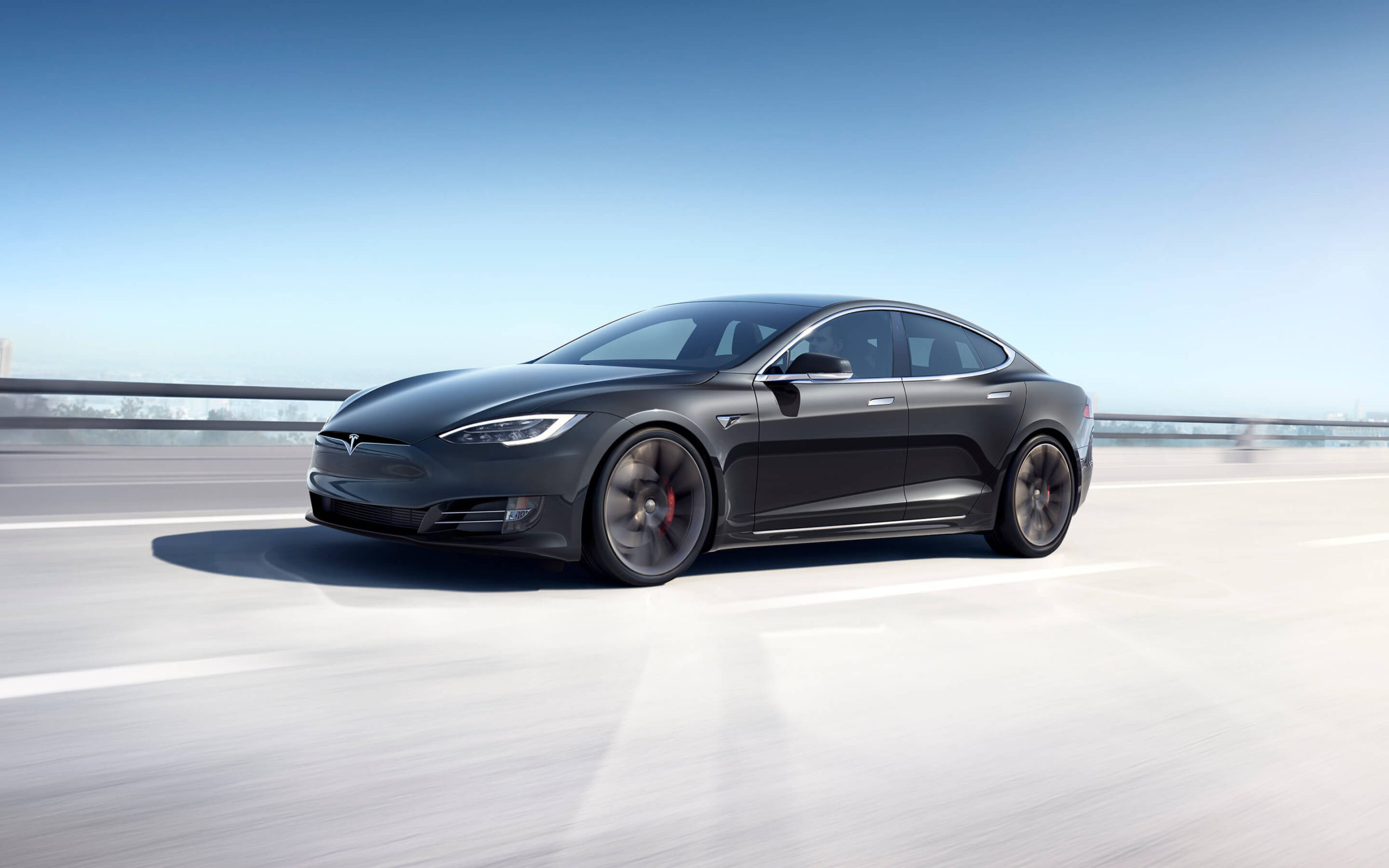
    Tesla is all set to roll out its first electric car in India this year and the American EV manufacturing company has started establishing its base in our market. It had registered itself in Bengaluru earlier this year and according to it is now setting up its office in Lower Parel-Worli area in Mumbai. The company will be establishing its production base in Karnataka and is evaluating a few ready commercial projects in Lower-Parel for a 40,000 sq ft office.

    Tesla has started hiring for top positions from IIM Bengaluru alumni. Manuj Khurana has been appointed as Head – Policy and Business Development for India operations. The company has also hired Nishant Prasad as Charging Manager who will head Tesla’s supercharging, destination charging, and home charging business. He was earlier head of Charging Infrastructure and Energy Storage at Ather Energy. And finally, Tesla India has Chithra Thomas as its country HR Leader, who was earlier working at Walmart and Reliance Retail. “Tesla India is moving full speed ahead with building a local team. We are excited to see the progress. Hoping to see you (Musk) in India when Tesla delivers the first cars,” Tesla Club India said in a tweet on Wednesday.

    Last week, Union Road Transport and Highways Minister Nitin Gadkari invited Tesla to start manufacturing EVs in India. During his address at The Raisina Dialogue 2021, he said that it is a golden opportunity for the company to start manufacturing in India. Gadkari also added that Indian EV makers are also improving the quality of their models and local manufacturing means they are able to price their products at a competitive price. Similarly, Tesla will also benefit if it engages in local manufacturing.

  • Mercedes-Benz Global Sales Up By 22.3% In Q1 2021

    Mercedes-Benz Global Sales Up By 22.3% In Q1 2021

    Mercedes-Benz cars sold 590,999 passenger cars globally in the first quarter of 2021 driven by China and US retail sales as well as strong demand for plug-in hybrids and all-electric vehicles. This marks a jump of 22.3 percent in sales globally compared to the same period last year. In Europe, one in four cars sold by Mercedes-Benz and smart was an xEV.

    Globally, plug-in hybrids and all-electric cars made up about 10 percent of overall sales, with approximately 59,000 units and thereof more than 16,000 all-electric vehicles sold. The EQA too has been well received after it was launched in January this year. The company already has 20,000 orders for the EQA. Given the strong start, the company is looking to bring in 3 new models the EQS, EQB, and the EQE this year.

    The current worldwide shortage of supply in certain semiconductor components affected deliveries in the first quarter and will continue to affect sales in Q2. The company monitors the situation closely and is in constant contact with the suppliers.

    Sales of Mercedes-Benz in the Asia-Pacific region rose 46.6 percent due to the continuing strong sales development in China: where a new record was achieved with 222,520 cars delivered in Q1. In January, sales in China almost reached the milestone of 100,000 vehicles within a single month. In the Europe region, brand deliveries were despite ongoing lockdown measures in many markets at the beginning of the year slightly above Q1 2020. In Germany, Mercedes-Benz sold a total of 54,446 cars down by 15.4 percent while sales in the North America region totaled 88,318 units showing strong growth of 12.5 percent.

    In India, the company recorded a growth of 34 percent over Q1 202

  • Volkswagen Clarifies That It’s Not Rebranding To Voltswagen In The US

    Volkswagen Clarifies That It’s Not Rebranding To Voltswagen In The US

    Earlier today we told you about Volkswagen’s plan to change its name to Voltswagen in the US. Volkswagen US in fact issued a statement that it had changed from Volkswagen of America to ‘Voltswagen of America’ to show the clear emphasis on the brand’s electric aspirations in the market.

    The news clearly had a big impact given that there were official quotes from the company’s top management and soon, there was a lot of confusion about how the shares were going to be transferred to the new name. The announcement also saw Volkswagen’s stock price rise by 5 percent on Tuesday as well.

    Scott Keogh, president and CEO of Volkswagen of America, said in the release, “We might be changing out our K for a T, but what we aren’t changing is this brand’s commitment to making best-in-class vehicles for drivers and people everywhere,”

    However, it’s come to light now, that the company had intended it as an ‘April Fools’ post. VW issued a statement confirming that it won’t be changing its brand name to ‘Voltswagen’. The company sent out a statement saying that “The renaming was designed to be an announcement in the spirit of April Fool’s Day,”

    Volkswagen clearly fooled retail news as well like the many other media houses around the globe and kudos to the team for it. However, it will be interesting to see if the rise in the stock price of the company will prompt an inquiry from the SEC in the US.

  • Skoda To Invest 2.5 Billion Euros Over Next 5 Years On Future Technologies And EVs

    Skoda To Invest 2.5 Billion Euros Over Next 5 Years On Future Technologies And EVs

    Czech carmaker Skoda Auto, part of the Volkswagen Group, said on Wednesday it would invest around 2.5 billion euros over the next five years on future technologies, with more than half going to electric vehicle investment. The Czech Republic’s largest exporter is hoping for a rebound in 2021 from a global car sales drop but faces uncertainty over the coronavirus pandemic and a semiconductor shortage rattling the industry.

    “This year is likely to be another big challenge,” finance director Klaus-Dieter Schuermann said. “We expect Skoda Auto’s group performance to improve, with sales revenue significantly above the level of last year.”

    Skoda reported on Wednesday a 54.5% drop in 2020 operating to 756 million euros ($894 million). Sales revenue dropped 13.8% to 17.1 billion euros.

    Global deliveries remained above 1 million cars for a seventh straight year despite a 19% drop after production outages at the outset of the pandemic and a fall in China, its biggest single market.

    Chief Executive Thomas Shaefer said the car company was managing the semiconductor shortage “but it will follow us for a while” and the impact was not visible yet.

    Skoda’s core market in Europe would be electric in the future, Shaefer said, although it was still not time to completely switch away from traditional models, which include the launch last year of a new generation of its flagship Octavia model. It has also started production of the all-electric Enyaq iV model.

    Skoda plans investments of 1.4 billion euros into electromobility development as part of its five-year investment plan. Investments will also go into digitalization activities and plant modernization.

  • Targeting Tesla, China’s Geely To Launch New Premium EV Brand

    Targeting Tesla, China’s Geely To Launch New Premium EV Brand

    China’s Geely plans to roll out electric vehicles under a new marque with different branding and sales strategies, people familiar with the matter said, as the Volvo owner looks to take on its main EV rival Tesla with higher-end vehicles. The brand, positioned in the premium segment and named “Zeekr”, will be housed under Geely’s to-be-launched EV entity Lingling Technologies, according to three people, who declined to be named as the plan is not yet public. Reuters reported the plans for Lingling last month.

    Geely, the owner of Volvo Cars and 9.7% of Daimler AG, will roll out models under the new marque based on its open-source EV chassis, announced in September and called Sustainable Experience Architecture (SEA), the sources said.

    It will be a new attempt to go up-market by Geely, and backs founder and Chairman Li Shufu’s long-held ambition to make premium cars “like Mercedes-Benz” in a bid to take on EV leader Tesla Inc.

    Geely will open showrooms, or “hubs”, in city centres to sell cars at a fixed price, departing from traditions to sell cars through dealerships – marketing tactics pioneered by Tesla, which last year saw sales expand quickly in China, the world’s biggest car market.

    The plan follows a flurry of tie-ups by Geely earlier this year as the automaker pursues its goal of becoming a leading EV contract manufacturer and engineering service provider.

    “Traditional gasoline cars and electric vehicles are two race tracks of business. Geely does not have a clear advantage in electric vehicles at the moment so it appears that it wants to complete its own innovation by creating a new brand,” said Alan Kang, analyst at auto consultancy LMC Automotive.

    China’s automakers largely compete with entry-level and mass-market manufacturers including Volkswagen and Toyota, but EV maker Nio Inc sells cars with higher prices and counts BMW as a rival.

    Hangzhou-based Geely also plans a broad array of sales and marketing strategies to seek deeper relationships with the EV buyers. It will open lifestyle lines for clothing and accessories and launch a car owner’s club, tactics used by Nio, sources said.

    Zeekr is also considering rolling out a share ownership plan that allows customers to become shareholders of Lingling, which management hopes will boost sales and the relationship between brand and customers.

    Geely declined to comment. Shares of its Hong Kong-listed company Geely Automobile fell 3% on Friday as Chinese equities dropped after a rise in global bond yields prompted selling in high-priced consumer and material stocks.

    Many conventional automakers have used a new brand to launch their EV units. Geely’s rivals including Great Wall, and SAIC Motor have rolled out their respective new standalone EV brands.

    China’s government has heavily promoted new energy vehicles (NEVs) – such as battery-powered, plug-in petrol-electric hybrid and hydrogen fuel cell cars – in response to chronic air pollution and a warming climate, spurring interest from technology companies and investors alike. China forecasts NEVs will make up 20% of its annual auto sales by 2025 from around 5% in 2020.

  • Volkswagen Plans Six European Battery Cell Plants By 2030

    Volkswagen Plans Six European Battery Cell Plants By 2030

    Volkswagen plans to have six battery cell production plants operating in Europe by 2030 to secure supply for the world’s No.2 carmaker’s electric vehicle ambitions. The plants, to be built in partnerships, will have a production capacity of 240-gigawatt hours a year, VW said.

    “E-mobility has become core business for us. We are now systematically integrating additional stages in the value chain,” Chief Executive Herbert Diess told VW’s Power Day.

    “We secure a long-term pole position in the race for the best battery and best customer experience in the age of zero-emission mobility,” Diess added on Monday.

    The group also said it would enter partnerships with oil major BP and top European utilities Enel and Iberdrola to expand electric vehicle charging infrastructure, still seen as a major hurdle to the mass adoption of battery-powered cars.

  • Kia Teases Its First Dedicated Electric Vehicle The EV6

    Kia Teases Its First Dedicated Electric Vehicle The EV6

    Kia has revealed the first official images of the EV6 – its first dedicated battery electric vehicle. Now, we have to tell you here that it’s not the company’s first EV, because if you remember, it already has the e-Niro and the Soul EV in its all-electric portfolio. The EV6, however, is built on a platform that has been developed specifically for electric vehicles. The new platform Electric-Global Modular Platform, or E-GMP, will see Kia build next-generation electric cars under a new design philosophy that embodies Kia’s shifting focus towards electrification.

    The teaser images give us an idea of what to expect in terms of design. It is sleek and the coupe-like roofline integrates well into the rear spoiler. The silhouette also points out at a slight ducktail too. The front end is sleek and modern and it looks like the EV6 has a short overhang. The headlights are slim and the LED pattern gives it a unique look.

    Karim Habib, Senior Vice President and Head of Kia Global Design Centre said, “EV6 is the embodiment of both our brand purpose, ‘Movement that inspires’, and our new design philosophy. It has been designed to inspire every journey by offering an instinctive and natural experience that improves the daily lives of our customers, and provide user ownership that is simple, intuitive, and integrated.”

    As part of the company’s brand transition, Kia’s new dedicated battery electric vehicles will be named according to a new naming strategy. All of Kia’s new dedicated BEVs will start with the prefix ‘EV’ which makes it easy for consumers to understand which of Kia’s products are fully electric. This is followed by a number that corresponds to the car’s position in the line-up.

  • Volvo To Produce Only Electric Vehicles By 2030

    Volvo To Produce Only Electric Vehicles By 2030

    Chinese-owned Swedish automaker Volvo said Tuesday it will produce only electric vehicles by 2030 and sell them all exclusively online. Volvo is among a growing crop of companies planning to ditch fossil fuel vehicles in the next few years, as demand for zero-emission cars rises and governments put pressure on firms to cut pollution. Indian-owned Jaguar said last month it would produce only electric vehicles from 2025, while US auto giant Ford said it would aim to have an all-electric fleet in Europe by 2030.

    “The company intends to only sell fully electric cars and phase out any car in its global portfolio with an internal combustion engine, including hybrids,” Volvo said in a statement. The company said half of its cars should be electric in 2025, with online sales accounting for half of its volume.

    China’s Geely Holding bought a struggling Volvo Cars in 2010 from Ford and has since helped it enjoy a renaissance as a maker of high-quality vehicles. However, last month Geely Auto said it would not go ahead with a planned merger with Volvo but the two companies would instead reinforce their collaboration on electric vehicles. Volvo is due later Tuesday to unveil its second all-electric vehicle, a C40 SUV, and is readying a smaller model especially suited for European road conditions.

    The company says its move to online sales will provide more transparency on pricing and options for its customers. “If you ask people it is quite a big irritation that you don’t have a clear picture of the price,” company boss Hakan Samuelsson said.

  • Electric Vehicles Should Be Mandatory For All Government Officials

    Electric Vehicles Should Be Mandatory For All Government Officials

    The Ministry of Road Transport and Highways (MoRTH) has taken several significant steps to encourage electric mobility in India. Transport Minister Nitin Gadkari has advised people to use electric vehicles rather than petrol or diesel vehicles. According to a report from ANI, the Union Minister suggested that electric vehicles (EVs) should be mandatory for all government officials. To initiate the same, the minister said that he will make e-vehicles mandatory for officials of his department.

    The minister gave his remarks during the launch of ‘Go Electric’ campaign to create awareness of the benefits of electric mobility and EV charging infrastructure in India. Moreover, this campaign also focuses to make people aware of the advantages of electric cooking in the country.

    Gadkari told ANI, “If 10,000 electric vehicles are brought into use in Delhi, then about Rs 30 crores per month spent on fuel can be saved, and it will reduce pollution. I will make electric vehicles mandatory for officials of my department.”

    During the launch event, Gadkari also mentioned that electric fuel is a major alternative for fossil fuels which have an import bill of Rs 8 lakh crores. He further added by saying, “When compared to conventional fuels, the electric fuel has low cost, reduced emissions and it is also indigenous.”

    He also urged Power Minister R K Singh to make usage of electric vehicles mandatory for his department, as he will do so for his departments. During the event, he also stated the potential of electric cooking in the country, which will help in reducing import dependence on gas. He said, “Why don’t we provide subsidy on electric cooking appliances. We already provide subsidy on cooking gas.”

  • Hyundai No Longer In Talks With Apple On Autonomous Electric Cars

    Hyundai No Longer In Talks With Apple On Autonomous Electric Cars

    South Korea’s Hyundai Motor Co said on Monday it is not now in talks with Apple Inc on autonomous electric cars, just a month after it confirmed early-stage talks with the tech giant, sending the automaker’s shares skidding. Wiping $2.1 billion off its market value, Hyundai’s stock slumped 4.2% by 0330 GMT. Shares in its affiliate Kia Corp, which had been tipped in local media reports as the likely operational partner for Apple, tumbled 12% – a $4.3 billion hit.

    The announcement brings the curtain down on weeks of internal divisions within Hyundai Motor Co Group – parent to both automakers – about the potential tie-up, with some executives raising concerns about becoming a contract manufacturer for the U.S. tech giant.

    “We are receiving requests for cooperation in the joint development of autonomous electric vehicles from various companies, but they are at an early stage and nothing has been decided,” the automakers said on Monday, in compliance with stock market rules requiring regular updates to investors regarding market rumors.

    Apple, known to keep product plans under tight wraps, has never acknowledged talks with the automaker about building vehicles
    “We are not having talks with Apple on developing autonomous vehicles.”

    Kia shares had jumped 61% after Hyundai appeared to confirm a local media report early in January that Apple and Hyundai were in discussions to develop self-driving electric vehicles by 2027 and develop batteries at U.S. factories operated by either Hyundai or Kia.

    “Apple and Hyundai are in discussion, but as it is at an early stage, nothing has been decided,” Hyundai said, before releasing subsequent statements that removed all mentions of Apple but said Hyundai was receiving electric car cooperation requests from parties it didn’t identify.

    Reuters reported in December that Apple was moving forward with autonomous car technology and aimed to produce a passenger vehicle that could include its own breakthrough battery technology as early as 2024.

    Apple, known to keep product plans under tight wraps, has never acknowledged talks with the automaker about building vehicles and wasn’t immediately available for comment outside business hours in the United States.

    Analysts said talks might have collapsed over leaks of the partnership plan to media, or over possible insistence by Apple that Hyundai’s role in any tieup would be that of an equipment manufacturer, rather than a strategic partner.

    “With numerous news reports over discussions between the two companies, which should have been held to non-disclosure agreements, it would have been uncomfortable,” said Kwon Soon-woo, an analyst at SK Securities.

    Kevin Yoo, an analyst at eBEST Investment & Securities, said, “It seems clear that Hyundai Motor Group has not been too happy with dealing with Apple. They made it clear that they do not want to be treated just as Apple’s supplier or manufacturer.”

  • Ford Says It Will Nearly Double Electric Auto Investment

    Ford Says It Will Nearly Double Electric Auto Investment

    Ford announced Thursday it is accelerating its investment in electric cars, but cautioned that the industry-wide shortage of semiconductors would pinch profits in 2021. The US auto giant, released fourth-quarter and annual results and said it plans $22 billion in electric car investment through 2025, nearly twice the earlier plan. The announcement is the latest big bet on electric autos by a legacy automaker in the wake of upstart Tesla’s growth and in anticipation of Biden administration initiatives to encourage emission-free vehicles.

    Last week, Ford’s rival General Motors set a target of having most of its fleet emissions-free by 2035. But Ford said annual operating profits could be dented by $1 to $2.5 billion due to lost auto sales connected to the semiconductor shortage.

    Earlier Thursday, Ford said it was trimming output of its F-150 because of the supply issue, following on the heels of other automakers, including GM that announced Tuesday it was shutting productions at three plants, and slashing output in half at another due to chip supply.

    Ford said it was trimming the output of its F-150 because of the supply issue, following on the heels of other automakers.

    “The semiconductor situation is changing constantly, so it’s premature to try to size what availability will mean for our full-year performance,” said Chief Financial Officer John Lawler.

    “Right now, estimates from suppliers could suggest losing 10 to 20 percent of our planned first-quarter production.”

    Ford reported a fourth-quarter loss of $2.8 billion, compared with a loss of $1.7 billion in the year-ago period.

    Revenues fell 9.3 percent to $36 billion.

  • Tesla To Set-up Operations In Bengaluru, Registers Indian Subsidiary

    Tesla To Set-up Operations In Bengaluru, Registers Indian Subsidiary

    The wait is nearly over as American electric carmaker Tesla is all set to set-up operations in India and zeroed down on Karnataka, as its preferred state to set-up its headquarters. The electric auto giant has registered its Indian subsidiary under the name ‘Tesla India Motors and Energy Private Ltd’, which was incorporated in Bengaluru on January 8, 2021. The company is expected to commence operations by June this year and the first product to be made available will be the Model 3 sedan, according to reports.

    According to the document filed with the Ministry of Corporate Affairs, Vaibhav Taneja, Venkatrangam Sreeram, and David Jon Feinstein have been named as directors. The company has been registered as a private unlisted company with an authorized capital of ₹ 15,00,000 and a paid-up capital of ₹ 100,000. The document also reiterates Tesla co-founder and CEO, Elon Musk’s tweet last year that said the automaker would enter India “next year for sure.

    India has been on Tesla’s radar since 2016 but plans did not materialize despite a number of speculations. It was also reported recently that state governments including Maharashtra, Andhra Pradesh, Tamil Nadu, and Karnataka had talks with the automaker to set-up operations in their region, while the company is also considering local partnerships. Reportedly, the Karnataka government has already offered a land parcel to Tesla in Tumkur, on the outskirts of Bengaluru, to set-up a manufacturing facility.

  • Tesla Hunts For Design Chief To Create Cars For China

    Tesla Hunts For Design Chief To Create Cars For China

    Tesla Inc is searching for a design director in China, part of efforts to open a “full-function” studio in Shanghai or Beijing and design electric cars tailored to Chinese consumer tastes, according to three people with knowledge of the matter.

    The U.S. carmaker’s human resources managers, as well as several headhunters, have been trawling the industry over the past four months, the sources said.

    They are looking for “bi-cultural” candidates with 20 or more years of experience who are familiar with Chinese tastes and can bridge the gaps between China and the United States, they added.

    Some candidates have been interviewed by Tesla’s global design chief Franz von Holzhausen, according to the people, though it was not clear how many potential candidates had been approached by the company and recruiters.

    Tesla is also planning to set up a design studio in China but will likely wait for more clarity on strained U.S.-China relations under a new U.S. president

    China is the world’s biggest auto market, plus the largest for all-electric vehicles with sales volumes expected to reach roughly 1.5 million vehicles there this year, according to consultancy LMC Automotive. It is also Tesla’s No.2 market after the United States.

    The carmaker’s plans for the design studio are not fully developed, and the sources believe Tesla will likely wait for more clarity on strained U.S.-China relations under a new U.S. president before making a final decision on the move and all its details.

    The talent search, which the sources said was mainly focused within China, fits with comments from Tesla boss Elon Musk early last year.

    “I think something that would be super cool would be … to create a China design and engineering centre to actually design an original car in China for worldwide consumption. I think this would be very exciting,” he said at a media event in Shanghai.

    Musk’s interest in developing cars in China is part of a broader push by Tesla to boost the company’s global sales volume well past the 500,000-vehicle-a-year mark, which it came just 450 short of hitting in 2020.

    All three sources said Tesla’s search for a China studio director began around September, and that there was a flurry of activity as recently as December when a number of headhunters used LinkedIn and other means to approach candidates.

    One of the sources, who has knowledge of Tesla’s headhunting activities in China, said that once a design director was hired, Tesla would recruit the director’s team which would likely be around 20-strong and include designers plus modelers who help turn design renderings into clay models.

    All the sources said the planned center aimed to be a comprehensive design outfit, with one describing it as a “full-function studio”, which would not only help conceptualize the design of a car but also come up with the final shape – digital three-dimensional data – of a model.

    The data could then be handed over to Tesla’s vehicle engineers, who are mostly based in northern California.

    Two of the sources said Tesla’s China studio would likely also carry out research on Chinese consumer tastes, as well as work for cars expected to be produced at Tesla’s vehicle assembly plant in Shanghai, where designs are tweaked to make sure specific components fit within engineers’ specifications.

    “They want to give vehicle design a lot more bias toward China; they have already done a lot here, setting up a major manufacturing site and having sold a ton of EVs, but it seems Tesla’s ready to put roots down,” said one of the sources.

    This push might lead to a more independent Tesla China, added the person, who has spent more than a decade in the country working at design centres run by global automakers, among other places.

    Chinese consumers bought around 145,000 Tesla vehicles last year, accounting for roughly a third of the company’s overall global volumes, LMC said.

    Two of the sources said one likely “China-specific” model was a lower-cost volume generator such as a $25,000 electric car that Musk referred to at a Battery Day event in September, which he said Tesla might aim to bring to market in about three years.

    Musk said Tesla was confident it would be able to hit the market with “a very compelling $25,000 electric vehicle that’s also fully autonomous”.

    At that price, according to two of the sources as well as industry experts, it was likely to be a compact car, smaller than Tesla’s Model 3, which would be as affordable as some mainstream gasoline-fueled vehicles.

    Compact cars are not big sellers in the United States where bigger, taller vehicles such as Ford’s F-150 pickup truck and SUVs, as well as midsize sedans, rule the road.

    They account for about 10% of America’s overall vehicle market. By contrast, compacts make up 25% of sales in China, or around 5-6 million cars a year, according to consultancy LMC Automotive.

    That’s why the planned $25,000 car Musk has discussed would be better suited to the China marketplace, according to the two sources and industry experts.

    “A compact Tesla car would do well in China, as well as the rest of Asia and Europe,” said Yale Zhang, head of Shanghai-based consultancy Automotive Foresight. “It could potentially put a serious dent in sales of cars like Toyota’s Corolla and the Volkswagen Golf.”
  • Sony Starts Testing Vision-S Electric Car On Public Roads

    Sony Starts Testing Vision-S Electric Car On Public Roads

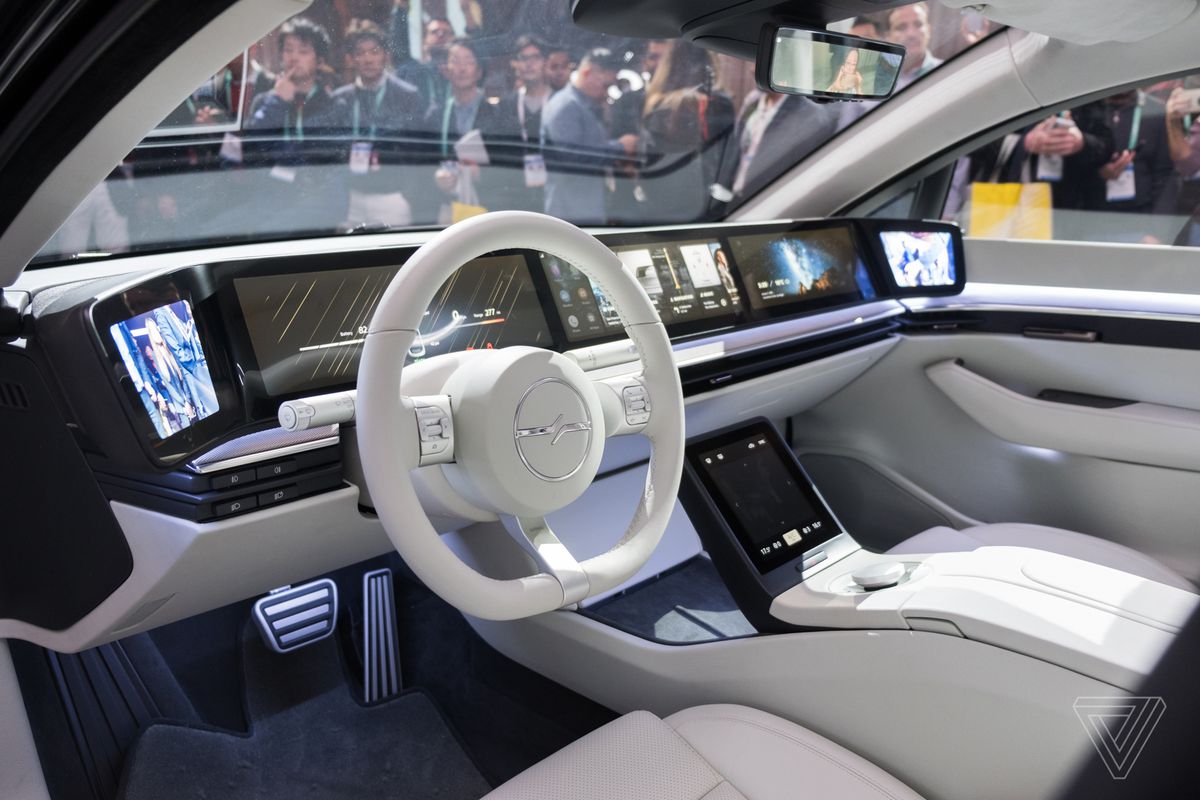
    It was last year at the 2020 Consumer Electronics Show (CES) in January when Sony Corporation surprised everyone by showcasing its fully electric car – Vision-S. The Japanese technology giant revealed the electric prototype which comes packed with high-end technologies including camera sensors, entertainment systems and much more. Sony’s Vision-S Prototype reached Tokyo in July 2020 for advancing its sensing and audio technologies. Though the car is not expected to go on sale anytime soon, the company seems to have started testing the electric car on public roads in Austria.

    Built by an in-house AI and robotics team, the Japanese company claims that it has been fully road-tested. This is just to ensure that the EV and its platform Vision-S will comply with applicable safety norms and regulations. Moreover, Sony is also working Magna-Steyr to ensure that the vehicle is well-equipped to hit the road in Europe.

    Sony’s driverless prototype comes embedded with 33 sensors which can easily sense people and other vehicles both inside and outside the car to provide driving support. It takes advantage of the brand’s expertise in the field of imaging, entertainment and sensors, which could be employed in the next-generation electric vehicles. The company is already supplying these technologies to Japanese automakers, however, it now wants to develop an individual product that can be supplied as an all-purpose solution.

    Sony hasn’t shared any details about what powers the vehicle. However, it has revealed some key specifications of the car. Dimensionally, this prototype vehicle from Sony measures 4,895 mm in length, 1,900 mm in width and 1,450 mm in height. The wheelbase and ground clearance of the car stands at 3,000 mm and 120mm (up to 135 mm) respectively. The company claims that the Vision-S can sprint from 0 to 100 kmph in just 4.8 seconds before hitting the top speed of 240 kmph.

    It is also equipped with Sony’s 360 Reality Audio offering ensuring an unprecedented and immersive audio experience. The company uses object-based spatial audio technology for recreating vivid realism. Every seat comes with built-in individual speakers so that every passenger can enjoy their music their seats with a personalised sound configuration option. Additionally, there’s a panoramic screen which offers a diverse array of content that can be accessed by driver and passengers.

  • Henrik Fisker Drops Hint On Next EV From The Automaker

    Henrik Fisker Drops Hint On Next EV From The Automaker

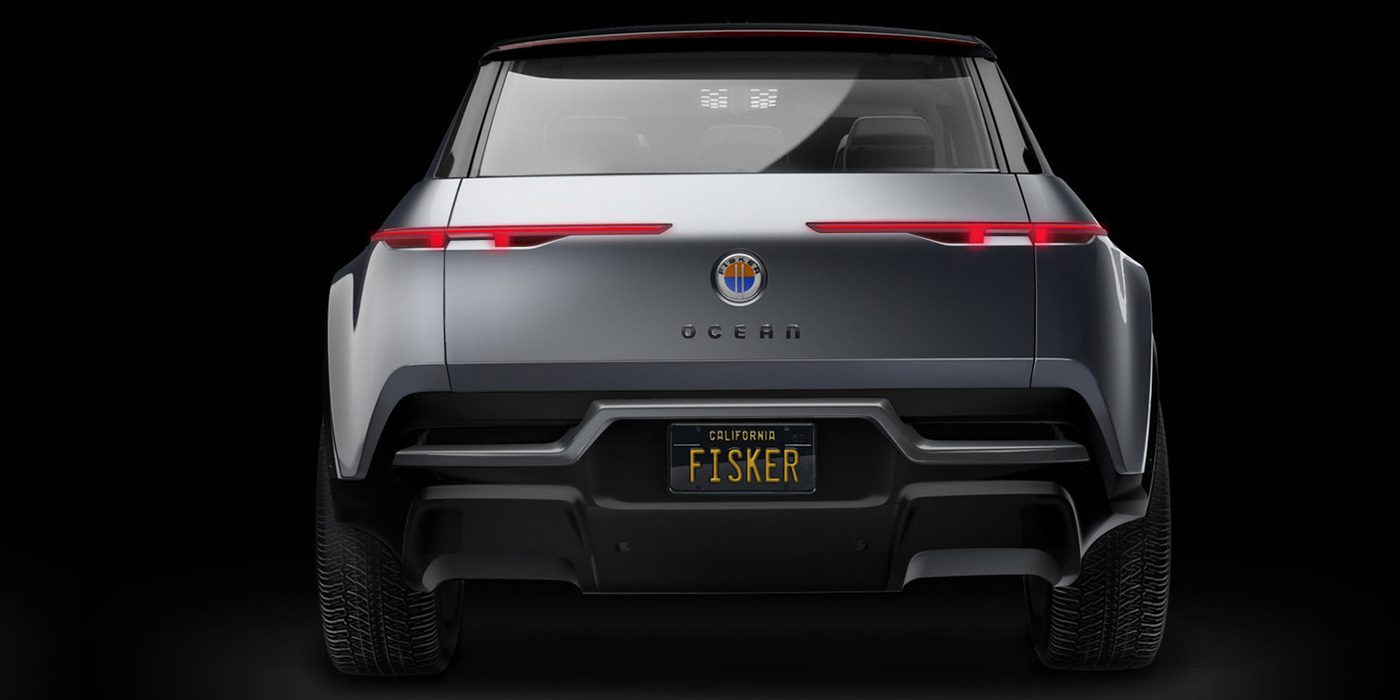
    Famous car designer and the Chairman and CEO of Fisker Inc., Henrik Fisker, recently confirmed that its next product could be a lifestyle EV truck. He is known for some of the iconic cars such as BMW Z8, Aston Martin DB9, Aston Martin V8 Vantage, and Fisker Karma. Fisker confirmed this development through his official LinkedIn profile, teasing the rear quarter shot of the EV truck, which seems to be aggressively designed. The EV maker aims to create the lightest and most efficient pickup truck in the world. However, the image is just a teaser, but the final product will be way more radical.

    Last month, the designer took to Twitter confirming that he has started designing his new vehicle, which will be radical. The company will also be launching its first all-electric luxury SUV globally next year.

    In a LinkedIn post, Fisker said, “Ok, yes, next vehicle might be a lifestyle pick up truck! But not just any truck! We want to create the lightest, most efficient EV pick up in the world! Making it, the most sustainable! image is just a teaser! Not the final: final will be way more radical!”

    We know that the upcoming electric pickup truck will be christened Fisker Alaska that was teased on Twitter last month. The company also plans to launch a range of new, advanced and radical electric vehicles, faster than any EV maker yet. We are not sure if this is the same truck that Fisker teased in December. But it’s worth noting that the CEO used the world radical for both the teasers.