Tag: EV

  • Apple to build a car by 2024, with ‘next level’ battery

    Apple to build a car by 2024, with ‘next level’ battery

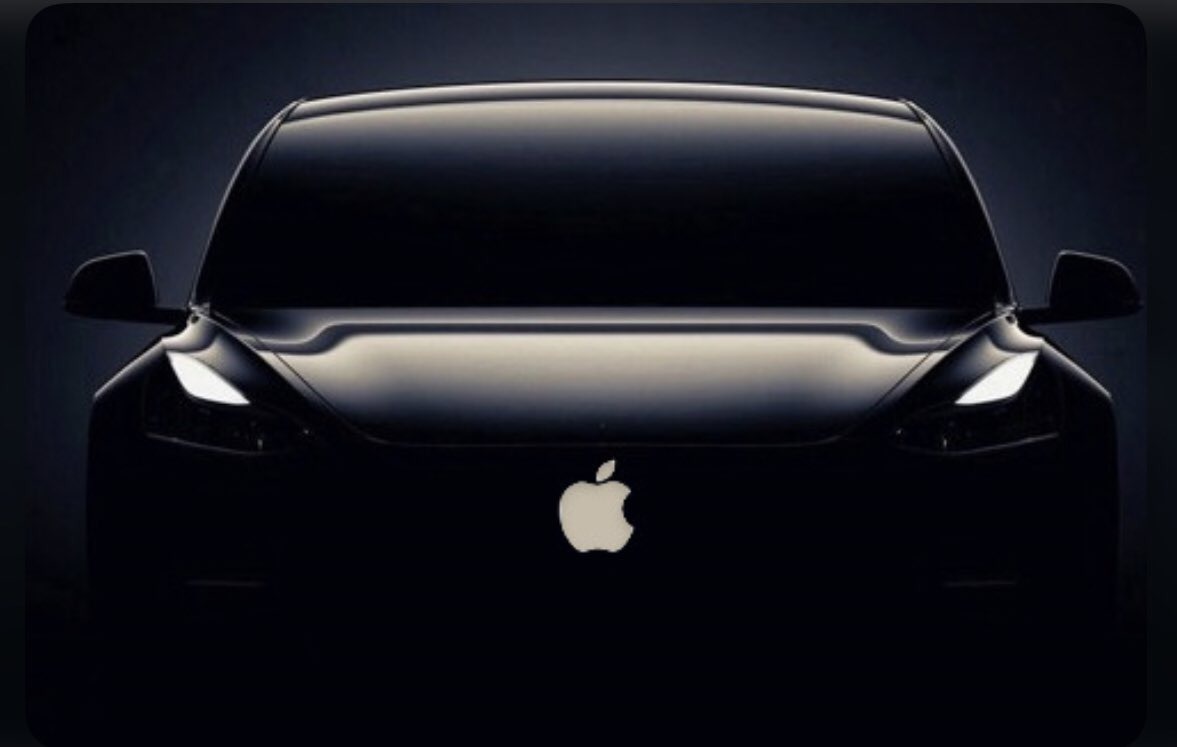
    Apple Inc is moving forward with self-driving car technology and is targeting 2024 to produce a passenger vehicle that could include its own breakthrough battery technology, people familiar with the matter said.

    The iPhone maker’s automotive efforts, known as Project Titan, have proceeded unevenly since 2014 when it first started to design its own vehicle from scratch. At one point, Apple drew back the effort to focus on software and reassessed its goals. Doug Field, an Apple veteran who had worked at Tesla Inc, returned to oversee the project in 2018 and laid off 190 people from the team in 2019.

    Since then, Apple has progressed enough that it now aims to build a vehicle for consumers, two people familiar with the effort said, asking not to be named because Apple’s plans are not public. Apple’s goal of building a personal vehicle for the mass market contrasts with rivals such as Alphabet Inc’s Waymo, which has built robo-taxis to carry passengers for a driverless ride-hailing service.

    Central to Apple’s strategy is a new battery design that could “radically” reduce the cost of batteries and increase the vehicle’s range, according to a third person who has seen Apple’s battery design.

    Apple declined to comment on its plans or future products.

    Making a vehicle represents a supply chain challenge even for Apple, a company with deep pockets that makes hundreds of millions of electronics products each year with parts from around the world, but has never made a car. It took Elon Musk’s Tesla 17 years before it finally turned a sustained profit making cars.

    “If there is one company on the planet that has the resources to do that, it’s probably Apple. But at the same time, it’s not a cellphone,” said a person who worked on Project Titan.

    It remains unclear who would assemble an Apple-branded car, but sources have said they expect the company to rely on a manufacturing partner to build vehicles. And there is still a chance Apple will decide to reduce the scope of its efforts to an autonomous driving system that would be integrated with a car made by a traditional automaker, rather than the iPhone maker selling an Apple-branded car, one of the people added.

    Two people with knowledge of Apple’s plans warned pandemic-related delays could push the start of production into 2025 or beyond.

    Shares of Tesla ended 6.5% lower on Monday after their debut in the S&P 500 on Monday. Apple shares ended 1.24% higher after the news.

    Apple has decided to tap outside partners for elements of the system, including lidar sensors, which help self-driving cars get a three-dimensional view of the road, two people familiar with the company’s plans said.

    Apple’s car might feature multiple lidar sensors for scanning different distances, another person said. Some sensors could be derived from Apple’s internally developed lidar units, that person said. Apple’s iPhone 12 Pro and iPad Pro models released this year both feature lidar sensors.

    Apple had held talks with potential lidar suppliers, but it was also examining building its own sensor.

    As for the car’s battery, Apple plans to use a unique “monocell” design that bulks up the individual cells in the battery and frees up space inside the battery pack by eliminating pouches and modules that hold battery materials, one of the people said.

    Apple’s design means that more active material can be packed inside the battery, giving the car a potentially longer range. Apple is also examining a chemistry for the battery called LFP, or lithium iron phosphate, the person said, which is inherently less likely to overheat and is thus safer than other types of lithium-ion batteries.

    ”It’s next level,” the person said of Apple’s battery technology. “Like the first time you saw the iPhone.”

    Apple had previously engaged Magna International Inc in talks about manufacturing a car, but the talks petered out as Apple’s plans became unclear, a person familiar with those previous efforts said. Magna did not immediately respond to a request for comment.

    To turn a profit, automotive contract manufacturers often ask for volumes that could pose a challenge even to Apple, which would be a newcomer to the automotive market.

    “In order to have a viable assembly plant, you need 100,000 vehicles annually, with more volume to come,” the person said.

    Some Apple investors reacted to the Reuters report on the company’s plans with caution. Trip Miller, managing partner at Apple investor Gullane Capital Partners, said it could be tough for Apple to produce large volumes of cars out of the gate.

    “It would seem to me that if Apple develops some advanced operating system or battery technology, it would be best utilized in a partnership with an existing manufacturer under license,” Miller said. “As we see with Tesla and the legacy auto companies, having a very complex manufacturing network around the globe doesn’t happen overnight.”

    Hal Eddins, chief economist at Apple shareholder Capital Investment Counsel, said Apple has a history of higher margins than most automakers.

    “My initial reaction as a shareholder is, huh?” Eddins said. “Still don’t really see the appeal of the car business, but Apple may be eyeing another angle than what I’m seeing.”
  • Volvo Cars To Produce Electric Motors In Skovde, Sweden

    Volvo Cars To Produce Electric Motors In Skovde, Sweden

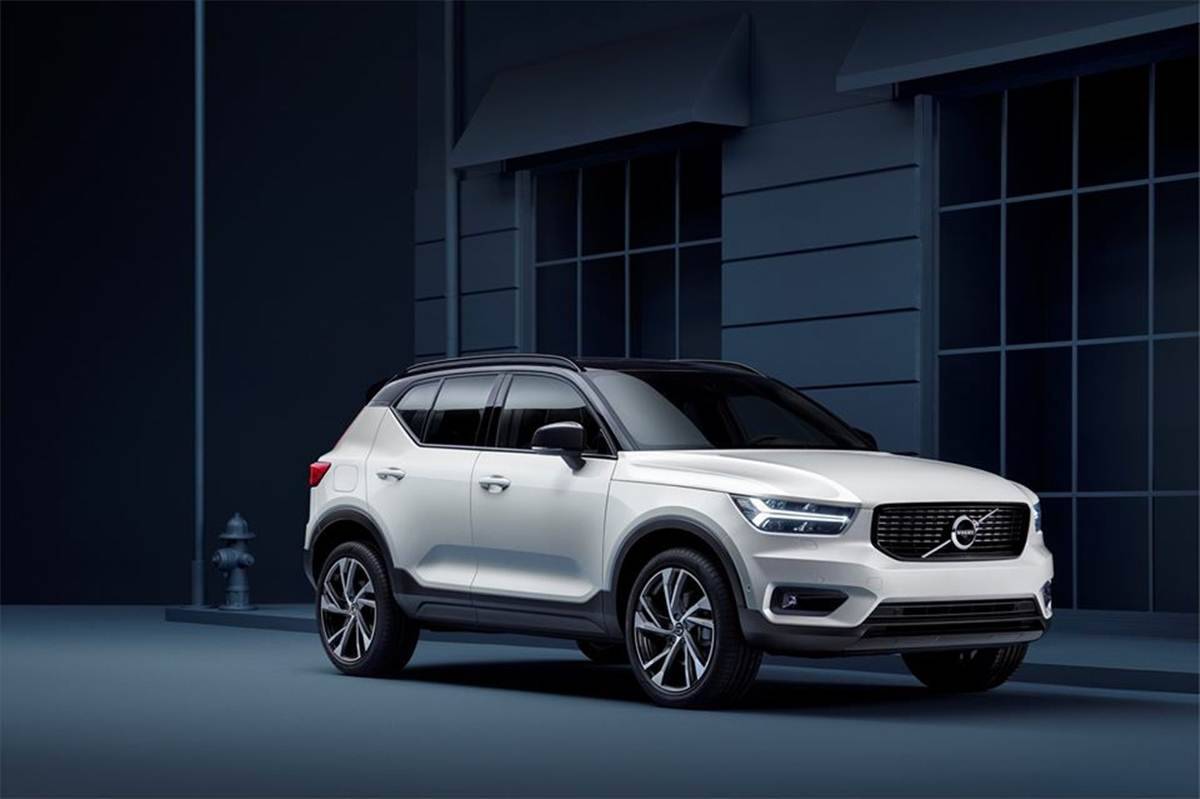
    Volvo Cars will assemble electric motors at its powertrain plant in Skovde, Sweden, and plans to establish complete in-house e-motor production by 2025. It will invest 700 million SEK to this end in the coming years. The company is committed to becoming a premium electric car company and aims for its global sales to consist of 50 percent fully electric cars by 2025, with the rest being hybrids.

    Volvo Cars announced earlier this year that it is investing significantly in the in-house design and development of e-motors for the next generation of Volvo cars. With the planned investments in Skovde, it now takes the first steps towards in-house e-motor assembly and manufacturing. In the first stage, the Skovdefacility will assemble e-motors. At a later stage, the company intends to bring the full manufacturing process for e-motors in-house into a facility in Skovde.

    Bringing the development and production of e-motors in-house will allow Volvo Cars engineers to further optimize electric motors and the entire electric driveline in new Volvos. This approach will allow engineers to make further gains in terms of energy efficiency and overall performance.

    Design and development of the company’s electric motors take place in Gothenburg, Sweden, and Shanghai, China. Earlier this year Volvo Cars opened a new electric motor lab in Shanghai, in addition to ongoing e-motor development in Gothenburg, Sweden, and state-of-the-art battery labs in China and Sweden.

  • Baidu is considering designing and building electric vehicles

    Baidu is considering designing and building electric vehicles

    China’s Baidu is considering making its own electric vehicles and has held talks with automakers about the possibility, three people with knowledge of the matter said, the latest move in a race among tech firms to develop smart cars.

    The search-engine leader, which also develops autonomous driving technology and internet connectivity infrastructure, is considering contract manufacturing, one of the people said, or creating a majority-owned venture with automakers.

    The initiative would be a step up from internet peers such as Tencent Holdings, Amazon, and Alphabet Inc., which have also developed auto-related technology or invested in smart-car startups.

    Baidu has held preliminary talks without reaching any decisions, with automakers including Zhejiang Geely Holding Group Guangzhou Automobile Group Co. and China FAW Group Corp.’s Hongqi, on a possible venture, the people said.

    They declined to be identified as the talks are private.

    Baidu declined to comment. GAC said it has a strategic partnership with Baidu and that any further cooperation was subject to discussion. Geely said it was not familiar with the matter. FAW did not respond to a request for comment.

    Baidu established the autonomous driving unit Apollo in 2017. The unit mainly supplies technology powered by artificial intelligence and work with automakers such as Geely, Volkswagen Group, Toyota Motor, and Ford Motor Co.

  • Amazon Unveils Zoox Self Driving Robotaxi

    Amazon Unveils Zoox Self Driving Robotaxi

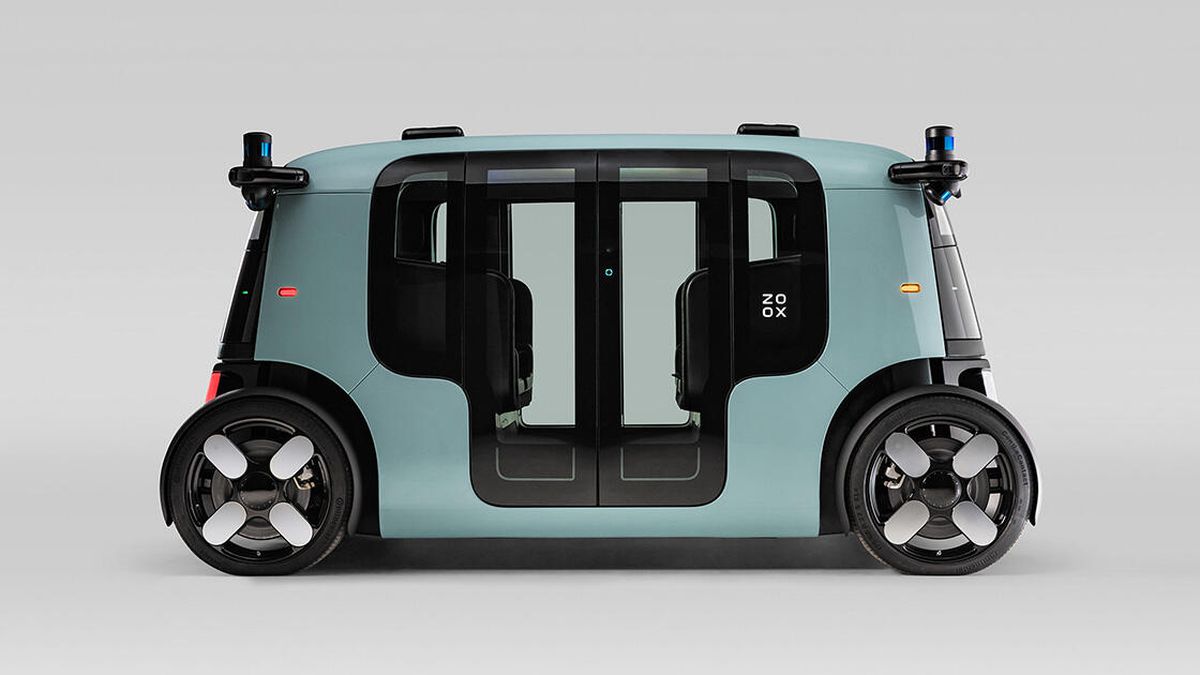
    Amazon could become the fourth major player to have a self-driving robotaxi service after Waymo, Cruise, and AutoX. Amazon’s Zoox comes out of stealth after releasing prototypes six years ago. The most striking thing about Zoox is that its car has a level of fit and finish that goes beyond what Waymo or Cruise have unveiled. And presumably, this will be the basis of a ride-hailing service that Amazon will launch to take on the likes of Uber, Waymo, and Cruise.

    The vehicle is quite different as it has a carriage-style four-wheel all-electric powertrain that can set up for people. It is just 3.63 meters long which makes it smaller than the Origin robotaxi by Cruise.

    Zoox is different because it can drive both forward and backward and side to side — in other words, it has bi-directional capabilities. This allows the car to handle tight curbside pickups” and tricky U-turns, something which AutoX has also shown off. It is also the fastest autonomous vehicle of its kind as it travels at 120 kilometers per hour — a Waymo robotaxi can only do 72 kilometers per hour.

    As far as the autonomous tech goes, this vehicle marries 6 LiDAR arrays as well as multiple radar sensors and cameras providing a 270-degree field of view, with the vehicle having no blindspots. It even has sensors for redundancies and can see objects up to 150 meters away.

    The interior is also unique. It gets really comfortable bench seats that face inward with the passengers surrounded in textured fabric. It also features a radical new system for airbags alongside cupholders and wireless charging mats. The ceiling draws inspiration from the Rolls-Royce Ghost with its starry sky pattern and each seat even gets a touchscreen for controlling music, AC, and their route plus ETA.

    It is also an EV that is powered by a 133 kWh battery and can have up to 16 hours of continuous use. This is in the league of Tesla battery packs which is very impressive.

    Amazon is the secretive player in the self-driving space. It has used for robotaxis and self-driving vehicles for the sake of its infrastructure and logistics business. But then it also holds a massive investment in Rivian and Aurora who just bought Uber’s ATG unit.

    The big news here is that Zoox is out of stealth and it has a very very impressive self-driving vehicle which seems more fleshed out than even Waymo.

  • Japan May Ban Sale Of New Petrol-Powered Vehicles In Mid-2030s

    Japan May Ban Sale Of New Petrol-Powered Vehicles In Mid-2030s

    Japan may ban sales of new petrol-engine cars by the mid-2030s in favour of hybrid or electric vehicles, public broadcaster NHK reported on Thursday, aligning it with other countries and regions that are imposing curbs on fossil fuel vehicles.

    The move would follow Prime Minister Yoshihide Suga’s pledge in October for Japan to slash carbon emissions to zero on a net basis by 2050 and make the country the second G7 nation to set a deadline for phasing out petrol vehicles in a little over two weeks.

    Japan’s industry ministry will map out a plan by the year-end, chief government spokesman Katsunobu Kato told a news conference on Thursday.

    Japan’s Prime Minister Yoshihide Suga pledge in October for Japan to slash carbon emissions to zero on a net basis by 2050.

    The likelihood of state interventions to lower carbon emissions is fuelling a technological race among carmakers to build electric cars and hybrid petrol-electric vehicles that will lure drivers as they switch from petrol models, particularly in the world’s two biggest auto markets, China and the U.S.

    Measures already in place in Japan mean Japanese automakers, particularly big ones such as Toyota Motor Corp with greater research and development resources, could use electric vehicle technology they have already developed at home.

    Nissan Motor Co chief operating officer Ashwani Gupta last month told Reuters his company was ready to respond to Britain’s decision to hasten a phase-out date for new petrol and diesel powered cars and vans by five years to 2030 because it was part of a global trend.

    Japan’s industry ministry is considering requiring all new vehicles to be electric, including hybrid vehicles, NHK reported earlier, adding the ministry would finalise a formal target following expert-panel debates as early as the year-end.

    Nissan says it’s ready to respond to Britain’s decision to hasten a phase-out date for new petrol and diesel-powered cars and vans by five years to 2030

    Japanese automakers for now are keeping quiet on what impact those measures could have on their businesses.

    Toyota, Honda Motor, Nissan and its alliance partner Mitsubishi Motors Corp declined to comment.

    In Japan, the share of electric vehicles is expected to increase to 55% in 2030, Boston Consulting Group said in a report on prospects for battery-powered cars.

    Globally, “the speed of expansion of the share of electric vehicles will accelerate due to the fact that battery prices are falling more rapidly than previously expected,” Boston Consulting said in the report.

    Japan, China and South Korea recently announced firm targets to end net emissions of carbon, which has given momentum for companies and banks to push for cutbacks to keep global warming in check.

    Apart from Britain, parts of the United States and Canada, Norway and Germany, are or plan to imposed curbs on fossil fuel cars. The wider European Union is expected to decide on future restrictions as early as this month.

  • Elektrobit Unveils New Software Platform For Next-Gen Vehicle Electronics Architectures

    Elektrobit Unveils New Software Platform For Next-Gen Vehicle Electronics Architectures

    Elektrobit (EB), a global supplier of embedded and connected software products for the automotive industry, announced EB xelor, an industry-first software platform designed to streamline the development of next-generation automotive electronics architectures based on high-performance computing (HPC). The EB xelor platform provides car makers and Tier 1 suppliers with a secure, stable, and easily upgradable software foundation for connected and intelligent vehicles, allowing them to focus less on automotive infrastructure and more on innovation.

    EB xelor brings together production-proven software from EB, open-source and third-party software, plus tools and services that are absolutely critical for HPC environments but won’t necessarily differentiate one vehicle from another. By choosing EB xelor, car makers and Tier 1s can save the time, resources, and staff required to source and integrate these elements on their own. Based on its experience with car makers on production projects involving software for HPC architectures, EB conservatively estimates savings of up to 30 per cent in overall engineering costs.

    EB xelor integrates a high-performance functional safety software stack based on Linux and Adaptive AUTOSAR, a real-time and safety software stack based on Classic AUTOSAR using EB tresos- a hypervisor- plus software for HPC updates and platform health management capabilities. It also includes tools and services to automate builds and facilitate integration. The EB xelor platform is optimized for HPC environments using leading system-on-a-chip (SoC) devices from NXP and Renesas. Car makers can then add their own vehicle-specific software on top of these stacks.

    Maria Anhalt, Chief Technology Officer at Elektrobit said, “With EB xelor, EB draws upon its decades of expertise to do the heavy lifting for the car maker. We’re providing pre-integrated, production-proven software that will jump-start the process.”

    While EB xelor is a new product, it is based on software and technology used in vehicles on the road today.

  • Tesla Plans To Produce Electric Car Chargers In China

    Tesla Plans To Produce Electric Car Chargers In China

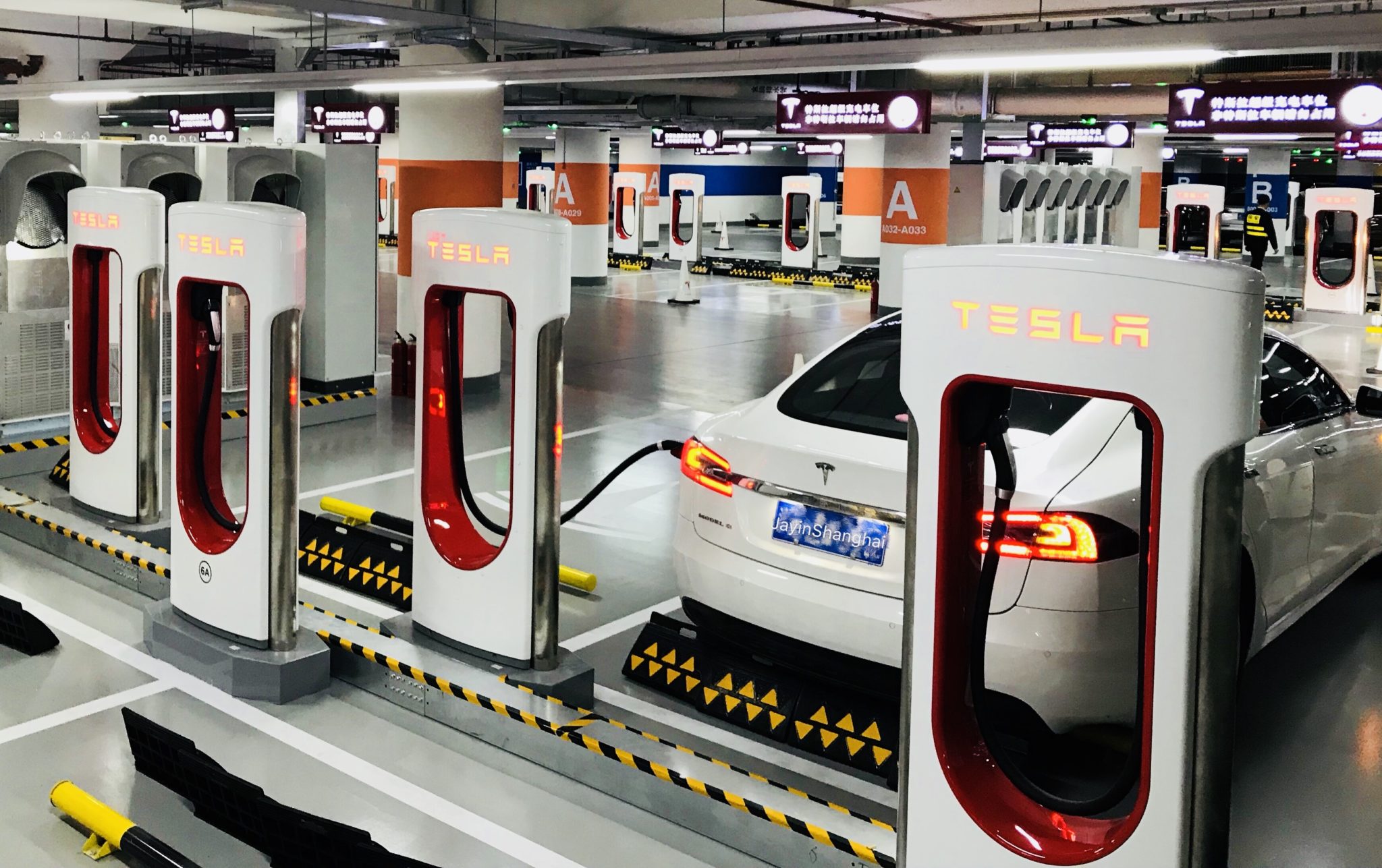
    Tesla Inc plans to start manufacturing electric vehicle (EV) chargers in China in 2021, according to a document submitted to the Shanghai authorities by the U.S. firm which is seeking to expand sales in the world’s biggest car market.

    Tesla, which now sells its Model 3 electric cars in China and plans to deliver its Model Y sport utility vehicles in 2021, plans to invest 42 million yuan ($6.4 million) in a new factory to make the chargers, also known as charging piles, near its car plant in Shanghai, the document seen by Reuters said.

    China, which offers hefty subsidies for electric vehicles as it seeks to cut down on pollution from petrol or diesel cars, has been expanding its nationwide network of charging points, one of the biggest challenges to encouraging the adoption of EVs.

    The factory, which Tesla expects to complete in February, will have the capacity to make 10,000 chargers a year, according to the document submitted by Tesla

    It now imports the chargers, usually installed in charging stations or car parks, from the United States.

    Tesla, which sold over 13,000 vehicles in China last month, did not immediately respond to a request for comment.

    The Shanghai car factory, central to Tesla’s global growth strategy, aims to produce 150,000 Model 3 sedans this year and has started exporting some vehicles to Europe.

    Executives at Tesla said this year that the firm would expand its charging network to provide better service.

  • Porsche Could Make More Than 20,000 Taycan EVs In 2020

    Porsche Could Make More Than 20,000 Taycan EVs In 2020

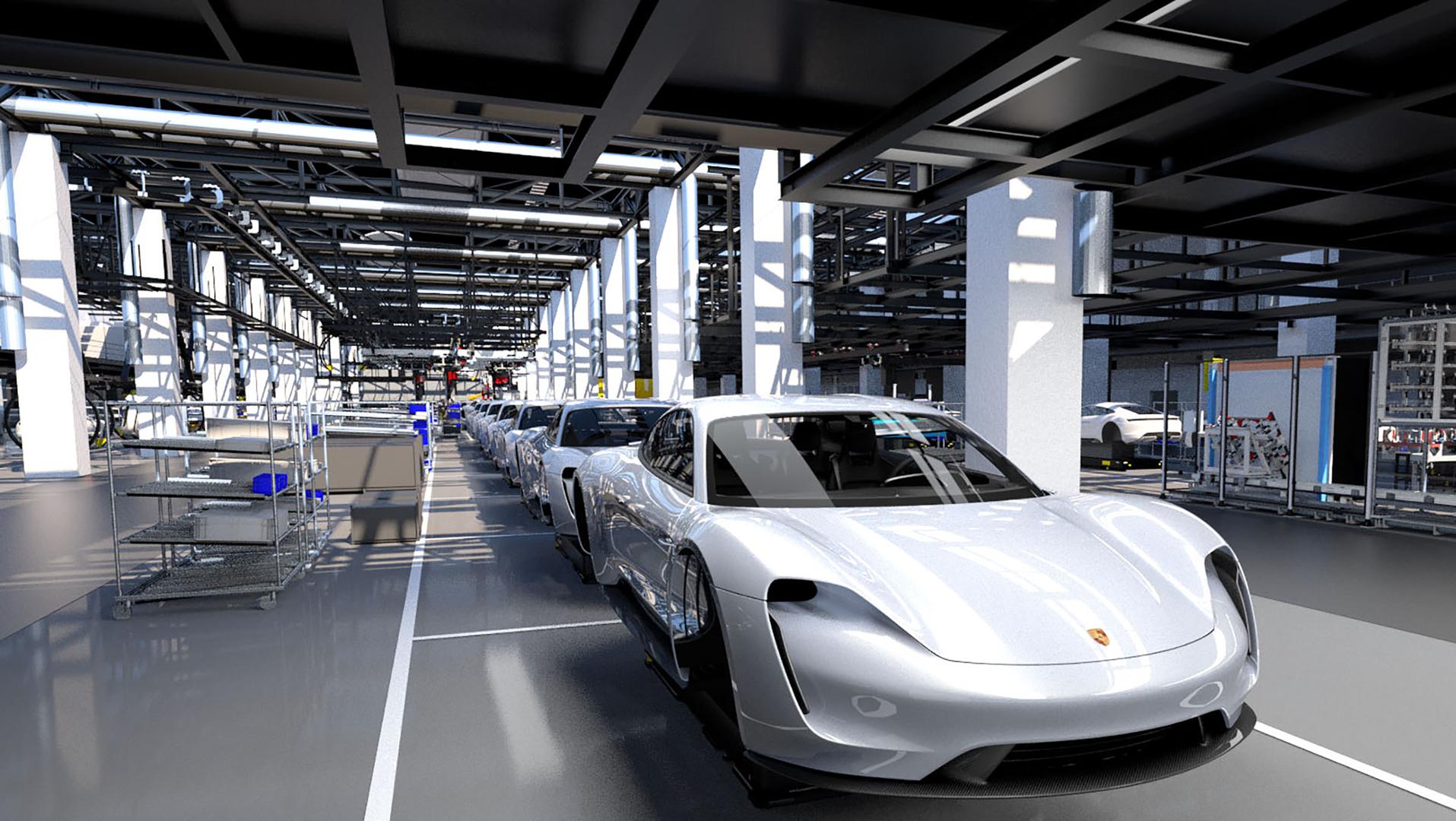
    Porsche has announced that it is on target to produce more than 20,000 Taycan electric cars in 2020. This is quite an achievement for the German automotive giant considering the pandemic has ravaged the demand for vehicles and also the fact that the Taycan is the first full-electric car produced by Porsche.

    The pandemic hasn’t been able to slow down the sales of the Porsche Taycan. “Despite the closure of dealerships and factories during the first corona wave, we will exceed our original target of 20,000 vehicles sold this year,” said Oliver Blume, Porsche’s CEO in an interview with auto motor und sport.

    This news comes a day after the company announced that the Taycan had broken the world record for drifting. It drifted 42 kilometres in 55 minutes in Germany using the RWD version of the Taycan that’s only sold in China.

    The interesting bit is that the sales figures that Porsche is claiming indicate a revival of the automotive market. Till the first half of the year, Porsche had only sold 4,500 Taycans. Porsche then claimed that number had doubled by the end of October, which means in just two months the German automotive manufacturer is looking to double that figure too,  which is staggering.

    The Taycan has been such a success that it has become Porsche’s best-selling car in Europe taking over the Panamera. Porsche at some point will look to deploy a 40,000 Taycan production capacity which will make it its best-selling car this year.

  • Rivian CEO Eyes Smaller Electric Vehicles For China, Europe

    Rivian CEO Eyes Smaller Electric Vehicles For China, Europe

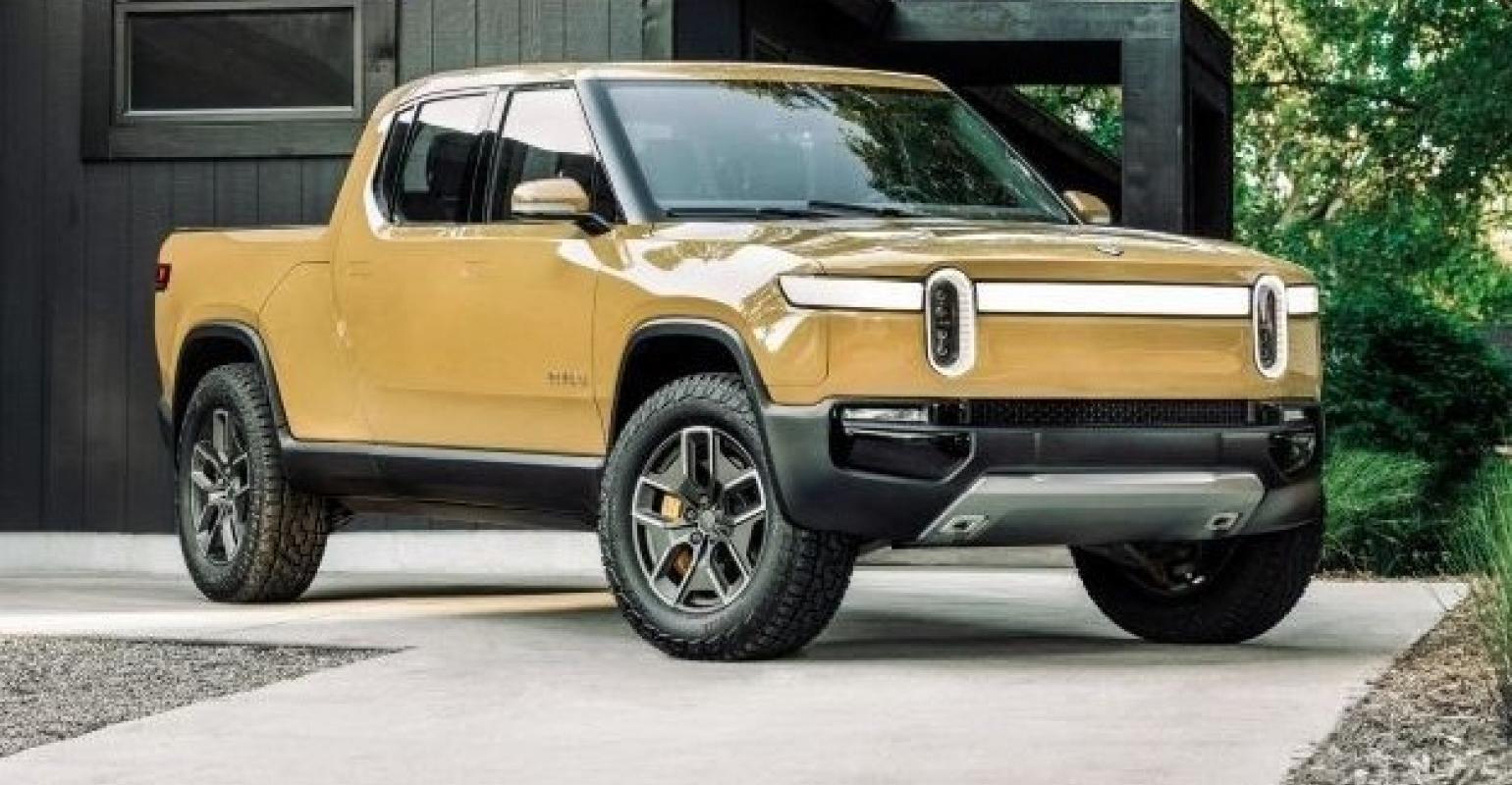
    Electric vehicle startup Rivian, which is backed by Amazon and Ford Motor Co, on Wednesday said it plans to follow up its first two products, a full-size pickup and SUV, with smaller models targeted at China and Europe where it may eventually build some vehicles.

    While Rivian plans to begin selling the SUV in Europe in 2022 and China soon after, “what will really drive volume in those markets is the follow-on products” that are smaller and tailored for overseas customers, Rivian founder and Chief Executive R.J. Scaringe told Reuters.

    The smaller models, which are expected to share key components with the pickup and SUV, will “fit some of those other markets really well, in particular China,” Scaringe said.

    “To really scale in those markets as we bring on follow-on products, having a production footprint outside the U.S. is going to be important,” he said. “That’s a ways off.”

    Scaringe added: “We wouldn’t be serious about building a car company if we weren’t thinking about China and Europe as important markets long term.”

    The company’s first plant in Normal, Illinois, has begun pilot production ahead of next year’s launch of three models – the R1T pickup and R1S SUV, which Scaringe described as “halo products” for Rivian, and a large electric delivery van for Amazon.

    Speaking from a room overlooking the assembly line, Scaringe said the former Mitsubishi Motors plant reflects an unusual degree of vertical integration, with room for building motors and battery packs for the vehicles and for further expansion.

    Rivian has said deliveries of the pickup would start in June 2021, while those of the SUV would begin in August. Launch editions of the vehicles are priced at $75,000 (GBP 56,454) and $77,500, respectively, with a 300-mile (480 km) driving range for both.

    The electric pickup market will soon be crowded as Ford, General Motors Co and Tesla Inc, as well as several other startups, are developing similar models. Numerous automakers also are rolling out electric SUVs.

    In July, Rivian, founded in 2009, boosted its war chest with a $2.5-billion investment round led by T. Rowe Price, raising total investment in the startup to $6 billion. Investors include Soros Fund Management, Fidelity and BlackRock, as well as Saudi auto distributor Abdul Latif Jameel Co (ALJ).

    Amazon, which has relationships and deals across the auto industry, led a $700 million investment round in Rivian last year.

    The e-commerce company also ordered 100,000 electric vans from Rivian. The first Amazon vehicles go into production in Normal in late 2021, with all deliveries to be completed by 2024.

    Scaringe said Rivian has begun setting up service centers and will deploy mobile units to handle maintenance and repair work on Amazon’s vans, as well as Rivian vehicles for retail customers.

  • Tesla Surges For Second Day Ahead Of S&P 500 Debut

    Tesla Surges For Second Day Ahead Of S&P 500 Debut

    Shares of Tesla surged 10% to end near a record high on Wednesday, extending a two-day rally after it was announced the electric car maker will join the S&P 500.

    The California company’s stock has jumped nearly 20% since S&P Dow Jones Indices announced late on Monday it would add Tesla to Wall Street’s most-watched benchmark as of Dec. 21, a change that will force index funds to buy around $50 billion (GBP 38 billion) of its stock.

    A blockbuster quarterly report in July cleared a major hurdle for Tesla’s potential inclusion in the S&P 500, leading to speculation that the company, now with a market capitalization over $450 billion, might be added to the index and spark a surge in demand for its shares.

    Up about 500% in 2020, Tesla has become the most valuable auto company in the world, by far, despite production that is a fraction of rivals such as Toyota Motor, Volkswagen and General Motors .

    Its stock tumbled 21% in one session on Sept. 8 after it was left out of a group of companies being added to the S&P 500, underscoring how much many traders expected it to be added.

  • New-Generation Hyundai i20 Sketches Revealed

    New-Generation Hyundai i20 Sketches Revealed

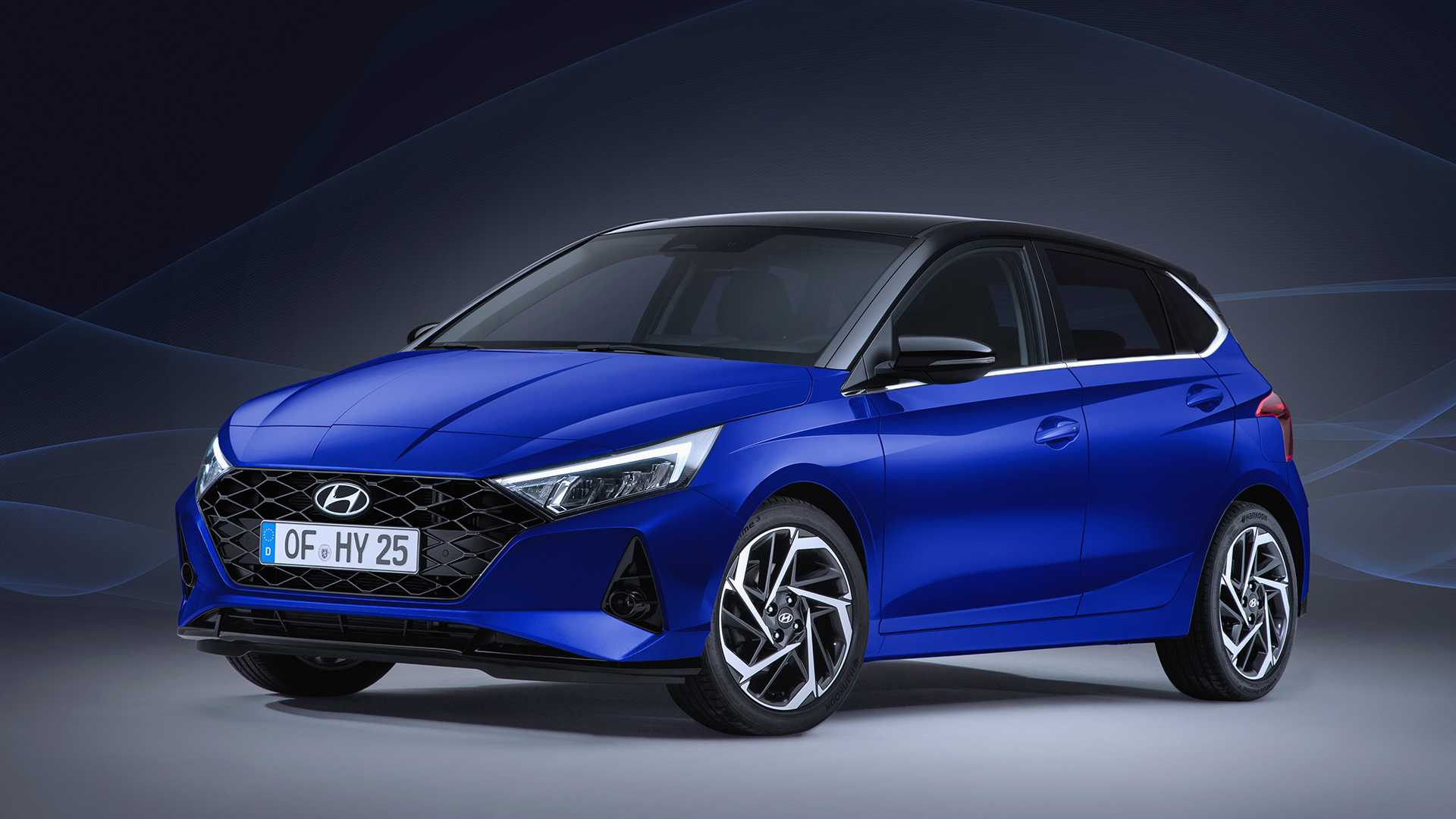
    Hyundai Motor India Limited (HMIL) has revealed the design renderings of the new-generation Hyundai i20, which will be launched in India next month. This will be the third-generation model of the i20, with the current generation model having debuted in 2014. The new i20 is designed around the company’s theme of sensuous sportiness. Needless to say, the new-gen i20 gets a complete overhaul including a new design. The look of the car is bolder now and the stance is sportier too, with a sloping hood upfront. The cascading grille and the headlight cluster are completely new and add to the bold look. The rear too sees a complete change of design, with new boot lid and sharp looking taillights which form a ‘Z’.

    Hyundai says that the new i20 has been designed keeping four elements in mind which are proportion, architecture, design, technology. The cabin of the new i20 has been completely re-done. It is likely to be an all-black affair and get features like a digital instrument cluster, 10.25-inch touchscreen infotainment unit, flat-bottom steering with mounted controls, dual airbags, rear AC vents, charging sockets, Hyundai’s BlueLink connected car technology, and other more

    The new i20 is expected to get three engine options which include the 1.2-liter petrol, the 1.5-liter diesel and the 1.0-liter turbocharged petrol engines, similar to the ones found on other Hyundai cars. Transmission options will include both manual and automatic gearboxes. The car has already started making its way to Hyundai dealerships across the country and as we said earlier, we expect the new-generation i20 to be launched in November 2020. It will continue to go up against rivals such as the Maruti Suzuki Baleno, Tata Altroz, and the Volkswagen Polo.

  • Geely’s New EV Plant Will Build Premium Polestar Cars

    Geely’s New EV Plant Will Build Premium Polestar Cars

    An electric vehicle (EV) factory planned by the Chinese automaking group Geely will produce cars under the premium Polestar marque, two people with direct knowledge of the matter told Reuters on Monday. Zhejiang Geely Holding Group Co Ltd plans to build a plant with an annual manufacturing capacity of 30,000 premium EVs in the western city of Chongqing, run by a wholly-owned, newly registered company, showed documents on its website.

    Geely and Polestar declined to comment on the marque. The plan comes as foreign automakers including BMW AG and Tesla Inc expand EV production in the world’s biggest market, sourcing major EV components such as batteries locally and often exporting the end product.

    Hangzhou-based Geely is China’s most internationally known automaker. It owns Volvo Cars and Lotus, almost half of Proton and 9.7% of Daimler AG. Its Hong Kong-listed Geely Automobile Holdings Ltd is planning a Shanghai float.

    Through wholly-owned company Polestar, it builds low-volume Polestar 1 hybrid performance cars in the western city of Chengdu and Polestar 2 volume sedans in Taizhou in the east.

    It also plans to begin production of the Precept sedan, displayed at this year’s China auto show.

    Polestar aims to eventually offer bigger, more sporty vehicles at its showrooms, which currently span nine countries and whose number it plans to raise to 45 from 23 by year-end.

    Polestar Chief Executive Thomas Ingenlath told Reuters the firm is scouting markets in Asia-Pacific and the Middle East.

    Geely is also building a factory in China to make sport-utility vehicles under the Lotus marque, Reuters reported.

  • Porsche Sells More Than 10,000 Units Of The Taycan EV Worldwide In 9 Months

    Porsche Sells More Than 10,000 Units Of The Taycan EV Worldwide In 9 Months

    We saw the production version of the Porsche Taycan at the 2019 Frankfurt Motorshow and the car was subsequently launched in select markets. Porsche’s first all-electric sports car has been well received across the globe as the company has sold a total of 10,944 units worldwide from January to September 2020. These numbers are staggering and show the inclination of buying an electric sports car. Now another statistic which shows this sharp rise in demand is the number of units sold by Porsche in the first half of 2020. Porsche sold a total of 4480 Taycans from January to June 2020, which goes to show that the remaining 6464 units were sold in just three months.

    While the sales of the Taycan could have taken off in the first half of the 2020, the coronavirus pandemic saw a markets and production come to a halt. With the opening up of several markets post lockdown, the pent-up demand for the Taycan seems to have kicked in and that’s why we see more cars being sold in the last 3 months.

    The Porsche Taycan is scheduled to hit the Indian shores as well very soon. We know that it’s good because we’ve driven the car and told you all about it. The Porsche Taycan sports two permanently excited synchronous electric motors that can churn out a maximum of 600 bhp and will a range of over 500 km thanks to its high voltage lithium-ion batteries. The electric car will get 800-volt chargers with fast charging capability, which can offer a 400 km range in 15 minutes of charge time. It can go from 0-100 kmph in under 3.5 seconds.

  • Tesla Co-Founder Straubel Aims To Build World’s Top Battery Recycler

    Tesla Co-Founder Straubel Aims To Build World’s Top Battery Recycler

    Tesla co-founder J.B. Straubel wants to build his startup Redwood Materials into the world’s top battery recycling company and one of the largest battery materials companies, he said at a technology conference Wednesday. Straubel aims to leverage two partnerships, one with Panasonic Corp, the Japanese battery manufacturer that is teamed with Tesla at the Nevada gigafactory, and one announced weeks ago with e-commerce giant Amazon.

    With production of electric vehicles and batteries about to explode, Straubel says his ultimate goal is to “make a material impact on sustainability, at an industrial scale.”

    Established in early 2017, Redwood this year will recycle more than 1 gigawatt-hours’ worth of battery scrap materials from the gigafactory — enough to power more than 100 Tesla cars.

    That is a fraction of the half-million vehicles Tesla expects to build this year. At the company’s Battery Day in late September, Chief Executive Elon Musk said he was looking at recycling batteries to supplement the supply of raw materials from mining as Tesla escalates vehicle production.

    Redwood’s partnership with Panasonic started late last year with a pilot operation to recover materials at Redwood’s recycling facilities in nearby Carson City, according to Celina Mikolajczak, vice president of battery technology at Panasonic Energy of North America.

    Mikolajczak, who spent six years at Tesla as a battery technology leader, said: “People underestimate what recycling can do for the electric vehicles industry. This could have a huge impact on raw material prices and output in the future.”

    Straubel’s broader plan is to dramatically reduce mining of raw materials such as nickel, copper and cobalt over several decades by building out a circular or “closed loop” supply chain that recycles and recirculates materials retrieved from end-of-life vehicle and grid storage batteries and from cells scrapped during manufacturing.

    In September, Redwood said it received funding from Amazon’s Climate Pledge Fund, following an investment by Breakthrough Energy Ventures, backed by Amazon CEO Jeff Bezos and Microsoft founder Bill Gates.

    “I’m excited about the work we can do together,” Straubel said of Amazon. “They have batteries in many devices,” from consumer electronics to data centers, as well as future electric delivery vehicles and drones.

  • Musk Says Tesla To Use New Batteries

    Musk Says Tesla To Use New Batteries

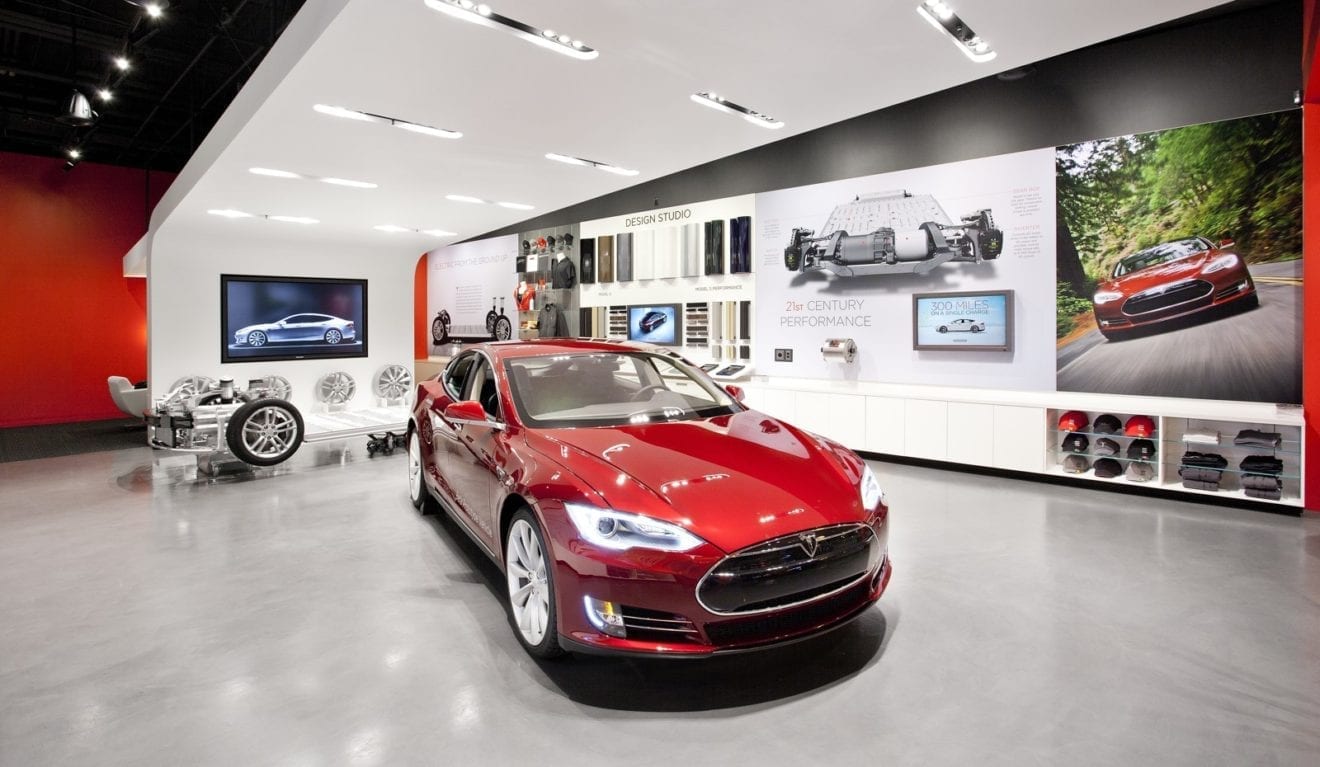
    Tesla Chief Executive Elon Musk said on Wednesday the company will produce Model Y with a new structural battery design and technology at its Berlin factory next year and that could result in a “significant production risk”.

    The U.S. electric carmaker plans to manufacture a new version of its Model Y crossover vehicle, and possibly even battery cells at the site. Last month, Musk said that Tesla will use its Germany-based plant to demonstrate a radical overhaul of how its cars are built.

    The company plans to start the production of Model Y at Gigafactory Berlin during the second half of 2021.

    Tesla’s new battery cell – a larger cylindrical format called 4680 that can store more energy and is easier to make – is key to achieving the goal of cutting battery costs in half and ramping up battery production nearly 100-fold by 2030.

    The company’s new structural battery pack requires the new 4680 battery cells in order to work.

    Musk said on Wednesday that it will take about two years for Tesla factories in Fremont and Shanghai to embrace the new technology.

    “Fremont and Shanghai will transition in 2 years when new tech is proven,” Musk said in a tweet.

    The company said last week that it delivered 139,300 vehicles in the third quarter, a quarterly record for the electric carmaker.

    Tesla’s delivery push has been supported by its new Shanghai factory, the only plant currently producing vehicles outside California, as it is also building a new vehicle and battery manufacturing facility near Berlin.