Retail News CRM

Tag: EV

  • Slow Charging Could Be The Long-Term Solution To Sustainable EV Charging Infrastructure

    Slow Charging Could Be The Long-Term Solution To Sustainable EV Charging Infrastructure

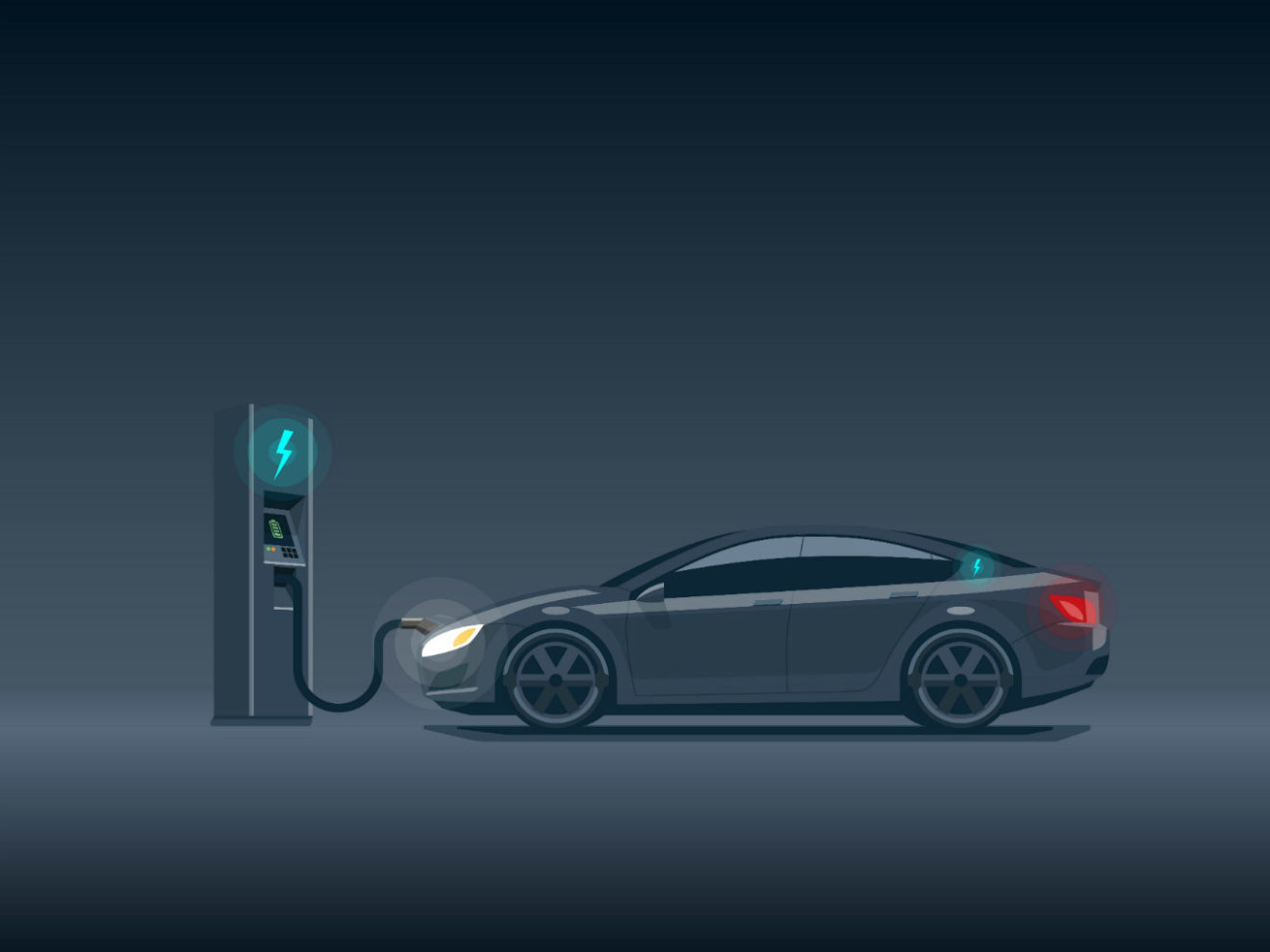
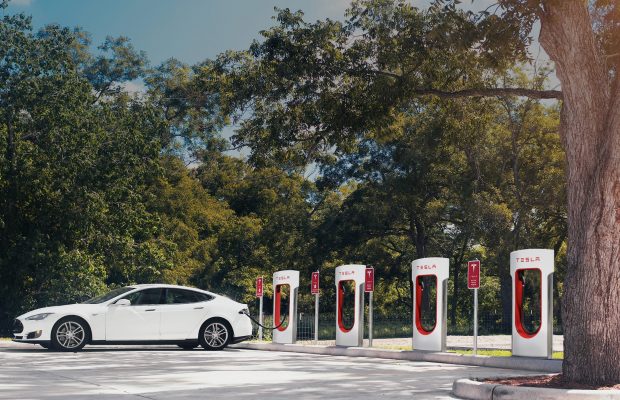
    Automakers around the world are pushing hard for new networks that can charge electric cars fast. In Europe, some power companies and grid operators are testing whether it might be smarter and cheaper to move into the slow lane.

    A 15-month study of electric car charging behaviour in Germany has concluded that consumers can be persuaded to accept slow, overnight recharging that could help avoid brownouts from surges in electricity demand or costly upgrades to power grids.

    The prospect of millions of EVs hitting the roads as governments gradually ban new diesel and gasoline cars is seen as a major challenge for power companies, especially in Germany which is switching from nuclear and coal to less predictable sources of energy such as wind and solar.

    The small study in the wealthy Stuttgart suburb of Ostfildern-Ruit though has helped alleviate the concerns of some grid operators that too many electric vehicles (EVs) charging at peak times could cause network crashes.

    The engineers at Netze BW, the local grid operator behind the trial, found that all the households involved came around to leaving their electric cars plugged in overnight and only half ever charged simultaneously.

    “Since the experience with the project we have become a lot more relaxed. We can imagine that, in future, half of the inhabitants of such a street own electric vehicles,” said Netze BW engineer Selma Lossau, project manager for the study.

    Still, with limited EV battery ranges for now, slow, overnight charging doesn’t get around the problem of how to persuade drivers to ditch petrol cars altogether.

    Without a network of fast-charging stations offering quick refuelling, drivers may be wary of using EVs for long trips – which is why some automakers want lots of fast-charging stations to encourage the widespread adoption of electric cars. Slower, or delayed, charging has already gained traction in Norway, Europe’s leading EV market, where nearly 50% of new car sales are zero-emission vehicles.

    A study by energy regulator NVE showed that Norway faces a bill of 11 billion crowns ($1.2 billion) over the next 20 years for low- and high-voltage grids, substations and high-voltage transformers – unless it can persuade car owners to charge outside peak afternoon hours.

    The investment cost to the country of 5.3 million people could drop to just over 4 billion crowns if cars are charged in the evening, and may fall close to zero if batteries are only plugged in at night, NVE said.

    NVE is now working a tariff proposal which will penalise peak-hours charging. Tibber, a Norwegian power company, already offers cheaper electricity for EV charging if you let it decide when your car is charged while firms such as ZAPTEC offer ways to adjust charging to the available grid capacity.

    Some of the 10 households participating in the Stuttgart trial said they initially wanted to keep topping up their cars for fear of running out of juice, but soon adapted to leaving the power company to handle it as it saw fit overnight.

    “At the start, I did not want to take any risks and charged frequently in order to feel secure. Over time, I changed my outlook,” said Norbert Simianer, a retired head teacher who drove a Renault Zoe during the trial. “I grew used to the car and became more at ease in handling the loading process.”

    Simianer and his neighbours were given electric cars and 22 kilowatt (kW) wall-boxes for their garages, alongside two charging points in the street, all free of charge.

    In return, they gave up their normal cars and allowed Netze BW, which is a subsidiary of German utility EnBW (EBKG.DE), to monitor and carry out a deferred and down-scaled charging process during a seven-and-a-half-hour period overnight.

    Netze BW tried various options, either slotting cars in at the maximum 22 kW charging flow one after another, or lengthening the charging time for individual cars by adjusting the power flow, or combining both methods, Lossau said.

    The participants, who used apps to check the status of their car batteries, grew accustomed to the lack of instant charging capability because their vehicles could always handle their everyday commutes of up to 50 km (31 miles).

    EnBW said nine of the 10 households in the trial on Ostfildern-Ruit’s Belchenstrasse had opted to keep the wall-boxes and most were exploring leasing electric car.

    Lossau said monitoring 10 households did not in itself provide the “empirical mass to draw conclusions for the load profile of all of Germany”.

    She also said there would need to be better two-way communication between EVs, the grid and consumers for the system to function efficiently on a large scale.

    “There will have to be more exchange of information between e-cars and the grid to update the loading status in real-time, because otherwise, there can be the wrong impression about the speed of loading,” she said.

    Utility companies developing so-called vehicle-to-grid (V2G) services, however, are struggling to persuade some automakers to use technology that allows two-way flows of information, and power, between batteries and grids.

    Carmakers such as Volkswagen , Daimler and Ford, for example, are prioritising one-directional fast-charging instead to overcome consumer resistance to EVs.

    Japan’s Nissan (7201.T) has been leading the way among carmakers exploring V2G though Germany’s BMW has now decided to develop it too, saying cooperation between cars and grids will be key to making e-mobility ready for mass markets.

    “It is about making sure there is enough supply for the electric cars and that the lights do not go out elsewhere,” a BMW spokesman said. “The cars don’t just load when it’s best for the market, but they can also supply power back to the grid to help even out demand spikes.”

    “There has to be more progress on the data exchanges, however. It is not yet the standard,” he said.

    Nevertheless, the Ostfildern-Ruit trial has raised hopes that power grids might be able to cope with an influx of electric cars, especially if the consumers play ball.

    Even if drivers resist overnight charging, suppliers of software and equipment to power grids, such as Germany’s Siemens, are also looking at safer and more efficient ways to manage how and when power is used to charge cars.The German city of Hamburg, for example, started a three-year pilot project this month with Siemens to pre-emptively identify overloads on transformers and along cables, and manage EV charging points accordingly.

    “Loading processes offer so much flexibility that the overload on the networks can be reduced by deferring loading times or reducing the load that is supplied,” said Thomas Werner, expert at Siemens Digital Grid.

    “This happens through the digitisation of hardware and software and with communication technology,” he said.

    Using software to help protect ageing power networks from predictable surges could also avoid costly hardware upgrades to parts of the 1.7 million km of distribution grids in Germany.

    With few than 100,000 electric-only cars in Germany at the moment, there is little threat of blackouts from over-demand. But the Transport Ministry in Berlin envisages up to 10 million electric cars on the roads by 2030.

    The number of charging points across the country also only stands at 21,000. That’s up 50% over the last year but still barely a fraction of future needs.

    Next up for Netze BW is a trickier test.

    Managing the power for 10 households with electric cars in a suburban street of 22 homes is one thing, now the power company is launching a study of car charging behaviour in an apartment block with 80 flats, where quarrels over access are likely.

    It is also looking at a study in rural areas, where the longer cables required present challenges in maintaining stable voltages for charging.

    But that’s still only part of the story. Lossau said power companies would have to work more closely with carmakers to fill knowledge gaps and exchange information.

    “It can only work if we get more data from each other.”
  • Hyundai Group Unveils New Integrated E-Scooter For Last Mile Mobility On Future Vehicles

    Hyundai Group Unveils New Integrated E-Scooter For Last Mile Mobility On Future Vehicles

    Speaking on the new concept, DongJin Hyun, head of Hyundai Motor Group Robotics Team said, “This is the vehicle-mounted personal scooter which could be featured in future Hyundai Motor Group vehicles. We want to make our customers’ lives as easy and enjoyable as possible. Our personal electric scooter makes first- and last-mile commuting a joy while helping to reduce congestion and emissions in city centers.”

    Research data by global consultancy McKinsey & Company has released data suggesting that the last mile mobility market is expected to grow to $500 billion by 2030. The new integrated e-scooter is another step in that direction. The e-scooter is mounted on a vehicle and is automatically charged using the electricity generated when driving. A key change since the 2017’s concept has been the shift from front-wheel drive to rear-wheel drive that was essential for enhancing safety and stability as it positions weight near the rear. In addition, the engineers have added a suspension set-up to the front wheel for a smoother ride on rough surfaces.

    Hyundai’s integrated e-scooter features a 10.5 Ah lithium-ion battery, which enables a top speed of 20 kmph and can travel up to 20 km in a single charge. The scooter is light with a weight of 7.7 kg that makes it highly portable, while its tri-folding design makes it light and compact. The scooter also features a digital display that puts out a host of information including the speed and battery status. The e-scooter is also equipped with LED headlights and two taillights for enhanced visibility at night. Hyundai is also looking to introduce regenerative braking on the scooter to increase the range by seven percent.

  • Hyundai Teases Electric Concept For The 2019 Frankfurt Motor Show

    Hyundai Teases Electric Concept For The 2019 Frankfurt Motor Show

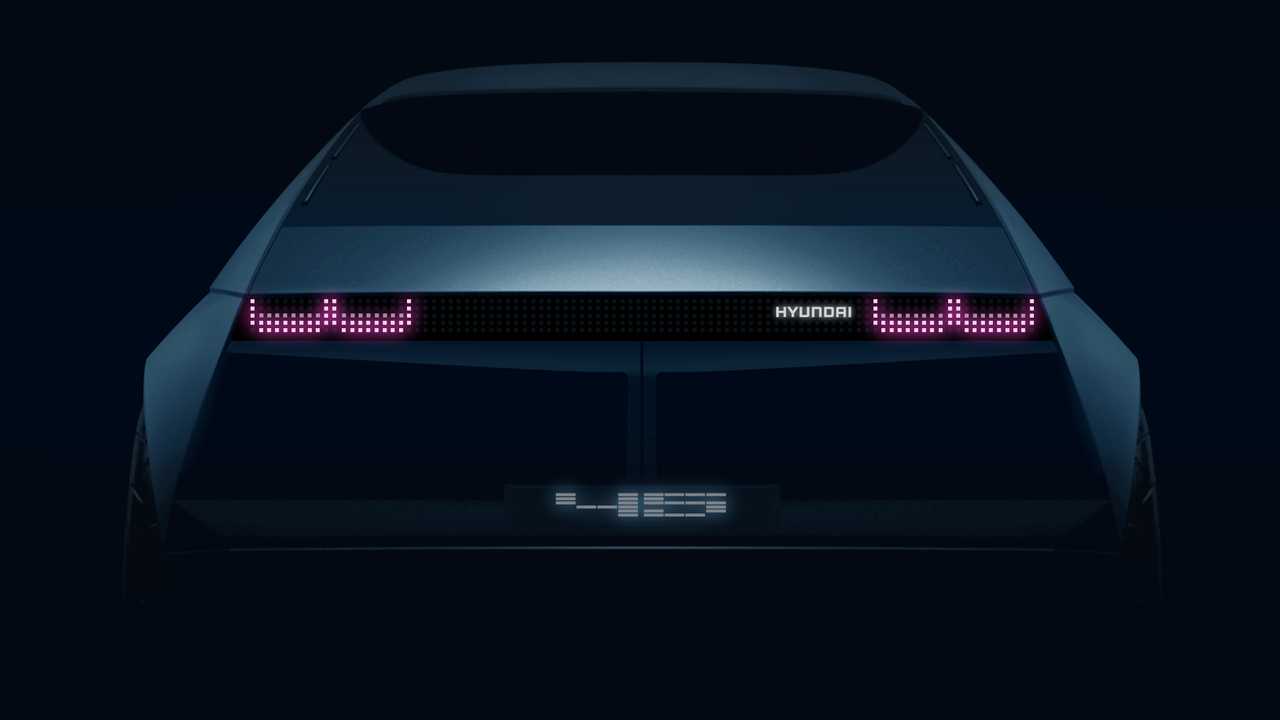
    We’ve already told you what Hyundai is bringing to the 2019 Frankfurt Motor show but the company has now teased a new model, and from the looks of it, it is another electric vehicle. The company says that this EV will focus on the future direction of the company’s car design and the inspiration from the past while also stepping into the future. The looks of the electric car in question is inspired by the brand’s first model in the 1970s. It’s called the 45 concept and yes, it’s an all-electric model. The company says that the 45 electric car concept will act as a milestone for Hyundai’s future EV design.

    The second electric vehicle will be the company’s first-ever electric racing car, which the carmaker claims will tease the future of motorsport. The new electric race car has been designed and built at the company’s headquarters in Alzenau, Germany by Hyundai Motorsport (HMSG). The company says that the car “will underline the company’s high-performance capabilities, green technology credentials and unwavering passion for motorsport.”

    The car will be unveiled on September 10, 2019 and will bring out the sensous and sporty design language that the company has been bringing in their cars lately. There are no technical details that have been released yet, but from the looks of it we’ll get a digital fascia. In addition to this showcase, Hyundai will debut the next-generation Hyundai Grand i10 (known as just i10 in Europe), and one more electric car.

  • India Has Not Set Deadline To Launch Electric Vehicles

    India Has Not Set Deadline To Launch Electric Vehicles

    The Indian government has not set a deadline to launch electric vehicles or to ban manufacturing of petrol and diesel cars, a government official said on Wednesday.

    The Indian auto industry has been caught in the middle of slowing economic growth that has led to a slump in demand for vehicles, forced plant shutdowns and large layoffs.

    Prime Minister Narendra Modi has been working to push electric vehicles in an effort to cut India’s fuel import bill and curb pollution.

    In June, a government think-tank that plays a key role in policy making had recommended that only electric models of scooters and motorbikes with engine capacity of more than 150 cc must be sold from 2025.

  • Indonesia President Signs New EV Decree To Bolster Industry

    Indonesia President Signs New EV Decree To Bolster Industry

    Indonesian President Joko Widodo said on Thursday he signed a decree that lays out government support to build an electric vehicle (EV) industry in Southeast Asia’s largest economy, the Cabinet Secretariat said in a statement. Widodo did not elaborate, but a draft of the decree reviewed by Reuters ahead of the signing showed it contained a series of incentives to boost production and purchase of EVs. Widodo said in the statement that the key to the EV industry is in the construction of the batteries they run on and the “raw materials to make a battery: cobalt, manganese and others, we have in this country.”

    Resource-rich Indonesia has been seeking to carve out a downstream industry based on its supplies of nickel laterite ore, which is used in lithium batteries.

    “The business strategy can be designed in this country so that we can get ahead of others in building an inexpensive electric car industry, which is competitive because the raw materials are here,” he said on the sideline of an event at the headquarters of the Association of Southeast Asian Nations, according to the statement.

    Widodo warned that building such an industry would take longer than “a year or two”, because it must also create a new market.

    The draft regulation seen by Reuters gives automakers reductions in import tariffs for machinery and materials and lower luxury taxes for buyers, among other things.

    Widodo on Thursday also suggested that city administrations across the country could provide more incentives, such as free parking or free administrative fees, to further support adoption of EVs by private consumers and public transportation firms.

    Indonesia aims to become an EV hub for Asia and beyond with a target to start EV production in 2022 and for the share of EV output to reach 20% of total car production by 2025.

    Indonesian authorities said Toyota Motor Corp, which has the biggest market share in the domestic car market, and Hyundai Motor would invest $2 billion and $880 million in the country, respectively, to develop EVs over the next few years.

  • Harley-Davidson LiveWire Electric Bike To Be Unveiled This Month In India

    Harley-Davidson LiveWire Electric Bike To Be Unveiled This Month In India

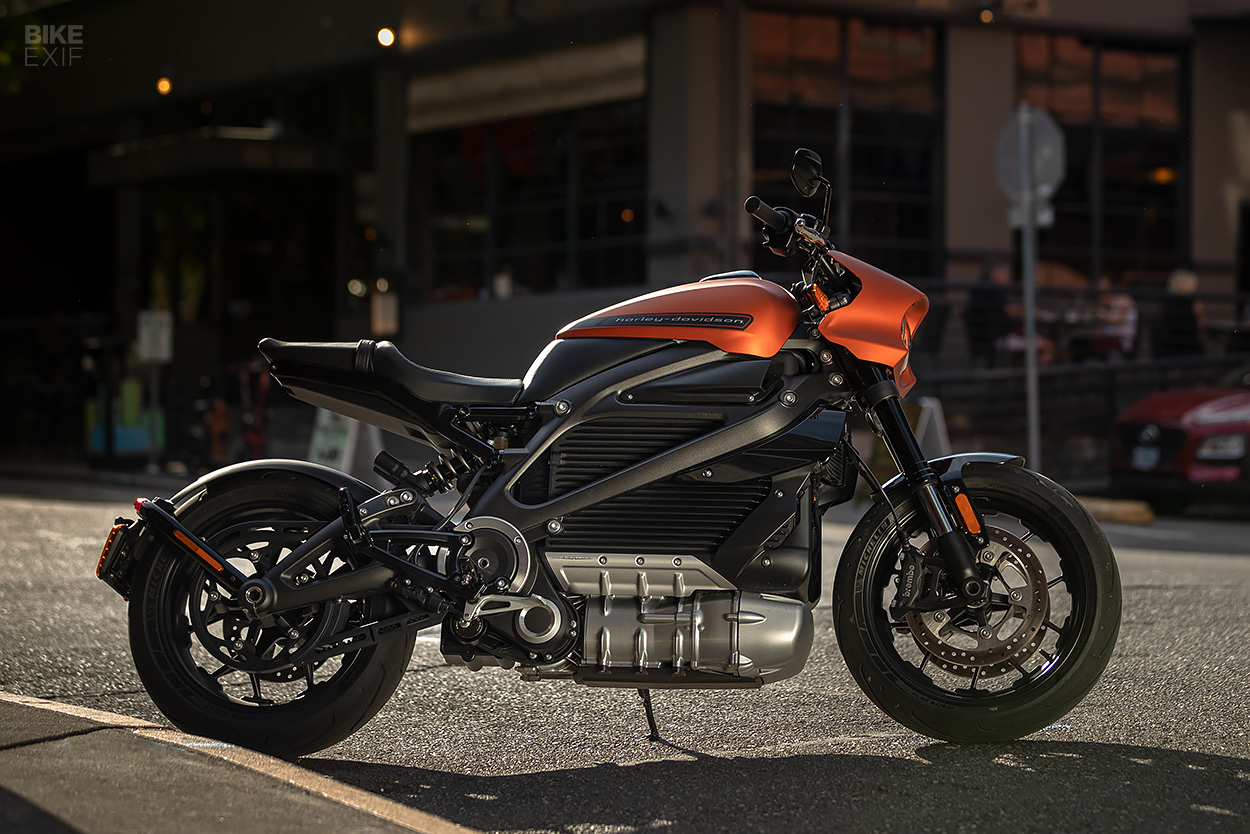
    Harley-Davidson will be unveiling its first-ever electric motorcycle, the Harley-Davidson LiveWire, in India on August 27. In addition to that, Harley-Davidson India will also showcase another all-new motorcycle on the same day. It was in January this year that the American motorcycle manufacturer announced the US pricing for the LiveWire, and now the bike is all set to reach our shores as well. While Harley-Davidson India is likely to reveal the official launch details at the unveiling event, we expect the new electric superbike to go on sale sometime in later 2019 or early 2020. In fact, the upcoming Harley-Davidson LiveWire is already listed on the company India’s website.

    The production version of the Harley-Davidson LiveWire made its debut at the 2018 EICMA Motorcycle Show, and it has been in the making for more than five years now. The new Harley-Davidson LiveWire comes with a new electric powertrain, called the H-D Revelation, featuring a permanent magnet electric motor that is powered by a 15.5 kWh battery. The motor offers a power output of 78 kW or 104.6 bhp, along with a peak torque of 116 Nm, and this being an electric vehicle, all of that torque is available right from the word go.

    Harley’s electric motorcycle is capable of doing a 0-100 kmph sprint is done in 3.5 seconds and more specifically, from 100 kmph to 128 kmph in less than 2 seconds. Thanks to the powerful 15.5 kWh battery, the LiveWire also offers a generous range of up to 235 kilometers, on a single charge. The LiveWire motorcycle is also equipped with a 12-volt lithium-ion accessory battery that provides power for start-up and key fob recognition.

    Visually, the LiveWire does have that muscular stance associated with the brand, thanks to the massive battery pack and electric motor, trying to mimic an exposed engine. Also, the motorcycle is built around a cast aluminum frame which is lightweight and it gets Showa big-piston forks upfront along with a Showa monoshock at the rear, which is fully adjustable. For connectivity and instrumentation, the bike comes with a 4.3-inch TFT touchscreen infotainment display that is tilt-adjustable. The LiveWire has Bluetooth connectivity for use with a smartphone and a wireless headset through the touchscreen. The rider can listen to music, take calls, and hear turn-by-turn navigation instructions provided by the H-D app.

    The bike also comes with a whole bunch of electronics under Harley’s Reflex Defensive Rider System or RDRS, such as ABS, cornering ABS, traction control, cornering traction control; front-wheel lift mitigation and drag-torque slip control system. Apart from the rider assistance systems, the LiveWire also gets 5 riding modes, which are Road, Rain, Range and Sport.

  • BMW Doubles Battery Production Capacity

    BMW Doubles Battery Production Capacity

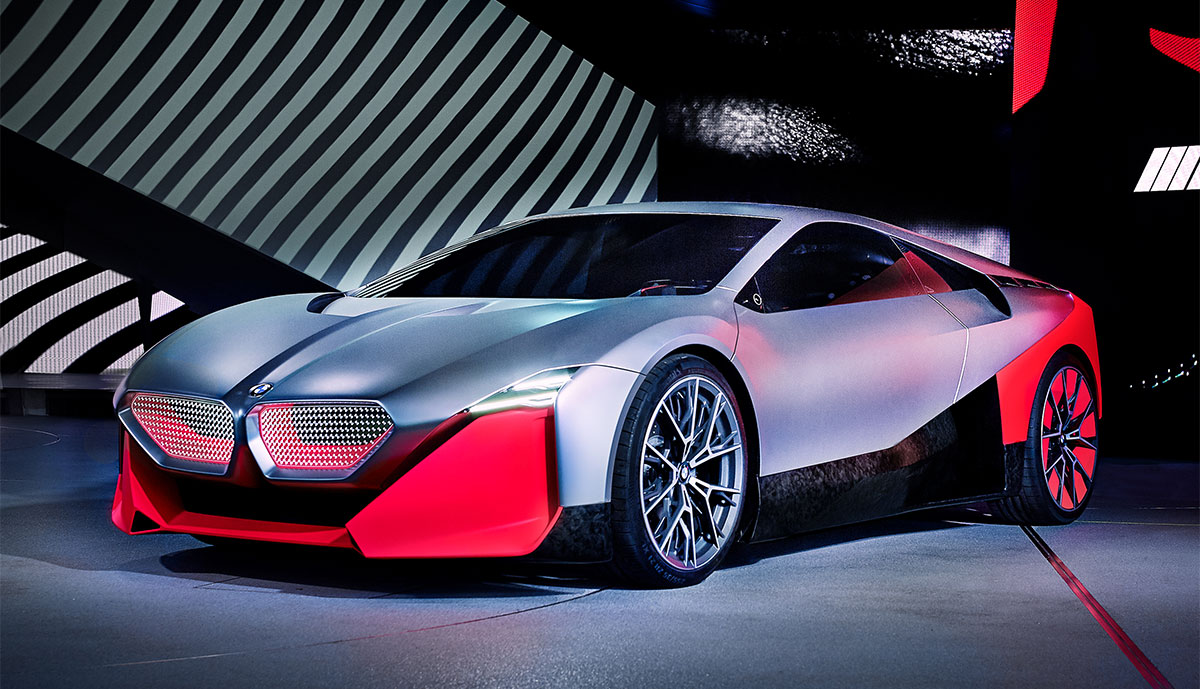
    BMW Group said on Wednesday it would double its production capacity for electric vehicle batteries at its U.S. plant in South Carolina as it ramps up manufacturing of plug-in hybrid vehicles to include the X3 vehicle in addition to the X5. BMW said it was investing $10 million in a new battery assembly line which will be capable of operating in a two-shift system ahead of the introduction of the BMW X3 plug-in hybrid vehicle by the end of the year.

    BMW made 15,000 batteries last year with a one-shift system and currently produces a plug-in hybrid version of the X5 offroader. A new version of the X5 will be produced at the Spartanburg plant from August onwards, the company said. BMW said it planned to employ 120 staff to manufacture different types of batteries, and the additional staff gave it the capacity to double production.

    In the past four years BMW workers assembled 45,000 batteries, the carmaker said.

  • Tesla Cuts Price Of Model 3

    Tesla Cuts Price Of Model 3

    U.S. electric vehicle maker Tesla has lowered the price of its mass-market Model 3 and raised the prices of its premium Model X and S cars.

    The starting price of the Model 3 is now $30,315, from $32,225, Tesla’s website showed on Tuesday. The top-of-the-range Model X now begins at $75,315, rather than $71,325, while the Model S rises to $70,115 from $65,125.

    The prices include potential incentives and petrol savings of $9,875, Tesla said on its website.

    Earlier this month, Tesla said deliveries of all three of its models in the second quarter of this year rose 51% from the previous quarter to a record 95,200 vehicles. The Model 3 accounted for about 80% of the total, underscoring the vehicle’s role as the linchpin of Tesla’s growth strategy.

    The automaker said it expected production and deliveries to continue growing in Q3.

    On Tuesday, Tesla also changed its prices in China, the world’s largest market for electric vehicles.

    Its website showed the Model 3 starting price is now 355,900 yuan ($51,780), down from 421,000 yuan. It lifted the Model X to 790,900 yuan and Model S to 776,900.

    Tesla is building a factory in Shanghai. In May it said it will set a starting price of 328,000 yuan for Model 3 vehicles built at the new factory.

  • Tesla Model 3 Is Norway’s Top Selling EV Last Month

    Tesla Model 3 Is Norway’s Top Selling EV Last Month

    Almost half of new cars sold in Norway in the first six months of 2019 were powered by fully electric engines, up from just over a quarter in the same period last year, ensuring the Nordic nation retains its top global ranking in electric vehicle sales. Tesla’s Model 3 was Norway’s top-selling vehicle, the Norwegian Road Federation said when announcing the latest sales data on Monday.

    In total, 48.4% of all new cars sold from January to June were electric, surpassing the 31.2% seen for the full year 2018, and making oil-producing Norway the global leader in per-capita electric car sales by a wide margin.

    Seeking to end the sale of diesel and petrol engines by the middle of the next decade, Norway exempts battery-driven cars from the heavy taxes imposed on vehicles powered by fossil fuel. It also offers benefits such as discounts on road tolls. The policy has boosted brands such as Tesla, Nissan, Hyundai and BMW, which all offer fully electric vehicles, rather than hybrids that use electric motors to drive the car but also have a combustion engine

    Brands without fully electric offerings, such as Ford and Daimler’s Mercedes-Benz, have seen sales drop, although Ford and Mercedes are among several automakers that have promised to offer electric cars in Norway from 2020. California-based Tesla sold 3,760 vehicles in Norway in June, for a 24.5% share of all cars during the month, and was also the top-selling brand for the first six months.

    Most of its sales were of the mid-sized Model 3, while the bigger Model S and Model X have seen lower year-on-year volumes.

    The International Energy Agency, which includes the more widely-sold plug-in hybrids when counting electric cars, measured Norway’s share at 39% of sales in 2017, far ahead of second-placed Iceland on 12% and Sweden on 6%

  • Honda e Electric Vehicle Details Revealed

    Honda e Electric Vehicle Details Revealed

    Honda’s new compact electric vehicle, the Honda e, is the first Honda to be built on a dedicated EV platform, designed from the ground up but finally, there are details that have poured out which give more information about the specifications. The Honda e platform has been developed focussing on urban environments. The battery is positioned at a low level under the floor, and centrally within the wheelbase of the car, affording a 50:50 weight distribution and low center of gravity for optimal handling and stability. Power from the high-torque electric motor is delivered through the rear wheels, enabling steering precision even at high acceleration.

    The four-wheel independent suspension is engineered to offer better stability in all conditions, a smooth ride and responsive handling. Elements of the suspension components are forged aluminum to reduce weight and benefit performance and efficiency. The compact size of the Honda e sees it get a short overhang and it’s also best suited for the urban environment.

    The Honda e gets a 35.5 kWh Lithium-ion high-capacity battery, can be charged using either Type 2 AC connection or a CCS2 DC rapid charger. It’s range on a full charge stands at 200 km, and the fast charging capability sees it charge up to 80 percent in just 30 minutes. The Honda e charging port is integrated into the bonnet, with LED lighting visible through a glass panel to illuminate the port for the driver and highlight the battery charging status. The positioning of the charging port allows easy access from the front of the car or from either side. Displays on the dual touchscreens inside the car present the current level of battery charge, while a drivetrain graphic charts the current power flow and the regeneration and recharging status.

    The battery pack is water-cooled to maintain an optimum thermal state, therefore, maximizing the efficiency of the battery and charge state, while also ensuring its size and weight are minimized so that it does not compromise cabin room.

    Honda has already received 31,000 expressions of interest, and customers can make a reservation for priority ordering online in UK, Germany, France and Norway

  • Niti Aayog Recommends Sale Of Only Electric Cars From 2030

    Niti Aayog Recommends Sale Of Only Electric Cars From 2030

    In another ambitious move, Niti Aayog has proposed that only electric vehicles should be sold in the country after 2030. Government’s think tank had earlier suggested banning all conventional three-wheelers and two-wheelers which are equipped with engines of up to 150 cc. According to Times Of India report, the committee has forward a cabinet note asking to assign roles to different ministries. Ministry of Road Transport And Highways (MoRTH) has been asked to work on a new framework to phase out the sale of diesel and petrol vehicles by 2030.

    That said, the proposal penned down by Niti Aayog is not only limited to vehicles and also talks about the infrastructure to push their sales. It suggests starting an e-Highway program with an overhead electricity network to facilitate operation for long distance trucks and busses. However, it has suggested piloting the project with selected National Highways which is likely to begin with the upcoming Delhi-Mumbai Expressway. Along with the electrification of national highways, Niti Aayaog has also proposed local manufacturing of 50 GWh batteries by 2030.

    In a bid to meet the target, Niti Aayog has also proposed extending financial incentives like cash subsidy on the basis of overall domestic value addition per kilowatt hour (KWh) which will be around Rs 8000 crore. If domestic manufacturing of batteries can be made possible, the maximum cash subsidy will go up to ₹ 2000 crore for up to 20 GWh per firm which will be for just one KWh for total value capture. The think tank is also planning to procure 10 lakh direct and indirect job opportunities if the proposal is implemented.

  • Cheaper Sensors Could Speed More Self-Driving Cars To Market By 2022

    Cheaper Sensors Could Speed More Self-Driving Cars To Market By 2022

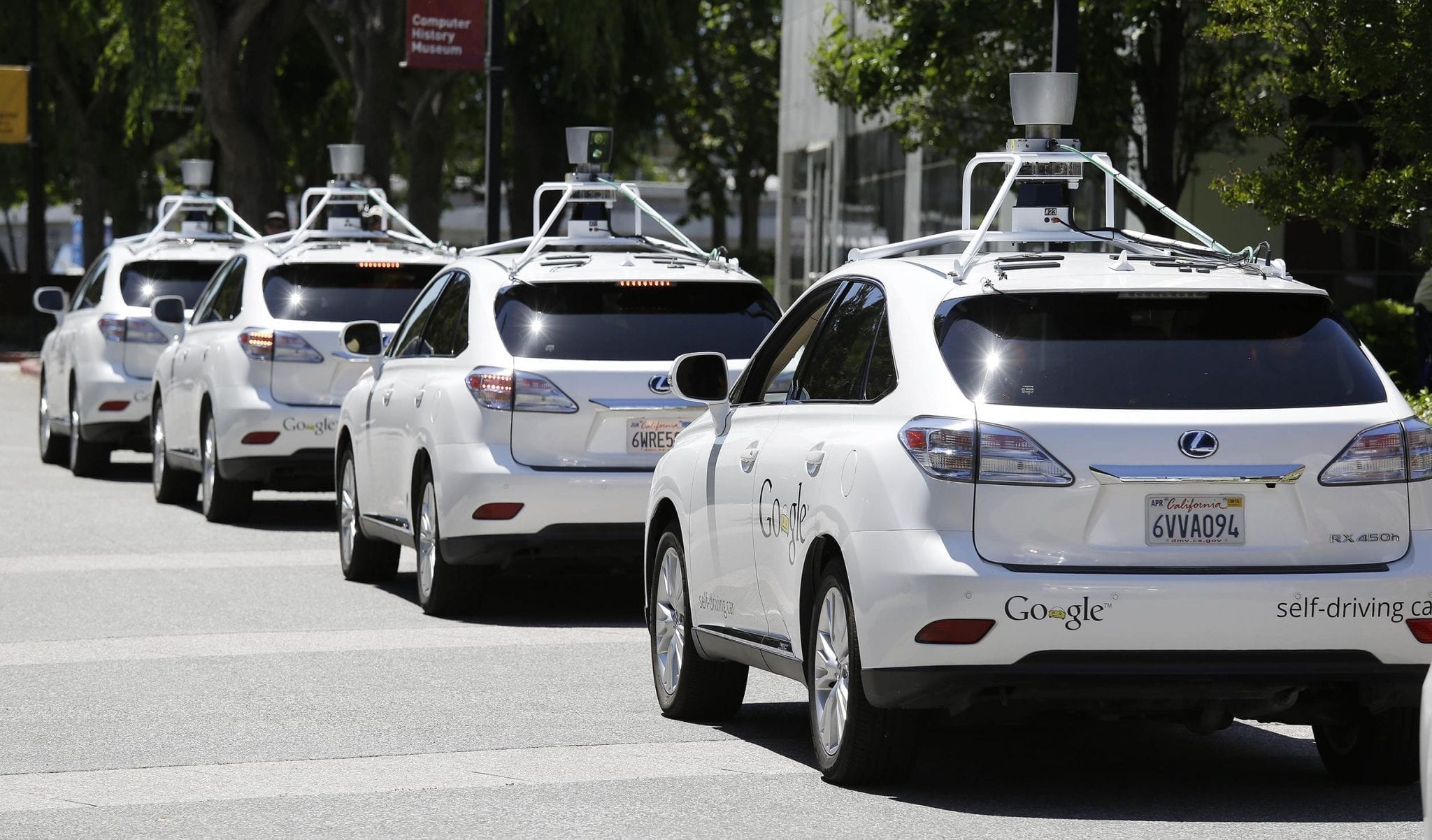
    The first heavily automated mass-market vehicles for consumers could go on sale as soon as 2022, if one or more vehicle manufacturers adopt a new sub-$500 lidar sensing package being developed by Silicon Valley startup Luminar.The tremendous cost of lidar – prices for individual sensors currently range from about $6,000 to more than $100,000 – is one of the big stumbling blocks to the wide rollout of self-driving vehicles, whether in commercial delivery and robo-taxi fleets such as those being developed by Ford Motor Co and General Motors Co, or in passenger vehicles aimed at consumers.

    Luminar has developed a low-cost lidar platform that bundles hardware and software and is being tested by several automakers, according to Austin Russell, Luminar chief executive officer and founder.

    The company’s new Iris system will be offered in two versions, one that will enable hands-free “freeway autonomy” and a less expensive version that will enable some automated functions, such as automatic emergency steering and braking. The first is designed to sell for under $1,000 at higher production volumes, while the second, which is intended to plug into manufacturers’ advanced driver assistance systems (ADAS), is expected to sell for under $500, Russell told Reuters.

    Manufacturers and suppliers are increasingly skeptical about the speed of adoption of fully automated self-driving systems, because of both their high cost and complexity. In the meantime, they have begun focusing on deploying more ADAS features, which share components, but cost much less and can generate much-needed revenue to help defray the cost of developing full self-driving systems.

    Lidar-driven ADAS “can be more easily monetized by the manufacturers (and) more easily implemented today” than fully automated systems, said Steve Lambright, vice president of marketing for lidar startup AEye, which is developing components for both types of systems.

    In the meantime, a long-predicted shakeout in the lidar sector has yet to materialize, judging from a recent flurry of investments and acquisitions, even though the industry has yet to embrace a single lidar technology.

    Israeli startup Innoviz, backed by suppliers Aptiv Plc and Magna International Inc , just closed a Series C round of funding and has raised a total of $252 million – more than any of its rivals – with new money from SoftBank Ventures Asia and several large Chinese investors.

    A new player, North Carolina-based Sense Photonics, this week closed a Series A round and has raised more than $43 million, with backing from corporate investors Samsung Ventures and Shell Ventures.

    Aurora, a Silicon Valley self-driving startup backed by e-commerce giant Amazon.com Inc and automaker Hyundai Motor Co , recently acquired Montana-based lidar startup Blackmore.
  • Honda Joins Industry Concern Over Electric Vehicle Deadline

    Honda Joins Industry Concern Over Electric Vehicle Deadline

    Honda Motorcycle and Scooter India (HMSI) has now voiced concerns over the government’s draft proposal to ban all two-wheelers below 150 cc by 2025 and replace them with electric two-wheelers. HMSI has just introduced the company’s first two-wheeler which will meet the new Bharat Stage VI emission regulations which come into force from April 2020. India has decided to move straight to the more stringent BS-VI regulations from BS-IV regulations and the entire auto industry has invested in significant technology and machinery to make all vehicles BS-VI ready. Honda says a move to now start banning internal combustion engine two-wheelers below 150 cc by 2025 is not realistic and will prove to be disruptive, not just to two-wheeler manufacturers, but also to the small and medium enterprises in the component manufacturing industry.

    “As a voice of the industry, SIAM has already taken up with the government, and we continue to be in active talks to have a very realistic kind of roadmap because there is a big supply chain which is linked to the two-wheeler industry and the auto industry per se. At the same time, we’re just coming into BS-VI. There’s a lot of new investment which has gone into building up the capacity, changing the machinery, not only from the OEM’s point of view, but also from the component manufacturers’ point of view. So, this is something which becomes a concern for the entire supply chain, and together we’re taking this up with the government. We still hope that there will be some realistic roadmap which will see the light of day, because currently, as it is, accepting it, it looks very unrealistic,” Yadvinder Singh Guleria, Senior Vice President (Sales & Marketing), Honda Motorcycle and Scooter India said. Guleria was speaking on the sidelines of Honda’s unveiling of the new Honda Activa 125 which meets the BS-VI regulations.

    The government is reportedly working on a draft policy which calls for banning all three-wheelers with internal combustion engines by 2023, and to replace all two-wheelers below 150 cc with electric vehicles by 2025. As things stand today, two-wheelers constitute the bulk of the Indian auto industry, and moving to electric vehicles will require forward planning as well as the development of charging infrastructure, as well as a proper supply chain ecosystem. Various two-wheeler manufacturers have already voiced concerns against the government’s proposal to completely replace two-wheelers and three-wheelers by electric vehicles at such short notice, particularly at a time when the industry is under pressure and has already invested between ₹ 70,000-80,000 crore for the transition to meet BS-VI emission regulations.

  • Hella Develops Battery Solutions For Mild Hybrid Vehicles

    Hella Develops Battery Solutions For Mild Hybrid Vehicles

    Hella announced that it will develop and manufacture products that support all stages of automotive electrification. With new products like dual voltage battery management system and powerpack 48 Volt, the company is now one of the first on the market to offer innovative battery module solutions for mild hybrid vehicles. The new solutions enable savings of 5 to 6 grams of CO2 per kilometer and thus help to achieve CO2 targets in the short term.

    Starting 2020, newly registered vehicles in the EU will not be allowed to exceed a limit value of 95 grams of CO2 per kilometer. Hella’s dual voltage battery management system for the compact and mid-range class allows vehicles with internal combustion engines to be converted to a mild hybrid. It combines the conventional separate core elements such as 48 V battery, 12 V battery and voltage transformer (DC-DC converter) within a single product in the package space of a conventional lead-acid battery. This makes it easy to integrate the system into the existing vehicle architecture. Another advantage: The Dual Voltage Battery Management System eliminates the need for a lead-acid battery in the car. The innovative system consists of lithium-ion cells that are switched intelligently depending on the application. Thus the capacity can be used specifically in the 12-volt or 48-volt vehicle electrical system.

    Hella has designed the PowerPack 48 Volt for vehicles in higher power rating classes. It combines a 48-volt lithium-ion battery pack including battery management and DC-DC converter. In addition to the 12-volt battery, the PowerPack 48 is also drawn into the vehicle. It enables hybrid functions such as recuperation (ability to recover energy while braking) or active coasting (the internal combustion engine is switched off while driving) as well as other comfort functions for the luxury class. These include ambient lighting, automatic climate control and active chassis control.

  • Sahara Group To Sell Electric Vehicles Under New Brand Sahara Evols

    Sahara Group To Sell Electric Vehicles Under New Brand Sahara Evols

    Sahara Group has recently announced its plan to foray into the electric vehicle business under a new brand name ‘Sahara Evols’. This is the first time the the company is entering the automobile sector, and under the new Sahara Evols brand, the company will offer a range of electric vehicles (EVs) along with advanced allied services. Sahara Evols electric vehicle portfolio will include everything from electric scooters and motorcycles to electric three-wheelers and cargo vehicles. It is introducing a network of battery charging-cum-swapping stations.

    Sahara India Pariwar Chairman Subrata Roy said, “We are proud to introduce for the first time, a complete ecosystem of electric vehicles in India. Sustainable and environment-friendly modes of transportation are the need of the time. The Sahara Evols range of electric vehicles is going to be our contribution…towards alternative, sustainable and eco-friendly modes of transportation.”

    The company has already gone live with its official website, which currently lists two electric scooters – Classic and JMT 1000, and an electric three-wheeler named Veera. The website also confirms the imminent arrival of two new electric motorcycles – Whiz ES, and Whiz SE, however, currently no other details are available about them. As for the Scooters, both Sahara Evols Classic and JMT 1000, offer a maximum range of 75 km on a full charge, and a top-speed of 55 kmph. The e-rickshaw Veera on the other hand offers a range of 145 km and it comes with a Driver+4 passenger setup.

    The vehicles are powered by dry lithium-ion batteries. The cost of driving Sahara Evols Electric Vehicles in an average can go as low as 20 paise per kilometer against the cost of ₹ 2 per kilometer on petrol vehicles, thus entailing direct and substantial economic benefits to the users.

    Starting with Lucknow, Sahara Evols will establish its ecosystem in the country’s tier-II and III cities by the end of this financial year, in a phased manner. Subsequently, in the next financial year, it will roll out its products and services pan-India.