Tag: EV

  • Tesla To Support The Electricity Grid Soon In The Future

    Tesla To Support The Electricity Grid Soon In The Future

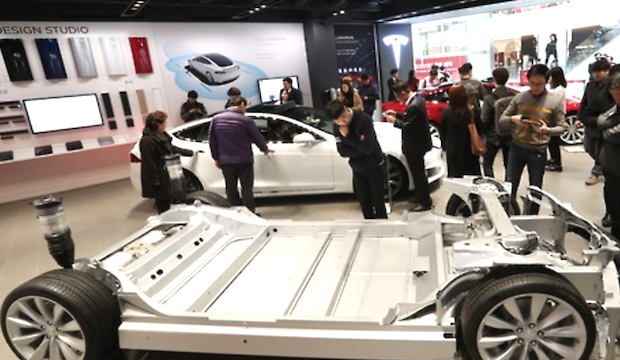
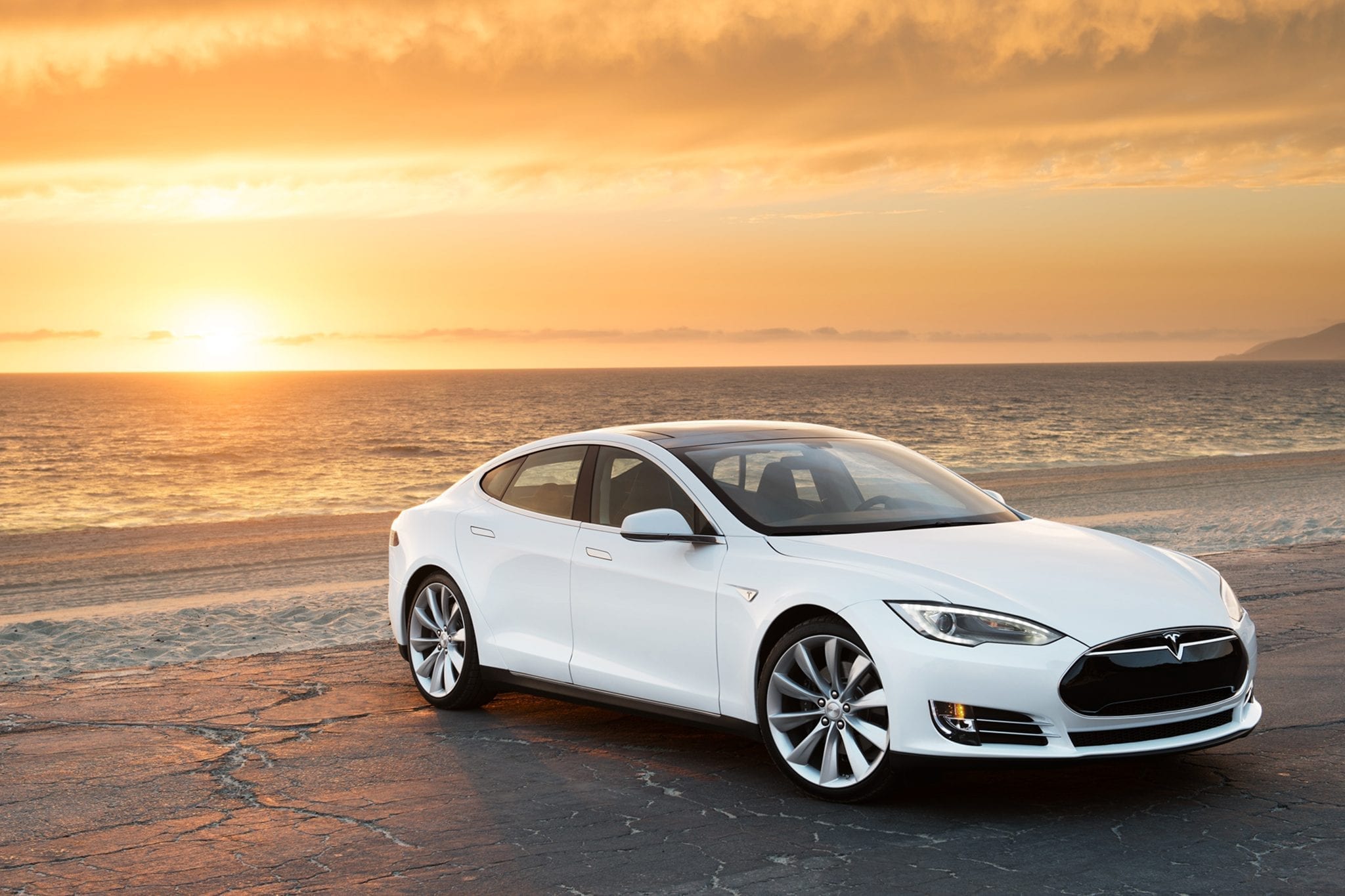
    Tesla has announced that in the future its electric cars will be able to feedback the stored energy back to the electricity grid. Tesla’s Model S Long Range Plus model can drive up to 644 kilometers using its 100 kWh battery which is often not fully utilized by its owners unless they plan on going on a long trip. While Tesla’s CEO Elon Musk hasn’t specified when it is coming, he did say at its battery day event that the feature was in the works. The billionaire however clarified that this feature wouldn’t be game-changing as the very concept of electric mobility.

    “Vehicle-to-grid sounds good, but I think actually has a much lower utility than people think,” Musk said.

    Musk instead was of the belief that users should start augmenting the electricity that comes in the household with Tesla’s PowerWall which is a battery-based electricity solution that Tesla sells in the US augmented with solar panels. “I think it’s actually going to be better for people’s freedom of action to have a Powerwall and a car,” said Musk.

    Using the PowerWall, users can even go off-the-grid and be fully self-sufficient on their power needs. That being said, having a Tesla with a 100 kWh battery at home can be very handy in the case of a blackout.  “The amount of energy storage you have driving on four wheels is much more than any electric utility will ever build and put on the grid,” says Gerbrand Ceder, a professor of materials science and engineering at the University of California, Berkeley.

    “So it now starts to make sense that you use this as a resource to stabilize the grid,” he added.

    This news comes as Tesla also announced its new tabless batteries which are more efficient and powerful. Tesla also announced that it was developing a new vehicle at the $25,000 price point which may even have the potential to come to India.

  • Sony Marching Ahead With The Development Of The Vision-S Concept Electric Car

    Sony Marching Ahead With The Development Of The Vision-S Concept Electric Car

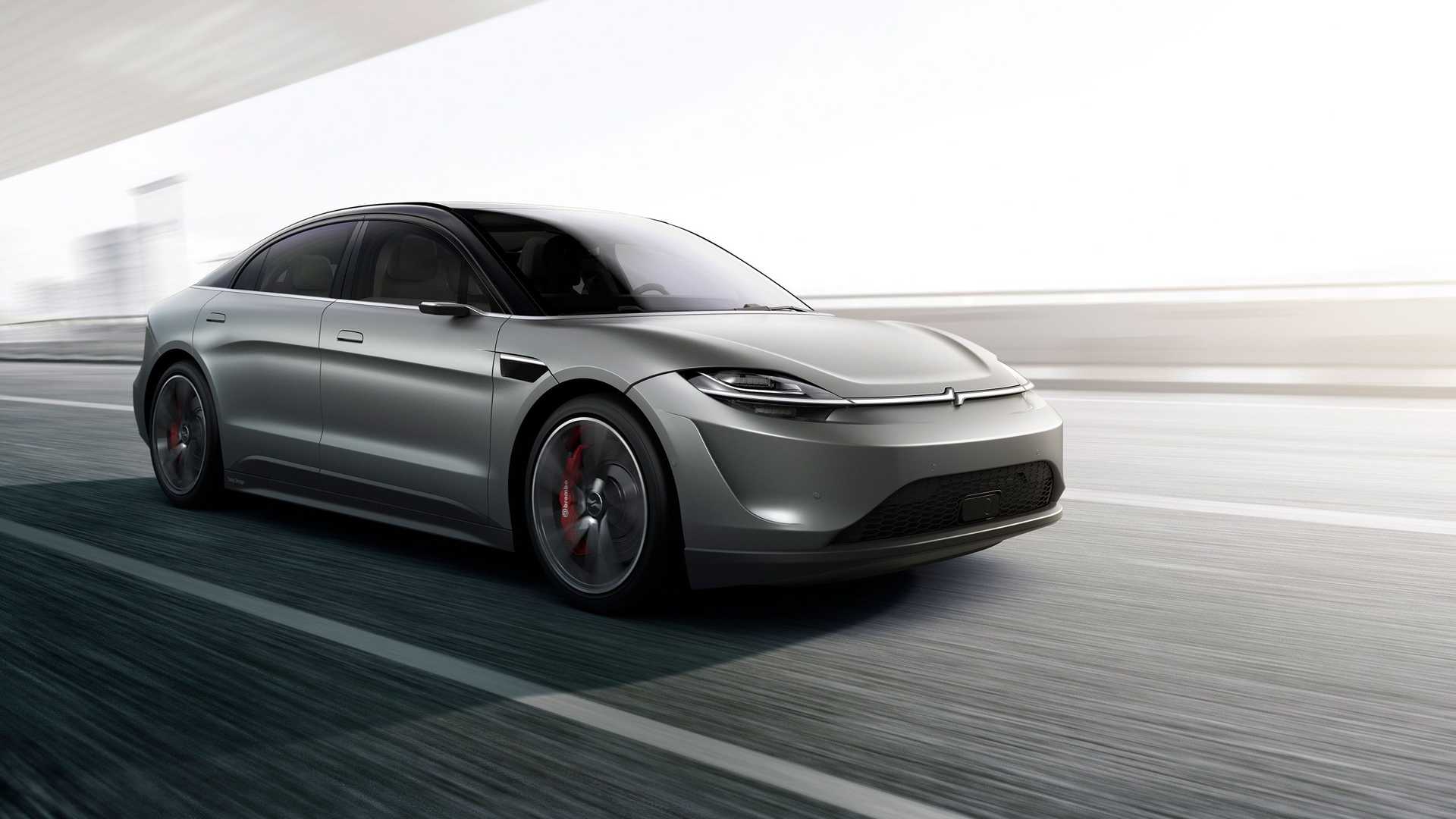
    Sony stole the show at CES 2020, alas the last major trade show, before the world was crippled by the pandemic. And the company introduced its show-stopper which was something it is not known for. Cars, an electric one to be precise. Sony’s Vision-S concept stole the show at CES, but at the time, the Japanese company insisted that this wasn’t an overture for a product, but instead just a concept and more about the technology.

    It turns out Sony has more plans for the electric car and now is marching ahead with its development. Magna, the company behind the electric car platform, has now started involving the car in road testing trials in Tokyo, Japan which is also Sony’s home turf. Previously, the car was parked in the Magna Steyr factory in Graz, Austria.

    Just to recap, the Vision-S concept has 33 sensors feeding the driver assistance system coupled with an all-new electric powertrain. The 33 sensors leverage Sony’s leadership in imaging technology with a slew of CMOS and time of flight (ToF) sensors embedded in the system that kind of replicates the job of a LiDAR for autonomous capabilities.

    The car also gets some goodies from Sony’s iconic audio group with technologies like a 360-degree reality audio system that has speakers built-in the seat. Like Tesla, this car even had a panoramic screen for the core user interface of the car. It even features technologies from Bosch and Blackberry which has the QNX automobility platform.

    While Sony hasn’t communicated anything officially that it will be pursuing this venture more seriously, the fact that the car is being tested on roads in Sony’s home, indicates something bigger. It also comes at a time when many big tech companies have started struggling or failing with electric car ventures. Notable examples are Apple and Dyson. While Dyson has pulled the plug on the project, Apple has pivoted towards the development of autonomous car technology which can be integrated with third-party manufacturers rather than making the so-called prophetic “Apple Car”.

  • Tesla Suspends Production At U.S. Vehicle Factory Due To Coronavirus

    Tesla Suspends Production At U.S. Vehicle Factory Due To Coronavirus

    Tesla Inc said on Thursday it will suspend production at its San Francisco Bay Area vehicle factory on March 24, ending a standoff with California authorities concerned about the spread of the coronavirus.

    The company said its New York solar roof tile factory also will temporarily suspend production, while operations at its Nevada battery plant will continue.

    “Despite taking all known health precautions, continued operations in certain locations has caused challenges for our employees, their families and our suppliers,” the company said in a statement.

    Tesla’s shares were down 8% in after-hours trading following the announcement.

    The decision to suspend production at the Fremont, California, plant comes as Tesla ramps up production of its Model Y sport utility vehicle at the factory. Demand for the Model Y is expected to be higher than for all of Tesla’s other models combined, Chief Executive Elon Musk has said.

    The decision to suspend production comes as Tesla ramps up production of its Model Y sport utility vehicle at the factory

    Musk on Thursday tweeted that Tesla’s China operations were running “normally across hundreds of suppliers & all of Tesla Shanghai.” The $2 billion Shanghai factory, which started delivering Model 3 sedans in December, is key to Tesla’s growth strategy and the company plans to expand production capacity there.

    Elon Musk’s expected defense of a $2.2 billion deal in court was postponed on Friday from its expected Monday start, due to the coronavirus outbreak.

    A Shanghai-based Tesla representative told Reuters the Chinese factory’s production rate has exceeded pre-coronavirus levels and over 91% of workers have returned to work since March 6.

    Tesla plans to start building Model Y SUVs in Shanghai from 2021 and expand car parts manufacturing capacity, a government document seen by Reuters showed.

    Cui Dongshu, secretary-general at the China Passenger Car Association (CPCA) told Reuters Tesla sold around 3,900 vehicles in February, up from 2,620 vehicles in January.

    Tesla’s decision to suspend production at its San Francisco area plant came after several days of discussions with local officials and after the company met on Thursday with the city of Fremont.

    California’s governor on Thursday issued a statewide “stay at home” order to residents, telling them to leave their homes only when necessary during the coronavirus pandemic.

    The highly contagious respiratory illness has infected more than 10,700 in the United States.

    The automaker also said it believed it had enough liquidity to successfully navigate the extended period of uncertainty, with some $6.3 billion in cash at the end of the third quarter, ahead of a recent $2.3 billion capital raise.

    Tesla’s Fremont facility, which is the company’s sole U.S. auto factory, employs more than 10,000 workers

    The city and officials from the surrounding Alameda County did not immediately respond to a request for comment on Thursday.

    Alameda County is one of six counties covered by an order from regional officials to “shelter in place,” which limits activity, travel and business functions to only the most essential, and advises people to stay home except for the most crucial reasons.

    The county sheriff’s office said on Tuesday afternoon Tesla was not considered an essential business and cannot continue to operate its factory normally.

    Tesla said on Thursday it would continue basic operations at the Fremont factory in compliance with the order to support vehicle and energy services and charging infrastructure.

    Tesla’s sole U.S. auto factory employs more than 10,000 workers, with annualized production of slightly more than 415,000 units by the end of December 2019.

    In an email to employees on Thursday, Tesla said operations at the Fremont plant will transition to “minimum basic operations” beginning on March 24.

    Employees at the California and New York factories will be provided with paid leave during suspended operations, the email said.

    Tesla’s Giga factory in Nevada, which employs around 7,000 people, produces battery packs for its electric vehicles and stationary storage systems.

    Its Buffalo, New York, plant produces the company’s solar roof tiles as well as some Supercharger and energy storage components. It has more than 1,500 workers in Buffalo, the company said last month.

    U.S. automakers Ford Motor Co, General Motors Co and Fiat Chrysler Automobiles NV, on Wednesday said they were shuttering their U.S. plants, as well as factories in Canada and Mexico, to stop the spread of coronavirus.

  • Volvo Inaugurates Battery Assembly Line In Belgium

    Volvo Inaugurates Battery Assembly Line In Belgium

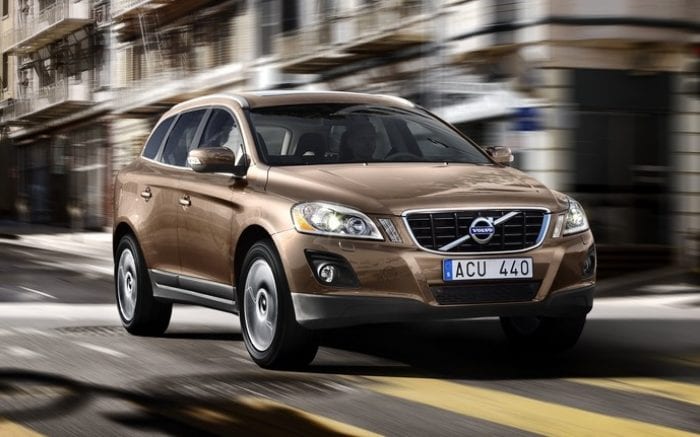
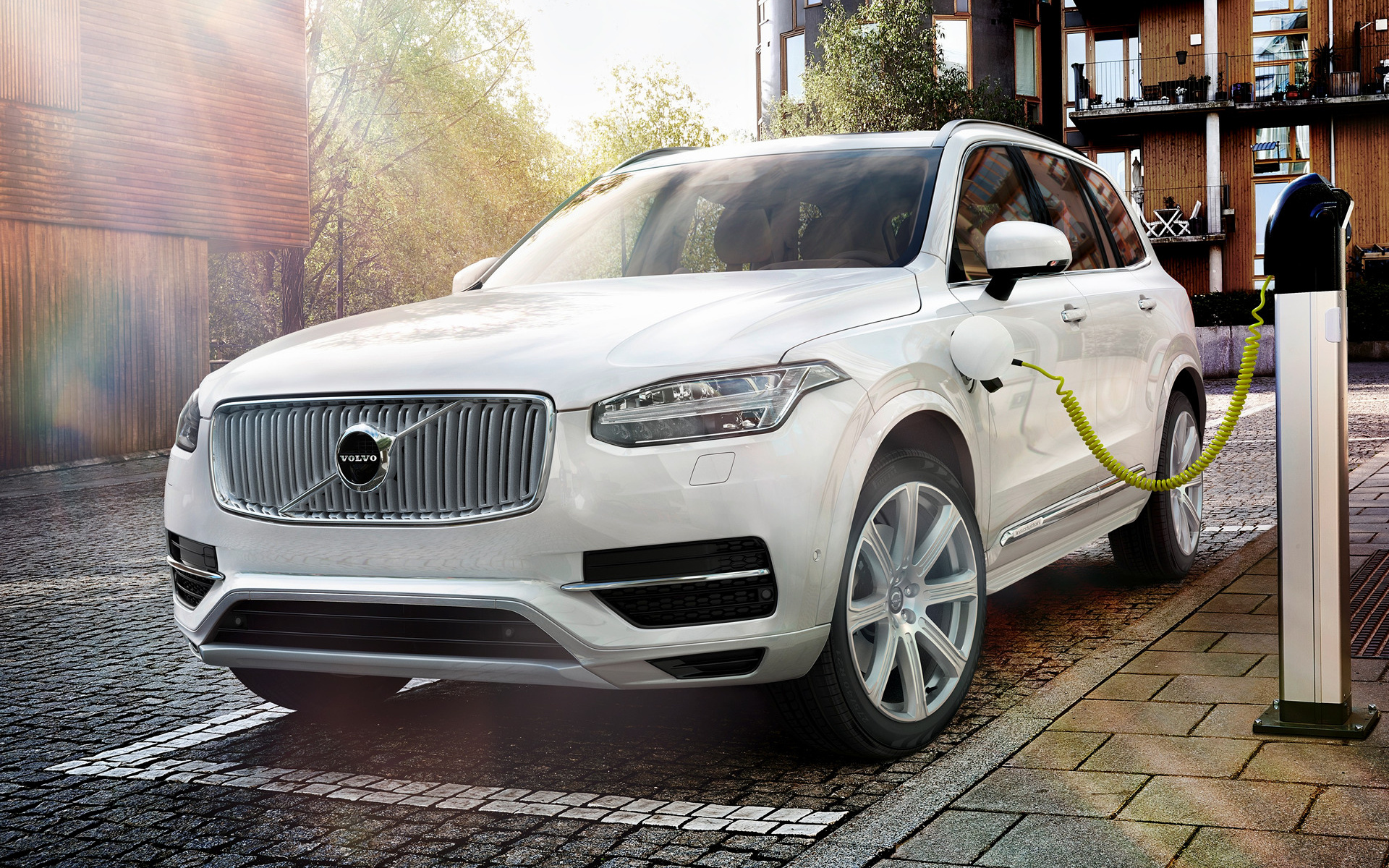
    Volvo Cars inaugurated a brand new battery assembly line at its Belgian manufacturing plant in Ghent, where it will start building its first fully electric car, the XC40 Recharge P8, later this year. The inauguration of the assembly line is in line with the company’s ambitious electrification strategy and its climate action plan. Ghent is one of two car manufacturing plants operated by Volvo Cars in Europe and has produced Volvos since 1965. It aims to reduce its lifecycle carbon footprint per car by 40 percent between 2018 and 2025, as the first step towards its goal of becoming a climate-neutral company by 2040.

    Over the next five years, Volvo Cars will launch a fully electric car every year, as it seeks to make all-electric cars 50 percent of global sales by 2025, with the rest hybrids. Recharge will be the overarching name for all chargeable Volvos with a fully electric or plug-in hybrid powertrain.

    The XC40 Recharge gets dual electric motors which are mounted on the front and rear axle that develop 402 bhp & 659 Nm

    Geert Bruyneel, head of global production operations, said “As the first of our plants to get a battery assembly line, Ghent plays a pioneering role as we continue to prepare our manufacturing network for electrification.”

    Earlier this year the company announced the planned construction of a battery assembly line at its US plant outside Charleston, South Carolina. Construction of that assembly line is expected to start soon. The company will also build battery electric vehicles at a Volvo-operated manufacturing plant in Luqiao, China, based on the CMA platform.

    Last year, Volvo Cars signed long-term supply agreements with two leading global battery suppliers, CATL of China and LG Chem of South Korea. The agreements cover the supply of batteries over the coming decade for next-generation Volvo and Polestar models, including the XC40 Recharge P8.

  • Panasonic To Exit Solar Production At Tesla’s New York Plant As Partnership Frays

    Panasonic To Exit Solar Production At Tesla’s New York Plant As Partnership Frays

    Panasonic said it would exit solar cell production at Tesla Inc’s New York plant, the latest sign of strain in a partnership where Panasonic’s status as the U.S. electric vehicle (EV) maker’s exclusive battery supplier is ending. The move increases uncertainty over Tesla’s solar business which is already under scrutiny, having been drastically scaled back since the U.S. firm bought it for $2.6 billion in 2016. Tesla has informed New York that Panasonic’s withdrawal “has no bearing on Tesla’s current operations”, the state said in a statement. The company employs over 1,500 jobs in the city of Buffalo, clearing its 1,460 commitment before April – and thereby avoiding a $41 million penalty – the state said.

    Panasonic said in a statement on Wednesday that it would cease production by the end of May and exit the factory by the end of September.

    The withdrawal comes as Panasonic scrambles to divest of unprofitable businesses as its strategic shift to components from consumer electronics struggles to drive profit growth.

    It is also another sign of a fraying partnership with the U.S. EV maker, which is set to diversify its battery supplies to include South Korea’s LG Chem Ltd and China’s Contemporary Amperex Technology Ltd (CATL).

    Panasonic said it would continue its automotive battery joint venture with Tesla in the U.S. state of Nevada, which just reported its first quarterly profit after years of production problems and delays.

    In the solar business, low demand from Tesla has left Panasonic sending most of the cells it makes in Buffalo to overseas clients, instead of selling them to Tesla for its trademark Solar Roof – cells designed to resemble regular roof tiles – as initially intended.

    When announcing the solar partnership in 2016, Panasonic said it would invest over 30 billion yen ($271.96 million) in the Buffalo plant. Tesla’s long-term purchase commitment was part of the deal.

    Panasonic, which employs about 380 workers at the plant, said that the U.S. partner “hopes to hire as many qualified Panasonic applicants as possible to help fill job openings for its growing operations in Buffalo.”

    The latest decision will have no significant impact on Panasonic’s annual profit forecasts, according to a company spokeswoman.

    Panasonic has already shrunk its own solar business elsewhere as it contends with competition from cheaper Asian rivals, selling its solar panel plant in Malaysia and research arm to China’s GS-Solar for an undisclosed amount last year.

  • Skoda’s First Electric SUV To Be Called Enyaq

    Skoda’s First Electric SUV To Be Called Enyaq

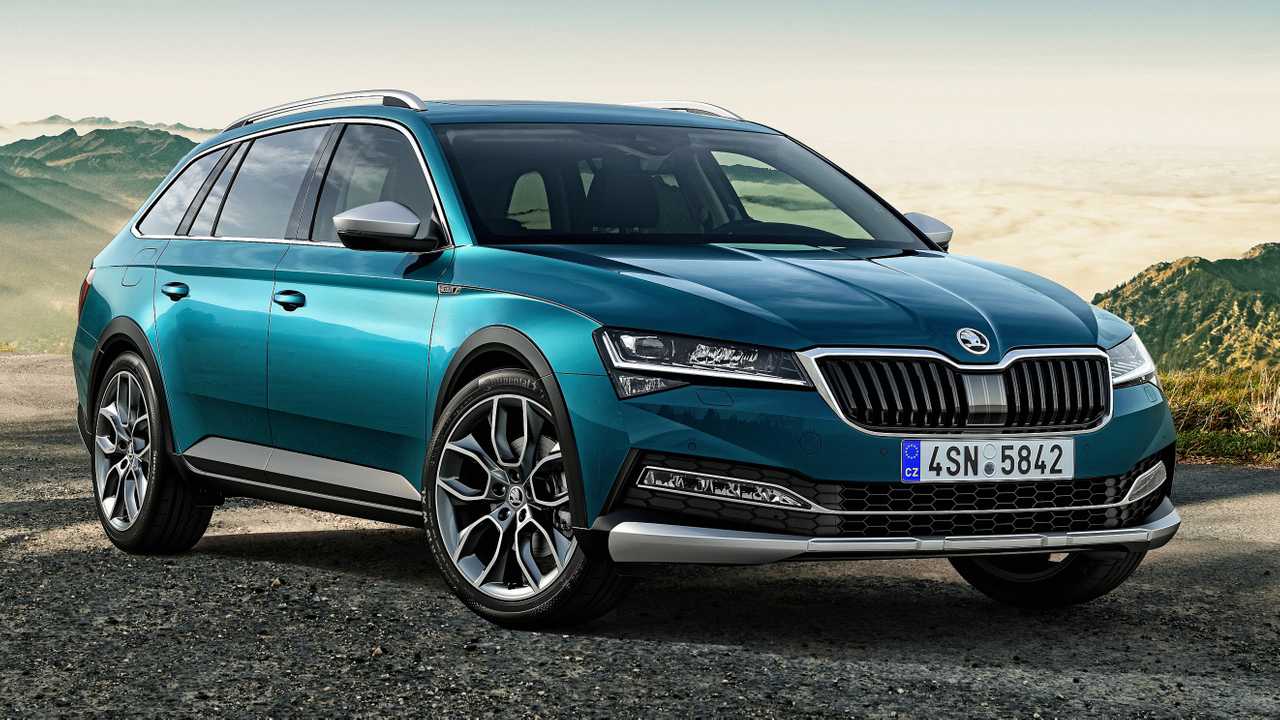
    Skoda Auto today revealed that its first electric SUV will be presented soon. It, in fact, let out what it will be called. Skoda will call it the Enyaq and yes even we want to know where that name comes from. According to the company, the name Enyaq is based in the Irish language and expresses the vehicle’s dynamism and efficiency. The Enyaq then opens a new chapter in the 125-year history of the Skoda brand. It will be Skoda’s first electric car which will be built on the MEB platform, and will also launch a new family of model names. Of course, Skoda already has an electric car to its name, the Citigo iV and so it’s not new to the EV space, however, the all-electric SUV will definitely ind it a wider appeal

    Skoda SUVs have traditionally had names ending in the letter Q, and the new Enyaq follows this tradition just like the Kamiq, Kodiaq and the Karoq. But the new model’s first letter shows that this tradition is merging with the eMobility era, referenced by the letter E at the beginning of the name. The name, Enyaq, is derived from the Irish name Enya, which means ‘source of life’,

    We’ll know more about the electric SUV very soon, but it’s clear why the company wants to start its journey in the electric mobility space with an SUV. Well, the clear trendsetters now are the SUVs globally and so this decision does not come as a surprise. As to which markets the Enyaq will be introduced? Well, there’s no clarity on that yet and we’ll know more very soon.

  • Amazon India To Have 10,000 Electric Vehicles In Its Delivery Fleet By 2025

    Amazon India To Have 10,000 Electric Vehicles In Its Delivery Fleet By 2025

    Amazon India said that it will induct about 10,000 electric vehicles in its delivery fleet in the country. The e-commerce giant says that the idea is to reduce its carbon footprint in the country in accordance to the Climate Pledge that Amazon has signed. As part of the pledge, Amazon announced its plans to introduce 10,000 EVs into its delivery fleet globally in 2022 and one lakh vehicles by 2030, saving 4 million metric tonnes of carbon per year by 2030. Amazon had already begun an EV pilot project in a few cities across India and the learnings from the pilot project has helped the company to have a scalable and a long term EV delivery fleet by 2025. Amazon India announced this right after Amazon President and CEO, Jeff Bezos made a trip to India and announced an investment of $ 1 billion and creation of 1 million jobs by 2025.

    “The fleet of 10,000 EVs-including three-wheeler and four-wheeler vehicles-has been designed and manufactured by original equipment manufacturers in India,” the company said in a statement. The company has been working with a few Indian companies in order to ready a fleet of electric vehicles in its delivery fleet to ensure that last mile deliveries are sustainable. The government’s focus to encourage the adoption of electric vehicles in the country, and steps towards setting up of charging infrastructure with the FAME II policy, has helped the company accelerate and chart its vision for EVs in India, it added.

    “At Amazon India, we are committed to building a supply chain that will minimize the environmental impact of our operations,” Akhil Saxena, vice president for customer fulfillment (Asia Pacific and Emerging Markets) at Amazon, said in a statement.

  • Tesla Says Will Start Delivering China-Made Model 3s To Public On January 7

    Tesla Says Will Start Delivering China-Made Model 3s To Public On January 7

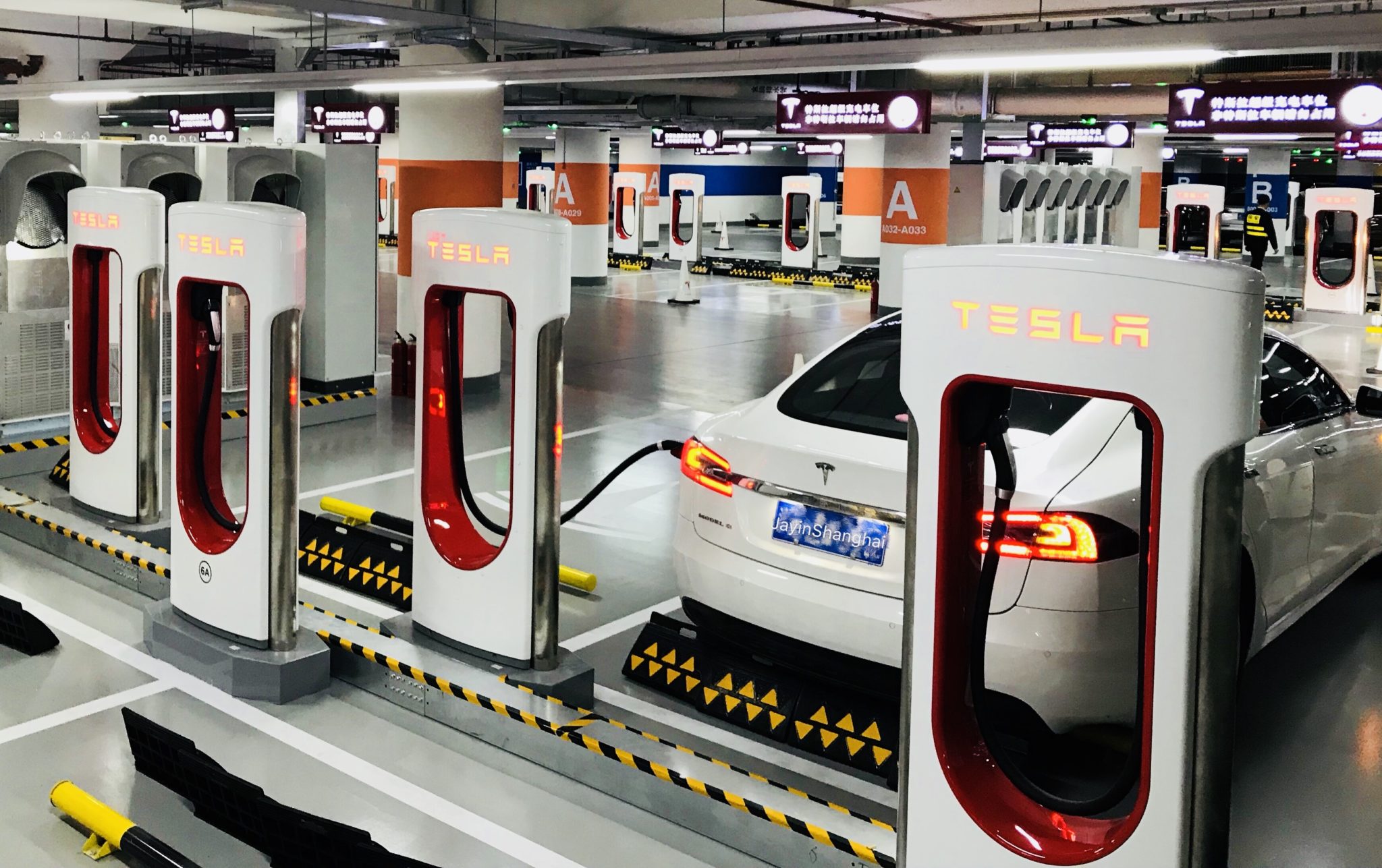
    Tesla will deliver its first Chinese made Model 3 sedans to the public on Jan. 7 at an event at its Shanghai plant, a representative for the firm told Reuters on Thursday. The Shanghai plant is part of the Silicon Valley automaker’s plans to bolster its presence in the world’s biggest auto market and minimise the impact of the U.S.-China trade war. Fifteen Tesla employees who had purchased a car were the first to receive their Model 3s on Monday after the first China-made vehicles rolled off the plant’s production line in October.

    The deliveries come a year after construction of Tesla’s only plant outside the United States began. Production started in October with a target of 250,000 vehicles a year once the Model Y is added to the line up. The Model 3 is priced at 355,800 yuan ($50,000) before subsidies. Tesla said previously that it wanted to start deliveries before the Chinese new year beginning on Jan. 25.

    Tesla’s China General Manager Wang Hao said the company plans to ramp up Model 3 deliveries in January.

    Tesla executives also told reporters the plant had achieved a production target of 1,000 units a week, or around 280 cars a day, and that sales for the China-made sedan had so far been “very good”.

  • Google Maps Adds Plug Type Filter For EV Charging Stations

    Google Maps Adds Plug Type Filter For EV Charging Stations

    Google Maps has received a new filter to classify the Electronic Vehicles (EV) charging stations based on plug type. There are different types of charging connectors used by several car manufacturers, for example, Nissan uses CHAdeMO, Tesla uses its instrumentation, and also the BMW and VW use CCS plug kind for charging their cars. Since the emergence of the EV search facility over Google Maps, the users were missing out on the ability to filter results based on the connector type, GizmoChina reported on Sunday.

    The recent update will surely a sigh of relief for the daily drivers, it will facilitate them to drive car on to the compatible charging station. To use the new feature, the users can head over to the Google Maps > Settings > Electric Vehicle Settings >Your Plugs > Choose and save.

    Google Maps has recently revealed that it has captured more than 10 million miles of Street View imagery – a distance that could circle the globe over 400 times. The company also announced that Google Earth now lets people browse more than 36 million square miles of high definition satellite images from various providers – covering more than 98 percent of the entire population – to see the world from above.

  • Tesla’s German Plant To Produce 500,000 Cars A Year

    Tesla’s German Plant To Produce 500,000 Cars A Year

    Tesla plans to build 500,000 electric vehicles a year at its new factory on the outskirts of Berlin, Germany’s Bild newspaper reported on Wednesday.

    Last month, Tesla Chief Executive Elon Musk announced that a site in Gruenheide, Brandenburg, had been chosen to build Tesla Model 3 and Model Y vehicles.

    German newspaper Frankfurter Allgemeine Zeitung reported that Tesla will invest up to 4 billion euros ($4.41 billion) in the plant.

    Tesla’s Gigafactory will create 10,000 jobs, Bild said, citing planning documents to develop the site which is as large as 420 soccer pitches.

    Construction will start in 2020, the newspaper reported. Tesla declined to comment on the Bild article or on its expansion plans.

  • Toyota to invest $2 billion in developing EVs in Indonesia

    Toyota to invest $2 billion in developing EVs in Indonesia

    Toyota Motor Corp. plans to invest $2 billion to develop electric vehicles in Indonesia over the next four years, starting with hybrid vehicles, Indonesia’s coordinating minister for maritime affairs said.

    “From 2019 to 2023, we will progressively increase our investment to 28.3 trillion rupiahs ($2 billion),” Toyota president Akio Toyoda was quoted as saying in a statement released by the ministry on Thursday.

    Toyota said this month that it aimed for half its global sales to be from electric vehicles by 2025, five years ahead of schedule, and will tap Chinese battery makers to meet the accelerated global shift to electric cars.

    The deal was agreed at a meeting in Osaka on Thursday between Indonesia’s Coordinating Minister for Maritime Affairs Luhut Pandjaitan and Toyoda.

    “Because the Indonesian government already has an electric vehicle development map, Toyota considers Indonesia a prime EV investment destination,” Toyoda said in the statement.

    He said Toyota would follow the government’s EV plan by investing in stages, starting with the development of hybrid vehicles.

    Monet, the self-driving car joint venture of Toyota and SoftBank Corp., separately told Reuters in June it plans to begin operating in Southeast Asia next year

    Indonesia, the region’s largest economy, has plentiful reserves of nickel laterite ore, a vital ingredient in the lithium-ion batteries used to power EVs, and has been making a push to attract foreign carmakers.

    Officials are betting Indonesia, which is already Southeast Asia’s second-largest car production hub, can become a major regional player in lithium battery production and feed the fast-rising demand for EVs.

    The country announced earlier in 2019 plans to introduce a financial program that will offer tax cuts to EV battery producers and automakers, as well as preferential tariff agreements with other countries that have a high EV demand.

    Indonesian ministers told Reuters in December that Korean carmaker Hyundai Motor Co. plans to start producing EVs in Indonesia as part of an around $880 million auto investment in the country.

    Mitsubishi, meanwhile, announced in mid-2018 it would work with the Indonesian government to research infrastructure that could accommodate EVs.

    Analysts are cautious however on how quickly Indonesia’s EV ambitions can be carried out, as some of its lithium battery projects require complicated nickel smelter technology.

    The ministry’s statement on Thursday gave no details on how Toyota, which already makes batteries for hybrids and hybrid plug-ins, would implement its investment plans.

    Toyota was not immediately reachable for comment, but said in June it would partner with China’s Contemporary Amperex Technology Co. and EV maker BYD Co. for battery procurement.

  • New Battery Design Could Allow Electric Cars To Charge In 10 Minutes

    New Battery Design Could Allow Electric Cars To Charge In 10 Minutes

    Range anxiety still remains one of the big deterrents for the masses to adopt electric vehicles (EV), and a charging time of four to five hours does not help matters for EV demand. However, the EV industry is rapidly evolving and charging times have dramatically reduced over the years. In a big step towards charging time reduction, electric vehicle owners could soon be able to fully charge their cars in as little as 10 minutes, courtesy of new battery design. A report by NewScientist states that the new design heats the battery to increase the reaction rate.

    The report quotes Chao-Yang Wang of Penn State University stating that for electric cars to be commercially attractive, the batteries need to charge up to 80 percent or a range of 300 km within 10 minutes. However, this requires the batteries to rapidly take in 400 kilowatts of power and the current set of batteries cannot do this. When the batteries are charged rapidly, the lithium ions at the time move from the positive to the negative electrode and there is a tendency for lithium to form plate-like deposits on the negative electrode’s surface that can shorten battery life.

    Wang and his colleagues are working to minimise this problem by first heating the battery to a temperature too high to allow the lithium plating to form. They tested the theory by taking a commercially available industrial battery and inserted micron-thick nickel foils in a stack of electrode layers. The structure then allows the electrode the heat in less than 30 seconds, setting up conditions for ions to move quickly into the negative electrode without causing plating on its surface.

    The battery tests were conducted at varying temperatures and were charged at 40 degrees, 49 degrees and 60 degrees Celcius, and compared the performance with a control battery charging at 20 degrees Celcius. The results concluded that the battery could maintain fast charging for just 60 cycles at 20 degrees Celcius before the lithium plating caused problems that reduced performance significantly. In comparison, heating the electrode to 60 degrees Celcius allowed the battery to charge through 2500 cycles without forming the lithium plating that would otherwise limit performance. The 2500 cycles equal to about 14 years of use or 750,000 km of life, according to Wang.

    The study overturns the current idea that lithium batteries should not be charged at high temperatures, which was believed to cause battery degradation. Instead, a short burst of high temperature will have better results. The research certainly should have major implications going forward and will immensely help in how we power not just electric vehicles but other devices as well in the future.

  • Toyota to invest $2 billion in developing EVs in Indonesia

    Toyota to invest $2 billion in developing EVs in Indonesia

    Toyota Motor Corp. plans to invest $2 billion to develop electric vehicles in Indonesia over the next four years, starting with hybrid vehicles, Indonesia’s coordinating ministry for maritime affairs said.

    “From 2019 to 2023, we will progressively increase our investment to 28.3 trillion rupiah ($2 billion),” Toyota president Akio Toyoda was quoted as saying in a statement released by the ministry on Thursday.

    Toyota said this month that it aimed for half its global sales to be from electric vehicles by 2025, five years ahead of schedule, and will tap Chinese battery makers to meet the accelerated global shift to electric cars.

    The deal was agreed at a meeting in Osaka on Thursday between Indonesia’s Coordinating Minister for Maritime Affairs Luhut Pandjaitan and Toyoda.

    “Because the Indonesian government already has an electric vehicle development map, Toyota considers Indonesia a prime EV investment destination,” Toyoda said in the statement.

    He said Toyota would follow the government’s EV plan by investing in stages, starting with the development of hybrid vehicles.

    Monet, the self-driving car joint venture of Toyota and SoftBank Corp., separately told Reuters in June it plans to begin operating in Southeast Asia next year.

    Battery hub

    Indonesia, the region’s largest economy, has plentiful reserves of nickel laterite ore, a vital ingredient in the lithium-ion batteries used to power EVs, and has been making a push to attract foreign carmakers.

    Officials are betting Indonesia, which is already Southeast Asia’s second-largest car production hub, can become a major regional player in lithium battery production and feed the fast-rising demand for EVs.

    The country announced earlier in 2019 plans to introduce a financial program that will offer tax cuts to EV battery producers and automakers, as well as preferential tariff agreements with other countries that have a high EV demand.

    Indonesian ministers told Reuters in December that Korean carmaker Hyundai Motor Co. plans to start producing EVs in Indonesia as part of an around $880 million auto investment in the country.

    Mitsubishi Motors Corp., meanwhile, announced in mid-2018 it would work with the Indonesian government to research infrastructure that could accommodate EVs.

    Analysts are cautious however on how quickly Indonesia’s EV ambitions can be carried out, as some of its lithium battery projects require complicated nickel smelter technology.

    The ministry’s statement on Thursday gave no details on how Toyota, which already makes batteries for hybrids and hybrid plug-ins, would implement its investment plans.

    Toyota was not immediately reachable for comment but said in June it would partner with China’s Contemporary Amperex Technology Co. and EV maker BYD Co. for battery procurement.

  • European Automakers Tell Governments They Must Help Sell Electric Cars

    European Automakers Tell Governments They Must Help Sell Electric Cars

    Europe’s carmakers are telling governments they must help build electric car charging points and provide consumer subsidies to boost sales of battery-powered vehicles and assist the industry in meeting stringent new emissions rules.

    German carmakers are accelerating plans to launch electric vehicles, under pressure from a European Union mandate to deliver a 37.5% cut in carbon dioxide emissions between 2021 and 2030, on top of a 40% cut in emissions between 2007 and 2021.

    Industry executives warned at this week’s Frankfurt auto show that the EU rules could be disastrous for profits and jobs because mainstream customers were not buying electric vehicles. Instead, consumers are opting for larger sport utility vehicles.

    “Our industry is eager to move as fast as possible toward zero-emission mobility. But this transition is a shared responsibility,” said PSA Group Chief Executive Carlos Tavares, who is also president of European auto industry association ACEA. “It requires a 360 degrees approach.”

    “Governments across the EU need to match the increasing pace at which we are launching these cars by dramatically stepping up investments in infrastructure. Moreover, they also have to put in place sustainable purchase incentives that are consistent across the EU,” Tavares said.

  • China Sees Decline In Electric Vehicle Sales For Second Consecutive Month

    China Sees Decline In Electric Vehicle Sales For Second Consecutive Month

    China has reported a decline of 16 percent in electric vehicle sales for the month of August. Last month the cumulative sales of all pure-electric, fuel-celled, and plugin hybrids vehicles stood at 85,000 units the China Association of Automobile Manufacturers, compared to 100,000+ vehicles sold during the same month in 2018. In addition to the decline in year-on-year (YoY) sales, China also registered month-on-month (MoM) drop of 4.7 per cent compared to the total EV sales in July 2019. This for the second straight month the EV sales have gone down in China, following the local government’s decision scale back subsidies.

    China is currently the world’s largest electric vehicle market, accounting for about half of the world’s EV sales. The electric vehicle segment is a strategically important industry in China, which hopes to electrify 60 per cent of its total vehicle population by 2035. However, the automotive industry is still heavily reliant on the government, which is why China decided to gradually reduce the subsidies for NEVs since 2017, with an aim to make the EV segment self-sufficient. But, the poor performance of China’s EV segment in the last two months is now putting pressure on the government to again come to the industry’s aid with new relief measures.

    In addition to EVs, China’s regular passenger vehicle wholesales also fell by 7.7 per cent in August, seeing a sales slump for the 14th consecutive month, coming down to 1.65 million units. One of the main reasons for this is also the slowdown of the Chinese economy, which is further affected by the ongoing trade conflict with the US.