Retail News CRM

Tag: EV

  • EU slashes tariffs on Chinese-made EVs

    EU slashes tariffs on Chinese-made EVs

    The European Union has slashed its planned extra tariff on Tesla electric vehicles imported from China by more than half, the bloc’s executive said on Tuesday, following further investigations requested by the company.

    The European Commission also revised its proposed punitive duties on imports of Chinese-made EVs in draft findings, in the highest profile EU investigation of alleged Chinese subsidies, which has provoked threats of retaliation from Beijing.

    It set a new reduced extra rate of 9% for Tesla, lower than the 20.8% it had indicated in July, and said some Chinese companies in joint ventures with EU automakers may also receive lower planned punitive duties on Chinese-made EV imports.

    The tariffs are on top of the EU’s standard 10% duty on car imports, a measure the Commission says is aimed at levelling the playing field and countering what it says are unfair subsidies.

    Tesla had requested a recalculation of its rate, to be based on the specific subsidies the company had received. The Commission said on Tuesday it had verified that it received less subsidies from the Chinese government compared with the country’s EV makers which Brussels had investigated.

    The Commission, which sets EU trade policy, said it still believed Chinese EV production has benefited from extensive subsidies and proposed duties on other companies of up to 36.3% – slightly lower than the maximum initial planned duty of 37.6% set in July for companies that did not cooperate with the EU’s anti-subsidy investigation.

    China’s commerce ministry said in response it is “firmly opposed to and highly concerned” about the findings, and vowed to take all necessary measures to protect Chinese firms.

    The draft findings were based on “facts unilaterally determined by the EU side, not on facts mutually agreed upon,” the ministry said in a statement.

    China hopes the EU side will expedite the exploration of proper solutions in a rational and pragmatic manner, and take practical actions to avoid the escalation of trade frictions, it added.

    Beijing launched a challenge at the World Trade Organization earlier this month.

    Lower duties

    Tesla was among the companies classed as cooperating with the EU investigation. It did not respond to a request for comment on Tuesday.

    The Commission said three companies it had sampled would each receive slightly lower provisional duties than indicated in July. China’s BYD would face a rate of 17.0% from 17.4% levied in July, Geely 19.3% versus 19.9% and SAIC 36.3% from 37.6%.

    Chinese firms in joint ventures with EU producers may also be eligible for the lower duties planned for the Chinese companies in which they are integrated, the Commission said.

    Volkswagen’s SEAT subsidiary was now expecting to receive a lower tariff of 21.3% on its Cupra Tavascan, which is produced by a joint venture in China majority-owned by the German automaker, a source close to the matter told Reuters.

    A spokesperson for SEAT said it was working with the VW Group to reduce the impact of the tariffs further.

    BMW said in a statement its joint venture in China which produces the electric Mini was also classed as a “cooperating company”, qualifying it for a lower duty of 21.3%, versus the 37.6% Brussels had indicated last month.

    The planned tariffs could become the EU’s final measure on Chinese-made EVs once its investigation is concluded in about two months.

    Interested parties have until Aug. 30 to submit their comments on the Commission’s findings.

    The proposed final duties will be subject to a vote by the EU’s 27 states. They will be implemented unless a qualified majority of 15 EU members representing 65% of the EU population vote against.

    It is a high hurdle that is rarely reached, although this is a politically charged file.

    In an advisory vote in July, 12 EU members supported the provisional tariffs, four voted against and 11 abstained, sources said.
  • Malaysia encourages use of EVs

    Malaysia encourages use of EVs

    The Malaysian government has included the adoption of electric vehicles (EVs) in its National Energy Transition Roadmap (NETR) towards the goal of EVs accounting for 15% of all vehicles sold by the year 2030, rising to 80% by 2050.

    The current import duty and excise duty exemption for fully-imported (CBU) EVs has been extended to December 31, 2025, and EV owners will also continue to enjoy exemption from road tax until the end of next year.

    They will also enjoy a lower tax rate in 2026, after the exemption expires, that will be based on the power output of their EV. When unveiling the new structure, Transport Minister Anthony Loke said it was 85% lower vis-a-vis petrol powered vehicles.

    To encourage the growth of the EV charging network in Malaysia, the government is offering individuals 2,500 MYR (US$530) in yearly income tax relief through to 2027 for the installation, rental, and purchase of EV charging equipment or subscription fees.

    Besides, the country will offer up to 2,400 MYR in tax return to encourage individuals to adopt electric-powered motorcycles. However, this incentive has only been announced for the 2024 assessment year and it is only available for individuals earning no more than 120,000 MYR annually.

    Companies investing in the assembly or manufacturing of energy efficient vehicle (EEV) including hybrids and electric or components for such vehicles are eligible for income tax exemption of 70% or 100% on statutory income respectively for a period of five or ten years.

    Companies investing in green technology services involving EVs such as installation, maintenance, repair of EV charging equipment, EV infrastructure and charging stations are eligible for a 70% tax exemption for three years from the start of their operations.

  • Chinese EV giant BYD to begin Vietnam sales in May

    Chinese EV giant BYD to begin Vietnam sales in May

    The world’s biggest electric vehicle maker, China’s BYD, will set up shop in Hanoi in May.

    It would sell its first cars in the sedan and SUV segments, sources familiar with the matter said.

    Its SUV BYD Atto 3 is among the most sought-after cars globally. It has large demand in Sweden and is the best-selling EV in Thailand.

    It has a 60.48-kilowatt-hour battery that allows travel of up to 480 kilometers.

    Its prices start from US$30,750 in Thailand.

    In Vietnam, BYD cars will be imported as complete units from China.

    The company is building a $504-million plant in Thailand, its biggest market outside China, and expects to start production there this year.

    In future BYD cars can be imported to Vietnam from Thailand to enjoy the zero import tax applicable to Southeast Asian countries.

    BYD, established in 2003, sold 1.62 million electric cars last year, second globally behind Tesla with 1.8 million units, though in the last quarter it outpaced past the U.S. company 526,000 to 484,000.

    Ninety percent of its sales were in China.

  • Electrified vehicles rising to trendy choice in Vietnam

    Electrified vehicles rising to trendy choice in Vietnam

    Vietnamese users are becoming more familiar with hybrid and pure electric vehicles because numerous well-known brands have expanded to this category.

    Truong Huy, a technical expert for an electric vehicle software outsourcing company in Ho Chi Minh City, was one of the earliest to come to the Electrified Vehicle Exhibition at Yen So Park, Hanoi, last weekend to learn about the hybrid and pure electric car models.

    “As a person working in technology related to electric vehicles, this exhibition is a good opportunity for me to learn more about the companies,” Huy said while standing next to the chassis of a Hyundai electric car. “Mainly working in software, this is a rare time I have seen a complete hardware platform for an electric vehicle.”

    In the past three years, electric or hybrid cars have gradually become more familiar to Vietnamese customers. But Vietnam has never had an exhibition dedicated to this category, which means few opportunities for Huy and other customers to experience cars from different brands or learn about their software and hardware technologies.

    The Electrified Vehicle Exhibition organized on Jan. 13–14 can be considered the start of events dedicated to fuel-saving and environmentally friendly vehicle lines.

    In previous years, only a small number of electrochemical products were sold on the market, but now it is different.

    In 2020, except for Toyota with the small crossover Corolla Cross with a hybrid engine option, the market did not have a product with a similar or pure electric engine, specifically in the popular segment.

    By 2023, the number of electrochemical products and companies participating in the field has increased, creating a trend big enough to draw customers’ attention.

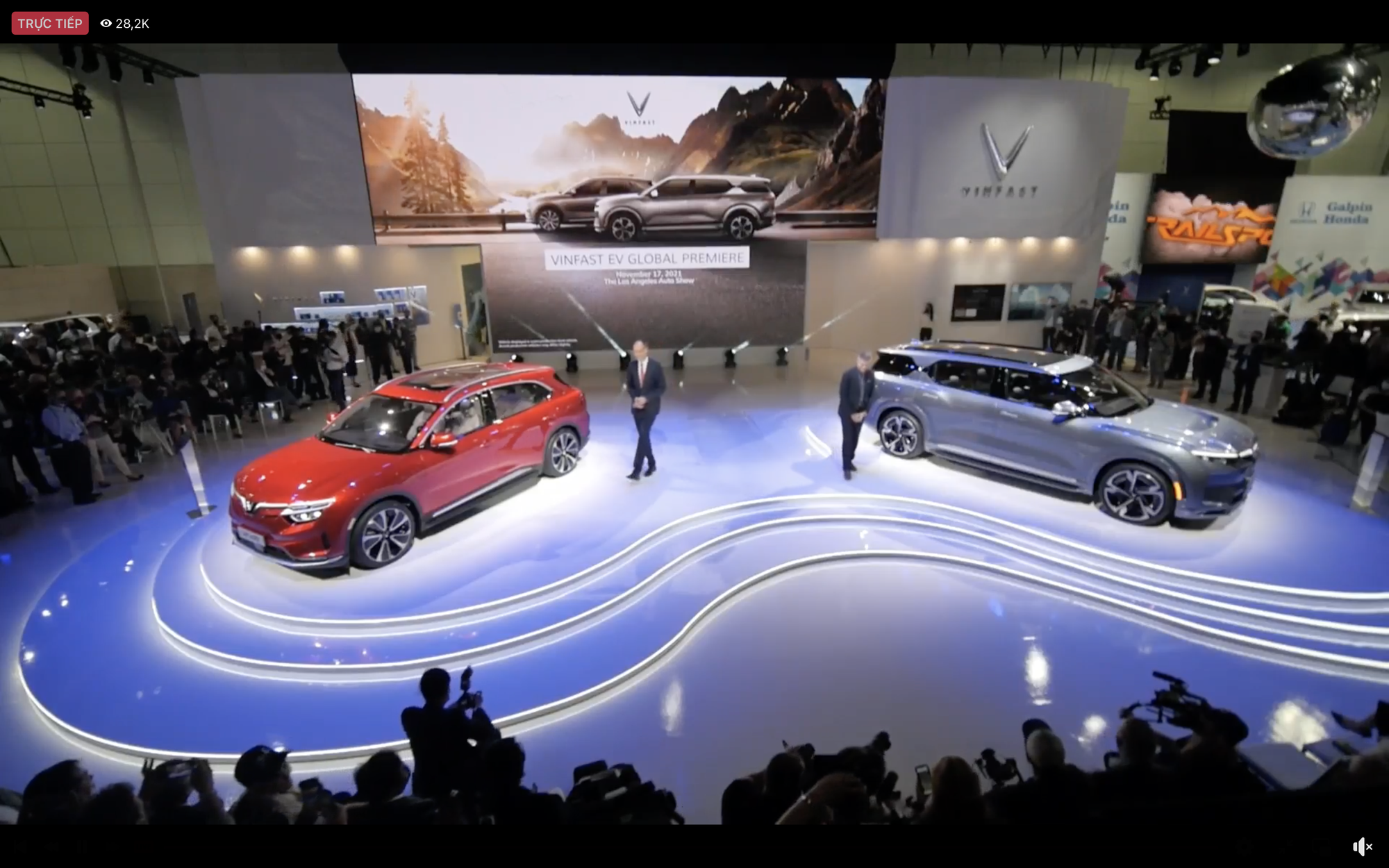
    The domestic EV segment was led by VinFast in 2023, with an ecosystem ranging from bicycles, motorbikes, cars, and buses. The company has been selling electric cars since 2021 with the VF e34 and has now added VF 5, VF 6, VF 7, VF 8, and VF 9 to the car category alone.

    In addition to VinFast, Hyundai is selling the Ioniq 5 series. Previously, the Korean company launched the Santa Fe hybrid for sale. Its distribution by Thanh Cong Group also hinted at the possibility of the company selling the G80 EV, a pure electric luxury sedan, in the near future.

    Hybrid cars are becoming more diverse with Kicks from Hyundai, CR-Vs from Honda, Sorentos from Kia, and H6s from Haval. Toyota specifically expanded this car segment in Vietnam with the addition of the Altis, Camry, Yaris Cross, Innova Cross, and Alphard.

    Besides Haval, the presence of other Chinese brands in Vietnam, such as Wuling and Haima, helps make the electrified vehicle segment more exciting. Pure electric car options from these brands include the market’s cheapest Wuling Mini EV, or the Haima 7X-E MPV.

    Most of these car models were present at the Electrified Vehicles Exhibition 2024.

    Xuan Huy drove more than 10 km from Ha Dong District to the exhibition to find a second car for his travel in the city. “I went to check all the booths because I do not favor any specific brands. There have been very few occasions when many companies display hybrid or pure electric car products like this.”

    Electrified vehicles are gradually becoming more popular. But many companies believe that customers still need orientation and education about the technology and how to use these products.

    Compared to the technology of internal combustion engine vehicles, which has been familiar to users for hundreds of years, electrified vehicles’s is new.

    “Many people are still concerned about whether electric vehicle technology is suitable for cars that they use every day,” said Son Lam, a representative of TMT Motors, the distributor of the Wuling brand in Vietnam. “Participating in this exhibition is also a way for the company to answer more customers’ concerns about electric vehicles, especially their technology.”

    A Hyundai Thanh Cong representative said that pure electric and hybrid technology is generally still new to the majority of Vietnamese customers. “Disseminating knowledge about electrified vehicles to customers is what the company is doing, this exhibition is one such occasion for us to do that.”

    Lees ook:

  • EV maker VinFast to invest $1.2B in Indonesia

    EV maker VinFast to invest $1.2B in Indonesia

    Vietnam’s first electric vehicle (EV) maker VinFast plans to build a plant with an investment capital of 18.6 trillion Rp (US$1.2 billion) in Indonesia, according to Presidential Chief of Staff of Indonesia Moeldoko.

    Moeldoko told a press on Nov. 6 that the construction will begin as soon as possible. He, however, did not reveal further details of the plan.

    Vinfast is one of the largest EV manufacturers in Southeast Asia, with its cars exported to Europe and America, the official said, adding its investment in Indonesia can help form an EV ecosystem in the country.

    Indonesia’s media reported that in early September, Vinfast leaders had a meeting with Indonesian Trade Minister Zulkifli Hasan who pledged to facilitate the automaker’s operation.

    Secretary General of the Association of Indonesia Automotive Industry (Gaikindo) Kukuh Kumara said in late October that Vinfast has discussed and expressed its willingness to join the association.

    The manufacturer is completing necessary procedures with the Indonesian government before officially entering the country’s auto market, he said.

  • Swiss Pension Funds Investing in Rapid Charging Stations

    Swiss Pension Funds Investing in Rapid Charging Stations

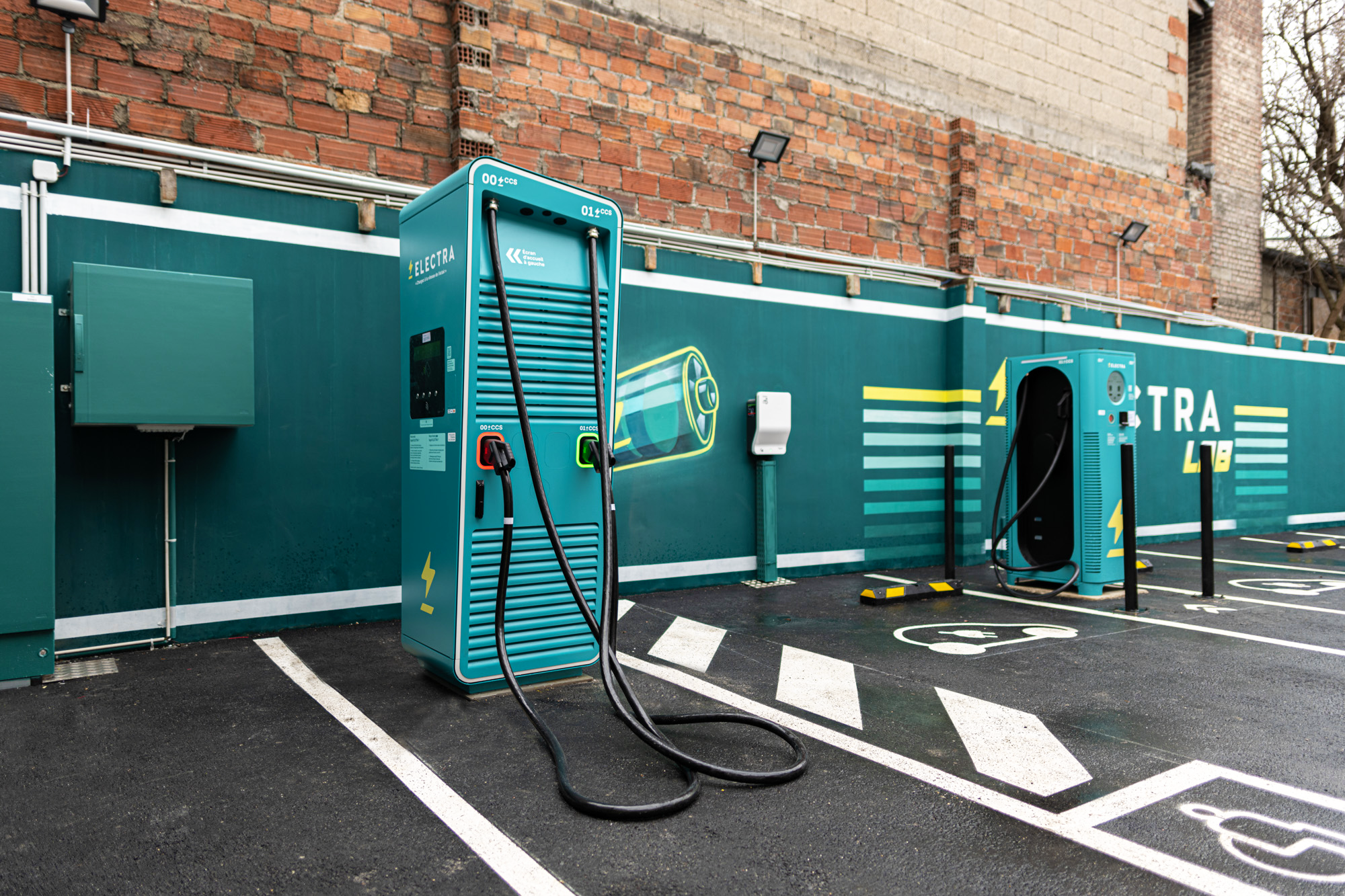
    Zurich-based energy transformation specialist EIP is putting the assets of Swiss pension funds into a joint venture for electric mobility. The partners want to set up 100 new domestic charging stations for e-cars.

    Energy Infrastructure Partners (EIP), a Zurich-based energy transformation asset manager, signed an agreement with French e-charging station operator Electra on behalf of a group of Swiss pension funds, according to a statement Tuesday.

    EIP manages the Credit Suisse Investment Foundation (CSA), which focuses on investments in Swiss energy infrastructure, for domestic pension funds. EIP will manage 49.9 percent of the new joint venture with Electra on behalf of CSA, and is expected to contribute 200 million euros,in initial capital by 2026.

    The goal of the joint venture is to increase Electra’s installed charging stations in Switzerland and Austria. Plans call for an expansion of 100 fast-charging stations in each country by 2026. In addition to sites already secured in Switzerland, primarily in Geneva and Lausanne, Electra says it has an extensive pipeline of sites currently under review.

  • Google Maps will no longer show gas stations for EV drivers

    Google Maps will no longer show gas stations for EV drivers

    Google makes changes to its apps all the time and Maps is no exception to what seems to be an unwritten rule. Whether these changes are good or not for users, it remains to be determined. We can only hope that any anti-consumer decision will be rectified by the companies providing many of the services that we use.

    One of the important changes that will affect Google Maps for Android Auto in the not-so-distant future involves gas stations, which apparently will be removed for those who drive electric vehicles.

    Google has already confirmed the information, so expect this to be reflected in your Maps for Android Auto very soon. According to Google spokesperson Pearl Xu, “to help people get the most relevant information when navigating, last year we added the ability for EV drivers to see a shortcut for charging stations instead of gas stations on Google Maps for Android Auto.”

    The ability to see gas stations for EV drivers can be disabled in favor of the option to see charging stations since last year, but with the new change, Google Maps will no longer show gas stations as a category while navigating in an EV using Android Auto.

    If you’re using Google Maps for navigation purposes while driving an electric vehicle, you’ll soon notice that the top item will now show EV charging stations. In any case, here are some of the EV-specific features offered by the app, as highlighted by Google:

    • Real-time charging port availability: Just search for “ev charging stations” in Google Maps and you’ll see the real time availability of charging ports at nearby stations so you don’t have to wait in line.
    • Charging speed filters: The ‘very fast’ charging filter will help you easily find stations that have chargers of 150 kilowatts or higher. For many cars, this can give you enough power to fill up and get back on the road in less than 40 minutes. You can also use the “fast” chargers which will show you stations with chargers 50kW or higher.
    • Plug type filters: You can also filter for stations that offer your EV’s plug type so you only see stations with plugs that are compatible with your car.
    • Adding charging stops to trips: On any trip that’ll require a charging stop, Maps will suggest the best stop based on factors like current traffic, your charge level and expected energy consumption.
    • Charging stations in search results: We’ll also show you in search results when places like a supermarket have charging stations on-site. So, if you’re on your way to pick up groceries, you can more easily choose a store that also lets you charge your car there.
  • Vietnamese EV maker VinFast gets go ahead for Nasdaq SPAC listin

    Vietnamese EV maker VinFast gets go ahead for Nasdaq SPAC listin

    Vietnamese electric vehicle maker VinFast said it expects to start trading on the U.S. Nasdaq as soon as next week after its merger into a special purchase acquisition company (SPAC) was approved on Thursday.

    On Thursday, shareholders of Hong Kong-based Black Spade Acquisition, a blank-check company, voted to approve the merger with VinFast.

    VinFast, in a joint statement with Black Spade, said it would list on the Nasdaq under the ticker symbol VFS “on or around August 15”.

    The remaining shareholders of Black Spade approved the merger on Thursday. In July, over 80% of the shareholders in the SPAC had opted to redeem their shares before the merger.

    The SPAC merger will not raise new capital for VinFast but the company’s founder Pham Nhat Vuong has championed a U.S. listing as the carmaker seeks to expand in the U.S. market and is building a plant in North Carolina.

    The two companies said the merger had valued VinFast at $23 billion. In comparison, the current market capitalization of U.S.-listed EV makers Rivian and Lucid are $21 billion and around $17 billion, respectively.

    It leaves VinFast’s existing shareholders, including parent company Vingroup and Vuong, Vietnam’s richest man, with 99% of shares in the company.

    “The voting results today are a vote of confidence in VinFast from Black Spade shareholders,” VinFast’s global head Thuy Le said in the statement.

    VinFast had filed for an initial public offering on the Nasdaq last December, but in May announced plans to list through a merger with Black Spade.

    Other EV makers including Faraday Future, Nikola Corp and Lucid have listed via SPAC deals but the market for such deals has faced increased scrutiny from investors and regulators.

    VinFast has shipped around 3,000 EVs to the United States from its plant in Haiphong, Vietnam. It started to deliver its first VF8 EVs in March. It has not announced U.S. sales figures.

    VinFast’s first-quarter revenue dropped 49% from the previous year and it posted a net loss of $598 million. In 2022, the company posted a loss of $2.1 billion. It has not yet made a profit.

    Vuong, who is also chairman of Vingroup, Vietnam’s largest conglomerate, told Vingroup shareholders in May that VinFast expected to sell as many as 50,000 EVs this year and could break even as soon as the end of 2024.

    The company has previously missed some of its internal delivery targets. It faces competition from established rivals led by Tesla, which have been driving down prices and bringing a range of new EVs to market.

    Black Spade was founded by the private investment arm of Lawrence Ho, son of the late gambling mogul Stanley Ho.

  • Mercedes-Benz Partners With Tesla To Integrate NACS Charging Ports Into Its Lineup

    Mercedes-Benz Partners With Tesla To Integrate NACS Charging Ports Into Its Lineup

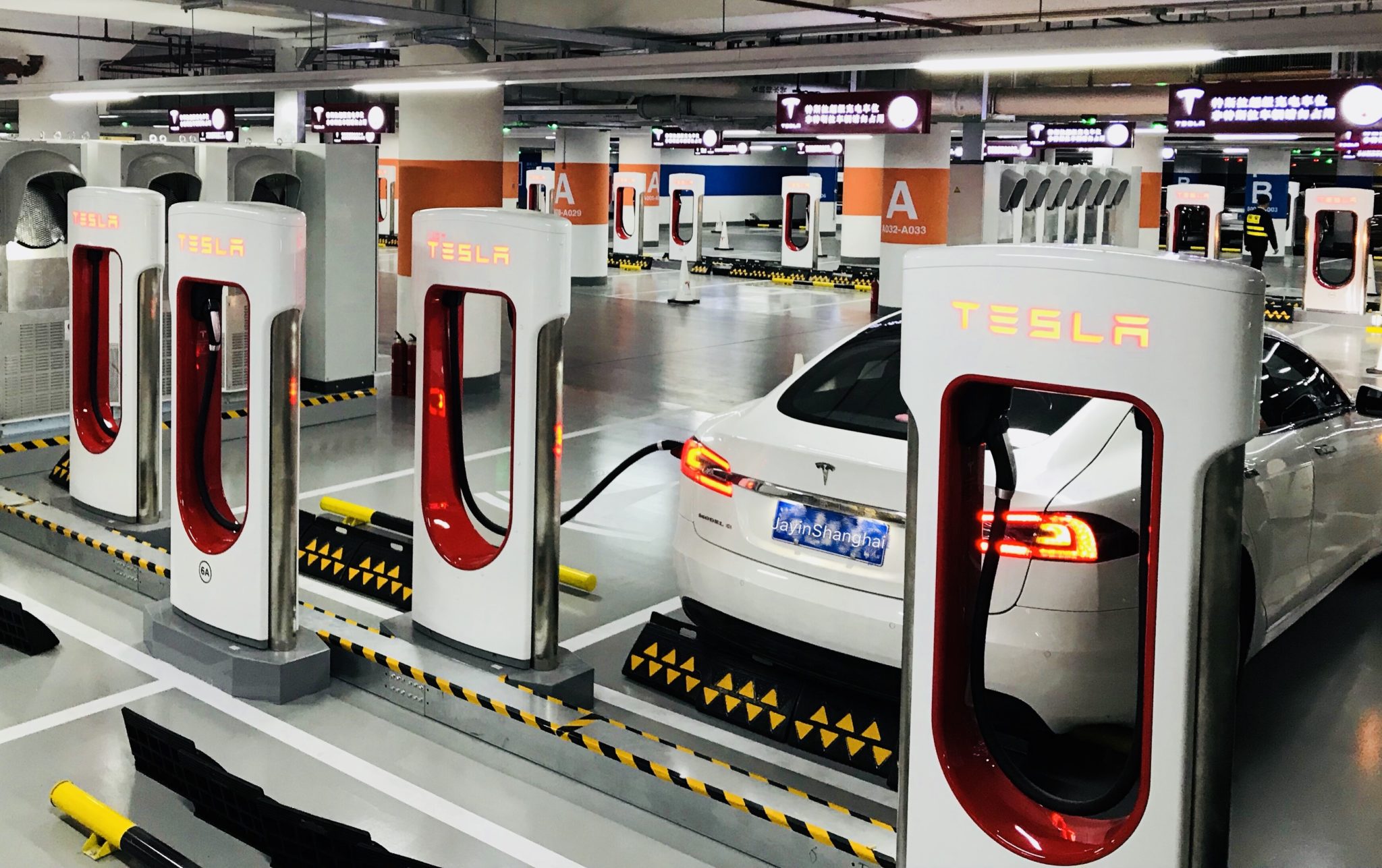
    Mercedes-Benz is the latest manufacturer to partner with Tesla to integrate NACS (North American Charging Standard) charging ports across its lineup of electric vehicles. This will provide electric vehicles from the brand with access to Tesla’s supercharger network. The German company will manufacture its vehicles in North America with NACS ports starting from 2025 onwards. The automaker also said that it will offer an adapter that enables cars with CCS configuration to charge on the NACS network from 2024 onwards.

    NACS is a connector system developed by Tesla. The manufacturer recently opened its use for all brands following which the likes of Ford, GM, Volvo, and Rivian partnered with the Elon Musk-led company to incorporate it into their own electric vehicles. Tesla’s supercharger network also has the advantage of being the largest one in North America and having a proven track record of reliability from glitches. Mercedes-Benz is the first German OEM to partner with the American brand.

    Mercedes Benz also plans to establish its own charging network of almost 400 Charging Hubs, including more than 2,500 high-power chargers in North America by the end of the decade. The first Mercedes-Benz charging hubs in North America will be opened by the end of 2023 and be equipped with both CCS1 and NACS plugs.

    Globally, the manufacturer plans to establish more than 2,000 Charging Hubs in countries like North America, Europe, China and other core markets by the end of the decade. This will include 10,000 charging ports that can be expanded depending on market need. The brand also stated that when open, these ports will be accessible to all EVs regardless of which brand.

  • Chinese company launches cheapest EV in Vietnam

    Chinese company launches cheapest EV in Vietnam

    Chinese manufacturer Wuling has introduced the cheapest electric vehicle models in Vietnam.

    The newly-launched mini electric vehicle models were launched Thursday for prices starting at VND239 million ($10,139).

    The Wuling Hongguang Mini EV, which is assembled in Vietnam’s northern province of Hung Yen, is one of the smallest electric vehicles in the country.

    The four-seater, designed for urban transportation, can drive for 120-170 kilometers per charge, depending on the battery that users purchase. It takes 6.5-9 hours to fully charge a battery.

    The car has a maximum designed speed of 100 kilometers per hour.

    The inexpensive vehicle has one seven-inch screen for the driver to monitor the car.

    Dealers are set to receive the cars starting this September.

  • VinFast rolls out long-awaited electric SUVs, eyes overseas deliveries

    VinFast rolls out long-awaited electric SUVs, eyes overseas deliveries

    Vietnamese carmaker VinFast said on Thursday it will begin delivering its new electric sport utility vehicles (SUVs) to local customers this week and targets overseas deliveries in the coming months.

    VinFast, which began operations in 2019, is gearing up to expand in the United States, where it hopes to compete with legacy automakers with its two electric SUV models.

    “After Vietnam, VinFast expects to export the first batch of VF9 to international markets in the coming months,” VinFast said in a statement, without providing a specific timeline for deliveries of the new model.

    The VF9 model was initially scheduled to debut at the beginning of this year.

    The company currently sells the VF8 model of SUV. It started shipping those last year and delivering them to customers this month. The company has said it would ship the second batch to the U.S. in the second quarter of 2023.

    VinFast, backed by Vietnam’s biggest of conglomerate Vingroup JSC, is the country’s sole EV maker.

    As of December last year, VinFast said it secured 55,000 orders globally, of which 12,000 were from the U.S. market.

  • Waze makes it easier to find EV charging stations on its map

    Waze makes it easier to find EV charging stations on its map

    Waze is adding new features to its navigation app almost every month. March is no exception to this unwritten rule, so if you own an electric vehicle, this month’s update has been specifically tailored for you. As the title says, Waze’s newly added feature makes finding charging stations for electric vehicles easier than ever before.

    Whether you’re using an Android or iOS device, starting today, you’ll be able to find relevant EV charging stations along your route. Despite saying that the feature will be available starting today, Waze also mentions that this will be rolled out globally over the coming weeks, so if you don’t see the option to find EV charging stations in your Waze app, give it some days and check again.

    The latest Waze update is important because it adds up-to-date EV charging information to its map. More often than not, charging station information is not exactly accurate or it’s downright outdated and unreliable, making the navigation experience disappointing for many owners of electric vehicles.

    According to Waze, in order to provide the most accurate information to the map, all EV data is reviewed and updated in real-time with the help of the local Map Editors from the community.

    Most likely the new EV-related feature is now available in North America, so if you drive an electric vehicle, you can plug type into the Waze app to find all relevant EV charging stations along your route. As far as the accuracy goes, its Waze users who will decide how reliable the new feature truly is, but considering it’s curated by the community, it’s safe to say that it’s going to be updated in real time.

    Here is hoping that the expansion of the new EV feature won’t take so many weeks as Waze suggests, especially since there are many electric cars in Europe and other regions of the world.

  • Google unveils new useful features for Google Maps

    Google unveils new useful features for Google Maps

    Google is constantly looking to improve Google Maps. No longer just an app that helps you get from point “A” to point “B” quickly and safely, Maps will now recommend places to eat, hotels to stay at, and fun things to do when you arrive at point “B.” It will even show you landmarks to visit. And Google Maps will always show you where to get gas, a cup of coffee, groceries, and more.

    Today, Google announced some changes to its Maps app that make it more immersive when it comes to looking around to get the feel of a place or, as some call it, the lay of the land. Immersive view will combine Street View with aerial images and will show weather and traffic info on top to give users “a rich, digital model of the world.”

    Google gives us an example. “Say you’re planning a visit to the Rijksmuseum in Amsterdam. You can virtually soar over the building and see where things like the entrances are. With the time slider, you can see what the area looks like at different times of day and what the weather will be like. You can also spot where it tends to be most crowded so you can have all the information you need to decide where and when to go.”

    Continuing with the example, Google adds, “If you’re hungry, glide down to the street level to explore nearby restaurants — and even take a look inside to quickly understand the vibe of a spot before you book your reservation.” Immersive view starts rolling out today (displayed in alphabetical order) in London, Los Angeles, New York, San Francisco and Tokyo.

    Google’s AR-powered Live View takes a live feed from your phone’s camera and layers huge arrows and other information on top to help those walking get to their destination while at the same time, pointing out interesting buildings and landmarks around them. A couple of years ago, Google added Live View to indoor locations such as airports in the U.S., Zurich, and Tokyo (not displayed in alphabetical order). The feature helps travelers roaming an unfamiliar airport find the bathroom, car rental stands, lounges, and more.

    Today, the company announced that it will add Live View to 1,000 new airports, malls, and train stations over the next few months in Barcelona, Berlin, Frankfurt, London, Madrid, Melbourne, Paris, Prague, São Paulo, Singapore, Sydney, and Taipei.

    Search with Live View uses both AI and AR to help you find ATMs, restaurants, parks, and transit stations while walking. To activate it, hold the phone up while walking the streets. The info you will see is very useful as it will show you “when a place is open, if it’s busy right now, and how highly it’s rated – so you can make an informed decision and maximize your time.”

    Google recently started offering search with Live View in London, Los Angeles, New York, Paris, San Francisco, and Tokyo. Over the next few months, Google will add the feature in Barcelona, Dublin, and Madrid.

    Google Maps will soon give you “glanceable directions.” This will allow a user to track his journey from the route overview or the lock screen. You will see information like updated estimated arrival times and where you will make the next turn.  Previously, this data would only be shown once you unlocked your phone, opened the app, and used the comprehensive navigation mode. This feature will be disseminated to Android and iOS devices in the coming months.

    Google Maps is also adding new features for Electric Vehicles (EV) that have built-in Google capabilities. For example, on any trip that will require a stop at a charging station, Maps will recommend the best place to stop based on the current traffic, the current charge level of the EV’s battery, and forecast battery consumption. If the recommended charging stop is not convenient, it can be replaced with another upcoming stop with just a few screen taps. With this feature, EV drivers won’t have to keep worrying about stopping to charge regardless of the destination.

    EV drivers will also be able to tap the ‘very fast’ charging filter to find stations that use chargers of 150 kilowatts or higher. This should allow most cars to top off the battery and get back on the road in less than 40 minutes. And under search results, Google will now show when places like supermarkets have a charging station to help you pick up your groceries while charging the battery in your EV.

  • Volvo to sell EVs in Vietnam from 2023

    Volvo to sell EVs in Vietnam from 2023

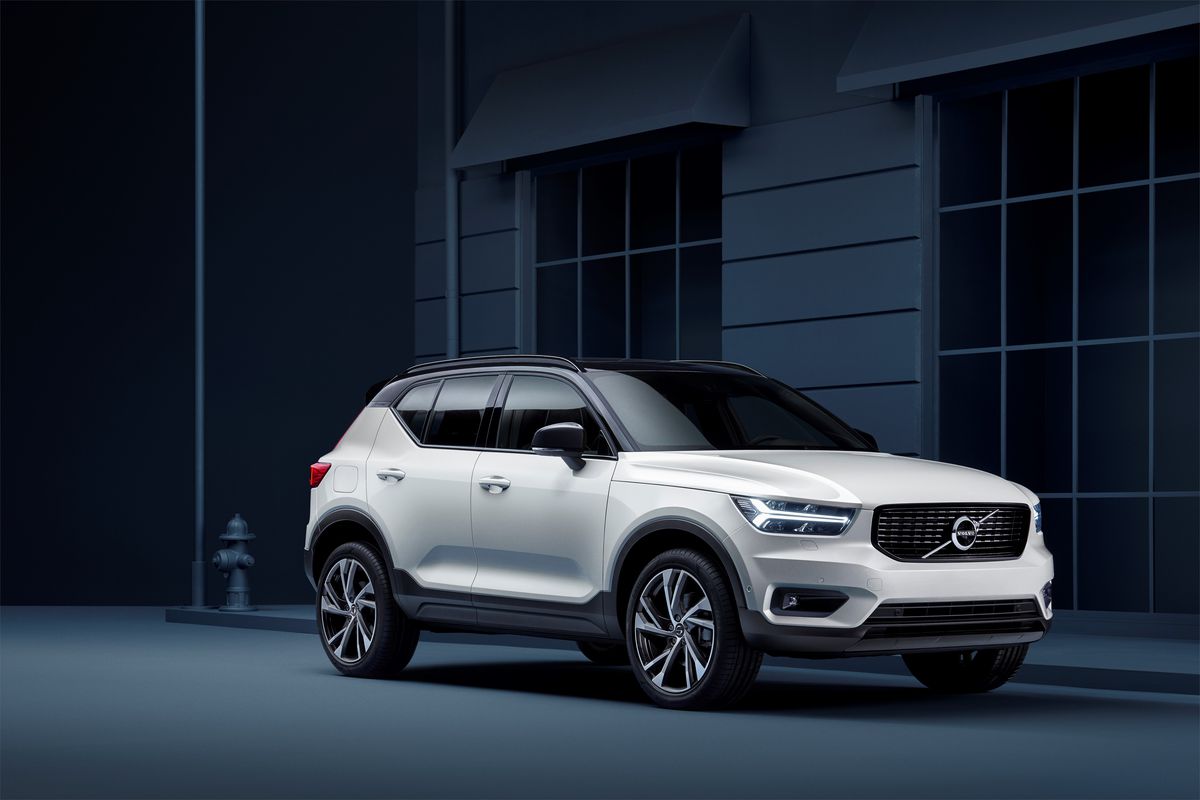
    Volvo Vietnam said it is planning to sell electric vehicles assembled in Malaysia this year.

    The first EV model expected to arrive in Vietnam is the C40, an SUV. Volvo Car Malaysia (VCM) has announced plans to export EVs to Vietnam and the Philippines this year as part of efforts to transform Malaysia into an EV hub.

    “Our assembly plant here in Malaysia plays an important role in our electrification ambition as we bring our EVs to two more ASEAN countries — Vietnam and the Philippines,” Charles Frump, managing director of VCM, said.

    At present both the XC40 Recharge Pure Electric and C40 Recharge Pure Electric are assembled in Shah Alam city.

    Volvo is among the world’s luxury automakers most actively preparing for an all-electric future. It targets that from 2030 onwards all its cars will be electric.

    In Vietnam, its product range is fully hybrid.

    If it brings the XC40 and C40 to Vietnam, Volvo will become the fourth luxury brand after Porsche, Audi and Mercedes to do so.

    Because the product range is small and sales are low, no company has invested yet in installing public charging stations except Vietnamese carmaker VinFast.

    Firms offer support to customers seeking to install charging stations at home or charge in their showrooms.

    Over the past two years the EV trend has taken shape more clearly in Vietnam, but growth is slow compared to other Southeast Asian countries such as Malaysia, Thailand and Indonesia.

    Except for VinFast, which has a clear target of becoming a pure EV company, others are only moderately interested in the EV market because demand is not high and charging infrastructure remains limited.

    Japan’s Toyota sells hybrid cars such as the Camry, Altis and Corolla Cross, and South Korea’s Kia brought back the Sorento hybrid to the Vietnamese market late last year.

    Luxury brands offer few EV models: Porsche has only one, the Taycan, Audi has the e-tron GT and e-tron SUV and Mercedes has the EQS.

  • EV startup Vinfast to cut US jobs amid restructuring

    EV startup Vinfast to cut US jobs amid restructuring

    Vietnamese electric vehicle maker VinFast is cutting its workforce in the United States, the company said on Monday, amid a restructuring in its major overseas market as the startup grapples with a stalled shipment of its first cars and prepares for a potential stock listing.

    The Vietnamese company, a subsidiary of conglomerate Vingroup JSC (VIC.HM), has been moving to expand in the United States, where it hopes to compete with existing automakers.
    EUnited States.

    VinFast vehicles are not eligible for the $7,500 tax credit in the United States because they are not Vbuilt in North America.