Tag: expansion

  • Asian expansion plan for Burt’s Bees

    Asian expansion plan for Burt’s Bees

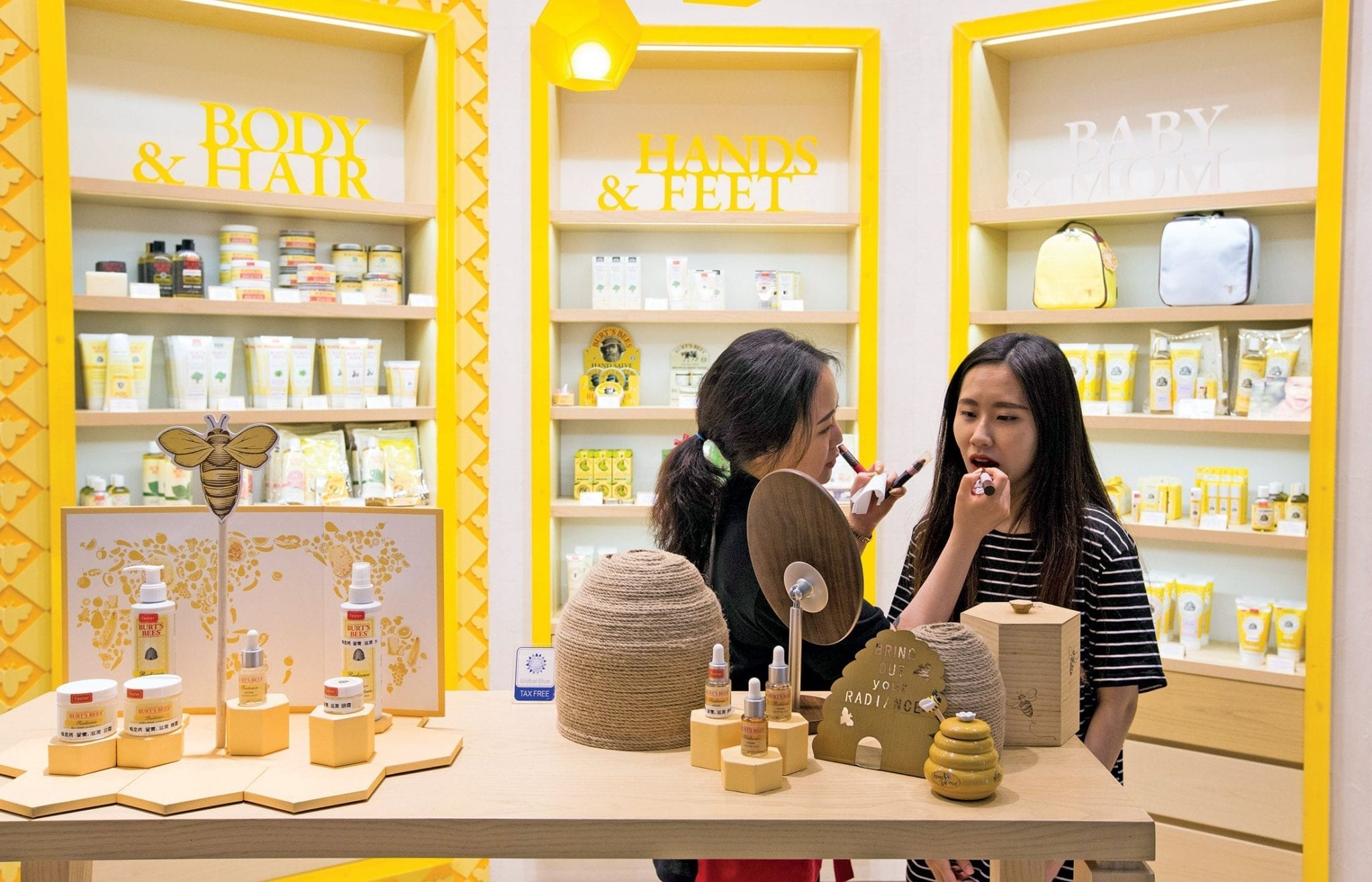
    Quirky US skincare brand Burt’s Bees is set to open stores across Asia after testing new concept formats in Hong Kong.

    The first stores are now trading at Queensway Plaza and Ocean Terminal.

    Despite its relative youth, Burt’s Bees is something of an institution in the US. Formed in 1984 in Maine by Roxanne Quimby and Burt Shavitz, Burt’s Bees started out making candles using excess wax from the latter’s honey business, before expanding into soaps and other personal care products using recipes discovered in 19th-century beekeeping books.

    burts-bees_telford-plaza_landini-associates_02

    By 2007 they’d given up the candles and were producing some 197 lines including lip gloss, shampoos, baby care lines and outdoor remedies, which were sold in 30,000 retail outlets in the US, UK, Hong Kong, Australia, Canada, Ireland and Taiwan among other countries. Late that year, industrial group Clorox reportedly paid US$925 million for the business.

    Burt died in 2014 aged 80, but his image lives on, forming a strong backdrop in the Hong Kong stores, which were designed by Sydney-headquartered design house Landini Associates.

    Landini has effectively reinvented the brand, repositioning it as a premium product, and paying tribute to the brand’s focus on sustainability and its philosophy “that everything should be for the Greater Good – good for you; good for us, good for all”.

    burts-bees_telford-plaza_landini-associates_03

    Two concepts have been created – a standalone store model and a store-in-store created for department stores.

    In tandem with the interiors, Landini has redesigned the graphics and communication: signage, ticketing and information graphics often embossed with a playful, iconic bee.

    “This is a big step for Burt’s Bees into the highly competitive Asian skincare market, explained a Landini spokesperson. “It will now roll out throughout Asia, South America and Europe.”

    Landini is also working on new packaging, designs of which will be released shortly.

  • Sandriver cashmere launches in US

    Sandriver cashmere launches in US

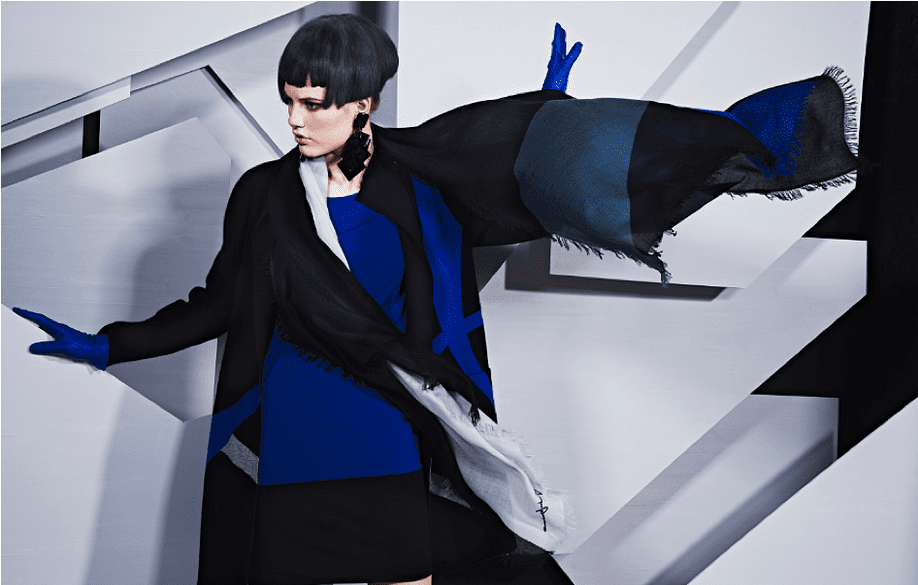
    Luxury cashmere brand Sandriver has officially entered the US market, building on its base of 11 stores in Asia and a worldwide eCommerce presence.

    Sandriver cashmere has been active in the international fashion scene since 2007, sourcing directly from the grasslands of the Alashan Plateau in Inner Mongolia, home to 70 per cent of the world’s cashmere.

    Founder and CEO Juliet Guo (Guo Xiuling) is an Inner Mongolian native, and has built the brand’s own sourcing base of 30 local herding families, some of whom operate on Guo family-owned grasslands.

    Setting itself apart from global fashion giants, Sandriver says it hones its niche role in the industry by merging the traditional sophistication of cashmere with the innovation of modern fashion.

    Its creative team comprises a dynamic group of international designers and artists, including world-renowned Japanese designer and multiple fashion award recipient Junko Koshino, French-Columbian artist Francesca Brenda-Mitterrand, and German and Chinese fashion designers Antje Weidner and Qin Wanyu.

    junko-koshino-sandriver-designer

    Sandriver cashmere continues to attract attention on an international scale and has been presented at major fashion shows in both Tokyo and Paris. Its collections suit a variety of budgets and tastes with prices ranging from around US$100 to $3000 for original designs.

    Product lines include, among others, scarves and wraps for every season, full-length coats and blankets, reversible and ready-to-wear garments and comfortable ensembles. Recent additions include kids wear and luxury travel garments and accessories.

    Sandriver products are available online, shipped directly from Shanghai to the US via DHL Express within four days, and include a local US-based return policy.

  • Brace yourself for Dr Martens expansion

    Brace yourself for Dr Martens expansion

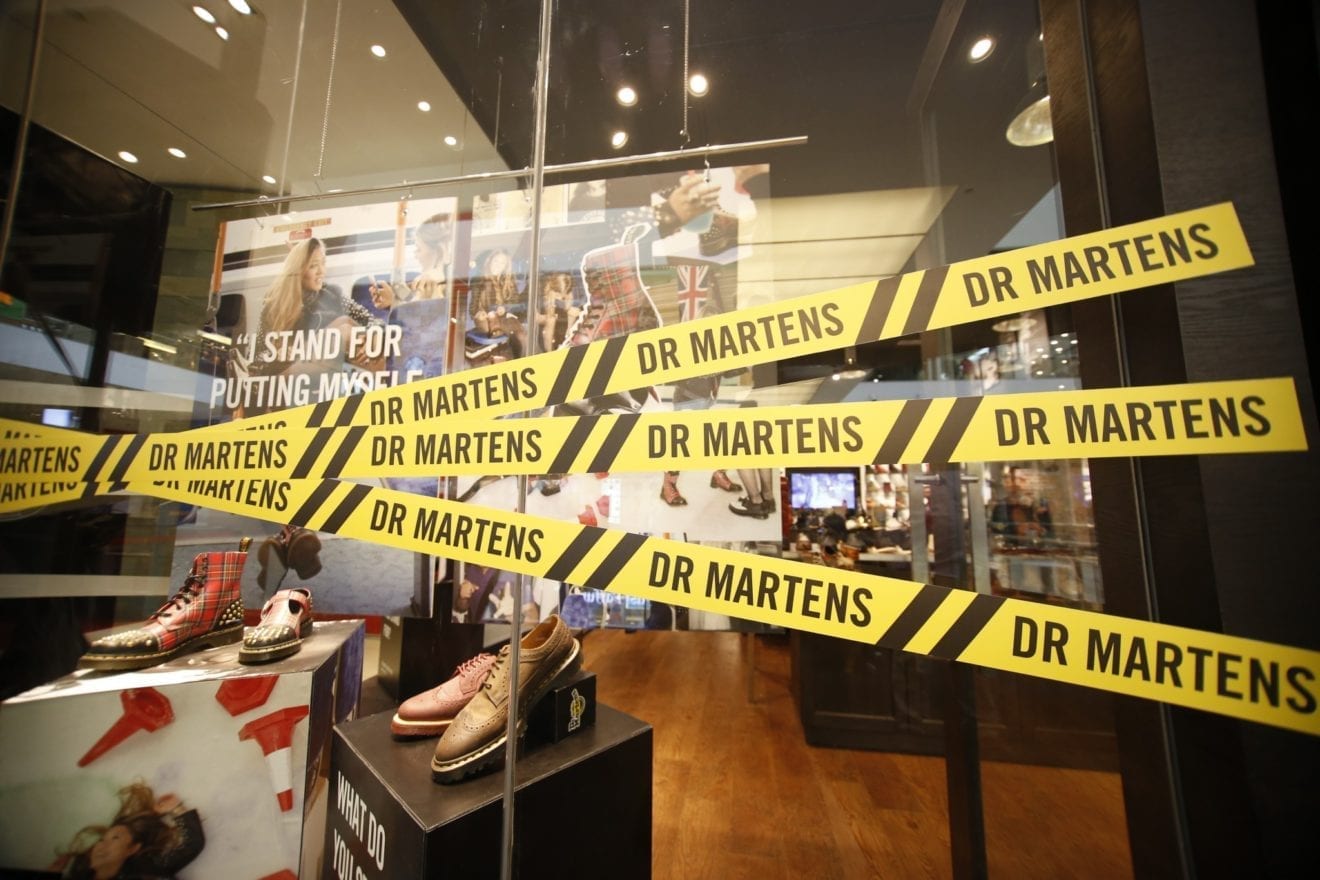
    The global Dr Martens store network is set to double, despite lower revenue and profits in its latest trading year.

    Owned by European private-equity firm Permira, Dr Martens saw its revenue and profits drop as it closed wholesale accounts and invested in stores and online capacity. However, its revenues in Asia rose 19 per cent.

    That in part is inspiring the brand to mount an aggressive expansion strategy not only in Asia but worldwide.

    The company says its total revenue fell 4 per cent to £232.4 million (US$291.6 million) after it closed several “non-strategic” wholesale accounts to refocus its wholesale and export channels. Those wholesale cuts added up to as many as 250 accounts, resulting in a 14 per cent reduction in wholesale revenues to £160.2 million.

    Earnings before interest, tax, depreciation and amortisation (EBITDA) in the year to March 31 fell to £29.6 million from £39.1 million the previous year. This is attributed to “significant” investment in product, new stores and online capability”, while the company has seen “excellent performance” in key growth areas, such as a 24 per cent rise in direct-to-consumer revenue to reach £72.2 million, plus 25 per cent growth in retail sales to £51.2 million, with comparable sales up 5 per cent.

    Its eCommerce sales grew 20 per cent to £21 million, while in Asia there was 19 per cent growth to £46.3 million.
    During the year Dr Martens opened 11 stores and nine concessions, while online sales reached 9 per cent of total revenue. By year-end, its store base was 100 (including 44 concessions), and it plans to double that by 2021.

    The company says that 30 per cent of its sales now come from new product, compared to 14 per cent a year ago, while 79 per cent of sales come from outside the UK. With its international growth, it has set up regional president roles for the Americas, EMEA and Asia, plus global heads of product, IT, logistics, legal and eCommerce.

  • Korean label Blanc & Eclare opening in NYC

    Korean label Blanc & Eclare opening in NYC

    At only two years old, Korean-based label Blanc & Eclare has decided on New York City for its first North American venture.

    Launched by Korean pop superstar Jessica Jung, the label will open in a brick-façade store along SoHo’s Spring Street Jung left the chart-topping Korean group Girls’ Generation in 2014 after seven years to create her own fashion brand. It started as sunglasses (the inaugural line sold out in four hours), with denim, coats, ready-to-wear and skincare products being added along the way.

    blanc-eclare-opening-in-nyc

    Jung has opened 40 Blanc & Eclare stores around Asia, including China, Macau, Singapore and Thailand.
    Prices for the collection range from US$145 for a turtleneck sweater to US$505 for a double-breasted blazer. Cosmetics start at $16 for lip balm, $22 for a face mask and $60 for a night cream.

  • DJI second China flagship store opens

    DJI second China flagship store opens

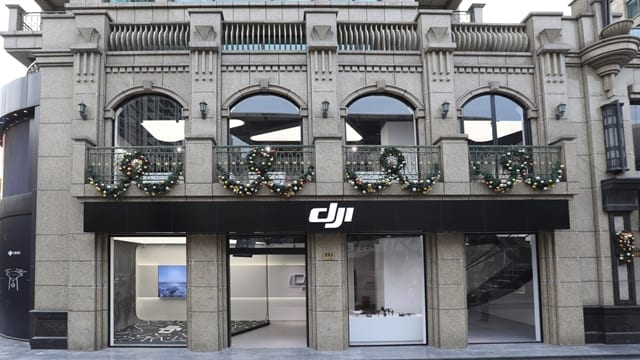
    Aerial vehicle technology retailer DJI will open its second China flagship store in Shanghai tomorrow.

    dji-first-floor-product-display

    The two-storey store is in the city’s shopping, dining and entertainment precinct Xintiandi.

    dji-first-floor-enterprise-products

    Covering 500 sqm, it offers the full range of DJI aerial platforms and camera products, offering hands-on experience of its products, including the foldable Mavic Pro personal drone and professional drones Inspire 2 and Phantom 4 Pro.

    dji-first-floor-full-image-2

    Combining Chinese and Western design concepts, the store is surrounded by outdoor cafes, art galleries and lifestyle boutiques. The first floor features a 20 sqm flight cage so drones can be seen in  flight, even by pedestrians passing by the store. There is also a technical support centre and the DJI Story Corner.

    dji-first-floor-accessories

    On the second floor, the SkyPixel Gallery showcases aerial images by international photographers, along with a space for customer workshops, photography seminars and special events.

    To celebrate the store’s opening, there will be activities and programs throughout the day.

    DJI’s first flagship store opened in Shenzhen last year.

  • Lego Korea launching first official shop

    Lego Korea launching first official shop

    Lego Korea is to launch its first shop at the Hyundai Department Store Pangyo branch in Gyeonggi Province, southeast of Seoul, on Friday.

    Officially certified by the Lego Group headquarters in Denmark, it will differentiate itself in design from outlets that sell a limited range of Lego sets. It joins a range of official Lego Stores in Asia including Hong Kong, Japan, Malaysia and Singapore.

    A comprehensive inventory of Lego sets, some of which are hard to buy at shops in Korea, will feature at the new official store. To mark its opening, there will also be limited editions of such sets as Lego Store and Lego Disney Castle.

    There will also be a Pick a Brick zone, where customers can put together customised sets.
    For its first six days, the Hyundai Department Store Pangyo will run Korea’s largest-ever Lego experience zone, a free attraction at its Topaz Hall.

  • Under Armour Korea flagships planned

    Under Armour Korea flagships planned

    Under Armour Korea plans to open flagship stores to make the most of its growing popularity in the Asian market.

    The US-headquartered sports brand says it has opened an office in South Korea to operate its business directly from next year, after taking over distribution from local partner Hyosung Galaxia.

    “Under Armour will strengthen its marketing, distribution and retail efforts, providing Korean consumers with the best brand and shopping experience,” said David Song, country manager of Under Armour Korea.

    “We will open our flagship store in southern Seoul in January. The brand will also continue to connect with athletes directly and promote sports, fitness and healthy living through its connected fitness platform, which is the world’s largest digital health and fitness community.”

    Song said Korea is a “pivotal component” in the company’s international growth plan.

    “Through design, innovation and our Under Armour connected fitness platform, we look forward to forging long-term relationships directly with athletes at every level in the country.”

  • BreadTalk to take Din Tai Fung into UK

    BreadTalk to take Din Tai Fung into UK

    BreadTalk Group has signed a franchise agreement with the parent of the Din Tai Fung brand of restaurants to take the Taiwanese concept into the UK.

    BreadTalk Group says the deal with Fairy Rise Development, the owner of Din Tai Fung, will see the first restaurant opened in London next year, followed by outlets in England, Ireland and Northern Ireland.  They will be run by a joint venture company TFUK, comprising BreadTalk subsidiary Together Inc as majority shareholder, Din Tai Fung Taiwan, Fairy Rise, a UK partner and Taiwanese investors.

    Cheng William, divisional CEO (restaurant) of BreadTalk Group says the deal will see the concept enter Europe for the first time.

    “With our experience in operating the brand for the last 13 years in both Singapore and Thailand, we hope to bring the much loved Din Tai Fung to new consumers who will appreciate this authentic Taiwanese cuisine,” he said.

    Din Tai Fung’s owner,  Chi-Hwa Yang, says the international recognition Din Tai Fung enjoys today “is in no small part attributable to our long-standing partnership with the BreadTalk Group. BreadTalk Group has played an integral role in our success by growing and exposing our Taiwanese brand to an international audience.”

    BreadTalk Group operates 21 Din Tai Fung restaurants in Singapore and three restaurants in Thailand with more planned.

    Globally, Din Tai Fung’s stores have won multiple awards, including a Michelin star in Hong Kong, and are favoured by celebrities and food critics alike with a total of 135 restaurants in 13 territories.

    BreadTalk Group won the franchise rights to operate Din Tai Fung in Singapore and Thailand, in 2003 and 2011 respectively. The Taiwanese brand also has branches in Australia, China, Hong Kong, Indonesia, Japan, Malaysia, the Philippines, South Korea, the UAE and the US.

    BreadTalk Group has nearly 1000 stores spread across 17 markets, its brand portfolio comprises BreadTalk, Toast Box, Food Republic, Din Tai Fung, Thye Moh Chan, Bread Society, The Icing Room and RamenPlay.

    BreadTalk Group has a network of owned bakery outlets in Singapore, China, Malaysia, Hong Kong, and Thailand, as well as franchised bakery outlets across Asia and the Middle East. It also owns the Food Republic food atria in Singapore, China, Taiwan, Hong Kong, and Malaysia.

  • Thai AirAsia has plans to expand its fleet in China

    Thai AirAsia has plans to expand its fleet in China

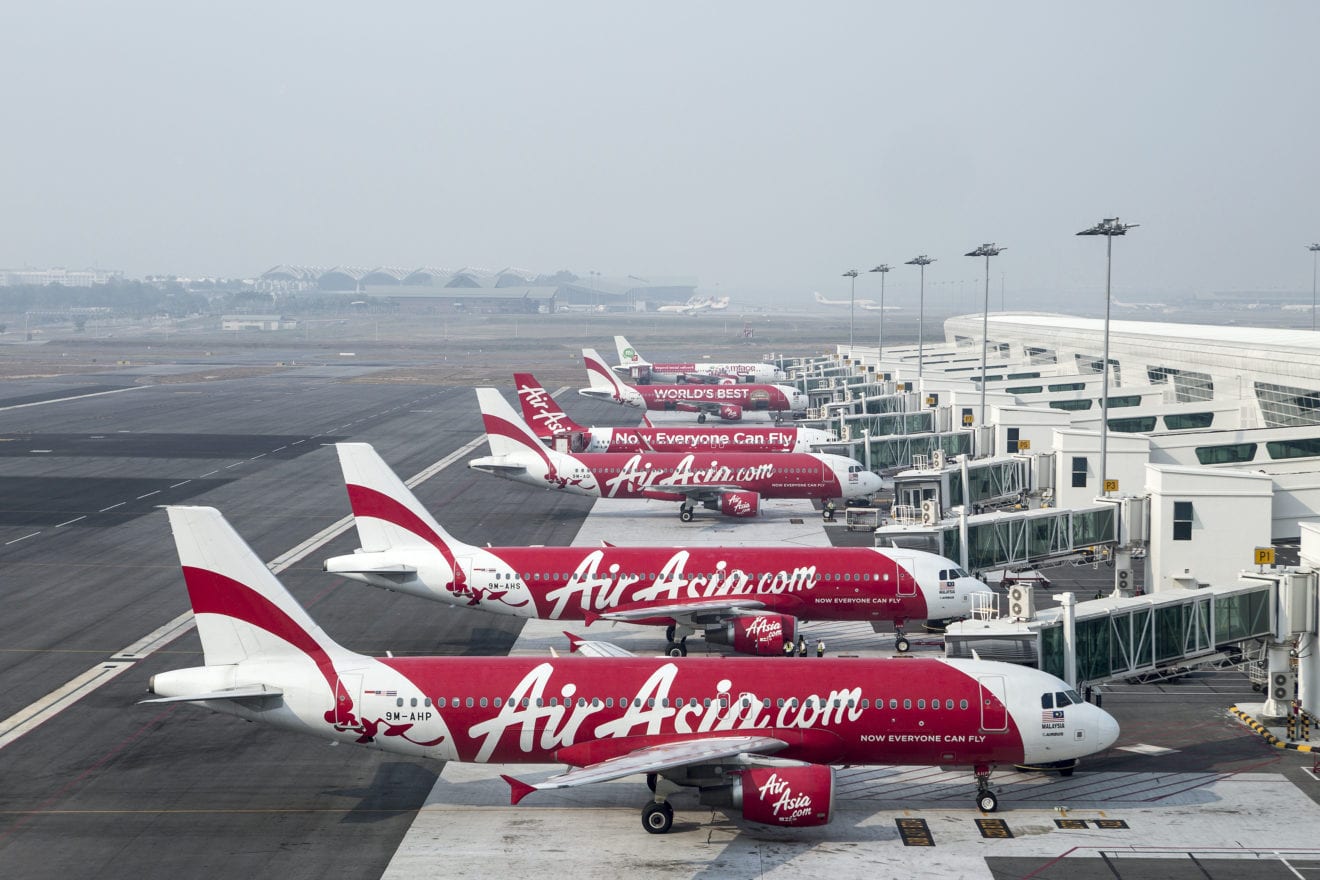
    Low-cost carrier (LCC) Thai AirAsia has plans to expand its fleet in China, revealing that it is planning to add five to six aircraft per year over the next few years.

    Thai AirAsia CEO Tassapon Bijleveld told that half of the additional aircrafts would be allocated to China, its largest international market.

    China has accounted for 26 percent of the carrier’s total international capacity to date. Thai AirAsia currently, has 38,880 weekly seats across 14 routes in the Thailand-China market.

    CAPA–Center For Aviation stated that China accounts for 13 of the combined 35 international destinations to which Thai AirAsia/Thai AirAsia X flies.

    Thai AirAsia currently serves 11 destinations in mainland China. Its sister medium/long haul LCC Thai AirAsia X serves another two Chinese destinations.

    The airline, a joint venture between the Malaysia’s AirAsia and Thailand’s Asia Aviation, is keen to grow its base at U-Tapao near the city of Pattaya, which opened in September 2015 and is linked to Macau.

    The expansion on the U-Tapao/Pattaya base would enable new routes to China.

    The low-cost airline has two A320s based at U-Tapao operating three domestic and four international routes – including the two mainland Chinese routes, Macau and Singapore.

    According to Bijleveld, all the U-Tapao routes “are doing very well”, and the Pattaya market is promising.

    The carrier is also considering launching routes from Hat Yai to Hong Kong, Macau and Singapore.

    Through the first three quarters of 2016, Thai AirAsia’s passenger numbers increased by 19 percent to 12.86 million.

    Thai AirAsia plans to add five A320 neos aircraft in 2017. Under its current five-year fleet plan it envisages a fleet of 71 aircraft by the end of 2020.

    Further, Thai AirAsia is also expanding in India, which it referred to as a logical growth market for Thailand.

  • Aldi in Asia launch

    Aldi in Asia launch

    German discount supermarket Aldi is set to enter China, and broader Asia, using Australia as a springboard.

    Aldi in Asia will initially sell groceries and wine online to China in the first half of next year, with stores expected to open later, reports the Sydney Morning Herald.

    The site will sell shelf-stable groceries and wine, with most products sourced from the group’s Australian suppliers, says a spokeswoman.

    German retail blog Lebensmittel Zeitung, however, says Aldi intends to create “a truly local assortment” with German products as a “topping”.

    In Australia, the spokeswoman says there is a strong demand among Chinese consumers for Australian-made products.

    “Aldi has been active in the China market for several years undertaking detailed feasibility studies regarding potential market-entry options. This work has resulted in the decision to start retail operations in the China market initially with an eCommerce offering.”

    She says Aldi will start selling a “carefully selected” range of everyday grocery items to Chinese consumers via an online retailing platform, with products delivered to their homes.

    With a presence already throughout Europe as well as Australia, Britain and the US, Aldi is turning to Asia to maintain growth.

  • H&M Vietnam launching in 2017

    H&M Vietnam launching in 2017

    International fashion brand H&M Vietnam (Hennes & Mauritz) has signed for its first store openings next year.

    No further details have been released by the Swedish fast-fashion company, which will also move into Colombia, Iceland, Kazakhstan and Georgia next year.

    Founded in 1947, H&M’s business credo is to offer fashion and quality at the best price in a sustainable manner.

    Other brands in the H&M Hennes & Mauritz group include & Other Stories, Cheap Monday, COS, Monki and Weekday, as well as H&M Home. The H&M Group has more than 4200 stores in 64 markets, including franchise markets.

    It’s debut in Vietnam was widely expected after rival brand Zara launched in Ho Chi Minh City in September, achieving the highest first day sales of any store globally.

  • Guardian Malaysia plans 30 new stores

    Guardian Malaysia plans 30 new stores

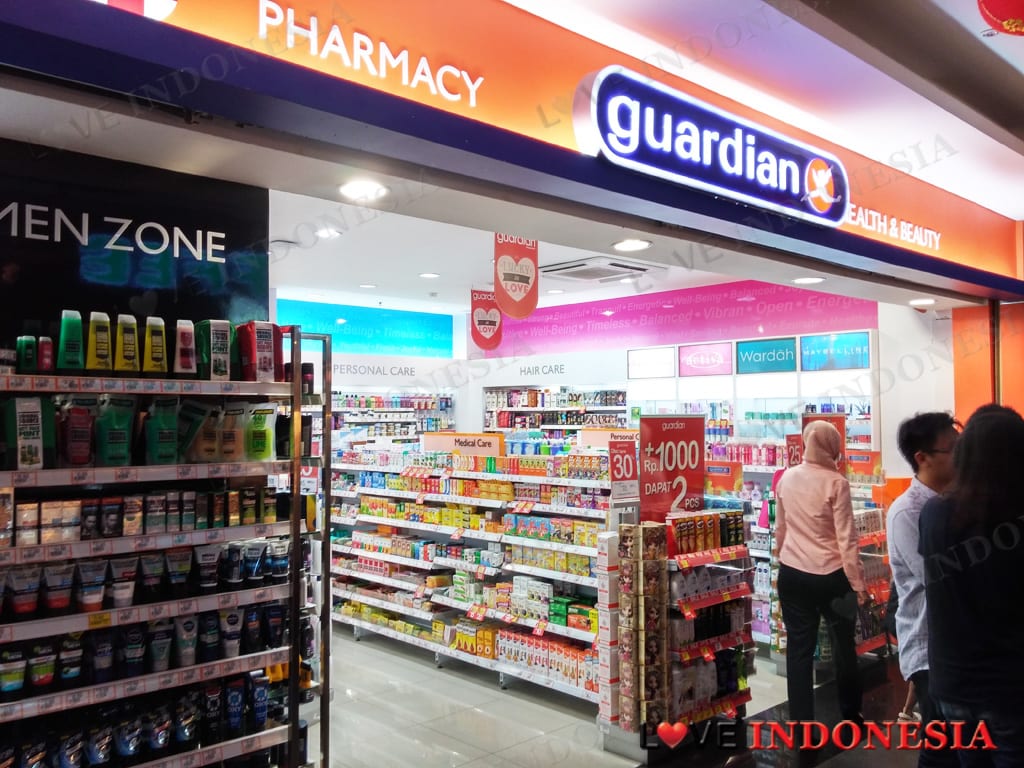
    Guardian Malaysia plans to open 30 stores in 2017 and develop an online business as it bolsters its share of the health and beauty market.

    With 430 stores trading currently, the company has a share of the sector estimated at around 30 per cent.

    “Domestically, the current retail market is tough and demand is soft, so we have conducted a research and come out with a new concept, which is aligning products with shoppers’ demand, and then see the customers’ response,” Guardian’s CEO Peter J Dove said in an interview with Bernama.

    A further 70 stores have been slated for refurbishment and 15 will close altogether.

    Guardian Malaysia

    This week the company celebrated the opening of its new 316 sqm concept store at Suria KLCC in Kuala Lumpur which will be a template for about 10 of its largest stores in the country.

    Highlights of the Suria KLCC store include a ‘Make Me Up corner’, a semi-private area for shoppers to experiment with new products and learn how to apply them.

  • Emmi milk plans Asian expansion through Amazon

    Emmi milk plans Asian expansion through Amazon

    Emmi, a Swiss milk processor and dairy products company headquartered in Lucerne, plans to expand its Asian sales through a strategic partnership with internet giant Amazon. Emmi has been relatively uninvolved in Asia, with only a turnover of around CHF 20 million. CEO Urs Riedener said he believes he could double total sales “over the next five years”. In Asia, Emmi is pursuing an export strategy and is not producing on the spot.

    In Hong Kong, Emmi is already the third strongest yoghurt brand. In Singapore, Riedener sells Emmi products in many four- and five-star hotels and Singapore Airlines in Business Class as well as in expat shops in China. ording to Riedener, the happenings in Asia are analyzed “repeatedly”. But one must remain realistic: “We are a relatively small company, our opponents are world giants.” Emmi is currently active in twelve countries, perhaps it could be 15. “Can we have 25?” I believe this would be self-assessment, “said the Emmi CEO.

    However Riedener considers the pricing model at Amazon “difficult”. In principle, the dealer determines the final selling price. “Amazon keeps its margin in any case. This is relatively ugly in the calculation for the manufacturer. “Such a clause would not enter Riedener for the manufacturer and supplier Emmi with Amazon.

  • Starbucks plans to double its stores in China to 5000 by 2021, opening a new one every day

    Starbucks plans to double its stores in China to 5000 by 2021, opening a new one every day

    Starbucks announced that it plans to double the number of its stores in China from more than 2,300 to 5,000 by 2021. According to CNN, Starbucks says that it will open more than one new store a day for the next five years.

    To oversee this task (which Starbucks also hinted at in January), the company promoted Belinda Wong to Starbucks China CEO. According to the company’s official statement, Wong will also be in change of “digital and e-commerce opportunities across China,” as well as the opening of Starbucks’ first international Roastery and Reserve Tasting Room in Shanghai in 2017.

    belinda_wang.jpgAs Starbucks China’s former president, Wong led a team that drove the company’s growth in China from 400 stores in 2011 to more than 2,300 stories currently, operating in over 100 cities.

    The 45-year-old Starbucks Coffee Company opened its first store in China 17 years ago. In an interview with CNN, Starbucks CEO Howard Schultz discussed the initial road bumps the company encountered in the tea-obsessed country. “We had to educate and teach many Chinese about what coffee was — the coffee ritual, what a latte was… So in the early years, we did not make money,” Schultz said.

    Since then, excluding some meat scandals, Starbucks China’s business has been doing quite well. The South China Morning Post reports that “Starbucks’ second-quarter sales rose 18% in China, a faster pace than the company’s worldwide revenue increase of 9% over the same period.” Starbucks’s growth is even more impressive given that China’s economic growth was just 6.7% this quarter (again).

    Compared to Starbucks, other Western brands have not fared so well in China. Disappointed with its poor profits and earnings for the third quarter this year, the CEO of Yum Brands, which owns KFC and Pizza Hut, has pointed blame at the South China Sea ruling. This rise and fall of Western food brands is also apparent in retail brands.

    Hopefully customers will show as much loyalty to the company as one “Starbucks uncle” during the recent flooding in Hong Kong.

  • This Retail Tycoon Wants to Open 500 Stores in China in Three Years

    This Retail Tycoon Wants to Open 500 Stores in China in Three Years

    As Europe’s fashion giants brace for what could be the toughest leg of their expansion in China, a South African retail tycoon has launched a bold assault on the world’s most populous nation.

    Christo Wiese is promising to open 500 of his New Look stores in just three years, catapulting the British brand into the same league in China as the world’s top fashion chains – Spain’s Inditex and Sweden’s H&M.

    His plan is to make most of the clothes in China to ensure they cater to local tastes and can get to stores quickly – a strategy similar to the one successfully pursued in Europe by Zara-owner Inditex.

    The arrival of New Look – and its local sourcing strategy – poses a new risk for the likes of H&M and Inditex, already suffering from slower growth in China, fierce competition for real estate and the cost of investing in ecommerce.

    H&M is opening more stores in China this year than anywhere else in the world and the country is already the second biggest market for Inditex outside Spain.

    China is a big draw for retailers who hope to tap the aspirations of a fast-growing middle class, with mid-range names benefiting as consumers trade down from luxury brands since Beijing’s clampdown on corruption and conspicuous spending.

    But recent history offers plenty of examples of failure. Western brands that have struggled in China include Gap Inc , Abercrombie & Fitch and Marks and Spencer , which decided last year to close five stores in smaller cities to focus on flagship stores in large cities and online.

    “Most of the Western fashion labels that are mid-range fail in China. A large part of it is that the styles and the fit are so completely different,” said Shaun Rein, founder of market intelligence firm China Market Research.

    LOCAL TASTES, LOCAL SOURCING

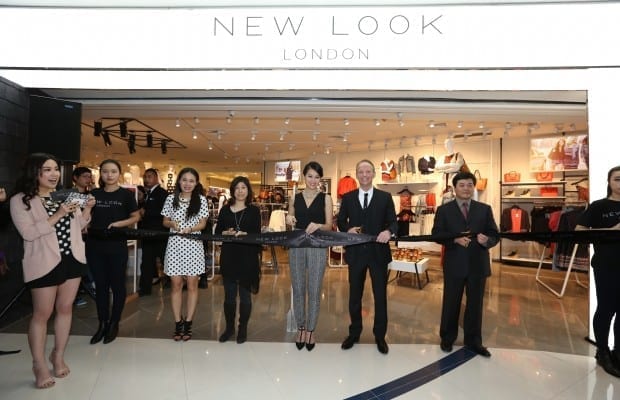
    New Look, a chain founded in 1969 and bought last year by Wiese’s investment vehicle Brait SE, does not want to make the same mistake. It now runs 94 stores in China, out of a global total of 852, and hopes to have up to 150 by next March.

    “I will definitely give it a try if it is a foreign brand and as long as I like it,” said Chen Jie, a 32-year-old businessman from Shenzhen who was carrying an H&M bag in a shopping district in Hong Kong. “Price is not an issue but the design and quality must be good.”

    While New Look is cashing in on the popularity in China of British style – it is adding the “London” tag to its logo for its Chinese stores and website – it is also catering for local tastes.

    Sven Gaede, managing director of New Look’s international business, says the firm has an advantage over many European rivals as 85% of what it sells in China is sourced locally and more than a third is designed exclusively for China.

    That has allowed New Look to tap into the current popularity in Asia of culottes – flared, three-quarter length trousers. Gaede said they account for 12% of the firm’s sales in China, though they are not popular in its European markets.

    “South Korea and Japan drive a lot of the trends that the Chinese customer seeks, so our ability to be able to identify those trends, source them locally and get them into our stores quickly is key,” said Gaede.

    That helps explain the success of the Uniqlo chain of Japan’s Fast Retailing in China, which already has almost 500 stores in the country and is aiming for 1,000 stores in about five years – more than in Japan.

    “It’s pretty hard for the foreign fast brands to do the localisation that Uniqlo does in China as it was born with the Asian gene,” said Violet Shen, a marketing executive in Shanghai.

    The “fast fashion” model was pioneered by Inditex, which can bring new styles from the catwalk to stores in Europe within days from factories mostly in Spain and North Africa. However, Inditex does not have the same advantage in China.

    Inditex plans to add 60 stores in the next few years to the 582 it already runs in China, but it serves them from its logistics centres in Spain.

    “As their proportion of sales increases in the East, it challenges this model. You can’t hub out of Spain,” said Dominic Jephcott, chief executive of supply chain experts Vendigital.

    New Look is not the first Western retailer to try to bring the Inditex model to China.

    Denmark’s Bestseller, which runs brands like Vero Moda and Jack & Jones, says over 90% of its products sold in China are also produced in China and most of the designs for the Chinese market are adjusted to local tastes.

    That has helped the family-owned firm to become the clear leader in China, with more than 6,800 stores in over 300 cities, to give it a 2% share of the fragmented market, according to market research firm Euromonitor.

    Anders Kristiansen ran the China business of Bestseller before taking over as New Look chief executive in 2013. Gaede said Kristiansen’s experience in Asia is one of the reasons behind the group’s aggressive expansion strategy.

    H&M also buys many of its garments in China – the country accounts for about a quarter of its global sourcing.

    But the Swedish firm does not make a big point of adjusting its ranges for China, where it has opened 47 stores in the last nine months, taking its total to 400.

    “We see that fashion becomes more and more global and that China doesn’t differ much from the rest of the world regarding trends and fashion,” said investor relations head Nils Vinge.

    “There are of course local differences but that is true for every market. H&M has a business model that can adapt to this,” Vinge said, declining to elaborate.

    Rein of China Market Research says Western brands must strike a delicate balance.

    “You have to keep your global brand image and you can’t be that creatively different in China than other markets. The Chinese travel around the world,” he said. “It is good to localise. But it hard to localise an aspiration.”

    STORES VS ECOMMERCE

    A bigger challenge for New Look may be to secure the right locations, especially as rivals also seek to add hundreds of stores in the coming years.

    “To find 500 stores of real estate and roll that out in the right way … I think it is virtually impossible,” said Franklin Yao, managing partner at strategy consultants Smith Street.

    But the more established New Look’s brand becomes in China, Gaede said, the better the locations and terms it will be offered, adding that the firm was now pushing into smaller cities.

    “We are less wedded to the number each year and we are more wedded to getting quality locations,” he said.

    Meeting soaring Chinese demand for buying clothes online is also tough.

    Most international brands initially launch on Chinese ecommerce sites like JD.com and Alibaba’s Tmall and Taobao, but are keen to build up their own online operations to protect margins and integrate ecommerce and store services.

    New Look is currently available on Tmall and JD.com, but plans its own transactional site in the next 12 to 18 months.

    Partnering with Chinese sites and local payment and delivery service providers is essential to reach consumers across such a vast country, said Vendigital’s Jephcott.

    “It is a hard physical push and a very hard digital push, all premised on a strong relationship with the logistics partner like Taobao,” Jephcott said, noting that Taobao has established a delivery network of micro-stores even in small towns.