Tag: expansion

  • Karl Lagerfeld Macau hotel planned

    Karl Lagerfeld Macau hotel planned

    Fashion designer Karl Lagerfeld has announced plans to launch his own branded hotel chain.

    He has already taken a first step in signing on to design a tower for the Lisboa Palace Hotel, planned to launch in Macau in 2018. Besides the Karl Lagerfeld Macau hotel, another tower in the complex is being designed by fashion peer Donatella Versace.

    Lagerfeld’s company says it “in the process of studying other opportunities to open other properties around the world”.

    Under the banner of Karl Lagerfeld Hotels & Resorts, his properties will include members’ clubs, restaurants and residential buildings, all under a licensing agreement with Amsterdam-based Brandmark Collective.

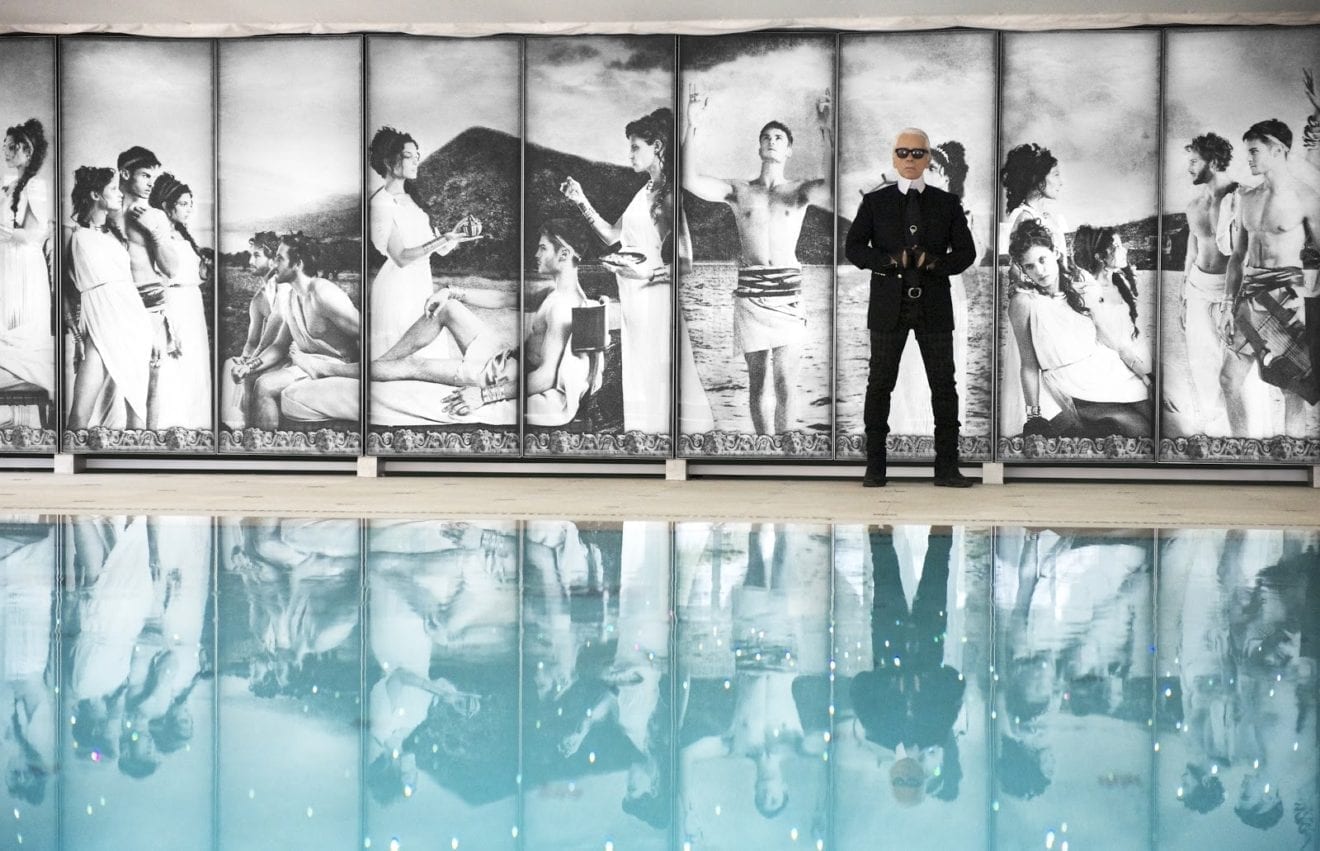
    Lagerfeld’s contribution to the Lisboa complex features a statue of his cat Choupette at the entrance, while his own silhouette graces the room keys. In comparison, Versace’s design is more low key with the lobby decked out in gold trim and white marble, while the pool has mosaic tiles.

    Both designers feature Chinese elements in their designs, with Lagerfeld weaving in Phoenix and peony emblems, and Versace focussing on dragon and chrysanthemum details.

    Born in Germany 83 years ago, Lagerfeld has already collaborated with luxury Parisian hotel Le Crillon and the Metropole in Monaco, but his new business will involve his company designing entire hotels.

  • TWG Tea makes debut in Canada

    TWG Tea makes debut in Canada

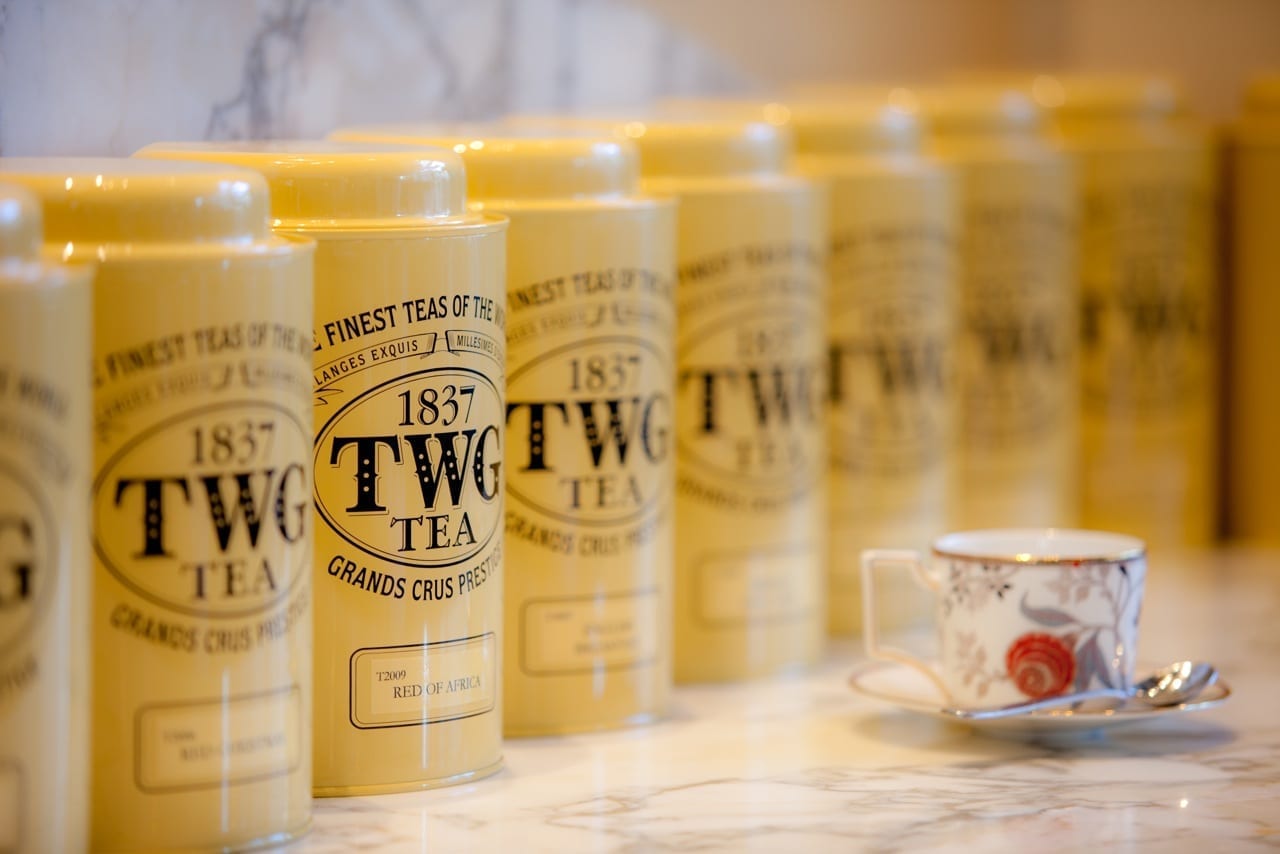
    Singaporean brand TWG Tea has entered the North American market with a store in Vancouver.

    In its eight years, TWG Tea has opened 56 owned and franchised boutiques and salons in 17 cities including Dubai, London and Shanghai.

    In Canada, its franchise and distribution rights have been bought by Tom and Karinna James, who previously owned Urban Tea Merchants in Vancouver. The city is ideal for TWG’s North American debut because of its tea culture, large Asian population and local appreciation for niche and artisanal beverages.

    “Our Asian population are very sophisticated tea drinkers,” says Tom James, thanks to the introduction of tea concepts such as Davids Tea and Starbucks’ Teavana.

    Tea sales in Canada reached $1.3 billion last year, with 40 per cent growth by 2020 predicted.

    Tom and Karinna James opened luxury tea house Urban Tea Merchant in 2004. The shop has been closed and will reopen as TWG next month with a boutique, salon and small wholesale component focussing on hotels and gourmet stores.

    Tea will be served in 18-carat gold-plated teapots, says James, who plans to open several stores in Canada.

  • Local e-commerce not fazed by Alibaba expansion plan

    Local e-commerce not fazed by Alibaba expansion plan

    Local e-commerce company Bukalapak is not worried about Chinese giant Alibaba’s plan to expand into Indonesia as local players can still compete with foreign ones, the company’s co-founder said.

    Bukalapak co-founder and chief financial officer Muhammad Fajrin Rasyid said that unlike social media, which adopted a general model for their users worldwide, e-commerce business models needed a so-called “local touch”. This was because customers’ preferences for goods, methods of payment and logistic systems were different in each country, he went on.

    “Our customers mainly buy ‘local goods’ such as sambal [traditional hot relish] and they prefer to use cash on delivery as a method of payment. We must understand things like this,” Fajrin said at a Centre for Strategic and International Studies (CSIS) seminar on the digital economy in Jakarta on Monday.

    He further said that some foreign e-commerce companies had fallen victim to their own poor understanding of local customs. Japanese online market Rakuten Belanja Online closed in March while German-backed online delivery service Foodpanda Indonesia was shuttered on Oct. 3.

    “We are sure our customer to customer [C2C] model is still suitable for Indonesia. We have 1 million sellers and our mobile apps have the highest rate by users compared to other e-commerce companies,” Fajrin said.

    During the event, Investment Coordinating Board (BKPM) deputy of investment planning Tamba Parulian Hutapea confirmed that Chinese tech giant Alibaba would enter the Indonesian market soon. The company has bought German e-commerce company Lazada and plans to use the latter’s resources in Indonesia to make entry into its market.

  • Tesla rents second space in Korea to go Gangnam-style

    Tesla rents second space in Korea to go Gangnam-style

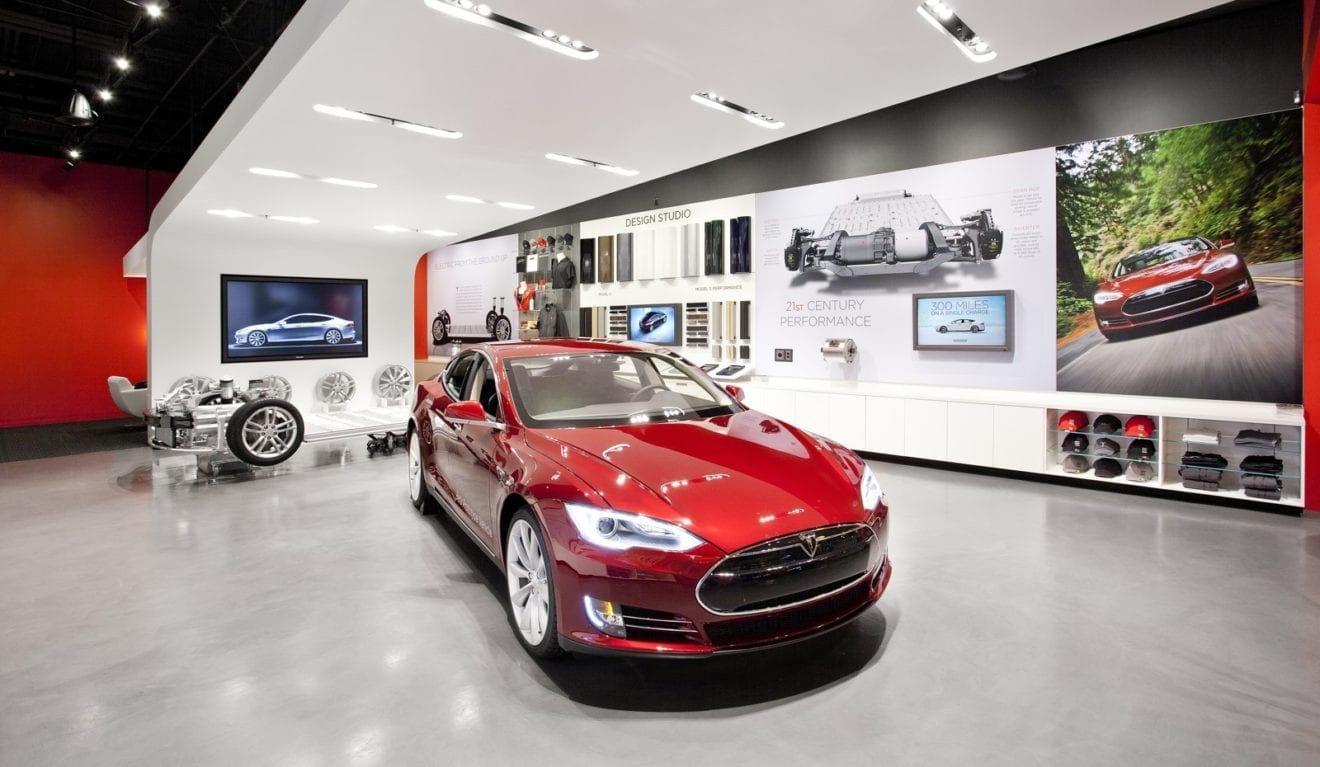
    Tesla Motors is preparing to open a second showroom in Korea in Gangnam, southern Seoul. Its first will open in the Starfield Hanam shopping mall in Gyeonggi in less than two months.

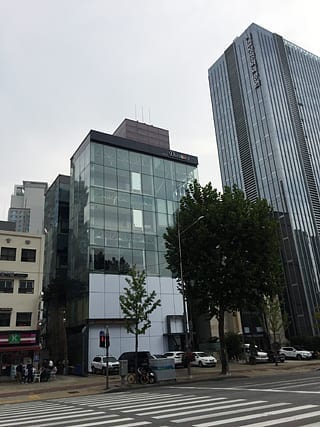
    A lease on three floors of a five-story building in Cheongdam-dong, 131-11, known as Yeongdongdaero 730 under the new address system, was signed by Tesla Motors Korea on Sept. 1. Tesla will rent the building’s basement, first and second floors through Aug. 31, 2021. The rent is 500 million won ($439,059) for the entire period, the document shows.

    The landlord is Bora Trading, a Seoul-based importer of Italian food products including the De Cecco pasta brand.

    Tesla made it official Sept. 2 that it would open its first Korea showroom in Starfield Hanam, a shopping mall that was opened Sept. 9 by retail giant Shinsegae, by December. The announcement came 10 months after the American electric vehicle pioneer opened an office in Samseong-dong, southern Seoul.

    Second showroom for Korea in a building in Cheongdam-dong, 131-11, 

    Tesla confirmed its rental in Gangnam.

    “We have just registered a building on Yeongdong Boulevard,” said Atsuko Doi, Tesla’s head of communications for Asia Pacific, in an email. She added the company hasn’t “planned in detail how we use it.”

    Regarding rumors among auto enthusiasts in Korea that Tesla may choose not to open the showroom in the 212-square-meter (2,281-square-foot) space in Starfield Hanam, she described them as “incorrect.”

    When visited on Monday by the Korea JoongAng Daily, the space Tesla has rented from Bora Trading was already under remodeling. Previously an Italian restaurant, the old interior was torn down completely. One of the workers on the scene said they are working on an automobile showroom without elaborating further. The process is expected to be finished in a month, which would indicate it could open in November at the earliest.

    There is speculation Tesla will open two showrooms simultaneously. The one in Gangnam will be more symbolic of Tesla’s attempt to be considered a luxury brand.

    Cheongdam-dong is Seoul’s swankiest area full of luxury-brand stores including Dior, Cartier and Hermes. Showrooms for Lamborghini, Ferrari and Bentley are less than 1 kilometer from Tesla’s space. Korea’s top automaker, Hyundai Motor, is scheduled to complete by 2021 a 105-story new headquarters just 1.6 kilometers farther down Yeongdong Boulevard.

    The building in Gangnam has been optimized to serve as a car showroom. It was established in 2004 by KUZ Plus, which was the official importer of Ferrari and Maserati until 2006. The floors are framed by huge glass windows to display vehicles.

    In Asia, the California-based company led by business magnate Elon Musk opened its first showroom in October 2010 in Tokyo’s trendy Aoyama district. Now there are three in Japan. Tesla runs 21 stores in China, three in Hong Kong and one in Taiwan, which opened in July.


  • Damiani Malaysia opens in Pavilion

    Damiani Malaysia opens in Pavilion

    Italian luxury jewellery group Damiani Malaysia has opened a boutique store in the Pavilion shopping mall in Kuala Lumpur.

    Damiani Pavilion Malaysia

    Precious materials are used in the store’s interior to create a sophisticated environment to enhance the tradition and modernity of Damiani’s jewellery. The interior features taupe satin wallpaper and bronzed brass details.

    Founded in 1924, Damiani designs, manufactures, distributes and sells jewellery and luxury watches. The company manages 55 direct and 20 franchised points of sale internationally.

  • Taiwan’s DaYung’s Tea opening in US

    Taiwan’s DaYung’s Tea opening in US

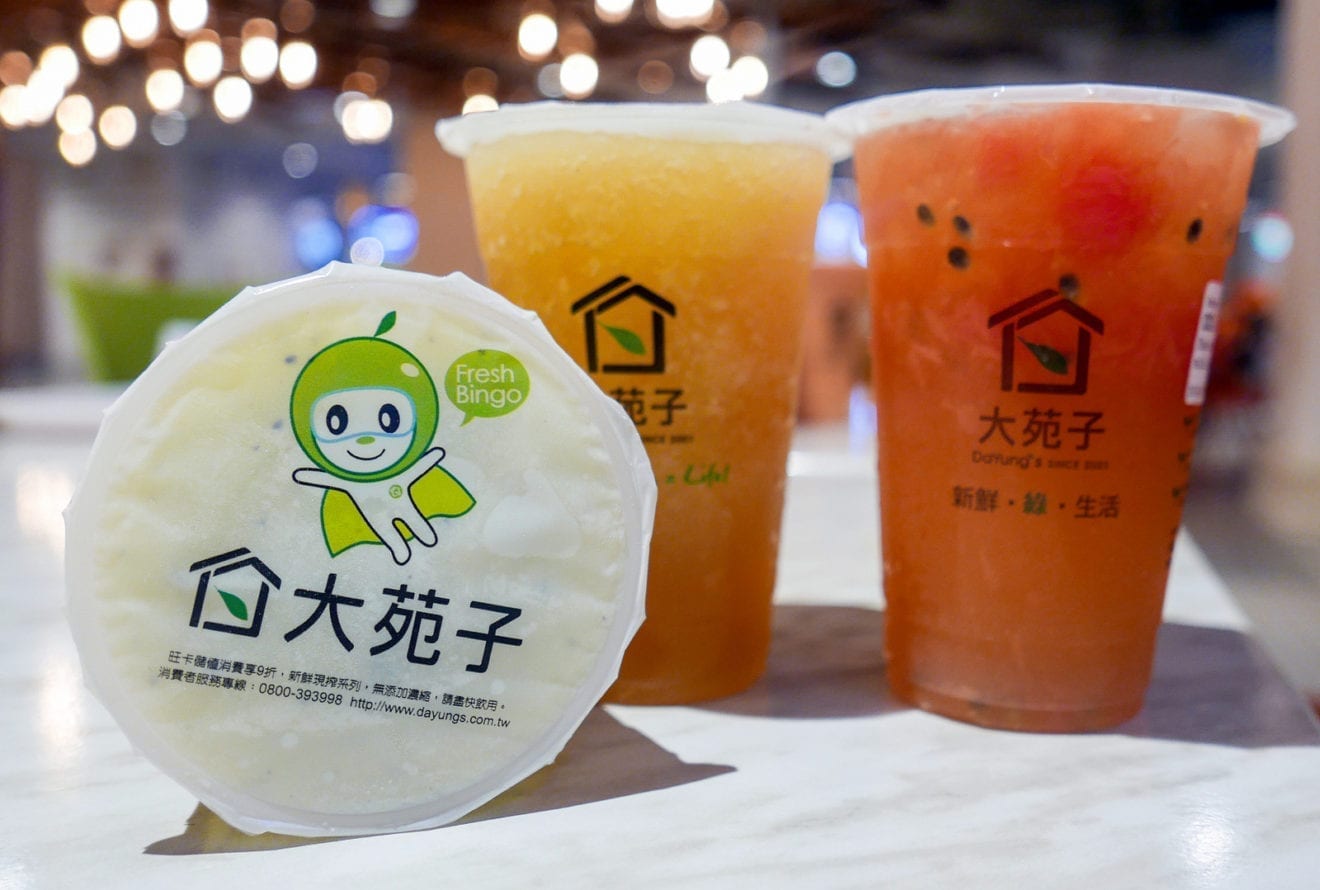
    Taiwan company DaYung’s Tea is about to launch in the US.

    It has leased a 1400 sqft (130 sqm) unit at Mill Plaza in Tempe, in Phoenix, Arizona.

    With 270 stores throughout Asia, DaYung’s offers a mix of fruit tea and smoothie drinks.

    “This hot new concept will blend in perfectly with the other new restaurants at Mill Plaza,” say Judi Butterworth and Lacey Guardado of Orion Investment Real Estate, who represent the tenant. They say the store will be able to serve a huge Asian customer base, as well as a student population.

    More than 61,000 cars drive by the shopping centre each day, according to the Phoenix Business Journal.

  • Starbucks Coffee Company opened the doors to its store in Phnom Penh, Cambodia

    Starbucks Coffee Company opened the doors to its store in Phnom Penh, Cambodia

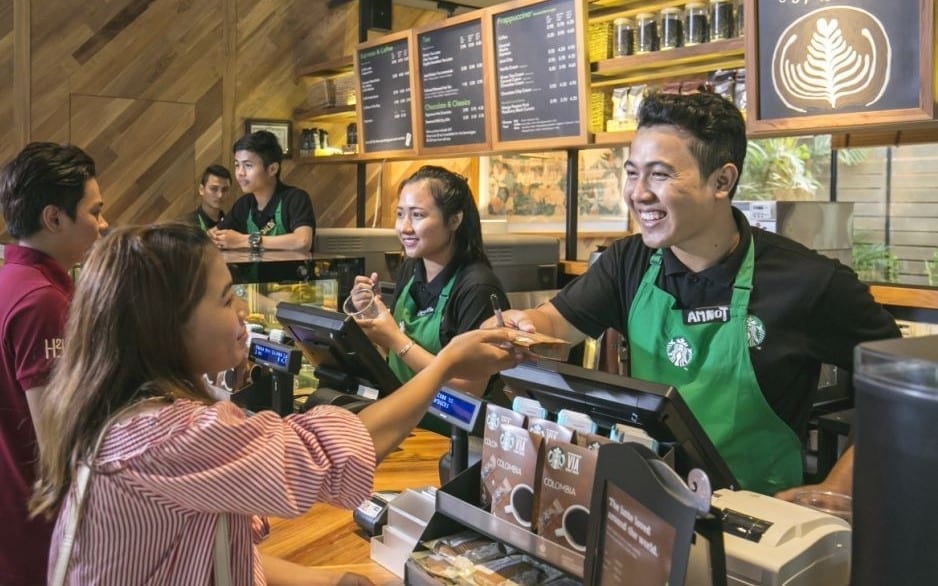
    Starbucks Coffee Company last week opened the doors to its newest flagship store in Asia, located in Phnom Penh, Cambodia, building on its long-term relationship with Hong Kong Maxim’s Group. Cambodia is Starbucks 16th market in the China and Asia Pacific region. In September, Starbucks celebrated 20 years since the opening of its first store outside North America in Japan and today, the company has more than 6,200 stores across the China and Asia Pacific Region.

    “We are proud to bring an elevated experience to Cambodia with the introduction of our Starbucks Reserve™ coffees,” said Mark Ring, president, Starbucks Asia Pacific. “Our new flagship store in Phnom Penh’s vibrant Boeung Keng Kang neighborhood will excite Cambodian customers with a unique coffee experience that showcases our deep passion for some of the finest coffees from around the world, while honoring the country’s rich heritage and culture.”

    At the flagship store, customers can discover exceptional coffees, engage with Starbucks partners (employees) and form a deeper connection with Starbucks coffee heritage. With an atmosphere that invites customers to explore the tastes and flavors of coffees from around the world, they can sit at the interactive coffee bar and experience a range of brewing techniques including Siphon, Cold Brew, Pour-over, Coffee Press and the state-of-the-art Black Eagle espresso machine. In the hands of Starbucks skilled baristas, the Black Eagle espresso machine delivers a smooth quality and consistent taste profile that complements Starbucks® signature handcrafted beverages.

    Inspired by Starbucks 45-year history of sourcing, roasting and serving some of the world’s finest coffees, the flagship store features Starbucks core menu in addition to rare small-lot coffees through its exclusive Starbucks Reserve™ coffee program. For the store opening, baristas are handcrafting two small lot Starbucks Reserve™ coffees: Colombia La Unión 16 and Papua New Guinea Luoka. Over time, the store will showcase a rich variety of coffees that draw on Starbucks relationships with small lot coffee farmers from the world’s coffee growing regions. All Starbucks Reserve™ coffee is roasted at the Starbucks Reserve™ Roastery and Tasting Room in Seattle.

    To further elevate the coffee experience for customers, select partners at the store are Starbucks Coffee Masters. The Coffee Master program recognizes their expertise with the special designation of the black apron after they pass written and taste tests.

    Through its licensed partner Coffee Concepts (Cambodia) Limited, a subsidiary of Hong Kong Maxim’s Group, Starbucks entered the Cambodian market in December 2015 and currently operates two stores at Aeon Mall and the Phnom Penh International Airport.

    “We are pleased to further strengthen the partnership between Maxim’s and Starbucks in Asia and look forward to continuing to deliver the unique Starbucks Experience through coffee leadership, high-quality products, exceptional service and engaging baristas in a welcoming environment to customers across Cambodia,” said Michael Wu, Chairman and Managing Director, Hong Kong Maxim’s Group.

    A Perfect Blend of Cultures

    The design of the new two-story, 650 square-meter (7,000 square-feet) store features local craftsmanship and iconic global images, including a hand-carved Siren made of Cambodian sandstone, an illustration of Starbucks first store at the Pike Place market on a textured rattan canvas, a coffee landscape inspired tapestry made of fabric tightly woven on a rattan frame, and a metal sculpture hanging over the bar inspired by the coffee aroma.

    The centerpiece is a hand-painted mural over the staircase to the second floor, and illustrates the popular Cambodian folklore of Sovann Maccha, the siren princess with a tail that is transformed into two majestic Naga dragons. Illustrated by prominent local urban artists Peap Tarr and Lisa Mam, the artist highlights the distinct beauty and characteristics of urban Khmer art.

    Long-term Community Investments
    As Starbucks continues to expand its store footprint in Cambodia, it is deeply committed to being an active member of the community and a catalyst for positive change. Currently, Starbucks is working with Cambodian Children’s Fund, a non-government organization that works with children in one of the most underserved areas of Phnom Penh. The Cambodian Children’s Fund aims to transform the country’s most impoverished children into future leaders, by delivering education, family support and social development programs to the local community.


  • Xiaomi opens its first store outside greater China

    Xiaomi opens its first store outside greater China

    Xiaomi phones are finally available offline in southeast Asia as the company has opened a shop outside greater China for the first time ever.

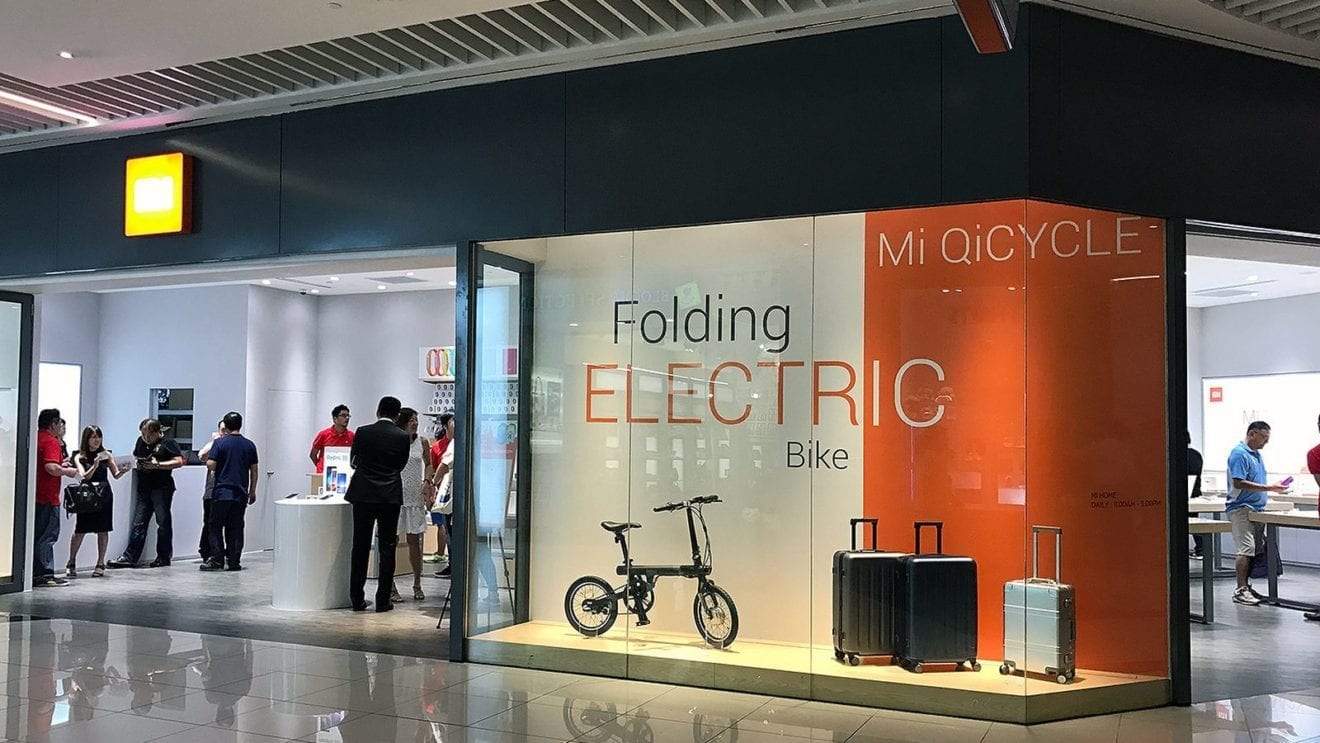
    The sunny island state of Singapore hosts the first Mi Home store to open outside of China, Hong Kong and Taiwan. The Singapore Mi Home store, located at popular shopping mall Suntec City, sells Xiaomi’s line of phones and accessories. But unlike other stores, it doesn’t stock the company’s other Mi ecosystem products such as the Mi TV or the Mi Rice Cooker.

    Xiaomi says that it plans to bring in more of its product lineup in time. But for now, customers will have to make do with the Mi Max, Mi 5, Redmi 3S, Redmi Note 3, Mi Band 2 and other accessories such as portable speakers and power banks.

    The Chinese manufacturer is using a local partner to run the store — unlike the ones in China, Hong Kong and Taiwan, which are run by Xiaomi itself.

    The company is also turning to regional online retailer Lazada to manage its online sales, an area it’s managed by itself in Singapore up to now.

    These moves to divest itself of retail responsibilities in Singapore could point towards a shift in Xiaomi’s current strategy. It’s possible the Chinese giant will focus on its home market to make up for ground lost to rivals Huawei, Oppo and Vivo.

    While the company continues to battle it out for India — the second largest smartphone market in the world after China — it’s likely Xiaomi will use the same retail strategy from Singapore across the Southeast Asian region as the company shifts its focus towards India, China and a possible US launch next year.

  • Alibaba leads $10m investment in fashion brand Grana

    Alibaba leads $10m investment in fashion brand Grana

    International direct-to-consumer fashion brand Grana is raising US$10 million in a Series A funding round led by Alibaba Group under the Alibaba Hong Kong Entrepreneurs Fund.

    It is one of three startups to attract support from the fund in its second round of investments.

    There is also participation from existing investors Golden Gate Ventures and Hong Kong-based MindWorks Ventures to support expansion plans in Grana’s highest growth market, the US, and to build out its product offering into new categories with sportswear, bags and accessories.

    Since launching in October 2014, the startup has had more than 15 per cent month-on-month growth in sales. Following the first-quarter announcement of its $6 million in seed funding this year, led by Golden Gate Ventures, MindWorks and Bluebell Group, the Grana team is moving into a new 18,000 sqft (1672 sqm) centralised warehouse in Hong Kong this month to manage business growth, and plans to double its headcount to 100 employees by the end of next year.

    Grana started out in a 500 sqft warehouse.

    “We’re honoured to have Alibaba as a lead investor, and the continued support of existing strategic investors”, says CEO/founder Luke Grana.

    With the new round of funding, Grana plans to expand its presence in the US through setting up its first pop-up showroom experience in New York for customers to try offline and buy online, as well as build a New York team to cater for its increasing customer base in the market.

    China venture

    To help strengthen Grana’s market reach in Asia, Alibaba is also partnering with the brand for its market entry plan into Mainland China.

    “Grana has proved itself as an international eCommerce brand that uses a data-driven approach to optimise its business offering and create an excellent customer experience,” says Alibaba Hong Kong Entrepreneurs Fund executive director Cindy Chow. “They have a creative and energetic business culture which really resonates across their omni-channel and is indicated through their rapid growth.”

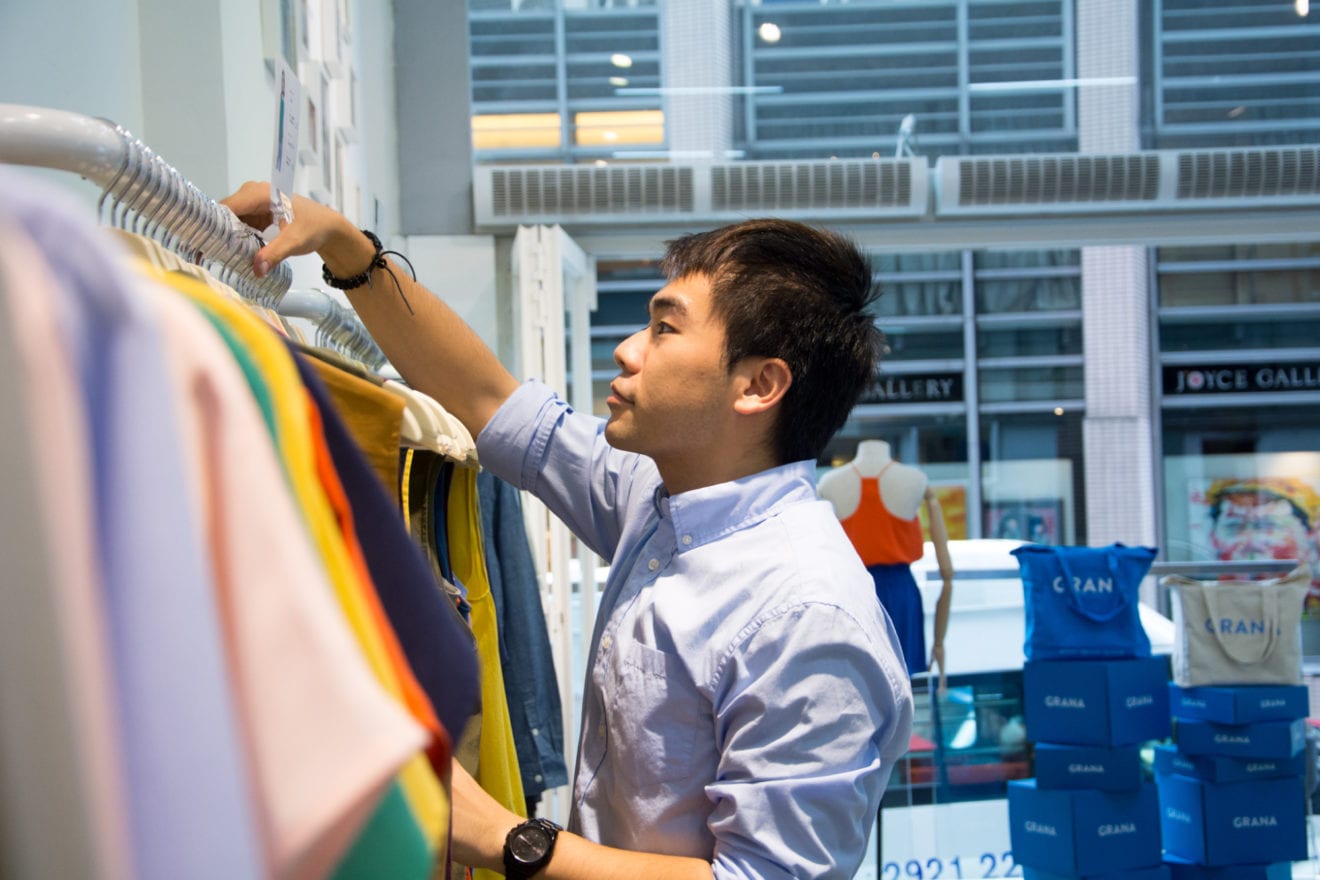
    Grana ships directly to customers across 12 countries within two days from its centralised warehouse in Hong Kong. Its range includes Peruvian Pima t-shirts, Chinese silk tops and Mongolian cashmere sweaters.

    Worldwide retail eCommerce sales are forecasted to reach $3.6 trillion in 2019, according to research company eMarketer, with the Asia Pacific projected to account for 41 per cent of this, followed by the US on 21 per cent.

    New markets

    To further drive Asia Pacific as a global eCommerce hub, Grana’s business strategy will focus on looking into new markets for shipping with DHL and opening pop-up locations in key markets over the next 12 months.

    The Series A round closes at the end of this month, and Grana plans to debut its new Italian shirting, silk bomber jackets and transitional knitwear collection this season.

    Founded by Luke Grana and Pieter Paul Wittgen in October 2014, Grana ships directly within two days to 12 countries – Australia, Belgium, France, Germany, Hong Kong, Italy, New Zealand, Singapore, Spain, the Netherlands, the UK and the US.

    Alibaba Hong Kong Entrepreneurs Fund is a not-for-profit initiative launched by Alibaba Group last year with the mission of helping Hong Kong-based entrepreneurs and young people realise their dreams and visions for their businesses and communities.

    Grana is one of three startups to benefit in the second round of investments made by the $129 million fund since its launch last November.

    The other beneficiaries are food delivery firm Nosh and recipe video site DayDayCook.

    Nosh is a certified partner of online catering service Maidan, Rocket Internet’s food delivery service Foodpanda, and London-based food delivery app Deliveroo.
  • C.Banner Announces Hamleys First Flagship Store Open in Nanjing

    C.Banner Announces Hamleys First Flagship Store Open in Nanjing

    C.banner International Holdings Limited (“C.banner” or the “Company”, together with its subsidiaries, the “Group”, HK:1028), a leading international integrated retailer and second largest retailer of mid-to-premium women’s formal and leisure footwear in the PRC, yesterday announced the grand opening of the first Hamleys (a centuries old British toy brand) China flagship store in Nanjing.

    The nearly 7,000 sq.m. store is located at Xinjiekou Sanpower Plaza (Nanjing International Finance Center), providing thousands of high quality traditional to high-tech educational items for children of all ages. In addition to the adorable iconic teddy bears from Hamleys, there are also other toy brand collections. Moreover, Hamleys partners with many world-renowned toy brands, such as Hasbro, Mattel, Lego, and others in this “Toy Museum” outlet.

    While providing high quality toys for children’s playtime fun, Hamleys cares a great deal about children’s mental development. Two special party houses have also been designed and built inside Hamleys’ Nanjing flagship store with a host of different themes to choose from. Their professional team is responsible as well for organising distinctive birthday party events for children, providing games, toys, food, and exclusive birthday cakes and birthday gifts. There are also more than 10 entertainment facilities located from the first to the fourth floor, providing interactive games for children of different ages.

    Facilities like remote car racing and shooting games enhance children’s response sensitivity while augmented reality (AR) games utilising technology and magic let children interact with the latest in virtual reality in areas like the “Water Game Zone”, Creative D.I.Y Workshop and Baby Aesthesia Zone. Hamleys uses the finest quality equipment to stimulate children’s sensory responses, allowing them to experience fun and providing memorable interactive games.

    In 2015, C.banner successfully acquired Hamleys, the centuries old British toy shop. Established in 1760, Hamleys is the oldest toy brand in the UK with a glorious history, well-known brand philosophy and high quality toys. It is a veritable “Magic Kingdom” for kids and adults of all ages. Hamleys now embarks on a new journey in Nanjing, China, with a diversified product range and services provided by creative concepts. Based on the Hamleys brand, the Group will design and build a consumer complex comprising various sections, including children’s entertainment, education, clothing, daily necessities, culture and catering.

    Mr. Chen Yixi, Chairman of C.banner said, “The addition of the Hamleys brand will provide a great boost to continuously enhance our Company’s brand value and realise a strong synergy with our existing business operations allowing us to achieve our global development strategy. The store is intended to serve as a template for future store openings as the Company seeks to replicate the unique Hamleys in-store experience with interactive playtime, events and special demonstrations in other populous cities over the PRC.

    “Next year, the Company plans to roll out more stores in core cities with high populations across China, such as Beijing, Shanghai, Xuzhou, Hangzhou and others. We will also continue to take full advantage of C.banner’s experience in China’s retailing industry and long-term retail network contacts to rapidly expand Hamleys’ business across the mainland. The Group has full confidence in Hamleys’ development in China, and we feel that we are now on the ground floor of greater opportunities ahead. We look forward with great anticipation to achieving strong business growth.”

  • Cath Kidston’s new owners are taking on Asia

    Cath Kidston’s new owners are taking on Asia

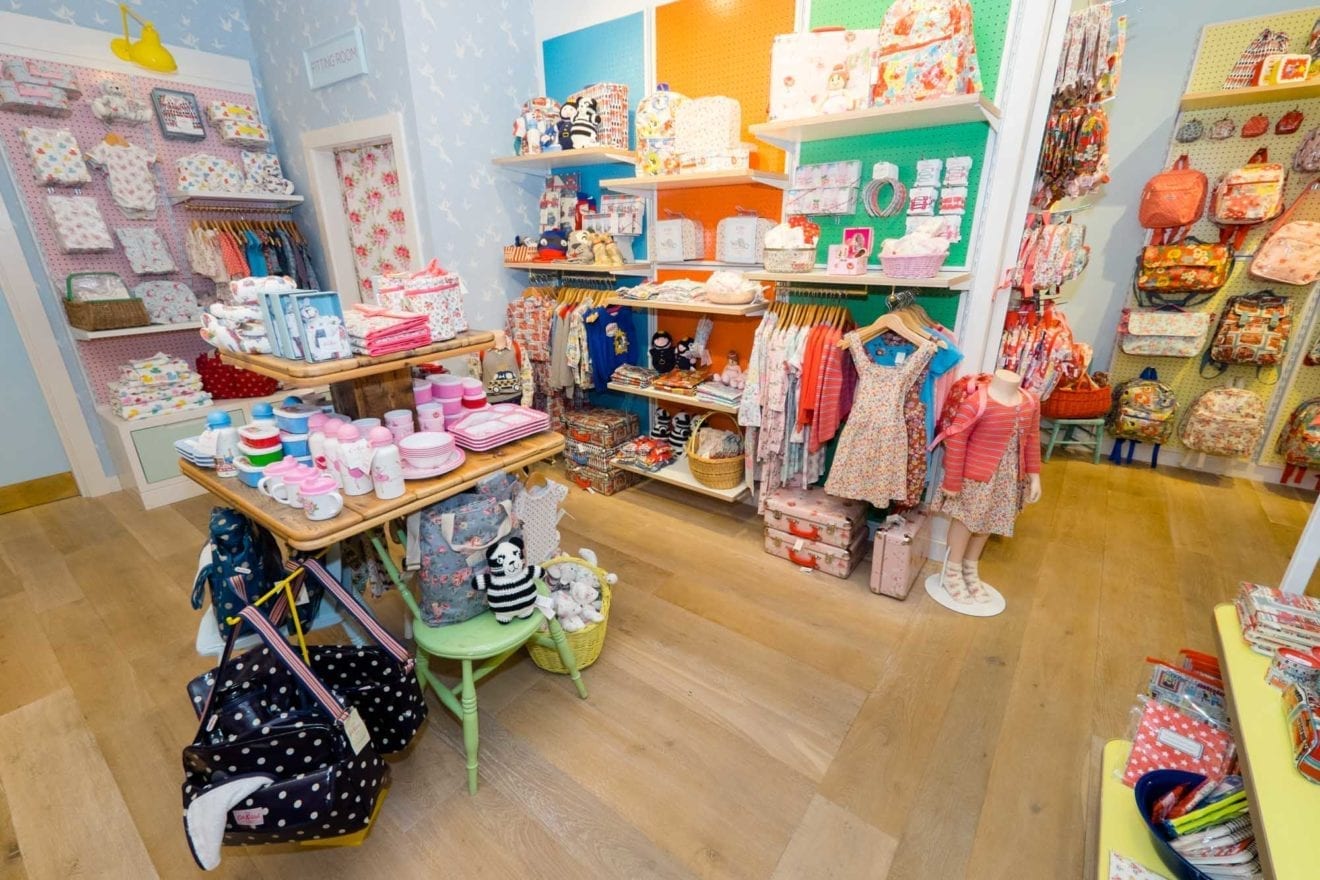
    Cath Kidston Group has been acquired by Asian private equity company Baring Asia and its chairman is to step down. The lifestyle brand has attained new ownership after its previous majority stakeholder TA Associates sold its shares to Baring Asia, who have now become the controlling majority stakeholders. Paul Mason, who has been chairman of the group for six years, is to step down following the acquisition. He will be replaced by a senior advisor to Baring Asia and former chief executive of Gucci Wiliam Flanz.

    This comes as the brand continues expansion into the Asian market. With 70 per cent of its outlets located outside of the UK, Asia has been a key focus for the group in recent years. Its stores in the region have gone from 91 to 131 since 2014, when Baring Asia first invested in the company. The group was reportedly attracted to the group due to their expertise in the region, and its role as one of the most established private equity firms across Asia.

    It now has plans to open in India in Delhi and Mumbai this autumn.

  • McDonald’s Philippines in massive expansion plan

    McDonald’s Philippines in massive expansion plan

    The McDonald’s Philippines network is set to nearly double by 2020.

    Parent Alliance Global Group (AGI) says it will reach 500 outlets by the end of 2016 – and it plans to open another 400 restaurants between 2017 and 2020.

    The plan was revealed during a briefing of AGI’s broader plan to boost its commercial and retail businesses with a special focus on regions outside Luzon where the pace of economic growth is gaining speed.

    “We have already laid out the foundation and made significant investments across all our business segments, both here and abroad, in order to future-proof our growth,” said Andrew Tan, founder of AIG, during a shareholder briefing.

    The broader AGI retail portfolio will be expanded from 236,000 sqm currently to 633,000 sqm during the next five years, meaning an annual addition of 80,000 sqm, three times the 25,000 sqm added between 2010 and 2015.

    Expanding the McDonald’s store network nationwide will take advantage of a widespread improvement in consumer demand, he said.

    AGI president and COO Kingson U Sian described the township developments of AGI subsidiary Megaworld as “a platform for the conglomerate to take advantage of the government’s thrust to develop the provinces”.

    “These 3000 hectares that we have for 21 townships – 90 per cent of that is actually outside Metro Manila. So, clearly we are already well positioned if government develops or invests or encourages more development outside Metro Manila,” he said.

    “If growth is spurred in Visayas and Mindanao – a sleeping giant – if we can create more interest and infrastructure spending in the south, then that would obviously increase. We believe if we do it properly, maybe from 6-7 per cent we can grow at a faster clip because now we have three engines of growth,” Sian said.

  • Ten airports introducing Alipay for travellers

    Ten airports introducing Alipay for travellers

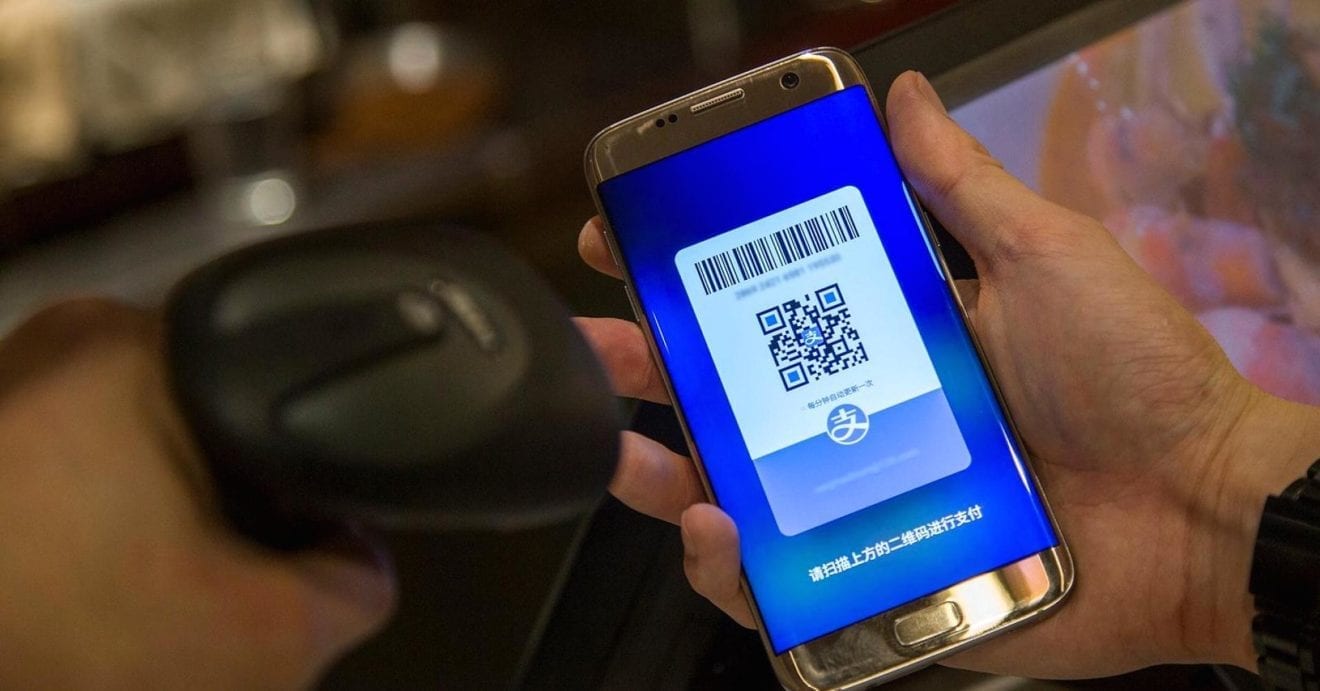
    Ten international airports will be offering Alipay for travellers by the end of next month.

    First up in Alipay’s new “Future Airport” program are Munich Airport, Singapore Changi Airport, Narita International Airport in Tokyo, Kansai International Airport in Osaka, Seoul Incheon International Airport, Auckland Airport in New Zealand, Suvarnabhumi Airport in Bangkok, Hong Kong International Airport, Taoyuan International Airport in Taipei and Macau International Airport.

    “We see more Chinese tourists passing through our airport every year as they visit Japan, so becoming part of Alipay is a critical tool for our merchants,” says Kansai Airport executive officer Akihisa Tabe.

  • Xiaomi hopes to open 1000 stores by 2020

    Xiaomi hopes to open 1000 stores by 2020

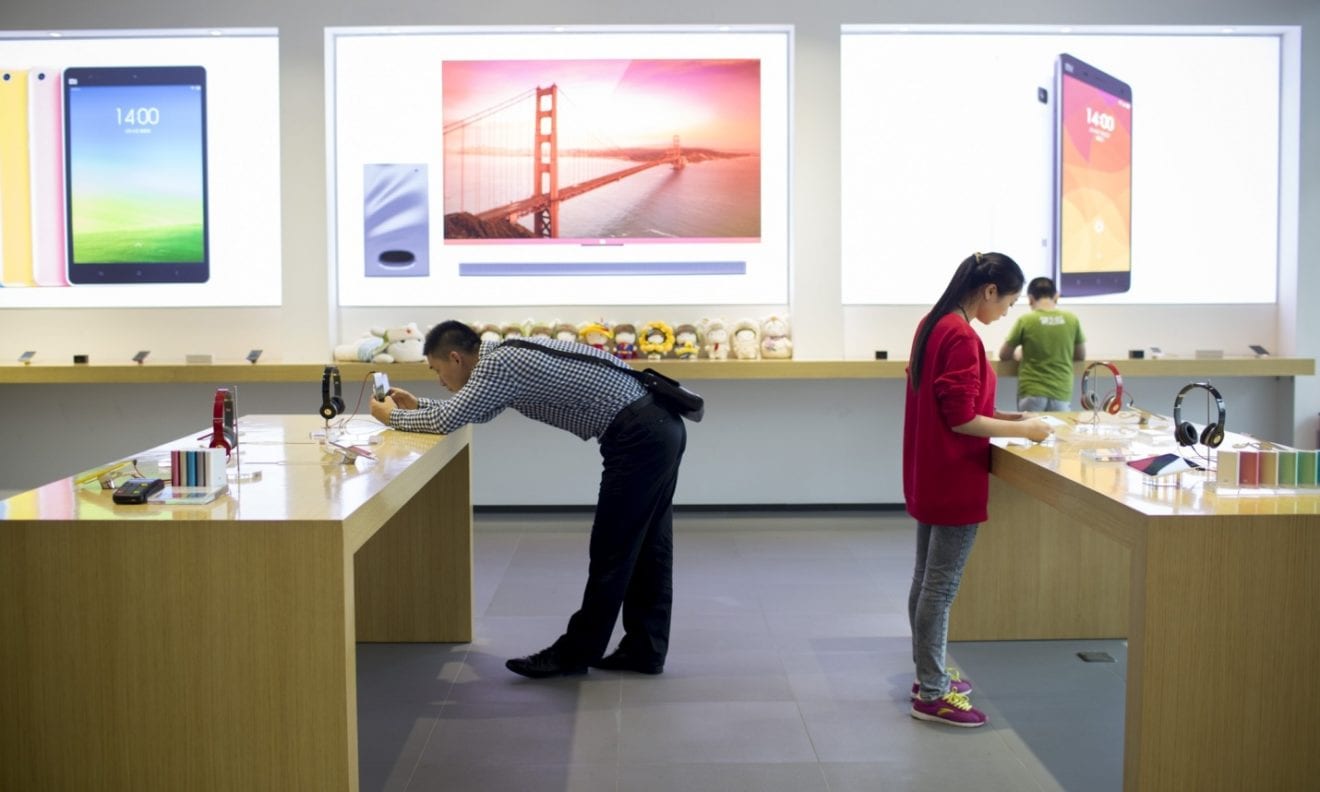
    To date, Xiaomi has focused overwhelmingly on internet sales of its smartphones and media devices in order to keep costs down. Even its tiny retail footprint has largely been limited to service centers and “experiences.” However, that’s all going to change in the next few years. Xiaomi has revealed that it plans to open 1,000 honest-to-goodness retail stores by 2020. It’ll make sure that customers can “touch and test” Xiaomi’s technology, CEO Lei Jun says. He hasn’t said where those stores will be, but it’s reasonable to expect most or all of them to be located in greater China.

    A spokesperson said that the retail plan is an acknowledgement that Xiaomi has “become a household name” in China, and that you’ll see its presence grow relatively quickly. The firm is converting its existing Mi Home outlets into full-on stores, and expects 60 Mi Home locations to be up and running by the end of 2016.

    The dive into retail is bound to be expensive for Xiaomi, and a gamble when the company is almost legendary for its razor-thin profit margins on hardware. It might not have much choice, mind you. While it’s true that Xiaomi is well-established, its smartphone shipments plunged this year — in no small part due to rivals like Huawei, which has a whopping 11,000 stores across China. Physical stores could both snap up more impulsive buyers and remind customers that Xiaomi is still a force to be reckoned with. There’s no guarantee that it’ll work, but Apple’s recovery in the 2000s was partly credited to launching stores that both increased availability and presented its products in the best light. Xiaomi is no doubt hoping for a similar effect.

  • Maison Margiela Japan opens in Ikebukuro

    Maison Margiela Japan opens in Ikebukuro

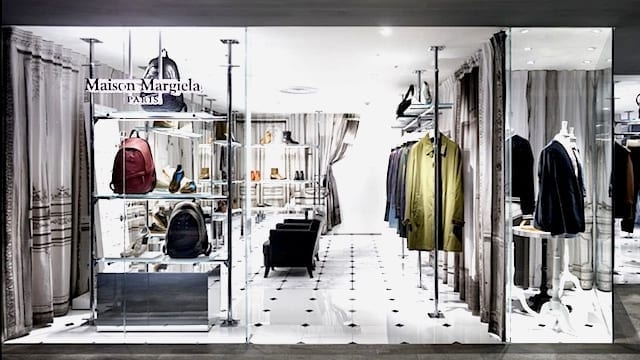
    Maison Margiela Japan has opened a new boutique in the Seibu Department Store in Ikebukuro, Tokyo.

    Customers of the fifth-floor store are greeted with marble flooring and walls adorned with lush cotton drapery.

    In between merchandise displays are silver chrome and clear glass furniture.

    Margiela says its latest Tokyo store combines “Ottoman architectural influences with modernist, industrial furnishing”.

    maison-tokyo

    The French luxury fashion house, headquartered in Paris, was founded in 1988 by Belgian designer Martin Margiela. It is known for its luxury Italian-made avant garde and deconstructed ready-to-wear and leather accessories.

    It has stores in 11 major cities of Japan, along with Hong Kong and Mainland China, South Korea, Thailand and Taiwan.